In short
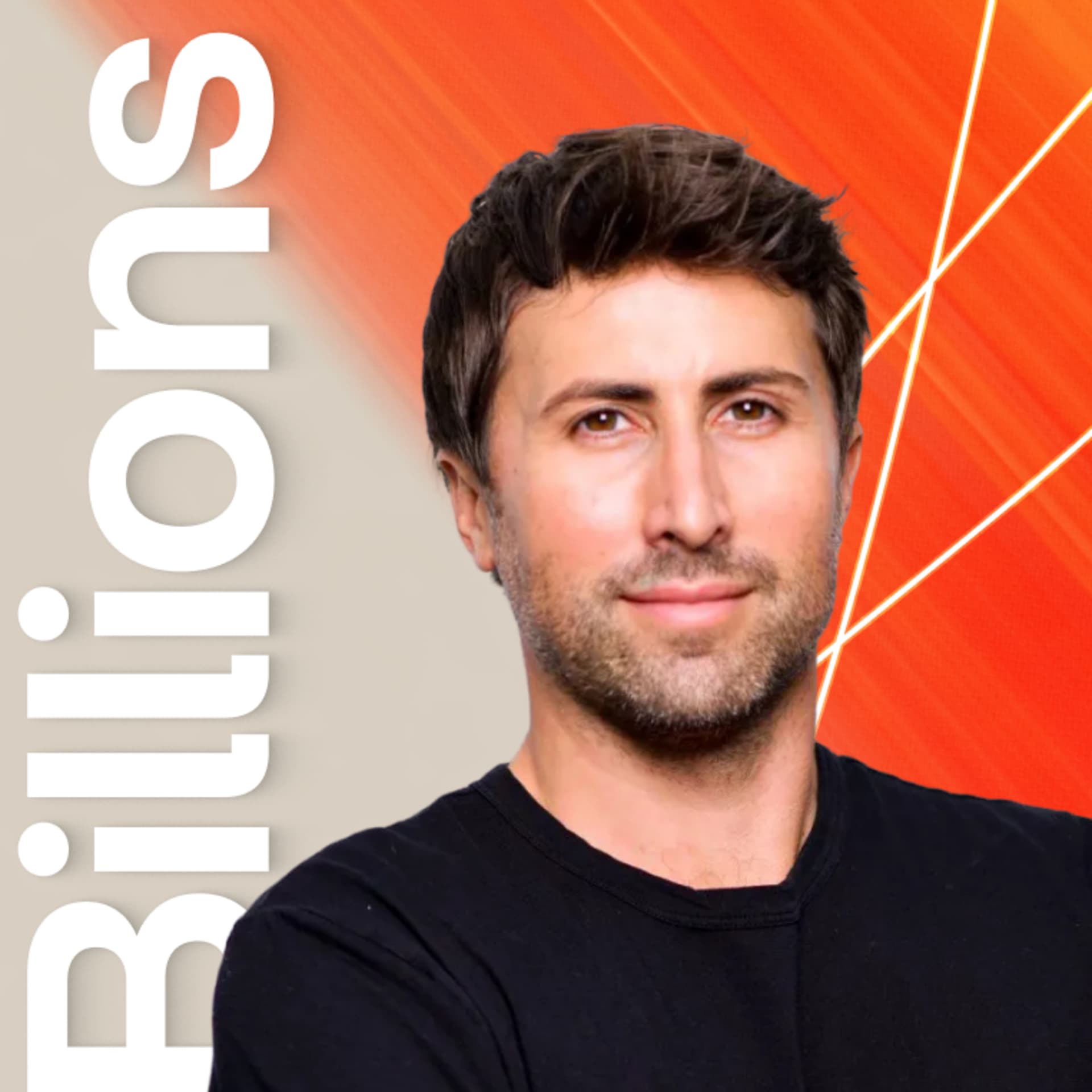
Carles Reina (first investor/fourth employee at ElevenLabs) explains how ElevenLabs grew from zero to $600M+ ARR by iterating go-to-market pre-PMF, then scaling sales with a “20x quota” commission plan, heavy outbound, and Lemlist-driven workflows; he also shares his views on AI model strategy and Europe’s AI funding/infrastructure gaps, plus his Paobab Venture pre-seed fund.
Guests
Carles Reina, first investor and fourth employee at ElevenLabs; founder of Paobab Venture (about $15M pre-sit fund). No other guest is named in the transcript.
Key claims
Pre-PMF success = “get a lot of no’s” and run experiments; content creators worked but didn’t spend enough, so they pivoted to developer ecosystems; Lemlist was the only outbound tool that was both effective and adopted; “quota = 20x base salary” drove high attainment (avg ~167%); US enterprise limits use of some open-source/Chinese models.
Notable examples
80–100 meetings/week using a Google Sheets CRM; account execs sold contracts within 10–14 days; commission rates: 5% (0–100%), 7.5% (100–150%), 10% (>150%); Paobab Venture raised ~$16M hard cap quickly and had ~23 investments with ~2.6x MOIC in 12 months.
Written by AI. May contain mistakes. Listen to the episode to check what was said.
Chapters
Tap a time to open that second in VOFrom Investor to Employee
0:45 to 2:15
Carles explains his transition from investor to an employee at Eleven Labs.
“and also an employee at a startup like Eleven Labs.”
Building Go-To-Market Strategies
2:15 to 4:00
Discussion on structuring the go-to-market strategy for Eleven Labs.
“And I think like when you do it that way, then kind of the perception of like where you are investing fundamentally changes also because you want to be investing in people that like you would also want to be working for.”
Sales Techniques and Learning from No's
4:00 to 6:28
Carles shares insights on the importance of resilience and feedback in sales.
“So that you know, like, okay, these are the things that are not working.”
Scaling Sales Teams
6:28 to 8:20
Carles talks about hiring the first sales team and scaling efforts.
“And for us, like we were at around like six million, more or less on the enterprise side and all that stuff.”
Finding Product-Market Fit
8:20 to 10:00
Explores the journey of finding product-market fit and its implications.
“And so like I didn't want to lose this sense of touch of reality and customers because then essentially you don't understand what's happening in the business.”
Leveraging Technology for Sales
10:00 to 13:00
Discussion on using technology like LEMLIST effectively in sales processes.
“Once we found that product market fit, it was fundamentally about like, and we found it really quickly on, or like we found it during that period on companies that actually were building like tools by themselves.”
Fostering a Culture of Experimentation
13:00 to 14:00
Carles emphasizes the importance of experimentation and innovation in sales.
“Like I'm curious, like how exactly within the team, because I'd say that the common mistakes leaders or sales leader like do or say, it's like the sales team is not technical enough.”
Sales Experimentation and Outbound Strategy
14:00 to 17:04
Learn about the importance of experimentation and transitioning to outbound sales strategies.
“And another one was fundamentally like much more of like a psychological factor.”
The 20x Quota Rule in Sales Compensation
17:04 to 21:01
Understand the 20x quota rule in sales and how it motivates sales teams.
“But I'm actually also curious because I've heard something about the quotas at 11 Labs where you have people just doing this kind of huge quotas.”
Incentivizing Sales Across Vertical Markets
21:01 to 24:09
Explore how to incentivize sales teams targeting different verticals effectively.
“So it's like putting those incentives, checks and balances.”
Show all 17 chapters
Navigating AI Competition and Market Dynamics
24:09 to 28:00
Discuss the competitive landscape of AI and the challenges posed by open source models.
“Before talking about your fund strategy and the investment you've made, I'm curious to touch base on everything that's happening right now in AI.”
The European Market for AI and Chinese Models
28:00 to 31:10
Exploring how European views on Chinese technology differ from the US and the implications for AI development.
“Is it like in Europe or is it someone else?”
Challenges for European AI Infrastructure
31:10 to 34:10
Discussing the shortcomings of Europe's investment in AI infrastructure compared to the US and China.
Funding Dynamics in the European Ecosystem
34:10 to 38:10
Analyzing the challenges faced by European startups in securing funding and the need for local investments.
“Like, I think in the US, they are extremely good in marketing.”
The Journey to Raising a Fund
38:10 to 42:00
A firsthand account of the process and challenges of raising an investment fund, emphasizing personal experiences.
“So I kept deploying my own personal cash.”
Navigating Investment Strategies in a Volatile Market
42:00 to 45:59
Learn how to balance investment risks and valuations amidst market fluctuations.
“So there's a bunch of like factors that also limit how big you can actually go.”
Key Advice for Founders Building Global Companies
46:00 to 49:59
Discover essential tips for founders aiming to create impactful global businesses.
Transcript
Automatic transcript. May contain errors.0:00The only tool that actually seemed like really good, that was giving us results, that was easy to use, and that people in the team actually wanted to use on a day-to-day basis was... Your quota is f***ing extra base salary. You didn't know how much you were going to raise, and eventually you had to like stop it because you raised like too quickly. Which one do you think are bubbles versus non-bubbles? Today on Billions, I'm sitting down with Carles Reina, first investor and fourth employee at Eleven Labs, where he built revenue from zero to over$600 million in annual revenue. He's also the founder of Paobab Venture, a$15 million pre-sit fund.
0:39Carles, thanks a lot for coming to the show. So to start, I really want to understand how does someone end up being an investor and also an employee at a startup like Eleven Labs. It was really odd. I think like I always make the joke. It's like I just made the investment and I wanted to protect it as much as I could. So actually, so I decided to join. But like, I don't know, like it's just like Matty and I met when he was still at Palantir. Matty is one of the founders. And immediately within the first 30 minutes of talking, this is like back in March, 2022, immediately within like the first 30 minutes, I was like, how much money do you want?
1:14And I will introduce you to all of my friends. and we will do a round. Do you have a deck? And of course, he didn't have a deck. He didn't have anything. So we spent a weekend putting together a deck. And one thing led to the other one and we were talking all the time. And at some point, Matty was like, oh, we're organizing a mini offsite in Portugal with the entire company. The entire company was like the two founders and two employees, right? So that was essentially the entire company. And we always considered the two founders like one and one, of course, 11. So like, it's like the economy one and zero and zero.
1:45It has to be one-on-one. And I was like, yeah, let me join. So I ended up joining. And then my surprise was like, I was only staying for 24 hours because I couldn't stay for longer. And then towards the end of it, Matty was like, hey, like, why don't you join us to build GoToMarket? We don't have an idea. We'd love to have you here. How do we make this work? And I said, 100%, yes. Like, count me in. And like, that's how everything got started. Like, literally, there was no plan actually like investing and joining. It was more of a like kind of transition towards that way. But I've always believed that like if you invest in a company or at least the way I see it is like if I invest in a company, I've always been willing to actually drop everything and work for that company for whatever number of months or years requires to make sure that like they go on.
2:28And I think like when you do it that way, then kind of the perception of like where you are investing fundamentally changes also because you want to be investing in people that like you would also want to be working for. Because the investors, you always have the ideas like, okay, you can have the board and you give them money and you help them a little bit. If some people want like, oh, you help them a lot in my case or all of the stuff. Like literally, it's very different being an investor than actually being like the employee reporting to the founders. Like there's a little bit of a different relationship in there.
2:58I think it's super smart. Like I've done a lot of early stage investment. And if I had met you earlier, I would have probably avoided many mistakes because the truth is like sometimes I've invested just because I was excited by the market, the idea. And I was like, okay, the team looks smart. But if I had asked myself, like would I drop everything to work with some people? The answer would have been no. So it would have probably avoided me a few checks. But, and going back to like those early days, I know you did a lot of like sales and, you know, like I think you did 400 demos or like many, many demos in the first month.
3:35Like how exactly did that go and how do you structure go to market company like Eleven Labs? I think like the reality is like there's no major secret, right? Like for us and the same I recommend to all of my founders and every single person that I talk about. It's like when you're pre-product market fit, you just need to get a lot of no's. And you know it better than everyone else as well. Like literally talk to as many people as you can, get as many no's as you can so that you build all of the resilience and get them as quickly as possible. So that you know, like, okay, these are the things that are not working.
4:08These are the things that are actually working. And then you triple down on those things that are actually working. And that's what we did at 11 Labs. So fundamentally, like initially we launched, it was all about self-service, product-led growth, like in self-service where people would sign up. And then fundamentally, like we started getting a bunch of inbounds. but the majority of those invas that we're getting actually were kind of trash fundamentally because like it was people like just wanted to explore like or they had a lot of questions on the support side that we were not answering on the support side or like there was a lot of the things so like i started testing and experimenting a number of things one what was the actual pitch that was going to be working what was the value proposition that we had to actually pitch and that we had to put to the market how quickly should we be sending follow-ons like information around like the contract the pricings so everything was an actually testing environment for us during the first like six months to fully understand what was actually going to be working to the point of like even the icp is like should i be outbounding and talking to like people that are on the tech side should i be doing it to ceos should i be doing it to like strategy teams should i be doing it to like marketing teams we had absolutely no clue one thing was very clear for us like it was working with content creators but content creators unfortunately don't end up spending like tens of thousands every month or hundreds of thousands that is the problem so you had to actually find a brand new niche market to be able to actually do that and it was all about like google sheets simply a very basic CRM that we had in a google sheet that was like in the early days and essentially me outbounding and blocking as many invites and calendar invites and and meetings as possible to the point that i was doing 80 to 100 meetings every single week like simple as that and i would do like non-stop back-to-back meetings where i would do like 30 minutes reserved for every single one of the customer and it was a prospect in the majority of cases the first 20 minutes was all about like 11 labs and their problems and all of that stuff the last five minutes was a little bit of like a recap and all of that stuff in the last five minutes i would always finish like at minute 25 or so so that i could spend the next five minutes drafting the follow-on email and then scheduling it so that it would be sending it like in the next 30 40 minutes and then testing variations should we be sending like pricing should we not be sending price should be this should be that right that was fundamentally how we got started and i was doing it myself for the first nine months of 11 labs and it was really a lot of fun but also like super super draining but that's essentially like the tough things of building a company and how do you go like from you've done it you've tested like many different ways to sell 11 labs to okay i need to hire a team and now start structuring like how sdrs are working what are their processes and how to reach like a quota yeah so i think like so when i started hiring the first people so like i hired you the first two account execs in september 2023 so we had already been selling for nine months i had a pretty good idea of like what was actually working what wasn't actually working my view has always been like you need to have in a go-to-market organization icebreakers and you need to have like people that actually scale the go-to-market site the icebreakers are those guys that actually will go and find what is next like where should we be going what are the markets what are the products how do we pitch it like finding truly the pmf on that site and then once you figure that out then you hire people and you bring people that actually will scale it much deeply and we were in that phase where we're like scaling it.
7:41And for us, like we were at around like six million, more or less on the enterprise side and all that stuff. I still felt that we didn't have product market fit because there was a lot of things that we had to figure out. But it was a good way that we had a little bit of some parameters like what was working, what wasn't actually working. So I brought the first two. We started growing even faster, which was a good sign because it meant like the market was ready to actually go quicker and essentially cover more geographies, more type of companies and so on. and then we continually started the scaling and scaling.
8:10While I stayed, I was still closing a lot of deals. So in the three and a half years that I was at 11 Labs up until recently, I've been closing deals myself pretty much every month. And so like I didn't want to lose this sense of touch of reality and customers because then essentially you don't understand what's happening in the business. But I was much more focused on this being an icebreaker. What are the markets that we need to actually open? What are the new products that we need to be pitching? Hence, you end up doing this like kind of hybrid model. And then once we saw the first two that were working really well, I remember like the first two people that I hired, they were selling contracts within the first two weeks.
8:47And then the third person that I hired in the US... That's insanely fast. Exactly. But because we had a log like truly, what is the messaging? How does it work? All of that stuff. The third person that we hired already sold a contract within like the first 10 days. Like the fourth person was already in the same bracket. So it became kind of a challenge. Everyone was like, okay, now you need to actually like sell a contract within the first week. There was all of these like kind of like motivational elements of like, how do you gamify all of these things? Because if people see that they can actually close deals very quickly, quota doesn't really matter.
9:21Whether you're actually like asking for 20x quota or you're actually asking for like less or more, it doesn't really matter. I need to see momentum. And people were actually, people that see momentum by themselves, especially on the seller side, they like kind of like go deeper, right? And that fundamentally was trying to bridge. What do you feel was like the unique selling proposition that kind of helped 11 Labs like go off the chart? Like what does make a product sell so quickly? I mean, of course you have like the process to hire like great salespeople, et cetera. But, you know, in some cases, it's just hard to sell, you know, like in some markets, but it feels like you have kind of like found something that just sell by itself in some way so what was kind of the value prop that you had that really worked out well so for the first nine months it was me trying to convince companies of a future and that was very simple like because like anyone could sign up like 500 like monthly spent that was very simple how do you convince companies to actually start spending like 2 000 3 000 10 000 20 000 all of that stuff and all of it was all about like this is what i do think the technology is actually going from an llm perspective and generative ai and this is how actually it is applicable to your business so it was much more like consulting based giving them ideas of the trends of what i was actually thinking the business how they could take advantage of all of that stuff and then saying hey by the way like i think your business could be on this path and this is the technology that we can provide to actually help you navigate all of that and we will help you along the way and everything, right?
10:55Once we found that product market fit, it was fundamentally about like, and we found it really quickly on, or like we found it during that period on companies that actually were building like tools by themselves. It was much more on developer side, less on the big enterprise side and much more on developer ecosystem that like we started tapping the right set of people that were building applications and understanding really well the entire market. So essentially, the next account execs that I ended up hiring were selling on that developer ecosystem framework that already started seeing growth and had a pretty good idea of how other companies were doing it.
11:31So we started replicating that. And then at some point the following year, we said, well, actually, now we need to go into the proper enterprise. Let's knock on people's doors, on companies' doors. Let's go after the banking segment. We could go after telcos. Let's go after creative platforms. Let's go after all of those ones that are going to be bigger companies. It's still going to take us a little longer, but we also need to commit them. And that's how we started, like telling banks and telling telcos and telling like utility companies saying, hey, like this is the future that we see. It's going to take a little bit of time for you to materialize it and see it on a day to day basis.
12:04But we want to help you be part of it. Right. And so essentially it's very similar to like when you're trying to find like design partners and those design partners that they like you as a person. they don't have like a full 100 % clear idea of like how much value you can bring to them but if you opt and do things right then you can essentially commit them and they become like partners over the long term yeah definitely talking about it it's funny because 11 labs i think is one of the few companies that has like a slack channel with the lemelist team because you guys are like leveraging the product to the highest extent actually like i received this photo from uh from stan earlier because he has like we send him you know like swag with the lemlist logo so it's funny and yeah i was really shocked you know by how much the team is leveraging like all this ai feature i think you were one of the first company like a few months ago to really digging how to use the mcp leverage like lemlist directly from claude and you've built so much stuff around LEMLIST.
13:06Like I'm curious, like how exactly within the team, because I'd say that the common mistakes leaders or sales leader like do or say, it's like the sales team is not technical enough. They don't like tools, et cetera, et cetera. But in your case, whenever we just look, you know, at the usage numbers, et cetera, for 11 labs, it's just insane. So I'm wondering, like how exactly do you put in place this mindset of everyone just being the best that they can with the tools that they can have to really like outperform pretty much any sales rep we love lamb list and i i don't get paid to say this we pay you guys
13:50like i found like i found lamb list like super useful when i was starting so i ended up like kind of like pushing into the wider team. So you actually had two layers on all of these things. One was like a forcing function, right? And another one was fundamentally like much more of like a psychological factor. Like psychologically, because I always keep telling everyone like every single day, like since the beginning, and I repeat it all the time, like no one gets fired for actually like spending money, company money and failing, right? No one. Like if we don't like experiment, all of the possible things that we could do, then we need to get everything else right all the time which statistically is not possible to get everything right right so the only option that you have is like experiment as much as you want experiment with everything experiment with like the personas the type of industries the type of platforms pretty much everything that you would want right you're not gonna get eba in trouble for experimenting we need that i only need one idea to work well out of a hundred for the next 100 million dollars in revenues and i only need one right only one it doesn't need to be more than that right so that is one factor the other factor was like this concept of like we were still very reliant up until like end of like 2024 on many inbounds right so i ended up forcing everyone i put a number i was like okay by the end of 2025 we need to be in a situation where like 50 of the revenues are actually outbound and the other 50 inbound and i told them like hey i'm going to monitor this on a weekly basis and I'm going to start publishing a report every single week and calling out people that are not doing it.
15:25So everyone had to do a minimum threshold of outbounds because I knew that like, you know, like sales is a numbers game. You do a number of outbounds and then essentially that converts into like a number of meetings and that converts into contracts and all of that stuff. Like it's a numbers game. There is nothing else if you have like a good organization. So literally like I started doing that. And of course, like people initially were not doing it. Later on, they realized I was going to be the actual bad cop in there. And I was essentially pointing fingers, being like, you haven't done your job.
15:54You haven't done your job. You haven't done your job. You've done a really good job because you caught up on everything you want. So all of that stuff. And then essentially, when you look at all of the different tools out there in the market, the only tool that actually seemed really good, that was giving us results, and we tested pretty much everything, that was giving us results, that was easy to use and that people in the team actually wanted to use on a day-to-day basis was Lemlist. So like literally we kept adding more and more and more seeds and then we became like essentially everyone had an account in there.
16:23But there is a third layer to all of this which is from a RevOps perspective, the team read really well on how do we integrate Lemlist into the entire tech stack so that we're able to track pretty much everything that's happening, right? So when you have those three layers operating at the same level, and then it is actually being pushed, and the team is also like the product, it just becomes insane. And I can tell you, we tested everything out there. Like absolutely everything. No one really worked for us. That's why I'm a big fan of your product, guys, because it is the only thing that actually works.
16:55I'll say good job to Charles, the CEO and the team. I'm no longer operational anymore. I'm just the founder. So it's always nice to hear this thing. But I'm actually also curious because I've heard something about the quotas at 11 Labs where you have people just doing this kind of huge quotas. Can you maybe share a bit some of the numbers behind it and also how people are compensated for this kind of quota? Yeah, so we had this, it became quite famous, this 20x rule, right? It's like your quota is 20x your base salary. So if we come one day and we hire you and we pay you a 100K base salary and a 100K commissions, like, but it's an cap commission, so 200K OTE, then you're going to have to bring$2 million a year, right?
17:45Or 2 million euros or pounds or whatever it is. It doesn't really matter, right? And that was because for the first nine months, I realized I could sell all the time. And I've never been paid commissions. The Level Apps for me was all about the equity and all that stuff, right? So I realized like if I was able to do it by myself, like reaching and passing those 2 million only by myself, then 2 million, 3 million, whatever, like 20x quota, there was no reason why someone was not going to be able to actually do that. Right. And I told the team is like the first two that I hired, they were like, both of them were like, oh, what?
18:20It's 20x. That is not what the market is actually requesting. And I'm like, guys, don't worry. We're also fair as a business. Right. Like I understand if the market situation changes or if you're not able to reach it because the number is like way too crazy or anything happens, we will keep it fair. We've always kept things fair at 11 Labs. We're not like one of those like companies that goes crazy. We're crazy in many ways, but not in this, right? And I see that like the two that I hired were like, okay, I'm not sure, but like, let's do it. And they took the leap of faith and they realized like, shit, we can make a ton of money.
18:53We can actually get paid a lot on commissions. and we structured the commissions in a way that like from zero to a hundred percent of your quota you will get paid five percent commission rate on anything that you would sell and not only that was that like we would encourage you to do like a land and expand model so that like if you sold to a company it doesn't really matter the company a contract that was like i'm just making that thirty thousand dollars a year and that company then migrated to being managed by customer success or account management, then for the first 12 months, you would still be accruing commission on anything that was absorbed by the customer success or account management team.
19:32So literally for 12 months, you have guaranteed commissions on that, at least 5 % if you're 0 % to 100%. What we saw is 100 % quota was easily achievable and people were starting to smash it. So we put accelerated with that. If you go from 100 % quota to 150 % quota, we will give you 7.5 % commission. anything above 150 % quota will give you 10 % commission. Nice. Hence, people were really motivated to go above and beyond. And I was extremely happy because I was like, look, I need to hire less people. And if I need to hire less people, I can hire less middle management. It's just like a combination of things.
20:08And people are much more engaged because they make a lot more money. So it was a kind of like a wheel that was spinning and spinning faster and faster and faster to the point that like the average quota attainment rate is like an average of like 167 % more or less every quarter. right it's which is great it's amazing because then it tells you that like you can keep adding account execs without saturating the market and the quote attainment rate doesn't actually drop if it drops then we have a problem so we kind of overhyped at that point but that is something that we didn't realize like that we didn't see like for the past three and a half years right and so that 20x rule became the standard thing but i can also say like in some markets sometimes has been like really tough to reach those 20x quota and essentially we're giving like quota relief to like the team members involved in that market so again like even up until today you adapt it you keep it fair you want to make sure that like the team is motivated on both ends and putting a target that is like ambition and ambitious enough and they just need to work really hard but putting a commission structure that is like rewarding does like that extra push and if it doesn't really work out because it's like a number of things hey like the company has your back you don't have to worry about anything, right?
21:17So it's like putting those incentives, checks and balances. And regarding like the different verticals, I'm always curious to understand like some verticals, I would say that you find your product market fit extremely quickly. Like you have the right messaging, everything clicks, it's easy to sell and you can go all in. And other verticals sometimes are a lot harder to penetrate and it's hard, you know, to get the first customers. Sometimes it's like enterprise with SLA, with like all this complex, like processes how exactly do you balance a very complex verticals that would take a lot of time versus like the one that are easier like to target like do you have a global strategy of where you want to be per vertical or how exactly was that structured initially from a commission and like sales cycles and expectations and quota we then actually split it by industry over like vertical or even by market right i think that was a mistake when i look at it like from today it's like looking back like it was a mistake because like the team members were only incentivized of actually going and selling to the developer ecosystem like going and selling to like those like markets that actually were moving much quicker no one was really incentivized into going and selling like properly into the banking space the insurance like the telcos the utilities the healthcare providers and so on right so what we ended up doing is like classifying like we ended up doing a segmentation, SMBs, mid-market, like SMBs incorporate, mid-market, enterprise and strategic.
22:43The strategic team members had like a complete different setup, right? So if you're trying to sell to a very large corporation above 10 ,000 employees, hey, we need to find a way because you're not going to be able to actually sign a contract. I wish you were able to sign a contract in six months or in three months. That would be fantastic. But the reality is like, it's going to take longer, right? So like we will incentivize you and we guarantee some level of commissions so that like you're able to start doing that. Right. So that was one end. And also like we will expand it and make sure that like we put incentives and all that stuff.
23:13But we did it much later and something that we should have done early on. And then, you know, like sellers, like we are sellers in nature, right? Like we want to go to whatever it's easiest to actually like get your commission. So I think like it makes sense. like if the incentive is like equally spread across all the different industries then you will go to the place that actually you can make the highest amount of money like the quickest possible hence like we would not properly incentivize in those verticals of course that changed a year ago and then we started having a lot of crazy success in some of those complex in this as we call it but some of the markets also mature quicker so as a business if i had to start doing it again today i would segment it and build incentives based on like in the market on the industry you're tackling, what is a higher priority versus a lower priority, and essentially de-incentivize some sort of products as well.
24:03It is much more complex selling an agent's product versus selling a single API endpoint. So there is some of these things that actually need to craft it into the entire compensation plan. Before talking about your fund strategy and the investment you've made, I'm curious to touch base on everything that's happening right now in AI. We're seeing the rise, obviously. I mean, we've seen the rise of Entropic, OpenAI as like closed source models. And we're seeing also that open source, all the Chinese models are getting like better and better. We're seeing, you know, like Hugging Face, like being acquired by NVIDIA.
24:40I mean, there are a lot of things like happening. What's your view like for 11 Labs versus, you know, like all those open source and kind of competitors in some way that can pop up like over the years? like what's the technical like strategy do you think you guys have been able to develop that is very hard for other people to catch up on i think like the market is saturated with like models right across the board like whether that is like text llm that is video that is image that is like audio voice music whatever you wanted i think like what we ended up doing at 11 last was like let's try to play the card of like the best research for audio technology right like let's always have the best models out there in the market and so on.
25:24Now, of course, like you end up like the moment you do it and you go this quickly and you go this quickly, it pays like a lot of people pay different attention points and, you know, having like competitors pop up left and right. Some of them were using our own API endpoint and claiming it was their own technology. Some other ones building like on top of open source, some other ones like building proprietary research, all of that stuff. Right. And I think the core element was like always the same which is like let's build foundational models the best in the market and then let's build products on top of the foundational models that we're able to actually keep like keep just going to the market and providing customers like the best research and the best product together so we pay a lot of attention on the chinese model because they're absolutely amazing everyone like from a tech generation to video generation into one and you can see like video generation the chinese models are the best ones in the world right now right no like i mean c dance is like absolutely amazing.
26:13What is the downside? The downside is if you're selling to large companies in the US and those companies might have a contract with the US government, the reality is like you cannot implement open source models. And a lot of like what the media publicly like forgets about it and everyone, I know like the buzz is like, oh, those Chinese models are amazing. And they are. But if you truly have big American customers, you cannot use open source models from China. and like people don't fully understand that because like something like not that many people talk about but that's the reality so even today when like you think about building agents you're like oh let's use a quen model amazing product like an absolutely amazing product one of the best ones for like like low latency like real-time conversations so on but the reality is like you're not going to be able to use it you do it for demos so like you feel that everyone feels like this technology is amazing it works really fast like there's no latency all but at a practical level when you take it to a company you no longer can use a coin right so like there is a lot of these things that like when you scratch a little bit the surface you realize like yes amazing foundational models that like chinese have but at a practical level they're just not like to the point that you can embed in your product and get specifically u.s customers start using it or european companies they have a lot of like u.s operations to start using it right so there's some of these things on the politics side that actually like are not ideal that essentially are being much more favorable to like u.s companies right now just because of the structure of everything it is whereas in europe like you can still use mistral or you can use like any variation of it and depends on the company like they will tell you like yeah open source chinese models what is it hosted are you connecting to the api endpoint or are you hosting it yourself What is the hosting?
28:03Is it like in Europe or is it someone else? So you end up answering a bunch of questions on maybe some of the big companies are also using open source Chinese models if they don't have US operations, right? So there is some of that stuff, like there's variations on which market you're operating. I think for Europe, it's going to be a good test for Chinese and Chinese like open source model because in the US, I mean, it's obvious that there is the open competition, kind of like the global business war, et cetera, while Europe, you know, is a bit in the middle. and I don't think like Europeans have the same view on Chinese model as the US have like for many and I think it's going to be interesting to see like how great you know like some models are getting to what point to what extent can they be used and and see how it evolved for you like whenever you see people talking about yes to me like it reminds me a lot to like the Chinese vehicles the chinese cars like there's a very interesting comparison like in the u.s you can still not sell chinese vehicles for a number of restrictions in there but in europe like we kind of embraced it and then like in many european countries like you see mostly chinese vehicles out there and then look at the like european manufacturers that are all struggling i'm not saying like it is right or wrong i'm saying like it's a completely different approach and usually europe is like a testing round for like what the chinese companies are able to do later on in the U.S.
29:22once the market clears up, right? Yeah. And the funny part is like, if you look at the U.S. economy, and I think people forget it a lot. But if you look at the iPhones, Nike products, like most of the American brands, whether it's electronic or, you know, like clothes, fashion, et cetera, at some point it's been produced in China. So I think for a long time, people underestimated Chinese and they were saying like, OK, they can only copy, they can't innovate, etc but for me it's like it seems that everything has has been shifting and for europe it's a bit sad also like when you look at the manufacturing capabilities and when it comes to cars and this was a big industry back in the days but after moving like all the the facilities like in asia etc etc like now we we have i don't know maybe like 20 years delay on everything yeah and look at the like the foundational models right like literally like europe what are we producing we have mistral we have like black forest labs we have 11 labs we have some of the new labs some of them are french of them are like uk based and so on but we don't produce as much core foundational model like technology and when you even look like there might be a bubble or not in the like data center space and we could spend like hours talking about this right but like i was looking at some of the stats like this weekend for instance and i was talking to my brother and we were saying like oh it's great like in spain like we are starting to push like towards like data center although it might be a bubble like well are we right like the spanish government has committed to spending like 720 million euros on a crazy like one gigabyte of like data center power i was like 700 million years that is laughable like it's not going to give you anything right like look at how much it is actually going to cost to build a single gigabatt or like of a data center that's going to be like in the tens of billions of dollars like around like 20 billion dollars right like literally like the u.s is spending it a lot of investors actually spending it like here we're not that serious right like european commission should be saying like hey like there you go like 400 billion dollars to actually create all of this technology from scratch and by the way we're going to be building like models and we'll give like another two billion dollars to mistral and a billion dollars to 11 labs and we're gonna do this and we're gonna do that all of that stuff so you build the ground up from the four core infrastructure we're just not doing it we're not serious enough china's has been very serious u.s has been very serious of course they're actually a front like at the forefront of everything right now and what's your view on europe like position regarding like ai and and what's coming because i agree with you like whenever people read in the press like yeah europe is spending 750 million or like 2 billion to open xyz you just have to look at you know like entropic last round not even like the total amount of money is ever just the last round of one company and you realize that is just a joke so is your view like saying that europe will never be able to like actually spend enough money to do so or do you think like eventually there's going to be a change or i think the problem like of europe is like we have so many countries that are competing for like the same thing like without the single boys if we cannot even get all a line about this in european eu inc that it should be in english but it no it should be like in german or it should be in french or it should be like in all of the languages if we cannot even agree on how we can agree on like a package of like half like 400 billion dollars or like 200 billion dollars there is no way we're gonna agree on everything right and i think that's the downside now that's what i think like the core technology from an ai perspective and robotics we have some of the most amazing robotics companies in europe right now and some of the best like universities look at zurich right now right or like switzerland it's just really really amazing now the downside is like we if we don't produce the core infrastructure then we need to be really good on the application layer and on the application layer we're also like very good but also we need to have like a lot more founders that are willing to actually win globally do we actually need to move to the us in some cases you need to move to the us if you want to win at a global scale right so if we give up on that infrastructure which i'm not willing to give up today because i do believe that like we can come up and build it together and invest and dedicate the resources and time to make it work as a single region then i think then the extra is like, hey, let's apply it on the application layer.
33:52And let's be the best one building applications, right? And monetizing them and creating the buzz and the marketing and all of that stuff. But I think we can. What do you think? Yeah, I agree with you. I think we have the talent. I mean, to be honest, having worked with US companies and European companies and different founders, et cetera. Like, I think in the US, they are extremely good in marketing. I think they have a lot more like self-confidence that most European founders, et cetera. but I also don't think that they are smarter. Like I just feel like they have the confidence. Often they have the language so it's easier for them to articulate how they feel, what they think, et cetera.
34:31Their market is much bigger. But at the same time, like I just feel for Europe, it's very complex because if you take Hugging Face, I think it's a good example. Like they got acquired by NVIDIA at like 13 billion, roughly. It's a French company. No French investors actually invested, like no single fucking VC in France. Like, I mean, I'm French. And to be honest, this is the perfect illustration of the French ecosystem. It's like so weak. Like you don't actually have proper investors. I mean, I'm not saying that it was obvious that we were going to do a successful company with Lemlist, but for me, it was the same.
35:05Like I got rejected by 30, 40 investors. And then I said like, fuck it, I'm going to bootstrap. And eventually that was the path I chose. But again, you know, like I don't think there is this VC mindset of, you know what, like we need to spend if eventually we want something to happen. And the sad part is like the biggest success a French company can have, it's to go in the US and be listed, you know, on the Nasdaq. So eventually like the money always comes back to the same people, which are either US companies or people investing in the US. So I think this is the trick. The only thing that could kind of break the circle is typically if the three French guys that are now becoming like Clement, Tom, etc., like becoming like billionaires now, if they decide to go back and invest like massively again, like start, and for me, this is how you break the cycle.
35:54But otherwise I think it's quite tough. It is, but it's like a common thing, like the ecosystem investing in the ecosystem, that's for sure. And I think like we will end up fitting in the long term. But the other thing is like the will and the power to actually do it needs to come from like the top, the authorities, right? Like, let's be honest, like we live in a fantastic welfare state. In some countries, it's better. In some other ones, it's like much worse, right? It doesn't really matter which one. It is better or worse. But we live in Europe in a fantastic welfare state. How are we going to sustain that if we're not investing in the industries that are going to be dominating the future?
36:28I mean, clearly, it's not going to be the automotive industry, unfortunately. Clearly, it's not going to be the metal industry. I mean, it's just not going to happen. So unless we build today the industries that are going to be maintaining a welfare state, at some point, the welfare state is not going to be successful. just because like we're not gonna have companies that pay like the relevant tax and we're not gonna have people that are on tax so it becomes like a kind of a snowball effect so that's why for me it's like it kind of be it becomes two things i like the fact like from the wave of ai that we're having today people are making real money like founders are making real money like employees there's plenty of secondary rounds that are actually happening these days and it's becoming much more of a norm so like employees are able to actually cash out even if you're able to cash have like 100k like some of it you will dedicate it to like investing in the ecosystem and you will write like i don't know like five tickets of like two thousand dollars each or two thousand euros each that's absolutely fine it does not have how much money you write it is more about like you investing in the ecosystem because you're also going to be investing your time in there right so that is like the wheel is starting to turn we just need to actually push it even deeper in all of those things so whenever you started your fund what was the reasoning behind it because I think like you wanted the fund to be you didn't know how much you were gonna raise and eventually you had to like stop it because you raised like too quickly so to be honest I think it's the first time I heard that story like I know a lot of like solo GP that have been trying to raise for like 20 months already and their fund is not ready yet so can you like walk us through like how you you managed to do it and what you what investment you've done so far I mean it's been great i mean i before like raising my own fund i had done about like 60 something angel tickets first of a company that i invested in a company called revolute that was one of the first round for revolute that helped on the fundraising side for the fund thank you nick for being such a great founder exactly and it was amazing and it kind of like i started investing based on thesis or how I was actually seeing the world evolve in the coming years.
Read the full transcript
38:37So I kept deploying my own personal cash. I started like with smaller tickets. I kept increasing with bigger tickets and all of that stuff as my wealth kind of like ended up growing. And at some point I was actually doing a call for one of my friends that was raising a fund, Fund 2. And then I did a call, a reference call for one of the LPs, the Uncored LP. And then this is like December 2024. And then like we introduced each other. I do the reference, all of that stuff. And at the end, the person is like, and that was Graham from Sindana Capital. And amazing human, amazing person. Like, he's amazing.
39:11He's great. And he was like, well, have you ever thought about raising your own fund? Like, you are the type of profile that we really like. And I was like, oh, but Graham, I have no idea. We're like, the reporting and the legal structures. And like, what if I made a mistake on some of this stuff? Like, I have absolutely no clue. It becomes like you're managing someone else's money. and I was like it doesn't really matter much like I mean we are here to actually help you like that's what we do that's what we are here for that's like what we like like emerging managers like we'll help you if there is a mistake there is a mistake like who cares nothing really happens beyond that right and I was like okay okay that makes sense and then exactly and like for me like he was the person that actually believed in me from the get-go and I was like I just met this person like literally 25 minutes ago how the hell is he believing that I can I actually make this happen?
40:02And he was like, well, you don't have to decide right now. You need to actually think if you ever want to raise a fund, just give me a call. So I kind of got upset about this idea of like, okay, let's actually do it much more on like institutional, raise a small fund and all that stuff. And then I ended up getting 11 labs approval to actually raise the fund. It took me a while. They were not very convinced, but it's so it took me away a long time. And then I put together a deck in like three or four days because in my mind, it was a hundred representing clearly what I wanted to do it, how I wanted to do it.
40:32And then I messaged Graham and then Graham and I got on a call, like literally like within two days, I pitched it to him and he was like, oh, by the way, that is like, Margin Partner is in San Francisco. You should talk to him. I was like, you're not going to believe this, but like, I'm going to be in San Francisco next week. So I was like, perfect timing. And he was like, don't worry, then we will organize it. So we organized it and then they committed literally. And so within the first week, I had like initially I was looking to raise$10 million, ended up expanding into 15, ended up doing 16 because that was a hard cap that I had put.
41:07I didn't want to raise any more money, but I had like commitments for$23 million and I had the full fund fully raised in less than three months. Literally first 10 days, first two weeks, I had like over 10 million in commitments. And then by week four, I had like the full fund fully, like fully committed. And then we started working on the legals and all of that stuff. But it was kind of like a very smooth thing. And I was already like, I told them like, look, I'm not going to be holding back. I'm going to start continue like investing out of my own pocket. So we will warehouse it. And then once the fund is up and running with everything, then I will transition it.
41:41And then officially we signed everything the end of August last year. So it's been 12 months. And then like at month 12, we had about like 23 investments, two unicorns in the fund. nice 2.6 x moic in 12 months and it's been great i've been having a ton of fun like i have the best lps out there and do you want to like continue that route and raise like a bigger fund or what's kind of the the plan that's a big question mark i don't know like i mean like of course like raising another fund it will happen right like that that's without question how big is going to be the fund i don't know and it will depend on like my next steps so i love to actually like explore a lot of things i'm a little bit crazy in my mind in many ways so but investing is not going to stop i love the ecosystem it's a way to give back to society it's a way to also like deploy my own money as well and and back some of the founders so like that will continue regardless of whatever happens like the size of it we will see how how do we go but i also believe that like it is very difficult to actually deploy very large funds or like more than 100 million dollar funds today in pre-seat and seat so i usually try to be the first money in a company so like i try to check without a product like just meeting a couple of founders like the founders and spending time with them and all that stuff right so like you cannot deploy 150 million 200 million dollars in that because like i mean you could technically be like it takes too much time and you don't like the market is the market right like you cannot artificially create a market out of nowhere You just need time for the market to like mature and create itself, right?
43:20So there's a bunch of like factors that also limit how big you can actually go. And you're talking about like Moik and I know that a lot of funds, you know, like are looking also for DPI. Like what's kind of the strategy? Because I think you have like right now two narratives. Like one narrative is to say that there is no bubble. AI is very different from the internet because during the internet era, obviously, like you had company with crazy valuation, no revenue, no actual usage. It was too early for people to leverage what was happening, etc. Then what's happening now is like AI can transform pretty much every single industry.
44:01So it's huge and it's going to be a huge market. That's why valuation are so big because we're paying for the future. But in the other scenario, it's like it's a bubble. there's going to be correction and the crazy valuation that we're seeing now it's a bit similar to what happened in 2021 where a year after we're talking about this unicorn zombies or whatever so you know how exactly you know as a fund manager do you like balance the crazy growth and valuation of your or some of your companies and investment to okay it's actual money that i'm managing am i waiting like uh five or ten years for the company to exit or should i also like take some liquidity along the way if i can i think from the way that i see it as a fund manager is the like you need to always return the money to your real piece right so like you be a little more conservative even if you believe that like this will last be a little more conservative and like at some point in my fund like we know like um so the policy is like at some point you sell a little bit so that like we are able to return the entire capital to LPs and then essentially you can continue having like fun and being risky and all that stuff but at least let's return the fund right so I have a company I like I have two sides of this right so like on one end is I believe that we are in a bubble territory right now in some segments and in some companies but in some other elements we're not in bubble territory which one do you think are bubbles versus non-bubbles And I'll give you an example.
45:32Like I have one of the portfolio companies that went from zero to$20 million in ARR in two and a half months, right? That is clearly, you look at it and you'll be like, this is not a bubble. Like if a company goes this quickly, then like there is no bubble in there. Now that is still an outlier, right? The majority of companies, and those companies make a lot of noise, like specifically companies. And more than ever right now, we have companies passing 100 million in ARR and all of that stuff. that is still not like the majority of them right that is still like the one percent like the 99 percent are overvalued right so like i'm seeing like pre-seed rounds without the product like raising two million dollars at 50 million dollar valuation right then you're like how or the founders like looking i want to raise 20 million dollars at 150 million valuation and you're like i'm not entirely sure right but those things are actually still being funded so like in some portions of the market and some sub industries like there is like a pretty clear bubble in some other areas there is no bubble what i do expect it will happen over the next six to nine months like companies that raise that crazy valuations over the past 12 months will have to come back to market because they don't make money and once they come back to market they will face a reality so we'll see some companies disappearing a good amount of companies over the next like six to nine months that cannot raise again money because their money like their valuation was inflated and i do expect that some of the like like valuations will come down i can also tell you like some founders are very aware of all these things and some of them like don't even want to raise that crazy valuations because it puts you on an adaptive advantage right so like that's why like there is kind of two trains running in parallel in some of them like very bubbly and some of them like clearly no bubble let's keep going and i think like as a fund manager like what i try to just be like very disciplined on like where are you investing what is the valuation what is the value that you bring to the business because like i personally want to be involved on the go to market side on like figuring out their strategy helping them on a day today and so on right so if you do it that way then even if there was like a bubble and it popped at some point if you've ended the right valuations then you're kind of more safe than everyone else i think okay yeah makes sense makes a lot of sense i know you were we're almost like running out of time and it's been a fantastic talk So before we close like this episode, like I was curious, like what would you be like an advice that you'd give to founders, you know, who just want to build like something meaningful, global company from the start?
48:04Like what are the typical advice that you usually give? Number one is like bring a go-to-market person early on. That's the best thing that you can do and incentivize them with equity. You don't have to pay crazy salaries, incentivize them with equity and commission. That's like number one. number two and it doesn't really matter whether like you are pre-pmf or not pre-pmf bring someone that has the same passion energy thrive as you so that like you can all grow together number two is like spend time with your investors not because you have to hear them and listen to them and like believe what they say and follow what they say no do the opposite don't actually like pay that much attention to them and don't don't do whatever they say if they say a just think it twice and probably like better to do B but they're very helpful to actually help you expand right and I think like a lot of founders don't spend enough time asking their own investor pool I need help on this I need help on this like my best portfolio companies are the ones that are constantly asking for help and I absolutely love it right and I think like the number three item is like just don't be shy of like trying to conquer like a win or enter multiple markets at the same time I think like that is like the typical mindset like three four years ago was like let's do one market and let's do it really well and all of the stuff we proved that the lemon labs that like that was bullshit and i was arguing with all of the bcs out there that that was not the way to build in the ai world so we proved it right and now like you can be building multiple markets in fact you have to build multiple markets in parallel because in one market there might be like a slowdown at some period of time or like it might not perform at the well at the speed that you wanted or how you want it so like you need to actually dilute the risk as much as possible even if that means that you're going to be a lot more stretched right and of course that has impacts on slas infrastructure for the business data residency like team members there's a lot of these things that actually happen to be there but you need to actually pick multiple markets and actually be very like diligent and like going after those ones i think like those are the three key items for me love it and uh where can people like follow you or follow your updates linkedin or x Awesome.
50:11Carlos, thanks a lot for your time and we will keep in touch. Thank you so much. It was an absolute pleasure.
From the publisher
Today on BILLIONS, I'm sitting down with Carles Reina, the first investor and fourth employee at ElevenLabs, to unpack the AI bubble, the rise of Chinese models, and Europe's fight to stay in the race.
Carles helped build ElevenLabs' go-to-market engine on the road to over $600 million in annual recurring revenue. As the founder of Baobab Ventures, he also sees the other side of the boom: the funding rounds that may be getting ahead of reality.
Before the scale came 80 to 100 sales meetings a week, a Google Sheets CRM, and months of testing who would actually pay. Then came a sales model most teams would question: quotas set at 20 times base salary, uncapped commissions, and average quota attainment of around 167%.
But this conversation goes beyond the ElevenLabs growth story. We debate the commercial barriers Carles sees around Chinese AI models, why he believes Europe is not investing seriously enough in AI infrastructure, and what it takes to build a global company from day one.
He also explains why extraordinary growth and an AI bubble can exist at the same time - and why he expects some aggressively valued startups to face a funding reality check within six to nine months of this conversation.
In this masterclass, we break down:
- The 100-Meeting Week: How Carles tested his way from creator demand to a repeatable sales motion, then hired reps who started closing deals within weeks.
- The 20x Quota Rule: Why ElevenLabs set targets at 20 times base salary, rewarded overperformance with commission accelerators, and adjusted expectations when markets proved tougher.
- Permission to Fail: Why Carles encouraged experiments with company money - and only needed one idea out of 100 to unlock the next stage of growth.
- The AI Adoption Gap: Why strong Chinese models do not automatically translate into easy enterprise adoption, and why Europe needs more than technical talent to compete.
- The Operator-Investor Playbook: Why Carles kept Baobab small despite $23M in commitments, and why he wants to return capital to investors along the way.
- The Valuation Reality Check: How real AI demand can coexist with overheated funding rounds, and why a high valuation can become a liability at the next raise
- Global from Day One: Why Carles challenges the one-market-at-a-time playbook, pushes founders to hire go-to-market talent early, and wants investors to do more than write checks.
TIMELINE
00:00 - Intro - from first investor to fourth employee at ElevenLabs
03:25 - 80-100 sales meetings a week: finding what actually sells
06:46 - Hiring "icebreakers" vs. scaling the sales team
09:36 - Selling the future: from developers to enterprise
12:25 - Building a sales team that experiments with AI
17:05 - The 20x quota rule, uncapped commissions & 167% attainment
21:46 - The incentive mistake that held back enterprise sales
24:13 - Chinese AI models: great technology, harder enterprise adoption
34:01 - Europe's AI infrastructure problem
34:38 - Hugging Face, Nvidia & the European funding gap
37:37 - Building Baobab Ventures: fundraising and early results
43:37 - AI bubble or real growth? The next funding reality check
47:53 - Three lessons for founders building globally
SUBSCRIBE👇https://www.youtube.com/c/GuillaumeMoubeche?sub_confirmation=1
Join the lemlist family 🚀
https://community.lemlistfamily.com/join?invitation_token=9db20d2c4707b75ebb065462261c4665a3c35a59-aad63a7f-90a5-452e-a628-4ccbcbaa84ca
Follow me
https://www.linkedin.com/in/-g-/
https://twitter.com/GuillaumeMbh
https://www.tiktok.com/@guillaumemoubeche
https://www.instagram.com/guillaume_moubeche/
Learn how to book meetings with 30%+ of your prospects (for free): https://www.lemlistfamily.com/multichannel-masterclass?mtm_campaign=5008&mtm_source=organic&mtm_medium=youtube