Ask ChatGPT
 Building The Brand with James Burtt
4 Nov 2026 · 1h 49m · 33 chapters
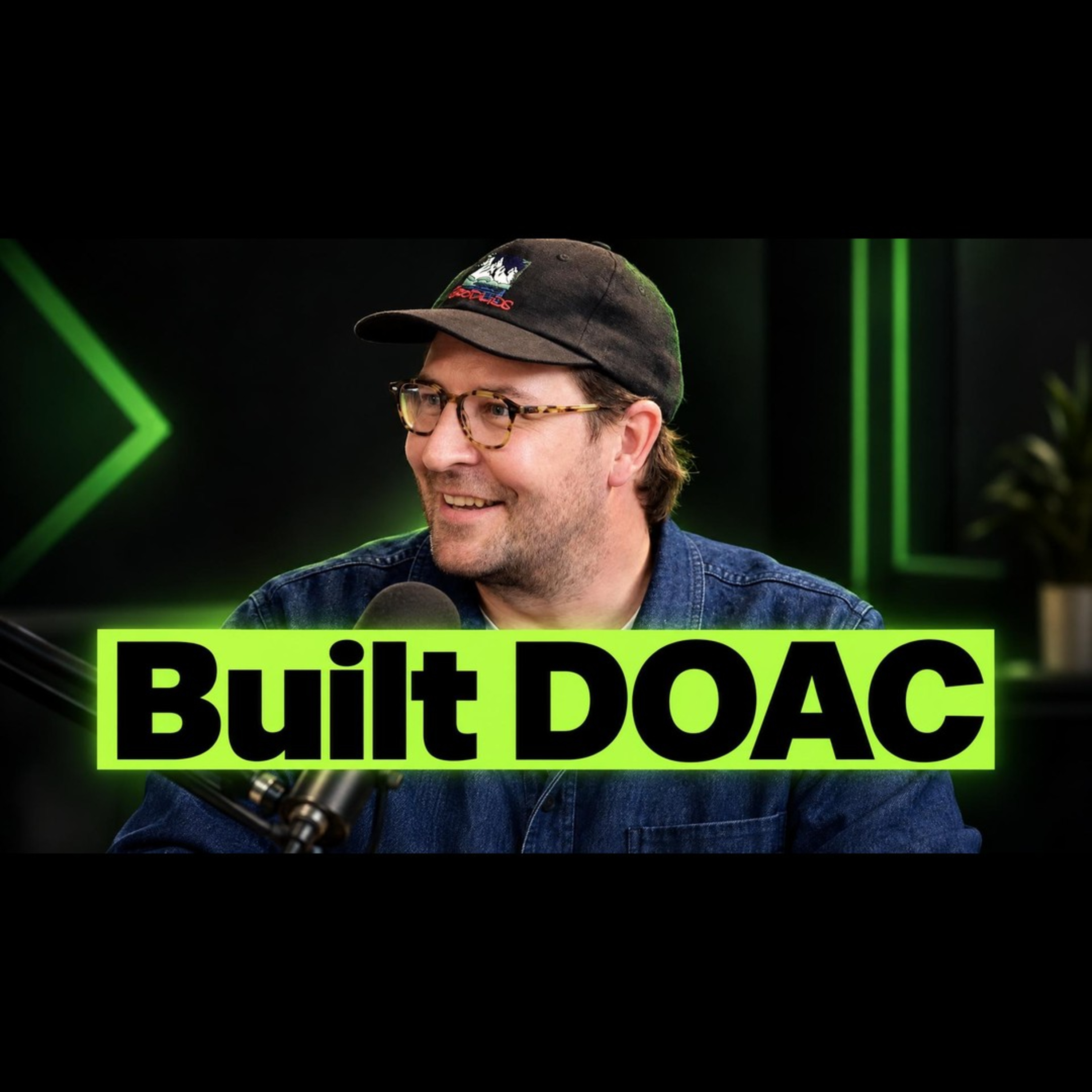
The episode discusses how to build and monetize a personal brand (and when not to), why authenticity matters in the creator economy, and how Dom (a behind-the-scenes “brand builder”) helped scale Diary of a CEO from early podcast monetization to major media success. It also covers the trade-offs of fame and Dom’s origin story from music industry roles to talent management and brand strategy.
Dom (the main guest) is a UK-based personal brand and podcast monetization specialist who worked as the third manager at Diary of a CEO. He previously studied music at Leeds University and worked in music/entertainment roles including the Official Charts Company (selling number-one award plaques) and WME (William Morris Endeavor) in talent/agency work. He later worked at events company EMC3, then joined Diary of a CEO during/after COVID.
Written by AI. May contain mistakes.
Discussion on the transition of podcasts to live events and creative formats.
“I've kind of come on board to monetize that attention.”
Exploration of whether every founder should build a personal brand based on their goals.
“Should every founder build a personal brand given your expertise with personal brands and how you can monetize them?”
The importance of authenticity and personality in building a personal brand.
“And to your point, in my mind, I'm thinking someone should be advising you not to do this because there will be a way of growing a business brand that is outside of short form video clips, all this kind of stuff.”
Personal reflections on building a brand and the importance of being oneself.
“I will just squirm in my pants when you say that.”
Discussion on the sacrifices and pressures that come with being a well-known figure.
“there in that way um and i think yeah i think i'm comfortable just like in that regard like this this doesn't completely freak me out right um but i get some people would just be like absolutely no chance.”
Exploration of the less glamorous aspects of success and public recognition.
Explore the complexities of fame and its unexpected challenges.
Discuss the evolution of personal brands and their impact on business.
Learn about the guest's journey from music performance to building a brand.
Explore the speaker's experiences and challenges in the music industry, from starting in the mailroom to becoming an agent.
A discussion on identifying one's strengths in business and how that shapes career choices.
“But where are your skills actually best going to serve you?”
The speaker recounts their move from a challenging music agent role to a fulfilling position in event management.
Discover how a casual email led to a pivotal role in talent management.
Learn how a lack of industry preconceptions fueled creative risks and success.
Explore significant episodes that shaped the podcast's reputation and impact.
Explore the strategies behind capitalizing on personal branding and event planning.
“breakdown of the key learnings and lessons as a blueprint that you can implement into your business as well.”
Discover how their live event became the fastest selling at the Palladium.
Understand the rationale behind not following conventional live podcast formats.
Learn how unconventional celebrations can strengthen community ties.
Discover the advantages of being unconventional in a saturated market.
“These guys have been very foundational in the role that they played as DOAC, the driver's CEO, grew and grew and grew.”
Understand the importance of trust when introducing new products.
“Yeah, no, I can see that sort of like going across everything that you guys did, to be fair.”
Explore how to handle backlash and scrutiny in a growing brand.
Gain insights into managing challenges that come with rapid success.
Learn how media managers handle crises and navigate public perception.
Explore how media organizations evolve as they grow in size and influence.
“that you guys had, it was like, now the BBC should step in because he's on a BBC programme.”
Discuss the impact of career transitions on personal identity and well-being.
Understand the importance of purpose and the adjustment period after leaving a role.
“Everyone says that culture piece is tight.”
Learn about leveraging experience to help others build and monetize their brands.
Learn how to transform social media attention into diverse revenue streams.
Discover how personal brands are evolving and the new avenues available for creators.
“I like the character of Ryan Reynolds, even as in a film, I'm like, oh, that's Ryan Reynolds playing Deadpool.”
Understand the significance of authenticity when monetizing personal brands.
Examine examples of successful brand extensions by creators and influencers.
Learn how brands can succeed independently of the celebrity behind them.

Get the gist, explore an idea or ask about something said.
 Claude
On Building The Brand with James Burtt, what are the key points of this episode?
Searching your listeningAutomatic transcript. May contain errors.
0:00James Burtt: I would say you've masterminded the biggest personal brand the UK has produced in the last decade. You've like built trust and that's a really important piece. So many people turn on to like flogging some product before they've built trust. When did you go, oh this podcast could actually be a live event, this could be a diary, this could be conversation cards. We were just interested in doing things that are a bit more risky but we could get behind creatively. It didn't need to follow like convention. Even more recently like what the hell is Michelle Obama doing on the podcast? Kamala Harris, just these mega global names.
0:32We scale and monetize people's brands. There's a whole social media side of the business. We've grown some amazing pages and boosted attention of some incredible people. Tim Campbell, Dean Forbes, Timothy Armu, Dan Murray from Heights, Lara Costa. I've kind of come on board to monetize that attention. There's so many big famous people who are like, you would never want to be in my head. You'd never want to be in my position. There's a ton of stuff that goes with it that you never want. It's just an incredible industry. I really think it's still early and there's just crazy opportunity and money out there.
1:04Are you more comfortable playing the character or are you getting more comfortable now being Dom?
1:29James Burtt: Apple or Spotify, click the follow button at the top right hand corner of your app and it will mean that you'll never miss an episode of Booing the Brand and you'll be massively helping us out as well. Let's get into it. Dom. Hello mate. Should every founder build a personal brand given your expertise with personal brands and how you can monetize them? Does every founder need to do it in 2026 as we sit here right now uh short answer no um i think it really depends on like your goals and where you want to take either your own personal brand or the business right i think there are a ton of incredible um ceos founders who are running multi multi-million pound businesses where they don't necessarily want to be like the face of everything but the brand the the company is like doing the talking right um and they are they know within themselves that they are like operators and they are like sitting behind the screen if you will um and then on the flip side there's the other people where this like their personal brand is really like driving the business and that is their goal it's like I want maximum attention and outreach and eyeballs that I can get and it's gonna inherently like help my product or help my business or or so it's it's really um it's really down to like the goals of each person and also um we were kind of speaking about it before but not everyone has the right personality to to do a person and that is fine like if you are an inherently like introverted person like I don't want to go networking I don't want to do videos I don't want to but you've built this effing machine of a business that is killing it like that is probably not right for you to go online and build a personal brand and and shout from the rooftops about everything and it's just not suited to you and I think you see very quickly the people that are trying to do that and don't have that character and that personality and that that that want to do it just doesn't work it's just not authentic no like it's authenticity at the end of the day it's it's one of those things i know exactly what you're talking about and we've you know we won't mention names but there's characters out there that are trying to do this and you look at it you go it doesn't matter all of the external stuff that you've got there's something inherently internal where you're uncomfortable with yourself or uncomfortable with this content format.
4:11James Burtt: And to your point, in my mind, I'm thinking someone should be advising you not to do this because there will be a way of growing a business brand that is outside of short form video clips, all this kind of stuff. You don't have to do it these days. The fundamental principles of marketing that have worked for the entirety of time still work now. Just sometimes I think the short form content the videos the clips the click-based stuff it's a bit of a shortcut but ultimately it could be a shortcut in the wrong direction if it's not authentic to the person that's doing it i think yeah totally and i think like especially nowadays like we're all wrapped up in this like creator economy and it feels like everyone and their dog is like launching a personal brand and it's like oh i i feel i have to do that otherwise we're not going to be successful and all stuff like that is just one lane of the game right there is a million other ways to you know you could just have a like product business that's just killing it on ads or like there's a there's a million different ways to do it right and I think it comes down to like you'll want to do it and do you have the character the personality the authenticity to like put yourself out there and like even even myself like i've been behind some big people's brands and stuff but i've always felt inherently like i'm a behind the scenes guy yeah and um i want to focus on them and it's not really about me and all this stuff i'm only just starting now to like i was gonna ask you um you know do things like this with you and thank you very much for having me and um is it comfortable or like so you like doing stuff is this something i like yeah it is because like for whatever reason i've just put it into the background and i've focused on other people but in your position and we'll get on to some of the brands that you've been behind but you've been behind some of the well in certainly the uk you've probably i would say you've masterminded the biggest personal brand the uk has produced in the last decade i think it'd be hard to argue that fact.
6:14I will just squirm in my pants when you say that. Yeah, that's fine. I'm still going to say it. You never said it.
6:18James Burtt: I'll say it for you. But in that instance, your job is to put that person front and center in the spotlight. So by virtue of doing that, if you put someone in the spotlight, then there's a shadow behind it. And that's normally the place where people like you and people like me to a certain extent sit in. So then to step out of that and to go, oh, actually, all of the principles of brand building and personal brand building that I've made this person do i now need to do it for myself yeah you're doing more of it and you're getting more comfortable on a scale of 10 how comfortable are you with it right now um it's a great question probably like a six to a seven okay non-committal yeah it's quite diplomatic um but i guess i've always like i've come from like a music background i've been on stages like performing musical theater like have you it's like all that stuff so like i'm i'm okay with um i'm okay with kind of like putting myself out there in that way um and i think yeah i think i'm comfortable just like in that regard like this this doesn't completely freak me out right um but i get some people would just be like absolutely no chance.
7:36Like you're never getting me in front of a camera and a microphone.
7:39James Burtt: But if you've done the musical theatre thing, you've been on stage as part of musical stuff or in a music environment, even in that situation there, you're playing a role. Yes. So Dom is playing the character of XYZ. Even if you are sort of like in a band, have you done that kind of stuff? Dom is one fifth of this band. So you play a part in that scenario yeah which is fine because it helps with the even forcing yourself to be more extroverted to communicate with the outside world but when it's not dom as a character and not dom as a member of a band or an organization or or a um an ensemble yeah i'm using my musical references there solid i had to go right back into the uh the memory i did it was touch and go but I got there.
8:27James Burtt: Are you, are you more comfortable playing the character or are you getting more comfortable now being Dom? Um, I'm not fishing for tears here by the way. I've inadvertently gone down a particular route where I'm trying to get you to cry, but we don't need to go there. Of course. Um, um, no, I think like, I think when you put yourself out there, like you do have to turn on some certain things that like you know might not might not inherently be there but I think I think at the end of the day like I'm just I'm just trying to be myself like I'm not um and look I'm exceptionally early days in like trying to build my own personal brand or like I'm I'm under no illusion that like I'm a big deal or anything in that regard like I'm just in the start of this journey and just like sitting down with people like yourself and trying to get out there a bit more on LinkedIn and ultimately to drive like business stuff but like I'd never I'd never want to pay like a caricature of myself or anything like that like you have to just be yourself and if it comes across great great if you know if it doesn't resonate fine but like that's me like also from a longevity point of view like if I was to do this and who knows if I was to do this for the inevitable future like how shit would it be to just be playing a character that whole time and it's like tiring and like you know it's like comedians on stage and stuff like sometimes they're playing a character on stage and they come off stage and they're actually like quite low depressive people but they like turn it on yeah like how exhausting to like do that constantly yeah and so yeah like i'm comfortable with myself i'm comfortable putting out whatever this is to people um and yeah we just see where it goes and can you see that by doing that for yourself as well as being a person who makes other people do it for themselves can you see that it will have a tangible outcome for the goals that you're trying to chase because you mentioned the beginning it's all about the goal that you're trying to create as to whether you need to do it or not in the first place do you see that your own personal brand building is going to get you to that place quicker faster or just enable you to get there at all i think so i think it's just i think it's an inevitable thing like um the end of the day like i want to meet loads of interesting people from a mix of places and get out there and network and talk and have discussions and and and you know interact with as many interesting people that i can and like you're just inherently going to do that if you put yourself out there into those positions and you're not if you're just sat behind a laptop and doing your nine to five and like it's just not going to happen um and i think doors doors do just start opening for you but you have to go and knock and you have to go and search them out and like you know like luck and stuff is like doesn't just happen like you have to kind of make it happen right you have to make your own luck and so I think that just helps one percent two percent towards all of that um then you'll know it better than anyone you've interviewed loads of people and it's like it just opened doors right yes um and for me like i don't i'm i don't want that to be anything like it doesn't need to be even bigger than that like it's just um well known enough that you can knock on a door it opens a bit more easily no intention of like becoming something big or whatever like and that just i just don't think that'll happen like um but would you actually want that to happen no i don't think so because you've seen the other side yeah i've seen the infamy the cost maybe yeah and you it's trade-offs it's all trade-offs yeah of course like um you can you're just sacrificing one thing for the other so yes you might be super famous but you've got no privacy you can't walk down the street without being stopped like you might be having you might simple as like you might be having a rubbish day you've got a headache you haven't slept you're back to back you're busy you can't walk down the street without someone wanting a selfie and stuff and like and I and I saw that with people like Steve and stuff and I saw how um it can take it out of you and I mean it was like going to Dorak and I'm sure we'll get onto it but like in the early days of that they were really the glory days just before it all kicked off for him and um it wasn't a bad thing i could just i could just see this switch in him and the team and we had to start thinking about things that we hadn't have to think about before like you know i remember going to events and thinking about okay my actual like priority now is like how do we get out of the building without being mobbed or how do i um and that's not from a like sherry offy place or anything it's just like that's reality it's just the reality and like the everyday person i didn't have to think about that stuff and it's like and there's so many like big famous people are like you would never want to be in my head you'd never want to be in my position and like all we see is like the famous person on the big screen or yeah doing the big gig or and you're like oh god isn't that amazing everyone loves him i'd want their life or her life um but actually there's a ton of stuff that goes with it that you'd never want i wonder weirdly then if maybe the role that you play you might have had the best job of them all because you've got to have the uh the elevation the evolution you've gone on the journey you've enjoyed the trappings of success yeah but no one knows who i am but no no so you are how great is that so you can go to the private jets you can stand on the side of the stage you can see you know uh you know 1500 people 2000 people giving a massive round of applause you can meet some of the biggest superstars in the world and like i say but then when it comes to you know dom on pickup duty at nursery you can just pop down the road and no one's going oh can i have a photo yeah so do you have you ever thought that like oh actually i've got all the benefits of this and less of the downside yeah kind of less of the upside as well obviously from a monetary perspective but and don't get me wrong wouldn't it be great if there are moments where people are screaming my name and all that stuff he does want it i knew he wanted it i think it's the like musician in me um but um but yeah no you're right and i think and also i've also thought like um i think one of the like best jobs in the world is like you know you've got loads of money in the bank you're really secure you've done amazing things but no one really knows your face or your name or like you know like you're you're some author who's got some best-selling book but they put down their like pen name instead of their real name yeah yeah you know like um you're the drummer in coldplay yeah yeah um short way to get coldplay to never come on this podcast sorry sorry chris um and yeah so like you know wouldn't that be great but it's again it's like but some people want that attention and you know maybe it's like validation and yeah you know they've got insecurities and a chip on their shoulder or whatever like and that is feeding that part about them and that's fine um i've always just been pretty chilled and sure at myself and um been behind the scenes yeah because of uh the role that you've played we're going to get onto it in a minute you've you've worked you know obviously with um steven as in bartlett from diario the ceo at its infancy which i didn't realize how early you were in but we were chatting before having a coffee and you're like you know number three through the door which is crazy so obviously you talk about that journey but now you're looking after a lot of people who are famous in their space a lot of like almost like famous entrepreneurs and influencers who We're not just famous for being famous.
17:04James Burtt: They're famous for the thing that they do. And I think that's probably a nicer level of fame because you're, you know, like, is anyone going to be, you know, Timothy Armour, is anyone going to be bothered about him? If you're not in the entrepreneurship space or the scale-up space, you're going to be much more likely. So he's probably got a nice level of fame where the ones who want to know him, know him. He can go and fill a theatre, but then he's probably less likely to be getting stopped on the street for autographs just generally. Well, he might be in certain circles. yeah exactly yeah um but yeah you're right and i think um like i think if you're like uh you're kind of famous with like in an expert in your niche like it's kind of it's kind of different and like i think there's there's different like steve kind of was that like in manchester like before i joined him um you know he was kind of a big deal in manchester because he was this young lad who'd started this social media company um social chain it was it was doing incredibly well and everyone was like you know who's this young guy who's building this amazing business and he's very charismatic and all that stuff so like way back then in that marketing branding social media kind of circle like he had a certain level of something you know yeah um and then you know you get the prime time tv thing on dragons and the podcast blows up and you move into a different kind of level of fame level of fame um but yeah but like how amazing to be quite well known because you're like an expert in a particular thing and you're providing value and um you know people are coming to you for a certain skill or attribute or whatever it is like my mate jimbo calls it famous to a few but that's a really nice way of looking at it famous to a few is a great thing to be like say especially if you're in the expert economy or yeah the creator space you want to be known for the thing that you do yeah do you could you could you have seen the evolution of people who are just starting out famous to a few famous to a few more yes mega famous when you get to the point of the level of adulation that comes with more widely recognized fame do people actually enjoy it when it comes or is the idea of what it's going to bring to you more enticing than the reality of it yeah i think there's a bit of that um i think um i think there's a bit of excitement there for sure like i think any anyone who's had that would be lying to you if they said like this doesn't this isn't quite exciting yeah it's a buzz and that they hadn't thought about it before yeah oh it's actually happening and um you know this is working and it's all building and like um but I think the the realities um the realities do kind of settle in quite quickly and I think like there would have been like a former life and then like the life I have now yeah it's very they look very different and we often look back at like the old days of doak in a similar kind of vein where we were like um oh wasn't it great back then when we like didn't really know what we were doing and we were just like figuring out on the fly of us winging it just winging it yeah it was growing and like we used to celebrate back in the day like i think i joined we had like 3 000 subscribers or something we used to celebrate when our episodes got like a thousand views yeah and then you fast forward five years and they're getting 10 20 million views and we didn't do two and a half million in day one but also like the the the happiness and enjoyment levels are like different right yeah yeah like back in the day when we didn't know what we were doing and we were naive and it was early days and we were like you know we literally used to like pour a glass of champagne when we got like a thousand two thousand three thousand views on a on a video and then you know your expectations and all that stuff starts to change and then before you know it that's happening regularly and then it builds and builds and builds and builds and you kind of lose sight of you know what that was back in back in the day and um so yeah it's a similar thing I guess it's the evolution of anything though isn't it yeah kind of what becomes commonplace, becomes the norm, and then it becomes the expectation, and then it becomes actually, you know, a thousand views on a video would have, you know, been the most exciting day of the week.
21:49James Burtt: Now, you know, I can imagine, you know, if it doesn't do that in the first 10 seconds of it going live, like something's, there's an algorithm point that's gone wrong somewhere or whatever it may be. Take us back things. We're going to talk about obviously the journey of the Diary of a CEO and not just for the sake of what that show became, But also, I really want to dive into how to turn personal brands into a business, because I think that's something that you've got a deep level of expertise in. And then also turning the podcast into a separate brand, so spinning off like tours, books, and all that kind of good stuff.
22:19James Burtt: The other people who are watching this content, because 80 % of our audience is UK-based entrepreneurs, how can they take that attention and spin it off into value for either their existing business or a sub thing that they're building on the side? but before we do all that take us back to your your origins how did you even find yourself as number three at diar of a ceo which has become famous and infamous in equal measure like what was your you you've alluded to musical theater you've alluded to being a musician yourself and i know that you was a sort of a standardized talent agency prior to yeah to doak so yeah give us the give us the origin story yeah um i mean that going too far back like um i was always i was always into like music performance um kind of i was a bit of a like all-rounder in school like i was never that particularly clever but i was like loved my sport loved music loved performance like all of that stuff um ended up ended up going to to leeds uni studied music and off the back of that um found myself like working in different music companies out out of university um and loads of my peers were like oh you know there's it's really hard industry to get into like there's no money in it like it's it's over subscribed like all this stuff um but i was like no i'm just going to give this a shot um so the first the first gig out of uni was actually working at the official charts company they run the music charts okay um random like sales job there like i used to sell selling what so we used to sell these like number one album and single awards to all the artists and the labels and the managers so you know like the plaque on the wall yeah yeah gold plaque kind of thing so that's painful so um so we used to give them out uh um like we'd give out one to the to the artist right this and this was like a special official like um official chance company recognized award yeah yeah statue thing you used to see it all the time in the photos when someone beat number one on a sunday the pepsi chart remember the pepsi chart back in the day yeah so um yeah any photos of like ed sheer and mark ronson people like that from that time like i would have like sold awards to like them and their teams around all that stuff you knew that was a thing to be so so odd and i was on i was on like a terrible salary with the like tiny commission on like shifting these things but actually turns out it was a really easy sell because everyone wants a trophy and they're like recording yeah of course um so we'd give we'd give one out to the to the main artist but then all the producers the record labels the manager the agent they all want one yeah because you know credibility play credibility so what was the number one trophy cost uh it was i think it was like about 500 quid or something oh it's well worth it i'll take 10 yeah this is so that's what we used to do so i used to go i used to go okay like let's not do this one by one let's like reverse engineer this and go through like and it could go i could go through like back catalog like back years and years right so i could go like oh robbie williams has had like 10 number one singles or whatever and 10 number one albums or whatever the number was um great they're probably going to take like 50 odd 60 odd so you find you're so you're phoning universal music so you're phoning up universal music talent agents um talent managers uh you know what's the pitch even yeah sorry to go back to literally um do you want a number one we've got this official like recognized trophy i used to be like say it's like it's like the oscars of like the music um industry back in those days yeah yeah um uh you know it's you know it's great for the social media profile whatever it was um um and it was the easiest sell in the world they'd be like obviously yeah we want loads and they go okay great they're like 500 quid each if you buy 50 we'll do your bolt deal like it was literally like flogging uh like a silly little product out of this company but everyone wanted it so and it also yeah and it and it it opened me up to all those contacts so like the music agents yeah managers they're like so actually before i even before i even really knew what i was doing i was like building this network and stuff so it didn't really matter what i was selling it was like um so that was my first gig anyway um and then various other music companies um and then what sort of stuff anything you can in there to just get experience yeah anything anything connection sure anything it was um i want to be in and around this industry I'll do anything I'll tell a lot of people get into it I'll carry the teas yeah like the mail room the mail room I literally was in the mail room at WME um like I'll do all sorts um so from that I went to it's taking me back um I went to uh Association of Independent Music so they're like AIM yeah yeah yeah yeah so you know then they're like a um a body that look after all the like independent record labels um and they uh yeah they help and run like the independent music awards and like all that stuff so i was like i think i was an intern for them or like a very very junior marketing assistant assistant assistant um and but again like opens me into the world of events um suddenly i'm meeting like stormzy and little sims and like all these people at like the independent music awards that we were running and like doing all that stuff so i was like okay cool that's maybe i'm like a little another run up the ladder here yeah um and then i got the gig at wme which was what i thought at the time was like my big this is it i'm gonna be a big music agent wme is william morris entertainment is william morris endeavor um yeah so they're a talent agency huge biggest in the world you've got your wmes your caa's your uta's like your three letter acronym agencies um and uh but yeah they were the like the biggest best of the best representing your biggest artists and actors and things you can imagine they own img they're like they do the formula one sports like tennis like just huge right um and you go in there to do what to be a manager um i go in originally to go in the typical circuit is like you go in and join like the mail room yeah and then you work your way up to like an American movie it literally is literally what Entourage was based on yeah yeah um you thought you're gonna be Ari Gold yes well I don't want to be him something like there's a risk it could have gone that way yeah um so I did your I did your typical um start in the mail room learn the business learn about booking artists contracting consulting um you know negotiating deals logistics um you know all sorts payments invoices like all that stuff so it's a good grounding in entertainment business overall very good very good touch on loads of different very good composite parts even if it's not the thing that you ended up um and after a couple of months i got thrust a bit probably too early into like being an agent's assistant where it was like that was just another level and it was like you don't check your emails for an hour and a half and you've got like 500 emails and it's just the pace yeah it's just crazy right um so i worked for this american agent who'd come over from hollywood oh god and he was like everything he was a serial stereotypical so you're lloyd in the entourage analogy here you're Lloyd and he's Harry Gold yeah if that doesn't make any sense watching at home go and just google the Entourage cast and you'll see what I mean that's one of my favorite series oh it's so good it's so good um so yeah for all intents and purposes I was Lloyd um and I lasted less than a year I think yeah like it was just it was just a very fast-paced intense environment toxic and quite a toxic space yeah a little bit yeah um probably being diplomatic here but yeah um i've got the sense of that yeah so like toxic masculinity a lot of like just very old school american run business yeah you know i think they they just operate in a different kind yeah yeah sure game that like i think brits has still got a bit of like decorum decorum and like oh i shouldn't shout at this person yeah all this stuff which is quite right um and yeah it was just like no no holds barred kind of chaos going on a lot of the time um does it strike me as your nature and i'm obviously cast of dispersions given that we've known each other for a grand total of about 27 minutes but it doesn't strike me that you're would have a natural inclination towards that kind of environment what did but did you think what did you think you're walking into there did you expect that and sort of have to reverse energy oh I don't feel how I thought I'd feel in this space yeah I think looking back I don't really know what I expected it was just it was just a clear route in my head fine because it was it It was very like mailroom assistant.
32:29You're an assistant for like, it could be anything from like one to five, ten years, whatever it is. And then you're an agent and then you're like a senior agent or your partner. And the linear visual thing was just all marked out and it was clear on my head. And I was like, that's where I want to go. Where did you want to go?
32:54James Burtt: What was the end-end goal? I think I just wanted to be a music agent. Oh, really? Okay.
33:01Rightly or wrongly, again, looking back, I don't really know why I kind of wanted that. But in my head at the time, that was like, I love music. I love discovering new music, going to festivals and bands and all this stuff. Wouldn't it be amazing to be the person who finally scouts them, helps them? Yeah, helps them grow, helps them book these amazing events, have a real big play in their story, and not being a kind of failed musician myself. That's the next best thing, right?
33:44And I'd seen and heard that these guys make decent money and all this stuff. So I was like, in my head, that was it. Six dollar boxes. Yeah. I was super young at the time, so I was like... or Tony something or whatever um so yeah and but yeah to your point um I'm inherently just a very relaxed chilled like like to think I'm just a nice guy who everyone like gets on with or whatever and I can get on with anyone um and yeah that was my first kind of realization of the world of work was like oh it can be savage can be pretty savage yeah and i to be honest i had a nice time at these other companies before and i thought oh it just will be like that but that was just like a different beast and that's when i realized also that i'm maybe not like cut out for the like corporate big like cog in the machine world um and we can go on to things later but yeah like i think i'm i'm the kind of person who like is the zero to one guy who gets things started in a like startup environment and it's scrappy and you roll your sleeves up and everyone's doing a million jobs and you're wearing a million hats and you don't have one particular skill set and it's it's actually more about your mentality and attitude towards things and like
35:12James Burtt: um and all that stuff right let's take a pause there for a second because i think dom has touched on something that is so fundamentally important, but it's so often overlooked, because I think basically we don't want to look at these things all the time. But where are your skills actually best going to serve you? Where does your skill set actually lie? It'd be really easy for someone like Dom to go, well, actually, do you know, I've got all this experience with blown up brands for the likes of Stephen Bartlett, and he's going to talk about some of the other amazing people that he's been working with later on in the podcast.
35:41James Burtt: And to think, well, I could do that as well. Well, I could be the founder. I could be in front of the camera. I could be the person who's getting all the adulation, the applause, the plaudits, all of the standing ovations, getting all the opportunities, getting all the money. But fundamentally, as he just shared there, he knows exactly what he's good at. He's the one to two person. He's the get it up and get going person. Going from a team of 20 up to scaling to 100 people is probably not his bag at all. startup growth and scale up are different phases of business. Now they get interspersed and intertwined because we use these words so willy nilly, you know, I've got a growing business, I've got a scaling, I'm scaling my business.
36:21James Burtt: Well, how much have you grown this year? We've got, you know, another two staff, we've put another 10 % on. No, no, you're growing, you're not scaling. Scale, in my perception of it, is, you know, doubling your turnover, doubling your staff headcount, that would be classed as scale. And some people and I've been through this process myself, by the way, I had a business that scaled quite quickly and I wasn't very good at it. But my ego made me think, well, I can run this business and I'm the entrepreneur, blah, blah. But actually, if I take a step back for a second, if I put my ego in my back pocket for a minute and really look at it, that's not the bit I'm good at.
36:54James Burtt: I'm really good like Dom. I'm good at grinding out the results. I'm good at getting stuff off the ground. I'm great at getting people to buy into the concept and get the foundational messaging and the marketing and all of the pillars that go into building the foundations of a brand. That's the bit I'm amazing at. You know, if I was in charge of, you know, a thousand people, that's not my thing. I'm probably a great CMO, a great group marketing director. I'm great in those roles. I'm probably not a CEO kind of level for a thousand person company. But I know that now through going through the process, but it's really easy in the moment to just go, well, actually, my ego wants me to be great at these things and to carry on going down that route.
37:33James Burtt: So I think it can be a difficult conversation to have with yourself. I think it can be a conversation we often don't want to have with ourselves, but I think it is often an important conversation we should be having with ourselves. Where do our skills actually lie? And also where those skills are most valuable. Now, let's get back to it. What does it feel like when you've had this aspiration, this dream to be this music agent like say you do you do the musician thing yeah next best step is to like be the person who helps craft these brands and helps bring these amazing musicians to life what does it feel like when you get the maybe you didn't have this the realization that actually the thing that i really want to do does not suit the person that i am is it a bit of like a do you feel a bit lost at that point like what do i do now because i thought i was cut out for this but i'm actually yeah i watched on triage and thought oh that's funny but actually that's real life and that's not a bit of me yeah and yeah to your point like it shook me a bit when I left um I took I took a bit of time out after that and I was pretty burnt out by the whole experience um and I said to you before yeah like my my my parents run this you know very relaxed kind of coffee shop wine bar they're both hairdressers like this mix of a place that they run and oh really um it's yeah it's great and i ended up just kind of pretty burnt out moving back home and just like working with them for a bit behind the bar just yeah working behind the coffee bar and yeah yeah taking some calls and like just um existing for a bit yeah I just kind of moved back home and there was no like overheads or anything and um and that kind of yeah that kind of happened for like maybe three or four months or something where I just got my head straight on things again um and then I then I got this gig uh this place called emc3 which was this like events company that uh run by this amazing guy called Alistair super kind um really cared about the culture and the environment of everything and everyone um and I guess because of my experience from WME like I came on as this like talent booker for their big conferences for big events and stuff um so I got to like book some amazing names and fly out and look after these people and did the contracts and negotiations and all that stuff but it was like it was a fun job i was like flying around the world looking after like famous people on the ground um and i was like this is great and you know did that for did that for a few years and then covid happened and then the whole steve journey began after that so so did the emc3 is a lovely place alistair's a great guy nice environment having great fun was it only because of covid putting a fly in the ointment that that sort of stopped otherwise that could have been career for yeah yeah yeah i would have i would have happily i would have happily stayed there for a while and i'm still in touch with with al and he's a good guy um and but yeah unfortunately covid happened yeah um anyone who was anywhere near events was just crushed by yeah I was the same like you know any in-person gatherings was just completely shut down the whole business model was like oh my god like everyone got furloughed like immediately basically um some businesses could pivot easier than others but yeah so we business was that was a hard it's tough it was really tough and I really felt I felt for Alistair at the time because he got us all on this zoom call and he was nearly in tears basically delivering this news that like because of what was going on and like the covid environment and everything that like you know we're really on our last legs here and we're gonna have to like furlough people and like it's really touch and go whether the company is gonna like make it through and stuff thankfully they pivoted really well to kind of like the virtual event stuff which I'm sure like if you were doing that like you moved into and like it kind of kept the lights on just about but I kind of looked around me and like my peers and my colleagues and I was like maybe events is a bit of a rocky place to be staying in for the inevitable future yeah yeah um and i'd actually booked i've actually booked steve for one of those virtual events that we kind of pivoted into oh that's how i came across steve okay um so i didn't know anything about him um i kind of he was one of a mix of people that i proposed to a client about who could deliver this talk i can't i can't remember who the company was or anything but um I came across Steve this guy he'd you know young guy very charismatic he could talk really well um you know he'd built the social media company in Manchester it was doing great things and ended up booking him for this gig and didn't really think much of it I was like cool yeah he's a great guy spoke really well it's very impressive um think maybe I followed him on LinkedIn after that booking just oh maybe i should just keep an eye on him like um and then a few months went by and he said oh um he did this linkedin posts and he's like very infamous for these linkedin posts about how he hires people and he's like he just whacks on linkedin and he gets like 10 000 applicants yeah yeah he does um you know uh and he did one of those like way back and he was like um I'm looking I'm looking to come down to London I'm thinking about starting this podcast um I want someone from the kind of talent management world um who's you know maybe done speaker bookings and looked after knows what it takes to look after like um talent and and what that means and um and it was like send me three bullet points in an email of like why you're right for the job um and i'll try to get back to you and it was like thousands of people yeah right and for whatever reason like um i did a very like half-hearted email because i thought this guy's never gonna get back to me he's like doing really well he's the ceo like um he's very busy he's got no times he's not going to be checking these emails emails someone else's um I was on I think I think maybe it was like just as COVID was was breaking or in a gap I was on holiday somewhere sent this very half-hearted email um to him and for whatever reason he got back to me but I remember thinking this guy's busy he's got no time I'm not gonna send one of those long emails that like no one ever reads I'm just going to be really succinct um and i think one of the bullet points that i said was um i've actually worked and booked you before for a gig um and you know i know a bit about you and and how this industry works and stuff and i'd love to like reconnect or whatever there's no chance he would have remembered me from that yeah but um i thought i think that just piqued his interest yeah of course and it was very like short succinct email clearly written done and actually in hind like as the years went on he he kind of told me he was like i actually really liked that you thought about that i have no time and i and you wrote a really short email yeah and you you did something to pique my interest and like that's actually what got you in the door yeah so yeah for whatever reason that worked and then yeah joined as his manager and then we can go into the hole what so what did that look like because again for context obviously for most people who are watching this pod will understand what dirober ceo has become you know the best part of 20 million subscribers on youtube fastest growing podcast in europe slashed the world um what started as one guy who exited an agency and had done well for himself don't get me wrong has become the trojan horse and the vehicle that has opened up so many other opportunities you know yeah had episodes with the biggest names on the planet arguably has been the sort of thing that's enabled him to grow this huge media personality that he's now got grow the grow the fund grow products grow services all that stuff has come as an offshoot of it when you go in to be the manager when you're the third in the door so you've got steve and jack who's doing the pod already and you yeah what did you think that manager entailed or was it just a case again of that old school mentality of just roll my sleeves up i'll just do whatever and he's doing to move the needle and i had no i had no preconceptions or expectations that things would end up like you've just described right because i think if i went in the door with that on my shoulders it would have been like where the hell do i start right also nobody could have seen it like what no one yeah no one could have seen it and i think i always say like um like our naivety back then was our superpower like we didn't come with any preconceptions or how things should have been done or should have been run and we it was just trial and error all the time um but yeah i just i came in and i thought okay well i'm gonna try and get him more speaking gigs i'm gonna try and sell him some advertising on the podcast like anything that made a bit of money for him and the brand and like um got him out there right and it was like you were selling ads for the podcast to start with as well yeah so you were like you were the media broker and some like he won't mind me saying but like some you know some brands are getting some incredible deals because we did not know what we're doing of course everything was baked in it lived there forever like so we'd have like 1500 pound deal that's had billions of views now 55 years later like we went through a process of kind of going through the back catalog and unbaking all that stuff but like we like i'd never come from a like podcast advertising sales background and obviously as the years went went by and we got bigger and bigger then we brought that expertise in and it just like turned the dial just crazy amounts but um yeah i was kind of selling ads on the podcast with like fuel and um it was like heights back in the day dan murray and like uh vodafone jumped on for a bit and like all these different brands right um but we were literally like finger in the air um oh well you want so many episodes it's going to cost this much money and it's all baked in and like we didn't know anything about like cpms or dynamic ad insertions or like all of that stuff like it was say the number of clp react on the call oh yeah that's terrible oh we're going to too cheap yeah really yeah and you get you know you'd back it up with a bit of like views and listens yeah of course data and stuff but like didn't really know what we were doing um well i think that's part of the beauty of it and sorry to cut across you there because i've obviously on this pod we've already spoken to to ant who was the head of trailers yeah we've had uh danny gray who was sort of you know had headed up partnerships further down the line and was involved yeah he was selling ads with me back in the day oh really okay but Everybody, and I know Grace Andrews, I know Grace Miller a little bit.
49:49James Burtt: I don't think it could be overstated, the value of that naivety, because no one who was in there then, because it had never been done before, right? Obviously, Joe Rogan had a big podcast. Tim Ferriss had a big podcast. But it wasn't the industry that it was now. But that naivety, just to drill it home to the people who are watching this or listening to this, that really was genuinely a superpower. I think you can hear these things go oh yeah that sounds quaint or that's a bit of a trite sentence but actually that naivety really generally was a superpower wasn't it because you you guys had no concept of the gold beneath your feet at that point in time and you but you turned it into the gold as well yeah yeah yeah no no idea and also um we didn't really hire anyone who had that expertise either like in hindsight we just thought like we probably should have like hired someone who's like been in podcasting like like yourself like way way before us like knows the game and like but actually maybe something about that decision actually helped us and enabled us to do things differently like you know like example of bringing an ant from the movie world to do the trailers and like you know in in of course it makes sense now but like back in the time it was like unheard of unheard of yeah but actually like yeah why wouldn't you want some amazing entertaining kind of movie trailer styles thing for a podcast that like you know gets your foot in the door and gets people gets people watching and stuff and like um but i think if we'd hired like a podcast trailer editor or something we might have gone down like more conventional so you know there's all there's all of that stuff um hindsight is a wonderful thing isn't it yeah you can you can kind of i guess the part of the pod part of the love that i ever do in this podcast is sort of almost looking in the rearview mirror piecing it all together going okay now what can you learn from that and then do it moving forward because actually that naivety piece was a big mover of the needle how far so you're you're going into manage you're doing pretty much anything old school chart company vibes like making a phone call trying to sell some stuff yeah anything to bring some money in and greases the wheels i and i love that as a mentality i think that people like you who are those roll up the sleeves and just get on and do it cannot be overstated in the importance that they play in where these things go because if you don't get it up and running you don't make the first couple of thousand quid for a baked in deal with Vodafone that was well underpriced in retrospect yeah then nothing else happens from that point but when was the first when was the first sort of stage were you like oh my god we're on something big here like was there like a deal that came off was it a guest was it like an opportunity was it just because of the talent you've already sort of worked with before was there just a sense that well this is a bit unusual this is a bit special did you guys know that in at the time there were there were a few moments i think they're quite hard to pinpoint but there was a lot of there was a few moments where we were like oh like this is this is a big guest like for us oh um it sounds like a very weird example but um there was a moment when we had like matt hancock on i remember that and that sounds like a very weird example to say no no but i get it going places but it was like oh actually people are coming to us to like be this news outlet or this like for them to tell their story yeah and at the time like him having that affair and the whole covid situation and all that like that was the biggest news going for like a long time and like um he was hated as well wasn't he he was like an absolutely like vilified yeah yeah um but like also like you know isn't that interesting to like try and see the human behind the like most hated person at the time kind of thing and like actually he's come to us to like weirdly he listened to the podcast and was like i i wanna i wanna say my piece on on this and stuff um and then that went across the news everywhere like yeah you know that got clipped up by bbc and all the tabloids and like and and it was like matt hancock on diary ceo yeah i remember it and sudden and and that without a doubt would have like put us into people's brains like oh what's that why what's he on there for like who runs that um i think i did i think i did a blog about it on linkedin saying what's just happened with matt hancock going on die of a ceo yeah has just changed politics forever yeah and i genuinely believe that as well this is a moment in time where people have gone oh that's what a podcast can do yeah and i think that hadn't yeah and i think traditionally he would have gone on like some news outlet or like if he was brave he would have gone like piers morgan life stories or something like that 100 you know and it was like it was the first time that kind of story or something was like maybe like maybe it wasn't the first time but it was like early days of that was going on a podcast and he'd chosen to for that to be the long form discussion place where you can get nuance and you can get depth and you can get a different perspective on things versus a five minute segment on a news clip where they're like out to get you yeah you know um and that he'd chosen to do that and i and and looking back i was like actually that was quite a big that was quite a big moment for us um and then there's loads of moments along the way where you know like even more recently like what the hell is michelle obama doing on the podcast or or like kamala harris or yeah just these just these mega global names that yeah it's just crazy if you're loving this conversation please do us a favour by clicking the subscribe button if you haven't yet done so.
56:08James Burtt: Click the follow button if you're listening on Apple or Spotify at the top right-hand corner of your podcast. Plus, if you're loving the learnings and lessons from this episode, every single week, as well as doing the video and the audio sort of things, we also do a handwritten blog and we do a breakdown of the key learnings and lessons as a blueprint that you can implement into your business as well. If you'd like to get all of that, click the link that's in the show notes or the description and you can join our Booding the Brand exclusive newsletter. And is there, when you're sort of watching this stuff happen in front of you, is there a point where...
56:42James Burtt: As a sort of the business person behind this, you're like, right, we have got to not capitalize on a particular moment, but do you start realizing actually we need to put moats around this a bit actually. We need to bring in a paid ad strategist. We need someone who's doing social media. We need brand protection, PR. like you have to is there sort of the moments when you're the person driving the business behind the brand or the business behind the person where you're like oh something's happened here we need to bolster what this is this is a proper thing yeah I think um well one Steve was actually very good at doing that himself okay I think um having gone through a kind of zero to big number journey within a company yeah sure i think he knew the kind of things to put in place and like um and things around that but also equally as a team we were like okay we're onto something here and um we kind of need to protect and double down on certain things and and people and it's like actually maybe like we shouldn't be spilling the secret sauce too early to anyone like we need to protect this and like this might be what's working yeah right what what's working and like um and to be honest like steve's always been into the data and everything from the start and like uncovering all that stuff and and to be honest like that's not my natural interest or like place to be like digging into all the data and like yeah look what works and what doesn't um but i think he definitely drew that out of me and other people around and we kind of got on board with that and actually it's obviously a huge area to focus on um but yeah and i guess like it was also when driver ceo morphed into um flight story where the bigger media company was being um spoken about and thought into and put into practice where yes, you bring in certain people with certain expertise who've more of a like senior, like real A player kind of mentality.
59:00The grownups in the room that have been there, done it and got the gray hair. Honestly, like, yeah, people came into the business and like probably thought, um, a bunch of like naive kids have been like running this thing, but look at where they've taken it. But actually, but also like, yeah, with some respect as well. so i know like um you know the people that came in you know were just incredibly kind of in awe of like what we'd built yeah but they had their expertise and everything to like take it to the next level and like and all of that um you talk about the sort of the grown-ups coming into or
59:37James Burtt: the or the industry or the sector specific expertise coming in but you guys had already taken it to quite an impressive point yeah it would already by that stage it had already done very well case in point i think the role that you've played or from what i can understand one of the thing i'll never forget seeing it because again i was as an agency owner again absolutely sick and tired of hearing about bloody diaroscopy i every client would be like can we make it a bit more like and they try and dance around it that was the best thing could it be have you seen that could it be a bit more emotive i mean is there a cliffhanger is it i'm like you're talking about geological recruitment we don't need tears we don't boom boom boom call it as it is yeah if i hear that boom sound effect one more time like we're not doing it guys but in your sort of uh vertical of of the role that you played i will never forget watching the after the first night of that first tour that happened and i was like i'm not going to this tour because i was like i was a doe i was an anti-doacker to start with until the you can't fight against the time for too long i was like oh this this ain't gonna work video ain't gonna be a big thing all of the things that i jealousy i think have probably got the better i'm not going to that diverse co thing and then the next day my linkedin feed and my instagram feed was just full of this cinematic backlighting there was a flipping choir there's a guy reading from his diary there's like a hip-hop thing there's people crying it's like tody robbins meets grime gig and i'm like what has happened here so when did you guys or when did you specifically go with you the expertise you already had in that sort of live event space when did you go oh this podcast could actually be a live event this could be a diary this could be conversation cards when did you yeah what was the catalyst again this this is bigger than a bit of audio or a bit of video yeah I think it kind of went quite far back like i think steve was like a very inherently like natural like creative like his mind is just buzzing on a million different things right and i think he'd always had this idea in the back of his head about doing some kind of live show and he'd love he loves like hip-hop rap gospel music um and even just like storytelling and narrative and just like all these things that were like different inspiration points for him right but we didn't really know like what that meant or what it could be or how do you mash it together and how does it even fit in a podcast on paper it sounds horrific yeah um and but i think we'd started like garnering a bit of attention with the podcast and people were like really kind of leaning into it and um we actually tested the first ever driver ceo live thing which is the event with the choir and everything you're speaking about um earlier in manchester before the london one like maybe nine 12 months before it was like a one-off experimental like we don't know what this thing is but we're just going to put it on and see what people think of it and um we're just going to throw it out there see what happens yeah it was like some weird very expensive experiment um and people loved it it was like a kind of like story of like steve's life kind of of like a rags to riches kind of thing, but also with elements of like all the lessons and learnings of the podcast taken in, showing, you know, cutting to clips, making songs off the back of like the different moments and like, yeah, bringing this gospel choir to like kind of orchestrate the whole thing and like build a story around it.
1:03:36And we even brought in this director who was literally the associate director of hamilton on the west end stage and he probably thought this amazing guy called stephen whitson um if he's out there listening hostly um and he probably thought like what i got myself into but actually like i think he got quite excited about like these are like two very different mediums like podcast world and like live musical theater thing like who knows like let's just give it a go and we did the first we did the first thing in manchester and people just loved it it like it had never really been done before people didn't know what to expect um so we're like oh we're onto something here so we did we brought that and we tweaked it a bit and kind of refined it a bit and got it a bit more tight um and brought it to london and ended up doing like a tour around the uk um but to this day i think it's the fastest selling thing that like we ever done and it's one of the fastest selling things at the london palladium that they've ever put on i think we sold i think we sold out two nights so it's nearly like three thousand two and a half three thousand seats in like five minutes wow and yeah it's like to this day i think it's like a fastest selling thing and that's crazy but we kind i kind of did myself over there because it was like every subsequent thing steve just wanted to sell out like straight away because we knew we could and we like your own success yeah so like and we still sold out other stuff beyond that but it was like for whatever reason sometimes not as quick and yeah you kind of shoot yourself in the foot with that because i'm really intrigued
1:05:24James Burtt: because I actually went and I'm not going to name the show that I went to see because I think that'd be unkind but I'm pretty sure I saw you and Stephen there actually as punters uh it was at the Palladium it was a podcast it was a live podcast but it was very much what you kind of expect a live podcast but this is from a big show yeah I think you've just the penny might have dropped yeah but it was sort of like interview format and then it would sort of cut to like a bit of music but it was very disjointed and a lot of it was just like yeah you know instead of it being an hour and a half conversation it was like 20 minutes and there's a couple of people yeah and i remember thinking oh that was that was all right as a night out i took my wife and a friend of ours yeah and i was like yeah i can see what the appeal of it and then there's you know all of the other subsequent podcasts i've seen a few things live and again it's just it's the podcast live with a little bit of interaction yeah and then you've got some things like luana for example their whole thing is about entertainment like they really get on board with it there's it throws to like elements within the podcast it's done very you know exceptionally well what why did you guys at the very early stage not just go well let's put steven in that famous chair we'll rebuild the set because you know as the curtains go past everyone's gonna go fucking wild anyway yeah and opposite to him is a matt hancock what what was it that you were like we have to step this up to be more than that because that would have worked yeah i think there's a few things i think um
1:06:59one at a base level like steve had always said like i just never wanted to do that and i don't have any interest in doing that because it doesn't excite me yeah fair enough and um also he'd always thought like the podcast works and it has its magic because it's it's really intimate it's like a one-on-one closed off space and as soon as you open that up to a big audience it loses that suddenly you're playing to the audience yeah you're performing you're performing and it's like you're not really getting to the core um of anyone because like they've got a bit of a guard up because they're in front of 2 ,000 people yeah sure and it's very different from like just like one-on-one chat that we're having um if we were in front of thousands of people like it's just completely different right yeah um and and also like again we were never interested in doing the easy thing or the thing that everyone else was doing um it just didn't it just didn't interest us and it didn't appeal to us who's enabling that
1:08:12James Burtt: thinking though because obviously there's a certain remit you got you guys are sort of like a little rebellious gang of people who've never done this sort of thing before but it almost has to have somebody who goes you know it's all right for us to try and fail because i know obviously subsequently there's a whole like there's a chief of experimentation ahead of failure and all these like sort of zeitgeisty job titles but obviously that is based on a genuine belief on how the underpinning of this thing has been run yeah but at the start is it is it steve just going like let's just try shit like let's just try it if it fails it fails if not that's fine but he could by time you're doing the palladium like you got a lot of eyes on by that point so yeah you can just try and if it fails it fails but equally you'd end up with a lot of egg on your face yeah um i mean inherently like steve steve was running that mentality and like that's that's what he's amazing at like that's one of his biggest skills like that he can um set this vision and this mentality around a company and a group of people that everyone can like get on board with and uh suddenly you know we're all soaked up by that and acting in the same way and stuff like that's he has an incredible kind of like leadership ability around that um and yes it was a big risk but um we'd always thought like we'd rather go out and like fall on our face on something that like we're enjoying and we can get behind and believe in than like yes maybe we could have like sold out at all just him interviewing something but someone but that's just not interesting and um and we wanted and we had the freedom and a bit of naivety back then as well to like just try these creative pursuits and just see what worked and and yes like you know steve's made a bit of money and he's got a bit of cushioning in that regard where we had the flexibility and maybe the like financial flexibility to like try things out it doesn't have to make an instant return on their investment yeah and and like there's plenty of examples like talk about another thing where um like it made no financial sense and it made no money but um like it was like an epic evening like so one example um we got a million we were celebrating that we got a million subscribers and instead of like Steve doing a oh thanks to all my subscribers like you're on for the journey like you know sending out a video to all the fans or whatever we we threw a rave in the Troxy in London for 2 ,000 people and um Steve was kind of interested in like DJing at that time and we brought in like DJ EZ who's like this oh my god did you absolute like garage legend garage still one of the best djs of all time unbelievable um so we bought like djez joy anonymous barry can't swim like all these guys are like quite big now top of the game yeah um and we threw a massive party for all our like biggest best fans um for reaching a million subscribers and steve steve was like oh we should we should do that we should like do something the community and like um like have a celebration with us and them and thanks for their support and everything and just like throw a big party um and he literally told me he wanted to do it like two weeks before so i pulled this thing out of my bum um like two weeks to go and we got it done somehow i got djez to perform for free what yeah um turned out his his manager was like a big fan of the podcast no way you've you've given me and um you know so much to think about and inspiration and stuff and like i'm gonna get he's had to like come down and do it for free like as a as a thank you and all this stuff like crazy um and but yeah ultimately long story short it made no money it didn't make any like financial sense um i spent too much money on like decor and like making the place look amazing um i'll try and send you some pictures and maybe you can cut them in um and uh yeah but it was all about like taking a risk um it didn't you know on paper it didn't make sense but actually the payoff was and you still to this day like people talk about it and like um so we yeah we were just interested in doing things that are a bit more risky and but we could get behind creatively and we really believed in them and like um it didn't need to follow like convention or anything like that same with a lot of what we did right let's take a pause there because dom has touched on another great point it's come up loads and loads and loads in this podcast but i want to make sure that we don't skip past it or miss it the power of being unconventional in a conventional world or even the power of naivety i know that dom's talked about it do you know what i think in previous episodes danny talked about it in another previous episode we had i think aunt Smith talked about it.
1:13:36James Burtt: These guys have been very foundational in the role that they played as DOAC, the driver's CEO, grew and grew and grew. But underpinning all those conversations I've had, if I look back, if I reflect on those conversations now, they all talked about the power of the fact that they were so new to it, so fresh to it. They'd never worked in the podcasting space. Ant Smith, who we've mentioned in this podcast already, he came from the movie world. Danny Gray came from the restaurant world and Dom had come from the talent management world. So these people were not in the podcast per se sector. Now, obviously, as podcasting has exploded and shows have become much more than just audio and video, those bits of the pie have all come together and it's all part of the entertainment of podcasting.
1:14:18James Burtt: But those weren't parts of the podcast sector when they came into it. But that naivety really served them well. And even when we're talking there about the show that Dom had helped Stephen to put on, you know, I genuinely remember that my entire feed was flooded with this very, very random show, which didn't look like a podcast. It looked like a grime show. It looked like a Western theatre show. It had never been done before. But actually, being unconventional means that you stand out. Now, you have to take a risk when you stand out, because when you put your head above the parapet and do stuff that other people are not doing, in a lot of instances, people will be like, well, what the hell is that?
1:14:54James Burtt: And they will take shots at you. And it might have missed. And if they hadn't got the musicality of it so well done, if they hadn't got the stage production so well done, it could have been a complete and utter disaster. But they just wanted to be unconventional. They just wanted to try this stuff out. And as a result, it became a massive success. Now, you know, I'm sure they'll look back at that first ever show and they'll be looking at the stuff that Stephen's doing as part of his world tour now. And they would have taken the lessons and learnings of what could be improved. No doubt wouldn't have been flawless on the first thing that they ever did.
1:15:24James Burtt: But they set out to be unconventional and that has put them on a really, really good path. And I think it's something that's definitely worth remembering for your own brand of business. In a world of similarity and in a world of sameness, is there a way you can be unconventional and stand out so you really do look different in your marketplace? Right, let's get back to it. Yeah, no, I can see that sort of like going across everything that you guys did, to be fair. So I guess on paper and from a return on investment perspective, it doesn't make any sense, but culturally it makes all the sense of the world because that's why the thing that i always found with what you guys had built was that you didn't just have listeners and watchers you had like avid fans yeah avid i've trained you know thousands of people how to launch podcasts i've spoken in front of hundreds of people at a time and if i'm going to train someone on podcast who here listens to podcasts shout out your favorite podcast it's always the bloody same one every single time who's listened to of the people in the room who's ever heard of diverse eo like everyone who's listened to a podcast has listened to that podcast and when you're sort of like the manager behind the scenes of that stuff though how do you understand or how do you uh make sense of like a brand extension though so for example like with regard to like the conversation cards i think were one of the first things that you guys did oh that's a really smart move because it links back to the pod adds value to the pod puts money into the the part when when do you know there's the right time to do those sorts of brand extensions in that instance whether it be the conversation cards or the one percent diary and stuff like that yeah i think um i think once you get to a certain place and you kind of garnered enough attention like um and you've like built trust and that's a really important piece because i think so many people um turn on to like flogging some product yeah yeah um before like should before they should and before that they've like built trust and where you're about to get to was that once you've got garnered a certain amount of trust you can kind of have a go at anything because the audience will either go with you or they'll forgive you if it doesn't go right yeah exactly the stakes are a lot less i guess yeah and we we were kind of um we were kind of listening to the audience at the time and like um we trialed like because the diary that like that was signed at the end of the podcast um was like something that every every guest signed and it was like we were collecting all these kind of signatures and that developed into like actually giving the guests like a book and stuff and then but we started seeing in like the comments and stuff that like actually oh there's there's a lot of people in the audience that actually like might want this product that is like the diary um and it's like the diary of a ceo diary whatever and it's like shows that you're a fan but you've got a little product on the side of it and it's like but we'd like we'd built that trust and like hadn't asked anything of them yet i think people do that too soon right yeah um and yeah with the conversation cards um the whole the whole thing around the podcast was like um just trying to open people up and get them to talk more and like um we we were thinking like what is a kind of product that would like bring people together and um you know bring out this community element and open people up like steve's so good at doing in the podcast and getting them to talk about certain things and like honestly sometimes all someone needs is like a little prompt to um you know like reveal some like quite yeah yeah sure about them or like you know they're going through struggles or whatever it is and it only just takes like someone to ask kind of thing um so yeah we had a bit of back and forth and we eventually landed on this like conversation cards element that that did very well and and tash who still runs product now was kind of at the helm of that and and really pushed that um and but we were also always careful to not just flog products yeah it has to join in with like what we're about and what like the brand is putting out there like we weren't it would have been silly to just go and flog like t-shirts for the sake of it just for a quick buck or whatever that product might be but like actually something that links with the brand and what we're about and what we're putting out into the world and it just feels like a natural extension on the podcast and it's not too much of a push um and so you touched on trust yeah just because obviously we've all of the sort of we're looking at all of the positive side of growth and it going up into the right and it's amazing you've got this attention you can test out this stuff you can experiment but obviously there's with uh with anything that burns bright there is always a shadow a long tail shadow that comes after it the trust piece i think was really interesting because there was a certain point where i think there was so much success around doak that people started getting a bit jealous of it started you know that british mentality of wanting to see we love an underdog the british love an underdog and then we fucking love ripping people down it's almost like look at this plucky kid who was nicking pizzas and he started an agency and oh fair play you're doing a little podcast with a blue yeti microphone under a under a duvet in manchester and all of a sudden it was like hang on this kid's he's got too much money he's too successful he's achieving too much and then you get the sort of the the unpicking of it and one of the big things that everyone sort of levied i think at the podcast or leveled at you guys as a content sort of house was was like the lack of trust in certain circumstances so things like there was a lot of people said well one week you're talking about intermittent fasting the next week you say don't fast you talk about like menopause is a thing and progesterone is you know there's a lot it was a lot of it was around like health yeah um which i remember because gary brecker who's a friend of mine was one that was on the episode yeah and there's just this fucking wave and this back people loved it and then there's this backlash that came with it like you know there's not enough due diligence done and you know you've got a responsibility it's like the guy's making videos for fucking youtube and apple podcast don't like it turn it off yeah he's not trying to be the world health organization not with the greatest respect what is it like when it when it turns when it isn't always just so you know up and to the right and beer and rainbows yeah um i think i think like like you said like with anything that gets a certain amount of attention it's like people come out of the woodwork and they want to try and tear you down for like for whatever reason right and i think it's just like a natural thing and also like we were navigating that ourselves for the first time yeah of course we'd never been we'd never been part of anything that had been big before um we were just doing our thing putting things out um you know steve had a natural inclination and interest in the whole health side of stuff and um yes you get opposing views and you know certain people and journalists and stuff like attached their thoughts onto that and everything else um we we try to not get like too distracted by it all and i know i know that sounds um i know that sounds crazy and it's like how how could you have not like but honestly like when you're releasing a podcast on like such a um you know there's like a big team in it now it's like twice weekly it's like you're just in this constant churn oh 100 yeah go go go go go and yes you see these like articles here and there like pop up and um but honestly like you're just in the weeds and you're like trying to get the next one out and it's like you don't you almost like don't look up out of the paragraph he was like I didn't I never took back time to appreciate any more episodes I'm on to the next one and I know that might sound really weird to people and no I get it but honestly like when you're in this beast of a thing and it's like and it takes a lot to keep it running and going um you're you're just kind of head down grinding on whatever aspect of it is you know like whether ants editing or gems trying to get guest booking or um jack's doing the like full length whatever it is that any team or the sales team are like trying it's everyone's just like working their ass off like trying to keep things going and to the best they can um but yeah i think like honestly we were just like navigating it and i think like as it went on like you got a few more kind of people saying other things and like it's just part of the like it's just part of the the business and like part of the thing that you've gone into um when you're managing just kind of shake it off and move on yeah because you have to yeah and yes you do like within that time there's definitely like certain situations where i wouldn't have put steve in because i know this stuff's going on and yeah you you're not stupid with like a media day like we're not doing that now yeah you're like okay maybe we just yeah quite for a bit and we just focus on releasing stuff and and like there's a time and a place for people to show up when things are going bad or things are going good yeah it's um must be so interesting because you're navigating it for the first time because i remember well the big sort of hoo-hahs was a was around that sort of like the health thing it's like oh one week you say this the next week you say that it's like well that's opposing views that's that's the beauty of independent media yeah is the fact you can see both sides and i know joe rogan said it you know because it's like oh we shouldn't have had trump on without kamala i invited kamala on she wouldn't do it for more than 15 minutes and i had to go to her so i just said no so it's like well actually you've had blue and red in that instance there i've tried to have give an equal conversation but she wouldn't play the game the way we want to play it fine it is what it is yeah when you're um so i think one of the things that came out of that was that well you know then it became about something bigger because i think they took shots at you lot and you're going well we're independent there's a hundred of us here is what it is like when we're not uh accountable to anybody because we don't have to be because we're not pretending to be the bbc or itv or channel five or public service broadcaster we make youtube videos and podcasts like yeah with the greatest respect do one whilst learning the lesson at the same time.
1:26:16James Burtt: What I thought was really interesting was then, because they couldn't sort of chip away at the confidence internally that you guys had, it was like, now the BBC should step in because he's on a BBC programme. So hang on a second, he's on a BBC investment programme. It's got nothing to do with this thing. Are you even, as sort of the manager at that time, are you even aware of that? Are the BBC going, hey Dom, we've got a bit of a problem here? or you just sort of like just were so in it you just cracked on yeah we were so in it and and also i think by that time when some some stuff was kind of kicking off in the press um like jules had joined who was um steve's like chief of staff um and i moved so she'd worked with like simon cowell as his like chief of staff for like she's used to firefighting so she she she was like an example of like that more experienced experience yeah sure come in to um you know we're getting to a certain level now and like i moved out of kind of like purely managing steve when it got to a certain position and moved more into the like live and touring and events side um and i think and incredibly like rightly like it needed that kind of more experience lens at that point sure um and she's kind of been there and done it with a big name and like all that stuff um she wasn't managing him but she was definitely like steering chief of staff role making making sure things were being done in a in a certain way in a right way and and and working very closely with steve um should all companies go through that evolution you know the company you are at one to five people is different from 15 which is different from 50 which is different from 100 is where when you when you're a media entity yeah and part of the value proposition is the attention that you can bring to something you know this is this is a scale-up business going from zero to 100 people very very quickly yeah it's going to be lumps and bumps and stuff that you don't realize that yeah you know that you need to do but when it's well i guess when you're calling on the attention and you've asked for it then people feel like i can just point the rifle at it and give it to you with both barrels which is quite an interesting mentality to a certain degree like i i agree with a small percent of that it's like um like you do have you do have once you have certain many eyeballs you do have a responsibility to to to people and in whatever way um like but we'd always said like from the start like just because we have someone on the podcast doesn't mean that we agree with their views or what they say and i know and i know that's really hard for people to get their head around because it's like well if you've got someone on your podcast then you're endorsing them and your platform and all these words get thrown out yeah um but actually there was there was tons of people that we had in the podcast that steve didn't agree with their views or did or whatever and it's like we always wanted to just have conversations with people irrespective of like the agreement part yeah yeah sure like we should be able to speak about something if we're on like either side of it um and and like have a good conversation about it and um people can take from that what they want like yeah you know um and yeah and then just yeah with the health stuff like we had a lot of health experts on and you know that all happened and the bbc jumped on it and but really it's just part of doing business of getting into the game and getting to a certain level and yeah I'm sure there'll be other things that happen and no doubt yeah it's just part of the game so a wild journey fast forward into the end of it yeah uh and so you stepped aside or stepped out about three or four months ago at the time recorded maybe five six months ago by the time this comes out yeah I spoke to and you and I chatted about this before we started I spoke to ant smith two days after he'd left and he had the look of a blinded rabbit in the headlights because i think he is such a well when you're in the eye of the storm when you step outside of it like wow what's just happened here yeah what was it like to leave to proactively choose to leave the fastest growing thing of its type on the planet um yeah the day after a couple of days after or even three months after now you've had a bit of time to decompress how does it feel yeah it was um i'd be lying if i didn't say it was like weird and a bit like discombobulating yeah um i think i think yeah very much and other colleagues would agree like your identity is like wrapped up yeah of course within this thing so for the last five and a half six years like I had been part of this thing that had done incredibly well um I had been Steve's manager I'd been like the touring guy the events guy um like that was a big part of my life and who I was and all that stuff but with anything um you know like I got married and had a kid while I was there like your life kind of changes and things morph and um but yeah stepping out of it was it took a while of like adjusting and I'd been in this bubble for so long and you know the whole identity piece and everything but um I think I always knew that it was like the right decision for me and I'd and I played my part in this amazing thing and I'd met some amazing people along the way who are like family and friends for life.
1:32:28James Burtt: Everyone says that culture piece is tight. Yeah. And I think, and it's, it's funny. I think when, when people have like been through something together that not many people have been through, it kind of bonds you a bit. Oh, a hundred percent. Yeah. Yeah. For good or for bad. For good or bad. Yeah. You're like trauma bonded or work ethic bonded together for life. Yeah. Um, and yeah, it was just, it was the right time for me it felt weird afterwards of course um but in my heart I knew it was the right decision yeah um I knew I wanted to kind of explore some other things um and you kind of forget there's a whole world out there that um you know when you're just head down grinding it's you think the entire world is yeah and it's a mile of shoreditch yeah everything nothing else exists outside of it Yeah.
1:33:20James Burtt: And that's quite refreshing in a way. Yeah, sure. Because you're like, oh, I can do other things and - I can have a life. Be other things. I can play paddle. I can be a proactive parent. Yeah. Anything you want to do. You're like underwater basket weaving, whatever it is. You got into that yet? No. Water basket weaving? No, no, sure. Better time yet. Yeah. Yeah. And like my daughter's growing up now, she's two and like, it was just - That's the age you want to be there as well, isn't it? she's just yeah she's amazing and um so yeah of course it felt weird but i think and now i'm fine with it and but yeah you're a bit wobbly for a bit and i know i know aunt felt the same and yeah a lot of us felt the same that's natural of course it's because you it's like i say it's part of what you do but what you do leaks into who you become so it becomes part of your identity statement and then if anywhere if anyone's ever been for anything that's grown super fast was either really really hard or really really great there is a decompression part after it that no one really prepares you for and even if you gave that person the advice the prep can't tell you what it's going to feel you can you know instinctively and you know psychologically go you are going to feel x y z but the morning where you feel like you're like oh my god this is horrific like it's almost like a grieving process i was chatting to somebody earlier on a previous episode about um no sorry his company for a reported 50 million quid he didn't even confirmed or denied it i've heard subsequently it was actually 56 million grid but then the next day is like grief it's like it's a mini grief even though you've been saying amazing yeah and i but i think also um it goes back to a bit like purpose as well like at that time that was all our like purpose and like work-life balance thing like for us to death for five years yeah but also like um it also like maybe some people can like remove their work self and their personal life and keep them two separate things and you know maybe when they leave a job after like five ten fifteen years like they're not fulfilling any which way about it and they're on to the next thing but i think for us it was more it was more than a job like we'd been in this thing together we'd grown this thing um it certainly wasn't nine to five um and but we all loved it we loved the ride we loved like building this thing we were just like hanging on and just like the rocket was going and like and what an amazing thing to be part of but um yeah with that comes once that stopped and it's like a short short stop and you're you take a bit of adjusting and a bit of resettling and and i think that's that's fine um but yeah it's it's like it's that purpose element like we were just all on one mission and one thing and it's like the gold medal depression syndrome thing yeah yeah very true yeah um you know all these olympians michael phelps winning all these gold medals and then suddenly he's depressed down and out once the olympics is over because he's got nothing to like get out of bed in the morning and drive and um so yeah i think that's important with whatever you do but yeah the guy's selling his company and then loads of money in the bank but he hasn't got a purpose or what's he doing now you know um so tell us about what you are doing now because obviously you've taken all the expertise and the learnings that you've got and now you're helping um not you know mass market at all these are still absolutely the pinnacle of the thing that they do but they're sort of the lessons and the and the way that you've monetized a brand which i think you've done exceptionally well you're now deploying that with other clients and yeah projects through through where you've worked now so tell us a bit about yeah so yeah took a bit of time out after derek and then um kind of resettled a bit and then um join these amazing two guys called alin jamal who run a company called your social currency um so i've come on board as uh like director of talent effectively um and we basically um we scale and monetize like people's brands so um there's a whole social media side of the business that like looks after production editing growing your your followers your pages your attention essentially um and they're the absolute wizards in the game at like what they do um they've grown some amazing pages and um and and boost the kind of attention of of some incredible people um tim campbell dean forbes timothy armu dan murray from heights lara costa like all these kind of big names and then i've kind of come on board to i guess monetize that attention outside of the social media thing because that's not my game really at all yeah um is once that attention has been grown and garnered it's like okay how do we how do we monetize that and build a bit of a business around the brand for whether that's speaking gigs or book deals or uh even like tv deals streaming stuff um obviously brand deals um live events touring like you name it there's a million kind of different avenues um and it's the bit that i was kind of always doing with Steve back in the day like you know we all wore many hats and I was doing a million different things and it feels a bit like that again yeah nice um and we're working across a roster of different clients some great talent as well some good talent and I'm I'm trying to bring in some um other like big names and and more established names and um just figure out opportunities around them within their brand and this whole creator economy that just seems to just be flying and show no sign of stopping like it's just an incredible industry i know that word is thrown out a lot but um i really think it's still early and there's just a hundred crazy opportunity and money out there i think you can look at someone like a like a ryan reynolds i always look at as a great example a very talented actor yeah like i love i watch any movie or any TV thing that he does because it's, I like Ryan Reynolds.
1:40:05James Burtt: I like the character of Ryan Reynolds, even as in a film, I'm like, oh, that's Ryan Reynolds playing Deadpool. Yeah. But if you look at what he's then done with Maximum Effort, which is his production company, you look at what he's done with Wrexham. You look what he's done. You know, they've done a brand new yesterday with the Royal Bank of Canada. And they're basically taking the piss of the fact that a bank is linking themselves to a football club and the link is so intangible. I'm like, it takes such skill to do that. Minted mobile. Minted mobile, you know, it sold for a billion or whatever it was, you know, there's genuine even at the top top level yeah the thing that you have now is such an intrinsic asset yeah that you know at the at the baseline level you might utilize your personal brand to drive more leads into your business that's definitely what i've done over the years but actually you look at it you go actually now for for someone like me okay well you've taken those leads and put it into a small business but could you then you know is the podcast something that stands out by itself is your expertise and it stands by itself is the you know speaking engagements or talking on stages i don't think it matters whether you're someone like me who runs uh you know very much an sme with sub 10 team members or you're you know george clooney yeah that personal brand is now uh an asset that you can control yeah so i think you've come into the the sector a super interesting yeah and it's yeah very lucky in that regard and i think and also maybe traditionally like maybe celebrities who'd kind of like garnered that attention like weren't actually thinking about other avenues no in which they could kind of go into and i know i know you know you get all these celebrities launching products and wine brands and mobile companies or whatever this thing is but i think maybe like 10 15 years ago that they might have just like ryan reynolds might just double down on acting and i'm sure he'd make incredible money doing it um but i think now there's there's more there's just more avenues and opportunities out there where um and they're kind of like reverse engineering this like i've got this attention now there's like so many avenues where i can like almost like release that intention into like different things yeah um and and that's what it's all about right and it's like what i love about the job is just like finding those opportunities and um some of them might not be obvious to people but yeah it's um it's almost reverse engineering that attention into like monetizable things that actually but also that like reflect your brand and you're not doing yourself a disservice if you're kind of seen to be doing seen to be flogging something that doesn't align with you or like there's no authenticity there like i think that's a that's a massive kind of pitfall that people fall into i think people will buy off people if they like believe in them and like they know what they stand for and it's not like it doesn't feel like it's outside of their warehouse or um and and yeah clearly the example of ryan like clearly Ryan Reynolds he's clearly he's actually very kind of astute and interested in that particular area like I'm sure there's ton of celebrities that have no no want to like build anything else because they have somebody like you behind the scenes but yeah and then yeah and then maybe they build a team around them that like actually there's a lot more up for grabs here if you want it and it's fine if you don't but there's a lot out there well i say like the sort of the characters that i've seen that are on your roster of talent you know they would normally they've been very successful in business yeah okay so that's one vertical yeah and that maybe they would have done the the pr circuit would have gone to the extent of they probably do the after show on the apprentice they might have a business book and that's about it yeah but that's really silly maybe they do some like you know some radio stuff but i say with the live events is there you know not just the business book but is there like the mindset book is there the course that they could do is there the retreat that they could spin off is that you know we talked about earlier you you turned up with a couple of cans of newtonic you know chris williamson has now created a eight slash nine figure valuation company off the back of the attention that he's got from his podcast and spun it into uh you know an fmcg brand now he doesn't have to become the expert of smcg didn't have to be but the more linked he is to it yeah that's why people are bought into it it's not the greatest will in the world it's not colin mcgregor going drink proper 12 whiskey but we all know that you know connor should be bought in as a yeah as a brand partner yeah not something i would say to his face for a multitude of reasons no no would i but but with uh chris and with james for example i completely buy into new tonic and therefore i'd sit on the shelves i'm like oh good on you lot yeah like i'm bought in i'm not just a consumer i'm a fan of what they've done with it yeah and they've been they've been super smart there because um also they haven't particularly attached their face to the brand no they haven't like um and i think i always think that's that's an incredibly like good move when the brand can sit outside of you and be successful um without like your famous face all over it yeah right um but also like it just makes it makes sense for both of them like the product like what that is and it's what it's giving um you know like chris is sitting down having these conversations on the podcast um you know wants to be focused and wants and you know wants to you know stay awake whatever operate at the highest performance you can all these words um and like that that just feels like a natural extension of like yeah he's doing and what he's talking about for sure and yeah they're both very smart guys and i know i know luke who's a would was basically effectively me for steve but for them oh okay a guy called luke betts who's behind the scenes and like he's been incredible at driving all of that and he's um you know a big player in that regard for them um yeah and it's just one example of many that um i think it works really well when it fits your brand and like people get it and it's not like a hard push and you haven't just plastered your face over it and the brand you know i'm sure it's i'm sure it's within their interest that um you know in five years time this is just going to sit on the shelves everywhere and people just pick up a can and you talk like they do a red bull and they're not having to know who chris and james are don't even know who they are they can walk off into the sunset and yeah um they're not having to plug it with their face all the time and stuff now obviously if you have the attention then you should do that to get it off the ground at the start um because you'd kind of be silly not to like you've got all these eyeballs over here and like why wouldn't you use it to drive the product but once it gets to a certain success then you can like walk away and and you know like oh I'm I'm just the new tonic guy and yeah um just pick up the kind of like being the author like we were talking about earlier who no one knows who they are but the book's the bestseller and yeah they can walk down the street who knows who wrote 50 shades of gray that's yeah who knows who that person is yeah um I've loved this conversation I could have easily spoken to you for another two hours but I won't do that I'm glad we didn't get to the point of tears for now to have been slightly incongruent of the brands that I'm trying to cultivate um where should people get in contact if they want to not to flood your dms but if they are going well I need some of the secret sauce this guy's got yeah I guess you just uh you can reach out to me on email if you so wish um I might regret this um just uh don't do this dom at your social currency if you must um but uh yeah you can find me on linkedin don murray or any of the usual places um but yeah i've really enjoyed this thank you no i've loved it and i love what you're doing and the people that you speak to and um everyone i was actually with sammy yesterday from uh oh really yeah yeah i love sammy what a lovely fella he's great um we actually might be doing some stuff together that'd be a good fit that'd be a great fit yeah he's he's killing it um but yeah thanks so much really enjoyed it and yeah everyone who's been on has just spoke wonders about you and what you're doing so yeah it's awesome thank you thank you mate it's been a pleasure cheers for being on cool thank you so much for watching this episode of building the brand i genuinely hope that you absolutely love this episode if you want to click here there's another great video that you can watch or this one here or i've picked it just for you it's an absolute banger click that one right now go on and i'll see you on the next one
How to build a personal brand that survives fame and actually makes money? Dom Murray helped turn Diary of a CEO with Steven Bartlett from 3 people in a room into the UK's biggest podcast.What does it really take to build a personal brand that lasts?
Dom Murray - former right-hand to Steven Bartlett on Diary of a CEO and now Director of Talent at Your Social Currency - sits down with James Burtt on Building The Brand to break down personal branding, trust before monetisation, and how naivety became their superpower.
Dom reveals why authenticity beats tactics, why you must build trust before you sell anything, how COVID led him to Steven Bartlett, the Matt Hancock moment when they knew it would explode, the unconventional live show and conversation cards brand extensions, and the emotional cost of leaving at the peak.
He also breaks down his new role scaling founders beyond social media and why the creator economy is still early.
KEY MOMENTS:
0:00 — How did Dom Murray help build Diary of a CEO?
01:50 — Should every founder build a personal brand?
04:43 — What is authenticity in personal branding?
12:13 — What is the dark side of fame?
22:54 — How did Dom go from music agent to Diary of a CEO?
40:25 — How did COVID lead to Diary of a CEO?
49:40 — Why was naivety their superpower?
52:48 — When did Diary of a CEO explode?
01:01:23 — How do you turn a podcast into a live event?
01:16:30 — How do conversation cards monetize attention?
01:20:35 — How do you keep trust during rapid growth?
01:30:31 — Why leave Diary of a CEO at the peak?
01:37:21 — How to scale brands beyond social media?
ABOUT BUILDING THE BRAND:
Building The Brand is the business podcast for people who don't just want inspiration - they want to understand how success is actually built. Hosted by James Burtt, each episode goes beyond the headline with in-depth conversations and signature pause moments that tactically break down strategy.SUBSCRIBE for weekly interviews with UK founders on personal branding, scaling, and brand building.
#DiaryOfACEO #PersonalBranding #BuildingTheBrand