Ask ChatGPT
 Building The Brand with James Burtt
7 Oct 2026 · 1h 4m · 20 chapters
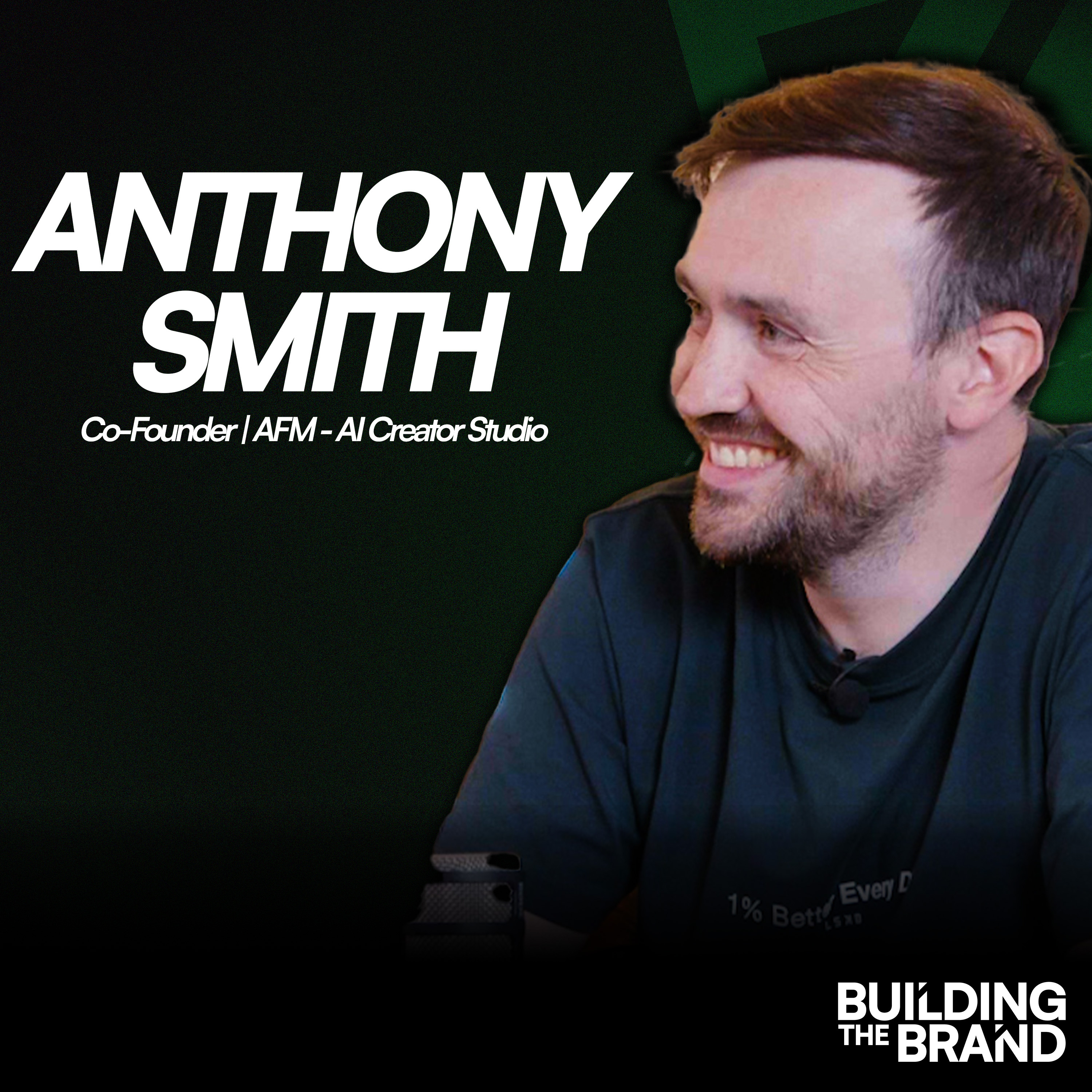
How to grow a brand with short-form video, using Diary of a CEO-style trailer psychology and selective AI to increase output without losing human storytelling.
Ant Smith, former head of trailers at Diary of a CEO (Stephen Bartlett’s show). He built trailer-style “mini movies” that helped grow the podcast into a major global brand (described as ~18M YouTube followers and hundreds of millions of downloads/views). He previously ran a video production company (first client Asda) and worked on EPK/content for major film/TV studios (e.g., Guy Ritchie projects; work mentioned includes Gangs of London and No Time to Die). He’s now co-founding an AI-focused creator-economy company with Danilo (AI/software background) and Simone (AI content creation).
Short-form success is driven by hooks, emotion, cliffhangers, and storytelling structure—not just virality. AI should elevate craft (speed up research/editing/visuals) while humans still own ideas and brand decisions.
Turning 3–4 hours of guest research into ~20 minutes using AI voice stitching for guest intros; adding multiple cliffhanger types; creating a “two-year-old Steve” reaction moment from an old photo via AI; using “perfect imperfection” (partial head/pan) to feel authentic; Disney “Tower of Terror” slow-motion concept as a hook built around a familiar audience moment.
Written by AI. May contain mistakes.
Discussion on Ant Smith's role in the success of 'Diary of a CEO' and the evolution of podcast content.
“I hope you enjoy this live from Ideas Fest.”
Ant shares his background in storytelling and the pivotal moments that shaped his career.
“The reason why I do it is I own a podcast production company.”
Ant discusses his transition from educational experiences to creating content for major film studios.
“And so naturally to try and fight for the attention of my parents, I wasn't the academically gifted one.”
Ant explains his approach to merging corporate branding with storytelling for emotional engagement.
Ant reflects on his initial perceptions of podcasting and its potential as a narrative medium.
“And so I got this incredible opportunity to not only learn from the corporate world.”
Discussion on crafting compelling short-form content and its importance in audience engagement.
Ant shares his emotional response to critical feedback from his lecturer regarding his career choices.
Explore the emotional struggles and triumphs faced by content creators.
Understand how to handle criticism and the importance of community in entrepreneurship.
“the entertainment at that Mexican hotel going on in the back of your head.”
Explore the emotional and practical implications of using AI in creative work.
“I've also been in that frame of mind of like, AI is going to take my job.”
Learn about AI tools that can enhance marketing strategies and content creation.
“I think it's a really good real world example of how it genuinely elevated your work.”
Learn how AI can simplify and enhance your content production process.
Discover the importance of human input in generating and refining ideas.
Understand why cliffhangers are effective and how they engage audiences.
“You know, so, you know, people like obviously show me their content and their trailers all the time.”
Explore how storytelling shapes our lives and influences brand messages.
Learn about the impact of the 'War of the Worlds' radio play on storytelling and public perception.
“Do, how important is in a world where we've got these tools and we've got all this AI cleverness that we can use to either be lazy, frankly, in short cut it, or to better our work and elevate it to the next level?”
Learn how storytelling can evoke emotions and connect with audiences.
Explore how different emotional appeals are used in charity marketing.
“And if you provoke that sort of emotion through them, you can then use that to then ultimately sell your service, sell your product.”
Discover how AI can be integrated into marketing efforts to enhance content.
Hear acknowledgments of talent and insights into future aspirations.
“I think, again, I know I sort of gas you up maybe a bit too often, but I think you're exceptionally talented at what you do.”

Get the gist, explore an idea or ask about something said.
 Claude
On Building The Brand with James Burtt, what are the key points of this episode?
Searching your listeningAutomatic transcript. May contain errors.
0:00Incredible news, I've just started this company straight out of uni and the first kind of sad stuff and he just turned to me and he just said, I can't believe you sold your soul to the devil. I mean, I always get quite passionate about it. So if I pause, it's because I'm holding in emotions, which is not what we need in a festival. School evenings, teachers sort of got away with saying like, he's such a sweet, lovely guy, but he can't tell his ass from his elbows. Even when you're that passionate about something, they're ready to like tear you down.
0:25James Burtt: I think it's one of those things, isn't it? People who are so passionate, it makes other people feel uncomfortable. Full disclosure, I'd never heard of Stephen Bartlett. I'd never heard of the Diary of CEO. I'd never listened to a podcast. Can I create something that at least for those 90 seconds, they've been hooked, they've been engaged, they've understood the story, they've provoked a certain emotion, they've learnt something. And then from that, I see that as a job well done. I had people who were focusing like the film space who were just like, I'm going to remember that you're the guy who pulled the trigger when the world ends.
0:55I know you hate that.
0:56James Burtt: So I'm just going to look you right in your eye when I say you changed the entire industry. What I want to try and do is be a voice and to provide an opinion of like, OK, AI and humans can work together. Just use it for the things that elevate your skill set, not to just make your life easier.
1:17James Burtt: Before we start today's episode, I just wanted to give a massive shout out to everybody that was involved in this podcast. What you're about to watch and enjoy was filmed and shot live on location at Ideas Fest just a couple of weeks ago. So I wanted to give a big shout out to Ideas Fest. If you are an entrepreneur or a business owner, you need to make sure you get to Ideas Fest next I know I'm talking about 2027, which might be a little bit early, but really, this is the Glastonbury of entrepreneurship. You have got to be there. So go and check out their website. Just Google Ideas Fest and you'll find out the details of what's coming up next year.
1:50James Burtt: I don't know what's coming up next year, but based on this year, it will be epic. I also want to give a big shout out to Lucky Number 7 Coffee, who are our coffee collaborators in our tent on site ideas. Everything about this brand is absolutely phenomenal. So go and check them out. They're a new business, four months old, and they are making big waves in the coffee industry. I think these guys are going to be on something big. It's just too good not to be big. And the final big shout out is to Under the Canvas. These guys were the creators of this amazing tent, the creators of the amazing space, the backdrop, the staging, the seating, the lovely rugs on the floor, everything you see here was created by Under the Canvas.
2:26James Burtt: It was our privilege and pleasure to just get to turn up with the cameras and stick a few lights up and stick a few mics on people and make great looking and sounding content. So big shout out to those guys as well. I'll put links to all of those amazing organisations, Ideas Fest, Lucky Number 7 Coffee and Under the Canvas in the show notes in the description. Let's get into the episode. I hope you enjoy this live from Ideas Fest. Let's go. So Ant Smith is, or was the former, is now the former head of trailers for Diova CEO he won't say this himself because he's uh very humble so I'll say it for him I think a big part of the success of Diova CEO is how well it hooked people in to the start of that podcast it went from strength to strength to strength and was one of the first 10 15 people through the door at Diova CEO grew it to becoming one of the biggest podcasts in the world 18 million followers on on YouTube with hundreds of millions of downloads probably on a monthly basis billions of views across the short form content and ant is the man who's responsible for it so if you've ever lost hours of your life watching die of a ceo it was his fault and if you're also someone who's in the content space who it used to be nice and easy right like you'd take a little clip a good moment and you just put some underpinning music you put it out and that was good enough and then fucking ant smith turns up and makes miniature movies turns a two-hour podcast into 90 seconds that hooked you in.
3:47James Burtt: But what we're going to talk about today is how you actually make super effective short-form content, because I don't think there's anyone on the planet who knows quite so much about the psychology of short-form content as Ant. So, ladies and gentlemen, Ant Smith. Thank you. It's a weird intro when I praise you and slag you off at the same time and make my life that most and more difficult. The reason why I do it is I own a podcast production company. And at one point, it was a nice, easy business. And then all of a sudden, every single client would come out and go, do you think we could, this is the beginning of the podcast, could we make it more like Diary of a CEO?
4:24James Burtt: And I was like, no, we can't. We talk about B2B recruitment. We don't need tears and emotions. We just need B2B recruitment. But you are, give us a bit of the backstory very quickly. And then we're going to get on to the psychology of short form content and especially the psychology of why it's so important, the storytelling aspect, utilizing AI, which I know is a space you're now moving into. Yeah. So my background was always in storytelling where I was the second born child. And so naturally to try and fight for the attention of my parents, I wasn't the academically gifted one. I wasn't the athletic one that was taken by both of those were taken by my brother he was a genius with a six-pack and so the only those guys and so the only way I could compete was to put on performances for my family and so I'd put on mini musicals I would dance around I'll try and put on comedy acts I'll do all of this sort of thing to just grab their attention as much as possible and that literally guided me my entire school life because I really struggled to focus on maths and English and science and French and all of these things I just couldn't get my head around it but what I did love to do was to write short stories I used to love making little movies I loved working on music videos I loved doing all of these things spare things in my time and without knowing it i just was absorbed every single film that i was watching i was just absorbing how it was being made because i was that weird guy who got more excited about the behind the scenes than the actual film and so when they started bringing out dvds as opposed to vhs and then they started bringing out the second disc yeah and it was i always the second disc was always the one that was all scratched up and weathered because that was the one i put in and watching like an hour-long documentary on how Star Wars was made.
6:19And so that's what fascinated me. And I naturally just then grew up wanting to tell more stories and get behind that process. And I sort of found myself in this incredible opportunity of not knowing how to get into the industry. You know, there was a lot of gatekeeping that would happen. You know, if you wanted to work in film or in television, you usually had to know someone at the time or someone in the family was already in the industry that would sort of nudge you into the right direction. But because I didn't have any of that, the only way I felt that I could do what I loved was to just build something myself.
6:58So I created a company and weirdly enough, the first client we got was Asda, which was a huge, huge client at the time. and I still remember going to my uni lecturer and I was so proud because not only had I just started this video production company where we was going to make brand videos for these for these clients but the first client was Asda and I went to a big first client it's a big first client and so I went to my lecturer and I said incredible news I've just started this company straight straight out of uni and the first client said so we're going to do this and he just turned to me and he just said i can't believe you sold your soul to the devil and i was at this weird feeling of i hold on i'm about to like live a dream here of telling us of creating this journey and my lecture was disappointed in me because of it and i then realized that there was especially for smaller businesses and from an art form there was like this disconnect between almost like the corporate world and marketing and film and cinema and art and I never really understood that and so my entire goal when building this company was I want to try and blur those lines as much as possible and bring it in and so no matter what client we had we spent so much time figuring out their story what what we felt like their audience would most relate to as opposed to just selling the product or selling their service can we sell the emotion more than we can sell the actual physical thing that they're buying now when you're saying that in 2026 that
8:36James Burtt: makes a whole bunch of sense because those lines have been blurred but just for context when when was this time so this is going back about 10 11 years ago so trying to either in the north in the northwest of north yeah northwest where um like i mean we were positioned in preston for about two years where i i love preston to bits i love lancashire to bits but it felt like it was more behind the times than say London yeah and so what we set out to do at the time was every brand has a story to tell every brand can provoke emotion but you don't need the massive amount of budgets that they assumed you needed to do that which was tv commercials and huge huge deals so that then led to me working for an agency which the clients then turned out to be James Bond and Star Wars and Marvel and so finally I was sort of getting into that world of what I always dreamed of doing which was to create content for these incredible film studios and my ex-boss bless him was a bit of a chancer and so any opportunity he got to add an extra zero onto like his client invoice he would sort of nab that opportunity and usually it was meant it meant I then had to do the work that he put out there and so one of them was we were working uh doing the content for an guy richie film that was coming out and the lead actor fired his on-set photographer after an argument and he was like oh i now need a videographer so my boss was like okay i saw an opportunity here rang me up at 7 p.m and was like i need you to go back to the office pick up a camera learn how to use it because at 6 a.m tomorrow you're going to be on set and you're going to be following this Hollywood actor for the next two weeks filming him interviewing content for him and so literally I had to run back to the office in Soho pick up the camera go back to my house in Essex and I spent the entire night learning how to use a Canon C200 and on set of this Hollywood film I was just making it up as I went along just figuring out how to film this actor and then guy and interviewing these people and figure out all these questions to then make content about it And we sort of grew that and we grew that service to them doing the entire EPK packaging for films and TV series for like Gangs of London and No Time to Die.
10:56And so I got this incredible opportunity to not only learn from the corporate world. So clients like Asda and the NHS and the army, but then also learn from some of the greatest storytellers and filmmakers that are making films and TV shows today. and so by the time I went to DOAC it was full disclosure I'd never heard of Stephen Bartlett I'd never heard of the diary of CEO I never listened to a podcast yeah this was the thing
11:25James Burtt: so me and Adam have done a deeper dive on his early story but he got the job as a head of trailers for the biggest podcast in the world it wasn't the biggest podcast then he's partly responsible for making it he had never even listened to a damn podcast he'd never listened to our podcast but maybe there's a sequel to the success to it well because in my eyes i i didn't i didn't understand the pull of it it was great sales pitch in the job interview it's this is the thing it was you know it was okay so this is something you listen to maybe when you're running or when you're driving your car and half of your attention is on it the other half is making sure you don't crash or run into a tree or run into a dog on the way and so i never really quite understood the the concept of the podcast and then I spoke with Jack and Steve and he was like we want to we don't see this as a podcast we see this as a show and in that way we what we want you to do is to promote this in a way that's not been done before in the podcast space because we don't want to be seen as a podcast and so I was just I started watching uh like the episodes that they had on those jordan peterson and then i think on my first day it was johnny wilkinson and wretch pre-two and what i noticed from it was that it it felt almost felt like a live documentary in in time of that i was having it yeah and so that was when i was like there's there's something more here there's so much more substance here this is something that could almost be marketed as a mini documentary being made and so that's when I wanted to focus more on okay well let's get the story out here first let's focus on value let's focus on creating a community that they trust what they're seeing that if they watch this trailer for example trying to get people to go from Instagram to YouTube straight away is a very very difficult ask because a lot of the time when you're watching or if you're on social you might be going to work and you don't really have time to then jump on a two-hour podcast so part in my head was like i need to create something memorable enough that they can want to go to it later but then also it's almost like well if they don't have time to go to this go to this piece of content can i create something that at least for those 90 seconds they've been hooked they've been engaged they've understood the story they provoked a certain emotion they've learned something and then from that i see that as a job well done so that was far more the priority than ever going viral or doing like looking at those sort of metrics it was more like how can we create a community here how can we tell a story and how can we almost create this escapism and that's what i wanted to bring and that's ultimately how the trailers ended up the way they were in the end what what was it like i've got two questions from what you've just said there when the lecturer who is someone that you look up to and someone that you respect and admire and you have to listen to because you've paid them you know tens of thousands of pounds for them to be your lecturer when that person devalues the path you want to take and thinks that you've sold out as a young person what does that do to your confidence does that make you go fuck you I'll show you or does that make you go oh I've done the wrong thing what was your instinctive sort of gut reaction to that very one-sided feedback um it's it's basically heartbreak you know it's it's actually really interesting like one of the biggest i mean i always get quite passionate about it so if i pause it's because i'm holding in emotions which is not what we need in the festival oh we do the direct trailer guy let's have some tears baby but it's i think one of the biggest one of the biggest constraints that a lot of storytellers face and a lot of editors and a lot of content creators face is you know we very much wear our heart and our sleeves when we create this stuff you know it's a it's a passion for us you know the amount of work that I put into the content that I created whether it's for a diary of ceo whether it's for james bond whether it's for star wars whether it's for the army with whether it's for the nhs or as the or even like the smaller preston car garage the amount of passion that I put into it and the care and the attention and the detail it it's just something that I pour my heart and soul into it so to the extent where the amount of 5am rabbit holes that I've gone down looking into the psychology of why we use cliffhangers why we use hooks the different types of hooks that we use you know narrative structures everything about the amygdala all of these things to enhance the work that I do and yet there's always this sort of it's a hobby you know there's always that feels like oh he's just you know he's he's you know he's having his little hobby you know he's having fun and I remember there was this time where even last year I was in Mexico on my first all-inclusive holiday because I always struggled to switch off so I always try and go somewhere like Disney World where I'm literally obsessed with like constant dopamine hits and distracted the entire time and I've done this all-inclusive in Mexico and my brain just wouldn't shut off and so me and my girlfriend went to go and sit by the pool foot and they were doing like the pool quizzes that that they do on these all-inclusives and Helena was like why don't you do the quiz I was like I don't like doing this because at school I was the stupid one like my this is back in the time like in school school evenings teachers sort of got away with saying like he's such a sweet lovely guy but he can't tell his ass from his elbows so he tries really hard but you know he's really good at coming up with ideas but this is your maths teacher in the review and so I never really put myself out there to do things like quizzes but I sat by the edge of the pool and I was like I'll answer the questions in my head and it just so happened to be a movie movie uh quiz where you they played like the first three seconds of a soundtrack okay yeah and so i was like okay i might know these and so they started playing it everyone was in the pool and you had to i think you had to shout out like chimichanga if you had the answer and so they started playing the first one and it was the terminator and i was just there and i was looking around and no one's doing it so i was like chimichanga terminator with that level of enthusiasm and then you'd get like a poker chip and then like it get and then the next one i think was like the mask of zorro and then next one was uh how to train your dragon and people weren't getting these so i was leaving them time to do it and then i'll do it and then i started getting into it and so they would then play for maybe like a second two second max because i have this weird thing where i can like i recognize movie soundtracks like that i'm very passionate about like sound design and music and i was just going up chimichanga chimichanga and I was doing getting all these answers and I was so happy and so proud I was like in my element it's like finally I'm smart at this thing and then the guy doing the quiz came over to me and asked me to stop playing because he um he said um you're not giving anyone else a chance and I was like oh okay fair enough so then I stopped playing but then he spent the rest of the quiz and this is where it turns a little bit dark he spent the rest of the quiz just basically saying I had no mates that I was like boring like how could Helena be with me that sort of thing so um so then it just reminded me again that even when you're that passionate about something they're ready to like tear you down because it's not you know it's not to do with maths it's not to do with accountancy it's not to do with like corporate job it's like because it's a passion when you're they very quickly to sort of like downgrade you in in that sense and so i think for me it's like that's where i think the the the big when like my lecturer for example say things like that it just reminds me of just the uphill battle a lot of content creators and a lot of storytellers a lot of editors that that they have to face to not only do the thing they love but then also to prove it to then go out and then charge money to do this sort of thing you know to go out and to have the confidence to be like yeah I can unpack your brand and figure out what your story is and work with you and create something incredible here yes we can create like this mini documentary series yes we can do all this in the hope that it brings in like um sales and revenues and create this sort of thing and so it is always that heartbreak thing because you're so passionate about this thing you know It's like you definitely do not get into this line of work to become a multi-multi-millionaire.
20:17You do it because you love film and you love storytelling and you love provoking emotions out of people. And so, yeah, when you then get those knockbacks, it's always heartbreak.
20:27James Burtt: I think it's one of those things, isn't it, that people who are so passionate, it makes other people feel uncomfortable. But you're so passionate because it shows them something that they're lacking in themselves. like your genuine joy and love of films and soundtracks and the the psychology of what makes storytelling that person then who's got the microphone is trying to get a cheap laugh out of the out of the situation is maybe because you're so passionate they lack that level of passion and i think it's not even just in regards to creative industries i think you can get that in entrepreneurship in general i know obviously we're going to talk about your sort of the new journey that you're on now but i don't know if anyone else has experienced this who runs their own business where you know your family just doesn't get it but i think it's something to be mindful of because as entrepreneurs it's so easy to get knocked off the thing that you're dreaming to do because of other people's perceptions 100 and it's like i mean shout out callums here and like callums with part so i have to just because i've spoken to you there and like what they're doing like with like with dream what they're doing with dream for example and with Simon Squibbett all is incredible because you know you watch that content and you speak to these people and they genuinely want your business to do well you know I had one conversation with him and I just felt pumped ready to go and I've already at this point already had loads of conversations with family and friends and everyone else where they're a little bit like are you sure you want to leave this safe job yeah to go and do are you sure like you've got a mortgage now are you it's a little bit different when you was like and it's the biggest show in the world of the thing it must be doubly difficult for you because obviously it's easier to walk away from a bad situation but you are in from the outside looking in from the role that you've got and the thing that you get to do you are in the best job you're in the best seat in the world if you want to make 90 second track i get that you might have evolved beyond wanting to just do that but it's difficult to walk away i think sometimes from something that's okay it's difficult to go from good to great, which is the journey that you're now on.
22:30James Burtt: 100%. And especially when in the back of your mind, you've got that lecturer or the guy who runs the entertainment at that Mexican hotel going on in the back of your head. The next time you think too heavily about that, though, just think of that sentence. He's a guy who runs entertainment in a Mexican hotel. But does he bring that much value in terms of life? I was a holiday entertainer as well. So shout out to a lot of the entertainers. but most of us are pretty dumb and haven't got much chat to the world you know what's crazy by the end of the holiday me and him was actually quite close man helena hated him yeah helena's like my girlfriend she's like my rock she's like the lioness she's like she protects me at all costs and so she also she we grew up in a similar surroundings like in essex but whereas i had a mum who sort of grew me up on disney and musicals and that sort of side she only grew up on east enders and so she is the she's got every single east enders character within her and so like after a while he sort of came over like when because in the end i came second because i quit the quiz halfway through so i came second to a guy who's used who could quite clearly was using his um using google shazam or whatever it was on his phone and um i got an extra extra large t-shirt for the privilege of it and um he came over said oh second place is not bad right and helena just went he would have got first if it weren't for you you prick and so that's that's the energy and whilst whilst i then was then playing water polo and volleyball with him for like the rest of the holiday every time helena was there was like i'm gonna say i'm gonna say something to him again i'm gonna say something to him i'm gonna remind him what he's done it's like don't please Just leave it.
24:15But yeah, so that's, I end up getting on with them. But yeah, so that's always going on in the back of your mind. And so when you're trying to build these things, I've sort of realized early on, and I also have been quite privileged that the people who I've met at DOAC and people who I've met through DOAC, so for example, with you, I think I first spoke to you maybe like, what, three years ago, three and a half years ago. You were the first one who would send me voice notes when a trailer would go out and like just sort of semi dissect it but semi love it gas you up
24:49James Burtt: I'm like flavor flavor I'm like it's hype man I'm like how have you done it again and so like that's why I've wanted to stay close to you and like with like Mike who like used to work for as well as like there's certain people who have always just kept me going and championed me and so I've sort of realized that it's really important when you start building businesses now that you need the right people with you you know you need the people who are going to support you no matter what and help you and you know not be not sort of get a little bit more weary of your own success your own success impacting their success for example you know they want to support you until you start maybe doing better than better than them and then they might start dropping off or they might not show them the support etc etc and so I've learned that very early on when starting to build businesses, the community you need around you is absolutely everything.
25:41James Burtt: If you're loving this conversation, please do us a favour by clicking the subscribe button if you haven't yet done so. Click the follow button if you're listening on Apple or Spotify at the top right hand corner of your podcast. Plus, if you're loving the learnings and lessons from this episode, every single week as well as doing the video and the audio sort of things, we also do a handwritten blog and we do a breakdown of the key learnings and lessons as a blueprint that you can implement into your business as well. If you'd like to get all of that, Click the link that's in the show notes or the description, and you can join our Building the Brand exclusive newsletter.
26:11James Burtt: Well, that was another big thing I took from the Tony Robbins weekend, which I just keep referring, is proximity is power. And it really is, especially entrepreneurship. Equally, I think on the flip side of the, you need people around you that's not like I'm your hype man and we'll gas you up. That's from genuine love of what you did. I thought what you did and created, we changed the industry. Genuinely, I know you hate that. So I'm just going to look you right in your eye I'll say you changed the entire industry. One man, but you did. But also you do need people around you who can tell you when things are not going right.
26:44James Burtt: So you need to have the right advice. Like Jimbo, who I was on with earlier, James Sinclair, he loves telling me when I'm going wrong very, very quickly, but he does it from a place of love. So you can also have harsh realities, but delivered from the right place. If that makes sense. I think the danger of entrepreneurship is taking the wrong advice from the wrong people. You can take the right advice from the wrong people as well. So yeah, Sorry, you can take the wrong advice from the right people or the right advice from the wrong people. But basically, well-intentioned friends and family who don't know what you're trying to do, have never achieved the thing that you're looking to achieve in the way that you want to do it.
27:17James Burtt: It's not worth listening to their advice. It doesn't mean you cut off your mum and dad, but just be mindful of the advice of where it's coming from, I would say. 100%. Who do you... So you've now left Diary of a CEO. And you are now building a very exciting AI-focused company. And it's going to be one of many things I suspect you've gone to do. And it's AI in the creator economy. I'd love to touch on the creator economy, obviously, with someone who's had such an important part to play in a specific subset of it. What was it about the new thing that you've started that you like, that's the gap in the market and how is it going to help people?
27:57James Burtt: And then we'll get on further to, you know, what does the creator economy look like right now and how could AI be used for good? yeah i mean because i've been on such an emotional journey with ai because it's one of those where from a the creative perspective there is there's a lot of fear there you know it's very much like when you hear about these things especially like with what's going on in hollywood etc etc it's almost like if you have any sort of support for ai it means you're pro getting rid of writers your pro game rid of producers your pro game rid of this sort of stuff to the extent that even when i announced the like the launch video of doing it i had people who were focusing like the film space who were just like um congratulations you know i wish you luck but i'm going to remember that you're the guy who pulled the trigger when the world ends that sort of thing you know you get that those sort of extreme sort of views on it and i've i mean i've been on that journey myself You know, as someone who who's always wanted to just tell stories and create content and create meaningful content, more importantly, and to take people on an emotional journey.
29:08I've also been in that frame of mind of like, AI is going to take my job. You know, AI is already creating our editing. So I see this stuff on social media all the time of like people being like video editors are cooked. And then they'll go and do I just uploaded this into an AI software and it's doing all of this, blah, blah, blah, blah, blah. and you know i had all of these fears about ai ai gonna take my job ai is gonna take my friend's jobs you know ai is going to create a space where no one can do anything creative anymore and everything's going to be done on the cheap every you're just going to end up in a world of ai slot and whilst i was having all of these negative thoughts and feelings about it during those two and a half years i've been using ai in every single trailer that i was creating and yet we hired people because of it and yet the work elevated further than I could ever have imagined and yet the what I was actually doing I was actually falling more and more in love with what I was creating and then when I took the step back it was a lot of it was because finally I had tools and models that I could play around with to allow me to do that and so what I then realized was okay so there's a couple examples of how ai was implementing into the direct trailers um to give example so the first one was introductions so we always had introductions to the guest within within the intros because a big thing that a lot of podcasts was missing was selling the guest you know you assume who the guest is because you're interviewing them and so when it then came out you don't have to sell them we always sold our guests it didn't matter if it was matthew mcconaughey or a neuroscientist or fitness expert we had to sell them because it's like if you want to watch two hours of this person we need to let you know it's worth that two hours and so what I used to do was probably spend around about two to three hours scrolling through every single one of their YouTube video interviews all of their content to try and find all the times they were interviewed to create a 10 second introduction of who they are so I would take things from like say like a news archive channel from a documentary from another interview from a live event that they've done and I would stitch together this introduction and then through AI essentially what I ended up doing was creating what I wanted to say about the guest to sell them within the shortest amount of time possible and then I would go and find five or six different AI voices and then I would stitch them together so you still psychologically you have the same effect you know you're hearing different voices and so you assume again it's sort of it's all about the hidden hidden techniques that you do and so the audience still assumes that you're going out finding all these elements because otherwise why wouldn't you just use one ai voice you know it's a lot simpler to just have the one and try and find the others and so what that then done was turned a three and a half to four hour process into about 20 minutes now though three and a half hours was not then spent me going to like watch a film or to just sleep or to do whatever it was I then put that invested that time into sound design I then invested that time into story structures I then invested that time into training my editors invested that time look going down more rabbit holes on why cliffhangers are so important how I can make elevate the cliffhangers and so when we started DOAC I had one type of cliffhanger by the time I left we had five different types of cliffhangers that every single trailer had that was done put in so the audience don't realize there are cliffhangers but to allude to the next topic for example and then the second second means was like visually impacting moments and so like I still remember the moment when we had a guest on where they they said a line something around about brain peaking at two years old of when you're learning and then after that it can start slowly going downhill unless you're continuously trying to force yourself to learn new things and I just thought it'd be amazing if when he says your brain peaks at two years old we cut back to steve and it's two year old steve and like that's what's like okay that adds a comedic moment to this i i can see it could be amazing without ai i would have to try and scout as many kids that look like a two year old version of steve as possible audition them get contracts ready film them pay them and i just did not i had two days to turn these trailers around i had nor the time nor budget i could not go to steve and be like can we spend the entire year-long trailer budget on this two second shot of a two-year-old version of you it just wouldn't happen but I knew we'd add so much character to that content because at the end of the day you are constantly battling for attention with these with content now you know there's like a saying I say where disconnection kills retention and so every single decision you make has to be so intentional it has to be so driven to the story of what you want to achieve and so with AI I was able to essentially find an old photo of Steve which I found in the Daily Mail of when he was two years old I ran that through AI I then masked it through Steve in the chair and I put him in the chair and then I changed the clothes of two-year-old Steve to put into the blacktop that Steve wears uh the direct trader sort of became relatively famous because of Steve's reactions where whenever someone would say something interesting I would put in a Steve reaction shot of him going the eyebrow raise and so I then got AI to make an eyebrow raise so it mimics Steve's reactions in real time and then I put that in and so then I've done something what I call a perfect imperfection where I had the camera cut back to Steve where in the exact same position where it'd be but you just see the top the top of his head and then the camera has to pan down and the reason why it's a perfect imperfection is because it triggers something in the brain that it makes the moment feel even more authentic and more trustworthy because to the human brain it's almost like oh even the cameraman didn't expect this moment to happen so it elevates the comedy it elevates elevates the moment and all of that i was able to do and do it in about 40 minutes because i had access to ai and so whilst i was having all of these negative thoughts mainly spurred on by the content that i was watching and partly some of the guests that we had on the podcast and also all of these social clips are like video editors are cooked this is the end of Hollywood this is the end of everything whilst all these thoughts were going on about how I'm going to lose my job I was elevating my own work through AI and hiring someone to do AI for me to create these visual experiences and so that's when I sort of realized that there is this perfect world where you if you're using AI as a tool and not with the sole means to just make your life easier and to get rid of people but if you're using it as a tool to elevate your skill set to elevate your content to elevate your business there is a perfect way that you can use it now and so from that I've now co-founded a company with a guy called Danilo who has been in the AI space for about 20-30 years in the software and technology side so he's incredible from an AI perspective and another co-founder called Simone who is unbelievable at creating AI content and so part of what I want to bring into this company though through my voice is the is the human element which is I don't want humans to not be creative I don't want to get rid of the craft, but there's so much that you can do to elevate your skill set, elevate your craft in ways that can never have been done just purely because of budget and time.
36:46And so that's ultimately what that company is out to achieve.
36:51James Burtt: Unbelievable use of the tools. I think it's a really good real world example of how it genuinely elevated your work. So I think a lot of the time, like I say, there's two narratives. There's either AI is going to take your job or AI is going to make your job easier. I think what you've talked about there is the fact that AI actually made you better at your job because you could deploy code and prompts to get an outcome that would otherwise take a bunch of time. And you could look at it and go, well, yeah, but hang on, there was three kid actors that could have had a day rate, but you wouldn't have had the budget to do it.
37:23James Burtt: So that money would never have not been spent, if that makes sense. and to your wider point, you get to such a use case of AI that you have to bring somebody in, therefore actually creating a job just to work on the AI side of things. So if we sort of scale out, because there are still a lot of creators, there's a lot of business owners who are either fearing AI or they're not using it fully in terms of, you know, telling that narrative story about their brand and telling their brand story in a way that actually resonates with their ideal audience or their ICP or whatever, LinkedIn likes to call it these days.
37:55James Burtt: So if you are a newbie to using AI, and let's say you're in a marketing department and you work for a B2B SaaS company, what kind of tools and ways would you be looking at deploying AI to be additive to what they're doing? Yeah, so I mean, ultimately it comes down to what you want to achieve. And like one thing that is not a secret anymore is in terms of when it comes to marketing, the quantity is increasing. You know, founders are expecting more from their teams to produce more and more content. More content needs to go out. You know, algorithms chop and change, but there's a time where algorithms sort of reward, like constant action and that sort of space.
38:42And so more is being asked. And the timing that you have is still the same, right? And this isn't new to AI. This is just something that is just naturally happening more and more and more, especially because of social media. It was happening when I was in the film and TV space. You know, I was in that space for about three, three and a half years. And even in that space, every project we got in, I noticed it was more content needed to be made in the same amount of time. And the budgets was also getting smaller and smaller and smaller. So what you ended up doing was working incredibly harder for getting more output, but for less money and less amount of time that you've got to do it.
39:25And so for me, where AI really helps is in those moments, like, for example, turning Steve into a two year old. Like when I create my own content, for example, is there elements that I can do to help hook people in that I can't do without AI? So, for example, if I was going to do a piece of content about Hollywood Terror Tower, for example, which is a ride at Disney World, because there's like a hidden detail. I was just telling these guys about it before. There's a hidden detail about that ride, which shows just how incredible Disney are at thinking about these 1 % details. How can I create an engaging piece of content about that moment?
40:01and one of the things that I love about that ride is they do the ride photo it's a drop ride and they film you in slow motion as you go up and so you sort of see your face and I love rides but I'm also I'm easily scared at rides and so all of the slow-mo videos of me on Terra Tower is like like that doing this sort of thing and I was just like I would love that seems perfect to start because everyone has seen that anyone who's been on Terra Tower you know So Disney fanatics, for example, know that open, they know the framing of the board of the ride for, they know it's going to come up. So already you've got that expectation there as a fact, you know, exactly what's going to happen.
40:39And in my head, I'm like, how amazing would it be? Like as it comes up, the camera zooms in and mid ride, I start talking about this 1 % piece of detail that Disney are doing. And so straight away, you're sort of hooking people in because you have that familiar familiarity there with those who have seen the ride who would be interested in that sort of content. and then you can start to tell your story but it all connects together i can't do that in real life i can't go and tear a tower and then go up and just word for word remember what i'm going to say and speak it in five times in the hope that when it goes in slow motion it looks like normal time speaking and so that's i would love to see you try i'll try but that's for example where ai would become really useful and so i i mean my advice when it comes to tools and with ai is not to start out making it overly complicated with yourself you know you have sites for example like artlist artlist is a site which started off a bit like magnifique which was like it was stock music stock footage and so doak used artlist for the music for well one strand of the music we also use things like music bed etc etc envato is another one and so envato for example is a package plan that is a lot more affordable for content creators and teams and you can get enterprise it's like everything and you have music selections there you have graphic templates you have after effects templates you have stock footage stock footage stock photos but they all have an ai element in it now which are partnering with um actual ai models like cdance and cling and gemini and so all of these actual models that you can use that all of these ai content creators are making and you can start off with them and they give you like ideas and they give you support and they sort of they can make it as simplified or as complicated as you want it to be and so essentially it's down to if you need to if you're releasing a product for example and you want to get that product for whatever reason you want to go to like say Japan to get all of these photos doing okay yeah you can go and do that but there's cost there's money there's time of doing it why don't you start mocking these things up why don't you use ai to bring that element in it it's more cost effective the way the rate of the rate of these models is incredible in terms of the details and what it's doing and so you can essentially end up doing the job of what could cost 25 50 75k in such a small amount of time and if it doesn't work then you can keep going and you keep doing and like budget wise it's obviously a lot more effective in that sense and so that's where it can become really useful you know you still need the human there to come up with the ideas you still need the human there to almost figure think of the props the prompts to create the like the world within it the meaning behind it the story behind it but they're just using it as a tool to actually help execute it and nine times out of ten you are going to be talking back and forth to it you're still going to be implementing your work to it the direct trailers were not all ai they just used ai with them it still needed me and a team to build these trailers from scratch to be able to do it it was just these tools really helped us so art list is a fantastic one to get into early on in envato is a great one to get into magnifique if you then want to go really specific you can go like to like weavy or then you have things like cling and c dance and gemino like a lot more specific models but my advice is to start as simple as you can and just slowly work
44:13James Burtt: work your way through it what's your ideation process like i say it's still i think it's a great message that all this ai stuff can shortcut cut it can fast track it can accelerate it but it still is underpinned or foundationally set up by a great prompt or idea or creative that you want to come up with from the human so what's your ideation process do you use any element of ai within that are you using chat gpt or claw do you getting it to help you come up with better ideas or do you still when you've got a concept like the tara tara thing is that just an idea that comes to your head and then you flesh it out with some tools yeah so that a lot of it i still believe that the ideas should come from the human you very i mean feel free to use like chat gpt and claude etc to help enhance the ideas i will never i will never be someone who asks claude to write me a linkedin post and i'll copy and paste it i will write i'll write the post first and then i'll talk to claude and be like how does this work give me brutal feedback and he'll give me brutal feedback and then i'll take that and then i'll rewrite it and then i'll do it i'll never ask it to do that i think i think as a as a human especially in content creation you need to keep you know you need to keep it's like going to the gym you need to keep working that part of yourself out you know you need to keep coming up with ideas because ultimately you then can become almost like a slave to the beast then and in the hope that ai is going to solve all of your problems and come up with all of your ideas and it won't you know and so when it comes to the ideas that's still me and that's still based on the psychology elements of it it's based on years of knowing storytelling and wanting to tell the stories and dissecting every single moment of doing it but I will use I will use Claude almost like a best friend in that moment and be like speak to me frankly almost like the community that we was talking about before when you're starting this on being able to tell it to be like this doesn't work you know I'm I you know I'm working at the moment on my own branding for um from speaking and consultancy side you know I'm talking with like my mates who are human and i'm also talking with claude you know because claude is learning everything about me and my brand and like claude's being like well hold on you said this on your speaking deck about three months ago surely you want to bring this element into your brand story here and so it's remembering these elements about it but it will never decide what i'm gonna brand myself as it will never decide what every it's gonna look like it'll never decide on that element because i want I want to have that decision I want to keep flexing that muscle I want to make sure that from all of this from all the studies that I've been reading where they do the studies of like they get people to write a paper themselves and running food track gpt they've got somewhere they've got the models to create it themselves and then they struggle to remember what they've written all of these sort of studies that sort of thing I want to make sure that I'm keeping my brain active by coming up with these ideas and also that's also why I got into this right you You know, I've got into this to tell stories, to learn about psychology, to learn about the human brain, to learn why cliffhangers and where to put in cliffhangers and what you need to do 15 seconds before the cliffhanger in order to make the cliffhanger work.
47:32You know, so, you know, people like obviously show me their content and their trailers all the time. And they're like, why does the cliffhanger not work? Why are people not coming into me? And I'm looking and it's like, well, because your payoff's not working because you've not even told people what the payoff's going to be. or you've not even hyped up the emotion for what the to make them feel like they need to do it you know it's really interesting like for when cliffhangers for example a lot a lot of reason why i love cliffhangers is because of a study that was done in like 1930s berlin where they were doing brain scans and ct scans and interviewing waiters at this at this coffee house and they were speaking to them about customers that had paid and were just normal friendly customers got their stuff paid and done and customers that ran off and didn't pay.
48:21And when they spoke to the waiters, they couldn't remember anything about the good paying customers. You know, they might be like, oh, they were nice, but they couldn't remember what they ordered. They can't remember what they were wearing. They didn't remember where they sat. They didn't remember anything really about them, but they could remember in such detail the customers who ran off and didn't pay. They remember what they wore, what they ordered, all of this, where they were sitting because they were like giving details of all this element and what they figured out was is because there's something in the brain that literally was reminding them that it was unfinished and so because the human brain always wants answers and it wants something complete because that experience wasn't complete their brain was telling them like you need to you need to remember this you need to remember this because you need to figure this out you need to figure this out you need to figure out the reason why and that's often enough why the cliffhangers were working so well was because we needed to create that annoyance that people had to be like i have to go and find this out to the extent one of my favorite ever comments i ever read on a doak trailer was when we had a barista on a coffee barista on and one of the comments was i don't drink coffee i hate coffee and yet somehow i've just watched a two and a half hour podcast about coffee and he what i loved about it was he said it really annoyed but it was because it created enough annoyance that he needed to know the answer and that's what that is what you see with site with social media especially on x for example is people if they can't get the answer they will finish the story themselves they will they'll create their own answer and then that's when you end up with debates and arguments and all this sort of thing going on is because when you cannot get that complete your brain will try and figure it out yeah you know it's it's and all of this stuff is done for like survival purposes and all that so it's like one thing i love is the reason why i'm so passionate about having the eye lines in the exact same position on content so you'll watch content and sometimes when they're doing an interview you'll have multiple cameras and so the main camera your eye lines here and then it'll cut to the close-up and the eyes are here and so that used to be a personal bugbear of mine and it used to be a quality control thing and I'd always make sure that the eye lines were level to the guests to the hosts to close up all the time and I created guidelines for that and then I went down the rabbit hole as to why and so what I then figured out was that apparently the faces are the most the brain recognizes faces more than anything else you know that's what we look out for and on the face it's the eyes and so your brain is constantly looking for those eyes and so when when the eyes drop suddenly the brain is on a search party to try and figure out where the eyes is and then in that split second that can be enough to create enough disconnection to make you swipe away and make you forget about the story you know you're not in a cinema you can't naturally get back into it if you're watching something on social and your brain is disconnected in that split second because you're looking for the eye lines because your brain's naturally doing that then that creates a disconnection so that's why i always put in the eye lines there for some so it's those sorts of psychology and that came from because i'd am side reading study of like when people say like they've seen a face in the dark you know in like they see a face at the end of the bed and that sort of thing or when they see jesus in toast that sort of stuff it's because when the brain cannot figure out what it is whether it's a shadow whether it's an like some sort of reflection the brain because it recognizes faces first and that's a huge familiarity it starts forming a face from it so your brain goes you can chill now it's a face but obviously it's not to the extent where you're now freaked out because now you can see a face at the end of your bed it doesn't quite get to that point and so that's why the idea of like eye lines is i find it so powerful and so again it comes down to this idea of the the brain just wants things to be complete the brain wants to figure stuff out it needs the end of the story and so that's just a reason why we have cliffhangers and that's a lecture of why we have cliffhangers and but that's what that's what I want to do and like it's all those tiny hidden elements and those details which is what makes content engaging it's what makes people go along on the journey it's what tells the story etc etc and that's ultimately why i mean i made over i think so i think it might have been someone worked out i think i made over 487 trailers or something like that for the diary of ceo and why they always still was getting the views and the comments and the likes etc etc is because of the amount of all the hidden details and psychological elements that went into it that's all me that's not ai what i did do is i use ai to go through these studies and be like find the peer review studies do all this sort of thing to help me understand it more so I can implement it further so when I talk about AI in terms of the tools you're doing it is literally a tool you know if you want it to replace you and your workers people are going to do that you know ultimately that that's what happens in life you know people take advantage of everything you know but what I want to try and do is be a voice and to provide an opinion of like okay AI and humans can work together just use it for the things that elevate your skill set, not to just make your life easier.
53:47James Burtt: Right. Final question. Do, how important is in a world where we've got these tools and we've got all this AI cleverness that we can use to either be lazy, frankly, in short cut it, or to better our work and elevate it to the next level? How important is storytelling for brands and creators? Right. Now let's look at brands. You like how important, because we sort of joked at the beginning, you know, you landed Asda, but their story is important for them to tell so how important is storytelling would you say for brands and businesses especially those that are going on the journey getting out of the gate sort of thing i mean story i mean they say story is king right story has been with us since the moment we're born you know when you think about when you're born you're told stories from your parents you know you you you're told bedtime stories when you go to sleep you know i still remember when i would go to bed and I would put on the demon headmaster on a tape and I would listen to that and then I would listen to the Harry Potter's whilst I'm going to sleep and then you go to school and you're talking about the stories or the films that you've read or you'll learn you're reading stories you're writing so our whole lives are based around story the most incredible speakers in the world tell stories you know whether you like them or hate these some people use it for good some people use it for evil you know I still remember when we had a a guest a guest on guest on doag and she was quite instrumental in the whole vaccine side with covid for example so she worked she was she was an american science she was working on like one of the covid vaccines and so she was iron clad like mind made up that she knew it all the positives from it that it was good and then she saw a clip of donald trump talking about like telling a story about a young girl with like the vaccine and like ended up getting like some sort of disability or something like that but the way he told the story even got her thinking oh shit are the vaccines back like she knew she's she was in the mix of this she was working on this and that story was enough to make her go oh maybe not and so she literally went back through all of the findings all of the studies that they were doing all of this thing to try and remind herself because of the power of a story and what i love about it like one of the favorite my one of my favorite uses of stories war of the worlds and do you know about like the hg wells radio play war of the worlds so but what i love about it is there's a secret story about the war of the world story that people don't know oh really this is what i love most about it is so so war of the worlds was released as a as a radio play and it got really famous because it was in the headlines the next day that basically people were listening to the radio play of war of the worlds and believed it that's right so they were all panicking they were running away thinking like aliens had it like obviously this is going back years and years ago you couldn't just go on like x and figure out the truth right and so they were panicking around thinking aliens were on their planet and so that made war of the worlds like sort of like cult iconic status as a story right being made as films etc etc the power of a story to make people panic that much about something that wasn't even happening but what I love most about that story is the secret story which is the radio play didn't actually really do that not many people listened to it it wasn't that big of a deal but what happened was newspapers were terrified of radio at the time you know they thought radio was taking over everything you know people weren't going to read newspapers anymore they were listening to radio so newspapers in a in a way to make radio feel like the villain was like this is what this radio play it lied to you it made people think that aliens were coming over and destroying so newspapers told their own story about another story about another story that's wild so it's like this idea of like how powerful stories are we believe the story of the radio play war of the worlds because of a story that a newspaper made about the radio play because they wanted to get rid of radio and so that's when I say about the power of story in a sense that if you're provoking emotion if you're creating a piece of content or if your company is a is allowing people to feel a certain way and lead with feelings that's when you hook people in that's when you like people know they're being a lot of time people know when they're being sold to especially now I actually don't think many people mind being sold to as long as it's been done in a in i guess in an ethical way for example you know transparent way etc etc i don't think that's the problem i think where the problems where a lot of brands go into now is i think the focus is oh we want to go viral or we want to get influencers on or we need to do this we need to create we need to jump on these trends we need to do all this and then neglecting what the power of a story can do and your story is what connects you to your audience it's what connects you to your potential customers you know and it's all about making your story relevant enough to as many people as possible so it they have the feeling when they're doing it you know disney isn't disney because of its films disney is disney because of the way you feel when you walk into that park it's all the little decisions that they make all of the tiny stories that they've told but it's ultimately how you feel when you watch a Disney film when you listen to a Disney song when you go to a Disney park when you buy a Disney gift that's why they're this huge monopoly of a company it's because of the way that the way they provoke emotion and the best way to provoke emotion and to actually be able to control emotion for your audience is through telling a story and so ultimately if you take your audience on this emotional roller coaster.
59:38And if you provoke that sort of emotion through them, you can then use that to then ultimately sell your service, sell your product. And so that's why I think when I talk about story, story is king, but only because it allows you to provoke certain emotions that you need to provoke to achieve a certain goal. And an incredible example of this is charities, right? And so when you look at charities that want money, like donations the way they make you feel is wildly different to charities that are selling you a product a lot of the time and so like so if if it's a donation one we all know those sort of tv ads right it's usually in black and white it's really sad music slow motion and it's very much focusing on almost like creating a bit of a little bit of a guilt complex there you know you look how great your life is compared compared and so you want to donate money you want to give money to go for it you want to feel sad you want to feel the empathy you won't have the same if you're then a charity that's selling boxes for example if you go down that route you're not going to sell many boxes because in the customer mindset I don't I don't buy boxes when I feel sad or when I feel guilty you know and so so ultimately then the way they go is like they they want to provoke the emotion of almost like cheekiness you know they want to sell like comedy a lot of the time and so they do that through the design of what they do but that's the story that they do and uh the story they tell is all about the humor side of things and you know that's why they elevate the emotion they want to get across is a lot more fun a lot more like a lot more laid back but it's the exact same industry both doing the same thing money goes to this certain charity but because they're selling a product and they're literally looking at donations they've got very different ends of the spectrum of the emotion that they want to provoke and the same the same goes the other way you know i'd bet a charity that's just asking for donations will not be as successful going down as much of the comedy room you know so like obviously you have things like comic relief but what do they do after like every single comedy skit fun stuff it's sad they do the sad moment and so that's when they that's when they try and get all the mo and then they get the celebrities being serious and things like that and so it's all about the emotions that you want to provoke through that and that comes through how you tell your story unbelievable well i don't
1:02:02James Burtt: know about you guys but i thoroughly enjoyed this conversation i've got absolutely tons of value from it um where can people find out more about the new ai company and who is it for as well who is your sort of ideal client for this new brand before the next door's party kicks off too much yeah so uh the company's called afm and it's looking at um businesses with marketing teams that want to either from the ground up or they already might be implementing ai but they're not quite seeing the results that they want to do and it's very much like how can we implement elements of ai into our own content that doesn't feel like ai slot for example ultimately you know it's how can you elevate again that's another thing i'm very passionate about is i want to get rid of ai slot i'm not an ai slot kind of dude i very much want it to be intentional ai story led ai and so So the sort of people that we're looking for are marketing teams who want to use AI to elevate their content in ways that they just couldn't do naturally through to budget and time.
1:03:07James Burtt: Amazing. Well, I wish you well with it all. I think, again, I know I sort of gas you up maybe a bit too often, but I think you're exceptionally talented at what you do. I think your passion absolutely shines through. And I don't think it's an overestimation to say that you've changed an industry. and I look forward to you being a force for good in this next industry, your folks. So, ladies and gentlemen, give it up for Ed Smith. Thank you so much for watching this episode of Building the Brand. I genuinely hope that you absolutely love this episode. If you want to click here, there's another great video that you can watch.
1:03:39James Burtt: Or this one here. Oh, I've picked it just for you. It's an absolute banger. Click that one right now. Go on, and I'll see you on the next one.
Former Diary of a CEO Head of Trailers Ant Smith - one of the first 10 key hires who helped build the world's fastest growing podcast - reveals his short form content strategy for YouTube Shorts, TikTok and podcast trailers.
Ant goes full tactical on how to go viral short form. Ant made 450+ trailers for Diary of a CEO with Steven Bartlett, turning 90-second podcast trailer cuts into miniature movies.
In this episode of Building The Brand with James Burtt, he breaks down exactly how to grow a podcast with short-form: why disconnection kills retention, how to sell the guest in 10 seconds, the psychological effect behind cliff-hangers, eye-lines for retention, perfect imperfection cuts, and his ai video editing workflow that turned 4 hours into 20 minutes.
If you want podcast growth , a proven youtube shorts strategy and real storytelling psychology from inside DOAC, this is the playbook.
This is Ant Smith x Building The Brand Part 2 - more stories, all tactics. Perfect for podcasters, video editors, and founders using short-form to grow.👇
CHAPTERS - Diary of a CEO Short-Form Tactics:
0:00 — Hook: Why 90 seconds decides if they watch 2 hours
02:50 — Who is Ant Smith? Early DOAC hire to Head of Trailers
11:20 — He'd never heard of Steven Bartlett: joining Diary of a CEO
13:00 — Not a podcast, a show: the trailer philosophy that changed podcasting
29:40 — How Ant used AI in DOAC trailers (guest intros in 20 mins)
32:30 — Disconnection kills retention: the #1 retention rule
34:00 — Perfect imperfection: the authenticity cut that builds trust
38:00 — Quantity vs quality: AI for marketing teams
41:00 — Best AI tools for video creators (Artlist, Envato)
44:00 — Human-led ideas, AI for brutal feedback (Claude workflow)
46:00 — Psychology of cliff-hangers & the Zeigarnik effect
50:00 — Eye-lines for retention in YouTube Shorts
53:40 — Why story is king for brands and creator
Connect with Ant via https://www.linkedin.com/in/antedits/
Building The Brand hosted by James Burtt - new episodes weekly on business, podcasting & brand building. Subscribe for tactical breakdowns.