In short
Change Makers Podcast Episode Notes
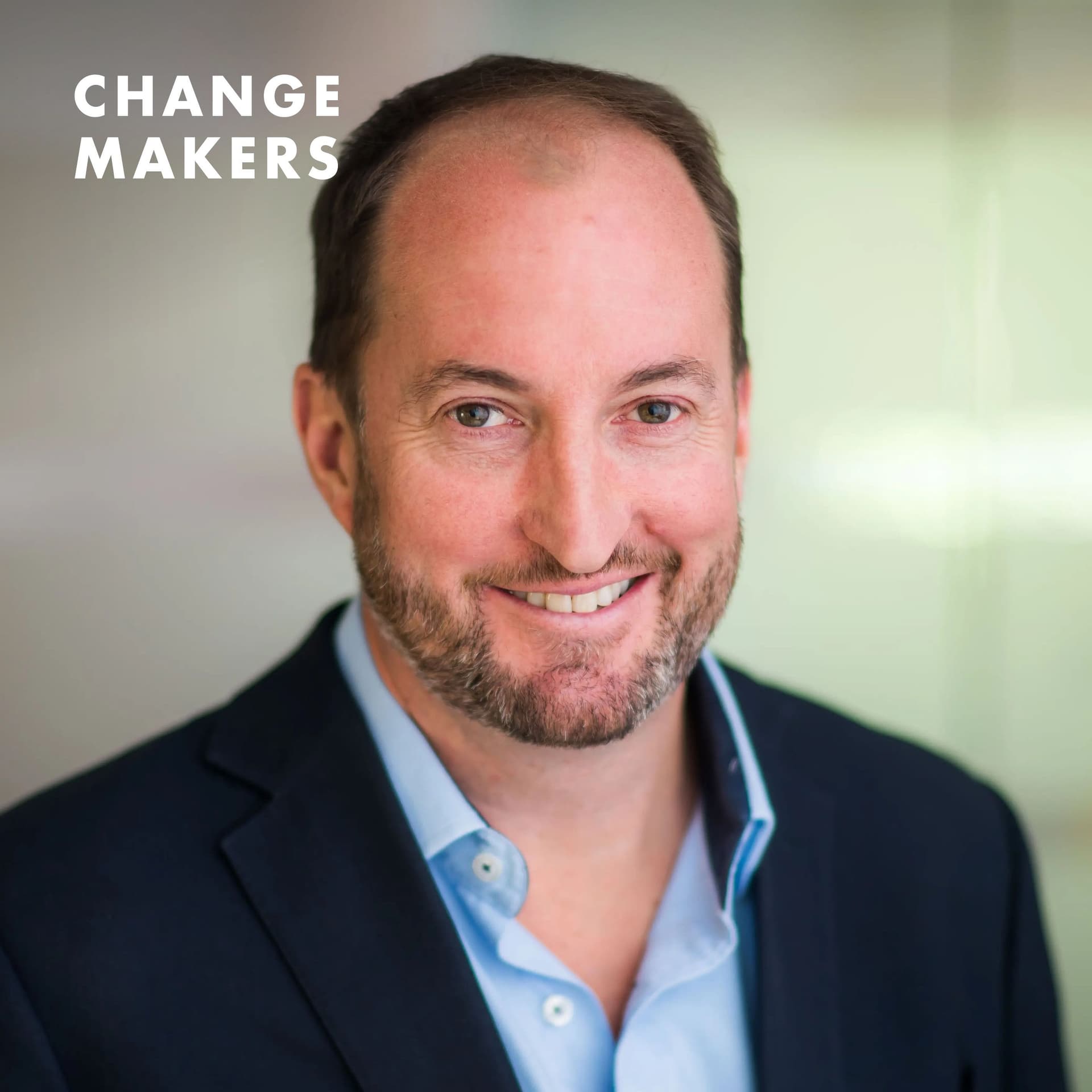
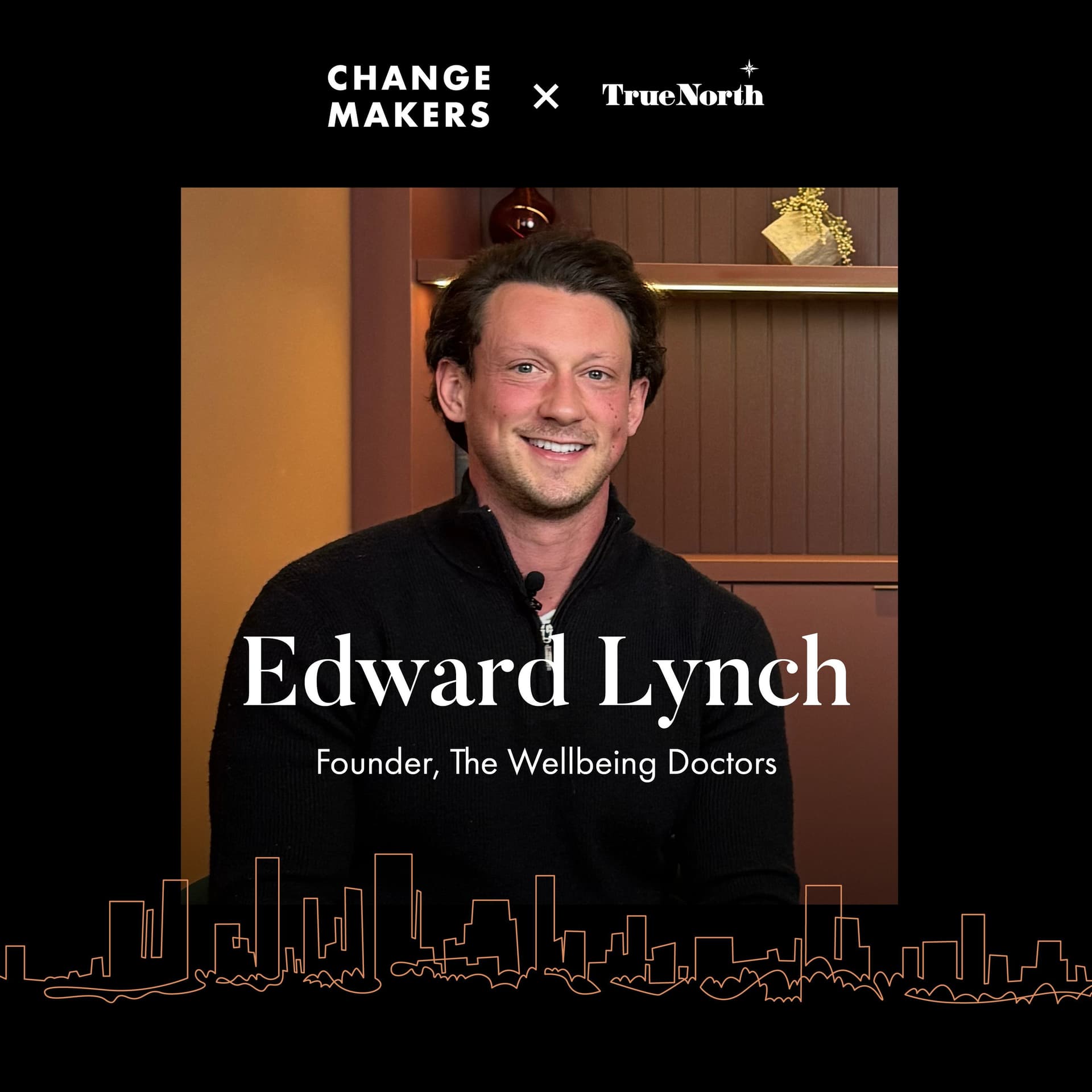
Episode Overview Title: 190: Making the Difference: The True North Conversations Guest: Dr. Edward Lynch, The Wellbeing Doctors Host: Michael Hayman Theme: Exploring the intersection of health, entrepreneurship, and social impact in the Northern economy.
Key Themes
- Entrepreneurial Journey: The transition from a frontline NHS doctor to an entrepreneur focused on preventative healthcare.
- Chronic Disease Prevention: Addressing the rise of chronic diseases that stem from lifestyle choices.
- Longevity Medicine: The focus on extending both lifespan and healthspan through personalized health strategies.
- Community Impact: The role of businesses in nurturing health within local communities, particularly in the North of England.
Key Points Discussed
Background of Dr. Edward Lynch
- Experience in NHS: Dr. Lynch worked for several years in the NHS, witnessing the recurring patterns of chronic diseases in patients.
- Motivation to Innovate: Frustration with the current healthcare system, particularly its reactive nature, led him to pursue a preventive approach through entrepreneurship.
The Wellbeing Doctors
- Business Concept: Focused on longevity medicine, the business works with individuals and corporate clients to improve health and well-being.
- Corporate Model: The business is funded by corporate wellness programs, providing one-on-one services to employees.
Challenges and Opportunities
- Navigating Family and Social Skepticism: Dr. Lynch faced significant skepticism from family and friends regarding his shift from a stable medical career to entrepreneurship.
- Identifying Opportunities: The limitations within the NHS regarding innovation spurred the exploration of business as a solution to health issues.
Building the Business
- Accidental Breakthrough: A chance meeting led to a partnership with CBRE, which allowed the business to refine its offering and establish a foothold in the corporate sector.
- Scaling Ambitions: Dr. Lynch expressed a desire to expand the business globally, highlighting the advantages of technology in reaching a wider audience.
Social Mission and Community Focus
- Health Disparities in the North: Acknowledgment of the poorer health outcomes in the Northern UK, with a commitment to addressing these through local engagement and funding opportunities.
- Collaboration with Local Institutions: Efforts to work alongside NHS trusts and academic institutions to tackle regional health issues.
Entrepreneurial Insights
- Learning from Experience: The journey has highlighted the importance of adaptability, the right team dynamics, and the balance between skill and tenacity in hiring.
- Mentorship and Support Structures: Discussed the varied quality of mentorship received and the importance of finding guidance specific to their unique business model.
Future Directions
- Long-term Mission: Dr. Lynch emphasized a lifelong commitment to improving individual health outcomes and creating sustainable health solutions worldwide.
- Addressing Health Challenges: The goal remains to shift focus from treating diseases to optimizing health and preventing chronic conditions.
Conclusion Dr. Edward Lynch's story illustrates the transformative potential of combining healthcare and entrepreneurship to address chronic diseases and improve community health. His commitment to preventative medicine and innovative business practices marks a significant shift in how health can be approached in the modern era.
---
Key Takeaways
- Preventive Health Focus: Emphasizing the need for preventative healthcare rather than reactive treatments.
- Innovation in Healthcare: Recognizing the challenges within the NHS and the potential of entrepreneurial solutions to address health disparities.
- Community Engagement: Understanding the significance of local context in health outcomes and the importance of tailored solutions.
---
This episode serves as an insightful exploration of how entrepreneurial ventures can not only transform individual health but also contribute positively to the community and economy, particularly in regions facing unique health challenges.
Written by AI. May contain mistakes. Listen to the episode to check what was said.
Transcript
Automatic transcript. May contain errors.0:01Welcome to Making the Difference, the True North Conversations, powered by the purpose-led independent law firm, Rabner's. I'm Michael Heyman, and over the course of six episodes, I'll be speaking to entrepreneurs and business leaders from across the North, each providing incredible insights, stories, and a commitment to people, communities, and the Northern economy. It's bold ideas for change, from a constellation of Northern stars, doing things differently, and making the difference. with me today is dr edward lynch a practicing a and e physician who's gone from the nhs front line to the front line of entrepreneurship with the well-being doctors
0:42ed welcome to the true north conversations great to see you uh we've spoken before about healthy your business brilliant story pick it up for us let's help sort of frame it for uh for our viewers in terms of the business and the entrepreneur? So it was started out in 22. I had worked in the NHS for a few years at that point and there were just so many issues. I'd worked in ICU over COVID and then emergency departments in the north and I was just getting fed up of seeing the same thing time and time again, which was chronic disease hitting people. And it's quite difficult because they didn't necessarily want to live that way.
1:25You know, they come in with something acute, like a heart attack or a stroke. And it was disease that had been accumulated over 30, 40 years. And it's the same story every time. And people don't want that to happen, but it kind of perniciously happens over years. And then they come in with something acute. So I thought, you know, I'd like to do something about this. And that was kind of the underpinnings of what healthy is about, which is trying to prevent the buildup of chronic disease. Okay, I want to track back to some of the points you've made there, but just in a nutshell then, in terms of the actual healthy business offer, tell us a little bit about what the business actually does and how it helps.
2:03Sure. So it's essentially longevity medicine. So we work one-to-one with people to improve their overall lifestyles, to prevent chronic disease, but also to optimize their health. So it's about increasing health span and increasing lifespan. Right. Our route to market is through the corporate world. So businesses will pay for private medical and then that will fund our activity in a workplace. And we work one-to-one with the staff members. So are you doing the diagnostics and the delivery of the sort of, I guess, the actions and the recourse? And they can track everything through our longevity platform that we've built, which is the most sophisticated in the UK currently.
2:41Yeah. I mean, it's a really interesting backstory, though. I mean, you know, starting your career in the NHS, starting as a doctor. I mean, in terms of when you hear a lot of entrepreneurial stories, you wouldn't necessarily say those are two vital ingredients that would sort of necessarily jump and say, well, actually, that's an entrepreneur in the making. Yeah. But clearly you've chosen business as the tool to address an issue that means a lot to you. Were there frustrations along the way that got you to the fact that there must be another way of doing this? Or was it more there's opportunity here and I could do something in a different way?
3:21Yeah, I think both. The NHS is, and rightly so, very tightly governed. so the opportunity within the nhs to innovate is difficult because they have so much compliance and the way the procurement works in the nhs is each trust kind of funds its own activity as well due to like um this kind of devolved setup that there is so it makes it very difficult to innovate in the nhs and they are trying to solve that through nhs clinical entrepreneur program there's loads of medics going through that program to try and bring their entrepreneurial side into the NHS but it still makes it very very difficult.
3:59The opportunity really is that what we're doing kind of crosses over from the NHS world but also into the health and well-being space and the health and well-being space currently is being done very badly by lots and lots of people. I give examples all the time around supplement companies you know people getting advertised stuff on Instagram that they definitely should not be taking but people are buying it and lapping it up because people fundamentally want to be healthy, but they don't know what to do. So there's lots of issues where the NHS primarily was set up to treat disease, but we're in a position now where we've got a very unhealthy population.
4:32And the way out of this is to create good health in the population. I suppose what I'm thinking about is taking Ed back pre, you know, the sort of 2022 startup phase in terms of an environment where actually business, you know, the NHS and businesses is the oil and water, isn't it? It's not seen as necessarily the easiest of partners in terms of the way that progress is made. I mean, I'm sort of wondering what the kind of light bulb moment was for you where you thought, actually, I need to move out of, I guess, established medicine, the established way of doing things and move into a more entrepreneurial setting.
5:13Yeah, I think it was, it is those limitations that are set by the nhs that makes it very difficult to do anything entrepreneurial unfortunately but also it's that constantly seeing the same thing happen over and over again and nobody doing anything about it so seeing patients in a and e heart attack after heart attack have a heart attack and nothing's getting done about it right so i had a patient that came up to me one day who had a heart attack i said you know why has this happened i you know I didn't realize this was going to happen. And at that point, I was like, you know, we've got to do something about this.
5:46We'll come back into the sort of like the day job. But I suppose what what I'm looking at here also is the entrepreneur in you in terms of actually somebody that's building a business out of this. Because I suppose what you've taken is a life's calling and you're using business to to address the issue. um what what gave you the the faith the belief that actually a full-profit business might be aware of making a real contribution to an issue that clearly drives you yeah i didn't even think about it to be honest it just yeah it just seemed like the natural thing to do do you relate to the word entrepreneur do you see yourself in those in that term maybe i guess i guess what i am doing is entrepreneurial right i used to definitely yeah i used to sell sweets at school so maybe does that count but i think it's always it's always you want a healthy life i don't think no no definitely not um i think it's always been in me you know to do something a bit more out there yeah um but it's you know it's also that freedom element of like you can literally do whatever you want to do yeah and if there's a problem there you can actually solve it yeah what frustrates me massively about i still work in the nhs tiny bits but what is frustrating is that you see a problem and you you can't fix it right and you're powerless to fix that issue and it'd be so easy to fix it like can we just do this thing what do your friends and family who've seen that journey what do they make of it in terms of the kind of like the you know because you know if you go for a career in the nhs that that is pretty usually that's a a full life decision that actually you're you're in a vocation and that's kind of where you're going to be you you've pivoted right and and i wonder what what the people that that were part of that previous life make of of ed the entrepreneur oh huge backlash right massive backlash explain that to us family and friends right just saying you know what if it doesn't work you're pumping all your energy into this thing and it's you know it's high risk and so risk is right risk and stability and you know you you're not paying yourself i didn't pay myself for five years nearly because you know the the idea had been coming up for years and um there was a thing about risk but then also around you know what are you doing stay in your lane just go and do you know go and yeah um sit along those tranches go into a training program and just become a normal doctor or if you like but that was never my calling but so you know certainly from friends and close family my mom especially was you know was a let's have a stable life here right that has been quite often a familiar challenge that a lot of entrepreneurs face right in that pre-startup phase which is kind of like actually the decision to go for it is often accompanied by a lot of cultural I suppose consideration yeah in terms of actually well how do you approach the issue of risk yeah initially when I started that was not even on my mind I was like let's just go go right I wasn't even on my brain at all there's been tough times naturally so at that point i have sat down with myself and gone is this the right thing is the right thing yeah yeah and i imagine you know i mean because also it's a very high pressured environment in the sense that if you're not making impact for the community that you're serving i mean this is this is it's pretty it is it's pretty sort of one or the other isn't it you're right you know if you're winning or or you're not so let's talk about the journey of scale i've actually how you've taken taken the business forward from being an idea to actually being out there doing things how's the journey been and how's the business developed so ups and downs as you would expect we accidentally landed on a contract with a company called cbre or a facilities management firm yeah and they rent rent out offices to other businesses by accident well we just say by accident And would you just, what met them on?
9:41I was in a coffee shop. Right. And somebody made an introduction. Be like, oh, you should speak. Because they were trying to improve the health and well-being of their buildings. So they said, oh, you speak to Ed. So I met up with the lady there and loved what we did and what we were about. And they said, oh, could you try this? And then the thing that they wanted us to try is now become the kind of cornerstone of what we offer businesses. So we didn't actually make our own product. They came up with it. So I suppose that's either serendipity or the fact that you're alive to the fact that there are situations all around you.
10:07I mean, was it just good luck, do you think? Or do you think you were just? A bit of both. Right. I always believe you make your own look. You know, the amount of times we've been in the right place at the right time, but it's been years of groundwork to be in the right place at the right time. Yeah. So, and we'll always grab opportunity if it's there, provided it's in line with the ethos. Yeah. So I think it's a bit of both. There's, of course, luck, but you have to have the good foundation there to actually deliver on that. Well, there's that good old sports adage, isn't there? The more I practice, the luckier I get.
10:35Yeah. Which is kind of like, I suppose, so you've been honing that business message. you've been networking. I mean, in terms of your ambition for the business, I mean, this is part of a massive social question for the UK in terms of actually lifestyle, well-being, lifespans. You fit into a complex series of social, I suppose, questions and health questions. In terms of where this business could go, do you have a sense of the ambition for it or is this It's just more of an iterative journey, do you think? I do have a sense for it. I think it's the same as every founder where it's potentially unrealistic.
11:14But I want to take it global because we're already servicing most of the UK. And it's reasonable to assume that within five years we could hit our goal of taking it across Europe and also globally because it's tech. We've built an unbelievable foundation. And the scale is unlimited. if we've got a million clients or 10 clients it's the same software so it doesn't matter so i think for me i do want to take it globally i think there's something about a lot of entrepreneurs is that ambition by its nature needs to be unreasonable i mean if it's if it's reasonable and easy to make sense of it's not necessarily the goal that's going to drive you forward so i mean and that's another reason why you know entrepreneurs tend to be such driven human beings is because they're trying to get somewhere yeah better faster cheaper than their alternatives whatever it might be yeah and the analogy i give all the time to friends is like when you go to football and you watch the game when the goal goes in yeah what other periods of your life do you celebrate like that yeah whereas in the business that actually happens yeah you know you you get something in and you're like it's a win it's a goal you know it's great yeah whereas i don't know many of the careers that I could be in that you can celebrate like that obviously there's downs yeah but you know if you can see the goal and there's downs I want to go into the downs because I mean you mentioned those a couple times I mean a lot of people assume that the entrepreneurial journey goes from one gilded height to the next yeah and yet obviously there are huge troughs in that experience and um you know I always remember um Charles Dunstan who was the um Carphone Warehouse founder, he said that he wanted his gravestone to say, I got away with it, right?
12:56You know, that actually, because he faced so many ups and downs in that entrepreneurial journey. I mean, tell us about the downs. I mean, tell us about, you know, what have been the biggest challenges? Right. I mean, it's been tough. There's been all sorts of stuff because when you start out, you don't know anything. Right. And is it only experience where you're learning or do you find other ways of i try to predict it more and like read ahead of time but until you're in the thick of it it's all academic and how to actually condone yourself and behave and make the right decisions at the right time i think you only get that with experience but also a lot of it's soft skills so initially when we hired we were thinking oh you know how we're going to find the right person and we obviously sought advice and found people who've done it before and i definitely wouldn't do it that way now and a lot of it for me is like energy and how you get on with that individual and less about because i hired based on skill originally and now it's more on tenacity tenacity right if i'm looking at somebody if if you've got the right energy and you're going to come in and be like and you're going to grind yeah they can learn anything but especially i suppose i'm sort of thinking listening to you speak ed it's like you know there's a lot of this which is kind of like a sense of well we've learned through experience we've learned through mistakes.
14:13We've learned through a whole load of things where you think, well, actually, surely somebody else's experience should be a major part of what gets early stage businesses to the next stage more fluidly. I mean, I've just chaired a program called Help to Grow, which is very much about that. But it feels like there's real cost here, a consequence, isn't there, in terms of that journey. Tell us about the local setting of the business. Tell us about you know about i suppose the northern aspect in terms of what what it what it means to you personally i of course want to help the people in our city region because we've got a very deprived group of people here and i think the opportunity and just for the sake of is we talk about the liverpool city region yeah here today because which is where we are today yeah yeah and it's funny because it's they have the same issue in the nhs here where we actually there's a bit of a postcode lottery around when you go to a gp and your blood's taken the cutoff reference ranges for blood changes depending where you are in the country because our population is so unhealthy here the reference range is different here to the way it is in kensington in london yeah so there's so many challenges around um the north south divide we've got there is a poorer population here the health's quite bad and i do want to try and help the people around you know in the Liverpool City region but I think that there's huge opportunity here there's more funding coming into the area I was going to ask that so I suppose I mean I suppose you get a sense of vivid social mission in terms of what what you're looking at but on the on this issue of of opportunity though in terms of so you've sorry I cut you off on the point about the funding but I mean so the funding's coming you think it's been there for a few years I I think pre-2020, there wasn't lots of it that I was aware of, but more and more is coming through.
16:05And I think there's a new£40 million budget that's just been released that's coming into Liverpool City region to help. I think it's for larger organisations than us, but I think it's about the collaboration between NHS trusts and academia about how we can try and solve some health issues in the region. So there's a lot more funding coming into the area, and we do recognise that there are problems to solve. Do you get a sense that some of the support structures you've mentioned in terms of actually how do you actually avoid some of the sort of like, I suppose, some of the potholes of actually that experience can provide for you?
16:43Do you think that kind of mentoring network, that kind of, I mean, is that something you ever come across? Is it something you even want? I mean, how does that work in a kind of northern context? so we've had a lot of mentorship some of it's been incredible some of it's not been helpful at all and we're now working closely with an organization who just do mentorship like consulting for businesses and they're incredible advice we tend we do have to take with a pinch of salt because ultimately unless you scale the tech company you know we want to get surpass 100 million and beyond how many other organizations have done that in our niche yeah very few yeah and when we're taking advice from people not many people have done what we're trying to do yeah so you know the advice some of the advice is great but equally no there's no blueprint to follow yeah and and i think this is the thing when you're when you're a category creator i mean actually you're you're creating something which is coming out of the the very particular circumstances of living now right and actually being here right now and actually where where you draw on your learnings from is a really important part I mean is that something that that is done better elsewhere do you think in terms of I mean is that is that a is that a question of clustering or ambition or policy are there are there other factors at play and I'm sort of I'm just thinking about how how how the kind of northern ecosystem shows up in a kind of you know national and potentially international um scale yeah I think you know you guys are doing a great job of showcasing some of the talent that we have here but i think when we look globally tech is specifically to our business we're competing with tech and tech there's no borders to tech so it's global so then we initially looked at silicon valley and what they're doing out out there is just incredible and the support the funding you know they've got y combinator and they've got these how would you compete with that yeah so unless you've got huge investors i don't know i think in the uk we've we are at a disadvantage, London less so, because there's a lot more funding in London.
18:48I mean, it's the sort of thing where you think about the actual ideas are clearly there. I mean, there are over, I think, about 850 ,000 business registrations every year, of which, you know, I always think about those as each one is a kind of like, it's a bit of a dream, isn't it? That actually, you know, okay, there's lots of different reasons why you register a company, but for a vast number of them, it's the kind of idea well actually this is my side hustle it might be my my hope but actually when you then look at scale that's where it all falls away that journey from startup to scale and i suppose if you look at the conditions for scale for your business i mean you're talking about building a world beta and you're talking about building it here yeah for people watching this in terms of what you need to achieve that to set the conditions for success what's the what's the message what are the next steps for us yeah well but also what's the help you need what gives you a ladder to climb so your challenges change there's there's an interesting thing called the triple chasm and they look at all of the different types of business vectors they get you through to the next stage so chasm two notoriously is where like 90 percent of businesses fail so if you can get through chasm two the ones that make it past that are the ones who will go on to 100 plus million So it's interesting to see, and they will say which vectors you need at what point.
20:08So that's a super interesting analysis. Yeah, I once had an entrepreneur called that the valley of death. I mean, it is that thing where so many businesses fall away, and actually good businesses, and they scale. I mean, it's really interesting for me to hear the answer to this last question, because I think your journey is so nuanced, because you've had this experience of working within the state, how the state views the provision of medicine and the treatment of disease, you've chosen to go down the path less trodden in terms of actually building a business. So we're looking at, I mean, you're one of our northern stars.
20:50And of course, the whole idea about a true north is a personal journey, not just a healthy journey in terms of the business, but actually Ed's journey. And I think, you know, would be good to sort of like finish on your sense of where this is taking you, not only as an entrepreneur, but somebody who is clearly driven by the issues of health of a nation, global health, actually. And one of the people that might just be able to do something about it. We will not stop. This is a lifelong mission and we will not stop until we can try and improve the lifestyle health of every single individual we can get in front of so hopefully we can travel the world and help as many people along the way that is ultimately what we're doing here yeah in order to create good health so we can treat disease along the way but if we can optimize their health and that is the mission you know and travel everywhere and get into as many people's pockets as possible brilliant also i've got to say i mean it's a wonderful story to hear ed and thank you so much for joining us on the true north conversation it's been a pleasure talking to you cheers buddy cheers You
From the publisher
A&E doctor-turned-entrepreneur Ed Lynch explains how years on the NHS frontline pushed him to create a longevity platform to prevent chronic disease. He discusses navigating family scepticism, an accidental breakthrough with CBRE, and his ambition to take Northern-led preventative healthcare global.