In short
Economist Podcasts: Crude Awakening – Iran Oil Shock
Episode Overview In this episode, the discussion centers around the ongoing conflict involving Iran, focusing particularly on its impact on global oil prices and the economy. The podcast also addresses the financial pressures of student debt in Britain and the resurgence of line dancing as a cultural phenomenon.
Hosts and Guests
- Jason Palmer - Co-host
- Rosie Bloor - Co-host
- Rachana Shanbhogue - Business Affairs Editor
- Josh Roberts - Capital Markets Correspondent
- Hollie Berman - News Editor, US Bureau
---
Key Topics Covered
- Iran Oil Shock
- Current Situation:
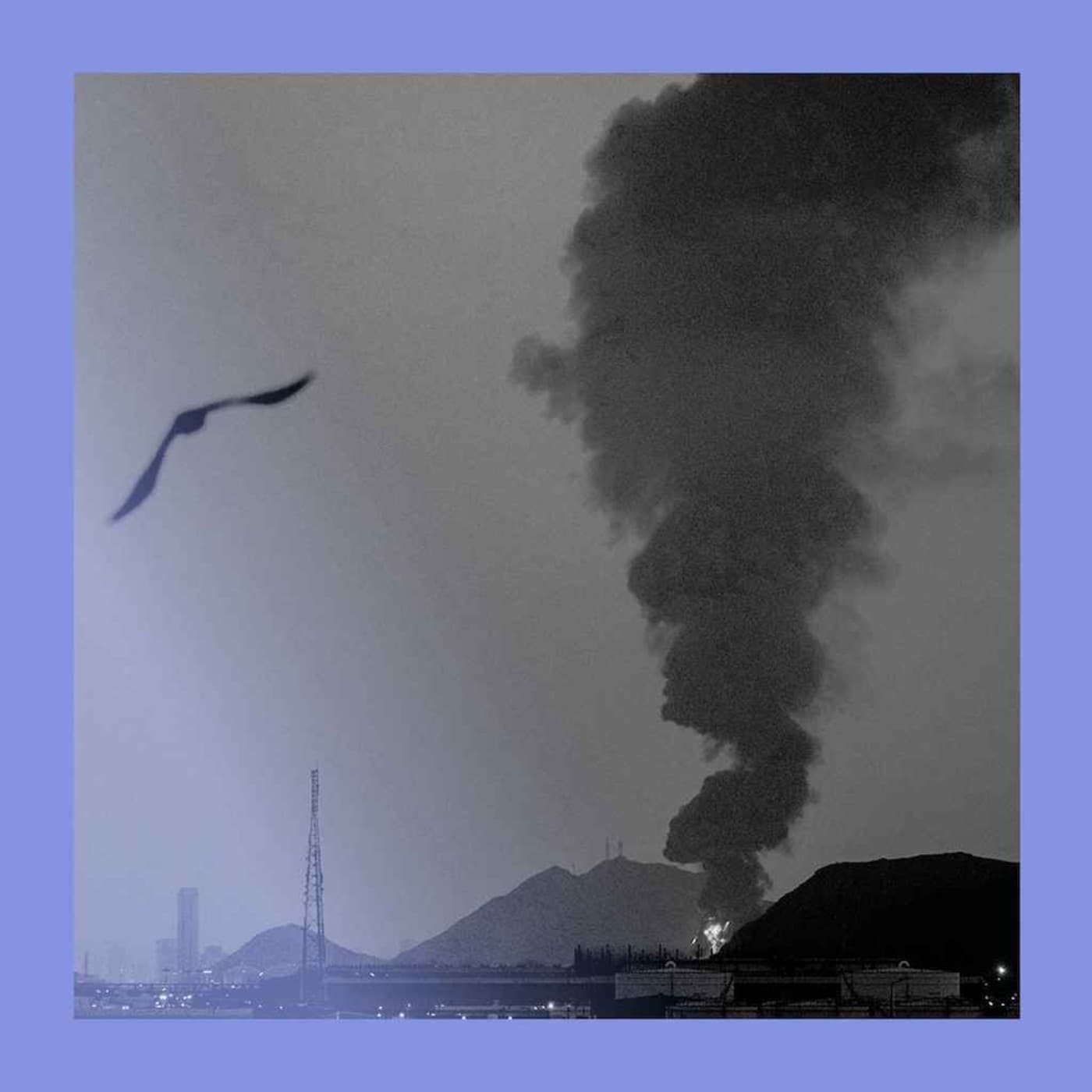
- The U.S. and Israel have targeted over 2,000 sites in Iran, leading to Iranian retaliation against military and economic targets.
- Iran has threatened to block the Strait of Hormuz, a critical oil transit route, significantly affecting oil exports.
- Impact on Oil Prices:
- Oil prices have surged due to fears of supply disruptions, with potential prices reaching $100 per barrel.
- Natural gas prices, particularly in Europe, have also increased following attacks on facilities in Qatar.
- Global Economic Consequences:
- Higher energy prices contribute to inflation, impacting consumer spending and economic activity.
- Increased costs for businesses, particularly in sectors reliant on fuel (e.g., airlines), which have seen stock prices fall and operational disruptions.
- Political Context:
- Rising oil prices could pose a political challenge for President Trump as midterm elections approach, where gas prices are a significant concern for voters.
- Student Debt in Britain
- Growing Debt Burden:
- Many graduates in England and Wales are facing long-term student debt, with repayments extending well into their 50s.
- The current system has been criticized as a form of regressive taxation on graduates.
- Comparison to Graduate Tax:
- While not classified strictly as a graduate tax, features of the loan system create similar burdens for students.
- The repayment threshold has been frozen, dragging more individuals into repayments amid rising living costs.
- Historical Context:
- The shift from free university education to a tuition-fee system has increased the financial burden on students.
- Current students face higher fees than previous generations, exacerbating debt levels.
- Resurgence of Line Dancing
- Cultural Shift:
- Line dancing, once considered uncool, has seen a revival, particularly among younger generations.
- The trend is supported by the rise of Americana and increased popularity of country music.
- Social Dynamics:
- Line dancing events are now frequently sold out, providing a community space for young adults.
- The etiquette of line dancing aligns with Gen Z preferences, such as reduced phone use and drink restrictions on the dance floor.
- Market Response:
- Bars hosting line dancing have adapted their business models to cater to this new trend, reflecting changing social habits.
---
Conclusion The episode provides a nuanced view of the current geopolitical climate, especially concerning energy markets, alongside domestic issues regarding student debt in Britain and the unexpected popularity of line dancing in contemporary culture. The discussions highlight the interconnectedness of global events and local economies, as well as shifts in social practices and cultural expressions.
For more in-depth coverage and future episodes, listeners are encouraged to subscribe to Economist Podcasts+ for exclusive content.
Written by AI. May contain mistakes. Listen to the episode to check what was said.
Chapters
Tap a time to open that second in VOIran's Oil Conflict Overview
0:45 to 2:30
Discussion on Iran's military actions and their impact on oil markets.
“its student loans model hasn't changed quite so much.”
Effects on Global Oil Exports
2:30 to 4:50
Analyzing how oil exports are affected by conflicts in the region.
“The question now is what damage is being done to the global economy and how much worse it could get if the conflict continues.”
Impact on Airlines and Other Sectors
4:50 to 7:12
Exploring disruptions in the airline industry due to rising oil prices.
“People in the industry are talking about$100 oil price per barrel of Brent crude.”
Geopolitical Risks for Dubai
7:12 to 7:50
Investigating how the conflict affects perceptions of stability in Dubai.
“When will we know if this is a shock or if this is going to have a profound impact on the global economy?”
The Graduate Tax Debate
14:01 to 17:25
Explore the implications of a graduate tax on earnings and education funding.
“It's actually, I think, for a lower earner in some ways worse than a tax.”
The Rise of Line Dancing in America
17:26 to 21:18
Uncover the recent surge in line dancing's popularity among younger generations.
“me jason a couple of weeks ago on a freezing midweek evening in new york city i headed to Desert Five Spot, a Western-themed bar in Brooklyn.”
Transcript
Automatic transcript. May contain errors.0:00Jason Palmer:Over 90 of the top 100 U.S. accounting firms trust Bill to simplify and secure Bill Pay. That's proven financial infrastructure built on over a trillion dollars of secure payments. Visit Bill.com slash proven for a special offer.
0:22Jason Palmer:The Economist.
0:30Jason Palmer:Hello and welcome to The Intelligence from The Economist. I'm Jason Palmer.
0:34Rosie Blau:And I'm Rosie Bloor. Every weekday we provide a fresh perspective on the events shaping your world.
0:44Jason Palmer:As Britain has moved from a model of free university education to one that's reasonably pricey, its student loans model hasn't changed quite so much. We look at what many think has become a regressive tax on grads.
1:00Rosie Blau:And it used to be the preserve of far-flung cowboys or provincial grannies. Now the latest choreography craze is line dancing. Our correspondent explains the step change.
1:21Rosie Blau:First up though.
1:31Rosie Blau:America says it's struck more than 2 ,000 targets in Iran since its joint campaign with Israel began on Saturday. Iran has responded with a barrage of missiles on military and economic targets across the Middle East. Until a few days ago, it seemed a remote idea that it would both lash out at its oil-rich neighbors and block the Strait of Hormuz. But Iran knows that the region's strength is also its vulnerability. Millions of barrels of oil travel through the Strait of Hormuz each day, prompting Donald Trump to say that, if necessary, US Navy vessels would escort the tankers.
2:10Jason Palmer:If we have a little high oil prices for a little while, but as soon as this ends, those prices are going to drop, I believe, lower than even before.
2:21Rosie Blau:Yesterday, he sounded almost relaxed at the jump in energy prices. Markets have been less sanguine. Trading in South Korea and Thailand was paused temporarily overnight to avoid panic selling. The question now is what damage is being done to the global economy and how much worse it could get if the conflict continues.
2:43Rachana Shanbhogue:The war in Iran is sending energy prices higher, both oil and natural gas prices, which is a problem for the parts of the world that rely on fossil fuels for their economy. Rachel Shambog is our business affairs editor. The consequences will be a hit to activity, higher inflation. The impact is still uncertain. A lot depends on how long this conflict lasts for.
3:08Rosie Blau:OK, so let's take that piece by piece. What's happened to oil exports and oil prices so far?
3:15Rachana Shanbhogue:So, Rosie, we've seen sharp jumps in the past couple of days. The increases are coming because, number one, traffic through the Straits of Hormuz, through which 15 to 20 % of oil travels has been blocked. Tankers don't want to travel through a war zone, basically. And so the delay in the traffic is making traders nervous. The other thing that's going on is attacks by Iran on energy infrastructure in Saudi Arabia, which again is causing fears that the supply of oil might be curtailed. And what about gas, which has also been hit, right? Yes, that's right. So natural gas is another casualty here.
3:53Rachana Shanbhogue:Qatar is a huge producer of natural gas and Iran hit one of the liquefied natural gas facilities in Qatar, which is responsible for about a fifth of the world's supply. And again, that's been shut down for precautionary reasons. And so natural gas prices in Europe have surged over the past week.
4:12Rosie Blau:So what impact does that end up having on the global economy?
4:17Rachana Shanbhogue:Although the global economy is becoming less reliant on oil over time, it still needs energy to function. And the consequence of these higher increases in oil prices and gas prices will be an increase in the cost of doing business, an increase for consumers going about their daily lives. And we've seen in the past that that does have a chilling effect on what they do, on their activity, on GDP. and it will also raise inflation. Now, a lot depends on how long the shock lasts for. It may be a fleeting impact. There is a chance that prices could go higher still. People in the industry are talking about$100 oil price per barrel of Brent crude.
4:59Rachana Shanbhogue:They're talking about gas prices going further still. And so there is a chance that the shock could get bigger. That's not great news for Donald Trump. Midterms are approaching in November. The price of gas that the pump is very salient for Americans, for voters generally. And so the higher the oil price inches up, the more that could become a political problem.
5:21Rosie Blau:It's not just about oil prices and gas prices though, is it? Aren't there other sectors that are also going to be hit?
5:28Rachana Shanbhogue:Yes, well, we've seen in particular the airline industry being hit. The Gulf is a very big hub. Dubai is one of the biggest hubs for passenger traffic and air freight, a huge logistics hub for ports as well. And so all of this disruption has translated into a shock for airlines. We've seen their stock prices falling in recent days. We've seen disruptions and passengers stranded around the world, really, because of the location of the war. So airlines have been a big victim thus far. That said, some people do benefit from such as the nature of markets. And we've seen defence stocks surging.
6:06Rosie Blau:So what does all this mean for places in the Gulf that really banked on being stable oases?
6:13Rachana Shanbhogue:It's a really good question, Rosie. And I think we should start with Dubai in particular, a place that for years has attracted people and businesses to trade there, to live there. The idea is that it's hassle-free, that geography doesn't matter. It doesn't matter that it's in a troubled region. And it's really thrived. And in fact, it's been a model that others have sought to follow, for example, Saudi Arabia. And what we saw over the weekend was that this illusion that geography doesn't matter was really shattered with a hotel in Dubai going up in flames. And so a lot depends now on how long the conflict lasts for.
6:52Rachana Shanbhogue:So perhaps the memory will fade soon enough, or perhaps if the conflict goes on, and if a more unstable Iran emerges, then people will start to attach kind of a geopolitical risk premium to being based in Dubai and doing business in Dubai. And that would be a blow to Dubai's business model.
7:11Rosie Blau:Of course, we don't know how long this war will last. When will we know if this is a shock or if this is going to have a profound impact on the global economy?
7:22Rachana Shanbhogue:I think one of the key questions that industry analysts will be looking at is how long you see disruption along the Straits of Hormuz? Does Iran keep lashing out at its neighbours? And the longer it goes on for, the bigger the uncertainty, which is not helpful for the global economy, and also the greater the chance that prices stay higher, that traders start building in a kind of risk premium because they just don't know what's going on. Ratchna, thank you very much. Thank you, Rosie.
7:54Rosie Blau:And for more on the history of Iran's relationship with oil and how that's playing into the war today, listen to tomorrow's episode of Money Talks, our weekly business and finance show. You'll need to be a subscriber.
8:32Jason Palmer:them.
8:46Josh Roberts:For an awful lot of graduates in England and Wales, their student debt is rising faster than they can pay it off.
8:53Jason Palmer:Josh Roberts is our capital markets correspondent and a formerly indebted former student.
8:59Josh Roberts:So most of them are going to be paying a significant percentage of their salaries until they're in their 50s to pay it down. and people are very angry about this, some have taken to calling it a punitive and regressive graduate tax.
9:12Jason Palmer:Is that a fair characterization? Is it a graduate tax?
9:15Josh Roberts:Well, not quite. There are a couple of features of student loans that make them different to a graduate tax. So one is if you pay the whole thing off, you can stop paying. You don't get to do that with tax. And the other feature is after a set amount of time, you stop making repayments whether you've paid it off or not.
9:32Jason Palmer:But there is some substance to what it is that has people so worked up that they feel they're getting the short end of the stick. How do we get here?
9:39Josh Roberts:That's right. It used to be that a small number of people in the UK went to university and for them, university was free, which means the costs were borne by the general taxpayer. As more and more people started going to university over the years, that model stopped being viable. So from 1998, tuition fees went up to£1 ,000 a year. From 2006, they went up to£3 ,000 a year. And then in 2012, they went up to£9 ,000 a year. Most people can't pay those costs up front when they're 18 and might not have parents who can pay them either. So they fund it using a student loan from the government that they then subsequently repay when they start earning.
10:19Jason Palmer:Okay. And how do the loans work? How do the repayments work?
10:22Josh Roberts:There are lots of different plans depending on when you started university and what your fees were. But the general model is that after you earn above a certain threshold, so for people who went to university between 2012 and 2022, the threshold is after you're earning about£28 ,000 a year, you repay 9 % of your earnings above that level until either your student loan is written off or you've repaid it. And it gets written off 30 years after you start paying. By the way, this is coming up in the news everywhere. Why is this so much in the news in Britain right now? So recently, the terms have changed for the cohort that went to university between 2012 and 2022.
11:05Josh Roberts:And what's happened is that the threshold at which they start paying back their loans, the threshold of earnings, has been frozen for three years. Because of inflation, people's earnings tend to naturally rise over time. So the effect of that is to drag more people into repaying more of their loan than they would have done otherwise. and this was a change that was made at the last budget in the UK.
11:29Jason Palmer:This still doesn't sound like terrible terms to me as loans go.
11:33Josh Roberts:No, it's not. And there are actually countries where the terms are much worse. So for example, in the US, people who need to take out student loans often take out mortgage style loans where it's not a set amount of your salary you repay, you just have to make certain repayments. And if you don't, you go into default and that hurts your credit rating and it hurts your ability to get a credit card or an actual mortgage in the future. The UK system isn't like that. It's not really treated like normal debt. It won't hurt your credit rating. If you're not earning enough, then you won't be paying it down.
12:02Josh Roberts:But what's making people angry now is not so much the system itself, but that people are having to now pay that back for longer. They're having to pay higher interest rates than they used to. And really at the root of this is that the recent crop of students has just had to face much higher fees than older crops did. For example, when I went to university, my fees were only£3 ,000 a year. Now they're£9 ,000. So people are just racking up much more debt, which means that the repayment terms get worse. Just for clarity, do you have student debt still? Because mine was lower and I'm in my mid-30s, I have actually paid mine off.
12:37Josh Roberts:If I had been to university a bit later than I did, I started in 2010, almost certainly I wouldn't have paid my loan off by now because it would have been many multiples bigger and I would have been paying more interest than I actually did. Right.
Read the full transcript
12:49Jason Palmer:I was just wondering about the prospect of just trying to get out from under it by paying it off faster.
12:53Josh Roberts:Yeah. So that is an option. And interest rates recently have become so high that it's an option lots of people think about. I know people who at the end of the month, if they have any spare cash left over, they will use it to pay down their student loan. There are a couple of downsides to doing that, though. If you know you're earning enough that you will eventually pay off your student loan in full, it makes sense to make early repayments because overall you're going to pay less interest. But if you're not earning enough to pay it off in full, if actually it's just going to get written off in 30 years time, there's kind of no point in making early repayments, right?
13:29Josh Roberts:Because that was going to get written off anyway and you're still going to be paying your 9 % of your salary against it until it does. And once you've made an early repayment, you might have reduced your loan balance. But if you then get into difficulty, if you have an emergency, you can't get it back, You can't reborrow it. Whereas if you kept the money in your bank account in case there was an emergency, you obviously would be able to access it. The people for whom it makes sense to pay off these loans early are the higher earners.
13:55Jason Palmer:So it is maybe fair to call it what some people call it a regressive tax.
14:01Josh Roberts:It's actually, I think, for a lower earner in some ways worse than a tax. Let's imagine a different system. Let's imagine people don't take out debt to fund their degrees. Instead, all graduates pay a real graduate tax to fund the whole system. What would then happen is that whereas higher earners now at some point have paid off their student loan and stopped paying, under this graduate tax system, they would carry on paying forever. That would mean that overall, everybody could afford to pay a lower percentage of their salary towards funding the system. So for lower earners, this is actually worse than a regressive graduate tax because it has some features that are like that, but they also end up paying a higher percentage of their earnings than they would under that system.
14:49Jason Palmer:Okay. This does kind of hint at the question I think a lot of people would ask here about a price that graduates are right to pay in that they are more highly valued in the labour market. That being a student, paying that off even over a long period of time is probably a fair deal.
15:03Josh Roberts:Yeah, people talk about the graduate premium, right? The fact that you're likely to earn more if you went to university than if you didn't. There's a few things to say about that. The old model, which a lot of people hark back to and say it was just better when 10 % of people went to university and university for those people was free. I have to say to me, that doesn't sound particularly fair to have only a small proportion of the population that gets this amazing benefit while the rest of the population pays. Graduates themselves are probably the biggest beneficiaries of going to university. So I think a lot of people would think that they ought to pay something towards that.
15:41Josh Roberts:What's difficult now, and this is another feature of the number of people going to university having gone up so massively, by the time state school leavers are 25, half of them will have started a university course. So the numbers have really gone up a long way. One feature of that is that the graduate premium has gone down. So whereas it used to make a big difference to your lifetime wages if you went to university, over time that difference has eroded. And for some courses in particular, they are typically creative arts courses or things like English literature. There's actually a graduate penalty for having studied those courses.
16:16Josh Roberts:You are probably going to earn less than you would have done otherwise.
16:19Jason Palmer:Without wishing then to try to solve this problem in this room right now, what about the people who are stuck under these loans now, who are a grander cohort has just been created, being drawn in at a lower threshold.
16:31Josh Roberts:Yeah. Part of the reason they're so angry is that there aren't a lot of options for them. You don't get to decline making these repayments. You don't get to take a different decision. And for many, making extra repayments won't be a realistic or a sensible option either. There aren't that many options available to the government either because of the fundamental problem that this debt has been racked up, going to university is costly, and somebody is going to have to pay for it. Really, the only options for the government are to either say the cohort themselves are going to pay it back and are going to have to pay more of it, or to say all taxpayers are going to pick up the tab, in which case everybody's taxes have to go up.
17:14Josh Roberts:And everybody's very aware that government finances are strained at the moment, that the government's struggling to borrow more. So that means not spending money on other things like the health service or defense or whatever so there really aren't any easy options here josh thanks very much for your time thanks for having me jason a couple
17:46Hollie Berman:of weeks ago on a freezing midweek evening in new york city i headed to Desert Five Spot, a Western-themed bar in Brooklyn.
17:54Rosie Blau:Holly Berman is a news editor at The Economist.
17:58Hollie Berman:Inside, it was packed full of 20-somethings twirling around in summer clothes and cowboy boots.
18:03Rachana Shanbhogue:I'm attempting to line dance right now, not very well.
18:07Hollie Berman:Two instructors were guiding the crowd through a series of line dancers. They called themselves Spitfire and Sugarfoot, although to anyone outside of the bar, their names are Rivka and Manon. The soundtrack varied from country music to pop songs.
18:20Rachana Shanbhogue:I have no coordination. How do you...
18:24Hollie Berman:Line dancing is no longer the prerogative of far-flung cowboys or disco dance floors gone by. Oh yeah, when we open the doors at six o 'clock there's a line of people waiting to get in. Chase Monarton is the bar's moustache entertainment director. We got a chance to chat or mostly shout at each other over the music. And he told me that when they began to host these line dances a year ago, only a handful of people showed up. And now tickets sell out. In New York City, there is now a line dance happening almost every night. And across America, Google searches for line dancing have been steadily climbing since 2020, peaking last year.
19:07It's an unusual shift.
19:10Hollie Berman:A decade ago, the perception of line dancing was, well, not cool But it helps that Americana is now in vogue Country music is surging in popularity Boosted in recent years by albums from artists like Beyonce Songs like the one you're hearing now, Texas Hold 'em And Post Malone, whose latest album was recorded with some of the biggest names in country music Last year, the genre was streamed 122.5 billion times in America Behind only pop, rock and hip-hop and R &B Social media has played a big part in popularity amongst younger people and several first-timers I spoke to around the bar said they discovered the event on Instagram and TikTok The dancers themselves, which are quicker and shorter than other types of choreography suit the pace of online short-form video well You can see something done twice and repeated in less than 30 seconds Line dancing videos frequently rack up millions of views Line dancing's distinct etiquette chimes with the habits of the young in other ways too.
20:13Hollie Berman:Most events prohibit drinks on the dance floor to prevent partygoers from sipping over. Now that might seem counterintuitive for a bar, but potentially attractive to Gen Z patrons who are drinking less and less. Desert Five Spot charges an entry fee to its line dancers in anticipation of this shortfall. And lots of dance floors also discourage phones, a rule that feels freshly resonant as young Americans report feelings of fatigue with the online world.
20:46Hollie Berman:Biley, a 24-year-old regular at the bar, told me she sees us at Five Spot as a third space, a sociological term that's been popularised on social media to describe offline locations beyond the home and workplace where people are finding community. She, like others in the crowd, comes to the bar alone. Some line dancing devotees even joke to me that they belong to a cult.
21:08Rachana Shanbhogue:The crowd changed. Yes, it's gotten too big. Really? It's too big, it's too crowded. I used to be able to like... Now I can't move.
21:16Hollie Berman:Sometimes trending has its trade-offs, but fans are likely to keep dancing one step at a time.
21:38Rosie Blau:That's all for this episode of The Intelligence. See you back here tomorrow.
22:02Jason Palmer:Over 90 of the top 100 U.S. accounting firms trust Bill to handle BillPay processes. Why? Because our tools are built on over a trillion dollars of secure payments. We're not just moving money. We're powering financial workflows for half a million customers. That's a level of expertise you just can't fake. Ready to talk with an expert? Visit Bill.com slash proven to get started and grab a$250 gift card as a thank you. Terms and conditions apply. See offer page for details.
From the publisher
As America and Israel continue to bombard Iran, much of Iran’s retaliation is directed against energy infrastructure. With tankers blocked and oil prices rising, our correspondent discusses the impact on the global economy. Why do student debts weigh heavily on Britain’s graduates? And is line dancing really becoming sexy?
Guests and host:
- Rachana Shanbhogue, business affairs editor
- Josh Roberts, capital markets correspondent
- Hollie Berman, news editor, US bureau
- Rosie Blau, co-host of “The Intelligence”
- Jason Palmer, co-host of “The intelligence”
Topics covered:
- Iran, oil, gas, global economy, Dubai, Gulf, stockmarkets
- Britain, universities, student loans, tax
- Line dancing, New York, bar culture
Listen to what matters most, from global politics and business to science and technology—Subscribe to Economist Podcasts+
For more information about how to access Economist Podcasts+, please visit our FAQs page or watch our video explaining how to link your account.
Hosted on Acast. See acast.com/privacy for more information.