In short
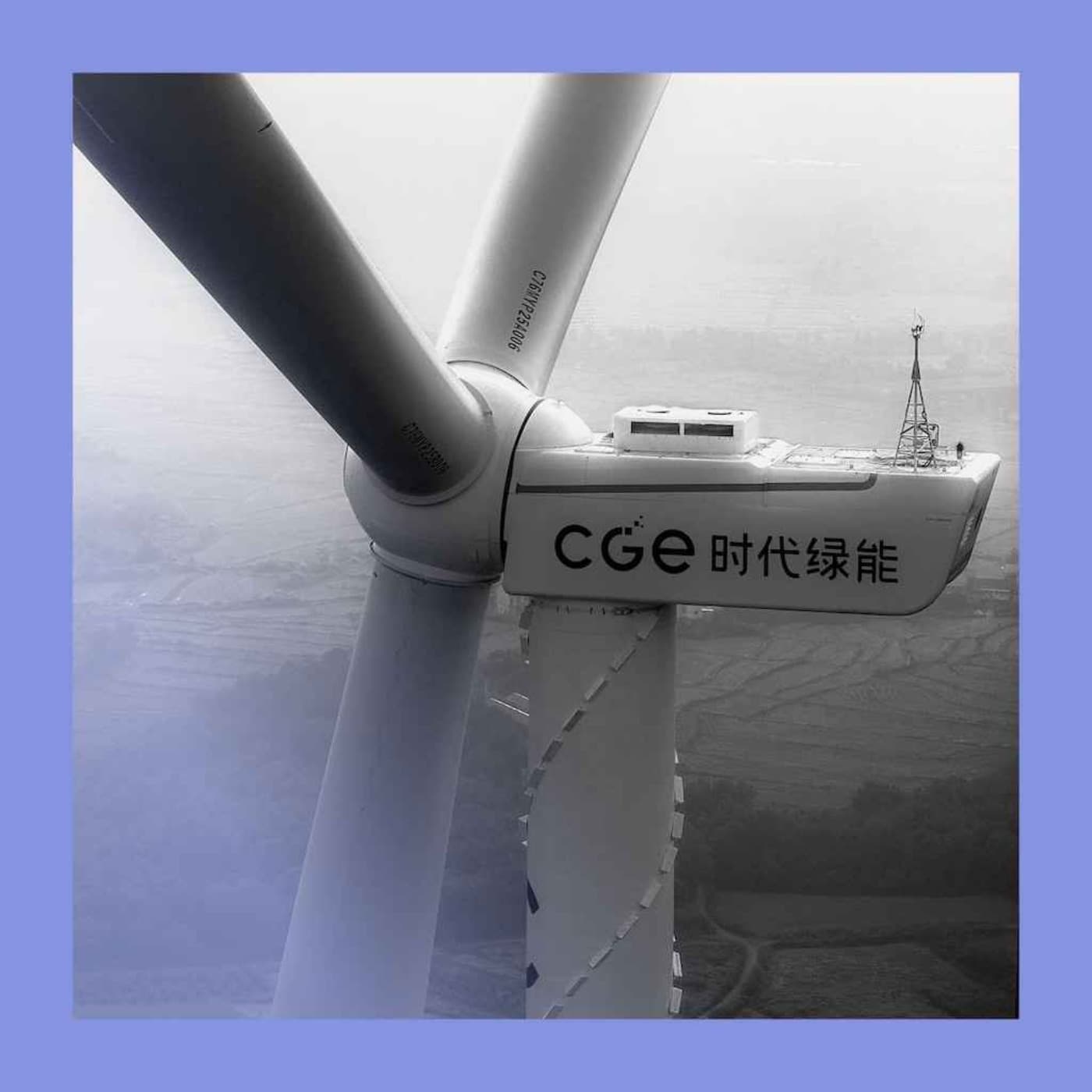
The episode links three themes: China’s “little green look” and energy revolution, global youth protest symbols, and sports piracy economics. China’s guest, correspondent Gabriel Crossley, says China—despite being the world’s biggest polluter and still building some coal plants—has shifted from “developed countries should cut first” to peaking emissions around 2030 and cutting greenhouse gases 7%-10% between peak and 2035. Key examples: half of China’s car sales are electric; China leads wind power and supplies 60%-80% of the world’s solar panels; it exports solar panels, EVs, and lithium batteries. Claims: green tech boosts energy security (less oil import dependence), GDP, and soft power, while overseas protectionist backlash and renewables overcapacity remain risks.
Guests
Gabriel Crossley (China correspondent); Moeka Ko Iida (East Asia reporter) on One Piece protest flags; Mike Jakeman (sports business writer).
Written by AI. May contain mistakes. Listen to the episode to check what was said.
Chapters
Tap a time to open that second in VOYouth Protests Around the World
0:45 to 2:32
Discussion on global youth protests and their common symbol.
“At last, the rights holders have got wise and are adapting some old advice.”
China's Green Energy Shift
2:32 to 4:33
Exploring China's shift towards renewable energy and its implications.
“and also encourage other countries to do the same.”
Challenges in China's Energy Policy
4:33 to 7:47
Examination of China's challenges in transitioning to greener energy.
“huge resources into making sure the country dominates them.”
Challenges in China's Energy Policy
8:57 to 9:29
Examination of China's challenges in transitioning to greener energy.
“Made In partners with multi-generational artisans and some of the world's best chefs to create professional quality cookware, knives, and kitchen tools.”
Anime as a Symbol of Rebellion
9:29 to 14:05
Discussion on the role of anime and K-pop in modern protests.
“This year, there's been a lot of news about youth protests happening all across the world, and there was a very interesting phenomenon emerging from these protests.”
Protests and Pop Culture in East Asia
14:05 to 15:01
Explore how East Asian pop culture is shaping modern protest movements.
“So what does this say about the nature of protest now?”
Upcoming Book Show on Influential Books
15:01 to 16:09
Learn about the special book show discussing transformative books.
“Moeka, thank you so much for talking to me.”
The Business of Sports Broadcasting
16:09 to 20:08
Discover the economics of sports broadcasting and the impact of piracy.
“There are few events around the world that I was guaranteed to get lots of viewers at a particular time as live sport.”
Changing Landscape of Sports Rights and Piracy
20:08 to 22:24
Understand how leagues are adapting to the challenges of piracy.
“And you mentioned that the leagues, though, because of the unwinnability of the whack-a-mole game, are being more open-minded, more broad-minded about how they deal with this.”
Transcript
Automatic transcript. May contain errors.0:10Hello and welcome to The Intelligence from The Economist. I'm Rosie Bloor. And I'm Jason Palmer. Every weekday, we provide a fresh perspective on the events shaping your world.
0:25This summer, young people in many countries took to the streets to protest about economic hardship or political freedom. A surprising thing united those demonstrators. They brandished a pirate flag with a grinning skull in a straw hat. And for as long as the telecom's infrastructure has been able to handle it, people have been pirating live sport broadcasts. At last, the rights holders have got wise and are adapting some old advice. If you can't beat them, get them to make content for you.
1:01First up, though.
1:10This week, the 30th COP climate summit began in Brazil. But for the first time in its history, there was no delegation from America. Who's making up the numbers? China. The country has sent more delegates than any other nation bar the hosts themselves. That's linked to a broader, greener push within China.
1:42Speaking to the UN recently, President Xi Jinping promised to cut carbon emissions just 24 hours after Donald Trump called climate change a con job. The carbon footprint is a hoax made up by people with evil intentions, and they're heading down a path of total destruction. Despite its own ravenous energy demands and torrid record on pollution, China is increasingly selling itself as an eco-activist. China has a level of agency on climate change that really no other country can match. Gabriel Crossley is our China correspondent. It's one of the few countries capable of making a dent in global emissions all by itself.
2:28and its renewable energy industry gives it an unmatched ability both to do that and also encourage other countries to do the same. Gabriel, isn't China the world's biggest polluter? It is. And actually, up until not that long ago, cutting emissions would have imposed a big cost on China's economy. And this was an argument it made that it was therefore developed countries, so the ones that industrialised first and filled the atmosphere with carbon dioxide, should be the ones to make big emissions reductions. But in the mid-2010s, this all started to change. China had become the world's biggest carbon dioxide emitter in 2006.
3:10It now accounts for about a third of the total. It burns vast amounts of coal. And in 2014, China started to change its language on this. It pledged its emissions would peak by around 2030. And just this September, it committed to a 7 % to 10 % cut in greenhouse gas emissions between the peak and 2035. When this peak happens, it could actually be this year, and it'll certainly be in the next couple of years. And so given the challenges to its economy, why has China changed its position? China has good reasons to make this shift. Like every country, it's in danger from climate change. It's got the rising sea levels, threatened many of its biggest cities.
3:59Severe droughts and heatwaves will hurt its agriculture. Clearly, officials think this is an urgent problem. But more importantly, I think China sees economic and geopolitical opportunities in addressing climate change. It sees green technology as part of its goal to rejuvenate the Chinese nation as President Xi Jinping likes to put it. So political promises are one thing, but how have they actually done it? China sees green technology as an industry of the future. And so its officials have poured huge resources into making sure the country dominates them. They've created both vast supply and vast demand for these products through a combination over many years of government subsidies, but also brutal competition and entrepreneurial innovation in China's private sector.
4:52This has all been spectacularly successful. Just as an example, now half of the cars sold in China are electric. So explain to me how China's green ambitions also further its global ambitions geopolitically. Well, let's be honest, this is not really about China trying to protect Pacific islands from rising sea levels. A key part of it is energy security. So China produces only a small amount of oil. It has to import a huge amount. This is a big worry for a country that really wants to be self-sufficient and is afraid that America, for instance, might block its oil supplies in a potential conflict.
5:33So if you can get lots of renewable technologies and electric vehicles that could reduce your dependence on these supplies. Exporting locks of green technology is also a good way to drive GDP growth and also build up soft power. So it allows China to present itself as a responsible world player. And of course, much of this can all be done at America's expense. And is America really now falling that far behind? President Biden certainly tried to get America's green industries going and showed some leadership on the oil stage in terms of climate. But all of that changed when President Trump came to power.
6:15Since Donald Trump's second term in office, it's really shifted away from the green agenda. And meanwhile, the world seems to be on a different track. So the first half of 2025, the world got more electricity from renewable generation than coal. It added more energy from renewables, then energy demand increased. And the main reason for these big shifts is because of China's deployment of renewables. President Trump has been quite dismissive about all this. We're getting rid of the falsely named renewables. By the way, they're a joke. They don't work. Meanwhile, China leads the world in wind power capacity.
6:57It's now supplying 60 to 80 percent of the world's solar panels, electric vehicles, lithium batteries. They're contributing a big chunk of GDP, China's making much more from exporting these technologies than America is selling fossil fuels. So put all this together and clearly China is showing much more leadership on climate than America is. Gabriel, pledges are all very well, but is China really ready to tackle its emissions? It still needs to make some very hard choices on coal. It pledged in 2021 to limit the increase in consumption of coal. It's walked back on some of these things. It's building more coal-fired power plants.
7:40There's lots of local resistance to this kind of thing. Another big challenge is keeping its growth and its energy transition in step. So the green tech sector is struggling a bit with overcapacity now. It might be going through some growing pains over the next few years. And finally, there's geopolitics. So China's vast exports of all this technology has created a protectionist backlash overseas. So China is going to have to negotiate these challenges. If it wants to become carbon neutral by 2060, which it said it will, that is net emissions of zero, it has a lot of hard work to do. But all of this green technology has given China the opportunity to do this and also to help other countries get there too.
8:30Gabriel, thank you very much. Thank you very much.
8:36And you can hear more on China's role in the green transition on the latest episode of Drum Tower, our China podcast. You'll need to be a subscriber to listen.
8:53This podcast is sponsored by Made In Cookware. Made In partners with multi-generational artisans and some of the world's best chefs to create professional quality cookware, knives, and kitchen tools. Their products are trusted in Michelin-starred restaurants worldwide and designed to perform just as well in your kitchen. From five-ply stainless clad to carbon steel, every piece is built to last and made to actually make you a better cook. Discover award-winning cookware at MadeInCookware.com.
9:29This year, there's been a lot of news about youth protests happening all across the world, and there was a very interesting phenomenon emerging from these protests. Young people wave this pirate flag from the anime and manga series One Piece. Moe Ko Iida is our East Asia reporter. This is a pirate flag. It has a black background and has a grinning skull with a straw hat. And it's a very, very popular manga and anime series. The manga started in 1997 and the anime has over a thousand episodes. and it was recently adapted by Netflix, which brought in even more fans. I found it very interesting that the One Piece flag has become this emblem of rebellion across the world.
10:16Fascinating. So where did this phenomenon begin? So this all began in Indonesia, where young people took to the streets to demonstrate against economic hardship and authoritarianism, and they were waving the One Piece flag. And then this phenomenon spread very quickly to Nepal, where young people also took to the streets to fight against corruption and they even managed to topple the prime minister. And then later on, it spread all the way to Madagascar and Peru, Morocco and even Europe. So Mewaka, what's going on? Why has One Piece become this emblem? I think there's something about the story of One Piece that really resonates among young people.
10:54One Piece follows Monkey D. Luffy, who is a pirate. He's a very spirited teenager and has this perpetual grin on his face. And he's sailing across the ocean with his kind of ragtag crew. And they're finding this legendary treasure. That's their goal. And in the process, they're also fighting against this corrupt world government. So it's also about standing up to power and pursuing your dreams. And the story also celebrates friendship. So at the very beginning, Luffy accidentally eats this devil fruit that turns him into rubber. And so he can stretch, but that gives him the ability to fight very strong enemies.
11:31But it also comes at a cost. So Luffy loses his ability to swim, but that's okay because whenever he falls into the sea, his friends are always there to help him out. And I feel like this very earnest message resonated with people across the world. It still seems kind of fascinating that a pirate with a straw hat becomes a global symbol of defiance. I think it does speak to the power of social media and digital connectivity across the world. A lot of people have drawn parallels with what happened with the Arab Spring. The Arab Spring was fueled by Facebook back in the day. And now today's young people are on TikTok and Discord and they're connected more than ever.
12:09I spoke to an activist in Madagascar called Shelley, and she told me that she was inspired by protesters in Nepal and wanted to use their symbol. It was the same fight, the fight against corruption, bad governance and neglect from our government. And that's why we decided to use the One Piece flag, because it was like a kind of connection. And we're going to try the same thing in our country. And by that, we also hope to inspire other people around the world and in Africa. And also, I think anime is a very appealing symbol for protests. Some protesters in Southeast Asia said it takes a lot of courage to go out and wave your national flag because that's a direct kind of political commentary.
12:53And there's very serious repercussions that could come with it. But if you're waving just an anime flag, it makes it a bit more ambiguous. And it's a way to dodge censorship, although it seems like authorities will eventually see it as a threat. And they have indeed, I saw Indonesian MPs have declared the one piece flag as a threat to national unity. Are there other examples of anime or manga characters finding popularity in this kind of way as well? Yeah, I think it's a very curious phenomenon and it's not just happening with anime. K-pop has become a protest anthem. K-pop fans have become this very big political force.
13:30There were a lot of news about them raising lots of money during the Black Lives Matter protests in 2020. And also in the wake of the declaration of martial law by the former president of South Korea, Yoon So-kyo, a lot of Koreans took to the streets. And interestingly, they were singing to this song by a K-pop group called Girls' Generation.
13:54The song is called Into the New World.
14:05So what does this say about the nature of protest now? I spoke to a friend of mine called Roland Keltz, who is a pop culture expert, and he made this observation as in back in the day for generations, Western pop culture seemed to define rebellion. So you've got hip hop and punk and rap music and stuff like that. Whereas these days, East Asia, it's a region that's traditionally associated with conservatism and conformity. And that's the region that's now producing the imagery and soundtrack to Rebellion. And I think it's a very interesting phenomenon because these young people across the world are taking enormous risks.
14:42Like they're standing up to the government and facing risk of arrest or facing violence. and it's very heartwarming to see how One Piece and these forms of East Asian pop culture is giving them the way to express solidarity and also giving them the courage to stand up to these governments. Moeka, thank you so much for talking to me. Thank you so much for having me, Rosie.
15:20Okay, look around you and yes, it's November. And yes, the end of the year is nigh. Each December, the Intelligence hosts a special book show. It's a chance for our correspondents to laud the books they love and discuss the recommendations of you, our loyal listeners. This year's topic is quite big. Books that change the world. We'll discuss what volumes throughout history have shaped the way we live and think today. We'd love you to send your suggestions. You can write a short paragraph or better yet, send a voice memo or video clip to podcasts at economist.com.
16:08Sports rights are big business for broadcasters. There are few events around the world that I was guaranteed to get lots of viewers at a particular time as live sport. Mike Jakeman writes about the business of sport for The Economist. The size of the latest broadcasting deal for the NBA was$76 billion over 11 years. The total amount of money lost by broadcasters in foregone revenue on account of pirated sports content was estimated in 2021 at about$28 billion a year. What we get is this contest between rights holders and pirates. It's a bit like whack-a-mole, where the authorities spend a lot of time trying to knock down one site, and then occasionally they achieve it, and then streams pop up elsewhere, and they knock down that one.
16:56But there's always more. So the broadcasters want a solution to this, particularly as the rights market itself and the way that people are consuming sports content is changing. And they've had to take a slightly broader-minded approach and really think about the spectrum of piracy. What do you mean by that? In what way is piracy a spectrum? it's legal or it's not on one end of the spectrum is people who are literally rebroadcasting a live stream or a nearly live stream of a game simply to deprive the rights holders of audiences and revenue on the other end of the spectrum you've got people who are let's say clipping some live content and then talking over it to illustrate a tactical point where they don't own the rights to broadcast that on their youtube channel they've made raise some interesting points and are actually helping to, you would think, grow the game through doing this.
17:42But also technically, they don't have the right to do so. But for the rights holders, the leagues, the broadcasters, the issue is not the small-time people who were talking about football tactics. It's big streaming firms, essentially, right? Yeah, that's right. And there have been a couple of quite big success stories in recent months. The authorities shut down something called StreamEast in August. the figure that's banded about is about 1.6 billion visits to that site every year and then there was also another one called Calcio which is very popular in Italy it was shut down from its operation in Moldova the reason that any casual fans might have heard of Stream East is because the biggest star in the NBA LeBron James was actually caught watching Stream East the amusing thing about this was the reaction of the fans afterwards is the fact that somebody that famous was doing it, which increased the chances of that site being shut down by the authorities.
18:36And that's what upset the fans, which I think shows you just how ingrained in the sporting culture watching content from anywhere has become. Right. And what about the, I guess, the demand side, the fans side? Is it a lot of fans who actually are consuming this stuff or is it just a sort of diehard view? It's pretty widespread. There've been some quite interesting academic studies done on this, which suggests that views on piracy amongst fans are quite liberal all across the world. It doesn't matter whether you're in an emerging market or an advanced economy, whether you have a high income or not.
19:08Fans are generally pretty willing to pirate. The biggest study we've seen suggested that around two thirds of fans in lots of different markets had consumed pirated content within the past month. The biggest change in the sports rights market over the last maybe five to six years is the fact that leagues have got wise to the idea that there's a huge amount of competition within broadcasting and that they can get the most money by bundling these rights up into different packages and selling them not to one or two different broadcasters, but three, four, five, or six. Now, of course, what that means is that if you want to watch every game that your team plays in a particular competition or have access to any game you want in a competition, you're not subscribing to one service, but as many as they can sell.
19:51And that becomes logistically challenging. And economically challenging from the sound of it. Yeah. So we've seen studies that suggest that the cost of subscribing to the different streaming platforms to watch the NBA this year, watch just one team, is about$650. That's a lot of money, and that doesn't get you everything. That's just your one team as well. And you mentioned that the leagues, though, because of the unwinnability of the whack-a-mole game, are being more open-minded, more broad-minded about how they deal with this. What's the change? There is still zero tolerance to the idea that somebody's going to rebroadcast that live stream on their Facebook or YouTube channel.
20:28No league wants that. That is still being policed as strictly as possible. But what the rise of streaming and content creation and DIY content has done is slightly change the balance, whereby if you're a YouTube creator and you're splicing up these bits of content and rebroadcasting it with some tactical analysis, this, and the NBA has been the most liberal on this, I would say, they're starting to consider this as actually, well, why don't we bring these guys in-house? They've developed this content creator program, which grows more and more each year, where they will sign up some of these guys and give them more and more official historical content and say, go and do what you like with this.
21:07Make something interesting that is going to grab new audiences. The second part of this is that they are spending more money, the league sisters, on finding out who is watching the pirated streams and how often. Because the better data they can get on that, they can then take that information to potential commercial partners. So some of the revenue that may be being lost through pirated content could be reclaimed back by bigger deals from sponsorship if they recognize the true size of the appeal of the league. I guess my question here is, as this evolves, is it good for the sports? Is it good for the fans?
21:40Is it good for the evolution into a more digital era in your mind? Yeah, I think this is undoubtedly a good development. So what we've seen with the NBA is that they've also allowed more creators to come to the games and film around the matches themselves. This is all starting to shake up a market that's been extremely rigid and very well protected for a long time. We're still going to see zero tolerance of rebroadcasting unofficial streams live where there's no value add here. But the opportunity to bring in intermediaries like these creators will help to bring fans closer to the games and enhance the authenticity of the experience for everybody, which I think serves both the leagues and fans and the people doing some of the creative work in the middle quite well.
22:23Mike, thanks as ever for your time. You're welcome.
22:43That's all for this episode of The Intelligence. We'll see you back here tomorrow.
From the publisher
America has boycotted this week’s COP climate talks, but China has sent a giant delegation. The world’s biggest polluter is increasingly pivotal to tackling global warming. Why young protesters around the world brandish a pirate flag. And since sports leagues cannot stamp out pirate broadcasters, they are monetising their viewers.
Listen to what matters most, from global politics and business to science and technology—Subscribe to Economist Podcasts+
For more information about how to access Economist Podcasts+, please visit our FAQs page or watch our video explaining how to link your account.
Hosted on Acast. See acast.com/privacy for more information.