
In short
Podcast Episode Notes: Robert Walton MBE - From Chef to Hospitality Icon
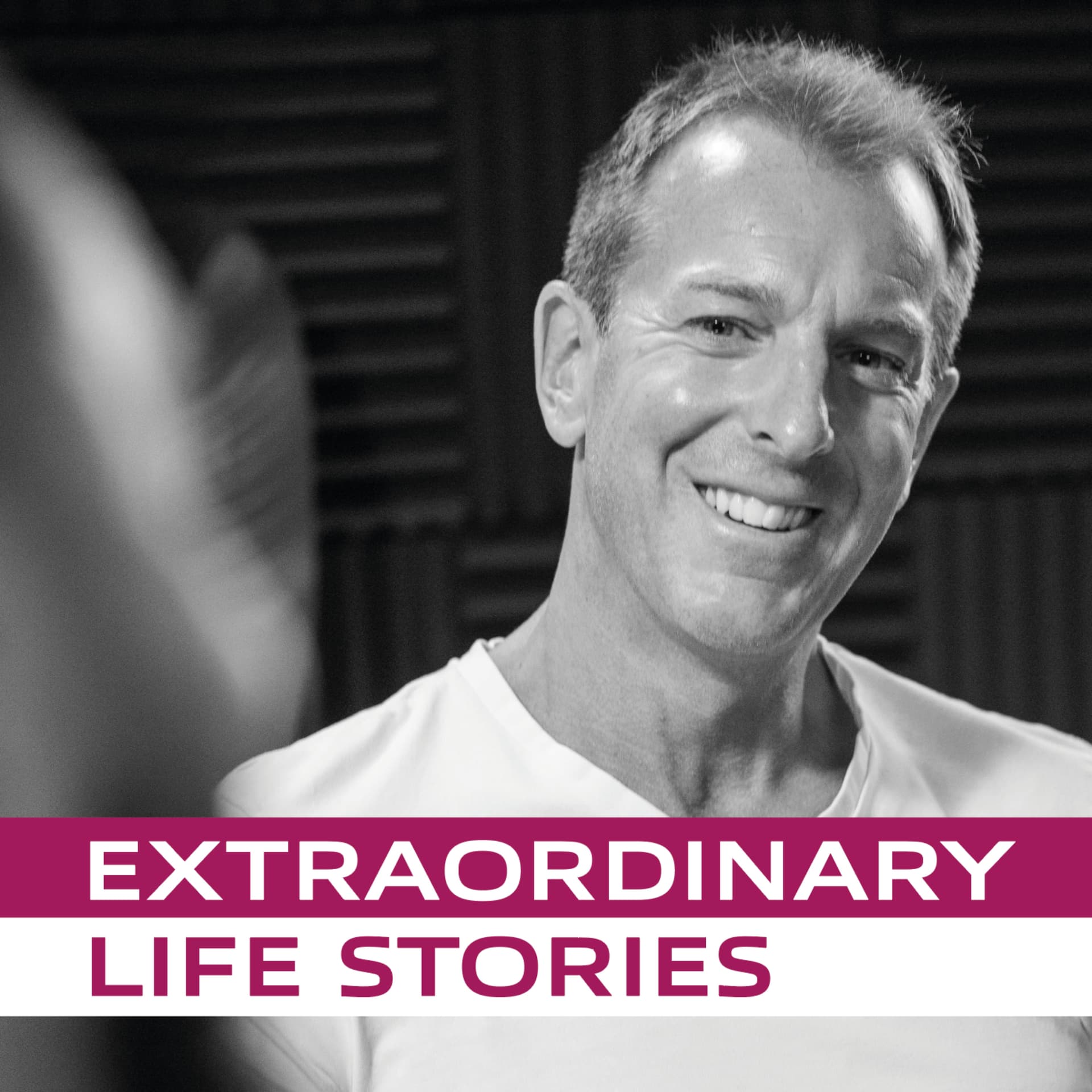
Podcast Overview Title: Extraordinary Life Stories Host: John Reynolds Guest: Robert Walton MBE (The Godfather of Hospitality) Episode Description: A conversation with Robert Walton, exploring his life journey from chef to a leading figure in the hospitality industry. The discussion covers his early career, challenges faced, and his innovative contributions to hospitality.
Key Themes and Insights
Early Beginnings
- Starting Out: Robert began his career in hospitality at 16, training as a chef and manager.
- First Restaurant: Opened his first restaurant at 24, marking the start of a successful entrepreneurial journey.
Career Milestones
- President of the Restaurant Association of Great Britain: Longest-serving president, advocating for independent restaurants.
- Nth Degree Club: Founded this prestigious fine dining and networking initiative for hospitality leaders.
- World Young Chef Young Waiter Competition: Champions the next generation of hospitality talent globally.
Philosophy of Hospitality
- People-Centered Approach: Emphasizes the importance of personal connections and knowledge in delivering exceptional experiences.
- Ambiance Matters: Highlights how service, environment, and interaction contribute to a memorable dining experience, not just the food.
Challenges and Resilience
- Health Challenge: Robert faced tongue cancer, which changed his perspective on life and work, instilling a drive to continue his passion for hospitality.
- Adapting Post-COVID: Notes changes in dining habits post-pandemic, with earlier meal times becoming the norm and a renewed appreciation for social interaction.
Success and Legacy
- Success Redefined: Robert defines success as building a global competition for young hospitality professionals, focusing on mentorship and community.
- Vision for the Future: Aspires to expand the competition to 30 countries, creating a legacy that celebrates and elevates the hospitality profession.
Personal Insights
- Food Preferences: Prefers fine dining experiences that are also about the connections made rather than just the food itself.
- Health Consciousness: Changed eating habits post-cancer, focusing on quality over quantity and enjoying life’s finer offerings in moderation.
Memorable Quotes
- "If you really enjoy what you do, you never work a day in your life."
- "You don’t have to be an academic in hospitality; you just need a great personality."
- "There are five things in a restaurant that I look for before I've ever seen the menu."
Actionable Takeaways
- For Aspiring Chefs: Focus on developing a strong personality and interpersonal skills, as hospitality is fundamentally about people.
- Building Connections: Create spaces for networking and mentor relationships in hospitality, as these are invaluable for growth.
- Embrace Change: Adaptability is crucial in the hospitality industry, especially in response to societal shifts and challenges.
Conclusion This episode encapsulates Robert Walton's extraordinary life story, highlighting the passion, resilience, and innovation that define his journey in the hospitality industry. Through candid discussion, listeners gain insight into the importance of service, connection, and the evolving nature of dining experiences.
Written by AI. May contain mistakes. Listen to the episode to check what was said.
Chapters
Tap a time to open that second in VOThe Journey of Robert Walton
0:45 to 2:12
Robert shares his journey in the hospitality industry and what defines him.
“You know, they just call it radiators and drains, don't they?”
Global Hospitality Competitions
2:12 to 3:10
Discussion on the Young Hospitality Competition and its global impact.
“I run the restaurant Gala and Awards where we give 10 awards out for some of the best hospitality names and people in the country.”
Evolution of Culinary Arts
3:10 to 4:06
An exploration of how culinary styles and produce have evolved over time.
“I mean, you're heading to the Ritz after this.”
The Role of Service in Dining
4:06 to 7:10
Insights on how service quality and knowledge enhance the dining experience.
“So I started, you know, cooking when I was 16.”
Impact of COVID-19 on Hospitality
7:10 to 10:10
Robert discusses how the hospitality sector has recovered and adapted post-COVID.
“And of course, now the waiter or the waitress has become the key part of that restaurant.”
Changing Dining Habits and Future Trends
10:10 to 14:01
Discussion on how dining habits have changed and what restaurateurs need to do to thrive.
“and going back to the smile, people that represent you in your restaurant, in your hotel, that are quite simply perhaps not smiling.”
Adapting Hospitality to Changing Times
14:01 to 15:00
Discover how hospitality businesses can adapt to changing dining preferences.
“This is not, I mean, it's fun, but it's a business.”
A Day in the Life of a Hospitality Icon
15:01 to 16:00
Gain insights into Robert Walton's dynamic daily routine and passion for hospitality.
“There's a part of you that kind of almost brought what is your life into this conversation.”
The Drive Behind Hospitality Excellence
16:01 to 18:00
Explore what motivates Robert Walton to continue shaping the hospitality industry.
“You were talking about how it's wonderful connecting people.”
Creating Unique Dining Experiences
18:01 to 21:00
Learn about the nth degree and how it connects people through unique dining.
“But that's why there's a vibration between us.”
Show all 20 chapters
The Art of Table Planning
21:01 to 24:50
Understand the importance of table planning in creating memorable gatherings.
“10 12 is a nightmare and when you go to the and somebody oh sit where you like it's a nightmare I hate that.”
Building a Future for Young Hospitality Talent
24:51 to 28:00
Find out how Robert Walton envisions a global competition for young hospitality professionals.
“Yeah, because he literally came out and said hello.”
The Young Hospitality Olympics
28:00 to 29:09
Exploring the concept of a global competition for young hospitality talent.
“have 30 countries in what I would term as a young hospitality Olympics coming every year.”
Legacy and Purpose in Hospitality
29:10 to 30:55
Discussing the importance of legacy and giving back in the hospitality industry.
“And I think that element of prioritizing how you do and what you do rather than making money out of it is serving you well.”
Health and Eating Habits After Cancer
30:56 to 33:35
Robert shares his journey of health changes and eating habits post-cancer.
“where there's any number of incredible, what could be quite rich food and so on.”
Advice for Aspiring Hospitality Professionals
33:36 to 35:58
Robert shares insights and advice for newcomers in the hospitality field.
“Because it just means that you don't spend any more money because you probably have a bottle of wine and a bottle of wine and a bottle of red or something silly, you know.”
Choosing the Ultimate Meal
35:59 to 37:56
Discussion on Robert's favorite meal and its significance to him.
“The passion you've got for it is phenomenal.”
Changing Drinking Habits
42:01 to 43:08
Learn about embracing a simplified approach to drinking champagne.
“And the thing about that is I don't drink a lot because you don't drink lots of champagne.”
Advice for Aspiring Hospitality Professionals
43:09 to 45:24
Discover valuable insights and advice for those entering the hospitality industry.
“It's the advice you give to your younger self.”
The Ultimate Meal Experience
45:25 to 46:48
Explore the ideal meal choices and flavors from a hospitality icon.
“OK, so I would have I would have caviar.”
Transcript
Automatic transcript. May contain errors.0:00If ever anyone is thinking of changing their drinking habits, just drink champagne. I'm going to affectionately refer to you as the godfather of hospitality. Okay. This gives anyone watching this in conflict. So who is Robert Walton? People want an experience. And it's not that you can't buy it. It's just that you can't do it. You have to have the people, the knowledge of how this thing goes together. You lit up them. No day is clearly the same. I mean, you're heading to the Ritz after this. I'm going to the Ritz after this. And we're here at the landmark, which is absolutely fantastic. And then I'm going to the peninsula.
0:29So I had a slight hiccup. I had cancer, had tongue cancer. and that completely changed a lot of things. Changed a lot of things up here. Hence this drive. I see people younger than me who have retired. I talk to them and I'm thinking, I can't stay here anymore. I've got to go. It's an energy. You know, they just call it radiators and drains, don't they? Let's just say that you and I are going for lunch now together and we're not going to the Ritz, but you're going to choose where to go. But more importantly, what would you eat? Starter, main and dessert is the ultimate meal.
1:14Welcome. Thank you. Thank you. Great to be here. Looking forward to this. My first question is always who is. I'm going to affectionately refer to you as the godfather of hospitality. Okay. This gives anyone watching this in conflict. So who is Robert Walton? Well, he's somebody that loves hospitality. He's been in hospitality all his life. runs many events and how on earth does that name, the godfather of hospitality, sort of arise or arrive here. I suppose with what I do in hospitality and where I've been, I've been in it since I was 16 and I'm heading up to higher figures these days. I've been involved in the Restaurant Association for 33 years.
1:53So that's a long time just in one association, one group, looking after independent restaurants. I run a global competition called Young Hospitality and it's a Young Hospitality competition around the world. We're in 16 countries. Promoting hospitality as a career, a vocation and a profession, which I love. I run the restaurant Gala and Awards where we give 10 awards out for some of the best hospitality names and people in the country. I run the International Restaurateurs Dinner, which is absolutely fantastic. And this year, which I'm really excited about, is the world finals of the Young Hospitality Competition are actually coming to London.
2:36So for the last three years, we've been in Monaco twice, Singapore, and this year we're in London and we're at the new Chancery Rosewood, which is absolutely incredible. And my dear friend, Michael Bonser, is looking after us there. Last week it was voted the best hotel, the best new hotel in the world. So to have our event have 10 countries from Thailand, Hong Kong, USA, Cayman Island, Scotland, England, all around the world, all coming to London for this competition over four days, involving the Jumeirah Colton Tower, involving the Peninsula, involving Fortnum & Mason, combining at the end of that week with the world championships as we are in the chancery rosewood where we actually have it's like formula one we actually have formula one involved we have a podium where we have a bronze a silver and a gold and that is the country that will win so it's really phenomenal so anyway i've sort of i know but it really sets the scene i mean gosh you must have had some good meals.
3:45I mean, you're heading to the Ritz after this. I'm going to the Ritz after this, and we're here at the Landmark, which is absolutely fantastic. And then I'm going to the peninsula, and then I'm going to the airport. And there's a glint in your eye. It's like, you're never going to get tired of that. That's good food. That's always evolving, isn't it? So there's an element of, again, evolution in food and culinary, sort of dishes, and you're at the forefront of that. Yeah, it's amazing. So I started, you know, cooking when I was 16. I went in, started here in London. But to see the transition of food, styles, produce, really, that's probably the key, throughout the 70s, 80s, 90s, and here we are in 2026 now.
4:30To see the transition, to see the change. A steak is still a steak. A dovisole is still a dovisole. It's basically everything around it you know but so it's the other produce you know when I was cooking my very first restaurant when I opened when I was 24 you know we literally had lettuce cucumber and a tomato that was a salad you know you couldn't get you know beautiful chikorys and endives and all the massive amount of sort of different produce that you can get today so things have changed dramatically in just that tiny that short period if you like I suppose in the whole scheme of things it's a short period i mean talking about the amount of meals you've had in this this this incredible sort of diversity if you like from tomato and lettuce on the plate with this bait to the yeah the kind of uh almost entrepreneurial elements and we probably both know heston blumenthal of course films filled with me and i'm sure you know him well and the innovation that he brought just using him as an example yeah what is in your opinion something that's almost shocked you or impressed you in in that award scenario what is it that someone's got to do maybe watching this and it's an aspirational restaurateur and chef has got to do something to impress and win an award.
5:42I think innovation of, but natural innovation, not, I mean, Heston is a genius and created a completely different type, you know, a scientific route to food. And it was incredible. And they had the bully route and they had the Heston route and you had this sort of micro technology that was using science and food and breaking down, you know, foods and what goes together and does bacon go with chocolate and all this sort of stuff, you know. And I think that was a movement, the same as Nouvelle Cuisine was a movement, you know, prior to that. And I think these movements and styles and changes and different dynamics in the way that food has been served and produced and plated.
6:34You know, Michelin, I worked with Michelin for a while. Michelin is about what's on the plate. That is it. I mean, Michelin is about what's on the plate. and you can read it. If you go into the Michelin guide, it would tell you how to get a Michelin star, but it won't tell you how to get a Michelin star, but it'll say to you, this is what we're looking for and it's really what's on the plate. So it doesn't matter about wine lists at the moment, you need to, you know, if you want to go that route. So what's on the plate is really important. Then it's the knowledge of what's on the plate. So you'll see when you go to a restaurant today, the knowledge of the waiter or the waitress or the server, whichever we want to call them.
7:09And that's really incredible. I love that. And of course, now the waiter or the waitress has become the key part of that restaurant. The chef, we expect a good meal. But when you have that, the service and somebody tells you the breakdown of where the sausages come from and how they're made and when we got them, you know, you think, my God. And what potatoes we're using for our great mash. And what onions we're using for our great onion. You know, you think, wow, here we are. We used to get sausage and mash. Now you can tell me how that works. I really quite like that. I love that because you brought people into it and actually that's really interesting to know that the Michelin kind of rating if you like is all about what's on the plate but we both know how the experience of eating out is the smell when you walk in, the lighting, the ambience, the vibration if you like of the people, maybe the owner of the restaurant is a character and then who you have that meal with as well and I suppose that's something I I wanted to flip back to you where for you and all your incredible experience, achievements and, you know, from what you've done to where you're heading off to, what do you look for?
8:18Because the food itself, you expect it to be good. Of course you choose the company you go with, but my point being the ambience, the stuff that actually isn't on the plate is so important. So my friend, I have a really dear friend called Thomas Keller. Thomas Keller is probably one of the best chefs in the world. If not, probably is one of the best chefs in the world. He's got the French Laundry in Napa and he has Perse. He has three Michelin stars in two. He's, you know, right up there. And with every chef, I'm actually going away on Saturday. And on Sunday, I'm with Eric Repair, Daniel Balloud and Jose Andres, which is just like an amazing group of chefs.
8:56So I meet chefs all the time. But Thomas is one guy that everyone listens to. The same as Heston. You know, they deliver lines that you keep in your head forever. And Thomas will say, there are five things in a restaurant that I look for before I've ever seen the menu. And that is, how am I welcome? How am I seated? Who gets my first drink? How does that first person come to me? And that will tell me whether I'm going to have a good meal or not have a good meal. I haven't even seen the menu yet. And so it's really that first bit, you know. And it really isn't that difficult. You just got to smile.
9:29I mean, that's the first thing any waiter, waitress or servant needs to do is just smile. Because that's it. That's the icebreaker. It's not that difficult, is it? No, I love it. And actually, Thomas will say it really isn't that difficult. No, and it humanizes it again. And I think being the godfather of hospitality and well-earned name. You know, hospitality is being hospitable. Yes. It can't be that difficult. But I'm just, my mind's gone to COVID. So we're 2026. So casting back to that time, that was a decimation of hospitality. And with Brexit as well, where particularly from UK point of view, a number of people I know and knew in hospitality, because some didn't make it through, were saying that staff and going back to the smile, people that represent you in your restaurant, in your hotel, that are quite simply perhaps not smiling.
10:24And even if you're training them, you can't. So you get that. Of course, how sort of has hospitality, in your opinion, recovered from what was a terrible time? And has it come out stronger? I think it's changed our habits. We generally eat out earlier. Generally, we're not, you know, the evening, late night evening meals seem to have gone. We quite like being at home. I quite like going to bed earlier. I don't know whether that was a COVID thing or that's just me getting old. I'm not quite sure. But I think what it did do is prove that we need this. We need social interaction. We need to meet people.
11:00I think a year and a half or two years of in and out of lockdown proved that Zoom is fine and all those sort of things are fine. I had a meeting yesterday with somebody about something completely different. And I said, this meeting was so important because I needed to look at you. I needed to see, I needed to look at your eyes. I needed to see reaction. And I can't really get that on Zoom, you know. I can do this on Zoom. No. There's a full presence. There's a whole, there's a connection. Yeah, you need, and we need to see, I need to see your face. I can't see it if there's a mask on, you know.
11:33And so I think that what COVID did do, if you like, for for the restaurant sector and the pub sector and hotel sector is we had just we just love going out. We do need to go out. And and it was it was again in the transition of all the years I've been doing this. there was a time when I was in the restaurant association and we were used to host our our meeting there was a time when when hospitality or going out for a meal suddenly hit the leisure market because prior to that it was a special occasion you know when I went out and when I was you know going out with my parents it was a special occasion we went out you know three times a year something like that it was a big deal it was a birthday it was a You didn't just go out.
12:23And then a complete, again, a movement happened, whether it was the curry houses or the Chinese restaurants or going on easy jet to wherever it was or Laker or whatever it was in those days, you know, and going out and people, you go to Spain, you eat every night. Why don't we eat out a bit more when we come home again? And then the pubs started doing food and everyone started doing food. So now going out for a meal is just not, it's just go out. We go out every week, whether we go down the vision chip shop or whether we pull out, but we get something, you know. And now, so it then became leisure.
12:57Leisure then became, so instead of going to buy clothes or instead of going to the movies, we'll go out for a meal. So now that pound is part, going out for a meal was part of that leisure section. That was a completely different time. So here we are now today in 2026 when going out is the norm. But after COVID, we then realised how important it was to interact with people. Yeah, I think it's so important. And I think it's a shame how the sector in particular relied on connection. It relied on people that wanted to come out. And so many people in their own way going to bed earlier, whatever that might mean, shifted patterns that I know then almost, that's why I see if it came out stronger as an industry, almost had to try harder to woo people to come back out to be sociable.
13:46and to go out. And I wonder if that in any way then created more flair and more sort of diversity in the food that was being produced to get people to come out, if that makes sense. I think restaurateurs have to be on the ball. You know, they've got, I mean, it's a business. This is not, I mean, it's fun, but it's a business. You know, you've got to, you've got to diverse, you've got to look at opportunities. You may have to, instead of doing, you know, instead of having your restaurant from 12 till 2 or 12 till 3. You might have to have it from 12 till 3 and 3 till 5 and 5 till 7. Have different options available.
14:23Maybe you have to do an afternoon option. Maybe because I don't mind eating late afternoon. I don't mind it anymore. I mean, it would have been for me to go out at 6.30 when I was in my 30s would have been ridiculous. Are you serious? You know, everyone in America went out at 5.30, 6 o 'clock. And we go, oh, my God, they're so great. Now I went out last night to Lily Best, one of my favorite new restaurants, booked a table at 6.30. Oh, can you come at 7? Oh, God, you know, all right, I come at 7, you know, because I need to be back at my 10. So, you know, I'm part of that. I mean, I'm the same.
14:57You know, everyone wants to go out a bit earlier. I want the late afternoon lunch, not the 9 o 'clock sit down. You lit up then. There's a part of you that kind of almost brought what is your life into this conversation. No day is clearly the same. You know, we spoke before and you've already mentioned Ritz afterwards, Peninsula later, and then you fly to the Cayman Islands tomorrow, right? Cayman Islands. And all of that's around hospitality. Yeah, it's all about hospitality. It doesn't feel, and you're immaculate dressed for anyone that's listening and can't see you. And there's an element of presentation with that pride in the true sense of kind of how you show up, which I think links nicely to how you were talking about the dishes and so on.
15:34There's a presentation and perspective there, but it doesn't feel like Robert will ever retire. It feels like there's a purpose in you that is almost bigger than you. And I want to bring kind of the experience you've got and the achievements in. You're an MBE for services to hospitality and leadership. And because of all those experiences you've had, if you like, I want to kind of understand that purpose, that why. When you wake up in the morning, what's that fire? If you really enjoy what you do, you never work a day in your life. So that's pretty cool. and I love what I do and I really mean that and when I had I was I had a wonderful award just recently with a group called the Arab Entrepreneur Board and one of the it was called Icon of Hospitality and I thought what am I going to say when I say Icon of Hospitality because it's like you know to get me you you you're you've been around a bit in the hospitality sector and you're obviously quite old to be an icon okay well one assumes that so when I finished my speech I said thank you so much it's been an absolute amazing it's a great honor and and i was you know some incredible people there and i said you know but uh i said it's been a great honor to do all this but really my job has only just begun so i've got a huge amount of things to do between now and whenever it is you know and so really every day is a is a is another day to promote hospitality around the world or wherever I am or to use those connections.
17:06You were talking about how it's wonderful connecting people. I love connecting people. And I remember when, again, back to my dear friend, Thomas Keller, somebody said to him, what will you do when you retire? He said, well, I'll be actually in my box because this is what I do. You know, it's like, if I don't do this, I'm not breathing, basically. So I think I'm in that same boat. You know, I don't see any reason by the way i think it's great you know i i see people younger than me who have retired and are literally like oh my god i know i i i talk to them and i'm thinking thank you god i can't stay here anymore i've got to go you can feel it really good friends of mine but i can't be with them it's an energy because it's just draining me you know they use call it radiators and drains don't they you know and and you're just draining me i've got to go i need people that I've got to do things, you know.
18:27Lots to do. But that's why there's a vibration between us. I am so naturally curious. I could talk to you for a lot longer than we have time for because there's so much to learn from you. There's a mentoring element to you. There's this, again, use that sort of experience element. But you just touched on something that I was really interested in already. You've got a special lunch coming up. You've created something there and you're excited about it. And without me diving into what that is, you created in 2013, I think, the nth degree. yeah and i want to open that up because my own experience of passion for connecting people and wanting to then join people up and then often that can be over a lunch or a dinner yeah and that doesn't have to be um the kind of the best food in the best location it's often about the fact that you're going to get these people together but it's nice to do it in an environment that then accentuates that so i did a a dinner hosted by ruby wax at her house and was able to invite these people that I knew would be all, would all get on.
19:25Did you invite the people? I did. So that was the pleasure for me. And Ruby trusted me to do that. Oh, good. And then everyone, Ruby included, loved it. In fact, when they all left, Ruby said, and of course the food was really good. The fact that it was in her home, it softened everything and it just worked really well. But she said, why did you do that? Because you didn't earn any money out of it. And everyone was lovely. And it was just, everyone was trying to help each other. That was the point. That's why we did this. Yeah, it's a beautiful, it's a beautiful thing to do. But I wanted to open up the nth degree without sort of going specifically into that.
19:57The whole like money can't buy sort of things feels like perhaps what we're all looking for. We can all go for a lunch at the Ritz, but you're doing something different because of how you're bringing people together. Maybe they'll have a slightly extra different experience, if you like. And I want to know what the nth degree does and how people are going to going about finding those experiences that aren't just kind of there to book a table and go along. the experience is the thing that people are looking for what whether that's skiing whether that's you know retail whatever it is people want an experience and and it's not that you can't buy it it's just that you can't do it because you have to have the people the knowledge of how this thing goes together so the nth degree was created in 2013 to put groups of of successful people together and then that comes into another point because I'm writing a book this year and part of the bit about the book there was a chapter called the art of table planning and the art of table planning is essential for any number of people over four because four is four is easy six is not easy 10 12 is a nightmare and when you go to the and somebody oh sit where you like it's a nightmare I hate that.
21:16Sit where you like. Do I sit at the end? Do I sit in the middle? Do I put my glasses here and I'm locked into the middle so I'm part of the conversation or shall I go there? Tell me where to sit. That's what I want you to do. So the art of table planning. Be interesting to know when you did your, did you do a table plan? That would be interesting to know. So I always do a table plan. And then that's really important to do the table plan because you're sitting at the right person next to the right person that is going to interact perfectly. In fact, we've got a table plan today for eight people around that table.
21:46And I've made what I've already done. And I want to make sure that where I'm sitting is at the point that you want me to be or whatever. It's all about the art of table. So you visualized it. Well, I know exactly who I want to sit next to at the moment. I've just got to work. That's why I'm going to make sure it's going to happen. So that is really important. And it's really important for the table you know i i've i had a venue a hotel for 25 years and if somebody would come to me and i hope i'm not upsetting anybody but somebody would come to me and say we're doing a wedding and we decided to split the families up like oh my god is it going to be a nightmare because you know what you want is i used to say what i want is a table where you where you other people know who they're sitting with and then i want shabli and and newy saint george or something on the table and we go oh my God, that's amazing.
22:35Great wine. And I've got fillets say, oh, great. I'm happy. I'm happy. You know what I mean? Very simple. Everything. I haven't got some dish I've never heard of. I haven't got wine that's come from the Outer Hebrides somewhere, you know, that nobody's ever heard of. There's no wrong with the Outer Hebrides. Don't think there's any wine from the Outer Hebrides, by the way. And I haven't got somebody sitting next to me who I've never met. Because immediately everyone's, oh, God, I don't know. And who are you with? and what, you know. So anyway, back to the Nth degree. The Nth degree was created through my network of chefs.
23:05So I wanted to go to, say, Pollen Street Social, where Jason Atherton was. And I would say to Jason, I'm bringing in a group of, we'll all pay, you know, everyone's paying exactly whatever the rate is. So it didn't, you know, it was a good deal. We weren't going in and saying, I need a deal and I'm going to bring some special people, which everyone else was doing. It's a win-win. So I just say, look, how much is it? Great. Okay. I'm charging my members that fee and we're going to come, but come out, come and say hello. Come and say, hi, Bob. Great. And hi, everybody. And if you want to come to Pollen Street, let me know.
23:34And everyone goes, oh, my God, that was Jason. Or Heston in dinner. Or Clorbusier or whoever the chef was. I wanted to Brian Turner or John Williams or whoever it may be in those days. You know, anybody in any of the restaurants, we would make sure the chef came out and said hello. So all of those. So everyone was going, wow, this is incredible. how did you um the best one um Pierre Coffman like one of my heroes Pierre Coffman Anton Mosserman you know these Richard Shepard all these like legends of those of my legends you know and and I said to Pierre who is very like like straight you know like uh but you know again um one of the you know Pierre one of the legends of our sector and I said will you come out and say hello and he said yeah of course I will brilliant so I go in and I would take the cameras in and seeing Pierre and everything else so I come out to my table saying now we're here with Pierre this is one of my specials I have to tell you and Pierre's going to come out and say hello and everyone's oh my god great yeah anyway so Pierre I said ladies and gentlemen please just welcome Pierre there's only like 12 of us and Pierre comes out and says hello and then walks back in the kitchen again and I said okay well maybe next time I need to just elaborate on what I want them to say.
24:51A bit more of a brief. Yeah, because he literally came out and said hello. But, you know, Francis Malmum we had, who is a huge, you know, I mean, the Argentinian superstar chef. I got him, I had him at, I mean, every chef you can think of. Wolfgang Park, we've had, you know, we've had all of these incredible chefs. Oh, this is brilliant. I'm so glad you elaborated. Those were experiences that you can't buy, because you can't buy the chef at that event. Of course you can buy the chef, of course you can pay this and you can do it. Claire Smith, I mean, love, love, love Claire Smith. You know, Core, three-missions are the number one female chef in the world.
25:26We go and do that with Claire, you know. That's brilliant. Oh, anyway, I could go on. No, I love it. I always want to stop you. And I've had my own sort of micro experience of that with some of the people that I know and some of the dinners that I've been invited to and lunches where that's happened. And it's memorable. It's memorable. And it makes it. And then however good the food is, that becomes the big memory. Yeah, well, it actually takes it's even it's even without me ever saying that the food isn't important. The food is always important, but it's that ambience. It's that it's that relationships.
25:59It's those that I mean, the people we put together over the years have now are friends for years and years and years. This goes back to what piques my passion. It's the connections that you can bring together, how you choose where they sit. And so I really relate to that. You used the word when you first introduced the nth degree of bringing successful people together. And of course, those people at any one time will likely to have a work ethic, a mindset, growth of interest, curiosity at sort of maximum. So that then ties into really appreciating those experiences in the food. Bringing success to you personally, you've achieved so much and you are continuing to.
26:36And there's clearly so many things you still want to do. But if I asked you right now, sort of middle of January, 2026, how you define success, what would you say? For me, success is building this global competition. It's not a financial, hopefully it will be. But the goal is to build. I'm not clever enough to just build a business. I've realized that. I'm a creator. I'm passionate about hospitality. I'm passionate about the concept of promoting hospitality. What's happened is by doing that, I've managed to get some money in different areas, you know, in property and other bits and pieces. When somebody says, what's the exit plan?
27:25I never quite know what the exit plan is. I should know what the exit plan is. I'm annoyed sometimes I don't know what the exit plan is because my passion takes, you know, I'm afraid I'm a terrible heart ruling head, you know. And at the moment, I work out how this is all going to go. It's a bit of a jigsaw. You know, I'm working the fire. How do we get all these people here? How do we fly around the world to 16 countries? How do I sell my licenses to 16 countries? You know, some people want this. Some people want that. So for me, in this time right now, success is to say within three to five years, have 30 countries in what I would term as a young hospitality Olympics coming every year.
28:05It's like a European song contest, but for young hospitality people. And having this building, this huge community of young superstars for tomorrow and everyone remembering this competition. You know, the young chef, young waiter competition, which is where it's morphed from, was Gordon Ramsay was a judge. You know, Marcus Waring won it. Angela Hart was in it. You know, Brett Graham won it. Simon Gerling at the Ritz didn't even win it, came second, bless him, if he's the thing but he's still i mean he's number two at the risk you know i mean he's you know these all these successful people have come through this program of for the last 46 years it's been going so now i've taken this new concept i've redesigned it and i've taken it around the world and here we are in our fourth year we've done four years we're in our fifth year now which is brand new business you know it's a brand new business so how can i take that this year we'll be in 16 countries already so does that mean in six years we'll be in 30 countries how do i do 30 countries i don't know but it's great so that's i love that there's a challenge if i if i see that success the success i suppose now as i get is it a legacy or is it success right now it's a combination of two i was thinking i'm gonna i was gonna say to you what a great legacy because Because you're clearly on a mission to make that happen.
29:30It's already in play. And I think that element of prioritizing how you do and what you do rather than making money out of it is serving you well. And there's a lovely element of giving back there as well. You're doing so much to help people in the future that you're creating now, which I think is admirable, as well as clearly very fulfilling for you. It's a purpose. Yeah, I love it. And by the way, you know, I've traveled a lot over my life, but I've never traveled as much as I'm traveling right now. I mean, I went to Hong Kong for the first time two years ago. I went to Thailand for the first time two years ago.
30:07You know, I went to the this year. I'll be going to all kinds of different places, you know, Azerbaijan and and Lithuania and Malta. We're going to in three weeks time and back to the USA in four weeks time. And, you know, so, okay, I've been to those, but some of the new countries, you know, which I, you know, Hungary, Budapest are in this year. I've never been to Hungary before. So, so, you know, it's quite fascinating. This goes back to no days the same, you know, you're thriving on it. You can tell. The other thing is, and without being deliberately flattering, you look really well. And I'm not just talking about the glint in your eye and I'm talking about the fact that you're not, you could be five times the size doing what you do, enjoying food.
30:45And I'm trying to be polite to anyone because that takes some managing. I'm actually interested in how you... A traditional eater, yeah. Yeah. I'm a professional. So I don't know what you're going to have for lunch at the Ritz and then onto the peninsula for dinner where there's any number of incredible, what could be quite rich food and so on. I want to know almost how you've managed being so prominent, godfather of hospitality, and eating probably the finest food anyone's ever eaten, but keeping in shape. So I'm not great at... You are great at keeping fit. I can see that. Thank you. And both of you are, And you are as well over there, Michael.
Read the full transcript
31:20I can see that. You guys have worked out. I can see that. I don't. I don't. So I had a slight hiccup. I had cancer, had tongue cancer eight years ago. And that completely changed a lot of things. Changed a lot of things up here in my mind. Hence this drive because you realise how fragile life is. And when you're, you know, it can go one way or the other. So that's a wake up call. The other thing it did, it changed my eating habits and it changed my taste. When you have 30 bouts of radiation and six bouts of chemotherapy in six weeks, everything here gets killed dead. So I don't have any taste.
32:05I lost all my taste. I lost all my saliva glands. I lost all my lymph nodes. Everything stopped. You have to get it back again. So one of the things that happened was I can't eat huge amounts of food, but I can eat quite a lot in small amounts. And I like I don't have rubbish food because it actually doesn't taste very nice. And so I have small amounts of food. And one of the things if anyone's ever met me or seen me and they only see me drink champagne and there was a bell I used to use and in the champagne bell. is that one of the things that I can't drink, I can't drink spirits, I can't drink wine, but I can drink champagne.
32:46So I just drink champagne and I can drink Guinness. So I love my Guinness at a pub and I love champagne in a restaurant. And the thing about that is I don't drink a lot because you don't drink lots of champagne. I mean, you can, of course, you can drink lots of anything. But so I might have like, if I'm at a meal, I'm going to have two to three glasses maximum. I never had a hangover since I've since I've been since I have my illness. I've never been drunk. And so it really it by default, it sort of changed everything the way I am. And and I enjoy the way I am now. I enjoy what I drink. I don't actually want to drink wine.
33:27I don't want to drink spirits. I don't want to drink cognac. I don't want to drink. I can't anyway, but I don't want to drink them. And it simplifies things. Honestly, if ever anyone is thinking of changing their drinking habits, just drink champagne. You heard it here. Because it just means that you don't spend any more money because you probably have a bottle of wine and a bottle of wine and a bottle of red or something silly, you know. You just have a nice bottle of champagne between the two of you and it's nice. I love that. And you can drink it any time of the day. There's so much to learn from you.
33:59I want to finish with a question that gets asked a lot in podcasts, But for you in particular, I think particularly with the humbling element of what's happened to you in recent times, it's probably given even more of a zest for life and really focused how you live. It's the advice you give to your younger self. And I want to frame that as well with someone that would look at you as a mentor and someone they can learn from, whether they're coming into the hospitality industry at whatever age. What advice would you give them? So the wonderful thing about hospitality is you don't have to be an academic.
34:32That's the first thing. You have to have a great personality. The better the personality, the better you're going to do in hospitality because it's a people led business. So it's it's not easy. It's not as hard as it used to be. I have to tell you, it's not easy. You know, it's the times are unsociable, of course. But I think it's just so exciting. It's so reward. You know, there are so many things. I think we talked earlier on, you know, you can sit at a desk every day and. You know, I walk around a lot. I mean, I'm lots of meetings. I do a lot of stuff. It's just incredibly rewarding. You meet people, you learn to interact.
35:12Right now, there was, I heard on the radio the other day, there were courses for young people to learn how to answer the phone. Right. So because nobody answers the phone, I don't even like answering the phone these days. But, you know, if you get a number, oh, my God, who's that? So the beauty of hospitality is I have to meet you. I have to speak to you. and we have to interact, we have to socialise, you know, and so that's giving you confidence. It's rewarding. It's satisfying. And then you'll deal with problems in life, which we all have problems in life. I have problems every day. You don't know what they are, yeah?
35:46They'll be something in a minute, I'm sure. So we have to deal with problems, you know, and so it's just such a rounded profession and it's a profession now because a young waiter or a chef or a mixologist or a sommelier or a barista or their professions they're trained it's not you can't just wander in and do it you know and so i think it's the most incredible vocation and the opportunities for you so if you train here in london or if you train in you know bangkok or wherever it is of sydney or wherever you are around the world you can go all around the world and everyone... Transparable skills.
36:26Yeah. The passion you've got for it is phenomenal. Let's just say that you and I are going for lunch now together and we're not going to the Ritz, but you're going to choose where to go. But more importantly, what would you eat? Starter, main and dessert as the ultimate meal. Bearing in mind me, flavour and stuff. Okay. So I would have caviar. Now, I'm sorry because I'm gone this way because it's salty. and it's moist and it's fantastic. So that's what I love. You're giving me almost, if you're, this is almost my desert island meal in a way. That's exactly what I'm asking. Yeah. And so on that basis, I would almost certainly have caviar.
37:14And I say that because of the flavour I get from it. And it's easy to eat and I can eat a lot of it. I would then And almost certainly have lobster thermidor and chips. Lobster thermidor chips. Again, it's not too... I need it cooked beautifully, not too chewy. So you can't... You've got to do my lobsters just... And I can do that. It's one of my favourite dishes. So... But it's moist. So the lobsters are so moist. But you have that wonderful little dash of mustard because I can't do chilli. Little dash of mustard in there. And then my pudding would almost certainly be crepe Suzette. Which is what...
37:49You're making me hungry now. Yeah. Well, at some point, I would absolutely love... I'll have a meal with you, Robert. Well, there we are. We'll have that. As far as conversations go, I don't want us to end, but we've went out of time. I hope you've enjoyed talking to me. I have. I have. It's fun. Thank you so much. Hopefully, it's just been relaxing. Oh, absolutely. Super relaxing and so much to learn. No, thank you, Robert. Thanks.
38:12This year, we'll be in 16 countries already. So, does that mean in six years, we'll be in 30 countries? How do I do 30 countries? I don't know. But it's great. so that's i love that there's a challenge if i if i see that success the success i suppose now as i get is it a legacy or is it success right now it's a combination of two i was thinking well i'm gonna i was gonna say to you what a great legacy because you're clearly on a mission to make that happen it's already in play yeah and i think that that element of prioritizing how you do and what you do rather than making money out of it is is serving you well and there's a lovely the elements of giving back there as well you're doing so much to help people in the future um that you're creating now which i think is is admirable as well as clearly very fulfilling for you it's a it's a perfect yeah i love it so and it's and by the way you know uh i i've traveled um a lot over my life but i've never traveled as much as i'm traveling right now i mean i went to hong kong for the first time two years ago i went to thailand for the first time two years ago you I went to the this year I'll be going to all kinds of different places, you know, Azerbaijan and Lithuania and Malta we're going to in three weeks time and back to the USA in four weeks time.
39:29And, you know, so, okay, I've been to those, but some of the new countries, you know, which I, you know, Hungary, Budapest are in this year. I've never been to Hungary before. So, so, you know, it's quite fascinating. This goes back to no days the same, you know, you're thriving on it. You can tell. The other thing is, and without being deliberately flattering you look really well and i'm not just talking about the glint in your eye and i'm talking about the fact that you're not you could be five times the size doing what you do enjoying food and i'm trying to be polite to anyone because that takes some managing i'm actually interested in a leader yeah yeah so i don't know what you're going to have for lunch at the ritz and then on to the peninsula for dinner where there's any number of incredible what could be quite rich food and so on i want to know almost how you've managed being so prominent, godfather of hospitality, and eating probably the finest food anyone's ever eaten, but keeping in shape.
40:22So I'm not great at, you are great at keeping fit. I can see that. And both of you are, and you are as well over there, Michael, I can see that. You guys have worked out, I can see that. I don't, I don't. So I had a slight hiccup. I had cancer, had tongue cancer eight years ago, and that completely changed a lot of things changed a lot of things up here in my mind uh hence this drive because you realize how how um fragile life is and and when you're you know it can go one way or the other so that's a wake-up call the other thing it did it changed my eating habits and it changed my taste when you have 30 bouts of radiation and six bouts of chemotherapy in six weeks, everything here gets killed dead.
41:14So I don't have any taste. I lost all my taste. I lost all my saliva glands. I lost all my lymph nodes. Everything stopped. You have to get it back again. So one of the things that happened was I can't eat huge amounts of food, but I can eat quite a lot in small amounts. And I like, I don't have rubbish food because it actually doesn't tastes very nice. And so I have small amounts of food. And one of the things, if anyone's ever met me or seen me and they only see me drink champagne and there was a bell I used to use and in the champagne bell, is that one of the things that I can't drink, I can't drink spirits, I can't drink wine, but I can drink champagne.
41:56So I just drink champagne and I can drink Guinness. So I love my Guinness at a pub and I love champagne in a restaurant. And the thing about that is I don't drink a lot because you don't drink lots of champagne. I mean, you can, of course, you drink lots of anything. But so I might have like, if I'm at a meal, I'm going to have two to three glasses maximum. I never had a hangover since I've since I've been since I have my illness. I've never been drunk. And so it really it by default, it sort of changed everything the way I am and and I enjoy the way I am now I enjoy what I drink I don't actually want to drink wine I don't want to drink spirits I don't want to drink cognac I don't want to I can't anyway but I don't want to drink them and it simplifies things honestly if you ever you if ever anyone is thinking of changing their drinking habits just drink champagne you heard it here because it just means that you don't spend any more money because you probably have a bottle of wine and a a bottle of wine, a bottle of red or something silly, you know, you just have a nice bottle of champagne between two of you and it's nice.
43:06I love that. And you can drink it any time of the day. There's so much to learn from you. I want to finish with a question that gets asked a lot in podcasts, but for you in particular, I think, particularly with the humbling element of what's happened to you in recent times, it's probably given you even more of a zest for life and really focused how you live. It's the advice you give to your younger self. And I want to frame that as well with someone that would look at you as a mentor and someone they can learn from, whether they're coming into the hospitality industry at whatever age, what advice would you give them?
43:38So the wonderful thing about hospitality is you don't have to be an academic. That's the first thing. You have to have a great personality. The better the personality, the better you're going to do in hospitality because it's a people-led business. So it's not easy. It's not as hard as it used to be, I have to tell you. It's not easy. You know, the times are unsociable, of course. But I think it's just so exciting. It's so rewarding. You know, there are so many things. I think we talked earlier on, you know, you can sit at a desk every day. And, you know, I walk around a lot. I mean, I'm lots of meetings.
44:16I do a lot of stuff. It's just incredibly rewarding. You meet people. You learn to interact. Right now, there was, I heard on the radio the other day, there were courses for young people to learn how to answer the phone. right so because nobody answers the phone i don't even like answering the phone these days much you know if you get a number oh my god who's that so the beauty of hospitality is i have to meet you i have to speak to you and we have to interact we have to socialize you know and so that's giving you confidence it's rewarding it's satisfying and and you then you'll deal with problems in life which we all have problems in life i have problems every day you know what they are yeah they'll be something in a minute, I'm sure.
44:58So we have to deal with problems, you know. And so it's just such a rounded profession. And it's a profession now because a young waiter or a chef or a mixologist or a sommelier or a barista or their profession, they're trained. It's not you can't just wander in and do it, you know. And so I think it's the most incredible vocation and the opportunities for you so if you train here in London or if you train in you know Bangkok or wherever it is of Sydney or wherever you are around the world you can go all around the world and everyone transferable skills yeah the passion you've got for it is phenomenal let's just say that you and I are going for lunch now together and we're not going to the Ritz but you're going to choose where to go but more importantly what would you eat starter main and dessert as the ultimate meal Bearing in mind me, flavour and stuff.
45:53OK, so I would have I would have caviar. Now, I'm sorry because I have I've gone this way because it's salty and it's moist and it's fantastic. So so that's what I love. If you if you isn't you're giving me almost if you're this is almost my desert island meal in a way. That's exactly what I'm asking. Yeah. And so on that basis, I would I would almost certainly have caviar. And I say that because of the flavour I get from it. And it's easy to eat and I can eat a lot of it. I would then almost certainly have lobster thermidor and chips. Lobster thermidor chips. Again, it's not too I need it cooked beautifully, not too chewy.
46:42So you can't you've got to do my lobsters just and I can do that. That's one of my favourite dishes. But it's moist, so the lobsters are so moist. But we have that wonderful little dash of mustard, because I can't do chilli, little dash of mustard in there. And then my pudding would almost certainly be crepe susette. You're making me hungry now. Yeah. Well, at some point, I would absolutely love to have a meal with you, Robert. Well, there we are. As far as conversations go, I don't want us to end, but we've went out of time. I hope you've enjoyed talking to me. I have. I have. It's fun. Thank you so much.
47:11Hopefully, it's just been relaxing. Oh, absolutely. Super relaxing and so much to learn. Thank you, Robert. Love that.
47:46safe with vizu steuer now test it
From the publisher
In this episode of Extraordinary Life Stories, host John Reynolds is joined by Robert Walton MBE, affectionately known as “The Godfather of Hospitality”.
A legendary figure in the hospitality world, Robert has spent a lifetime shaping British hospitality from the kitchen to the boardroom.
Robert’s journey began in hospitality as a trainee manager and trainee chef, training at Ealing College before working in top London kitchens and eventually opening his first restaurant at just 24. He went on to build a remarkable career as an entrepreneur, restaurateur, and leader, including serving as President of the Restaurant Association of Great Britain, one of the longest‑serving presidents in its history. In recognition of his exceptional service to the industry, he was awarded an MBE in the Queen’s New Year honours.
Along the way Robert founded The Nth Degree Club, a prestigious fine‑dining and networking initiative for hospitality leaders, champions the next generation of talent through the World Young Chef Young Waiter competition, and has become a trusted ambassador for UK hospitality internationally.
In this wide‑ranging conversation, Robert reflects on his roots in kitchens and venues, his philosophy of hospitality, and the ways industry and people have shaped his extraordinary life. A story of passion, leadership, and a lifetime dedicated to great food and unforgettable experiences.


