In short
Fashion People Podcast Episode Notes: RealReal Talk
Podcast Overview
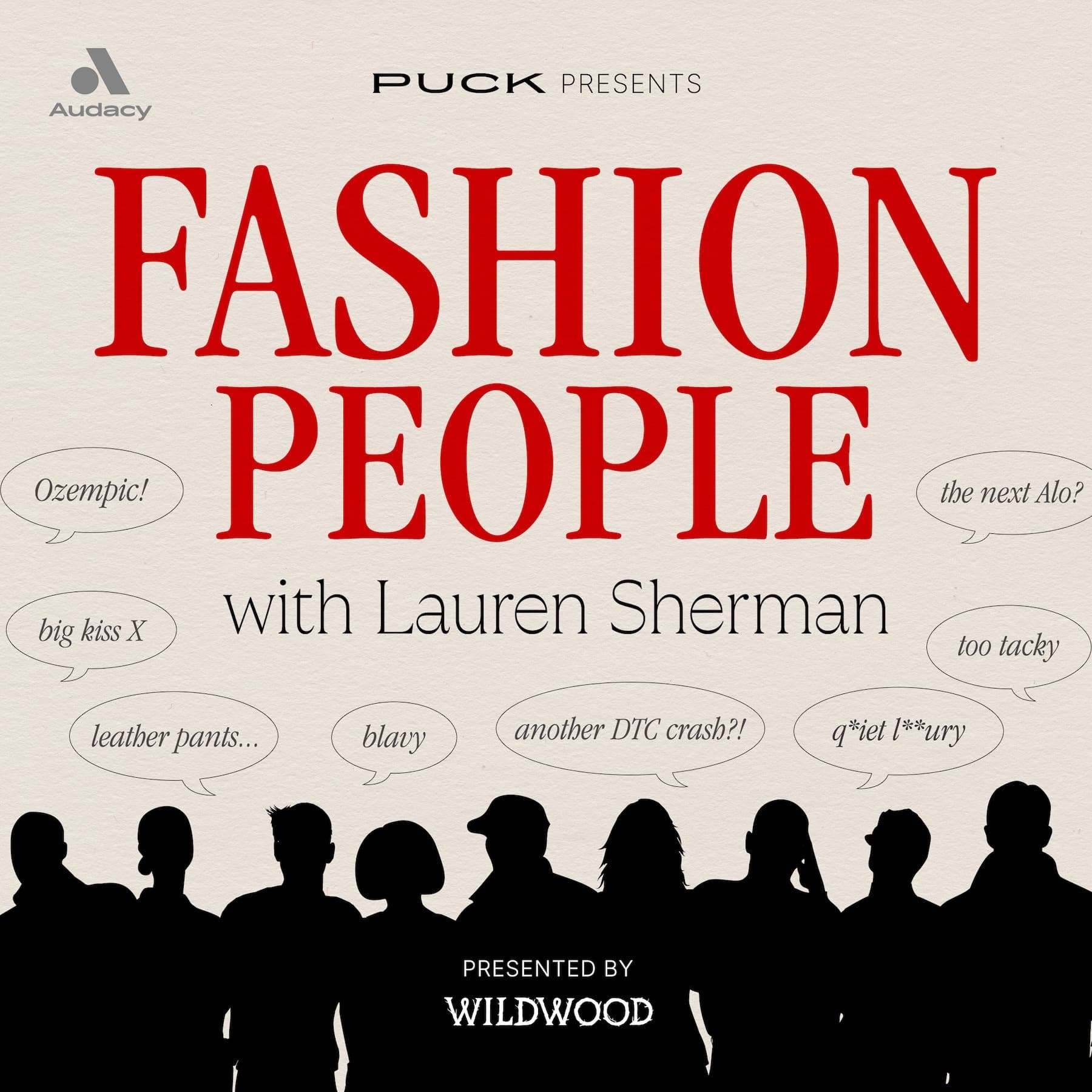
- Title: Fashion People
- Host: Lauren Sherman, Puck Correspondent
- Description: Insights into the fashion industry with industry insiders discussing trends, controversies, and key players.
- Episode Frequency: Twice weekly (Tuesdays and Fridays)
Episode Details
- Episode Title: RealReal Talk
- Guests: Rati Sahi Levesque, CEO of The RealReal
- Episode Highlights: Discussion of thrifting culture, luxury consumer changes, addictive app features, and the rise of specific fashion items.
Key Discussion Points
Thrifting Culture
- Rapid rise in thrifting popularity.
- The RealReal as a leader in the secondhand luxury market.
- Shifts in consumer mindset around buying secondhand items.
The RealReal's Growth
- Founding: Rati Sahi Levesque recounts her journey from merchant to CEO.
- Initial struggle to source luxury goods; rapid success following launch due to high demand.
- Operational Challenges: Logistics and processing millions of items, emphasizing the importance of technology investment.
Consumer Behavior and Trends
- Luxury Consumer Shifts: Changing perceptions of secondhand items; consumers now consider resale value and smart purchases a badge of honor.
- Specific items trending:
- Collarless Armani blazers
- Ralph Lauren western wear and cashmere items
- Hermes clogs and other heritage brands
Technology and Innovation
- Investment in technology to streamline logistics and authentication processes.
- Use of AI to enhance item verification and pricing strategies.
- The app's gamification keeps users engaged, contributing to a thriving secondhand shopping culture.
Marketing and Cultural Impact
- The RealReal's influence on shopping habits: becoming a verb as part of consumer language.
- The app has created a community around secondhand luxury shopping.
Industry Insights
- Luxury Market Dynamics: Observations on the current luxury industry landscape, with many brands struggling while The RealReal thrives.
- Discussion on how secondhand shopping is integrated into the broader luxury consumer journey.
- Sustainability: The increasing importance of circular fashion and how brands are adapting by collaborating with resale platforms.
Key Takeaways
- The RealReal has successfully changed the narrative around secondhand luxury, making it mainstream.
- Consumers are becoming more educated about resale values and are willing to invest in luxury goods, even in uncertain economic times.
- The company’s focus on technology and enhancing the customer experience has positioned it as a leader in the luxury resale market.
Conclusion
- Rati Sahi Levesque's leadership has been pivotal in transforming The RealReal into a significant player in the fashion industry, shaping how consumers interact with luxury goods.
- The conversation underscores the growing acceptance and enthusiasm for secondhand shopping as an integral aspect of modern consumer culture.
Additional Information
- Producer: Odyssey, in partnership with Puck
- Editing: Molly Nugent
- Executive Producers: John Kelly, Ben Landy, Gobby Grossman
For more insights and to explore listener data, visit: [Audacy Privacy Policy](https://www.audacyinc.com/privacy-policy) and [Podcast Choices](https://podcastchoices.com/adchoices).
Written by AI. May contain mistakes. Listen to the episode to check what was said.
Transcript
Automatic transcript. May contain errors.0:03Hello and welcome to Fashion People. I'm Lauren Sherman, writer of Puck's fashion and beauty memo line sheet. And today with me on the show is Rati Sahi Lavek, CEO of The Real Real. We're talking the rise of thrifting culture, the changing face of the luxury consumer, why everyone is obsessed with collarless Armani blazers, and so much more. Before we get going, I wanted to remind you that if you like this podcast, you'll definitely love Puck, where I send an email called Line Sheet. If you're a fashion person, you get that reference. It's an original look at what's really going on inside the fashion and beauty industries.
0:46Line Sheet is scoopy, analytical, and above all, fun. Along with me, a subscription to Puck gains you access to an unmatched roster of experts reporting on powerful people and companies in entertainment, media, sports, politics, finance, the art world, and much more. If you're interested, listeners of fashion people get a discount. Just go to puck.news slash fashion people to join puck or start a free trial. Happy Friday, everyone. Big week online. Sheet, more Gap, more Versace, more Estee Lauder, more LVMH. Today, the major news of the week after the Jonathan Anderson Loewe departure announcement was the threat of a 200 % tariff on French wine, cognac, and champagne imported into the US.
1:31It's actually happened last week, but it kind of ramped up this week when the prime minister of France admitted that they need to go back to the bargaining table and maybe not charge a 50 percent tax on American whiskey and other alcohols going into France because obviously Trump didn't like that and threatened something way worse. If this actually happens, it's going to be really tough for LVMH, which owns a lot of wineries and facilities that produce champagne, and they sell a ton of that stuff, a ton of alcohol in the U.S. It's the biggest market for alcohol. It's also going to be bad for pretty much everyone.
2:12like thinking about the Prontemp at One Wall Street, the new department store, there's going to be a wine shop there with, I think, all French wine, if not mostly French wine. So like, what are they going to do? I guess it's not going to be like that if this happens. But speaking of Prontemp, I'm sure you've read all about it. There's been so much great coverage. I have to say, I did a hard hat tour a few weeks back and I'm pumped. I'm excited. It's wacky. It's extravagant. It's like unlike anything you've ever seen. Look up the architect, the interiors person, Laura Gonzalez, just to see what her vibe is.
2:50You can also look at tons of photos online of of the store and place like wallpaper. But it's incredible. They spared no expense. And I look forward to taking full advantage when I'm in New York in a few weeks because the puck offices are close by. So I might do some coffees there. In the meantime, I hope you enjoy this interview with Rati. I've known her since the beginning of The Real Real, and it was fun to discuss the company's transformation, but also hers. She started as a merchant, and now she's the CEO, and we had a good time. Rati Sahi-Leveque, welcome to Fashion People. Thanks, Lauren.
3:28I'm excited to chat with you. I'm so happy to have you here. We've known each other for over 15 years, or almost 15 years, which is kind of crazy. That's kind of nuts. I do remember the first time I met you in New York. Do you remember that? We met at a cafe and we had just started The Real Real and we sat down and talked about it. I remember, I was just saying before we hopped on, I remember you coming to my house for a story. This is probably 2013 for a story, probably for Elle.com because I used to freelance for them a lot. It's my friend Leah Chernikov ran it. And you like did a closet, a closet clean out with me in my Dumbo.
4:17Well, Vinegar Hill, let's be real, Vinegar Hill apartment. And there was this Balenciaga Nicolas Gascar puff sleeve shirt, the sailor shirt that was like a very basic shirt from his collections. But it was like everyone got it at the Barney sample selling, you really wanted me to sell it. Did I want to buy it? Is that why? Yes. But no, I think you just want, you were like, this will sell. You should sell this. And it's so funny. I've probably never worn it since. I still have it. You did you? Yeah. You have good clothes, Lauren. I was probably trying to buy that off you. Thank you. Well, so before we get started, what did you have for breakfast?
5:05That's so funny. I was just thinking, I knew you were going to ask that question. I was just thinking about how it's the same thing every morning and it's a piece of toast with almond butter and a piece and over a hard egg. That's my same breakfast, which grosses a lot of people out. Look, I know about the quest for protein. Yeah. I just like the way it tastes. I love some almond butter and some eggs together. Interesting. Maybe I'll try that. I increasingly don't eat breakfast, but I will eat breakfast for lunch because I love eggs and avocados and all that stuff and toast so much. But I would say the thing with the hard egg, with just eggs in general, I love them.
5:51They actually don't have that much protein. so you really they only have six grams of protein and you have to eat two right to eat two yeah and also these doctors want us to eat like 140 grams of protein a day which i personally think is impossible in five years from now it's gonna turn out that that's like bad for your liver or something so i'm not killing myself over that but it it is shocking to me because like a piece of chicken has like 30 grams of protein. Yeah. I like my my dad's like the healthiest person I know, and he has a little bit of protein with every meal. And I think that that seems.
6:31I think that's the way to go. And I also think you're doubling up on almond butter and egg, even though it's just for taste is a good idea. So back to meeting you all those years ago, probably in like 2012 or 2013. How did you end up at the starting The Real Real with Julie, the first CEO? Tell us a little bit about your trajectory because I think it says a lot about how you ended up in this role, becoming the CEO of the business and developing the business and the cultural impact The Real Real has had, which is what is exciting to me about it. Um, your previous experience prior to, to launch, it just says a lot about like the state of retail and the, the evolution of retail in the last 20 years.
7:31Yeah, it's been, it's been quite the journey. Um, so Julie and I met, um, back in 2010, 11, I think. Um, and we started in 2011. 11. And it was through a mutual friend. And it was actually the person that married my husband and I knew Julie. And so we met and she had this idea to take resale online, luxury resale specifically online. And she was looking for a merchant at the time, right? So someone to like handle like the brand and merchandising and styling and all of that. And I had a clothing store in San Francisco in Russian Hill that was doing fine, not great. What was it called? Anika. And it was a lot of like living paycheck to paycheck, right?
8:29My rent was really high. 30 people walk in all day. It was really hard. And to make ends meet, what I was doing was I was going to thrift stores and finding all the special pieces and reselling them. So, you know, like the Chloe shorts and the, you know, whatever I could find that was interesting. And I had a friend even helping me do that at the time. So anyway, I knew that this wasn't going to work out longer term. So Julie came knocking at the door at the right time. And we met in person. We met at the Boulange and we hit it off right away. And I shut down my store two weeks later and we were in our house.
9:18I was driving around looking. I obviously had a little bit of a black book having the store. So I had like a few thousand people in my Rolodex. And so I drove around calling them, asking them if they had any luxury product and just picking up. And, you know, they were kind enough. I was telling them what I was doing. They were kind enough to kind of trust us with some of their luxury pieces. And so once we got a thousand pieces, that was our goal. We're Like we're going to go get, we're going to go drive around, find a thousand pieces. And obviously Julie had, you know, a lot of friends that had some of the luxury goods as well.
9:59And that's when we kind of launched the site. So back then, so when you launched in 2012? It's 2011. Yeah. So back then there was the first piece I ever wrote for Business of Fashion was about the online luxury space. And I remember talking to Julie for it. And we should say Julie Wainwright was the founder and first CEO of The Real Real. I remember talking to Julie for it. And she was like, we raised the most money, so we're going to be the most successful. And I didn't include her in the story. And because I was like this, I was like, I don't know. I talked to this was when I would over report things and interview like 15 people for everything.
10:43And there were so many online consignment or online resale startups at that time. There was Byron-esque, which I think that still exists in some form, but isn't the same thing. There was Bestier. There was Bestier may have not even existed. There was a RealReal. There was ThredUp. There were so many of them. And I remember thinking at the time, like, this is a really smart idea. There's so much secondhand stuff in these little secondhand shops and people want stuff. But I remember thinking there, two of the kind of barriers to entry would be people were still really freaked out about buying secondhand, especially things like shoes.
11:31And then the second point of like, how would you get the product? and I'm just curious in those early days you you mentioned you kind of tapped your network to to find stuff but what what was the sort of market reaction and initially when you went to launch you had those thousand pieces yeah I think that was the thing that blew us away was we got those thousand pieces on the site and everything sold through within a couple of days and so we just couldn't believe the demand. We did curate up front a bit, right? We didn't take everything. It had to be a certain brand. And we really were specific about playing in the luxury space.
12:19That like mid to high value, you know, product. And so knowing and then we looked at each other like, oh, crap, we need to go get more product. And that's like still to this day, how we think about it. Like the demand is great. The buyer's resilient. Even in this macro, we're seeing the buyer be very resilient. And so it's always about product and the consigner. Yeah. That's interesting. So in that way, I'm sure the business has changed so dramatically, but in that way, it's still about finding the right stuff. A hundred percent. And that's kind of like from owning a store and being a merchant, like it's a similar skill, right?
13:04It's just a different way of finding it. Yeah. And it's nice not owning the product, right? Because you're not squeezing your margins. But yes, 100%. And I think like, you know, and to your point at the time, it was this hush hush thing. Like I would see it in even our NPS scores. I'd see people say, yeah, we love you, but we're not going to give you good scores. We don't want our friends to know about about the company because we only had limited product. And so we only had certain size nine shoes that were Manolo slides at the time. You know, now our inventory, we've got millions of items, so it's different.
13:45Or they didn't want people, to your point, they didn't want to tell people that they were buying used shoes. And now it's this badge of honor or this smart thing to do. Because people, even with the money, they think about the price in the resale value or the price in the secondary market. So now they call us and say, what has better resale value? Like, what should I be? Educate me on what has resale value. And I think that's the thing that's really shifted, that even if you have the means to go buy unlimited luxury, it's the savvy thing to do to buy smartly. I agree. It feels like a decade earlier, the sort of discount culture that pervaded American shopping, that like buying something full price, even if you had the money, it probably wasn't the smartest thing to do.
14:41and you didn't want to be impractical. And I think it's extended to secondhand where not only are you, if you're buying full price stuff, you're buying it to know what the inherent resale value is or to make sure that you'll be able to sell it if you wanted to. But then also if you can buy something secondhand, you're almost like a watch, for instance. I feel like there's a, like you said, a badge of honor in sourcing a really cool vintage watch. Guy got a watch for my 40th birthday and we just bought a full price one, but I always feel kind of gauche. I mean, it's not like it was that expensive, but I'm like, I should have probably just looked for this on the RealReal or what have you.
15:30And there is - Well, but then you can consign it, right? And watches do hold their resale value. So that goes back to like people just buying smarter in the primary market, I love it very much.
16:18So early on, other than finding the right product, what were some of the big challenges you all faced? Because it became a big thing pretty fast. In that way, Julie was right, that you all raised a good amount of, I think, was it like$40 million up front? So it's funny that I remember that. And so you were able to scale up more quickly than a lot of your competitors and you outlasted many of the entrants in that era. What were early on, other than finding the right product for people to buy, what were some of the other big challenges you faced as an online consigner that doesn't own the product but that does hold the product and ship it and authenticate it and all that stuff?
17:09Yeah, and that's exactly right. Like Julie's vision was, I think her thesis and the vision was exactly right. Like you have, you focus on acquisition, focus on marketing, go hard in acquiring the right product, the right consignors. You know, we did a lot of direct mail and even TV early on just to get the word out there and awareness. And so it did grow pretty quickly. But while still focusing on that core consumer and that core fashion, consigner was really important too and kind of being able to talk to them like they are fashionable. They change over their wardrobe every season and that is important, right?
17:50Right. But the biggest challenge at the time, besides the supply piece, was the logistics of all of it. There was I mean, now we're taking in millions of items a year. Right. And so and unique SKUs and at the beginning and now it's now it's a machine and we've invested so much and so much is powered by AI now. We're not new to AI, even though it's such a buzzword right now. and we knew at the time that that's where we were going to have to invest in the logistics because it was so hard at the beginning and processing those items we're going 30 40 percent you know like a million unique skews every month going through our facilities and maybe even growing too quickly at the time and we were growing up in the spotlight in a lot ways and making mistakes and all of that.
18:49And so it was an interesting time. But I think we looked at each other and really invested our tech team in that area as well. But it took some time to kind of get ahead of that as well. Yeah, it's interesting because so many retailers put too much money into tech in ways that don't make sense. Like a great example is Glossier raising a bunch of money to start an app that was supposed to be some sort of like social network and then never launching it and wasting that money. You know, it's every there's stories like every single retailer, not well, I don't know about Nordstrom, but Neiman Marcus, whatever, replatforming, investing, Barney's replatforming, investing, and sort of that all imploding.
19:41But in this instance, in this situation, it actually really benefited you to invest in tech and probably being in the Bay Area and understanding and having access to engineers and things. Because the fact like you're talking about AI and also just automating so much of what you do because there is also has to be human touch for certain things. It probably was like one of the smartest things you all did was putting more money into that side of it instead of, you know, I know you've opened many stores, but not opening like 8 million stores or whatever. Yeah. We'll never have 500 stores, right? Like we have 18 now, maybe we'll have 20, 30, but we're digital first.
20:27And I think that so much of the logistics is a lot of our secret sauce and the data that we have of now 40 million unique items. We have pictures, attribution. We have pictures on a pixel level of a handbag. So like all of our handbags now are authenticated via AI. And it's just a piece of hardware that can look at an item on a pixel level. But we know the combinations of things like what leather companies or brands used 10 years ago, what combinations they didn't use with what hardware, with what zippers. And that data is just so rich. And then also another place besides authentication that we've invested.
21:15So handbags, even diamonds, we, I don't remember if I've talked to you about this before, but we've patented technology with the University of Arizona to count the melee on the stone and it's much more consistent and faster. So it just empowers our teams to look at more and see more and get through more and not be such like a manual process that is so expensive. And then pricing is the last place. Like all that attribution, like the personal, the external signals and the internal signals that we get around pricing. Like we always talk about how the market sets the price and the consumer tells us how much they're going to pay for something at the end of the day.
22:00Yeah, that's so interesting. The pricing part of it is always fascinating to me because of the fact that like I can hear what people are talking about in the market. And there's a feeling of like when this whole sort of corporate cosplay things started happening, I was like, I got to buy Armani blazers because they before they get too expensive. Yeah. And so you're sort of like trying to get in there before something like starts to heat up because it isn't it isn't about it being new. So it's the most expensive. It's about it being in the most demand. It's kind of exciting. It is true. Like it's so funny because so our customer showed us that Armani like colorless blazers were going to be a thing last summer, actually.
22:45That's when we started to see it pop up. And this summer is really where the prices have risen for that hip heritage. I'm glad I got in there because I got some for really affordable. I have like full suits. I think I've bought four Armani, one suit and three blazers from you over the last like two years. And probably actually other, I've like a lot of Zoran or like all that stuff. I'm, yeah, it's, it's so, it's so fun to, to have that, uh, really quickly on the, the authentication and the one thing I'm curious because this job is interesting because I am a trade reporter still and writing to people like you in the industry, but then I am also getting a lot of feedback from, as they love to call them marketing prosumers.
23:42So like consumers who are just interested in what I write about. And so I get a lot of feedback about consumer experiences. Most of them in recent years, in the recent months have been about sacks. And I actually got one this week about Nordstrom because Sarah Shapiro, our retail reporter who, I don't know if you met her yet, but you totally should. She's in the Bay area. Um, she wrote about Nordstrom and I got this like thousand word email about a Nordstrom experience that wasn't great, which like happens, but has, I know you had to deal with a lot of like back and forth with customers and every retailer does, but I think because of every item being individual, my assumption is that maybe this, the amount of feedback or complaints or whatever is the same as other people, but it's probably a little more personal because every item is more personal.
24:39As you've been able to build this data out and build out your infrastructure and all that stuff, has that all sort of streamlined too? Because I know I emailed you before being like, Roddy, this got messed up. I appreciated that, Lauren. No, I felt that. No, but no, I was able to. No, see, I love that because then I can kind of obsess over service and really use that as an example to see what happened. And we do make mistakes sometimes and we own it, right? And so, yeah, I think like a couple of things, you know, like I think I said, when we were going 30, 40 percent and our logistics weren't as sophisticated, I think that was a hard time for us.
25:22And there were things, we were opening stores and there were just things happening that weren't kind of the best experience. And I think now as we've made all the changes to get to profitability last year and slowed down our growth to just profitable growth, we're able to really, I keep saying this, one of our pillars is obsessing over service and really listening to the consigner, the buyer, and delivering product that resonates with them. And I think that's the thing that gets me most excited. So our NPS is much higher than it was back then, right? Our net per mortar score, our sentiment, our trust sentiment.
26:05But yeah, of course, SUP comes up. And of course, we handle it. And it is emotional for people because it's their one item and it's a luxury item. And pricing is the thing that I think we still have a lot of work to do on. And what I mean by that is educating people, because this is new. 50 % of our sellers have never consigned anything before, not just with the real real, but just ever. So it's a new, we think it's mainstream, but it's not quite mainstream yet. And so we really have to educate people on pricing. It's like these shoes maybe don't hold their resale value. And here's why. Outerwear does or the handbags do.
26:47And items like maybe contemporary items sometimes don't. And so again, just really making sure that people understand we're not trying to pull a fast one, but we are telling you up front and you decide. You decide if you want to consign it or not at that point. We're the place to go for mid and high value product. If this is items, if the item is going to be priced under$100 in the resale space, maybe we're not the best place if that's what you're, if you're looking to get the best dollar for it, right? So just be more transparent.
27:25How do you determine what brands are listed on your dropdown? When someone's consigning and they sign up and they say, item is a pair of shoes for women. And this is the brand and there's a drop down list. And if your brand isn't on there, you can try to sneak it in. But I don't think that usually works. How, what's the sort of rubric you use to, to put brands in? And I'm sure sometimes you take brands out. Yeah. Yeah, we do. It's based on, again, what the market will pay for things and, you know, what holds its resale value. And we do take things off, you know, when we first started, we weren't taking theory.
28:10It wasn't selling well in the secondary space. And now it's selling really well in the secondary space. Or Armani is another one. The resale value was a lot lower when we first started and now it's having a moment, right? And so we look at just the pricing in the resale space, the experience for the consigner. If things are going to be priced too low, it's probably not the right place because it makes the consigner unhappy and we're losing money, right, on those items. So trying not to be everything to everyone and just really focused on luxury product as well. That's, yeah, that's interesting and makes, it makes a lot, it's interesting about theory in particular.
28:54I love my Olivier Tayskens for TheorySuit. Was there a light bulb moment when you realized that the real real was becoming a big part of shopping culture and also just a part of culture in general? Because I'd say a couple of years ago, first of all, everyone I know uses the app, which I think is a tremendous accomplishment on your part because no one uses anybody's app. People are into using the RealReal app and also sharing their picks, their lists, their sort of alerts, all that kind of stuff. I have all these different alerts on product Margiela for Hermes, Zoron, all of that stuff. when did you realize it was becoming like a piece of pop culture and not just a selling platform or a buying platform yeah um there was a couple of moments i think um one of them was i will know it was at barney's you know many years ago and two girlfriends were talking and, you know, I was, I just overheard them in the shoe, in the shoe section.
30:15And she was deciding on, I don't even remember what shoes they were, but she was deciding on buying shoes and her girlfriend said, just buy them and real, real them after. And that kind of shift of the real, real becoming the verb, I think was a light bulb moment for me. And then the gamification, gamification, I think, of the product or the gamification of the app, like going back to the app for a second. During COVID, we realized that people were spending more time on our app. They wanted to spend more time on our app than social or the news, scrolling the news, because it was this thrill of the hunt and they would obsess something and they would decide if they were going to buy it or wait for it to go on sale, you know.
30:57And so playing that kind of game with themselves on that and just scrolling. I think it's something like now 40 hours a year on our site is what people are scrolling. I think that was the piece that kind of hit me. And then I'd say one other thing I think like when people come to you and say you've changed the way I've shopped, I think that that is a piece or the education. It's the place where you can, it's the only place where you can see all of these archival pieces all in one place, right? That discovery of the items, one of a kind. And so people come in and they're really discovering new things and then researching and geeking out on kind of the history of these items.
Read the full transcript
31:43So I think just the discovery of everything from Mugler to Ralph Lauren and how they shop for it and the Armani example, kind of see that throwback style and discovering their kind of style in a lot of ways. Do you think from the data that you have, like I'd say 2016 or 2017, the real real was about getting like Gucci loafer slides. Like that was, it was like getting new stuff, like a season old or something. And now it feels like it's about finding your like 1989 Alaya jacket or Sallorant Reeve Ghosh or whatever, like finding an era of fashion that is interesting to you and sort of going deep on it.
32:36Yeah. Would you say that the like general consumer is still looking for those like main fashion items or have you seen a larger shift in people in the sort of things that people want becoming much broader and less concentrated? I think it's both. I think that the more, you know, even that customer that was only buying like the Louis Vuitton shoulder bag, but not maybe buying luxury in the past, like as far as ready to wear goes, but their one purchase was that handbag. Like we're seeing them kind of shift over and like even buy cashmere for work now. And just it just feels like a little easier, right, to try some of these trends and kind of buy into it.
33:26But it's it's yeah, it is interesting. I think that there is this kind of yearning to look unique and not buy into all the trends right now. And so I always feel like when you're buying something from a past season or past decade and then trying, you know, buying it and then making it look relevant for now, you do have to have some kind of confidence in your style, right? And know how to wear it. And I think that people are kind of in the space where they're just oversaturated with trends and they're just wanting to look a little bit more independent from all of that, right? Yeah. You mentioned the Armani colorless blazers.
34:09What other items have been sort of top of mind for people in the last few months? Ralph Lauren, obviously. That's interesting. So are they going for like polo stuff or is it Western, the Western gear? a lot of the western sweaters and like the logo kind of cashmere and um button-ups terry mugler like they're they're going after those pieces and discovering it for the first time um yeah it's a donna karen oh interesting some of the kind of heritage for sure brands that like have and like a lot of them having even that provenance you know and understanding like what collection to your point, like is it the Western collection?
35:00Is it, and they're searching that. Like we can see it, the way they've searched it has changed too. Like much more specific. That's so interesting. How do you source stuff now? I mean, obviously you have a lot of inbound from people who've been doing it for years or from people who are suddenly just wanna lighten their load. But I assume you still need to be proactive in some ways. We do, yeah. And I think for us, it's really going back to the basics of creating a frictionless experience for the consigner where they can earn the most in that mid to high value product. Right. And so I think that that's that first experience of now you can go to your app and get an on demand appointment today for someone to pick up or on your way to work next week, you can drop off at a retail location.
36:04Yeah. And you can meet with a gemologist or a handbag expert, or you can just meet with your luxury manager and get everything done pretty quickly. And the diversification of our tax on our product offering makes it a one stop shop for people that just don't have the time. So creating that frictionless experience and then making sure that, you know, people do earn the most with us in that mid to high value product where, again, where we really kind of shine, right, in our product offering and what makes sense for our business because we do authenticate and we do take possession. And so and then what we find is, you know, a lot of those consigners that have the high low and have it across like more of a variety of categories where the easy spot for them, we make it so easy for them that they keep coming back.
37:01Yeah, my experience is I always can sign with you because it's just I know how to it's easy. You just I don't go into the store. I just do a box and print out the form and print out the shipping label and send it. And the stuff you don't want, you send back in very neatly, always folded really nicely, better than I would have done myself. So it feels like the simplest way. And even if, you know, certain items, like I had a pair of, I bought a pair of those Hermes clogs during the pandemic in a complete crazy person situation where I would like got a personal shopper to buy them for me in Portugal.
37:46And I was just being insane and they were a size too big and I just never wore them. And also I'm not a clogs person. They're very cool. And I really wanted them, but I was like, why did I do this? And I tried to sell them like through another thing. And I was like, this is just because I was like, maybe I'll get more money for it because they're like, if I do it direct or whatever. And the reality was I just didn't want the hassle of that. And it was much better for me to work with the real, real on it and just have the real, real manage it. And like the time is money type thing, I think the RealReal makes that.
38:33That's the best. But A, you do get a good value and you get like you sell things that you may have never sold anywhere else. Yeah. But the bigger thing is that like you do make it so easy. Yeah. Yeah. And it helps that we have the like 40 million luxury shoppers too, because they know what they're looking for, right? And they do understand what they're paying for. So they're more likely to pay as a consigner, like if you're selling your things, more of that top dollar for something because, you know, they've been wanting it for a while. They maybe have been looking for those clogs for three years.
39:23And so it's worth more to them. So, yeah, it is it is interesting. But, yeah, creating that frictionless experience and just, you know, all of our product mostly sells within 90 days. Almost 80 percent of our product sells within 90 days. So it's you also get that fast turnover. So you get paid quickly, too. And I do think that what we find in our studies, like because we've tested different time frames of sell through and slowed it down and sped it up. But that's kind of the sweet spot, like that 30 to 60 days. And it gets people to change the way they shop, right? Because now they get that first paycheck.
40:03They take it to the primary market and are very purposeful about their next purchase. Or they spend it on their site, whatever it is. And then they book another appointment to consign again because it's real money, right? Yeah, for sure. So I guess one other question for you is, as you've been building this, you have seen the explosion of luxury goods as an item that people consume and not just super wealthy people. Obviously, there is the high net worth people buying$10 ,000 handbags and without blinking. But then there are also just like a lot of middle-class and upper middle-class people buying luxury goods in a way that they never have before.
40:50In the last 15 years, as you've been building this, that market also exploded. And I'd say the two things have really fed off each other. And in some ways, a lot of the luxury brands didn't realize how powerful you were and And now are starting to understand it more and realize this is the most marketing wonky thing I've ever talked about. But I really think that secondhand has become a part of the customer shopping journey. It is just when you're looking for something, it's part of it. It's either at the end of the journey when you eventually sell it or it's at the beginning of the journey when you start researching.
41:30And so I'm curious what you think about what's happening in the luxury industry right now where, you know, pretty much no one other than Hermes and Laura Piana is performing right now. And so, and, and even at multi-brand retail, and then you look at the real, real and the you're, like you said, your customer is still around because these people, it's not like just because the economy is not great or like the stock market's going well. It's not like these people have lost all their money. They still have money. They're just being more careful about how they spend it. What are your observations about the greater luxury industry and where do you think it's moving now?
42:12Yeah. Yeah. Yeah. I mean, I think, like I said, it's becoming much more mainstream. It's still such a nascent industry. And I think that that's what we forget. Like, if I have told you, like, how many, you know, consignors we had in New York and L.A. and some of these major markets, I think you'd be surprised. Right. And so it is still like a new behavior for people. And I do think that the luxury brands are starting to see that and starting to see that resale is here to stay. But I also think that they're starting to realize that it adds value to their product in the primary market. And so, you know, I'm sure you saw we had partnerships in the past with like Gucci and Stella McCartney and Jimmy Choo and even Neiman's and and that like circularity of of the product.
43:10you know they they buy the Gucci item they can sign it six months eight months later and they take that money and they buy it they go back into Gucci and we you know that and that customer is a little bit younger but we are that kind of gateway into luxury in a lot of ways like we see the girls in the office you know a lot of them were mostly female and a lot of the girls you know right outside a school, one of their first, second jobs, they came in wearing Zara and they leave wearing Givenchy. They realize kind of that as well, right? They're thinking about it a lot differently too. Yeah. It must be so fun to witness that all firsthand.
44:01It is fun. It is a lot of fun. Did you ever think you'd become the CEO of the business? Did I ever think I would become the CEO? It's not what I was thinking about when we started the company. Let's just say. It's really amazing. You've really seen it through good times and bad. You're right. Because you all raised a lot in the beginning and you went public pretty early, all of your challenges were exposed. The resilience to get through it and keep investing and keep doing the right thing to the point of that it is just like a big part of culture is, I mean, it's amazing. Yeah. It's been a lot of fun.
44:46I think the thing that is so exciting too is just, um, you know, seeing how the consumer is reacting to it as well. Um, and there's, and how passionate people are about the product and the company. Like even if they They have a great experience. We hear about it. They have a bad experience. They're upset and they will tell us, you know, but it's coming because they're just so passionate about the product and the company, right? And they want to see us succeed. So I think that's been really cool to watch. That's awesome. Rati, thank you for being on Fashion People. I'm so glad we got to catch up.
45:26And I'm so glad I met you all those years ago. Ditto, Lauren. So nice to see you. So we'll talk soon. Fashion People is a presentation of Odyssey in partnership with Puck. This show was produced and edited by Molly Nugent. Special thanks to our executive producers, Puck co-founder John Kelly, executive editor Ben Landy, and director of editorial operations, Gobby Grossman. An additional thanks to the team at Odyssey, J.D. Crowley, Jenna Weiss-Berman, and Bob Tabador.
From the publisher
Lauren catches up with Rati Sahi Levesque, C.E.O. of The RealReal, about the rise of thrifting culture, why The RealReal’s app is so addictive, the changing face of the luxury consumer, why everyone is searching for collarless Armani blazers, the emergence of Theory as a hot secondhand brand (corporate cosplay?), why investing in tech is sometimes a good idea, and a whole lot more.
Collarless Armani Blazer
Hermes Clogs
Ralph Lauren Button Up
Polo Ralph Lauren Cashmere Sweater
Ralph Lauren Western Cashmere Sweater
To learn more about listener data and our privacy practices visit: https://www.audacyinc.com/privacy-policy
Learn more about your ad choices. Visit https://podcastchoices.com/adchoices