
In short
How Wieden+Kennedy CEO Neal Arthur leads creative teams—building belonging, reducing harmful pressure, and using “truth” to unlock creativity in an AI-changing world.
Guest backgrounds
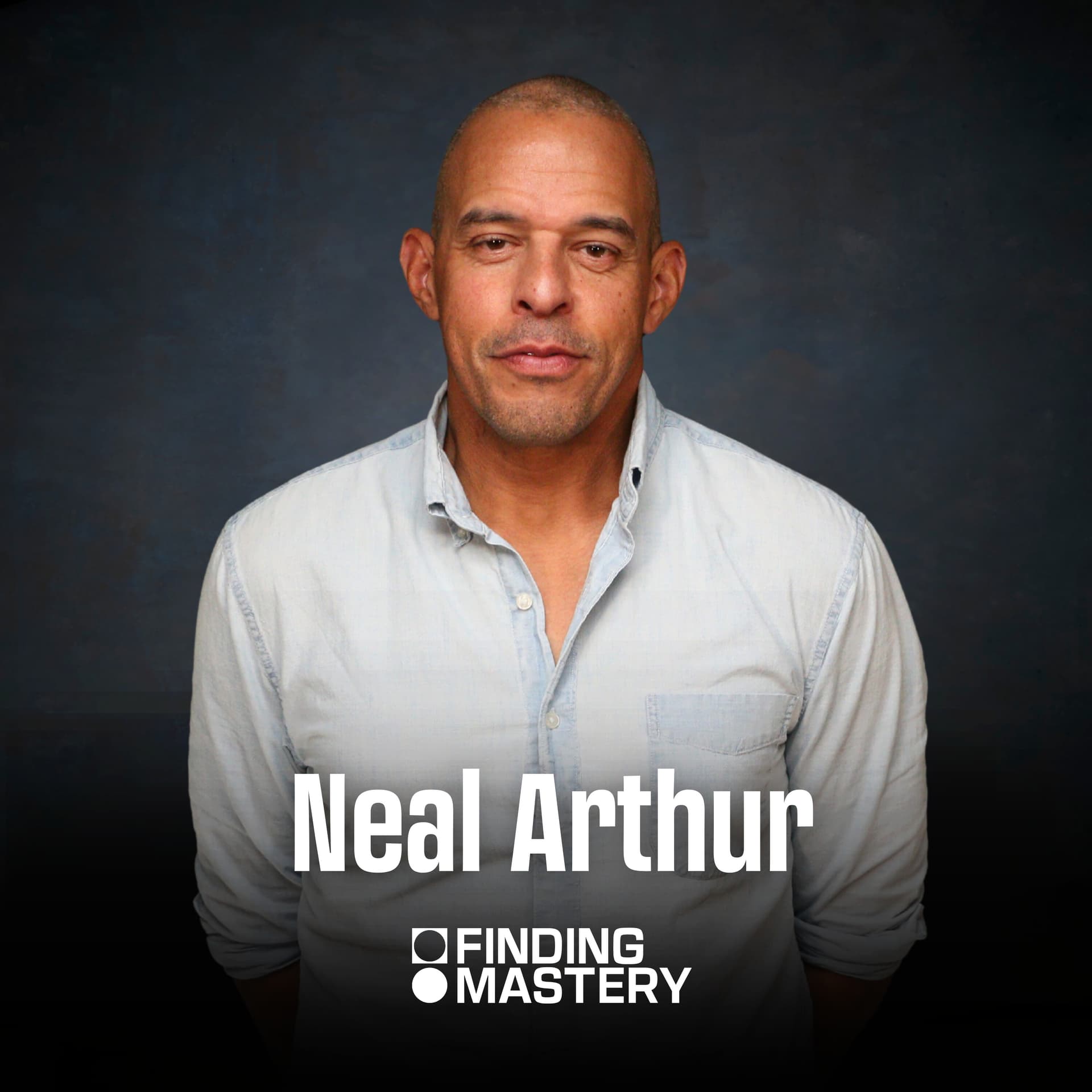
Neal Arthur is global CEO of Wieden+Kennedy, a creative agency known for culture-shaping campaigns over 40 years (including Nike’s “Just Do It”). He grew up Black in a largely white, Mormon San Diego community and often felt “othered” by race and religion; he credits family dinner conversations and his father’s question “What do you want to be?” with shaping his focus on belonging.
Key claims
Creatives struggle because they don’t feel they belong; leadership’s job is to protect teams from explicit pressure and avoid putting deadlines on one person. Creativity improves when people feel “it’s enough to just be you,” and when motivation is personal (not for the company). AI should be treated as something small and playful, not a looming “meteor.”
Notable examples
“Just Do It” made him feel seen as a kid; McDonald’s “fan truths” work; “above the line” coaching vs “if it bleeds it leads” anxiety-based messaging.
Written by AI. May contain mistakes. Listen to the episode to check what was said.
Chapters
Tap a time to open that second in VOExploring Creativity and Belonging
0:03 to 3:18
Understanding the inherent struggles of creatives and the culture of Wieden+Kennedy.
“If you've ever hired for a small business, you know the real cost isn't just the salary.”
The Impact of Otherness on Creativity
4:10 to 6:04
Neil Arthur shares his experiences with race and belonging and its impact on creativity.
“My first response to that question would be, I think I grew up in an environment where, so, okay, I'm going to back way up.”
Defining Success: Being vs. Doing
6:04 to 12:19
A discussion on the importance of being over doing in personal and professional growth.
“and you're touching on the belonging thing, which is one of the core drivers for all of us.”
Defining Success and Personal Relationships
14:45 to 20:41
Explore the multifaceted nature of success through personal relationships and self-inquiry.
“This conversation will stick with me because the questions I ask my son, you know, 17, success for me is an adult relationship with my son.”
Creative Culture and Belonging
20:41 to 25:35
Understand how creative environments foster belonging among 'misfits' and how to balance individuality with collaboration.
“That's the gift that Dan and David have created and given to us.”
Managing Creative Pressure
28:54 to 31:58
Discover how to create a positive environment for creativity without pressure.
“I don't think pressure is good in creative environments.”
Unlocking Potential in Workplaces
31:59 to 32:44
Explore how to unlock potential in employees akin to training athletes.
“And I'll tell you where I think I'm not doing a great service in this is that I'm in it with them.”
Organizational Dynamics and Creative Freedom
32:45 to 36:49
Learn about the importance of personal investment in creative work.
“So we learn from the company, we back in what we think is a good strategy for us to deliver against what they're asking for.”
The Journey to Truth in Advertising
36:50 to 41:31
Understand how personal experiences shape authentic advertising.
“And if we've got no scale, then it's like we're not reaching the ambition.”
Uncovering Authentic Brand Identity
42:46 to 46:28
Exploring the journey of brands like McDonald's in revealing their true identities.
“like to be, you know, like here's who we'd, how we'd like people to see us.”
Show all 22 chapters
Coaching and Leadership Philosophy
46:28 to 48:51
Discussing the importance of focusing on potential rather than shortcomings in leadership.
“And every, so I'm seeing if you're my surfing coach, if you're my basketball coach and you're seeing what I could be capable of, if it lined up brilliantly and it's amazing.”
Accountability and Creative Environments
48:51 to 51:08
Navigating accountability and behavioral expectations in creative settings.
“Because you do have to, like, I do want to acknowledge that there are environments where that might be the norm.”
Accountability and Creative Environments
52:19 to 53:24
Navigating accountability and behavioral expectations in creative settings.
“Summer is right around the corner, at least for those of us in the Northern Hemisphere.”
Accountability and Creative Environments
53:32 to 53:43
Navigating accountability and behavioral expectations in creative settings.
“Again, that's drinkag1.com slash finding mastery.”
Navigating Change in the Age of AI
53:43 to 56:00
Understanding how to manage uncertainty and chaos in a transformative landscape.
“let's think about what you're seeing around corners.”
Embracing Chaos and AI
56:00 to 57:04
Learn to embrace the chaos of innovation and enjoy the process of experimentation with AI.
“And I think that's actually a very dangerous place to be.”
Optimism in Creative Work
57:04 to 58:08
Understand the balance between optimism and realism in creative endeavors.
“Generally, I think I know the answer, but I feel like generally your framework is to be an optimist.”
Influences and Inspiration
58:08 to 59:28
Discover who inspires creativity and innovation in leadership roles.
“And yeah, it's dumb, but it also is important.”
The Nature of Modern Leadership
59:28 to 1:00:40
Explore how modern leaders navigate personal and professional boundaries.
“I'm interested, like, what are you working on now?”
Understanding Emotions in Leadership
1:00:40 to 1:02:16
Learn how to recognize and express emotions in leadership roles.
“I think this is another component that's essential for modern leaders.”
Emotional Dynamics in Team Environments
1:02:16 to 1:04:27
Discuss the importance of emotions in fostering a creative team environment.
“And then all of a sudden there's kind of like, well, let's not, let's manage these.”
Challenging Creative Limits
1:04:27 to 1:07:37
Understand the balance of challenging others while nurturing their potential.
“Now off the rails bit is this is what it feels like for me is when I have, I have choices, I can open up the aperture and, and have emotions flowing and I can close it down a little bit.”
Transcript
Automatic transcript. May contain errors.0:00Dr. Michael Gervais:The Body Master is brought to you by LinkedIn Jobs. If you've ever hired for a small business, you know the real cost isn't just the salary. It's the time that you lose when the fit is off, the momentum that stalls when that fit doesn't work. And that's the pressure of having to get it right while you're still running everything else. That's why I'm paying attention to LinkedIn Hiring Pro. It's built for the reality of hiring when you're operating lean. You describe the role in playing language, and then Hiring Pro helps you draft the job post, surface the right candidates, and then narrow to a short list without turning hiring into another full-time job.
0:32Dr. Michael Gervais:And when applications start coming in, it doesn't leave you buried in resumes. It streamlines screening, including AI-powered interviews for initial conversations. How about that? So that you can spend less time searching and then more time connecting with the people who match what you need. With Hiring Pro, you can hire with confidence knowing you're getting the best talent for your business. In fact, those hiring with LinkedIn are 24 % less likely to need to reopen a role within 12 months when compared to their leading competitor. Join the 2.7 million small businesses using LinkedIn to hire.
1:02Dr. Michael Gervais:Get started by posting your job for free at linkedin.com slash mastery. Again, that's linkedin.com slash mastery. Terms and conditions apply. Creatives are inherently misfit, inherently don't feel like they belong. And that's their ability to tell the stories because they're outside of that story. What if the real challenge of creativity isn't coming up with ideas, but creating the conditions where people believe in them enough to fight for them. Widen Kennedy, what makes it distinctive is not that it makes good ads, it's that it's this creative culture and a culture where people have been able to come through its doors over 40 years and feel like they're a part of something that they can feel they belong to and feels bigger than themselves.
1:40Dr. Michael Gervais:Welcome back or welcome to the Finding Mastery podcast where we dive into the minds of the world's greatest thinkers and doers. I'm your host, Dr. Michael Gervais. By trade and training, a high-performance psychologist. Now, the idea behind these conversations is simple, to sit with the extraordinaries and to learn, to really learn how they work from the inside out. This isn't about hacks or shortcuts. It's about understanding what they're really searching for, how they organize their inner world, and the skills they've built to shape themselves and their craft. Today's conversation is with Neil Arthur, the global CEO of Wyden & Kennedy, the iconic creative agency behind some of the most culture-shaping campaigns of the last 40 years.
2:17Dr. Michael Gervais:From Nike's Just Do It to campaigns from McDonald's and beyond. I don't think pressure is good in creative environments. The job of senior leadership is to kind of protect the company from those really explicit pressures. You don't put it just on one person. You don't say, Mike, it's on you. You've got 24 hours. And if you don't come up with something good, you're out of here. Like, that's deadly. Why we wanted to have this conversation is because one of the promises of AI is that it will free up human creativity. Neil leads teams of incredibly creative people, and we wanted to understand how he unlocks that creativity, especially in a world that is changing so rapidly with AI.
2:51You have to get rid of this notion that AI is this big capital letters thing and just keep messing with it. Have fun doing it. Make it small. Make it feel like a thing that we can play with and have fun with and not feel like there's dire consequences or this thing that we're all waiting for. Because it feels like right now we're like everybody's sitting there waiting for this meteor to hit.
3:06Dr. Michael Gervais:As you listen, consider what are the conditions in your life and work that help you be more creative? And how are you building trust that fosters that creativity in your relationships and teams? So with that, let's jump right into this week's conversation with Neil Arthur.
3:24Dr. Michael Gervais:Okay, Neil. All right. Yeah. All right. I'm stoked for this because I think a really important conversation for me, and I'll tell you why, is because you are at the helm for one of the most creative agencies on the planet. and you work with highly creative people that have to deliver on time in a world-class way. There's a lot of complexity in what I just said to actually make that happen. And so I really do wanna understand how you lead and what are the most important principles that you're working from to help unlock the creativity in people. So before we get to that, what do I need to know to really understand you?
4:07Dr. Michael Gervais:Personally? Yeah. Professionally, all of it? maybe? All of it. You're a full human. So all of it. I guess that's true. I guess I try to be a full human. My first response to that question would be, I think I grew up in an environment where, so, okay, I'm going to back way up. Is it okay if I tell you? Yeah, that's good. From the beginning. Yeah. I'm black. I grew up in an environment that was largely white and a largely Mormon community in San Diego. And so I had a sense of being other that was like really present for me at all times. And I feel like I was always in this sort of act of figuring out if I fit in and how I could fit in.
4:47And I'm like everyone, but I think it was just kind of like really pronounced for me.
4:51Dr. Michael Gervais:On two fronts, meaning the Mormon front in a predominantly - Race and religion. Yeah, race and religion. Those two things. And I always say that those two things are like super important defining factors for me. And the net result being, it was a feeling of always feeling othered, you know, in a really surface and substantial way. And so I bring that up because I feel like that's a thing that I experienced my whole youth. And, and it's an experience that I, I like subconsciously identify with and others at all times. So I kind of felt like I wanted to work in a place and be around people that I could Like I'm always very conscientious of trying to make people feel less other and feel more part of something.
5:44Dr. Michael Gervais:What a gift. And so I don't know if it didn't feel like a gift, but it may end. What you've done with it for others feels like a gift to them. You know, like you were able to use the thing where you had the most struggle or a big struggle. I don't know if it's the most, a big struggle and convert it to something that is benevolent and kind and inclusive. and you're touching on the belonging thing, which is one of the core drivers for all of us. So I think there's a lot here because you're pointing to how you make others feel and how intentional that is for you. But can we stay here for a minute?
6:19Dr. Michael Gervais:Like, what was it like when you had race and religion and, and you felt other, like what, what was that experience as a young pick an age, 14 year old? Yeah. I mean, I'd say it's younger. Honestly, like I remember feeling at eight or nine, it was just very apparent that I wasn't like the others, you know, and I didn't know what to do with that feeling. It was just very real. And so I guess like I just always was kind of like part of me, like probably most people didn't want to feel that way, wish that it didn't feel that way. But then learning to over time embrace that and to realize that that doesn't have to be a thing that's problematic, but a thing that's a strength.
6:59Dr. Michael Gervais:What did you do when you had those, that awareness and those feelings when you're younger? Did you bring it to your parents? Did you bottle it up? Did you fight about it? I talked to my parents. My parents were amazing about it. My parents would always, we would, we'd be very, you know, the dinner table conversation all the time. What was your dinner table like? My parents are both big personalities. They enjoyed conversation and like debate. They really liked talking about hard things, things that were sticky and things that were uncomfortable. And they didn't just ask me how my day was. They would talk about the things that would have bothered me in that day, the things that made me feel pain, the things that made me happy and why.
7:41And so we talked about these things. Do you have brothers and sisters? I have two sisters. Yeah. They're both younger.
7:47Dr. Michael Gervais:And they were part of these dinner conversations? Yeah, for sure. Okay. So mom and dad are loud or soft? Dad's louder. Mom's softer. And my dad would do a lot of talking. My mom would do a lot of listening and you did feel like you had outlets for both or you had the ability to respond to both. What's a question that still you remember them asking that was important to you? My dad, particularly, what do you want to be? That was always a thing that he would ask. Not what do you want to do? No. What do you want to be? That's an interesting distinction. Oh, totally. Being and doing are oftentimes at odds for most people.
8:26Dr. Michael Gervais:they we as humans are pretty good at doing less good at being and so that tension world-class athletes have been changing that model for the last maybe five to seven years and they've been demonstrative with me about it which is the idea that i need to do the extraordinary to be extraordinary is broken it's flat out wrong it never was really right they're waving their arms and saying, no, I need to learn how to not do more to be more. I need to know how to be more and then let the doing flow from that place. Be more present, creative, open, connected, honest. And whatever doing flows from that place, it will be a better experience for all.
9:07Dr. Michael Gervais:Meaning that that's the way to get to the high art of life and the high art of the craft is to switch the ordering from focusing on extraordinary doing to focus on grounded being, and then layer on top of it, a technical skill prowess that is unapproachable. And if you get that ordering right, and athletes are demanding it right now on the world stage, I think the most switched on ones have always wanted it that way. You know, Bruce Lee, right? Go down the ranks of those types. It wasn't just about doing - But I'm curious about, I'm guessing we resort to doing more often because it feels more goal oriented and tangible.
9:44That's right. Yeah. So it's easy to say like, I want to score this many points. I want to, you know, I would be in the record books for X. Whereas being feels less maybe measurable. Is that, am I, am I, yeah.
9:57Dr. Michael Gervais:Yeah. Like, like how do you measure the value of how well you were being today? Right. Yeah, totally. But a scoreboard you can see. Yeah. But the internal experience is completely private. Yeah. And we all know, maybe you, you know, maybe you felt this in your life at some point as a, as a executive is like, you're getting it done, but you don't like the company you keep going home. Right. You know, like you're getting it done, but like you're agitated, irritated, frustrated, tired, overwhelmed, you know, and like, how long am I going to do this? That's a pretty common experience for most people.
10:28Dr. Michael Gervais:The doing is legit, but the being is quietly suffering. So the fact that dad introduced that, or you remember that he introduced that memory is fallible in a lot of ways, that the being part was important for dad. This is going to be important as we're getting to how you help unlock creativity in other people and how you structure a leadership model from that. Are you being the person that you thought that you wanted to be as a young kid? This is illuminating because I do think it was a massive gift that we were given my, I say my sisters and I, because because the focus on what we wanted to be, although less measurable, was more substantive.
11:06It was more and more flexible. So if you asked me what I wanted to do, I would have said like my dad was a lawyer. And so I thought that I was going to be a lawyer. Like that was a thing. And that was a very clear goal. But like the what I wanted to be, and I obviously didn't become a lawyer. I went to law school for one day and dropped out. But what I wanted to be has been inconsistent since those early days. And, and so, yeah, less measurable. Can you put some language to it? How you were thinking? Yeah. I guess I wanted to help people feel comfortable in the environment they were in. That's, that's what I would say.
11:41Yeah. You know,
11:42Dr. Michael Gervais:has that been your core felt suffering that you've experienced? Yeah. Yeah, definitely. Yeah. Definitely. And when you say it out loud now, what happens for you? I think I feel a bit surprised by how linear that journey has been because I've had all sorts of different jobs and have like I've had like nine lives of things. But like to realize how consistent and how clear that felt to me, even when I when I when you ask me to think about those dinner conversations, being eight or nine years old and realizing that's the thing I felt. And that's still the thing that I'm. Yeah, right. Kind of blows my mind.
12:19Dr. Michael Gervais:Finding Master is brought to you by Lisa. We are serious about recovery. Sleep sits right at the center of that practice. I have been fortunate to work with some of the most extraordinary performers for the last two decades. And sleep and recovery are foundational, full stop. It's where the body and the brain repairs. And that's why finding a mattress that supports your recovery matters so much. A great mattress, it's not something that you stumble into. It is a choice. You find it on purpose the same way that you'd approach anything that really matters in your life. We've worked with Lisa for a long time now because they get it.
12:53Dr. Michael Gervais:They build beautifully crafted mattresses tailored to how you actually sleep. Your position, your feel, your preferences, all of it. You can take their sleep quiz and find your match in about two minutes. Premium material, serious comfort, full body support no matter how you rest. One of our teammates here at Finding Mastery picked one up recently. Can't stop talking about it. Says it, they're waking up more rested than they have in years. Right now, they're having a July 4th sale. Go to Lisa.com for 30 % off. Select mattresses. Plus, you get an extra$50 off with the promo code MASTERY. Exclusive for our listeners.
13:28Dr. Michael Gervais:That's Lisa, L-E-E-S-A.com. And use the promo code MASTERY for 30 % off. Select mattresses. Plus, an extra$50 off when you use the code MASTERY. Finding Mastery is brought to you by Magic Mind. Something that I come back to often is the power of principled mornings. The performers who sustain excellence over decades, not just for a season, they almost all have one. A set of behaviors that they do not negotiate away because they understand that how you enter the day shapes how you move through it. For a long time, my mornings have been disciplined, but a little incomplete. I do all the practices for stillness and movement, but when I sat down for the first real hours of cognitive work, there was a ceiling that I kept noticing.
14:09Dr. Michael Gervais:Clarity that faded faster than I wanted to. And I told myself it was normal. Magic Mind is part of my mid-morning routine as a way to work with that. It's a daily two-ounce mental performance shot with clinically backed ingredients like lion's mane, ashwagandha, turmeric. Two seconds every morning. It's awesome. And I notice when I skip it. Sharper thinking, steadier focus, better energy through the back half of my day. I'm not wired. I'm just more consistently on. The formula is based over 10 years of research, nano-encapsulated for five times better absorption than traditional pills and powders.
14:41Dr. Michael Gervais:Go to magicmind.com to get 50 % off your first order. Small routines done consistently are where excellence tends to live. This one might be worth adding. This conversation will stick with me because the questions I ask my son, you know, 17, success for me is an adult relationship with my son. It's one definition of success that's really important to me. It's multifaceted. It's not ever a simple definition. But the fact that your father was asking you questions that you still think about today, you know, that come forward and it's still a through line. What a, to your language, what a gift. Like, what are important questions that you ask yourself and others now?
15:23So let's start with like the interview. Like an interview, I kind of get, I get so little from like, what have you done or what jobs you did?
15:30Dr. Michael Gervais:When you're interviewing somebody else. Yes. Sorry. Work for your company. Yeah. But I ask everybody to say, well, just tell me your, tell me your story. And I'd love to start from the beginning. And it's just incredible. It's what we just did. Yeah, exactly. And I feel like I get everything, not everything that's overstated, but like, I get so much. But you made a choice to go, let me tell you the most important part of me. When I asked like, what do I need to know? And you said race and religion, other feeling, and family was really important. I guess, yeah, I guess I could have answered that with, I went to high school in San Diego, like, you know what I mean?
16:10No, you went straight.
16:12Dr. Michael Gervais:It's not, this is a fun kind of log rolling. Like we're watching the logs roll is that what I'm watching for is not the actual mechanics of your answer, but the choice that you are making and not making. You didn't say, ah, sport. You didn't say, oh, music. You didn't say whatever. You went to interpersonal and you went to an honest struggle because that's what you want. me to know about you. Like that's foundational. Yeah. So I love that we are bringing kind of the process forward that is happening underneath both of our surface. Right. Yeah. So, yeah. So, um, one last kind of stay here is that what is it like for you to bring it forward?
16:52Dr. Michael Gervais:Sorry. Can I, just to keep with this log rolling analogy, like, so the question actually is, isn't, isn't to tell me your story. That's, that's an, that's an ask. The question really is, who are you? Right. Which is, I guess, derivative of my dad's, who do you want to be? Who do you want to be? Yeah. Yeah. Yes. Who are you is one of the most difficult questions to answer, you know, and it's one of the most ancient of all questions because, you know, some people think it's the wrong question, but it's been around thousands of years, you know, philosophers, theologians who are we who am i who are you and some people say no it's actually the question is what are you not who are you but that's for another conversation what is it like to talk about this is this is this heavy is it light is it you've used the word linear is it illuminating what are some of the words this is that in many ways this is like the safest place i could feel Yeah.
17:55Right. You know what I mean? It gives, it gives me energy as opposed to like, like if, when you get into like a rote conversation where you're just exchanging information, I'm like, I lose interest really quickly, you know?
18:09Dr. Michael Gervais:So is energy around what you do? Is that an important part of how you organize your life? Absolutely. Absolutely. Like it's one of my favorite things to do is at the end of, this is going to sound really nerdy, but bear with me at the end of every year, I look at my calendar over the course of, I look at every month and every week. And I look at where I spent my time and I kind of look at where did I spend time that gave me energy and where did I spend time that depleted energy? And do you do that by color coding things? Like how do you - Yeah, kind of like oftentimes physically and sometimes just mentally, but it's kind of like there's just red and blue.
18:49Dr. Michael Gervais:Yeah, above the line, below the line, red and blue. Yeah, that's right. And so are you looking at it week to week or you look, yeah. So you're looking at the week like, oh, that week. Wow. There was, I don't remember having a buzz from that. I remember that was like a slog week and for sure. Oh, look at that. I didn't stand up between 12 meetings in a row. Yeah, for sure. Yeah. Yeah, for sure. And to be clear, it's not like just where I like my personal, like where the things I like, it's not that it is an energy thing. And because, and because ultimately I believe that if you invest your energy in places where it's enriching, that's going to be positive for everybody around you, you know what I mean?
19:25And your impact will be higher. And so I want to find places where I can have the greatest impact and minimize the places where I don't, you know what I mean? So like that is, it's not a, by any means just a, an exercise and like, I like eating ice cream. So I'm going to spend more time eating ice cream. It's figuring out where can I have the greatest impact versus the opposite.
19:45Dr. Michael Gervais:Yeah. It's not like you're selfishly saying, well, I didn't surf enough. Right. Yeah. You know, like it's more, it's okay. And when you say impact, are you looking to go wide for many shallow and wide or are you looking to go deep and long with few i guess my knee-jerk response that is is deep and long for sure yeah yeah for sure like i like shallow and wide isn't yeah you want to take a couple clients a couple relationships that and then go as far through that tunnel for sure and feel like i want to feel all day like i'm building something substantive, like I'm building something lasting. And when you find the right people, whether that be inside of White and Kennedy or outside of White and Kennedy or at home, that's the thing.
20:30I want to look at the end. I want to, at the end, be like the relationships that we've built and that I've invested in have had real substance and sustainability.
Read the full transcript
20:39Dr. Michael Gervais:So let's go to your role as a CEO. How do you define your role as a CDO? There's lots of functions that CEOs can take how do you define it I think it really is trying to uphold the values of this this organization and try I mean why didn't Kennedy without getting too far into it it's like what makes it distinctive is not that it makes good ads it's that it's this creative culture and a culture where people have been able to come through its doors over for over 40 years and feel like they're a part of something that they can feel they belong to and it feels bigger than themselves. That's the gift that Dan and David have created and given to us.
21:21The founders. The founders. Thank you. And, and I feel like it's, it's Carl, my creative partner, Carl and I, it's our job to make sure that that's, that's upheld.
21:30Dr. Michael Gervais:Okay. So let's rewind those big words for a minute. It's a creative culture. Yeah. And then you said that people can do something. I missed that. Do something that's bigger than themselves. Bigger than themselves, which stacks purposely with the science of purpose. You know, purpose has three legs to the stool. It matters to you. It's bigger than you. It's out in front of you. So it's something to work toward. So you're laddering to the science of purpose. And then you added a third variable. You can, you can feel it, you can fit in. You can, you can, which is your whole thing. Yeah, which is my whole thing.
21:57Okay. Because the idea is that, Dan, you should talk about this very openly, but it's like creatives are inherently misfit. He called Wyden Kennedy a land of misfit toys. And, and creatives inherently don't feel like they belong. That's their ability to tell the stories because they're outside of that story oftentimes. Most people, if you're a fish in the water, you never know that you're inside. Creators' ability to step outside of that environment isn't just because they choose to, it's because they feel outside of that environment. They have an ability to observe things and then talk about things and tell stories in a way that comes from somebody observing to be what many of us experience every day.
22:35And so you're talking about a group of misfits and the culture of Wieden and Kennedy is to be the only place ideally, or not ideally, but it happens to be where those misfits in quotes can all feel like they're part of something, can all feel like they're in the same water.
22:53Dr. Michael Gervais:And yeah, so you, okay. And is that a word you use in the hallway? Yeah, we do. Like we're a bunch of misfits here. Let's get this thing together. Let's get it right. Like, okay. Yeah. Yeah. I like that. You know, like, okay. But the way that you just described it, there was a sensitivity to being on the outside. Yeah. That's different than being othered or feeling other. Tell me more about that. I don't belong versus no, I'm actually here, but I'm not completely in, I'm observing. So that's like, that's what I heard, which there's, there's a loneliness I felt in, as you're describing it. the other experience is like, man, they're not letting me in.
23:35Dr. Michael Gervais:Like, this is like, I don't know, maybe they are, maybe they're not, but I'm, I'm definitely not in. Right. That's how I experience like when I don't fit in, in whatever kind of room or space I'm in when certainly when I was younger versus like being an observer of something. I'm trying to find, figure out honestly, which, like, it's like, I, I guess the thing I would say is what's, what happens a lot at Wieden is that people, they don't know this environment exists in the world. And when you get there for the first time, you have this feeling of like, oh, wait, I can just, it's enough to just be me.
24:13And that's some powerful shit.
24:15Dr. Michael Gervais:You know, I love that you said that in football, one of the head coaches I'm working with in the NFL, he says, yeah, we're on to some high powered shit right now. High powered shit. High powered shit. Exactly. Right. Yeah. Yeah. Okay. And that is I fit here. I'm a misfit many places, but I fit here amongst my people. Yes. What do you do in the hallways to pull that way of being forward? Let's go two ways, like in the hallways, if you will, or in the meeting rooms or whatever you're doing. What have you learned that congeals that great energy and what kills that? Great. So I guess when somebody starts at Widen, they feel like they've joined this this really creative company and they feel like a certain pressure to like to put their best foot forward and show up show out right and the reality of it is what you're trying to do for people when they start is to get them to just i know you're enough you're good you've already done enough you're here and who you are is what we're trying to see in sports it feel like when an athlete gets drafted in the first round there's this incredible expectation they better perform and they better deliver.
25:21And I feel like in our environment, you're trying to get them to just understand, no, it's just enough to be you. It's crazy how you can almost see the moment when that unlocks. When somebody goes from wanting to prove that they deserve to be here, to feeling like, to the realization that it's enough that they're here, that who they are is good. It's awesome. Like you see it in their physical form, they change. The shoulders roll back and there's a confidence that is real confidence, that's security, that's self-assuredness, that's like real stuff, not any of the put on performative stuff.
25:58Dr. Michael Gervais:They also do need to execute. They need to deliver on time the things that you've promised to your constituents. So how do you balance the belonging and the being amongst us misfits? And you do actually have to meet the deadline that we've put in place with some high-powered stuff. Finding Mastery is brought to you by David Protein. Travel a lot at Finding Mastery and sometimes travel makes it tricky to eat well. Best intentions and then you're at the airport and then suddenly the only options around you are the ones that you'd rarely choose at home. Something I come back to often is that discipline isn't really about willpower in the moment.
26:36Dr. Michael Gervais:It's often about choice architecture. Setting up your environment ahead of time so that the easy choice and the good choice are the same one. That's the role David plays for me on the road. The gold bar, it's their flagship high protein density, great texture, flavors that make it easy to stick with. So when I throw a few in the bag before my trip, I've already made the decision. The hard moment later takes care of itself. And the team here at Finding Mastery, they love the bars as well. They are ripping through them in the Finding Mastery lab. Salted peanut butter and fudge brownie seem to be the fan favorites right now.
27:06Dr. Michael Gervais:They have built something with real rigor in a crowded, sometimes ambiguous space like nutrition. That matters when it's something that you reach for again and again. David bars are now available in major retailers like Walmart and Target. And if you'd like to buy them directly and get a special offer for being a Finding Mastery listener, head to davidprotein.com slash finding mastery, where right now, if you buy four packs, you'll get the fifth one for free. Again, that's davidprotein.com slash finding mastery. Finding Mastery is brought to you by our flagship mindset training course, Finding Your Best.
27:38Dr. Michael Gervais:Anytime you feel the pull to reset, to zoom out, to refocus and ask, am I moving toward the person I want to become? It helps to remember this. Lasting change comes from training. Not resolutions, not short-term sprints, but deliberate practice of the skills that shape how we show up. Work and relationships and in the moments of great intensity as well. That's what finding your best is all about. It's a science-backed framework for training your mind. And it's the same set of tools that we've taught to Olympic athletes, top executives, elite military teams, and artists at the peak of their craft.
28:08Dr. Michael Gervais:In this course, you'll learn the foundational psychological skills to be your very best. Full stop. And the best part is you can start anytime. Right now, we're running a limited time offer on finding your best. Simply head to findingmastery.com slash course and use the code RENEW100 to get$100 off your registration. If you've been waiting for the right moment, this is a good one now to lean into. Spring and summer, they are powerful seasons of momentum. It's a great natural time to step into growth, to refocus, to recommit to who you want to become. And this discount will not be around for long.
28:42Dr. Michael Gervais:So go to findingmastery.com slash course code renew100 for$100 off today because your future is not shaped by what you intend. It's shaped by what you train. I don't think pressure is good in creative environments. You know, I'm sure there's probably tons of places where that's the case. I feel like the job of senior leadership is to kind of protect the company from those kind of really explicit pressures. Do you have deadlines that you work from? Absolutely. Okay, so how do you? So I think one of the things that you do is you don't put it just on one person. You don't say, Mike, it's on you. You've got, you know, 24 hours.
29:21And if you don't come up with something good, you're out of here. Like, that's deadly.
29:24Dr. Michael Gervais:Deadly. my creative partner right now is listening and like i'll say to him like hey how you doing on that thing and he'll go oh good i'm glad you reminded me because i haven't been thinking about it for like the last 48 hours that it's due tomorrow like yeah appreciate you yeah totally like i like i just i'm totally failing yeah like there's no way to put that pressure on somebody and expect something good back like just no way but so teach me like he's got a deadline yeah sure Okay, I don't have a team, a luxury. What we do, we've got teams. One of our leaders here has moved to like more of a swarm team, as opposed to the one in the woodshed that is like driving something.
30:05So I guess that's the first, so I think there's an organizational thing, which is you never try to put it on the shoulders of one person because the general premise is if you want something great, applying massive pressure doesn't help. So if you believe that premise, then what you have to do is you have to offset, is you have to kind of have a group of people, not just one. I think it's another thing that's really important is I think as a leader, you have to be in it with them. You can't just ask them to do that. So if this thing whole falls apart, if on Friday afternoon I say, all right, gang, Monday morning, see you at 8 a.m.
30:40and it better be good. No way. Like I've gotta be there, you know, figuratively, literally during that time and in it with them. And if you're in it with them, like my partner, Carl, Carl, Carl works through, he'll never ask somebody to work on something that he won't work on himself. He'll put up things up on the wall that gives permission to others to put more things up on the wall. And then you're going, then that's where momentum happens. It'll never be because somebody from up top and some hierarchical organization goes, I need to see this by Monday. So I think you have to have a group of people.
31:13So it's shared, like it's a writer's room style, you know, Saturday Night Live. And I think you have to be in it with people. And then I think the process, what's interesting is it goes from then being a process that feels pressure oriented and starts to feel like a scarcity sort of notion to one that actually feels energizing. And one that feels like there's momentum and energy going towards putting it. Because the best part of our day is just sitting here talking about ideas, talking about what things could be real or interesting for the brands that we work on. It's fun. It's like you get excited by it.
31:46And so to turn that into a pressure thing where you're just kind of like put it on one person and say, see, in 24 hours, you're robbing them of the chance to succeed and the chance to enjoy the process. I got some stuff wrong.
31:58Dr. Michael Gervais:I got a lot to learn from you here. And I'll tell you where I think I'm not doing a great service in this is that I'm in it with them. But then there's like this dynamic that happens for us here at Finding Mastery is we're trying to solve some of the most complicated challenges for enterprise companies to unlock the potential within their people. And so that's our mission. That's our mandate is we see that human flourishing is possible. Where's the place to unlock potential? inside of the walls of work, because that's where adults spend most of their time. And so we're trying to teach employee bases the same way we're teaching athlete bases.
32:36Dr. Michael Gervais:There's a whole set of psychological skills and practices to unlock all of that dormant goodness, greatness that's in there. And so there's like, we've got deadlines of things that we need to do. So we learn from the company, we back in what we think is a good strategy for us to deliver against what they're asking for. some is off the shelf some is bespoke and when we go into the writer's room to create something net new some folks are in the creative kind of swarm of it they're like oh i like it i'm going to take it away and go build something because they're more introverted and kind of the lone one and then they they bring it back and sometimes it's a great fit sometimes it's not to the others and then now we're a little bit behind schedule right okay yeah yeah totally so how would you solve that problem because I don't think I'm alone in this.
33:25Dr. Michael Gervais:No, no, totally. Schedules and deadlines are an inevitable part of our reality. And by the way, that's for any creative form. I mean, like, you know, LA studios, it's everywhere, you know? But I do think you have to create a space where it doesn't feel like that's the driver. Like it might be there. And every creative has a deadline in their mind somehow. So that's not a foreign notion, the idea that there's a time in which that thing has to get handed off. The difference though, is that can't be the thing that's driving the process. That's where it gets deadly. Yeah. You know, where it gets really tricky is that I think two things for me is like, I do really good work, great work, even when I'm up against it.
34:06Yeah, sure.
34:07Dr. Michael Gervais:Right. And I think most people can go, oh yeah, I know what that feels like. And like some people it's overwhelming. Some people, they like it, some, you know, whatever. So I like that. And then there's a part of me that I'll give you a concrete example is that let's say there's something that's due on Tuesday at two o 'clock. And I might spend a week kind of putzing around cleaning my office. You know, like, let me go back to like college. I might just organize my office or my desk for hours before I start writing. But I'm not really just trying to get my papers in order and my pens in the thing.
34:44Dr. Michael Gervais:And then I know that I'm backed up against it. But what if I have a little ADD in there? Yeah. And now I'm just kind of all over the shop and I've mismanaged my time alignment. And now I've only got a half hour to deliver something that I actually needed five hours to deliver. So how do you, how do you manage against the disorganized creative thing that some of the ADD type minded swirls can go on? This is not a psychological assessment, but I would say 95 % of Widen Kennedy is ADD. I mean, I can, I, and I'm, and I'm raising my hand as one. So like inefficiency is kind of part of the place. You said something that was really important.
35:20You said, I do my best work when I'm up against it. Yeah. What's the, it is the thing. Because if the, it is like a time oriented deadline for a thing that you were to hand in without any, any of your, yourself attached to that, who cares? I like what you're doing. Who cares? That's right. That's, that's a deadline that has, doesn't motivate me. That's not how I work though. Right. That's right. Yeah. Like what we do do well is when we're up against it being something that's going to have a chance for myself and to show up in a way that feels like growth, that feels like opportunity. Like I said, like there's a lot of organizational things that are in that.
35:58Right. So, for example. Good job. Yeah. Yeah. That's super clear. Our people, they present all their own stuff. They don't hand it to me. They don't hand it to Carl. And then we go share it in a meeting with important clients. They do that. So when, so their motivation to do something isn't for us, isn't for the company, it's for themselves. That's when I feel like what we're up against, the it is really important. And it has to be something where you're, it's personal.
36:24Dr. Michael Gervais:It's very personal. Yeah. Yeah. We've got four S's that we work from here. Soul, substance, speed, and scale. Okay. These are hard. Hard. These are hard. Hard. If we go speed and scale, but we miss substance and soul. What are you doing? Trash. Yeah, trash. If we go soul and substance, but we can never, we're still doing kind of one-on-one stuff. Yeah. And we have no speed. And you haven't done anything. We don't have a business. Yeah, yeah. You don't have anything. And if we've got no scale, then it's like we're not reaching the ambition. Our ambition is to help the world flourish. So if we do it for just a handful of people, then great.
36:58Dr. Michael Gervais:That's a practice. Right. Like a psychotherapy practice, you know? So those four S's are what's always guiding kind of our decision. So I over-index on soul and substance. Yeah, I see that. Yeah, I see that. All right. So let's go to two things. What are the primary principles that are guiding Wyden Kennedy? And what are the primary principles that are different for you personally, if there are any? This is like a Venn diagram. Okay, got it. Right? Yeah, totally. Is the Venn diagram of the first principles in Wyden Kennedy the same first principles for you? Or are they very different? They're pretty damn close.
37:37Yeah, that makes it easy, isn't it? That's pretty damn close. You know what I mean? And that's what makes me feel an incredible amount of gratitude for the place.
37:45Dr. Michael Gervais:When you recognize one of your employees or somebody that you're working with, that there's too much of a delta between their philosophy and the company's philosophy, their mission and purpose in life and the company's mission and purpose. How do you help guide them? This is a really interesting space because, so what's interesting about Widen is that it's a place where ultimately it's about you. And I think that's one of the challenges of working with tons of companies. The whole organizational structure of a company is kind of designed and built to kind of erode soul. You know what I mean? It's like you start with kind of these mission statements and these things that are like, well, it's so and such.
38:23We believe this. The minute you do that, there's no there's no space for me, Neil, in that thing. And if you get to the core of what we really do, that's what we're trying to figure out where the soul is. in an in your clients in our clients organizations and and that's never on the boilerplate that's never on the website it's by talking to the people who are physically and emotionally like believe in that thing and and it's weird how that those are oftentimes very separate and so it's you never go in and say hey i want to make a 60 second ad you'll find somebody and hopefully more than one person that goes that you go, that's the heart and soul of this thing.
39:06You know, we just found this place is truth. And what are you listening for?
39:11Dr. Michael Gervais:What's the tuning fork for that? Um, you know, the minute that it feels like it's like a personal mission, you know, like the minute that it feels personal, because whenever you start with a client, you kind of meet a bunch of different people and you hear a lot of like longstanding mantras and vernacular. Yeah. Right. But then you meet somebody who's like, Oh, I'll tell you what, you know? And then you kind of go, Ooh, you know what I mean? Like everybody leans forward and this is what I, this is like the energy that is so attractive to me in environments of consequence, because if you're not about it, if you're not committed to an honest approach to your craft, to your teammates, call it your partners in the thing, people get really hurt, sometimes die.
39:57Dr. Michael Gervais:and it's a forcing function for high powered, honest stuff, honest commitments. And that's what I feel like you're tapping into is like, what's the real stuff here? And you get one, someone that lights up and you're like, Oh, that came from, okay, let's shift gears to like some of the amazing companies that you have worked with. Were you around for the, just do it the origins of just do it? Oh, no, I was a baby at the time. Yeah. Okay. So that was too young. But what I will say is, and this is what I didn't know at the time, but when I saw the work from Just Do It and the work that came after it, I remember literally watching, it was Spike and Mike stuff.
40:36That stuff, it like jumped out of the TV stream and felt like a character in my house. And as a kid who was othered and had a feeling, sense of otherness, and I was like, whoa, somebody sees me. somebody you know physically looks like me somebody who talks like me like and it was profound and so that went from like there's an ad where they had a jingle and all that to feeling like a a personal and human connection i didn't know that was possible so it wasn't until years later that i found that there was a company that did this stuff and get to work with a company like nike and it all came together.
41:18But like, I remember the feeling of that. Yeah, right. You know, and I was kind of chasing that subconsciously for a long time. So that informs for me, it's like what we talk about a lot is just truth, is getting to truth.
41:32Dr. Michael Gervais:Finding Mastery is brought to you by Sunlighten. I'm really excited about a new partner of ours. Something that I've come back to again and again is when I invest in recovery with the same intention that I bring to my work, everything gets better. My energy, my focus, my ability to show up fully for the people that I'm with and the work that I care about. That's why I am so bought in on the Sunlighten M-Pulse Intelligent Sauna. I was first introduced to their team a few months ago and was so impressed by what they've created. This is one of the most advanced infrared saunas that they've built in over 25 years of pioneering this technology.
42:06Dr. Michael Gervais:That's right. They've been at this game for 25 years. I had one installed in my home a few months ago and it's made a real difference. I feel more refreshed, more grounded, more relaxed, and it's become a consistent part of how I recover, how I reset every day. I'm using it to support muscle recovery, for improved oxygen delivery, and for nervous system recovery. And what I love most, I don't have to leave my home. They're offering the Fonny Mastery community up to$2 ,100 off. Simply head to sunlighten.com and use the code mastery for this great discount. Again, that's sunlighten.com and use the code mastery for up to$2 ,100 off.
42:46You know, and so what's often the case is when you meet with a client, they tell you what they'd like to be, you know, like here's who we'd, how we'd like people to see us. And you go, it's never that interesting. I know I say interesting. I mean, in a soulful way, but then you find somebody who can talk about who they are and they're proud of it. That's where you go, okay, now we're cooking. You know what I mean?
43:09Dr. Michael Gervais:Do you have an example that you could bring forward about that, of a company that has gone through that journey with you? Yeah. I mean, I would talk about a recent one. I mean, McDonald's has been interesting because McDonald's was a company that it's so easy to get kind of lost in the noise. There's so much noise out there about, you know, everyone has an opinion, you know, about McDonald's. And so it gets very easy to kind of get distracted by all the opinions that that's what, there's a cacophony of noise out there now with social media that you, you know, that so everyone, you're kind of like constantly reading your, reading your critics, you know, and, and it can be harder, I think, than ever to be proud of, of who you are and what you're about.
43:49And it's been awesome with McDonald's that there's this whole thing about fan truths. And the reality of it is is that every, you know, everyone has experience at McDonald's and everybody has something they love about this brand and the product itself. And so when you lean into that, it can create something magical, you know? So when you lean into what people love about you, it's almost always more because it's first of all true. What they love about you.
44:13Dr. Michael Gervais:Yeah. What about in advertising, there is a thing that is either intentional or accidental, but relatively destructive, which is if it bleeds, it leads. If it stirs something up in, in somebody that is gripping, there's usually some anxiety formed with it. So the idea of like the approach that you're not enough unless you have our stuff, it makes me crazy. It's doing a lot of harm. I don't know where you guys sit with it, but I'll give you a good example is that one of my colleagues, I'll keep the brand out of it right now. It's a multinational. Aren't the holidays stressful? Come have a cup of coffee with us to ease your stress.
44:59Dr. Michael Gervais:Okay. I'm seeing the stress part of you and I'm saying, I'm going to solve your stress. Okay. As opposed to, aren't the holidays amazing? Family, friends, singing gifts. It's an awesome time. Come with us. We love to celebrate with our people. Have a cup of Joe with us. Okay. Okay, so that idea, like I see the good in you, the amazing in the moment, as opposed to I see the weakness in you or the stress in you or the vulnerability in you, and I'm going to solve it. So I consider that below the line versus above the line. Yeah. And there's below the line coaches. There's above the line coaches. They see the potential in you versus they see all the mistakes you make.
45:35Dr. Michael Gervais:Yeah. In advertising, you know, there's above the line and below the line. Where do you, where do you guys sit? Or is this even a conversation that you would have? Oh, and it's like, it's really interesting. Cause we do find this, and I say this without any hubris at all, it's like, we don't think of ourselves really as an advertising agency. It's like, cause I think advertising at the core. You say creative. Yeah. And I think even within that, there's a distinction because like, I think the advertising and the oftentimes what you associate with advertising is one of kind of cheesy persuasion.
46:03You know, how can I get you to switch the water you're drinking because you, you know, because you like this color or you like the way this music sounds. We're not in that game at all. Our thing is to basically just try to figure out who you are at your best as a company. And how do you make that a bat signal out to the world?
46:25Dr. Michael Gervais:That's a complete above the line approach. Yes, I guess. Yes. And every, so I'm seeing if you're my surfing coach, if you're my basketball coach and you're seeing what I could be capable of, if it lined up brilliantly and it's amazing. And if I really kind of did some work, like that's possible for you. Right. That. Okay. Yes. So as opposed to like, we got some work to do. Jesus. Like, you know, and I'm not familiar with the distinction of above line, below line, but I'm identifying very strongly with it because my personal experience, I was as an athlete, I was two different athletes. What sport?
47:02Right sports, but baseball and football. And, and I, I was two different athletes. I was an athlete that was a good athlete and had tons of potential with a coach who believed in me. And with a coach who was more negative and tried to motivate me through my shortcomings, I was a disaster.
47:21Dr. Michael Gervais:How do you take those practices or what you experience and bring that into leadership? One to one. Like I just, I would, I never want to be that coach. So how do you actually do it when you're sitting one-on-one with somebody? What's happening inside of you or what are the words that are coming out? Well, I just always want to focus on what's on your potential. I wanted to focus on the good things that you've done and even the negative things. I want to talk about them in the context of like, of just being an opportunity, not a failing, not a character flaw. Yeah. So let's make it even more concrete.
47:51Dr. Michael Gervais:Let's say that I asked a different question, which is for what reason do you fire people? How about it? Yeah. Okay. I fire people for a variety of reasons. One, if they don't feel like they They don't have the intention to make the place and the people around them better. That's game over, you know? Because that is an assault to a first principle in your life and the broth for creative expression at Widenkennedy. Absolutely. Both. Yeah. Because you're trying to destroy a very sensitive and critical creative environment. And how do you coach them if it's a blind spot and they don't realize that complaining, talking about someone behind their back, or withholding information, they thought that that was okay.
48:38Dr. Michael Gervais:I don't know. Yeah, you're right. Actually, just not okay. Not okay. So you hit it square. You're like, listen, this behavior is unacceptable. This may have been okay at other places. And you could have, and I understand that there are environments where that is the case. Because you do have to, like, I do want to acknowledge that there are environments where that might be the norm. Yeah, right. So that's okay. It's not, I don't want to assume that it's their personality or their way of being. but that's not okay here. And this is a culture that is built on the ability to collaborate and work with other people and care for their personhood.
49:12How many strikes do you give? Not that many.
49:16Dr. Michael Gervais:Is this a one and done or is this like a two strikes? Yeah. Like I don't have a hard and firm, but like, but basically if you are aware that that's a thing that's not accepted here and you do it anyway. Yeah. What about being late? We'll go back to that tension of schedules and timelines for the creative. Oh, we're really back about that. Yeah. I mean, being late is kind of part of, part of the game. You know what I mean? Like that's, that's one of the most common calls they have to make is the clients being like, Hey, sorry. You know what I mean? Um, and it, you know, and honestly, like, it's not a big deal to me because I, it's not like by intention or design because I think late without, um, I think it's very different.
49:58I think being late without regard for the other person is disrespectful. But for me to call a client and say, I know that you need this by today, we're close and if you gave us two more days, this thing will be what you deserve and what you need. That's a different conversation. I think that there's a form of respect in that.
50:15Dr. Michael Gervais:Yeah, no different than for the coaches and athletes in our community that are like, if you're gonna be late to a practice, I'm thinking, I just, my son's youth coach, he's like - What sport? Volleyball. Okay. Yeah, indoor. And he's like, man, it's hard getting kids nowadays days to be on time. It's like parents and that, that, that. And I said, and he says, I'm doing them a disservice because I have not been holding that line. And, but if you get into the pro ranks in any sport, be early. It's, it's, it's a mandate, not on time, be early. And he says, I'm doing a total disservice when they go to college and they're sliding in a few minutes late to everything.
50:53Dr. Michael Gervais:I'm doing a great disservice. So holding people accountable to behaviors is, is a tricky thing. you kind of back yourself into, you know, a corner sometimes. And so what you're just talking about there, I'm like, that idea holds up in sport as well as, as in business. Like, Hey, I'm sorry. I'm going to be a few minutes late. Got caught up that it, uh, it's, you know, give me a pass on this one. You know, it's out of the ordinary. Yeah. Yeah. Yeah. Totally. Body Mastery is brought to you by Fatty 15. Did you know that Navy dolphins helped unlock a secret to healthy aging. It's a wild story. And it's the foundation for a product that I've come to really love, Fatty15.
51:33Dr. Michael Gervais:Fatty15 is built around C15, the first essential fatty acid discovered in over 90 years. And it was discovered by Dr. Stephanie Van Watson. She's the co-founder of Fatty15 while she was working with the US Navy. And based on over 100 studies, we now know that C15 strengthens our cells and is foundational for healthy aging at the cellular level. Stephanie has been on the podcast. And it was one of my favorite conversations. She's amazing. And what her and her team are building is something I'm really excited about. Head to fatty15.com slash finding mastery and use the code finding mastery for an additional 15 % off your 90 day starter kit.
52:09Dr. Michael Gervais:Again, that's fatty, F-A-T-T-Y 15.com slash finding mastery. And the code is finding mastery. Finding mastery is brought to you by AG1. Summer is right around the corner, at least for those of us in the Northern Hemisphere. You can just feel it though. Days are longer, pace picks up, and there's this sense of momentum that comes with the season. For me, that also means more travel. It's more early mornings, more late nights, and it's just really a schedule that isn't consistent as I'd like it to be. That's exactly when having a simple, reliable, daily foundation, it matters. AG1 has been that foundation for me for over a decade now.
52:47Dr. Michael Gervais:One scoop and a glass of cold water in the morning, and I know I'm supporting my gut health, full stop. filling the nutrient gaps that are hard to cover through food alone. And what ends up happening is I'm giving my body what it needs to keep showing up. And that really matters to me. What I love about AG1 is that it doesn't ask a lot of me. It's one habit, one scoop, and it travels easily. The AG1 travel packs are something I genuinely rely on this time of the year. I throw a few in my bag before a trip and the routine stays intact wherever I am. If you haven't tried AG1 yet, or you've been planning to think about getting back into it, now's a great time to start.
53:24Dr. Michael Gervais:Visit drinkag1.com slash finding mastery to get an AG1 flavor sampler and a bottle of vitamin D3 plus K2 free in your welcome kit with your first AG1 subscription. It's a$72 value. Again, that's drinkag1.com slash finding mastery. All right, so let's do this. let's think about what you're seeing around corners. Go out five to 10 years, go out three to five, whatever horizon is interesting to you. I have a hard time going past three. Yeah. Yeah. I mean, hard to go past two weeks. Yeah. Okay, good. Yeah. So let's try to go out three to five as a horizon one and two. We got AI coming on strong. There's a promise that it's going to free up the mundane to open up human creativity.
54:12Dr. Michael Gervais:You're sitting at the helm for one of the greatest creative agencies on the planet. And you're working with the most highly creative people. I'm sure you're using AI. You know, I'm sure that there's practices. I'm not interested in that. I'm more interested in what are you seeing first? What are you seeing in three to five years? And perfectly fine to say, I have no idea, you know, like, but what are you thinking about humans, AI and humans three to five years out. I agree with all of the, what seems to be common pervasive knowledge that there's not a fad or trend thing. It's going to be massively transformative to society already has to some degree.
54:50The straightforward answers, I have no effing idea what it's going to be in five years. I don't think any, anybody who says they do is lying. I think the thing to me is, is how to manage through this time when nobody knows what's next. That's the interesting question. Because like, I could care less what the pundits would say is going to be, because we don't know. In the corporate world, everything's about stability and like clarity of kind of knowing what's next. When you don't have any clue, how do you manage that? Managing through change and chaos, that's going to be the thing for the next three, five.
55:27And if you can figure that out, you will crush.
55:30Dr. Michael Gervais:What do you think is the mindsets that are critical to manage through that chaos and change? My thing is, I feel like the biggest mistake people make is they kind of wait. I think there's a paralysis that's happening right now. And I feel it of like, what do we do? And so everybody's waiting for this moment when there's like a definitive conclusion about what AI means for client X's business. And so everybody's sitting still. Are they pulling back capital resources for you guys? No, I think it's right now what I feel most is just kind of wait and see. And I think that's actually a very dangerous place to be.
56:06And I think what we have to do is demystify the idea that there's going to be this one sweeping moment of change that we're all waiting for. And then things will be clear and then we can get back to normal. I think we have to lean into the chaos that is now. I think we have to make it feel, you know, what's the how do you know, one bite at a time? I think you just have to play. you have to get rid of this notion that AI is this big capital letters thing and just keep messing with it. Keep playing with it. Keep tweaking it. Have fun doing it. Enjoy the process because that's what we're doing. Like we're loving the prospects of AI.
56:36It's amazing. It's amazing the impact that it's having. And we're doing all the ridiculous things that you can do with AI and pushing the boundaries of what's possible right now. And then we'll have application. They'll have application everywhere. But I think the biggest thing you have to do now is to kind of embrace the idea that it's not about this big sweeping thing. Make it small. Make it feel like a thing that we can play with and have fun with and not have like, feel like there's dire consequences or this, this thing that we're all waiting for. Cause it feels like right now we're like, everybody's sitting there waiting for this meteor to hit, you know, it's like, oh no, don't just sit there.
57:04Dr. Michael Gervais:Generally, I think I know the answer, but I feel like generally your framework is to be an optimist. Yeah. Right. Like, yeah, without a doubt. Like you see that there's good, it's going to like break free out of whatever conditions that we're in. Yeah. And there is obviously real concerns. It doesn't mean that there's a naivete for an optimist. People like say, oh, I'm not a pessimist or an optimist. I'm a realist. I mean, realists, it just, how do you see the future? Do you see it as bleak or as, right? You pick, you know, you can be grounded in reality in both of them. All right, so there's an optimistic frame.
57:40Dr. Michael Gervais:And what you're suggesting is like, let's not wait for the meter to hit. Let's actually wrestle and play now. So is play a big word for you? Yeah, I wouldn't say that I use it all the time, but it's definitely like the ethos. It's like it's just advertising. You know, it's just like it's like we're always trying to demystify that what we do. We're not doing it like you do real stuff. We don't. That's funny. Right. If a meteor hits and kind of wipes us out, I'm not sure we need sports psychologists, by the way. Yeah, we're all going to be OK. We need some agriculture. Yeah. We need some stuff. And yeah, it's dumb, but it also is important.
58:16It gives you permission. Like the minute you get high and mighty on, I'd say almost anything that we do, you know, and certainly what we do in this business, you lost the plot, you know? So in that there's permission, you know? That's very cool.
58:31Dr. Michael Gervais:So let's go back to you for just a minute here. Dior had Balenciaga. Kobe had Jordan. Beethoven had Feeney. So who's a muse? Who inspires you that you are looking to that are either alive or not with us that helps guide your thoughts, words, your inspiration, your actions? I mean, no question, Dan and David. Really? Yeah. For sure. Founders. Yes. Yeah. I mean, those guys, the fact that they kind of wanted this culture to outlast them. So few people have it. Most people who create companies, particularly creative companies, they want to be known for their, for what they built and for what they made.
59:09And these guys wanted a culture that outlasted them, you know? And I think about them more than I'd care to admit. Like not in a fundamentalist way at all, just as a pure inspiration for like what your value system needs to be, you know?
59:27Dr. Michael Gervais:Very cool. What a great alignment. Oh, man. Yeah. Yeah. Yeah. Very cool. All right. So we covered a lot of territory. I'm interested, like, what are you working on now? like what maybe it's in either internal or business wise what like what are some of the things you're working on a lot of people talk about balance and and like i don't have any like i don't like there's two of us in this conversation i don't know balance you know and like yeah and i'm and it works it's like i don't like i don't have this delineation of like what i'm doing at work is different than what i'm doing it's the it's the same shit man i'm trying to like figure how to be myself and to be accepting and create space for others the whole time.
1:00:08Dr. Michael Gervais:There's a component of modern leadership that you embody that I think is worth just noting, which is you're very porous, meaning you have not compartmentalized, this is who I am at work and this is who I am at home. Like you are being you in whichever room in this case that you inhabit. And so that fluidity of accessing the primary parts of you in any room is part of the walk of mastery for sure. So that idea like, man, I don't know, I'm just trying to be me. Yeah. It's really freeing. And then how good are you at emotions? Ooh. I think this is another component that's essential for modern leaders.
1:00:47Dr. Michael Gervais:Yeah. Is to understand that we're all playing an emotional game. Yeah. And do you treat emotions as kind of just a general thing? Or is there room for... So I'll operationalize it like super concretely. Emotions are physiological sensations that are observable. So if my heart starts pounding, you're gonna see my skin change. You're gonna see maybe me start sweating. If my hands got a little tremor on them, you'll see that they're observable. That's an emotion. The way I make sense of the emotion is the feeling and that's private. So say I've got a little jitter going or my breathing's changing.
1:01:26Dr. Michael Gervais:I go, man, I feel great. I'm alive. This is amazing. So I'm excited. So the label is excitement, right? But if I go, oh man, this is too much. I don't like how this feels. Then I'm nervous. So the emotion is the physical and the feeling is more psychological. It's private. So if you want to do something amazing in life, the game is about emotions. Absolutely. Yeah. Because I'd say that's the business that we're in. Yeah. Well, you're getting people to kind of move and be connected and like whatever. But like, I'm, I'm talking about for you, like emotions in the workplace, emotions at home, emotions in your car.
1:02:00Dr. Michael Gervais:Yeah. So with that context, I would say that was actually, you've helped me a lot, but that would be the thing when you say, what am I working on? It's allowing that to be upfront. Cause, cause so much of. Bring it to the surface. We need you. We need you. So much of like what happens, I feel like is, you know, as a kid, it's okay to be emotional early on. And then all of a sudden there's kind of like, well, let's not, let's manage these. And I feel like what I'm actually working on is the ability to have those emotions live front and center all the time. That's right. What gets in the way of it for you?
1:02:35Dr. Michael Gervais:Uniquely you, just speak for yourself. Oh, the idea that I'm supposed to be this level-headed as maybe a leader, you're supposed to be fairly unflappable. and it's like, and it's not like, you know, you, you, you know me well enough in this short time and I'm not a throw things at the wall person. So that's not like there's like, I'm not going to put anybody in danger. You know, it's just a question of it. Can I have the freedom to voice and feel frustration and have that because we create spaces to do that in the process of creating ideas. But I don't know that we, that like, that we have the space to, to, to be that all the time.
1:03:10Neil, you're the adult in the room. Okay.
1:03:13Dr. Michael Gervais:Right. So like, you know, I'm, I say that because at one time adults told us, Hey, Hey, Hey, Hey, keep it together. That's right. Hey, suck it up. Suck it up. Yeah. Totally. Or like, wow, that's a lot of emotion. Like, are you sure? Like, can we do that later? Like, and there's time and place. Don't get me wrong. Like, you know, there's an art to what we're suggesting. You're now the parent. Yeah. That's right. I don't mean that derogatorily, but in the, in the structure of hierarchy, like when you're like, who guys, I'm feeling something here, you know, hold on. And maybe, maybe your eyes are flooded.
1:03:42Dr. Michael Gervais:Maybe you're shaking a little bit. Maybe you're sad. Maybe you're like tired and you're like bringing that forward. It's awesome. It brings permission for other people to work from the loudest and the most intense part of the human experience is the emotional bit. Yeah, totally. And if we're muting that, we have muted the human experience. Yes. So how about it? And I, and I, that's, and listen, I love that, that push because I think ultimately Dan had a thing where he said he loves the place most when it feels like it's off the rails. And if I were to break that down, he's getting at what you're saying, where it feels like it's a collection of 2000 people that are being able to emote.
1:04:18Dr. Michael Gervais:So that is like the Olympics are for big emotions. World championships are for big emotions. And if you're not comfortable or skilled at working with big emotions, it becomes too big. Absolutely. Okay. Now off the rails bit is this is what it feels like for me is when I have, I have choices, I can open up the aperture and, and have emotions flowing and I can close it down a little bit. Like I've got a management of that, that is pretty good, but there's a, there's a difference between like a comfort zone and an uncomfortable zone and this thin porous range between the edge of uncomfort and panic, where it's like, well, if I open up that level of aperture, I might fall into a thousand pieces.
1:05:02Dr. Michael Gervais:Right. That is where the unlocks happen. Right. Right. You get some good stuff in the uncomfortable zone. Right. But when you're right at that edge. Right. And this is what the greats have taught me. Like that is the place to play. And if you can play right on that panicked edge. Right. And it's emotional. You don't know how it's going to go. You can fall into a thousand pieces. Yeah. You likely will. And sometimes you're going to unlock something that is beyond what you even could imagine. Yeah. That's the place. I love this. I love this too. Yeah. Sorry to get on the soapbox there. All right.
1:05:33Dr. Michael Gervais:So look, thank you for helping me feel what you're trying to build as a modern leader, guiding people to unlock their creativity. And you've been doing it a long time and you give hope and promise to like this idea. Let's just play and wrestle with AI. That's cool. And let's keep seeing what's possible in people, hold the potential as at the front. And you call that above the line. Above the line. Yeah. Okay. Yeah. And that's like, you're going to hear that in your head now. Is this above the line narrative? Is this below the line? You know, one of my favorite coaches is in football. He's like probably six foot five traps coming out of his shoulders, like bald head, lumpy, great human.
1:06:14Dr. Michael Gervais:And he's gruff. And he goes, Mike, man, I step on a lot of people's shoes, but I'm going to promise that I'm going to get on my knees and I'm going to scrub them back to my best ability. But man, I thought I certainly like step on shoes and like, you know, it's like that's still above the line in the spirit. Like he wants to help build. Which, which, which, by the way, that's a very important point that I think gets lost sometimes is the idea that there's a notion that you have to kind of always love people and always kind of get, you know, you're only focusing on the positive. I think that's a shortcoming.
1:06:47I think that you're not giving people a chance to succeed. I think we have this thing, there was a creative director that worked with us for a long time, and he used to say you have to be hard on the work, but soft on the people. Cool. And I love that notion, right? Because I think that ultimately people want to be pushed. You know what I mean?
1:07:03Dr. Michael Gervais:I think people want, I use the word challenged. I think people want to be challenged to see how far they can take their ideas or their expression of their craft or whatever. And exacting high performing environments are very, very nauseatingly difficult. Right. In my experience, I don't know what it's like to work in Y and Kennedy where it's like, maybe it's the most playful, fun, amazing. But only my experience has been that it's really hard. Yeah. It's on. Yeah, totally. And you got to bring it. Yeah, totally. Yeah. And I think the difference being is, are you bringing it for someone else or are you bringing it for you?
1:07:36That's right. And I feel like that's when our environment's at its best, there is pressure. But that pressure is because you want to show up and show out for yourself. Yeah, right. You know what I mean? And comparatively to the other people that are around you. And there's a healthy competition in that. And I do a healthy is an important word.
1:07:54Dr. Michael Gervais:Yeah, cool. What a fun conversation, man. Thank you for spending time coming in and kind of getting down into the truth of it. Oh, it's a pleasure. I wish I had my notebook out the entire time. We'll send it over. We'll send the transcript over. Yeah. This is AI tools for that now. Yeah, exactly. Good. But thanks a ton for the time. Appreciate it, man. Coming up next on Finding Mastery, we're joined by Matt Garman, CEO of Amazon Web Services, one of the most influential voices in technology and AI. In this episode, Matt and Dr. Javay tackle one of the biggest questions of our time. Is AI replacing people or empowering them?
1:08:32Dr. Michael Gervais:They explore what real leadership looks like in an age of automation, how to make high stakes decisions at scale and why human judgment still matters most. Join us Wednesday, November 5th at 9am Pacific only on Finding Mastery. All right. Thank you so much for diving into another episode of Finding Mastery with us. Our team loves creating this podcast and sharing these conversations with you. We really appreciate you being part of this community. And if you're enjoying the show, the easiest no-cost way to support is to hit the subscribe or follow button wherever you're listening. Also, if you haven't already, please consider dropping us a review on Apple or Spotify.
1:09:11Dr. Michael Gervais:We are incredibly grateful for the support and feedback. If you're looking for even more insights, we have a newsletter we send out every Wednesday. Punch over to findingmastery.com slash newsletter to sign up. The show wouldn't be possible without our sponsors and we take our recommendations seriously. And the team is very thoughtful about making sure we love and endorse every product you hear on the show. If you want to check out any of our sponsor offers you heard about in this episode, you can find those deals at findingmastery.com slash sponsors. And remember, no one does it alone. The door here at Finding Mastery is always open to those looking to explore the edges and the reaches of their potential so that they can help others do the same.
1:09:54Dr. Michael Gervais:So join our community, share your favorite episode with a friend and let us know how we can continue to show up for you. Lastly, as a quick reminder, information in this podcast and from any material on the Finding Mastery website and social channels is for information purposes only. If you're looking for meaningful support, which we all need, one of the best things you can do is to talk to a licensed professional. So seek assistance from your health care providers. Again, a sincere thank you for listening. Until next episode, be well, think well, keep exploring. Come on.
From the publisher
What if the real challenge of creativity isn’t coming up with ideas… but creating the conditions where people believe in them enough to fight for them?
Today, we sit down with Neal Arthur, Global CEO of Wieden+Kennedy, the iconic creative agency behind culture-shaping work from Nike’s “Just Do It” to Coca-Cola and McDonald’s. Neal leads one of the world’s most inventive creative agencies, yet his lens on creativity isn’t about chasing brilliance. It’s about building the trust, safety, and belonging that allow great ideas to surface — and stick.
We dig into how he unlocks creativity in a world changing rapidly with AI: the tension between stability and risk, how leaders create conditions for honesty, and what AI means for the future of creativity and culture. We also get personal: how growing up feeling “othered” shaped Neal’s obsession with belonging and creative safety, why pressure rarely produces great work, and how optimism, resilience, and humility fuel constant reinvention.
In this episode you’ll learn:
- How to create conditions where pressure drops and creativity rises—even on deadline
- Why being “in it” with your team beats top-down mandates for great work
- The key to using AI right now: shrink the problem, play, tweak, learn
- Why “hard on the work, soft on the people” scales creative excellence
- How to navigate risk vs. stability when the future (especially with AI) is uncertain
If you care about unlocking world-class ideas in a rapidly changing world, this one is for you.
_____________________
Links & Resources
Subscribe to our Youtube Channel for more conversations at the intersection of high performance, leadership, and wellbeing: https://www.youtube.com/c/FindingMastery
Get exclusive discounts and support our amazing sponsors!
Go to: https://findingmastery.com/sponsors/
Subscribe to the Finding Mastery newsletter for weekly high performance insights: https://www.findingmastery.com/newsletter
Download Dr. Mike's Morning Mindset Routine: findingmastery.com/morningmindset!
Follow on YouTube, Instagram, LinkedIn, and X
See Privacy Policy at https://art19.com/privacy and California Privacy Notice at https://art19.com/privacy#do-not-sell-my-info.