
In short
Caroline Marks discusses rebuilding confidence after heartbreak at the Tokyo Olympics (including finishing fourth), managing intense mixed emotions in elite surfing, and how she regained motivation and identity through therapy, reframing vulnerability, and grounding routines (breathing, “feel-good” people, staying present).
Guest backgrounds
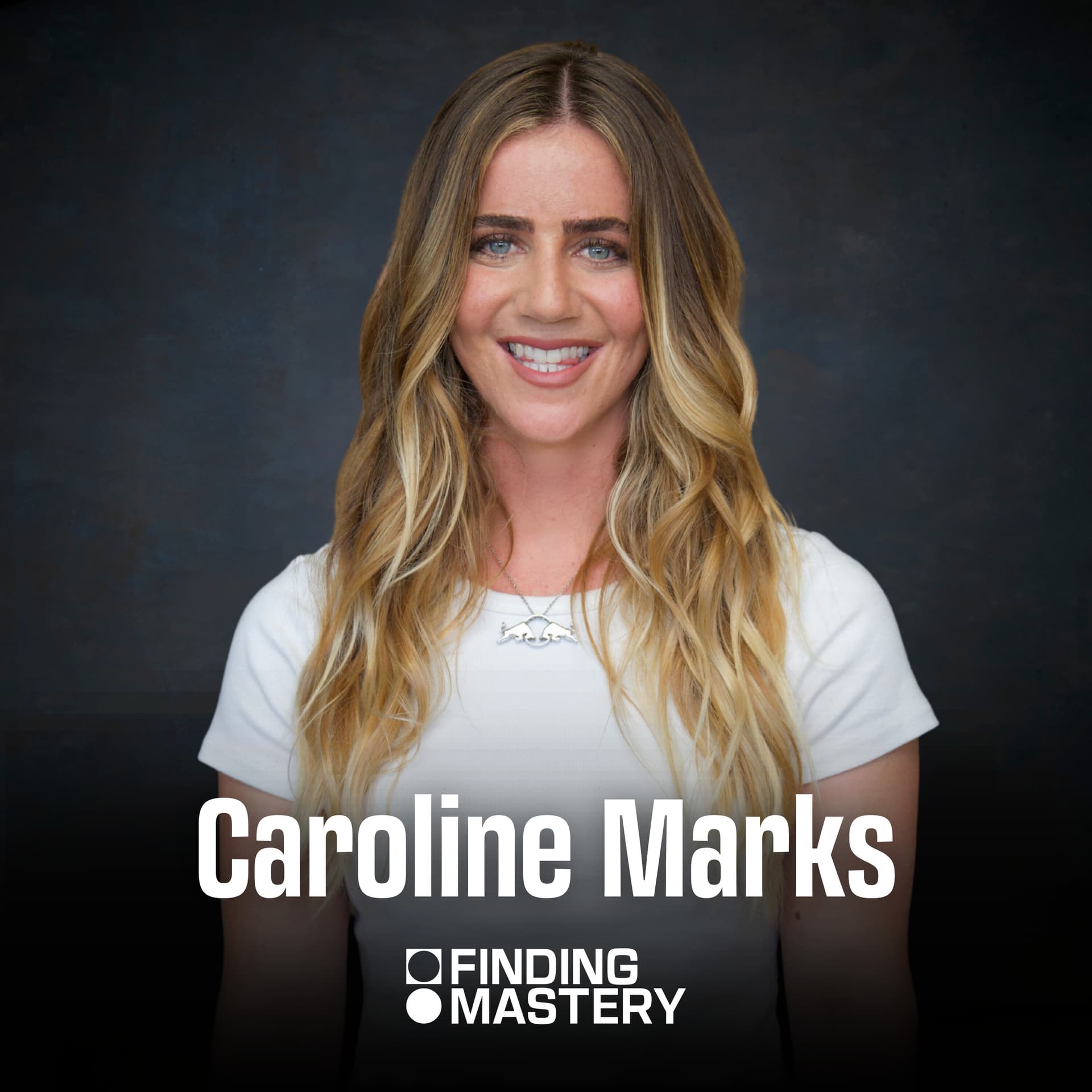
Caroline Marks is a 2023 World Surf League Women’s Champion and 2024 Olympic gold medalist. She competed on the pro circuit from a young age (wild card into a pro event around age 15) and has long been a top contender in a sport with no team medal, where performance is judged and pressure is personal.
Key claims
Vulnerability is powerful, not weakness; emotions can be “peeled back” and reframed (sad/hard can become proud); confidence was damaged by external factors and burnout (insecure overthinking, being around the wrong people, priorities shifting); trust and strong relationships help stabilize mental state.
Notable examples
Tokyo 2020—she lost her heat, watched teammate/competitor Carissa Moore win, and was among the first to celebrate her; she later took about six months off for intensive therapy and identity work (“who am I?”).
Written by AI. May contain mistakes. Listen to the episode to check what was said.
Chapters
Tap a time to open that second in VOReflections on the Tokyo Olympics
0:03 to 1:30
Caroline shares her experiences and emotions from the Tokyo Olympics.
“Mastery because we know one great hire can change everything.”
Reflections on the Tokyo Olympics
2:55 to 7:20
Caroline shares her experiences and emotions from the Tokyo Olympics.
“With that, let's jump into this week's conversation, Caroline Marks.”
Navigating High-Pressure Situations
7:20 to 11:09
Discussion on managing emotions during competitive events in surfing.
“And if you can't work with big emotions, you get blown right out.”
Caroline's Family Support
13:42 to 14:00
Caroline discusses her upbringing and the support from her parents.
“I do want to talk about how you grew up and what your parents and family did to support and challenge you.”
The Foundation of a Good Person
14:00 to 15:00
Exploring the values instilled by Caroline's parents, emphasizing good morals and education.
“you're like, wow, I'm so thankful my parents didn't do those things.”
Understanding Trust and Its Components
15:00 to 17:40
Delving into the three key components of trust and how they apply in relationships.
“down the aisle of my mom's house because it was during copen when i graduated yeah it was great i had fun and then the other thing before you go on you said a good person what defines a good person?”
Parental Support and Love
17:40 to 20:09
How Caroline's parents supported her through competition and emphasized unconditional love.
“And like, I don't think that makes someone like a bad person, like at all.”
Impact of Negative Self-Talk
20:09 to 22:31
Discussing the effects of negative self-talk and how it can shape a child's self-perception.
“Their identity is not wrapped in your success as an athlete.”
Navigating Emotions as an Athlete
22:31 to 24:32
Caroline shares how she manages her emotions and the difficulties she faces with them.
“I want to stay on the emotional bit for a moment here because emotions are running the whole thing.”
Building Trust and Connections
24:32 to 28:00
Exploring how Caroline builds trust and meaningful connections with others.
“nails done like i love stuff like that you know it's fun i just heard somebody the other day say uh is it called retail therapy yeah oh yeah shopping for like i needed every week it's a very dangerous thing.”
Show all 26 chapters
Building and Losing Trust
28:00 to 29:50
Explore the complexities of trust in relationships and its impact on confidence.
“I think earned and then it's given probably.”
Building and Losing Trust
31:50 to 32:06
Explore the complexities of trust in relationships and its impact on confidence.
“That's proton, P-R-O-T-O-N-V-P-N.com slash mastery for 70 % off your two-year plan.”
Navigating Emotions and Identity
32:06 to 36:55
Discuss the emotional highs and lows of competitive surfing and personal identity.
“Are you aware, I mean, you have experienced a full life at 23.”
The Journey of Self-Discovery
36:55 to 42:00
Delve into the importance of understanding oneself and finding balance in life.
“But I think as an athlete, what I've struggled with is being vulnerable sometimes is shown as like a weakness.”
Identity and Vulnerability in Sports
42:00 to 44:57
Exploring the connection between self-identity and the challenges faced by young athletes.
“I think we want it for our loved ones with one of ourselves to live a great life.”
Identity and Vulnerability in Sports
45:42 to 45:53
Exploring the connection between self-identity and the challenges faced by young athletes.
“Again, that's FATTY, F-A-T-T-Y, 15.com slash FINDINGMASTERY, and the code is FINDINGMASTERY.”
Navigating Loneliness and Body Image
47:14 to 49:31
Caroline Marks shares her experiences with loneliness and body image struggles.
“exploring can you speak directly to a person who might be feeling really lonely and they're hanging on every one of your words?”
Self-Confidence and Personal Growth
49:31 to 51:40
Discussion on building self-confidence through personal effort and acceptance.
“everything you need, Caroline, is already inside of you.”
Preparation and Mental Strength for Competitions
51:40 to 56:00
Caroline discusses her preparation for the Olympics and building mental resilience.
“You can trust yourself on the bottom, turn a little bit more.”
The Power of Control and Preparation
56:00 to 56:51
Discover how training and control can build confidence for athletes.
“So I think, and that's like the only thing, there's not many things you can control in life and in the world.”
Representing the USA: An Emotional Experience
56:51 to 57:48
Caroline shares her feelings about representing her country at the Olympics.
“But the second time I was a bit more prepared, I'd say, and just mentally stronger, you know, like just for everything I've gone through and just being more emotionally tapped in with myself.”
The Emotional Weight of Competition
57:48 to 59:18
Exploring the emotional challenges of competing in high-stakes events.
“You get the experience, which is meaningful in a lot of ways, but you don't get the kind of that the hardware, if you will.”
Mindset Before Competing: Overcoming Trauma
59:18 to 1:01:54
Caroline discusses her mindset strategies for pre-competition nerves.
“Um, and I remember I just like started crying.”
Training Gratitude and Presence
1:01:54 to 1:04:25
Learn how gratitude and staying present play vital roles in performance.
“Like sometimes I've also gone into competing and like not feeling that great and like kind of doubting myself.”
Investing in Your Inner Life
1:04:25 to 1:05:06
Understanding the importance of personal mental health for high performance.
“And it's not lost on me the investment you've made in your inner life to be able to change kind of the way that other people see what's possible.”
Show and Tell: Caroline's Olympic Medal
1:05:06 to 1:06:05
Caroline shares a personal moment showcasing her Olympic medal.
“And so thank you for the friendship over the years.”
Transcript
Automatic transcript. May contain errors.0:00Dr. Michael Gervais:Finding Mastery is brought to you by LinkedIn. We use LinkedIn Hiring Pro here at Finding Mastery because we know one great hire can change everything. One bad hire, it can cost you a lot, way more than time. It can cost you momentum and culture and real dollars. And that's why how you hire matters just as much as who you hire. And it's why I've become a big believer in the power of LinkedIn Hiring Pro. Here's what I appreciate about it. When you're running lean, you don't have hours to sift through a pile of resumes hoping to find the right person somewhere in the stack. Hiring Pro is built exactly for that reality.
0:32Dr. Michael Gervais:You describe the role and it screens candidates for you, surfacing the people who are a best fit so that you can spend your time and conversations with those folks rather than in the weeds of the applications. And the results back it up. Those hiring with LinkedIn are 24 % less likely to need to reopen a role within 12 months compared to the leading competitor. So join 2.7 million small businesses already using LinkedIn to hire. Host your job for free at linkedin.com slash mastery. Terms and conditions apply. Again, that's linkedin.com slash mastery to post your job for free.
1:30As a surfer, like you start very young and you finish very young, you're learning so much about yourself, but you're also put on the stage of like, you're supposed to be perfect and have everything figured out.
1:40Dr. Michael Gervais:Welcome back. Or welcome to the Finding Mastery podcast, where we dive into the minds of the world's greatest thinkers and doers. I am your host, Dr. Michael Gervais, by trade and training a high performance psychologist. Now, the idea behind these conversations is simple, to sit with the extraordinaries and to learn, really learn how they work from the inside out. Today's guest is Caroline Marks, the 2023 World Surf League Women's Champion and the 2024 Olympic gold medalist. What makes Caroline remarkable is not just her talent in the water, it's her humility, her mental strength, her commitment to using her platform to elevate women's sports around the world.
2:20Being vulnerable is actually really powerful and a lot of people feel like the things that I felt. And so once I was open about that, I was like, well, so many people can relate to this. And like, I'm not alone.
2:29Dr. Michael Gervais:In this conversation, we talk about how she rebuilt herself after the heartbreak of the Tokyo Olympics. Surfing, it's so cutthroat. There's no team medal. It's like all on you. It's kind of emotional for me. Like when I was just in that state of mind, I was so like low, you know, and it was pretty sad. But at the same time, it's so beautiful, too, because like I know where I'm at now. And the best things in my career have happened after I went through the hardest time of my life. And it's such like a big part of my story. And now I'm almost proud of it. With that, let's jump into this week's conversation, Caroline Marks.
3:05Dr. Michael Gervais:Caroline, this is something I've wanted to do for a long time, is to be able to reflect and celebrate who you are. And first of all, congratulations on your entire body of work and how much that you have done in a very short amount of time. so thank you for being here and thank you for including us in your adventure and journey amazing thanks for having me it's been a while like five years since i've seen you so i feel like this is a long time coming um yeah really happy to be here it was a bit of a blur like the tokyo games was in my mind a very special game and it was your first olympics and you know one of the coolest things across all the games that i've been able to participate in you have a very special place if not the coolest moment that i've experienced in the games and so it was i don't know if you remember much of this but it stood out to me like above all else of course you wanted to win you know and you were in the conversation to to podium at at the at the games you lost your heat and your teammate who is also your competitor like top competitor yeah i mean she's one of the best in the world as well.
4:19Dr. Michael Gervais:Right. And so we're talking about Carissa Moore. You lost your heat and you were out of metal contention. I didn't see what you did, but I know you gathered yourself. I think you went back to our house and then you came back to the beach and then you waited and you watched and you were one of the first people to celebrate her when she was winning the thing that you so, so wanted. And then to top it off, I think you like, you were the first person at the house to greet her again. When this championship moment was taking place, the thing that you wanted and you were grieving, you were going through the loss of that grief.
4:59Dr. Michael Gervais:And at the same time, you were able to celebrate somebody who had the exact same thing that you had hoped for. It was one of the coolest moments I've ever seen in Olympic sport. And I knew at that moment, your talent speaks for itself. But I knew in that moment, bet on Caroline, she has the championship stuff. And so thank you for that moment and that memory. It was really cool. Amazing. That's, that's awesome. Like that was, yeah, you shared that story like perfectly now that you're saying it, I remember everything like, um, yeah, it was a crazy moment because getting fourth in the Olympics, as you know, like that was my first time.
5:35And like, I didn't really realize in that moment, like how much that was a bummer, you know, like in the moment I was like super sad but then I think afterwards after the fact and just realizing like whoa like this opportunity is not going to come back for four years and that's if you make the team again like who knows what's going to happen injuries can happen like you can have an off year like so many things can happen um and so that actually took me a couple years to get over um and it was an interesting thing because Carissa as a person I love so much but she's also my competitor so it's like this funny thing where like I'm like so happy to celebrate her but I'm like, gosh, I want that so bad, you know?
6:13But looking back, I'm really proud of how I handled that situation. And it didn't, it wasn't like I was trying to put on a show. Like that's just genuinely like I was just doing what I wanted and that's what felt right to do. And, and I'm, I'm so grateful. Like that's how the turnout turned out for her. And then obviously now that I have a goal that feels a lot better, but you know, like it all worked out, you know, but in the moment um I was like damn like that was something that stung really hard because I was just like well even if I would have got a bronze like you know how like you go all to the olympics and it's so cool you're an olympian forever but like as a competitor like you just want to win if you don't get that like it it's so hard and surfing it's so cutthroat like there's no team medal it's like all on you and like it's either like you're the you're the man or you're the woman or it's or it's just like no one really cares you know so yeah that was a really hard moment, but also really a beautiful moment.
7:06And yeah, it was cool that you were there to experience that. Yeah, it was really fun. We had a great trip though overall. It was a great trip. A lot of fun.
7:14Dr. Michael Gervais:We could spend the rest of this podcast celebrating all of the laughs and the cries. The Olympic Games are for big emotions. And if you can't work with big emotions, you get blown right out. And what you're talking about is the complexity of multiple emotions at the same time. Technically, you can't have more than one emotion in a moment. So you can have a moment, let's just say a moment of sadness, and then you might replace it with a moment of fear. You might have a moment of anger. So each moment uniquely has its own emotional experience, but the complexity of what you're talking about, seeing a friend win, knowing that that's the thing that you want.
7:56Dr. Michael Gervais:So you had sadness, you had a yearning, you had a regret you had all of those things and you still were the one to to give her love to give her support i'm telling you if we could bottle that um sophistication up as a 19 year old you're 19 19 yeah it's crazy yeah it was overwhelming all those feelings like hearing you say it out loud yes it's an overwhelming thing because you're just like every emotion there's so many different ones and everything's like we're talking about like a scale of one to 10 of how you feel even before we walked in here like how you feel it like that four to six is like the range where you want to be in like everything felt like a 10 at the olympics like everything's just so heightened you know so well let's just explain that like i think this is a really powerful tool that folks like yourself are very skilled at but if you imagine zero to 10 on a scale of emotional intensity or um body activation a 10 is like i feel like i want to throw up i'm so nervous, so activated, so switched on.
8:54Dr. Michael Gervais:And a one is like, I'm totally bored. So we're looking for that four, five, and six, that middle range. A seven is like, I'm okay, but there's a little extra. And eight is like, man, I'm kind of losing myself here. So what are the ways that you back down from a, let's say an eight to a seven to a six to a five? Breathing is a really big one. And just like being where your feet are, you know, You obviously can't control what's going to happen in front of you, especially in surfing. You're competing against the ocean and yourself, really. You have a competitor out there, but the ocean is just so unpredictable.
9:30It's the great equalizer. You don't know what's going to happen ever. And you can have this perfect plan with your coach, and the ocean can just surprise you. So I think you have to be very good at adapting, and that's where breathing is really helpful. And just being like, okay, for example, you have two minutes left. You need a score. Like you don't know if a wave is going to come, but just kind of being where you are and breathing, I think is a really big one. And being around like I call them like my feel good people, whether that's like my parents or friends or a coach, whatever. Like I think being around people that make me feel good, help me feel a lot better.
10:03And I am such a people person. So that really helps me. So between those two things.
10:07Dr. Michael Gervais:So you use your breathing to ground yourself, to relax your activation system. Perfect. Great science there. and then you use your social community to help also ground you and kind of keep it real for you, if you will. Yeah. And you said feel good, meaning that they'll laugh with you. They'll point out some obvious stuff. They'll tell you when you're, you know, I don't know, when your zipper's down and you got a booger in your nose or whatever, right? And they'll just keep it that way. For sure. Yeah. But I think like just my, those feel good people too, like they just sometimes know me better than I know myself.
10:37Like they know when to lift me up, but also know when to be critical because that's important too. You don't want like yes men around you all the time because that's not going to get you anywhere, you know. So my brothers have been great for that. A lot of constructive criticism growing up. A lot of tears. Honestly, they were pretty hard on me up until I got the world title and the gold medal. I'm like, until then, I'm like, finally, you guys are going to be a little nicer to me because I accomplished everything in the sport. Thank you very much. But I think it's important to have people like that, too, that tell you that, you know, it's real sometimes.
11:07Stuff you don't want to hear.
11:09Dr. Michael Gervais:Finding Mastery is brought to you by Sunlighten. I'm really excited about a new partner of ours. Something that I've come back to again and again is when I invest in recovery with the same intention that I bring to my work, everything gets better. My energy, my focus, my ability to show up fully for the people that I'm with and the work that I care about. That's why I am so bought in on the Sunlighten M-Pulse Intelligent Sauna. I was first introduced to their team a few months ago and was so impressed by what they've created. This is one of the most advanced infrared saunas that they've built in over 25 years of pioneering this technology.
11:43Dr. Michael Gervais:That's right. They've been at this game for 25 years. I had one installed in my home a few months ago, and it's made a real difference. I feel more refreshed, more grounded, more relaxed, and it's become a consistent part of how I recover, how I reset every day. I'm using it to support muscle recovery, for improved oxygen delivery, and for nervous system recovery. And what I love most, I don't have to leave my home. They're offering the Finding Mastery community up to$2 ,100 off. Simply head to sunlighten.com and use the code mastery for this great discount. Again, that's sunlighten.com and use the code mastery for up to$2 ,100 off.
12:22Dr. Michael Gervais:Finding Mastery is brought to you by Lisa. We are serious about recovery. Sleep sits right at the center of that practice. I have been fortunate to work with some of the most extraordinary performers for the last two decades. And sleep and recovery are foundational, full stop. It's where the body and the brain repairs. And that's why finding a mattress that supports your recovery matters so much. A great mattress, it's not something that you stumble into. It is a choice. You find it on purpose, the same way that you'd approach anything that really matters in your life. We've worked with Lisa for a long time now because they get it.
12:56Dr. Michael Gervais:They build beautifully crafted mattresses tailored to how you actually sleep. Your position, your feel, your preferences, all of it. You can take their sleep quiz and find your match in about two minutes. Premium material, serious comfort, full body support, no matter how you rest. One of our teammates here at Finding Mastery picked one up recently. Can't stop talking about it. Says that they're waking up more rested than they have in years. Right now, they're having a July 4th sale. Go to lisa.com for 30 % off select mattresses. Plus you get an extra$50 off with the promo code mastery exclusive for our listeners.
13:30Dr. Michael Gervais:That's Lisa L E E S A.com and use the promo code mastery for 30 % off select mattresses plus an extra$50 off when you use the code mastery. I do want to talk about how you grew up and what your parents and family did to support and challenge you. They have been foundational for you. You've talked about them so much so often. Could you point to two things that your parents did really well and two things that you've seen maybe other parents on tour and you're like, wow, I'm so thankful my parents didn't do those things. Yeah. Well, I think the number one thing, like my parents' priority, like if they're right, like they would tell you the same thing.
14:16Their main priority was just raising a good person. like they didn't really care about i mean like they think it's cool that i do what i do i hope but like i don't think they really care like they're just like we want you to be a good person um respectful like and um you know know how to do the dishes not to do the laundry whatever things like that um you have a great education and also um did you finish high school i did finish high school didn't go to college but finished high school yeah i ask and you know this but i think most won't know that most people on tour like high school is kind of optional totally yeah for sure yeah and i think the other thing that they're just like they had you finish yes they had me finish i was like still i was on the tour finishing high school and then i like walked down the aisle of my mom's house because it was during copen when i graduated yeah it was great
15:06Dr. Michael Gervais:i had fun and then the other thing before you go on you said a good person what defines a good person? Because it's more than making your bed. Totally. Yeah. I think just having like, you know, good morals and kind of, yeah, gratitude, being respectful, things like that. Is there one value that is really important to you right now? I think like trust is being very trustworthy. I think that's a really big one. Just being solid. I feel like if you're trustworthy, you're just such a, that's just a, such a solid foundation in a human to have, you know? I love the simplicity. I don't right like yeah i don't know i'm spitballing here but i that's what i'm thinking about but if i so you're saying you're really solid if other people can trust you yeah i guess i guess so i don't know i mean did you know there's three legs to the theory of trust no i tell me okay good so trust has three kind of legs to the stool if you will um and this this is pretty well documented researched is that if I'm trusting you, or let's do it in reverse.
16:10Dr. Michael Gervais:If you're trusting me, do you trust my ability? Do you trust my logic? Let's say that's one variable. Do you trust that I can go get something done that I say I'm going to get done? Okay. So that's logic or ability. The second is, do you trust, it's called benevolence. Do you trust that I have your best interest and my best interest, both of us in mind? Not that it's only good for me, but it's good for we. And the other is integrity. Do I show up the same way when it's super stressful and when it's really easy? So if I'm a different person, when it's stressful, you're like, I don't know. You kind of change, you switch codes a little bit there.
16:52Dr. Michael Gervais:And man, it's always about good for Mike. I don't think he really cares about what's good for me. And the other is like, I don't think he can get it done. So that would be low trust. High trust is like, yeah, I think, I think he can get it done. It's good for both of us. And like, he's kind of the same person. Yeah. So that's, that makes a lot of sense. Yeah. You're right on. Yeah. That's cool. I've never, I've never heard that. So if you're ever struggling with somebody that you don't trust, it's one of those three things. Okay. It's not like general. It's one of those three. I don't think that they see what's good for both of us.
17:26Dr. Michael Gervais:Right. It's all about them. Right. Or they just keep, they keep like changing. I don't know what to, I don't know what's real. Yeah. Or, you know, they, they think they're really good at this thing, but I don't trust that when there's pressure on it, that they can actually execute. Totally. And like, I don't think that makes someone like a bad person, like at all. It's just sometimes, I don't know, maybe you weren't taught that or just, or they just don't really care about you that much, which is fine. I mean, yeah, it is what it is. So one more thing that makes your parents that you are super grateful that your parents did or said or it could be even something as specific like a moment that they leaned over and whispered something to you or did something I think um I mean I guess just with like surfing and stuff like that like they had a really healthy balance of like pushing me but also not like making it a chore for me I think that's why I love surfing forever you know like and obviously it ebbs and flows like when you know there's moments where you really love it there's moments where it's like you're kind of tired and it's not as fun whatever but like I think forever I'll surf forever no matter what, like, even when I'm done competing, and I'll have that joy still just because they never, like, forced me to do it, you know, it just all came from me, and when we were growing up, all my siblings, they were like, hey, like, we just don't want you to go home and play video games, like, we want you guys to do something, but whatever you choose to do, whether that's a sport or just a normal job, like, we'll just support you in that, and I think, like, that's why, like, just surfing, it came so natural, and I'm really grateful they approached it like that, you know, my older brother was a professional surfer and they could easily just force me into that.
18:55Like, oh, we see talent here and just force you into it. But I rode horses and then I dropped horseback riding and then picked up a surfboard just naturally, just because I wanted to. And so I'm really grateful that they, it was never like a chore or anything. They weren't super hard on me. Do you remember a moment after a loss, either a car ride home or walk from the beach,
19:14Dr. Michael Gervais:something that they said that has stuck with you, that's really helped you? I think a lot of times like I've had a couple moments where I'm like I'm over it like I can't take it you know like you just losing sucks so much like you blood like blood sweat and tears and you live breathe eat winning like you just want to want it so bad and um I think them just kind of like hey you don't you don't have to like it's okay like we love you the same I think that's a that's been a really big one for me just like we just we just love you like it's all good you know and then i'm like wait a second no i don't want to stop you know i like i love i love it it's you know what i mean yeah but um i never actually wanted to quit like i you know but like you have moments where you just get so frustrated and i think a lot of athletes can probably relate to that um where you just feel so low um but yeah i'm my parents like i'm so grateful for them and they're a huge reason for my success and how i am today and like i'm just super grateful for them.
20:09Dr. Michael Gervais:Their identity is not wrapped in your success as an athlete. Like they have totally their own thing going on. Like my whole family, like they, everyone does different things. Like, you know, no one's like, they don't even, not that they don't care. It's just, they don't need me or anything like that. You know, they totally have their own things going on, which is really cool. Um, and it's cool because my family serves. It's something we can do together and it's something we can all share together, which is so special and awesome, you know and what makes our journey so special is sharing it with people you love and I'm just really grateful for that like sometimes like seeing I mean like all these experiences even like you know one of the cool things about the games this year is that we were able to have family there and like it made that moment so much more special because I can like share that with my mom share that with my dad like my brothers like if I had no one there with me like it wouldn't have been as cool you know like I would have been stoked but it wouldn't have been like as special and like seeing my mom like cry like that made me more stoked than anything I was like this is the coolest thing ever so yeah or like seeing my brother get a good wave like that's almost more fun to me than me getting a good wave sometimes you know like I don't know so yeah you are full of a lot of emotion yeah yeah see it again even when you feel grateful it comes to the surface for you too yeah for sure your emotions are awesome gift to you thank you yeah yeah it's really cool.
21:30Dr. Michael Gervais:One thing that you've seen other parents do to kids and you're like, oh my goodness, like I wish no parent would ever do that again. I think just the negative self-taught, like you don't realize, like I think sometimes parents are trying to push their kid. I don't even think it comes from a bad place, but saying something about, you know, how even how you look or what you're doing or like how you act like that, honestly, sometimes can really affect like when you're younger you're like a sponge you're just like absorbing everything and so like a lot of qualities you're taught when you're younger like that's how you are going to be when you're older and I think sometimes like being too hard on your kids like it's I think it's a good balance like you want to raise them right and stuff but I also think like the negative self-talk I think too much of that I don't think it's very good and I thankfully I didn't really have much of my brothers were gnarly on me but like not in a super bad way like I turned out fine whatever you know I've only cried a few times, but I think a lot of negative self-talk is, that's probably the worst thing I'd say.
22:32Yeah.
22:32Dr. Michael Gervais:I want to stay on the emotional bit for a moment here because emotions are running the whole thing. And the Olympics, like I said, are for big emotions. So I would love to spend some time to really understand how you work with emotions and what are the emotions that are most difficult for you? and what are the emotions that are pretty easy for you to work with? Can we start with the ones that are hard? Yeah, this is a great question. I guess I haven't really thought about, like I guess no one's really asked me that question. And I am a very emotional person. Like I think I'm very passionate. Like if I'm into something, I'm like 10 toes down about it.
23:12Dr. Michael Gervais:What does that mean, 10 toes down? Just like all in, you know, like if I'm into surfing, like I'm going to try really hard to be the best. Like there's no like, oh, I'm kind of going to get into it. you know, like I'm starting to get into golf, but I'm like, now I want to play every single day, you know, like I want to be the best at it, which is a great quality to have. But sometimes having extreme emotions can be a little tricky to balance. And it's something I've had to work on. And it's something I work on every day, you know, I want to interrupt. I'm sorry. Like, can you say how you work on them?
23:40I think doing things like daily that make me happy, whether that's like, I don't know, getting a coffee with my friend or like having a great conversation, like connecting. And like I said before, like I am such a people person. So like having those connections are really good for me. And most of like my life, you know, the pillar of surfing and training, like that one's super full. But I think for me, it's important to like fill that like family and friends cup. Cause that one's like pretty low all year, especially when you're on the road competing and stuff like that. So being around people, I can be completely myself around is something that's really good for me.
24:14Um, I don't feel any judgment from that's a big one. um so stuff like that or if it's like whatever making my favorite food or like riding a fun board i don't know little things like that it sounds kind of cheesy but it's what helps me
24:27Dr. Michael Gervais:so here are two things in there i hear first is like doing small little things that like are nice yeah right like a fun board or coffee with a friend shopping i don't know getting my nails done like i love stuff like that you know it's fun i just heard somebody the other day say uh is it called retail therapy yeah oh yeah shopping for like i needed every week it's a very dangerous thing. Very dangerous. So, all right. So there's those pleasantries that are nice. And then the other thing that I think you're pointing to is connections with people that you can be fully you. And can you speak to how you build those?
Read the full transcript
25:02Dr. Michael Gervais:And when I'm assuming that's important because you know what it's like to not have that. For sure. Okay. I think it's funny because almost everyone in my friend group, and there's been a couple of new people, but almost everyone in my close inner circle. Like there's a lot of people that are like outside the circle and there's only a few that you like really, really let in that you really trust and that have been there for you. They're really good moments and really bad moments. And a lot of people that have been in my life have been there since day one. And I noticed I always gravitate towards people like that.
25:30Like before I was a surfer, had any accolades or anything like that. And I feel like a lot of safety in that. For some reason, I don't, I don't know why, but I just, I feel like when I see someone be there for me when things aren't going great, when they're still there for me and still like, hey, I'm here for you, still give me the same amount of love. Those are the people I gravitate towards. And I feel like that shows like someone's true character.
25:54Dr. Michael Gervais:So let's just call that for a placeholder, like trust. Like I trust that they are not judgy critiquing. They're not around me because I'm famous and talented or whatever, but they are actually interested in the character of Caroline. So trust for you, is trust given or trust earned? Maybe a bit of both. I think earned a little. I don't know. I haven't even thought about all these things. This is great. I'm learning about myself. Thank you. Well, you know, it's funny. Your laugh reminds me. I'm not going to move off with the question because I think it's a really, I want to learn how you do it.
26:28Dr. Michael Gervais:And there's not a right or wrong way of any of this, right? It's like your way. This is great. but you know what your your laugh reminded me we were in tokyo um in the stands on the beach and we're having a conversation and we've been hanging out for like i don't know 10 days maybe it was like three it's i think we're the team house was together for three weeks probably yeah almost a month probably almost a month yeah what a great month so fun the vending machines in the house i mean are you kidding me that was so cool it's my favorite part really yeah it was great it's like my dream the japanese cuisine was yeah but so we're having a good conversation and we had talked about a lot up those first 10 days you know and then you lean over you go wait are you like a psychologist no idea i was really really embarrassed we were having a conversation before this and i was so embarrassed i said that oh my goodness i stuck with me because it was such a high compliment because for me it's like you didn't have this box that you put me in and it was two people really trying to sort out how for you to be your best.
27:34For sure. I was just like, this guy's super cool. What is he here for? This is great. We're getting along. This is great.
27:41Dr. Michael Gervais:You must be a manager or something. Yeah, some physio. I don't know. But we haven't done any physio yet. No, I know. So yeah, I do remember that. That was pretty funny. It was really funny. Yeah. So anyways, but your laugh reminded me of that moment. And so let's go back to the question. Do you give trust or is trust earned? I think earned and then it's given probably. Yeah. But it's funny because... I'm the same way, by the way. Yeah. But I've also like, I think that's also too, because I've had, I've given trust and that trust has been broken. So I think now I'm like, you know, maybe earn the trust then given the trust.
28:20I don't know. I am a very like with my friends and stuff, like shirt off my back. Like I'm really there for you. So I think sometimes I expect that from other people and not everyone's like that, which is okay. But I think it's taken me a minute to learn that. I'm like, wait, not everyone's, you know, has that type of personality. And that's just kind of how I was raised too. And a lot of it is how you're raised. And so, um, my family's very like, you know, if you're in, you're super in, you know, we'll do anything for you kind of thing. So. Yeah.
28:49Dr. Michael Gervais:So that's why you have a tight inner circle, which is important that you have earned the trust of them for sure. And they've earned it in reverse as well. And I think there's something important just to land on, which is the definition of trust is that I'm going to make something vulnerable that I really value. And that thing that I really value, like my heart or my time or my money, whatever it might be, it's important to me and I'm going to make it vulnerable by trusting you with it, by giving it to you. and if somebody is sloppy with it then they they should not be in the inner circle for sure yeah what do they say like trust takes years to years to build and seconds to lose or years to earn seconds to lose or something like that so yeah that stuck with me i forget someone told me that and i was like that's so true like someone can be your friend for 10 years and something happens and you're like wait a second you know but i'm also aware like nobody's perfect i'm not perfect i'm sure i've done a lot of things to piss my friends off that they're like we're never going to talk to her again, but, um, you know, there's certain lines you just don't cross.
29:51I think.
29:53Dr. Michael Gervais:Finding Master is brought to you by Magic Mind. I get to spend time with people who are relentless about training their minds. It's one of the things that I love most about my profession. And for me, in those I work with, we are looking for ways to optimize our psychology and our brains. Magic Mind is a daily two ounce mental performance shot loaded with vitamins, amino acids, antioxidants, and clinically backed ingredients like turmeric, ashwagandha, and lion's mane. The ingredients are nano-encapsulated for five times better absorption than traditional pills and powders. And I love the taste.
30:23Dr. Michael Gervais:I love what they're doing here. I use Magic Mind just about every mid-morning. And what I notice is that I think just a bit more clearly. My focus is definitely enhanced. And I don't experience an afternoon drop. That's not a small thing when the quality of your thinking is one of your most valuable skills. So go to magicmind.com and get 50 % off your first order. You spend a lot of time sharpening your mind. It is worth fueling the brain behind it. Finding Master is brought to you by ProtonVPN. For so many in our community, travel is part of the rhythm of doing meaningful work. Boarding flights, hopping between cities, working out of hotel lobbies and coffee shops.
31:00Dr. Michael Gervais:It's all part of what it takes for some of us to lead and build at a high level. And one thing that's easy to overlook in that rhythm is digital security. Because the moment you connect to public Wi-Fi in a hotel or airport or cafe, your activity is suddenly a lot more exposed than most people realize. Logins, emails, financial information, sensitive work, it's all in the open. In a way that doesn't match the standards we hold for the rest of our lives. That's where ProtonVPN comes in. ProtonVPN is a secure service designed for people who want to prioritize their digital privacy and security. It lets you access the internet the way it should work.
31:36Dr. Michael Gervais:Open, secure, and on your own terms. If you take your work seriously, take the conditions you work in seriously too. Right now, ProtonVPN is offering you 70 % off a two-year plan when you go to protonvpn.com slash mastery. That's proton, P-R-O-T-O-N-V-P-N.com slash mastery for 70 % off your two-year plan. Again, that's protonvpn.com slash mastery. You're 23? 23. 23. Are you aware, I mean, you have experienced a full life at 23. It's crazy. You were on the world tour at 15? 15, yeah. 15. You picked up a surfboard at the age of 11. You, I don't know, months or a couple of years later, you're kind of thrown at age 13.
32:24Dr. Michael Gervais:I think you were on the national team at that time. Yeah. It was my first, that was my first like pro event. I got a wild card into like, yeah, the pro event. So I was around like all my heroes. It was pretty funny. And you brought it to them, right? Yeah, it's funny looking back. I was so oblivious to the world. I couldn't think about anything besides like my next way my next meal. It was great. I wish I can think like that now. Well, that's what I wanted to ask is like, so you've had a full rich life, big emotions. You've practiced being in very uncomfortable situations, probably more than most people would have in their lifetime.
32:59Dr. Michael Gervais:And because competitions and practices, and when you're right at that emotional edge of like, am I going to fall into a thousand pieces? Is this whole thing going to evaporate? You know, it's kind of what the edge feels like for most people. And you've got to, to surf well, you've got to put it on edge. You got to get to the edge of the envelope physically. And I'm talking more emotionally here for a moment. Let's come back to the physical edge and surfing in a moment because it's a beautiful concept. But are you aware of your blind spots that have caused pain in others or pain in yourself? Yeah.
33:37Like, this kind of goes back to like the people pleasing thing we talked about, I guess. another thing too you're talking about like being uncomfortable like I think almost all good things happen outside of your comfort zone like almost all good things you know like I was telling you before I'm like winning a gold medal is not that comfortable or like you know winning surfing a big wave or whatever it is you know or climbing a huge mountain people do crazy stuff that I'm like I would never do that you know so that's something that's really cool and that's something that has really motivated me to kind of get over my fears and stuff like that and I'm like I just know like if I don't want you almost like want your dreams to be scary and if they're scary it's like a really good thing um but yeah I've I've honestly I feel like I've learned more about like my blind spots the last couple years um you know when I took time off that was before that I never saw a sports psychologist or never I just didn't really you know I didn't even know what that was really like hence my question who are you so uh I think um as much as like that time that I had off was like one of the hardest times emotionally ever.
34:41It definitely was to this point in my life. And I know I might go through something else in the future, but up until this moment, that's been the hardest year of my life emotionally and for my career and everything. And, um, but looking back, I'm really grateful for it because it really made me learn a lot about myself.
34:55Dr. Michael Gervais:Okay. So just for clarity, you are rolling on the world stage. Like you are one of the top three, five best in the world. Is that fair? And then you decide you're going to kind of pull the chute and you're going to pull out of your career and you took a break. Yeah. Right. And in elite sport, it's considered a dangerous thing to do because elite sport is happening. The progression of sport is happening so fast. And when I heard that you were doing that, I thought, oh boy, watch out because she's going to, she's going to go dial in. She's going to go attack her mental emotional part of herself the same way she attacks the technical physical part of being an elite surfer and i thought it's on like competitors watch out and i know that you probably would not have felt that because it was dark and hard i was just gonna say like it's cool that you thought that way because i thought the opposite um in that moment yeah what did you think oh i just was like you know all the questions like am i ever gonna come back to how i was before Or like, am I ever going to be able to be at that level again?
35:59Like, can I handle it emotionally? Like more than the physical part, I just emotionally, I'm like, am I going to be able to handle this? Like, that's just so, I just remember the emotions were so extreme. Like, just so like you're on the highest of the highs and then the lowest of the lows when you lose. And it just was like so much to handle. And then I'm like trying to figure out who I am as a person. I'm like, well, who am I? Like what, you know, like you just, it's confusing kind of. I think COVID had a big, big part to do with that too. just kind of like everything being on pause and then I just had to sit there and be like
36:30Dr. Michael Gervais:wait a second what do I what do I do now what are you feeling as you say it it's kind of emotional for me like looking back to how I felt in that when like when I was just in that state of mind I was so like low you know and it was pretty sad um but at the same time it's so beautiful too because like I know where I'm at now and the best things in my career have happened after I went through the hardest time of my life which is so beautiful and it's such like a big part of my story. And now I'm almost proud of it. But I think as an athlete, what I've struggled with is being vulnerable sometimes is shown as like a weakness.
37:01And I think I kind of like reframed that thinking to like being vulnerable is actually really powerful. And a lot of people feel like the things that I felt. And so once I was like open about how I was feeling and, you know, like struggling with motivation and not really enjoying surfing as much and just mentally not being in a good place, you know, once I was open about that, I was like, well, so many people can relate to this and like, I'm not alone. And that just made me feel so much better.
37:24Dr. Michael Gervais:What did you just do two minutes ago when you were flooded with all those emotions, when they were right at the surface, you allowed some emotions to come to the surface. And then did you make a decision like, no, I'm not going to open it up all the way, or I'm just going to recognize that they're there and see where they go. Like, what did you just do? Yeah, definitely. Like, you know, I definitely, I don't really want to cry on the podcast to be honest so yeah you hold him back no i'm it's okay i'm fine you guys no i'm just i promise no but i think yeah was that the guiding thought like i don't want to cry no no i has to i think um i think just kind of like peeling it back but i'll just reframe my thinking of like oh it's maybe like yeah in the moment it was sad but now i'm like so proud of it so it's actually like a happy thought almost so i think just like both i think yeah for sure happy sad.
38:16Dr. Michael Gervais:Because I think what you just did is probably part of your crown jewel is that you don't stuff it down. You feel a lot and then it comes up to the surface. And if there's a lot of sadness, like that's hard to work with. And so you said, I'm going to take a break. Okay. So when there's a lot of joy, it comes to the surface and you're like, oh, this is easy. So I think I just saw one of your crown jewels, which is the emotions came back up, which was like, it was dark. It was hard. I was sad. I was lonely. And then you're like, yeah, but then I worked through it. So then the other set of emotions came through.
38:53So I think that that is probably part of like
38:58Dr. Michael Gervais:the demystifying why you're so good at what you do. That's cool. I've never thought of it like that. But I guess now that you just said that makes a lot of sense. Like, yeah, that's really cool. So stay here for just one more kind of turn of the screw. Was it lonely? Was it sad? Was it what was the main thing that was a fatigue? I think my priorities were a little bit out of whack. Like surfing wasn't my number one priority anymore. And I was focused on other things. I think I wasn't around the best group of people. I wasn't making the best decisions. That kind of led into some like depression and just not really enjoying where I was at, which is crazy because I feel like I've always been a very like I was raised so well, like great childhood, like great family, you know, very positive, no, like, you know, talking down me or anything like that.
39:44I feel like I've always been a really happy, secure person. And then I kind of found myself pretty insecure and just overthinking everything and worried about what everyone thinks about me. And, you know, it's hard. You grow up in a bikini in front of a camera and it's a very subjective sport. And I've been doing it since I've been like 12. So like at some point, I think all those emotions now looking back, I didn't realize this in the moment, but looking back, I'm like, oh, like, no wonder you, like, got burned out. Like, fair enough. You know, like, there's a lot that you kind of went through.
40:15And, and it is sometimes a bit lonely. Like, you know, in order to get to the top, it's pretty lonely. And I think you have to be really good at managing those emotions, which is hard for someone that loves people and loves family and loves those deep connections. Like, it's crazy, because, like, I talked to this about, like, Lakey Peterson's one of my good friends on tour, and we laugh about it, because, like, she's, like, it, we, there's, like this wall that's up. Like we're really good friends, but there's this like wall because like you don't want to get that close. But I'm also like, dang, like I can relate to you more than like any of my other friends.
40:46Cause we do the literal exact same thing. You know, we have the same feelings, but we're not really going to talk about that until this is all done with. And we kind of laugh about it, you know, because it's so true. Um, but I don't know. It's just, it's a, yeah, a lot to deal with, but I feel like I've now have found a really good balance, um, with my emotions like I'm a lot more even keeled than I used to be I think and that also comes with maturity too I think you just kind of get more used to like okay cool I think this will be my eighth year on tour now so you kind of just learn how to deal with those emotions and also find what works for you like I think when you're younger you're kind of looking at everyone else like what are they doing and now I'm just like I'm so secure in my own program and that's been that's been
41:25Dr. Michael Gervais:really cool so how much time did you invest in your psychology a lot I mean when I took time off it was like six months of like intensive therapy. Like all, like I didn't touch a surfboard. Like it was all like, okay, who's Caroline, you know? And like, I also went home to, cause I live in California, originally from Florida. Um, but I went back to Florida and like, just went back to my roots and just was like with my family and just like, just back to how I grew up. And I think that was really, really helpful and really cool. When it comes to living a great life, I think it's something we all want.
41:59Dr. Michael Gervais:I think we want it for our nephews and nieces or kids. I think we want it for our loved ones with one of ourselves to live a great life. And I'm not sure you can have that if you don't have one of these big rocks to put in that container, which is who am I? What is a compelling future that I want to work toward? And what are the first principles and values that I'm going to navigate this twisted world? For sure. You know, twisting, I should say, world. And so So that big rock, like who am I? That's, I mean, once you kind of ring that bell and it's like, that's who, yeah, that now I understand me and I understand like my, my core.
42:38It's crazy. It's a crazy thing. I don't know. It's, it's a funny thing being an athlete. Cause it's almost like a reverse career in a way. Like you start very young and you finish very young, you know, like a lot of people, like, I don't know, like if you go to college and it's like a normal, like you're getting your life started almost at like 30. I mean, some people younger and stuff, but you're like more established where like as a surfer, like you're starting at like 12 and you're like, I don't know if you 30 or what, that's like 15 years on tour. It's like, so think about those years. Like you're so vulnerable.
43:07You're so young. You're learning so much about yourself. But you're also put on this like stage of like, you're supposed to be perfect and have everything figured out. So I think like just kind of balancing that has been interesting.
43:18Dr. Michael Gervais:You've slid a few things in here, which is your connection to your body in a public setting. Your sport is critiqued and judged. And that collapses on the way that you look and the way that you perform. So there's a body thing in there. Like there's an art and a skill and it's being judged by others. And you still don't know your identity. You're a teenager. So how could you? Yeah. So there's a lot and you slipped in there like the loneliness to make it to the top. I'm glad you said that. Yeah, it's true. It's real. Like and I I don't know now I almost love it because like I don't think like super hard, like super good things like don't come easy.
44:02Right. And it's almost like fun. Like if you like reframe your thinking about it, it's almost like fun. Like, OK, cool. Like this is really hard right now, but I know like it'll be so worth it in the end, you know. So I think just reframing that. But sometimes you're, you know, you're in a hotel room, you're in a different country. Like, you know, you have you're on a different time zone. You know, your friends can't call your friends. You're kind of just like it's raining outside. The waves are bad. You're just sitting there like, well, this is kind of hard. Like, you know what I mean?
44:28Dr. Michael Gervais:And the handful of people that really understand are your competitors. Totally. But you can't really talk to them because like you're trying to beat them. I mean, you can, but it's like kind of weird. You know, it's like this weird wall that's up. Like we're we actually all are really good friends. Like, I mean, I see these girls more than my family. You know, like we're on tour so much. But I think if you had any of them sit down here, they would say like there is like a little bit of a wall that you just you don't go like that deep because, you know, you have that competitive build block up.
44:57Dr. Michael Gervais:Body Mastery is brought to you by Fatty 15. Did you know that Navy Dolphins helped unlock a secret to healthy aging? It's a wild story. And it's the foundation for a product that I've come to really love. Fatty 15. Fatty 15 is built around C15. the first essential fatty acid discovered in over 90 years. And it was discovered by Dr. Stephanie Van Watson. She's the co-founder of Fatty15. While she was working with the U.S. Navy, and based on over 100 studies, we now know that C15 strengthens our cells and is foundational for healthy aging at the cellular level. Stephanie's been on the podcast, and it was one of my favorite conversations.
45:34Dr. Michael Gervais:She's amazing. And what her and her team are building is something I'm really excited about. Head to fatty15.com slash finding mastery and use the code FINDINGMASTERY for an additional 15 % off your 90-day starter kit. Again, that's FATTY, F-A-T-T-Y, 15.com slash FINDINGMASTERY, and the code is FINDINGMASTERY. Okay, I want to take a quick minute here to talk about FINDINGMASTERY. If you are leading a team right now, you already know that strategy, execution, priorities, accountability, those matter. And what I've seen time and time again is that organizations don't rise or fall to the plan alone.
46:09Dr. Michael Gervais:Of course not. they rise and fall to the internal conditions of the people that are carrying the plan. That's the inner game that I'm pointing to. And the teams that invest in their psychological skills, they're the ones that are best prepared to navigate dynamic environments, like the one we're all living in right now. At Finding Mastery, we help leaders and teams build the mindsets and psychological skills that support sustainable high performance. And we do it inside the rhythm of business, not as one more thing, but as a practical way to operate when pressure is real and the stakes are high.
46:41Dr. Michael Gervais:We have partnered with teams at Microsoft and Salesforce, LinkedIn, New York Life, Marisk, Adidas, AIT, Waymo, and so many more, helping leaders lead through change, strengthen culture, and perform more consistently in high-stress and high-stakes environments. And you're not just kidding me. You're kidding a whole team that includes high-performance psychologists, performance strategists and olympians who know how to bring this work to life so if you want to really unlock the edges of your team's potential simply go to finding mastery.com slash inner game to learn more again that's finding mastery.com slash inner game let's keep pushing let's keep exploring can you speak directly to a person who might be feeling really lonely and they're hanging on every one of your words?
47:31I can only, I guess, speak from like personal experience. For me, it was like just being around those people that like really care about you, whether that's like friends. For me, I'm so lucky. I have such a great family and great friends and just it's OK to like seek help and get support. Like, you know, like people that really care for you will be there for you. And sometimes like the people that care about you know you better than you know yourself. So I think leaning on those people for me was really helpful. Like my family in those moments, they're like, you probably should take some time off.
48:04And I was already thinking that way, but they kind of just helped me make that decision.
48:07Dr. Michael Gervais:Let's do one more. This is great. Can you speak to the teenager, probably a girl that is struggling with how her body looks or how she feels in her own body? And maybe she's in a public sport, you know, whatever, but just as somebody that is overly connected to how they feel in their body and they don't like how it feels. Can you speak to her or him? This is something that I've like constantly had to work on. Like I said, you know, I'm in a bikini a lot of the times I grew up in front of a camera as a girl, there's a lot of hormones and things are changing all the time and whatever you sometimes look good.
48:43Like, like I can look good today. And then tomorrow I'm like, gosh, I don't feel like I look that great. You know, like we all know how that feels. um and I think then like that's when being around people that make you feel good I think is really important also doing what makes you happy like everyone has such a different body type and everyone like they're healthy looks so different you know and I think just knowing that and accepting that is really cool and just being proud of that like you know being strong is beautiful and it's allowing me to like surf and do the things that I love so much you know and so yeah I just think genetically everyone everyone's made it look so different that's what's so cool about the world.
49:19Like if everyone looked the same, it would be boring, you know? So I think just understanding that is really, really cool, but it is something that I'm constantly working on it. And I think a lot of girls can probably relate to that.
49:30Dr. Michael Gervais:I have a first principle in life that everything you need, Caroline, is already inside of you. And so my partnership with that, or my part in that with you is to, to go back to your answers are already inside of you. So you don't need anybody else to feel completely at home with yourself, wherever you are on a 15 foot, you know, wave of consequence or an intimate conversation or walking and feeling vulnerable because there's a camera or people looking at you like it's already in you. So I would go back to that first principle and like, okay, is it working? And you go, no, that's why we're talking.
50:06Dr. Michael Gervais:I say, okay, well, what would you want to change? And you say, well, I want to lose weight or I want to gain muscle or I just want not care. Great. Now we've got a plan. Totally. Right. It's a thinking thing. It's a feeling thing. And then we would practice, you know, kind of radical honesty and compassion in the way that you speak to yourself. Yeah. Which I think is actually quite rare for most of us. Yeah. Yeah. And I think it's also even more rare for elite athletes. Are you more critical or are you more of a great coach to yourself? Do you back yourself or you cut yourself? A little bit of both.
50:39Dr. Michael Gervais:And I don't mean cutting like that. I mean, like, cut yourself down a little bit of both i think being critical is good and to an extent like you know i think what does that sound like when you're critical i think just like on a wave or something i'm like god do not do that turn it like what are you doing you know what i mean like and that's just me like wanting to get better and just like you know what i mean so i think that you don't say i'm so stupid i'm so that um no i've said that well honestly i'm pretty like sarcastic like i'm kind of like that a little bit but i guess it is coming out of my mouth so maybe i should breathe we might need to talk.
51:12Do you talk to yourself in third person or first person? A little bit of both. Like I'm a little bit like I will say I do feel like I do feel like I have a pretty healthy balance of of like of not talking down on myself, but also like being critical to where like, OK, like not being super satisfied. Like I want to I want more and like I want to keep getting better. You know, I think that's really important, too, and really healthy.
51:37Dr. Michael Gervais:Yeah. So you believe that you can do more. You believe there's more, there's, you can put it more on the edge. Totally. You can trust yourself on the bottom, turn a little bit more. You can hold a line that's hard to hold a little bit longer. So you believe there's more in you. Absolutely. Do you think there's more in you? Do you know there's more in you? Or do you believe? I believe because I, and I've also like, I've seen it with other athletes too. Like I look at like my peers, like a Stephanie Gilmore or even a Carissa Moore. And I'm like, you know. Explain to the listener who might not know them.
52:08Stephanie Gilmore is the she's the GOAT greatest female surfer of all time has eight world titles um incredible also just such a great human and um Carissa Moore is also one of the GOATs five
52:19Dr. Michael Gervais:world titles first Olympic gold medalist um which is your teammate competitor yeah exactly um you know I look at them and I'm like Stephanie Gilmore she won the world title when she was like she didn't win the world title for a few years and then she got the eighth world title um she was in her in her 30s and I look at that I'm like I'm 23 like I can have the best years ahead of me and now with all like the science that's out with like how you can you know the training and like the nutrition like you can stay healthy for so much longer which is really cool do you think you're gonna be the goat no I don't know we'll see oh you do I don't know I saw it you don't want to say it no I like it no I like that yes I'm definitely I look I I don't know no I think what I I think you know I I saw it in, this is what I'm saying.
53:03Dr. Michael Gervais:When we were in Tokyo and the way you handled the complexity of those emotions, your technical, your style of surfing is world leading. It's not just world class. You are pushing. And so is Carissa. For sure. Right? And take nothing away from Lakey. And like, she's a really powerful surfer as well. But the way that you are managing your internal life in an honest way is the largest pillar to get the foundation right. And you're well on your path. Thank you. Yeah. And I don't think you're just going to take casually your physical fitness and your technical fitness. And I don't think that you're going to take any of that stuff casually.
53:45Dr. Michael Gervais:The thing for you will be to make sure that you manage your energy properly so you don't lose the love affair with with progression with growth totally and i think that's the in at women's women's sports in general which is like so cool like the progression in all women's sports is just skyrocketing which is like so cool to see but especially i think in surfing um it's the talent level is just like it's going like this like at such a fast pace so i think keeping up with that is um it's definitely a really fun challenge you know and also like i think with having now the world title and the gold medal, like you have to find different ways to be motivated and stuff like that.
54:23So, um, I think these younger girls coming up are something that's been really motivating for me. And even though they're, I guess only a few years younger than me, it's still like, I'm like, I don't, you know, you still want to, you have that fire in you. They, they fire you up, which is pretty cool.
54:36Dr. Michael Gervais:Competition's amazing. It is. It's great. Yeah. It really does keep us on our toes, on our edges, if you will. So wait, wait, I distracted us because I was asking about the goat, but how do you, you believe there's more in you. So it gives you some sort of more space to be able to be critical. I'm not a fan of critical self-talk because it starts to niche away or chip away at like the belief. So if you think about like you've got this crown jewel and each time you say something to yourself, like, I suck, I'm stupid, I'm this. It's just you take a tiny little bit off. I don't know if that's what you're doing or not.
55:12Dr. Michael Gervais:It feels like you're also replenishing that by the way that you back yourself for sure so how do you back yourself how do you how does it sound in your head when you are coaching yourself you know in an amazing way well I think for me just doing the things that like whether that's like training really hard or putting the hours in the water like doing things like a lot of practice like I feel like that like leads to confidence like just what do you say to yourself just saying like hey I did everything I can to prepare for this heat right now this event right now, like me, Caroline, like I put everything I can into being my best.
55:48And that just like, how can you not be more confident when you feel that way? But if you, you know, if you're doing things that maybe aren't, you know, aren't making you the best version of yourself, like that could cause some like doubt and insecurity and stuff like that. So I think, and that's like the only thing, there's not many things you can control in life and in the world. And I think that's something you can control is like how hard you work. And I think knowing that, um, and, and like doing that breeds confidence for me, at least.
56:16Dr. Michael Gervais:Did you train at that kind of 10 out of 10 level going into the, um, into both games? Yeah. Yeah, I did. I think the second one, I was a little bit more prepared just because the first one, I didn't know what to expect. Everything was new. Surfing was also never in the Olympics. So like, you know, I had no idea, like everything just felt like, I know, I feel like I was going in blindfolded. I was like, what do I have to expect here? And not that I didn't watch the Olympics before, but I was so fixated on surfing that, you know, it wasn't in it. So I didn't really pay too much attention to the Summer Olympics.
56:48And now I'm like the biggest fan ever. I think it's the coolest thing ever. But the second time I was a bit more prepared, I'd say, and just mentally stronger, you know, like just for everything I've gone through and just being more emotionally tapped in with myself.
57:02Dr. Michael Gervais:What was it like for you to wear the USA jersey and to represent the flag and the people of the country? Oh, it was incredible. Like it's, it's kind of hard to like articulate the words to like, for that feeling, um, with anything in the Olympics, like it's so like, I remember when I first qualified for the team, my parents were like, you don't realize like how big of a deal this is. And I didn't at all until I went. And then I was like, wow, this is like such a powerful, like honorable feeling. Like you just sort of like, I'm representing my country. Like this is the coolest thing ever. Um, and surfing, it's such a small pool.
57:36Like it's, it's not like a huge team so it's like kind of very on you um it's incredible it's coolest thing
57:42Dr. Michael Gervais:ever can you take us to the so you you took fourth in tokyo which is as you've established and i 100 agree it's the hardest position in the olympics you win third you win gold you lose gold and get a second though you when you when you lose gold you get a second when you lose the third fourth match, you get nothing. You get the experience, which is meaningful in a lot of ways, but you don't get the kind of that the hardware, if you will. Okay. So when you were in Tahiti for the last Olympics, going into that match where, or into that heat where you either go home with nothing or you advance to the medal round.
58:28Dr. Michael Gervais:Do you remember that heat? Yeah. Like the, it's, I love that you bring this up. Cause that was like, when people ask me like what was like the most like emotional heat for you like that heat was more emotional for me than the gold medal because like I remember what it felt like to lose and it was like not a good feeling at all um and I remember like when I was I was in this heat with Joanne DeFay and like if I you know if I made it I was in the gold medal match I didn't and I remember I like needed a seven and I got a seven like exactly the score which is like really rare in surfing and I won like on the highest count back like my top score was higher than her we were tied but my highest score was higher than hers.
59:05So it was like as close as it gets, it was really slow that day, the waves. So that, you know, sometimes it's pretty nerve wracking when you're going into a heat and the waves are very slow, you know, cause you gotta be very selective and very smart and you kind of have to have some luck on your side too. Um, and I remember I just like started crying. Like I was just crying because I was just like, Oh my gosh, like I'm getting, no matter what, like I'm, you know, I'm not getting forth.
59:26Dr. Michael Gervais:I'm on the podium and yeah, I'm on the podium. You know what I mean? Like, and then after that, we had like six lay days until the final day. But I remember that was like a huge, huge moment for me, super emotional moment for me. I'm more interested in what it was like on the boat or the beach. It's a boat in Tahiti, but pre-surf. How did you manage your pre-surf mindset and emotions going into a thing that the last time you were in that situation was traumatic for you? I feel like I was pretty like when I was there I felt like I had great equipment like I was around we had a great team again and um like you said in Tokyo like it was cool even though it was a bummer it was COVID like it was cool in a way because we were all like kind of forced to be together and Tahiti was like kind of like that too because it's you're on an island so like we had our family staying and stuff but like most of the time we were all together so I think just you know we had John John and Griffin Colapinto was on the team he's like a good friend of mine um and then Carissa again, which was really cool.
1:00:22Katie Simmers is also a good friend of mine. Like we just had a great, like great team. We're all pushing each other in a very healthy way, like going against each other, but also like pushing each other, which was really cool. Um, and I felt pretty present, like surprisingly, I felt pretty present and just very like grateful to be there. And I wouldn't say as, as fearful, you know, I think I was just kind of like, whatever happens happens, you know, but I do know I was like putting in, in the work, like leading up to all those like free service and stuff, which again, kind of gave me a lot of confidence.
1:00:52Dr. Michael Gervais:So you've given three kind of variables there. As you were facing down a moment that the last time you faced it, you came on the short side of the outcome that you wanted, but you gained a lot of experience. Call it small T trauma, right? Is that fair to say? Yes. Yeah. And then, so in that, when you're repeating a similar type scenario, you go to gratitude, You go to acknowledging the work that you put in it. And what was the third thing that you said? I had it in my head. Yeah, just being around good. I think I said like good equipment, but also like being around good people and surfing. I don't know.
1:01:26I felt like I was in a good rhythm with surfing. Oh, you said present.
1:01:29Dr. Michael Gervais:Yeah, being present. Being present. Okay. So that's kind of your, let's call it, I don't know, equation. If I'm present and if I'm grateful, if I'm around good people and I'm backing myself that I put in the work. Yeah. And then there was this thing of trust. Like whatever happens, like I've done my very best. Totally. Is that right? Yeah. So there's your there's a bit of your formula for success under pressure. Yeah. And like sometimes it changes. I don't know. Like sometimes I've also gone into competing and like not feeling that great and like kind of doubting myself. And it works out, too.
1:02:02Like that's the crazy thing about like competing. And that's sometimes where your talent kind of kind of overtake your emotions sometimes.
1:02:09Dr. Michael Gervais:By the way, that's what most people do. Yeah. They over-index on physical and technical and under-index on mental. And their physical, technical just kind of show up in a way that is not as good as they could be, but it's good enough for that moment. But it's like an empty meal. It doesn't feel great. It's like relief as opposed to like, I really brought my stuff. Totally. Yeah. But okay, two more questions here. How do you train gratitude and how do you train being present? um being present that's something I've had to really work on for sure I think that's it's hard because like we're always looking forward to a date like I'm always like okay like I'm here right now but like in two weeks I got this event and I'm booking this flight and like that you know you're just constantly looking ahead and I think athletes are very future oriented which is great but also like I think it is important to be present I think that's we're having a very healthy mindset like not having for me like I was telling you before but like a lot of times when I talk to a psych like a therapist it's like not much about surfing it's all about like my personal life and I feel like for me when my personal life is in check surfing a lot of things flow like it just everything feels so much easier like it's never easy but it feels a lot easier so I think for me when when I'm good up here and like I'm just happy with everything and not everything's gonna be perfect you know but that's when I feel the most present for sure yeah me too yeah I think a lot of people can probably relate to that.
1:03:35Dr. Michael Gervais:I appreciate the simplicity and how you're saying it. Yeah. It's, I mean, you know, I, I'm definitely not like, I have so much to work on, like I'm, but I'm figuring it out. Me too. But I, I kind of am starting to understand some things, which has been really fun. And then gratitude, I think just like being all around the world and like seeing different parts of the world has, I'm like, wow, like we're We're really lucky to live the lives we do. And I think just being raised the right way too, like how my, my, the outlook of life that my family's kind of taught me has, has been, has been really good and positive.
1:04:13So yeah, those two things.
1:04:15Dr. Michael Gervais:I think reference points, having really interesting, compelling, just reference points in life is part of a high performance approach. so as many reference points as you can gather whether it's you know in sport or outside of sport they become almost these guideposts about like oh wait i've seen or smelt or i've experienced something close to that or like well listen this is really hard but it's not like what i saw over there reference points is a really important part of living a great life yeah yeah okay so So thank you for letting me understand kind of how your psychology works for you to navigate this confusing world.
1:04:57Dr. Michael Gervais:And it's not lost on me the investment you've made in your inner life to be able to change kind of the way that other people see what's possible. You are a beacon for so many. And so thank you for the friendship over the years. And thank you for being an inspiration to so many. And this has been awesome. Awesome. Thank you so much. It's been super fun. love it wait before we go can can you give us a little treat can you share the metal with us of course yeah
1:05:33show and tell yeah awesome i like i almost like the back of it better because it's like it's like paris on it which is cool um wow but yeah yeah look at that can hold it
1:05:48Dr. Michael Gervais:Look at that. It's pretty cool. I like this part. And in the middle of it, that's the Eiffel Tower, as you know. Yeah. Just really cool. This was the only games that they pair snuck in their icon on the back. So the front is always different and the back is always the same. And this back, for all the games, the back is the same. I didn't know that. Except for this one, they snuck in the Eiffel Tower. Wow. Yeah, which is really cool. And then this is a piece of the Eiffel Tower. Yeah. Right? The Eiffel, it was so cool to see. Like it light up every like 30 minutes it lit up or something, had the rings on it.
1:06:21It's the coolest thing ever.
1:06:23Dr. Michael Gervais:Caroline, thank you so much for spending time with us today. Thanks for having me.
1:06:32Dr. Michael Gervais:Next time on Finding Mastery, we're going back to the vault with Dr. Robert Waldinger, psychiatrist, Zen teacher, and director of the longest study on human happiness ever conducted at Harvard. In this conversation, Dr. Waldinger and Dr. Gervais explored what truly makes life meaningful and revealed a single factor proven to increase happiness, health, and even longevity. Quick hint, it's not diet and it's not exercise. Join us Wednesday, November 26th at 9am Pacific, only on Finding Mastery. All right. Thank you so much for diving into another episode of Finding Mastery with us. Our team loves creating this podcast and sharing these conversations with you.
1:07:12Dr. Michael Gervais:We really appreciate you being part of this community. And if you're enjoying the show, the easiest no-cost way to support is to hit the subscribe or follow button wherever you're listening. Also, if you haven't already, please consider dropping us a review on Apple or Spotify. We are incredibly grateful for the support and feedback. If you're looking for even more insights, we have a newsletter we send out every Wednesday. Punch over to findingmastery.com slash newsletter to sign up. The show wouldn't be possible without our sponsors and we take our recommendations seriously. And the team is very thoughtful about making sure we love and endorse every product you hear on the show.
1:07:50Dr. Michael Gervais:If you want to check out any of our sponsor offers you heard about in this episode, you can find those deals at findingmastery.com slash sponsors. And remember, no one does it alone. The door here at Finding Mastery is always open to those looking to explore the edges and the reaches of their potential so that they can help others do the same. So join our community, share your favorite episode with a friend, and let us know how we can continue to show up for you. Lastly, as a quick reminder, information in this podcast and from any material on the Finding Mastery website and social channels is for information purposes only.
1:08:26Dr. Michael Gervais:If you're looking for meaningful support, which we all need, one of the best things you can do is to talk to a licensed professional. So seek assistance from your health care providers. Again, a sincere thank you for listening. Until next episode, be well, think well, keep exploring.
From the publisher
What if the key to becoming a champion isn’t about chasing wins—but knowing when to pause, prioritize the inner work, and trust that the rest will follow?
On today’s episode, filmed in front of a live audience at California Surf Club, we sit down with Caroline Marks — the 2023 World Surf League Women’s Champion and 2024 Olympic Gold Medalist. By 23, Caroline has already reached the pinnacle of her sport, becoming one of the most dominant surfers of her generation. But what makes her story remarkable isn’t just the medals—it’s the emotional and psychological work behind them.
In this conversation, Caroline opens up about rebuilding after the heartbreak of Tokyo, the self-doubt that almost sidelined her, and how therapy, family, and faith in herself helped her rediscover her love for surfing. Dr. Mike and Caroline unpack what it means to train not just the body, but the mind—to develop emotional awareness, to redefine success, and to keep the joy alive in high-stakes environments.
You’ll learn:
- How to rebuild confidence and purpose after a major setback
- Why emotional awareness is the foundation for high performance
- The key to balancing ambition with inner peace
- How to strengthen trust—in yourself and in others
- What it means to find motivation after reaching the top
- Why mastering your emotions is a major competitive advantage
This is a powerful look into the mindset of a young champion who’s rewriting what it means to win...inside and out. Tune in to hear how Caroline Marks is defining mastery on her own terms.
________________________________________
Links & Resources
Subscribe to our Youtube Channel for more conversations at the intersection of high performance, leadership, and wellbeing: https://www.youtube.com/c/FindingMastery
Location: Thanks to California Surf Club, 239 N Harbor Dr, Redondo Beach, CA.
Get exclusive discounts and support our amazing sponsors!
Go to: https://findingmastery.com/sponsors/
Subscribe to the Finding Mastery newsletter for weekly high performance insights: https://www.findingmastery.com/newsletter
Download Dr. Mike's Morning Mindset Routine: findingmastery.com/morningmindset!
Follow on YouTube, Instagram, LinkedIn, and X
See Privacy Policy at https://art19.com/privacy and California Privacy Notice at https://art19.com/privacy#do-not-sell-my-info.