 Finding Mastery with Dr. Michael Gervais
21 Oct 2026 · 52m

 Add vo to ChatGPT or Claude to ask about everything you hear
vo listened to this episode to put together the overview and transcript, so there may be the odd mistake.
The psychology of winning and losing in elite alpine skiing—how Michaela Shiffrin stays process-focused, manages pressure and media noise, and reframes setbacks (including Olympic DNFs) into self-coaching and continued training.
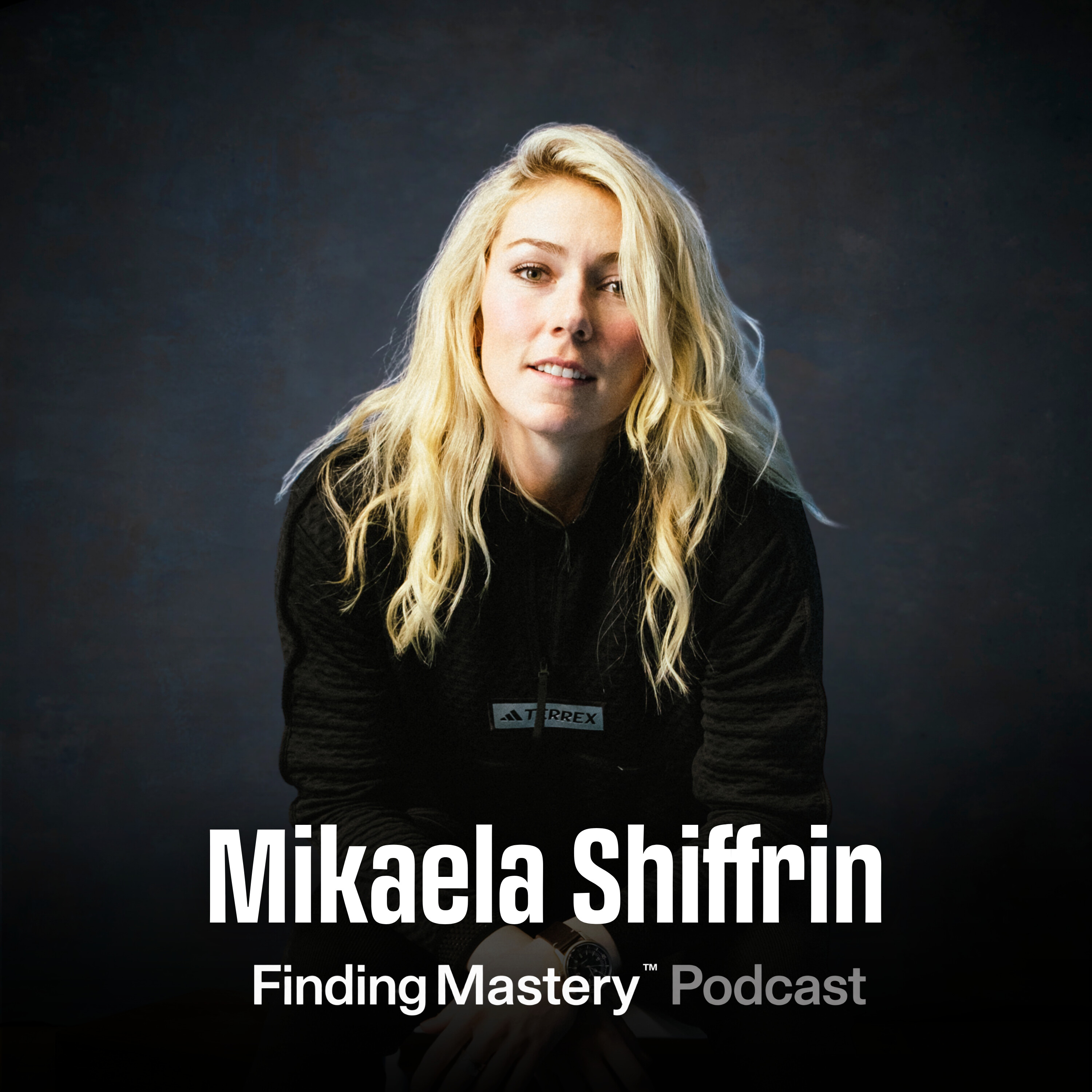
Michaela Shiffrin is an Olympic gold medalist and one of the most accomplished alpine skiers of all time. The episode is a “From the Vault” conversation originally released in 2024; it references her later achievements including another Olympic slalom gold at Milano Cortina 2026 and equaling a record sixth overall crystal globe.
Winning lasts about one-thousandth of a second; the real “fun” and mastery are in training and process. External expectations and fear of others’ opinions can derail performance. After major setbacks, she practices “self-coaching” by deciding what she wants to improve before talking to coaches or media, and she lets external noise “flow through” rather than trying to block it out.
After Sochi 2014, she describes performance anxiety and media-driven pressure; after Beijing 2022, she details the first 20 seconds after a DNF, then how she kept training by switching to slalom gear and practicing for a full day. She also recounts a Killington season moment where she felt happy for first-time winners despite not winning herself.
0:00Dr. Michael Gervais: Finding Mastery is brought to you by LinkedIn Hiring Pro. When you're building a small business, every new hire has the potential to make a real impact. The right person, they can bring fresh energy and new ideas and really help the whole company move forward. It's awesome to watch when you get it right. So finding that right person, finding that great hire, it takes clarity. You have to know what you're looking for. You have to recognize it when you see it and then make the call with confidence that this is the right hire. That's where LinkedIn Hiring Pro can help. It's really like having a hiring partner throughout the entire process.
0:32Dr. Michael Gervais: You can chat with it, just like you would a recruiter. You tell it what matters most for you, for the role, compare candidates side by side, you give it feedback, and then Hiring Pro listens, it adjusts, it helps surface the people who actually might fit what you need. They're trying to help us optimize. We're still the ones making the decision. LinkedIn Hiring Pro, it's just a smarter way to find the right people to build the team of your dreams. Now, if you haven't already checked them out, LinkedIn Hiring Pro can really help your business. Get started by posting your job for free at linkedin.com slash finding mastery.
1:02Dr. Michael Gervais: Terms and conditions apply. Again, that's linkedin.com slash finding mastery. I finally said to someone, I don't think I care if I don't win another race. I know I can do the work it takes to win again or to have the chance. So I'm not afraid of doing that work. And that's the most free I've ever felt in my career. How do you stay connected to the work when the outcome is the only thing that people really want to measure? I'm currently working on the self-coaching and looking at myself first and asking, what do I want to improve before I talk to my coaches, before I talk to anybody, and definitely before I speak to any media?
1:40Dr. Michael Gervais: Today's episode is another classic from the Finding Mastery Vault. It's a conversation with Michaela Schifrin, Olympic gold medalist and one of the most accomplished alpine skiers of all time. This is a masterclass in what mastery looks like from the inside out. The winning lasts for literally one thousandth of a second. And the rest of the day, the rest of the year while you're training, that's where it's actually fun, you know? So it literally is the process. If you don't like that part, then you really, you should probably find something else to do. We first released this conversation in 2024.
2:14Dr. Michael Gervais: And since then, Michaela has soared to even greater heights, securing another Olympic slalom gold medal at Milano Cortina 2026 and a record equaling sixth overall crystal globe, which makes this insight from this conversation feel even more relevant today. Because in a world that is constantly measuring wins and records and medals and headlines, Mikayla brings us back to the internal work, the stuff that's underneath it all. I know I'm ready to race when I know the feeling that I want to have. And I don't have to be sure that I can do it. I just need to be sure what the feeling should be. That clarity combined with sort of intensity of focus, that's when I'm at my best.
2:54Dr. Michael Gervais: So with that, let's jump into this week's From the Vault conversation with the legend Michaela Schiffen.
3:06Dr. Michael Gervais: Michaela, I am so excited to finally have you on the podcast. I have wanted to have this conversation for a long time. You're obviously world-class in how you approach life and what you do on the snow. So I'm really excited to have you on. Thank you so much for joining us. Thank you. It is such an honor to be talking to you. Awesome. Okay, good. So I want to start us off with pressure. You from a very young age were like the one and you had some of the greats looking at what you're doing and knowing about you even from a young age. How do you work with pressure and maybe what are the sources of pressure that you felt as a young kid?
3:51Dr. Michael Gervais: And then we'll compare that to the sources that you feel now. I have to say that the people around me have been so incredible. I mean, I probably should have felt pressure when I was younger because there was a lot of, there was quite a bit of talk about Phenom and the next greatest skier. And there was quite a fair amount of talk. But for whatever reason, I think for a lot of reasons, and I think especially because my parents were very kind of driven by the philosophy of just like work ethic, work hard, enjoy what you're doing, be passionate about what you're doing. every single year. I mean, since I was eight years old, probably even before that, they would kind of sit, my brother's two and a half years older than I am.
4:46And they would sit us down and say, you know, Taylor, Michaela, do you still love skiing? Do you want to, do you, do you want to keep doing this? Do you want to keep being part of the club? Do you like your friends in the sport? Do you feel good where you are? And we were always like, yes. They asked me this literally while I was racing on the World Cup my first couple of years. It's like, so how do you feel about this? You know, you're 16, 17 years old, the rest of your teammates, the rest of the World Cup, they're, you know, five to average 10 years older than you are. And how do you feel being in this space?
5:23That's quite, probably quite different than what you, I don't know, are used to kind of. And it was always, it was so much of a self-driven motivation. And they were so supportive of that, that I never felt like with externally people talked and we got excited and everyone was excited about the potential for me. But my parents were always like, hey, one step at a time, let's just continue to enjoy this. And like, we don't have expectations. We have no idea what, like we think you're amazing, but we have no idea what you can do. And that I think the most important thing for me was that people closest to me didn't ever set expectations like that.
6:07So the talk that the phenom talk, the pressure, it was all external. I felt like I had a very, very strong bubble surrounding me of my closest, closest friends and family.
6:18Dr. Michael Gervais: It makes perfect sense. You are the emblem for what all of the research, your parents, you know the way that they raised you um and now your dad's no longer with you but like that's the emblem um for creating a healthy identity for creating a stable base let me decode that make sure i'm hearing it correctly is that if there's three conversations we could have right we could have conversations about the outcome which is later and not in our control which obviously creates anxiety and you know for for folks it doesn't have to but it can there's conversations about performance and there's conversations about the process it sounds like your family spent more time talking about the process the way it feels the enjoyment the intrinsic drive like more about okay i was always about the actions and not not what might come of them really like yeah like you said very much very much process oriented and because that's when you have fun like the winning lasts for literally if you actually measure it it lasts for probably one one thousandth of a second the moment you cross the finish line and actually win the race and the rest of the day the rest of the year while you're training that like that's where it's actually fun you know it's so it literally is the process that's if you don't like that part then you really you should probably find something else to do that's So how did you find skiing?
7:48Dr. Michael Gervais: Like, why? What is it about the snow, the mountain being on edge? Like, why that sport? And do you think that with your family makeup that it could have been anything? It could have been, you know, any physical activity, I guess, or even artistic activity, because that foundation is there. I think there was a potential for it to be a number of things. I did love soccer growing up. I sort of stopped playing and started to shift more towards skiing when I was around probably 13 or 14. But tennis, I've played not competitively. I don't know if I can manage it in a match, but I've played a lot since I was little.
8:30My mom has played her entire life. She's loved it since she was little, little. So she is like my favorite tennis partner and I use it for cross training. And I think I have potential in other sports. You know, we started skiing as a family. Both my parents skied. They both raced right up into college. My mom stopped racing in college so she could go to nursing school because the nursing program didn't allow them to compete in sports at the same time. my dad raced through college um and we just kind of had skiing almost built into our blood at least the passion for it I would say I was born in Colorado up in the mountains and I like skiing was a natural thing we did we had short school days on Friday and we would all as a class we'd all go off on the mountain and I sort of had a um natural instinct for it that seemed a little bit maybe more a little bit better than my classmates I suppose um I didn't really know this at the time but there's some pretty funny stories about our ski friday groups and um one of our really close family friends tell this story and I won't be able to tell it nearly as well but basically the long and short of it is we're all skiing down the mountain and the the teachers are trying to group us into, you know, our categories, like our different levels of groups.
9:56And I come down and more or less, they say, we don't have a group for her.
10:05Dr. Michael Gervais: So you've broken the mold from an early age. Yeah. But that was a lot because my parents taught me and they taught my brother the proper technique of skiing from the start, from literally from two and a half, three years old. They, they sort of showed us the feeling of the outside ski and what all these different technical aspects of the sport that probably seem like it's it's like they're kids let them play but from from both both my mom and dad they both had this perspective like play all you want have a blast but if you want to really enjoy doing something you want to do it kind of well and that's that's when it's really fun.
10:48Like you want to learn and improve. And then as you as you improve in whatever that is, you start to really find some enjoyment in it. It's like not fun to play piano when you just banging around on the keys, and there's no melody. But when you start to learn how to make a melody, then all of a sudden it becomes fun. So you don't have to be like an expert at everything. But just being just having like a fundamental basis is important. And that was that was basically what they instilled in my brother and me from the beginning so by the time we were doing these ski fridays at school I already had a really technical a strong technical base I think my first time in an actual race course was in a NASTAR course um just you know on the mountain they would have these kind of public mini race courses that we could ski and And the first time I skied in a race course like the NASCAR, I immediately, like I didn't love to ski.
11:47I loved hot chocolate and French fries. But when I got in the course with the gates and I had sort of a guide and a goal to get, you know, getting to the bottom as fast as I could. All of a sudden I was like, I'm done. I'm a goner. This is my sport. This is my identity.
12:08Dr. Michael Gervais: Oh, that's interesting. So if I were to, okay, there's like obviously on the world stage, but for everything, there's a combination between psychology, genetic coding, environmental conditions. And then part of the psychology is like the appetite to refine the skills, you know? So like this deep motor to get good at it, environmental conditions, genetic coding, and the psychology to manage, quote unquote, pressure and monotony and all the other things that come with it. Yeah. Of those four, do you say, ah, pretty balanced? Or do you say, look, I hate to say it, but I'm kind of a genetic freak.
12:48Dr. Michael Gervais: Or do you say, look, I got to kind of point to the environment because my parents gave me a base. Or my mind is just like, I've invested in my mind and I can focus and I know how to find calm and I know how to generate confidence. Like, how do you balance those four? And it's not lost on me that I'm asking the best in the world, literally, about those four conditions. So I'm excited to see where you take it. No, this is so interesting, actually. I love this conversation. Okay. As far as genetics go, both my parents were incredible athletes. and their parents, like my whole family in general, it's a, it's certainly a general athletic genetic code, I guess.
13:29But I would not say like, I would say my brother is a much greater athlete, much better athlete than I am just overall coordination. My brother is also much quicker to adapt to any kind of stress or load or practice than I am. So maybe, you know, maybe when I was growing up following him around, I was like, I've got to, you know, I've got to maybe do one more rep just to just to try to match him two more reps always, that might have been kind of driven into me just naturally. I would say my mom has more of a genetic like drive to just an innate drive to continue to improve. She just, she really, really loves to improve.
14:11And I probably wasn't, I probably was born a little bit more complacent than that actually um like i'm the kind of person who could sit on the beach all day long and not move and i would be totally fine with it by yourself or with others with others or by myself or just i don't know like what would be what would be your preference by yourself or with others probably like with family family is there is there a book
14:42Dr. Michael Gervais: Or is there a cocktail? Probably a cocktail. Probably also a book. There might be definitely some music involved. Do you cut it loose or are you more reserved and contained? I've changed. I mean, I wouldn't say I party very hard, but I mean, I used to not drink anything. I had absolutely no interest. And after my dad died, that did change. um but what changed well I just started drinking a little bit was that was that sometimes yeah was that to cope or was that because like um you had some insight that like you know like I don't want to put words in your mouth but like what was yeah what yeah what was what was the the trigger for that probably a little bit probably a little bit of a coping thing, probably a little bit less of a, you know, what we're told is less healthy method.
15:42But I also realized that in certain scenarios, I can control myself. I don't go like past my limit. I think I've maybe been like hung over once in my life and I've never blacked out. I always remember everything. So I felt like, okay, I actually am in a situation where I'm fine drinking. This is fun and I'm good with it. Like whatever. So I kind of started out as maybe more, maybe more of a little bit of a coping thing, but then just became like, yeah, I don't know. Well, there's something. Yeah.
16:27Dr. Michael Gervais: There's evolution. I used to be like, I don't drink. I'm an athlete. I cannot afford to have one drink or I will absolutely not perform and it's going to affect me for months and months to come. And I'm a little bit, I have a little bit of a different mindset now. Body Mastery is brought to you by Fatty 15. Okay, let's talk about longevity. Longevity is much more than simply adding years. It's about maintaining health and a zest and a vitality and enhance performance as you age. And that's why I'm excited about Fatty 15. It's an award-winning supplement. It's powered by C15, which is the first essential fatty acid discovered in over 90 years.
17:03Dr. Michael Gervais: Okay. So C15, it's a geroprotector. What that means is it helps to slow biological aging by strengthening your cells, basically protecting them from damage. You can think of it like kind of like a 401k for your health, where you're investing in cellular quote unquote resilience. And I dug into the research on the relationship between C15 and heart health. I love what I saw. Fatty 15 is on a mission to optimize your C15 levels to help you live healthier, longer. Get 15 % off your 90-day subscription starter kit by heading to fatty15.com slash findingmastery and use the code findingmastery at checkout.
17:42Dr. Michael Gervais: That's fatty, F-A-T-T-Y, 15.com slash findingmastery. Start investing in your long-term health today. Finding Mastery is brought to you by Granola. Here's something that I think most of us miss without even really realizing it. Every conversation that we have has two layers happening at once. There's the conversation, the obvious conversation with the words themselves. And then there's everything else underneath. That's the emotional language, the subtle tones of voice, micro expressions, the brief pauses before someone answers. That second layer is really rich with information. And in meetings, it's easy to miss it when our heads are down and we're taking notes.
18:21Dr. Michael Gervais: That is why I use granola. Granola is an AI-powered notepad that makes your meeting notes useful. It captures what happens in your meetings and then turns them into clean, structured notes with decision and action items pulled out and made easy to find. And the best part, it works right through your device's audio, which means that it integrates seamlessly into the video conferencing tools that you already use. No big setup, no awkward bots. I use it every day when my meetings are done. There's a clean recap and a clear set of next steps that are just waiting for me. Nothing slips away. This isn't about doing less.
18:53Dr. Michael Gervais: It's about being more present. I think you're really going to like what Granola is doing. Once you try it on a first meeting, it's hard to go without. You can try it totally free. Head to granola.ai slash mastery. That's granola.ai slash mastery to get your time back. Go to granola.ai slash mastery and try it on your next call. But. Which is? Which is just like, it's okay to have alcohol in your life. Yeah, but I think there's probably. yeah i think there's probably something else in there too which is like i don't i'll go back to that buttoned up i don't have to be buttoned up with everything dialed in a matter matter of fact um there might be a little bit of an interesting competitive edge when i've got to kind of pull my shit together and i don't have to be rigidly tight i can be loose and still find the right edge and kind of put my mind and body and skis and snow together.
19:52That can tend to help. I mean, honestly, I think about a lot of, there was a period of time in my career, it was after I won my first Olympic gold. So it was after Sochi and then not the next season, but it was kind of the following three seasons. So this is probably around 2016, 17 seasons. I had a ton of performance anxiety. Like, like making me nauseous and puking at the start. And people are like, ew, that's disgusting. But I'm like, you don't understand. It's not, it's not like a stomach ache. It's like, you can't get air past this point in your throat. And you just, you just, your mind is just spiraling of all.
20:35For me, it was always all the things that people would say if I didn't win. Because, or if I won, but I didn't win by enough of a margin. because basically there was this period of time where everyone thought that I should be winning races by two seconds over two seconds. And when I didn't win by that much, I won by five tenths of a second or maybe just barely a second. Then they were saying, you know, are you afraid the rest of the world is catching up? Are you, you know, what have you done wrong this season? They really were spinning it around into a very negative thing. And at the time, I very much let the media and external kind of sources sort of dictate how I felt about my own performances.
21:21And I'm currently working on listening to myself first and how I feel about performances first. I've become over this past season, something that I've improved a lot at is sort of the self-coaching and kind of looking at myself first and asking what do I want to improve and always making sure that I have something I want to improve before I talk to my coaches, before I talk to anybody and definitely before I speak to any media. And that is incredibly helpful because it's just like takes a little bit of importance away from the external sources.
22:01Dr. Michael Gervais: Oh, but wait, wait, there's a, but there's a, but I was like, I was ready to like get the pedestal out and say, come on, like, look, look, this is for real though. Before you go to the butt is, um, I can't tell you how important you living that way and sharing the importance of living that way is for, I'll say little girls, but for all of us, you know, like to be able to point to the importance of knowing yourself, being honest with yourself, having the courage to live in alignment that way. And like, we need this Michaela. Like, no, I know you, you needed it, right? I needed it for sure. It was, it's just kind of a step, another step.
22:48And I wouldn't even call my skiing career. I just call it like adulting because you do have to, at some point you have to look at yourself and say, what do I actually think about this situation? And I can't look at what my parents think about like I literally can't ask my dad and I can ask my mom but now I kind of I feel like I have a sort of understanding of what I think and then she is very knowledgeable and why so we bounce like I get advice from everywhere constantly but I always especially with skiing I always kind of let's just get to the bottom of a run and before I see the video before I get any input, it's always like, okay, what did I feel that run?
23:33What do I think could have been better? What do I want to try to change for the next run that might be faster? Sometimes it's slower, but it's, you have to experiment and it just, you have to have that. But people, the thing I think is a little bit tricky with this topic. This is the, this is the, the, no, this is not the, but was that I hadn't figured that out yet at that point in time. So So it was very like, that's right.
23:58Dr. Michael Gervais: Yeah. Very internally motivated, not motivated. I was always internally motivated, but I, the caliber, I think about it. If I'm hearing you that I'm calibrating from the external world more than I, I, I, I need to, or want to. So I wasn't, my tuning fork wasn't connected to, to me. Like I would have been, I would cross the finish line and I'd think, Oh, that, that was, there was a really good section of that run. I feel really good about this. but immediately I'd think, oh no, what's everyone going to say? Do they think it's positive or negative? And one person, one media, one somebody would say something negative and that would completely derail or, you know, it might've been my coach at a point and say something that I just really took me down and really, really bothered me.
24:46Dr. Michael Gervais: I think the greatest constrictor for human potential is the fear of what people think of us. And FOPO, it's clever. Fear of people's opinions. Like, can you speak to that at all? Well, so, okay. So this is then the other, but I was gonna do, I got go off on tangents all the time. I think that right now, especially with this world of kind of creators and influencers and just everybody promoting the idea of self-care, which is incredible, especially like fundamentally great. But there's so much, there's so much of the world right now. That's like, everybody's just trying to put content out there that tells everybody that they're taking care of themselves and they feel really good because they've taken steps and now they, now they're better and they're not struggling anymore.
25:47And like, look at me, I'm an influencer. Look, I'm doing great. So you should eat more broccoli or you should, I don't know, you should do more self care, you should practice meditation, like there's just all of this input, there's so much stimulus around this topic of basically, like listening to yourself and taking care of yourself. And I've seen a lot of it, I watch it all the time. It's on my Instagram. It's not like I look up YouTube videos of people who seem to be able to speak to their own journey. And I do think it's really helpful. But it's interesting because I just I wonder how real it is because I don't think anyone in life is just good.
26:29I really don't think that anybody's just like, happy, good, I hit a button, I did the things I've improved. Now I'm good. I'm never going back. And I'm smooth sailing for the rest of my life. I definitely don't see that in my future, at least. I think it's important for young people to know that there will still be struggles. Like you can be overall happy and generally in a good place and still have struggles during the week or during the day. And you can still be trying to find your own voice and how that matters to you. Some days I feel my voice is louder than others. And some days I can't hear my own thoughts or my own voice at all.
27:14And that's just that's just like the highs and lows. And there's a lot of factors fatigue is a factor just being emotionally exhausted. And sometimes you just get too tired to think for yourself and you need the advice and support from others. And there's so many different factors in it. So when you see like influencers, going on YouTube and saying, I just really believe in myself, and I just trust myself and I just cut all the toxic things out of my life. I'm like, that is so good for you. But I just not sure how we know for sure when something's toxic. You have to test it. You have to test the waters.
27:51It takes time to know when things are negatively or positively impacting your life. And just like cutting toxic things out of your life on a whim, when there's a five or an eight-year-old looking at your page and saying, oh, if I see something toxic, I'm cutting it out of my life. And then all of a sudden they're lashing out at their parents because their parents told them they shouldn't eat as much candy or that, you know, there's some level of discipline. And now all of a sudden the kid's like, you're toxic for me because you're not making me happy. It's just a, it's a more complex issue, I think, but developing the ability to find importance in your own voice and went with things that you care about, like first being your own coach first.
28:39I think those are really important things.
28:41Dr. Michael Gervais: I think that's the essence of psychology. What you just, the last part of what you said is like the study of yourself. The study of self is like what psychology is. And that's how you get to know your voice, to know the values that you're pushing up against to know when you're like over the edge, you know, pushing too hard or you're under and playing it safe like that psychologically and emotionally. If you're not studying, I'm not sure you'll ever get good. And so at life, and I think what you just described was the good life for you. And if you were to put it in a sentence or two, what is, how would you say, what is the good life according to Michaela Schifrin?
29:25um the good life for me is listening to my own voice before i listen to others and always looking for the best way to be a better coach for myself i think that that relationship
29:45Dr. Michael Gervais: you have with yourself um is held up by the research that came out of harvard a 75 year study of Harvard on the good life basically pointed to two things. Purpose, have purpose. Okay. And the second is relationships and all relationships begin with the relationship with yourself. So you're starting literally at ground zero for one of the pillars in life. Yeah. At 28 years old. How about it? We all take different paths. My wife always like lovingly says with great compassion, like, Hey, we're all just trying to figure it out. Yeah. You know, like we're doing the best we can just we're all trying to figure it out some people are doing better than others you know some people are better at being friends to other people but yeah are you a friend do you do you like your relationship with yourself are you a friend to yourself
30:40Dr. Michael Gervais: oh i didn't i didn't expect yeah i didn't expect the pause i thought you're gonna kind of be like yeah i've got there but you're you're saying no yeah i don't think i'm always a friend to myself I guess it just kind of depends. I mean, you hope a good friend would be honest and truthful. And even sometimes that can be, it can be hurtful at times. But if you're honest, then that's your first step to improving. And one of the psychologists that I see back home says, we honor those we love by being truthful. So that's, you know, there's some days where I'm probably not the best friend to myself, because I'm not really truthful to myself.
31:19Um, but then, you know, maybe that's nice because I'm just like, I just need to, what would you say? Like bolster my emotions. I just need, I just need myself. Like I just need to vent to myself and I don't want to know the answers. I just want to vent and I just want to spiral. Does that fall into a thousand pieces?
31:38Dr. Michael Gervais: I'm fine. Yeah. Um, it, is that sound like you're shit talking yourself or does that sound like you're kind of complaining or like whining or is it more like anger like what or is it more of an anxiety like oh my god i don't know like i fell on corner three three times and if i can't get that corner like it's all my whole life's gonna fall apart which obviously is not the case but like what's what's the the tone it's a little bit of everything um i mean there's anxiety i have i I have anxiety a little bit around the Olympics. Just, you know, I have three Olympic medals, but after Beijing, there's this little, there's a little trigger in my mind that's like, what if I go to 26 and I still don't win a medal?
32:26You know, then what are people going to say? Like, there's still a very, there's still a part of me that listens to the external thoughts and opinions for sure. I don't think anybody, I don't know anybody. I certainly know for myself, it's not possible yet to literally block out the noise completely. It's more, I'm more of like, I like let the noise flow through. And that's a little bit more manageable than being like, oh, I'm not listening. I don't like, that's toxic. It's more like, well, I heard that and I'm just going to choose to let it pass through.
33:04Dr. Michael Gervais: So that hello and goodbye idea takes time. It takes great practice. And I'll explain, like, I think you might like this. So I practice the same way. Like, oh, look at that thought. That's interesting. I'm thinking that I might arrive at the gates for an Olympic run in 26. And I might have this narrative that like, I kind of fell apart in the previous Olympics. I was the highest expectation, whatever, whatever. And I couldn't finish a run. Fuck, is this going to happen again? Does that sound sounds about right? Okay. Part of that theory. Like I know that it's, I know that it's not real. It's possible that I don't win a medal at the next Olympics.
33:46That's for sure a possibility. But the theory that because you know, the theory of like being cursed about it, it's almost more just like a self-fulfilling prophecy. The more I think about it, the more it would tend to get in my head. And I give it, you know, I give it more strength by doing that, but it's not an actual curse. It's just literally like things happen and they happen one way or they happen the other. I don't know. It's, it's almost, it's so much more simple than what, you know, when I'm in, when I'm in my, uh, my spiral and I don't, I actually really don't spiral about this, but before this season, we had our world championships in, um, in France and that's, you know, in ski racing, we consider world championships and the Olympics.
34:34Those are our big events and world championships is every two years. So obviously the opportunity to perform comes around a little more often, but it's in a lot of ways, world championship medals are almost more coveted than Olympic medals. So it's a big, it's a big race. It's pressure. You've got all the same kind of vibe. There's a lot more media surrounding it. The look of it is very similar. You just don't have all the other sports and all of that, but you still have like, you have an enormous award ceremony and the post race media and all of that stuff. So going into this world champs this year, I was skiing amazing and felt really good about it.
35:13And the first race I did was Alpine combined and I was in a really good position to win the gold medal. And it was literally on the second to last gate of the course, I messed up and I didn't finish. And there's a lot of reasons why I feel like that happened. But I like the long and short of it is I got through the fight. I sort of missed the gate and then still skied through the finish. So I was like, and I could see my time. I literally won the gold, but I missed the last gate.
35:46Dr. Michael Gervais: Oh, you know, it was like, I actually, I mean, that's so easy to jump on that train, like curse or here we go again. Yeah. That's so all of the media was like, is this a thing? You never do this. So how did, how did you wrestle that down? I just kept, I kept skiing. I just kept training. No, go into that moment. Wait, go, go right into that moment. Bonnie master is brought to you by our partners at Lisa. Most of you know that I have a morning mindset routine. It's what I do every morning before I check into the world around me. I check into the world inside of me. And it's just a few quiet moments to set my intention for the day, make sure I answer to the things that I'm grateful for.
36:29Dr. Michael Gervais: And I want to focus my attention on what matters most. And what that does is it wakes up the mindset to help me bring the best of myself in the day ahead. Generally speaking, I wake up feeling pretty good. no aches, no stiffness, nothing pulling my focus, you know, the minute that my eyes open up. So when your body gets the recovery it needs, it is so much easier to set your mind up to help you be your very best. So that's why we turned to Lisa for some support. We've worked with Lisa for a long time now because they build quality crafted mattresses that are tailored to how you actually sleep, your position, your feel, all of it.
37:02Dr. Michael Gervais: Premium materials, premium mattresses, real full body support, the intention they put into their products is real. I love what they're doing. Go to Lisa.com for up to 30 % off mattresses, plus get an extra$50 off with the promo code MASTERY, exclusive for our listeners. That's L-E-E-S-A.com, promo code MASTERY for up to 30 % off mattresses, plus an extra$50 off. And let them know we sent you in the survey after checkout. So you - I mean, I didn't wrestle it down. You didn't? I know. I was like, I don't know. It could be. I don't know that like the workings of the universe. I would love to ask somebody if there's actually a curse on me, but I, I find that hard to believe.
37:46I'm not a believer in that sort of a.
37:48Dr. Michael Gervais: Okay. So what, what, what if you and I just made the decision right now that we're going to drop the word curse? Like, okay. Just going to drop the curse thing. And then, but I want to know, what do you replace it with? Like, okay, my job is to put myself in the present moment more often in the right vibe where I feel powerful and I can adjust. Like that's my responsibility is to put my mind in that. Right. Okay. So like, that's all I'm going to do. And fuck, I blow the last gate. Okay. Well, good. It's going to, maybe it's going to be a little bit harder now, but I'm up for it. I do hard things.
38:22Yeah.
38:23Dr. Michael Gervais: Do you do hard things? Yeah. Yeah, for sure. yeah I'm never with there's something I realized at the very beginning of this season which I think was a pretty key moment um is that the races in Killington Vermont and I and the the fallen race I was in the lead after the first run I lost the lead on the second run and two athletes who had never won a world cup before they tied for the win made two one Wendy from switzerland and then um a girl honest van larsen from sweden and they're two people i i love them they're one of they're two my favorite favorite competitors on the world cup and i was like my first instinct was of course disappointment for myself but then like simultaneously i was so happy for them and it was like emotional for me to watch them because wendy it's a longer story but Wendy has come in second place to me.
39:21I think it's like 30 times at this point, like she's the athlete with the longest string of second places without a win in her career. And that's like, that's a strange sort of record. And people talk to her about it all the time. And she's just at this point, she's like, whatever, just leave me alone about it. The next solemn race she won that one as well and it was a standalone victory too so it was like i mean it was just really it was really really cool that's the whole point okay but wait wait i okay wait the point of this is that some people were asking me how disappointed i was that i didn't win and because a lot this was you know we were already starting to talk about the record and the world was like, all eyes are on Michaela.
40:08And if she's gonna get this record this season, and every single race that I didn't win, it was like, ooh, time's running out. Well, I finally said to someone, first of all, I'm really happy for Wendy and Anna. And second of all, I don't think I care if I don't win another race. Actually, I mean, I wasn't in the position I didn't I didn't do the job it took to win today and I'm not sure like I am not here because I want to win these races which is a very strange thing um it's probably only partly true but I have I this year I was so obsessed with a specific way that I wanted to ski that for most of the races it completely took over my mindset and I really like I really put the thought of winning out the window.
40:58This interview that I did, it was the first time where I really altered the way that people were perceiving, like how they talked to me and how it affected me. This person was kind of making it seem negative. I was like, I don't feel negative at all. I did not do the skiing it took to win, clearly. But those two women, they did. And that was so cool to watch for them. That's incredible thing. And also, I don't think I care if I'm going to win. But the point, and this gets back to your point earlier, was more that I know I can do the work it takes to win again, or to have the chance. So I'm not like, I'm not afraid of doing that work.
41:42And that's, that's the most free I've ever felt in my career. Just standing here being like, I don't care that I didn't win. I know I can work hard enough to get back in a position. I might never win again. And I don't really care about that either. I just care that I'm willing to work hard enough to do it.
41:58Dr. Michael Gervais: It's so good. It's so good for so many reasons because, okay, that was 2023 and you ended up getting a win, right? Yes. Okay. So it's awesome. Like we'll celebrate that all day long, but you know, I'm going to go here. Okay. So let's go to, let's go to 2022 Beijing games. You're favored to win. You're supposed to break the record and get your third gold, you have two do not finishes. You hit gates, you wiped out. Okay. All right. That's what we're talking about. This trauma that's setting up this, this, uh, the C word that we're no longer using. Right. So it's good. So, so, because I really like what you just did is that I can do hard things.
42:47Dr. Michael Gervais: I can do hard work and I actually like the hard thing it there's a narrative around that that will give you some real juice some real power about it but we'll get to that in a minute i would love if you could help me understand i watched yeah and i watched i watched the interviews there's two things i want to understand yeah the gate when you're at the the starting gate and i want to do two parts of that like when you're at your best what does that look like and but we'll save that for later but right now i I want to know like the first 20 seconds after you wiped out, you're on the side. Tell me about that first 20 seconds.
43:30Dr. Michael Gervais: I want to understand the two minutes. I want to understand the two days following. Like I want to, you're laughing. That's really good that you're laughing. That's just because I almost guarantee it's not, I don't know what you think. You might know enough in your life to not think anything at all. But, um, Oh, that's a cool, wait, that's a cool statement. That sounds like our mutual friend, pair Lundstam that would say something like that. Like, yeah, it's like, you know what? I, one of the greatest lessons I learned from life was from my favorite YouTuber. Who's not doing it anymore. Jenna marbles.
44:04She said at some point, this was years and years ago. She was like, I've learned that the best thing to do in life is have no expectations of anything. like have bad expectations set your expectations so low that you really you just you have enough you just don't have them but keep your standards high oh my god this is like what i live by
44:29Dr. Michael Gervais: really no seriously like i don't do bad expectations i just do i'm not interested in expectations i'm interested in the best possible highest standard of the way i respond like and that's that's what i teach my son too that's cool that you're i love that okay come on 20 seconds first 20 seconds first 20 seconds the first 20 seconds so i ski off you're talking about the third race that's right after right yes like this long okay so i skied off the course and the way this hill was set up it was quite wide and the slalom course was set on the very far skier's right. So there was all this space on the skier's left.
45:13And normally we don't really have that space in World Cups. It's just like the course is in kind of the center of the hill. So you kind of need to, you need to really pull off to the side. And so that's what I did in this race. But it was just all this open space. There was nowhere really to hide. and the first thing I was thinking is like I just need to get off the course because my teammate Paula was going to be skiing I was I think I was bib seven and she was bib like 10 or 13 so at that point she's starting to get into the gate and I didn't want her to see me I didn't want her to know what was going on she doesn't like she doesn't really ever want to know what's happening when she's at the start.
46:00And she's a damn amazing slalom skier. So this, like she also had the potential to medal. So I was like, I've got to get out of the line of vision, but I was so, I went out. I mean, I went out on like the fifth gate or the ninth gate. I was so close to the start. I pulled all the way off to the side, but there's all these cameras around and they just found me. And I'm just, I'm just sitting there. I like took off my skis. It was just a gut reaction. I thought I was way out of the view line. I didn't, I thought I was hiding. I didn't think that there were all these people like cameras on me until I looked up for a split second.
46:37And I saw one camera guy with his like, and he was just like, point at me. I'm like, there's a race going on. My gosh. Um, but it was just, it was a really weird zone because I could have walked about 15 steps up the hill and been at the start again like i it's just not really something i've ever experienced in my career and i didn't know i if there were actually rules about how soon i have to go down to the finish but the way skiing works is this is all in the first 20 seconds, literally. The way skiing works is you have every 15 athletes, there's a TV break. And during the TV break, that's when they send course workers and people who need to get down to the finish area.
47:25So a lot of times if you're an athlete and you haven't just basically skied down the side of the hill immediately, then you have to wait for the TV break. Or that was sort of the thought I had in my head. And it's basically just don't disrupt the race. Don't ski down the side of the hill while there's somebody on course. So I was thinking easiest thing to do. I'll gather my thoughts on the side of the hill. I'll wait for the next TV break. And then my coach came up, one of my coaches came up to me and sat down next to me. And then I was like, oh, now I'm feeling emotional and it was then it was like the flood of realizing all that you know the olympic chance was gone and i still had two more races to compete three more races to compete in um and it was like i had a shot in those races too it was just not it wasn't where the biggest expectations were for me.
48:24But you know, the funny thing about DNFing twice, and then being at the start for that solemn race, I was skiing really good solemn in Beijing, my training, I had some of the best, best training days of my life in Beijing on the practice, like in our practice sessions. And after the giant solemn, the very first race, when I didn't finish, I thought about going back down to my room and holding up and whatever, crying and feeling emotional. I thought about just staying out the whole day and watching my teammates. And what I decided to do was go back all the way down to the village, which was like a 45 minute gondola trek, change all my gear to slalom gear, go all the way back to the top of the mountain, another 45 minutes and train some slalom.
49:17And then by the time I was done with my slalom session, I could go to the finish for the GS of the second run of the GS and watch my teammates compete. So I got a full training day in that after that race. It was one of the best moments of my life. It was just peaceful. And I knew that the GS race was going on and the whole world was focused on that. And I was just like, I'm just up here training slalom, doing my preparation. and it was the greatest, it was the greatest feeling. So I was skiing well, I was prepared. There's just, there's a lot of, a lot of different factors. And I almost don't even want to say that pressure was a big factor.
50:00It was almost like I just had so much intensity. Normally that's a good thing, but it just, it was like, you go slightly over the limit. And that means, and especially with slalom courses and gs and slalom there's no room for there's no room for errors basically at
50:21Dr. Michael Gervais: all that's right well you have to put it literally at the edge of the envelope which is at the edge of out of control yes but not go over that's right and it's particularly that way in certain conditions of snow when it's really really aggressive completely man-made snow it's very It's grippy. It's like, I made this analogy the other day. It's kind of like changing from like a grass field to a turf field. The grip is just like gritty and it hurts your knees to ski on it and it grabs at your skis. And when you make any kind of an error on that kind of snow, it's just, it's like constantly an explosion waiting to happen.
51:04Dr. Michael Gervais: It's such a breath of fresh air. in so many ways about the way you describe that, because that's not the narrative 99 % of the world made up. And the breath of fresh air to me, assuming that you're not just making this story up to prop yourself up, which I don't believe that from our conversation is how you work. But your commitment was to be a good teammate. Yeah. Not to be a dramatic something on the sidelines, you know, like everyone look at me. I'm so distraught. I'm sorry I can't get it together. But this is my life. And you guys just figure out how to work around me. It wasn't any of that.
51:44Yeah. I mean, I would say it was like being a good teammate was probably my second thought. My first thought was fairly selfish was just to say, like, get me out of here. get me out of this get me out of you and then i thought i see and it was and it was partially like get me out of you and also like get just get me out of the get allow the race to continue don't bother the other athletes and that includes competitors and then it was the thought that paul is about to get in the gate and i don't want her to see me i don't want her to see me at all So I need to get as far over to the side as possible.
52:29And if I can like climb under the fence and really get up, like I will. But then, but then my, um, the, our PR manager was at the bottom and she said, Michaela hat, she's required to come down through the finish area and walk through the mix zone. She doesn't have to stop at anybody, but she has to, that's an Olympic requirement. That's right.
52:52Dr. Michael Gervais: For media. Yep. Oh, I thought I was just going to like slink away out of here, but I guess not. And so then I needed to like get myself all psyched up to go through media yet again and have something else to say, you know. Finding Mastery is brought to you by Momentus. There's a principle that the team at Momentus uses that has stuck with me. The relentless pursuit of better. Creatine is a good window into what they mean by it. Creatine is one of the most studied supplements in the world. the benefits are reasonably well-established. Strength, power, recovery, and increasingly what it does for the brain.
53:27Dr. Michael Gervais: It's been found to support brain energy metabolism and easing mental fatigue. So this is something a lot of people do take every day. And when you take something on a regular basis, what's in it, what's not, and how consistently it's made all start to add up. That's the part that Momentus obsessed over. Rather than settle for what's on the market, they searched the planet for the highest quality creatine source. Then they built their own specification around it. They call it the signature spec. It's made in a pharmaceutical facility, 10 times fewer impurities, six stages of testing across four independent agencies, NSF certified for sport, and it's micronized so finely it actually mixes clean.
54:05Dr. Michael Gervais: No grit. Go to livemomentous.com slash finding mastery and use the code finding mastery for up to 35 % off your first order. That's livemomentous.com slash finding mastery, the code finding mastery. When you commit to something daily, the quality really matters. Finding mastery is brought to you by Athena. So optimism often gets mistaken for wishful thinking. In reality, it is one of the most powerful performance skills that there is. An optimistic mindset doesn't just improve the quality of your life. The research is clear there. It's also a real competitive advantage. It helps you be more open to possibilities, to adapt faster, to be more agile.
54:44Dr. Michael Gervais: And here's what I've noticed. It is hard to stay open and curious when you're buried in the reactive stuff of life. The overflowing inbox, the calendar that runs you, the travel, the follow-ups, the hundred of small tasks that keep you putting out work fires instead of looking forward with bright eyes. That's where Athena comes in. They match you with a dedicated full-time remote executive assistant. It's a real person who takes those things off of your plate. Their EAs come from the top 1 % of more than 60 ,000 applicants. So they're sorting the best of the best for you. And they're fluent in the AI tools that make great support even sharper over time.
55:16Dr. Michael Gervais: And clients get back an average of 15 plus hours a week. So when the reactive noise feels like it's being managed, you get to lead from a different place. Open, curious, focus on what's possible. That is worth looking into. Go to athena.com slash mastery right now and get matched with your EA. Give yourself a few hours back this week and go to athena.com slash mastery and see who they pair you with. okay so Michaela thank you for taking us me through that um a breath of fresh air to hear how honest you are and the courage you have to to work from the inside out and um can you take us home with helping me understand like what does it feel like what is the the mindset that you have when you're at your best?
56:04I feel, feel very clear. It's like imagining a pool of water and it's just not muddy. It's just clear. And you can see like the pebbles on the bottom and my, I just feel so much clarity specifically about what I want to feel with my turns. It's like a technical and a tactical thing. Um, the, the movements that I actually want to make in a course. And I only get that from preparation and training. It takes, you know, lots and lots of time and lots of practice. And then I finally, I know I'm ready to race when I know the feeling that I want to have. And I don't have to be sure that I can do it. I just need to be sure what the feeling should be.
56:55Because a lot of times I don't do it. But for the most part, it's just giving me something to think about, focus on. And then that clarity combined with sort of intensity of focus, that that's when I'm at my best.
57:13Dr. Michael Gervais: What a gift you are. And I just want to like, honestly, you're a work in progress and so am I. And everyone I know is some people want to play like they're not yeah and i just love that you're you're inviting people behind the scenes oh thank you know and to see your life in and it's a it's a vlog series on youtube called behind beyond the slopes beyond this and and moving right along they're sort of series come on oh there's wait is it two series beyond the slopes is one yeah bts and then beyond the slopes oh i see what you edition it's a little bit more okay cool and what's the second one um yeah the other is moving right along and that took that took us through this past season um on a couple it's like seven episodes and then i think we're going to be able to do a season two following and chronicling this coming race season as well very cool nice job and look i love how you're operating and working and you've got a whole new community, I think, in the Finding Mastery community that's like, that's cool.
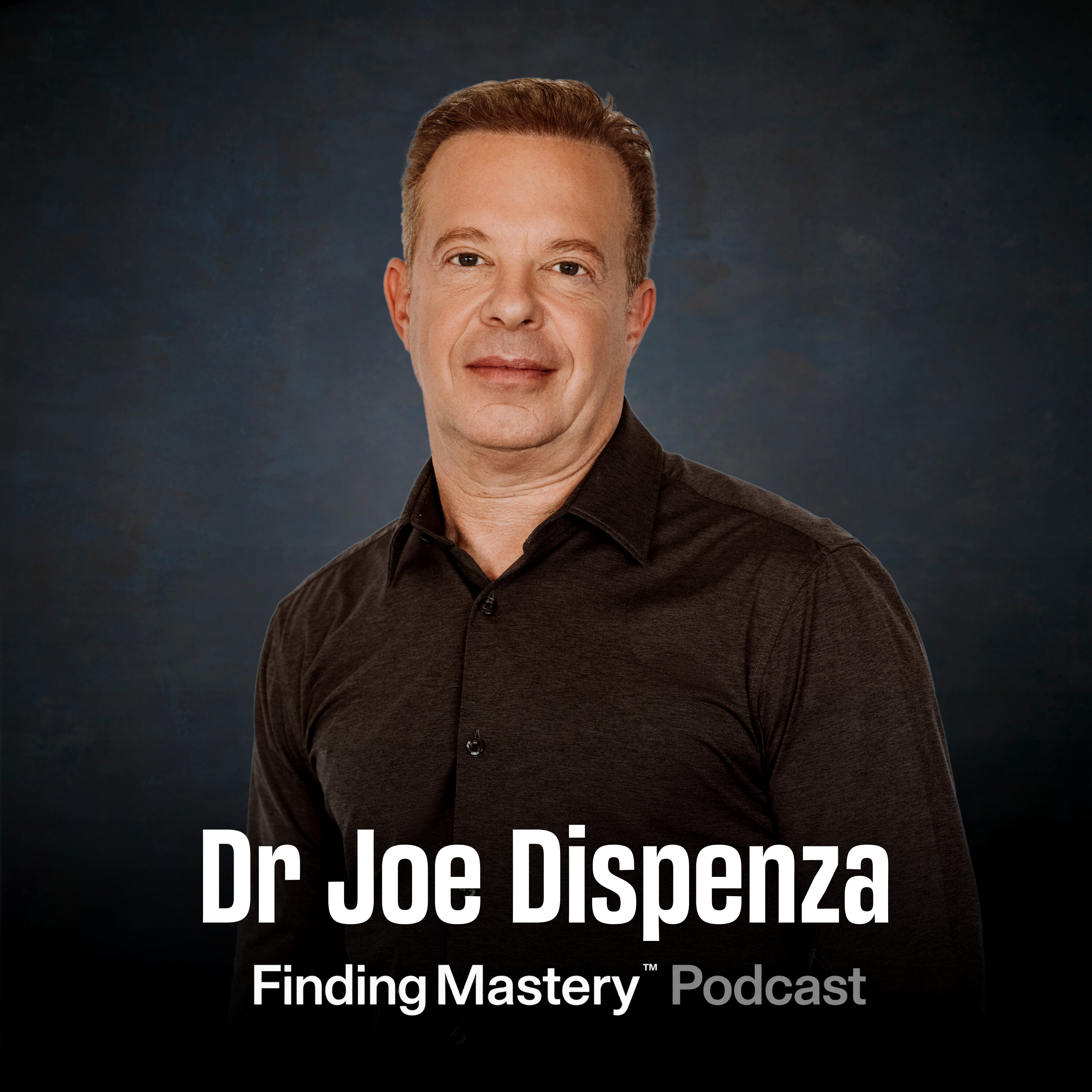
58:23Dr. Michael Gervais: Like, go Michaela. That means a lot. Oh gosh. Yeah. All right. So keep kicking ass, doing your thing, being honest, making mistakes, correcting, compensating, adjusting, being honest. It's awesome. Thank you. I appreciate you. Thank you. Oh God, you too. Thank you so much. Next time on Finding Mastery, we're joined once again by Dr. Joe Dispenza. best-selling author of Breaking the Habit of Being Yourself, and You Are the Placebo. Can changing the way we think actually change our physical health? Joe returns to explore how we can break deeply ingrained patterns, rewire our thinking, and the provocative research he's conducting into the mind's potential influence on healing.
59:03Dr. Michael Gervais: So join us Wednesday, October 28th at 9 a.m. Pacific, only on Finding Mastery.
59:11All right.
59:12Dr. Michael Gervais: Thank you so much for diving into another episode of Finding Mastery with us. Our team loves creating this podcast and sharing these conversations with you. We really appreciate you being part of this community. And if you're enjoying the show, the easiest no-cost way to support is to hit the subscribe or follow button wherever you're listening. Also, if you haven't already, please consider dropping us a review on Apple or Spotify. We are incredibly grateful for the support and feedback. If you're looking for even more insights, we have a newsletter we send out every Wednesday. Punch over to findingmastery.com slash newsletter to sign up.
59:47Dr. Michael Gervais: The show wouldn't be possible without our sponsors and we take our recommendations seriously. And the team is very thoughtful about making sure we love and endorse every product you hear on the show. If you want to check out any of our sponsor offers you heard about in this episode, you can find those deals at findingmastery.com slash sponsors. And remember, no one does it alone. The door here at Finding Mastery is always open to those looking to explore the edges and the reaches of their potential so that they can help others do the same. So join our community, share your favorite episode with a friend, and let us know how we can continue to show up for you.
1:00:24Dr. Michael Gervais: Lastly, as a quick reminder, information in this podcast and from any material on the Finding Mastery website and social channels is for information purposes only. If you're looking for meaningful support, which we all need, one of the best things you can do is to talk to a licensed professional. So seek assistance from your healthcare providers. Again, a sincere thank you for listening. Until next episode, be well, think well, keep exploring.
Finding a way to coach yourself with challenge and grace can be an extraordinary unlock for performance.
Mikaela Shiffrin is an Olympic gold medalist and the winningest alpine ski racer in World Cup history. We first released this conversation in 2024. She has since won Olympic slalom gold at Milano Cortina and a record-equaling sixth Overall Crystal Globe, and what she describes here is the work that was already well underway.
Mikaela and Mike get into the performance anxiety that had her sick at the start gate years into her career, the self-coaching habit she built to interrupt it, and the race she lost at Killington that she calls the most free she has ever felt in her career. She is open about how long she let the outside world dictate how she felt about her own skiing before she reclaimed that for herself.
Coaching yourself well is incredibly difficult, and Mikaela shows us in this conversation the power you can drive when you do it in a world-class way.
Enjoy the conversation.
--------------------------------------------------
Links & Resources
Mikaela Shiffrin: linktr.ee/mikaelashiffrin
Mikaela Shiffrin’s YouTube Series: Moving Right Along, on her channel youtube.com/@mikaelashiffrin
Mikaela Shiffrin’s Podcast: What’s the Point with Mikaela Shiffrin: listen here
Subscribe to our Youtube Channel for more conversations at the intersection of high performance, leadership, and wellbeing: https://www.youtube.com/c/FindingMastery
Get exclusive discounts and support our amazing sponsors!
Go to: https://findingmastery.com/sponsors/
Subscribe to the Finding Mastery newsletter for weekly high performance insights: https://www.findingmastery.com/newsletter
Download Dr. Mike’s Morning Mindset Routine: findingmastery.com/morningmindset
Follow on YouTube, Instagram, LinkedIn, and X
See Privacy Policy at https://art19.com/privacy and California Privacy Notice at https://art19.com/privacy#do-not-sell-my-info.
Scan the code with your iPhone camera
Listen in the app.