

 Fintech Insider Podcast by 11:FS
15 Oct 2026 · 49m


 Add vo to ChatGPT or Claude to ask about everything you hear
vo listened to this episode to put together the overview and transcript, so there may be the odd mistake.
The “Henry” segment (high earners not yet rich) and whether banks can turn them into wealthy customers by closing the support gap between everyday retail banking and private wealth management. Guests argue the industry has organized around product/asset thresholds instead of life-stage complexity, causing fragmented accounts and manual workarounds; AI and digital tools may help, but trusted human guidance at key moments remains essential.
Matt Ford is co-founder/CEO of Sidekick, a digital wealth manager built for Henrys (about 1M UK customers), using complex private-market style offerings plus human advice. Kate Moody is Customer Strategy Director at 11FS, researching customer “jobs to be done.” Tamara van den Van is MD of Premier Banking at NatWest Group, responsible for premier relationships for customers up to around £1M.
Trigger points include just over £50k assets and mid-30s/40s; many feel less secure than expected (cited “1 in 2”). Premium means relevance, expertise, family/multi-generation planning, and sticking to a plan. AI should adapt plans with permission and reduce admin load.
messy ISA transfers requiring phone support; large ISA transfers where customers want a human; advisor-like “therapist” goal-setting (short-term vs long-term); human buffer against behavioral mistakes after market shocks.
0:00When you need to build up your team to handle the growing chaos at work, use Indeed Sponsored Jobs. It gives your job post the boost it needs to be seen and helps reach people with the right skills, certifications and more. Spend less time searching and more time actually interviewing candidates who check all your boxes. Listeners of this show will get a$75 sponsored job credit at Indeed.com slash podcast. That's Indeed.com slash podcast. Terms and conditions apply. Need a hiring hero? This is a job for Indeed Sponsored Jobs. Now at Lowe's, faster quotes start at the Lowe's Pro Desk. Got a material list handwritten on a sticky note or saved as a photo?
0:40Perfect. Bring it to us and get a quote in minutes. And if you don't see what you need on the shelf, we'll help you get it. You can access thousands of products beyond what's available in-store or on Lowe's.com, right from the Lowe's Pro Desk. Build quotes faster and source the materials you need to keep your jobs moving. Just like that at Lowe's.
1:14Welcome to Fintech Insider Insights. I'm Ross Gallagher, Head of Consulting here at 11FS. Today, we're tackling an interesting question. What happens when your salary starts to grow faster than the financial support around you? Now, there's a group of customers often described as Henry's. That's high earners, not rich yet. They're earning significant incomes and starting to make more complex decisions about saving, investing, borrowing, and of course planning for the future. But they haven't necessarily yet accumulated the wealth traditionally associated with private banking or financial advice.
1:48That leaves them in an interesting gap. Their financial lives may have outgrown everyday banking, but the support available to them hasn't always evolved at the same pace. And that's particularly interesting because financial institutions potentially know more about these customers than ever before. They can see salaries coming in, spending changing, savings growing, and new financial needs emerging. Yet many customers still end up piecing together their financial lives across different banks, investment platforms, and providers. Now that gap is attracting more attention. Digital challenges are moving up market.
2:24Incumbent banks are investing in wealth and financial planning. And AI can make more personalized financial guidance possible at a much, much racer scale. So today we're asking, why has financial services struggled to support people on the journey from earning well to building wealth? And who has the best opportunity to change that? Now to discuss that, I am joined by my wonderful colleague, my co-host, Kate Moody, Customer Strategy Director at 11FS. Kate I don't imagine that anybody who regularly listens to the show doesn't know who you are but for just following process maybe you can just introduce yourself and a little bit about your role at 11FS.
3:06Yeah absolutely thanks Ross. It's nice to be on this side of the hosting for a while I don't have to worry about staying to time I can just waffle on as much as I like. But yeah when I'm not on FinTech Insider I work in the consulting part of our business at 11FS. I'm self-described as a customer nerd. And what that typically means is really trying to understand through various types of research, ultimately kind of what are the key customer jobs to be done that exist in a given problem space? What is it that's been well served? Where are the gaps? Where are the opportunities? So yeah, really helping to work with the organizations we partner with to understand their customers better and design propositions, which hopefully serve them better as well.
3:42Excellent, Kate. And I know you've been looking at this particular customer segment more recently as well. So keen to get into this one with you. As ever, it's a very warm welcome back to the show from Matt Ford, the co-founder and CEO of Sidekick. Matt, as I said, always a great pleasure to see you. Maybe again, you can just remind our listeners a little bit about yourself and what you're up to as Sidekick. Yeah, of course. Great to be back. It's always fun to be on the show. So yeah, I set up Sidekick five years ago. We are a digital wealth manager servicing exactly the segment that we're talking about today, which is the Henrys.
4:16So we were built because we felt that there was a big gap between the private banks at the top end and the entry level retail investment platforms at the bottom. And I'm sure we'll get into all the details of why we thought there was a big, huge space. And that's what Sidekick is filling. So, yeah, excited to talk through it in more detail. Brilliant. Yeah. And thanks, Matt, as ever for coming on and sharing your very valuable perspectives on this topic as well. and last but not least we have Tamara Vandenban the MD of Premier Banking at NatWest Group Tamara really great to see you welcome back to the show again maybe you wouldn't mind just reintroducing yourself to our listeners yes no of course and thank you for having me on such an exciting topic so I'm indeed the MD for Premier Banking at NatWest which is our premier segment which Henry's is the starting point of and a big part up until people have a million with us, which is a super interesting large segment which has people from across different life stages, different goals in life, different needs in life, probably all face some level of complexity and they need help with it.
5:32Even if they might not have the right amount of money yet, that normally gives you access to advice or service. So yeah, really looking forward to the conversation of how we are going to do that. Yeah, super, me too. Well, look, that's it. That's our excellent panel. I think we have a really interesting topic. So I think there's nothing left to do but just to dive right in. So there is a group of customers that financial institutions should theoretically love, the high earners, not rich yet segment. These customers can find themselves somewhere between everyday banking and traditional wealth management, earning too much for their financial needs to remain simple, but without the assets traditionally associated with private banking or financial advice.
6:17So why has financial services struggled to support customers as they move from earning well to actually building wealth? Kate, I think it's a really interesting topic. I think let's take a little sense check just at the moment before we get started, maybe you can just sort of introduce the Henry segment and tell us a little bit more about them. Yeah, no, absolutely. I'm sure Matt and Tamara have builds on this as well. But I suppose the one thing that I think is important to flag, given that this is a podcast that we're very lucky to have listened to in multiple different parts of the world is like precise definitions, I think tend to vary from market to market.
6:52So, you know, I'm sat here in the UK, when we talk about something that fits into this category, it tends to generally start around the point of earning around£100 ,000 in salary. I think the definition initially originated from an analyst in the US. I think in the States, it's more like sort of $350 ,000. Again, so the precise definitions will change, but the kind of core principle is, you know, these are people who, as Matt and Tamara both alluded to, people that earn what the vast majority of people would recognise as substantial incomes, but have not yet reached the point where they are probably feeling fully financially comfortable.
7:25They're probably having to juggle multiple different responsibilities, multiple different accounts, investments in different places, savings in different places, all sorts of other complexity, but have not yet, in the traditional system at least, qualified for the support of a financial advisor or sort of more handheld banking through the kind of traditional private banking relationship. So yeah, that's as a starter for 10, maybe a good way of thinking about it. Yeah, and Kate, I know you wrote an article about Henry's quite recently. And I know you're sort of this self-described customer nerd, I suppose, what kind of piqued your curiosity?
8:02What kind of stood out in particular about this segment that makes them really interesting right now? I mean, I think this segment have always been interesting. I think what's particularly interesting, at least to me at the moment, is we've had quite a few different sort of market industry factors aligned to put this group back into the spotlight. Not that they ever disappeared but I think we've had a lot of innovation around the retail banking space and we've started to see some interesting innovation in the private banking space it kind of feels that we need to meet in the middle a bit more now.
8:31Digital challenges like NewBank, Revolut have really reached maturity in their initial phase of growth at least starting to get pressure from their investors just through the nature of them being ambitious growing businesses to find new customers to find new ways to monetize those customers and say I think more spotlight is falling onto maybe whether they will start to go after the Henry segment. We're also seeing lots of banks start to think about this in the conversations we're having privately with the clients that we work with but also in terms of what we're seeing in the market and I'm sure Tamara can provide us perspective on that as well from the NatWest perspective and also I'm sure getting into this in a lot more detail but just the arrival of AI has obviously completely changed the game across financial services as a whole, but I think is especially relevant for this audience where, as again, I'm sure we'll talk about in more detail, they're stuck between the more simple, not necessarily simple realities of more mainstream retail banking customers and customers that are being serviced at the moment stick through less digital private banking solutions.
9:39These people are really having to try and you're starting to use AI to try and fill the gaps and piece things together. So, yeah, I think all of those things are aligning to create a really interesting moment where different people are going to take different strategies to try and serve this market differently. Matt, you mentioned in your intro about this being a segment that was particularly underserved. I suppose what distinguishes these customers in your mind in terms of the types of services that they need? And I suppose, can you help bring to life maybe where those needs aren't being met?
10:14Yeah, completely. So it's quite interesting when we started the business because we did a classic, almost consultancy style market sizing of who are they, what do they earn, where do they live, all of that good stuff. And we narrowed it down to about a million people, we think, in the UK. But the term Henry, it's almost like 1980s marketing language in some ways, you know, like it's been banded around for such a long time. but then you know when you then go and go right we're gonna go and find the henry's does anyone really go you know i'm a hyena but i'm not rich yet like no one necessarily really like identifies as the henry um so just to kind of build on on kate's piece before i answer your question directly like one of the key challenges for us was then like to try and like find that moment that you do start to go no hang on a minute i'm not this entry-level person and i'm also not yet rich enough.
11:03What is that and what are some of those trigger points? So we actually did some research, I think it was about a year ago now. And we identified like the trigger point being, I mean, it's obviously a small sample size, but just over£50 ,000 of assets being a trigger point, because it's like this sense of money is now serious. Because you can have a really good salary as like a late 20 year old and, you know, spend it and feel okay. But like the idea of property ownership to miles away, you probably don't have huge financial responsibilities, but like just over 50K of actual assets, regardless of income felt like the moment of like, I need to think a little bit more seriously about this rather than just like YOLO it around on, you know, on speculating on some stocks and stuff or not, or just leaving it in my current account.
11:49So I thought that was another one that was interesting and also age. So like Sidekick's average client is about mid 40s, but actually like that trigger point starts at around mid 30s as well, which I thought was pretty interesting. But I suppose to kind of answer your question, you know, like what are some of those pain points that people feel? It all hangs off that exact moment, really, which is it's the moment that money has got serious, that all of a sudden, like, do you have the confidence that you know what you're doing? And like most of us are not trained financial advisors, have not got a, even if you have a maths degree, doesn't necessarily know about the complexities of the tax system and, you know, and how you kind of should allocate and all this good stuff.
12:31We have been behaving very differently up until that point because we've been, you know, often like long-term perspectives and long-term wealth building hasn't been a thing that you've kind of woken up to yet because it all felt too small. So it's that kind of point where all of a sudden money's serious and you don't know who to turn to and you don't know what to do and you're scrambling around. And like that for me is like the crux of the biggest pain points at this point, which is like the natural inclination is I need a financial advisor. I need someone to tell me what to do. But you're just too small for the average financial advisor who needs 150 grand, 200 grand worth of assets.
13:10Like, and so like getting into that point where you've got some assets, you've got some needs, things are a bit more serious, so you can't lose it anymore. You're scrambling around for advice and your guidance. You're not necessarily getting it. And what that often means is that you just end up not doing the right things, not making the right decisions and either just not putting money to work effectively and keeping it in a current account or often unfortunately kind of losing money not recklessly but just by not quite being able to do things in exactly the right way so it's that tipping point in that kind of source of source of pain that is where we hopefully come in and others are as well.
13:46I think one stat you know that I was reading about that state with me for quite a long time is that one in two so half of Henry's expected to feel more financially secure than they do on their current salary. So they've been in that kind of, and then typically I'm using the 100K benchmark. So, okay, if I reach that 100K of salary, earlier on, as you say, that's the expectancy that I'm quite financially secure and I'm okay and I know what I'm doing. And they reach that point and I'm like, oh, actually, I really thought I would have felt quite differently and I would have been better off or like, you know, more stable in my financial life than I am.
14:29And I think, you know, traditionally, and you've heard me say this a lot, right? I think the industry has organized themselves around products and asset thresholds rather than about how people are progressing in their lives and what is the progress that they're trying to make. And so, you know, at some point in time, it's no longer about individual products, but your life progresses and you get kind of complexity around, oh, no, I have a family and I have a property. And so you say there's tech things to relate to, there's investing or retirement. And all of that together is complex. And because we sell it as individual, as an industry and not as a combination around that or a plan around that, it's quite complicated to navigate.
15:16and then we say well only from a certain asset threshold that's where you can get financial advice because it makes sense from a cost perspective right in a way and I think it's really that gap between you know everyone kind of needs a financial plan for their complex life not just the ones wealthy enough to access the high cost advice and how do we how do we make it more around the complexity that you need help with rather than individual products and you know asset thresholds i think this this discussion for me is kind of really helpful and actually kind of where i was hoping um we would go because matt i completely agree with you i don't think henry's is a helpful kind of descriptive term for what this is and actually i think we've done much more for sort of bringing those pain points to life matt the point you made about the triggers bringing those to life, that's really, really helpful.
16:11But I think the other lens on this for me is people might be listening to this going, oh yeah, I feel so sorry for all of those people that are earning six figures and are feeling really stretched. But Kate, it kind of triggered another thing in my mind if I go back to that question around why does this feel especially relevant now? Is part of that the economy and what we're seeing around cost of living and actually people's money just doesn't go further and so maybe to Matt's point when you're starting to think about money getting serious is money just getting a little bit more serious for all of us because all of us are feeling that bit more stretched yeah I mean I'm definitely not an economist so like I'm sure other people have much better sort of macroeconomic analysis to me but you know again speaking from a UK perspective, what we've seen is a lot of the tax benefits or tax support that is provided to people, either to individuals, couples, families, some of these bigger salary points around the 100k mark can be when those tax or financial supports start to really fall off a cliff.
17:20So again, completely can empathize with the perspective of like, oh, whoa, I'm going to get my tiny violin now, et cetera, et cetera. Obviously, these are people that are exceptionally fortunate to earn high salaries, but they are also people that are losing financial support and not receiving anything to replace it, whilst also probably in most cases, building up more financial obligations, often mortgages, families, potentially also helping, supporting older parents, other family members. These are people that, yes, don't have struggles that make them any worse off than all sorts of other parts of the population, but it doesn't mean just because you earn a good salary that you're not entitled to, as Tamara said, like a financial plan that is relevant for where you're at in your life and the complexity that you're having to handle.
18:08Just an anecdote. I remember when we raised some funding, I think it was maybe our seed round, one of the articles, because you're completely out of the control of the narrative, of course, when a journalist writes about you, was the platform for people who want to splash their cash, which I thought was like indicative of exactly that thing, that, you know, like the 100k mark felt then all of a sudden like frivolous and splashy. And it really isn't. It's really serious. And like financial commitments have grown. And the marginal tax rate at that point is so huge. And things like, you know, you tip over the 100k mark, you lose your nursery hours.
18:48And there's all of these types of things, which there are traps laid around that mark that mean that all of a sudden it's far from splashy, it's far from frivolous, it's far from there's lots of excess. It's actually that your costs, your obligations, your stage of life and the seriousness of that stage of life means that you've probably moved up to a level in your career where you're earning meaningful money. But it's the cost as well as the cost of not doing anything as well. Because again, a hundred K salary sounds a huge amount of money but if you're not putting any of that into a pension um and you're consuming it in full every single month you're not going to be anywhere by the time that you're retiring so you know all of those big huge live questions really are kind of anchored around this kind of crooksy moment um but yeah i mean it's uh the mini violin question is this one that often we get you know we we get asked but but that's why it's so so important i think to sort of deconstruct this in the way that we are because I think what you've done there Matt is you've sort of illustrated that this isn't just about being frivolous and splashing the cash but actually there's quite a lot of stake at this point and you know life events and all of that sort of stuff and Tamara I think it kind of goes back to your point about you can't solve for this as an organization if you're organized around products actually what you really need to do is understand the customer in great detail understand where they are understand where they're trying to get to and then try and partner with them on that journey yeah exactly right i think i see it more the job of a bank or at least how i view my job right and i always say i'm privileged enough that my job is helping people live the lives that they want and i think that's exactly how we're going to need to reframe it right because um people are not looking for i mean then products is also what we need right it's a means to an end and it's the more we can start solving around the end because that's in customers' mind and that's where some of the product complexity comes quite visible if you don't do that, right?
20:52Today we almost let customers stitch their financial lives together, if you will, because as a bank or banking or the whole industry, I'd say we're not always connecting the dots. I think it's really that where, you know, So how can we create that join up support that is more about your goals, about your lives, about your families rather than that series of individual products, right? And Kate, you mentioned it as well, the point that so many people are, it's not just themselves. They have kids that they need to take care of and very often they have parents that they need to support. And how do you help me think about solving for all of that together whilst I still want to live my life as well?
21:35It's not only about the financial responsibilities, right? They probably want to splash their cash once in a while. But not only that, right? But how do I do all of that responsibly? And how can you help me see that as one big picture rather than me trying to solve for different pieces together and then stitch it together? And then obviously, well, obviously, I don't think anyone would come to the best possible outcome by having to do that by themselves. and that's really where, yeah, we need to help, right? Yeah, absolutely. And I think as with any segment, and Kate, I know you've looked at pretty much every customer segment probably at this stage in quite a lot of detail and where the types of intelligent services that Tamara mentions aren't available, what we see is people putting in place these almost these hacks these manual workarounds that aren't necessarily getting them to the best result um but is a i think is the the clearest indication of what matt was saying earlier about a segment being um dangerously underserved yeah and absolutely i mean we've talked about this quite a lot on on the show i think but it's it's one of the obviously the rise of digital banking has brought so many positives in terms of opening up services making it easy to onboard and access various types of things, but it has also made it easier for people to almost unintentionally drift into this state of quite extreme fragmentation, which can serve purposes.
23:09When I speak to customers, when I interview customers, there are parts of their financial life where it's actually really beneficial for something to be parked almost in a separate account over here that you don't look at very often because you want that to go away and compound and build and you don't want to worry too much if it's a short-term episode so fragmentation in some ways serves a purpose or can be a positive outcome for customers but on multiple fronts it actually you know to point something both Matt and Tamara have made it can make it really hard for these customers to work out if they're making the right decisions and trade-offs and obviously the more money you earn one you might just have more of those different accounts in different places because you've got savings accounts for your kids you've got savings for yourself your husband or your partner might have their savings accounts.
23:54You've got all sorts of things going on, both as you've just got older and more boring in my case and also as you've started to have more money, hopefully theoretically. So yeah, I think digital is obviously, as 11FS, we think digital is brilliant in many ways, but it has also, from a customer perspective, created problems and additional friction. Yeah, and you can see as well, I think, that in terms of usage, right, you say they build their own, And they're going to find whatever is out there to help if it's not in the join-up way that they would need to. And you teach multiple providers and you say, sometimes that's helpful, right, to park that money.
24:31If I don't see it, I don't have it kind of way. But you're never really sure, are you then having the right product for the right problem, right? Are they have the right solution for the right problem? Because you might look at it isolated rather than in the round. And obviously we see more turning to AI as well. I mean, I was on the show where we highlighted how often they get it wrong, right? And how dangerous that could be. But I think even in the latest AI report from that West that came out, we see that, what was it? I think 57 % of customers has said that their use of AI had grown rapidly in just the last six months.
25:11So it's really, really, really massively accelerating. But then still 81 % of it said, they still want to speak to a human when it matters. and I think that that's kind of almost the crux is where you could potentially find more solutions joining up together, just from an information perspective. Even that itself is not enough, right? Because it is that view of how is it about my life? How do I bring it all together? What are all of the products? Is it really about my best interest? And how do I have that trust in that relationship when it gets more complex and it is more about my life? And I like met the reason why I'd stake and it just becomes such a bigger role, I would say, at some point in my life.
25:57And I think the value exchange for that end user becomes so much richer, the more of my financial sort of life and history that one organization can see. because Tamara to the point you made previously about if I want to, if I do want to splash the cash, then I want to do that with the confidence of knowing that it's not going to knock my financial position out or it's not going to cause me any other issues. And so, you know, having that, having that primary relationship, I think really enhances the value proposition. They were starting to touch into AI, which I think is probably part of where we go from here.
26:37So I'm going to end this half where we've sort of explored why high earners can find themselves caught between everyday banking and traditional wealth management, even as their financial lives become more complex. And then after the break, we are going to look at whether that gap is finally starting to close and who or what is best placed to own the relationship as these customers continue to build their wealth. Launching innovative payment products is only the beginning. Real progress comes from what happens next. Paymentology fuels continuous compounding momentum as a cloud-native issuer processor, helping banks and fintechs grow beyond go-live with global reach, local know-how, and the power of its Loom platform.
27:22Powered by more than 500 paymentologists across 68 countries, they make card programs work naturally across markets. Want to keep the momentum going? Head to paymentology.com. When you need to build up your team to handle the growing chaos at work, use Indeed Sponsored Jobs. It gives your job post the boost it needs to be seen and helps reach people with the right skills, certifications and more. Spend less time searching and more time actually interviewing candidates who check all your boxes. Listeners of this show will get a$75 sponsored job credit at Indeed.com slash podcast. That's Indeed.com slash podcast.
28:00Terms and conditions apply. Need a hiring hero? This is a job for Indeed Sponsored Jobs.
28:08All right, welcome back. Before the break, we looked at why earning more doesn't necessarily mean getting better financial support, but the economics and the competition are beginning to change. Digital challengers are expanding their product suites and increasingly looking towards more affluent customers. Incumbent banks are investing in financial planning and wealth capabilities. And of course, AI could potentially make forms of personalized financial guidance viable for customers who previously wouldn't have qualified for traditional advice. So could we be entering a new battle for the emerging affluent customer?
28:43And if so, what does a financial provider need to offer if it wants to build a relationship that lasts as its customers become wealthier? Tamara, I'll come to you first on this one. What does a premium financial relationship actually look like or need to look like? one thing I would say first it's not about the perks right although we all love some I think a premium relationship is not about perks it's very much and we described it almost in in the previous part before the break right it's all about that relevance and for me the premier relationship is personalized support when I need it access to expertise when I need it kind of guidance at key life moments and that banking, investing and planning that feels connected as a whole so that I do know that you understand me now.
29:40You know what I want out of life, right? You know when and when I need it and you're able to give me the whole range of solutions with the right level of guidance or advice that I need for that moment in time is what for me would be a premium relationship. and then you know very much also is how do we look beyond the individual how do we make sure that we support the family goals how do we look at multiple generations at one point in time because very often it's not just about me it's me and my kids or me and my parents or me or my and my you know siblings or friends or whatever that is and and so I think it is that really connected point that is that is important so yeah I'd say really the use the technology kind of to help me shape some of the plan and particularly also to to stick to the plan okay because sometimes I forget it's not just about having the conversation and knowing what to do right I think more often than not it's more difficult to stick to the plan that you set out I think probably all know what that's about where so many plans land up just in the drawer or stay on the Excel sheet and then real life happens.
30:51So I think that technology bit is really, really important for people to stick to the plan and keep that plan moving, even when the next things help, but then have trusted experts to keep it human, right? And that's, I think, in the end what we need. Like, how do we help people make better decisions and not just giving them benefits that in the end will not help them to live the life that they want to live? Yeah, I really like that point about this isn't just about bundling perks into retail products and going, there you go, it's premium. Matt, really keen to sort of get your perspectives on this as well.
31:27I was half expecting to disagree with what Tamara was going to say, but actually couldn't be more aligned, to be perfectly honest. Surprise. Damn it, there's a whole reason to exist. No, I couldn't agree more that, you know, I think historically people have thought metal card, lounge passes, shiny things, that makes premium, that is not premium. Well, it might be premium, but it's not what the Henry segment ultimately need and want and seek beyond a subset. And I actually think the journey of Sidekick has kind of helped clarify, by doing a bunch of things wrong, honestly, at the beginning, clarify exactly what is right as well, because we have been on our own journey.
32:11So our whole mission has always been, Let's unlock those advantages that the ultra wealthy get. How can we unlock those? How can we digitize them, drive cost out to them and open them up to more people? And we started with product. And Tamara, you kind of touched on it, but products are a means to an end. They're not the destination. And I think we got that wrong at the beginning. So we said there are a bunch of products that this segment don't have access to, that they should have access to. And the reason that no one has been able to serve them before is just because they're really complicated.
32:44they're heavily regulated, they're much more difficult. So we built private markets. So we distribute an LTAF, we do custom indexing, we do discretionary portfolios. We have lots of complicated products, as well as the good core solid set of products that a private bank would offer. And we kind of turned up to market probably two and a half years ago, like, ta-da, we've got all of these whistles and bells, all the things that the ultra wealthy have got. and essentially it's like yeah but what do I do with it you know like you know like you've given me the tools but like actually my biggest need is exactly the the piece beyond that which is like I don't need tools I don't need products what I need is outcomes I need a plan and and the core to all of that is a relationship it's advice and it's guidance along a really long trusted journey and I think that was you know a painful learning in some ways I mean we've done very well at Psycook, but we've had to kind of go through that learning journey that you can't just sell a product shelf, that you actually have to really sell a relationship experience.
33:47So I'd say the last two years of Psycook has really heavily shifted the other way. So like we really favor human interaction, despite us being AI native as an organization, you know, we're tiny because we can do so much with the technology. Like we enable a lot of things using this amazing new disruptive technology but we don't replace people if anything what we do is we kind of amplify those people and enable those people to serve and be in touch with and be and to be able to support many many many more people so so you know i think like the crux of all of this is that like when it comes to money people trust people and historically that has just been too expensive for this segment because it meant face-to-face meetings, it meant hour-long calls, it meant just cost, and that meant that this segment got completely neglected.
34:41And this is why it's a really exciting moment for fintech and it's why AI is such an exciting moment. Because it's not about like fintech 1.0, which was about digitize a product and drive cost out of it and distribute it at scale. It's that relationship service layer that wasn't really able to be disrupted because it was one-to-one, it was human-to-human, now can actually be amplified and you can serve more people. And that is ultimately what people want. I think if you really speak to some of our clients, what they say is they want to be able to speak to somebody not on the phone through a call center because a thing's gone wrong.
35:16That's not the point. But they want to get to a real human when they have a question. They shouldn't be expected to know how to mix and match several different portfolios and optimize for their best risk-adjusted return and to tactically tilt based on their macro view of the world. They don't want that. They want an outcome. And that could be as simple as retirement or it could be as simple as like a university fund for their children or it could be as simple as like buying a house. But it's not simple plotting your way there when the tax system is messy and complicated, when the products are incredibly messy and complicated and can be fraught with stuff.
35:53So it all comes back to relationship. And this is why it's like, it's quite a nice moment in a way, which is like technology has enabled finally a human experience to actually be more of a human experience for more people, which is quite exciting for us. Yeah, and it is really about how do we, and as an industry, it's quite a big change, I think, for a while. How do we rally around the thing that the customer is trying to achieve? I do say that once they wake up in the morning, thinking about where they chat with their friends and family members around the kitchen table, is all about things happening and ongoing in the life.
36:31And that's where they have the questions on, right? And it's not just the particular financial products that happen to sit behind that, to be able to reach that goal or that objective that is center of the, at the forefront of the conversation. And I think that's, and that's why I said, you know, I lately really started to use the word privileged to have my role at Netwest because we are able to combine so many of our human channels in a way that we can help give that trusted, you know, be that trusted voice, if I would say at first, right, even if that is a call center when you have a problem, but also our, you know, dedicated premier banking managers, our expertise across investment, financial planning, obviously with the acquisition of Evaline Partners and around mortgages and really being able to offer the right type of advice.
37:25And big as well, I think, on, and I always say sometimes that's a well-kept secret, but you could start with online advice or digital advice conversations that don't cost you anything to understand, but you only pay as soon as you start using that investment and the small amounts. So I think that there are quite a few of entryways of how to help people get started with that little bit of, you know, human support through making that next step of starting to build wealth. It's just not so wide and open communicated yet, I think, around how do we really help do that. And that's where, you know, I'm really excited to be able to do that.
38:07Kate, let's just pick up on the AI point because I think it's kind of, it's come up a couple of times, we haven't really got into it. I think one of the themes that's coming out from what both Tamara and Matt have said is that obviously AI for AI's sake isn't necessarily going to solve any problems or deliver the outcomes that Matt's talked about. But I think getting that blend right between AI being able to do things cost effectively at scale, but then bringing in the humans for those really high value touch points, that seems to be pretty key here. Yeah, no, absolutely. Yeah, there are multiple different ways in which AI has the potential to be a game changer in this space.
38:48As you mentioned, just making it possible to take existing services and scale those to more people. But I also, thinking back on the point Tamara was making about helping people not just make a plan, but to get started and do it and stay on track with it. I also think from what I've seen in my research, we've radically underestimated this as part of the solution space for financial services. like we focus a lot on how do we get someone to open a product and put the first x into a product but actually for someone to reach a long-term financial outcome you have to be able to adapt that plan through ebbs and flows it might be that you dial money up in one place in the first part of the year and then you get some curve on the second half and everything your priorities need to switch and change and adjust and i think that's where again based on what i've seen in research today i think the vast majority of people in this emerging affluent space are struggling because they're juggling so many things in their lives, in their heads, in their professional worlds that actually to remember to jump back in and switch this money from this pot to that pot or this pot to that pot.
39:49I think that's where a lot of things might fall through the cracks. So I'm excited to see whether AI deployed responsibly with the right kind of permission to controls in place, whether that can start to help take away some of that admin load of of moving, managing money with the customer remaining in control. But could we actually start to see AI playing a role in that space as well? Once someone's helped you to set up a plan, whether that's you've done digitally or through with an advisor, once you've got a plan, can AI actually help you to adapt and change that plan with your permission, your control?
40:23I think that would be a game changer. Matt, what are some of those, I suppose, those touch points that you're seeing where a human in the loop is actually really important. And I know there's all this stuff around, obviously, you know, financial difficulties and that sort of stuff. But actually, one of the things that's been raised that's quite interesting is at the very start when people are starting to think about investing and maybe just being that human face and giving them the confidence that actually this could be for them and it could help serve their longer term financial goals. I mean it all comes to confidence and it all comes to risk and behavioral biases and all it's a behavioral economics problem in some ways but speaking from a sidekick perspective the points that people really want to talk to people a very large transaction so if you are sending a very large amount of money in and within the sidekick app you can actually even set up a call with myself or speak to one of the team.
41:28I've had some people who are just like, I'm about to send a very large amount of money. And I want to look in the whites of somebody's eyes that this is real. Because, you know, like, confidence comes from connection. And, and once that relationship's built, once you do some of like the basic transactional pieces really well, and make it feel like it isn't just some faceless system that you're kind of throwing a lot of faith into and hoping it pops out the other side. A lot of that trusted relationship kind of builds from that point. So we see a lot of those kind of major moments. And at first, again, to talk about weakness in some ways, like ISO transfers, I know it sounds ridiculous, but ISO transfers are a bit messy because some of the older providers still want paper forms and all of this type of stuff.
42:11I wish there was just one nice slick system that everything just worked every time. And at first, we're like, oh my God, this is a nightmare. We're going to have to get in touch with customers and get them to fill in forms and all this stuff. Genuinely, picking up the phone and talking like that's such a nice moment, which is like there's this high value, high risk transaction, which is your, you might be transferring hundreds of thousands of pounds of your ISA across. We've got you, like we've got you at that point. So I feel those like high stakes transactional moments are a really key one. And then like as soon as you start to move more into like the planning and the guidance type space, and we've been doing a lot of research and a lot of work in this space the last six months.
42:51It's kind of two other key moments. And I'm really pleased you touched Kate on like the moment after you've bought a product, because I think like, if you actually look at a financial advisor, the advice bit is a very small bit of really what they do. You know, they're doing the research, working out for which risk band, putting you into a product and helping you make the decision at that moment. The vast majority of the job of an advisor really is upfront, hoping people even work out what the hell they're trying to achieve. Because like a budgeting app of old would say, what's your goal? What's your timeline?
43:25What's your pot amount? Let's save towards this very linear thing. But life's not just like one linear line and it's really clean. It's messy and it's muddled. And you may not even have it clear in your head. And I almost feel it's like part therapist at some point of like, what are you really trying to achieve? Like, what are you really after? And that is, like I think AI can actually be really powerful in some of that. You know, you see a lot of therapy type questions going into chat GPT. There's absolutely no reason why you can't start to kind of wrestle with some of these conflicting things.
43:56So up front, I think there is a really interesting moment around, again, helping people figure out what they want to do. And then post any financial decision, it's about creating a buffer between poor decisions and great outcomes. and like so many times, so we're doing a huge amount talking to advisors at the moment and advisors always tell us like, oh, it's great. We're a buffer between them and a terrible decision because, you know, the markets have moved. They've seen something about a war that's going on. They just want the money back. They just want it out. They want it out. You know, and all of a sudden those like behavioral biases that pop up all of a sudden would have made really poor financial outcomes.
44:35But at that point, again, there's like a person in the middle who you can trust, who you can talk to, you can trust and you can help navigate that together. And like those three core things, most of the time that's not a technology problem. Again, that's just like a relationship type problem. So yeah, so that's what we're seeing from our side. And, you know, there's loads more examples as well. And quite like that back where you say, it's also, I see that very often, right, when you ask people what are their goals, they don't necessarily know. And you have to do quite a lot of prompting. And even if you say, oh, but, you know, And people then think about very big long-term goals and say, but what about the short-term?
45:13Do you also want to go on holiday? Oh, yeah. Oh, yeah. I want to go on holiday. Well, frequently or often and with whom? And, you know, do you have regular dinner plan with your friends or something that is a bit more out of your regular income pattern? And what if you have to make choices? What will you first not do? And like all these kind of questions that people not necessarily realize. what are all of my goals and how do I juggle them together and how important is one goal to me versus another goal and how does that help me make changes and what goals are kind of locked in versus what goals are potentially changing or moving and life happens, right?
45:54It's not that we've had our... I mean, there might be a few people, but I think many people would have not said five years ago this is what my life would look like five years from now and you know if you keep stacking that the plan keeps changing and so you need that flexibility as well of how am I catering for and how do I review am I still doing the right things am I still having the right habits is my money still in the right you know invested in the right way obviously knowing that you can't constantly shift it either right or you know pull it out once you get nervous like how do you balance all of that is quite a yeah it's a very psychological human thing yeah that is so important and emotional right you know i think that that kind of goes to the heart of the complexity um and and you know i do i think that um that comparison to a therapist to me feels absolutely relevant because tomorrow i think to your point you've got to kind of scratch beneath the surface a little bit and sort of it's probably like the three whys approach of really trying to understand where people are getting to and then the role that financial providers and financial institutions can play to help get them there.
47:07And why the trust is so important in this, right? Yeah, absolutely. It's not like I always say that it's not like a book that you buy the wrong thing and then, okay, too bad, right? It's important. It's about your life. It's about your future, about your family's future and you're having that trust to be able to, and maybe it is that link to you when you say a therapist, right? That trust to be able to to open up and listen and share and, you know, and, you know, really trusting that the other end is doing the right thing for me is what matters most. I think that's an excellent point to end. So that does wrap up today's discussion.
47:43A very big thank you to all of our excellent panelists for breaking down this important topic. Thank you so much for joining. Where can people find out a little bit more about you guys and maybe connect? Kate, let's start with you. Airport LinkedIn is best place. Kate Moody on LinkedIn. Excellent. Matt, how about yourself? LinkedIn as always. So Matthew Ford on LinkedIn or check out sidekickmoney.com, which is a sidekick website. Super, Matt. Thank you. And Tamara, how about you? And for me, not any different. So my name, Tamara van den Van on LinkedIn and obviously anything about NatWest on natwest.com.
48:22Superb. Thank you, Tamara. and you can find me at Ross Gallagher on LinkedIn and you can find out as ever more about the work that we do in 11FS Consulting at 11FS.com forward slash ventures. Thank you for listening. If you like what you've heard, please do follow our podcast and don't forget to leave us a review as it really does help to make the show better and it helps other peoples to find it. As always, if you want to join the conversation, find us on social media, just search for 11FS or fintechinsider or email podcasts at 11fs.com. Thank you very much again and goodbye.
About this episode:
Earning a good salary doesn't necessarily mean building wealth. For a growing group of high earners, often referred to as HENRYs (High Earners, Not Rich Yet), the journey from financial success to long-term wealth can be surprisingly difficult.
While traditional banking focuses on everyday financial needs and wealth management often caters to those who have already accumulated significant assets, many high earners find themselves somewhere in between.
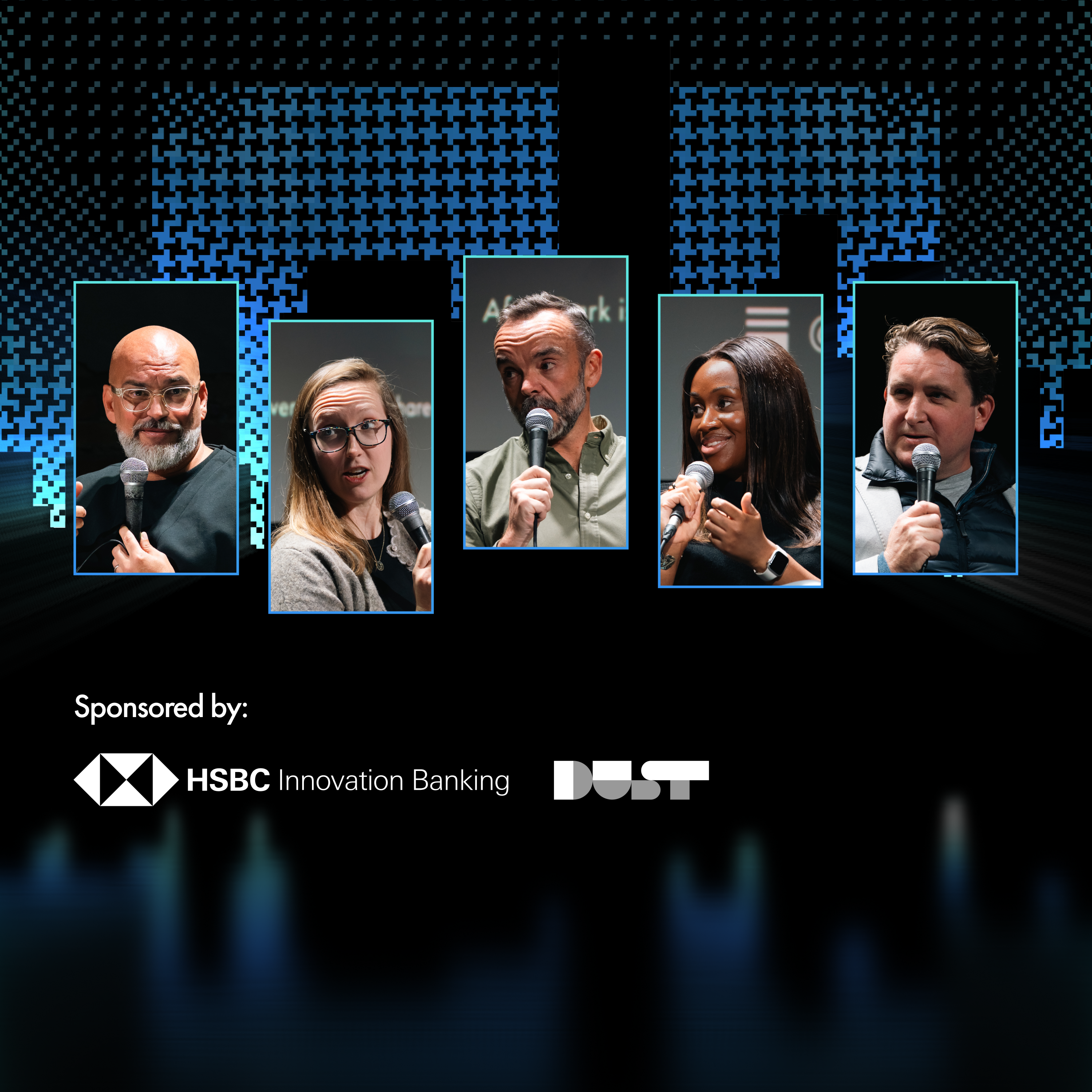
In this episode of Fintech Insider Insights, host Ross Gallagher, Head of Consulting at 11,:FS is joined by Kate Moody, Customer Strategy Director at 11; Matt Ford, Co-Founder & CEO of Sidekick; and Tamara van den Ban, MD of Premier Banking at NatWest Group, to explore what prevents high earners from turning income into wealth, how their financial needs are evolving, and what banks and fintechs can do to better support them.
This week's guests:
Kate Moody - Customer Strategy Director at 11:FS
Matt Ford - Co-Founder & CEO, Sidekick
Tamara van den Ban - MD, Premier Banking at NatWest Group
Links to check out:
Join us at London's Village Underground on Thursday 12th November for a live recording of Fintech Insider News.
https://www.11fs.com/services/media/after-dark
We're on Substack! Subscribe for bonus content from the podcast, exclusive episodes, early access to events, and our weekly newsletter, Bitesized.
https://substack.com/@11fsfintechinsider
Join our WhatsApp community, where you can get the inside track on all all things 11:FS, as well as having your say on the things we should be paying attention to.
https://chat.whatsapp.com/KpA4gFbbWDlLFm7kx39raf
About Fintech Insider:
Fintech Insider by 11:FS is a bi-weekly podcast that covers everything from finance and banking to technology and the latest trends in financial services.
Our expert hosts, with hands-on industry experience, are joined by key decision-makers, VCs, and top reporters from across the financial landscape, including guests from companies like Stripe, Revolut, Plaid, PayPal, and Monzo. Together, they break down the biggest news and innovations shaping the space.
Our weekly news show drops every Monday, covering major stories like mergers, new product launches, regulatory shifts, and emerging tech trends. On Thursdays, our Insights show goes deeper into the hottest topics driving the future of finance, including AI in banking, decentralised finance, and the evolving landscape of embedded finance.
Whether you're already in the fintech game or just starting to explore, this is the #1 podcast for you.
If you enjoyed this episode, don’t forget to subscribe and leave a review!
Got a question for us? Email podcasts@11fs.com!
Learn more about your ad choices. Visit megaphone.fm/adchoices
Learn more about your ad choices. Visit megaphone.fm/adchoices


Scan the code with your iPhone camera
Listen in the app.