

 Fintech Insider Podcast by 11:FS
12 Jun 2025 · 50m


 Add vo to ChatGPT or Claude to ask about everything you hear
vo listened to this episode to put together the overview and transcript, so there may be the odd mistake.
The episode argues that traditional credit scores are becoming outdated for underwriting in 2025, and that “open finance” (cash-flow data, identity/KYC, and first-party signals) can expand responsible lending to credit-invisible and thin-file consumers. It also covers why lenders are losing confidence in credit-file underwriting, how fintechs use alternative data, and what regulatory/tech changes (e.g., PSD3, instant payments, standardized APIs) are needed to scale.
0:01This episode is brought to you by Google Chrome. You think you know a browser, but Gemini and Chrome? That's new. It can help you with practically anything on the web, like restoring a vintage motorcycle from a 50-page restoration block, or finally break down that long article you've had open for weeks. Gemini and Chrome is here for it. Ready to make anything online make sense? There's no place like Chrome. Check responses set up required, compatibility and availability varies 18+. This episode is brought to you by Palmolive. Family time isn't just the big moments. It's weeknight dinners, sitting around the table, everyone talking all at once.
0:35So when the plates are empty and the sink is full, use Palmolive Ultra. Palmolive's most powerful formula removes up to 99.9 % of grease, leaving your dishes sparkling clean. And the new convenient pump makes cleaning even easier, so you can spend less time tackling dishes and more time together. Shop now at palmolive.com.
1:23scores have been the foundation of lending. But in 2025, they're starting to show their age. These outdated models are struggling to reflect how people actually live, work, and spend today, especially when we're talking about gig workers, freelancers, immigrants, and younger borrowers, for example. So what's gone wrong with our credit system? And more importantly, how do we fix it? I'm joined by a great panel of guests to find out. And firstly, we have Zach Lambert, Head of Product at Europe at Plaid. Thanks for joining us today, Zach. Please tell us a little bit about yourself and what you do at Plaid.
1:56Yeah, of course. Good to see you as well. I'm Zach. I am the Head of Product at Plaid in Europe. I'm based here in London. Plaid's an open finance platform. We operate across North America and Europe. We're focused on payments, identity, and the focus of today's show, very, very particularly credit. So very excited to talk with you and the rest of the panel on what's going on in the credit world today and what the future looks like. Awesome. Yeah, welcome on board. And also with us today is Ankur Sisodia, Head of Product Lending and Savings at N26. Welcome to the show, Ankur. We assume most of our listeners know about N26, but please do tell us a little bit about your role there.
2:38Thank you so much, and thanks so much for having me. My name is Ankur Sisodia. I'm Head of Product here at N26 for Lending and Savings. N26 is a leading neobank based in Europe. We cover across 24 markets. And today we offer instant savings and various lending products to our consumers to enable them access and financial inclusion for all of their everyday needs. So very excited to be here and very much looking forward to the panel as well. Awesome, great to have you. And last but not least, Alexander de Raffles, Director of Product at Affirm. Welcome to the show, Alex. Please tell us a little bit about yourself and your role at Affirm.
3:16Hello, hello. Good to meet everyone. I lead product at Affirm in Europe as we expand internationally, having just launched in the UK last year. We're continuing to expand internationally to an ever-growing set of countries, starting with Western Europe and Australia next. For those unfamiliar with Affirm in Europe, we are the leading pay-over-time provider in the US and Canada for some of the largest e-commerce giants from the likes of Shopify, thousands of SMBs, lots of other large merchants like the Pelotones of the world. And as part of this role, I've also recently moved to London, sunny London today.
3:51I've been told not to keep my hopes up. I won't be sunny for long. Welcome to the three of you. We're going to have a great discussion. And yes, actually, the weather has been incredible in London, so touch wood. Right, let's get into it. So we're going to start by looking at the reasons why millions of consumer credit is invisible or underserved. And I think we're going to start with this kind of amazing stat from Plaid, actually, which is that 58 % of lenders are less confident in credit file-based underwriting than they were just a year ago. So, Zach, I want to come to you first on this. Like, this is, this is, that's a huge amount.
4:26Why is this happening? Yeah, I think to give like a kind of simple answer, then go a little bit deeper on it. Like, things improve over time and like old things become dated quickly. Like, if you look at how the credit ecosystem has worked historically, Like 60 years ago, the way that you applied for a loan, no matter how big or small, is like, you know, if you didn't have someone within your family to go ask for money, you would walk down the street, you would go to your bank, you would sit in a chair, you would look at someone and you would basically have this like 30 minute conversation where they decided if you were trustworthy or not and if they were going to give you money or not.
5:00And like sometimes that went well, sometimes it went poorly. It probably wasn't super fair. And that was sort of the genesis of like the, you know, modern credit score that exists in the U.S. and the U.K. and, you know, less so across Europe. But we won't go market by market here. I think like when the sort of credit score came out, it was like revolutionary. It was certainly more fair. It was this way to like assess an applicant and not a person, which I think was very, very important for like economic growth sort of across markets. And like it was so successful that it continues to persist to this day.
5:38and then here we are like 40 years later sort of thinking about what's next even while like the credit score is still very very important in really every segment of lending to the extent that exists but now we have access to better tools we have access to cash flow data from consumers and businesses again the sort of cash flow underwriting movement applies pretty well to both and then we have this like ability to look at an applicant but look at them in real time in a hyper personalized way and be able to, you know, not just look at like historic or performance that gets like aggregated and averaged out to some specifics or like representation of their credit worthiness, but actually like what are they doing right now, both from like a willingness and ability perspective to, again, like I'll be clear on this, like complement the credit underwriting process and how it works today and add to it and make it better without sort of wholesale replacing it from day one because again that's just not really how technology works and so again like if you look at like the the eras of credit underwriting like it started off as hyper personalized too hyper personalized probably where it was like functionally an assessment of does this person like you uh and then it got you know formulaic and revolutionized the lending industry but now we're trying to sort of combine the two and make it hyper personalized on the the internet.
6:58Amazing. Alex, I want to come to you next. Why do you think also that there's so many consumers that are credit invisible? Are you seeing the same kind of lack of data and new ways of doing it? Yeah, it's a good question. I think first to comment on that stat, I think it's interesting. You mentioned 58 % of lenders are less confident in credit file based underwriting than they were a year ago. What's changed in the past year or the past five years? I think you've seen firms like Affirm, not to play a pun on that word, become much more capable at building their own underwriting engines that don't just rely on these credit file-based systems.
7:37As Zach's mentioned, Plaid, for example, providing those open banking solutions. as more of these types of alternative data solutions come online and increasingly so this past year or two years, I expect more and more lenders are kind of looking over their shoulder and wondering, you know, what am I missing out on if I'm only using a credit file-based solution, right? Moreover, a company like Affirm has proven out that business model over the past decade in the ability to underwrite, you know, real-time, expand the credit box in responsible ways for consumers and also be a profitable company and have healthy outcomes.
8:12Right. To the point on, you know, thin file consumers, I think when you look at, you know, decades ago, there wasn't really any other option when it came to extending access to credit. If you simply don't have data, then it's not too surprising that, you know, traditional financial institutions wouldn't be able to extend access to credit there. But I think today in the ecosystem of alternative data sources, we no longer have to look at legacy data. We can actually look at real-time insights, which means that we can pull in all sorts of different data, including internal to a firm themselves, for example, where we have all sorts of consumers who are taking out purchasing with a firm weekly, lots of repeat usage.
9:00and their habits and signals from that type of data allow us to get to much higher confidence on the type of risk that we're taking when we extend access to credit. Yeah, and it's interesting. I mean, I guess the three of you from fintechs have this new mover advantage, for example, where your business models will allow you from first principles to look into these new data sources and these new customers. Ankhari, I want to come to you because I think although you guys are a fintech, you're also a bank, right? Challenger bank. So you've got thin file customers, but you've also got, I guess, what is the opposite of like thick file customers as well.
9:35So how are you dealing with those two kind of competing, almost like data sources, I guess? Absolutely. So I think here, and I think Zach and Alex touched on this as well. It's really important to think of this as it's not either or. So I don't necessarily see this as a trade-off, but rather financial inclusion is really about expanding across the spectrum on who you lend to. Earlier in my career, spending time at Capital One, they were at one point in time also a challenger in Neobank, really focusing on leveraging data and customer segmentation in order to underwrite a whole new profile of customers.
10:12We fast forward, you know, between that experience and here at N26, I also worked specifically for immigrants coming into the U.S. from the LATAM markets over at WelcomeTech and really focusing on how do we kind of create that credit visibility. So I think there is an element of mission and inclusion around how do we kind of access and leverage both data as well as experience to innovate on both frontiers in a place at N26. And that's exactly what we're focused on now, right? So I think if we look over the past six years, Alex was mentioning the importance of first-party data as well as the third-party data of the entire ecosystem.
10:48That's been the same as well at N26 where we're really focusing on a broader, more robust set of data, signals, and insights into that customer. So that way you have, let's say, a new customer who's moved into Germany just recently as a student or working professional. do we have a more robust understanding of that consumer, maybe from another market, maybe from multiple sources of income, so that we can be more strategic and leveraging even data platforms such as Plaid as an example of one where we can create a lot of value for the customer. So I would say very much, instead of a trade-off, we see it as widening the pie and being able to catch that wave for everyone on the pie.
11:28Yeah, there's also an interesting kind of product development lifecycle angle to this as well, right? because if you're constantly trying to figure out where do these new data sources come from and all of our different customer profiles that's changing, you also need the technical infrastructure and the culture and the ways of working to be able to bring that in very quickly. And is that something that I suppose each of you are focusing on and saying like, hey, you know, our tech stacks are just more able to do this, therefore we can go and get that data and utilize it in an interesting way. um yeah i think that this is you know part and parcel to uh what makes a firm special right we came to the market you know over a decade ago found really strong product market fit with these high dollar figure consider purchases um imagine somebody purchasing a peloton bike for for a couple thousand pounds since then we've expanded that that value prop in our coverage to uh the whole e-commerce space essentially and what's enabled us to make these really calculated underwriting decisions you can imagine if you're extending thousands of dollars of financing over up to 48 months sometimes zero percent simple interest bearing you're not charging any late fees you're not charging any service fees which i think is unique to a firm in the bnpl space you have to be really good at understanding the risk that you're you're making when you're extending access to that credit.
12:53So we, our first engineering technical teams were actually machine learning teams dedicated to building underwriting models. On the product team, we have a host of teams that are dedicated only to fraud, only to alternative data sources, only to open banking, you know, partnering with Zach and his teams. And the remit for these teams is to be constantly pushing the needle of extending access to credit with a very clear constraint on risk and responsibility from a consumer outcome perspective, right? So yeah, it's part and parcel to our product development lifecycle where, you know, any type of data that we can get, any type of internal developments and advancements that we can make to drive those types of outcomes moves our business forward and is core to what we do.
13:46Yeah, and you're directly incentivized as well to get that right, right. Zach, I want to pick up on something that Alex said is around the kind of pace that the stat hints at, right? Is that, you know, 58 % less confident from just a year ago. Are you seeing that there is this sort of very large, almost like an economic shift in the type of work and jobs and lives that people are leading, basically, which is leading to their traditional files becoming less and less and less relevant. I mean, we hear, for example, stats like gig workers and more and more people are becoming gig workers or they're becoming freelancers and they're quitting their jobs and everything like that.
14:25And that's a story that's been there for several years, right? It's been there for five years, 10 years, 10 years plus. Do you see like a rapid advancement of this continuing or is, yeah? Yeah, totally. I think that's a great question. And I think like I can use like really any of the three of our personal story on this probably, where, you know, I've lived in the UK for almost six years now. I have a credit history. I've built that up over time. It did entail me making a lot of phone calls to my broadband provider, far more than I would like, probably. But like within my first year here, I think a new Apple Watch model came out that I wanted to get.
15:03And I had, you know, a cell phone and a plus four four number. And I, you know, tried to get the$5 a month extension online. And I was told no. And the chatbot told me no. and the person told me no. I was like, well, there's a store around the corner from the office. I'll just go in and do that. And so I physically had the device and like in my sort of new to the country, this should be easy brain walked in and said, hey, here's like the device. I'd like to add this plan. It's like five pounds a month. Like, can you please just help me with that? And they said, sure. Like, we just need to run a credit check on you and like, then we'll just add the plan so you can go for a run without your phone and still listen to the podcast that you want to listen to.
15:44And like the first time that someone told me no, because I didn't have the credit history, I thought they were just wrong. And so I went into another store. But this just like kept happening probably two or three times before I finally gave up. It had to just like, you know, is it the worst thing in the world to like use my Apple Watch without a connection to the internet and like take my phone on a run with me? Probably not. Like that's an overcomable problem. and, you know, probably not a problem. But, like, that is a, like, class of thing that exists for many, many, many immigrants, like, many, many, many people that have just turned 18.
16:18And, like, I think pretty importantly, like, it's an easily solvable problem. Like, I have an income history. I receive paychecks. You can see the history on my bank account. I work at Plaid, so I have a lot of bank accounts, which could be a problem in this. But generally, that goes okay. And so, like, it's a solvable problem that, like, really unlocks, like inability to move more freely in the world for like many many subsets of people and i think like you know we and like your show and like this group talks about open banking as a sort of monolithic thing a lot and like it's really not um but like you know adding cash flow data to your underwriting product like is just one of the most purely roi positive decisions that you can make as a lender because like if it doesn't add anything to you like the like marginal cost of that rounds down to zero and if it does let you underwrite like you know 10 or 20 percent more consumers or whatever the portion of like your customer base shows up and like doesn't have that credit history maybe because they don't have it maybe because like the matching algorithms are bad on the CRA side in the UK um but like it just is very demonstrably ROI positive and so I think like, you know, we've seen like partners and customers that we work with at it and like some things go well and some things go poorly and it gets better over time.
17:36But like there's immediately some tangible benefit that they can point to, which I think makes like other lenders and the entire ecosystem more excited about it and just operate this like very healthy flywheel. Yeah. It's like, why not? Why not do it? Ankur, are you also seeing that I guess in the economic data with your customers? Are they becoming increasingly freelance gig worker immigrant? Yeah, as we think about the next kind of horizon of customers as N26 is rapidly growing in the coming years ahead, we are seeing, again, more diversity in terms of income profile, in terms of whether it's gig economy, folks that might be working across multiple platforms like an Uber Eats or working in different types of jobs, even in more specialized ways.
18:19So absolutely, we're seeing a lot more of that. And I would also say, you know, as we think about this point that Zach was mentioning, for us, open banking and this broader topic of leveraging more data is very much all rooted in experimentation and incrementality, right? So for us, being able to set up quickly and move quickly to get something to a test and learn phase was very important for us. And once we're able to do that, it's just the proof points that we continue to see. We're bringing in customer insight, bringing in this broader source of data. And it aligns a lot with what we see from our customers.
18:52I have just to give an example. I was in Berlin last week, which is the headquarters for N26. And one of my friends we were catching up, he's been a 10 plus year customer of a traditional bank. He has the mortgage. He has the credit card. He's got a strong salary kind of history. He wanted to apply for some sort of personal loan. He's had to show income verification, pay slips, overt email, physical mail, then you receive a mail. I mean, you're talking about a one month plus effort. For us, being able to just understand that customer, that individual with a little bit more insight through open banking, we're able to underrate that customer within a couple of minutes, if not less, right?
19:37So just to give you a sense of as we think about these kind of fintech or innovative companies in this space, customers today, they're on Instagram, they're on kind of other platforms where they expect simplicity, they expect speed, and they expect all of these things to come together in a way that doesn't create friction for them or perception of friction. And so for us, along every step of that journey for our customer, we need to communicate those values. And even if we're introducing one extra step or a couple in a way that's adding value to the customer and clear to them is so important to get them on board, especially with the broader type of salary and income generation from these customers.
20:19Yeah, I mean, I so relate to all of this. I moved to London from Singapore 10 years ago and it was an absolute nightmare. I literally had to go from bank branch to bank branch. please open a bank account. Please open a bank account. No, okay, next, next, until finally someone was good enough to actually give me one. So yeah, I know, I entirely know how this feels. There's another interesting stat from Plaid, which I think we should dwell on a little bit. And that is that 75 % of UK borrowers prefer to share financial data via open banking when applying for credit. And I guess, I mean, in some ways that is surprising because there is a perception, particularly in the UK, that people are quite sensitive about their financial data.
20:57But the incentive is clear. I mean, Alex, you were talking about this a little bit earlier, and I suppose a firm is one of the beneficiaries of this in the sense that if you want to go and get a loan, well, then we need this data. So it's kind of obvious because people want to go buy the thing, right? They want to go and buy that Peloton at an affordable interest rate. So there is just a much broader sense of transparency. And I guess it's probably driven by people being frustrated with traditional lending. Yeah, I think there's, you know, if you just ask somebody point blank, would you like to look at my financial profile one, two, three years old, or look at my financial profile today, as it sits today, most people would probably opt for the livest, freshest, most accurate state of their financial profile.
21:50And I think inherently, solutions like open banking give consumers the ability to opt into that type of outcome as well, right? Moreover, I think open banking has multiple purposes beyond just some of the financial outcomes underwriting potential. It's also used for something like KYC in a number of our markets. So a customer is able to verify their identity in often more streamlined ways than they had in the past. And as a result of verifying their identity, they also see the benefit of better underwriting outcomes. That's awesome. And Zach, to you, I mean, part of this also is the maturing, I guess, of open banking capabilities.
22:35As they just get better, faster, more seamless, you know, the data comes back, you get that kind of instant decision, right? Yeah, I think like for us, it's a couple of things. Like one, it is about the ease of experience. I think to your point, like, you know, a good incentive trumps everything where like if I think I'm going to be able to get a loan or like to use a sort of, you know, simple example, like I, you know, apply for PTO through Workday. I wouldn't say it's the nicest platform in the world, but I do actually want days off every now and then. And so I'm going to go through that journey.
23:08And I think like, you know, we spend a lot of time making sure that the open banking journey is good and it converts well. And that like there are no sort of failure modes where like users feel helpless and like they don't know what to do to sort of rectify the journey. I think that's very, very important. I think the ceiling for experiences in online credit application are much, much higher than in-person or historical ones. The floor is also scary, though, because before you had someone in front of you who you could talk to, and the sort of responsibility that all three of us have to make sure that if something goes wrong, the user feels like they have a way to get help is really, really important.
23:44And then in terms of just the data itself, yeah, I think in line with the consumer journey piece and making it really, really easy to connect so people feel comfortable doing it. I think it's like just a broadly great thing for the ecosystem that we are moving towards a world where like consumer permissions data is first class. I think that like one thing that we don't talk about in traditional credit scores, which like, again, to be totally clear, like we see this as an augmentation. Like we see it as a way to generate ROI on top of existing processes. It's like, it's not really always consumer permissioned.
24:17Like consumers really don't understand how it works all of the time. There are sort of these like opaque requirements on disclosures and notices that vary market by market and sort of bureau by bureau. And like, you might know what your credit score is. You probably don't, but you might. You don't really know what goes into it or how it's generated. And there are like a number of products that you can sign up to and pay for that. But it's like not the ideal outcome for consumers necessarily. And like something is, you know, not going totally correctly in the system if like a consumer is spending time on that and like trying to understand what's happening.
24:52And so there's like the ease of actually connecting, the quality of the data that you get back. And then I think like the most important thing for me, candidly, is like the consumer permissioned piece where like there's a sense of ease that we hope that we give you because you understand exactly what went into the process for you to like get a loan that you applied for, get a slightly different loan than you applied for, or like not get the loan and understand what you might need to do differently next time. Yeah, and then as a user, you can then control those permissions, right? Alex, go for it.
25:18Yeah, I was going to add a point as you were talking, Zach. I think what's something we've also seen is as our consumers add open banking, do their KYC through a Plaid solution, there are also moments of delight for that consumer later on in the journey. So once they've authenticated through KYC, we'll apply, for example, that instrument for future repayments through that open banking solution. and that is we're quite keen on on conversion here at Affirm. We're constantly looking at every mechanism to drive our conversion up and also have done a lot of user research and testing with consumers and when they see that translation into the repayment instrument that little moment of delight reduction of friction later on in the journey also helps reinforce some of the value prop that open banking provides at the start of the journey.
26:11Awesome. And on that note, we're just going to take a quick break. We'll be back after this brief ad.
26:41The pump makes cleaning even easier, so you can spend less time tackling dishes and more time together. Shop now at palmolive.com. This episode is brought to you by Google Chrome. You think you know a browser, but Gemini and Chrome? That's new. It can help you with practically anything on the web, like restoring a vintage motorcycle from a 50-page restoration block, or finally break down that long article you've had open for weeks. Gemini and Chrome is here for it. Ready to make anything online make sense? There's no place like Chrome. Check responses set up required compatibility and availability varies 18+.
27:18Welcome back to Fintech Insider Insights. In this next part, we're going to be diving into how alternative data is helping make credit more inclusive, as well as the regulatory and technology changes needed to make that happen. So before we start going into the reg changes and the tech, I kind of wanted to ask a question maybe to Zach, you, to start off with around these maybe future types of data, right? because the open banking that we're talking about at the moment is connections to other bank accounts, right? And that's the kind of mandated open banking that we see across the EU and the UK.
27:50Looking into the future, what other types of data do you see potentially coming on down the line through open banking that you're excited about? Yeah, I'll try to be brief here. I think there are a lot of different expectations that we could put on open finance. And I think our policy team does a great job of lobbying for that and, you know, all of Plaid's various markets around the world. I think like the reason that I opened with, you know, payments, credit and identity is that like those things sound really different, but they're actually like mostly not. Like you have a financial profile. There is like a passport of you that maybe it doesn't exist yet.
28:26Maybe it could exist in the future. And that is like a representation of your finances that you can use to apply for a loan. You can use to like establish a mandate to make a payment or you can use to like go through a KYC journey to like, you know, onboard to a new application. Those are like largely three separate things right now. Ultimately, they should be the same. It should be like one click away in a familiar user journey to, you know, do any of those things. So from our perspective, it's like kind of twofold. It's like one, how do we consolidate all three of those like tentpole plot product areas to like one product that consumers are familiar with?
29:03and then two like what do we keep adding into the fold there and like what do we need to do to get there to make it a more complete picture uh so a sort of popular one is you know pensions um pension processes are um dated should i say uh and you know it is probably not intuitive for most people to even like think about where they would go to like look at their pension or who they should call um i i know it would be for me but actually it like sort of applies across the gamut of like financial products that you have interacted with at some point in your life that you might have lost track of um student loans are another one like auto loans uh investment products uh to like measure and track performance and be able to give offers to people um i think all of these things are like individually very large projects and components of the move into open finance that again we're very keen on but ultimately for us it's like starting from the end state and like working backwards, which is your financial identity, like one click away, uh, to enable you to go through whatever process you need to go through like quickly.
30:07Um, and you know, I was going to say painlessly, but I think I like Alex's point of like magically a little bit more. Um, even if that might be a slightly higher bar. That's super interesting. Okay. I want to come to you with this because in, in N26, you have some of these products, right? You know, you have investment products and you have savings products. And so you, you also are able to get some of maybe not pensions, right? able to get some of that data in i mean how are you how are you thinking about that pensions one day soon i hope um so i think for us at n26 it's really important again to think about this whole view of the customer right so you know back in the day we'd use apps like mitt maybe in the us or others where you can get a really broader and wider financial view of that customer for us a lot of our customers are using n26 for multiple products right you can invest into crypto and into equities at N26.
30:58You can, most recently we launched into Austria with some of our lending products as well. And we've already seen customers purchasing their next skis and golf clubs and everything in between there as well. And I think for us, what's really important is that first party data, I think Alex was also mentioning earlier, is so critical for us in addition to the worldview that we see from outside of our bank, right? So being able to understand how is someone purchasing maybe in crypto? Is there an increased velocity in their behavior? Are we seeing kind of, let's say, large movements that might indicate change in risk appetite or even kind of risk profile?
31:36And so for us, we bring all of this data in with the idea of how do we get more features and signals into our models going forward, right? So it's about going from tens of inputs to hundreds to thousands of inputs in which we allow kind of the intelligence of machine learning and feature modeling in order to actually understand what's relevant and important for that customer. Of course, we want to do this fairly. Of course, we want to do this with customer delight. And of course, as we think about regulation, it's important to understand and be careful and smart working across a pan-European ecosystem for us here at N26.
32:14And that's our ambition. And that's what we work really hard. I'm fortunate. it, I have really great teammates across the company, along with a very strong credit risk team and a finance team, of course, as we grow and have been growing our lending portfolio quite rapidly over the past year. It's been very important to do that with the right guardrails in place. And so for us, data is an includer, and it also enables us to create the right guardrails to grow our business profitably and with confidence. Yeah, that's a very good segue, mentioning guardrails into regulation. So let's have the regulatory conversation because it is actually very interesting.
32:53There's been a huge amount of movement in this area, right? So just real off a few stats. So UK regulators are actively supporting cashflow underwriting as a part of modernizing credit markets. So they want this to happen. We've had something like 78 regulatory reforms since 2022, right? So signaling some kind of readiness for an industry-wide adoption. And then we've got PSD3. we've got that as well. So Alex, I want to come to you as well. Do you, just at a high level, and then you can deep dive if you'd like, do you see regulators helping or hindering in this space? Is this all good stuff or is this just adding so much complexity to using some of these data points?
33:32Great question. Spicy question. I think it's actually been, the past couple of years have been very refreshing in the regulatory space in the UK, where we think there's been a lot of progressive shift to helping move the industry forward. So Affirm partners very closely with our UK regulators from the FCA to the Home Office to the PRA. And we've seen over the past couple of years a really strong signal for a system that's fairer, faster, more transparent. And Affirm is open arms and embracing that push forward. I think in particular, you know, we know banks are going to be required soon to support instant payments in October.
34:17That means an increase in open banking coverage. We know across the EU, instant payments regulation mandates that all PSPs start to offer standard credit transfers and must also accept and send instant payments as part of that. These are all really, really positive outcomes for consumers, ultimately. We also know PSD3 is going to start enforcement over the coming years. This further strengthens open banking where banks must provide standardized, reliable APIs. There are also broadened consumer protections, refund obligations, and of course, as we discussed earlier, expanding open finance to other realms.
34:58So I think, you know, net across all of our conversations that we've been having with the regulators here in the UK, in the EU, we've seen a lot of positive momentum and that translates to a streamlined approach, which we very much welcome. Zach, would you echo that as well? Yeah, totally. I think the regulatory clarity of the UK market specifically in Europe in general has been fantastic for building forward-looking things. Confirmation bias is probably a bad thing in general, but for me, it's quite nice to open up things like the National Payments Vision and Command F for things that I want to see and see 44 results.
35:36I think in the credit market specifically, like probably my most referenced document outside of like something internal to Plaid is the FCA's consumer credit market studies that talk about like the reform required there, what sectors should adopt them, like the potential benefits of cash flow data, what the market landscape looks like and what the risks of that landscape are in terms of like bureau concentration and things like that. I think like one of the, you know, other good parts that comes with that regulatory clarity on like clear opinionated regulators is the industry starts to move before they're forced to move, which we have found very interesting.
36:14Like, you know, affordability is actually like a broad problem. It's not even just a lending problem where you have sectors like as broad as, you know, gaming that are actually like looking at the market that they serve and saying, actually, we've read this study and it seems pretty likely that at some point we will need to look at like affordability and spend components of the users that onboard to our platforms. we're not very served by traditional credit scores in that because we're not, you know, lenders really don't necessarily need those. But like, yeah, it actually is pretty important to me to know if like someone that comes onto the platform's earnings every month are going out to a competitive platform that they've like possibly been kicked off of before they come to mind.
36:54And I think like, you know, that has been like a broad tailwind for, again, like the credibility and adoption of cash flow-based underwriting overall. all uh and then just a boon to again like this thing that like ladders up to financial identity in some way where like payments you've got the national payments vision and it talks about vrp a lot and talks about recurring payments a lot and it talks about like the problems with that uh credit you have this you know now three-year-old consumer credit market study uh but again i would like point to that just like the single best document that a regulator has produced on the consumer credit market in like a while like it's actually very well written as well I did not join this knowing that I would shill white papers by the same, but they're very good.
37:39I was going to say, it's not always the case, so that's good. Everybody should go read that. Well, it's Friday afternoon, so. I guess. And then, yeah. And then, like, on the identity piece, like, I think I'm a little bit less bullish on any of the specific regulatory initiatives that have popped up on digital identity in, like, a, you know, like, intra-European or, like, pan-European way. But again, like, it's a good thing for us So that's on the regulatory agenda. And you can look at markets, like particularly in the Nordics where digital identity has been adopted and been wildly successful, like something like Estonia.
38:11And like that is encouraging for us as well. And so I think like if you build, you know, for any of the three of us, like if we built our roadmap based on a regulatory white paper or like a regulatory led API design, like we would probably be in some trouble because that's not necessarily what consumers want. But like the principles and statistics and like frameworks that feed into that are actually very, very helpful for us in figuring out what to do next. I love that perspective that you're actually seeing the industry picking up on these signals and moving almost ahead of the regulator, which is really typically, historically, not the case as well.
38:43Ankur, is there an EU-specific view on this that is different? Are you seeing the same kind of optimism there as well? Yeah, I think for me, it's been a great onboarding and learning and maybe some weekend homework as well over the last couple of years in the EU. I think that there's not necessarily one consistent view across, again, 24, 27 markets, but rather an evolving one in which some are driving forward. I just, and maybe this is a little bit sharing my own views on this, is I try to take a broader view. I think there's like lessons to be learned across the broader globe. So looking even beyond the EU that can be applied as we think about what's next, right?
39:23So if you look at, I think Zach gave this amazing example of Estonia, not to date myself, but many years ago in high school, I did a project on the Estonian kind of, let's say, digitization of Estonia. I think the first country that did all mobile voting and really fascinating. I think similarly, if we look at like Latin market, if you look at, I worked in Nepal, for example, and in India, digital identity is a global topic. and some of the most interesting innovations are happening outside of maybe what we would consider the West, so to speak. And so I think there's lessons around innovating in this space.
40:02How do we think about innovation? How do we think about that first identity, especially in places where they might have skipped one generation of innovation, but gone straight to mobile, straight to kind of new forms of innovation. And you also see, I mean, going back to this topic on crypto, but again, a lot of the kind of, let's say adoption or widespread adoption of crypto in some of these emerging markets is another signal and then kind of tie to where identity is kind of evolving as a topic. So I think regulation in Europe a bit more fragmented, or at least that's been my experience. I think that there's a desire.
40:35So I don't see a shortage of interest or desire, but rather, how do we speak the same language to move it forward in a consistent way? But if you can crack the EU, I think you can crack, you can solve it in a much more global way as well. I love that thought. And it is such a classic conference panel question, by the way. So, Latin America doing all these amazing things, like, do you think this is going to come to the UK and the EU? And typically I'm like, well, yeah, eventually. I mean, you can't not bring on good technology. The regulators are going to have their own view of that, but it's coming.
41:10I think it's a very good point. And I think there is a huge dissonance actually in some of these markets between how we think about identity in the UK and the EU versus countries like India, China, Singapore, you know, Dubai, the way that they treat identity is just so fundamentally different and so much more advanced. It's almost, it almost begs the kind of obvious question that, that there will be changes coming on, coming on down the line. Yeah. If I can, if I can jump in there really, but like Alex said something when he was talking about like company building in the first segment on like, you know, a firm's 10 years old, you have to constantly stay up to date and adjust new data sources and have new vendors and like figure out new processes.
41:52I think like companies get big and inertia sets in in general. I think like no one would argue with you if you said from a first principles perspective, building Greenfield is easier than building Brownfield. That's like very easy to lose sight of day to day. Yeah. Like everyone in payments at all the conferences, et cetera, loves to talk about PICs and they love to talk about UPI. like 30 people built and maintained picks. And like, if you asked 30 people to go into the like Central Bank of England and do anything, probably they would get locked in a vault somewhere. Yeah. Like, it's very hard to like carve out the time to do new things when like you've got objectives and like you have momentum and there are things that you need to continue working on.
42:31But like a lot of the time, just from a like first principles perspective, it's way easier to start over. That's like often a very unpopular and difficult decision to make. Can I share one thought on that? building on Zach's point, last time I was in London, normally based on Amsterdam, I remember someone asking me at a conference, oh, as a 10-year-old bank, are you still a neobank or are you a legacy bank? And at first, I didn't know whether to take that an insult or a thought, kind of a thought provoker. But in the spirit of the comment, I think it's a really important point what Zach is raising here, which is oftentimes if you start from scratch, the world can look a lot easier um and so i think for us it's a it's a challenge as well right as we're in entering our second decade as n26 i think it's really important for us to uh be both mindful of where the industry is heading uh where some of the other kind of innovations are happening and also challenge ourselves to reinvent ourselves uh in a way that helps our consumers at the end at the end of the day yeah i i agree i mean there's an increasingly um fast-paced flywheel of what What we're talking about here is creative destruction, really.
43:42And what technology does is in some ways really increases that pace and forces all of the participants within the industry to start saying, okay, oh my God, we do actually have to speed up in some way or change or do whatever. So it's probably all net-net, I think, a good thing. What I would like to do is to conclude the discussion, to bring it back to financial inclusion. and Zach, you had a super optimistic point around that, you know, things are getting better, lots of businesses are innovating, it's very good. But what is the one change, I'll go around each of you, that each of you would like to see that is maybe holding things back or just, you know, could be made better?
44:24Alex, I'm going to start with you. What's that one thing which you think could make the biggest impact on financial inclusion in credit? or two things? I'll try to keep it to one. I think there's still a good bit of complexity, fragmentation in the ecosystem, different degrees of standardization across APIs, support offered through traditional banking. That's multiplied even more so when you look at many new markets. So in France, for example, there's very limited credit bureau data. So open banking becomes essential to actually entering the market. And that's one market where we're entering with Shopify.
45:01amongst many others. I would love us to see us in a place in five years where our collective industry has delivered against the coming regulatory changes like PSD3 and thereby made a giant leap forward to modernizing the integration stacks across all these countries, across legacy providers. And ultimately that helps further a firm's mission in extending that responsible, transparent access to credit and honest financial products through to millions of consumers in a new continent. Awesome. Zach? On my end, I'll pick a sort of straightforward one that we can do something about. I think meeting consumers where they are is very important.
45:39And I think the industry needs to continue to consolidate consumer research and preferences and incentive structures to drive to the adoption that we want. Because just because the car is built doesn't mean it's being driven necessarily. And we've seen this a lot within payments and open banking where VRP is not a term that most consumers should know. it's like horrifying the fact that like someone in my friend group that doesn't work in the industry might come across that because they would never use it and like the same is true of you know do you want to share your like AIS data versus like do you want this like loan do you want to get this product and like here's why we think you should go through this journey I think that's like one side of the answer the other one is like not leaving anyone out and meeting people where they are so I think like again I'm an optimist like I I think open banking and like plaid can reach every consumer doing every sort of type of thing on like a credit journey.
46:36I think the reality though is that like, you know, certain older demographics, like immigrant demographics, like might not be totally comfortable with like going through the journey. They might not know how. And so making sure that we give them elegant fallbacks where like, you know, they can actually use us to upload their documentation or like it's very clear to them how to like talk to a person and get through the flow. So I'll go back to kind of what I said earlier on the ceiling for financial services experiences on the internet is just much, much, much higher. But when you don't hit that ceiling, it's very scary.
47:08And first impressions are really, really important. So the second time someone comes through a Playa journey, they're pretty much always going to convert. And that's why we need to take the first time, importantly, because that's our chance to convert them. That makes sense. And Ankur, to you for the final word. Absolutely. Thank you. For me, it's all about personalization. So it's the moments that matter. I think we described as customer delights earlier. It's the moments that matter in which we're providing the right type of offering to that consumer with maybe a different number or a different outcome, but really focusing in those moments when they're making a purchase or when they're close to making a purchase.
47:45I think lending is a great use case, of course, one that we talk a lot about here at N26. However, I think with platforms such as Plaid, the ability to do this and extend this kind of concept to identity more broadly, whether it's on the payments and identity side, is going to be absolutely key and critical. So really excited, also optimistic around where we're heading next around this broader theme of open banking and really appreciate it. Awesome. And on that note, that wraps up today's discussion. Thanks so much for joining me, all of you. Where can people find out more about you? Zach? Plaid.com.
48:21Go to our site, check out all the things that we're releasing. Nice. Nice and simple. Anko? N26. Download on the mobile app, Apple Store, or Google Play. Amazing. Alex? Affirm.com. Or.co.uk. Yeah. I love this. This is, by the way, this is the first time that everybody's just been very clear, like, buy my product, download my thing. That's what you should do. Do that. Most people don't do that, People should do that more. You can find me at, you know what, 11FS.com. Go there. Don't go on LinkedIn because I'm there already. You may already follow me. I don't know. And if not, follow me. Why not?
49:03Thanks for listening, everyone. It's a Friday afternoon. That's why I'm rambling. If you like what you've heard, why not share this podcast with a colleague or a friend? As always, if you want to join the conversation, find us on social media. Just search for 11FS or Fintech Insider or email podcasts at 11FS.com. Thanks very much and goodbye.
49:47extra to be a Milo's Rewards member. Through October 14, members get$10 Milo's money when you spend$200 or more on an eligible purchase during Milo's Money Days. Also using your Milo's Rewards credit card? Even better. That's an additional$20 Milo's money. Use it to save on your next Lowe's haul. Exclusions, restrictions, and more terms apply. See Lowe's.com slash Milo's Money Days for details. Milo's money expires 30 days after issuance. Subject to change. Credit offer subject to credit approval.
At 11:FS, we don’t just talk digital - we make it happen. We're building truly digital financial services by partnering with bold teams to take them from market insights to real-world products. Whether you're an incumbent innovating or a startup breaking new ground, we bring the strategy, research, design, and delivery to make it real. Less talk, more impact.Proud winners of the British Bank Award for Consultancy of the Year - five times and counting.
👉 Learn more at 11fs.com/ventures
--
About this episode:
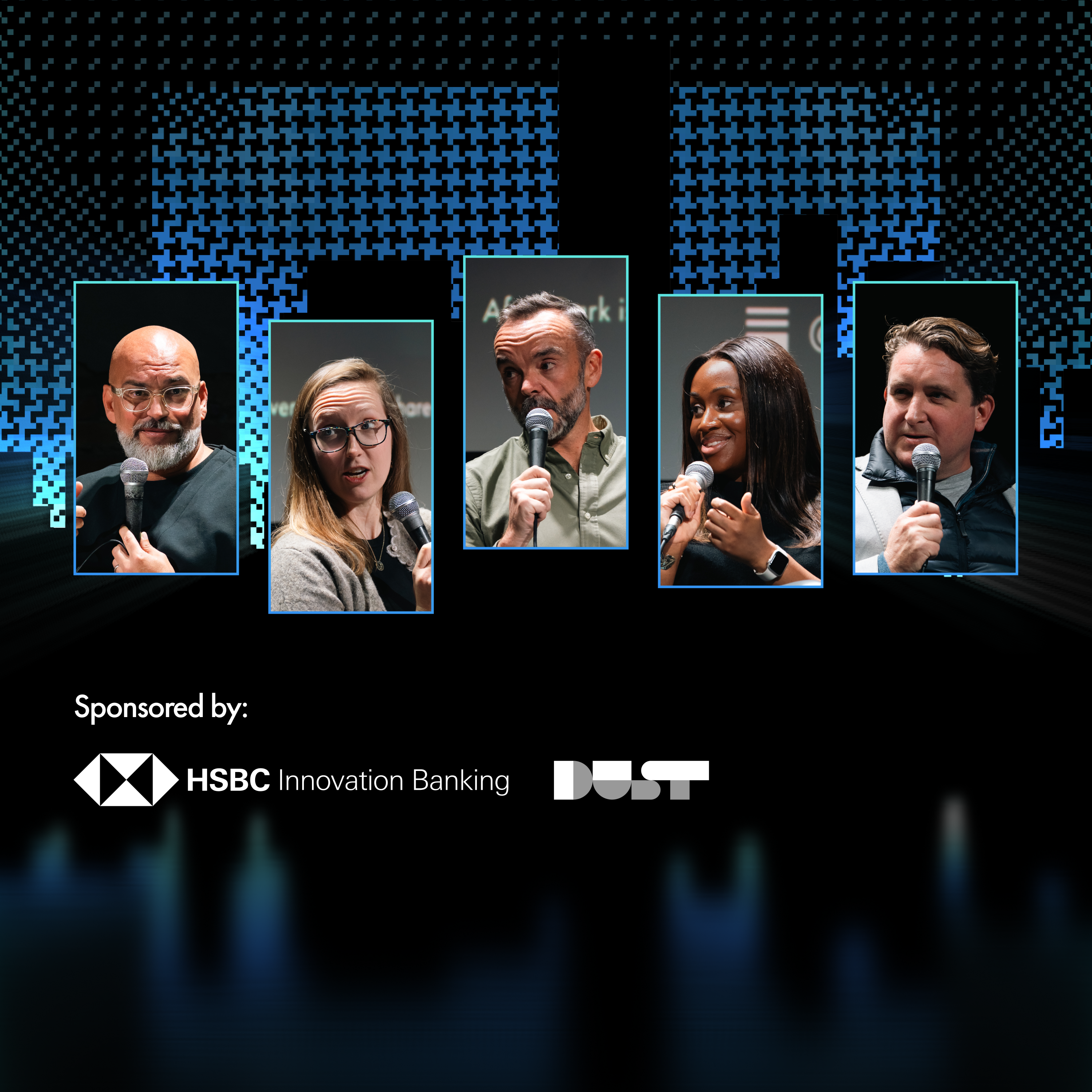
On this week's episode, in partnership with Plaid, host David Barton-Grimley is joined by some great guests to dive into the world of credit.
For decades, traditional credit scores have been the foundation of lending - but in 2025, they’re starting to show their age.
These outdated models are struggling to reflect how people actually live, work, and spend today - especially gig workers, freelancers, immigrants, and younger borrowers.
So, what’s gone wrong with our credit systems? And more importantly - how do we fix them?
This week's guests:
Zak Lambert - Head of Product, Europe at Plaid
Ankur Sisodia - Head of Product, Lending & Savings at N26
Alexander de Rafols - Director of Product at Affirm
Links to check out:
Join our WhatsApp community, where you can get the inside track on all all things 11:FS, as well as having your say on the things we should be paying attention to.
https://chat.whatsapp.com/KpA4gFbbWDlLFm7kx39raf
Support our charity partner School-Home Support
Advertisements:
If you're running an early-stage business with Seed or Series A funding, Tide’s new savings account offers rates up to 4.48% (AER), with instant access to your money. Plus, get the best rates for free for 12 months at tide.co/insider.
About Fintech Insider:
Fintech Insider by 11:FS is a bi-weekly podcast that covers everything from finance and banking to technology and the latest trends in financial services.
Our expert hosts, with hands-on industry experience, are joined by key decision-makers, VCs, and top reporters from across the financial landscape, including guests from companies like Stripe, Revolut, Plaid, PayPal, and Monzo. Together, they break down the biggest news and innovations shaping the space.
Our weekly news show drops every Monday, covering major stories like mergers, new product launches, regulatory shifts, and emerging tech trends. On Thursdays, our Insights show goes deeper into the hottest topics driving the future of finance, including AI in banking, decentralised finance, and the evolving landscape of embedded finance.
Whether you're already in the fintech game or just starting to explore, this is the #1 podcast for you.
If you enjoyed this episode, don’t forget to subscribe and leave a review!
Got a question for us? Email podcasts@11fs.com!
Learn more about your ad choices. Visit megaphone.fm/adchoices


Scan the code with your iPhone camera
Listen in the app.