In short
How Blue Fever uses “AI with guardrails” to support youth mental health in sensitive, low-acuity cases, while triaging to clinical care and crisis resources; also discusses misconceptions about Gen Z, and the need for policy/measurement for subclinical wellness tools.
Guest backgrounds
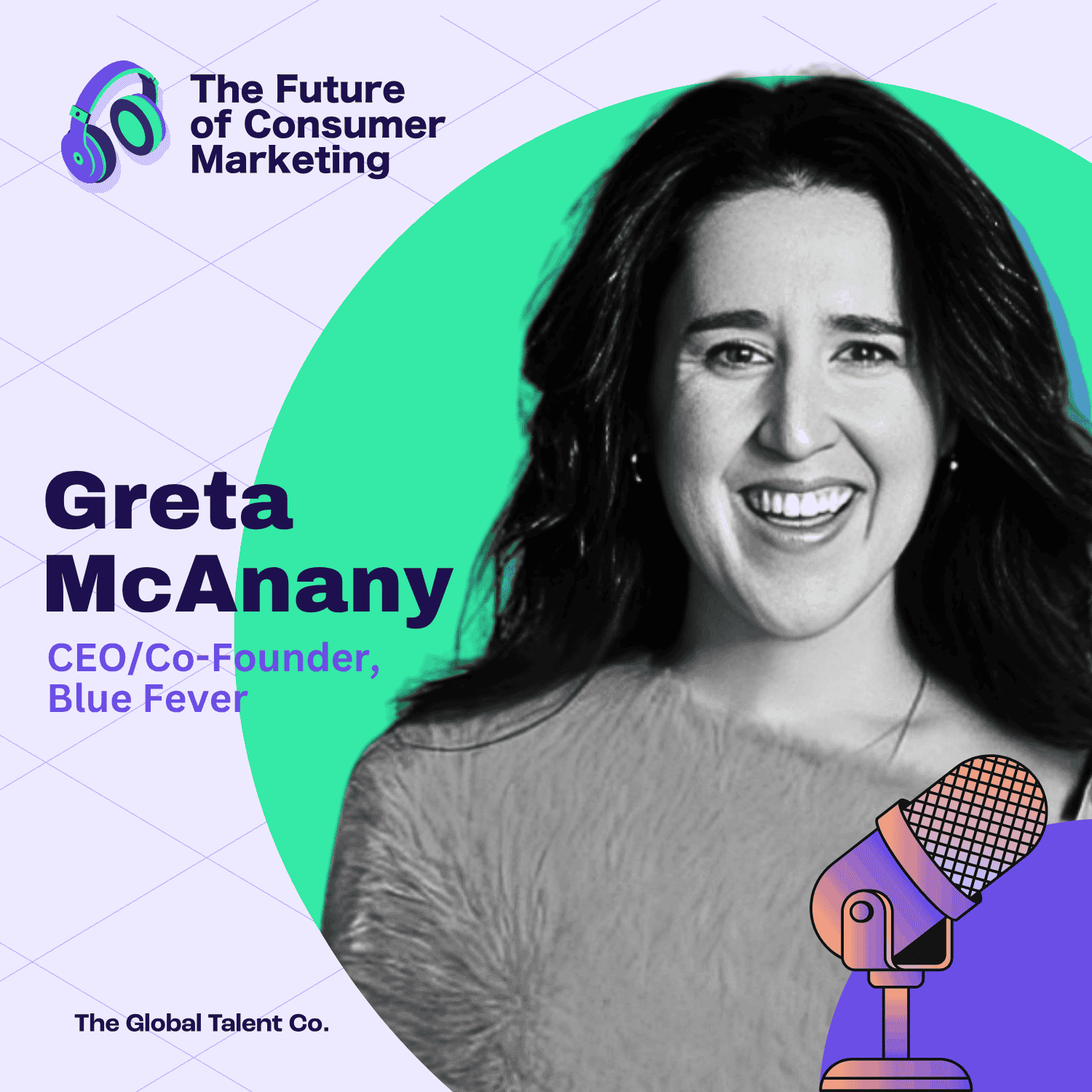
Greta McEnany is CEO/co-founder of Blue Fever. She’s a public health innovator focused on youth mental health at the intersection of media and technology, with an award-winning filmmaking background and 12+ years building youth-centered tech and storytelling, later moving into policy.
Key claims
Most young people have mental health needs but distrust the behavioral health system; social media is a “couch cushion” between clinical care and youth media, so Blue Fever builds a social-like, empathetic platform with clinician/youth-trained AI and hard safety guardrails. AI can’t replace therapy; it’s for wellness support and back-end risk flagging.
Notable examples
Early text-message “older sibling” persona (“Blue”) reached ~500,000 youth; app launched in 2021; includes PHQ-9/GAD-7 screeners; if suicidal risk is detected, Blue routes users to crisis lines/therapy partners. Free access via city partnerships for ages 13–26.
Written by AI. May contain mistakes. Listen to the episode to check what was said.
Chapters
Tap a time to open that second in VOUnderstanding Mental Health
0:00 to 0:48
Explore the concept of mental health and its relevance to everyone.
“Not everybody has mental illness, but everyone has mental health, right?”
Greta's Background and Vision
1:35 to 2:48
Learn about Greta's journey from filmmaker to mental health innovator.
“And thank you for doing this interview in the daytime my time, probably evening your time.”
The Birth of Blue Fever
2:48 to 5:00
Discover how Blue Fever was founded and its unique approach to mental health.
“And this was way, way back in like 2013, 2014.”
Navigating the Mental Health Space
5:00 to 7:42
Discuss the challenges faced by young people in seeking mental health support.
“But yeah, just let us know a little bit more now about Blue Fever because it sounds like like like a big project.”
The Blue Fever Approach
7:42 to 11:20
Understand how Blue Fever integrates technology with mental health support.
“And so we, you know, when we were kind of accidentally stumbled across stumbled across this text message as a product, not as a marketing platform.”
Misconceptions About Gen Z
11:20 to 14:00
Address common misconceptions adults have about Gen Z's mental health needs.
“I'm just like flipping through creators and flipping through video.”
Understanding Gen Z's Mental Health Needs
14:00 to 17:04
Explores misconceptions adults have about Gen Z's mental health and resilience.
“And between what I've been hearing of what you've been saying, Greta, I know that you've mentioned that you've supported over half a million young people through Blue Fever.”
The Impact of Technology on Social Skills
17:04 to 20:22
Discusses how technology has affected the social skills of younger generations.
“So we have to take some responsibility there as well.”
Navigating the Workplace Challenges
20:22 to 22:58
Examines the challenges young people face in the workplace due to experiences shaped by technology and COVID-19.
“big responsibility on you as well to go figure out how do you function in the workplace how do you date?”
Addressing the Need for Support and Understanding
22:58 to 28:00
Highlights the importance of empathy and understanding in helping young people overcome societal pressures.
“You'll see that you'll learn along the way.”
Show all 18 chapters
The Role of Municipalities in Youth Support
28:00 to 29:15
Discusses how municipalities are taking proactive steps to support youth mental health.
“And now we're seeing that there's like a real path with municipalities.”
Shifting Focus to Preventative Mental Health
29:15 to 30:45
Explores the need for preventative measures in mental health care systems.
“And is this reason and is this why you're mentioning that the company is turning more into policy because of what you're doing with the cities and the municipalities and the state?”
Standardizing Mental Health Tools
30:45 to 33:54
Covers efforts to standardize measurement and certification of mental health tools.
“And America is unsurprisingly, we're always behind on regulation.”
The Importance of Trust in Technology and Youth
33:54 to 35:57
Emphasizes building trust with young people in the tech and policy space.
“And like, ultimately, it's about building trust with young people and going what's going to create the most impact, right?”
Distinguishing Between AI Tools for Mental Health
35:57 to 37:18
Differentiates between typical AI tools and those designed with safety measures.
“It's like, listen, what you're going through, totally been there.”
Blue Fever's Approach to Youth Mental Health
37:18 to 41:26
Describes Blue Fever's mission to provide accessible mental health support.
“So I think that AI in the healthcare system, like, again, I'm thinking clinical healthcare, like, can help therapists, like, summarize notes more quickly, right?”
Measuring Success in Prevention
41:26 to 43:40
Discusses the challenges of measuring the success of preventative mental health efforts.
“And then that also creates less burden on like emergency departments, hospitals, etc.”
Accessing Blue Fever and Crisis Resources
43:40 to 45:20
Learn how individuals can access Blue Fever and the importance of reaching out for help.
“And my takeaway from that is the fact that it's the testimony from the users that are giving Blue Fever like the proof that it does work.”
Transcript
Automatic transcript. May contain errors.0:00Not everybody has mental illness, but everyone has mental health, right? Just how we all have physical health, but we're not necessarily sick, right? When somebody's going through a hard time and you start looking at Instagram or whatever, then you're like, oh, these people are doing so well. Why am I not in that position? And then you start to get in your head. To create more of like a social experience. And we saw that that was really what young people wanted. So we thought, okay, we need to evolve the product and create a platform that resembled social media in its relatability, but incorporated empathy and clinician and youth trained AI, wellness analytics, digital wellness skill building, and that it would be a compliment to any kind of clinical treatment that you would be getting.
0:48Hey, everybody. Thank you for listening. Today, I will be hosting this podcast. My name is Andres Figueira, and I'm located in Buenos Aires, Argentina. and this show is brought to you by The Global Talent Company, a company that's connecting top remote professionals from Argentina, South Africa, and any other place you can imagine with leading tech companies worldwide. So if your team is looking to hire world-class South American or South African talent, head over to theglobaltalent.co and we'll see how we can help you out. And today, guys, I am speaking with Greta McEnany, CEO and co-founder at Blue Fever, a youth-centric care navigation solution that bridges mental health needs with life-changing support.
1:28We are their AI companion that's named Blue and a well-being community. So without further ado, welcome, Greta. It's great to have you here. Oh, thanks for having me. I'm excited to be here as well. And thank you for doing this interview in the daytime my time, probably evening your time. So I feel already I'm at an advantage here. No, it really is a pleasure, Greta. And even more so when we investigated what Blue Fever is and what a noble mission your company that you founded has. It really it is something very special. So we had to make the space and the time in order to have this episode. So the budget is all ours.
2:09And Greta, just so that we get into the groove of the episode, would you be able to tell the audience a little bit more about yourself and a little bit more context of what Blue Fever is? I am an entrepreneur and, you know, a public health innovator that's really focused on youth mental health at the intersection of media and technology. My background is actually as an award-winning filmmaker. And I've had, you know, 10 plus, well now like 12 plus years of building youth-centered tech, blending that with storytelling, product, and now policy work. which I don't think is too much online but I'm starting to get more into the policy and like government space I think that inevitably happens when you go deeper and deeper and you realize okay like policy is where we've got to end here and and and so some more civic engagement there I I co-founded Blue Fever really as you know I I had been out in the field as a impact filmmaker And I had been working with a lot of young people across the nation and seeing this pattern of young people self-medicating with media.
3:17And this was way, way back in like 2013, 2014. And I thought, I think that there's going to be this future where it looks almost like a triangle where you have media technology. and at the time I was calling kind of the tip of this triangle identity development, but I really think I meant mental health because I didn't at the time know the difference between mental health and mental illness. Not everybody has mental illness, but everyone has mental health, right? Just how we all have physical health, but we're not necessarily sick, right? All the time. Yeah. And so I said, I think there's this interesting triangle, the space that I want to play in.
3:56And that kind of led to the first product, which was curating media based on mood and emotion, that then got distributed in a chatbot. Well, first, it was just text message of me and my co-founder and interns texting people that we were, we'll talk about this with marketing that we used as a marketing channel. And then that evolved into one of the first evidence-based AI chatbots for youth mental health way back in that was in 2017. 2018 is really when that happened. So yeah, so it's been a really interesting progression and journey for me as a professional kind of moving from artist to more of a storyteller to a technologist.
4:40And now, like I said, I'm playing more in the policy space. I think that answered my journey. I'm happy. Is there anything else you want me to add there before I kind of talk a little bit more about the product? No, no, no worries. Like it's I know it's a high level overview. So no worries there. If there's anything else you'd like to elaborate later on, just feel free to do so. But yeah, just let us know a little bit more now about Blue Fever because it sounds like like like a big project. Yeah, yeah. It's you know, we're a venture backed company backed by investors like Amazon and Serena Williams.
5:16And so we've really it's been it's been quite the journey from where we started just with this early intuition about support that young people needed and how media and technology would play a role in that. And I think that, you know, we've been caught in this, like, I always say it's like a crack in the, you know, like couch cushions, right? Where nobody wants to sit in between the couch cushions. Like, there's this, like, couch cushion of, like, social media, right, that everybody understands what social media is. And then there's clinical mental health. And everybody under, well, maybe they don't understand deeply, but they understand clinical health, mental health care, behavioral health care exists, therapy, inpatient, medication, et cetera.
5:58And we really were in between the two. At the time when we first launched, our investors were saying, oh, you're not mental health, but you're like positive social media. And we were like, oh, that's super interesting. Right. At one point, we were calling ourselves emotional media, not social media. And so from there, you know, we saw that, again, this like epiphany about mental illness versus mental health and saw that a lot of young people, you know, the youth mental health and overall mental health epidemic was rising. but especially for young people you know young people grow up to be adults there was this real like lack of trust of Gen Z and the behavioral health system and that they were really unlikely to seek help you know if they were feeling lonely or depressed or anxious and the first place they would go for mental health support would be either the ER or I think it's called ED today emergency department or social media.
6:59And those just are very two extremes, right? Like, neither of which are probably going to be great for the healthcare system. And both of those weren't meant for like mental health, right? You know, true mental health support. And, and we just saw that a lot of solutions in the behavioral health space were made for adults, and they weren't and they were being retrofitted for young people. And this next generation of Gen Z, Gen Alpha, even millennials a bit. I'd assume we're both millennials or maybe you're a Gen Z cusper, but that like we're digitally native or digital first. So the way that we have a higher bar that we expect when we interact with mental health tools.
7:42And so we, you know, when we were kind of accidentally stumbled across stumbled across this text message as a product, not as a marketing platform. You know, we had young people texting us back. We'd say, hey, are you feeling sad? Check out this video. Are you feeling stressed? Did you just go through a breakup? And we got responses like, how did you know I was feeling that way? And we were like, well, we didn't, you know, but the human experience is specific, not unique. And so we just texted back. and when we texted back you know we were just shocked at the level of engagement and trust we were getting and grew pretty quickly to close to half a million young people on text message and built out this whole persona of an older sibling older sister named blue and for me blue was modeled after the big sister I always wanted growing up but never had I had an older brother who had a lot of special needs.
8:42And so he got a lot of the more clinical mental health kind of attention. And for me, that wasn't things weren't as dire. I didn't have that support. And I didn't feel comfortable talking to my parents about what I was going through. So I thought, you know, what if I could give that big sister to so many other young people? And then, you know, text message became just a little unwieldy. It's I think it's an amazing kind of like communication channel, but it can be expensive and it's also very linear. So if you want to build out different product features on top of it, it's really, really hard.
9:18There's also not a lot of like, you know, you can't connect to people, like especially in SMS, like it's hard to create more of like a social experience. And we saw that that was really what young people wanted. So we thought, okay, we need to evolve the product and create a platform that resembled social media in its relatability, but incorporated empathy and clinician and youth trained AI, wellness analytics, digital wellness skill building, and that it would be a complement to any kind of clinical treatment that you would be getting. And so we built that app out and launched it really 2021 and have been iterating and growing it from there and really focused on lower young people with lower acuity needs and help them, you know, treat those lower acuity needs, which, you know, and then also triage them to other supports as needed.
10:17And then we've been, you know, growing additionally with partnerships with cities, finding that cities as healthcare, especially in America, is certain healthcare is on the chopping block. There's a lot of people who can't afford care and a lot of young people who won't, you know, they can't get mental health care unless they go through their parent, but they don't want to go through their parent. So we're finding that blue fever is really this front door to mental health that's super powerful to get young people in so that we can assess what they need. But it still feels fun and relatable like social media.
10:53The app itself has lots of really great ways for you to express yourself, but really keeping that safe and towards the focus of wellness as opposed to social media, which is maybe more the focus of performing. If you are someone who actually posts or if you're someone who is like the majority of us who just kind of consumes, right? It's, you know, it almost feels like a new form of like cable these days, right? I'm just like flipping through creators and flipping through video. It's much more video oriented. So I'm consuming a lot. And young people and all people are not really expressing as much on social anymore, which is fine.
11:31But they still need those places to express. And so we've built one with Blue Fever. Wow. Okay. The story is amazing and I totally empathize with the sentiment of what you mentioned that you wanted to be that big sister that you never had. Because in my personal experience, I'm the firstborn of my generation in my family. So it's like me, my little brother, my cousins. And I always was that big brother figure. I used to, like what you mentioned, that I didn't feel I could talk to anybody on my issues that I had because it was either my parents or my grandparents, but it was never somebody that I felt was an equal to me.
12:11Or relatable, right? Like relatable to you like your cousins and your siblings had. And I think that that's what I found is like, is like I was pretty like competent, high achieving rate. But those are the people you have to watch out for. If you're the one who everybody's turning to for support, then like where do you go for support? And I find that a lot of young people either think their problems or are too big or in this case kind of related to what we're talking about, that their problems are too small. Like, well, yeah, like my friend has like chronic depression, but I don't have that. So I don't really need, you know, I don't want to take up my parents time.
12:50I don't want to make people worry. I don't want to, you know, blah, blah, blah. And so I think that the more that we stay in, you know, isolation and keep these things in our head, and we don't reach out and express ourselves and like name those things, the more toxic, right? Like the more toxicity builds up. Yeah, it's like that little voice in your head that says you don't need it. You're okay. And you're not feeling okay. So it's like, it's weird. Yeah, it's just like you can cope, you can cope, you can cope. And I think that what we're really trying to, it's like you can cope, other people need you.
13:20And that's not your role. Your role isn't to get support. Your role is to give support. And I think that there's a certain subset of our users who really feel that way. And the beauty of the platform is that on Blue Fever, you can both be a supporter and you can get support from other people. And I think that that is also just hopefully reinforcing being human, even if it feels uncomfortable. It's like sometimes we're giving, sometimes we're taking. And that's okay. And it's not bad. Okay. No, I totally agree with that. And it's beautiful. I think it's a very, very, I mentioned it at the beginning.
13:56And I think it's such a noble idea. And it's incredible how you've been able to make it into something concrete. And that works. And between what I've been hearing of what you've been saying, Greta, I know that you've mentioned that you've supported over half a million young people through Blue Fever. And I'd love to know, and I bet the audience as well, what's the biggest misconception you believe adults have about Gen Z's mental health needs nowadays? days. Yeah, I think I was actually just talking to a reporter at a pretty well-known publication last week who reports on tech and AI and youth.
14:32And we were having a really interesting discussion where one of her co-workers, who's also an adult, and I think he and she are more Gen X, and is a little bit older than millennials, but not too old, right? But they have kids who are more, uh, gen alpha, maybe gen Z. And this, uh, colleague of hers was saying, um, you know, why don't, um, young people, why, why don't they just like suck it up and get out there and stop talking? You know, they're always focused on, um, they're so sensitive. They're always focused on, you know, um, them. It's really hard, uh, for them to do things in person. Like we should just kind of like push them and just say, deal with it.
15:11And, um, because they're just kind of, they're being lazy, they're being this, they're being that. And I think that there's a piece of that that is true in terms of, yes, like there are some young people who really lack a lot of resilience skills and they lack a lot of social skills and they need a lot of extra handholding. And should we try to improve that? Of course. And is part of that on them, especially as they grow up? Absolutely. But I think that adults often forget that this generation wasn't born, right? They weren't born like this. They were raised and adults are really kind of complicit in what the output has been.
15:52That like when you grow up and you're a young person and your parent just puts a tablet in your hand and you get to use it for hours and hours, you know, and then you wonder why, you know, you're now at dinner as a teenager and you're looking at your phone instead of talking to people or you can only text, you can't pick up the phone and call, it's not entirely their fault, right? And I don't think adults understand that they've grown up in a really different environment and adults helped create that. And so if we're going to get young people out of this and, you know, more engaged in the workforce, more resilient to everyday challenges, contributing to the economy, like all these things that are kind of more high level, we need to start by um owning like our i mean i didn't raise these kids but like owning the people who did like owning owning that part right of like how you contributed to it and then working together to be like okay we're here how do we move forward we can't just like push you out of the nest and say go go change immediately but what's a plan where we can help you be stronger and more resilient like over time and build these skills so it's a very long-winded answer but I think that it really frustrates me when adults when older people are just like well yeah I mean this generation they're they're this they're this they're this and it's kind of putting it entirely on them where it's like these kids didn't control the environment that they grew up in they didn't control that people were giving them smartphones and social media at the age of nine and they were you know, entering, you know, pro-anorexia groups on Tumblr at age, you know, 11, like this is not that that was not created by them.
17:32So we have to take some responsibility there as well. Hey, I had never seen this perspective that you're mentioning. And I must say, I'm loving it because I totally agree. And I do believe that if you look at it in the way that you're seeing it, it's true that that the adults nowadays, when they raise their kids, they didn't help cultivate those social skills that we take for granted because we just had it. Because we didn't have a phone in our hand all the time, right? Like you had to call up your, like one of my favorite influencers online is like, you know, he's a, he's like an elder millennial and he's like, we developed social skills because I had to call my friends home line, right?
18:09And be like, hi, Mrs. Figuera, like is Andres there? Can I talk to him? And then she's like, how are you? How's your mom? And you're chatting, right? Like there wasn't this bypass of I'm just going to text my friend. You had to call up, usually talk to their parent, risk the parent being on the other, you know, like being on the other landline, like listening in, right? Like you just – the infrastructure was different. And on the same hand, I feel bad for the parents because a lot of these parents that raise Gen Z and Gen Alpha have really been guinea pigs. you know, when it comes to technology, social media, like all this rapid innovation, they haven't, it's been on them to figure it out, which like parenting is hard enough.
18:52And then figuring out this huge new wave of innovation and how that affects childhood development. Like that's like, that's like what people get degrees in, you know what I mean? And then you're like a parent here navigating it. It's hard. No. And like you mentioned that, yeah, you give a tablet or a phone to a kid with social media at nine and they're going into Tumblr groups at 11. It's like, what was I doing when I was nine years old? I was taking my skateboard and looking at magazines to try to recreate those tricks in the street, like in the physical world. And there really is a notable difference with that.
19:27I will never, ever say again that this generation is guilty for what is happening to that. But if I leave it, it is true that there's a certain responsibility to the parents of those people that were yeah well and society right and i think that's like um i think i think that like we also as i mean we're all scarred by our parents right like nobody's parents were perfect and there are things our parents did like i don't think they really like talked about mental health and whatever and so okay fine like but and so maybe parents take some responsibility there for our generation but i think that as you become an adult um you also have to take responsibility for the for for for yourself so i don't think it's entirely oh these poor kids like we should coddle them these poor young people like i think that we should say yeah like you know there were a lot of stuff there were a lot of circumstances that didn't teach you great behaviors and um you know lack of skills etc but like now we're gonna help you and it's there's a big responsibility on you as well to go figure out how do you function in the workplace how do you date?
20:31How do you, you know, do all of these things that Gen Z isn't doing a lot of, right? Like, they're not dating a lot. They're not going out. They're struggling in the workplace. It's true. No, I'll take it. I'll take it like in a super simple thing that I just thought about. Like my cousins, they can't order pizza, like by the phone. It's it's it's a whole thing. It's like, no, I don't want to speak with anybody. It's like weird. It's uncomfortable. And I'm like, gets quicker. Why do you have to go in the app and play the game that takes 10 minutes to order just to order a simple pizza, man, talk.
21:04That totally you and me, you and me. Yeah, we wouldn't have an issue one of us would call because yeah, I feel the same way. Like sometimes it's easier to order online, but other times it's like step by step by step by step by step. But I think it's just like that's the environment that they grew up in. So we have to meet them part of the way, but then they also, we have to, you know, set some boundaries and expectations, right? Especially, I feel a lot of empathy for them that like they're in the, you know, they were entering the workplace when COVID happened or they were in college, right? And so maybe they didn't get to intern in person or now a ton of companies are remote and I'm like, man, as a mid-level, mid-career, excuse me, professional, I have had experience in an office.
21:49I understand etiquette. But if I'm just working, like, so working at home is awesome and gives freedom, right? But if I was, like, 21, like, I'd want to be soaking in, you know, all of these learnings from, you know, from other people. And I'd really want to understand, like, okay, like, I got to learn the ropes of, like, what it's like in the professional world, right? And how and mirror what my boss is doing or my boss's boss, etc. Of course. or camaraderie with peers you know it's true no my little brother he actually and and this is true story covid he saw three-fourths of his college career online so it was like he i'm so sorry for college covid hit he graduated online his first job thankfully it was physical but but he has had Had a little bit of, how can I phrase it?
22:44Growing pains? Yeah, he had difficulties like entering the normal or what we define as the norm of the workplace. And how to actually do a job. He doesn't have that experience and he's nervous. And I'm just like, dude, go ahead and just try it out. You'll see that you'll learn along the way. I learned it. Fake it till you make it is my motto. Well, of course. I got it in undergrad. I got a degree in theater and a degree in broadcast journalism. And I joke that my degree in theater is my degree in pretend, which allows you to like, as a human, you're just pretending your way to the next thing to the next thing.
23:21Because like, nobody's lived life before you don't know how it goes. Right. So but I but I think that like the if you if you put yourself in the shoes of a young person who grew up through the lens of a phone, and there was so much cancel culture and judgment and, you know, so much risk there, um, that they're really afraid. They're really afraid of taking chances because they've seen what happens. Somebody takes a chance and they're just done. They're canceled. Um, and so I think that like normalizing this idea of what you're talking about of, um, like failure is part of it. It's part of figuring it out.
23:57That's what we have to, um, that's what we have to like help, help them build, build skills towards, right. And create spaces where they can do that and feel safe. So I just don't think there's a lot of safety because they've grown up seeing that. I keep on using my hand for my phone. I don't even know where my phone is. But yeah, I think it's just a different... I think we... What's that phrase? It's like walking. I'm not going to get it right, but you don't know somebody unless you've walked a mile in their shoes or something like that. It's like, yeah, just I think what the world needs today is more empathy of like your operative reality isn't somebody else's and how did their reality get to be that way so then how can we actually work to problem solve now and and i i i do agree with what you're mentioning that there is like no safe space for them to understand that it's okay to be wrong and it's okay to make mistakes because even with social media nowadays posting is selective and people post their best moments or when they look the best or when something incredible happen.
24:58Or it means to an end, right? Like I want to sell product or, you know, like have a partnership or whatever it might be. But it's a fake, perfect fairy tale for everybody on social media. So when somebody is going through a hard time and you start looking at Instagram or whatever, then you're like, oh, these people are doing so well. Why am I not in that position? And then you start to get in your head and it turns into a whole thing. Well, it's all the stories we tell ourselves, right? I think that humans are driven by stories. So if we can tell ourselves different stories, right? Like, you know, I think that we can end up in different places mentally and otherwise, but there's a lot of stories that are being told.
25:36And even though we all know social media is a highlight reel, it's still really hard when you're having that down day and then you go look and see and you're like, damn, like for me, I'll be like, you know, maybe somebody else is like, wow, their life looks amazing. But also like, I should be posting. Why am I not posting? You know what I mean? It's like that, like guilt there of like, oh, I gotta, do that. And you're just like, wait a minute. I'm shitting all over myself. I should be this. I should be that. And if I'd grown up with that, that I'm building a brand before I even have my identity figured out, that's backwards.
26:12That's tough. And okay. Going back to the questions that I had, Greta, because this conversation has been amazing. It's just like a friendly convo because I've been very interested in everything you're telling me because Blue fever just sounds so cool. Like I would have valued it so much if I had the opportunity to use that when I was growing up because I did go through things like everybody. And speaking of the access that young people have, do they have to pay a certain fee? Is there a subscription or is this like more of a pro bono service for them? Yeah. So we've experimented with a couple different models.
26:49So we have been open to everybody, all youth for free, because typically youth don't have money, right, to be spending on these things. So we've been subsidized in different ways. Most recently, we are doing partnerships with cities. And so we partner with cities and cities will actually provide blue fever as well as other clinical mental health services for free for every young person, 13 to 26, who lives in these cities. So we're building up that roster more and more now. But we've, you know, we found that it's a tricky thing to monetize something when the end user doesn't have money, right?
27:31Like a young person doesn't have like extra money. And they don't want to and especially they don't want to tell their parents like, hey, I'm using this platform because the parent might be like, well, then what's wrong? Are you okay? So we've had partnerships with different like brands that are really aligned with, that are really aligned with like wellness. They don't necessarily have to be a mental health brand, but they could be like a really fun like pimple patch company, right? Or like clean beauty. So we've done partnerships with like corporations that way. And now we're seeing that there's like a real path with municipalities.
28:06So cities and states who are saying like, hey, like we, we really want to provide something and it is in our youth's best interest and our city's best interest to provide this for free to them because, you know, problems that are started now that don't get addressed turn into, in the worst case, right, like drug addiction, homelessness, truancy, you know, and on and on and on because, again, young people grow up. So the more that we can be preventative in nature, the better. And I'm sure you'd agree it's like this is in the United States, but all over the world, you know, things just keep getting more and more chaotic, right?
28:44There's like so many more wars and this and that. And like, just to live in this world and imagine like growing up in this world, we just need more support, right? And more tools at our fingertips. Yeah, it's totally true. And it can get overwhelming with everything that's happening. And like, from my perspective, me being from Venezuela, I've lived through turmoil all my life. But the fact is that it can feel like, Like it can feel daunting to grow up into a world that you're not even certain what's going to happen. So, oh, my God. And is this reason and is this why you're mentioning that the company is turning more into policy because of what you're doing with the cities and the municipalities and the state?
Read the full transcript
29:23Yeah, turning more into policy. So I've just I've gotten asked to I've testified in a couple of state senates around social media policy because not probably not a surprise to most people. But there are a lot of older people in politics who are making our policy decisions, but they don't understand how the Internet works or how young people use it. So they bring me in as as an expert there. And then I found that, you know, in the health care system, especially in America, we're really focused on treating illness. We're not focused on preventing illness. We're not super focused on wellness, at least in the mental health space.
30:01I think physical health, we've gotten there. It's been normalized like, oh, you can join a gym and work out and you'll pay for that as an individual. But in the mental health world, very much so in America, it's like, no, that should go through your insurance. And right now insurance companies don't necessarily know how to value more subclinical tools and more importantly measure them so that they can value them based on efficacy, risk, safety, et cetera. So I've also been doing more work with larger philanthropists and policy people on how do we actually create more standardization of how to measure these subclinical tools like across the board.
30:44I think the UK is doing a lot of really cool stuff. And America is unsurprisingly, we're always behind on regulation. So I'm working with, yeah, I'm working now and have a convening that I'm actually putting together in early March of next year towards an effort of like how do we measure the, how do we standardize measurement and how do we certify these tools so that government procurement processes can happen more quickly, right? Like we can go like, hey, this is a tool that checks off these boxes. Like let's get that out to young people or even like all people, right? Or in the insurance world, hey, like this is a tool that checks these boxes.
31:26We'll go and get a reimbursement code. So it's more like bringing these tools that exist in the app store that we know young people are using all the time from, you know, journaling tools to mood tracking or even like I wouldn't argue character AI is a mental health tool, but like they're using it for mental health, right? And that's had some pretty like scary repercussions. So we need to kind of figure out how not only on the like incorporating these tools into these systems and doing some health literacy around how you procure those products and evaluate them, but also on the user side for young people, how do they understand like this is what you should be using for your mental health.
32:05This is what you shouldn't be. Right. And if you're feeling this way, like these are the kind of tools you should be using because they have guardrails and like safety checkpoints so that things don't get so bad that, you know, you end up committing suicide or any of these things. Because we're finding that with, I mean, and it's been all over in the news. I know we've waited to have this conversation, but it's almost more timely now with all of these LLM companies. It's like, oh, my God, the number one use of our tool is personal growth and like therapy, right? Or people calling it therapy for their mental health.
32:43Yeah. Now, I must say I'm guilty of charge. I tried to use AI because I was feeling down and I told it how I felt and what it thought about what I was thinking and everything. And it got in my head for a little while until I got sick of it coddling me every single time. It's like, you're the best. Don't worry. It's fine. You just do this, this and this and everything will be OK. And I'm like, dude. But that's not real life. But that's not I wish. I wish I could do A, B and C and then everything's great. But it's it's really more of a journey. Right. And it's in its baby steps. No, it really is.
33:21It really is. And AI can be dangerous if you don't use it with the knowledge that everything is going to spit back to you is not perfect. Because if you are an impressionable young person who's using AI without knowing and it tells you something that you didn't want to hear, you're going to take it very personally. And you might take it very seriously because you don't know. You think it's all knowing. But oh, my goodness, that sounds amazing. And I really hope that you do get to accomplish all that and get Blue Fever procured everywhere. That would be so cool. Thank you. So yeah, it's this dance between, you know, tech and policy.
34:00And like, ultimately, it's about building trust with young people and going what's going to create the most impact, right? And you have to have a product that's sustainable. You have to have a model. You know, everybody in tech talks about product market fit. And I know this is a future of consumer marketing podcast. And so you have to have your like product channel fit. But you also really have to understand, like, if you're serving a really at-risk population that has no money of their own, but their parents have money, but there's a lot of people who do have money who care about their well-being, then how are you, you know, finding that kind of revenue source and figuring out how can there be a win-win, you know, for those people who care about young people, who have people or organizations, entities who care about young people, and then for the young people themselves.
34:47because there's been just been so many reports from different consulting companies. I think McKinsey put out a study that was just like, if we don't invest in youth mental health, there's going to be social and financial ripple effects for years to come, right? That we won't have a workforce who's able to work if their mental health isn't where it needs to be. You can't be productive if you're super depressed. You can't get a job. You can't do anything. Yeah, you don't even have the will to go get a job, to get out of bed. Like, I get it. I've been there. Yeah. Definitely not anymore. And the experience of having been there and having gotten out is something that you can, like, use again.
35:29And it's important to learn how to manage it. Still, it's tough because every life stage brings its own kind of monsters and depression and all sorts of things. So thank you for sharing that. I think it's really inspirational. And I think more of us need to be saying like, yep, we've been there, but we got out of it. We might get there again. Now we'll know a little bit more. But if I can do it like you can, you just need the right support. Exactly. And it's that way that I've been able to actually empathize with my little cousins and my little brother. It's like, listen, what you're going through, totally been there.
36:00Don't you worry. It's not like it's only happening to you. And I tell them how it worked for me to get out of it. If it doesn't work for them, we're not the same. but at least give some guidelines and some advice from an honest place because you don't always know what you're learning or getting help from when you're online. And Greta, now that we were mentioning it, you say that AI isn't the best tool, like ChatGPT, for example, to use for this type of stuff. But my understanding from when I read the Blue Fever website and the LinkedIn is that Blue is an AI character that you guys have. Would you be able to maybe detail the differences between what you guys are offering and the normal LLM that is found online?
36:42Yeah. So it's a great question. So I am not a purist saying that AI has no role in mental health. Just to be very, very clear, I don't think yet that AI is able to do clinical treatment. So I wouldn't say that AI can replace a human therapist, for example. And we don't do that. um so so say if somebody is like very high acuity if they're depressed they're suicidal self-harming like you need a person there ai is not able to um to treat a young a person any person who's in crisis but i do think that um when i think about ai it's like you know ai is a marketing tool everybody's using it and talking about it but i think about it in like two buckets right yeah i think about it in terms of user facing ai so like a chatbot like blue and then then more kind of like back-end operational AI.
37:33So I think that AI in the healthcare system, like, again, I'm thinking clinical healthcare, like, can help therapists, like, summarize notes more quickly, right? It can help with, like, automated, like, work workflows in the back-end. For Blue Fever, AI can help in the back-end to identify certain topics, right, that a young person is talking about and kind of flag, hey, are you, you know, maybe you need to talk to somebody, maybe you need to reach out to this crisis, you know, text line, for example. And Blue is built off of an LLM, but the model is honed based on our data and our rules and our proprietary conversation model.
38:11So we have really hard guardrails about what Blue will and won't talk about. And that is, I think, what's very different from other, I think, for example, like OpenAI starting to like catch up to that. But we know how these conversations typically unfold, and we know it can get very dangerous and unsafe for young people if they're talking about suicide, and Blue is trying to help them through that, right? Like Blue cannot be helping a young person if they're suicidal. Blue needs to say, you need to go talk to somebody. Here's a crisis line, or you need to go talk to somebody here's here's where you can go for that so you can think of blue as more of like low acuity everyday kind of wellness help and then um the navigator and and and triage support to get you where you need to go if things are getting more serious so we have different like clinical tools embedded like um a screen screeners for anxiety and depression like the gad7 and the phq9 embedded into our honed models.
39:13Whereas I can't speak for how to open AI or Claude or character AI has or doesn't have, but we've been really intentional in how we've approached that. Okay, no, and I totally understand. It needs to be treated with the sensibility of the mission that Blue Fever has because it is safeguarding and taking care of young people's lives when we talk about suicidal thoughts and everything that they're going through. So I love it. It's more like using AI to optimize a normal human's legwork and also have it signal important conversations or... Yeah, and be there. So like, yeah, if you need somebody, if you just want to vent about something and you want Blue to respond, like, that's fine.
39:52You know, like sometimes like, you know, we found that users before Blue Fever were writing a lot down in their Notes app on their iPhone, for example, like they were just like venting in their Notes app, but the Notes app doesn't respond. And if you can get some kind of like empathetic response, right, to a vent, And for example, like maybe you're like venting about like a teacher that was like really, I don't know, strict or like a test that was really hard. And Blue's like, OK, like maybe you need to decompress after finals. Like, you know, how about like hanging out with a friend or sharing this in the community?
40:25But Blue just tries to route you to like a positive next step. And Blue's not and Blue's I would say like that's the simplest way of putting it. It's like a positive next step, whether that's in your own head or outside of yourself. That could be in the Blue Fever community. It could be in your actual community. We're actually trying to do more with our city work to help young people navigate to local resources because when young people are having issues, they're not going like, let me go talk to my government. Like nobody's saying that, but the government has spent a lot of money and time on resources.
40:58So maybe there is like an art class. Maybe there is like a service opportunity. Maybe you could volunteer at like a cat shelter, a dog shelter because you love animals. But like let us try to meet you where you are and provide a next step that's positive. And then when it's like really serious mental health, let us try to help connect you to our therapy partner so that you can meet, you can work with someone who can really help you avert a huge crisis. And then that also creates less burden on like emergency departments, hospitals, etc. Because that's the place where really bad, you know, like intense cases are going.
41:36And that's just not that they're they're loaded down enough by like physical health stuff that they're dealing with. No, I love it because, yeah, it's like these issues. Blue fever helps. I think the expression is nip it from the bud. Nip it in the bud. Yep. Nip it in the bud. In Spanish we say se mata la culebra por la cabeza. So you cut it off at the head? The snake is cut off at the head. Yeah, at the head, yeah. Entiendo mejor que hablo. Gretta, of course you have it as a friend. Of course you understand. So cool. Okay, Gretta, I know we're almost at time, but I have like two more questions that I'd love to ask you, if that's possible.
42:17So the first question I want to ask is, how have you been able to measure success when trying to prevent something tragic from happening? I don't think you can ever. It is really hard. We do not have the perfect answer for this. I don't think anybody does, especially as I talk to city partners like I can never tell somebody like, hey, there was a gun violence incident that might have happened if somebody didn't use blue fever. Like, I cannot prove that. What I can, you know, that's like really, that's why prevention is so hard because it's hard to say, like, well, what might have happened? What I can tell you is we have, you know, a proprietary method of evaluating how a young person, like, feels and where they're at when they come into Blue Fever and how they feel, you know, post using it.
43:07And then also a lot of qualitative feedback of like, you know, like we've heard a lot like I wouldn't be here today. I wouldn't be alive today if it weren't for blue fever. Now, I don't know whether or not that's true. Right. Because that's just somebody saying it. That may or may not be like fully true. Right. Because some people can be very emphatic and maybe it was. But we hear we hear a lot of qualitative feedback like that and a lot of testimonials like that. And then we also have like scientific measurement that we do internally. But that's like a very, very, very, very big question. And that's my short answer to it.
43:40I love it. I love it. And my takeaway from that is the fact that it's the testimony from the users that are giving Blue Fever like the proof that it does work. It's like saying, hey, here's what we prevented, right? Or like, hey, I was really in a bad place and then I used Blue Fever and it really helped me, right? So like, I can't assume that like there would have been a crisis if Blue Fever wasn't there, But like we can assume, you know, somebody got better. Right. We don't know how bad they would have gotten, but they got better. OK, no, I love that. And I think that is is beautiful. So let's leave it at that.
44:13And the last question, not question that I have is and I believe this is one of the most important ones, Greta, is if you would be able to please tell our audience if they are going through a hard time, if they aren't sure of who they can go to or if they even felt a bit inclined and interested in what Blue Fever is, how they can access your platform, how they can find you guys. Yeah, you can find us on the App Store, both Android and Apple. We are in the midst, like I said, of doing more kind of partnerships with municipalities, but the app is still available to the public. If you are in a real crisis, though, and you're in the United States, I'd recommend texting Crisis Text Line.
44:53Internationally, I have less visibility into what are those crisis services. but I would say that like if it's really bad go you know and get get yourself to a hospital or or find a really trusted friend or adult to say hey I'm really struggling and just make sure to reach out that that's what I would tell them make sure to reach out but you can definitely find us on Android and Apple store. Okay great so if anybody ever does have the interest or or you have the need to use Blue Fever know that you can find them in Android and Apple and just know in general, you're not alone. There's a lot of stuff that can be done and it doesn't have to be so bleak once you have people by your side or even blue fever.
45:34And it's scary. Yeah. And it's scary to reach out, but just do it. Don't think, just do. Just reach out to someone. Exactly. And I think that can be the best takeaway from this call. So I won't take any more of your time, Greta. Without further ado, it's been a pleasure. And this episode has been so great. Thank you so much for coming on. Yeah. Awesome. Thank you so much. And Jace.
45:57Thank you.
From the publisher
In this episode of The Future of Marketing, host Andres Figueira interviews Greta McAnany, CEO and Co-Founder of Blue Fever, a youth-centric mental health platform that's bridging the gap between social media and clinical care. Blue Fever has grown from a simple text message service to a sophisticated AI-powered companion app serving nearly half a million young people, backed by investors including Amazon and Serena Williams. Through innovative positioning between social media and clinical mental health care, Blue Fever is creating a new category of preventative mental wellness that meets Gen Z where they are—while building sustainable business models through municipal partnerships rather than traditional consumer monetization.
Topics Discussed:- Building a mental health platform that sits between social media and clinical care
- Evolving from SMS-based service to AI-powered community platform
- Creating guardrails and safety protocols for youth-focused AI
- Monetizing youth mental health tools through B2G (business-to-government) partnerships
- Developing clinically-informed AI that knows when to escalate vs. support
- Understanding Gen Z's relationship with technology and mental health
- Navigating the policy landscape for digital mental health tools