
In short
Nord Current’s mobile game strategy—how they choose and build long-lived casual/time-management games, measure success via retention and soft launches, market across platforms, and manage community and AI use.
Guest backgrounds
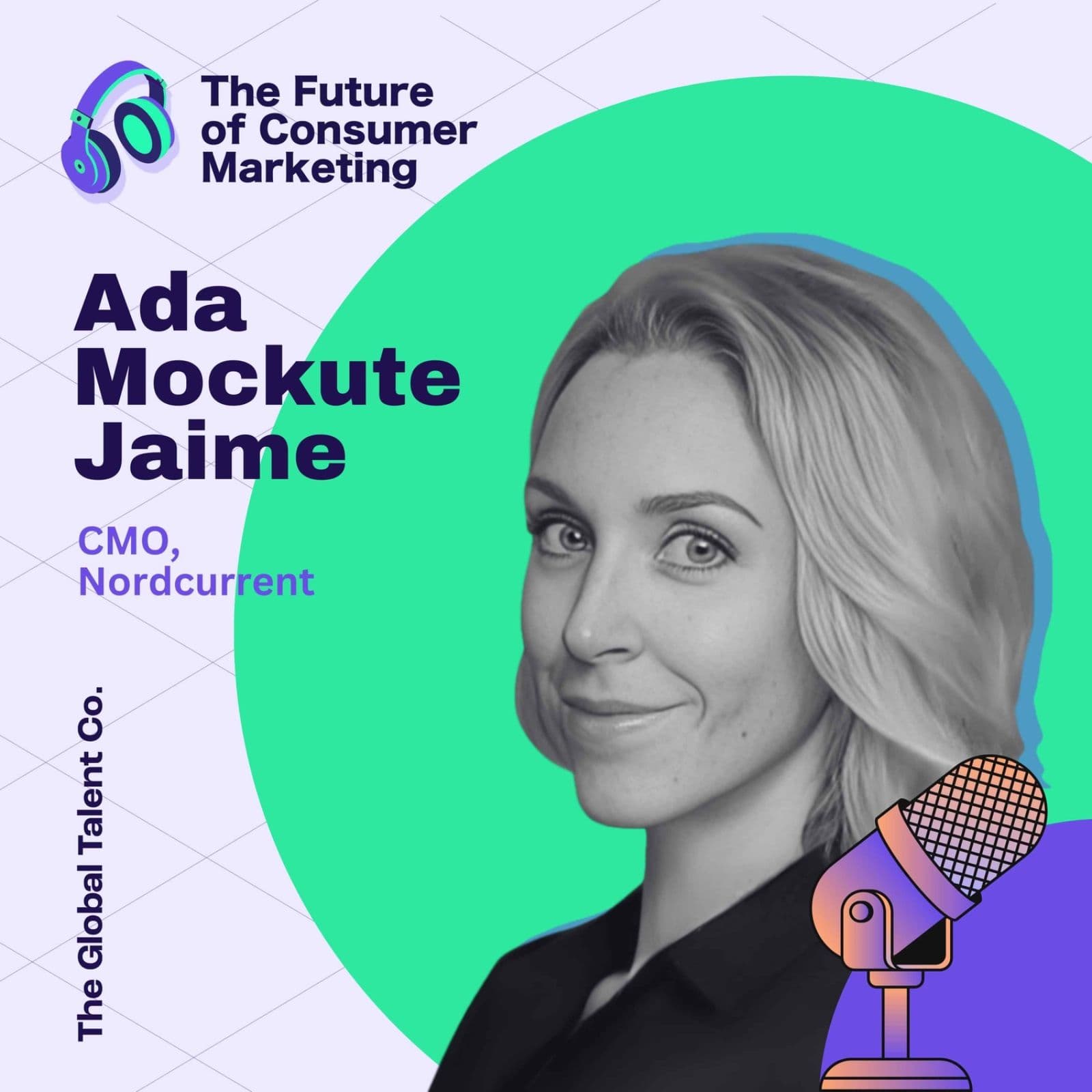
Ada Motkute, Chief Marketing Officer at Nord Current (family, bootstrapped company; 23 years). Nord Current publishes/develops mobile games including Cooking Fever, Murder in the Alps, Pocket Styler, and Airplane Chef; also has PC/console publishing.
Key claims
Mobile games aren’t just for children; the industry is larger than music/movies combined. Development takes years, so trends can’t drive decisions. Success depends on retention (often measured over 28+ days), not installs alone. Daily sessions (5–7 minutes average) reduce “grind” and support moderation. AI can speed ad testing/creative, but AI-generated games lack longevity; players dislike AI on official channels.
Notable examples
Cooking Fever’s 47 restaurants and 50+ levels each; social/community loops via Facebook/Instagram/TikTok and in-game news feed; “soft launch” KPIs and stopping if targets aren’t met.
Written by AI. May contain mistakes. Listen to the episode to check what was said.
Chapters
Tap a time to open that second in VOIntroducing Nord Current
0:48 to 1:42
Ada Motkute discusses Nord Current's history and game offerings.
“And with me today, I have Ada Motkute, the Chief Marketing Officer at Nord Current, a developer and publisher of games like Cooking Fever, Murder in the Alps, Pocket Styler, Airplane Chef, and other mobile games.”
Game Development Insights
1:42 to 2:56
Ada explains how Nord Current decides which games to develop.
“We are publishing and developing the games.”
Misconceptions in Mobile Gaming
2:56 to 4:23
Ada addresses common misconceptions about mobile gaming audiences.
“Because from Cooking Fever to Murder in the Alps, I feel there's a lot of difference between those titles.”
Types of Games and Player Behavior
4:23 to 7:07
Discussion on the types of games Nord Current makes and player engagement.
“Everyone was like, oh, so you're working with children.”
Marketing Strategies in Mobile Gaming
7:07 to 12:00
Ada shares insights on mobile game marketing and user acquisition challenges.
“And do these games, like when you play it, do like the plays last more than five minutes or you try to keep the game short?”
Retaining Players Without Manipulation
12:00 to 14:00
Ada explains how to keep players engaged without feeling manipulated.
“Which means our UA strategy is more difficult because the person is already putting into the retargeting.”
The Balance of Gaming and Real Life
14:00 to 15:00
Discussion on the impact of gaming and the need for breaks.
“Because we understand that, you know, as you say, games are wonderful and fun and good, but go smell flower, you know, go get a break.”
Game Mechanics and User Engagement
15:00 to 16:00
Exploration of game design focusing on user engagement strategies.
“And once they get rid of those five lives, they need to wait three hours until they can play again.”
Privacy Concerns in Mobile Gaming
16:00 to 17:00
Insight into how privacy settings affect mobile game marketing.
“So we kind of want you to keep engaged to feeling of a community of people we're playing because we don't have the social aspect in the games yet.”
Building Community Around Games
17:00 to 18:00
Discussion on creating user communities and social interaction.
“The only thing you can, if you want, you can attach your email to the player account to keep the progress.”
Show all 16 chapters
Nostalgia in Gaming
18:00 to 20:00
The role of nostalgia in maintaining long-term player loyalty.
“Not sure if there's something that you guys have.”
Game Testing and Metrics
20:00 to 23:20
Overview of metrics used in soft launching games to ensure success.
“And there's like, we're using this nostalgia aspect because people were creating content on social media, especially TikTok about like, oh, the game that got me for the hard times and stuff like that.”
The Role of AI in Game Development
23:20 to 28:00
Examination of how AI is currently used and its limitations in gaming.
“I'd probably be crying with a bottle of Prosecco for a month.”
The Impact of AI on Game Characters
28:00 to 29:30
Learn about the emotional attachment players have to game characters and the implications of changing them.
“So there I see that it's not as harmful to try to use it than experiment, especially whatever, there's a longer lasting value where you can create connection to your players and users.”
Advice for New Mobile Game Marketers
29:30 to 31:00
Discover key advice for marketers entering the mobile gaming industry, focusing on community engagement and patience.
“But before I do, I just wanted to ask you one more question, which is more for the audience.”
Game Availability and Recommendations
31:00 to 31:42
Find out where to access popular mobile games and a personal recommendation from the guest.
“sure you love gaming so you're already used to it so it's kind of like if you're there it's you got to be one to know one.”
Transcript
Automatic transcript. May contain errors.0:00This show is brought to you by the Global Talent Co, a marketing leader's best friend in these times of budget cuts and efficient growth. We help marketing leaders find, hire, vet, and manage amazing marketing talent for 50 to 70 % less than their U.S. and European counterparts. To book a free consultation, visit globaltalent.co. Hey, everybody. Thank you for listening. My name is Andres Figueira, and I'm going to be your host for the day. This show is brought to you by The Global Talent Company, a company that's connecting top remote professionals from Argentina, South Africa, and all around the world with leading tech companies worldwide.
0:37So if your team is looking to hire world-class South American, South African, or any type of talent from around the world, just let us know and head on over to theglobaltalent.co so you can see how we can help. And with me today, I have Ada Motkute, the Chief Marketing Officer at Nord Current, a developer and publisher of games like Cooking Fever, Murder in the Alps, Pocket Styler, Airplane Chef, and other mobile games. How are you doing, Ada? It's a pleasure to have you here. Thanks for having me. I'm doing really, really well, enjoying this till whatever's left of the summer here in the Northern Hemisphere.
1:11But very happy to be here. Oh my goodness. Yeah, we're in opposite poles right now because it's chilly winter in Argentina at the moment. And I can't say that I'm not expecting summer. I wish I can't wait for it to arrive any longer. And Ada, since we have the audience hearing us now, I've mentioned that you're the CMO for Nord Current, but would you be able to maybe give the audience a bit of context as to what you guys do besides developing and publishing the games I mentioned? Well, actually, you mentioned the main thing. We are publishing and developing the games. The company itself is already 23 years.
1:48We just celebrated a birthday last year. And what I love about it, it's a family business, totally bootstrap. Okay. So it's a very interesting story of the company. At the moment, we're concentrating mostly on the mobile games, but also have a division for publishing, PC, and console games. So yeah, so we have cooking fever, which is probably known by many. And a funny story, I recently went to Argentina and visited my family, my husband's family, and we were in the mountains and proper gauchos family members and they're like what do you work i'm like i work in games they want games to show them the game they're like we play this and i thought my goodness people who are on actual horses working with actual cows like we play gogan fever so because you know it's over 600 million downloads and 10 years of history so it's a big flag one for us but also we have other games like airplane chefs pockets tyler and many more and we're expanding actively in China and other markets.
2:38So it's a good scope of everything. Wow, that's amazing. I personally love mobile gaming. Like I have a few games in my cell phone, I'm not going to lie. It's a great way to like pass the time sometimes. But Ada, how do you guys know what games to develop or what games to bring into already the roster that you guys have? Because from Cooking Fever to Murder in the Alps, I feel there's a lot of difference between those titles. So how do you determine what games to like make? It is a bit of a lottery meets professionalism because I joined gaming from other industries a year ago. Actually, today is the year I'm gaming.
3:11So happy year to me. Okay, congratulations. But overall, what's interesting for me, that mobile game development is such a prolonged process because it can take a couple of years to reach QA. So you cannot base too much on the trends or what's trending at the moment because by the time you're finished, you might be gone. So what is very interesting for me about the process of the game kind of release here is that we have a team that worked together very long. So they have a lot of exchange of know-how. So we kind of see what we're good at, what we know how to work with, what are some things people want to explore.
3:42And pretty much that's how it's the game. And we have a big roster of a soft launch just coming up next year as well. And the end of this year, a lot of good surprises. So there are a mix of the things we know that we do good and the space of our meditation. and also adaptions to, you know, people, the way they use things are changing, the needs are changing. So kind of taking that into calculation as well. Okay. And what is a misconception that you think mobile gaming audiences have about consumer brands such as Nordkorn that creates these projects and these games that you guys offer? Even our players or overall mobile game consumers?
4:18Well, overall mobile gaming audiences. I bet players are a bit more savvy. Let's just say mobile gaming in general. Well, first, mobile gaming, I think the misconception is that it's for children. And that's not a slot. So I joined, it was the same thing. Everyone was like, oh, so you're working with children. Like, hey, if children are 32 to 45 average income, yes. But I mean, there's a lot of games for children, but let's be honest that most of those don't convert into finances as well, because it's much more difficult and we don't want to do that. So also how big the industry is, because for me, it was fascinating to understand that the industry of mobile gaming is bigger than music and movies put together.
4:51and that's mobile gaming and mobile the industry is bigger than the c gaming so in regards to the valuation and finance so it's huge as you said you have couple games on your phone and pretty much everybody too they don't even understand it like yeah no i don't play just play cards and so dope i'm like so we play on your cell phone no i just have this bubble emergency so you play so it's like you know the scope of the games and everything is huge very very big and i think And that's another common misconception. And for the users, I would say the game might look quite simplistic or the games, you know, and they think it's very easy to develop and so on without understanding how many people costs are behind it.
5:29And therefore, you know, as every good player, they want the games to be for free. And that's kind of like, oh, why are you making everything expensive? It's like, because it's an expensive machine. So I think that's the kind of a common misconception that simple games and, you know, why are they costing money? Okay. Hey, it's funny to me that you mentioned that at the beginning that, yeah, everybody thinks that these mobile games are for children. But when I come to think of it, my grandmas, my aunts, my mom, those are the most avid players I have ever met. Those women, they can play every single day at the least expected moments.
6:04It's just so funny to me how they're able to cram less than three minutes of a game in whichever, I don't know, grocery shop they are. Or if they're at the hair salon or something like that, then they're always playing. But it's just so funny to me that you're so right with that. Oh my goodness. And Ada, what type of games do you guys specifically make? Do you have like a type of game you cater to or like a formula you follow? Or do you have several different types of? Well, you have several different types. So we're very good at making time management games. So I'm like, you know, it's the stress pain level you enjoy.
6:36So we're very good at both. We do have fashion games, which are very popular. We have different kind of storytelling games, as you mentioned, Raja Veyelps and all those. So it's a different roster of different games. Some of them merge with little details, because as you know now, you know, some games have mini games in the game. So it's kind of an overlapping system. And I think it's the thing, you know, that can be put into any kind of industry, not only us, but most of that you need to keep people always entertained, always involved. It's kind of always on their toes. Otherwise they would interest very, very fast.
7:06Of course. And do these games, like when you play it, do like the plays last more than five minutes or you try to keep the game short? So basically, there's the perspective. If you would talk from the data perspective, the average play time per game every single day per user is about five to seven minutes. But if you take Cooking Fever as such, for example, Cooking Fever has 47 individual restaurants. Each restaurant has 50 plus levels. So if you would start playing now, it would take you a very long time. So it depends on the level, depending on the difficulty and how much you still wait your game to make it faster and easier.
7:39Blink, you know, a minute or two, depending how fast you play, because that's, again, time management game. So I would say average player plays about five to seven minutes. Of course, there's some who can, you know, write for hours, depends on the player, because either you pay a little bit to progress or you watch the ads on which you progress a little slower and then you write more. So depending on the strategy, no. but differently from I would say for example social media because I would say that we are sharing the screen time with social media because we're not totally I would say so because we're not sharing screen with a tv because most probably you have a tv going on and then you take a second screen like a little bit so different I think for me from comparing usage and social media and us it's a very kind of concentrated time into the gameplay in social media there's a lot of like top level scroll and miss here if you concentrate onto the gameplay the image you run into dynamics you're just not gonna pass and that you know you're not gonna enjoy the play of course and when you're going to launch or create ads for the mobile games is there an element that you've noticed that matters the most for conversions with that ad in the game like is it a specific moment where you show it or is it at the beginning or something like that see i would say that the people who play have different motivations behind.
8:55A lot of them is kind of the share of like, look how cool I am. But for example, different things, we try to create ads depending on different automators. So for some, it's the level failure and the thing that I could do better. Oh, he's such a woozer. I could do better and download and you know, traditional. For others, it's impressive. We have like players like how we're in GC, which is we're doing a lot of now. So you just see players playing extremely fast and you're like, this is fabulous. Amazing. Could I do faster and so on. So depending, we kind of have these levels of what we think motivates people to play our game from vanity to different things.
9:28I would try to address the triggers and the hooks based on those triggers. Okay. Okay. That's interesting. I'm laughing internally every time you describe the usual player, because I think you're talking about me. And I think I'm exactly the market for Nord Current because I love mobile games. And it does happen to me, like you mentioned before, I can be watching TV or something. I'll say, hey, I'll take a break. And then I'll look at my social media on my cell phone. And it's like, okay, I'll take a break from social media. I'll pass on to the game. Then I play a game. And then it's like, let me go back to social media, back to the game.
10:01And it's a back and forth that kind of never stops. I feel like in an endless snoop now that I'm talking about it. But I love how you guys have it all mapped out. Because that is really important in understanding the gamer's journey. and ada you mentioned that you guys have are also entering the pc and the console gaming industries as well do you intend to enter with the same style of games that you have with mobile or would these be more complete and longer games to be honest like even the marketing is done separately in our companies because the marketing for pc console games and mobile games is very very different in my perspective again i'm coming not from gaming for me mobile gaming is pretty much Similar funnel to D2C.
10:41It's your casual player. It's your mom, your grandmother. And where in PC games, you have hardcore players who are intricate about details, design, speed, length. There's layers on layers. So you're communicating mostly to professional players or what I call the couch experts. You know, that's possible. So, you know, for me, on the levels, they're the experts. They probably could do it better. So you are selling already a kind of a high-level good to people who know what they're buying. Also, the fact is that when you sell console and PC games, the one-time fee commitment and the pricing is different.
11:15Whereas most of mobile games are free-to-play or freemium, that's what we call, because you can click, or you know, there's ways to go around it, or you can pay and proceed and so on. So commitment level of downloading the game is way lesser than kind of paying whatever 30, 40 euros for a game that you are not sure you're going to enjoy. So marketing is very, very different. Now, talking that I say mobile gaming marketing is similar to DTC, for me, direct-to-consumer, for me, the funnel is much more difficult. Okay. Because install does not mean a client. In our metric system, we're going into power of 28 days and more because that's where you see.
11:50And the lifetime value per game could be, you know, completed measurements. So the install is a good news, but it's, you know, we're looking into the retention, which is key for us. because you install, you played it, don't like people have to delete it. Exactly. Which means our UA strategy is more difficult because the person is already putting into the retargeting. It's pretty, again, coming from different industries, it's a very difficult funnel because not only the fraction of like, you know, what day do we get the return? What's the percentage of return from the ads versus the purchases? But on top of that, the traffic goes through the app stores.
12:24And differently from the online website where you can see exactly, for example, where your organic traffic is coming and you can optimize based on that. In the app stores, you kind of don't see where the organic traffic is coming. You just see organic traffic. So a part of ads even get accredited to organic traffic or organic traffic is because you saw an ad somewhere. So a huge chunk, I cannot identify what's working, which creates this kind of a interesting problem because community management and all is very important for gaming because that's kind of, I call it community management, like antichurn, you know, keeps you're detecting just down loop and so on.
12:58It's very difficult for me to measure the actual benefit of that because I know what my organic traffic is coming from. So it's this survival thing, which is, you know, data is purely pretty much based on user acquisition, which is paid. It's getting more and more expensive every day. Okay. Because like, not mentioned that if you're talking about advertising in mobile sphere and mobile apps and stuff, there's limited amount of networks and providers differently from sites, which is much broader. So it's definitely a tricky funnel and tricky industry, but that makes it more interesting. And Ada, when you're talking about you need the retention of these players, how are you able to make them be engaged with the game without having them feel manipulated?
13:39Like when you feel like they're going to leave like, hey, we have this life, or you just want these points so you don't go. Do you have a specific or standard procedure for keeping gamers like there? Again, there's the moral question. And it's difficult because we don't want people to be stuck to their screens. and we say everything in moderation, as long as you're happy and we have the certain difficulty of levels that we don't want people to be playing all the time. Because we understand that, you know, as you say, games are wonderful and fun and good, but go smell flower, you know, go get a break.
14:09So it can be, I don't like to use the word addictive, but you know, this kind of social media or even TV shows, if you're a binge user, which most of us are now. Yes. It's just like, I want to sit down and watch, you know, whole season of a TV show instead of one episode and so on. Every single game has their own things before you leave, like kind of, you know, don't go, you haven't finished and so on. But we don't do it too much interactively. What we try to do is we try to create the games that have multi-levels of ways you can be interested and keep you interested and motivate that, you know, every single day you come back, we give you some kind of reward.
14:43So for us, we concentrate on daily shorter sessions versus you sitting there one day and grinding until you go blind. Okay, so these games have then what I imagine as what my mom and my aunts play. I'm going to say the name of this game, which is the one I just know, which is like Candy Crush. And they got their five lives. And once they get rid of those five lives, they need to wait three hours until they can play again. Or if it's enticing enough, they'll drop some money and then they can keep on playing, which I bet that's the hook. Can you have extra things again? We create a space where you can watch some ads, get some parts, you know, play levels and so on.
15:19So there's a big way forward, but there's certain levels where you need to wait for next day to move a bit further and so on. Okay, I understand. I understand. And when you talk about giving them different spaces, like multi-layers of entertainment that they can access so that they don't actually leave, this must be like in cooking fever having different restaurants. So you go play this restaurant, but then you go to the other. So the restaurants, you have to finish one to open another because they get harder and people are motivated to one another and so on. But also then you have a garden where you're growing your tomatoes and potatoes and getting certain points.
15:50You have this kind of a casino thing where you go and spend daily to get some prizes. So there's community help for communication because we also try to keep the loop between the game and social media in the way that if you're not playing, you can be engaged with us on social media where there's contests and content that you can use while you're not playing. So we kind of want you to keep engaged to feeling of a community of people we're playing because we don't have the social aspect in the games yet. but we have the social aspect of the game looping with the social media in circles so different layers in the game and then even outside the game we're like come play a contest to win some dance or share where you are and let's talk to you and the people play this game as well oh my god that's so cool okay and in terms of i know that certain platforms or softwares like i don't know ios for iphone has a bunch of privacy settings does that make you have to rethink the way you're marketing the mobile game and like your approach to it?
16:47Or is that something that doesn't need to be taken into account other than when you're creating the game? So for marketing purposes, it only limits as much as, you know, the platforms and the networks limit us. From the game perspective, we are extremely, I make a joke and say vanilla, we do not collect anything. The only thing you can, if you want, you can attach your email to the player account to keep the progress. But other than that, we do not collect any data because it's not necessary for our game. And also we do not do any sell it to the third party and become rich schemes. So for us, all these privacy things, they're not as actual.
17:20What is actual is when we see the data, you know, back up the tracking, that's where it comes actual because there's limits. What we can see, what we cannot see in regards to the performance of the way strategies and that, because that's where the limits come up. But other than that, not too much. Okay. Okay. I understand that. And now I'm thinking of how you're describing the marketing of these games. And I feel that they're very individual. and how the user interacts with them. And they have their restaurants, their levels, the things they're unlocking. Maybe you don't need to leave. You don't want to leave.
17:51But how do you guys also create community around these games and around North Current, I imagine? Is there like a hub where people can go and talk about the game or give themselves clues? Not sure if there's something that you guys have. That's the thing. It's like, again, difference from like PC games, especially on these kind of casual games, because mobile games have different, you know, types. So casual games, there's not too much things where you can go on Reddit on Discord and discuss how to do things. And also you can imagine your mother or grandmother wouldn't go on Discord and be like, hey, player 277, how do I, you know, cook the meat faster?
18:25However, that's why we meet our people where they are. We have huge communities on Instagram and Facebook and we're really growing on TikTok. And again, the motivation, TikTok for us last year was one of the most biggest, like the biggest advertising channels. and the lines are showing very good traction as well. Because again, as the games are about the speed, the time management, it's a lot about the vanity and how fast you are and people enjoying that and communicating. So we have huge Facebook groups. Some of them are created by us, but a bunch of them are created not by us, by enthusiasts of the game.
18:57And they're sharing like how many diamonds they got, how fast they played and so on. To facilitate that, as I mentioned, we have in-game kind of a news feed, which loops back a lot to our social media where we post constantly, we talk, we use a lot of social media listening tools to communicate to our players, like, you know, directly doing competition, contests, all sorts of things you can think about. Every single game has their own community management, what we call now fancy the social media and player engagement specialist, because it's a different type of community management. But they're not saying that.
19:30We have, for example, Fashion Game, which is, again, it's a one-player game, but people are voting for, like, you don't see the other voters, but people are voting for better outfits those and they have clans they have separate facebook groups where they're like don't vote for that vote for this there's like there's a huge like meta society of women who are very opinionated and have strong groups of like how they do it and it's amazing for me because it's just like you know it's a whole additional reality next to a casual game which i think it's a bit of escapism you know and a place to have your own crowd and your own community sometimes where our daily life you know community is lacking so you're connecting with the things that are important to you no and i totally agree because these games it's like one who doesn't play them usually if it's not your game you could just see it as oh yeah it's just another game that they're playing but once you get invested in an actual storyline or whichever the modality of the game is and you start spending every day with it it kind of captures your heart and it becomes important to you as the gamer you could be playing it even in secret but because you care about it and finding other people who are just as invested as yourself in a game that you could even be a bit shy or ashamed to say yeah i play this and it's like finding a whole community i bet it must be really cool and they support each other so much they're both like oh i won this and they're like good job yeah and another thing is It's like, you know, cooking fever is 11 years old now.
20:59So we raised a generation. We literally raised a generation. And there's like, we're using this nostalgia aspect because people were creating content on social media, especially TikTok about like, oh, the game that got me for the hard times and stuff like that. And it's people are relating. It's like, oh, my mother used to play it. I downloaded it again. Wow, that's really cool. So that's another kind of, you know, there's nostalgia memory in the game that's updating. And, you know, you can enjoy it as well. So that's another very cool aspect. it's just that yeah nostalgia and gaming go hand in hand if you're able to have something set in people's minds and then time passes and you bring it back they're gonna love it even more like it happens to me with the most usual one i bet the most popular one which is pokemon it's the most nostalgic game ever but i do understand that what you're saying and it's super true super true and okay ada also i'm dying to know when you guys are creating a game and you decide this one's ready.
21:55How do you test that out and what metrics do you look at to just know that this is a game you guys want to follow through with instead of yeah let's take it back to the workshop and see what if something comes out best. Yeah so there's a soft launch so in the games you have the soft launch where you test on a certain region sometimes globally but mostly in a certain regions and then you see of course the basic metric of installs and retention. You know a lot of times is like we're back to retention this for us is like this is the magic word and which not only kind of evaluates the game evaluates the ua strategy because you know there's ways you can get installs easy and cheap but then you're gonna drop the next day so of course and then of course repurchases in the game because it is also talking about the quality of audience you're attracting are they more purchase driven are they not are they just you know also there's a lot of kind of a globally market differentiation and there's some countries which just don't like to purchase and they're gonna you know watch every single possible ad as they can they're gonna grind it to there but they're just not gonna purchase but instead so in the soft launch as as a normal thing you measure installs retention the purchases overall performance like how long the person like the session length how long they're playing how are they returning every single day so it's kind of a granular thing it's pretty much the same thing we measure while we launch normally it's we have some KPIs for the soft launch depending on the game that it has to reach and if we see for a certain amount of time normally from I don't know I could say from 16 months to a year if it doesn't reach it nice idea money well spent so you put it in a drawer which for me is fascinating I was laughing that I couldn't be a game developer like for me to work for two years oh the heart ready for two years you're doing your baby you know drawing every single thing and after six months like whoops whoopsie doopsie didn't work and you're like okay on to the next one that I couldn't.
23:44I'd probably be crying with a bottle of Prosecco for a month. It's like now that I imagine it, like us human beings are very fickle. And if it's a trend and it picks up and then it gets 500 million downloads, but then the game loses its interest in six months and it goes nowhere, it must be a bit sad for the creator, or at least it must hurt their pride. But I do understand, wow, it's true. And I feel so crazy when you mention all the metrics you guys look at, because now when I'm playing a game, it's not like I'm looking at the game. feel like the game's looking out. Oh my goodness. No, but that's again, it's like, you know, it's totally depersonalized for us to understand the quality of the game.
24:23The same thing, we're tracking errors, we're tracking all the comments, we're tracking the rankings, we're seeing, you know, where it's crashing, all the server responses. So if you sit in our user acquisition meetings, it's just these tables of gazillion, you know, sheets and stuff to understand both, again, because there's the performance of user acquisition versus the game itself. And then you have to think about the cost of one another and what's the lifetime value and how fast can you earn it back. So it's a complex map. It's a fun one, but it's complex. And Ada, I want to know about the trending topic of the moment, which is AI.
24:58Are you guys leveraging AI in your daily work, in the metrics you see from the games or even incorporating into the game itself? I just want to know how you guys are handling that topic nowadays. Well, I can read the first official statement I give to everybody. We don't think AI will change humans. They will change humans who don't know how to use AI. Exactly. But jokes aside, so at the moment, I mean, AI is developing really, really fast, obviously, with the latest Google and image generating and everything. It is not at the level to fully use for game creation. And there's a lot of games that are coming out that are created with AI.
25:31And the problem is that the game will have a kind of a, it will be fun for a month. It doesn't have the dust. It doesn't have the deep code. you cannot create a well-performing game that will have longevity and will bring money with the AI. I can say that probably, or, you know, it would be wrong, develop a game that will make profits for 10 years with AI. At the moment, you cannot do that. In regards to like creating imagery for the games, some details, some aspects, you know, elements, yes, fully, definitely not there because consistency is not there. There's a lot of linear things and so on.
26:03Now we're talking about marketing and user acquisition. That's a very different topic because as you know, probably, you know, user acquisition requires a lot of creative, which are very expensive. So to test out different concepts before it goes up with developing a high quality, it's very good thing to be like, okay, is the character perfectly alike like Mickey? No, but it's very, very similar. We can test out if the idea itself works, if the hooks work. It's very, very good to speed up that process of being can be used. That said, we do not use AI for our content that is posted on our own channels.
Read the full transcript
26:36So for our community, because they're very sensitive and actually people, when they recognize AI, they're not happy with that. And I understand it because it is a difficult topic. Like we understand it makes some processes easier, killing the planet, you know, jobs and so on. So it is kind of a difficult conversation. And also overall, we do not use it for our own channels because people are very attached to the characters and they're sensitive if something comes out and they don't want it to be fake. They want it to be quality. However, if we're testing different ads in regards to speed and adaptability, we are using it, especially for like motions, animation, stuff like that.
27:12And in any way, when we need to test out concepts before pouring a lot of money in the production, we test out clunky version and we're like, okay, they didn't track at all. People don't seem to be interested. We can probably assume that, you know, not worth spending X amount of thousands to create an actually good version of that. So I think it is in a way unavoidable or if you want to be competitive in the market, you have to use it for some processes in a smart way. However, you need to be cliche, cheesy, but you need people to give the general creative ideas. You need people to like the prompts, you know, the quality of content.
27:47And again, what I see is UA, a lot of advertising, it's a very fast consumed content, which is like voluntarily either culture or not. it doesn't have any lasting value, let's be honest. Most of that is like, go on next, go on next, go on next. So there I see that it's not as harmful to try to use it than experiment, especially whatever, there's a longer lasting value where you can create connection to your players and users. We try to avoid that because I do think the O.A.I. is very good. People are also not naive and they understand it. And again, it's very controversial. No, and since you mentioned that, for example, I found out steak and cooking fever has been 10 years since it launched right so it's a game that people know very well they know their characters and if you kind of change with ai it can feel like hey you're messing up with my brand you're messing up my date not even ai to be honest we updated michelle a little bit the main character and he was like a backlash online protest bring back michelle you know she doesn't look good because again there's emotional attachment there's the thing that your mom played that you played that you know that you had bad that's the thing that calms you down so it's like that's what I'm saying we have to be like walking on tiptoes around our characters because people have a lot of attachment which yeah makes that's okay.
29:04No and I understand it's like it's one of the kinks of this industry it's like if you're gonna make a game and you want them to have a game that hits just know that people are gonna fall in love with that character it's like I'll bring Pokemon back they've changed Pikachu like 10 times and each time they change that little creature that people just come with a whole bunch of backlash. And it's funny to me, but it is something that touches the hearts of those gamers. And Ada, I know we're almost at time, so I want to let you go. But before I do, I just wanted to ask you one more question, which is more for the audience.
29:36And it's something that goes in the lines of, if you were to talk to somebody that's entering the mobile gaming business now as a marketer, and that they're starting with a new game, what would be some advice you'd like to give them that you would have loved to know when you started out? Oh, patience. I love it. Stay strong. Don't give up. Look, to be honest, it's a bit of a fastener seatbelt because as ever, this is a very dynamic environment. So you kind of, we found one thing that works, very excited. Three months doesn't work. Again, back to the drawing board. But also if like a very basic advice is listen to the community, even if it's a new game, listen to your players and try to communicate you know there's all saying that the brand is what the people are saying about it not what the brand is saying about them so the same way we reached for example the nostalgia topic about the game it wasn't for us yes it's a good old game you know for people like this is our nostalgia we listen to what they said and we started communicating in our acquisition strategies with that feeling and people respond so listen to what people are saying listen to what they're finding as a unique selling point or the trigger that makes them want to play the game try to use that in your advertising rather than just kind of a you know standard partner no i saw that game doing it worked for them yeah but it doesn't mean it's gonna work for you it's a linear thing okay i love that that's perfect and yeah guys just know gaming industry is intense so first and foremost and if you're in the gaming industry i'm pretty sure you love gaming so you're already used to it so it's kind of like if you're there it's you got to be one to know one.
31:13And Ada, just so that our audience knows and our listeners can go and check out one of these games if they'd like, where can they access them? I imagine you're on the App Store, Google Play Store, right? Absolutely. Play Store, iOS Store, Apple Store, everywhere. Okay. And what's your favorite game so I can download it tonight and just check it out? Oh, go for Airplane Chefs. Airplane Chefs? I'll take that recommendation. Once more, Ada, thank you so much for hopping on the episode. Really appreciate the conversation. It was a great talk. Thank you for having me. Bye.
From the publisher
In this episode of The Future of Consumer Marketing, host Andres Figueira interviews Ada Mockute Jaime, Chief Marketing Officer at Nordcurrent, a 23-year-old bootstrap family business that develops and publishes mobile games like Cooking Fever (600+ million downloads), Murder in the Alps, Pocket Styler, and Airplane Chefs. Ada shares how mobile gaming marketing operates more like direct-to-consumer brands than traditional gaming, requiring sophisticated retention strategies and community building across social platforms. With games spanning from time management to storytelling, Nordcurrent has mastered the art of creating lasting emotional connections with players while navigating the complex mobile app ecosystem where organic traffic attribution remains challenging.
Topics Discussed:- Building 10+ year player retention through multi-layered game design
- Creating authentic community engagement on social platforms where players naturally gather
- Developing sophisticated user acquisition funnels that prioritize retention over installs
- Leveraging nostalgia marketing for games with generational staying power
- Navigating iOS privacy changes and app store attribution challenges
- Testing AI integration while maintaining character authenticity and player trust