In short
How esports tournament operators can create more brand touchpoints than TV ads via interactive streaming, and what brands should misunderstand about marketing to gamers.
Guests
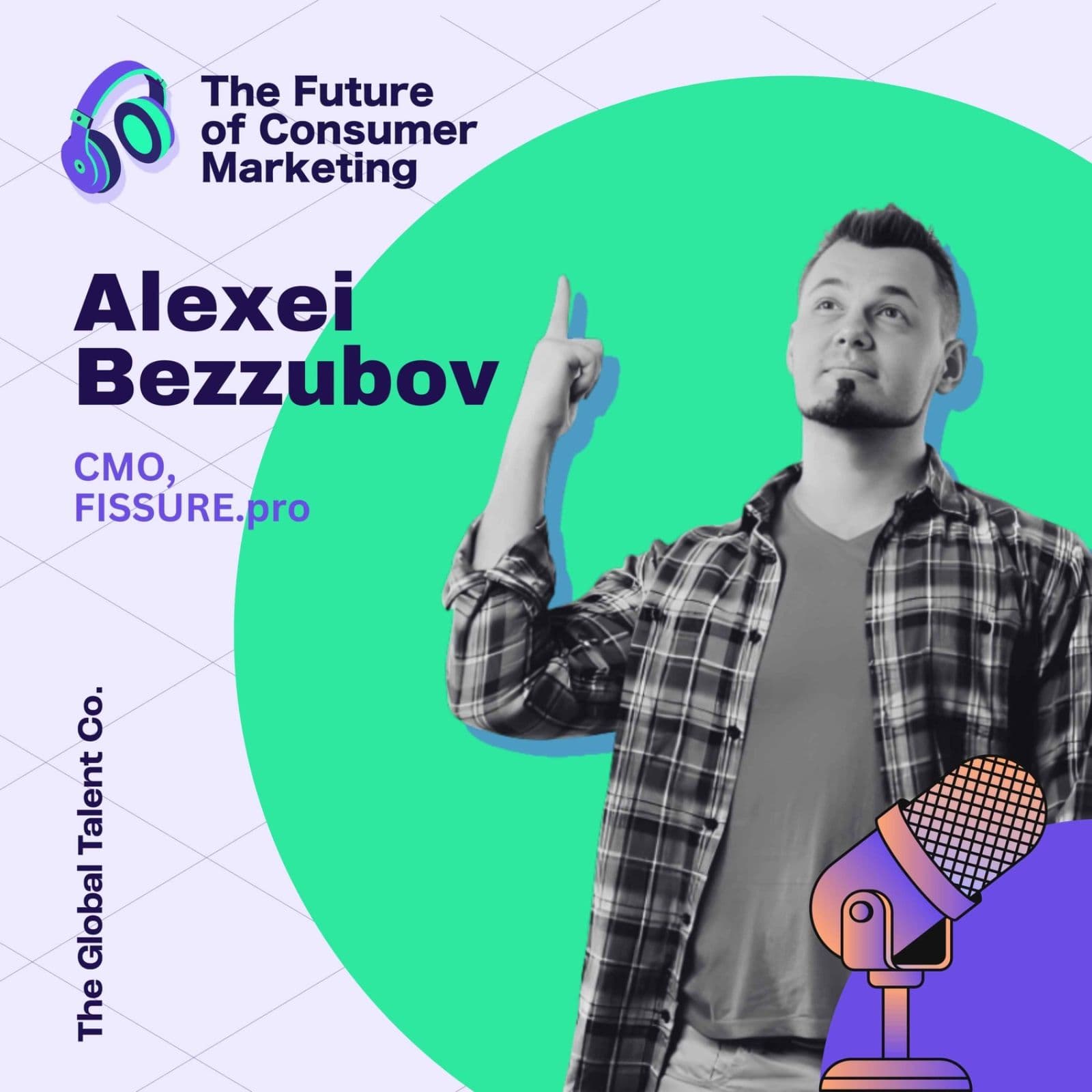
Alex Bezubov, Chief Marketing Officer at Fisher Studio. Fisher organizes and hosts esports tournaments and live broadcasts, including Counter-Strike 2, Defense of the Agents, and Mobile Legends. Background: started in local TV production in Ukraine, shifted toward esports after political upheaval (2014 Maidan), moved into marketing using sociology training.
Key claims
Streaming enables direct viewer interaction (chat) and more sponsor integrations (10+ touchpoints, sometimes 20), unlike TV’s limited ad breaks. Valve’s tournament-friendly IP policy makes CS/Dota easier than Riot/Bethesda/Ubisoft-style restrictions. Brands often underutilize esports despite a clear male 18–35 audience; betting and FMCG/car brands are common in other sports but less so in esports.
Notable examples
Overwatch “disaster” from launching esports too early; Red Bull and Monster as esports pioneers; Tyloo/Mongols boosting CS popularity in Asia; Fisher’s audience culture to reduce toxicity (e.g., Dota).
Written by AI. May contain mistakes. Listen to the episode to check what was said.
Chapters
Tap a time to open that second in VOUnderstanding Fisher Studio and eSports
0:52 to 1:48
Alex explains the role and operations of Fisher Studio in the eSports industry.
“So it's a pleasure to have you here, Alex.”
Alex's Journey into eSports
1:48 to 3:35
Alex shares his personal journey from TV producer to eSports marketer.
“So this is about 4 degrees Celsius, 5 degrees Celsius On a good day like today, it's 14 degrees Celsius, so I'll probably go skate at the park later or something like that just to make sure we make the best of the sun.”
Tournament Operations and Game Popularity
3:35 to 5:40
Discussion on how different games affect tournament attendance and organization.
“I started to do some broadcasts, et cetera, et cetera.”
Intellectual Property and Tournament Rights
5:40 to 7:46
Exploring the complexities of organizing tournaments under various game IPs.
“So yeah, it really depends on the region.”
The Marketing Challenges in eSports
7:46 to 9:38
Alex discusses misconceptions brands have when marketing to gamers and the unique opportunities available.
“So yeah, there are like some restrictions but like not they're not that huge.”
Brand Partnerships and Audience Engagement
9:38 to 14:00
Explores how Fisher Studio engages brands and maximizes sponsor value through interactive streaming.
“They started making esports before the game even had a year out.”
The Evolution of Brand Integration in Streaming
14:00 to 17:08
Learn how streaming platforms enhance brand engagement compared to traditional TV.
“traditional TV shows, broadcasts, whatever.”
Identifying and Targeting the Audience
17:08 to 19:20
Discover strategies to identify and engage a targeted audience in esports.
“like via the TV broadcasts and like the new way through the streams.”
Building a Positive Community in Gaming
19:20 to 22:54
Understand how to cultivate a supportive community within gaming tournaments.
“So our main goal was, as you said, to establish and to make our, like, let's say, Fisher audience, like a core audience.”
Monetization Strategies in Esports
22:54 to 25:55
Learn about the monetization models used in esports marketing and partnerships.
“So, for example, let's say five years ago, we had just viewers on our broadcast.”
Show all 15 chapters
Balancing Brand Consistency in Sponsorships
25:55 to 28:05
Explore the challenges of maintaining brand consistency while managing diverse sponsors.
“So sometimes, but only sometimes when the game is fresh and they would like to use esports rather than advertisement tool.”
Audience Reception to Kik vs. Twitch
28:05 to 28:35
Learn how the switch from Twitch to Kik was perceived by the audience.
“Yeah, if you will start to them with like more and more and more advertisements, that one day they will say, hey guys, we are tight.”
Streaming Dynamics and Platform Choices
28:35 to 29:45
Explore the dynamics of streaming on Kik and the variety of tools available.
“So the switch from Twitch to Kik was accepted positively by the audience.”
Advice for CMOs in E-sports
29:45 to 30:52
Discover key advice for CMOs entering the e-sports marketing industry.
“Yeah so like you can stream Cake to each YouTube for the same time.”
Sponsorship and Tournament Access
30:52 to 32:00
Find out how brands can sponsor and individuals can access tournaments.
“You can use kit, you can use like, liquidpedia, and there are like, if our tournament is going on like, just check the liquidpedia page there will be all our tournaments available so yeah.”
Transcript
Automatic transcript. May contain errors.0:00This show is brought to you by the Global Talent Co, a marketing leader's best friend in these times of budget cuts and efficient growth. We help marketing leaders find, hire, vet, and manage amazing marketing talent for 50 to 70 % less than their U.S. and European counterparts. To book a free consultation, visit globaltalent.co. Hey, everybody. How's it going? Welcome to the future of consumer marketing. My name is Andres Figueira, and I'm going to be your host for today. I'm located in Buenos Aires, Argentina, and this episode is brought to you by the Global Talent Company, a company that is connecting top remote professionals from Argentina, South Africa, and everywhere around the world with leading tech companies worldwide.
0:43So if your team is looking to hire world-class South American, South African, or any type of talent, head over to GlobalTalent.co and see how we can help. And without further ado, today we'll be talking with Alex Bezubov, the Chief Marketing Officer at Fisher Studio. So this is an international company that organizes and covers eSports events, whose specialty is producing and hosting major tournaments and live broadcasts for games like Counter-Strike 2, Defense of the Agents, and even Mobile Legends. So it's a pleasure to have you here, Alex. How are you doing? I'm pretty fine. We have hot weather here today in Belgrade.
1:22So let's start our topics conversation, I guess. Well, I don't know if they will be as hot as the weather outside, but we shall see Hopefully not as hot as the weather, even though I'm in Argentina So we're in opposite stations right now In opposite winter, you're in summer So it's funny to me that I'm meeting all these people What is the average temperature in our region? Well, I'm 100 % certain that our winters don't get as cold as yours So this is about 4 degrees Celsius, 5 degrees Celsius On a good day like today, it's 14 degrees Celsius, so I'll probably go skate at the park later or something like that just to make sure we make the best of the sun.
2:03It's almost like spring, not like we need to... Well, we are close to getting to spring, so hopefully that'll be the main and the average weather during that season. So, Alex, just so that we can get the audience a bit more in context so they get to know you a bit better, would you be able to tell us about yourself and even about what Fisher Studios does or how it came to be? So how in the end I ended here? So in my time, like there were no esports. When I graduated from the university, like esports were like a new thing. It was like in 2005, I guess, or something. So yeah, I can say that like I was working on a normal job.
2:45I was like a producer on a local TV station. And if you are familiar with those talent shows like X-Factor, American Idol. So yeah, in Ukraine, we have the same shows, but they were Ukrainian-oriented. But the same names, all talent shows. And then in 2014, we had the second Maidan, all these riots and all this political situation. The country saw there was no need for talent shows, obviously, when you have riots on the streets. And then I was starting to, what else can I do? And as I was always a gamer, like, you know, from Mario till now. So yeah, I thought like, hey guys, maybe I should start looking into the esports.
3:31Like, and that's, that's about it. So yeah, I was looking for possibilities and we had like local tournaments. I started to do some broadcasts, et cetera, et cetera. And then like it's growth over and over. And like, I ended like in marketing because my first, so when I created, my profession was sociology. So like similar to marketing tonight, like had lots of courses. So yeah, I had to read a couple of books more here and there, but in the end, like marketing is always a marketing, like in e-sports and consumer marketing, whatever, like the principles are the same. So it was not that hard for me.
4:09Yeah. There are some specifics. We will talk about them later, but in general, like it was no big deal for me. So yeah, I like started working in sports like seven years ago and like here I am. Yeah. So if we are talking about the Fisher, so we are a tournament operator, not only the studio. So like studios are typically doing the broadcast. So like you have something to broadcast and you do the broadcast. Well, we like bigger than just a studio, but we are going to own tournaments. So we invite team, we provide travel support for them. We organize all these venues, we bring people, we organize broadcasts on all the different languages and so, so on.
4:51So that's about like in general. Okay. And Alex, how many people do you get to come to the tournaments you guys set up? Does it depend on the game? So yeah, there are like two main, say things. First of all, it is the game. Obviously, Counter-Strike is more popular than some mobile assets. And this also depends on the region. So, for example, if you're talking about the Asian region, so then it's a reverse. For example, mobile games, Mobile Legends, Ben-Ban will be more popular there than Counter-Strike. But with the introduction of these huge teams from Asia, like Tyloo or Mongols, they recently won the EWC.
5:35So the popularity of CSGO... I'm still like five years ago. So yeah, old guy, old guy. Can't remember new tricks, old dog. So yeah, it really depends on the region. In Europe in general, CS is more popular than the other, let's say, than the League of Games, for example. Yeah, Dota is also popular, but not on that high scale. For example, in Russia, let's say Dota is more popular than in Euro. I guess that's the question. And do you guys handle or create tournaments for games other than Counter-Strike, Defense of the Agents, or Mobile Legends? Like, do you accept that type of thing? Yeah, the thing is that the commercial rights for Dota and for CS are, I can say that they are free for everyone, but Valve has this policy that almost everyone can do the tournament in Dota or in CS.
6:35And they are not lying that you are bringing your experience, bringing your vision and sharing it with community. Other guys, like for example Riot Games or let's say Bethesda or I don't know, Ubisoft, or for example Capcom. So they have another policy. They prefer to organize tournaments by themselves. So basically, tournaments in any game, it is no problem. We know how to do it and we can do it. But it depends on, do you have rights and license from the company that is originally the game. So that's why tournaments like EWC, they're like pretty huge and like they take lots of time to bring everything together.
7:24Because like there are lots of different things that like this company wants and they don't want to be other games. Like they're competing, like for example, some mobile games are like competing, for example, Clash of Royale and Mobile Legends, etc. etc. So yeah, it heavily depends on like do you have permission to do like tournaments or not. Basically Valve are not asking some huge money or whatever, they ask like in the end I think they ask nothing. So yeah, there are like some restrictions but like not they're not that huge. So you can use the IP like almost however you want. So that's why it is easy to make tournaments in CS and Dota.
8:05Yeah, and also we have connection with obviously some mobile games. Yeah, but I guess that's it. So... Okay, I understand. I didn't know that there was this issue with the IPs and the rights that the games allow. Yeah, you know why? Because a lot of companies started to think about esports like another point of marketing for their games. So they use esports like to sell more more games, to attract more viewers, to attract more players. And this is a part of their strategy. And at one moment in time, like almost any game we were aiming like, we will be eSports, we will have this competition, we will have that competition, we will have like whole season announced ahead the game released.
8:49So because eSports is like getting more and more popular, so the guys from different companies think that they can use this esports thing to have like more and more players to get involved in their games and i think this was the main problem for the overwatch disaster i say because it was an interesting game by blizzard but they aimed to do huge leagues esports and like the community was not developed enough like they will not develop like a big strong community like Like it was like in CS or Dota and it was like, I don't know, a year of a game or maybe even less and they already started to make some leaks, to make some competitions.
9:33And that's why I think like one of the problems they ruined the game. So yeah. Wow. Okay. I didn't know the Overwatch disaster. That's crazy. They started making esports before the game even had a year out. That's crazy. Okay. Okay. Now, when you mentioned Clash Royale and my ears stood up because like I was playing Clash Royale before getting in the call, it's like such a nice game. I'd love to see a tournament of that. But okay, coming back to like the topic of the podcast per se, Alex, what do you think is the biggest misconception traditional brands could have about trying to market to gamers per se?
10:09I think like not the biggest misconception, but like, well, maybe this is misconception, I don't know. But in general, like the global brands are not treating their esports like a new opportunity for their advertisements. So like if we take like esports in general and overall, so the more partners, like the most or like the biggest share of income esports receives from the betting company. Like, I don't know, about a month ago or so, even Riot had like this new statement that they are willing to accept and to introduce the betting to their fans. Because like betting are like, they're understanding like, hey, we have a profit here.
10:58We have like something to do with this audience. We can monetize them. And a lot of brands like car brands or FMCG brands, they don't think about sports like the opportunity to introduce their product to a new audience. And this is so strange for me. I don't know. For example, we have here in Zero Integration, like in Coca-Cola, Red Bull, but they are not consistent. Like if we take, for example, I don't know, big sports, for example, NFL, NBA, other leagues, like lots of different partners are there, like, and everyone is there, like mobiles, like food, like insurance, and you name them, I don't know, beer.
11:42And we didn't see that much partners here in esports, but this audience is like very understandable for their partners because like we have like 90 % men, 95 % men, yeah. Age, like let's say from 18 to 35. Well, I can say that, yeah, there are like mobile gamers and their age are not like 18. Maybe they start playing games earlier, but you know, like lots of restrictions on the advertisement. I don't know. Okay, lots of companies and they do not allow you to target on like, let's say, low age audience. Like 10 years, 18 years, from 18 years. So our audience is from 18, let's say like 35 till 40.
12:28So our audience, we know that they are all men, they play games. So what do every man need for at least shave their beard? Yeah. So why don't we have like, I don't know, Gillette or some other brands here in the sports or like, I don't know. We also like need a shampoo. Yeah. Or some like ax. Yeah. Like deodorant or stuff that men, opportunities are like endless. So, hey guys, come here. But Alex, you do get brand sponsors, right? Like you mentioned Red Bull or maybe Monster, I believe. Yeah, yeah, yeah. So like currently, like we are in some negotiations with both of these brands. I don't know, will we figure something out or not?
13:10But if we are talking about like, let's say about Red Bull, they already have lots of teams they are partnering with in esports. So yeah. And you know, like from all the rest of Red Bull are like, for me, it's like more wise guys because like they started their brand and the promotion of their brand from like extreme games and like they all want for those like niche let's say audience. So they will do great. I'm 100 % sure. And Alex how are you able to make Fisher's gaming tournament and what Fisher does something that creates an appetite to the brands and how do you get maximum value for your sponsors in your tournament?
13:52So the trick is if we're comparing broadcasts like in Twitch, YouTube, Pukik, whatever platform you take, and with the traditional TV shows, broadcasts, whatever. So here in sports, we have more opportunities for the brand integrations, and we are more close to the audience. What do I mean? Like, if you are watching TV, let's say, yeah, and there is like a late night show or something, or TV series or news program. Uh-huh. Just watch and that's it. After you watch your program, you have your five minutes of advertisement blog. And that's it. Here, because of introduction of all these streaming platforms, I mean, not streaming like Netflix, but streaming like Twitch or Twitch.
14:37Yeah, yeah. Yeah. So you as a viewer can directly say something to the broadcast, like you have chat and you can put some. Aha. Okay. When the chat is speaking. So like you are watching the broadcast and you have like direct connection and trick for the tournament organizer to keep this thing going. So yeah, you are available for us. We are like talking with you. We are like listening to your opinion. So this is the first one. So any viewer can reach to us in any given moment during the broadcast. And you don't have it in the old TV broadcast or TV network. Yeah, I understand what you're mentioning.
15:16like in old tv shows you didn't have this back and forth conversation that not letting the chat die allows because that is a feeling it's super cool like i watch live streams like i'm into pokemon i'm into fortnite i'm into a whole bunch of stuff and i've seen those tournaments and it's so crazy how the chat is always on fire it's like everybody's talking and everybody has to acknowledge that the chat is there because it's a new character yeah in the whole scene it's like and it doesn't even have to be gaming. It's these influencers like I Say Not or I Show Speed that they're always just live streaming everywhere.
15:49That's crazy. That's crazy. But then you provide value to the brands like via the chat because that means if you were to place an advertisement there, everybody would click it and that would take traffic to their website. Or is that something? One of the tools, yeah. And the other ads, we don't have all the chat. We have other opportunities to introduce brands to our audience. And like, if we are like one more comparing TV to the broadcast, like they have like one, two, three possibilities of integration. They have their like TV at 30 seconds, 15 seconds, 40 seconds. And sometimes they have like those lower thirds.
16:26So during our broadcast, we have more tools and like they're more like engaged. They're more interesting for the audience. So like if we are thinking about advertising tools like touch points, so we have like about, well, let's say more than 10 touch points during the broadcast. It can maybe sometimes go up to 20. So, and more touch points with your audience, then more engaged there will be and like they receive more information about your product. So like this is just about how many integrations and how interesting are they for the audience. So I say this is the biggest opportunity for the brand.
17:06And this is the biggest difference between old way of advertisement, like via the TV broadcasts and like the new way through the streams. And now that you're talking to me about all this, like I'm seeing a different picture than the one I had in mind before, because it is true. It's like in your tournaments, it's most probably going to be 90 % men who attend these events or who participate. And you've got to get the right brands on board. It's like, I imagine at one point it might get to the fact that, I don't know, Calvin Klein might release a fragrance for gamers and it'll be this whole ad for gaming that they'll show in an esports tournament that gives that audience the importance it deserves because it really is a big chunk of market that I feel nobody is actually taking that much into account.
17:49And maybe brands haven't seen this yet. But as you mentioned, like Red Bull and Monster, they always love to be pioneers in these new movements because they started pioneering their own esports, their own extreme sports. So I get that. Alex, have you felt the shift nowadays, as you mentioned with the chat and these streaming platforms, has that caused you to implement marketing strategy that defers to the one that you had before per se? As you're mentioning now, you have like 10 touch points within the time of the E tournament, but like in what you used to do before those platforms and now, is there a difference?
18:22Well, there is always a difference in like space for improvement, But in general, I don't think that we are doing completely different than, for example, guys in marketing did 50 years ago. Just the tools are changing and the opportunities are also changing. For example, let's say it was a huge channel of advertisement through the mail. Then it changed to the emails. Then it evolved in something different. And from a marketing perspective, it is always your job to find all these channels and to collect them in one like big bubble. I don't know. And like put this big bubble on the head of your consumer.
19:09So the marketing system hasn't changed. But tools are always evolving and changing. So yeah, I guess that's the answer. Okay. No, for sure. For sure. and how have you managed to scale an authentic community and generate engagement across different gaming titles i imagine it's not the same community and it must be segmented by the game but is there like i don't know a main fisher audience that you know is always going to be seeing these tournaments and stuff so good question because i am not seeing that a lot of tournament operators actually working with their audience. So our main goal was, as you said, to establish and to make our, like, let's say, Fisher audience, like a core audience.
19:58So as soon as you have your core, then the score will go to different directions and will say, Hey guys, this is cool thing. This is real stuff. Because if we're talking in general, the people population of our planet And yours are conforming. Lots of people are conforming. What do I mean conform? It's like they don't like changes. And look, when, for example, this Marvel and geek culture, no one was going and watching those movies, like those superhero things. But time passed and those geek community, they were gathering their games cons. one movie here, one movie there, like Spider-Man, another Spider-Man, Batman, etc., etc., etc.
20:44And in the end, they established this big push, and they explained to the mass audience that, hey, guys, those superhero movies are really cool. There are lots of effects, and it is really nice to watch how Captain America fights Thanos. And after that, we came to this Marvel Universe, and every movie was like one billion dollars worth. So that was and still is our main focus here. So we are aiming to gather all our audience like in one, let's say, core group. And then we are working like in future, if it will like be as we are planning, it will be great. But for now, we are on the way to make this group even bigger.
21:33So what do we do? how we actually, let's say it is obvious, but not everyone is doing this. We are talking to them. So let's talk. We have chat, for example, chat on during our broadcast and we, Hey guys, how are you? And we have like community manager. They are not like just moderators in chat. Like they ban, ban, ban, ban, ban, ban, like rude words or like spoiler. You ban, ban, no, no, no. We are talking with them. So we are explaining them our point of view. We're discussing with them some different objects, some different teams, whatever. And like we are doing this work for about a year and a half and we really see their changes.
22:16So as you know, like everyone knows that Dota community is very, very toxic, but... Yes, I've heard it. Yeah, it is very hard to play the game, especially when you lose it. And like all those guys that are playing Dota, they prefer like to rage and to scream on each other. So here in our broadcasts, we make this culture that everyone is grateful for each other and everyone like is calm, chill, and they like just talk like a normal person. And this, I think is a huge win for us. And we're continuing to doing this. And I think this will convert more and more loyal people to our brand. So, for example, let's say five years ago, we had just viewers on our broadcast.
23:08Now, those viewers are not only the viewers, they are like our partners. Five years ago, it was like unbelievable to think that they would subscribe or follow your channel. not full, just subscribe. I mean, like, you pay money for the subscription. So, like, zero of those subscriptions. Now we have more and more of them. So people deliberately come here, like, to chat with us to see what we think about something. And, like, they even willing to pay money to watch our broadcasts. But our broadcasts are, like, free for everyone. Anyway, they're supporting us through these donations. So, yeah, I think we did a great job here.
23:48It will help us, for sure. I love the fact that you guys acknowledge the fact that some gaming communities are more toxic than others and that you're actually doing something to help make the environment a bit better. Because I have been in gaming squads where if I lose, my teammate starts raging on me or if they lose, I can hear how the remote bang against the wall. And it's like, I know we're feeling a lot of stuff, guys, but we've got to chill out. No, no, totally true. And Alex, as you were telling me the story as well, I couldn't help but wonder, I understand that the streaming is free, that the tournaments are free for viewers to access.
24:29And how do you guys actually monetize and measure a return of investment in these marketing campaigns? That's very easy. So we have partners. Okay, let's put it like this. We have audience and there are some partners, let's say some companies that are interested in this audience, like 90 % men from 18 to 35. So I love that demographic. And they come to us like, hey guys, we are interested in your audience. And we're like, hey bro, let's go, let's do something together. Be our partner. We have like those types of advertisement tool. We have this and that options. Here the cost and that's it. Like economic is like the same as any other major sport league or whatever.
25:17So like NFL, they have audience and this audience is interesting to lots of companies. They negotiate with NFL some deals, advertisement or about selling their opportunities to broadcast other languages, whatever. So like the same happens here. Okay. Okay. No, I was wondering if there was at least, or if there maybe was something different due to the fact that it's gaming. But I understand that it should and will probably work similarly to other sports as they have like all of the time. As you said this, I just remember that there are a little bit difference. Remember we talked about the gaming companies and those gaming companies like developing their games.
26:01So sometimes, but only sometimes when the game is fresh and they would like to use esports rather than advertisement tool. So they came and say, Hey guys, we have this budget. So this amount of money, can you do some league or tournament for us? So we have like a little bit difference. Yeah. I'd be holding this just gives us money for doing like some kind of tournament. So yeah, this happened. But in the global e-sport, like in huge sports, I mean like Dota, CSGO, like League of Legends, this is not the case. Okay, no, and I understand that maybe Dota, League of Legends, mobile legends, they maybe don't need the branding and the marketing through the tournaments, and they just let you use their games for free.
26:48But I was going to ask, like, if that had ever happened, if a game that was rising had ever come, reached out to you guys to see if you could maybe market them. But I do understand that. Okay. And do you feel like you have an issue or you have to try and balance your brand consistency while moving between different games as Fisher and maybe accepting different brands if they come and ask for to be your sponsor? Like, do you have to maintain a balance with what Fisher represents? Yeah, there is also a problem with the balance, like how many logos, for example, you put of your brand on the broadcast and how many voice messages about your company or your partner.
27:28So yeah, this is always an issue and you have to work very closely with all partners and with your brand as a partner also. So I say that consistency is the same between different IPs like Dota, CS or mobile, whatever. But there is a problem that you have to pay attention to this, like how many advertisement blogs you have about your brand or your partner's brand. Because like it is not always good like to have 100 ,000 advertisement messages through the broadcast. So yeah, this is not stupid. Yeah, if you will start to them with like more and more and more advertisements, that one day they will say, hey guys, we are tight.
28:14For example, now we switched from streaming Twitch to Kik and the first response from the audience were like, Hey guys, this platform is free from advertisements. So many Twitch ads, we are tired of them. So that's great that Kik don't have those many things. And we can't like affect how many advertisements from Twitch people are watching during our broadcasts, like directly, because there are here and there like banners that we are not like, can't do something with them. So yeah. Okay. Ah, wow. So the switch from Twitch to Kik was accepted positively by the audience. Yeah, yeah, yeah. Like, unfortunately, yeah, we lost some part of audience because, as I say, people are very conformed and they don't use to changes.
Read the full transcript
29:06So we lost our audience, but we will gain you. Yeah, it happens. But in general, the changes are positive. Okay. No, I love to hear that because me personally, I was thinking about starting to stream on Kik. And I was between Twitch and Kik because these new games are coming out and I want to try to stream them. but it's nice that people are liking Cake because I haven't had the opportunity to use it and it looks very interesting because it seems like a better option than Twitch that is a little bit oversaturated at the moment I believe. Yeah well in general you can like there are lots of tools that will allow you to stream whatever you want like at four or five platform signal 10.
29:45Yeah so like you can stream Cake to each YouTube for the same time. For us this is not just working because like we wanted to focus for example at this period of time completely on kick so that's why we have excuses there and we are not using for example youtube or twitch to share our broadcast there so okay so cool so you guys are like committed to kick nice nice congratulations and alex this is the last question because we're almost at time now and i know you're almost at the end of your day and this is more for the audience if you had to give what piece of advice to a cmo entering the e-sports marketing space or industry, what would it be?
30:25You would have to have a good sales unit. Okay. Because they will bring you like lots of partners and you will be working with them. Without partners, it is very hard to do something. And it's, but not only like any e-sports, like everywhere. You need your budget. So this is the first advice. And the second advice, since once you get your budget, spend it. Don't just save it. don't save it put everything into the world yeah okay okay i love that and that seems very logical and very wise because my dad always says don't let the money stand still don't let it in your bank account you gotta make it move and you gotta make it work for you and that's a good way just reinvest it in the same business and that way it keeps on growing so amazing and alex i would love to give you the space before we finish the episode to just let the audience know if a brand is hearing this and they'd love to sponsor you guys or if you're just a person that wants to check out a tournament how could they access Fisher how can they get to see something so guys if you're interested in some kind of corporation just use our website fisher.pro or just contact us in LinkedIn and we will figure out something awesome awesome awesome and if you're also a user that just wants to check out a tournament we can see you guys via kick if we look for Fisher?
31:48You can use kit, you can use like, liquidpedia, and there are like, if our tournament is going on like, just check the liquidpedia page there will be all our tournaments available so yeah. Awesome, awesome then, you have heard the directions people, everybody then now knows that you can go to fisher.pro if we want to check out what these guys are doing, thank you so much for tuning into the episode, and make sure that if you liked what you heard today, press subscribe and that you're ready to hear many more guests that we will have on the show. So without further ado, thank you so much, Alex, for being here.
32:20It was a pleasure. Ciao, ciao. Ciao, ciao.
From the publisher
In this episode of The Future of Consumer Marketing, host Andres Figueira interviews Alexei Bezzubov, Chief Marketing Officer at FISSURE.pro. FISSURE operates as more than just an esports studio - they're a comprehensive tournament operator organizing major events for games like Counter-Strike, Dota, and Mobile Legends. Coming from traditional TV production, Alexei transitioned into esports during Ukraine's 2014 political upheaval, building FISSURE into a platform that reaches the coveted 18-35 male demographic through innovative streaming integrations and authentic community engagement. Their approach demonstrates how esports marketing can deliver superior brand touchpoints compared to traditional broadcast advertising.
Topics Discussed:- Transitioning from traditional TV production to esports marketing during industry disruption
- Understanding IP rights and licensing restrictions across different gaming publishers
- Building authentic community engagement in traditionally toxic gaming environments
- Leveraging streaming platforms for enhanced brand integration opportunities
- Monetizing free-to-watch tournaments through strategic brand partnerships
- Managing platform transitions from Twitch to Kick while maintaining audience loyalty