 Ask ChatGPT
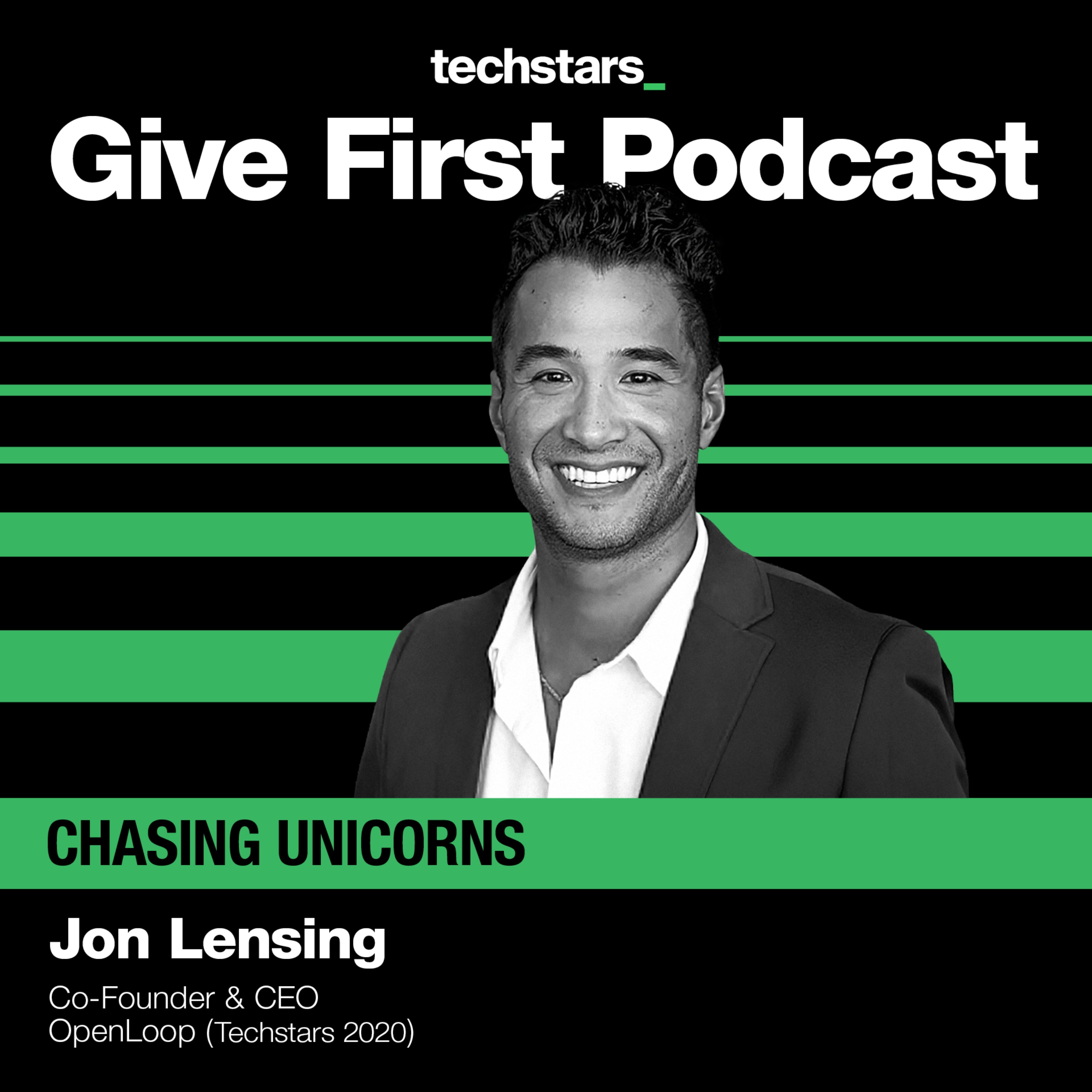

Jonathan Levin, co-founder/CEO of Chainalysis, discusses building a “category creator” in crypto compliance and investigation, scaling from 2014 to government partnerships, and how conviction, repeated “no”s, and riding multiple technology waves (crypto then AI) drive long-term success.
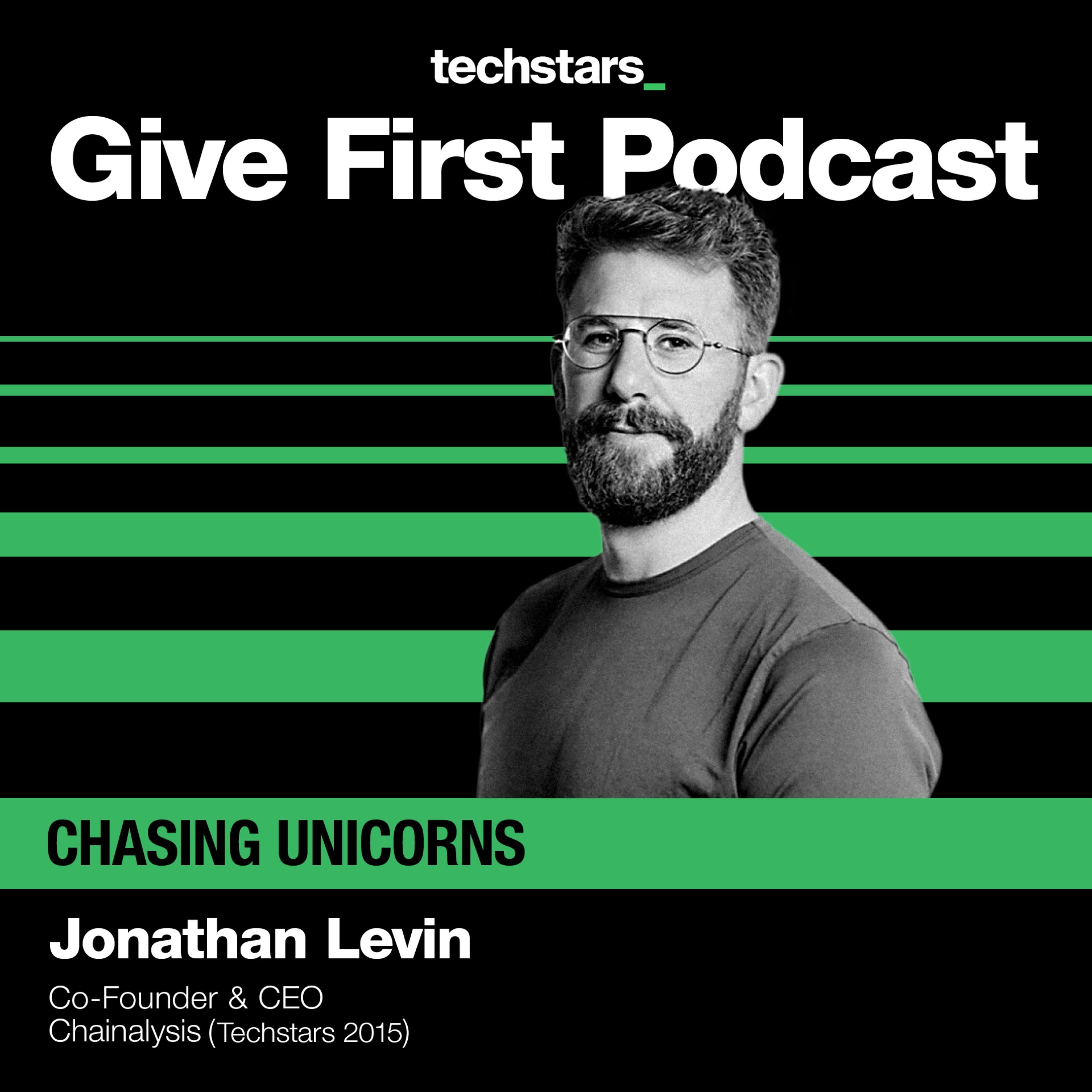
Jonathan Levin is co-founder and CEO of Chainalysis (started 2014). Chainalysis began in the crypto era before Ethereum; it provides an investigation platform and compliance suite. He was introduced to Bitcoin at a pub in Oxford and later joined Danish founders Michael Gronager and Jan (built the first Android Bitcoin wallet; Michael previously co-founded Kraken).
Government demand is an “anchor” with long lifetime value; founders should listen to who tugs hardest; believe in a future independent of your company; AI will change how work happens on platforms.
cold emails from law enforcement; meeting founders in Copenhagen after initial declines; seed round during “crypto winter” backed by Point9; Starbucks-style meetings; Chainalysis tracking across 75+ markets, 1,500+ clients, 700+ employees.
Written by AI. May contain mistakes.
Jonathan Levin introduces Chainalysis and its mission in cryptocurrency.
“So I want to give some context to people listening who may not know a lot about Chainalysis.”
Jonathan shares how he was introduced to Bitcoin and the origins of Chainalysis.
“And tell us about the breadth and scale, roughly how many customers, what are you sort of tracking today?”
Jonathan discusses how he connected with his co-founders and formed the team.
“So I got introduced to Bitcoin at a pub in Oxford.”
Discussion on how Chainalysis became a partner with law enforcement agencies.
“and I approached them on email to actually join them.”
Jonathan talks about the importance of long-term customer relationships in his business.
“Yeah, I think the one lesson that I think is really important for founders to pay attention to and also to investors is listen to who's tugging you the hardest.”
Jonathan reflects on the challenges of raising capital in the crypto space.
“One of the things you said earlier that I loved is you have this attitude about no, that it's just sort of part of the process and you hear no, no, no all the time.”
Learn how timing and belief in technology influence fundraising in crypto.
“But there's always going to be sort of a wave of technology that your business is depending on.”
Explore the importance of having a long-term vision as a founder.
“One of the lemmings has to be first, and then sometimes the others will follow.”
Understand the advantages of developing a startup in an unchallenged space.
Discover the impact of AI on current business strategies and models.
“You also had to create a lot of your own momentum and urgency and culture, you know, from the mission that we're on.”
Learn how to identify and capitalize on emerging market opportunities.
“It's another wave from your earlier analogy.”
Gain insights into building sustainable businesses amidst AI disruption.
“It's changed the way that we build software and deliver it.”
Learn about the unique moments in business compared to surfing.

Get the gist, explore an idea or ask about something said.
 Claude
On Give First, what are the key points of this episode?
Searching your listeningAutomatic transcript. May contain errors.
0:00David Cohen: My guest today on the Give First podcast is Jonathan Levin. He's the co-founder and CEO at Chainalysis, a monster company that started back in 2014, went through our accelerator in New York City in 2015. I love how Jonathan talks in the show about having to believe in a future that's going to happen with or without your company and sort of riding multiple waves to get there. The story of Chainalysis is a great one and it's coming up right now on the Give First podcast.
0:34David Cohen: Hi, everyone. This is David Cohen, and I'm here with my amazing co-host, Brad Feld. Hey, Brad. And this is the Give First podcast. In the startup world, Give First means simply trying to help anyone, especially entrepreneurs, without any expectation of getting anything back. So we'll be talking to mentors and founders about what Give First looks like in action and how it makes great entrepreneurship possible. We polled everyone and they said consistently that their favorite part of the show was the legal mumbo jumbo. So here it is. The following discussion is an expression of personal opinion and does not represent the opinion of Techstars or any company we discuss.
1:08David Cohen: Our conversations for informational purposes only, including any mention of securities or funds. This is not legal business investment or tax advice and is not intended for use by any investor. Certain of Techstars funds own or may own in the future securities and some of the companies discussed in this podcast. Got it?
1:30David Cohen: All right, Jonathan, great to see you. Welcome to the Give First podcast. Thanks for joining. Thanks so much for having me. So I want to give some context to people listening who may not know a lot about Chainalysis. We do, of course, but the listeners might not. So tell us a bit about the company and what you do. So Chainalysis, we started the business in 2014. I think that at the time, this was before Ethereum was invented and people had heard of Bitcoin in 2014. But most people didn't understand how and why people were using cryptocurrencies. And we set out to really be the company that understands the most about how and why people are transacting in cryptocurrencies.
2:17and package up that intelligence and give it to all the different financial institutions, payment companies, crypto businesses that needed that intelligence and give it to the government in order to be able to weed out the bad actors who were abusing cryptocurrency and continue to do so today. And so, yeah, we provide an investigation platform, a compliance suite to help businesses stay safe and help governments protect their citizens.
2:49David Cohen: And tell us about the breadth and scale, roughly how many customers, what are you sort of tracking today? Yeah, Triunces today is incredibly international. We have customers in over 75 markets around the world. We have boots on the ground in 30 countries, serving government agencies and local businesses in those markets. We have over 1 ,500 clients today. And we are just north of 700 employees around the world building the company. Yeah, amazing. I've come a long way since the accelerator back in 2015 in New York. And it's been fun to watch. I love origin stories. And I want to talk about the origin story.
3:36David Cohen: I think it's in the book Chasing Unicorns that I did recently about how you kind of were playing around with the idea of arbitrage and Bitcoin. And were you in a pub somewhere? How does that story go? How did you think of this concept? Yeah. So I got introduced to Bitcoin at a pub in Oxford. I was sitting having a couple of pints with my friend Tom and he was explaining to me that there was heaps of money to be made arbitrage trading Bitcoin. and I asked him the important question, okay, but what actually is Bitcoin? And he sort of started to explain it to me and I was like, that is the dumbest thing I've ever heard.
4:16And he was like, no, no, no, it's like, it's actually happening and this is actually going to be an important technology. And he was in the cybersecurity industry. And so I listened to him and I went home that night and went down the rabbit hole and I discovered that there was just really interesting game theory and really good questions to be asked about how this technology is actually going to impact the world. And I spent the last 12 years now or more since we were in the pub over 13 years ago actually building the understanding of what people are actually doing with this technology. And I've been on that mission to provide that data and intelligence to everyone else so that they can answer a question of like, well, what is the point of this technology and how is it being used?
5:10And what are the benefits that actually it brings to our economy and the people that use it?
5:17David Cohen: And what was the connection to your co-founders and Copenhagen? Like, how did that all come together? Yeah, so there's an interesting story there. So Chainalysis was actually conceived of by Michael and Jan initially. And so Michael and Jan are two Danish guys who were already in the crypto space, very well established. Jan built the first ever Android Bitcoin wallet. And Michael was a co-founder at Kraken and had also even found vulnerabilities in other cryptocurrencies and is deeply technical himself. And so the two of them met for a burger and a beer in Copenhagen to stop working on what they were working on and form chain analysis.
6:09And the two of them set off to go and do that. And I caught wind that there was like these two very talented Danish guys who were building the technical infrastructure of the vision that I was having from the pub in Oxford, which is there needs to be this company that can really map out what people are doing on the blockchain. and I approached them on email to actually join them. And I got a very polite decline to take a meeting from Jan that was just like, we don't want to talk to anyone. And I sort of took that as like the first no in a series of very many no's that I've heard over the last 12 years, which is sort of think about that, digest it, and come back with another approach.
7:02And so I approached them. I was doing some consulting work for Toby Koffel and Simon Levine in London on mapping out the blockchain infrastructure and all of the players. And really, I then approached Michael and Jan again, saying that I was working at a venture capital fund, and that was my new calling card, and that I would come to Copenhagen and meet them and see if it would make sense for Mosaic to invest in chain analysis. and they said, well, yeah, sure, come to Copenhagen next week and we'd love to host you. And so we sat in a conference room for three and a half hours and from there it was just clear that I could bring the business side and the market understanding.
7:48Michael and Jan were going to get a co-founder that could go out and make sure that we could bring actually a product to market and the rest is history.
7:58David Cohen: great great tactics for those listening right if you can't get a meeting maybe just pose as a vc and and you're gonna meet you know yeah now it all worked out and obviously it was it was it wasn't posing it was real but it it landed in a great place and i think you guys initially if i remember the story right um thought that the the customers would be you know banks and and crypto companies and end up you know early on and i think as you grew being much more governments. How did you end up at the tip of the spear with law enforcement and government agencies like that? Yeah, I think the one lesson that I think is really important for founders to pay attention to and also to investors is listen to who's tugging you the hardest.
8:45And cold emails coming through the support inbox of chain analysis from random law enforcement agencies in the world were like a very good sign that there was real demand for what we were building. And, you know, we didn't know anything about law enforcement agencies when we got into this business. None of us had any of that background. But we could feel that they were having this real problem that they would have these criminal cases that they just couldn't crack unless they had an ability to follow the money. And we went through that and we started to say, well, we'd be happy to meet with you and show you.
9:29And they would say, okay, but we don't want you to come into our offices. And can you meet me at Starbucks? And I would be like, yeah, yeah, of course. Like a really secure Starbucks, you know, just at the corner of your block in DC that no one thinks has anything to do with the government agency that we're talking about. And they would be like, yeah, yeah, that would be great. And so we started in that. And then obviously, we've developed a long way since that point. And they became really close partners and friends of ours. And we really made sure that we worked hand in glove with them on developing our technology to make sure that they could crack these criminal cases and get after the people that were abusing crypto.
10:19And that really like furthered our mission, which was, you know, to build trust in blockchains. And we were always advocates of the overall potential for this technology to revolutionize the way that people and now AI agents are going to transact. But we knew that it had to start with, you know, frankly, what is like a pretty difficult first set of customers to go after, which is government agencies, especially when you don't have that background and you don't know anything about it.
10:49David Cohen: Yeah, no background in that space. And everybody would say, oh, you know, government can be way too slow, cumbersome. It's kind of shocking that they were early adopters of something like this. Yeah. And I think that one of the things that I think a lot about over what has been obviously a true success story of how we've developed the business, but the crypto market's definitely had its cycles and it's been up and down. The government has always been there as a very consistent buyer of chain analysis and has been continuing to expand their work with us year over year. And I think that it is important for startups and investors to look at really, I didn't think it was important in the early days, but like LTV, the lifetime value of these customers in relationships.
11:44I now do so much with our customers that we've had for 10 years already on the platform. And these customers rely on chain analysis every day for the trusted intelligence that we've been providing for over a decade. And they'll be there in a decade more. And that's really hard in some of these startups to see how you think about having some of those anchor clients last for those types of lengths of time that will really be there to be with you through any market cycle if you can really solve some of their hard problems.
12:23David Cohen: One of the things you said earlier that I loved is you have this attitude about no, that it's just sort of part of the process and you hear no, no, no all the time. And I vaguely remember the seed round post the accelerator. And I think maybe one of those downs was happening that you were talking about in the market where Bitcoin had seriously crashed and you were taking dozens of meetings and probably hearing dozens of no's because of that. It's something I think all of our really large companies have in common as they mostly struggled to raise that first round. It was really hard for a lot of them, but they kind of stuck with it and figured it out and found somebody that believed in them.
13:07David Cohen: So I think it'd be really relevant to share what you remember about that moment in time and that round, the difficulty of raising it and who ended up believing. Yeah. I think that when you when you start a business that is truly a category creation business, which I think some of your most successful investments end up becoming are like these true category creators. It's very difficult in the early days for someone to believe in a category that frankly doesn't exist. And we were trying, and I think every company does this, is that you have to have some larger macro trend that you are riding a wave of as a business.
13:52Like everyone is riding some sort of wave. Currently, the most crowded wave is the AI wave. And so like that's a very crowded wave. But there's always going to be sort of a wave of technology that your business is depending on. And, you know, if you're on that wave at the right time, like it's much easier to raise money but it can be a very crowded wave and like those companies are really hard to execute and find your space and you know build your business as a category creator you are to some extent yes you're riding a wave but you're like you have a you're in a very unpopular part of the beach and you need to find some people who are like really interested in seeing what you can do on that like one foot wave that you're trying to ride or out that we were trying to do in the crypto winter.
14:44Like there wasn't much happening in the water and we were trying to like splash around and make a scene and make something happen with it. And so I think that like that, that was, it required a very unique set of circumstances. It required someone who, you know, would believe that the governments would continue to require where our technology more and more into the future and solving actually some of the biggest problems around national security and public safety was going to be an integral part of the future of chain analysis on the one hand. And on the other hand, you have to believe in someone who could see deep into the future of financial intelligence and how actually the future of finance was going to run on blockchain rails and that we would have this massive proliferation in stablecoins and all of these things that were spoken about at the time but frankly didn't exist when we were doing the seed round.
15:45And so we went through so many meetings which were, hey, we love you guys, but we just don't believe in the market or we don't believe in blockchain, or I sold all of my Bitcoin this morning. I don't know why we're still having this meeting. like we had all flavors of you know yeah we love crypto we hate the government like we're libertarians sorry like or like we love crypto we think you're interesting when are you launching a token and we just like had like all of these we needed too many things to be lined up properly to find someone who's like a purple unicorn to back us. But when we found Point9, who ended up leading our seed round, there was a click with Nico in particular, who's now at Jason, but also with Pavel and Christoph, on we love your business model and we love the future of blockchain.
16:51and we believe we believe in those two things and so we're in and you know when we when we got that it was like close this damn thing as hot as fast as possible and let's get back to building and really it was interesting because we we immediately got follow-on capital from that There was just this hurdle that we needed to get over, and then we had momentum in our bags.
17:23David Cohen: One of the lemmings has to be first, and then sometimes the others will follow. I remember when we were talking to you about the book, we were going through the idea that most of these companies that end up being big, it sounds obvious that of course you're going to need a company to track who's doing what on the blockchain 10 years later. It sounds obvious. But early on, it kind of sounds crazy or it depends on a lot of growth and markets that are unproven or that are struggling. And you sort of talked during that time about the gap between those two things being just 10 years of building when nobody's watching.
18:05David Cohen: And I love that phrase. Maybe share a little bit more about what you mean by that. I think that like you get a real opportunity if you are a category creator and you see you know I think I think that this thing is still true is like you believe in the way the world is going to be independent of your business right like that's something that's really important as a founder to think about is like what do you what do you believe to be true about the way the world is going to be irrespective of whether you exist or not. And one of those deeply held beliefs that we had was, you know, the world is going to need independent infrastructure to move value around, whether that's independent of governments or whether that's independent of humans and we're going to need machines or whether that's going to be, you know, we just knew that, like, there needed to be this infrastructure out there that was going to run independently from the things that we had built the financial system with.
19:12And because we were some of the only crazy people that believed in that, like 10 years ago, we got left alone by all the traditional players, by all the traditional compliance vendors, by all of the traditional people who built investigation software and a lot of the public safety teams. even when we were building some of the stuff like defense tech wasn't really a big thing yet we didn't we didn't know those things would would become sort of big markets where everyone now wants to sell to the government like it allowed us to really have this moment to build a company in that sort of like vacuum without a lot of like competition without a lot of like threats and And really, it meant that we had to, you know, it was good in a sense, because you get to like do that and keep building this company and keep building on the positioning and keep building the technology.
20:10You also had to create a lot of your own momentum and urgency and culture, you know, from the mission that we're on. And there were hard times about that. And today, it feels like one of these moments, which is, you know, the second chapter of Chainalysis, where there is a new, much bigger macro, which is AI. And it fits very well into crypto in some senses with how value is going to be exchanged in the future, but it's not there today. And it's still embryonic. And all of the challenges that I think we're going to face when it comes to AI can be solved somewhat by following the money effectively.
20:59And the good thing is, is that I feel again that we get to build in this, a little bit of this vacuum again of like, we've been doing this for now, like over two years building AI systems to be able to tackle those challenges. And now people are waking up to this possibility. And I love that like time that you get to, do those things if you have deep enough conviction in the future outside of your business, outside of your periphery, and you get to build into that, which I think is the key to building great companies.
21:34David Cohen: I love this notion of this. It's another wave from your earlier analogy. I was talking to Patty over at DigitalOcean, and he was telling me, yeah, the AI agents are one of the primary customers of buying our infrastructure on DigitalOcean. We have to build for them, right, in order to discover the services. And someone is spending money, right, to cause that to be built and somewhere that's being tracked. And sometimes, you know, they might be trying to hide that or they might be, you know, obfuscating it. And it does feel like for a lot of companies that are now kind of, you know, you're kind of the incumbent or, you know, one of them in this space and you know i think incumbents right now who've been around for a long time and and have a lot of brand and data and network and customer base you know it's a whole new opportunity right to ride a new wave and sort of do things and reinvent yourself and you know we're going through the same thing right with all new uses for the data we've collected right in this moment to help people in different ways and it is kind of like it feels like an opportunity to just kind of you know reset and ride a completely new wave in a space that you're already in so I think that's a really common thing a lot of people are talking about now that I'm speaking with yeah I think that my advice on this for people is like look I think that it's clearly the most it's clearly the most disruptive technology that we've seen in the history of chain analysis it has already caused us to completely change the way that we build our proprietary data assets.
23:23It's changed the way that we build software and deliver it. It's changed the way that we think about the future users of Chainalysis. I think if you're not thinking in those terms as a business, that you are underselling what your potential can be. And I think that you need to be estimating how you as a business are going to be able to change the way that work is being done on your platform. And I think that that applies to sort of every type of company, whether you are a database company, whether you are a digital ocean running infrastructure, whether you are a SaaS company. the question becomes like, how does it look like if the majority of work being done on your platform is being done by an agent rather than your existing user base?
24:22And that is like the fundamental question that is hard. It's hard today to project all the way through to realize what that opportunity looks like but that is the job of you know product people today that is the job of chief executives today is to you know answer that question and and figure out what does the market opportunity look
24:45David Cohen: like in that world i think it's definitely true of every company that's been running existing has any kind of install base i i want to take it as maybe a last question for you if you have any thoughts on it for really pure startups because all they're hearing today is you know what's your mode and And how is this defensible long-term when software is free and everyone can build it? What advice would you give founders just launching a business today in this era of AI? Yeah, I think that, look, I think that there are multiple different ways to build iconic generational businesses. There are some businesses that can be built in massive markets with superior execution.
25:33And if you have the right team in place and you can have the right strategy in a massive market, you can go and execute on your biggest dreams today. and AI can massively help accelerate your way into those massive markets, particularly with incumbents that are unable to disrupt themselves. I think that there's a whole class of other companies that can get built today, which is everyone is on the very crowded wave and there are huge business opportunities and societal problems and really world issues that are going to be untouched or less touched given the AI wave that everyone else is on. And I'm not saying don't use AI.
26:29Everyone has to. It's a tool in the toolkit. But there will be some underappreciated business opportunities that probably would have been disrupted had everyone had funding equally spread through the venture market, but now won't be because you're not, the venture market is like very fixated on are you in token flow of inference or are you not? And I think for those founders, what I'll say is like, you know, believe in that category creation, find a big enough like real economic or societal problem believe in the potential for you personally to have a massive impact on that problem and use the best tools in the toolkit to go after it and don't pay like a lot of attention to people who say like you know AI is going to eat everything like humans with AI will be AI by itself you know for for at least a long time in those niche markets and so um I think if you if you're going to ride the if you're going to ride the big wave make sure that you've got the best board and you've got the best team on on your back to go do it and if you and if you feel like you've got deep conviction in something that's more esoteric like now's a great time to be building in that segment here
27:55David Cohen: that's a great string of pieces of advice in this moment and it reminds me of you know ride the big wave you say you know the analogy was sort of rolling around my brain the first time I tried to surf I you know I got up on the board and I stood up and I was really proud of myself and I thought man this is like you know amazing and then someone had taken a video from the beach and I was on this tiny tiny tiny little wave so there are big waves out there you know find one to ride maybe two in the course of a company. It's a pretty unique moment in time. Jonathan, thanks so much for hanging with us on the podcast.
28:27David Cohen: And it's been fun watching your journey and being a small part of that story. So thank you. Thanks a lot, David. Thanks a lot for listening to the show today. We'd love to hear your feedback, ideas, or who you'd like to hear next on Give First. And please leave a rating and review, ideally a good one. And reach out anytime to podcasts at techstars.com or on Twitter, I'm at David Cohen. See you next time. Don't forget, give first.
In this episode of the Give First podcast, David Cohen sits down with Jonathan Levin, co-founder and CEO of Chainalysis, the billion-dollar blockchain intelligence company that helps businesses and governments make sense of crypto.
Jonathan shares what it takes to create a category before the market believes in it, from years of hearing no to the conviction that blockchain would reshape finance with or without Chainalysis.
He is one of 13 unicorn founders featured in David Cohen and Amir Hegazi's new book, "Chasing Unicorns," which lays out the PRIDE framework behind Techstars' billion-dollar companies.
Follow Jonathan Levin on LinkedIn - https://www.linkedin.com/in/jonylevin/
Read Chasing Unicorns here - https://www.amazon.com/Chasing-Unicorns/dp/1068476079
Hosted on Acast. See acast.com/privacy for more information.