 Ask ChatGPT
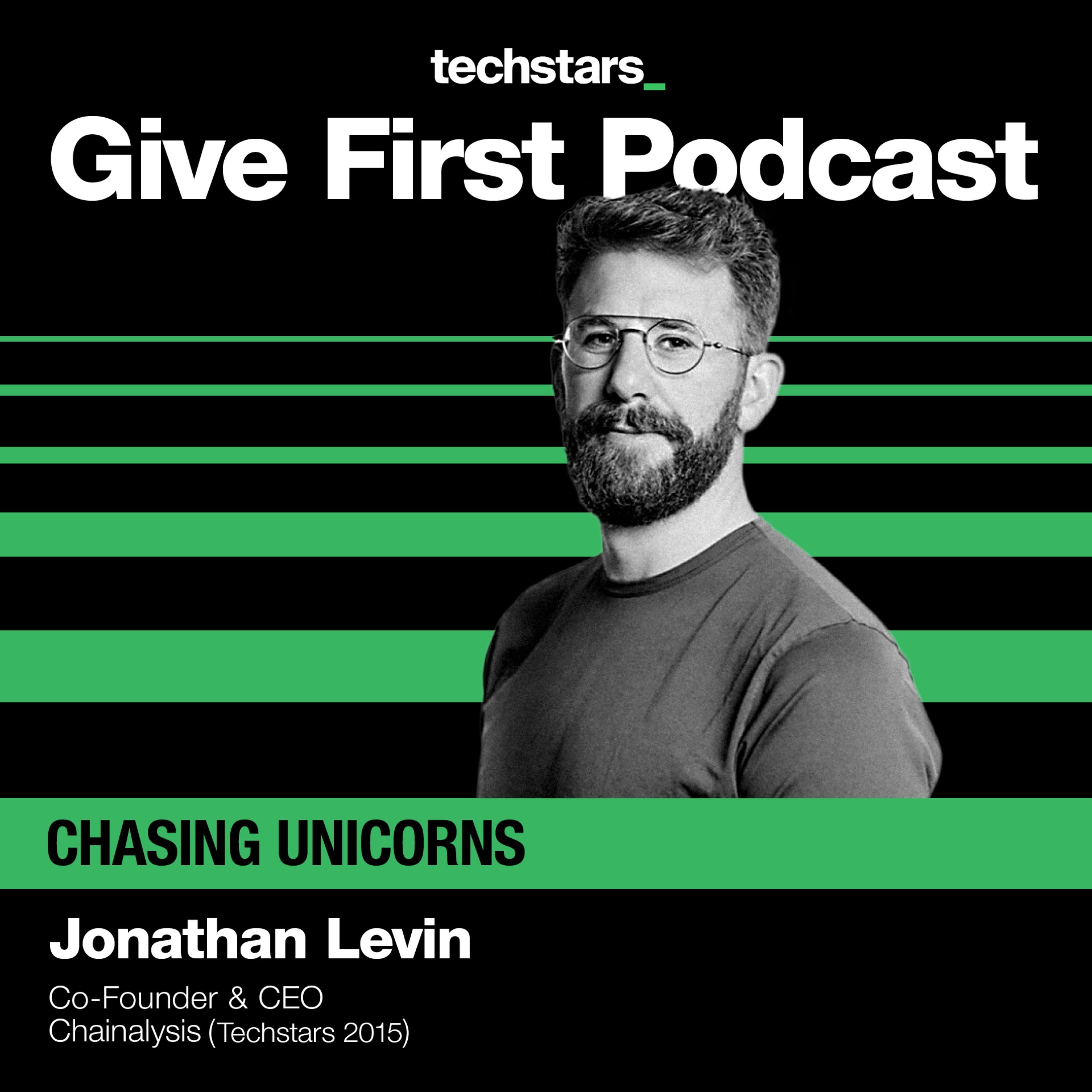

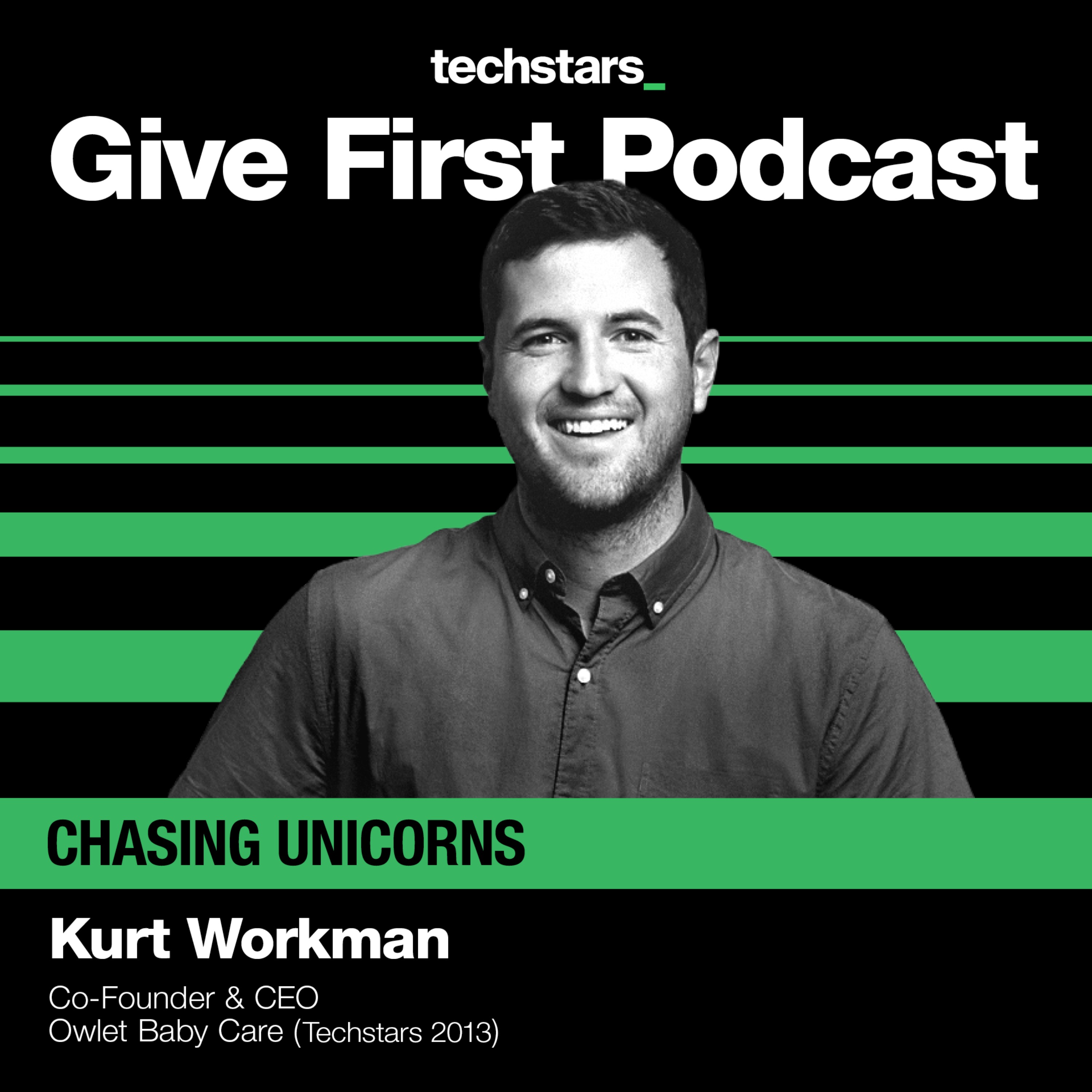
Kurt Workman (Outlet/Awlet) discusses building a wearable baby health monitor, the company’s hardest setbacks, and how “Give First” culture shaped fundraising, product iteration, marketing, and FDA regulatory strategy.
Kurt Workman is co-founder and executive chairman of Owlet (formerly CEO of Allet), which went through Techstars in 2013. He previously raised capital and scaled a hardware startup from early prototypes to public markets.
False alarms and hardware failures nearly killed the company; rigorous beta testing (net promoter score gate) enabled a successful launch; market education was required because “baby monitor” searches assumed audio/video; FDA reclassification as a medical device was devastating short-term but created a long-term moat.
50 alerts in a prototype night; throwing away ~2,000 circuit boards; diner in Queens to survive without pay; September 2015 Google ads failure; viral explainer video reaching 50M views; 6,000-page FDA de novo clearance; sales cut in half then doubled after clearance.
Written by AI. May contain mistakes.
Discussion of Kurt Workman's background and the founding of Owlet.
“This is David Cohen, and I'm here with my amazing co-host.”
Kurt shares the inspiration behind Owlet and its impact on parents.
“And tell us a little bit about outlet, what the company does and maybe a little bit about how it got started.”
Kurt discusses the hardships faced during the initial development of Owlet.
“And it's been really awesome to be a little part of that story and sort of watch y 'all do such amazing work.”
Kurt reflects on the moment his wife's support turned to doubt and later to belief.
“But that was the closest we got together at a diner in Queens.”
Discussion on the importance of thorough testing before scaling a product.
“Any advice for them about how to go about doing that?”
Learn how early testing and iteration were crucial for the product's success.
“And then when we launched, it was a good thing because the value prop resonated so well that we went from zero to 20 million in revenue, you know, tens of thousands of units out there.”
Discover how understanding customer behavior led to a successful marketing pivot.
“not there's, took us an hour to prototype internally.”
Understand the challenges and strategies in dealing with FDA classifications.
“Yeah, I mean, it was devastating because we had been in pretty constant communication with FDA since 2016, sent them all of our marketing materials.”
Explore how regulatory approvals can enhance brand trust and market position.
“And I think we'll set up for a long-term great position.”
Learn about the culture of giving in entrepreneurship and its impact on success.
“Startups need to be agile, but you still have to solve the problem for the customer.”

Get the gist, explore an idea or ask about something said.
 Claude
On Give First, what are the key points of this episode?
Searching your listeningAutomatic transcript. May contain errors.
0:00David Cohen: Today on the Get First podcast, it's Kurt Workman, co-founder and executive chairman, formerly CEO of Allet, a now public company. The company went through Techstars in 2013. You're going to hear how his biggest critic went from, you ought to quit this and go back to your day job to, I don't know how we lived without this before. That was a dark and trying time of the company. There are several great stories about difficulties as Alec grew in scale. And Kurt really talks at the end about the culture of Give First and how important it is in the startup community. That's coming up right now on the Give First podcast.
0:43David Cohen: Hi, everyone. This is David Cohen, and I'm here with my amazing co-host. Brad Feld. Hey, Brad. And this is the Give First podcast. In the startup world, GiveFirst means simply trying to help anyone, especially entrepreneurs, without any expectation of getting anything back. So we'll be talking to mentors and founders about what GiveFirst looks like in action and how it makes great entrepreneurship possible. We polled everyone and they said consistently that their favorite part of the show was the legal mumbo jumbo. So here it is. The following discussion is an expression of personal opinion and does not represent the opinion of Techstars or any company we discuss.
1:16David Cohen: Our conversations for informational purposes only, including any mention of securities or funds. This is not legal business investment or tax advice, and it's not intended for use by any investor. Certain of Techstars funds own or may own in the future securities and some of the companies discussed in this podcast. Got it?
1:39David Cohen: Kurt, awesome to see you. Awesome to have you on the Give First podcast. How are you? Good. Yeah, good to see you again, David. gosh what was it 2013 you were in the tech stores if you even remember that long ago yeah i think that was the year i think it was yeah december 2013 new york city was the setting if i remember correctly yeah my my son was actually born in new york city so he can be a he's a yankees fan and we don't give him crap about it because he was actually born there so Yeah, he earned it, man. That's right. Well, it was a little ways from Farmington, right? That's right. We ran back, though.
2:22It was like after the accelerator finished, we were like, you know what? We love being able to drive in our cars, places, with heated garages.
2:32David Cohen: Right. I love New York City, but Salt Lake City is a great place to raise kids. Yeah, and you've done that. you've raised a company there too. You know, I mean, Salt Lake is an amazing startup market for people who may not know that a lot of really awesome companies have come from there or were built there, including outlet, which was the company that went through tech stars back in 2013. And tell us a little bit about outlet, what the company does and maybe a little bit about how it got started. Yeah, we, so outlet makes a wearable health monitor for babies. It tracks their heart rate and oxygen levels, their sleep quality, temperature sends all that data to your phone.
3:14And we're able to use that data to help inform parents about what's going on with baby. It's really hard that first year to know, you know, babies can't actually express or describe what they're going through or how they're feeling or, you know, something's off. And so Owlet kind of bridges that gap. It gives a voice for baby when they need it most and helps parents have peace of mind. We've, you know, since expanded from that core initial offering to include other products and services and we're building out the the world's largest pediatric data platform that helps bridge the gap between the hospital and the home but it really started with uh with uh an experience that my wife and i had when we were visiting her cardiologist she's had three heart surgeries and we wanted to know if if it was safe for her to go through pregnancy with her heart.
4:08And so they did a bunch of extra checkups. They said, yes, she's, you know, she was active in school and dance and everything like that. And so she's, she's way healthier than I am. I think I'm more at risk of a, of a heart failure than she is, but she's just been so healthy. Anyways, they said, yes, that, that was fine. But our kids were actually at risk of the same thing. And that's really what got me, I guess, hyper aware of, of um of this you know i started to think about um her story as a little baby they didn't know that she had this heart defect and so they ended up rushing her to the hospital to do an emergency heart surgery that saved her life and i just kept thinking like how would i know as a dad you know we're tired we're starting our family and um and so that's really what inspired this was just how do you give parents access to the same technology they have in the hospital and now it's in every Oura Ring, Apple Watch, Whoop Band.
5:02It's been proliferated. This is before any of those companies had pulse oximetry integrated. We started to work on that. It took us about three years to develop the product because unlike an adult wearable where pretty accurate is good enough and you can trend data over time, we were trying to get second to second accuracy on heart rate and oxygen. And so we went through multiple accuracy tests, lots of beta testing, finally launched in 2016. And within one year, it became, you know, it was voted the best baby monitor, we went from zero to 20 million in revenue, and went from, you know, 2016 to 2020, going from zero to 100 million in revenue in four years.
5:45And today, one in every eight babies born in the US goes home with an outlet sock. So it's pretty incredible.
5:52David Cohen: That is an amazing stat. I think it 21 you guys went public also via SPAC if I remember right right if I hope you probably remember that better than I do um and that was around a billion dollar valuation really amazing quick quick growth to that point and yeah widely considered you know the number one baby monitor basically in the world right at that point and and now you're you're expanding on that and and doing more. And it's been really awesome to be a little part of that story and sort of watch y 'all do such amazing work. I want to go back to the early days. Most people listening maybe are early stage founders and their journey.
6:39David Cohen: And I think what inspired this was sort of your wife and the idea that you wanted to protect babies around the world, obviously, as well. And I think early on, she was probably your biggest supporter and believer, but also I think earliest alpha tester, I got to imagine. And I remember in the early days that this didn't just work perfectly out of the box, so to speak. There were maybe some false alarms here and there and things like that. And I want to talk through that period of time because Because we tell the story in the new book, Chasing Unicorns, which you were kind enough to contribute your story to, where we talk to 13 or so of the 30 or so Techstars unicorns and find patterns amongst them.
7:34David Cohen: And one of them is that this sort of real focus on getting it right in the beginning before trying to scale it. And I know during that time, maybe it wasn't perfectly working. So talk through what happens when your biggest supporter is your biggest critic. in that moment yeah no i i had a moment this is there i'll share a couple of the low points in this journey one of the lowest points was you know we finally thought we had this working prototype and um so shay and i tested ashton's our oldest son you know we put the sock on him we had this the base station in our room that's kind of your primary monitor with lights and sounds and I think we got 50 alerts that night.
8:18And finally, Shay, and this is probably within like four or five hours, Shay turned to me and she's like, this isn't going to work. Like you should just give the money back to your investors. And, you know, I'd been working, I don't know, two years at that point on this. Like that was really hard. She has been my biggest supporter. When I said, hey, I want to quit my job. I want to go all in on this. She was totally supportive of it. She's been supportive every moment of the journey. But because she was so supportive, that's why it hurt the most. And then when baby number two came around, when my daughter Summer was born, I remember we were in the hospital and we had the outlet on.
9:00There's all this hospital equipment in the room and none of it's hooked to your baby. It's like tens of thousands of dollars. And the only the only thing we had access to was the outlet and it was just incredible just in those first few days of life and she turned to me she's like i can't imagine not having this so sort of like low to high we also went through a lot of product issues when we were at tech stars in new york we had started manufacturing to fulfill our pre-sales commitments and we were doing testing to just kind of make sure that because we tried to parallel path everything that was one of our big mistakes like parallel path everything so when we did the testing we realized that the electrical traces in the board were breaking after too many flexes on this flexible circuit board and it just rendered the product useless and we could have shipped them and you know parents could have used them for a month or two but there's a good chance that a high percentage of them would have just stopped working and so we made the hard decision to throw all of those those 2 000 circuit boards away and they were just like where all of our money had gone and we had just enough money to give refunds to customers and so we sent an email out and offered everybody a refund and luckily through tech stars we got introduced to some phenomenal investors i don't think we would have survived had we not been there in new york with your guys's support and that investor network going through what we were going through it probably would have just meant outlet never would have existed.
10:29But because we got introduced to some investors, we were able to raise a seed round and then kind of grow out of that. And now, you know, we are where we are today. But that was the closest we got together at a diner in Queens. And kind of I just asked everybody, how long can you go without a paycheck? I think there were eight of us at the time. And some people said six months, some people said a month. And I just kind of said, I'll take what you guys can give and let's see if we can figure something out here. So.
10:56David Cohen: Lots of good stuff to pull on the thread there. No pun intended with the sock. You know, I think that the idea of having some kind of monitor for your baby that is sort of sending false alarms is probably worse than no monitor at all. Yeah. And I just love the story of the sort of maniacal focus on getting the thing to work, right? And really refining, you know, I think there was something like, you know, a dozen or so different circuit boards you had to create. And like you said, you know, you threw a bunch of them out. But when your biggest supporter goes from, hey, maybe you should, you know, give up on this to like, with the second kid, I don't know how I could live without this.
11:41David Cohen: That's how you know, you sort of refined it and got it to the point where, you know it's life-changing and life-saving maybe in some cases so that's an awesome kind of story and I think too many founders would have done the easy thing which is well let's ship it and you know let's learn from that but probably the product reputation wouldn't have been as good and the learning probably actually would have been slower and it's especially difficult with physical devices right and yeah with people who are trying to you know find that that right refinement or right market fit with hardware products.
12:16David Cohen: Any advice for them about how to go about doing that? Because I've seen a lot of companies struggle with that, right? They raise money, they spend it all on getting the first prototype out and it's not really good enough and they're out of money. Yeah. Well, and that happened to two other companies in our space. There's a company called Mimo Baby that was a bunch of MIT grads. So we were these bumpkins from Salt Lake, you know, that had never built anything before. We were the company that was supposed to fail and it made it a lot harder for us to fundraise. But it's a company out of MIT. And then there was a company out of the Bay Area called Sproutling.
12:53It was a bunch of like ex-Google and ex-Ideo employees. They raised a bunch of money before we did. And I think one of the things we did really well, we kind of just fully adopted in how we operated the lean startup methodology, nail it and scale it, you know, just everything had to be tested before we, just everything before we would move forward. So we had a group of a hundred families in our area that had signed up and every day it was somebody's job to drive around and show the new prototypes we were developing to those families. We had a hard gate and this is all credit to my co-founder Jordan, who just was relentless about this.
13:33He was kind of our product genius. He's like, look, we're not shipping this product unless the net promoter score is over 70. Which is a really high net. I mean, that's like iPhone level. And so we went through four different beta test groups. This took us an extra, I think an extra two years before we were able to ship where in every beta test group, we get these net promoter score results and it started negative 30 and then it was positive like five and then we got up to 40. And then our last beta test was 80. And we had a case where it helped save a baby's life and we were like, okay, we're ready.
14:06And then when we launched, it was a good thing because the value prop resonated so well that we went from zero to 20 million in revenue, you know, tens of thousands of units out there. And had we not solved those problems, the company would have broke on that. And that's what happened to Sproutling. And it's what happened to Mimo. Mimo launched too early with Babies R Us, ton of returns, you know, led to NAC rate sell through. That killed the company. I think their issue is they focused on the wrong value set, the wrong value prop to customers, kind of like the long tail of aspirational benefits versus the core safety benefits that parents really wanted.
14:45And so, yeah, I mean, I think the testing is what not only helped us get it right, but it prepared us for scale. And it's kind of like, if you're not going to scale, why do it? And if you are going to scale, you better be ready, you know. But you can iterate with hardware. I think we took like little fabric socks that took us 30 seconds, not there's, took us an hour to prototype internally. And we just drive that around and have parents put it on their baby's foot and give us feedback. And then boom, it would go right back to the engineers. So you can be iterative with hardware too.
15:16David Cohen: So you talked about sort of going from the launch. I think this was 2015 through to 20 million or so in revenue. Did that just work right away? What did you learn about how to market a product like this? Because this wasn't a typical baby monitor, right? That people were used to. This was really a new category. Maybe there were some other startups playing around, but this wasn't like a well understood thing. How did you get the word out about all of this? Yeah, it's a great question. There's that saying, like, if you launch and it doesn't succeed, that's okay. You can just launch again because nobody knew about your first launch.
15:52That was kind of true for us. uh we hired this uh vp of marketing who i would say he talked a big talk i was a little bit skeptical at first and he's like no this ever and he did this whole analysis on when in a parent's journey they were searching for a baby monitor and they would actually search on google and amazon for a baby monitor right and start to look you know top 10 whatever so that was our whole strategy was like when they get into that mode we are going to go um and that's when we'll advertise so we did this launch, I remember it was September of 2015 on Google, specifically targeting parents in that stage of the funnel.
16:32And it completely failed. Our cost per acquisition was like$1 ,000. Nobody bought the product. Our bounce rate on the website was like 99%. I was like, what happened? All this like customer research and data and pre-sales. And it was like, how did this fail? And what we learned is that by the time somebody typed in the words baby monitor, they already knew what they wanted, which was what they had preconceived as a baby monitor, so audio monitor or video camera. So when they hit our website, I was like, what is this sock thing? You know, like this isn't what I was looking for. Wearables, there's no concept of wearables for babies at the time.
17:09And so we pivoted and we said, all right, this needs to be all about education. We're creating a new category. We need to educate parents up front. So we started to work with media influencers, just anybody that could do longer form education, we would promote to their blogs and pages and articles. We wouldn't promote to our website. That started to work a lot better. We started to see kind of that early ramp where it was like, okay, people are starting to buy. And then we actually took a video that RGA, RGA was the host company for Techstars, had developed just for their one of their competitions they had entered from a design perspective.
17:56We took that. We took a bunch of other assets. We were just testing a bunch of assets, video assets on Facebook. But that video, for some reason, just did so much better than the other videos. Just kind of a simple explainer video of the product, but educated. And we saw that our paid acquisition to organic view ratio was really, really good. And so the more money we spent, the more viral it went. And that video on Facebook, this is now kind of end of November, was something we felt like we could scale. And we went from zero views on that video to 50 million views. And that one video is what drove the 20 million in sales.
18:33And it wasn't a conscious effort. It was testing a bunch of different things, learning, and then getting to this, the right platform and the right content.
18:42David Cohen: A lot of micro failures with stuff that didn't work. People come into the website and go on, what is this? That's not a baby monitor. I'm out of here. And then you sort of focus on teaching the market about something new and creative ways. Got one of them went viral. And, you know, so that's, that's easy. button just create a viral video everybody if you're listening that's that's obviously the shortcut but it takes a lot of iteration to get there it was probably one of a hundred different assets that we there you go yeah lots of lots of little things that didn't work until you found the thing that did um at some point the fda classified the alarm you were sending as a medical claim.
19:20That sounds potentially devastating.
19:25David Cohen: Was it devastating when you heard that? And how did you react to that? Yeah, I mean, it was devastating because we had been in pretty constant communication with FDA since 2016, sent them all of our marketing materials. We had done phone calls. I'd been audited by FDA over the years, you know, a few times where not audited, we had, we had an auditor or a person show up and we'd given them all of our marketing claims. And so for years and years, you know, we, we thought just like the Apple watch and Fitbit and, you know, Oura Ring, we were in a category that was focused on, you know, providing more information.
20:10We didn't make any claims with the product. And it was ironically happened right after we went public. We got this letter from FDA and they said, sorry, we're now kind of officially classifying this feature as a medical device. That was really hard because we had kind of two options. You fight the FDA on this, you know, we're tiny. It's like, what's the likelihood we win that or do you do we try to work through this we already knew we wanted fda clearance we'd already started that process we actually had a filing into them at the time for our hospital version of the product and so we decided to lean in we worked really hard did six additional you know studies and clinical studies we submitted a 6 000 page submission to fda on all the the clinical verification we had and we ended up getting de novo clearance which de novo is hard to get because it means first of its kind it's easy to get not well it's not it's hard to get a 510k it's really hard to get a de novo and they forced us down this de novo path because this product hadn't existed for this user base in this way before and so we had to not only show safety and accuracy we had to prove to them that the benefit outweighed the risks that's their determination it's got to be safe and accurate the benefits have to outweigh the risks so we We turned in a lot of information on that and we were able to get that clearance.
21:35Through that period, our sales were cut in half just by getting the warning letter. It just created so much confusion in the market, almost bankrupted the company. Stock price plummeted. That was one of the hardest periods of my life, period. Just absolutely emotionally draining. Nobody benefited from going public because we were all under lockup. So it wasn't like we went we had an 18 month lockup when we went public. And so it's not like anybody nobody made any money on that. And now the stock price was well below where we would have been as a private company, plus all the public company fees.
22:10Sorry, I'm like, you know, my tiny violin. But this was a hard. The pain is real. I can feel it. Yeah, it was it was hard. It was frustrating, but we got through it. And then right after we got this FDA clearance, we saw, you know, our sales doubled year over year. it's put us in a much stronger position going forward. And I think we'll set up for a long-term great position. It's a stronger foundation to build on.
22:35David Cohen: I was going to say, I mean, I think this is a product that's about trust, right? And I think that clearance and I think it was 6 ,000 pages of documents or something that you guys did. I'm sure that in the long run is going to be a real asset and you know it makes me think about today um you know the conversations really change for startups that are out there like they're every investor you know what's your remote you know uh you know what's your long-term defensible thing and you know hardware is certainly hard and i think defensible on its own but um you know having these regulatory clearances double hard for a competitor to come in and do all that same stuff stuff.
23:19David Cohen: So I'm going to guess it probably helped with your hospital market and other, you know, other markets that you've gotten into over time. But it's almost like, is the advice like lean into that pain and just, you know, that, that, that thing that sounds really devastating and hard can actually be a long-term advantage. Yeah, it definitely is a long-term, it's an advantage now today in our business. You know, it's, it clearly differentiates us from competitors. We're actually, The FDA is now pressuring competitors. It took us two years, and that was two years after two years of already having a lot of this clinical data in place.
23:56So it's a long road with FDA. It definitely creates a moat. It now also allows our data to be used in a telehealth context where doctors can rely on the data, which makes the world safer and better for families because they can actually share this with their physician. So I'm really glad now on the other side, I wish, I obviously wish that the communication and process with FDA had been a little bit more transparent and collaborative, like they've done with other companies. I think that would have been the best case scenario. But yeah, I think so. And, you know, I think the, yeah, I'm trying to think of the right way to say this.
24:43Startups need to be agile, but you still have to solve the problem for the customer. And so if you can't solve the problem for the customer, getting something out doesn't necessarily help you in it. Sometimes it can hurt you versus having just a bigger vision and believing you can get past some of the hurdles, if that makes sense.
25:00David Cohen: It's an awesome story. Techstars runs on GiveFirst, as you know, and it sounds like in the darkest stretch of the company or one of the darker stretch. as your manufacturer, your bank, your largest investor all kind of doubled down on you guys and believed in the mission. How has GiveFirst shown up in your life and your culture outside of that experience? And how do you think about maybe paying that forward to others if you do today? Yeah. I think it started with just being a recipient of a lot of other people giving first. You know, I didn't, you sort of, you put CEOs of these big companies on a pedestal and you're like, they'd never have time for me.
25:46But there is an incredible culture in entrepreneurship that, I don't know, entrepreneur, I love going to lunch with founders that have new ideas. You know, it's like, even though there may be a small chance of success, it's so fun for me. And I feel an obligation to do that. I was just speaking in a class, you know, doing this podcast. I do a lot of mentoring for free because I was mentored for free. I had a lot of other entrepreneurs that helped me along the way and great mentors that, you know, in those really hard times just showed up for me. And so it's I don't know who created that culture, but it's an incredible culture.
26:25It's probably the the most important thing that we can preserve as entrepreneurs. And so I think there's just this just this sense. And I think it's because we love it. I don't know. Maybe that's it. Maybe it's I don't know what where it came from, but it's pervasive. You know, even like Tony Fidel, he had just sold his company to Google for three billion dollars. We wanted to meet with Tony and he made time for he was literally he was signing the documents, I think, that day. And he made a 30 minute meeting for us to just give us some advice. Like, that's incredible to me.
26:56David Cohen: So I remember that with Tony. And I don't remember how we got to him or who got to him. But I was shocked that it was like, yeah, sure, let's jump on a call. and that's an example I think of you know just this this culture that you talk about which is not you know this is a thing tech stars talks about it's not something that we think we're unique in we think this is really the key to great startup communities and successful you know sort of mentoring is just to have that attitude about yeah like like you said may have a low shot of success but what if it works yeah it could be amazing and change the world like outlet has done and really appreciate you jumping on the show, sharing your story.
27:36David Cohen: And it's been fun to watch over the years and we wish you all the best of luck in the next few chapters of outlet. Yeah, absolutely. Thank you, David. We wouldn't be here without you guys. So thank you for all you've done for us. Thanks, Kurt. Thanks a lot for listening to the show today. We'd love to hear your feedback ideas or who you'd like to hear next on give first, And please leave a rating and review, ideally a good one, and reach out anytime to podcasts at techstars.com or on Twitter. I'm at David Cohen. See you next time. Don't forget, give first.
In this episode of the Give First podcast, David Cohen sits down with Kurt Workman, co-founder and executive chairman of Owlet, the company behind the smart sock that tracks a baby's heart rate and oxygen and sends the data to a parent's phone.
Kurt shares the personal story that sparked Owlet, the moments that nearly ended the company, and what it took to build hardware that parents and doctors could trust.
He is one of 13 unicorn founders featured in David Cohen and Amir Hegazi's new book, "Chasing Unicorns," which lays out the PRIDE framework behind Techstars' billion-dollar companies.
Follow Kurt Workman on LinkedIn - https://www.linkedin.com/in/kurt-workman-28707131/
Read Chasing Unicorns here - https://www.amazon.com/Chasing-Unicorns/dp/1068476079
Hosted on Acast. See acast.com/privacy for more information.