Ask ChatGPT
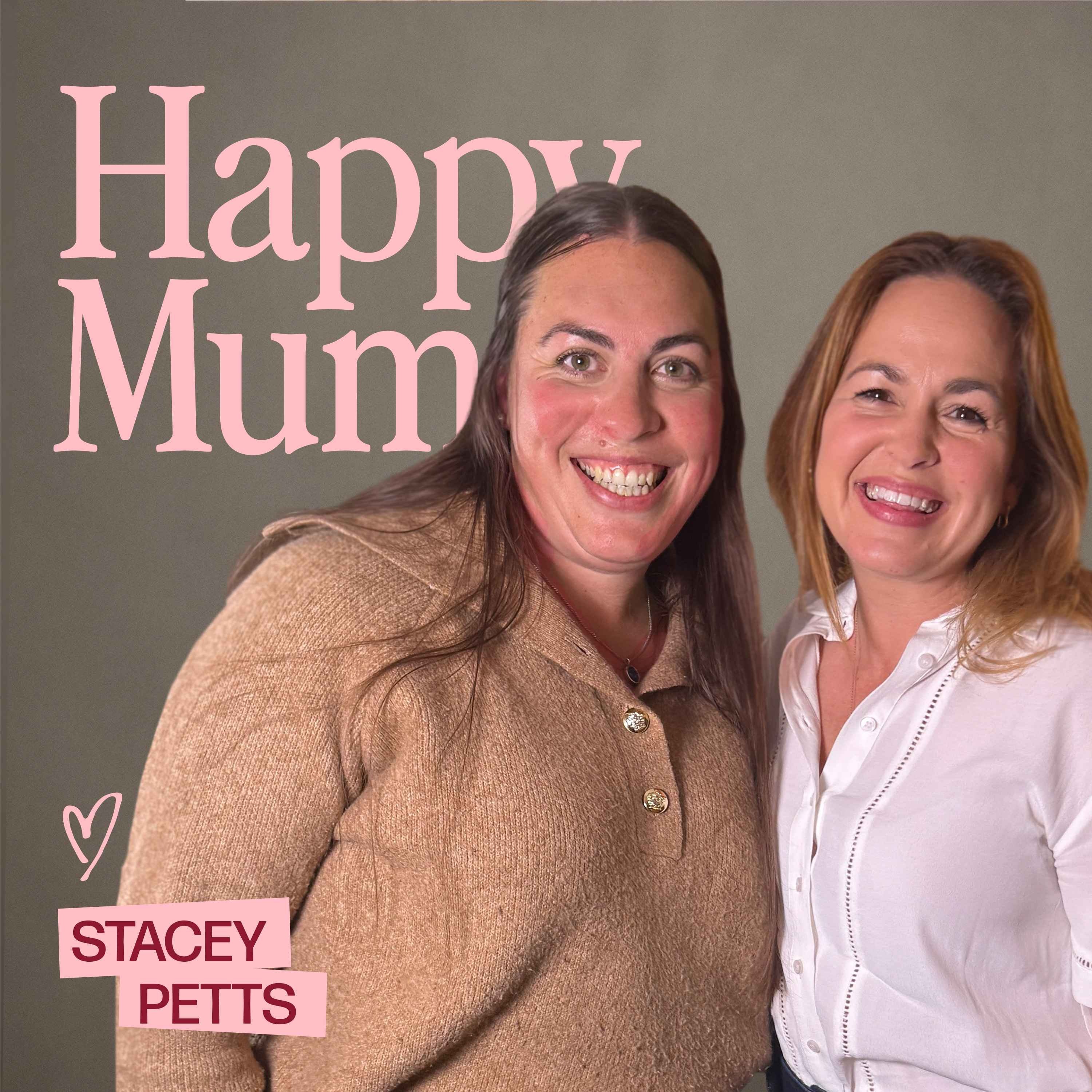
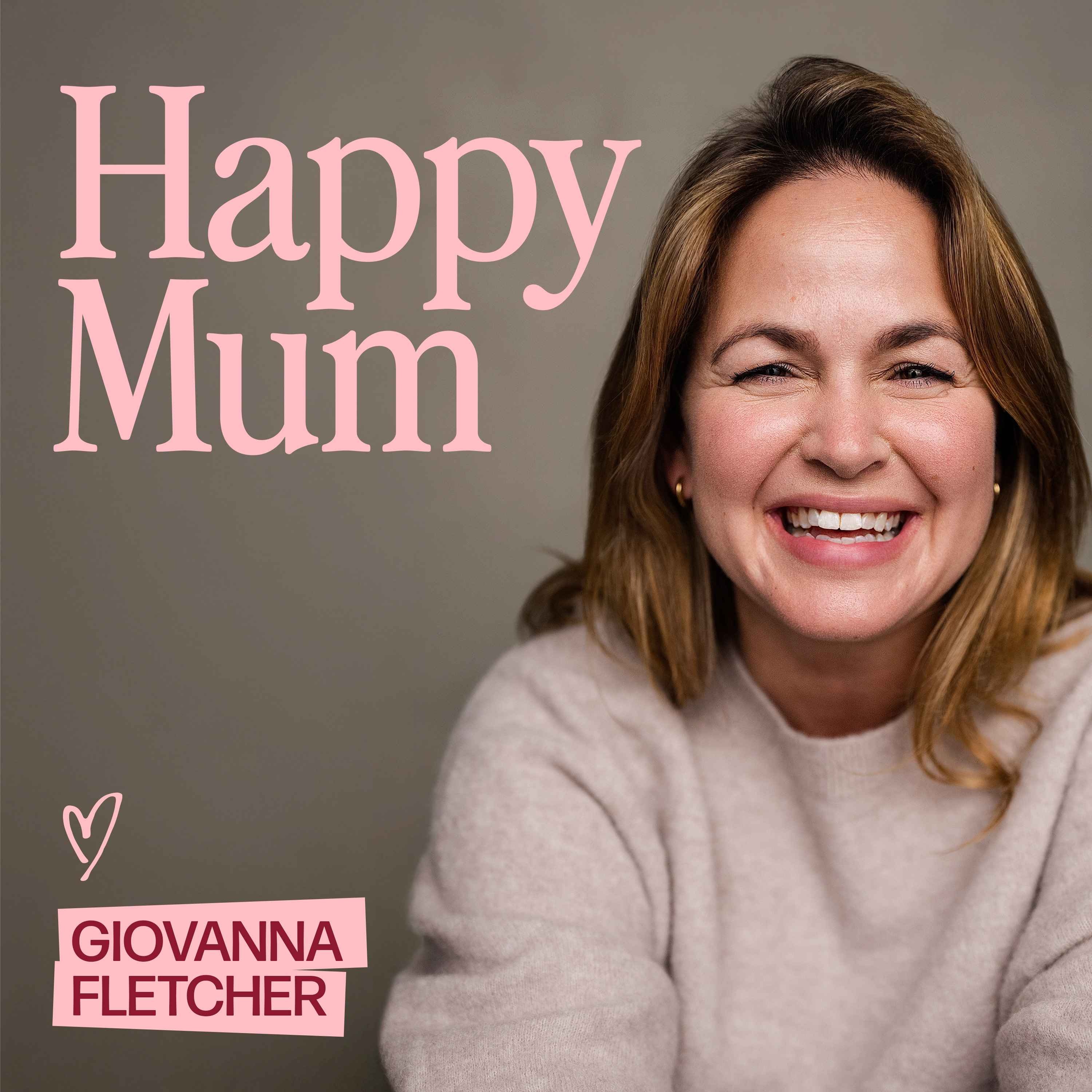

Stand-up comedian, podcaster, and author Suzi Ruffell joins Giovanna Fletcher to discuss the complexities of motherhood, LGBTQ+ representation, and mental health, particularly navigating life as a parent with anxiety. Suzi also shares insights from her new book, Am I Having Fun Now?
Written by AI. May contain mistakes.

Get the gist, explore an idea or ask about something said.
 Claude
On Happy Mum, what are the key points of this episode?
Searching your listeningAutomatic transcript. May contain errors.
0:01Coming up on Happy Mum, Happy Baby I think growing up thinking that I probably wouldn't become a parent because I'm gay, to some listeners might sound surprising now, maybe some younger listeners it might. But when I was growing up, there was no positive representation of lesbians. Part of me was like, I guess this is all I deserve. I guess I deserve this sort of version of love because the idea of being out was unthinkable. You used the words ashamed and embarrassed. Yeah, totally. Totally. I mean, I was well into my 30s before I really got rid of the shame I felt around being gay. Don't say no.
0:37Never say no to anything. You just don't want to upset anyone. Yeah, and also, like, what about how it goes away? What about if the work goes away? They'll never ask again. They'll never ask again. And then you'll have to turn to the bottle, and then all of a sudden you're in a pub and it's 12 o 'clock. Your marriage has fallen apart. I mean, look, I catastrophize, sure.
0:58Hello and welcome to a brand new episode of Happy Mum, Happy Baby, the podcast. Today's guest I am so excited about. She is a stand-up comedian who I actually saw many, many, many years ago at a Copperfield event that used to happen called Festifield. And I used to literally sit in the comedy room that was there and just absorb everyone that was coming in. I just used to absolutely love it. and I saw today's guest and fell in love with her. And it's been incredible to see her career just move in the way that it has. You are everywhere and I absolutely love it. I love it. She also has many a podcast, including Big Kick Energy and Out.
1:37She's a Virgin Radio host. She also is mum to one little girl. She's also a best-selling author, a Sunday Times best-selling author, no less, with her book, Am I Having Fun Now? anxiety, applause and life's big questions. Today's guest is Susie Raffel. Oh, I mean, that was too much. I mean, it was lovely. It was really nice. But it feels, I feel quite overwhelmed. That's very nice. I actually hate doing intros and I hate being introduced. Okay. It's very nice to be like, oh yeah, that's lovely. But I think it's funny when someone lists all of your achievements because I think we're so sort of well I am so sort of programmed to be like ah I'm just sort of getting by and I guess I'm doing okay or yeah am I a piece of shit like I don't like you know I feel like so much of my life is me going I'm I'm doing okay I think I'm doing okay I'm not doing okay I think I'm doing okay and then when someone reads all the things that you go ah do you know what it's all right but even if you look at what you're doing now and what's, you know, you've just...
2:41I'm on your podcast. I'm absolutely over the moon. I'm delighted to be here. The first time I saw you was when I watched that video that Tom put up of the song at your wedding. And I can remember being like, imagine someone loving you that much. So, I mean, it's been a long journey for me to get to meet you as well. I'm following you for a long time. I've been double tapping the posts. Finally, the friendship starts. There was a point when I was on tour in Brighton where I thought maybe we would go for a C-dip it didn't happen it didn't happen I was I then was in like Lincoln on tour yeah we just did the swap yeah we did I was keeping bright and warm for you and I appreciate that thank you thank you very much but you are so busy at the moment and you've just written your first book which I read on holiday and I've got to say I didn't speak to my family for a day because I was just you're welcome but it's amazing I think to feel a certain way about a topic which is obviously you or your anxiety and life and how you've navigated that.
3:42And to get it down onto paper, it's a huge thing. Yeah, it felt quite overwhelming. God, I've said overwhelming like seven times in about four minutes. I'm so sorry, listen. Swap the word out. Yeah, yeah, just swap it out. Come on, guys. It's from the kids after school. I can say, how was it? Good. Good is banned. Any other word than good. Okay. Yours the same. I can't get any information out of my daughter after school. I don't know whether she's going to school or Bletchley Park. At this point, I don't know if she's trained to be a spy. I just cannot get any information. I pitched this book idea.
4:15And look, I'll be honest with you, I pitched it a couple of years beforehand and I got down the road a certain way with a publisher and then they ghosted me. And I mean like totally ghosted me and my agent. And so I was like, oh, of course, of course I don't deserve a book. Why would you deserve a book? You silly girl, get back on stage and be a jester. And then it was just after the pandemic and things had picked up a bit, but slowed down a bit. And there was a few different things going on, but nothing sort of concrete. I was being penciled a lot. And a publisher then came to me and said, do you have anything?
4:47And I sent the thing that I had written for the previous publisher. And I was like, I've got this. But I said to my agent, I was like, I'm not going to put any more work into it because I don't think I'll get a book deal. So I'm not going to spend loads of time doing it, which is obviously kind of like that thing that you do as a teenager. I'm not going to revise because then I haven't tried if I fail. And it's easier to fail if you've not tried. And then they came back and were like, yeah, great, write this book, which was lovely. And then I wrote all about my anxiety and how it feels and the sort of minutiae of being sort of quite obsessive with it and quite controlling and how my life needs to look.
5:22I was sort of quite happy with it. And then as I was writing it, I hadn't really considered the people were going to read it, which I know sounds ridiculous, but I got into sort of a state of flow. The way I tried to write it was I would sit down and rather than trying to write a chapter or a word count, I would try to write a thing about how something made me feel. So something about school, I had this story, how did it make me feel? And then once I'd got to the emotional end of that bit, I was done. And so I was writing really freely. And then my publisher would come back to me and be like, this is really honest.
5:57Are you really happy to share this? And it's great. And it's really good. And I think there's not a problem with you sharing it. But, you know, just be aware that people will want to constantly talk to you about anxiety. And lots of people might say that you might have other neurodiversity or other mental health things going on. So, you know, just be aware. But it was sort of nice to sort of release myself of it. But now it's in the world, it does feel sort of terrifying. You were one of the first people that I sent a book to. You got one of the proofs, which was like, yeah, this is fine. This is totally fine.
6:31But yeah, it was out in the world and people seemed to be responding really well to it and enjoying it. But I think writing nonfiction in that unfiltered way is the only way that it works. Obviously, there are always going to be areas that you're like, well, maybe I won't pop that in. Yeah. But I think the only way to really get the most out of the experience of writing it and therefore the reader reading it is just kind of go, I do it is. Yeah, I think so. I think and I think that I have read those books where you can tell that it's guarded. Yeah. And you sort of feel not a short change because no one owes you anything.
6:59But when you especially when you really love someone's work and you go, oh, I think that you've given me sort of a sterilized version of what this experience was for you. And I'm not saying there's anything wrong with that. But I knew that wasn't what I wanted to do. I wanted to sort of have a deep dive into into what it's like sort of living with anxiety and quite acute anxieties as a child and as a young person. And then to talk about sort of my experiences as a queer person and homophobia. And then, you know, we're on Happy Mum, Happy Baby, all the way through to becoming a mum and how and the journey to that and the journey as a queer person sort of realising that was even an option for me.
7:40And I wanted to share those things because a lot of my audience are, you know, the majority of the people that read the book will probably be straight. I've got a lot. I've got a massive, you know, my audience is quite straight. There's obviously lots of queer people as well, but because I do quite mainstream telly bits. And so I really wanted to share those bits that people might not be totally across or might have an understanding of, but not as deep as I wanted to share. So it was nice to be able to get all those different things in. I also think timing is everything. So if you had got that book deal two years before, it would have been a different book.
8:13Totally. And I wouldn't have probably been ready. and I would have maybe not shared it in a way that I should have. I mean, but everything's timing, don't you think? I've always been so, oh, what's the word? What's it when you're bad at waiting for something? Impatient. Jesus. You're impatient for that word. Yeah. I don't know when this is going up, but I feel like I should tell the listeners, I watched the Lionesses win the Euros like two days ago and I only got back last night. And so I'm sorry if my brain is, you know, I'm not drunk. I'm just a little tired. It's really important. I say I'm not drunk.
8:49It is like 11. But I was always so impatient to be a success. I was so desperate to get to the finish line and to get the opportunities. And then in the fullness of time you go, oh, I'm really pleased I didn't get that opportunity. I'm really pleased I didn't get live at the Apollo when I first wanted to get live at the Apollo because I don't think I was good enough. And I don't think I had the nerve either, whether the material was right. I wasn't sort of strong enough in my gut to be able to get it done. But have you found that? Because you've moved into acting now. Did you have a break when you had the children?
9:26Yes, I did. And that's when, so I was basically acting, the acting world didn't want me for a while. So I started writing. That's why I started being senator. We all find our part. That's not right. Yeah. But yeah, whilst they were younger, I was writing. Yeah. And now it's going back to the acting world has gone, come on then. Great. Come and have a go if you think you're hard enough. It's totally that. Would you ever go back to acting? Oh, yeah. Like, I love stand-up. I really love stand-up. And stand-up is amazing with being a mum. Yeah. Because I'm, you know, I'm kind of in charge to a degree.
10:06You know, I choose what I want to do. I choose when I want to gig. I'm really lucky that my agent is a mum as well and totally gets it so when I'm on tour I don't do more than three shows a week Well you're touring this year isn't it? Yeah, yeah And it's called The Juggle It's called The Juggle And you're literally juggling as you juggle Everything And we're not actually juggling the show You should learn I know I should I know I should I've not got time to juggle I've got time to juggle So I don't do more than three shows a week and then obviously I do podcasts and different little things and bits and bobs and writing but because I need to be home.
10:39Yeah. You know, she's only little, you know, she's only just finished the first year of school. So we're still dealing with all of that and my wife works as well. So it's sort of a good job, weirdly, for a parent. Yeah. But I had like a real realisation. She's a pandemic baby. And so when she was tiny, we were all at home and it was all very, you know, and I wasn't working because I couldn't work. So it was like, oh, I guess I'm this kind of person. And I'd never really spent so much time at home. I'd always been on the move. And I'm lucky that I've travelled a lot for my job, which is great fun.
11:19So mid-pandemic, I'm like making a banana bread, doing some Lego, doing a night feed, you know, doing all those things. And then all of a sudden, the pandemic, we could work again. and then what I tried to do was I tried to go back to that sort of raw ambition that I spoke about before I was like right I'm going to do six shows a week and two podcasts and maybe try and write an article every three weeks and I totally broke Yeah and what's hard in that situation is that you've signed yourself up for stuff Yeah It's really hard then to rewrite it Yeah totally and it sort of took my body kind of breaking for me to realise I can't do all of this.
12:07And I think it's interesting because I have lots of friends that are stand-ups. And I will say, not the majority of my friends that are male that are stand-ups, but a lot of the parents that are my friends that are stand-ups are dads. And I would look at them and go, but you seem to be doing everything. And I'm not saying that they're less involved or anything like that, But I just, there was a need that I had to be at home. Yeah. But I just found it, I found it impossible to be away from her for too long. I just couldn't hack it. I couldn't cope. I just, I found it too hard. I was invited to go to the Montreal Comedy Festival, which is, it's sort of the only festival that's by invitation only.
12:47Right. So you sort of have to audition to go and be taken. And you get flown there and it all feels very zhuzhi and they put you up in a hotel and you do these showcases, which is lovely. It's a really, it's a real privilege to be asked to do it. Let me tell you, I've been knocking on that door for some time and the door was very firmly closed. They double locked it. Yeah, they double locked it and then put the chain across. Just a woman with an eye hole going, no, not you. And so post-Panied D, they were like, yeah, go on, then she can come. And sort of finally got to go there. And then when I was there, I did my shows and the shows all went really well.
13:24but then I slipped a disc and ended up sort of on the floor of a hotel room crying watching videos of my daughter and it was like my body had gone you can't do all of the things you can't do all of this you can't be getting up at 7 but getting in at 1 from a show or getting up at 6 and then being in the park all day and you know it's just impossible and so it was almost like my body went no you can't do all this you're going to have to make a decision because this is too much Yeah. Which must be really hard when you're in the midst of something that you actually were really looking forward to doing.
13:59Yeah. And it was sort of my identity. Yeah. And that's the thing, isn't it? When you become a parent, I felt like I didn't it wasn't I didn't know who I was because, you know, I have my partner and she's amazing. And we, you know, we were very, we were both very keen to become mums. And I think growing up thinking that I probably wouldn't become a parent because I'm gay. And, you know, which I think to some listeners might sound surprising now, maybe some younger listeners it might. But when I was growing up, there was there was no positive representation of lesbians. There was a tiny bit of gay men, but it was they were kind of a joke.
14:41Yeah. You know, it was kind of a sort of, you were kind of allowed to be an effeminate gay man that was desexualised on the television. Yeah. In the 90s and the early 2000s. And, you know, the only frame of reference I had was Claire Boulding. And I remember watching her and thinking, well, I can't be a lesbian because I don't like horse racing. I mean, like those two things were linked. And there were queer people having families and there were people that were mums. I remember reading something about Sandy Toxford getting terrible, people sending her awful letters when she became a mum. So I sort of thought, well, I guess I don't get this.
15:20And I would say that was there at the start of my, when I went to drama school and when I first wanted a job in the industry, for want of a better word. And I think that for a while my career was like, well, I'm not going to have a kid because I didn't think it was possible. I didn't think it would happen for me. I guess in some respects I didn't even know if I'd be able to, if I, you know, deserved a partner in a way, because of the anxiety and how that all goes. In the book you talk about how the idea of not being able to be a mum if you came out almost played a part in you of accepting your sexuality.
16:02Yeah, for sure. Well, I mean, I had a boyfriend for a while when I already was very sure that I was gay. I got into drama school and then thought, well, I can't be a lesbian and be an actress. You know, because in my mind, well, I just thought those two things couldn't be. But in my mind, it was because I was aware of Portia de Rossi. Right. Coming out, so she was in Alimut Beal, which I loved. She used to occasionally get off with Lucy Liu. Ideal for 14 year old me. I mean, absolutely thrilled to bits with that. and then she came out and then I just remember seeing lots of articles in like inquire is it inquirer I guess you know those like really trashy American magazines it was like oh she'll never work again because she's gay because no one would believe that she's straight and so I just remember thinking well I can't come out I guess I'll just never come out and so then I met a really nice guy a really lovely man who was really nice and I thought I suppose this is like a version of love yeah you know it's not the love that I think some of my friends have got but but and I I think if I'm really honest and I don't feel like this anymore it's important to say but part of me was I guess this is all I deserve I guess I deserve this sort of version of love because the idea of being out was unthinkable you used the words ashamed and embarrassed yeah totally totally I I was totally ashamed of, and I mean, that shame took, I mean, I was well into my 30s before I really got rid of the shame I felt around being gay.
17:40Yeah, because I didn't know anyone. There wasn't, I grew up in Portsmouth, which I think now has like quite a thriving queer community. But when I lived there, I mean, in that way that slightly dramatic children might be, I was like, God, I can't imagine anyone in this town being like me. This town couldn't possibly keep hold of me. You're like, I need to be in London or New York. And of course, Portsmouth is actually perfectly lovely. Perfectly lovely might be a bit strong, but it is nice enough. Yeah, I just felt like I couldn't come out. I felt like I couldn't come out. It felt like I thought I would disappoint everyone in my life.
18:17I was worried that it would mean that I would have a really lonely life. And I think as someone that's like a bit of a people pleaser and someone that loves being around people, And I thought, I can't have that. I can't be that. I can't be that thing. At what point did that start to change? It was probably... I'd had, like, quite a few girlfriends. Legend. No, I'd had a few girlfriends. I'd had a few... You're still in football, mate, aren't you? Yeah. I mean, if the lionesses had been around, I would have been absolutely fine coming out. But there was just no... I just didn't know there was anyone like me, which sounds insane, I know.
18:59So I say in the book, you know, I was the first lesbian I met. You know, I was, it's when people get, you know, angry online about LGBT rights and say, you know, oh, there'll be, you know, kids will see these books about gay people and they'll become gay. And you go, well, I didn't know. I didn't know it was a thing. I didn't, I thought I was really weird. I didn't ever read any book. I was the first lesbian I met. and you know I think it's really important to highlight that when people are getting very worried that you know if their child reads a book about gay penguins their child's going to be gay it's like when either your child will go oh I guess I'm a gay penguin or go oh I'm a straight person but I respect that gay penguin you know that you know both is fine but um I think it was it was it was probably when I when it was probably when I met my wife Alice there were a couple of girlfriends beforehand that I had really nice relationships with and you know and sometimes that and and you know despite having my heart really broken by one of them there was a period of sort of a really nice relationship there as well and I think yeah I became okay with it but it was sort of when I met Alice that I really engaged with like using the word lesbian for a long time I really never I hated the word lesbian really yeah because I think I well first of all I think it was something that was occasionally like whispered about me at school when I would like have a kick about or, you know, I think to some of the other girls I sort of read as gay from quite early.
20:27And then I sort of had this realisation that I was like, oh, I think that I didn't have any friends because I was so scared of people knowing who I was that I would like walk around at lunchtime and be like, I'm just going to go and stand over there. or I'd go in the drama department and have my lunch with Mr Griffiths because I was like, he can't judge me, he's a teacher. Also, your anxiety started from such a young age and it was death-related. Yes, yeah, that's how it started, yeah. So to carry that through and to have the anxiety attach itself to all sorts of things must have been really...
21:04Yeah, I mean, I think you only think... I only really thought about it in writing the book because I think when you live with something, and also, you know, I was brought up in one of those families where, and I don't think this is a bad thing, by the way, but where my parents would be like, we're all right. Everyone's all right. Like, you know, I look at, you know, that woman, she lost her husband and that man, you know, and so my family would be like, we're all right. And so I think I've always come from the place of being like, oh, yeah, I guess my mental health was quite bad when I was a kid.
21:33But, you know, I was also, I'm also alive and I'm fine. and we didn't, you know, it wasn't like we had to eat gravel or anything like that. You know, we were fine. And so I never really allowed myself the time to go, oh, that was quite hard. Yeah. And I think it was only when I had therapy where people were like, oh, that must have been really hard. And you then like start crying and go, oh, yeah, it was actually. I don't know what this is about. But yeah, I'm really weeping. It's amazing how freeing that is, isn't it? Yeah. Just having someone else say that to you. It's like, oh. Yeah, that's horrible.
21:59And you go, oh, yeah, it was. Thank you for witnessing that. Yeah. It's really... it just allows you to breathe, doesn't it? It gives you like a moment to think about it. And so it wasn't until, you know, much later when I'd sort of sat down with a therapist and really sort of committed to doing therapy that I was like, oh, yeah, I think I really hated that I was gay and I really hated myself and then that really fed the anxiety. And that's why I became quite ambitious, why I wanted to go to drama school, why I wanted to be an actress, partly so I could be someone else. and the other reason was so that I was really worried that my parents would be ashamed of my gayness and so because of that I wanted to give them something to be proud of I know now that they don't feel like that I love the way you write the book about your nan Yeah my nan was great my nan was the last person to tell which was, I was very very close to my nan I talk about my nan a bit in the book she was great and and everyone in the family knew that I was gay, except for Nan.
23:04And my mum had been really worried about telling her. But it's interesting, and you find this with stand-up. Quite often people will be very worried about offending sort of the oldest person in the room. But actually, old people are quite unshockable. They've sort of seen lots of things. They might not like sort of gratuitous swearing, but actually themes and things. You know, I used to have quite an involved routine about a smear test. which ended with this noise.
23:35And I remember seeing a group of quite, not just old, but quite elderly women at a show. And I remember thinking, am I going to do that? Because it's a bit, you know, it's very, it's not sort of sexualised, but you are sort of talking about something that some people might go, we shouldn't be talking about that. Yeah, yeah, yeah. And they all fell about laughing and loved it. And so, you know, I found often that people that are from sort of older generations, in some ways can be sort of more understanding of differences because they've seen a lot of stuff. Because of life. Yeah, and they've witnessed lots of changes.
24:12Yeah. You know, and I think, I'm not saying that every old person is like this, don't get me wrong, but my nan was definitely in that camp where she'd seen a lot. You know, she was around during the Second World War. She'd, you know, worked in a factory for a lot of her life. She'd seen all kinds of people. She was, you know, we weren't, we weren't like a moneyed family. So she'd always sort of spent lots of time with, you know, working in different places, getting to know different kinds of people. And so, yeah, I think that when she was finally told by my auntie who said, by the way, Susie's gay, that's why Anne, that's my mum.
24:43Anne's being so weird at the moment. And I rang my nan and I said, oh, I heard auntie Jackie's told you something. She said, yeah, I love you just as much as I did yesterday. Don't worry about it. And that was it. and then it was like, oh, do you want to come around for a roast on Tuesday after? You know, it was so, it didn't bother her and then weirdly when that had, when that happened, my mum really chilled out about it and I don't think it was ever that my mum was, actually, I interviewed my mum for the audiobook, there's a bonus bit of the audiobook where I interview people from my life and it's some stand-ups that are my really good friends and then my mum and it was actually not until I interviewed her that I said, were you ashamed when I first came out?
25:30Because I'd always assumed there was a bit of shame. And she went, oh, no, I was never ashamed. And I said, really? And it really, I mean, it's all on the audio. And I was like, oh, that's really nice to know. And she said, I just thought, oh, she's going to have such a hard life. Her life's going to be so much harder because of this. that then that you know that was her being a mum and her only having you know she my mum is um mum's never left Portsmouth um from you know for more than a holiday and you know she goes about with the people that she went about with at school and there was nothing wrong with that at all that's not what I'm saying but she she hadn't she hadn't known people that were like me she hadn't known people that were massively different she'd you know she'd been a wife and a mum for a really long time and her life was maybe a bit...
26:19Does insula sound like an insult? Because I really don't want it to. No, I think I understand what I mean. You know what I mean, yeah. And I think she just really, she got into sort of the protective mum mode of going, your life's going to be harder. And I think she was probably aware that it meant maybe I wouldn't come back to Portsmouth. Maybe it meant I wouldn't have children.
26:48So after all of that, having thought to yourself, maybe one day I won't be able to be a mum, at what point did that start changing when you see having children in your future? So I was sort of aware that gay people were having kids. I knew some guys that had used a surrogate. I knew people that had adopted. I knew people that had done IVF or IUI. and it was something that was sort of maybe that'll happen for me but then it was actually when my friend jen brister and her wife had twins and i know jen really well and i went down to brighton to see them and to hold the babies and i remember thinking oh my god you've done this and we can do it and um not we i wasn't suggesting like they bring in a third um you've had two kids Do you want a third?
27:42Five? No? Okay. And yeah, then I became aware of the fact that it was a possibility. When we first started talking about it, it was quite early on in mine and Alice's relationship. Talk to me about meeting Alice because it's that thing where you said that you always found yourself being set up. Yes. Yes. I've been set up a bit and I'd had sort of quite a lot of, I don't know, I think I'd kept choosing the same kind of wrong person for me. And then I met Alice and she was very, very different. We were set up at a wedding, mainly because the bribe was like, you're both lesbians, this will work. And we were both like, how insulting would you like to have dinner on Tuesday?
28:21So we very quickly sort of became, well, we didn't sort of leave each other alone at the wedding. Yeah. And became sort of very, and then I said, oh, I'll add you on Facebook. And then DM'd her, slid into her DMs and we went, and then she slid into her DMs because we're lesbians. And then we went out for dinner. and we quite quickly, quite quickly I remember saying I'd recently had my heart broken and it was, and I mean I sort of talk about that in Technicolor in the book, I'd really, really had my heart broken and it was really, really hard but sort of useful is a really weird word but I think sort of quite, I think when you're really worried for a lot of that relationship I thought she's going to dump me because I always felt like I was punching above my weight and I thought she's going to dump me she's going to dump me and then when she did there was an amount of relief to it like oh I don't have to think about that anymore my heart's really broken it's happened, the worst has happened so I just deal with that but yeah really quickly Alice and I sort of slid into this sort of nice quite chilled out very kind relationship where we always really looked out for each other and it was we were very kind to each other there was actually one night that we were at um one of my best friends is josh woodican we'd gone around to his house and there were loads of stand-ups there and we're all having drinks and having loads of fun and you know we all kind of take the piss out of each other all of the time and we're always sort of slightly digging each other and you know whatever and i did a slight sort of dig to alice and I immediately was like, oh, that didn't go well.
30:02Just by her face. Everyone laughed. Alice did not laugh. Alice sort of chuckled in a way that let me know that there was going to be a conversation about it later. And I don't even remember what I said. And then on the way home, she said to me, we're not going to do that. We're not going to be that couple that take shots at each other in front of people. We're just not. And that's also good to know as a stand-up, right? Because your life is often your material. Yeah, for sure. So to know what's out of bounds is important. that's yeah and that's now the case with my stand-up you know I sort of check everything with Alice I read the book more than anyone else to sort of know how much of our life she was willing to share because that's the thing I've got to think about now especially when I'm talking about my home life and my family and uh and being a mum and our girl you know I need to be careful because you know I don't want to talk too much about her because well first of all that's her life and it's her story um this is my daughter I mean and and secondly I don't know whether she's going to be a show-off like me or someone that's quite private like Alice and so I think I'll air on the side of caution like which Osborne yeah exactly that exactly that why Kelly Osborne
31:15I've already gone around the block with this answer and I can't quite remember what the question is we were talking about how you met and you were about to say how uh you talked about I had children fairly early on. Thank you. Sorry. Sorry, it's why I'm here. Thank you. I told you it would go on. I mean, I don't know if it's obvious to the listeners, but I do have ADHD. So I'm sorry. I mean, I'm not sorry about it. No. I was at one point. But if you're listening to this going, oh, Jesus, this woman really needs to stay on topic. Imagine what it's like living in my brain. It's absolutely terrible.
31:44Think of my poor wife. Yeah, and really quickly, I remember saying to her, because of the previous relationship, part of it had part of the sort of beginning of the of the undoing of that relationship was that I was knew I was kind of ready for a family once I'd seen my friends doing it once I knew it was a possibility and I hadn't made any decision about how I wanted to become a mum but I knew that I thought I want to be I want to be a mum and she she didn't and then so when I when we went I went on a date with Alice it was kind of date one or two that I was like so I want to do I want to have a kid like not now like in like four or five years time but I feel like I should be really frank about that because I don't want to date someone for a couple of years and then us to find out that we're not we're not seeing the same future which I think is quite important it's something that I've noticed that some of my friends haven't done it's funny I wonder if that's a fear of instant rejection yeah before you've even yeah it's really hard yeah and also like lesbians we move fast really oh um honestly honestly like you know there's like a gag and It's like, you know, what does a lesbian take on a second date?
32:50Like a moving in van. Lesbians move really quickly. And we did, like we moved, yeah, we moved pretty quickly. She moved in within six months. We were married within two years. We had a kid within four. We had a kid four. But also after heartbreak. Yeah. You know, if you meet someone who shows such kindness and actually you get to see that, what it's like to have someone else help you fill your cup rather than deplete it so much and just take. Oh, yes. I mean, you don't want to wait. No, no, you're like, this is great. Let's lock this down. Lock it down! But it was, yeah, I sort of knew really quickly.
33:30After your initial chat with Alice about wanting to start, about wanting children in the future, how long did you leave it before you actually started looking more into it? A couple of years. Really? Yeah, we dated for, we were together. I say dated that makes it sound like it was way more casual than it was it was like let's move in and let's be together for our lives until one of us dies no pressure How did it feel when you knew you were finally on that path? Yeah it was amazing It was amazing but it was quite scary like is this going to work are we is it going to go the way that we want it to we then became sort of desperate to become mums It's funny that isn't it how as soon as you kind of go yeah we're going down that route that desperation quickly meets you yeah oh yeah and then as as an anxious person and someone that is you know overthinking you say you all the things that can go wrong and oh what about if this happens what about if that happens and so that was exciting and I mean it's a wonderful thing if you're lucky enough to be doing it with a partner that really gets you because you go oh this is just us yeah I know that this um might not be the case for everyone but I've found it's been such a wonderful thing for our relationship.
34:44Really? Yeah. I mean, don't get me wrong. There are times when it's harder. I mean, our relationship is much harder now that we have a child. Of course, everything's harder. But I love watching her become a mum. I loved that. I loved being sort of present and being the witness of them forming a relationship and how that, and how I fitted into it. And it felt really, just really special, kind of magical that it was us. We're doing this. this is our life, this is our girl and I think maybe that there's an extra weight on it because I think as we were growing up we both didn't think that it was possible for us to be mums we both didn't know that that was going to be part of our future we had both kind of resigned to the fact that if we were to be mums we would have to do it in a relationship that wasn't authentically really what we wanted and so yeah I remember when she was really little and us being sort of we moved down to Brighton because we're cliches and also because we wanted her to go to a school where they were very used to families like us and I remember being our first night in our house I don't think I've told this story before the first night in our house we'd never had stairs we'd both grown up in houses but since we'd lived in London we'd both never had stairs I'd lived in London for about 18 years Alice had been in London for maybe like 15 and our first night in our house, the three of us, my daughter was maybe like three by this point, the three of us sat on the stairs because we'd never had stairs and had a bottle of champagne and fish and chips from down the road.
36:27Champagne and fish and chips, that would be my death row meal. And I remember just looking at them and being like, oh my God. We're here. Yeah, it happened. I got it. I got the girl. I got the child. I got to be me. I got to sort of not live this life of fear. Like, you know, when I think of the 14-year-old me, it was sort of drenched in shame. It was impossible to me that anyone would ever, you know, love all my flaws and, you know, love me with my anxiety and that my mum and dad would be fine with my gayness and my queerness or whatever, however you want to say it. and that I get to be someone's mama.
37:13It felt, yeah, like... And I think that's part of the reason that it's continued to be... I mean, I need to be very clear. There are days when I'm really not loving it because I'm just a person. But I think that there's always, in the back of my mind, you know, this might not have been. Does that add a layer of trying to make everything perfect or not? It did. It definitely did. Now I have to relinquish that because no one's happy. No one's happy when I try and make my magical days. And Alice had to actually say that to me. She was like, stop trying to make it magical. Like it would just be or it won't be.
37:55How have you managed your anxiety through becoming a mum and motherhood? I kind of didn't at the beginning. I mean, and that's why I had that sort of, when I slipped the desk in Canada and had, my body was pretty broken and so was my brain at that point. I was, I just, I had to stop. I don't know, yeah, the word burnt out is sort of thrown away. I don't know if it was that. Maybe it was probably, could have been. But whatever it was, I was, there was no more. Yeah. There was no more. There was no more. It had to stop. And that was because I was trying to be like a really perfect mum. I was trying to be really brilliant.
38:31and I was trying to stimulate her and do other things and do the singing class and da-da-da and, you know, never raise my voice. And it was really, really hard. Yeah. Really hard. You know, and I... And then there's the guilt. But this is all you wanted. And now you're not finding it easy. You're meant to find it easy. You really wanted this. You know, you used to lay awake as a teenager going, oh, I guess I won't be a mum because I'm gay. And now you've got it and you've got, you know, the child and you've got the wife and you've got the really loving home life. And now you're not enjoying it.
39:00and then you beat yourself up and it's three in the morning and you're going, why can't I, why am I finding this hard? And I think I'm really close to my mum and she's amazing. My mum's one of those people that was born to be a mum. Being a mum has always been enough for her and that's a lovely thing. That's not me knocking that, that is a really lovely thing. And she was so present when we were kids and she was really good at playing. Even now she's amazing at playing with my daughter. She'll play for hours in like a little dream world. She's just really great with kids. And I think that there was, you know, I had to sort of go, I'm loving this.
39:36I love this so much. But also I really, I really love my job. I really love my career. And I really love being someone alongside being your mum. And then that was a really difficult thing to, not that anyone else was judging me for it. If anything, all of my friends sort of feel, most of my friends, I would say, feel similarly. Yeah. but there is there was certainly a point where I was like why isn't this enough for me am I defected somehow because I sort of need the rush that I was used to from my old life and now it's just been about making that about making sure that when I'm home and which is the majority of the time let me be honest being really present I've had to sort of divorce my phone I would be lying if I didn't say there were times when I was doing something with her and had half an eye on my phone and then it was Alice Alice was like when you're here can you be here which was you know sort of honest but right and so it's about you know and also social media is not good for your mental health it's not I mean breaking news you heard it here first more on this as we get it but it's really, really bad.
41:00And, you know, it's so easy to become aware of what everyone else is doing, feeling like, am I good enough? The comparison is a thief of joy. Yes. You know, all those things. It's really, you know, it's impossible not to feel... I think it's very hard to come off social media and go, well, that made me feel great. You know, whether it's like... It doesn't matter how many videos of gold retrievers you get. Yeah, exactly. It's really sad you've not got one. Yeah, yeah. Or, you know, I'm absolutely obsessed with someone going, we bought this 17th century schoolhouse in Tennessee and we are doing it up by ourselves.
41:36I mean, that is just crack to me. I'm like, take up the floorboards, take up the floorboards. There's tiles underneath. I just absolutely love that shit. But even with that, you know, and then all of a sudden it would be like, here's some horror, here's some horror. And then like a comment, women aren't funny, I hate women. you know and then like oh god i hate the lionesses football's terrible the women's football just oh god okay yeah yeah you know gay people should die you're like oh god why have i come on this and then you go oh i better post a funny video again i'm on tour it's it's so and so i've had to sort of that's the thing i think with how my how i don't do how i've sort of not allowed myself to fall into like the mum guilt which i think is that's a lie i do sometimes fall into the mum guilt but the way that I really try not to is that you know when I'm at home when I'm doing bedtime which is usually three or four nights a week I'm really I'm really into it you know we're doing stuff together we're you know we're without said with tour as well you've got those boundaries in place now you've found and and I guess all of us will continue to find yeah ways that actually work yeah rather than us just saying yes and trying to do everything and then feeling awful for it yeah and I think that's the thing it's so hard not to say yes and I don't Is this a female thing?
42:54Maybe. But when you, there was certainly part of me, and I think you might feel the same because, as you say, you didn't work to begin with as an actress, where there is always part of me that goes, thank you, thank you so much, thank you for my life, thank you for asking me. And then, you know, and it's okay to say no. That doesn't work for me or it doesn't work for my family. Oh my God, I just won't enjoy that. You know, I've sort of had to do that with, you know, certain shows or different things where you go, oh, I don't think I'd have a good time on that. and I don't think I'm the right person for it.
43:26And I think there's probably another comedian that would be better. So I'm just going to step to the side. Nice. But there's an amount of confidence that it takes to do that because you go, oh, don't say no. Never say no to anything. You just don't want to upset anyone. Yeah, and also, what about if it goes away? What about if the work goes away? They'll never ask again. They'll never ask again. And then you'll have to turn to the bottle and then all of a sudden you're in a pub and it's 12 o 'clock and, you know, your marriage has fallen apart. I mean, look, I catastrophize, sure. But that is something that you've done from a very young age, the catastrophizing your anxiety and stuff like that.
44:00So in motherhood, where there are risks around every corner. Oh, when they're little. Yeah. Oh, my God, when they're little. How have you managed to kind of, is there just a level of awareness that you know that you will catastrophize or are you just allowing yourself to kind of go, I know that this is happening? I think I just sort of go, you know, when you go in and you check that they're breathing, Yeah. And you get to the door and go, did I chat? I'll go back. Chat the breathing. That was, yeah, she's definitely. Tom just stands at the door. I'm like, that's not enough. Then I go in and just properly nuzzle their cheeks.
44:35Literally, I lift their cheek with my nose. Still now. Do you go in on all fours? Like a dog. Are you like the wolfman in the Jungle Book? I am a little bit like that. And then I give them a big old smooch and then I leave. I'm like, they're definitely warm, definitely breathing. Does that wake them up? No. A couple of times, my middle one sort of sat up. What's going on? And then I've gone, sleep, child. Then you do a song.
45:04Yeah, I have to stop myself. I have to stop myself. Because it is an... When you catastrophize and when you're like, I need to check that, I need to check that. And it's the same with, you know, when I was a child, I would sort of try and outrun a bus in order to sort of stop my parents dying, which I thought was very unique to me. Since writing the book, I found out that's actually quite a common thing for kids to sort of, because you've got no idea how to control the world. But so I was quite obsessive in how I sort of tried to manage my anxiety. And now with her, as much as I might want to go in and check that she's breathing, or, you know, quite often I listen to quite horrific podcasts because I don't know why.
45:51Torturing yourself. Yeah, yeah, yeah, yeah. Like ghosts and murderers and all the things I'm scared of. And then I'll get home from a tour show and be like, oh, I probably should make sure they're both not murdered. So I have to go, oh, yep, fine, fine, fine, fine. And, but I sort of know that when you, when you let that valve out, it's really hard to get it back on. Yeah. So I sort of just have to go, no, no, no, no. It's fine. I refuse to go down that road. I refuse to. And it's lovely that I've got like a really, really vivid imagination, but sometimes it's really, that's really unhelpful. Yeah.
46:25So the catastrophizing happens, but I refuse to reassure myself. Did you have to do the same thing when your daughter started school? Because I know for you, school wasn't the happiest of places. No, no. You talked about your dyslexia before. It's a very hard thing to know that your little person, the person that you love more than anything, is going into that environment and show yourself, but it would be different. Yes. So I think she was really ready for school. She really wanted to go to school, which was great. I've had to... I just really want it to be different for her. Yeah. That's all I want, and I don't really know how I'll cope if she hates school because I'll really know how that feels.
47:09What I hope to do is make sure that she's got hobbies and things outside of school, which is what I have, which is my real saving grace. But, yeah, I think I'm less worried now because it's, you know, primary school's kind of fine. And, you know, her one's lovely. But I think I'll be really worried about secondary school. Your eldest must be. He's about to start. How do you feel about that? I feel like he's ready to meet more people that might be like him. You know what I mean? He's a music lover, not really into sport. So, yeah, I'm excited for him to meet other children who love what he loves.
47:48Yeah. And see what that feels like for him to join sort of the school band. Oh, yeah. You know? Yeah. It's hard in terms of I won't be able to be on top of things in the same way that you can when they're at primary. Yeah. You know, I won't know when something's happening. He won't want you to be either, which I really remember that when I was having trouble at school. I was like, mum and dad cannot find out about this. Yeah, absolutely. But even now, he'll talk to Tom about some stuff and then I'll kind of go in with a little bit of a leading question like a week later. And he'll be like, no.
48:20He won't tell me the things I know that he's told Tom. It'll be like a blatant lie or an omission of what's an actual situation. How do you cope with that? I think the most important thing is that he talked to someone. Yeah, totally. I'm not the right person at that point and that's all right. Yeah, yeah. Yeah, and that's, but yes, it's quite bizarre to know that's just going to increase. You know what I mean? Yeah. Like, we've got friends that probably won't have children, and they'll be like, I'll be the person that she comes to when she's 15, and she's sick of you. And that's the thing, right?
48:56You can tell yourself, no, no, no, I want that. I want to be that person. No. But you can never be that person. No, no. You've got to, you know, I love the idea, like, you know, I feel like I'm friends with my mum now, but I was really into adulthood when that happened. you know and I love the idea of being friends with her one day the idea that she would want to hang out with me but I'm also very aware that there will be a time when she needs other grown ups that are that will just listen to her and really hear her and I think that's and I guess that's something that comes back to sort of the my sort of queerness in a way of when we have spoken about as a community I'm using the royal way as all gay people but when you talk about your chosen family and that's something that I've really sort of, you know, I look at my daughter and Tom Allen, who's sort of one of my best friends and we worked together loads and we became friends, oh my God, maybe like 15 to 12, 15 years ago and so we've been in each other's lives for a long time and it's really lovely to sort of go, well, that's Uncle Tom.
50:01It's always going to be Uncle Tom and you're going to be closer to him. She's close to my brother but there'll be other people in the family that she's not as close to. And so it's Tom Tom. You know, it's always going to be Tom Tom. Yeah. And, you know, and Tom will say to me, like, oh, I can't wait until she's had enough for me to take her out to the theatre. Great, she'll love that. Like, that's just lovely that she'll have those other people in her life. To begin with, I really wanted to be, you know, the fun mum and this mum and that mum. And you sort of have to, a time comes where you have to sort of relinquish everything and go, well, I'm just going to do this.
50:36and I'm going to have to accept that you prefer that person for that and that you're always more excited to do that with Nanny. And that's okay. And, you know, you're going to, you know, I'm like the fun one. I'm dancing in the kitchen. It's all that sort of thing. And then if anything goes wrong, she wants mummy, which is Alice. Right. She'll be like, I cannot trust you for this big thing. You know, if she's not well or she wants us Alice, if she's fallen over and hurt herself or she wants is Alice. The other day she called me Bigfella. Wow! She was like, all right, Bigfella. I was like, where has this come from?
51:16I think someone says it to Sully in Monsters, Inc. Like, okay, Bigfella. Now I'm Bigfella, which I don't love. And she, but you know, you have to sort of go, oh, okay, I have to be okay with that that I'm not the person for everything and kind of nor should I be If you were going to write a letter on motherhood who would it be to and what would you say? Probably to my daughter and it will be I try to get things right but I imagine sometimes I got things wrong but I hope that you always felt really really loved and really wanted and I feel really lucky to be your mum I love that and we end the podcast with you completing three sentences yes the first one is being a mum means being a mum means it happened it happened for me since having a child i since having a child i understand what tired is and i'm happy when i am happy when we're sitting on the beach and having an ice cream and she shares hers with me and I share mine with her.
52:32That's gorgeous. Susie, thank you so much. Oh, it's been a pleasure. I could have stayed here all day. So nice. It's so good. I love it. Very nice. Thank you. Thank you.
Stand-up comedian, podcaster and author Suzi Ruffell joins us for this week’s episode!
Suzi tells Gi about the lack of queer representation she saw growing up and how it made her feel shame around her sexuality for a long time.
Plus, she opens up about navigating motherhood as someone with anxiety and the ongoing challenge of learning not to catastrophise.
Suzi's brilliant new book 'Am I Having Fun Now? is available NOW! And she is of course back on tour with 'The Juggle' from September. Check it out!
Hosted on Acast. See acast.com/privacy for more information.