
 Ask ChatGPT


 High Performance Business
5 Aug 2025 · 44m
Host: Jake Humphrey
Dive into the defining moments that shaped businesses with top entrepreneurs and industry leaders, featuring pivotal decisions and lessons learned.
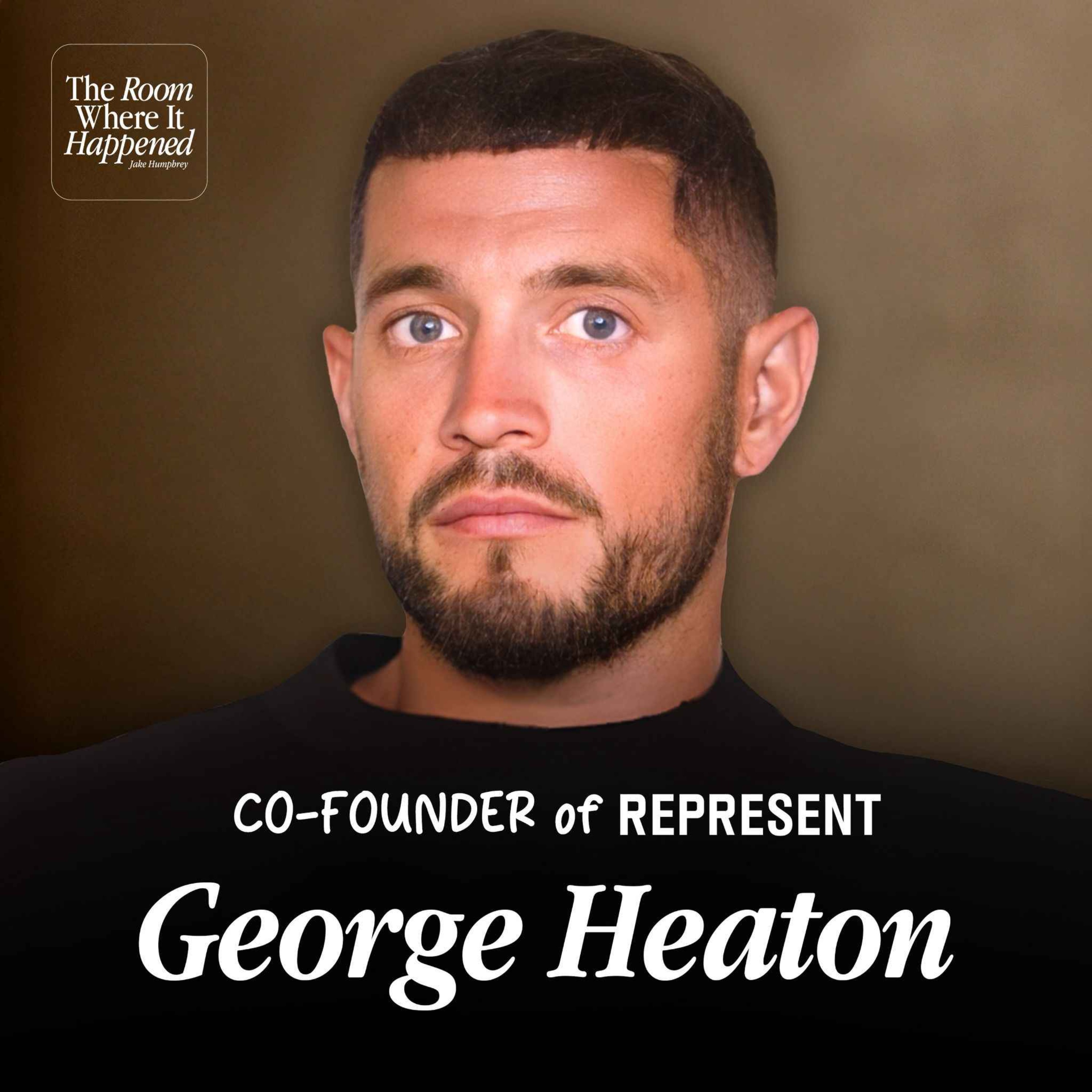
In this episode, George Heaton shares the transformative journey of Represent, his streetwear label that evolved into a global brand. The conversation revolves around a critical turning point that forced Heaton to confront the brand's identity, leading to a significant pivot that emphasized simplicity and community engagement.
Written by AI. May contain mistakes.

Get the gist, explore an idea or ask about something said.
 Claude
On High Performance Business, what are the key points of this episode?
Searching your listeningAutomatic transcript. May contain errors.
0:00Welcome to the room where it happened, exploring the defining decisions of the brightest minds in business and the lessons hidden behind them that you won't hear anywhere else. George Heaton, the creative mind behind Represent, a streetwear label turned global force. But after years chasing catwalks and industry hype, he suddenly found himself staring in the mirror of a shared warehouse bathroom and quietly admitting this isn't who we are. So he tore everything down, went back to basics and rebuilt his brand from the concrete floor up, t-shirts and a tattooed mission on a mission 24-7. And today on The Room Where It Happened, George discusses identity, obsession, and how staying true to what you are is actually the boldest move of all.
0:41Please hit subscribe wherever you're watching or listening to the show. Get the brand new episodes before anyone else and enjoy some of the amazing guests that we've got lined up, including today, as we welcome George Heaton, brought to you by IFS, to the room where it happened.
1:00so how long had this feeling been bubbling up inside you that this was no longer the brand that you'd created we had like two or three years where we just flatlined we grew from nothing to like seven or eight million pounds and then we stayed there for three years of just there was no growth there was no no growth in the collections there was no growth in like what we were doing um and you know the expression like headless chicken i felt like we're all just running around doing everything we could and nothing was working um so i just wanted a major reset in what we were as a brand and do you remember what you said to the team um not exactly no i don't remember the words but i just remember that like we were we were going in a direction that didn't feel true to who we were yeah and we were turning up at fashion weeks in paris and Milan trying to put on these shows and trying to look like all these other brands that were up there doing these catwalks and it just wasn't who we were even though we enjoyed the moment of it it wasn't something that we were proud of and wasn't something that we believed the brand should have been and that was kind of the catalyst for okay let's let's stop doing that and let's go in a different direction so how do you go about having a conversation about totally rewriting the direction that you're going in i mean i think a lot of people listening to this conversation if they've not been in this place they perhaps wouldn't even know where to begin yeah and we didn't either like i've not got all the answers definitely not um it was just an idea that look we built a brand on a website on a big cartel selling t-shirts to friends and family and then their friends we built it up to this point of a little bit of success great we had a great team and we were doing well with it.
2:44And then we started looking, reading the wrong fashion articles and thinking that we could be in this industry where runways were the key thing and retailers were our output. But really we'd built the brand on community and a great loyal following for the quality of product that we'd launched. And that community was still there, but we just weren't serving them right. We weren't giving them what they actually wanted. So when we pivoted and went back to, let's just start going back on the website d2c which means direct to consumer we put a couple t-shirts out there just on a random weekend and we sold out of them and then that was when it was like okay boys we've got something here that people are still watching us if we could sell a thousand t-shirts in two minutes they're still there the community is still there so was there a fear that you started off like just selling t-shirts to people right with graphic design on that Mike was doing.
3:39Was there not this fear that by going back to doing that, you were almost like having to go back to the beginning? Do you know what I mean? Absolutely, yeah. Absolutely. But at the time, I was reading a lot of books and listening to a lot of podcasts and just trying to figure out how other people in different areas of business had turned their business around or gone from one stage to the next. And I felt like it was a stepping stone at that time of we needed the change and we needed to refocus ourselves. looking on who we were and what we actually wanted to do and where we saw the brand in however many years.
4:14So you started off with selling t-shirts. What had you become? Let's go to the day before you're in this room, right? What would someone from the outside have made of represent on that day? What did you look like? In terms of the aesthetics of the brand, we didn't look like... We came from like a West Coast, California surf-looking brand, big graphics, skinny jeans, fat shoes. That's what we were. And by that time then, we were putting 40 looks down a runway. So we were trying to make 200 products to fit on 40 different models with all these different things that didn't make sense to who we were to put the show on for retailers to come and buy the collection rather than for our customer to see the collection and think, oh, this is represent, this is what they are, I want to buy into this.
5:06And what had happened then that almost made you lose your way, if you like? Just following trends, listening to the industry. There's a lot of smoke and mirrors in fashion. And we even see it today, like the hype brands now that everyone's talking about and everyone's on social media posting about, everyone wants to wear, everyone sees as the brand. A lot of the time that is not what's working. And it's like, you know, as a young designer or you own a brand, it's tough to actually see through that and it pushes you in a direction that maybe isn't true to yourself and you lose your dna and that's what we did what about that process did you and the team not love we're just a bunch of lads from up north like we're going to paris and putting on a show it just that whole like um scene just wasn't what we were we like doing we just liked making clothes and going out and having fun and putting them on and feeling good um like not putting presentations on and shows and stuff like that it just didn't feel right so when you finally decided to get together in the room and have this conversation that things had to change was the decision based on your turnover not improving or not making money or not feeling sent to satisfaction or not hearing from that community that you had created or not selling enough pieces what were the alarm bells i think it was a community thing i think we'd grown up to nurture this great community that would always give us feedback and always talk to us through our social media.
6:35And that just kind of flatlined and stopped happening. Social media went dead. And I get a good sense of belonging from people loving our products. And that disappeared over time. So it was just a big realization moment. Can you think back to when you first started sensing a difference between the reaction you got on socials and the and how that felt yeah i because i still i still get them kind of moments now when i put product out and it doesn't get a great reaction like not everything wins um and it's i think it's like a like i said it's like a sense of like belonging that when the community loves what you do you feel like you're doing the right thing you feel like you're in the right place um and we just didn't have that at the time.
7:24So how much of this then is about your gut feel and how much is it about you relying on the specific numbers, whether it's financial or social numbers? I think gut feeling is a massive part of our brand and it always has been and we'll always take the gut into consideration before making any decisions and a lot of the time it is right but you know a lot of time now with data and analytics and everything that goes into such a bigger scale business um you you can become wrong with it a lot so you walk in you look in the mirror why was it important to do that just because you see a reflection of yourself and where you've come to and what what's got you there and where you actually want to go um and i'm i love setting goals i love changing changing things and i love the hardship of like having to do things that aren't necessarily um like they don't feel good they feel hard they feel like you know you get nervous you get anxiety like is this the right decision to do i kind of like that feeling i like putting myself in that uncomfortable zone what was your anxiety level like on this day pretty pretty high it was we had a lot of sleepless nights for the first for the while of it and james who was holding handling my production then he was like come on we need to move everything i was trying to make everything in england i was trying to be this british brand british born everything needs to be sourced here made here and that was crippling us as well because the capacities of fact is in the UK is not so great in fashion.
8:52And, you know, like to get a t-shirt washed, printed, labeled, bagged, and then sent to your warehouse requires five different places and shipping to all these different places and then coming to you. Whereas like you can go fully vertical if you want to do it properly in Italy or Portugal or even the Far East. And that was a struggle for me personally. I thought that was a wrong thing to do. So we had a lot of falling out and coming to agreements and losing our minds really over this thing that eventually actually turned the business for us in a much better way. So was that a decision made on that day or was it something that...
9:28Yeah, that was a decision made on that day. Let's talk then about the decisions that you made. I'm interested in sort of, I'm interested in how the meeting unfolded that day. So you walk in, look in the mirror, you're pretty clear in your convictions, right? This is not the brand I set up. Did everyone feel the same? Yeah. so how do you then start to have a conversation about how you can unpick where you've ended up um i think it's i think it's like we'd obviously all self-reflected on where the brand had got to and i say there's a whiteboard moment but we we just wrote down like where we're going who we want to be what we want the brand to look like and where do we start then because it doesn't happen overnight you know with with like production lead times and orders in the book and things like that it's it's a long process um and obviously moving all your factories is a long process um so it was it took nine months 12 months to see any sort of like change but yeah it's it's just something that had to happen at that time and if it didn't happen at time we would have just stayed where we were and probably would have ended up i don't know falling out and the guys leaving the brand do you think represent would still be here if you hadn't had this meeting no i don't think so really it was that important yeah definitely so talking of importance think back to that whiteboard what was the thing written on there that you think was the most important thing to write down that day uh who we want to be which was we want to be we want at the time we wanted to be this online led brand that could that could supply our community with i always say we wanted to be the best brand in the world and whatever that means is how we show up the best so I wanted the website to show up the best.
11:08I wanted the product to show up the best quality for the price point in the market. I wanted to be the best engaging with our consumers, whether it's through social media or pop-up stores or whatever that is. We just wanted to be the best at what we do. And why do you think if you hadn't had this meeting that represent would have died? Because, you know, in a lot of businesses, I see this happen that when they grow fantastically and look, we were only small in our growth stage, but we were at a point where it went like this. and then it stopped, it flatlined. That's when you see people fall off or CEOs change or the team leaves.
11:42They're not feeling like there's growth for them. Because if a business isn't growing, they're not growing. You know, like if they can't get to a certain point in their life through that business, they'll move on to the next one. Whereas like for me now it's, and for my CEO now, it's like one of the main things is we've got to keep growing to be able to allow our team to grow. So how many team members were there at represent at that time? Back then, I think there was about 15 of us. So then you've got to explain to the rest of the team what the plan is, right? How did you go about that? Because it was such a small team back then, we would just sit them down and just be like, this is what we're going to do.
12:21Here's the idea. Here's how we're going to get to there. Is everybody on board? And what was the reaction? Most people were on board, yeah. Most people were feeling the same as us. It stagnated at the time, so we were ready for change. And when you said to get to there, other than becoming a community brand once more, serving your community, what was there? Was it like this is what we want the turnover to be or this is the number of items and pieces that we want to ship in a year or this is what we want the perception of the brand to be? I think it's really helpful for our audience to get a sense of exactly how you set the parameters of what success would look like once you'd carried this out.
12:58for me personally it was no it was never about like the numbers it was about us growing so everything growing the quality of the product growing the team growing um us moving everything and being able to get better product for what we're doing um and i would i would never like to set a three or five year plan because i think things change so often um it was just to be in a much better place within 12 months where productions change qualities change we're producing what we want to do and we're all enjoying it and how long had you been running this business for at this point six years right and i'm guessing from what i know of business that you weren't especially wealthy at that time no you wouldn't have been raking millions of pounds out of represent right for those first few years um no not not at all not for a long time after either so this also brings with it that sense i guess that man if this fails like i haven't got five houses and 20 cars to lean back on the rest of my life.
13:54No, but I think that drives you as well. I kind of like the back against the wall thing. And I've had that for the past 13 years. And I think that's what gets you out of bed. I think the fear of losing it all is something that I kind of enjoy having. So how quickly did represent change? So 2019 was when we set out this plan. 2020 was a great year for us. We doubled everything, turnover, head count. So we moved our offices and managed to get on board a lot of really good retailers that we'd always wanted in the past that never worked out. Selfra was great. And then retailers, we were selling out of everything we were launching online.
14:362021 doubled again. And then we just, it was like a snowball effect. It just became the thing that we actually wanted it to be. So as we sit here now recording this conversation, how much bigger is Represent today than it would have been back when you were in that room? So that was 2019. and now we're in 25 it's about 15 times the size of what it was and you can directly link the size your business is now to the day you had that meeting yeah definitely but that that was the start right that was the start of this this curve and i'm not gonna sit here and try and like say that was it that's it we're done that's amazing everything's been great since then um there's so many other things that then come along with that um especially if you scale and look we're 150 people now in the business and to manage those people like we were just a bunch of guys that had no management skills so then we've got to hire a c-suite we've got to bring on a ceo um all these different teams have got to have managements we've got to have a full finance department marketing department merchandising department product department footwear department all these different things um which you never expect back then and that was nothing that was written on the whiteboard either um but as you learn and grow and you read and you listen and you figure out a way and gut instinct plays a big part in it and we will try and share for our audience what those things are because i think that's the real value to them but i think the first thing we need to point out to people is that when you have a business right that stagnates as represent had and in your eyes probably was failing at that time right yeah in many ways that doesn't bring you a load of challenge that success brings you in some ways it's almost more comfortable when things stagnate because the systems in place are okay because you can cope with not many people buying your products because it doesn't demand much from you.
16:23Actually, as you found out since then, success can bring challenges you never even imagined. What have they been? I think there's a quote that I love that says like, the higher the level, the bigger the devil. And I think it's so true that like, you know, when you're at this size and there's so many people that rely on you and your decision making and the way you go with the business and what product you launch. Um, it just means that there's, there's that level of worry and that level of anxiety with everything that you do when you're making a big decision that could derail a brand or could, you could be going in the wrong direction.
16:59You've just got to, I think you've got to move fast with your decisions and if it's wrong, catch it quick and not just let it sit. Cause that's what we did back in the day. And look, there was two, three years of stagnation because we'd let it sit and we'd not actually acted upon what we saw happening so how do you cope with the anxiety that comes with higher stakes what are the what are the tools that you have in your armor to deal with that good team around you i think um the team makes a difference now for me um i've got a great ceo and every look we'll chat at 2am and i'll be blowing him up on whatsapp saying like is this the right thing to do what are we doing and you know just having that like helping hand um there to say to guide you or make sure you're going the right way or say you're not going the right way um i think the team around you is what what helps you just get through that so what i think is really interesting here is that you have this meeting you decide to make a change and the first thing that you do is just drop a few t-shirts on the odd weekend yeah why why was that the first step that you took to try and rewire the brand in people's minds that's what we did at the start and we wanted to see if the people that were buying at the start were still there and still watching us so what would you say to people who are fearful of going back and doing the things they did at the very beginning because it feels like going back they've done it already yeah it feels like they're going backwards i think you've just got to try things you've got to be nimble even now at the scale that we're at like i always say to the team we've got to be like a startup brand in decision making with what we do um we've got to act like we're really small and we can do whatever because you see massive brands you see night going through it now they've made a couple wrong decisions and now they've got to completely re-transform this whole brand that was number one sportswear brand in the world and we'll have to get back to that point again but the reason why they're not there now is because they made a wrong decision and sat on it for too long so i think it's been able to make quick decisions and move i think something that isn't spoken about enough when it comes to business conversations is that even people who are running a successful brand a successful business there's a real danger in wanting what other people have got and there isn't really any way of of knowing why we why we still want what other people have rather than understanding what we've got is great yeah i think competition like healthy competition is great and i think it pushes you definitely think it pushes you i think you see it with athletes you see with brands like if someone's going to beat your time on a run by I don't know.
19:31So let's, let's go to the high rocks because we're very affiliated with higher. If someone breaks your record by 10 seconds, you have to then break their record, but you wouldn't have broke that record if they didn't set that record. So I think having like aligned competitions great and it really pushes you and it wakes you up in the morning. Um, but I do think if you start looking at them too much and end up becoming like them, that's when you probably not taking it the right way. so you you launch these t-shirts they sell well the reaction's good right you're still just selling a few t-shirts on the weekends right george this isn't like this isn't the 15 times size of the business that you've got now no so how does going back to your roots and selling those few t-shirts take you on a journey to where you are today what happens next we just analyzed everything that we did so much more and really focused in on the details so what sort of stuff so like look t-shirts as a t-shirt to most people but to me it's not it's how it fits it's how it feels how it drapes on the body it's how the neckline sits um and like we'd put this little metal tab on there we'd made a deeper neck we'd done distressing we'd wash these t-shirts out we'd made them look better than everything that we could find in the market and then launched it and i think the what the customers saw in that was depth and we now try and put that into every product that we do or everything that we do so you you release these t-shirts and they're great right what's the next step you take though to to grow because you can't just do that right that was what we found out later on down the line like we kind of got addicted to doing that how do you mean every week it was like right friday night we've got a thousand t-shirts mike's done this graphic george has done this wash like james has made this little thing for it throw them on a concrete floor take a picture and it kind of got repetitive which is exactly what you were doing all those years before you first launched yeah but we we got addicted to it and it was like every night we're like oh is it going to do better than last week i all sat around the computer on a friday night in the office um and then you know what i love about that though is that that feels so basic compared to what you were trying to do yeah of course like you were in paris and london fashion weeks with like loads of models paying them shed loads of monies wearing all these 40 looks suddenly a t-shirt on a concrete floor and a photo uploaded to the internet is giving you more of a sense of satisfaction yeah of purpose that is such a powerful emotion to pay attention to isn't it yes the fundamentals what the business was and that's what remade us so what did you next we did that for a long time think maybe like a year and a half and then james who was head of product who is head of product saying come on we need to we need to build the brand yeah so had you stopped doing all the other stuff that you were doing yeah pretty much right so you really had returned to your roots yeah we turned to our roots and then it was like okay if we're going to be a legacy brand and we want this to last for longer than us like we can't just be selling t-shirts we know this has happened in the past and we know that we can't just rely on one thing you see brands rely on one product and eventually that tails off and then the brand disappears so we had to slowly and steadily introduce new product um so a pant that i had in mind for so long that was this we called it a 247 pant and it was i loved like cargo pants fashion cargo pants and a t-shirt was always what i'd wear but i'd started training a lot and started running so it was like how can i wear what i'm wearing to the office and also wear it to a run or wear it to the gym maybe i can make a technical cargo pant that has all the details that i like in the fashion essence but is wearable for fitness and running and whatever made a little video of like us going to the office in it going to the gym in it going for a running it together at night and this pant just did more than what all the t-shirts did and i was like okay we've just done the same thing again that we did to the t-shirt with a pant let's do it with other things and that that created what the brand is now so it wasn't a case of kind of catching your breath regrouping and then going again to do something that's totally out of the realm of represent it was actually what you're saying is you lent further into what worked yeah yeah we became the represent that we always wanted to be and that was our dna of what we were and still today like the t-shirts and that pant are our best-selling thing and we'll never step away from that now obviously we get iterations along the way and we'll do different things but that's the core of our business now what about hiring people i mean there was only 15 of you in the business at that time there was four of you in the room that made the decision to totally rewire this business yeah we made the decisions for everything up until we started growing really too like too much for me to be trying to be a ceo and a designer and everything um i was just displaced as we grew i think it was around 50 million revenue at the time maybe a little less and for me it was scary because i'd never handled a business of that time that size and i wanted someone to come in as the ceos that could take off all the business side so i could focus on what I was good at which was product community um and design that's what I love doing and I was only getting maybe a couple hours a week doing that at this time and I didn't want the business to go to slow down I didn't want to strangle it myself because I thought I was CEO or I thought I could run everything um so we made a group decision to bring in a CEO and then he built the c-suite out of that when you say scary give us more on that there's another one of them moments where you're looking down.
25:04Um, and I was, I was on our mezzanine floor in our warehouse, just looking over everything that we'd built. And I was just like, we, I don't know how to get this brand to the next level. Um, I don't want to slow it down because of what I know. Um, and there's, if we can bring someone in that knows from the other side, that's been at the hundreds and 200 million brands and the billion dollar brands that can look at us from a different perspective and say okay you need to do this you need to move this here and go here and then we've got more time to focus on what we're good at how did you know you didn't have what it takes because i'm i'm not i always say this and my ceo's like yeah you are a businessman but i'm not a businessman i don't like numbers i don't like spreadsheets i don't like logistics i don't like anything like that i like to draw like i like making things i like getting reactions from customers on product that i do so i just knew it wasn't that wasn't my role um so i wanted to bring someone in that had done that before or could come in from the other side like i say we built it from zero i want someone come come in from the other side and look at us and say here's why you're not doing the right thing or like we were even trying to ship our orders ourselves we're not logistic specialists like move it to a 3pl oh aha moment you grow again double you know what i mean right yeah explain that well we're strangling ourselves because we're in a warehouse packing our own orders with no EPS system no warehouse what's an EPS system something that like basically aligns your stock from the website to what's in the warehouse so you can scan everything and make sure your orders go out so like an electronic system for speeding everything up yeah exactly and you know like now we're in a warehouse where there's robots doing things and then there's people doing things where like certain products are in certain areas because they get ordered at the same time by usually the same customer so it slows down it sorry speeds up the process of being able to pack and ship that order and then you've got to remember like these 3pl companies because they're doing five other brands they have a much better rate with the shipping companies so they can ship to the other side of the world for you for half the price of what you're charging your customer so then you can bring your customer cost down and then your customer's more happy and they're getting their order quicker and they're getting it on time and they're getting the right order instead of the wrong order that we've just would just pack looking at a sheet and say oh black hoodie put that one in wrong hoodie um so they all just have massive effects on the business the challenge i guess for some people listening to this is they feel that that takes a lot of money to get an external business in to come and do that right yeah and it definitely does and i wouldn't do it too early um and i wouldn't try and do everything all at once i think you've got to get to your limit on things stretch yourself and then make the make the jump i'm so interested what you say you know about um not being a ceo you're that's very similar to the way that i feel about things you know i set up whisper group which is a production business based in west london we've got about 300 staff i've never been the ceo of that business because it just isn't my thing so me and another guy we were the co-founders and from day one he was the ceo and i was kind of like a creative guy right right on high performance it's a much smaller business we've probably got about 20 staff working here but again i know what i i know my limitations and you know what you're good at and you know what you like not doing yes and that's one of the i think that's one of the real key takeaways for people is you know we have a guy here called josh who's a ceo before that it was a guy called will you met outside who was the ceo and it was as soon as i could afford to get someone to come in and do the job that those guys have done i had to do that right because i feel that if you're if you're a ceo that doubts that you're actually a CEO, right?
28:43You will forever hold that business back. Yeah. Because your own insecurities, your own fears won't allow you to grow to a point where you feel you might get caught out. You know what I mean? Right. And then it's not fair on the people that are inside the business because you're slowing them down. You're holding them back. And that's where I felt I was. And I also like, I know what I enjoy doing. Yeah. If I go into a management account meeting, within three minutes, I'm yawning and I'm like, oh my God, I'm literally falling asleep. but if I go into a creative meeting I can do it all day look at my watch and it's 9 p.m.
29:15so you you got to know what you enjoy and put yourself in the right place I think and was there ever a point where your ego um made you want to be the CEO I didn't even know what a CEO was back in 2017 18 19 no I didn't even know what it was I didn't know what it stood for so when you had this meeting this day in the room where it happened moment were you having board meetings and like really we'd never even had a board no senior management team meetings nothing like that i didn't even know how to structure the team because you know in fashion it's a lot of things are kept secret and i didn't know that like we needed management and we needed departments that were doing different things um for me it was just like a bunch of friends let's all do this you do that i'll do this and go to work and that's not how you can run a business at scale but it worked for us until then so for people that have got a passion project and they would love to run a business but they feel that they're not ceo material what would you say to them just start it and get going and and along the way you'll learn things you'll you'll meet people if you're doing the right thing you'll meet the right people look and come in and help you i mean you know ben francis from gymshark famously did the same thing didn't he he did yeah he stepped away stepped away i think a guy from rebot came in right and helped to transform his business i don't know where they were from but yeah interestingly though ben went into every area of his business learned about it with the aim of returning to be the ceo one day right that's not on your radar i think he is a ceo now right he is he's now returned to ceo yeah um no it's not on my radar not at all um i'm a creative from heart and i can't i can't put the same amount of energy that i do into my creativity into other things i just can't do it so i don't want to be the ceo and again i think it's an important lesson because it actually allows you to spend more time doing what you what you love and what you're good at what do you think makes a great creative what do i think makes a great creative passion it's definitely passion i feel like once you really enjoy something there's no limit to things like you can just for me it's like i can just get ideas from wherever i go and whatever i see and if you open your brain up to allow yourself to accept them ideas in you can pull it from anything you know what i think about though is that you were you were someone who lost your way in this business right which is arguably the most powerful important thing that ever actually happens to represent right so how do you make sure that with someone else as the ceo that doesn't happen again i think again it's like what i just said it's energy i think it's like he'll come in and if we've had a bad week of sales or something's not launched right something's not coming right something internal's happened like he still will come into that meeting and he will make everyone go out smiling and everyone ready to attack the next time that we're doing it um whereas i'm not like that i'm a doubter and a worry and i'm like always like thinking shit is this the end like are we gonna crash now and he'll be like nope this is what we're doing this is where we're going let's get after it so and i need that as well to be able to do what i do i think i feel like i'm looking in the mirror sometimes because um i'm so similar to you when i look at say the numbers on high performance and if they have a week where they're not great i honestly i immediately lurch because i'm a catastrophizer yeah i lurch straight away to well that's the end of it then but it's your baby isn't it of course it is but then the joy of it of you know josh here going well we've got a plan and we can do this and do this and do this and slowly we'll see it turn around then you get these like text messages coming through going good news here's how the numbers have changed and it's um i think it's so powerful gone isn't it crazy that that can dictate your whole mood right but how like to live and think every minute of every day about the brands that that we've built i think is part i don't know whether it's healthy or not what do you think i think it is yeah i think like i'm sure studies say that like an amount of stress is healthy um and it's good for you so i do believe it's good for us and it gives like i say it gives you a sense of like real purpose and you've got to be dedicated to it and if it is going wrong then you've got to change your mind and do other things and that again is like that's going to make you grow you having that week where um the viewership isn't coming in will make you grow because then next week you've got to go harder or you've got to do something else so you've got to change the way this is set up so but when you're in the moment i'm i'm the same i'm just like fuck this is over yeah but there's a real power to it and i think that's what that's what makes a founder a founder right i think is the fact that it is your it's your everything isn't it it is yeah i read an article called founder mode a couple months ago which talks about this it just gives you a little bit of peace of mind that everyone's in the same boat that's doing this what are the things that you read then that article had in it where you used to like yep yep yep that's me that's me um it's the anxiety of when you think something's not working it's the sunday night when you're planning for the next week but last week weren't as good as what the week before was and then it's also like having the weight on your shoulders of like all these people that work for you you've got to show up every day and you've got to be you've got to bring yourself with the best that you can be um i think that's something important that's something my ceos like bled into me um and not like carry my mood around the business because it it sets the tone for everyone if i'm having a bad day the whole business is going to have a bad day so what have you done to keep yourself in a good place personally um love to train like i started training heavily when covid happened 2020 um and just stuck with it and really saw the change in my whole not not just my body not just the aesthetics but like my mind um just living a healthier life just i feel like i don't lose energy now i don't get tired i'm like always on and now i live in la i'm back and forward a lot so there's a lot of like jet lag and a lot of sleepless nights but i just feel like i'm always as high as i can be on energy and like don't see other people matching that a lot so i love like what training's done for me in that way but i think your real energy comes from from represent i remember someone saying to me a while ago they said is there anything in your life where you feel like you're plugged into the electricity mains and I was like yes when I'm doing podcast episodes when I'm creating content when I'm trying to build a brand I feel I honestly it's a hard thing to describe does that does that sort of make sense to you feeling plugged into the electricity like you're like you're just so alive yeah that's how I tell John every day I wake up and I'm just like let's just let's go I need to do it like I want it I need it done like you just feel like you're on this this level that can't be attained if you don't have it and i always think about this and i always think imagine if you didn't have that and like there's people that will listen to this that don't have that that are trying to search for it and it's like how do you find it and i know a lot of people say right you gotta find your passion and work on that but what if you don't have a passion you know and i always think when i went through that time where i fell out with the brand i didn't enjoy it like you you've just got to build you got to build something i'm sure back in the day you didn't think like the podcast would give you that energy and you started it and then eventually over time the more reps you do it becomes that energy it becomes that like that feeling that you've got now well a bit like you it's about parking the ego right you know my ego was based around being on the tv yeah and i always felt doing a podcast was way less everything than being an actual tv presenter yeah it's only when you start to do it that you've you have to listen to the signals your body gives you i think and react accordingly yeah so i always say just go and try something and over time if you end up enjoying it then that'll eventually like snowball into this thing that we've got it's a challenge though isn't it how you can have a conversation that's healthy for other people who are now going well what is my passion what if i never find my passion what what do you think the advice should be for people who are in that position right now it's a difficult question isn't it yeah because you don't want to say the wrong thing I think you've just got to look at most people's motivation is monetary.
37:16Most people will get the great buzz out of making more money. So whatever it is that you're doing that is making money, what can you do more of that of that's going to get you a little bit more? And then there'll be something that you'll find after that when you've got more time because you're making more money that like, oh, I enjoy doing this. I wonder if this can give me that feeling. Like for me, those weekly launches because they were making more money every week. That was giving me the buzz. That was like energizing us to be able to do more things and then I'd enjoy doing the other things instead.
37:46Have you heard of the Japanese concept of ikigai? Yeah. Can you remind me of it? Yeah, of course. So for people listening to this or watching this, it's about finding four pillars and where they kind of cross over. So what do you love? What does the world need? What are you good at? And can it make you money? Right. so are you good at what you do are you asking me yeah i like to think so yeah do you think the world needs it uh yeah it does no more so now we have 247 as part of the brand which is our fitness arm and like we give out free workouts we have the gym in the office it changes people's lives so and like to change someone's life's way more important than to make a little bit of money for yourself and that feeling there is like that's a different type of feeling that's like oh oh shit, like, wow, that person has completely changed.
38:37And it's because of something you've done. So yeah. Do you love it? Absolutely. And you can make money out of it. You found your rookie guy. Yeah. And I think those are the four questions that people should ask themselves if they're listening to this and they are wondering like, what is the passion point for me? And it doesn't need to be a business that ends up generating millions or floating on the stock exchange or taking you to live in LA. It can just be something you do outside of your job and outside of your family and outside of your friends that just gives you that real sense of joy. Can I ask about the creation of 247?
39:09Because that feels like a departure, right, from just selling clothes and selling pants and T-shirts and things. So was there any fear attached to that when you did branch out? And if there wasn't, how did you know it was the right thing to be doing? There definitely was a fear, and no other brand had really done this performance line, this luxury performance line that I wanted to do. And the only reason I'd done it is because I'd got into fitness. so it was very like authentic to us and i was in them i was just looking on websites trying to find oversized t-shirts and the shorts and the cut that we'd usually wear and i couldn't so i was like why don't we just make this ended up making this fast forward a few years we've got an app and we've got athletes we've got everyone that's like so bought into this what 247 is and like we have this mission statement that we're on a mission and people like people all over the world show up to our runs and they've got that tattooed on the wrist or even a guy down his neck a couple weeks ago and it just shows that like you can create such a movement with something that's originally it's just clothes but it's not about the clothes it's about like what that brings to someone so they can go on their phone and go on the 247 app and see one of the best high rocks athletes post their workout on the represent app and then they can come to a run and meet them it's like how much better is that than just trying to sell a t-shirt so it's this whole another realm that's attached to represent but means way more than just transaction what does the business look like in five years i don't i don't like to to plan that far ahead um i don't know i think i'd love i'd love it to get to a point where if i'm no longer around it's still a big business so it's still a legacy and whether that's whether if whether i'm dead or gone someplace else like i want it to still be represent on what it's known for brilliant look before we wrap this up what would you like people to understand about your journey that you perhaps don't think people do know i think for myself and for other people that are doing this you've got to sometimes sit back and take credit and enjoy it and realize how much you actually put in i think when i'm my girlfriend says this a lot she's like you don't realize how much you're doing and how how hard you're working and like like i just said to you it's like it's our life right um and i think i've just put my whole life into this thing for the past decade and nearly a half now and i love it and it's the best thing i ever do so i really appreciate like everyone that follows us everyone that buys our stuff even if you don't buy it and you just watch it and you just enjoy it like this is this is my dream that's actually come true like when i started this brand in 2011 i thought i never thought it'd get to this point now but now we like as the human brain evolves like now i'm thinking where are we going to be in five years where are you going to be in 10 years but like you need to just sit back and think fuck where have you come from like it's amazing and finally when you reflect back on that room that day looking in the mirror telling yourself that that something had to change how do you think about that day now to be fair i it's not something i think about a lot but when we were talking about coming on this podcast and what was that catalyst moment it made me really remember them exact times and i'm sure i'll have to go through them times again and look it might not be a point where the business is going to go under but it might be a point where there has to be a catalyst for change so just look back and appreciate that we had the self-awareness to actually go and do it as a team and i hope them guys that are in that room with me at the moment are here forever as well and how has it been to sit back and reflect it's nice i love this this this conversation alone is just like way deeper than what i would usually do with myself or trying to articulate that conversation to someone else but with the boys in the office we will sometimes go back and talk about him like remember this time when we do that yeah brilliant george thanks for your time cheers jake man i loved it that was brilliant thanks for joining me so you've just been in the room where it happened and we've had some incredible guests so far on the show the likes of rory sutherland richard branson and so many more so do check out previous episodes because I guarantee you there's something there that you're going to love.
43:21Finally, if you can just do me one favour all I ask is that you hit subscribe you follow the show it helps us hugely. Thanks for listening we'll see you next time.
George Heaton’s journey with Represent wasn’t a straight line, it was a series of hard pivots, gut checks, and quiet rebuilds. What started as a passion project in streetwear hit a breaking point, forcing George to confront what wasn’t working and make the kind of decisions most founders avoid.
In this episode, George takes us through the moment everything stalled, the warehouse bathroom where reality hit, and the bold move to rebuild the brand from scratch. He shares how returning to simple product drops reconnected Represent with its roots, and how stepping back from the business side, by bringing in a CEO, unlocked new levels of creative and commercial growth.
It’s a story about letting go, doubling down, and the power of starting over, with purpose.
IFS - award-winning Asset & Service Management software
👉 Reimagine your operations at: https://highpfrmc.com/ifs-au
Heights 👉 Join Jake in maintaining your hydration. Get 20% off with code Room20: https://highpfrmc.com/heights-hydrate-au
Hosted on Acast. See acast.com/privacy for more information.


