Ask ChatGPT
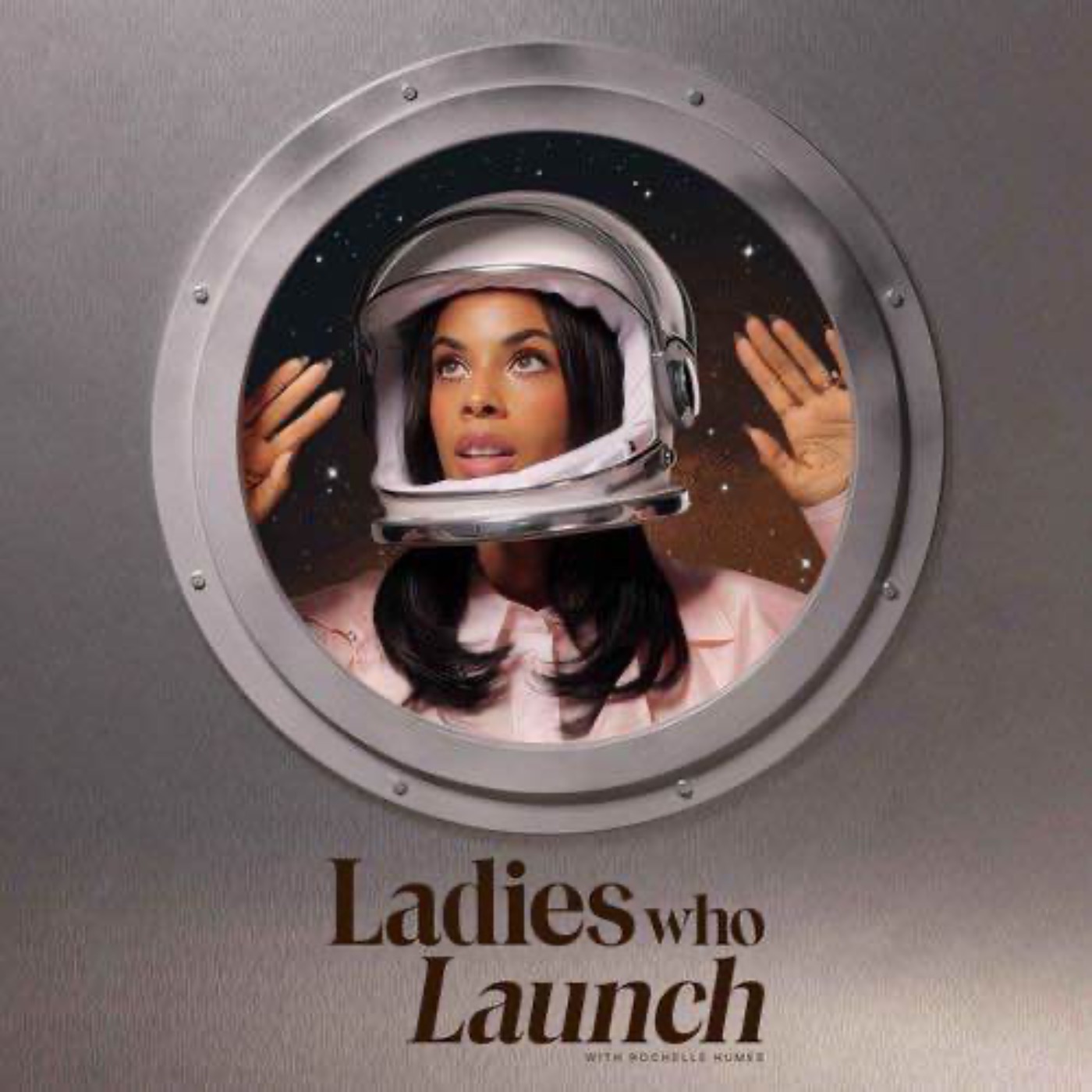

 Ladies Who Launch
3 Jun 2026 · 1h 9m · 33 chapters

Vivien Wong, co-founder of Little Moons, explains how the UK’s mochi ice-cream brand grew from a 2010 idea into a multi-million-pound empire, focusing on recipe craftsmanship, in-house manufacturing, supermarket entry, TikTok-driven virality, and scaling systems/leadership.
Vivien grew up around her parents’ bakery (family business). She studied accountancy, worked in finance/audit in the City (Canary Wharf era), and later left to co-found Little Moons (then “the Mochi Company”) with her brother. She learned ice-cream production (including ice-cream school) and built manufacturing and operations herself.
Little Moons succeeded by controlling quality through in-house production and real ingredients (e.g., mango puree, coconut from coconuts). They launched at “80% ready,” then evolved. Market education mattered: restaurants understood mochi; supermarkets required sampling and branding. TikTok “adventure” videos created demand, forcing rapid supply-chain ramp-up during COVID.
Mayfair restaurant sales (e.g., Nobu, Novikov); Whole Foods listing after an email reply in 20 minutes; Whole Foods pick-and-mix freezer sampling; Tesco TikTok “find Little Moons” videos leading to queues and a pallet-a-day demand surge; later private equity in 2022 (reported £100m valuation) and adding a CEO as growth scaled.
Written by AI. May contain mistakes.
Vivien shares her family's love for Little Moons and its significance during her pregnancy.
“We are such a huge fan of your brand in our house.”
Vivien discusses her upbringing in a bakery and transition to finance.
Vivien describes the inspiration behind starting Little Moons and the trend in Japanese food.
Vivien talks about the turning point that led her to leave finance and start Little Moons.
Vivien recounts the challenges and personal bonding involved in perfecting the mochi recipe.
Vivien emphasizes the importance of real ingredients and craftsmanship in Little Moons.
Vivien discusses the process of setting up manufacturing for Little Moons and overcoming challenges.
Vivien shares insights on the necessity of launching even when a product isn't perfect.
Vivien explains how her finance background influenced her approach to launching Little Moons.
Learn how understanding finance can lead to smarter business decisions.
Discover the early days of launching Little Moons and its initial challenges.
“And it just it just exposed me to working with some of the top chefs in the industry.”
Explore how branding decisions shaped Little Moons' identity and market entry.
Understand the unique advantages and challenges of working with family.
Learn how Little Moons introduced and educated consumers about mochi.
Discover the journey of getting Little Moons listed in major retailers.
“And he said, I was sat near the conveyor belt and I could tell that we're taking Mochi out of packaging.”
Learn about the logistical challenges faced during unexpected product demand.
“So we did, we organized a lot of sampling sessions with Whole Foods, had to figure out how we did that.”
Explore the impact of viral marketing on product availability and brand management.
“how, you know, all of these boring practical bits that come with running a business.”
Learn how Little Moons went viral and the chaos that ensued.
“So when a product goes viral in a way that you're kind of like, OK, now we can't keep it in stock, which is also worrying because we are on shelf.”
Discover the logistical challenges faced during rapid growth.
Explore how user-generated content fueled brand visibility and strategy.
“it was um a user user generated content of we and we don't even know exactly who the first video was because the way that TikTok posts things, you can't quite see the timestamp.”
Understand the importance of maintaining core values while scaling.
Examine the personal challenges of leadership during business expansion.
“but be able to service the masses, I suppose?”
Learn about the strategic decision to seek investment in 2022.
“I want to talk about investment because as we touched on before, your brother and yourself built this business, largely self-funded for a number of years.”
Learn about the strategic decision-making behind bringing in private equity at the right time.
“And at that point, the business was valued at 100 million pounds, which is just incredible.”
Discover the complexities of expanding Little Moons into different countries and markets.
“Was there ever any point where you sort of thought maybe we should change the course a little?”
Explore the transition of leadership roles and the importance of trust as a business scales.
Understand the personal connections formed through products and the joy of impacting lives.
“like so many people say I just like a little something before bed yes little moons is is that for me I love that I'm a part of someone's life like that so that's those little moments are what I'm most proud of.”
Learn how personal and professional lives influence each other.
“in the sense that if you just go to work, come home, dinner's on the table.”
Discover the importance of trusting your gut in business decisions.
“Like I think I'd love to be a coach or like not be a coach, but I'd like to have the skills of a coach.”
Understand how perspective can change your approach to challenges.
“And I think particularly when you've had those moments that are very, you know, that you've got, okay, we made it through that moment.”
Explore the qualities that make celebrity collaborations appealing.
“I think even using those like failures, well, we like to say lessons, but using those as perspective too, actually we overcome that.”
Get valuable tips on finding your support network as a founder.
Learn the benefits of taking breaks and sharing meals with your team.

Get the gist, explore an idea or ask about something said.
 Claude
On Ladies Who Launch, what are the key points of this episode?
Searching your listeningAutomatic transcript. May contain errors.
0:00Rochelle: Today I'm joined by Vivien Wong, the co-founder of Little Moons, the brand that transformed the freezer aisle and introduced a whole new category to the UK. What started in 2010 as an idea inspired by a trip to Japan has grown into a global business. From supplying high-end restaurants to becoming a supermarket staple, Little Moons has redefined what the freezer aisle can look like. So, let's find out why she's a lady who launched.
0:30Five, four, three, two, one, zero. All engines running.
0:36Rochelle: We have a guy. I'm so pleased you're here. We are such a huge fan of your brand in our house. Oh my goodness me. This is like, like that is the treat for my kids. Like if I say to the kids, what do you want for dessert? Little Moons is like, no, I promise you. Thank you. And we really became, was it, I think I might have been pregnant with Blake, you know, which would be like five years ago or something but we became really was that during lockdown yes okay yes that makes sense to you yeah yeah there you go we became really obsessed and i was like the coconut one then it was the mango yeah i was like that was my pregnancy craving so thank you so many people have said that about the mango and the coconut and those are both original flavors that i still i developed back in the day yeah and we still manufacture it it's crazy isn't it yeah they were my pregnancy craving you know when everyone wants ice i just love the frozen sweet but we'll get on to that we'll get on to that um I'm so fascinated by what you've built and I want to sort of take it back to the beginning because you started your career started in finance yeah so to talk me through that so I my parents ran their own bakery my mum started her bakery so I grew up with a working mum had to be super responsible for my own school work my little brother's school work and so I always watched her building a business herself so she was my greatest role model of course so anyone that worries about being a working mum I feel like I've learned so much from my mother watching her do everything that's made me feel so good no it makes you sort of more responsible I think because if I didn't if if I had forgotten my I don't know geography book on a Tuesday some of my friends mothers would be like oh darling I know that you had geography in second you know second period on on the Tuesday my mum wouldn't know at all so I had to be very self-sufficient and I think it's it's held me in good stead for my career and and work and stuff so you know big up working mums oh thanks so I've always grown up around the dinner table talking about work and then my dad also joined her business it was a big family business and then um when I say big I mean it was a tiny bakery but it was a big part of our life yeah and so every weekend we'd go and help summer holidays my mum babysat us parented us in the factory and so we'd help so I've always I guess worked somewhere you know in my spare time and so I guess that's when my mum said you know it'll be good for you to get a professional qualification so I went and studied accountancy after university and I went to work in the city despite my mum saying to me you should start your own business go into a career where you can you've got time for children and obviously the city very limited time worked incredibly long hours but it was a really good learning ground for me because I saw what it was like to work with really smart people very professional environment and I did take elements of that to Little Moons like seeing managers that worked well managers that didn't work well in different styles but also the systems that a big business like that had in place so I really enjoyed my time although I just knew that it wasn't where I wanted to be forever and then it was during that time that I was working Canary wharf i saw that japanese food was becoming incredibly popular there was like a yo sushi on every corner everyone was carrying an itzu bag what year are we talking here um this was um 2004 2007 right okay when i was there um and i left working in the city 2008 when i first started little moons although it wasn't called little moons back then what's it called i think we just called it the mochi company yeah because i was inspired by the white company right so i mean what a business she's incredible chrissy anyway another she's she's she's really helped me as well with like ceo chats and things like so she's oh my gosh i've got so much to unpack with you she's because i think when you get to a certain certain size there's not that many women that you can speak to because everyone like you know to go from 50 million to like 100 hers is like 350 but i i didn't know anyone whose business was that side and i need my mentors as well right yes of course and also it's talking to someone at the time that's relevant for the stage that you're in too that really understand where you are and what you're wanting to do next and beyond yeah so so so we're about 2007 and you're seeing this real trend yes so what inspires you to leave your job and really sort of get stuck into I suppose your passion right yeah so I would again spend weekends with my parents and restaurants were coming to my mom's bakery asking her to make Chinese products Japanese desserts for wherever and I just thought wow this is this is super interesting what she's thinking what she's doing and I was far more passionate about that and interested in that than I was in in finance and then it got me thinking we could do this mochi filled with ice cream which was something that we discovered we being my brother and I we started the business together in Japan and in America and I've always loved the mochi texture it was something my parents made the traditional version with red bean on the inside and we tried it in Japan and we thought this is this is magic it's so lovely it's so chewy the ice cream is lovely but we just thought we could do it better because I think they just had vanilla ice cream in it right so we do the Italian gelato and all the different flavors and so when I think this was coupled with my father getting ill so he was diagnosed with cancer and I think that would really change my mindset it really brought home to me that life is incredibly short and whilst I always planned on starting my own business you have to I guess you've just got to seize the day and and do it then so I thought you know I've only got one life why not why not why not do it now and 2008 was a horrible year for finance I don't know if you remember like Lehman Brothers went under Bear Stearns was had collapsed and it was it was like the perfect time really to leave and just start something new it was almost like the universe was like this is it out you get absolutely the universe is speaking to me like now's the time see it's the day and so that's when we left and my father and I worked on the recipe for for the first two years because it's quite hard to get um the dough recipe right and the technique of wrapping hot dough around ice cream gosh you know I don't I've really overlooked the like the craftsmanship of that yeah you're so right and so we had our own factory as well which is I'll definitely go on to that because we manufacture everything ourselves we don't contract manufacture and I think a lot of food companies do contract manufacture and you've got to find the factory and things so I had an industry expert say to me take all the money that you have for manufacturing and spend it on marketing don't start your own factory and I thought about it and we discussed it my brother and I and there was no want to make mochi it's not like tea or peanut butter where there is a factory that can potentially make it no one would make it so it wasn't even about trying to convince them to do a minimum run for us no one no one would spend the time knowing it wasn't an option absolutely so we thought well we're gonna have to make it so that's why we spent a long time like I said perfecting the dough with my dad I went to ice cream school to learn how to make ice cream oh my gosh and so it was very much start small learn the recipe yourself so when you said you like the mango and coconut that is definitely still my recipe that I I still work that we still make oh they are my favorite thank you my husband's favorite too they really are my favorite particularly the mango I mean a bit I could sit and eat a bag so a box a whole box it's a little dangerous for me um and so that's where we started and it took a long time for my dad and I to get the recipe correct and I'll always look back on that time so much sort of like I don't know like nostalgia it was it was really lovely to spend that much time bonding too though yeah that's like a different it's a different sort of quality of time isn't it building something with a parent I can't even imagine that that's so yeah it's really special and I think we don't get a chance to spend as much time with our parents anymore like once I'd you know once you've gone to uni and start a job like that's it you kind of see them a couple of times a year so it was really lovely to go into the business with my my parents and spend a lot of time together um getting the recipe correct and then I was I think you know learning how to do all the different recipes for the ice cream that was super fun as well and I always had the um I guess the the heart of the business was to use real ingredients because learning from my parents traditional bakery my mom would buy pandang leaves to flavor her cakes as opposed to flavorings and I used to see how they used to squeeze like fresh coconuts to get the coconut cream so it tastes more fresh than like coconut powder and things so I really learned that essence of craftsmanship and care about the product from watching my parents work and so I applied that to to Little Moons as well so our mango which you love is purely flavored with mango puree like there's no flavorings in there whatsoever the coconut is purely from coconuts and we've we've continued to do that as we've grown as a business and I think you know that's why one of the reasons why we've done so well because our product quality is excellent and we've been managed to you know because we manufacture ourselves we've been able to control that and what was that sort of process like because obviously that's like an incredible idea but that's also a big sort of thing to take on the manufacturing yourself and you know having the the scope to be able to do that so what was what was that like at what moment did you think okay we really are going to have to do this ourselves and how did you go about it so we had to my parents already had a mochi machine so I kind of knew how you could make it with this machine but you had to get new parts you had to find a new process of making it with ice cream and that was where it was quite difficult and it took lots of lots of different runs and then shelf life testing as well which is you know I think there's so much of running a business I didn't even think about that and it's and this is business it's it's really boring stuff it's running the same process over and over again and then we'd shelf life test it and then after three months like the dough would disintegrate so it wasn't the right one so you go back to the drawing board and our mochis have like 18 month shelf life now 20 like two years shelf life it's a frozen product so you really need to work your way up there do lab testing make sure that you know the integrity of the dough is still good and all of this stuff so that was the early that was the early part of starting little moons just the day-to-day grind of testing a recipe over and over again if it's too soft what do you add to it let's change it now you've taken too much water out let's add some more and it really is that tedious process of getting the recipe correct a process that you can't avoid no not if you want a great product yeah yeah and it was just when we finally got it correct it was that was a brilliant you know and it took some time it really and we I think I launched the product before I thought it was perfect but that's something that I think you've got to get 80 % of the way there and yeah and I think every brand you know and even at the time if you think it's perfect for I don't know the budget or for what because we also know how these things sort of snowball and then time is there and so on and so forth but at the time you do you believe it's perfect but then you can also look back and you think oh gosh isn't that crazy that that's how we launched yeah in the first instance you know where we've evolved so much since then and now we only do it like this yeah I think every brand has to start somewhere essentially right and I would always encourage people to start or founders to start a business and just get 80 % of the way there because the the rest of the 20 % can take so long to get there and the market may have moved or you know when I look at our our branding for Little Moon's early doors we didn't have a picture of the product on there it didn't really convey what was in the packaging but I'm glad we launched with it because we had to start somewhere and then we just evolved it and there's nothing stopping you from just changing your packaging doing a few tweaks here and there and like you say things are going to change things you know things do evolve and you will always look back like I do now with my little cocoa we at five years we changed all of our branding and I'm like I weirdly I'm like is this like crazy to me that I didn't really want to and it was a bit of a kind of emotional thing for me and and I did and now I'm like as if that was ever like it's crazy to me that I kept it like that for so long so I think it's whether it's it really does change doesn't it as time goes on and you think that you're set on something but actually it's just the beginning and you and you do have to start somewhere how do you think your career in finance and that side of what you you know it's almost your past life before little news how do you think that sort of shaped your understanding of launching a business I there was nothing that could prepare me to launch a business so when I studied accountancy I started an audit I mean it's so dull but I would go to so many different businesses to see how they were run so I could see the culture of lots of different businesses like what a boss was like to their their team from so many different businesses so I I think I learned a lot about culture and how offices felt and how well they were run but I never really learned how it was launched because I was never there long enough or early enough to see them launching the product but you could you know I I I learned a lot about like finance and how to look at your numbers and cash flow and I understood the importance of that it is and I I think I take for granted sometimes that I came from that background because when I hear other founders speak they're great at marketing or a certain area but they find it really hard to understand this is me this is literally me I'm like marketing branding all things front-facing I'm like I'm there I'm so decisive I know exactly what I'm doing finance side of it and I'm like you know I'm learning as I've had to learn as I know because that's life but that it's it just doesn't come naturally to me yeah and you don't have to do it you just have to understand it yes you've got a good finance person and he's running the numbers for you and you understand about cash flow so I think I came from a good I had a good background in that to understand that from the beginning and so I I think um you know we self funded Little Moons for the first 12 years of the business every Sunday I just did the accounts that's all I did every Sunday and it saved us like 24 ,000 pounds a year for example for a bookkeeper but it meant a lot to begin with because that was 24 ,000 pounds we could spend on marketing or something else so it meant that I could keep our books for the first couple of years and how did that starting phase look at because we always talk about like you know we are ladies who launch we always talk about the launch of a brand at the time so the year that you launched was 2010 2010 and it's taken you two years to perfect the recipe and so on and so forth you get to launch day how much do you think it took you to get off the ground at that point so we started super small we had our own factory we'd just make a tiny batch because we were able to do that and then I'd start selling to um restaurants in in Mayfair popular restaurants but it wasn't huge volumes but it just got us going and then it just it just meant that I could slowly learn the process of making it figuring out the delivery yeah how do you manage stock how do you invoice how do you collect money on a really small scale so I was really lucky to be able to learn those processes so when we went into different countries it was kind of the same process of figuring it out really smart strategy like you say to almost understand that this machine that you're building can operate you know and knowing that you can fulfill those restaurants and you can and also the sort of restaurants that you were in we're talking like the where are we here we're talking like the Nobu the Novakov we're in in that kind of range you're instantly as well like you say of course they're those premium expensive restaurants with the small volume but a great positioning yeah too Yeah, great learning.
16:18And it just it just exposed me to working with some of the top chefs in the industry.
16:24Rochelle: Yes. Yeah. And in terms of like branding and like you say, you're really lucky that that was your background. How were you in sort of understanding the creative and the marketing and the branding? Is that something that you were kind of like, I'm going to need help on this or were you instantly sure of how you wanted Little Moons to look? so my brother who's my co-founder has incredibly strong ideas about branding I think that comes a lot more naturally to him right but I think everyone has an idea on branding that that's the problem everyone has an opinion about marketing branding all of these things so we went to an agency um eventually when we when we decided that we needed a brand and we were going to go into the supermarkets that's when we decided we needed to brand the product so for the first five years we just sold to restaurants in like white labeling if you know what i mean yes it's like unbranded a white it wasn't really necessary for it to be a brand it wasn't because it costs a lot of money to brand like you either you've got you go to an agency it costs a lot so we'd saved up that money from selling to restaurants and so we went to an agency and they helped us name the product they came up with the name little moons so tell us about tell us about the name so they they they sort of put the package together as it were to give you i suppose we call them like clear brand guidelines yes so that your dna your rules of the brand and that's something that you always stick with and that's what people love about you so why why little moons so we were given a couple of names as agencies do but one of them was little moons and the reason why they called it that was many reasons because our balls look like little moons because they're little like sort of all shapes and there's also a japanese fable about there being a rabbit pounding mochi on the moon and you can look it up and so the Japanese believe that there is this image of a rabbit and they're pounding it in the traditional pestle and mortar how we used to make mochi and how he got there was um it's the fable of a god came down onto earth and sort of like dressed up as a as an old as an old man asking for help and so I think it was something like the fox went to get him some wood so that he could light a fire and the um the monkey went and got him some food no some water and then the rabbit thought there's nothing I can give you that I can be of help but I can sacrifice myself to give you something to eat and so he threw himself in the fire and the god was so touched by his selflessness that he revered him and put him on the moon to sort of live forever more pounding mochi which is a very special um product that Japanese people always eat during New Year's wow and so it's not it I think it all of that sort of like symbolism the storytelling it's just it's quite sort of oh it's so poignant yeah it's really poignant yeah and so I think all of that all that creative turned into little moons which we absolutely loved and so we chose the name and we've stuck with it ever since it's I mean well I see why and I can imagine in that meeting it just clicking yeah yeah yeah you just know so like you say you're what I love about this as well that it's two siblings launching something I'm always really interested when I like hear siblings working together and founding something together I it's incredibly special to found your first business anyway right that kind of Jo Malone always says I found my business and I found myself at the same time because it gave her that real purpose and that real and I so know what she means when she says that um but I can imagine it's a real special feeling doing that with family yeah and I can imagine at the same time it's like if it if it goes rocky or it goes wrong yeah it can also be quite quite full-on but to share that with your brother yeah must be incredible yeah I think it's been so lovely watching him I guess like you said grow from a boy to a man almost and I've definitely grown into myself I feel like I've stepped into my power and everything we talk about women in confidence I think you gain that confidence from knowing that you've made mistakes yeah but it hasn't killed you and you've survived yes and so you've survived it and it happens again and you you just think I can do this I've got that resilience and so I've absolutely grown with the business as well which I think is really important every every founder must grow with the business otherwise you become I don't know um irrelevant yeah you're so right and I think it almost it forces you to grow too because everything move so quickly and you're there's nothing in the world that will keep you I mean apart from maybe children but it will keep you on your toes like founding and running a business yeah there's so much to be curious about and I think it's that curiosity that keeps you growing and I've done a lot of coaching I've talked about this like I've had a lot of coaching through the different eras of my business and then it's become different eras of me as I've grown up within the business so when when we're talking about this sort of 2010 launch like this is the brand in its infancy what you're really i mean for me and i suppose not just for me for for the market itself you really did fill a gap in that market because like you said you said you saw that certain things were trending but when we're looking at supermarkets and so on and so forth there was a gap that you guys completely filled and I yeah I can't think of anyone else in the space to be I don't know if there is now but Little Moons is all I certainly think of was it kind of did people get it straight away or was it did it take some work in marketing to convince them so that's what we did the first five years in in restaurants because I thought if we launched into if if Tesco's even listed us yeah I don't think anyone would have taken it off the shelf and that's another job right getting it On the shelf is one job, getting it off the shelf is another.
22:07And so we had to educate the market because no one knew the product, like you said. But people are more likely to try something new in a restaurant. You go there, you're in that mood. You're like, I want to try something new. This sounds interesting. I don't know what yellowtail is. You want to try lots of things. And so the chefs knew what mochi were because the pastry chefs obviously are more, sort of like know more about traditional products. So we got them listed. And then we started getting phone calls from people asking, can I buy mochi from you directly? In fact, we got an email from someone who had climbed through the bins of Yo Sushi to get our packaging.
22:40Stop it. This is brilliant. Yeah, I wish I'd kept the email. I wish you've got to find this email. Yeah, it's my old Mochi company email. But I said, how did you get my email? How did you know to email us? And he said, I was sat near the conveyor belt and I could tell that we're taking Mochi out of packaging. So they weren't making it on site. And so I went through their bins. I found the packaging and obviously our email's on there. and he said I love it so much but I want to buy it from you directly and then we started getting a few emails like that from food bloggers and no one else climbed through the bins but to be honest
23:13Rochelle: that just that needs to be just written up somewhere that's like the best testimony ever I climbed through the bins for you yes I mean it was quite a story I I will never forget it and um and so that's when we started realizing that people knew that we made mochi and so that's when we started thinking let's let's think about branding this product and selling it in the grocery stores and obviously the mecca of brand new brands is whole foods so we uh approached whole foods and we emailed them not expecting to hear from them at all um because i think we've been told that their buyers are super busy they won't write back for a year all of these like you know all these reasons for them not to get in touch we got an email back 20 minutes later and stop yeah and he said you had me at mochi i love mochi i've been you know i they they have it in the states i'd love it here come in and see me and we launched super quickly like there wasn't a window you know i like you know there's usually like ranging windows like a real rebuild window we have it in in baby toiletries where it's there's three windows of the year in j in march february is our biggest window and then you know for new there's just no space or time to put anything else on shelf other than those windows so that's incredible incredible managed to turn that around so quickly yeah and we we became their best-selling ice cream for for many years and we also then put in a pick and mix um like sort of freezer so if you weren't sure about taking a six pack off you could go to this pick and mix freezer and just buy one and try it or you could try each flavor and that really helped with the sampling and the education piece and getting consumers to to to understand what the product was and what was that for you guys like in the back end of it all because obviously at this point if you're used to servicing and fulfilling the the restaurants and like you say that it was great position great learning but the volumes were small what was it was it like one of those situations where you're going for the meeting you're very excited and you just say yes this is going to happen and then you just have to go and figure everything out afterwards or was you completely ready no I think you just you say yes and then you figure it out I think that's the only way you can never be too prepared and this is the skill of being an entrepreneur you just find a way you find a way through you problem solve and and you just get it done like whatever it takes like we're gonna we're gonna get listed and was that was that quite stressful though behind the scenes always yeah everything's really stressful I think if you believe that anyone's like plane sailing and they've just organized everything then it's a lie like we're all swans and you see it on social media you think oh this brand's doing incredibly behind the scenes like there's furious peddling there's fires getting put out left right and center absolutely what so how long between that meeting and i suppose him loving the sampling to you being able to sit in store what was that window i can't quite remember that was like back in 2015 um it was quick though yeah it was really quick that must have been like a real kind a moment of wow that's a real seal of approval isn't it that's like that's the retailer that you want to reach like you say for a small business just starting having their sort of gold star is a big deal I think going in store and seeing your product on shelf there's there's nothing else that compares but I think we allowed ourselves a mini like woohoo and then it's on to the next thing yes like we we my brother and i never celebrate success properly and as we got on new team members we realized that that was something that we needed to do yeah um we had to celebrate momentum like you know milestones and do you think that's because you were always on to the next thing yeah yeah we were like okay we're on the shelf so how do we stay on the shelf because the next thing you're worried about is being delisted because no one's buying your product so then we're on how do we market it how do we let people know that we're now in health foods totally all it's so it's always on to the next thing and then and what was the next thing I think it was just making sure that we were on shelf.
27:01So we did, we organized a lot of sampling sessions with Whole Foods, had to figure out how we did that. How did we find the right team members to do that? Because you don't want someone to just sort of be like, you want people to be like, try this, Mochi. It's the most incredible product. So, you know, finding the right team members to do all the sampling, getting the right stock, figuring out how to sign up to the distributor, how, you know, all of these boring practical bits that come with running a business. and then after that it was then well maybe we can approach waitrose maybe we can approach ocardo and so it's always like on to the next yes yes when you and your brother were sort of first
27:37Rochelle: sat down and sort of thinking about where where those dream retailers are like what was what was kind of the the north star for you how did that look i think we knew that we had to target audiences that were perhaps like had traveled more who knew about Japanese food so it was it was naturally then Ocado Waitrose to begin with and so we approached them first and that's how we we started it Ocado then Waitrose then we went to Tesco's and then we went viral on TikTok then we got listed by everyone else but up until then we'd been messaging Sainsbury's Morrisons Asda like every week for like five years and nothing yeah so let's talk about that because So I'm so interested in when a brand and sometimes it's something that you don't see coming or sometimes it's, you know, a situation that you have prepared months, years for.
28:34Rochelle: So when a product goes viral in a way that you're kind of like, OK, now we can't keep it in stock, which is also worrying because we are on shelf. So we have to fulfill all of these retailers, etc. literally that idea of selling out and those moments it's all great but you don't exactly let the confetti cannon off because there's so much logistically that has to go on yeah in the back end so tell tell us about that moment like you say it's so interesting you launch with those retailers and then you know you're trying to get the message out about little moons what happens how does it go viral and what sort of impact did that have on the business well it it totally transformed our business it was how does that happen you get a phone call from tesco's and says you know how we had a plan where you would deliver a pallet every month or something like that whatever it was we've just finished a pallet a day so can you deliver i don't know 50 more tomorrow we could you no you have your factory you've got people making it you've only ordered this much you know you've planned your production it's like the supply chain that's how it works you know how much flour you need to order because it's like six months because your forecast says is this yeah all of this and then suddenly you need to completely ramp it up and so you need to go like we buy a flour from Asia so we need to phone up our Asian partners and say well we need send all the flour yeah and they're like but there's no containers in Asia they're all in in the west so that's going to take a long time or our factory then needs to ramp it up or you know all of these all of these elements and then it was in the middle of of covid so we couldn't put more people into the factory because of the whole um distancing so we'd done that in our factory as well so we couldn't put more people in and then if we'd made enough product there wasn't enough cardboard there was a cardboard shortage because everyone was buying from amazon all the ppe equipment had just like soaked up all the cardboard so it was just one thing after another and then we'd get phone calls and like from dad saying I've been I'm coming down from Wales I've been to eight different supermarkets my my daughters have said don't bother coming home if you're empty-handed and at this point I'm willing to drive down to London to your factory to pick them up and so it was just you know really good fun good problems to have excite like there's a lot of adrenaline a lot of excitement but logistically a nightmare yeah I mean you can imagine I mean you can only imagine what our factory was like yeah and even with how you're just describing it all of those elements and also at the time we're acting like it's it was easy task to get a container anyway like it was that time was just well we all know what lockdown brought so what was it that made the brand go viral so it wasn't anything to do with us as such it was um a user user generated content of we and we don't even know exactly who the first video was because the way that TikTok posts things, you can't quite see the timestamp.
31:34Right. And so it was a girl videoing herself, walking into a Tesco saying, I'm going to a big Tesco on an adventure to find little moons. And it's just from her behind and she's walking in, she goes to the freezer, she takes little moons out. She sort of checks it out, goes to the car, eats it and gives it 10 out of 10. And I think someone else then did another one and then someone else did it. And then the algorithm picked up and then everyone was seeing this adventure. and there was nothing else for us to do but go to the supermarket back then right so it was the only permissible thing we could do so I think people just thought this is fun let's try and look for little moons there was good weather too and there was great weather yes yeah everyone's looking for ice cream everyone was out in the parks it was the only place we could go um and that is and that's that's how it sort of just worked and then everyone sort of emulated that video and then there were queues outside of Tesco's at 7am it's just phenomenal and I think
32:29Rochelle: it's like you say you'd been marketing and you've been trying to sort of get the messaging out but nothing I suppose could have prepared you for a girl taping herself going to Tesco and leaving and then that becoming a trend yeah it's crazy yeah and we always talk about these moments of virality and how big they are for businesses and but also it's it's the ability to be able to think on your feet and pivot and be ready for those might like those moments to happen how if you could look back would you have changed anything of how you kind of reacted or were you just like okay this is this you know we we couldn't believe this was happening to us and we've skyrocketed since if that was if that was to happen to me again I would definitely have a playbook of what I would do because it happened before but I was completely clueless and it was almost the blind leading the blind but I couldn't have done it without my team you just grab your team together and you just say guys this is what's happening and I know we're going to have to try bring in loads of new people you need to train people up and so trying to keep the product quality which is the most important thing as you're bringing new people in it's um it does have a massive impact and when you're bringing new people in it affects the culture of the business so there were so many things to to manage to make sure that little moons didn't sink in that process but it's also the skill level so i didn't know my ops director didn't know how to suddenly ramp up production that quickly and so it was just knowing who to bring in like where's where's the skill missing like where is it that our supply chain's failing right now who is it that we can hire to bring in to help us fix this problem and it was all these all these unknowns that you just usually have time over weeks and months to figure out meet a few supply chain managers and interview them and like speak to lots of people we didn't have that time yeah it was just building at pace and how did you sort of really make the most of it online and I suppose in a sort of marketing vein like when you're having these moments how do you amplify that and sort of shout about it in the best way whilst equally not too much because we're running out of stock at retailers and you don't want to piss them off because they've not yet been fulfilled it's kind of that cycle isn't it but you want to make the most out of those moments yeah so I think it was a lot of um negotiating with the new retailers that wanted to bring us on as well and what we also did was we pivoted the um the news of us going viral on TikTok to the regular newspapers and magazines where our regular sort of consumers would have because we always went for I think 30 plus year olds liked it but everyone on TikTok was a much younger generation so then we we then told the newspapers about it so they could read about it as well and and I think we just tried to maximize how many consumers knew this was happening and just remind them to well still remind them to come in and get it and then we put out put out our first tv ad because we thought it would be you know nation we were available nationwide for the first time and it was just it was just those little steps of just continuing to keep the magic of little moons and everyone sort of atmosphere you know in their in their mindset your first tv ad is always such a big yeah milestone i think was that did that feel surreal it was really beautiful we really i mean just thinking about it i yeah it was a really beautiful ad and it was an absolute milestone i mean you grow up watching all these ads of course um and it was before like netflix was huge and things like that and it was just you know it was it was yeah it was definitely a moment where we all sat down and waited for it to come on did you yeah of course it's special yeah it's so so special what what a huge moment so I want to I want to touch on scaling because obviously the demand grows tenfold and no doubt I suppose you've touched on that with the team but the business has to evolve too you've always manufactured your own product and that's something that is like you really remind me of um Ella Mills deliciously Ella and that was something that was so so important to her and she actually believes if she wasn't she um exited but she believes if she wasn't so sort of though had those boundaries and those firm beliefs on those core values that because lots of people trying to sway her that we could be just making it here and we could get it out and we could feel quicker and so on and so forth but she stayed true to her core values and she now that a bigger company bought deliciously ella yeah that because now that's what they're known for and that's the brand dna they now can't change that so they still use the same factory yeah but because that she'd stuck to those principles that were really really important to her because no doubt when these things happen people will say oh this is how we solve it we we use this factory now and we go but I know it's been so, so important to you.
37:32Rochelle: So what has the challenges been as the business has grown to keep those core values and handle everything in-house but be able to service the masses, I suppose? So I think there's a few things as you scale the business. So we still use the same mango puree and things like that. But because we're buying in greater volumes, we can go direct to the supplier as opposed to through different agents and distributors. So I think that was one part of the supply chain, which saves you so much money. And that means that you can buy in bigger bulk. And it's just one of those things that you go through as you scale.
38:08You go through your supply chain. And then it's like the systems involved in the business as well. So a really simple way of explaining is like I came into the driveway. I drove into our car park and it was iced over. And it's not below me. I would go and get the salt and start and sprinkle it on so no one else would slip over. and then my ops director who was there at the time he said Viv that's fine for you to do that but how do you know so what happens if if it ices over again and you're not here so you need to put a system in place to make sure that that happens when you're not here and that's the whole point of building and scaling a business it's all these little systems that you've got to put in place it's not just down to you anymore and so we had to do that across the whole business and it just means that it runs without you being there that someone's thinking about it that it's someone's job and so that's that's really how we scaled across and that's I think when you talk about principles that is I guess your business is made up of tiny little principles if you see a job that needs doing you do it you add it on and so everyone in the business knows that we're trying to make improvements that we help each other and then you start writing down the values and the culture of your business so as it scales it's scaling in the right way and I think when Ella talks about principles there's no way that Deliciously Yellow would ever have artificial things in there or anything like that that's the same as us we would never have artificial flavorings involved and so that's in the DNA of the brand and it's not just in the brand and the recipes it's across the whole business how you interact with each other and what I did realize as we scaled is if it was an element of my personality and I struggled to hold someone to account for example that trickles all the way down the business so I've got to learn to hold my team to account and then they learn that they need to do that to those below because otherwise we're going to start letting each other down yes and so it's all those elements of your personality that you need to have self awareness about if it's impacting the business negatively I want to see a coach to learn how to say no hold people to account I have difficult conversations because if you're skirting around all of those yes then it your business is it's sort of a hard thing to sort of and I like that
40:17Rochelle: you're saying that you went to a coach for that because it's a real it's a strange thing to be comfortable with and have you really found that to be to say no and to hold people to account yeah because we touch on this on this show a lot almost have like when you are leading a team wanting to be liked wanting it to feel like a family but also know that you kind of have to have authority and it's a really sometimes there's a question of oh why am I in this position and kind of knowing how to go about that yeah and I think so through my coach you have transactional analysis which is what everyone knows and so if you start talking to your team like a like a parent they're going to act like a child yeah so why why have you done this or why are you late they're going to react like a child so if you want to hold them to account you do it in an adult state so you sort of say well my expectation is that you come into work on time yeah and then they should react as an adult and so I think that's where I started getting comfortable with holding people to account in a sort of respectful way yes and it does feel it it's one of those things that does feel it takes a little time to sort of navigate and particularly when a business grows and it scales I can only imagine to the degree that the way that Little Moons has evolved, getting comfortable with your role at different stages of the business too, that's growing with you and you're growing with it as a founder, as a leader.
41:40Rochelle: And like we say, finding yourself. It's a really interesting thing. I want to talk about investment because as we touched on before, your brother and yourself built this business, largely self-funded for a number of years. And then after the kind of off the back of the virality and the huge demand and the increase in sales in 2022, you brought an investment and external leadership. And at that point, the business was valued at 100 million pounds, which is just incredible. It was reported 100 million. It was reported. That's what I'll go with. um what made 2022 the right moment to bring in private equity so my non-executive director who had been working with for a number of years said to us guys if you want to take some money off the table now's the time to do it because you always try and get investment when your business is flying yes and then your multiple would be higher all your valuation would be great and we'd never really built little means to sell as such it wasn't really in my personal yeah you know a passion project yeah and love we'd done it so slowly as well I feel like some entrepreneurs that build a bit of brand to sell they do it in three years they get really quickly and they're out they take loads of money off and then they're done and that's the primary focus they know where they're headed from day one yeah absolutely that was the plan but for us we were 10 12 years into the bit 12 years into the journey we could have kept going if we wanted to but if you really want to if you want to go fast then you need money and so that's where we thought well actually yes you're right this is the perfect time to get investment we could my brother and I did take money off the table and then with private equity you can go to a bank with their backing and borrow money then we were going to build a second factory that was larger and so that's it was just really all about timing and and what and what what sort of felt right in that time to make you decide to bring on a new ceo because of the whole the new structure i decided we decided to bring on a new ceo largely because i was exhausted yeah i was absolutely broken from growing the business that quickly years in too yeah but it was fine when it was slow growth it wasn't like working it was it was an absolute joy it was just lovely coming into the team it was like you know very like stable growth and everyone loved what they were doing but it's when you had to scale the factory as quickly as you did I didn't sleep for about three years I feel you were just so worried about everything not going right and I was absolutely exhausted and then we'd gone through the process of looking for investment so I think we got something like 12 term sheets then you've got to meet everyone decide who it's going to be then you whittle it down then everyone puts their bids in and then you whittle it down again then you go through all of the legals it's a really exhausting process it's a full-time job as well as running the business so when we spoke to Elle Catterton who we decided were our chosen partners they suggested that they bring on a CEO and I thought at this point I was like yeah actually what I don't know anything about growing a business from I don't know like you know 50 to 100 million let's why don't we bring on an expert and i'm exhausted and i'm exhausted as well to learn yeah yes yeah so that's what we did i mean it's i honestly it's quite the story and do you know what i love about this story so much is that i think nowadays we're so everything i mean everything always feels like an overnight success doesn't it that's like we always say it takes 10 years to make be an overnight success but we do see these brands now skyrocket out of nowhere and in their infancy have that incredibly fast growth yeah and then have a sale on the table yeah three years and it makes everybody else feel a little bit like god I've been going at this for such a long time what am I doing wrong yeah and the fact that that was like after 12 years it's so nice to hear because anything can happen at any point if you've got a good product and a solid business and a great brand yeah you know there is kind of like slow and steady wins the race yeah and do you Do you feel like, was there ever any sort of time for you guys as founders where outside noise could be a little bit distracting when you look at everybody else and they're having, someone's had this incredibly successful launch and you're like, oh gosh, they're onto something.
46:11Rochelle: Was there ever any point where you sort of thought maybe we should change the course a little? So we always thought, should we get outside investment to fast track our growth? and we thought well if we did have an extra million pounds what would we spend it on is it more marketing and we're like no because who are we going to market to are we going to suddenly put a tv ad on no because we're not ready yet we didn't have nationwide um distribution so we we kept thinking like do we need more money and we decided we actually didn't need any money and so i think i've heard your other guests talk about it try and keep as much equity as you possibly can if you don't need the money don't raise the money yes what are you raising for what you and i think there seems to be some sort of like not not competitiveness but like i raised yes i raised 50 million i raised and that's that's great if you're spending it in the right way but we that's why we thought we there's we didn't need the money to to continue growing until we did and that's when you know that's when we did it it's sort of waiting till it's right like you say it's almost because with as we all know with raising money comes a lot of pressure too on the flip side because there's goals to meet, targets to hit.
47:22Rochelle: So if you're raising the money, make sure you're ready for it. Yeah, and don't just spend it because you've got the money just blowing it on a marketing budget that isn't going to get the returns. So just be really careful when you're raising money. Yeah, and if we look at Little Moons today, it's in 38 countries, which is, I mean, incredible. when I think about the expansion into like different territories has it been really an interesting thing for you to have to almost learn each market to be able to deliver the product and because you know things land differently in different territories and how you're going to communicate that messaging has that been quite a task yeah so we exported quite early on in the first five years to service the restaurants but absolutely you've got to approach each market differently so the German setup is so different to say the French setup and you just have to learn how to service them differently so France each supermarket is almost independent even if it's part of a chain wow so you need a lot of fields field staff sorry field team to get out there and check all the supermarkets Germany split into seven different regions you've got to approach each one separately and so the UK is great because if you're in Tesco's you're in Tesco across the whole of the UK.
48:41So you really do. And also marketing, I think, has to feel like you belong in that country. It can't just be English sort of phrases that are just translated. It doesn't make sense. So you really want people to feel like you belong to that country. And you need to show up as Little Moons, but in that territory. Yeah, in that way. And you market differently. So you do absolutely need to make sure that you approach each market differently.
49:06Rochelle: Yeah, it's a lot to get your head around. is it particularly when we're talking 38 different countries when you look at the business now what feels most different from those early days do you think I think it's my it's my role so I walk into the office now and everything's just running you know it doesn't need me to fix anything or say anything as such a successful business isn't it yeah I guess thank you you can take a holiday though you know like in the way of whether you do or not it's a different story but if you can take a couple of weeks off and know that it's a well-oiled machine and you know it's only recently so when my new CEO Joanna started because we um she's our second CEO when we when she when I'd handed over to her I had so much trust in her that for the first time and I think it was the first time in 14 years I wrote an out of office where I said this is the first time I'm writing an out of office I'm actually not going to check my emails because I don't need to because I knew if there was a problem like maybe Joanna would call me but I do not need to monitor my emails and that was a great feeling that's a liberating yeah just absolutely switch off oh because it's that's the every I think that's the goal for every founder to get to that point where you can actually go yeah that's a sign of yeah it's like winning the euros I don't need to check my emails I've got this um I want to talk about the future of Little Moons and how if we was to chat in a couple of years what you would see the next sort of I don't know five ten years looking like what do you think the future is for Little Moons what I'd like the future to be is I would love us to be one of those enduring brands that I grew up absolutely loving like when I have ketchup it has to be Heinz yes you know like you hear the of a of a coke that that's that lives with you always and that you know Ferrero Rocher if I ever if I ever have one which is often I will always hear in the back in my in my in my head oh the ambassador is spoiling us yeah I don't know if you're that generation of that but it's it's these really really beloved brands that sort of live for longer than their you know than their founder as such.
51:23You've got that connection with them. Yeah. And I would love for someone to eat a little moon and just think, I love these. You know, I grew up eating these. I still love them.
51:30Rochelle: Well, you are, you've captured that for my children. That's for sure. No, like genuinely you have. That's, they're the treat in my freezer. And I know that, and I always, I quite like that. I'm like, right, you can have one. Okay. Just one. Just now. Yeah. And I'm like, please, probably. No, no, one after dinner. That's it. And you're going to bed. But it's, I think it is, it's having that nostalgia when you look back, like I know for sure my kids will always remember little moons which is so interesting and I'm not just saying that because you're here that's like that sort of period of time around lockdown and the ages that they are yeah that is the real treat to them before we move on to our rocket round what do you think you're most proud of building I think it's the human stories it's like the stories you just told about your kids always remembering it I I get a you know I get letters written to me by kids and there was this one one kid who was allergic to dairy and allergic to um gluten and he couldn't share food with any of his friends none of his friends wanted to eat his food except for little moons they all wanted to share our mango passion fruit and he just wrote in to say thank you so much he finally felt like part of the gang and cool or if you're walking through the aisle and you see someone playing rock paper scissor to choose which flavor of little moons to get i mean i don't say anything but you just observe it and you're like yes it's so cute really touched someone's life yes and you can watch on but you could literally watch stand in that aisle and just be like this lady's lurking again but watching watching that happen and watching someone decide whether to buy it or not or what that's like there's no feeling like that yeah and so that's what I'm proud of like how we've touched people's lives and how they like eating like so many people say I just like a little something before bed yes little moons is is that for me I love that I'm a part of someone's life like that so that's those little moments are what I'm most proud of.
53:14Rochelle: Yeah, I bet they are. I want to do a rocket round now. And I ask each of our guests the same questions. It's essentially quickfire, but I mean, we're yet to be quick on this show. We are yet to be quick. The first question is, what do you believe are the non negotiables for running a business? I think two things. One, you have to have passion for your product because one, well, passion for your business. You must have passion for your business. there's going to be some dark times it's going to be really really hard sometimes you're going to wonder why you're doing it and you have to have a passion for what you're doing and secondly your product like you can do all the best marketing all the best packaging everything can be perfect if your product doesn't deliver it's I just don't I don't see how you can launch a business unless you you know your product is up there yes and you're passionate about that product yeah too when did you first realize that you truly launched i think just seeing our chocolate mochis going around the the conveyor belt of yo sushi was when we felt we'd really launched it was early doors but seeing your product out in the wild is just this feeling and knowing that it's landed as well and like people it's connecting and people are climbing through bins yeah i was gonna say actually rewind that's definitely i don't think it gets better than that um what's the first thing you do when you wake up and the last thing you do before you go to bed I mean literally the last thing I do before I go to bed is kiss my husband good night good night and then you felt yes um and I'd say the first thing in the morning as well I mean I he has been a huge support network for me and we both support each other's businesses really closely and I just couldn't have built it this business without him I think you know that's definitely something that I haven't touched on but you definitely have to buy-in from your partner yes support you you can't do it alone that do you know what that's such like a valid point like we talk about having allies don't we and I'm the same as you were for me my husband is and he might not even necessarily like it might not even be his back so what I'm talking about he might not have much knowledge on or but he's completely in it with me he he feels it in the same way I do and you know and he and he lists I think half the time is just listening and knowing that like there's a period of time that I'm probably going to talk about this a lot and I'm probably you know it's probably going to be intense and it's not going to stop for a little while but he's there and I don't feel like it's a burden I think that's so important to have that sort of safety net the other side of what you're doing particularly if you're leading right and your day is that day in day out to have that sort of safety net and that support I think is yeah is really important because we're not you know we're not easy women to be married to in the sense that if you just go to work, come home, dinner's on the table.
56:04Like, absolutely not. There's no dinner on the table. There's probably no food in the fridge either. It's just like, you know, so you really need their buy-in to help. And I was reading this book by Caitlin Moran called How to Be a Woman. And in there, she says, don't marry your glass ceiling. And it's, you know, so you've got it home. You know, don't marry your glass ceiling at home because it's really going to impact your glass ceiling at work as well. And they both go hand in hand.
56:25Rochelle: Yes, you're so right. And being able to, you know, of course we're independent women, But to have to have that to me, like he is my greatest ally by, you know, a long way, a long, long way. Yeah. Is there one piece of advice that you wish you hadn't listened to? Hadn't listened to. I'm really glad I didn't listen to the advice of that industry leader who said, don't make your own mochi. Yes. I think you one lesson I definitely learned on the journey is don't make gods of people. because especially early on you meet someone and you think oh my god they know everything and then you just almost follow blindly because he must know or she must know what they're doing what you know what what to do and how to advise you but you always need to take on advice and have a think about it and does it really make sense to me because that advice might have worked at a certain time a different product a different team but does it work specifically for you you've got to trust your gut and then surround yourself with people you can ask these questions and mull it over with I could ask you for advice right now but that's also your story and it might not you know work for me in the same way it's so true it's it's almost taking it on but also not letting it consume you still going on your own path yeah taking that advice but see if it applies to you like just don't take it on blindly yes yeah um what's a skill that you'd love to learn um I'd love to speak Mandarin another language I think that's important yes But what I'm really interested in is coaching.
57:57Like I think I'd love to be a coach or like not be a coach, but I'd like to have the skills of a coach. Yes. Because I speak to a lot of people and I'd want to have those skills to guide them in the right way. Not like giving advice, but guiding people to make the right decision.
58:13Rochelle: I could see you being a coach. Yeah, I've really enjoyed my coaching sessions with my coach. It's also like a little bit about energy, like you'll just do Reiki and you feel like energy blocks and that coaching you through those bits as well I find that fascinating I have an incredible life coach called and she does a lot with uh the podcast too called Dior and she Dior Badiaco and she is like I'm obsessed with her like it's almost like she's now become so invaluable to me yeah but I she's such a big part of my life and I enjoy the session so much like yeah and I look at her I'm like god it must be such a rewarding feeling to know how much you're you help people yeah and that's where I'd love to help like other women step into their power like my coach Charlotte Austin did as well oh you have to you should definitely do it yeah you should definitely definitely do it um ah what is one thing that you wish someone had told you before you started Little Moons um I guess it's just following your gut and just really understanding the growth that you're going to go through and also the beauty of perspective because I think there were some moments where and this is from my life coach actually she helped not my life coach but my coach she helps me and she just says when I when I when I face a problem now she goes imagine yourself when you're 80 years old where are you what do you look like really visualize it I've got a pink Valentino kaftan on fantastic you know I'm holding a Vespa martini somewhere hot and so when I'm standing there am I going to remember this specific moment where the packaging didn't come up or this you're not going to remember it at all so it's not one of your highest you know biggest highs or lowest lows and it just gives you that perspective and you just think you know what I'm going to do my best but I'm going to get some sleep tonight because there's nothing I can do about this and I will fit you know if I sleep well I wake up put my best foot forward tomorrow and it's that perspective that I think gives you a sort of yeah just the power not to overstress about things.
1:00:15Rochelle: I so agree. And I think particularly when you've had those moments that are very, you know, that you've got, okay, we made it through that moment. They give you a real perspective too because you're like, okay, this is a bit of a shit situation, but it's not that. We made it through that. So we're good. Yeah. I think even using those like failures, well, we like to say lessons, but using those as perspective too, actually we overcome that. As you touched on before, it didn't kill me. Yeah, it didn't come here. Yeah. So this isn't that bad. You're so, you're so, but I like that. Imagine yourself being 80.
1:00:47Rochelle: Yeah. And like, are we really bothered about this? Are you going to remember the specific moment? Yeah, right now. No, probably not. Yeah. What would be or who would be the dream collab for Little Moons? Super unrealistic, obviously, but Taylor Swift. I love her. I don't know if that's super unrealistic. I don't know, but I loved her concert. But not just her as an artist. I think she is such a role model as a businesswoman. Agreed. How she owns her music, how she wasn't taking advantage of when she could have been. I've heard you speak about you saying that you earn more, you know, you earn more money, not in the Saturdays, I think, or your career before.
1:01:22But she just seems to have like really lent into that and made sure that she owns her assets. So, you know.
1:01:28Rochelle: Do you know what I love about her too is that she, it really touched me. I've watched, you know, the bits from the documentary where how she is with her team as well. It really just changed my view of her even more. Yeah. and how she gave bonuses to the truck drivers or how she does the right thing when no one's watching and she donated all, you know, food to the food banks all across the UK. And I just think that she's a thoroughly great person. Yeah, it's like she's looking after the people that perhaps would be overlooked in the position that she has. Yeah, I loved watching that documentary.
1:01:59Rochelle: If you could choose one female figure as a mentor, past or present, who would it be? I don't know about as a mentor. I would love to speak to the queen because I feel like she's she's met some people and I think she's met some like you know dictators and things yes but she's really carried herself with so much grace through it all and when I was watching when I when I read about her and you know for example like Margaret her sister wanted to marry someone but she had her duty as the queen to say you can't marry the love of your life because it's going to break the constitution or something that's a difficult role and that's the same thing that we were talking about in business you want to be that human person and say to someone of course you can do this but then your duty to the business is you kind of got to deliver that difficult message it's I think she's just lived that her whole life and like yeah how would she navigate that like you say those conversations that you must feel so conflicted in yeah in that moment and having to deliver it and with grace and being super calm and poised about it when you are conflicted yourself but I'm sure she's held some boundaries and I just think that through her life she's got some interesting stories that I could learn from.
1:03:12Rochelle: Yeah, you're so right. You're so, so right. Each episode I get each of our guests to leave a tip and it's almost one piece of advice, a tangible piece of advice to someone listening now that has sort of heard your story and or perhaps followed your journey and wants to start something in a similar vein and I suppose for you, with you even, it's like there was a gap missing in the market and knowing how to fill it before maybe the market even knows it needs it like what would your what would a piece of advice be from you to a lady looking to launch I wish I had this when I launched and I didn't have it but I think it's so much easier for you to find your tribe now and I think just listening to podcasts like this that didn't exist 15 years ago listening to other women's stories and just picking out small bits that you can learn from and then just that community you're building a community but I'm part of by women built which is lots of female founded brands and you can find your tribe where you're at the same level and you can talk about the same problems just like I need to find you know other founders who are also scaling on a different level it just helps so much they might not have a solution but just not feeling so alone yes or understanding that someone else has made the same mistake as you and being kinder to yourself because you weren't the only person I think that support network particularly for women is incredibly helpful it's so important and it's like venting to someone who gets it yeah you know like you you really feel that under you know has maybe walked that path before or is alongside you it's it's nice to particularly when you're a founder or when you're running something or launching something it's really isolating it's like a lonely period of time and maybe your friendship group doesn't quite understand it or they've got different goals or and everything we've become quite insular don't we yeah your friendship group definitely don't get it like unless you speak to other women that started their own businesses sometimes you just look at each other and you're just like okay i know i know the sort of day you had and there's this unspoken understanding of how hard it is like you really had to do everything from scratch and i think some people might think oh you had it easy or no if you're friends with someone like i you You know, Olivia from Trip, who I'm friends with when she was here, and she said she started doing deliveries early doors.
1:05:28That's exactly what I did too. When you've really grafted and really done the bits, like the boring bits of a business, you know what it's like to build a business. We just get each other. You just shortcut the conversation. And so it's really helpful to have that tribe to help you through that journey.
1:05:42Rochelle: And you're so right when you say start that now, because, you know, you're going to need them along the way. Yeah. And they're tribe. We're nothing without our tribe. We really aren't. and lastly because I ask every person this we talk about being a lady who launches but when it comes to being a lady who lunches if I was working in your office and I'm your assistant and I'm like right she's had a busy day today I'm going to make sure her lunch is here on time what would I be ordering for you and where would you be eating it um so our office is by Leather Lane uh near Farringdon so there's loads of food stores there but I love Vietnamese food so you know like a like a salad with some noodles some grilled chicken sort of sweet and sour sort of tasting you know the sort of um banh mi sandwiches sometimes vietnamese food is so tasty yeah my two of my best friends are sisters but they're my best friends and they are half vietnamese and i'm always like when whatever you're cooking i'm down yeah i'm like where i'm like you tell us where we're eating when we go away together i'm like they find the restaurants the vietnamese food is and my kids love it too is the tastiest to me of all and it feels quite light yeah it doesn't feel naughty it feels fresh it's like flavorful vegetables yeah yeah and we always like so lots of rice lots of rice i love rice i'm a carb enthusiast um and little moons is made from rice flour there you go um but we have we we we invested in an office space where everyone can sit down and eat together because i think food does bring people together that sharing of food sharing of moments so every Thursday we have everyone's in the office day we sit down and we and we have lunch together and even if I'm not sat with them I really like watching my team sit down together and just have a laugh and I think you do need to take an hour away from your desk to switch off yeah do you know what it's so important it's a really it's a real game of two halves on this podcast I have guests that are like what's a lunch break like I'm I shove something in my mouth at my desk and that's it and it's like through meetings and it's just to get through the day or it's actually founders really want to make that point everyone has that time in the day to switch off and enjoy lunch and get back to it because it's it's important to have that break yeah some go out for walks or like really just take that moment to switch off before you come back on yeah I like that and I like that's a core value that you eat together yeah that's so special yeah and a little moon for dessert and a little bit well they have endless little they help themselves as much as they want um thank you so much for coming on it's been so so good to talk to you congratulations on everything it's such a you have such a brilliant story and your success is outstanding and as i said before you're such a huge staple in our house so thank you thank you so much for having me on oh my gosh thank you very much
1:08:42Rochelle: Don't forget to follow us on Apple and Spotify or wherever you get your podcasts to make sure that you don't miss out. Because next time I'm going to be talking to another incredible lady who launched. If like me, you're a watcher, then please follow us on YouTube and don't forget to like and subscribe.
From a viral TikTok moment to one of the UK's most beloved supermarket staples, this week on Ladies Who Launch, Rochelle sits down with Vivien Wong, co-founder of Little Moons, to unpack the real story behind building an iconic brand from the ground up. Vivien gets refreshingly honest about starting before you're ready (the 80% rule), protecting product quality under explosive demand, and navigating the noise to find the advice that actually moves the needle.
Together, we dig into the sibling dynamic that powers the business, the nostalgia-first brand identity that made mochi ice cream a cultural moment, and what it really looks like to bring in investment and external leadership without losing what made you special in the first place. This one is equal parts strategy and soul and a masterclass in building a brand people genuinely love.
In this episode, we cover:
If you're a founder who's overwhelmed by the pressures of starting, this episode is designed to inspire you to start before you’re ready.
We Are Ladies Who Launch!
CHAPTERS
00:00:00 Introduction and Little Moons as a Family Favorite
00:03:08 The Inspiration Behind Starting Little Moons
00:07:06 The Challenges of Creating Mochi: Craftsmanship and Manufacturing
00:12:33 How Vivien's Finance Career Helped Launch the Business
00:14:40 Launching Little Moons
00:16:07 Building the Brand; From White Label to Little Moons
00:19:31 Founding the Business as Siblings
00:23:02 Breaking Into First Major Retail Partnerships
00:28:38 The Viral TikTok Moment and Managing Sudden Demand
00:34:13 Amplifying Virality and Managing Retail Logistics
00:37:07 Business Scaling Challenges
00:41:07 Bringing in Private Equity and a New CEO after 12 Years
00:44:29 The Myth of Overnight Success vs. A Slow and Steady Journey
00:47:27 The Complexities of International Expansion to 38 Countries
00:52:56 Rocket Round: Non-Negotiables, Launch Moments, Daily Habits
00:58:37 Advice for New Founders
01:07:38 Celebrating Success and Vivien's Gratitude
🔔 New episodes every Wednesday — subscribe so you never miss a launch.
#LadiesWhoLaunch #NeverFullyDressed #FashionFounder #BuildingABrand #CultBrand #FemaleFounder #BusinessPodcast #BrandBuilding #SlowGrowth #StartupStory
FOLLOW VIVIEN & LITTLE MOONS
Vivien’s Instagram: https://www.instagram.com/thevivienwong/
Little Moons Instagram: https://www.instagram.com/littlemoonsmochi/
Little Moons TikTok: https://www.tiktok.com/@littlemoonsmochi
FOLLOW US
Instagram: www.instagram.com/weareladieswholaunch/
TikTok: www.tiktok.com/@weareladieswholaunch
YouTube: www.youtube.com/@Weareladieswholaunch
Hosted on Acast. See acast.com/privacy for more information.