Ask ChatGPT
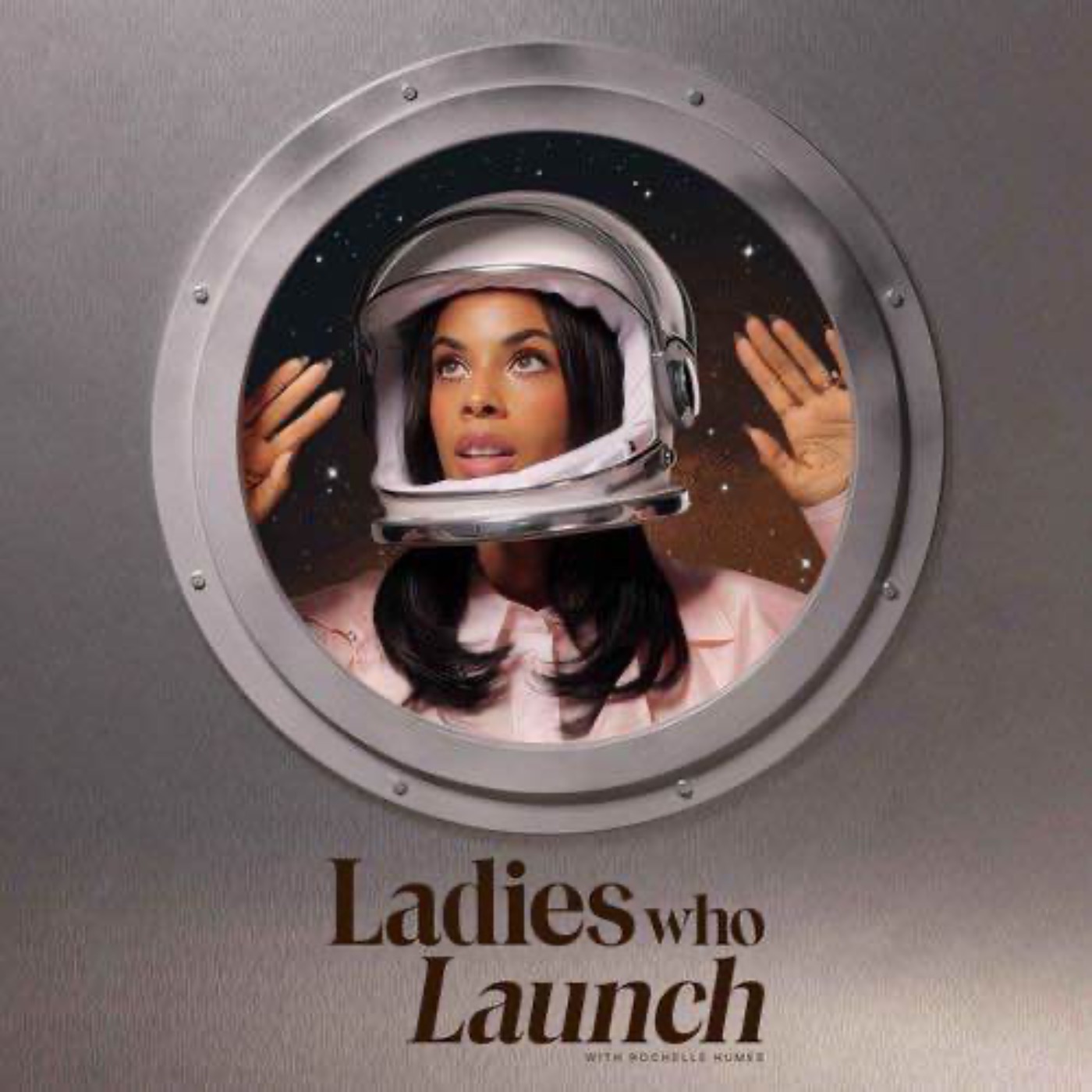

 Ladies Who Launch
19 Mar 2025 · 1h 24m

In this episode of the Ladies Who Launch podcast, hosted by Rochelle Humes, the guest is Vanessa Kingori, a trailblazer in the media industry and the first female publisher of British GQ. The discussion revolves around her journey, leadership style, experiences, challenges, and reflections on the future of leadership in media and beyond.
Written by AI. May contain mistakes.

Get the gist, explore an idea or ask about something said.
 Claude
On Ladies Who Launch, what are the key points of this episode?
Searching your listeningAutomatic transcript. May contain errors.
0:12Today's guest is a pioneer in every sense of the word, from being born in Kenya and growing up in London to becoming the first female publisher of British GQ. and later the Chief Business Officer at British Rogue. A champion for innovation, she's redefining what leadership looks like. I'm so excited for this one. Please welcome to the podcast, Vanessa Kingori, OBE.
0:36This is so nice. I'm like, how am I spending my afternoon today? I'm spending it with Vanessa. And do you know what? It's so funny because we know each other. We get to meet up from time to time. But life and work gets in the way, doesn't it? We never get to do this. I've got so, so much that I want to talk about. I'm really enjoying this kind of new age that everybody that sits a little bit behind the scenes. We're getting that moment to find out a little bit more about the people that are running operations and holding down the fault. yeah it's so nice to sort of not focus as much as the ones that are all a little bit shiny and actually say okay let's actually look at how this is working so we're gonna start way way way back you were born in Kenya grew up in London I want to know the Vanessa way before the kind of big job roles and the accolades and the obe's how do you think your upbringing has sort of played a part in the you that we know today wow um it's been absolutely pivotal of course you know first of all I want to say I'm so happy to be here when you first called me I was like this is a genius idea and I just always feel like anything you're doing I want to back because I just love the fact that you have this broad audience and so messages and ideas can reach in a way that doesn't feel um too forced it feels very friendly you always feel like someone I want to hug that is so kind back at you so it's nice to be here but I mean I think you know any psychologist will tell you what happens in those early years is formative and I had a really interesting upbringing because like you said I was born in Kenya my father's Kenyan I am Kenyan but I was also grew up in the West Indies so my mum is from St Kitsunevis I spent from five to seven living there and then I came to London at seven gosh that's a big old jump it's a lot going on yeah honestly and none of it felt jarring or certainly not in my memory I just remember belonging to lots of different places being really observant and I I tell this story often because I think it's so interesting what we think we perceive and what's really going on I didn't speak until I was nearly three and so you know my parents my grandmother were a bit worried did I have some developmental speech issue or something and I didn't have a first word I had a first sentence so and it was about clothes I'm in shock I remember that my mum said it was it was to my grandmother who nearly fainted and you can imagine I've not said a peep they're quite worried they're like she seems bright and alert but um and it was that I didn't want to wear that particular dress to Sunday school Vanessa why is this so brilliant I've got opinions I've been holding back but I think that was when we live I think the main thing for me that I take away from that apart from I'm opinionated on clothes is I just was super observant and so I didn't feel I had anything to say before then and I was taking the world in and I think when you experience lots of different spaces accents languages cultures um it's quite normal to have delayed speech but what I think it's really that sort of belies is what happens to your observational skills when you're taking in different cultures and I think the way that that shaped me is I feel very adaptable to change not infallible right everyone finds change hard but going through that a young age you just get to like it will all work out you just have to kind of you know find out your footing I think I felt I think I had a lot of myths busted early without even knowing about it things like women's roles when you look at it across three or more cultures some of the things that we hear commonly you don't you aren't your experience yeah when we think about things like race and ethnicity and things like that when you move to kind of western country doesn't normally some of the narratives don't reflect what you've experienced in Africa in the so I think that I was incredibly lucky to have had this kind of adventurous changeable background where I got to observe lots of different ways of living it's so fortunate you know when you think and when you look at it that way the life that you've experienced before seven you know it's so it's so so brilliant when When we think of kind of you and your roles, this really interests me because like you say, that you were the one that was really observant and you were kind of taking it all in before you decided that you're going to be like, okay, I'm here.
5:44Come out. Yay, hey, in my dress. When I think of you, I think leadership, right? Have you always been that person? No. The other thing was, which is a component of the not speaking until late thing, is I was actually deemed as quite shy. So even after I started to speak, my big sister used to answer for me. Classic. So people would say, what's your name? And she'd say her name's Vanessa or Tony, as it was then. I was called Tony growing up. It's a long story. We don't have time. Oh, we got time. We've always got time. I've got my tea. It's true. We've got tea. We've got a comfy chair. Yeah. So I think the observation thread continues.
6:31And I really think a big part of leadership is not always the talking and the doing, but it's the observing. It's the seeing what other people don't see. It's the seeing the gaps. It's the seeing the opportunities. So what was deemed as shy was just I didn't talk a lot. It was still looking and observing and learning a lot. I'm not a leader in every facet of my life do you know what I mean when I get home I've got decision fatigue I want someone else to decide what we're eating I want do you know what I mean yes so I think that but that I think the the for want of a better word the balance of that is so important because you cannot all day you just cannot and also I don't want to I really enjoy Soft girl, soft girl life.
7:19Some part of my life should be soft. I just think that we can be more than one thing. And I think that it's really important. You know, there's a lot of discussion right now about personal brand. And I think what some people misinterpret that to mean is that in every part of your life or your career that you have to be the boss. I had to be schooled first. I had to work for people who I'd go almost create like a patchwork quilt of like, gosh, I love how they managed. They handled this or I would handle this in this way. So I think it's everything's seasonal. And also that even in any given moment or season, you can be soft girl or you can be the leader for sure.
8:06Was there a moment in your workplace that you thought, actually, yes, I'm the observer. Yes, I'm the girl that sits back a little whilst I'm taking it all in. But I actually know that I should lead. Was there a moment that gave you that confidence to do so? You know, I'm struggling to think of one stand up moment. There's probably been a series of those. Like a time in your life where you thought, now I can step into this. Yes. Yeah, yeah. I mean, I definitely think I talk about this a lot, which is when I was at Condé Nast and it's really interesting. A lot of my career has been defined by the wider economic situation.
8:51So I started at Condé Nast, which was, you know, the glossiest of all of the spaces to work. And I worked at Hearst before that and at newspapers before that. we had this idea at Condé Nast that people just sat around and things sort of wafted gently into their laps and you know everything was the armies of assistants and money flying in and and I was just like wow you know never could be me kind of thing. Found myself there by a slightly odd circumstance actually but it was just after the recession had hit so 2009 I think it was and so suddenly I'd gotten to this place this kind of mecca of publishing and luxury and suddenly they had to hustle because the landscape had changed landscape had changed I remember there was this huge thing at the time that the company was sending around these you know um like what was work kind of austerity measures and it was that you know the flower budget had been cut and you couldn't buy yourself fresh cut flowers every week and I was like what is going on you know and so what are we gonna do the flower budget's gone guys full-on crisis right and I was like my god I I've got this here because when you come from a space that isn't the number one space you build a kind of muscle the challenge of muscle is so important and I'm really grateful that I didn't go to any number one space first I had to go newspapers were challenged when I worked at them.
10:28They were just, the digital era was meaning that people were not buying newspapers as much when I was at the evening standard. It was still a big deal. They're like, this digital thing is really creeping up on us. It's a thing, guys. It's a thing. We should embrace it. The interwebs happening. And so there is, when you have an outsider's view in a moment that is challenging, it's a really good leadership opportunity. opportunity but I think what is discombobulating for a lot of people is when you feel like the outsider you feel like you don't have the language and the tools and there's some unspoken language that you're you're not part you know a part of and so you couldn't possibly add anything but actually that's precisely the moment where someone who isn't a traditional leader who isn't um from that space can say hey guess how we did it here or I've got some ideas have you not thought about doing it this way yeah so the group think thing so it was with the conde moment it was a oh god you mean I'm not gonna be able to order fresh cut flowers every single by the way is brilliant but also hey listen I've got this this this and this idea and it meant I my route to becoming what was then the sort of holy grail becoming a publisher you know I started as like in the fashion team in the business side and I got to the publisher role really fast and people were kind of a bit stunned by it but it was just because I could see opportunities and name things and name solutions in a way that the very tenured people there they just didn't have that that view you had that fresh set of eyes yeah so what did your role look like because when you and I first met it was at Condé Nast and you were British Vogue yeah so what did your role there look like I don't even think we're mates I don't even actually know this no one knows my mum's still like you can hear my family describe my role and I'm like nope she's important I know she's important just feeling the blank when do you actually sit down with a mate and say so what do you actually do all day every day I saw this amazing thing that it's like you know someone's a good friend when they have no idea what your job is tell me what did you do you're not even there now but what so my job I was there for 15 years which is I really feel like I sort of grew up there yeah and I started off in the fashion sales team so there's partnerships with the um in on GQ and graduated to publisher of GQ style publisher of GQ publishing director of Vogue and then chief business officer across those 15 years which is exactly the right kind of pace for me there was quite unusual because I started and people had been in a role for 20 years and I left and some people were still in a similar kind of role right so one woman in particular had been 36 years in the same job right so me being that person that I've described it's like why are we doing that and that should be you know um it's it led to the the shifts right so you you enter a workspace somebody's been there for 30 plus years yeah is it quite hard to break through and cut through and say no we should be doing it like this yeah how many times did the door sort of get shut in your face a little bit do you know often because what i find is there's this disparity between visionary leaders who bring in someone who might look really different because they're thinking tides are turning need a few different viewpoints that person's really good and the people who are day-to-day running the ship who have particularly in times of upheaval so much to lose so I find that if I've ever experienced resistance it's not been at the very top those guys are like yep I'm I'm securing where I am and I can make big bold decisions and I've I'm exercised in doing that and this you know I'm gonna let this person run it's rarely at the people who are on the floor doing the things right they're like I don't know it sounds good to me I'll go with it it's usually the people who have relative success in the middle because they have more to play for and more to lose yes and so anyone coming in and slightly disrupting what they believe is the world order it's really scary and I think that I found that hard I continue to find that hard to be honest because it's not how I'm wired but I have to continue to remind myself that you know I don't represent how most people think none of us do we all have our yeah and so it was definitely really really hard in those early days where I was just I just sounded different I looked different you know the guy I replaced was like a sandhurst.
15:23Well you said that the guy you replaced. Yes and it was always a guy. I've never actually um I just realized this recently I have never had a female predecessor in every single one of my roles I've been the first woman and in those days in particular you know the the man I replaced on GQ was an ex-military sort of Sandhurst military funnily enough I just replaced a military man as well but he was like old school and he ran the team in a particular way and he dressed in it and he looked and sounded like authority he looked you looked at him you thought right stand up straight and my approach is really different I'm much more like okay let's have a chat about it I'm gonna be a bit more casual I was the youngest publisher at the time as well so it would have been performative to be anything Do you know what I mean?
16:18If I tried to come in with like a suit. It's like a sergeant major. All of a sudden, what's happening, right? But what I realised is everyone taught lots about me being the first woman in that role and the first person of colour. But actually, the things that really made it so that I had to work hard were being a young woman. Age really played a big part in that. and class and particularly at condon and this is a really strange thing when i speak to americans for example they're like don't get it if you can do that you know what i mean but it's a very particular it's very class focused here yeah yeah i completely agree with you yeah it's so funny because i remember spending a lot of time in the girl band in la we lived there for a bit and they you know i'm i was trying to explain to friends that i made stateside they'd be like so do you know the queen they're like no i'm literally from like essex i grew up in a council flat like they don't understand that yeah yeah that's right but you're from england or you're from europe yeah they don't understand how segregated it's crazy it is here and it's certain institutions where you feel it really sharply because um what's funny now is people struggle to believe that i'm from a working class background but i'm like definitive you know i was raised by a single parents she was an NHS nurse you know we went to state schools and all of the rest of it but the in certain organizations where Conde Nast you know it was called Totty Towers when I started and it's like when you try to explain to America what is totty you're like don't worry about it but you know all everyone was one degree of separation everyone sort of talked about you know in the interviews and things it was like where do you holiday and where do you school where do you summer horses and all of the rest of it and I was thinking all right you know I can't I've got nothing to add here but I'm really good at my job you know um and I think that it's so interesting how we're socialized to see leadership and so it wasn't I think that anyone was being particularly prejudiced right for the markers everyone could see it was more that I just didn't feel like what authority feels like and if you think about it it's kind of what is it less than one percent of British leadership went to state school so we're just not used to seeing someone like me running the show yeah right and it really tugs on people's bias and not for the reasons that are most talked about and like all of the woke stuff it's just psychologically we've been conditioned to think of leaders as looking and feeling like x in certain spaces and getting people to trust you and get on board and also if part of your brand is that hey i mess up sometimes i don't always get it right i don't have all the answers this isn't going to be top down that can be discombobulating for people because they're like hang on aren't you supposed to have all the answers no it's all bullshit no one has all the answers and guess what the guy the guy that was here before me did not have all the answers he just he just appeared yeah yeah yeah exactly that it's so funny because in like a working space and me and my team say this a lot i would much rather somebody say hi i've sort of dropped the ball here this is missed or this hasn't but I'm working on it and I'm across it rather than sort of changing the narrative and it's like oh no but I thought that you said that that you know no honesty honesty be real but I do think the world is leaning a lot more towards that now like like you say when you when you were there for 15 years I can imagine at the start yeah that is that's how it looks yeah it's true it's definitely shifting I think in certain spaces more than others and I think that things are a little bit like a pendulum you know you see a bit of progress then it swings back then you need to push back again but um i definitely think that more honest collaborative style of leadership is much more fit for the times yeah because things are changing so fast there isn't actually a lot of space or time for anyone to be perfect to everything because as soon as you get good at something it's moved on like you know technological innovation means that we can't accumulate all of the knowledge and then rise slowly to the top of an organization and say I know everything you need to know so actually you're better to have a collection of experts and a guiding voice or two that kind of help you move forward and who are happy to say hey I fumbled that but but someone says great at that let's bring them in and let's see if they can add value when I think of you and you know I mean your first well not your first words your first sentence said itself you know when I think of you I think of fashion right I feel like I'm dropping the ball today no no yeah never never your first sentence proved that for me you being top of your game at British Rogue seems like the pinnacle like this is the job for you this is the perfect fit can it get any bigger than this and I think what we'll touch on this now now you're at google and you know in in the tech space which is those big tech companies it couldn't be i suppose more different yeah leaving a job where you are at the top of your game and it is you know you have been there for so long and it's so kind of you down to the veins i can imagine there were lots of people that said to you you're you're crazy where are you going you you are british folk you are this is has become so you yeah what was the reason for you embarking on a whole new chapter of your life what was giving you that kind of itch that you needed to scratch well I think a few things because there's never just one thing when you make a really big decision it's not like you wake up one morning there's one clear sign of vision from God and you go I'm doing today's the day lots of things that kind of force you out of your comfort zone and one was I had you know 15 years at Conde Nast it's like double the seven year itch plus a year right and and I kept having this itch and they were amazing in terms of extending my role creating new roles you know the chief business officer role hadn't existed before and it was like how do we keep this woman in this space and it was all of these great challenges and I am just one of those people that needs a new challenge every few years I'm with you do you know what I mean and I was lucky that there were 10 brands there and I could go from brand to brand and do different things and so on, relaunch things, recreate things.
23:09I really had felt like, firstly, that I had outgrown, you know, the capability to learn a ton new there. Yeah. Just because of my path. Secondly, I felt that there was this interesting shift happening in creativity and in fashion that was either a dive headfirst in with kind of fixer mindset, right? Where I just felt like where everything was going in terms of innovation and tech, fashion and creativity weren't meeting it hands-on. There was this resistance again. It reminded me like at the start in media when digital was really, you know, we were all consuming and everyone fought against it a bit.
23:57And like, you know, let's shut influencers out. And let's, you know. It's like with music when it was like, okay, we're not going to do physical singles anymore. yeah that's not the focus it's all downloads it's all down everyone was like what sorry what no people try and push against it rather than go right how do we meet this and kind of cut through and create and innovate and um i whenever those other moments had happened i always thought right this is so exciting i'm i can we can do this out of the other i remember when social was really taking over and all of my editors were nervous about influences and what social would do and and how much more time, I was like, right.
24:34I remember phoning Ava Chen and like, I'm coming to New York, can I sit with you? I wanna partner with you. Everyone, she was like, everyone else is like shunning, shunning us and thinking we're stealing their lunch. And I just, I didn't have that, I wanna meet this moment here, Paul. Right, okay. I think for myself as well, there was this huge conversation happening around AI and in the big tech space. And I sort of had this slightly fearful pang. and I didn't like it and I thought I've never been someone to kind of hide away from something so I'm going to meet the moment by being one of those spaces having a front row seat seeing how everything comes together and um and learning in the moment rather than consuming sort of the second hand second hand removed data that is filling us a little bit with fear rather than understanding um so it was a kind of culmination of we'd done this huge job turning around vogue this job that we'd been told was pretty much impossible i'd had another crack i had this sort of internal pull as well of can you do it do you have those things where you're like it ends up being a competition with yourself yeah yeah and it's like this is you know this is scary and everyone's telling me not everyone but a lot of people were like not sure if you're yeah and on paper it's not necessarily the smartest yeah yeah on paper I think I think people had a much more emotional reaction people really associated me with being at Vogue in particular and Condé Nast I actually remember when you announced that you were leaving and you were excited for your new job role and everyone was like no you can't like it the same way actually when Vogue left the building yeah left Vogue house that was another like it people don't like change do they and I spoke about this with a girlfriend of mine recently people get so used to a version of you and however that is and however successful that version is it might be that you're like you say you know smashing it where you are it might be that you're sort of at the middle road or it might be that you sit below them whether they're friends or family however close they are they get used to a version of you and when you change that that changes it almost holds the mirror up to them a little bit to say oh hang on if she's now doing and I think sometimes it comes from that place isn't it yeah the number of people who've said who at first were like no my god you know what's gonna happen um who then I mean I had such a big reaction to that announcement it was I mean it panicked me a little bit to be honest I was like oh my god why does it mean so I'm just changing jobs like it's a big deal to me but it's credit to you and they feel that would be a loss to them you know I had so many people reach out about hey listen I've been thinking about this big change or that's why I wanted to be here starting my own thing making the move I've had a friend who was 20 years at the same company um on on the comm side on comp we did who's now moved to google they were circling her for ages and she was sort of like right if you've done it I'm gonna do it you know and so lots of people reached out to me around I've been thinking about doing this crazy thing as well and I've held back and I'm worried about what people would say if I can do it and it's like if you can't you can't yes you know if you're good there's only one way to find out only one way and you've got to just you've got to bite the bullet so you make the jump yes you're now the big tech girly yeah how does your day-to-day look at google what do you look at me I'm just wanted just for my own you know what time do lunch break so i can call you um how does it look what do you do i know before you come here you had a meeting full of yeah a morning full of meetings yeah what's your day-to-day running it's really really different and one of the things i'm working on is um trying to make sure that i work well within the google infrastructure it's much more prescribed right um but I also bespoke it to bring my skills to to you know so um there are lots of meetings lots and lots of meetings meetings tend to be around 25 minutes long back to back right and so lunch is about 25 minutes which I'm used to yeah you know swanning around Mayfair going to you know Annabelle's to meet to meet so and so and you know two and a half so much of the business in my old world was done over a lunch yes or informally or a coffee yeah you know the creative space tends to be a lot more fluid doesn't it you know pop in i realized how much of my business was done on text you know just literally someone say we're thinking of that okay give me a quick call are you around i'm around at the end of the day let's go and then you know i was when i was doing my handover at condo i was like oh my god there's nothing on my email it's all whatsapp it's all like relationship it's a big part of what you do but it but what I realize is that that's the common thread especially now it's the same thing at Google is I'm really big into this idea of lifting your gaze so my days are quite prescribed right and there's a lot of incredible work that gets done in that it's a big cross-functional matrix team right so you have to connect with people but I'm also like how do I get to lift my gaze and just have the informal connections not the 25 minutes allotted bring in really thinking that side of you yes here yeah and that's what I've been brought in for so I'm really trying to become much stricter on blocking my time structuring time for conversations like this because sometimes you learn about yourself as you're speaking to interesting people or you're even talking about yourself you're like oh I didn't I phrased it like that I hadn't thought about it we don't have time to reflect yeah when do you get to have those kind of internal those reflection moments those informal vulnerable sharing off the record moments that's where most business is done right that's when people tell you and so a lot of the breakthroughs that I've had at Google which have been thank the lord it's like working you know what I mean you have been with people with brands where there are people where I have really close relationships that I can say right we've had the big meeting with the 30 different stakeholders now let's go and have a coffee let's go and have a drink and tell me what's really going on and every single one where there's been a big transformative breakthrough has been through one of those always so it's always people first and um so to answer your question my days look quite different they're very structured but increasingly I'm making more time for those heart to heart yes yeah what is what is your job role now yes I'm managing director of technology media and telecoms UKI which basically means managing our partnerships with some of the biggest and most complex brands and a lot of those are you know big global tech brands which is so interesting not my background um big global telecoms brands and and so on media's in there which is like oh i know i know this i know i'm always like shoulders down back to annabelle's we go skipping let's frolic into annabelle's uh clarages knows us but you know but what is so interesting and i think one of the biggest things that i've learned and i will take away is ultimately whenever you put yourself in these very different spaces people are people yeah they care about being cared about they care about that face time you know what I mean all of those things and the same fears that I saw displayed in the you know the recession that I was talking about at the beginning of Condé Nast or um when I turned up at first at Condé and people were like hang on a minute this doesn't feel like my last leader all of that stuff shows up again and you just it just has a different packaging it's a different face yeah yeah absolutely that yeah one thing that I've noticed when we talk about your career is that you've literally gone from one juggernaut to another yeah like we're not we're not talking small fry these are huge huge juggernauts the other thing that I've noticed is that your career is full of firsts so we've got you become the first female black female publisher of british gq first black female publisher at british rogue these are such big and incredible milestones particularly i suppose in an industry that hasn't always been so inclusive in fact you could say it was exclusive you know at some points those kind of first moments as amazing as they are it comes with and we touched on it a little bit earlier but it comes with not everybody else being ready for that first yeah great for you great for everybody else when they get their head around it but the time that it takes to sort of like you say you're at british road for 15 years yeah the time that it takes for everybody to sort of be okay here we are are you noticing now that you've switched to another company and another firm you notice that actually every time it's getting a bit easier I suppose what I'm trying to ask is the landscape has changed so much we're now in 2025 just still getting used to saying I know are you noticing that those changes are a lot more welcome than they were the first thing is that's so interesting to me is I've never known before taking the role because no one ever I'm not I it's really really important to me that I am not the diversity hire do you know what I mean yes I always feel like I need to be able to like prove my results and that's why I quite like being on the business side it's hard on the creative side and I'm you know so much of my heart is with the creative industries I like that what I do is very measurable because you can prove success you know it's more objective results tripping yeah but um i've never known that until after and i've often questioned if i'd known that would i've taken the job i can remember in 2020 people became braver about saying will you join our board because we need a black woman and i'd immediately be like oh no don't let's work for me but you know it would happen to me in telly people would be like we really want someone to come on and talk about black lives matter i'm like do you know what if if you if you looked at the roles you'd have somebody there all day every day to be able to talk about that matter exactly that to fix it whatever's going on wheel me in to chat about it and then I'll fuck out again you know I don't want to be um professionally black you know or whatever or professionally a woman like I have a job role I need to prove I can do that job um do I think it's getting easier I mean I've got a bit of a tough answer on that which is no I don't I really don't you've got plenty of experience yeah in joining forces where you don't sort of where you are different or you are the first how do you advocate for yourself in a room I suppose you do that without even realizing because you are you but how would you how what would your advice be to somebody listening that that is starting a new role and they are kind of not confident because we talk about self-work and we talk about how that looks and there's a lot to be done yeah right but how what would your advice be yeah this is an interesting one isn't it because there's a little bit of faking it till you make it right you know if you come across as someone who um seems unsure and people are already a little bit like oh this feels different then people have that jump off point I think understanding the room as best you can right so who's making up that room what are they motivated motivated by what are they excited about what might they be dubious about right and you can see a lot from people's profiles or who they know already but I think um as much as possible having your stats whatever that looks like for you right and and this can be in any walk of life if you know I've been doing this for x years right have that stat to hand see if there's a way you can pepper it in if you know that you have you're entering a different sphere but you had great sales what does that look you know what I mean yes have your own personal sort of stump speech as we call it and cherry-pick the lines from that that can help to gain confidence yeah I think the biggest thing is listening right so what happens when we're nervous is it particularly in those rooms despite everything I just said you want to talk you want to convince you please hear me right and a lot of times it's like just listen observe going back to what i said the way that people interact you can spot false confidence really fast if you're listening and observing and the people who are false confidence tend to be the people who are most challenging people who are truly confident they don't they're interested in like everyone rising right yeah it's not performative yeah they're like okay this person's interesting what can I learn how can I grow so I think particularly in those early interactions you might have some key points you want to hit make sure you hit them make sure you don't fumble the moment and all of those things but then really spend some time listening and watching you know who reaches out to who they think is the power source who is the power source because often the most influential person in a conversation in a room is not the person with the biggest title so I always look at like who are the cultural influences in any dynamic right and how do I get to them so they might be the person that the boss listens to the most yes and does getting to them mean being their friend more or challenging them more right all of these things are questions that you need to amount which which sometimes does go hand in hand yeah yeah so the thing is it's like try to take the onus purely off yourself and how you perform and and put it more on okay what's the dynamic and who are these people when did you yourself realize the importance of creating opportunities for other people when they might not ordinarily have a seat at the table?
39:29I have been so lucky to have worked with incredible people who may not have had the shot, got the shot, did amazing things with it. And I think it's almost a component part of their success. And I felt it. I felt that I've had these... I'm really loathe to say these lucky moments, but where there's been opportunity and someone's taken a chance on me or someone's seen something in me, I really run with it. And I think that that's a common thread with people who don't have an abundance of opportunity, right? And so I've really tried to pay that forward. And particularly when I first, my first publisher role at Condé Nast, I had created this job for myself right so I've got there was no team because the role didn't exist I love that for you I was like my god everybody wants to be the publisher of Vogue GQ or Vanity Fair I'm way out in a different orbit but there's this tiny little publication called GQ Style it's no one cares about it doesn't have a dedicated editor really doesn't have a team I'm going to ask if they would have me run that because I can see how I can build that into something out of nothing right so I made this pitch they said yeah right you don't get any more team what you can do is help us with the editorial team build that out da da da da I was like fine so I needed an assistant but there was no head count for an assistant so thinking how do I fix this can I work with someone else da da da da da and I said look what we can do because you don't want to give a head count is just let me have an intern but I would like to choose that intern from a pool that doesn't exist because they're going to be doing something really different and I use that opportunity as a way of hiring people into Condé Nast who didn't have the ski holidays who didn't have that right who just wouldn't otherwise they did not they were not part of the one degree of separation they didn't know anyone else predominantly usually in the company and I found this I was working with the London College of Fashion I was on the board I think at that time at the universities there and we got in all of these people who came in for six months they had six months to come into an organization they thought I would never stand in the offices of Vogue House.
42:10I would never be in the same room that Isabella Blow once was in or Kate Moss was strewned in. And those people worked their socks off. You never seen people work harder. They couldn't believe their luck. They worked late. They started early. They were paid. It was also a big thing for me to make sure that everyone was paid. Because that's the other thing. Because at that time, you know, interns were not paid. And everybody wants it on their CV. So they're going And so what you had was a proliferation of people who had the money to live in Mayfair, not pay for transport and all of those things.
42:44So over the course of the years, even when I got an assistant, I kept that going because it had a proof, right? I'd proven the case, which is look how much that one person has done. And over the course of time, I saw this incredible hit rate with those interns. this one went on to Chanel this one went on to get this editorial job she's launched her own magazine she's doing this and so I've got this army of people who started as my interns one of them I was with yesterday Sunday tea with our kids and like this is nuts you know um and for me just understanding where you you know the seeds that you water the way that they grow that then you know feeds you the fruit of that comes back to you you can see it when you talk about it how much that lights you up I love it like at Condé Nast I saw things shifting as you bring in people who go I know someone who can do that I know a photographer friend who's from that background I know it changes the kind of the fabric of the organization if we were backing the founders and the businesses that we cared about we could change the world right you're so right and so that's something I really feel is so like so passionate about you can you articulate it so well honestly you can see how much that means to you and it's and it is so so important and so rewarding as well for self you know that is you do that all day long if you could yeah what do you think because publishing is an industry that's you know based on tradition like it feels very kind of traditional in the way that it's run but I know that you are so big on innovation which is again your face lights up which is what I love what do you think I suppose are the vital keys in staying relevant in such a thriving sort of rapidly evolving space yeah I think it's about trying things and asking questions so if you think about the kind of AI space or any tech innovation most of the people who feel most strongly about it to the negative are people who haven't really spent a lot of time trying it right I'm probably one of those people right you know so the fear is bigger and if you're going to have fear have it be rooted in experience so I do think it's important to read but I think it's really important to try things and be around people who know about it so You can ask questions to source.
45:15I remember the summer of, you know, when chat GPT exploded, frankly, right? And everyone suddenly thought, oh my God, AI's here. Not realizing like AI had been here for, you know, decade and a half before that. I'm really lucky to have a great friend, Whitney, who was the founder of Bumble. And she was talking lots about it. And we were messaging and we were going to have dinner. and she said, I'm coming out of this tech conference, absolutely blowing my mind. And I'd had this question about moving to Google. I confided in a couple of friends and she said, right, come and stay at mine. Let's pull it up.
45:56Let's play with it. Let me tell you what I think is happening. And it was just, I couldn't have had that conversation with her if I hadn't already been playing, if I hadn't been having some of the conversations with Google. And so I wouldn't have had my mind expanded on the possibilities and pitfalls so my main thing my main piece of advice is try some of the things you're scared of try not one version of it right so try gemini which is google's version which i do think is superior and see if there are uses that can help your life and see if some of the things that you think are being discussed about that are scary are really scary right most of all if the train has left the station as i feel it has i know it has then the big thing is like really think about what is the opportunity for you as well as think about the threats right yeah and human nature is such that whenever anything changes we do tend to think about the challenges first and and that's no bad thing it's part of our evolution right to look for danger it's very british right it's very british as well i'm not gonna do that just in case this happens yeah but like and and we should we should interrogate things we should say what does this mean for this group or that group we should also say what's it mean for me who else is using it how do i stack up to them can i still compete is this my moment to change your shift or be in a different space so that's my number one tip is engage in the use yes and particularly for ai that is really really important because who uses it shapes it right so if there are certain sections of society who aren't engaging with ai then ai doesn't learn that you exist and you operate in a certain way and you use certain languages and you care about certain things so you're sort of keeping yourself out of the conversation.
47:57What I think is so interesting is that there's a lot of, and that's a question for you, is I suppose the fear of AI misplaced, but there's this real feeling of, this is terrible, we're going to lose our jobs to this robot. But actually, I suppose, is there an element of actually you would lose your job to somebody who knows how to use it? It's the number one thing that we sort of talk about in our teams is that you are far more likely to lose your job to someone with the same job title using AI better than you, right, than you are to lose it to AI. Right. So the big thing right now is look around.
48:41How is it being utilized? How can it, you start with efficiency, right? So how can you be more efficient in your job and um using ai that use case will will help you start to form opinions about everything from new business ideas to actually this is where the line should stop for me and this is how i'm going to reset my privacy or whatever it is but you have to be in it to be the only the surefire way of losing out to ai is not engaging with it right right it's not ignoring it is is there's no path to success that way because you can't form an opinion you can't even be really well grounded on what your fears are do you know what i mean if you've got no idea on how not in it yeah yeah note to sell for shell humes note to sell get your diary use notebook lm to you know my favorite favorite thing is notebook lm because i'm such a multi-sensory person I'm either visual or sound or what have you and what I love about something like notebook LM is that it can create a conversation of a document you don't want to read so if there's something like a heavy you know report yes the ones I'm always like oh yeah oh or you know a bit of text that you're like I need to know this but it's not then it can turn that into a conversation you could just listen to it like a podcast and that's transformative for how fast and how deep you can consume um data that you otherwise would struggle with right yeah that's the difference between you outsourcing something to someone else and hoping that they give you the right bits of information that would change my life so think about things like our financial literacy going back to let's say women in particular a lot of times we rely on a third party to tell us like this is the best course of action for you that's me now you can have a more objective right view you can consume it before you ask the questions you can ask that expert will change exponentially if you can do more of the reading up right yeah and if the reading up is the hard part and you can have it conversationally that's amazing right so just think about those sorts of innovations honestly genuinely that would change my life there's a lot of you know things I'm like okay I need to go through that sales report and I need to go and it's the biggest doc you've ever seen yeah but if I could just listen to it on my way into the office in the car and ask it questions so if really what you're trying to get to is which of our products you know on my cocoa is um showing the fastest growth right or which has the biggest growth potential it can pull out for you based on x page so and so based on the data this is what we see now i would recommend that you then go in and actually read it and make sure it's interpreting but what it does is if you've got a document that's you know 200 pages it can say well these are the three pages that you should look at right for to answer that question so again it it it means that you're more informed and less reliant on on um being externally guided yes right yeah yeah it's blown my mind after this i'm going to just ask you what i need to download notebook i want to go back a little bit to you opening doors for others you do it so incredibly well but I'm so curious to know who opened the door for you in a way that you are forever grateful for oh wow that that's such a huge compliment because basically the reason that we know each other and the reason that I was like always on any Vogue guest list or any dinner or any little thing I'd be like get Michelle in because like I love girls girls or women's women right I I do that for people who I feel will pay it forward and with you and so it's easy to do that when you're like that person is not going to hold that button forever do you know what I mean and so um you can only do that with those people around so who has done that for me a absolute myriad of women have done that for me and men I should say but sometimes what I think it's really powerful because people always like who got you there and yeah I've rarely had where someone said you should do this and like but I think what I have had is a lot of people who gas me up in the right way but also keep me grounded yes so I'm really lucky to have the same group of friends that I went to primary school with and secondary school and they'll be the first to take the piss out of me if they're you know what I mean it's the ground you need that You can't be, you know, the first, the OBEs.
53:37You need a little bit of real. You have to say, people go, my God, what were you wearing, love? That did not work out. Or like, what did you say? You know, because when those people say you should go for that, you feel it in your whole heart and spirit. You know that those are not yes people. They care about you. They would tell you if it was wrong for you. So I think that I've been really lucky to have a series of people in my life who are the ones who say hey listen you should try that you should do this I'm really lucky there's an incredible woman called June Sarpong for example she is just I love her because she's always like have you thought about you know what you should meet and da da da da and she really expands my thinking about what is the possible and like who am I socializing with and who am I getting ideas from um but it's not always the direct link it's the people that make you feel like the impossible are possible yeah even just by observing them just some people like being in their orbit makes you feel like lots is possible you are 100 % one of those people like I'm not I'm definitely not gassing you in that I think I think that you're always like I remember when we were first speaking about your brand and you were talking about just like boots or whatever you know what I mean it's like this is it feels intimidating and blah blah blah but I'm gonna go and do it you know that for me is like gosh what am I doing you know and I I just love being around people who push themselves whatever that may be that may be you know my friend who's you know a beautician like I want to become a fully fledged makeup artist and I don't know what I'm doing and I'm going to go and do this course.
55:21Or it might be a friend of mine who's a CEO who's like, I think I want to build a portfolio career. And I don't think I, I think people are going to think I've fallen off, but I want to do this, but I'm going to do it anyway. I think, you know, who you are around day to day, how they speak, how they energize themselves is sometimes more encouraging than someone saying, hey, let me introduce you to this person. You're so right. just giving you that kind of it's not it's not even a safety net or a support system sometimes it's just giving you that fuel yeah to power and and like you say it can be in the simplest way i have it with my best friend yeah who is you know who is so sort of far removed from this industry but if if something's on her radar i know that it's popped yeah and my mum's a good gauge of that too i'm like my mum knew about this that must mean this person is doing this really well yeah And I think there's no greater reward with connecting like-minded people together.
56:22Someone that you know that would be incredibly instrumental to somebody. That moment that you put them together, there's no greater feeling to me. I absolutely vibe off that. I love it. It's the best, isn't it? It's like matchmaking. Yes. It's like, you know, if you ever set a couple up and then you're like, feel like a proud mum when they're... It's just all great until it goes wrong. I know. I'm so sorry. And then you're like, whose side am I on? I'm not really sure. I'm not really sure. I want to talk about your book. Yes. Because I know this is something that you've been working on for a very long time, probably since you were that little seven-year-old girl without even realising.
56:57What was the moment that you thought, do you know what, I've got a story to tell here? I mean, I know that about you, but it takes something for that to sort of dawn on yourself, you know? You know, I'm so, you know, I feel it's the one area I feel most nervous and excited about talking about because it's still a way off. The book process has actually been so eye opening for me. You kind of write this thing and then you need to rewrite it a million and one times and then needs to go through this long process of being checked and so on. But the book is not about me. So what happened was lots and lots of people approached me in the Vogue era about what you said at the top.
57:44We want to know about the people behind the scenes and how it comes together. And I thought, I'm going to be brutally honest. I'm not sure I would read a book at this point about me. But what I do think is really interesting are some of the people I've been exposed to and the commonality in some of these powerhouses who have become successful perhaps in spite of or maybe because of difference, right? And that's everyone from people at the top of creative fields, people in the public eye, people who are running companies, people who are leading in innovation. I just realized that I was sort of had this, I was at this amazing intersection where you know we have those dinners and it just feels really normal and you're like gosh I've got so-and-so sat next to me and this person's there and it just kind of gets to be like oh this is just Wednesday night but it's like it's really amazing that this person is someone that you can whatsapp and ask about something and I thought um a lot of to the point um previously about a lot of what boys me on is this collection of people that I happen to have around me who feel that the impossible is possible yeah and I realized that that was a huge and incredible um advantage that not many people have and I wanted to really bring that to the world which is these are some of the key things that great minds think and particularly this is how they've used any axes of difference to shape the world differently and so this this is what superpowers look like right so yeah the the book is more about that but um we're still a little way off before it's out which is kind of like I feel like I'm back to my magazine days but do you know what there you can't rush perfection yeah well you know when it comes to this it's yeah it's so nice to live with it and I'm sure you're still meeting lots of incredible people so it will it will always take time lots of times I'm like you should be in this and so and then the editor's like i'm like stop meeting stop those dinners vanessa it's counterproductive but i think the conversation what i'm really looking forward to is the conversations that kind of come out of that yeah which is what i hope is that people look upon the thing that they might find most challenging in their lives as actually a strength rather than weakness so that might be background that might be your access to certain things that might be whatever it is a lot of times the people I know who are ultra successful those challenging things are actually the things they look upon as like this is this is what's this is my setting yeah yeah it sounds like to me that you have nailed it at everything I'm gonna be honest you know you're that person that I'm like oh she she's great at this she's great at that I know that to self it always feels very different but from the outside that's what I observe is there something that you would like to be better at so many things I'd like to be better at look I think the truth is in life if you're doing things that you think you're good at the majority of times I don't know if you're really living right so actually um you know what I'm doing right now at Google is really hard you know I'm really lucky we closed 2024 the stats we made it yeah we made it but we we really excelled like my team have absolutely killed it and we're in fast growth we're growing ahead of you know all the things I was supposed to do we've done somehow it still feels like okay you know but I love I love that feeling and whenever I stop having that feeling I think I need to one up or be in somewhere different so the truth is like almost everything you know what I mean it's that thing that you you know you can have it all but not all at once as well so I often am like gosh how could I be a better mother while I'm juggling I you know I've got five-year-old son and this job is big and it takes a lot of my attention and so I had a planning meeting with my team at the start of the year of like I need to carve out spaces dedicated to my son I need to be asking myself a set of questions I need to be right so I'm always trying to think about how I can be better at that am I challenging too much or not enough in my new space you know how can I get better at that how can I create better understanding how can I waste space not waste time in spaces I'm trying to create understanding that aren't important yeah so I think life is about this kind of constant refinement and constant getting better and when you feel you're really good that's when it's time to move on yes and when you lose that yeah that fee and we and we all know that feeling yeah but something magical happens when you have that moment that feeling I mean sometimes too much yeah sometimes we don't want to be on the struggle bus not quite there but that thing that keeps you on your toes is the thing that does keep you ticking Yeah, for sure.
1:03:02And I think, you know, my mother works with the elderly now and she absolutely loves it. My mum's career is defined by 40 years of being an amazing award winning midwife and teacher in that space. She likes babies and old people. And she's always like... yeah caring but also young babies and the elderly remove a lot of the noise that we have in the middle of our lives they get they are very much around the basics what keeps you alive what drives you what makes you happy and all of those things and one of the things that I've really learned particularly on this this part of her career um is you have to be expanding your neural pathways all the time otherwise you you degrade right so if you are too much in your comfort zone all of the time you're actually you know you're aging right no one wants to age i know so so although i would love much more time under my my you know infrared lamp and like you know in pure self-care i look at challenging myself putting in situations where I might fail right and I have to expand my thinking I'm forced as kind of being the ultimate anti-aging right it's constant growth isn't it it's constant growth um right we're gonna do the rocket round now okay um these are quick fire which is hard for us I'm so bad at quick fire I know me bear with me but you know what we're quite flex here I don't think we've had one good guest at quick fire get two girlies together that's what happens right the first one is what are the non-negotiables for launching and that could be a business or getting into that new job role a you have to have at least a 95 percent unwavering belief that it's the right thing right i think 90 i would say at least right then the other little bit whether it be five percent or 10 % questioning is really important for that jitter, right?
1:05:14You need that to get out the bed. You need that to keep you questioning, is this the right thing? Am I doing it the right way? Do I have the right people? But you have to really believe in yourself and the opportunity in order to show up and answer all the questions from the doubters. But you also need that counterbalance of a little bit of scary, a little bit of doubt to keep yourself in check. okay love that when did you first realize that you truly launched oh any day now listen life is humbling and I think that um I just I never really think of myself as successful I'm scared to do it because I think there's so listen most I'm I'm the product of social mobility right and most upwardly social mobile people understand that um everything's relative yeah and so I sit in this amazing place where I have friends who are have such unbelievable success you know you you are humbled by that you're like oh god I'm nothing you know they're running they they created this they launched it they're living the dream I have other people whose success is so inspirational because they've only moved a few stages up but the chance of them doing that is huge so I never feel like the job's done I think there's always more like that and is that like fear of being complacent yes that's exactly it that is a much nicer way of saying it is that I think I don't feel that I have the right to be complacent I think that I've known incredible human beings who given some of the opportunities that I've managed to accumulate would have done incredible things and I somehow feel like I almost owe it to them as well as myself to not get too comfy do you know what I mean yeah I like that I like that what do people usually seek your advice or help for oh so many things um and I love it to be honest if I got capacity I'll really lean in at the moment a lot of people are talking to me about career change a huge amount of people are saying I'm thinking about doing it differently I'm thinking about this and a lot of that excites me some of it scares me a little bit because I see a lot of senior female execs wanting to drop out right and I think some of that has to do with perimenopause some of that has to do with um you know the confluence of being caregivers at home and when that becomes challenging teenagey type years with when you know and I think we can't lose a lot of the great thinkers who've accumulated a lot of the skills um you know those female leaders out of the career space and some of it's really exciting where people are like I just will be much more fulfilling to be in this like I was thinking of this what do you think um a lot of people talk to me about um balancing you know everyone thinks everyone else has got this secret formula to violence and people that that's something that people ask me about yeah you've got three kids how do you and I'm like whoa whoa whoa I was gonna ask you yeah yeah don't I've got that answer I'm searching myself I know we're all you know and you can't be great at everything all the time and that's what it is and I genuinely believe that when I'm being a great mum something suffering at work when I'm when everything is incredible at work and we're where we should be and we're hitting this target I might not have made it back for gym class that night you know so I think it is just Emma Greed articulates this perfectly it's a series of trade-offs we love Emma it is we love her and it is a series of trade-offs and you kind of get better at being comfortable with that you know the last couple of dinners that the three of us happen to be at now you mentioned emma i was thinking about this because i think we've all touched on it and i think that even when i'm not when i feel i'm not being a great parent right i know that i'm teaching my son something really valuable there you go because a lot of my drive comes from seeing my mom get up every day put on her glad rags put on her lipstick no matter what was going on she stepped out looking impeccable to go and do really hard things and I never thought ill of her for doing that right because the time that she gave me back was about quality so it wasn't necessarily about the quantity yeah but somehow we're constantly beating ourselves up about this like quantity thing right so I really think about gosh your kids our kids are so lucky not only do they get no one saw my mom doing that stuff it was only me do you know what I mean and my sister and now I think this whole generation of people get to see that you can do what you do and still have three kids and be honest about the fact it's not perfect and I think it's going to be great for those guys coming up and what they look at success as being it's also giving so much relief to so many women who are beating themselves up about you know all of this so yeah it's good for me I feel I feel grounded when when we're together and when I can see you and when we talk honestly but um I think it's really important for our kids I think I couldn't agree more what brand do you wish that you had founded oh i love this one google
1:11:10no i think um yeah i don't know that there's a specific brand per se i think that i um one things that i've really realized is I am a really good facilitator of creators do you know what I mean I see what their talents are that they might not see right they think it's this yeah I'm like that's a good thing but it's actually this and I can often see what their gaps are that they don't see I don't think and I and I I'm kind of quite good at putting those chess pieces together I'm good at betting on things but um yeah I'm yet to come across a brand and and think you know I wish I did that well more I could have done it different or better do you know what I mean yes yes yes got you um if you could choose one female figure as a mentor past or present who would it be um I'm you know I'm sure lots of your guests will say this but the female figures that are most important to me are the people I've seen up close and personal so my grandmother you know is still my daily guiding voice you know what I mean and she's been passed for a long time I lived with her I I think we can look at people from afar and in Matt you must have this all the time the people that the person that people think I am day to day is sometimes glossier and more perfect than you know because we've not got time to say well actually this is what happened you know it's everything seems from the other side doesn't it it all seems so sparkly and so the people where you get to see the messy middle how do they navigate that stuff yes what are their day-to-day habits those are the people that their voices live in my head so I am constantly thinking about you know this woman who would never, she came to England once in her 60s.
1:13:15You know, the world I operate in now would be so foreign to her. But there are certain things that she did in times of challenge, certain things that she did daily that really guide me. A lot to do with, you know, starting your day with giving thanks and gratitude. A lot of things that I think we call vision boarding or whatever now. It's all got a title now, isn't it? Yeah. Manifesting. She would pray out loud. but it was just you know I think that was her kind of visualizing for like this is what I want to how to shape things and and just how she managed conflict and hardship I think yeah my answer to that is probably more than one person and people that I get to lucky enough to be close to yeah and if you could trade one of your current skills for a superpower that would help you in business what would it be and why you know what I was going to say being able to see the future um i'm not sure that i want that actually although i think lots of people would say that i think um what is this the superpower and the skill uh to see people's fears more clearly oh that's good i think much more of the world operates on fear than it does on opportunity or love or ability and i think if we could get past think about a lot of the really horrible hard stuff that's happening in the world a lot of it is to do with fear is to do with fear of scarcity resources is to fear fear of loss of power is to do with fear of the other right all of those things when you boil it down into business that's all happening yeah it's just you know on a more localized scale and I think a lot of the times when we're looking for opportunity and we're trying to sift out which are the best opportunities understanding what's rooted in um fear is really helpful for sifting out like you know everything else you know what i mean in between yes yeah that makes sense now it's time to notice i didn't trade anything up yeah yeah i saw i knew i knew i saw i was like she's not giving up anything and i love that she's like girl i'm not giving you anything i just want a bit of this i worked for this babe I love that this has been a journey not giving you anything right now it's time to leave a tip yes and I'd like to know what one piece of advice is that you would give a lady looking to launch so we're hoping people are watching their lunch break and what would yeah if you could speak what you're going to now speak directly to another woman what's one bit of important advice that you think that she should know sitting up straight for this oh she really is yeah I'm taking this one seriously because I think it's so important um oh gosh it's hard to boil it down to one but I think um if I were to choose one it's how we speak to ourselves and about ourselves and um I think that I am quite a self-critical person and um it's handy right and to be analytical but how you speak to yourself about your success your failures your opportunities is what you give power to and as an extension of that choose people who speak kindly to you that kindly doesn't mean telling you yes all the time speaking kindly to yourself doesn't mean saying you nailed it when you didn't but things like I messed that up or that was stupid or what of those things those those become fragments of who you are yeah right so saying you know what I learned something there that's super valuable we won't do that again yeah I'm going to play that differently that's an action point I'm going to reach out to so and so to be better at that just being kind to yourself and you know you often hear this advice of speak to yourself the way you'd speak to a friend the way you'd speak to your child the way right but I think that there isn't a ton of emphasis on this and I think it is the number one pivotal thing changing thing that changed my mindset so when I was really young I was super tall right and I hated it I absolutely hated it I was head and shoulders above everyone else I was always the kid that was caught chatting in assembly because you could see me right my shoulder stuck and um and I would always say god I hate being so tall I hate that you know what I mean I have to hunch over I have to make myself small and deciding that I hated being tall meant that I was telling myself all of these things I had to be to not be that and then I had this shift of perspective right I got scouted for modeling I was it was a great opportunity I did it for a bit I wasn't an amazing model I had too many opinions but the blank canvas I was not I was literally like we need you to wear this look no actually trying to see the pictures and all of those things but it was suddenly this kind of wake-up call of this thing that you have thought is your challenge in life and you've talked to yourself so unkindly about someone else sees as a commodity and you play netball and you play basketball for the you know whatever for London and you play and you're modeling because of this thing that you've told yourself for ages if only I could be average height if only who wants to be average so suddenly I put my shoulders back and that's why I sat up and suddenly I saw the world differently and when you speak differently about something everyone sees it differently too so the the opportunity is behind how you talk to yourself right forget how everyone else speaks to you first and foremost you yeah yeah so so brilliant right lastly this was not quick fire by the way that was no no that's that's fine you're good now the lever tip you're fine you've got time with that one we've done the quick fire um i would like to know how you spend your lunch hour because we talk ladies who launch we want to talk ladies who lunch you sort of gave us a little insight at the start because now your days are quite kind of back to back yeah quite sort of regimented but what do you do for lunch where are you what are you eating yeah are you working over your lunch how does it look most lunch times I work over lunch right now you know I'm in I'm in this sort of new phase and every moment counts and also you know I'm a mum I want to try and get home at the end a little quicker yeah yeah you know at the end of the day is where I can um and so So at the moment, I try to eat in the restaurants at Google because that's where you see everyone beyond your team.
1:20:26And you have kind of incidental conversations, people bump into you and that kind of thing. If I'm not doing that, I love to try to connect with people where there is no agenda. Because most of my day is so agenda. when you have those fast fire meetings, you have to have pretty tight, like what's the conversation about?
1:20:54And increasingly because, so at Google, there's a thing called the Google stone. Right, tell me. What's the Google stone? The Google stone is that Google are very, very generous and we can have all of our meals and snacks and coffees and everything inside Google. And the gym is inside Google. Stop. Yeah, and it's amazing. it's absolutely incredible everywhere you turn there are things called micro kitchens that are filled with every kind of snack you want and they're baristas and the da da da da and so there's a thing that happens in the first year which is most people put on a stone and you're also not walking anywhere and so now I try to make sure that at least once a week I go to a different restaurant I haven't tried yet right lots of my friends are in you know food PR and I think I'm not you, where should I go?
1:21:42Yes. And I try to meet with someone where there isn't an agenda, eat new food, and just make sure that I'm kind of not becoming too insular. Yes. And, you know, I just think like, I live in London, it's incredible. I should not be eating the same food every day. I should see more of it. Yeah, I should not just be having like, I tend to just have like a salad or greens and a protein and blah, blah, blah, blah, you know, done onto the next and so at least once a week I try to break out of that and someone will have reached out about an investment idea or something that is outside of my day-to-day conversations and it's amazing what being in a different space does to your thinking speaking to someone who you don't speak to on a daily basis does to your thinking and also because we're all sort of multi-sensory beings you think differently when you eat something different I know it sounds really strange I get that but you do you know what I mean yeah you're right like your work order would become a salad and this and that you have your kind of go-to because it's easy yeah you don't want to have to make a decision about something it's done yes yeah if you're in a different setting yes eating something a bit different your mind is just like just in somewhere somewhere else so it's it kind of leads to different decision making and thinking so yeah okay well we're gonna order a different lunch today guys all right again um thank you so much oh this is so fun i've loved this love every moment of this i actually now know what you do what you get up to work bad friend you are like in the tiny minority of my friends who like no one cares when it's do you know what i mean when it's friday night and everybody wants to gossip ultimately give us a margarita yeah it'll be good thank you so much thank you my darling love you
1:23:32don't forget to follow us on apple and spotify or wherever you get your podcast to make sure you don't miss out because next week we're going to be talking to another incredible lady who launched or if like me you're a watcher please follow us on youtube and don't forget to like and subscribe
1:24:05Thank you.
Today’s guest is a true trailblazer. Vanessa Kingori has shattered glass ceilings throughout her career - from making history as the first female publisher of British GQ to becoming the Chief Business Officer at Conde Nast. A champion of innovative leadership, Vanessa is redefining what it means to lead in an ever-evolving industry.
In this inspiring conversation, we dive into her journey, the challenges she’s overcome and the future of leadership in media and beyond. Get ready for insight, motivation and game-changing wisdom.
FOLLOW VANESSA
https://www.instagram.com/vanessakingori/?hl=en-gb
FOLLOW US
Instagram: https://www.instagram.com/weareladieswholaunch/
TikTok: https://www.tiktok.com/@weareladieswholaunch
YouTube: https://www.youtube.com/@Weareladieswholaunch
Hosted on Acast. See acast.com/privacy for more information.