Ask ChatGPT
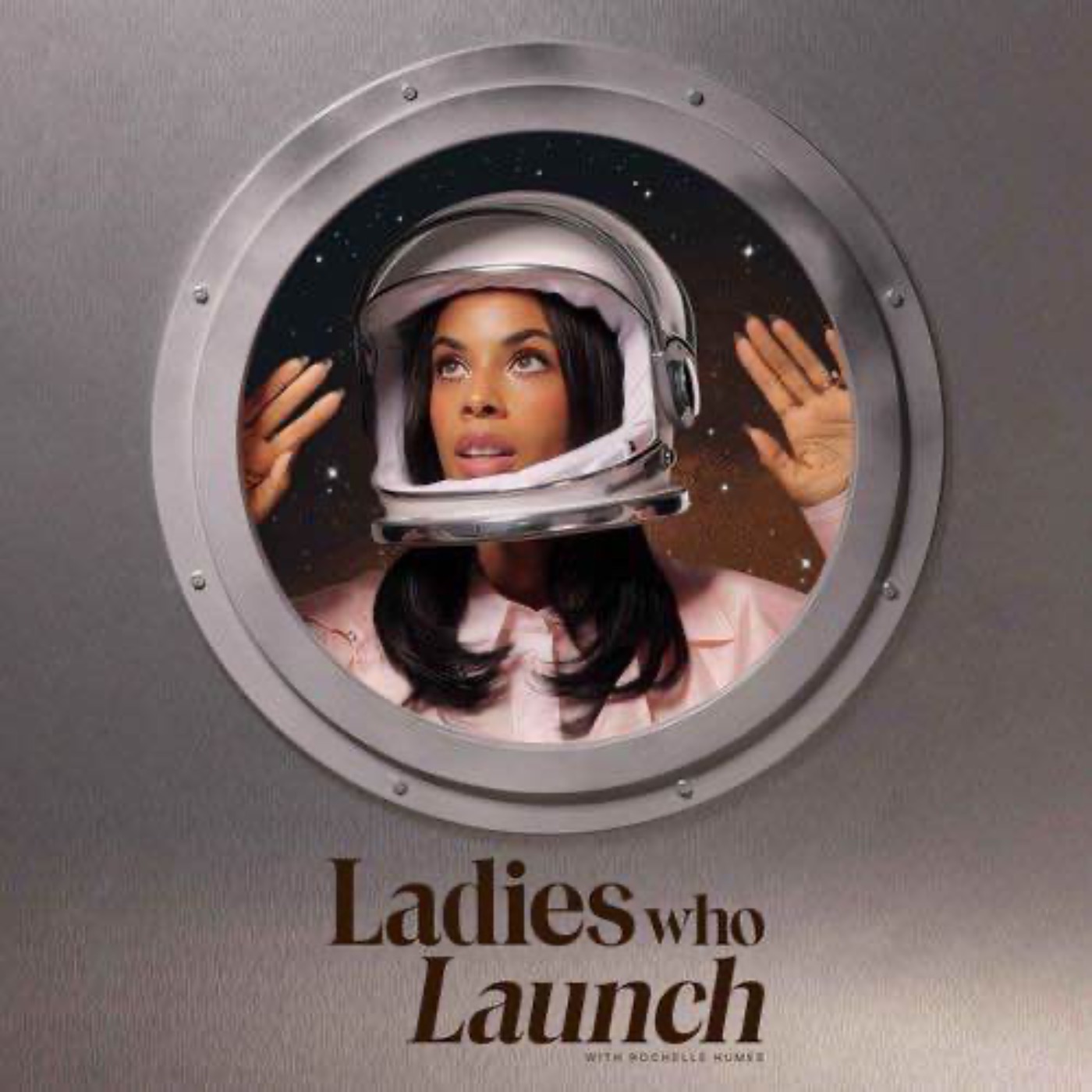

 Ladies Who Launch
14 May 2025 · 45m

In this episode of "Ladies Who Launch," host Rochelle Humes interviews Jordan Mitchell and Liz MacCuish, co-founders of Good Culture, a talent and influencer agency dedicated to promoting inclusivity and authenticity in the marketing industry. They discuss their journey, the challenges of launching a purpose-led agency, and insights on effective marketing strategies.
Written by AI. May contain mistakes.

Get the gist, explore an idea or ask about something said.
 Claude
On Ladies Who Launch, what are the key points of this episode?
Searching your listeningAutomatic transcript. May contain errors.
0:12Welcome back to the LaunchBox. This week we are joined by the amazing Jordan Mitchell and Liz They are the co-founders of Good Culture, a leading marketing agency that works across all things brand, talent and culture. Between them, they have years of experience in cultural marketing and storytelling and together they've built Good Culture into a powerhouse agency. Today we're talking all things brand building and what it really takes to create lasting impact. So let's dive in. Please welcome to the podcast Jordan Mitchell and Liz McCoosh. I'm so excited you're here this is like it's kind of weird because I feel like we're sort of hanging out having a coffee slash at work this is what we normally do but what is so interesting is I've known you girls for years or ladies should I say are we at lady point now I mean I still want to be a girl can we be a girl girls we've worked together for many years but never sort of sat and broken down what it is that we do we're so kind of in the doing that we never kind of analyze it and I think it's so interesting to have you here and break down things that we see and no kind of like execution behind it and I'm always fascinated in the behind the scenes you both found a good culture which is a cultural marketing agency I also would like to know as much as I know I've been a part of that what does that mean what do we do well I guess cultural marketing as an umbrella term is around making people and brands have impact in culture and there's not one way of doing that I guess we look at kind of each individual each brand as their sort of solo mission and break down what they need to do to get there so for some people it's PR for some people it's partnerships for some brands it's casting influencer marketing it's intentionally broad because it's not one size that fits all yes yes you're so right and I think it's so interesting that I've spoken to obviously lots different founders and you know women in business and marketing is an essential part of everyone's strategy and I think it's something that a lot of startups perhaps overlook and it's I suppose it's happened to me a little bit in terms of when I launched my little cocoa I sort of relied on myself for marketing and didn't actually look beyond that at the start and actually there's such a bigger picture and you can have the best product in the world you can be the best performer actress you know if we're talking brands and people however that looks you could be the best in the world but if nobody knows about it it doesn't exist right if people don't know about it it didn't happen I think people forget that sort of industry standard is to spend between 10 and 20 percent of your revenue on marketing so the people that spend a lot more than that typically see that coming back to them but I think that is not widely understood that you set up and as part of your investment structure or what you're literally setting up with on day one you should factor that in from the get-go and you don't need to overspend you don't need to be casting talent or celebrity you know if you look at jacquemus as an example creativity and best story wins they are so full of humor and like surrealist marketing there's never any big talent in those you know it's often just you know a girl on a boat or somebody with a an ironing board and a stack of hats or it's ai but it's those kind of no no one can create a viral moment that's for us to decide whether it ends up being viral but what they create is humor and escapism that we all want to share yeah and I suppose it's that kind of distraction the thing that makes you go oh look at that like you know when you're and I'm so surprise and delight yes surprise and delight I'm like I love branding I love the detail and I'm that girl that will always be impressed when brands do that well because I just I'm like a marketer's dream yeah yeah and I understand the world of it but I still will be sold so I think it's that thing that sort of gets your attention isn't it and makes you look in their direction yeah and I think it's about creating shareable moments so for me you know when a campaign's doing well when it's like landing in your whatsapp group you know when you think about the super bowl and the nike ad um what was the so win so win and it was kind of capturing like the cultural conversation which was like in culture at the moment it's hard to be a woman it's hard to be from a marginalized community particularly in the states with everything that's going on around there and so what that sort of campaign did by kind of going you can't win so win was like a rally cry and then you want to share that you want to post that because it means something and I think that's when a brand wins they actually captured the heart and mind so it's either your imagination and go oh my god this is so fun or it's like something that resonates deep within where you go that's important and means something to me when I think of like my favorite campaigns or my favorite brands I feel like they're quite explicit on what they are they're kind of like unapologetic about it even like when we launched this podcast people were would be telling people about it and my team and we're so excited and some people like so you're gonna really call out that it's just like female focused in the title and I'm like for me like my favorite moments are people that own it and i'm like yes we're ladies who launch like yeah do you have a vagina no guess what you can't come on yeah and like i want to be that explicit because that is the community that's believe there's a lot of podcasts the guys out there correct um but do you know what i mean i think it's the ones that kind of and that shouldn't be shocking but to some it would be it's the ones that sort of yeah shock you as well that grasp your attention i think with the nike um which was my favorite campaign of recent times as well the fact that they had not invested in that level of you know Super Bowl advertising is widely known as the most expensive in the world Nike had not shown up since 1988 in that space and then they decide to put a female skewing advert in a male-dominated space that was not lost on me so I think that it is you know they are intensely trying to provoke within that sort of very male-dominated world as well yeah and I think to your point around like being true so to that kind of ladies and that launched kind of analogy I think you just have to say it with your chest right and I think so many brands um particularly on the early stages are wanting to try and be everything to everyone and actually if you are everything to everyone you're nothing to anyone and so having a strong lens having a point of view and actually going no this is my audience and this is who I really want to focus in And that's actually how you kind of build brand fame and actually really start to get the cut through.
7:12Yeah. And I think brands are really starting to realize that now in terms of like the buzzword for the past couple of years has been community. But I think brands and like big corporates are suddenly realizing that actually it's community first, brand second. Because if you've got the people to speak to, then your brand wins. Right. Totally. I think you're doing firstly. I mean, can we just have a minute for Rochelle? Oh gosh. Can we just have a bit for a girl? You know I don't do these things well. No, but I think you're a really great example of a founder who really invests in community. And we see that through the events that you did, even just the other day with your like lunch for your lady to launch.
7:53I think it is about kind of recognizing those people in your orbit and actually paying it to them because they're the ones that are going to make your brand famous. Because after that, they're talking about you to their 10 other people. or those 10 other people are talking about you to their however many others. And we see that with brands like even Refai with Jess Hunt and actually not doing the influencer trips, but doing the like community trip. She does that so well. She does. So, so well. And I think what's nice about looking sort of on the outside, looking in, it doesn't feel gimmicky. It doesn't feel forced.
8:25It doesn't feel like a box ticker. Genuinely, she's invested in that because she knows they are the people that have been propping Refai up. Absolutely. yeah we touched on community there which seems like it's become everybody's focus which I love and I think that is it's so important and I really believe in leading community first what do you think are the fundamentals when launching a brand well I do think not to hammer on about community that for me is the fundamental because without your audience you don't actually have a brand and um we we've done this for a number of brands so when we launched tracy ellis ross's brand patent in the uk that was so good tracy we love you um it was all about community and actually prior to even launching that brand what we did was hold workshops um for i'm gonna say the community again but for the community where we were getting people kind of on board on the journey so we were kind of finding out about their hair care journey finding out what the gaps are in the market finding out what they needed for their brands or from their brands and And we did a series of those prior to launch so that we had built up an audience so that when we did launch, they felt proprietary over it.
9:39Like they were like, this is my brand. And I think creating a space where people can have that sense of ownership. We even see it with Topicals, which is an incredible, again, female founded brand. And people are just so hyped and protective over it because they feel like it's theirs. Same with how we felt about My Little Coco. And I know I'm being biased because, you know, we work together. But it was, it was kind of like, we saw how invested you were in that brand. But every time you'd go to Boots and you'd be like, oh my God, you're checking everything's okay. And you're like, wow, this is, we're part of that journey.
10:12So bringing people on the journey is fundamental. And I think what is so interesting that you touch on those workshops, that actually that is something that anybody can take away from this. Because it doesn't, it's not necessarily front facing. No. So there's so much that happens as in building before anybody even sees it. it's not like this is it let's try and make a community happen no you will have within your orbit or we use this whole we're one person away from kind of being able to get to anyone you can do those focus groups and you can it can be such a shortcut to success if you really really listen and then apply the learnings and then the end result is that you do get an audience that feel proprietary over your product and then just want to go and tell everyone about it yeah and And that is so interesting because Jo Malone spoke on that so well.
11:01She's got something that she recommends to everybody called the pizza boardroom. And it's like, I love the idea of it. She says, listen, you don't need to have a board at the start because you're never going to be able to afford to do that front end unless you've got a big investor behind you. But she said, do you know what? I call it the pizza boardroom. Get a couple of pizzas, grab your girls over, however that looks, and you've got a board. There's always this idea of kind of not sharing stuff with people that are closest to you. And I don't really understand why, because look, I know that there'll always be that person that can maybe put you off staff or kind of take you down a different path of limiting beliefs.
11:38But actually, if you look hard enough, everybody's got people that they could trust or they could run an idea by and actually get some valid feedback back. Totally. It's about having that open dialogue. And I also think another kind of key fundamental to launching is you know leveraging the power of social media like when you think about the level of access you can contact pretty much anyone using any platform whether it's kind of instagram tiktok you know i think of even just when we first started good culture and we were like dming some like people that we wanted to sign and you know maybe 20 years ago you wouldn't have even had that opportunity and i think about like when thea green who was someone we worked with many years ago um who founded nails inc and she was like yeah i could only find contacts on the yellow pages like imagine having to open like the yellow pages and now you can slip into someone's dm so as a new brand particularly if you've got a product you can kind of just contact the people you adore and go i love the content you put out there i really think that you would be you'd really love to receive x and x from my brand and they don't have to be big names like start small start with a micro influencer community or those kind of um kols is what we call them like key opinion leaders just people who have a small community of their own who can then advocate and endorse your brand and i think it's it's almost like kind of not being ashamed to do that i think we live in such a fear of like oh i don't want to message her just in case she finds this a little bit forward guess what they don't have to come back to you they don't have to come back to you and actually like what's the worst that could happen yeah yeah and nine out of ten times you know if someone sends you something thoughtful and considered enough yeah you actually want to help people out yes it goes back to personalization something you were saying earlier about you know just the the we live in this world of abundance and we're trying to find a way through the treacle we're trying to i mean even when i think about like opening netflix of an evening trying to work out what to watch so you rely on this curation idea whether that comes from girls in the office or people at home and I think personalization is everything so something Burberry did the other day they just had their show in London Fashion Week is they on their social media got very artful initials at the top of the pictures so there must have been we have Rosie Hunter and Whiteley as a client who was a guest there must have been 500 different pictures of her taken some by really artful photographers some by more traditional paps some by her sister her manager whatever whatever it was the one that had her initials on it that she reposted she's been in that maybe even wasn't the best picture of her but there's something about you know when someone bothers to send you something and it's got a bit of an initial on it or it's got a phrasal like your kid's birthday it's so much it's it's not a lot of effort but actually as a receiver every single time it means something it really really does so going the extra mile and you're like you say that is something that is such a simple touch so simple in the edit that might have taken a few seconds but that is the thing that you go that's really nice yeah that for me works every time the thought it is it's like receiving that card or that bunch of flowers when something happens you'll always remember it yeah what do you girls think is one of the most sort of standout moments of the year so far in terms of marketing and a campaign that's really landed to you well we spoke about the nike so win one which I just think trumps everything something else I saw the other day which I thought was really brilliant and something we strive for at good culture is trying to de-stigmatize things and like take taboos on head first so we've looked at the menopause we've looked at I mean it's always things for women but it is and there was a campaign with Purcell and Arsenal ladies the other day which was kind of removing the stigma around menstruation whilst being on the sports field amazing and you know I've got a 12 year old daughter who I know we've all got daughters and you know she said to me the other day I'm really craving chocolate and I was like no oh my gosh I know it's coming I'm there we're waiting we're waiting and I've got everything prepped which my mum probably didn't have access to I've got the period knickers there's some her dad's there's some in a school bag that's everywhere and I'm trying to talk to her about we work with speedo trying to talk to her about you don't have to not swim because there's this technology and whatever but it's still mortifying and to have these heroic I mean I think that there's talent as in actors and musicians that we hold in high regard and then there's athletes yes like you know you it's it's down to taste whether you make it as an artist but if you're an athlete we look after the fastest woman in the UK we look after the British number one tennis player like they've earned that we can all have the athlete mindset but they've earned the right to be there so when they're in a campaign there's a new level of hero worshipping and authenticity and you've got the lionesses you know a lot of the arsenal team one of our clients is Alessia Riso is one she's kind of talking about bleeding and menstruation like it is literally just so normalized and then the kids are going into school talking about it and you know it's it's not going to be a huge kind of instant change but if that is the topic of conversation at school that day then well done Persil for facilitating that and it's almost like it's so smart from Persil because yeah every element like you say every I remember being at school being like sorry sir I can't swim or I can't run because I've got my period yeah but actually to see somebody on a pitch being active you know being female and embracing every part of that like it's actually genius it's so empowering yeah yeah and i think also i mean firstly it wasn't too long ago when when they were doing the whole period thing it was like blue blood do you remember like yeah like blue blood versus we can't even have red blood guide not to completely go off the point but i mean like literally look how far we've come
17:53but i think also just off the back of that um piece around sort of sport we're really noticing the sort of convergence of sport and fashion like unlike any time before it's really growing momentum so you're seeing that now with like skims and nike which that's just out and that's incredible but we're also seeing it with a lot of kind of really great partnerships so like now with the formula one and kind of louis vuitton and the whole lvmh group charlotte tilbury charlotte tilbury formula one so i think you know we're we're kind of i think that's what's really exciting and interesting the momentum of kind of sport fashion beauty and where that's gonna go yeah and how everyone can coexist together like you say it's been very kind of everyone in their lane and everyone yeah in their own box but actually they i'm interested in fashion and sport well if you look at the beauty guess what like it's you know bring it a bit of everything yeah they feed into each other and guess what when we talk to our athletes they want to be at fashion shows the designers are obsessed with the skill set and the discipline and all of those things that the athletes have so something like vogue world that happens once a year it was in paris last year you've got serena williams and amazing track and field athletes walking the runway looking amazing because the physicality is almost like level leveled up what a model could look like yeah and it's just not this siloed world it is that convergence and we're seeing you know the major investment happening in particularly swim and women's sports marketing some big players the government had a um an initiative and from a summit last year there is now 63 billion pounds going into sports marketing specifically at women next year see that's just incredible i mean i mean we like that we like anything specific women's stat yeah we're here okay and anything with billion involved there's loads of there's loads of yeah we love a bully moment but there's loads of evidence to suggest that female sports marketing is so much um the consumers love it because it's thoughtful it's progressive it's sensitive it's all the things it's the way we want to be spoken to you know it sort of feels more for us yes exactly that yeah we always love to celebrate a little win or big win when it comes to branding and i feel like that's something everyone can appreciate it and i think you know the win when it's that shareable content it's the thing that like like my mum that doesn't notice much or my friend that isn't really engaged with like mainstream media is like have you seen this this is amazing like yeah that's the win yeah we love that but what do you think is the most common mistake yeah that brands make or missed opportunity or missed opportunity i mean i would say inauthenticity is at the core of most problems and actually you know when typically when you get a backlash it's because people are looking at something and they go it's jarring it doesn't make sense it doesn't feel authentic now we're not necessarily going to call anyone out but we've seen recent campaigns with a big kind of fast food company and having a talent attached who's very into health and well-being and there's a backlash because they're like yeah but that person actively talks about eating very well so you know I think the minute you particularly in the talent world which is where it becomes really risky the minute you as a talent put your name to something um and to a brand in particular that doesn't feel authentic or isn't something that you would typically do eat use go whatever people see through it and it's the same for brands so we often are working with you know our brand clients to really kind of drill out who is your audience who is your community and actually be authentic in sort of showing up for them and back to my earlier point of stop trying to speak to everyone yeah like just speak to the people that you know you're you're trying to get after and make it make sense for them um so yeah I think inauthenticity and also if you don't have diversity within business that again is where you can have inauthentic kind of mistakes because you will have a boardroom where they're all like oh yes this campaign looks great this campaign looks great and it's an echo chamber no one's going oh but like can we just flag that culturally there's like a bit of a culturally appropriate because those things that nuance gets missed so i think it's just making sure that you've got a sounding board and a diverse enough team diverse enough voices to have a point of view and even if you still go in one direction at least you've all stress test it before it goes out and that's what i think has been certainly what i've observed as kind of common mistakes and you know when those like those mistakes then mistakes or kind of it might not land in the way that everybody hoped it would land in those meetings and whether it's an echo chamber or not or it can be a kind of very well versed room and everyone thinks they've got it right and that moment when actually this hasn't oh this is a problem we actually never anticipated coming yeah what what do you think happens then because I'm always really interested in like when there's a fire to put out and when you're like oh I'm waiting for this brand to talk I'm waiting for this artist are they gonna say anything about this or they because there's either that clear strategy I think when it comes to talent or when it comes to brands that somebody will or a brand will either instantly talk to the community that they have built and say look this is never meant to call you know and obviously sometimes you have to wait a little bit to get it right and read the room absolutely but there's also that motto of you don't complain you don't explain yeah where where do you stand on that because I am would always be the person that's like I have to say something I can't let this ride but I also understand the push and pull with that I think when it's an individual there is a different responsibilities so I'm going to give advice based on if you're a brand and I think when you're a brand you can't afford to go we're just gonna let this die down and see what happens you have to respond because you are not only responsible for you know yourself but you're you're an organization ultimately yes and so there is a greater responsibility and I do think that the brands that handle things well are the ones that go do you know what we've made a mistake here or we've listened to you and we're going to respond and we're going to take this action whether it's taking a campaign down whether it's adjusting messaging but actually having that open dialogue with your community as a brand is vital and that's where you earn so much more respect from your audience because they go oh my god you're a big juggernaut of a brand and you've actually owned it and we really respect it that's what we say to people all the time and I think you know we've got people like Elizabeth Day to thank for it not being taboo to make mistakes and I think that big organizations have crisis management teams where they might anticipate some sort of backlash and then there are things that happen in the world politically or otherwise that we just don't know about but you're right they have an obligation to address it in real time that might be 24 48 hours I mean that's a lifetime on social media but I think they have an absolute um you know obligation to do that and just show accountability and vulnerability because I would say in a big percentage of cases the audience is going to receive that really well none of us are perfect it's gonna and actually sometimes we want to see flaws in other people especially big meaty organizations and then we want to see and learn from how they fix it yeah and what do you think when it comes to like personal brand because i always wonder if because we're seeing there's a real kind of wave now and we've seen that with um amy smale she was on here and she founded odd muse and odd muse is great but she's also we feel like we know a lot about her and but we didn't before odd muse so it's kind of like that founder-led content yes is actually a strategy that a lot of yeah brands are now trying to emulate but for her that was an accident she was like i've got social media I've not really got followers at this point yeah but I'm going to try and do what I have and then like sort of simultaneously we've watched the rise of odd news but also her as individual which I find really interesting so we're aware that founders are so attached to the brand which is almost what makes the brand excel because you're so interested in watching totally behind the scenes and the and the glossy and everything play out together but if you're if the if the personal is so attached to the brand that I can imagine can also be tricky if something goes wrong yeah because there's also that argument that if you respond to something instantly you you put it on someone's radar and perhaps it wasn't and you could add fuel to the fire so do you think there'd be a different approach in brand and in then the personal brand I I definitely think that when it comes to individuals is so much it's a lot more nuanced yes um but I still stand by the fact that you know by owning something and telling your community that you listen you've heard it you understand you're learning in real time again I think people really respect it but ultimately as individuals versus bigger kind of conglomerates that are faceless there's that reputational individual kind of piece as well that you need to protect And I just think that there is perhaps slightly more of a cautiousness in just taking time to assess the situation before you just dive in.
27:43And I mean, you would say that for whether it was an individual or a brand. But I think that having worked with founders as individuals, it hurts so much more. It's the emotion attached. It's really emotional. And I think you also as an individual, you know, individual founders also need to create that space for your own mental well-being. and actually when you're going to be putting yourself in the firing line, being actually able to handle that. Because, you know, sometimes backlashes can be quite unrelenting and there is a mental toll on that. Of course. Yeah, yeah, yeah. Of course. If we're going to focus on startups now, because there are so many lessons that everybody can take from the big brands and I think that's always tends to be the inspo, doesn't it?
28:28You've seen them do that and what if you could do that on a smaller scale and build and build. if we were thinking about a startup and i suppose you had a bit of advice to say don't waste money on this because you can get ahead without it what what would that be so i think it's a hybrid of things i think this is my third startup now i still think good culture has only been going four years so it's still still a little startup and there'll be more to come um I think look at what you've got. So look what is in your orbit. So some advice that I was given, because you get obsessed when you're launching a business.
29:06You're like, I need an office. I need an assistant. I need this, that and the other. You just need this, actually. You just need this and the internet. And you can just work with what you've got. You've got friends who will make you meals when you're in the office late. You've got other friends who will take care of your kids and pick them up from school that day when you've got a meeting. you've already got clothes in your wardrobe that you've forgotten that you've got there'll be people in your orbit that want to support your passion but just work with what you've got before you take a penny from anyone I've never had any investment we never took investment for um good culture we just kind of worked our way up and I think some people are so obsessed with what success looks like and often when we look at startups they've had huge amounts of investment or they're smoke in mirrors and it just isn't real life I think you've got to have a really honest conversation with yourself about what success looks like and know that you're not going to earn any money in the next three years like really truly for it to kind of grow but just increment by increment I managed to after the first year of working around a table with a screaming baby managed to then have a desk in someone else's office which was such a big step up and because I had that then I got the assistant who had somewhere other than my house to come and then and then and then increments and you get those like moments of little wins to celebrate as well but yeah because I think there's sometimes there's that idea of like you see like you say you see things on social media and you see a warehouse and you see an office and yeah and I didn't start with an office the same it was like we would do it from my kitchen table and then we were like okay there's loads of stuff in my house and now it's like okay there's want for that this is a thing so let's get a small office and And then it slowly built to now we need somewhere else to do.
30:53And it is sustainable. But I think sometimes we see these things that and that is the transparency of it. Like we've been working for however many years to get to a certain point. Like you don't have to have everything figured out overnight and be like, OK, I do this now. That means I need X. Those people are still figuring out the next step and the next step. And that is kind of how it happens, isn't it? Absolutely. Yeah. We all know that money is not a thing when you're funding something yourself up front. It's very hard to kind of make that cut through when you haven't got that support of, you know, whether that's an investor or just a bank of finances to be able to do so.
31:35Yeah. What do you think that somebody starting a brand or a business could do to cut through and make an impact that actually doesn't cost anything? well I think the fundamentals are really important like what your social media is looking like and the content that you're putting out there and that's something that you can control and I think if you're making snappy fun content that's engaging and resonant that's a really great way of starting to just build that engagement and community I'd also say cross-marketing so thinking about looking kind of left and right of you and thinking about brands or kind of offerings that sort of sit in or similar world whereby there's good shared equity so you might want to do like a competition with you know if you're a skincare brand and there's a gorgeous um silk wrap or hair care whatever there might be some cross-pollination like competition type things that you can do so then you're getting exposure to their audience they're getting exposure to your audience i also think no matter how big or small you are you really do need to put aside something for gifting and seeding so that you can actually if you're a product business get your product out to individuals um to people and again they don't have to be big influencers big kind of celebrity talent it can be more micro individuals who've got like 10k plus followers but it will really help to just drive visibility for your brand and keep sustaining that momentum i also saw something actually on instagram i'm like obsessed with all these like marketing reels that people make now and they're like this is a deep dive inside this brand and how they did it and um pia munt who founded heaven mayhem she openly talks about the fact that she actually really wanted to have her jewelry on hayley bieber and it was like a thing and that's what she wanted and i she's quite explicit and saying i went after it so what i did is i like gifted her friends and then got to a point where she liked it she noticed it and then then she went or she went through the stylist but then it landed and then it ended up on Hayley because her friends were sharing it and wearing it and then I suppose it was then on her radar so by the time gifting arrived for her totally it was and I thought that was quite smart and actually quite a useful tool to you know look who is in the community of that person and be quite strategic with that we had that with Lisa Eldridge yeah who we look after he's an amazing makeup artist I love her she's amazing and people want to get to kate winslet and they'll kind of go via her and i think that just not wanting to have a mass approach being very targeted and manifesting what you want to happen and then going after it really intentionally will give you time to do that deep dive into community we often do that i mean brands will do that they'll strategically they'll have a budget of x and they'll invite somebody that's on the periphery of a group of people that they kind of want to work with and they'll invite them and they'll incentivize them to come and then you almost get this ensemble cast piece or you'll book a dj that's going out with someone and they're probably going to come along and support and then you just get this like swell of cool and vibey but you've actually only really had to pay for this over here yeah yeah it's the tricks isn't it it is joe malone said something i thought was interesting that she when she first got her store and actually nobody knew who they were it was about sort of getting the bags so you know the big sort of joe malone bags and people would walk up and down the street with love that and just constantly sort of lots of people there's like little tricks isn't there and little hacks that you can actually all of a sudden you're on someone's radar yeah and it's quite simple well it's also just about that repetition is recognition so if you're seeing something and we try and do this sort of metric where we're trying to pop up in someone's orbit like our audience our customer sort of four different ways right and so we think about those four sort of spaces that they occupy so you know obviously it's on social so thinking about the things that they follow what they like how we're showing up there then it might be via collaboration so Allo's a really good example of that because they'll do an activation over fashion week so then they're popping up in that sort of fashion lane and you're like oh I'm seeing you there and then it might be a really kind of disruptive partnership so I think what um Mel and Mel made me do it with Blank Street for instance genius but then it's popping up there and it's similar to what you you guys are doing with Cloucher and Grind you're thinking about the different worlds in which you can infiltrate so that your audience is constantly seeing you and you're meeting them where they are yeah and then you'll have dinner with the girls and they'll go have you got and you'll be like oh my god that's it the fourth time and then you're on your phone in the taxi when you bought it but i think we do need that different yeah you know turning up in four different ways word of mouth social whatever it is and road do that really well yeah when you think about again really simple marketing with the the phone cases that is like genius it's in my bag just because it won't fit in my pocket yeah but it doesn't fit in a pocket does it it's not for the pocket but it is it's kind of that thing of actually it became so cultish you know everyone was doing the selfies with the thing because it was like you want to be part of that little club yeah and so I think simple ways of innovating and creating funny I guess quirky shareable moments don't have to be expensive I'm sure they just did that as a bit of a like one-off it wasn't probably meant to be something that's sustained near of experience you know there's still that chanel lipstick analogy of we all want to be the chanel girl we all want access to that brand but we can get it now for i don't know how much a lipstick is 25 30 quid and you can own that and that's a souvenir of your experience of the brand and it's your first in and you'll always it always make you feel something the fact that you could play in that space so i think it goes back to creativity creativity best story wins can you be innovative can you create a democratic access point for people to play with and start to engage with your brand for damson matter who are an amazing fashion brand that we work with you know they are a fantastic sweet spot actually of a of a price point but you can get a scrunchie you know those oversized scrunchies all the girlies wear you can get that for under 20 quid and it's you know that it's got such entry level brand dna that you'll beyond the tube and you know some of us we want to keep things to ourselves but most of the time you want to look left and right and go oh my god she's cool she's got one now I want one yeah and I can get it and it's not going to be like a big spend it's going to be you know I'd have to think about it I can get it that month I don't have to wait till payday and you're already in you're on the journey um so yeah yeah I think you're right in that targeted like it is so important that's one thing that you don't have to have the biggest budget in the world but if you find where these people are and it's i mean i'm making myself sound a little bit baby reindeer out here but you know what i mean if you wait outside the window not scary at all but if you are targeted and you're kind of really considered yeah in your approach i think that will always win yeah i mean we also saw this the other day with um lovely sabrina elbow who was on your pod and it's our client and just our shared friend and lovely woman and she just did a very small fun playful pop-up with a cafe called sable and obviously she had sable her brand and they had sable the cafe and it was like she just did a pop-up gorgeous little car they did sort of personalized matcha cookies that were sort of sable inspired and it's a way of getting into the neighborhood getting the product out there not hugely expensive but it's just nice content and good storytelling yes yeah yeah yeah it's not and those moments that those activations always so important where people can come along and see it and feel like they're part of yeah whatever this is and meet the founder as well because that's also really people just are so used to brands almost being faceless that actually to get in front of a founder feels yeah yeah you're real yeah and it feels like they're doing it because they care and there's heart and i think that's what people love each episode I ask, as you know, our guests to leave a tip that I suppose it's, it's a real, it's something you wish that you would have known when you started out and something that I suppose our listeners can action today.
40:14So I've got two of you, which is great. So I'm going to get two tips. Why not? Two for the price of one. There you go. What would you say, Jordan, would be your tip? I think and this is a tip for anyone at any stage in their sort of founder journey is to obsess on your audience and your audience can change it can grow it can iterate but really obsess on where they're showing up what they like to read what they like to consume where they like to go. because once you get into the detail then you can help to make sure that your brand is showing up in the spaces that make sense to your audience and no audience is no one person is the same so really just get obsessed and get into the detail and yeah, you'll definitely get cut through in the end.
41:02Yeah, it's so true isn't it? It's almost like there's no embarrassment with the obsession You've got to really understand following them on social media, how does that create a list of people look to you where are they shopping what are they using who are they following who are they following and it shouldn't feel like work it'll be fascinating if it's going to lead to your brand extension yes yeah it's kind of like really good homework you know it's kind of like yeah exactly there you go um how about you liz so i think that there is especially for women stigma attached to you know you should have figured out what you want to do what your contribution to culture is what you what your job is your passion is by a certain age and we're getting younger and younger we've got you know an md who's 30 um and i think that limitations on age we have enough of them as women when it comes to reproduction and other things and i think someone i have loved listening to and i didn't really know much about her in her first career is trini oh she's really London and at 53 she started that business and you know my understanding is relatively learned on the job which I also love and iterated and developed and was vulnerable and shared it and listened to her community that business is not even a decade old I think seven eight years in and it's worth 180 million globally so she's amazing I just think if she can do that at 53 and you've got a passion and that's where all good business opportunities come from is spotting a gap having a passion don't put an age as a limiter on it absolutely that and do you know she was we've had trini as a guest and she she took a punt not only just a punt she changed she flipped her whole life upside down yeah she had a close out to raise money she sold her house to raise money she rented somewhere with her daughter having you know it's been a world of grief because her daughter lost her dad and felt that that real responsibility of being a mother and showing up but also felt like she had this burning desire to do something but what a great legacy for her daughter exactly that and she ironically she says that she she was so worried at the time as in for her family like she knew this was something that she really knew she had to do but it was a it was a lot riding on it happening but now hearing her daughter speak of her mum and how inspiring she finds it and how kind of that she really is leading by example is kind of it is so incredible and like you say it's so weird to me that there's this age limitation on stuff or this kind of like sex limitation yeah like it's so frustrating and i'm like when are we gonna say to a woman oh you look great not for your age but just you know yeah yeah exactly that yeah i've loved this so much this has been like the best hangout ever and i know that there's so much that everyone can take away from this so thank you girls thank you for having us
44:19don't forget to follow us on apple and spotify or wherever you get your podcasts to make sure you don't miss out because next week we're going to be talking to another incredible lady who launched if like me you're a watcher then please follow us on youtube and don't forget to like and subscribe
44:41Thank you.
In this episode of Ladies Who Launch, we’re joined by Jordan Mitchell and Liz MacCuish, the co-founders of Good Culture, the talent and influencer agency on a mission to make the industry more inclusive, authentic, and representative of the world we actually live in. With backgrounds in fashion, media, and talent, Jordan and Liz came together to challenge the status quo… building an agency that puts values at the center of everything it does.
We talk about the realities of launching a purpose-led agency, disrupting a traditional space, and leading with integrity in a culture that often rewards sameness. Jordan and Liz open up about navigating growth, building trust with talent, and why working in alignment with your mission is the most powerful strategy of all.
Whether you're building a creative business, or simply curious about how the next generation of agencies are shaping culture, this episode is full of honest insight, bold thinking, and plenty of inspiration.
FOLLOW GOOD CULTURE
https://www.instagram.com/goodcultureinc/?hl=en
FOLLOW US
Instagram: https://www.instagram.com/weareladieswholaunch/
TikTok: https://www.tiktok.com/@weareladieswholaunch
YouTube: https://www.youtube.com/@Weareladieswholaunch
Hosted on Acast. See acast.com/privacy for more information.