Ask ChatGPT
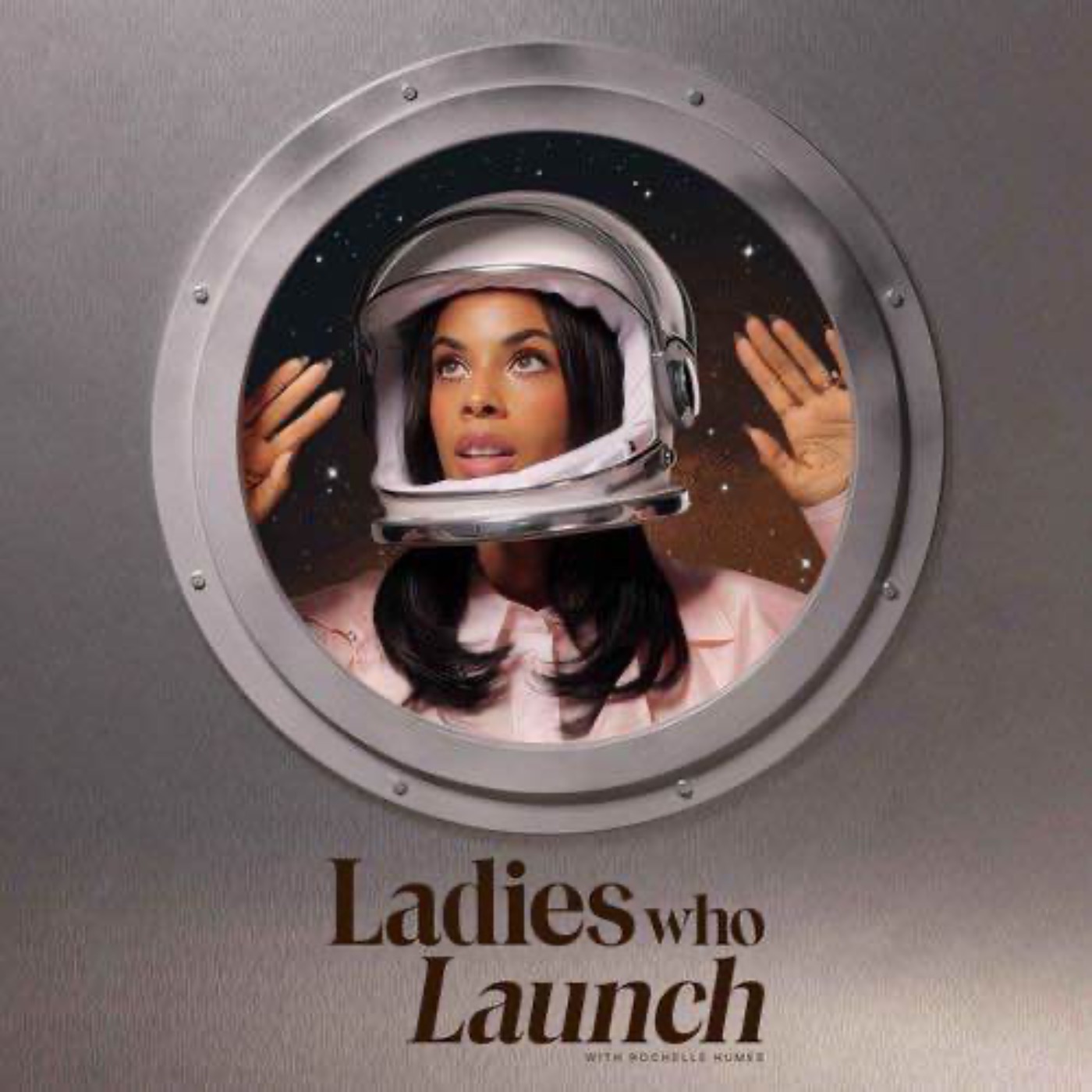

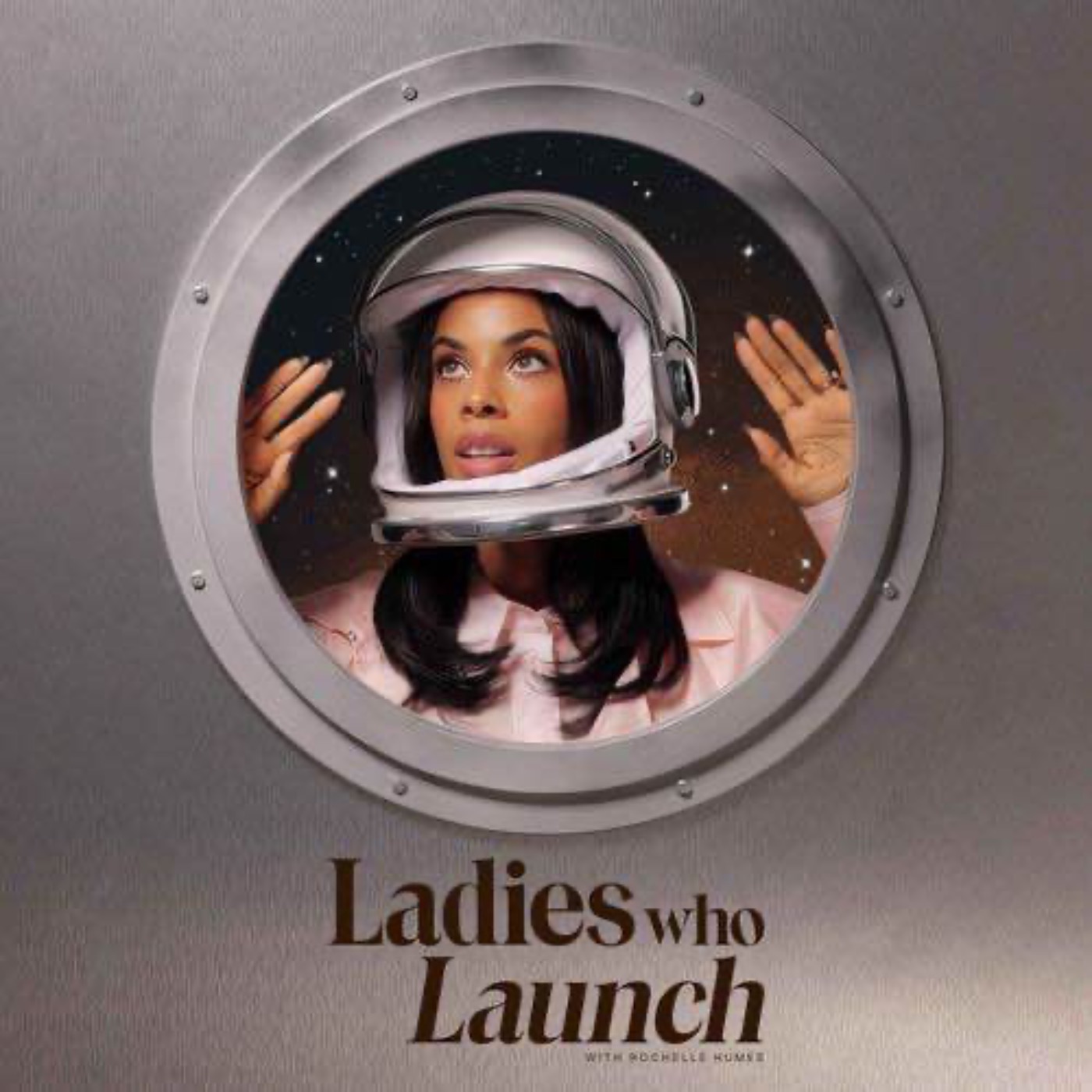
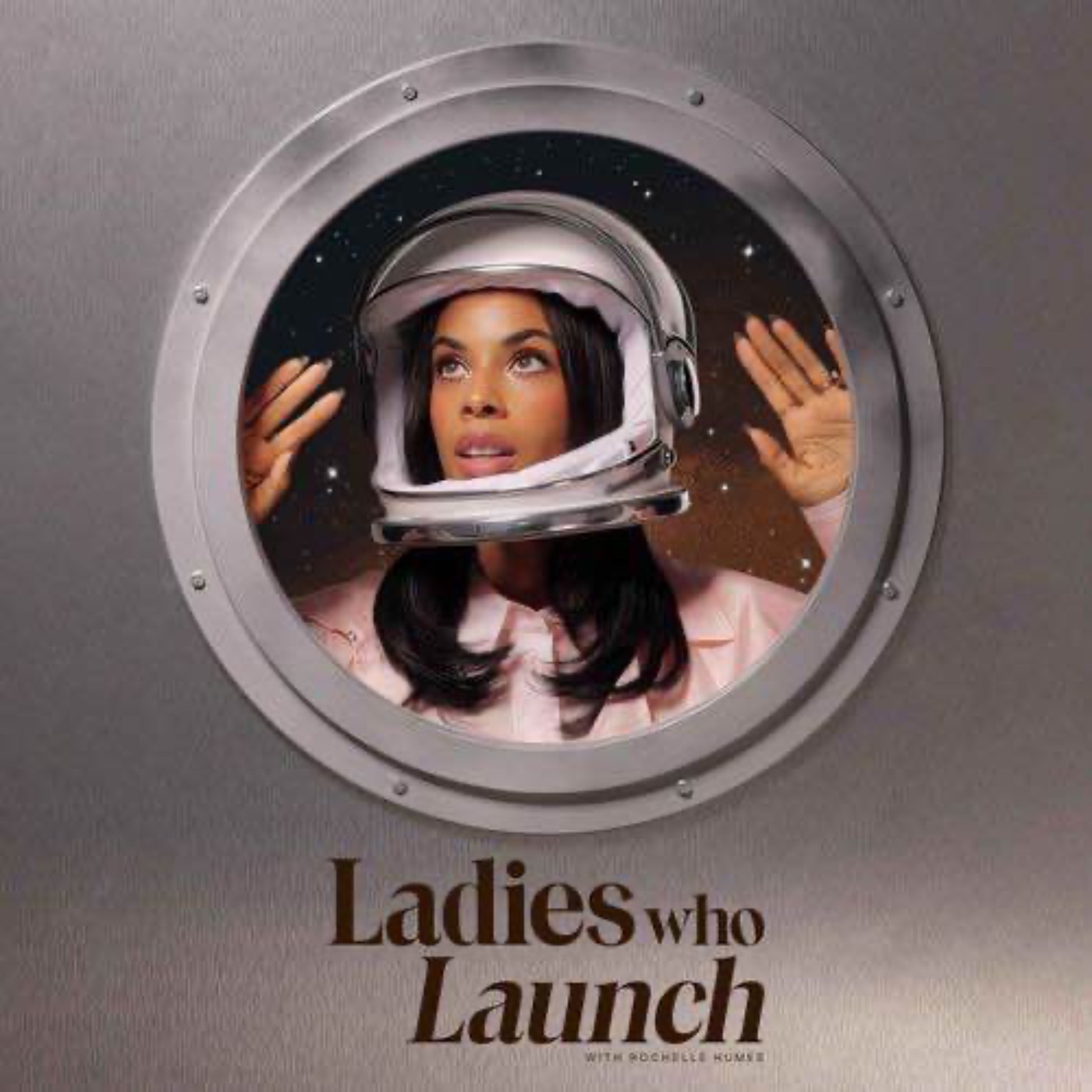
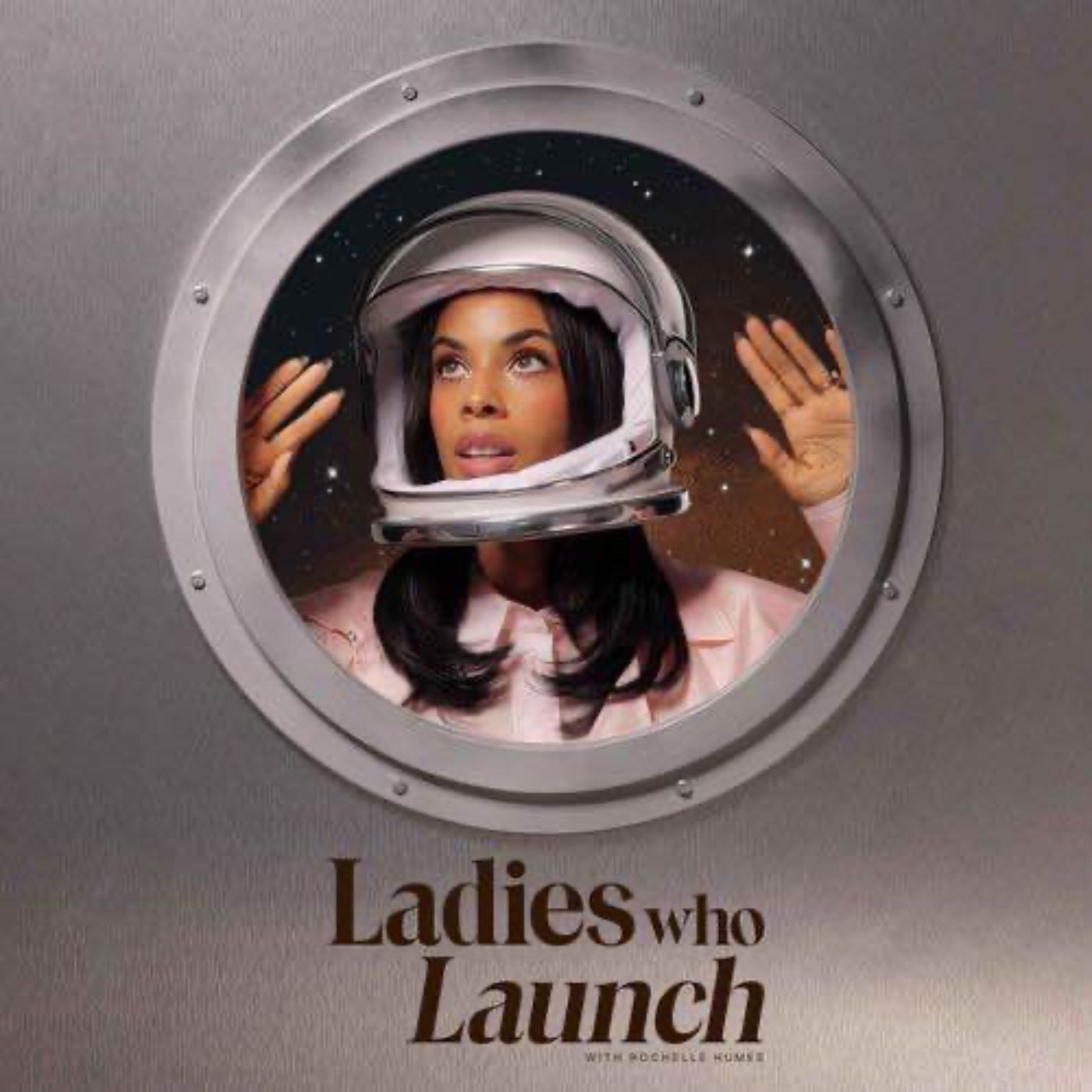
 Ladies Who Launch
6 Aug 2025 · 55m

Host: Rochelle Humes
Victoria Jenkins, founder of Unhidden
The episode discusses Victoria Jenkins' journey in creating Unhidden, a brand focused on adaptive clothing that makes fashion accessible for disabled individuals.
Written by AI. May contain mistakes.

Get the gist, explore an idea or ask about something said.
 Claude
On Ladies Who Launch, what are the key points of this episode?
Searching your listeningAutomatic transcript. May contain errors.
0:11Today I'm joined by Victoria Jenkins, award winning designer and disability advocate behind the groundbreaking adapted fashion brand Unhidden. Victoria is challenging what the fashion industry looks like and who it includes. She's turned her own health journey into a global mission to make sure style is accessible for everybody. And she's not stopping anytime soon. So let's find out why she's a lady who launched. Well, thanks for coming in. I'm so excited to sit down and talk to you properly because we've kind of, we've hung out at events but it's we sort of never get that space to actually have a one-on-one chat so I'm really really excited to talk to you my favorite place to always start these interviews or conversations what should I say is always going back to earlier life because I just really think and it's actually started by an accident but actually as I've gone on and sat down and spoken to lots of different women our earlier years really shape us and you kind of realize that later on it's not until you sit down and talk about it so for those that may not know can you take us back to where it all began to where it all started work or life everything life life gosh I'm from a really small village in Oxfordshire like literally 125 houses that's my dream by the way it was in older life that's yeah um and you know we just had a pub that was it uh and I'm one of six kids so uh and there was quite a lot there's actually quite a good range of kids in the village as well and because I had such a big family we had a minibus um that literally like the one that's the gag that me and my husband have with each other where he's like you can't have any more we're gonna need a minibus yeah no we had a minibus yeah and then we used to take all the other kids to school with us as well so it was yeah it was quite sweet um and I left to go to uni uh when I was 19 so I've lived in London now for 21 years so that's gone scarily fast and living sort of somewhere in quite a small village where I suppose everybody knows everybody yeah was that quite a bold thing to do to sort of like separate yourself from that village and head to the big smoke yes I mean I had always like I was always quite arty so I was always drawing things and everyone kind of knew that I wanted to do fashion um but yeah going from that to white chapel in 2003 oh my gosh yeah that's that's quite it's quite the wake-up call isn't it was it was it was terrifying um and actually i as soon as i got into the flat where i was staying i went to go to get a job in a pub so that i had some money literally over the road and it was the pub next to the blind beggar um where the cray twins have all their and i only did three shifts and the landlady was like i can't keep you safe so um sorry get out of the car she was and i literally on the second shift like this old gentleman came in and was offered me a drink i was like no no not while i'm working and then somebody else was like you don't turn this man down i was like why he's a sweet old man i'm not from yeah and then um they started having a fight and then i kind of just put dug down and did a big peggy mitchell oi get out of my path i was like this i was like please stop no that's not working oi and this is how it's gonna work exactly yeah um but yeah it was it was a culture shock and i found actually every time i went home for the summer i'd get back used to village life and then it would sort of be scared again to come back to london it was interesting and i suppose it's those kind of those home comforts but equally it's quite a bold thing to not conform like when you're from a smaller like a smaller village and it's kind of i suppose everyone's a little bit routine and you go to the pub and yeah you work at the same sort of place and you might maybe head in to oxford town or you know like it to be the one that's like no i'm gonna be the go-getter and i'm gonna go out and chase my dreams it's quite a quite a bold move yeah i suppose i haven't really thought about it that way but it was very it was quite freeing but it was then kind of like oh you know used to having loads of people around me so then it's just me so i was having to like work out what do i actually want my home life to look like um I got into cooking quite a bit and I realized actually I used to watch loads of soaps because it felt familiar so I just have the tv on as background noise but it was literally I do like doctors eastenders coronation street and then I'd get then I'd watch you know films and actual current tv yeah but that was you know it was a tv dvd video combo oh okay it's a long time yeah so but it's I mean and white travel has changed not that much compared to everywhere else but where I went to uni was in Spitalfields and that has changed massively you know I used to go there when it was really sort of grimy old food stores and they were amazing and it's a bit like clinically clean now um so I did prefer it then but yeah it's to see London has changed so much like even Brixton when I first moved Brixton was terrifying yeah not as much anymore it's so true and I remember like our family are from east and And I remember like where, where our family are from, it was always like, get out of East because it's, you know, it was deemed a little bit dangerous and moved to Essex.
5:21And that was kind of like, you've made it if you could make that move. And now I'm like, guys, why did you all move out of East? Like you have these incredible homes that now would have been, you know, would have been an amazing place to live. And I remember it was always like East is up and coming, but it's definitely up now. Yes. It's for sure up. And I love it. There's that buzz of East London. There is. It's really exciting. A little bit unmatched, isn't it? So you take this bold move, you're in Whitechapel, you're at uni in Spitalfields, and how does that period of time look? So you go to uni to study fashion?
5:54Yeah, it's a fashion design. It's the Italian equivalent to London College of Fashion, CSM, but they've got one in Paris, Mumbai, Miami. It's called Instituto Marangoni, if I say it in an Italian accent. Wow, that was impressive. Actually, I've had some events there. It's where my show's going to be in September. incredible but yeah it was because they're quite I mean it's good they're very intense so we did you know brand analysis digital design illustration history of art history of costume and we had exams like every two weeks and your attendance counted from the first day so and that you'd get either kicked out or people I mean a lot of people left I think the first year there was 140 of us and by the time I graduated there was 40 of us goodness me okay so it's quite high pressure yes So there wasn't a lot of fun to be had because it was a lot of work.
6:43So yeah, a lot of, and I was, you know, a bit of an over-eager beaver. So I think I handed in my homework early once and I was sure it was that day. And then everyone else groaned and was like, it's tomorrow. And I was like, oh no. But it's kind of, it's interesting because that's obviously your kind of, your passion was obviously very recognisable. Even at that point. Yes, yeah. And what was it about it that you kind of, what was it that you loved? What was it that you thought this is for me? I think it was always, I was always very passionate about drawing and illustrating design for real people.
7:19So I actually got in trouble for using models that I draw, illustrate models, not to the tiny little thin ones. I'm like, you can't see what I've done. So I drew them bigger and I did get told off for drawing fat models. Stop. Isn't it crazy how. Yeah, and I was like, but you can't see the detail. If the waist is like the width of my finger on a drawing, especially when you're in a professional space, how is a pattern cutter going to understand that? How's anyone going to translate it if you're not drawing on a real body? And then you don't know what it looks like on a real body either. But then I think that says a lot to that period of time that in that space, a real body did probably reflect those tiny illustrations.
8:00Yeah, I think for me, I was like, are you really saying this out loud? Yes. And I remember actually in the village where I grew up, I remember her next door neighbour. I thought she looked amazing. I remember she had this hot pink fluffy jumper on. But I remember her saying, oh no, I don't like my body. And I remember looking thinking, you're so beautiful. Why don't you think you are? And I would have been 10. But I always for that was like, if you don't like it, you should buy things that you do like. Why would you wear something you don't like? And I was like, well, maybe you don't have that choice.
8:25So I do really like bespoke design. I have done bridal design because that is so fun. That must be so rewarding, bridal design. like just to be such a big part of somebody's life and a memorable moment yeah I think I've only lost one bride who got divorced out of seven okay I'm like good and I'm sure she still loved the dress yeah she does she messaged actually recently so she's happy she's good she's good dress or husband um so your love for fashion obviously shines through I want to talk about what led you to create unhidden yeah because i'm so it's so shocking to me that there was such a gap yeah in the market for a brand like this and i don't know if it's it feels so overlooked and it feels like which i hate yes that actually that we're like oh my god of course that needs to this thing no one does until they're in it i was the same you know it wasn't um and you know for so my back well what happened whilst I was still I was a garment tech by this time but I'd been unwell probably forever and it turns out now I'm celiac so I think that's been a lot of it but it was undiagnosed right but yeah I had a stomach ulcer that was undiagnosed that burst and had life-saving surgery and then after that I've had various bits of me removed and rewired and there's a bit of bowel removal in the not too distant future but I was in hospital with somebody and she just said I can't dress how I want to and you know she'd gone through cancer she'd survived it but she had two stomas and a line in her arm and she was being fitted a chest port and I just thought oh yeah and then I thought you know I'd had a birth there I'd had to leave early because I wore a jumpsuit but I'd recently had surgery and it went over a scar and it was really uncomfortable yeah I thought I didn't even think for myself like I shouldn't have I shouldn't wear something for like the clothes should fit me not me trying to fit into the clothes yeah um and I sort of I had my laptop with me so I started looking and just thought it was all very medical um there wasn't a lot out there I mean Unhidden isn't the first adaptive brand by a long way um I think what I brought to the table is I worked in fashion and as a garment technologist in particular so like I literally helped develop clothes for mass production so I can kind of see and understand what you can and can't do with a garment yes which I think has been really helpful which gives you a completely different outlook and also just understanding from all areas right Having been in the position where you needed clothes to fit you a certain way, you're not just trying to cash in on a space that isn't saturated.
10:59No, and I think so many people are worried about it. I'm like, cash in, we still need the clothes. I'm at the point now where I don't mind. Would that be your outlook? Because I always wonder that. Because there's also a similar conversation in terms of race. And I've been a part of that. and somebody, you know, there's been comments in the past that, you know, it's like tokenism and you get this and I'm like, do you know what? The more, you know, the more diverse faces that we see on TV to me is a bonus. So I'm like, you know, if there's a job and that is my, that's my sort of feeling behind it.
11:33And I know that everybody has a different opinion, but I find that interesting that you would say that. No, I'm the same. I mean, don't get me wrong. Ideally, bring us into the room. The best design is when we're in the room with you when you're developing things. Be considered. But at least if we get into the door, even if they just do it once it might make somebody else think to do it yeah so I think it's better to do it even if it's a once-off than not do it at all but obviously ideally everyone would be doing it anyway and um I mean obviously the disabled community is growing because we're everyone's living older so like age-related disability um as more conflict happen that usually you know I mean COVID was a mass disabling event and I've spoken to so many people now who you know they can access I mean I'm actually wearing an unhidden outfit today but they can get hooked up to their machines without having to take their clothes off which was a lot of the design thought behind and hidden anyway but it's one in four people it's you know i think um on a certain tv show a certain dragon said it's very niche i was like i don't think one in four is niche i think it's quite a lot of people when we're talking number we're talking data i don't think it's as niche and it's also the thing about you know temporary disability like if you've broken a leg or an arm but you've still got to go to that job meeting yeah you've still got to go for an interview or do a presentation or you know go to a wedding i mean i think there's so many areas is that it touches and people just sort of you know once it's designed for everybody then whether you need it or not it's at least it's there absolutely and I think that's that's what I consider to be universal design whereas adaptive I think is a lot more specific so adaptive to me is things that are like for wheelchair users so like this the trousers are longer at the back so they're not dipping down they're literally shaped for seated position it's that it's that simple but everything all the trousers have like loops inside so that if you're not dressing yourself if somebody else doesn't have to touch your skin, but they can also pull them up for you.
13:14Or if you can't do this, you can do that. It's a really simple thing. It's so simple. Yeah. And like you say, it's so... If you can create something that everybody can be a part of, there's no niche. There's no kind of like, oh, this is kind of, you know, there's a ceiling on this. This is where it goes. There's no niche at all. If you can make a garment that everybody can wear, then surely you're ticking every box naturally. Exactly. I mean, Alexa was developed for people who are blind. We all use it. That's what it was developed for. All my kids do is shout Alexa at the top of their lungs. My brother's actually started saying computer because the kids were saying Alexa too much.
13:50That's so fake. But he's like, but I'm working computers, so it's actually, it's difficult for him now. There's a little girl in my daughter's class that's called Alexa, but she's now calls herself Lexi, because I think she's just done. She's done with people screaming her name. I want to, so that first kind of light bulb moment for you was you having life-changing surgery, I suppose meeting and talking to people in that environment, having a lived-in experience of your own that I suppose really changed the way that you saw fashion and influenced your outlook on it. What was the first move that you made into bringing this to life?
14:33Because obviously you'd studied in the space that you were studying, you went on and you were in that garment space, but what was that light bulb moment that you thought okay this is what I'm gonna do for me this is the time to develop my own brand uh well I started with a trouser design and then I had two friends one of whom was a doctor um we kind of all said three heads better than one sort of thing um it didn't work out in the end but they're you know they're amazing people um and we were trying to do scrubs as well and I tried to update hospital gowns because for me all my surgeries have been on the front but they do up on the back so they either have to lift them up or pull them down of course and i was on a ward once with someone who was muslim and i've really felt for her because she also was having abdominal surgery i was like well where's the dignity in this like really we can't just so just something that opens at the front yeah surely yeah um but it turns out it's very expensive for the nhs to change these things it turns out they also just rent the gowns they don't actually own them and then they just use a laundry service i mean for bariatrics they actually all they do is they staple two gowns together for people who don't fit into a standard one which i think this is all just mind-blowing yeah i think all the stuff that i have to learn over the years um but i yeah so i started there with that in mind yeah and then we developed some samples with a factory that i i still work with uh and then i sort of that was while i was still freelancing and then covid hit and i thought okay well everything else is sort of slowed down a bit so why don't I try a bit harder and I came up with five men's and five women's pieces I mean I had so many different bits of advice from people saying just do one thing and just do one gender and I was like well men's wear is underserved anyway and I can't do one and ignore everyone else especially because I'd spoken to so many men so I yeah had a tiny little 10 piece range and I had a photo shoot in that two week period in September 2020 when you were allowed to back out but that was actually the first time I didn't tell them what they were doing a shoot for and I just found them on Instagram I'm still friends with some of them some of them have gone on to work with other brands it's been amazing to watch them all do things and but that was the first time I'd actually sat in a room with other people that had some of whom one of them had the same doctor as me but with people my own age talking about fashion we weren't there talking about being ill and we weren't in hospital waiting room so it was really like it was an amazing moment and one of the women just said I've been able to wear a dress for 10 years wow and in those moments that's where you sort of must just take stock and think this is this is the whole point yeah this is the why yeah so you find I mean your why obviously is a bit of a kind of epiphany in it then I suppose just unraveled unravels right you're pulling a thread and you're like okay this is this makes sense in terms of the business side was that what was trickier for you was it creating I mean garments are your world yeah the garments bit was the easy bit yeah for sure I think production I knew that was going to be difficult with no finances and no backing um so initially I did launch as made to order which was it was too expensive but it was worth you know it's worth a try um I suppose for you to test the market and know the demand yes and also just to reach people because it is really hard to reach people and I mean no one that I worked with in fashion sort of responded or had anything to do and they still don't with anything that I've done with done here apart from my university have been amazing yeah um but yeah I think the hardest thing was actually getting people to listen and to find people and you know for me as someone who was freelancing and then COVID hit I had no savings I had no income so a lot of it was you have to do everything but I'd throughout COVID I initially I was doing I ran online art classes um to test out Etsy and Shopify I made masks with the same view to sort of test out how to like run an Instagram account how to sell how to market how to get pr um i did do a paid pr course in i think 2021 um because i was like that's the way i'm going to do i can't afford to run ads all the time and the ads don't work and will probably come and have me have a rant about digital ableism but um yeah so that was i think the trickiest bit has been getting the industry to listen um and we're getting there because you can you can and we and we discuss this a lot on this podcast you can create and you can you know have created the best product in the world but if people don't know about it it's not going to land and it's such a kind of overlooked like piece of work on everybody's business plan yeah you know because actually it's so PR marketing is so so important because that is how people are going to know about it which will then lead on to potential sales Yes, exactly.
19:11Especially when it's like free PR, you know, so like learning how to pitch. And there are some amazing Facebook groups that, you know, journalists are in. And that's how I absolutely started. And people, you know, start to build a thing and people remember and they come back. And, you know, there are other adapted designers. We were all in it together, sort of all trying to do the same thing at the same time. And we've all got to bring something different to the table. So we still all support each other now. But it's interesting. I mean, I don't know who at the BBC, someone's got my mobile number and has just given it to everyone.
19:38i'll get a phone call like how do you have my name but i've been in on you know on the bbc so many different times so many different ways but they never it always is if it's the first time they've heard of what i do i'm like you all not talking to each other yeah it's really interesting like you know can have the same article with one publication and then another publication will ask the exact same questions like well i've said it and you realize you have to have that's how much you have to deliver the same message over and over and over again and to you it can feel repetitive and I always say this in terms of like putting yourself out there and reaching out to people and trying to put yourself into a space to you you feel like I've already done that or I did send them a message or but it will you kind of just have to be so relentless with it yes and keep going until it eventually lands and you're like and I and I feel you and I you know I however many years I mean I'm in like showbiz years if it's anything like dog and cat ears I'm like dead um but I feel like I have said the same message for years and I'll do the same interview and I could predict the interview before I started and I don't mind I'm not mad at it I'm kind of just like the journalist might be new and you see people that are are now like editors that were young journalists at the time but now the young but we're still asking the same questions because I think there's that there's that science and isn't there in that kind of repetitive like someone has to see something like 200 times before because you will buy something exactly that before they know something they have to sort of have read it seven times or and you're hoping that that one article that person will then read so it's kind of like that repetitive behavior yeah but it is that is a learning curve isn't it it is and how were you in terms in terms of like the numbers and the finances and the well they weren't the same face as me yeah well they weren't they you know they weren't super for ages it took a really long time we had kind of fairly consistent sales but it weren't very much it certainly wasn't enough to fund anything really um so it kind of all changed after i went on dragon's den then other investors came along i'm hugely grateful to them and then i could buy stock so then i could bring the price down but i also had something people could buy and you know right away rather than order and then two months later they would get some of course And like we should, if anyone's listening that kind of doesn't understand that, basically the MOQs, which is a minimum order quantity, they kind of vary.
22:06So the bigger the MOQ, the cheaper you're actually getting it per unit. Yes. Obviously to place that order, you need the cash flow to be able to press go on that. Yeah. And some factories, like they'll only take you if you hit a certain number. If you hit a certain MOQ. And then some that has to be low because if you go too high, they can't do it. Absolutely. And some of them want money up front. Some will do it on delivery, like half and half. Yeah. And then there's all the shipping. So you kind of need that like accessible cash to be able to place those orders, which is why doing a kind of pre-order scheme at the start, when you're trying to find your feet and sort of test the appetite, is a smart move because you're only placing an order based on what you know that you've already sold.
22:46Exactly. So it kind of, it does help, doesn't it? but getting that investment or having those funds to be able to place those big orders they just make sense for your margins and how the whole business plan can then evolve and come to life exactly and I think especially when you know investors don't like to buy stock I'm like well we're a product-based business if we don't have any product how are we going to sell anything correct but yeah and they also don't like you to pay yourself which is tricky um very tricky my life into this I do need to earn something yeah and like living on your own in London it's not a cheap thing to do so yeah and i'm trying it so i obviously initially with unhidden i was doing other bits of work and i still do like you know paid speaking and things because you still have to i do have a salary now because unhidden did get acquired last year incredible so now i have a salary which is incredible and that does really help and the numbers are vastly improving so let's talk about dragon's den for a moment because i like you say that was a time where you kind of went on a lot of people's radar like you say you've been kind of beating the drum and yeah doing your thing but that kind of well we know it's a big tv show mass exposure yeah a lot of people learned about your experience the nobody invested no which shocked me by the way well they've actually never invested in a female disabled founder to date and i know three others that have been on that show.
24:09That's interesting. They didn't get investment either. But, you know, I'm not meant to criticise Dragonstone too much. Oh, it's not. That's just a factual observation. Yeah, it's just a start. They have not. It's not a criticism. What then happens from there? Because like you say, you then received investment off of the back of that. Yeah. So how did that look and how did it work? Were you quite deflated after not getting what you thought? Well, yes. Well, I did burst into tears afterwards because I just felt I'd let the community down. and I was like, this is such a chance, and I didn't get it.
24:39But I think that was, you know, they aired it a year later. So I was in a much more different, I was in a different place when they finally aired it. I still didn't have stock, but we had, oh no, I did have a small amount of stock. But yeah, I was in such a different place that when they air it, you're like, oh, all these things I've said now, I've like, they've changed. Yes. So it was interesting. They actually re-aired it this year, and we still have people coming and thinking that it was the first time. I'm like, no, no, no, that was years ago. Because we filmed it in 2022. so that's tv for you yes it's a good episode ages it will get it will always get repeated if it's a good it no they were very kind but yeah I did I did feel a bit deflated but I was like it was still a good opportunity and you never know what's going to come from it um I mean it's all a bit of a blur actually what I got up to in that last year and then I did my first show so I think that was 2023 so your kind of life had changed and like you say that you kind of those things happen you brush yourself off yeah you go again right yeah and you're still kind of the mission doesn't change right dragon's den didn't work out but the mission doesn't change and then when it finally airs a year later and then there's all this kind of exposure overwhelming yes i mean especially i mean what happens is you know you get so many messages that are really encouraging but there was so many saying i wish this had existed when my grandmother was alive wow or you know i wish i'd had this when i needed it and i didn't or you know there were so many incidents and I still get messages like that and it just it does reinforce it a lot there were some people that were sort of like have you thought about xyz in terms of design I'm like yes but I can't do everything all at the same time you know shoes is a big one there's only six adaptive shoe brands in the world so our shoes are firmly on my something I really want to do yes um but yeah everyone has everyone had an opinion on something they're like oh you should do this you should do that I'm like these are all things I have thought of just you know you have to have resources a lot of the things people were suggesting i'm like well if i had an endless pocket of money great i'd be trying yeah of course but you know you can't yeah you can't be all things to all people and i think that was one of the biggest learnings i think i did enough i think the 10 garments i stand by them they covered enough disabilities to start with 10 garments as a start with no funding and you know yeah you know cash flow yeah is is is an incredible thing to achieve so how quickly off of the back of it airing and investors approaching you how quick how quick was that that was really quick that was I think we were all all done by actually no it's the following year it's June the following year when I we got acquired so I think it yeah the process to get everyone on board was quite long um but I think we had we placed an order and we're selling of June of that year of 2023 23 when it aired incredible yeah i mean so so amazing and like you say you when you're put on that big stage of course you're gonna sort of be acquired but also acquire everyone's kind of input and stuff which is quite overwhelming when you've been like beavering away at this yeah but that was that was after like i did because before so before dragon's end this is what i was doing i was pitching and uh just walking into like angel investor rooms either with my stick i learned not to take my stick because if i did that shut down immediately but even just talking about disability i could just see them all be like it's not for me or they wanted to know numbers and they wanted to know data like there isn't any i can't give you sales data because we don't have enough people doing this at scale to tell you i'm like i can tell you how many of us there are and it's a lot and we can you know if we include elderly it's even more if you include temporary disability it's even more yeah but you know i can't come to you and say i'm going to sell x amount in you know you're going to get an roi immediately because this hasn't been done and that is what must be so tough when you're trying to take on investment and trying to sort of get people to understand the vision yeah and because it's it's which shouldn't happen but it clearly becomes that thing that unless it's a lived experience that's the thing people are just And, you know, it goes back to the same saying that we use a lot when we say you can't be what you don't see, right?
28:55And I think if it's not relevant to that person, it's quickly overlooked. Yes. Which doesn't make the fight any easier. No. Best thing, I end up having to tell my medical history to complete strangers to convince them, one, why I'm interested in it anyway because I know I appear non-apparently disabled. And then, two, to get them to understand why I care about it. But, yeah. It's exhausting. It is exhausting, especially when I just want to come and get you to invest in my business. This is the size of the market. Here's a product. Let's go. Yeah. But it's triggering. And you can't do any of that.
29:29You can't do any of that. And you can't do any of that. Yeah, over and over again. It's triggering. But, I mean, by doing so, you've changed your own life and you've changed the life of so many. And I can only imagine how rewarding that must be. and of course it's been a fight to get this off the ground yeah and of course and and it and it won't be over right it's going to be something that you can't I mean to be fair I didn't think I really I was quite um I don't know negative about the potential I never believed I'd see it on the high street in my lifetime when I first started um and it turns out actually Primark did see the Dragon's Den pitch so that's kind of how that came about so it was again like worth doing for people realising who you are but um yeah I never thought I'd see it on the high street in my lifetime when I started Unhidden I didn't think I'd be doing shows I didn't think I just wanted to make clothes and sell them to people that was kind of the plan and then it's turned into this whole mission and advocating and doing all sorts of things like being here is something you know if you'd have told me this five years ago I'd be like don't be silly but but it's a story that should be here it's a story that should be everywhere because it's important it's so so important i want to you touched on um fashion shows i want to i've just this is my on my notes it just popped up unhidden is now officially part of london fashion week's main schedule main day schedule for the first time thank you very much as it absolutely should be like what do these kind of moments mean to you as a founder i they always just feel quite surreal i think the problem what i'm trying to change actually is because you know you build up to these you do these things and then it's on to the next thing yes so i'm trying to i mean i'm really excited about this one because i'm doing something very different which i can't talk about but it's not going to be a traditional runway is what i will say well we will await with bated breath to see everything play out but i think that first one i mean as any designer tell you backstage you don't get to actually see the show so i sat and watched the rehearsals and cried every time and then for the actual show i was there counting them down being like now you go and i was like okay and then coming out and trying not to cry and I looked over my mum was in tears my older brother was crying I'm like oh my gosh oh sorry Ian for saying that no one saw him okay um but yeah that it was it was quite a power it's a really powerful moment I think you know I had 29 disabled models of you know intersectionality of age race sexuality gender size you know and 29 models if I can do that I kind of don't see why anyone can't it does mean more planning it's not like I could cast people the night before because i have to choose you know the garment has to fit the access means so you know it's you know we have to cast really really early but then you get to know the models because you're in conversation with them ahead of time so it's like building a little community now so it's really good but like you say if you you know that you can do this and if those big like machine brands can't plan to that level yeah there's something there's something missing here right yeah I I know that you've partnered with Primark on you just touched on that a minute ago on their adaptive collection I'd imagine when sort of for the birth of Unhidden and then sort of this then really becoming your mission to be noticed by such a household sort of juggernaut that is Primark I mean I mean that must be a real pinch me moment but also the importance of having that affordability and accessibility on the high street is, and, you know, credit to Primark and the way that they have completely sort of, and I've seen the events and I've sort of seen that all play out and it's so, so incredible.
33:15And I know the planning of how that looks, but it also, I'm sure for a company like that has played into how they will host events in the future and not just for the adaptive collection but actually really thinking about how they handle that as a business well even their staff training even their store managers um you know everyone from the top down everyone has yeah it's informed how they work in other areas of the business now which is incredible i mean that first meeting with them they had photos of my runway show in their deck and i was sat there like what's i didn't even realize they were pitching up at me to work with them wow i thought they were going to ask me to consult or something I didn't really quite understand what the ask was.
33:55And my PA was like, they're pitching at you. I'm like, oh, I've got it. Oh, my gosh. I'm just showing me videos of myself. Yeah, no, they've been incredible to work with. Again, to see some of the models that I've, you know, Moeed was in my first photo shoot and he was in the campaign shoot for Primark. Incredible. And just hearing him sort of talking to somebody in the background, because he doesn't normally show his stoma. And he was like, nope, I'm going to get it out. And I was like, don't cry on my makeup that's still being applied, because, you know, it's just we've all gone on this journey together.
34:23and yeah it's i think the affordability thing is such an issue or you know obviously a topic of discussion because the disabled community are 50 percent more likely to live in poverty and you look at what's happening right now with policies and things um it's just getting harder yeah um so that affordability thing was really important and you know small independent brands are going to struggle because we don't we're not ordering in the thousands of course of course yet um you know so that is part of it and i really liked what they did because we took their best sellers and made them adaptive so we knew it was things they're already going to sell because they already sell them yes and they made a commitment that they would cost the same as the non-adaptive versions i think there's only two and i think it was the coats that were two pounds more um otherwise not but i mean initially but i you know i used to say when i first were out on hidden off if primark ever do it i'll be out of business and it's not true because what's actually happened is it's made other retailers realize it is a space all the other adaptive designers that exist now we're all getting noticed and we're all being invited into the room more which is just incredible and as I say like all credit to them to yeah you know not and also not sort of know that there's a need know that there's a gap but not take it and run with it include you and involve the community and have it sort of articulated in the way that it should be exactly I mean they worked with so many different disabled voices on the marketing tone of voice language the photo shoot I mean Esme Moore was the photographer she has cerebral palsy like they just every everywhere there could be someone with a disability to give input they had them we did focus groups on all the product before you know they didn't I don't think they knew where it was coming from they just got to see him and give feedback before we released anything but they went from you know four pieces of lingerie to a 49 piece collection in a year wow um and that's you know and their their commitment is they're never not going to have adaptive they will always have adaptive now done incredibly well it's done really well we actually tried to get some for you filming today and it was so good i mean bad and good but it is being restocked soon so now it's performing incredibly well and i want to talk about sammingby because this is this is quite a big moment isn't it tell me everything how did it how did it come about i mean again i think that's it's one of those because i did i was on a tv show called unique boutique and it was a four-part series um and I remember them reaching out and me being really excited and initially it was just to help consult and then they sort of said would you be up for a VT so I had to go and do like a little audition and I had to go through a garment and sort of say what was wrong with it but I just sort of went garment tech and destroyed it and they're like no imagine the person who sewed it is stood here like oh yeah I wouldn't say like so I wouldn't say like that at all um and they film it so far in advance but um and obviously i can't say very much about it but it's a really good episode and yeah like filming that i think was another one of those my like my heels i was wearing really big heels and the floor was slightly uneven so i was like juddering stood there like oh god and you go out and meet them you're like in this iconic room and yeah that is a pinch me yeah yeah i was like sending photos to my mum being like yeah and also it's very when something is kind of so sort of a bit of a national treasure and a little bit you know one of those iconic shows it's always like wow they've actually that's where a little bit of imposter syndrome comes out definitely yeah kind of sit there and you're like are they sure who couldn't do this yeah like who turned it down first yeah yeah and it was really cold in there as well i remember being quite cold and because it's quite a long day of filming but my pa got like this shot like I'm all glamorous.
38:04And then I wasn't feeling great. So then I'm like zonked out asleep and she took a photo just to be like, this is the reality. Insta versus reality. You know, yeah, yeah. Because I was exhausted by the end of that day. I don't know how they all do it. Those days in telly are like relentless, aren't they? They just don't stop. That's why I like live TV. Yeah, live TV, you're in your hour. You finish when it finishes. You can't, no one can run over here. Yeah, I mean, it is fun seeing it all work and seeing how it comes together. Unique Boutique was, I mean, that was five weeks of filming. so it was a lot but we had weekends off but it was amazing an intense period yeah yeah but it's it's fun and you can again you have these conversations and you see it affecting the crew around you as well and it's sort of it's that ripple effect of you never know what you've said in front of someone that you maybe not don't speak to that then it goes out and they'll take it up as their mission and make a difference exactly and then that there were those moments that like you really know that it's landed yeah yeah since you have been acquired and you feel I suppose that you've got that support and that kind of means to be able to keep doing what you're doing because that's what's tough you know there's there's this mission that's in place now yeah and i don't have to wear all the hats now which is great because that's tiring like doing being you know post postal delivery packing and wrapping marketing social media and social media is an absolute beast like creating it and then disseminating it to very that's two jobs and then that's just per channel yes so you have to you know website design coding i mean i remember being really proud of myself about being able to code in like a countdown timer took me hours and then i thought i don't need to be doing this i can get fiver just somebody else can do this and it's taking five minutes yeah exactly yeah so you get time back but then i just find my time is pulled in other ways now but yeah but it's but it's where it should be yeah right and i think we well we always say right that the ceo is the least sexiest role because at the start you do everything yeah it's not the glamour that no that's when people love the photo shoot i'm like yeah that's like five minutes out of an entire year yes exactly and that's the bit you see yeah so now you are in that position that you've got like you say you don't have to wear as many hats which means that you can pour your time into what you should be doing right and what what will better the brand what's your what's your goal what's on your vision board what where do you want to be things um so other other partnerships with brands i think actually that is we found that's a really good way for them to sort of tap into the community but with credibility of someone who's already doing it yes and then using their reach because reach is really hard uh i still want to have a standalone store one day or stores um and just have you know everyone want all the staff medically trained have changing places changing rooms and have more than one um and sort of build like a community into it like people can come and sit and hang out and sell other products you know other brands that are adaptable disabled owned and sort of have that space i'd really love to do that um i do really want to do costume and i really really want to dress all the paralympians wow all of them that would i mean any country i don't i'm not i mean obviously great britain would be great yeah but i mean last in the paralympics last year out of 78 countries one was wearing adaptive oh my gosh i'm like and adidas who are the sponsor for the paralympians they do have adaptive products now i think they've got about four um but the you know a lot of the paralympians have said to me like what they train in they adapt because they can't buy it but then what they compete in is not adapted so they lose time they lose seconds and i suppose confidence like not you know going into that that's such a high pressure and you need to feel so comfortable and so yeah and i met one of matt bush who won gold in taekwondo he has a limb difference and so he had to keep rolling the arm up so over there i was like they couldn't just cut that off and reattach the cuff they need you just i was like this is really obvious to i mean obviously it's obvious to me but it's you know in this day and age even the paralympians still don't get the clothes they need adidas call you yeah thanks yes or like anyone i'm not you know i'm picky i'll go to canada canada was actually the team that had adapted with lululemon um okay but yeah any country yeah i'm not fussy okay well we'll put it out there we'll put it out there to the best i want to do our rocket round now um we ask the same questions to every guest um and the first one is what do you believe are the non-negotiables for launching a business you have to believe in it like if you don't believe in it you can't sell it to somebody else and it's that simple yeah it really is it really is yeah when did you first realize that you truly launched i think first runway show that felt sort of a validation of everything that i'd done i can imagine i can only imagine what's the first thing you do when you wake up and the last thing you do before you go to bed gosh um overthink generally yeah i try and do i'm trying now to do breath work because I do wake up every day like brain immediately on thinking of everything and I'm trying to be like no start the day a bit slower a bit slower yeah I try and think of five things that I'm grateful for every morning and before bed I put on like brown noise or thunderstorms but I've started now actually I don't take my I used to read before I go to bed and now I don't read in my bed anymore bed is just for sleeping now yeah it's almost like knowing that like it's almost like going back to being a kid again yeah where I'm like you're not allowed to TV in your room no screen like it's yeah exactly that but it's all the things that are the hardest to give up as an adult right yeah do love a doom scroll yeah but I try not to do it immediately I'm waking up I might lie there for a bit and then I know but it's hard sometimes I've started like plugging my phone in at the other side of the room that's a good one of time yeah so that when my alarm goes off I have to go to it but it means that I'm not like up in the night yeah looking but the other day I had like the long lead in it and I was like hanging off I'm like no this is now this is like this was this was all for a purpose and now i'm just like laying horizontal off the bed with a long lead so yeah i need to get better at that uh what's one piece of advice that you wish you hadn't listened to that i should just focus on the work and not promoting it i think someone's like you know just get that done and everything else will follow i'm like no but who knows i'm doing it i'm not going to get all the other things that i need yes um or to just not do it at all was some people's advice they were like oh does anyone need that I literally saw and went ugh.
44:32Well, you didn't listen to it. No, I didn't listen. Absolutely. Screw them. What's a skill that you'd love to learn? Oh, I mean, speak another language would be a good one. Oh, wouldn't it? Yeah, that would be great. I think actually, weirdly, video editing. I am not great at it. I say this all the time. Yeah. But look at the team shaking their heads. They're like, don't do that. We'll be out of the job. The other thing, I see these amazing videos. I'm like, I can film the bits, but putting it together, making it make sense, awful. Yeah. and it's time consuming I know you can obviously everyone's using AI which I don't generally if I can avoid it but yeah I'm not very good at that and I'd like to be because I have amazing I can film decently you've got a good eye yeah it's just getting it all to look proper that would be really handy it's true and also it's something that I would actually enjoy I'd actually enjoy doing it yeah if I could just sit and that's all I had to do I'd love to actually work in social media it'd be great yeah especially if it's not for me because i wouldn't be as picky so it's so you know a bit more far away yeah exactly um what's one thing that you wish someone had told you before you started your business that's going to be lonely yeah um you know you really realize unless you've got friends that run a business your friends can't really get on the same level with it so now i do actually i'm very lucky i have some really close friends that are business owners so we all have our own little subgroup where we can have a rant but I think especially in what I'm doing because there's not very many of us you don't really have you know there's not anyone you can go to for advice or how do I do this because no one's done it before so even business experts like you know it's not like I could say how do I market this like I don't know yeah that's really isolated yeah and you know especially I mean in fashion in particular to be doing what I do there's not really anybody else so they don't get it so i don't i mean i don't tend to get invited to fashion events anyway but if i am i'm always there like no one wants to talk to me especially if i'm there with a stick you can see the like the fear i think that's even a thing yeah i did a panel talk once and i was sat uh had my stick and i was sat down before the other people sat down and someone in the front row lent forward went no that's for the speakers I was like oh dear she felt very embarrassed when I then went through all the things that I'm doing and what I do and then she was like sometimes you just think why what possessed you to yeah but that's the thing people just have no issue with telling disabled people what they should and shouldn't do that's the other part why do you think that is?
47:10well we're infantilised a lot people think there's maybe a learning disability combined with it I think there's a lot of fear as well that's generally why you get ignored I think and that's why it's isolating people don't know how to they're scared of offending you so they just don't speak this happens with race oh yeah right I mean I can't say it's the same as race but it's very similar a lot of the behaviors are I mean to be fair the biggest issue with disability advocacy is that it is racist like all the big people in the space are white it's I get really angry about it yeah it's so so like you there is so much that has evolved over time and like obviously there's still a lot of work to do but the level of like unconscious bias that we see and it's knowing the difference between that and racism like it's so nuanced yeah but it's just crazy that we haven't yeah well like i mean medical racism is a huge issue um medical gaslighting is another one but you know you're more likely to have poorer health outcomes if you are anything other than white and disabled you know so the the groups when you look at the intersection like the biggest impacted group there's always women there's always black women there's always black disabled women particularly in the maternal space too yeah like i did a documentary on maternal mortality and it's kind of oh gosh it's awful and it's it's very it's so stark and it just i mean even serena Williams went through you know and Beyonce like goodness me they were still treated that way I mean it's this this is a whole other episode and I could talk about this for hours but it's it's it just it blows my mind that still yeah it really it really really does and like I said it just the the conversation feels very familiar when you're talking about disability yeah um we've kind of spoken about this but let's see if there's another one what would be the dream collab for your brand oh it's really tough because you know fashion design in me it's like oh gucci versace something like that but we don't really need brands like that to be doing adaptive we need them to hire us work with us and represent us but we don't necessarily need a thousand dollar suit um so i think for them it's more representation it's really hard i think it's more in terms of you know i mean we've got primark um there is another retailer in the offing that i can't mention so they were a dream one but it's kind of happening well which is very exciting but i think like come one come all i don't think i could pick anyone um yeah it's really it's tough and what i love is that we are so in that era now for brands it was all very kind of like standalone before and now you are seeing just big powerhouse brands collab which and also big brands collaborate collaborating with the smaller ones too which kind of yeah it just feels a lot more united now and actually that it benefits everybody which is quite a nice yeah nice space to being um if you could choose one female figure as a mentor past or present who would that be karen brady i think would be fun yeah um because you know she's kind of no nonsense she's really been through everything and she looks incredible oh my gosh doesn't she just i saw perhaps was like she's not aging she's going backwards yeah yeah um but i think i quite like i mean her little raised eyebrow love yeah iconic yeah exactly just to be able to sort of give an opinion without actually saying anything commander with an eyebrow amazing that's a talent that's a talent right there yeah and i ask every guest to leave a tip and it's almost one piece of tangible advice to a listener to a lady looking to launch you know perhaps someone in in the space that you're in that thinks actually this is very very lonely and has loved listening to your journey but what would that be a piece of advice for a lady looking to do something similar to you um I think it is really important to have legal support I think that's really important something that I wish I'd done a bit better because you will get into these rooms with these people you don't know what you should or shouldn't agree to um so I think having an understanding and having someone that can support you that way is important i think reaching out i mean i do you know like i say we've got there is actually an inclusive whatsapp group and there's people in america in it canada we do all speak so i think it's reaching out and always asking yeah i mean there's not i can't do as much publicly for people that are in the same space but if i can make an introduction i will i mean obviously i can't give out email addresses and i get asked to do that a lot but um i think yeah find your community you know because everyone has something different that they're bringing to the adaptive space.
51:50We don't all dress the same, so we're not designing the same. So I think you've got to be a bit fearless, but also you've got to really embrace what you are bringing and therefore not be threatened by competition. And put yourself out there. Yeah, definitely put yourself out there. It's true because I think sometimes that fear of embarrassment that stops us from sending that message or stopping somebody if you're in an event And, you know, that person is there that you've kind of been idolizing and want to talk to. Like, do it. Yeah, just do it. The worst thing that can happen is they, A, don't reply to the message or, B, haven't got time.
52:26Yeah, and I do feel so bad when I don't reply to messages. But it happens. But sometimes it happens because there's so many, you know, there's so many platforms. But then one time you'll reach the right person that needed the message at that time. Exactly. That's the way life is. You've got to put your, throw your hat in the ring to be a part of it. and then lastly I like to end each episode we speak about ladies who launch and I'm very interested in ladies who lunch so how do you spend your lunch hour what's your favorite thing to eat and where are you gosh it's well I think in work wise it's tricky because I have so many gastrointestinal things going on so lunch for me is interesting I think I love tapas that is my favourite and I quite like fusion tapas I've seen the sort of tacos that are tapas, because I do think tacos are and Mexican food is quite tapasy so a combination of those I think that on a rooftop somewhere even if it's cold but they've got heaters and blankets and like trying a bit of everything because that's the thing, you go to a restaurant and you order one thing you only eat that one thing so I like to try a bit of everybody else's I don't always like to share I'll be honest so I'm just like no that's all for me but can I have some of yours if I can't finish it and that's the thing I never finish I always have eyes bigger than my stomach it's like the definition of picky bits isn't it like just having a little graze and doing it all always a winner thank you so much I've loved this it's been so good to hear all about your success and everything you have built and are continuing to build at Unhidden is so so inspiring and I love that you've shared it with us So thank you.
54:05Thanks for having me. I love that. Thank you.
54:15Don't forget to follow us on Apple and Spotify or wherever you get your podcasts to make sure that you don't miss out because next time we're going to be joined by another incredible lady who launched. If like me you're a watcher then follow us on YouTube and please don't forget to like and subscribe.
54:35Thank you.
Victoria Jenkins went from a tiny village in Oxfordshire to leading a movement in the fashion world as the founder of Unhidden—an adaptive clothing brand making style accessible for all.
In this episode of Ladies Who Launch, she joins Rochelle Humes for an honest, inspiring conversation about turning personal experience into purpose. From fashion school in East London to multiple life-changing surgeries, Victoria shares how a moment in hospital opened her eyes to the lack of fashionable options for disabled people, and sparked a mission to change it.
They dive into the behind-the-scenes of building Unhidden: from overcoming industry bias and fundraising as a disabled founder, to her Dragons’ Den appearance, and designing an inclusive collection with Primark.
Subscribe for more powerful stories from women who launch their dreams, and don’t forget to tune in next week for another episode of Ladies Who Launch.
FOLLOW VICTORIA
https://www.instagram.com/victoriaannofficial/
Unhidden: https://www.instagram.com/unhidden.uk/
FOLLOW US
Instagram: https://www.instagram.com/weareladieswholaunch/
TikTok: https://www.tiktok.com/@weareladieswholaunch
YouTube: https://www.youtube.com/@Weareladieswholaunch
Hosted on Acast. See acast.com/privacy for more information.