Ask ChatGPT
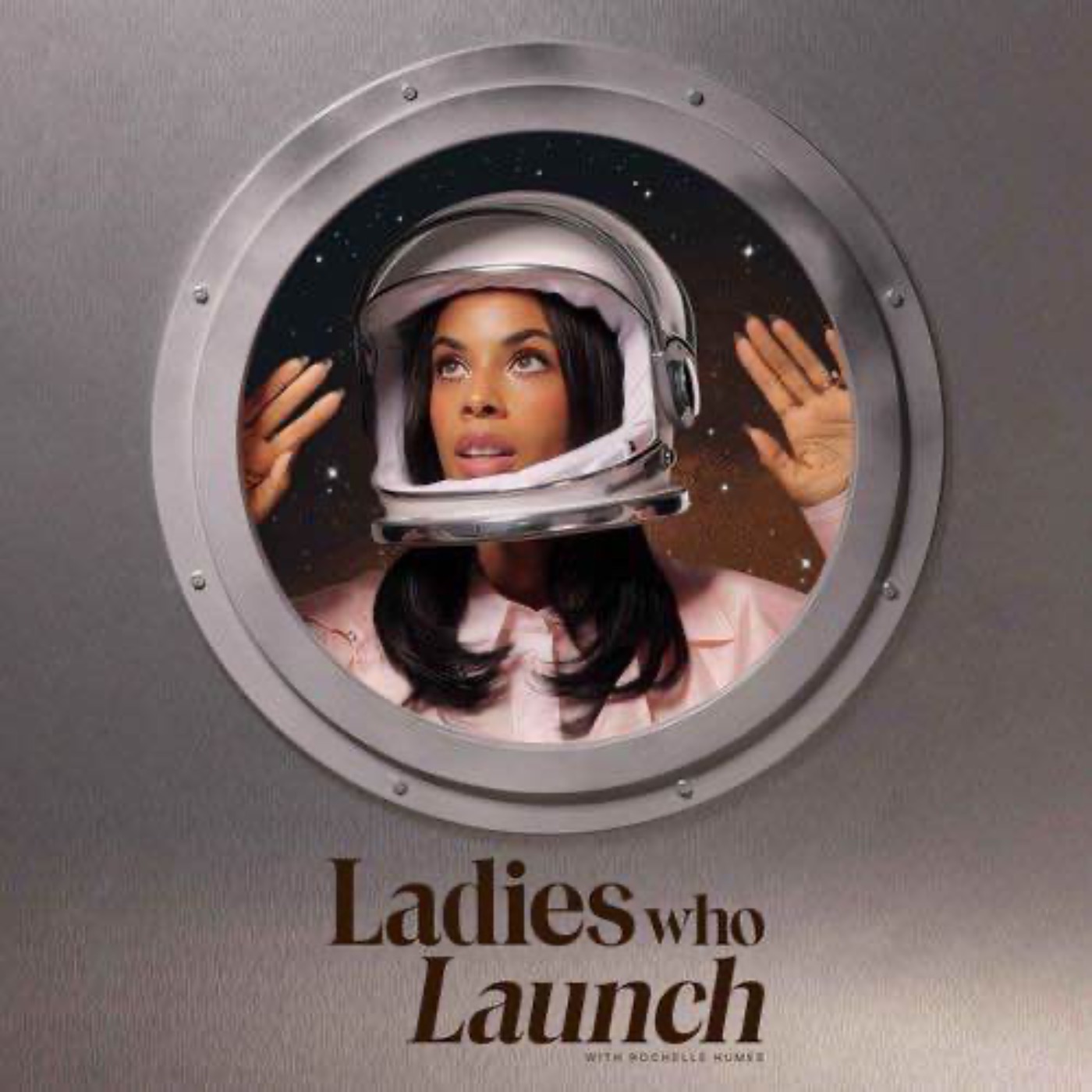

 Ladies Who Launch
3 Sep 2025 · 1h 12m

From Clinic to Cult Skincare: Eva Alexandridis on Building 111SKIN Into Global Success
In this episode, host Rochelle Humes interviews Eva Alexandridis, co-founder of the luxury skincare brand 111SKIN. They delve into Eva's journey from her modest beginnings in Bulgaria to establishing a global skincare phenomenon, discussing the challenges, innovations, and unique insights that shaped her entrepreneurial path.
Written by AI. May contain mistakes.

Get the gist, explore an idea or ask about something said.
 Claude
On Ladies Who Launch, what are the key points of this episode?
Searching your listeningAutomatic transcript. May contain errors.
0:12Today I'm joined by Eva Alexandridis, the brilliant find behind one of the most luxurious skincare care brands on the market, 111 Skip. With a background in business, Eva teamed up with her husband to create a skincare line that has evolved into a global phenomenon. So let's find out why she's a lady who launched. Thank you so much for coming here. I'm so excited to sit and talk to you. I've been, I mean, you know this, I've been such a big fan of the brand for so long and use your brand so it's so nice to sit and talk to you about it but I always like to begin these interviews by sort of digging a little bit into early life for you and how you become the entrepreneur that you are so tell us a little bit about growing up what was it like were there any sort of entrepreneurial influences around you at that point yes first of all I'm super happy to be here And I'm especially happy because I know you have connected with us and with the brand organically for many, many years.
1:17So it's a pleasure to meet you in person, even though we already have our social connection. So I do have a quite a simple journey. I was born in Bulgaria, in Eastern Europe. I had a very, very calm upbringing. I lived in a very small apartment with my grandmother, my grandfather and my parents. It was a very happy childhood, but I was surrounded by Bulgarians and everything was kind of every day was almost the same. And I think when I had an opportunity, I think I was one of the very first people to be able to study abroad in a Western world because the Berlin Wall had just fallen down in 1989.
2:04um it just I was really mesmerized by the world outside of Eastern Europe and that's quite a brave to kind of when I when I think of like when people grow up and it's quite I suppose like small town as you would sort of call it you know and everyone does the same sort of thing and like you say it kind of becomes the norm for you to not conform to that and do something that is quite risky or quite a bold move and be the one that studies somewhere else that does take some bravery I think I have to give full credit to my mom my mom was an air hostess so she was already exposed to the to the wider world we were not allowed to travel anywhere outside of eastern Europe so we would only be able to go to Poland or Russia or eastern Germany and unfortunately Unfortunately, you know, this country kind of looked the same.
3:00There was not too many things to visually be able to buy and see. Everything was like a bit gray. There was beautiful nature, but that was about it. And my mom, she had an opportunity to travel the world. And when, actually in 1989, I was supposed to study in Moscow. And my mom came to me and said, look, if you have a chance to go anywhere outside of Eastern Europe, I would really support you. So she had opened up the horizons for me because she had seen the world. I mean, we really lived in a completely isolated place. Right. And I suppose knowing that if you're going to do something that does feel quite bold, that actually you've got that safety net of and that might not be in terms of finances or in terms of lifestyle, lifestyle but actually the safety net of the support of your mum and the backing of a parent when you want to make a bold move to know that you feel supported in that decision is always so so important right no I mean for me I there was always home to come back to I I did not immigrate I went to to study in San Francisco from all the places I actually I it wasn't so much there was no reason into why I went to San Francisco.
4:21It was really, I had to do some tests, SATs, TOEFL at that time. And this university accepted me with a scholarship, but we didn't have research papers to understand which university is better than others. So I ended up in San Francisco, which was really far, but I always felt, and I think this was very important, that my family is home and I can always go home. Yes. But it's lucky to have that because not everybody does have that and I've spoke to different entrepreneurs and different female founders and when they've made like quite what seems to them bold risks you know which I suppose going to San Francisco to study so it's very far and a completely different lifestyle but actually they felt a lot of pressure because there was a feeling of you shouldn't do that or you shouldn't this you know you should be living the similar life to everybody else around you so to have that support is so is a privilege in itself isn't it yeah it was it was definitely it gave me a sense of I have to try my best but if it doesn't work out I just go home I go my small little country in my small little apartment and I'll be surrounded with people that love me I mean having said that I did have their support but financially we were coming from Eastern Europe we just we had so very little resources.
5:39And I think I went with$2 ,000, which was pretty much all of our family's savings from uncles to grandparents. And I ran out of money quite quickly. I was, you know, living in a tiny little hostel and I had to start working. And I actually now I really appreciate it used to be, it took me quite a few years to actually admit to people what kind of jobs I was doing. because I worked as a cleaner for more than one and a half years. And I used to hide that because I thought it was not cool. But now I actually put so much value into this because when you have no choices, you have to do the things that are important to keep going.
6:22And that was the only job available to me. You have to be resourceful, of course. And do you think that you hid that from people, and I suppose friends and associates at the time, because of that fear of judgment. Yeah, because at first I was feeling insecure from coming back from Eastern Europe and not having had the full exposure of things, you know, possessions and what kind of clothes I had, what kind of things I owned. I owned very little. Everything was in a small suitcase. And then I had to, when my friends in college were studying or going out doing trips, I had to go to people's homes and clean.
7:02So I was feeling quite insecure. But now when I see the passage of time, I'm so happy I did this job. And it's funny because I do have someone that helps me with the cleaning in my house. And I tell her, I know how you feel. I have done this job and you're doing a great job. And she looks at me, she doesn't believe that I've done it. And you know, the value, you know, and I suppose those moments really teach you the value of everything in terms of finances, in terms of the value of people's time and the effort and what it takes to do jobs. And also knowing what you don't want to do because I was a terrible cleaner.
7:39I was really awful. And it was funny because actually the families that I used to do this job, they were telling me, Eva, you're not made for this job, but we like you so much. We're rooting for you. We're supporting you. And actually one of the families I worked in, they suggested for me to do babysitting and when I did my first babysitting job I'm like this is heaven I was so thankful because instead of like doing cleaning and doing the vacuuming all day you're in the park with children you're laughing and playing so it gives you perspective of what you want to do and what you don't want to do but also perspective of money because I was earning for the first time my own money when I was 18 years old and it teaches you the value of really planning your own resources.
8:28And I suppose that level of independence too, like being out there and doing it for yourself and knowing that you're responsible for this, it kind of, that level of independence grows quite quickly. So at university, you started business. Yes. And did you, did you enjoy that whole experience? Did you always know you wanted to study business? So no, I had no idea what I wanted to study. I actually, I don't think I knew until my late 20s, early 30s what I wanted to do. So for people out there, there is hope. If you don't have everything figured out at 18, 20, 25, I started my company in my 30s. So I didn't know what I wanted to study.
9:10I was a terrible student. I did not take school very seriously, which I actually regret now. And I'm trying to teach my children. I have a boy now in university and I have a younger one who is in school. And the advice that I have been giving them is that you do need to focus on a few core skills. And especially when it comes to accounting, statistics, just understanding in general how to understand finances. or if they like another discipline, just to pretty much understand, go deeper into the knowledge of a certain discipline. If it happens to be creating art or digital, learn as much as possible, equip yourself with skills.
9:54So I was a bad student. I studied international business and I did master's in electronic commerce. And honestly, I don't believe I've learned much in school. Really? Yeah, but I happened to be in the right place at the right time. I was in San Francisco during the Silicon Valley boom. So even though education didn't give me much advantage in life, I think being surrounded by people who are creating companies, finding opportunities, being in the middle of this ultra creative space in time, where actually the whole Silicon Valley boom just happened in front of my eyes, I think gave me the opportunity to understand that everything is possible and you can you can create a company if you see that something is missing and that that was exactly what was happening in Silicon Valley then.
10:47Right so let's talk about starting the company because I we talk about ladies who launch on this podcast and this is what we're all about but one key part of being a lady who launches knowing that men need to be our allies in the in the best way possible so you started the company with your husband which I kind of love this whole idea because it's there's so many questions I've got from like the concept to creation of the company but to also working with your husband so closely and the dynamic of that and how that plays out so what inspired you both to start this together it's great you asked me this question after I said about my time is in San Francisco because I think I think if it wasn't for me being exposed to that environment I would not have suggested for Yanis this idea so he was my husband is a triple board certified plastic surgeon he did his residency.
11:53By the way absolutely incredible I wish my husband was a plastic surgeon. He loves his he loves his art and craft which is plastic surgery he studied in the states and he was very exposed to all the latest trends in plastic surgery but also non-surgical treatments and when he set up his business here he set up his office very much like what you told me he in a small room in the basement in Harley Street, he wanted to use, to combine surgical, non-surgical, and also skincare because he believed, this was 2000, so he believed in this wave of 360 approach to beauty. It was highly, highly unusual then because either you're a plastic surgeon or you're a dermatologist or you were doing non-surgical, people are quite profiled.
12:41Everybody had their different lanes, yeah. Exactly, and for him to integrate everything was very, very, it was unheard of. So he was using doctor brands from the United States, which he loved, he believed in them, and he understood that there's more science in scientific skincare. His patients, on the other hand, were very much, they were using department store brands like Creme de la Mer and beautiful Chanel, Dior, beautiful brands, and they were not very much reacting positively towards more simple brands. Even though they believed in the science of what Yanis was prescribing, they would still fall back into their beautiful brands.
13:25Almost that luxury kind of... Exactly. They were missing the luxury. The aesthetic. And also the scientific brands that he was giving them were quite regimented. So he would prescribe something very strict, like morning three drops, afternoon this, in the evening something. It's a prescription. Yeah. Exactly. And so he was coming to me and telling me, I don't understand why my patients just don't want to use the products that I prescribe to them. And because it's quite a serious regime, if you don't use it right, actually can have an opposite effect. And so I said to him, well, maybe it's too complicated for them.
14:01And why don't you bring another brand that merges both? It can be quite regimented, scientific, but at the same time, beautiful on application. So they fall in love with using the products. And he said, well, I don't think these products exist. And because I was exposed to all my friends creating all sorts of companies, if there was no dog food department store, they would create it. I mean, that was the time Google was created and so many brands were created in San Francisco. So I said, well, if it doesn't exist, why don't you create it? and I think this was kind of like where two founders are better than one because I gave him the idea but I needed him because he had the science and the knowledge and the expertise in order to really take this concept and create something lasting and meaningful.
14:56I mean, because when we're talking about this, this is 2000 and 12-ish? Was this when the brand launched? So 2000 is when he created his practice and he was using different brands. But around 2007 is when he was kind of expressing his frustration. So this is 2007 we started creating the first concept and the first product. And we didn't launch the brand in retail until 2012. So we are one of these very long-term view brands where we took our time. And I can only imagine, like you say, taking your time over those years, like the kind of intensive development it takes to create such high-performance skincare products.
15:49Like it's, all I'm thinking of it myself, like the testing and the rounds of the sampling. We speak, there's this kind of new wave now, which I am with you. I like that long-term approach, but there's this new wave of kind of like done is better than perfect. And I kind of, I appreciate the sentiment that of course brands will evolve over years and you're not going to get it 100 % right. And there'll always be something that you could do differently. But I do, for something to be the level that you want, it isn't, you can't rush this, can you? Not when it comes to, I think not when it comes to serious skincare, because skincare can be fun and exciting.
16:39But also for us, skincare is a very serious business. Skin is your biggest organ. It's a living, breathing organism. So for us, it's very important that whatever you put on your skin has very, very deep research, understanding and longevity. And I'm glad that you touched upon this because this is the day of age where brands are being launched. I was on a press trip in Turks and Caicos launching one of our beautiful new spas with American journalists. And while we were there, at least five skincare brands launched in the three days that we were sitting together with press. And it wasn't just me on the brand side.
17:24It was also the press on the other side. we're just saying that the market is saturated and it's not this is not normal for so many brands to come into the space and i think unfortunately i mean we are the opposite we are the we are the we are the brand that took more than five years we stayed in in in our surgical clinic for so many years before we even launched the brand because for us this was a success story already if we were providing a treatment for our patients to help them heal after surgery faster we didn't really we didn't want to sell the products to the outside world but right what what happened is that the patients were reacting in such a positive way and they were then coming to Yanis and saying we stopped using you know so and so brands that they buy from department stores so it was a reversal in a sense first he was afraid why are they not using the brands that he's recommending and then we had a situation where they couldn't stop using because it was all I suppose the beginning of it was supposed to be a little bit more it was part of the service exactly not so not really it wasn't it wasn't we did not sit in a boardroom and said we need to look at the future financial opportunities for us and let's create a skincare brand it was very much how can we satisfy a demand for our clients in the clinic and we would not have launched a skincare brand if we didn't have something new and unique We were very fortunate that Yanis and the team of scientists that he worked with understood the strength of an ingredient that had not been used in skincare before.
19:03So we used an ingredient that's used in hospitals to save lives. And we integrated that ingredient into skincare products because we wanted to accelerate the healing of the skin. So we were the first brand to use this ingredient. and we did not go to a laboratory. As you asked the question, how long does it take? It was more than two and a half years because we were developing our own product. We had to test it. We had to integrate it into a formula and we did not go to a lab and said, so what is the latest in skincare? That's then what you call true innovation, right? So at what point, I'm curious to know, because like we said, this wasn't, you'd already won Because you'd already developed the thing that you needed to kind of satisfy the customer base and develop something that didn't exist and that you could use in clinic.
19:55At what point do you realize that this is actually now bigger than the clinic? I love what you said, we already won, because this is exactly how Yanis and I felt when we had the products in the clinic. Like it was actually, it was even given for free. The dramatic healing serum that we developed was as a post service to every patient that had surgical and non-surgical treatments. And we couldn't keep enough because the fact that it was given for free, they would come back for the post-op and say, I need two more. I need two more of that. Just three more. And I think there was a famous lady who came and said, I need 50 more.
20:34And Yanis is like, 50? Are you mixing it? And she said, no, I want to give it to my sisters. She was from the Middle East. I want to give it to my, you know, my whole entourage. And Janice is like, I cannot keep up this demand because somebody wants 50, someone. I also need to satisfy my patients who have surgery. So the turning point was actually Harutz. Harutz has been super instrumental in the development of our brand. And I think if it wasn't for Harutz, we probably still would be very happily, you know, just producing products for our patients. But it was, we had a chance to meet with the buyer in Harutz.
21:13She was intrigued with the products. I think if you have her on the podcast, she probably will tell you the story better than I can. But they were looking for, they were starting to introduce a lot of the doctor gadgets. So it was the Clarisonics and a few other products. And they were one of the first department stores that had a whole section for gadgets. And they were actually actively looking for a Dr. Brand that's going to kind of be used alongside the technology. And shockingly, there were not enough Dr. Brands way back in time, despite the fact that today you have a brand launching every minute.
21:50This was the time of, you know, I think it was Dr. Seabach, Dr. Pericon. And there was just not enough. You're right. I can't think of any. Very small. So we had to go through a vigorous testing. I think every single manager level in Harrods had tested our products because I think for them it was a risk to take a brand that only exists in a doctor's office and launch it to all of their very discerning clientele in Harrods. So they tested and they kept asking, can we have 10 more pods, 5 more pods? We want to give it from the top to the salespeople on the shop floor. And I remember we were in Miami on holiday and they called us and they said we're launching the brand.
22:39My gosh. And what was that moment like for you both? I mean, Yanis and I were absolutely shocked because Yanis was more scared than I was. He actually came to me and said, look, I know we have a good product. I know my patients love the product. I can see the results post-surgery. He was observing accelerated healing. And basically, we realized that the reason why his patients were coming back and asking for more product is because their overall health of the skin was improving, not just where the scars post-surgery were. So immediately, you know, we started understanding that there is an overall repair happening with our complex, which is NACY2.
23:28But Yanni said, look, I need to do clinical studies because I don't trust my patients. They all tell me how much they love the product, but I'm also their doctor. So I think I want to make sure that they are not just telling me that because, you know, they like my work. They love me and they love my work. So we told Harodz we need to do clinical studies. So we actually delayed a little bit the launch. We found an independent laboratory in Paris. We sent the product. We had to wait for, I think, I don't remember now, but it was a few months. They sent us the results and they were super, super, even more positive than we expected.
24:07It was not how people feel, but actually with instruments measuring the size, the depth of the wrinkles. And they were ultra, ultra positive. So we had to launch, but then we had a problem. We didn't have a brand name because the products, the products were in the clinic. They were called Dr. Yanni's Day Cream, Dr. Yanni's Night Cream, Dramatic Healing Serum. There was no need for brand name because it was basically the products were given to the patient. It was almost a service-based product, right? So it was really, that was a great moment because we were on our dining table. So actually Yanis at that time had a few, you know, very, very knowledgeable patients.
24:52Some were working in agencies, some were working in beauty. So we kind of tapped into the knowledge of a few of the people around him and we started kind of drawing things. And it was very interesting. Some were like, you know, Dr. Yanis Alexandridis, Dr. Y, Dr. YA. And we said, no, your name is too complicated. We're just not going to use your name. And luckily, I think it was Yanis actually who came up with, he said, why don't we use my clinic name where actually these products were born? And he practices at 111 Harley Street in London. And that's where he has been in the last 25 years. Wow, I did not know this.
25:36That's so interesting. I love that.
25:42Did the branding instantly become clear? Was that something you were both excited about or something that you outsourced at the time? So basically it was just Yanis and I. We didn't have anyone else. We had our own laboratory. We were producing in our own laboratory. So we had a team of scientists that worked for us. But we didn't have marketing manager. We had people that we were tapping in and out. so I think that's where two founders are better than one because my husband loves surgery and he loves being a doctor so there was never a point of him considering I'm just gonna now focus and pivot to try to run another business he wanted his passion is being a surgeon so I had the time to I started going to conferences I started going to trade shows so I would go to Hong Kong Cosmoprof and I would go to Korea I would go to different places looking for packaging looking for the latest technology so the formulation was set the formulation was perfect impeccable we had no one assisting us with the formulation apart from Yanis and our scientists so it was our proprietary formulation but everything else we needed to learn because none of us actually Yanis comes from the beauty world and he is exposed to beauty people all the time but he never ran a company before retail product company yeah he's in the service industry so it was it was very fast learning for me but I knew exactly what I wanted I was very set on the colors that I wanted I wanted specific packaging which was made of glass at that time In 2010, glass was the most abundantly recyclable component.
27:34And I really wanted to make sure that I have glass. Yanis wanted it to be airless. So there was only one company in the world that would produce airless glass packaging. I love magenta because I wanted us to look different. I didn't want us to be the same as the standard. especially I was trying to create something that doesn't look like a doctor brand that's what I was just going to say because you associate those like kind of doctor-led brands of appearing they've got quite a clinical aesthetic exactly but actually yours feels so luxe and something that's like a treat in the evening you remain versus you can tell that there's been that real kind of influence from you I take full credit for that zero credit on the formulation and on the science but full credit on the touch and feel on the sensorial part on the packaging and on the feeling because for us was important I think where the reason why One On Skin is successful is because we took a very scientific approach to beauty but we merged it with this beautiful sensorial touch and feel and when we launched that this did not exist and it's so true and I think what is so interesting is over the years obviously brands have to evolve they have to keep moving and keep growing but what you do is such a high level of high performance skincare and like you say there's a different brand launching every day and it is in a market that's quite saturated so how how do you stay true to your core values and keep that keep the brand messaging what it's always being and what you were kind of you were innovating at the time how do you keep that alive in a sort of market that is getting so saturated and so crowded you know obviously you are such a main stake in that but how do you I suppose keep up with constant trends is probably the wrong word but the way that the pace of that market is moving we we keep up by innovating.
29:44I think it would have been a big mistake for us if we had created an amazing complex, had never been used before. We knew that it was helping with accelerated healing. And basically what happens is you have invisible damage to the skin every single day. I don't want to create like a doom scenario that on a daily basis you see damage, but there is damage that happens to the skin based on the environment. And if you heal your skin on a daily basis, You basically delay the aging. So we knew that that was a winning premise and it was working. But we also would have been very foolish to stay with just this specific formulation and this specific concept and not keep innovating.
30:27And if you look at Yanis's surgical technique, for example, he definitely does not perform the same way surgeries as he did 20 years ago when he started. He attends global conferences. He has to maintain his American certifications. He presents to many places around the world. And so his surgical technique has been evolving, and we needed the products to evolve as well. So a perfect example is the original product that we created has NACY2, which is our complex, Accelerate Skinning of the Skin. Five years ago, we were very fortunate to understand that now there's a different technology where you can encapsulate your technology.
31:14So it gives more stability to the ingredients, but also it allows it to go deeper and have a slower release. So that's super, super advanced technology, but it required a lot of time and effort for us to integrate it, re-develop our products, re-test. And we needed to take that step because as a scientist, if you know that there's something better, you have to implement it. You cannot just, even though many of our clients would have been happy if we, they would not have known that there's all this new technology. But it's our duty as a brand that it's led by a scientist and a surgeon that we have to keep evolving.
31:55So I think this is the reason why we did start way back, you know, 2007, 8. Now it's 2025. And I think we're still relevant as a brand because we are always, always looking at the latest innovation. And we would use new technology, but we would also make sure that it's safe. Because safety is also, when you have surgery, you want to have the best result. but you also want to look at the credibility of the surgeon and you want to make sure that it's you're safe and and you're right like that all it's of course you innovate and at that time then you create something that's never been done before and then the other brands will come and they're trying to catch up but you always have to keep innovating and keep you know it's not I always I discussed that that with Jo Malone actually that actually what's up here is your biggest currency because you do something and you're onto a winning formula and of course other people will try and match that and we we were calling it creative laziness but they don't know what's up here right and they don't know what's next so they're only they are only sort of meeting what you've already done but you're continuing to sort of storm ahead and I think you can really see that from the outside from going to the Harrods launch and knowing that then this was something that's than needed and then I suppose that moment really snowballing you know when that okay everybody's talking I remember there was that real period of time for me when I first stumbled across the brand that everybody was really talking about it and it was people that I really valued so I'd be getting my makeup done and they'd be like you need to try these eye patches or you need to try these and it and it was your brand and that's I felt and I don't know if this was a strategy from you and I'm so interested in this because I've noticed it's a strategy that actually a lot of brands take now but actually there was a period of time that everyone behind the scenes were talking about your brand and then I would say to my friends you know everyone at work is using this and then they would be you know and that's kind of how that happens right the word of mouth thing was that was that something that happened consciously so this happened because we had no resources and it was very organic and very natural we were generous if makeup artists discovered us before we discovered them i don't know how exactly happened but when they started using our products they would fall in love with the products and then they would come to us and request more product and we we always believe that the people behind the scenes have the biggest power because you cannot fake it behind the scenes you cannot you cannot you know it's someone that a celebrity for example they're being photo shoot they're being uh photographed and uh constantly pictures are taken so they have to look good so their makeup artist has the duty to give them the best of the best it has to be skincare that works it has to do what it says if it if they need the puffing it has to be the puffing if it's firming and lifting it has to be the makeup artist job easier if the canvas is you know if their client is using something that preps the skin in the right way before they then do their magic a hundred percent so we were we are very fortunate we had a lot of makeup makeup artists discovering us in in the inception of our company and then they would give the product to to to their clients some of them ended up being celebrities and the celebrities would then pose because they were quite impressed with the effect of the products on their skin so we have not paid any celebrities we did we were not paying makeup artist this is all super organic but at the same time it's real because you I think it's you have to really in order to be strong and respected makeup artist you have to use credible products yes I mean that's these are your tools absolutely that and like you say the skin and I know you know from my makeup artist that the first thing is like prepping the skin is now and maybe years ago that wasn't looked at so much but you know it's definitely in the sort of last 10-15 years it's you know people really realize that actually of course before before makeup comes amazing skincare yeah this is as you said this is your canvas but also we did something quite revolutionary in the beauty industry we brought the korean technology in masking into the western world and there's there's two points i want to discuss here because you said something about people copying you and you know they want to make things um I mean we had to go the super hard way when it comes to masks but also I think we brought the most hard-working technology in the industry and that's why makeup art is connected with us because in order you need very good skincare to prep the skin and that's very important but we brought an extra step which is our masking yes which actually gives instant results so we we are very much a skincare company our core products our serums eye products our moisturizers are the our hero products but masks give they they complement the journey they bring what we were discussing before about the sensorial experience and falling in love with your routine But for us also, masks are quite serious.
37:28For us, our masks have to do what they say. So when, and this is all going back in time in 2010, you would be shocked to remember that there were no masks being sold in retail environment. So for us, the big revelation was I discovered masks in Korea. I brought them to my husband and I said, do you think that this is serious skincare? And he was very skeptical. Paper masks automatically disregarded and basically just kind of told me, I'm not going to allow you to even use it. And I said, no, I paid money for it. I'm going to use it. He's like, use it on other parts of your body, but not on your face.
38:14So until he opened a biocellulose mask, which I even didn't know that this is called biocellulose, he opened a mask that looked like a gel. And he said, wait a minute, this is biocellulose and it's used in wound healing in surgery. And he held it. He opened it. He explained to me. He said, this is, you see, he started talking to me like a real scientist. He said, you see these fibers. there's so much finer fibers the absorb absorption level is so much better and he said now i i'm convinced to start looking at this so what we did is we looked at all the biosellulose mass that were produced in korea none of them according to him at that time had quality ingredients but the technology was interesting so we decided to create our to take the technology but also infuse with our proprietary complex, our ingredients.
39:10So we created something that also hasn't been done before. We did not invent the technology, the mask technology, the mask matrix, but we infused it with super high-tech ingredients. So what we created is very fast-functioning, very scientific mask technology. And I think this is why makeup artists were just on to us instantaneously because we had the very first mask was for, you know, healing of the skin. And Yanis was using it for his patients post-surgery. And that would really alleviate the tension and the pain on the skin. And then makeup artists started to understand that it calms the skin and it really allows them to have a perfect canvas.
39:55And then we created our under eye mask. So we had the first one, I think, was our black diamond. So it's for fine lines and wrinkles. And if you do on one eye and not on the other eye, you would see a difference because it helps really soften the fine lice and wrinkles. Then we had a de-puffing one, which is for if you had a late night and if you or if you eat salty foods and or if it's allergy season. Actually, I had to use one today because everybody's sneezing. Then the rose gold. So we took masking in a very structured, scientific way and we created the best masks in the world. It's and I what I love is it's so ingredient led.
40:39But when I think of masks and particularly the under eye masks. I think of you like this. I promise you that like the of course the behind the scenes and the purpose of the mask and the benefits of the product and so on and so forth. but what I think is also so interesting on the flip side of that is the marketing and the like the efforts behind the mask you know letting us know about that and knowing that you are if you're going to buy an eye mask that I know that you're number one and then everything else is a little like but from the outside the way that you've positioned yourself there and maybe it's because you were just so there ahead of the curve that from the outside looking in that you are just that go-to brand and it's so interesting and I know that that's like a gorgeous gift for somebody or if I'm buying something nice for a friend I'll buy some masks and you know that I know that they will like you know even like baby shower gifts I'm like here's something for the baby and here's something nice for you I think you have become so such a trailblazer in that which I find so interesting like I say ingredients is one thing alone but the marketing behind it has been so impressive to me well I would say that if it wasn't for Yanis being a surgeon we would not have been able to really establish this category as it is now because it's quite a prominent category And I feel that we kind of led the way.
42:15But I think the consumer needed to hear from a credible brand and a credible founder and understand the reasoning. I think especially the Western consumer, they were not convinced using Korean masks because a lot of the masks were, I don't know, strawberry and all sorts of like mango and something. I don't remember, horse jelly and all sorts of like funky things. And sophisticated consumers were really, they didn't find this very appealing. We weren't getting it yet. But yet, you know, us coming as a, there's a surgeon behind the brand explaining the benefit of using this product and also using it in his, Jan is using this in the mask in his clinic to help patients heal after surgery.
43:01Using it post-botox, post-non-surgical treatment. we could have had this more serious, we started having more serious conversation with our clients in Haruts when they would come and say, but what is this and how do you use it? And my, the team would say, well, this is biosellulose technology. It's used in wound healing. It's infused with all these really amazing skincare ingredients. And if you use it for 20 minutes, this is the transformation you would expect. I think then the dialogue became much easier. And then makeup artists who are really, really the people behind the scenes that kind of drive the success of the celebrities, them using the products on their clients and saying, look, this is credible.
43:45This is not some kind of jelly with papaya only that we're just going to put for you to for a second feel good. This is going to give you a result. I think that's where we started to gain a lot of momentum. But having said that, it took us more than five years. Yeah. We imagine we had no marketing budget. So even though you might see it from the outside world that we had an amazing sensation with the masks, it was one client at a time, you know, one makeup artist at a time. And now it's so interesting because we launched the first mask 2014. Now it's 2025, 11 years later. Look at how many brands are launching masks.
44:27Exactly. And they look very similar to us. But where were they five, you know, seven, eight, ten years ago when it was really hard to establish this category? But we just kept persevering because we believed. Which is why you can see the way that you trailblaze that market. You know, you really, really can. And I think what is so interesting too is, like you say, that all those years later, think how almost saturated a part of that market is. And it become kind of that novelty thing that you were seeing, like the wellness girls taking a selfie in the mirror. And everybody wanted to know that I know what the eye masks are.
45:04You know, it became that thing, didn't it? I think also what's really interesting is that you said that. If you ask now anything or any Korean inspired skin care, it's so hot, isn't it? It's such a kind of like on social media, it's such a kind of trending bit of dialogue. like watch me whilst I'll do my Korean glass skincare routine. But actually the fact that you've been looking there for that technology for such a long time, you know, I think it's almost like the consumer is just catching on to everything a little later. Yeah, I mean, we, I think we took the Korean, the Koreans are amazing at trends.
45:52Incredible. I wouldn't 100 % say that they're superb in ingredients or at least depending what you stand for as a brand. For us, it's never just about one ingredient. It's about having the right cocktail of ingredients that are going to work cohesively with your skin. So we, I think, I think our products are, you know, now most of them are made in Switzerland. We do make our masks in Korea. But it's still, I believe, that the Western approach is probably slightly more scientific. And I think especially if you look at the doctor brands, hopefully there's a lot more long-term creativity and credibility that goes into developing products.
46:36And I know that the Korean brands are becoming trendy, but you still need to take the test of time. Yes. Oh, absolutely. And that's what that's what I admire that you've done and you continue to do so, so well. Before I move to our rocket round, I want to ask you, and it's something that we touched on in the start. Having I mean, this dynamic between you both, how that you work so well with your husband. I mean, it's clear to see even the way that you speak about it from the outside. how has that been because i've we i've spoke to different founders that actually joe malone and i know i referenced her before but being one of them that has worked with her husband for her whole career and she said that she couldn't and wouldn't have ever done it with anybody else and they have it's been like the recipe for success for them emma greed is the same she works with her husband jens across stuff i've had on the flip side um chrissy chella who um founded Honor Gymwear, which is an incredible, incredible brand, that she started it with her then partner and they now continue to work with each other in the best way.
47:49But she is with somebody else and it actually become the business she believes become the end of their relationship. I find the dynamic, I work with my husband, so I, and I do love, not on my brand, but across other stuff and I actually really enjoy it because for me I feel there's no one that I trust more and we've got we've found quite a good way of leaving anything that needs to stay at home at home but how do you find that dynamic? For me I'm very fortunate because actually we don't work together my husband is is very much practicing plastic surgeons so he is today he's in surgery I did not even see him this morning.
48:32He left before I left. But we take inspiration from his knowledge and expertise in the field. He's very much the science behind the brand, but he doesn't run the business day to day. I have a team. Actually, I have 90%. My team is 90 % female. We love to hear that here. I run it with, you know, my really trusted team that I love and adore and Yanis has a very very strong presence and advisory role and and vetoes every single product but the day-to-day he he does not you know we don't sit nose to nose and I very much cherish and value that yes and I often I often laugh I said my husband works for me because when I need him I call him I love that that's so good but if you it probably if you ask him he would tell you the same that I don't think he one-on-one skin would exist without either one of us because people don't you people have very serious people have sat on this chair and you understand more than anyone else that it takes a very long time to build a brand our brand has been in existence for more than 15 years there's so many silent battles behind the scenes I mean on daily basis entrepreneurs are facing so so many battles and actually you know there were times in the development of the brand where we know there were question marks if we would continue to exist so having someone that you love and you unconditionally trust is very important but I think from Yanis's perspective having someone that can run the business day-to-day like me that he he values and trust it's very important I think he goes to surgery not stressing about what's happening on the one on skin side and for me you're doing that instead I stress I stress every day he has other things to stress about but I think also for me knowing that we have the science 100 % covered like yeah no one else is more exposed than than a surgeon a surgeon roles are completely different I think that's what's clear and I think when that's probably that makes it sing in the way it does because you have completely different roles and you trust each other implicitly you know there's no one better in that would back the science than Yanis and there's no one better that could handle the business than you so I think you probably lean on each other for those strengths yeah yeah and I wouldn't I wouldn't want to do anything from the from what he does I just recently happened to be with him he was presenting at a master's conference for deep plane facelift he was giving a paper and doing live surgery and I actually for a minute I tapped into his world because I'm very busy in my one-on-one skin world and I just realized that's a whole different world that I do not like to be involved and you know putting people a hundred percent you know to sleep and operating and knowing the latest techniques.
51:33But I think the value for us having him is that because he cuts the skin, we understand the three-dimensional healing of the skin and all the processes. So I never have to go deep into the science because he does it. But we actually, it's been a perfect, perfect unison working together and I don't want to change it for anything. You can tell. I mean, there's definitely no need to change it. Why would you? If it's not broke, you don't fix it. um i want to do our rocket round now so every episode i ask i guess the same questions and they're supposed to be quick fire we like to talk on here so it's never that quick fantastic but we'll try um first one yeah you get your tea girl um the first one is what do you believe are the non-negotiables for launching a business if you don't have something new and revolutionary or it doesn't if it comes to product definitely new ingredient new concept something that's missing on the market if it comes to service improving you know people's experiences I think don't do it because it has to you have to always have the consumer in mind and to bring something that it's similar to what already exists but slightly more improved is just not enough you have to have a revolutionary idea and then your your journey is going to be so much easier because you're going to have so much more conviction to keep forging your path I love that when did you first realize that you truly launched when I realized that we truly launched in 2012 when we had no resources to hire a um we had our launch day in Harutz so we showed up we did some pictures I think the Harutz marketing team came we were on one shelf like this shelf five products on one shelf um and then we had to come the night before and install our windows.
53:39They give you like a tiny little window. And basically the price that they gave us for this installation was so expensive. We're like, no, we can produce like another hundred products for this price. We don't have financial resources in this company to be hiring installation companies. So Yanis and I and a few of our friends went at 12 midnight, put the hats, the yellow hats, went into the Harud's back entrance, opened one of these windows, like put the product on the Harud's window, closed the thing, and we were escorted out. So that's when I realized, okay, our product, somebody is going to walk there tomorrow in front of Harud's and it's going to see one on skin.
54:22And then walk. So that was a moment where we were kind of like, we have arrived. We have arrived. This is the best department store in the world. And we, you know, we have a tiny little show, but we have a show. yeah we're here and now actually it's it's Harutz has been kind of it has been the barometer of our success because if you look at how we look now we are next to Sisley and Creme de la Mer we have beautiful counter not a tiny window anymore not a tiny window absolutely that I love that what's the first thing you do when you wake up and the last thing you do before you go to bed the first thing that I do when I wake up is I kiss my husband two days a week he's not there because he goes to surgery um but the very the first the thing that I do consistently is I would do some kind of physical activity it's kind of the first thing on my list it might not be the first thing I do but either I would go for a run I would put a YouTube video I would do a little session but it's definitely work out before anything else before food before emails before work it's it's a physical exercise that's the moment of the day that you take for yourself yeah yeah and what what time do you normally wake up early around 7 30 and then access straight away active and then I'll be if I run in the park I'll be home at nine and then I have my routine I'll have a green juice I'll have our supplements I have breakfast I'll start my day but a physical activity before anything else and it works miraculously for me all over the world doesn't matter where I am if I'm in New York I would run the Brooklyn Bridge if I'm in in Vancouver if I'm somewhere by the sea I would go for a swim but it's always the first thing because I feel maybe because of my age I'm close I'm gonna be 50 this year I feel like it's even more necessary than ever for me to just have this kick start yeah And it's not so much for my body, it's for my mind.
56:21I couldn't agree more. Because we often say, and one of my friends is a Pilates instructor, and she's got this saying that she says that you're so in your body that you're out of your mind. And I think that is so, so important, isn't it? That you do something that you're just so in it that you kind of, it's the only time that you switch off. It's important. We need that. We all need that mentally. um what's one piece of advice that you wish that you hadn't listened to
56:55uh I I would I would answer it differently I think one piece of one thing I wish I had listened to okay would be my intuition I really really I mean you should not have regrets I I think every every failure is an opportunity for learning I don't regret it but I can now if I look at the passage of time I can definitely spot that I was spot on right on a few judgments which I kind of allowed other people to overrule me and it's I wish I was more you listen to your gut listen to my gut more convinced that my own ability is to know what's right and I mean now I am at my 50s I am very very strict. Do you think that is an age thing too like as in like not necessarily an age thing but maybe an experience thing and trusting yourself a little bit more because I think when I look back like I'm 30 end of my 30s now um but when I look back to me in my 20s there are so many times when and it goes to what you're talking to that I knew I was right but maybe I didn't have the confidence to or maybe the belief in myself yeah and maybe there's a bit more self-doubt and yeah every year that goes by you know yourself that bit more and I suppose you know what things to listen to right it it's true it takes time but it also I think it takes a few failure for you to understand that actually your voice was right yeah so I would say for me what it has taken me to understand that my convictions I need to follow my convictions and my beliefs is also being surrounded with people that maybe society thinks that they are extremely smart and they know the right thing and for me to to know that even their judgment was wrong yes and nobody knows you better than exactly that's it We just have to remember that.
58:57What's one thing... Actually, no, wrong one. What's a skill that you'd love to learn? Dancing. I'm actually on my way of learning it. Right, tell me, what sort of dancing? So, kind of like a Zumba Latin dancing. I go every Saturday and I have almost mastered a few routines. Love this. And the funniest part is that my husband, from time to time, I have convinced him to come. Oh, that's so good. That makes the dancing even way more interesting because looking at him struggling and like trying really hard. And you can see at the end of the day, it's mostly ladies. We all look really, we kind of look like happy and, you know, not too sweaty.
59:43And then my husband is like drenched because he puts so much effort into it. But yeah, I wish I just want to kind of free, frivolously be able to dance in a beautiful way and kind of just like move around the room. Strictly come dancing next year. Yeah. There we go. There we go. Put that glittery number on before you know it. Absolutely. What's one thing you wish someone had told you before you started your business? Hmm. I mean, I would go back to this. Follow, follow your intuition. And believe in yourself. no one knows I think as a founder you just your journey is longer I think the people that work for you I'm very very thankful I have phenomenal team and I'm very thankful for having them but they don't have they don't have the same path as I do because for me this is my only business and I cannot fail in this business and I think a lot of the people that work for me feel the same way they feel like they belong and they want us to fully succeed but if something happens then they would they would move to something else and so for me everything is the thoughts that happen in my mind and all the conversations and all the hard work is just it's longer the whole process is longer so I have to trust myself because I'm in it 24 7 so I wish honestly I could have made different decisions but I'm very thankful because we're still here wouldn't be where you were yeah so the decisions yeah even though I took much longer path it's still it's it's still sustainability is very important yes absolutely that oh what would be the dream collab for your brand oh and that can be like in terms of I don't know an ambassador or in terms of we're seeing these like brand on brand collabs now a lot more so have you ever yeah I mean look this this is the this is now the age of collaboration everyone is collaborating there's so many opportunities I think you have to be super considerate because not to jump on the opportunity to collaborate simply because everybody else does it so I think for us we are exploring and and you know a dream collaboration for me would be let's say we do something with remover because we you know we have so many of our products are you know people take them we have been so fortunate because people show how they use our products on the plane how they go you know so something with travel would be really exciting but i also want to be super super considerate and and i i i always tell my team these collaborations are fantastic but do they do do people do them just for marketing or do they do them because there is a real need for the consumer to experience something different so I wouldn't do it just for the marketing side of things but I would do it if we create something together they would we wouldn't be able to create on our own and we have been I think we are one of the we we as a brand we have always stayed in our path you can see we don't have hair products we don't have makeup products simply because we believe in we are experts we are probably the best in what we do and we don't want to distract ourselves but the collaboration would give you an opportunity to really kind of venture a little bit out of use experts that can bring something more unique a unique point of view and a different product yeah so we are yeah there's a list and like you say the The travel is quite interesting for you because you're right.
1:03:27That's all you see of everyone on the plane. Yeah, that makes sense. Makes sense. If you could choose one female figure as a mentor, past or present, who would that be? I always am quite, I'm extrovert, introvert. So I'm very kind of into my family and like my small circle. So I would say my mentor would always be my mom. I just, I've always admired her journey. She also comes from very simple, like a broken family. She lost her mom when she was very young. And then she ended up being a hostess because only the most beautiful girls in Bulgaria could be actually hostesses. They were judged, you know, based on how they look.
1:04:14Appearance, wow. Appearance. And she always looks so put together, so beautiful. and then she all her life she worked really really really hard and for me the most important thing is to work hard I think if you have a good idea and if you work hard um you you can you would always succeed so I just my mentors for me are people that are just always super super super delicate dedicated to what they do and you have to put the hours and the time in order to be successful got the best mentor the best mentor there and I always ask our guests to we leave a tip every episode one piece of sort of real tangible advice that you would give to a lady looking to launch if there was someone that was looking to launch in a similar vein to you and maybe had a similar a background to you what would that piece of advice be do you think
1:05:15I would say prepare yourself in a positive way that it's going to be a few years of hard work do not expect don't start a brand thinking that you know it all you you can have the shortcuts and you can make it happen in a few years because you would be disappointed. I think if you have the mindset that this is a long-term project, it's going to be minimum five to seven years, you would have to put the time and the effort. There would be success at the end, but just prepare yourself for long hours, hard work, but enter with a positive attitude that you can do it, but you would have to put the time.
1:06:02And I think I had this mistake because I've thought when we launched the brand, I've thought that, you know, we have an amazing product and it's going to be something that's just going to take off because it's just we were seeing the results in front of our eyes. And we knew that the industry was missing something, you know, super, super highly scientific. And still it took, look, we're sitting now, it's 15 years later. And I feel that the brand only in the last four or five years has started to gain more momentum and more brand awareness. And it took me more than 10 years. So I would say for the younger generation, especially, they're a little bit impatient.
1:06:41With everything instant. Yeah. And actually, five to seven years, it's not a huge amount of time in the big scheme of things. We now, we all going to live healthily until 80, 90, 100. So what it is five years, you know, five years is not such a long time, but allow yourself that period to know that you would like chart the path for minimum of five years of really, really hard work. Almost consider it as if you went to university, it's four or five years of hard work. So it's such valuable advice. like you say I think we're in a generation now where like you know namesake Instagram everyone wants everything instant because it's you see it and someone's got a company and they've got a shiny office and you think that that's what you have to have on day one but that isn't actually how it works right um lastly I we talk about ladies who launch but I always like to end on ladies who lunch so how does a typical day look for you how do you spend your lunch hour I mean what we've discovered on this podcast is not a lot of us get to make time for a lunch hour because we're all too busy this is the lunch hour exactly that um but how do you normally spend your lunch where are you who are you with and what are you eating so I I do not do I'm not a lady that lunches um i i rarely have lunches i actually my lunch is usually close to three or four o 'clock which is this is just naturally when i just kind of do a lot of my meetings i want to have everything done and then have a little bit of break i i would have something super healthy sometimes can be just a matcha or it can be a smoothie or can be just a little toast with avocado around my office we're in Fitzgrove so we are blessed with so many little places but my lunch is usually short or if it's long it's a walking lunch meeting so I would take a liquid drink and get your steps in and get my steps and either walk with my CEO or with my HR director or just the salesperson that works for me that I want to learn so I try to have active active lunches and not like heavy food but I do not have a time to sit and enjoy more than a one-course meal no no who does no who does no um but so you quite like to multitask through lunch I do I wouldn't I would multitask if it's something that doesn't interfere like I would never have my phone during lunch for example if I if I would I love to sit with someone or walk with someone and chat with them and while we have our lunch I would not have device I would not be answering emails I like that and I actually I have forbidden the my team to do that I when I see them eating in front of the computer I always tell them off because I think food small or large portions should be indulged and you have to it you have to take the moment to appreciate if you're eating something if you're fueling your body but at the same time if you can have a conversation then it's even more pleasant because it's shared experience so true and stepping away from devices oh yeah I'm taking that one no the device is a big deal for me at night my children know sometimes I go to the bathroom and I see them at dinner we don't have devices yeah we're very strict on that but then if I if I go for five minutes away I come back and I see them under the table because they know that when I come like everything has to be off yeah I do that with the children and I put their tablets or whatever on charge and like they'll be on charge but you know and I put everything that's the thing at a certain time everyone's goes on yeah and I can see like them hanging off the I can't see but really you know I can it's important it's important to take that time when that you're all present at meal you know particularly with the family at mealtimes we make sure that I put my phone over the other side of the room and however long that is that we all just try and do that together I agree but thank you thank you so much I've loved as you know I've been such a fan for such a long time and it's so nice to speak to the lady behind it all and it's everything your journey has been so nice to watch and so so impressive so thank you thank you so much and thank you for our lunch time together i thoroughly enjoyed our tea for lunch thank you thank you thank you
1:11:29don't forget to follow us on apple and spotify or wherever you get your podcast to make sure you don't miss out because next time we're going to be talking to another incredible lady who launched if like me you're a watcher then don't forget to follow us on youtube and please don't forget to like and subscribe
1:11:46Thank you.
How do you turn a scientific breakthrough into a global luxury skincare brand? In this episode of Ladies Who Launch, Eva Alexandridis shares her inspiring journey starting with humble beginnings in Bulgaria, studying abroad, and teaming up with her husband to create 111SKIN.
Host Rochelle Humes dives deep with Eva on working with family, bringing true innovation to the beauty industry, and the years of hard work it took to stand out in a crowded market. Eva opens up about early challenges, the power of intuition, and how word-of-mouth among makeup artists and Harrods helped spark a cult following.
Whether you’re dreaming of launching your own brand, obsessed with great skincare, or simply fascinated by founders who disrupt the norm, this episode is packed with honest advice and inspiring stories about working hard, growth, and the art of lasting innovation.
Don’t miss new episodes: subscribe on YouTube, Apple Podcasts, Spotify, or wherever you listen!
FOLLOW EVA
https://www.instagram.com/eva111skin/
111SKIN: https://www.instagram.com/111skin/
FOLLOW US
Instagram: https://www.instagram.com/weareladieswholaunch/
TikTok: https://www.tiktok.com/@weareladieswholaunch
YouTube: https://www.youtube.com/@Weareladieswholaunch
Hosted on Acast. See acast.com/privacy for more information.