Ask ChatGPT
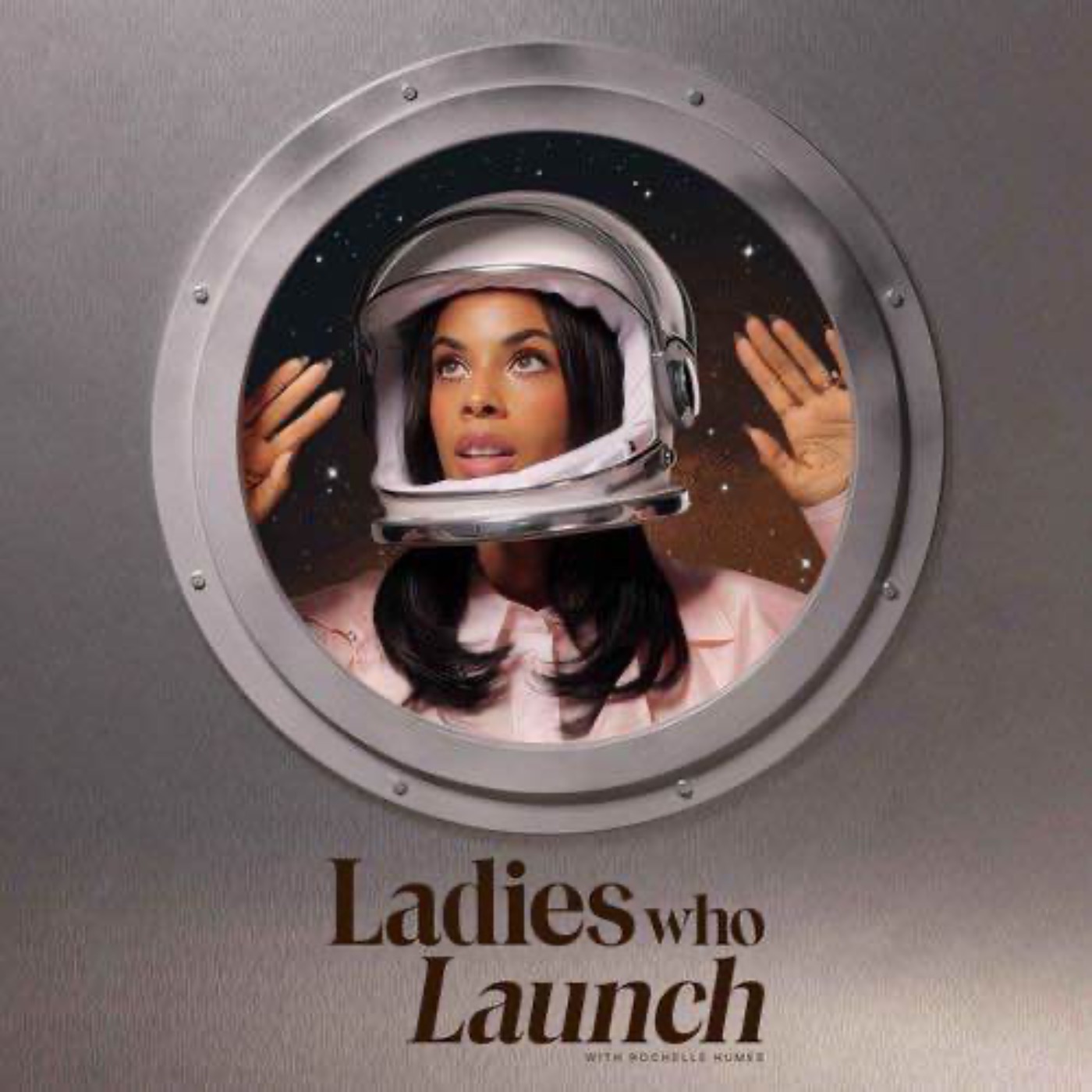

 Ladies Who Launch
22 Oct 2025 · 56m

In this empowering episode, host Rochelle Humes interviews Nicola Mendelsohn, the Head of Global Business Group at Meta. Nicola shares her remarkable journey from her early life in Manchester to becoming a leader in one of the world's largest companies. The conversation covers her upbringing, career growth, motherhood, challenges faced by women in business, and the role of AI in entrepreneurship.
Written by AI. May contain mistakes.

Get the gist, explore an idea or ask about something said.
 Claude
On Ladies Who Launch, what are the key points of this episode?
Searching your listeningAutomatic transcript. May contain errors.
0:12On today's episode, I'm joined by a trailblazing leader, Nicola Mendel. She's not only shaping the future of one of the biggest companies in the world, but also championing women in business every step of the way. So let's find out why she's a lady who launched. Well, thank you so much for coming. I'm so, so pleased to sit and chat to you for so many reasons. I always start our conversations in the same way. And that is looking back at early life, childhood. And I always try and find out like what you think sparked your spirit, whether that's entrepreneurial spirit or just real drive. But what do you think that was for you?
0:57This is easy for me. It doesn't even take a moment to think about it because I grew up in the 70s in Manchester. I love Manchester so much. I love Manchester too. It's so, so good city. Isn't it? Have you lived there? Never lived there. But every time I go there, it's so funny, my colleagues always say to me, you say this every time we're in Manchester. We film a lot of telly there, right? So there's the media city and everything else there now. And I'm like, I fancy a little apartment in Manchester. It's become my tagline when I get out. I'll get you a T-shirt. Fancy a little apartment. But I grew up in the 70s and both my mum and my grandma both worked.
1:34And they were both entrepreneurs, more modestly. My grandparents worked together on the markets selling haberdashery. And my parents worked together running a catering business. So it was very natural for me to see them both out and about working and achieving. And we would always help as well. So from the earliest memories I have, we're actually counting out buttons with my grandparents and putting them in packs, you know, taking a big box and sorting them out or working as a waitress in my parents' business. So that was just kind of expected of me. That's just what we kind of did as a family.
2:07Which is such a kind of, I always think that when I'm raising my own children, and I'm not sure if you've ever been in this situation, but you're constantly like, I do work a lot and they see that and I know that they really value that and I hope that it's being a great role model when that mum guilt kicks in. I'm like, this is what I want them to see. I grew up watching my mum spin, when I look back now, is like every single plate. And I kind of like that there's that real good sort of sense of female work ethic and the fact that you can work towards goals and passions and do what lights you up.
2:46But it's so, so interesting to me that in the 70s, you had that from your mother and your grandmother. That is so, so inspiring. And it's really unusual for back then. I'm older than you. Exactly. That's exactly my point. Right. But I think it's also about the definition of what is normal. and so I think society has put upon women the fact that normal is the woman doesn't work yeah or if she does work it's not as an ambition job as a man or not an entrepreneurial role so I think we have a serious job then we hold those stereotypes in and the definitions of what the normal is and what I realized very early on actually was a it was unusual that I had that background but be normal is just what you know to be normal and so that's what I my kids grew up four children they grew up seeing both mum and dad going out working doing things they loved and were passionate about and one of the best things that ever happened to me was when my younger kids turned around and came to me one day and said mum most unusual thing so weird and I said what he said his friend's mum didn't work and how unusual and I was like he's like he's like that's not normal is it and I was like yes I love that it's not our normal no son it's so it's so so interesting how did those kind of early years for you look in terms of school and so was you at school in Manchester and how was that did you always know the direction that you were going to go down or were you kind of finding your feet as you went I think we're all finding our feet I wasn't one of those kids that knew very early on it was going to be something in business yeah if anything it was more the creative industries I loved acting I was a bit naughty at school a bit rebellious In part, I look back now because it's kind of kind of round peg, square hole, you know, questioning, curious.
4:32I think a lot of school back then just wanted to cookie cut. You need to do it like this to do this in order to do that. So there were days that, you know, weren't the best of times. And what was important for me at that time was actually my parents back me and my personality and my spirit. And that, I think, was a really important part that they saw something in me that perhaps academia at that time didn't. although I kind of turned it around by going to college when I was 16 and then went to university then I decided to go into advertising and talk to me about that so the moment that you decide okay advertising what what was it about advertising that caught you so I think it was um my own network actually was having a friend who'd also grown up around the corner to me in Manchester who was a year older he'd got a job in London bright lights yeah bright lights in in advertising and certainly up until that point in my life I didn't really know anyone that worked in the creative industries and I couldn't believe you could actually get a job like that and you'd be paid to make ads for the tv it feels like and I don't know if it was the same then but I always think like anything in advertising feels like quite a sexy job like it's quite you know creative and cool and you meet like-minded people in that space and it feels very I grew up like in a small place in Essex and even like getting on the train to London was like she works in town like it was like a big deal yeah yeah I remember the handful of trips that we did as a family to London you know visiting Harrods was like you know visiting the palace they were big moments and I think advertising was like that as well and I remember looking then at the what was on the adverts on tv and thinking I like that one I like that one and then having to go to the library pre-internet to do the research to see which companies did those ads and that's how I started on the journey I went to the company that did the Levi's and the Audi and the Boddington's adverts that's how I chose the company.
6:27Wow goodness me and so that was your first job in advertising and how how did that look like what role what role did you start in then at that point? So absolutely the bottom of the bottom. I came in as a graduate trainee. I was one of three women that were chosen that year to come in. And so you're a junior account executive. My first accounts were Cadbury's and Phileas Fogg. So I was queen of snacks in the office and everything. big account big brands for a first gig and did you feel like you were because you always hope don't you that when you when you enter something and you're sort of in your infancy and you're finding your feet and you're figuring out what this kind of big shiny world looks like you always hope you're going to get somebody that takes you under their wing and I suppose really makes you feel comfortable in those settings and gives you that confidence to shine did you feel like you had that or did you feel like you really had to fight to be noticed the environment was one of kind of ambition and creativity and entrepreneurship so bottle bogle hegarty as it was called became bbh and the three founders were all there and it was it was one of the coolest agencies on the planet at the time and you sort of took that for granted that you were at the heart of it and being one of their graduates was like everybody wanted to help yes and they did a really good job of training us.
7:53I mean, I sat outside John Bartle and Nigel Bogle's office for the entire 12 years, I was at the company. So learning by osmosis, feeling that energy was something that inspired me. And I kind of thrived in that environment. And being a sponge, I suppose. Literally, that is like 12 years, 12 years, 12 years there. So you were really a sponge. I was and I had I had three children whilst I was there as well. That and this is something that I always being a woman you you feel like you're getting your groove you know where you are and I can only relate this to myself and I think really with me now I'm in my late 30s and I feel like the best that I felt in the way that I know myself and you know my friends and my family will say well you we wait to hit 40s we wait to hit 50s it gets even better it gets even better and which I can't wait for by the way I'm like it gets better brilliant um but I I I had children quite young so I felt young I felt pregnant with a layer when I was 23 and I'd just got married and so I also got married very young and I was in a girl band and it's kind of like illegal in girl band terms to I suppose not be a single songstress as they would call us and start a family right it kind of goes against everything that we're taught so for me I felt I fell pregnant I was so excited because I just got married on one hand but I felt this very I don't know this almost moral dilemma that I really struggled at the start of pregnancy the morning sickness and stuff and we were living in LA at the time and it was you know jet lag and far from home and we've been there for a year I was pregnant I didn't tell anybody I'm sure they guessed they the girls were like you stopped eating sushi which was like my favorite thing so it was a big giveaway but I remember feeling that pressure of this is my career now and the decision that I'm making for my life and one I'm actually really excited about could fold everything else and I remember that feeling of not wanting to let anybody down and that I'd maybe made a decision that might change the path of my career which for then me changed it for the better but did you ever have that when you're at a company and it sounds like you you know you had a very nice setup and it was a very nice atmosphere but did you feel as a woman that you were ever scared about your position when you returned after having a baby or did that did you ever have that moment yeah well first of all I also had my I was also married young I got married at 22 I thought I was really old I did but when I think of my sisters now who are like early you know mid-20s it would feel so weird the idea of them getting married but I thought I knew everything and I'd done it all and we both had and I had Gabby when I was 25 which was really unusual as well so never mind we that much we have in common I'm not in a girl band never have nothing about AI so um and it was quite unusual at the time um in advertising there was no women that I looked up to in the industry or certainly around me in the company that had had a baby or if they had had a baby they'd left and so there wasn't the role model there to kind of understand and look up this is how we now do it all yeah yeah correct so So I had the first one, came back.
11:25And of course, you feel nervous. You've got imposter syndrome. You feel, you know, what's it going to be like? And especially if you're working for somebody else, which I was at that time. I actually found the second baby harder. And the reason for that was, again, remember, nobody's ever come back after having a second child. they actually had a very strange maternity policy at the time which said that you had to come back after three years so you if you wanted to get the maternity pay the extra enhanced so it was we'll give you the first one and it was very nice and generous but three more years you need to wait until you're allowed to conceive to have your next baby we'll give you one but don't take the piss and i just that's the bit that really stopped me in my tracks and made me surprised to think well oh, hang on, so this is something different, other.
12:08How am I going to be perceived? Am I going to be taken seriously? But actually, on the other hand, the company was very good because at that time I realised that being a mum was actually really demanding. It's really hard. And I wanted to be more present with my children. And so I actually, I shifted to do four days a week. And that was something that I carried on with for 16 years. Such a funny time, isn't it? And now I look back and if I could have sort of scooped the 23 year old me up and said it's all right and I remember being like and I'm also supposed to be sexy by the way so when I come back I'm supposed to film a music video and like my boobs are leaking and I need spanks and it's just not what the version me a few months ago was and I think we and obviously that's I did not have that pressure yeah it's a different proposition but just the idea of thinking that you've got to have this figured out and how that will now look and how demanding this now is but also not wanting to miss the first day of reception or not knowing that you've got to find that new normal like it's quite a challenge mentally and trying to figure out the elusive word that we call balance which I just don't the word absolutely with you thank you um it it's that isn't it it's that where that is a it can be a really tough time and that's where you're very aware that you're female.
13:31Yeah I think so and I think you have to make different decisions I certainly did so I turned down more senior titles and jobs because I was working four days a week because I did want to make sure that I had that time with the family when they were growing up so those were active decisions that I made. I also found that going off on maternity leave I came back actually better at my job. That's so interesting and I think that's such a good message that we need to kind of perpetuate because actually I found that too and my focus and my guess what we can multitask way better than we ever could so my children don't think I can anymore by the way they're already going mum you can't multitask I can I'm like I'm good at it and also if we had so many years you know what I mean it's because we've used all those skills when you were younger um but it is it's it's so interesting you say that and I wish that women would say that more that would you know maybe help bosses in the workplace to know that actually like mat leave shouldn't be a thing that you I don't know if it's it dreads the right word but I think women dread it from a place of like oh gosh we're all hormonal who's going to take our job if the replacement comes in and they you know she's gelling and she has we all have that sort of fear but I think employers on the other foot think that that's a sign of okay they've started the train of having kids now they're gonna to be flaky or they're going to be less present which of course by default we are but sometimes we can really it gives us that different level of fire in our belly and that lioness mode for me I also applied that to my career too you know and I think sometimes it's employers in that situation really discredit women after maternity and I think we hear that a lot you know the conversations that I've had on this podcast.
15:21We do hear that a lot. And I hate that. I'm sorry to hear that. I don't have that experience. I mean, the company that I'm at now, the ones that I've been at previously, we promoted women when they've been on maternity leave because we saw they were on trajectory. That's incredible. We didn't expect that they would be any different when they came back. So, yeah. Yeah, I love that. I love that. More of that, please. I want to move to Metta and talk about your career there because it is just incredible. You've worked your way up to VP, which as anyone knows that is no small feat what do you think were some pivotal I suppose moments or decisions that help you that helped you rise to that and to that role and help you rise in that way so I think it obviously stops um starts before I got to meta so I've been in advertising I went to work for a big company then I had my own company and I think there's an essence of curiosity we haven't spoken about curiosity I think good entrepreneurs I think people with fire in their belly are just always hungry to know what the next thing is going to be and when the advent of digital really started 30 years ago now I was like oh this is interesting I'm curious I want to know more I want to understand and so I started to kind of learn for myself and put myself in places where I could learn from and be inspired by interesting people And this was around the first dot com boom and then bust as it became.
16:44And there was big networking going on there and, you know, just the opportunity to meet incredible people. And I was always thinking back about how it would work for advertising. So I rose at BBH to be the new business director. And in those days, it was actually a bit like being somebody in VC because, you know, they would come in and say, look, we've just raised this amount of money. We need to do some marketing. Can you help us? And I would be we didn't have enough resource to do the amount of businesses that had raised money. So I started to learn more and more about these ideas. Now, some of them were fabulous ideas, but the technology wasn't going to be ready for another 20 years.
17:17But that's where I kind of got the buzz and the excitement around it and starting to think about, you know, the early digital tasks that we were being given, things like the creation of a CD-ROM or, you know, understanding. You know, it's like crazy. Yeah. Like that slow dialogue that would take forever. You remember those noises from that time. I just remember my mum would shout because she'd be on the phone and you'd hear, she'd be like, get off, I'm on the phone to your aunt. And I was going to dial up downstairs. That noise, that noise. That is such a nostalgic thought. Which if anybody's listening who's much younger, you'll have no idea what we're talking about.
17:51So I think it started there. And then I had my own business, which had digital at the heart. It was integrated advertising and marketing. And then from there, I became the president of the advertising industry trade body. and the whole vision was about being digital pioneers being the most creative so that when meta or facebook as it was then in 2012 2013 came knocking they eventually found me and we you know we began the conversation which at the time was for the job to be uh the vice president of europe middle east and africa that sounds very grand and it is very grand but it was a much smaller company at the time yeah yeah of course there was less than 200 people at the company in london And today we've got almost 6 ,000 people.
18:34So just to give you an idea of how much it's changed. And I think, you know, if I think about the journey of Facebook then into Meta, I think those same skill sets hold true because the company is totally different. You know, when I first joined, we had Facebook. We just bought Instagram. The company had done very badly because we didn't have a mobile strategy. So Mark was just shifting us all to be mobile first, not desktop first, just because of when we were created. and so right away straight away the company's pivoting the company's changing and so it has been for the last 12 plus years that those kind of if you're still curious if you're hungry if you can move with change and be entrepreneurial those are the things that will hold you in good stead and in what you do there's no way that you can't move with change right because it's just like we're talking you talk cd-rom and then you talk ai like you just you can't be stuck and my mum always says to me as long as you're moving sometimes you move back and sometimes moves forward but to be stuck is going backwards exactly that I want to touch on what you said when you mentioned the word curiosity because I think that is one thing that I think every female founder or successful woman in business that I chat to has in common is that tenacity and that curiosity And I think it's such an important thing to dwell on because we talk now in this, which is ironic, in this kind of digital age that there's that fear of embarrassing yourself loudly or that kind of fear of failing loudly because everything is so accessible now.
20:14so everybody knows everybody's move if you've launched something your friendship circle have seen it or beyond that your followers however that might look and where there's that fear of asking questions now and I kind of hate that because I'm like you might say nosy you might say curious however you want to position it I love to ask questions and I've never been somebody that's shy when it comes to putting myself out there and the worst that's going to happen is a they're not going to reply or b they're going to say sorry I can't help you but maybe this person can and you kind of have to build that network yourself and you do that by being curious but I think have you ever I mean it sounds not because you you're like-minded where you like being curious but have you have you noticed a shift actually in the in that fear of embarrassing ladder or fear of putting yourself out there yeah for sure I think you know you asked me about earlier in Korea and those early days, I would have the conversations in my head about the question I wanted to ask and weigh up whether it was the right thing to ask.
21:19And then usually some man would ask the question and everyone would be nodding. And I was like, oh God, I should have asked the question. And some of the questions I think are often might seem like stupid questions. And you think nobody else is ever thinking that. But then when you ask it and you sort of see a sigh of relief of everybody going, oh God, I wanted to know. I didn't want to say that. Yeah, So I kind of feel like I've made a living now out of asking what can seem like dumb questions. But if you leave things that you're not sure about, I think that's incredibly undermining. And I think that doesn't create an environment where everybody can come and kind of bring the best selves forward and give the advice that they're being paid to give.
21:55Because that's why they're in the room. Yeah, you're so right. And I'm always that person in the room. Like I was about to ask that next. So I'm so pleased that she did. curiosity is is as i said before one of the big things that i noticed that our guests have in common what qualities of patterns do you think in the women that you've met over the years because one thing i that i love about you and like particularly in my research and like watching on within your career is that the way that you give back and connect with female founders and women in business. I think it's such a beautiful thing and I'm in awe of that.
22:34What qualities and patterns do you think that you notice within women that succeed? What would you say that they are? Well, they're all unbelievably hardworking. I think they're all very determined. I think they don't realise some of the hard things that they did. It's only when other people pointed out, well, that was so hard. How did you do that? Yes, because we're used to just doing or being in it. And it's almost not imagining the problem to be so big but because the problem didn't start there it's I needed to do this then this and so it's much more a series of small steps that get you to the big goal whereas I think often people just think about the big goal and then that just seems too scary and you can never do that yes yeah you're so right and it's it's that is also such a female thing where we just dig deep and get on with it right and actually when you break it down it was quite a big accomplishment but I think we're so I made a pact to myself last year and I'm getting better better at it we're actually that we celebrate and we take stock of moments when they happen rather than thinking okay great but what's next are you are you good at that I do try and celebrate the moment I think it's really important and I often with my team say hang on a minute look where we are can we just have a moment look up be grateful and now move on And now into next year.
23:59From your perspective, what would you say the biggest challenges women in business face today? That's a big question. I think if you're focusing on entrepreneur, the biggest question is raising capital. You know, we know that less than three percent of the money from VCs go to female led businesses. That's far too small. So we know it's harder. When women take up the bulk of the household spend, which I think is the irony. And there's as many women coming up that have got great ideas for businesses, but they're finding it more and more difficult to actually or equally difficult, not more difficult, equally difficult as it ever has been to raise capital.
24:36There are now more female focused funds, which is great and is an advancement. But there's a massive lack of equality when it comes to where the money actually goes. So I think that's the biggest one. I think and definitely and I think we've we've again spoke about that a lot on this show and I think that there is such a disparity that it almost feels like it's archaic when you think of the incredible female founded businesses and women that are absolutely smashing it the fact that that stat still exists to me is like sorry is this not a number from years ago in the olden days you keep checking it it's not we sure that we've got that data right um i want to talk about ai because again this links back to the buzzword of curiosity i did an interesting conversation i had an interesting conversation with vanessa kingori and she said something that really stuck out to me because there's that fear and i a lot in my friendship group it's sort of going around that we're a bit scared of AI and how that looks.
25:44And, you know, no one's going to have any jobs left. And everybody, and Vanessa said something and she put it so, so eloquently. And she said, you're not going to lose your job to AI. You're going to lose your job to somebody that knows what they're doing when it comes to AI. And AI isn't going to take your job. The people that you're using AI could possibly do so. Correct. Exactly that. so I where do you think the fear like is the fear misplaced would you say because I think is it just new is it like should we embrace that curiosity and I mean I suppose it isn't new I think it's it's now AI and everyone's their phones are listening or we can ask a robot questions and it gives us an answer very quickly but actually when you think about it we've been using AI for a very long time, but it's just the way that the conversation has changed a little more and I suppose how advanced it's got.
26:40Do you think the fear is misplaced? Yes, definitely. And I'll tell you why. And especially when it comes to women using AI. We've almost seen this kind of rodeo before with digital. When digital came, we saw that women didn't embrace the tools and the skills in the same way that men were doing. And the data tells us today that's exactly the same. Wow. So women are using in the workplace using AI on average 20 percent less than men. And the research is telling us that the reason why actually isn't fear. It's often not fear. It's because women feel that they're cheating if they're using it to do the job.
27:16That's so interesting. So it's like I want to be a really good girl. It's almost like school days. And therefore to do my work, I need to have sweated and really worked hard. I think that's going to dissipate that kind of feeling. But it already creates the fact that there's 20 % of women using it less. And so they're behind to start with. We've got to embrace it. I mean, at Meta, we talk about all the people there being super users of AI. And the way that you get to be a super user of AI is that you start small. It's like the big jobs that we were talking about, how you get to build a big business.
27:48So every day, Meta AI is free. It's on the top of every single one of our apps. It's being used by a billion people every single month. which is fantastic. So if you don't know what to do, just start there. Ask it a question. Start to learn and then start to learn how it can help you in your life and every aspect of your life, not just your work, but in your personal life with your kids, with numbers, whatever it is you're interested in, it can help you. But you have to kind of take the first step and you have to build it in as a regular pattern and you have to be willing to be curious, but also to go, actually, I want to educate myself because if you've got kids, my kids will be using it.
28:26The other people in the office will be using it and it will make you more productive. It will make you more efficient. If you weren't creative in the past, you can be more creative. If you didn't know how to do math, you'll be able to do that. So the opportunity is there. And us as a company, we've been investing in it well over a decade since the earliest days of Facebook and News Feed. Because we're using AI to to show you the the right things in your feed that are going to resonate the most with you. That's one of the ways that we use it. Wow. See, that is so interesting. I didn't know. And I think for me, and I, by the way, I'm a technophobe.
28:59So you're talking, you're, you're, you. I don't want you to be after this conversation. No, I know. And you might as well. You're going to do the minute a day? Yeah, I will. I'm getting better at asking questions. And I found it really interesting in terms of like copy. So for my brand, for instance, you know, we've got a very particular tone of voice and it's always been the same. And I've been so across it to every detail. And that has blown my mind. Like if I ask it a question in the tone of voice of My Little Coco, and it's really, it's like such a helpful tool. And it might not, it's not necessarily going to be copied and pasted, but it's sort of something that's...
29:34It's a good starter for you. It's a good starter and it's given us the bones of something to sort of tweak the copy. And I love, and I love it in those terms. I've got friends that are using it for, her little girl is now intolerant to dairy, and it's like putting shopping lists together and recipes. And I think, like you say, just sort of, for me, dipping my toe in, I found it so, so, so interesting. I'm now, my husband is now, like, downloading apps. And I'm not scared of it. I'm just a little bit like, I don't really know what's happening, but I'm getting used to asking questions. So that's kind of a little safe space for me at the minute.
30:12what do you think if we're going to sort of focus women using AI because that is what is is is really important we don't want any more of these stats that we can change right there's we're fighting and there's not a lot we can do about the about the gap in funding right but at this level we need to make sure that we are educating ourselves and taking part If a woman is listening to this conversation right now and actually like I am looking to start up, I don't know, a clothing business. This is just very hypothetical. How can AI really be helpful in those conversations for startup, like in terms of building out a business plan or finding suppliers?
31:01Like how could somebody use this if they had no idea, but they're starting out? it can literally do all of those things so you can go on to meta ai you can start to ask it to give you inspiration from other places help me think about the big strategic questions what are the steps that i need to follow how will i do the marketing and here's the good thing the girl from meta can help you on that i love it you know what what one of the things i'm most proud about that meta has done is actually the democratization of advertising so when i was starting in the industry over 30 years ago, actually you needed to be a very big business to work with a company like BBH.
31:39Right. You can literally be, you know, a woman starting out with 10 pounds in a pocket and going, I've got an idea and maybe I want to test it. You could start to just put it out for free. You can obviously create your page for free for your business, start to get friends and family to go follow behind it. And then at the point that you've got your product and you want to go, well, I want want to get wider than my friends and family you can start to use our advertising tools across all our advertising suite we have incredible products that are ai driven kind of the ai foundation and it's called the meta advantage suite of products i'm going to get you using oh my god i love it and i can see how excited you are and i love that no this is like this is now like a one-on-one coaching all you need to do by the way i'm like i've got this of questions i need to be just taking notes i'm going to get the transcript what the ai can do now it's like a series think of of simple buttons that in the past if you were going to run your first campaign and you were thinking about who your target audience would be and you've got your piece of creative probably about 150 steps to get from that point of i've got an idea i've got a piece of creative to getting it out ai means now that we can do it in one button and we can probably find much better targeting for you than you could have found if you were doing it all manually which means that the advertising The money that you're spending with us is much more performant.
32:55And what we see now is a result. About 70 % of our advertisers globally are using our AI products, which is great. And it's continuing to go up. Big increase year on year. But we're finding that for every pound that you put into Meta, you'll get on average back£3.82. Gosh. Yeah, so it's an incredible return. And obviously, people are getting much more than that because it's an average. So that's something that really, really excites me. And it really excites me when it comes for female founders in particular, because often, you know, I travel all around the world and I meet female founders all over the world.
33:28And they talk about how they actually started from their home, like a room like this. There might be kids running around. It's something they were doing at night. And I'm just so proud of the fact that that's something that our company has been able to empower to happen. And empower women to be able to turn like the side hustle into the main focus, but because they have the tools to be able to do so that ordinarily would you'd need a board or a team or an expert in that particular field. It's so, so incredible. And now we're seeing also with the whole rise of generative AI creative, that if you've got your one picture and you might want to put it in an Instagram square, but then it might need to be a story or it might need to go on Facebook.
34:08We can change the image generation for you. We can change the text for you. We can change the, you know, work on the languages. It's really exciting. Can make it move a little bit. It's almost, it is literally the dream for a small independent startup to be able to have. it's like you've got the back end of a big corporate behind you do you know what i mean that you can actually tap in it's so so incredible if you look kind of five to ten years ahead how do you see ai and i suppose technology shaping the future of entrepreneurship because i know that's quite a big question but i suppose that you are i mean if there's anyone that's tapped into five to ten years ahead in tech it's you but how do you see that really yeah shaping the way that women in business can operate it's a big question um i think we'll all be much more comfortable with ai yeah we've recently uh launched our ray-ban meta um glasses i don't know if you've seen them are the smartest ai display that exists i just cannot get so basically one of my best friends he went to a concert in new york and i can't remember who this was like i want to say it was when they were really and he's the first person i saw have them and they might it must have been a bit of a campaign that they did they partnered with a with an artist he'd gone to a concert anyway and they said no phones and they gave you a pair of the glasses instead to say like just watch the concert in real time which is like genius me i'll just love the marketing of that anyway because you go to a concert and all everyone does is hold their phone up right which is not what they did when you first started exactly that exactly um so they all had to wear these glasses and for him he's a personal trainer but he films clients and he will film so for him it's kind of had a whole it's had his whole business had a whole new outlook because he gets to film from his point of view has his exercising and so on and so forth and training but i think they are genius they will get you in a little bit of trouble though I was like, paparazzi are now wearing them at the same time as shooting you.
36:22So they've got a video of you, of your conversation at the same time as stills. No, but they have a privacy light on. Yes, you can see. So I know. I know now. So you can see. But the thing we've just launched, so that's an amazing product, but we've just launched the new version, which we only announced last week and is just about to come out. Right, tell me everything. Which is called Ray-Ban Meta Display. Right. And the display literally feels like you have a screen here where you can see and you control it with a wristband here. where very small movements with your hand are kind of moving it on.
36:51And you have your control panel where you can see your different apps that you want. So if you want to go into WhatsApp, I had a phone call with my son who's on, you know, studying abroad at the moment. Click on could see I can see him and he can see my view out. I mean, it's amazing. And I was thinking about some of the things that you were saying about, you know, the shopping earlier when you look in the fridge and you're thinking, you can literally look at the fridge now, open the door and say, hey, Meta, with what I've got, what shall I cook for dinner? show me some recipes and then because you're then can multitask you can be cooking and seeing the recipe at the same time as you're going through so what that does well you asked me for the future the future is actually now the future is now but you can start to see how that's going to change because this is quite artificial isn't it when we're all doing this yeah nothing makes me more sad when i see people doing this at a table together even just for posture and for like shrinking ourselves and no eye contact so you're back to yes and half the planet wears glasses So we're really excited about this.
37:50And we also just launched the Oakley Meta Vanguard as well. I don't know if you like running or any sports. I like sport. I'm into stepping. Okay. I run a marathon once. Okay, so you're a runner. You're a runner. No, no, no, I'm not. That's the joke. I thought I would continue to be a runner after that experience, but I never did again. Okay, well, I'm pretending you're still a runner. It makes me sound good. So the Oakleys have, the Vanguard has links with integrations with Garmin and with Strada. And you can actually see your metrics as you're kind of running. So you can work out what your pace is, if you're pacing in line with what your expectations should be.
38:26It's really cool. And you're so right in what you're saying. Like, we're in the future now. We are. And yeah, in five, if we're here now in five to ten years, that is, I mean. More and more exciting. It is more and more exciting. and it is just being curious and embracing it I think there is we live in a world now that everybody has got there's a conspiracy about everything right and it's and I can't I've got a family group chat and things are forwarded and they're like everyone's watching us and it's all I'm like guys embrace it this is the future that's like saying however many years ago when smartphones happened that you know I think well my favorite one of those is in Victorian times women were told not to read newspapers because it would make them go blind so there's always been it's kind of this curve that happens with new technology where the technology and the paper is technology newspapers technology um everyone gets very excited then there's a fear and then there's a kind of a normalization of it so we've just got to kind of embrace embrace the fact that it's real and it's here and it's an empowerment and it's exciting It's absolutely exciting.
39:33Before I do our rocket round, I want to ask you a question about, I suppose, your style when it comes to leadership. I'd like to know what sort of leader you are and what your kind of, what your approach is with your team. I'm always kind of interested if like I was to ask, you know, ask your team what sort of leader you are. What do you think they would say and what sort of leader do you want to be and how do you think it translates? I hope the same would be of the two, because I think some women, some men are very different in the workplace to how they are at home and personal. And people see a real stark contrast.
40:16I think what you see with me is what you get. I'm someone who loves life, who is grateful for the world and the role and the position and the family that I have. And I want to be in a position to be able to empower people to be the best that they can. I set really clear North Stars. I set clear milestones. I set clear expectations of what I want people to do. But I hope I create a space where if people have challenges in order to hit those milestones, they can come in and go, I've got a problem. here's why because I think if you don't do that then I think that makes it difficult so that's the things that I think I would say and hopefully people would feel the bit I would also add is that I like to have fun we spend a lot of time with our work friends our work colleagues and so one of my favorite posters I've got in in my office says that meetings were made for laughter oh I love and I kind of always try and encourage a bit of that yeah I mean if humor can get can make any awkward situation kind of you can get out of those very very easily what do you do because listen your job is very very fast-paced it's you're in the future constantly right and just by nature of what you do and having to be that way and you're you're leading there's a big responsibility what do you do for you when you're like okay guys it's all a bit too much I need some time for me and I need to switch off because we all do to be good at what we do we've got to find that thing for ourselves right that thing that makes a switch off what do you do for you my team is probably laughing as they listen to whatever it is I'm going to do because actually the whole thing is me that's what I do for me I just I just get energy about being with people about doing new things about going to different places and at the same time I'm cramming in watching whatever the thing I have to watch on the box sets is I'm obsessed with theatre.
42:11I love going to theatre. Oh, do you? What's your favourite show? My new favourite show is Masquerade, because I live in New York now, which is on in, it's just off Broadway. Wow. And it opens this week, and I managed to see a sneaky preview. And it's good? It's not good. It's mind-blowing. It's an immersive version of Phantom of the Opera. Oh, my gosh. Mind-blowing. Book tickets now. I'm such a West End Wendy at heart. I love nothing more than a good show. So it's just, there's a bit of nostalgia for me as well. I think that was always a treat when I was growing up. Like you went to... It was the number two musical on the planet.
42:46I feel like a sales girl for The Phantom of the Opera, but it was an unbelievable show. So those are some of the things. And if you were just one in a day of switching off? I don't really do that. Like nobody's going to think that I'm the girl that takes a day off. I would find a thousand things to do if I did take a day off. Wow. But I would probably be travelling. Yeah. I'd be with my family. that's what I would be doing. That makes you switch off. I don't want to switch off. I don't want to switch off. And actually everyone tells me I probably should but I don't want to do that. It's too much to do.
43:17I've never had this answer before and I love it. Yeah time is too precious. It's like keep squeeze every minute out of every day that you can pack something in. It's a little exhausting can be. For others. I'm always on. I'm always on. Everyone's just laughing. She tires herself. For me it's pilates i have to have an hour at some point and i need to do that but do you know what it's weird i have i've started to do it before my kids wake up and i'm i've never trust me i've i'm not naturally an early person so i've like forced myself into what time is that you're doing that so i'm doing it at like anywhere between half five and six right but that's like no that's not happening but i can and i used to be that person but do you know how nice it is for me to start the day now not being needed does that make sense so not someone going mommy mommy mommy or Rochelle we just need a or like I used to literally wake up when I would hear my son on the monitor going mom mama and I fit oh here we go but I give myself a bit of time and sometimes the Pilates doesn't always happen but that's the thing where I kind of am so focused on what they're telling me to do I'm so out of my mind I don't actually think about anything else but sometimes it might just be scrolling or even just like answering an email in my own time or making a tea but to get up and not be needed I like going in and then waking him up and I'm like morning I'm just a better person for it but I've had to like fight to get there I love your answer I love we're both wearing auras so you probably yours the right reason I wear it so that it nags me every day going really Nicola and it goes do you want to get up now yeah no it's like it's not going that well for you today It's like Nagiora, but I do love it.
44:59There's nothing more humbling, is it? It's like, time to stretch your legs a bit. I'm like, all right, cheers. Do you work at a tech company? I don't think so. Yeah, exactly that. Right, let's do our rocket round now.
45:12I kind of want to tweak the first one.
45:19By the way, I usually do this to people. Do you? We call it the fast fire round. Oh, there you go. It's supposed to be quick fire, but it never really turns out quick fire because I always pick women that like a conversation. What do you believe are the non-negotiables when using AI for running a business? I don't think you can run a business now if you're not using AI. Love it. Where do you think the starting point should be? What should every entrepreneur be using when it comes to AI? You should be thinking, you should be going and asking other people what they're using and what you can learn from them.
45:52Go and ask the AI what other entrepreneurs are using. in order to help them build their business better. That's smart. Yeah, and actually there's a whole thing about prompting that we've not talked about, which is that, you know, the more succinct, the better the prompts are, the better the answers and the data that you'll get back. So be more insistent on the AI, you know, in terms of what you want to get from it. Okay. Don't just write, write me a business plan for my clothing company. Don't be lazy with it. Yes, correct. Yeah, because you'll get a lazy answer back. What's the first thing you do when you wake up and the last thing you do before you go to bed.
46:27OK, so it's a new thing in the last year. So I suppose the real answer to you, what do you really do for that time? I'm trained myself to do 15 minutes of breathing. It was supposed to be 20 minutes twice a day, but I negotiated with the person down, which is really only negotiating with myself. So I only do it in the morning. So that's what I do in the morning. And then in the evening, wherever I am in the world, I just have to have a warm bubble bath before I go to sleep. This is me. That's what I need to do. That is all the meditation I need, you know. Me too. A good bath, my hair just up on my head, and my girlfriend on the phone.
47:02Me too, and a pineapple pony. There's just nothing hits like that, does it? It really doesn't. And the point where Marvin said to me the other day, and he always says, like, if you get in the shower after me, it's like burning. It's like, this is lava. How do you get in this? I'm like, it's beautiful. But I literally shouted at him. Oh, just do me a favour. I just forgot to let the bath out. So he pushed it, and he was like, Rochelle, my hand burnt going in. I was like, I've been in that bath now. I'm immune I'm immune a good hot bath what is one piece of advice that you wish you hadn't listened to
47:37I don't think like that because whatever's happens happens so you've just got to get on with it move learn from that like Silicon Valley really embraces failure much more so than the Brits do yes the Brits you like tarnish forever that was the girl that did X yeah whereas in America it's almost like a badge that was a person that failed and then got up and did x y and z so it's not in my framework of thinking it's so british isn't it but i think that was your question is a british question tell me about failure let's really revel in it no but i do think you know when i always find it interesting to think i wish i hadn't listened to that because i did it was a place where i was maybe a little bit vulnerable i did but actually what i've learned is x y and z and i think that's often the case but you're right it's it's a british way of thinking it's like here you can you work hard to be able to afford to drive your dream car and you pull up at traffic lights and they'll be like flash git but you'd go to america and they'll be like hey man cool car yeah what can i learn from you and i noticed that when i lived there so so so much um what is a skill that you'd love to learn well i want to get better and better at ai it's changing all the time And so that is why I'm actually actively learning.
48:51So I'm yeah, that's I want to get better. Love it. Love it. What's one thing that you wish someone had told you before you started your career?
49:06I don't think like this. It's just an adventure. I mean, it's an adventure. There's going to be times when you get knocked down, but it's part actually the real strength and learning is by what you do in those moments and I'm not a person that dwells on negativity I'm not a person that looks back and I think that actually is a secret to being happy because you get happy for the moment that you're in you find solace in whatever is good even at the worst moments in your life and we all have them it's actually where am I where am I today and where do I want to go tomorrow and just keep putting one foot forward yes hopefully that helps and I think one foot forward is the best advice isn't it because nobody I don't regret anybody if they'd have told me that I'd have gone no no no this isn't a regret just one thing that you wish someone had told you and almost like take use your voice more there you go when I was younger in Korea and I was having all those conversations in my head I should have used my voice more that's interesting what if you could choose one female figure as a mentor past or present who would that be well I talked about my mum and my grandma but I'll give you a different one Dame Stephanie Shirley Stevie Shirley I don't know if you know her she sadly passed away recently but she was 91 years old and had lived a magnificent life and in the 60s she created a software company at the time in the 60s everybody was building hardware and she and giving software away for free and she thought well why don't I do a freelance software company I think there'll be merit in that and she also saw it was very difficult for women to get employed or to work around having children really difficult in the 60s so she said I'm going to create a female only software business which she started with six pounds and eventually rose for it to be a multi-billion pound company and I think she isn't as famous as she should be she um her whole life story is extraordinary she came over on the kinder transport and her whole life was about giving back so the money that she raised you know she she gave to the other women in the company she um did a lot with autism she was really an early person investing in autism so her philanthropy was really impactful and I had the privilege of working with her being with her interviewing her on a number of occasions so she was always so wise and she was all about curiosity she was right at the early days you know she sounds incredible she's an awesome read a book oh wow when we come to the end of every episode i like each guest to leave a tip almost like one piece of tangible advice if a listener is listening right now and they are a lady looking to launch what would that bit of advice be i'm going to give you two love it we'll take two all day long one is a simple one when you're about to go into what you feel like a scary meeting breathe and smile because then you'll hold yourself differently that's important and then the other one is my favorite quote which is an eleanor roosevelt one which is do the things you think you cannot do because when you do those things that's where your greatest learning comes from that's where you get the greatest sense of self-satisfaction as well so you'll go on the journey and you'll go faster and we all need that that like fuel and that kind of self but those reminders that actually i did that and it almost becomes a bit of a sort of benchmark on like there are moments that i'm like i got through this and i achieved that so it always becomes something to refer to right so when you go into and into the next thing that you're like this doesn't feel like i should do this yet or is this right you you have that to sort of as like reference point to be like you made it through that come on we can do this and then it continues to evolve isn't it lastly I ask every guest how they spend their lunch hour but I've figured out in the past hour of us talking I don't think you have a lunch hour and you're laughing and everyone's like absolutely not but we can answer this one of two ways what if you like you mean you have to eat so how do you sound like a mad woman no but it's it's it's it's really common by the way lots of people are like okay if i was going to eat it's normally like i eat through the next meeting and just apologize to everyone around me but i'm eating this or if you were going to take your team out for a celebratory lunch where are you going and what are you eating so you can give me like normal day or special Let's have some fun.
53:48So one of the amazing things that working at MEDA is that we have these incredible cafes and we have little micro kitchens because we want people to make it easy. So in the micro kitchens, you've got sweets and chocolates, but you've also got healthy things. You can just grab whatever it is you're looking for. I'm liking the chocolates more. And then we have amazing cafes as well with all different foods. And so actually I was with Shruti and Derria and Delaney and Michelle today for lunch that we sat there 20 minutes. We just sort of kind of ate and chatted, kind of talked work, talked personal.
54:19And then up we go again. So it's quite an efficient lunch. But, yeah, I'm often on a Zoom eating away, depending because I'm on international calls. So your time zones, everybody's time zones are different. And you're eating dinner when it's breakfast and all the rest of it. So what is what is on your kind of OK, if I was your assistant and I was going to grab your lunch for you and I was going to bring it to the table because I know that you're busy. What am I grabbing? so what would they get me probably something like a tuna sandwich and a bit of avocado and then I'd like a little bit of a sweet treat yeah yeah oh listen what's a day without a sweet treat or two or three but I am trying to cut the sugar down and then say take the bag away from me because I'm going to finish the whole thing exactly exactly but if you eat it in two parts then it doesn't count it doesn't count it's like when I buy the mini hot cross buns because I can four of them and my mind that's just one um thank you so much i've absolutely loved talking to you and it's so good to meet you in person and deep dive into our conversation i appreciate you coming so thank you no thank you so much and in awe of everything that you've built and achieved so far thank you
55:34don't forget to follow us on apple and spotify or wherever you get your podcasts to make sure that you don't miss out because next time i'm going to be joined by another incredible lady who launched if like me you're a watcher then please follow us on youtube and don't forget to like and subscribe
From Manchester market stalls to Head of Global Business at Meta, Nicola Mendelsohn joins Rochelle Humes to share her inspirational journey—rooted in family, entrepreneurial spirit, and a drive to break barriers. Nicola reveals how her upbringing shaped her career, how she built her confidence in male-dominated settings, and the lessons learned balancing motherhood with leadership.
In this episode, Nicola demystifies how AI can help women build and grow their businesses, shares honest insights on overcoming imposter syndrome, and explains what makes a great leader. Packed with practical advice, candid stories, and future-facing tech tips, this is essential listening for female founders, aspiring entrepreneurs, and anyone ready to level up their career.
From championing women in business to the exciting future of AI at Meta, Nicola Mendelsohn’s perspective offers inspiration and actionable advice you don’t want to miss.
Key Talking Points
Family & Early Entrepreneurial Influence
[00:00:59] – [00:04:13]
Education, Breaking into Advertising
[00:04:13] – [00:06:40]
Career Growth & Mentorship at BBH
[00:06:40] – [00:08:13]
Motherhood & Work-Life Balance
[00:08:13] – [00:13:53]
Women in Business: Challenges & Support
[00:13:53] – [00:19:18]
Entrepreneurship, Curiosity & Networking
[00:16:05] – [00:21:10]
Celebrating Wins & Overcoming Barriers
[00:21:10] – [00:23:55]
AI: Myths, Opportunities, and Meta’s Tools
[00:25:15] – [00:33:59]
Tech’s Future for Founders
[00:35:04] – [00:39:32]
Leadership Style & Self-Care
[00:39:32] – [00:45:21]
Quickfire Advice & Tips for Launching
[00:45:21] – [00:52:52]
FOLLOW NICOLA
https://www.instagram.com/nicolamen/
FOLLOW US
Instagram: https://www.instagram.com/weareladieswholaunch/
TikTok: https://www.tiktok.com/@weareladieswholaunch
YouTube: https://www.youtube.com/@Weareladieswholaunch
Hosted on Acast. See acast.com/privacy for more information.