Ask ChatGPT
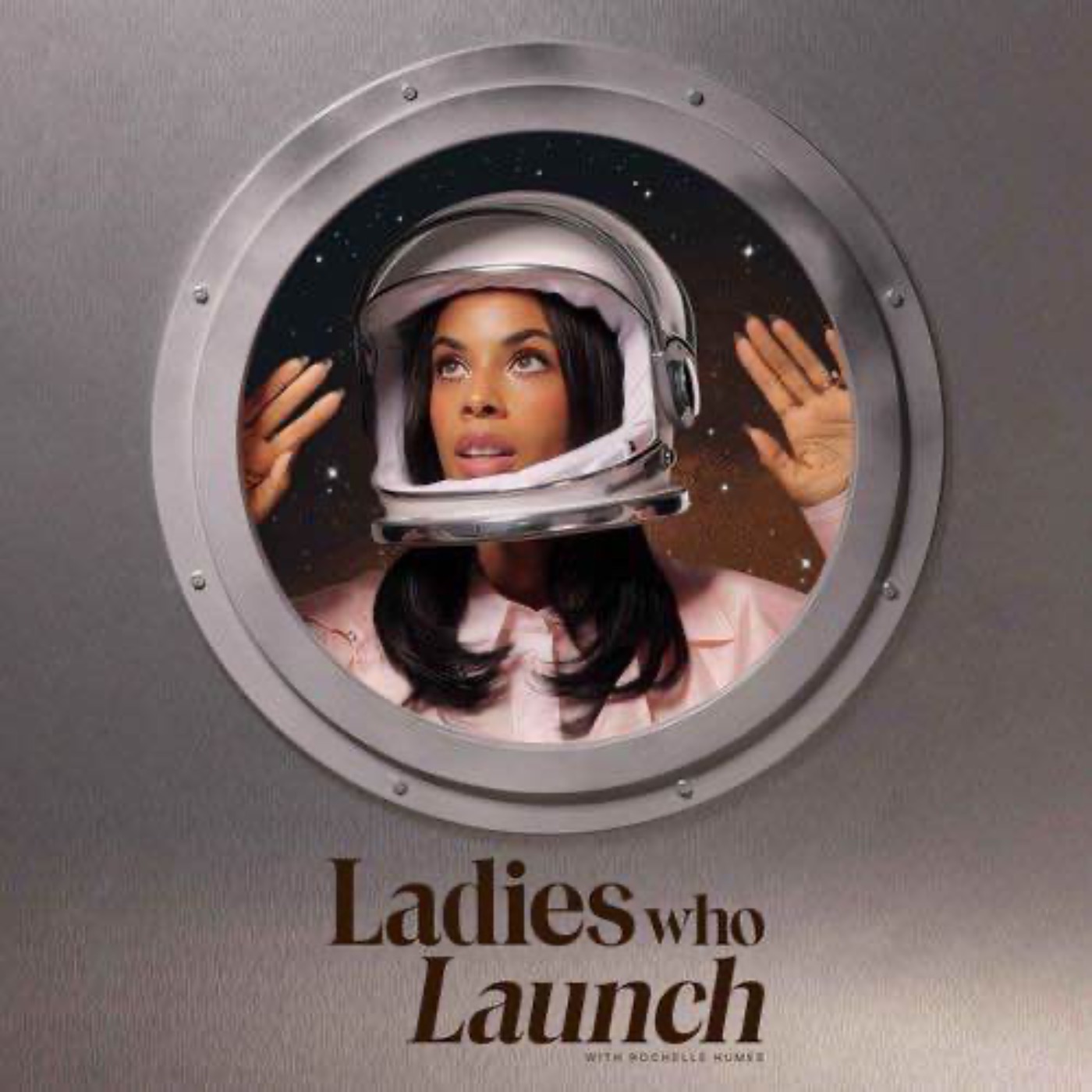

 Ladies Who Launch
12 Feb 2025 · 1h 7m

Host: Rochelle Humes
Shiza Shahid
In this episode, Shiza Shahid shares her journey from activism to entrepreneurship, as the co-founder of Our Place—a cookware brand focused on culture, connection, and community. The discussion covers her upbringing in Pakistan, her commitment to social change, and the impact of food on storytelling and inclusivity.
Written by AI. May contain mistakes.

Get the gist, explore an idea or ask about something said.
 Claude
On Ladies Who Launch, what are the key points of this episode?
Searching your listeningAutomatic transcript. May contain errors.
0:12Hi guys, I'm Rachelle Humes and this is Ladies Who Launch. Each episode will dive into the journeys of aspirational women who started from scratch and built their dreams into thriving empires. These are the founders, the risk takers, the go getters that are changing the landscape and making their mark in the world of business. We're here to celebrate their wins, dive into their challenges and share the invaluable lessons they've learned along the way. Ladies Who Launch is about sharing the inspiring stories that could empower you to take your own leap. So get ready to be uplifted by the resilience, creativity and unstoppable determination of today's most extraordinary women.
0:52This is your Girls Group Chat for business and beyond.
1:00My guest today showed passion for creating meaningful change from a young age. From volunteering at the age of 13 where she grew up in Pakistan, she is now redefining what it means to gather around the table. building a brand that's not just about cookware but about culture connection and community welcome to the podcast shizzer shaheed i'm so pleased to talk to you today this is i mean i'm so interested in your story and your story is so brilliant so colorful and there's so much to tell which is so so important this is exactly why we're here. I want to start with your early years. How was your childhood and how did that look to you?
1:42I had an interesting childhood. I was born in Pakistan and I grew up there most of my life. I come from a modest family. My mother was the oldest of four sisters, married my father when she was 19 years old, met him for the first time on their wedding day. My father was born into a poor family, lost his own father when he was nine years old, and became the head of the household as a young boy. But they worked hard to build a life, and they made the radical decision that no matter what, their children would have the very best education in the country. So I was fortunate. I got to grow up in a loving home.
2:24I got to witness my parents build their lives and send us to the best schools and give us all the freedoms that they couldn't have dreamt off. But I was also growing up at a time when there was rising violence in my hometown. It was a post 9-11 world. Terrorist attacks, suicide bombings were coming closer and closer. And I just wanted to understand the world around me and do what I could to help those who didn't have the opportunities that I did. So I spent a lot of my teenage years volunteering. I volunteered in a women's prison. I volunteered in a informal settlement with microfinance and microenterprise.
3:06And then when a massive earthquake hit Pakistan, I volunteered in an earthquake relief camp. And so a lot of my teenage years were me going to school, leaving school as soon as my classes were done, and then going somewhere to try and make a difference. And I think it taught me at an early age that I had a power to make a difference, even in things that felt really big and difficult. I could ease the suffering of just one person and that was enough. I mean, it's such an incredible outlook for somebody so young to have. You know, that's the kind of outlook that I would hope that my children would have.
3:45Like you say, that you're fortunate enough that your parents, you know, want the best for your education and they want you to go to the best schools. How hard is it to focus on your education and give that your all when there's so much going on around you? I think that I was lucky to be very self-motivated. I actually studied under the British schooling system so I did the O levels and A levels because Pakistan is a former British colony And so we mimicked a lot of the education that you have over here in London. And, you know, I guess for me, the way that I was wired, I, you know, school is an interesting, it's an interesting thing.
4:28I think you can learn how to be good at it if you're oriented that way. And so I was good at school. I did test well. well, I wouldn't be here today if I hadn't, because I didn't grow up with the privilege that would lead me eventually to get access to Ivy League schools. So I had to have good grades, but it didn't take up a lot of my time. And I think very quickly I learned what it felt like to be doing something real versus something in school. And that even though I was young, that didn't mean that my world had to exist within just school or just home or just activities. I was a person existing in the world and I could make a difference.
5:14And I think you see this a lot with young girls and boys, whether it's someone like Greta Thunberg, who did make a difference at 12, 13, 14. And I think as parents, especially in the West, often there is a sense of wanting to protect your children and just keep them in school and not let them go out in the world and see things that are difficult. But I'm very grateful that I got to see the real world when I was young because it taught me that I could do things that were real. You're so right. That's definitely the outlook, isn't it? You kind of, it's that sort of, I suppose it's a bit of a sheltered, a sheltered upbringing, isn't it?
5:53When actually there is so much going on in the world and so much that is, that we should be exposed to because we shouldn't be ignorant, right? And I think that it's so interesting that you had such drive at a young age and your drive was to help others. And that's kind of how your story is continued, right? Which is so, so special. you then went on to get a full scholarship at Stanford University which is like the dream isn't it that's like the pinnacle do you think that's where you were exposed to such entrepreneurship or do you think that was always instilled in you a little bit of both I I had never seen a female entrepreneur growing up there wasn't a startup ecosystem in Islamabad it was a town that was largely a government and nonprofit.
6:48So I didn't see women raising money and building businesses. And therefore, I never considered that I could be a founder, be a CEO. But I was entrepreneurial from day one. I was starting summer camps for girls and programs for women and fundraising and organizing protests and activation. So I was this drive within me to create something, to see something wrong in the world and believe that it was my business to make it better. That was there. What I didn't have were the financing structures and the access to markets that it would take to then build a business. And I do think at Stanford, I was surrounded by that.
7:34Everyone wanted to build a business. and so it allowed me to take that innate entrepreneurial drive to the next level right and you know when you were saying like you didn't have any female entrepreneurs around which is which is like a lot of women right did you when you realized that you did have that and you did have that drive and I suppose then it had less of a title right it was like you're just being fearless and you're out there doing the things that everybody wished they had the courage to do Was that welcomed? Was that supported? Or were you ever met with a bit of resistance? I don't expect an equal playing field, right?
8:11I think that for me, I know where I was born, I know where I come from. And I know that so many women and girls around me don't even get to pursue higher education or build a career. And so I walked into life expecting things to be hard, and they were hard. And yes, there are people around me who have raised capital for far worse ideas with far worse pitches with so much ease. Absolutely. But for me, I don't dwell on that. For me, it's about doing the very best that I can and fighting whatever obstacles are in my way. And if I get that right, then maybe it's easier for the next Pakistani immigrant woman who builds a business.
9:00But I don't expect the playing field to be even today. And I try not to let that stop me. Yeah. And always, I suppose that becomes the fire in you, right? That's the fire that set alight when actually when you're aware that it's not an equal playing field, that becomes your why. and that becomes your reason to a degree. I think so. It was hard for us to raise money, but that in the early days until our numbers showed a story that was hard to deny. But that meant that we built our business in a more efficient and scrappy way, right? And so you take those obstacles and you turn them into opportunities and you do that over and over again.
9:41And that's just the name of the game. Absolutely that. I want to touch on the Malala Foundation. what for those that aren't aware what was the driving force behind that the driving force behind the malala fund was malala's desire to help girls around the world get access to an education and to make the path easier for other girls i had met malala when she was just 11 years old during my work in pakistan with women and girls and i was with her and her family after the a horrendous attack by the Taliban. And when we decided to start an organization to help other girls access an education, access opportunities, they asked me to lead it.
10:26So I quit my job at the time, moved to New York City, and became the co-founder and founding CEO, and had the privilege of building that organization in the early days, witnessing her courage and witnessing, really the whole world become aware of what girls were going through and how they could make a difference. I suppose when you I suppose take such a risk like you say leave your job you go to New York it's a big risk but the reward must be so much greater than that risk. It can be it can also you can also fail. The reward is not guaranteed. I think for me, as I was processing this shift in my path, I remember having this conversation with a friend of mine at the time.
11:16And he said, what is the worst that can happen? And he made me articulate it. And I said, well, you know, I could fail. Nobody, nobody maybe believes in us. It's one thing to be inspired by a story. It's another thing to believe in an organization. And he said, OK, so will you not have a home? Will you have to sleep on the streets? And I said, well, no. My parents would welcome me back to Pakistan. I could live with them. And he said, OK, so would you still have your college degree? I said, yeah, I'll have a Stanford education. He said, and you'd still have spent a year at McKinsey and tried to start something and failed, but met some great people along the way.
12:02I said, yep, that sounds about right. And so he said, so your worst case is so many people's best case, right? Yeah. You're not actually at risk of dying or starving or not having your basic necessities met. And I think that reframing for me was really powerful and it's something I try and revert to today when I'm scared, which is what is the actual risk? Right. Because of course the brain has evolved to keep us safe. But so much of that anxiety and fear, we now apply to what will people think? Will this be a setback? Will I lose a little money? Right? Those things are very different from, am I going to be eaten by a lion in the jungle?
12:52But we're applying that same fear to both. You're so right. And I actually, I was watching something the other day and they will use an example of doing everything in reverse. So what happens if I don't do it? You know, there's certain things that you're nervous for. Say today, for example, we're in an interview, but okay, this could be great and we could speak to lots of women and they are all the pros, but what happens if I don't do it? Okay, I miss an opportunity. And I now try to sort of level things with that kind of outlook and reframe everything in that way that actually sometimes you need to do that to kind of give you that that spark to jump ahead right yeah absolutely I want to talk about the concept of our place because what you have achieved is just I mean it's something phenomenal the way they're kind of the always pan has become a staple in so many kitchens and you really do have a place in every home which as I was kind of researching into you and the story that was that was the intent right where did the idea initially come from I'm an immigrant my husband's an immigrant and we always say we literally found our place by cooking food and having people come to our dinner table if you come into our home today you'll see this enormous dinner table it's just the two of us who live there and we can fit 16 people around the table.
14:19And we just love building community and it's always around food. And as we think about our most precious memories, and I think this is true for most people, they're almost always around food. And as I was building my life, I was sort of 10 years into having left home, moved halfway across the world on my own and constantly being on the road. And I just felt this deep sense of disconnection. I was traveling all the time. I was tired. I was eating out. I didn't have a sense of community. I began learning how to cook and had the experience of walking into a traditional kitchenware store in America.
14:59And it was just rows and rows of stuff and clutter and pots and pans of every shape and size and 25 piece knife sets. And I didn't know what anything was for and why I needed it. I had grown up with two pots, a round one for curries and a flat one for flat breads. And it just felt like there wasn't a brand that was designing for how we're living and cooking today. And that meant streamlined design. We don't have room for clutter. It meant beautiful design because if I'm hiding my pots and pans and air fryers in the back of my cabinet because they're ugly, then I'm less likely to cook. And it also meant clean and healthy design.
15:42The more I researched into this category, the more I realized most nonstick pans are still made with Teflon or forever chemicals. This is a microplastic. It's something that lives in the water, in the soil, in your body forever. It builds up, it bioaccumulates. It's linked to everything from fertility challenges to gut microbiome disruption. It's horrible for the environment. And so I wanted to create products that were safe, that were healthy, that were beautiful. and that were actually designed for how we live and cook today? I mean, it's so, when you explain it, it makes everything about it makes perfect sense.
16:21And it's so wild to me that before that point, it didn't exist. Like I can't think from the top of my head, like a go-to brand. You know, there was such a massive gap to fill. And obviously the results speak for themselves. you started with an idea and what I love is kind of turning that little seed of an idea into an empire which you have done but I know that that is a massive undertaking what was your first step I'm always so interested in how our place I mean you'd have to be living on Mars to not have heard of it but what was your first step into making it what it is today The first step was product, great product.
17:09What is the problem we're solving and how do we design something that solves that? So my husband is my co-founder and we took some of our savings. We contacted industrial designers and engineers and brought together this brief of this pan that was the Venn diagram of your typical cookware set. We said make it shallow enough that you can flip an egg and deep enough that you can roast an entire chicken. And really sort of thought about all the little details that frustrated us while we were cooking. Like, where do you put the spatula? Can you just rest it on the handle? I mean, it's genius. It's so good.
17:54And we just began sketching and designing and prototyping. And that first product took about two years to design before we ever sold a single always pan. And eventually it became the cornerstone of our entire product catalog, which is now we make dinnerware, we make cookware, we have appliances. But they all have that same design ethos of streamlined, beautiful, clean and healthy. It just feels so clean and so modern. It's like, yes, we're in 2025. This is what should be in our kitchen. So you said that you and your husband used your savings. Did you raise any money up front? No. We didn't raise up front.
18:37We did raise eventually once we had the product and that first design and we found the right place to make it and we had the brand. That's when we first went out to raise and nobody wanted to invest. Stop. He's laughing now. well well smiling um you know and and blessing in disguise but you know over a hundred investors said no and eventually we were able to raise a little bit of capital you know we were raising at a time when e-commerce was out of favor you'd had sort of this first generation of e-commerce brands that we all know that you know raised a lot of money were never profitable and we were coming off the crash of those investments that never really made sense.
19:33They were always operating over the idea of eventual profitability, but they weren't actually being held to a rigorous standard. It was a lot of hype. It was a lot of insiders, funding insiders, and that crashed. And then we were building an e-commerce brand at the time. Now we're, of course, omnichannel and we're in suffrages and hereds and liberty but at the time it was starting out as direct to consumer only and so we were coming off that wave we were outsiders to this to the venture ecosystem in general which is a ecosystem that doesn't fund many women let alone women of color and uh we got a lot of rejections and we were able to eventually raise a little bit of capital which gave us enough to get that first inventory, hire three or four people and just get up and running.
20:25Right. And when you keep getting no, when you're trying to raise money, was it hard for you to see ahead or was it something that you just went, okay, onto the next one, onto the next one? Or did it knock you at all at the time? It's very hard to hear no, absolutely. And it makes you wonder, are you doing the right thing? are you taking a very big risk? Is it the wrong risk to be taking? Well, all of these people, they must know something. They have all this money, right? And it's also confusing because you're seeing other people raise money so easily. And of course, it's human nature to compare with those who have it a little bit easier than the many who don't.
21:07And you think, well, what am I doing wrong? Is this unfair? And I think you've just got to really stay focused on your own path and one step in front of the next. And you really only need one, right, to say yes. And that is something in the startup ecosystem. You get one and other people follow because a lot of people are not independent thinkers, especially investors. And so when one person says yes, then they think, oh, well, I want in too. So, you know, you've got to not weigh the nose too heavily and think, okay, I just need one, right? I need one to say yes. Which will open up the door. Right, and you can recalibrate and say, do I really need, if I thought I wanted to raise$4 million, could I do it with one?
21:55Could I do it with half a million? Is there another path? And really not over attributing worth to raising money because raising money is hard. It's a responsibility. It comes with strings attached. So if you don't need to raise money, don't raise money. We were building a product business. We had to buy inventory. And so we did need some amount of capital, but we made it as small as possible. And eventually we raised a lot more and were able to do that on better terms. And those partnerships are just so important, aren't they? I was discussing this actually with Jo Malone, and she was saying that it's like a marriage.
22:39it's it's something to take so so seriously up front because you everybody's going into it a little bit blind right you need that capital so you need an investor to help you get there but actually they're very important partnerships and you need to make sure that you're doing that with the right person yes and we we have been lucky we have great investors but when it goes wrong it goes wrong and it can go really really wrong and and that can be really hard to disentangle And so just going in with your eyes wide open. And if you're raising money, make sure you really need to raise the money. And, you know, if I ever start a business again and I don't have to raise, that would be my first path.
23:22because you just have, you have full ownership and you have full independence and you don't have someone who's invested capital in your business waiting at your five, six, seven to get that money back on a return. So you just have the ability to fully chart your own path. So if you're unable to raise capital, don't take it as a failure, take it as a win. Because you'd be less pressure. It's the pressure, like you say, if you've got to hit certain points, that can sit quite heavy. Right, right. There's pressure either way. It's just when you take capital, you are promising to give it back within a certain amount of time at a certain return.
24:05And you may reach a point, and if that timeline is eight years, at year seven, you might realize, you know what? I need six more years to build this into what it needs to become. And maybe your partners, your investors are patient, maybe they're not. So I say all of that to say there's just so much glamour in raising capital and how much have you raised and we have raised now and I get it. And, you know, it's a gift to have a healthy bank balance when you're building a business. But to not raise is also such an incredible way to build if you can. And even if it feels awful right now that others are raising and you're not, try and turn it into your advantage and certain kinds of businesses maybe there's no way forward but if there is a way forward take that as a win and know that you know 10 years from now when you have a thriving business and you have full ownership you might be glad that it works exactly that interesting when we touch on the hundreds of no's that you got because i'm just reading this little stat here and it says that our place is one of the few startups known to have scaled to a nine-figure brand through DTC.
25:23There might be some regretful people sitting around that said no. It is beyond impressive and there'll be lots of people that will look at keen to know exactly how you did this. I suppose the scale is something that I'd imagine that you never dreamed of right that you always hoped that it would have gone a certain way. What do you think it was that sort of hit those targets, sort of blew the forecast away? For you, when I think of your brand, I see the storytelling as so, so important. Was that a big strategy for you from the jump? Absolutely. It was a huge part of how we introduced the brand to the world.
26:09Most kitchenware brands were talking about how many plies are in their cookware and how sharp their knives are and our knives are very sharp they're backed by lifetime guarantee and german steel but we talk about the why of cooking right and we talk about why we cook which is to reconnect to our bodies our food systems our farmers our cultures our communities our identities our traditions and And that's why the brand is called Our Place, not Our Kitchen or Our Home, because we really believe cooking a meal, sharing a meal, breaking bread together is about making place for ourselves and each other at the table.
26:50And so from the very first days we launched the brand, you can probably scroll to the beginning of our Instagram feed. We were showing food justice leaders in South Central LA in their homes, not homes in the Hamptons with perfectly styled tables, but just families living real lives, working on important food justice issues, breaking bread together. And, you know, from the earliest days, I would get comments saying, wow, that's the first time I've seen a luxury cookware brand launch with black and brown hands. Right. There was just a sense of warmth and representation and inclusion and realness.
27:40And it wasn't these immaculate homes and these immaculate tables and these immaculate meals. And it was about the people in the community and the tradition, not about how sharp the knives were. And I think that really just struck a chord. And people fell in love with the brand. They fell in love with how it spoke to them. We also have this line of products we call tradition wear, which are products literally designed with communities to honor the cultures and celebrations they hold close. So within a month of launching the business, we had our first tradition wear launch, which was Noche Buena, which was made in partnership with artisans in Oaxaca.
28:25Two months later, we had our Lunar New Year collection. This was a time, there's been some progress now, but at the time, you really weren't seeing most of our cultures in food magazines, in grocery stores, in food columns. It was really just kind of catch-all curry columns. And so there really just wasn't a celebration of the vastness of cuisine and culture. And we sort of did the opposite and said, we're going to design an entire collection just for Noche Buena. And if you don't celebrate Noche Buena, you can learn about it. And these are beautiful handmade products you can have in your home.
29:08And if you do celebrate Noche Buena, this is for you. and I think people just saw how differently the brand was showing up and and really that this was a lifestyle brand not just a product I think that is what is so clear to see and I think like you say taking those stories those inclusive stories and placing them in the mainstream media it's what's bizarre is that nobody's ever done it before which would make you feel like it's a risk which is terrible to say because it's not a risk it's just celebrating everyone and every kitchen and making everybody feel that they can see themselves which is crazy to think that those kind of slick brands have actually been alienating you know lots of different audiences for so long yeah I think that you know there are a bunch of brands that started launching around that time and many of them raised capital with far more ease than we did.
30:13And, you know, I remember getting my hands on a deck from one of them and it said, it was sort of painting a picture of why it would win. And one of the things they said about us was, oh, they're just catering, they're just doing niche marketing and they're just doing minority marketing. And I think, I remember reading that and thinking, wow, right? Like there are, you know, so many people who celebrate in so many different ways. And this is a brand for everyone. And we all love to celebrate with our friends and our neighbors. And that's what makes our culture so rich is that you can walk in and have an incredible Japanese meal.
30:59And you can go next door and have an incredible Oaxaca meal. and we love being able to experience culture through food. So why are we isolating so many groups and communities? You're so right. It doesn't, it makes zero sense. And to be called niche, it just seems wild to me. You, what you've done so well is kind of from the outside looking in is placing things which feels perfectly from the outside, placing them and having different people be aware of the brand I suppose that wouldn't be normally you worked with Selena Gomez pretty early on which many would look from the outside and think wow that is what an incredible global ambassador for a brand that's at that point in its infancy I suppose there's lots of people that would when when a brand is new and it's so funny because I found this with this podcast actually it's easier now that people can see what it is but when something is so new when you're trying to sort of sell it and get it across the line it can be quite hard until the brand exists how did that look with that setup I know was that your first kind of celebrity partnership that's our first partnership and our biggest partnership and it was it was a dream Selena's wonderful her team are incredible and it just it came about so organically she during the pandemic started learning how to cook.
32:29And she had this show called Selena and Chef, where world-renowned chefs would give her recipes and cooking instructions over Zoom. And it was her and her best friends and her nana and her pops, and they were all cooking. And she got very good. I mean, she was making lobster and pasta from scratch and ice cream from scratch. And it was just the most endearing show. And I think it went on for about five or six seasons. and around I think it was season two is when we got connected and and she loved the product and we were fans of the show and how much it humanized cooking it wasn't professional chefs racing against a clock to make the most competitive insane dish it was just a family cooking together sometimes messing up but still ending up with something delicious and that's what cooking is it's imperfect, it's messy, but it's just one of the most important daily rituals in our lives.
33:31And so we partnered with Selena and designed some personal collections for her in beautiful colors. And it was a really special collaboration. And I think a lot of people who loved the brand felt an even deeper connection. A lot of people learned about the brand for the first time through that partnership. And it was a lot of pressure. We were two years old and we were partnering with the most followed woman on Instagram. And so we wanted to get it right. And we did. And, you know, it all went off really, really well. And I'm really proud of our team for how they executed that. I mean, what a way to kick off your first partnership, literally with the most in-demand woman, like you say, the most followed lady on Instagram.
34:19I it's interesting what you touched on there with um Selena and during the pandemic because the pandemic did that thing where we kind of all just the wheels fell off a little bit when they fell off the world at that point or you found a skill or you started a business or you you know it become that time where you had concentrated time to hone in on something it must have been a time that sort of shifted it for you guys because we were cooking we were in our homes we made all the banana bread we we were doing all the things and actually like you say that it was if you were lucky enough to be in lockdown with your family that's how that looked right everybody was being a little bit hands-on and I suppose caring about the kitchen a little more it become the kitchen's always been a part of my home and like it is for so many but it can be quite transactional can't it if it's if everybody's busy and it's right okay I need to cook the kids dinner and it comes very kind of I don't know life can get in the way and it becomes less special when life is busy but actually when you have that concentrated time to spend together we all become interested in what we were using what equipment we had did that did you see that in terms of the business and how that looked we did yeah we did it was um and that's not and that sounds like a good thing and it right oh people are cooking more they're buying more but it was it's good and bad right for one we were six six months old as a business and the world shut down and we were a brand that was about gathering.
36:04Yes, we were about home cooking, but it was also gathering, being together. We weren't a brand that was about cooking quarantine pasta and eating it alone in front of your television, right? And so we had to pivot how we were speaking to things. We had to take care of our own team. We had to figure out how our supply chain was going to work with all these global restrictions, how our warehouse workers were going to stay safe. we had to figure out as the business started to grow, were we going to be a remote company or were we going to require everyone to be in LA and when and how would they get there if they lived in New York and the country was shut down.
36:41And we sold out of our, as the demand grew, we hadn't forecasted it and we sold out of our products for months. And so it was, you know, there was a growth in demand. Right. which sounds like a good thing and it can be, but it's not without its own complexity. And the wonderful thing was people were willing to wait. They understood. So they would pre-order and wait three months and we would send them emails frequently saying, thank you for ordering. Your product's on its way. It's on the ocean right now. and we would do our best to keep people informed. But of course, as a brand, you want to serve people immediately.
37:32Yes. But they would get their stuff and they would post and say it was worth the wait. My always pan is here. My perfect pot is here. It was worth the wait. And so we were able to sort of build through that time. And I think a lot of people did learn to cook. I don't think it was a blip. It wasn't like I learned to cook and now I'm going to go back to eating takeout all the time. It was a habit shift where people realized it's not that hard. I find joy and creativity in it. My body feels healthier. I save money. I actually enjoy this. It becomes therapeutic as well. So I do think more people started cooking.
38:10And for us, disruptions as a business, they're complicated. Even if it's a sudden temporary surge in demand, you can think of it as just a good thing. but now you don't know what your baseline is. So what are you going to forecast to the next year, right? So none of it is without complexity. And that's just kind of the nature of business where the market will, it will go up, it will go down. Timing does matter. It helps to get a little bit lucky with timing, but you've got to build a business that can withstand the highs and the lows. The hot markets and the down markets and the data shows that strong businesses are actually built when markets are hard.
38:55And so, you know, as things shift for us, we always think about, okay, the hard times are when we're actually getting better. It's actually when we're getting more efficient, when we're trimming fat, when we're getting more focused and being more rigorous. And so we celebrate the good times, but also the hard times and really try and use those more difficult times from a global economic perspective to get better and better. And one thing that I find interesting, because it can be hard for so many brands, particularly small brands when they launch and then like you say, they have that burst and sudden growth and it's like, okay, put your seatbelt on.
39:36What do we do now? What do we do now? Here we go. But actually when you, like you say, you sell out and that's great, of course, because there's the demand, but then to keep up and to be able to fulfill those orders because then there's not stock here and it's not on its way. How did you, it's quite an interesting thing to be able to keep the customer's attention because then if you're not in stock for a certain period of time and then people only check back so often, right? You've got to be able to keep them interested. How did you go about that? Or were you lucky that people just wanted what they couldn't have?
40:13Well, we allowed pre-orders. we were just very clear. We actually built all these experiences on our site to say, we are sold out. You are not going to get this product for a month. Because people will also like, right, they'll miss it. And then they'll email you later and say, where is it? And so we're like, we want to make sure you know you're not going to get this for a month. But we would also give visibility into, well, if you wait a month, we're probably going to then be sold out for two months, right? Because we're trying to chase into all of this demand. Yes. So ordering today and waiting a month is better than waiting a month and then waiting two months for it to ship.
40:50It's still the fastest way to get it is to order today versus waiting to come back. We were just trying to be very, very clear in our communication. And it wasn't as much of a whim. It was something that was very useful and people really wanted. but I do think that it's important to not get too excited if you get one viral product, right? Because there's two sides to that coin. Virality ends. Also, what's popular then becomes unpopular, right? It's sort of the media cycle. It's like you want to build up a celebrity. You want to take them down. You want to build them up. You want to take them down.
41:29And so what you need to build is a beloved and enduring brand. and what that is about is great product and great customer service. So for us, it was, you know, once we realized that our approach to product design was something that people had been waiting for and that they felt as passionately about as we did, we knew we wanted to apply that to other products. And so we started working on other categories. We launched dinnerware. We went into the appliance category and launched the Wonder Oven, which is our air fryer toaster oven that is, you know, as popular as our original always pan, right?
42:10So we were taking that same design approach to fix other challenges in the kitchen, in the home, and really just investing in great team, great culture, great product, great customer service, because that's not about virality. That's not about product, about, you know a trend a moment that's about trust and that's about people actually genuinely needing the things you're making trusting that you're going to make the best version of that and so rather than just you know trying to keep building hype around this one product we were already very focused on building a brand that could make your experience of cooking better in every way And did you, were you, from the minute you launched, did you know that you were going to go into appliances?
43:01Or did you thought that far ahead? Or was that something that evolved over time? We knew that we were going to be in the kitchen and we knew that we would perhaps one day be outside of the kitchen as well. So that vision definitely existed. We launched the business with one style of glass, one style of plate, one style of bowl and one pan. So we did launch with dinnerware and cookware. And then we, you know, we have since then really sort of been focused on where can we make the biggest difference. And so we haven't yet designed a fork and a spoon because turns out most forks and spoons are pretty great.
43:41Right now you need a fork and a spoon. And so people are often confused when they walk in and we don't have a fork and a spoon. And we say, well, you know, we didn't think that we could dramatically improve this experience. So, you know, get any fork and spoon. You're fine. But when it came to cookware, right, it was toxic. It was ugly. It was bulky. Same when it comes to appliances, right? Most air fryers are also coated in Teflon, the same as nonstick pans. They're mostly plastic. They're very, very ugly. They're very bulky. Right. And they're very single use, right? You can't do multiple things in your air fryer.
44:20And so it just felt like a category that needed a much better product. And so that's how we're choosing what we're entering. If we think there's pretty good products in that category, we're not coming in to make just one more just because we're in the kitchen. For us, we have to believe that no one has made a good enough product in this category, then we'll go in and we'll make something. Right. So how can you add value to everything you touch? It's clear to see that. And that is what you do so incredibly well, you know, from everything, like you say, from the purpose to the storytelling, to the aesthetic, like that it's feels so, so considered in every part of it.
45:04And I think, you know, and as having a brand myself, it's so hard to get all of that right. at all times, but that is, you do, you execute it so well. I want to talk about your role in our place. And obviously I can imagine that it's changed as you start and the team is smaller to the team evolving. What is your role now and how does that differ to day one? I'm co-CEO. My husband and I are co-CEOs. So we run the company together. The role has shifted in that we have a much bigger team now. And we also have a lot more functions, things that we didn't have when we first started. We were just in America.
45:49We didn't have an international team. A lot of the things that we now have built weren't there on day one. We launched with product, customer service, some early logistics operations, and that was kind of it. And now we have many functions within the org, and we take all of them very seriously. And it's really important to us that we build every function to excellence. A lot of direct-to-consumer brands, they're just marketing, right? For us, we are the opposite. We really see ourselves as great product, great customer service, and every part of the organization has to live up to its potential.
46:34So we're very obsessed with making sure that the foundation is very strong. And that starts with great team, great culture. A lot of my time is spent on that, making sure that we're hiring the best people and that we're empowering them to lead and to be their very best. But I'm also still very much in the weeds. I'm an entrepreneur. You can't turn that off. It's also our culture, you know. And I don't let anyone on the team just be doing strategy or just managing people. People have to be able to roll up their sleeves and do what's needed. And so I try and do that myself. I enjoy it. I enjoy being in the work.
47:18And also, I think it's important to lead in a way that you want to set the tone of the culture. Yes. So there's still functions that I manage directly without anybody else in the picture. And often when I'm starting something new, a new function, I'll take it on and get it started and then build the team once it's a little bit bigger. And when you kind of had the means to be able to evolve the company and expand the team, what area of the company were you most excited to build out? I think that there is this excitement every time you meet someone who just feels like the right the right puzzle piece for your company and it doesn't it's not necessarily just a function because every function is important it's it's when you meet you know we do so many interviews and the more we know the harder it becomes to hire when we were first starting it was you know we we knew so much less that it was more easy to get wowed you know when when you interviewed someone from that brand that you looked up to and um now we we've just been in the work so deeply ourselves and but there is this there's this incredible joy I think of an org like a puzzle and every person is this puzzle piece and you write a job description and you put it out in the world and you interview 100 candidates.
48:50But the person you eventually end up hiring is a slightly different puzzle piece and it kind of changes the shape of the picture. Wow. And they possess some of what you thought they should, but they don't possess some things. And in some other skills and attributes, they're even better and stronger. And it just changes your organization. And there is an incredible joy to that. and being excited about someone else entering the team and bringing a new skill set, bringing a new orientation. It comes from, yes, being an expert in your field and also having a really great attitude. I think the ways in which people contribute to a company's culture, it sounds obvious to say, but until I started this business, I didn't fully understand how critical it is that people show up with the right attitude and they participate and they know how to handle conflict well and they celebrate with their teammates and they they have real drive and ambition that's what organizations are they're just people and so much of what we do is is about making that equation between people good and the energy can change the room can't it for for better or worse so it's so so important that everybody's aligned on that is it something that you've found hard at all because you're so your messaging as a brand is so clear and your values are so clear and your why and your reason as a company scales is it something that it's hard to kind of maintain the root of that like how do you kind of let that trickle through everybody when your team sort of starts like this and grows to something so big?
50:40I think that for us, one of the things we've really invested in is time together. And when we were building in the pandemic, we didn't know what the world would look like. And the company was remote at the time. And since the pandemic has ended, we have slowly become more and more hybrid. We do an annual company retreat where everybody comes together. We do team offsides. We do leadership strategy sessions. We just got a new office in Los Angeles and built out our own studios. And the team is in person a lot more. And I think it does help to be there in person physically together. I think people pick up on the culture, the energy, the values in that way.
51:29It can be harder when it's just slack and remote. so that has been important and even you know even in hard times we we've continued to have our company retreat you know and fly everyone in and um you know whether it was a good year or a difficult year you know team events and dinners and celebrations these were things that we really kept close right and prioritize and invested in and it's you know i i will still look at the menu for what the team event dinner is. And I take these things very, very personally because I do think fostering that culture is so important. And if you create opportunities for folks to be together, then the culture becomes clear and it spreads.
52:18We also, you know, we take the time to articulate who we are, where we came from, why we began. And then we also try really hard to show up for each other. We're filming this a week after the Los Angeles fires and five of our teammates were displaced. And, you know, we were very close to the fires. And the very first thing I did after, you know, evacuating my home was check in on the team. Right. And then and make sure that if folks needed a hotel or food, whatever else was needed, we took care of them first and got new office air filters and closed our retail store. And then the second thing we did was take care of our community.
53:01We reopened the stores. We gave out free meals. We gave out products to customers whose products had been destroyed. We reached out to nonprofits and partnered with them. And so I think your culture is also built in those hard moments. Yes. And showing up in those hard moments. And I suppose, like you said before, your community are everything. and giving back to the community in that way when they have invested in you is so, so important, isn't it? Absolutely. And if you hire the right people, then they will also, you know, you will build a culture and they will come and build on top of it. Yes.
53:45And I remember it was maybe two or three years ago, we used to have a larger team based in New York and we've since then, you know, increasingly concentrated the team in Los Angeles. But our team was we had a team in New York from the time of the pandemic. And I made the decision that I would fly in every month to be there. We got a shared workspace and we had a holiday party that year in New York. And I flew there with the team and I had just come from the holiday party in L.A. And it was a beautiful celebration. But I remember in that moment thinking, wait, I'm not enough. me flying in isn't the same as these other 30 leaders I have in LA and it doesn't compensate for them not being there with me right I am just I'm just a portion of this and I'm no longer even the biggest portion of it there is an entire team and culture and yes you know I started it and I set some of those cues, but now they have taken it and they have built it.
54:56And me being there doesn't make up for them not being there. And that was a big part of how we started to think about evolving into a more hybrid culture and flying people to LA instead of me flying to New York so that they could experience not just my leadership, but each other. And so, yes, when you start, a lot of it is about how you're setting the tone but if you hire the right people as you grow those people are then reinforcing and actually improving what you started yeah and adding to it is so special and then I suppose that is just how it continues to evolve so so special I want to do a rocket round now which is essentially quick fire um and we ask our guests the same question So the first one is, what are the non-negotiables for launching a business?
55:51Deep belief in the mission that you're starting. It's going to be so hard and you need to believe in it on the really hard days when nobody else does. Yes, that is so true, isn't it? You have to have it there because like you say, it gets real. It really, really does. When did you first realize that you truly launched? was there a light bulb moment where you thought this is happening
56:20team it's always moments when I think of highlights it's moments with the team and I remember this was on our the first time we got together as a team after the pandemic it was our first retreat and everyone was meeting for the first time it was we'd just gotten the vaccinations and it was safe to be together. And I walked in and the team was doing karaoke. They had their arms around each other. They were being absolutely ridiculous. And I thought, wow, this team feels comfortable being silly together. What we have here is special. Yes. And so for me, it's not being in David Beckham's documentary or doing a partnership with Selena Gomez or selling out.
57:07to a 30 ,000 person wait list or, you know, blowing past our goals. I mean, those are incredible milestones. But when I think of, holy shit, we did this, it's almost always moments with the team. You're so right. All of that stuff is a nice to have and it's great. But of course, the team is everything. What do people usually seek your advice or help for? I think a lot of my role is removing obstacles. So it's, I need to do this. how do I make this happen? How do I make this happen quickly, easily? You know, the bigger you get, the more there's systems and processes and we're very scrappy and very efficient.
57:47But even so, you know, it's, oh, 10 people need to align on this because it impacts them. And so they come to me to say, this is important. How do I get it prioritized? Here's an obstacle. How do I remove that obstacle? Right, okay. What brand do you wish you had founded?
58:08I would love to found a brand in the athleisure category. Oh, okay. And why is that? I think that there is still a gap in the clothing that exists for living life every day in an active and busy way. Yes. And still feeling stylish. Yeah, and not feeling like you've put your gym gear on, but you're not really going to the gym. Right, or you're 16 years old and your leggings are ripped and it's a crop top and, you know, it just doesn't feel comfortable and elegant and yet very easy. Yeah, there is that one look, isn't there? Yeah. Yeah. And as someone currently wearing not denim jeans, I'm all about the comfort.
58:56This, I mean, they are, they look fab. They do. You're onto something here. That's it. if you could choose one female figure as a mentor past or present who would it be I think I would choose someone in entertainment okay um I think I would choose Rihanna oh yes I think that she is just such a force in authentic leadership yes and and I hate the word unapologetically herself because what does that mean of course she can be herself and not apologize for it but she really is her you don't you don't feel that she's trying to turn anything on for anybody sort of in any environment she's the same isn't she she really is and as someone who was raised in a culture where women have to be likable to survive it's something that I've been working on shedding and I think proximity to someone who is as you said so unapologetically herself yeah would do me some good yeah and I think women in general and I actually it was so funny when she was pregnant I noticed there was this real shift in women proudly then displaying their bumps too because I remember when I was pregnant with my three children it was kind of like oh gosh you should cover that up and she I kind of was like yes it was so amazing to see her so comfortable in her body and not caring what anybody thought so so refreshing if you could trade one of your current skills for a superpower that would help your business what would that be and why i have to tell you the what i would give up and what i would acquire yeah damn it um or even a little bit just give a little bit of what you think you've got in abundance oh man i don't know that i'd give up something i've got in abundance because i think you have to you have to make the most of your superpowers yes nice what I would get more of if I could would be probably just organization okay but you know I I think I definitely and you see this with a lot of entrepreneurs I have a little bit of ADHD I can be hyper focused on one thing um but then I can miss other things.
1:01:19Right. Okay. And I do think it's been a superpower, but as you get bigger, your, your weaknesses impact your business. Right. Yeah. Um, and so if I could be, I think more organized, um, so that I didn't accidentally book a flight on the wrong day. Um, I do think that would be useful as long as it didn't mess with the fundamental equation. The other thing I would love to get more of is to be more funny. Okay. And I think I am very warm and heartfelt. And so you kind of see that in our place. It's a very warm and heartfelt brand. But I think there's just something so relatable about humor and food is so funny.
1:02:11Yes. And so I might trade some of that um earnest warmth for more messy wit okay I like that that's good I love that um I also ask each guest to leave a tip and I think when our listeners listen to this what I want them to take away from each episode is something really tangible that they feel that they could use in their on their own journey or if they're about to embark on a journey what do you think is one piece of advice you would give to a lady looking to launch my advice to a lady looking to launch is to choose progress over perfection I think so many of us are perfectionists and that can hold us back it doesn't need to be perfect just launch just start and put one foot ahead of the other and you'll figure it out.
1:03:07That's such good advice. And I wonder as women, we kind of, why do you think it is that we do that, that we're so, and particularly now we're so kind of cautious of putting something out there just in case it isn't quite right. And that kind of isn't quite right can hold you off forever because there'll always be something, when you look back and you can be so proud of something and it can have been a complete sellout or a complete success, but there'll always be something that you would have done slightly differently had you have waited a little longer I think that we are taught that we need to be likable and being likable means taking everyone's opinions into account do they think I'm pretty enough do they think I'm smart enough do they think my brand my brand is good when you're constantly thinking about what other people think you can get paralyzed in trying to make it perfect and so just reminding yourself it's going to be okay everybody doesn't need to like you everybody doesn't need to like it it just needs to be true to who you are and serve your community yeah and then you can figure it out from there you're so right one step at a time I promised myself when I did this that I would find out how everybody spends their lunch hour and this actually feels so apt for you.
1:04:29We've spoken about Ladies Who Launch. I like to know a little bit more about Ladies Who Lunch. So I'm really keen to find out how each guest spends their lunch hour, what they do. Do they work the lunch? Do they sit down? Do they take time away from the office? And what is it you order? Yeah. It really depends. And I wish I was the kind of person who could tell you I have the perfect lunchtime routine, but I don't. Sometimes it is almonds at my desk because I didn't have a moment. Sometimes it is takeout. Sometimes I cook something quick or pull out something I've meal prepped. Once a week, we have lunch together as a team every Tuesday.
1:05:14So that's something I always try and be there for and I always try and block my calendar then so I can actually sit and be with the team yeah and then the rest of it is just it is what it is you know and uh and it's not perfect but we get through the day of course and like you say some days it's just we need to get through this and I haven't even had a second to think about lunch on those Tuesdays where you do the team lunch if you had kind of control of the menu and you were like okay this is what I think we should all eat today what would be your go-to my go-to would be some some vegetables like a like a nice salad with like a soft piece of grilled salmon oh and then we'd probably have some tofu for the vegetarians and then I would end that with a green tea and then something sweet because unless I eat something sweet my brain does not know to stop eating so that's me it's like it needs to know doesn't it it does we're finished with this is it sealed off exactly so something something not too heavy like like a small piece of banana bread yeah yeah that would be good oh I'm hungry now I could eat a little banana bread oh thank you so much I've loved this it's been so interesting to hear about your journey and about the success of our place you It's so incredible to see it from the outside, but to meet you and hear from the lady behind it is really, really special.
1:06:45So thank you. Love to that. Thank you, everyone.
1:06:54Don't forget to follow us on Apple and Spotify or wherever you get your podcasts to make sure you don't miss out because next week we're going to be talking to another incredible lady who launched. Or if like me or watcher, don't forget to follow us on YouTube and please like and subscribe.
Shiza Shahid has been a force for meaningful change since her early years. Growing up inPakistan, she began volunteering at just 13, driven by a deep sense of purpose and a commitment to social impact. That passion led her to co-found the Malala Fund, advocating for girls' education worldwide, and later to the world of entrepreneurship, where she is redefining what it means to gather around the table.As the co-founder of Our Place, Shiza has built a brand that is more than just cookware—it’s about culture, connection, and community. In this episode, we dive into her journey from activism to business, how her heritage shaped her vision, and why food is a powerful vehicle for storytelling and inclusivity. Join us as we explore how Shiza is creating a more connected world, one meal at a time.
FOLLOW SHIZA
https://www.instagram.com/shiza/
Our Place: https://www.instagram.com/ourplace/
FOLLOW US
Instagram: https://www.instagram.com/weareladieswholaunch
TikTok: https://www.tiktok.com/@weareladieswholaunch?_t=8sJkmbK9JlQ&_r=1
Youtube: https://www.youtube.com/@Weareladieswholaunch
Hosted on Acast. See acast.com/privacy for more information.