
 Ask ChatGPT

- Podcasts
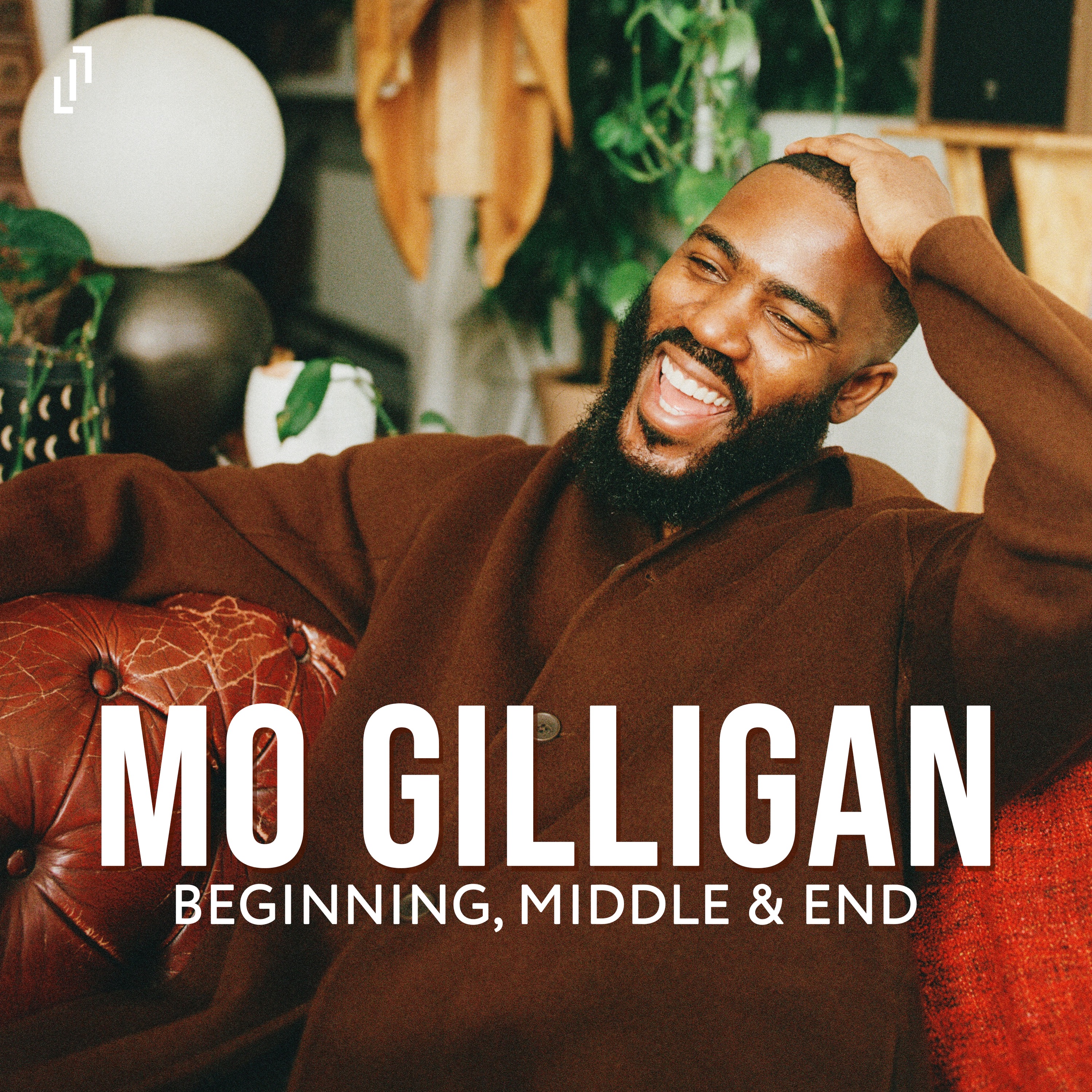
- Mo Gilligan: Beginning, Middle & End
- Chosen Roles Only: Malachi Kirby on Discipline, Risk & Longevity
Mo Gilligan: Beginning, Middle & End31 Dec 2025 · 51m · 20 chapters
Chosen Roles Only: Malachi Kirby on Discipline, Risk & Longevity
In short
Malachi Kirby’s journey from Battersea drama classes to major screen roles, focusing on discipline, risk, preparation, energy management, and longevity. He discusses how early training, supportive networks, and “being present” shaped his acting approach, including lessons from an unprepared audition for Roots (as Kunta Kinte). He also previews A Thousand Blows Series 2 on Disney+.
Guest backgrounds
Malachi Kirby is a BAFTA-winning actor raised in Battersea, South London, with Jamaican heritage. He started via Battersea Arts Centre drama classes, trained through Identity School of Acting (with classmates including John Boyega and Letitia Wright), and built stage experience through musical theatre and community theatre.
Key claims
Fame wasn’t the goal; craft was. Preparation is useful, but in the room truth and presence matter most. TV scripts change constantly, so adaptability beats memorization. Belonging and mentorship help actors thrive.
Notable examples
Roots remake audition mishap; learning TV process on Drunk History; soldier training for Black Mirror: Men Against Fire; BAFTA win during COVID lockdown; playing Hezekiah Mosko in A Thousand Blows; Series 2 gets darker with “phoenix” character arcs.
Written by AI. May contain mistakes.
Chapters
0:45
Malachi's Roots in Acting
Malachi discusses his early influences and introduction to acting.
“I say, oh, it's more So Solid Crew, innit?”
2:16
Overcoming Introversion through Drama
Malachi shares how his introverted nature shaped his acting journey.
“I went to about A Sea Art Centre We did like a little term Because we were young and it was just a term.”
3:47
The Impact of College and Peers
Discussion on the significance of college and peer relationships in shaping their careers.
“So the idea of doing the opposite and being loud and being on stage and being in the spotlight was just like, no, you don't do that.”
6:03
Building a Community in Acting
Malachi describes the supportive environment among his acting peers.
“Wright go there as well Listen, it's mad.”
9:05
Early Roles and Industry Experience
Malachi talks about his first acting jobs and the lessons learned on set.
“of us were going there to be successful or famous.”
12:22
Cultural Connection in Acting
The importance of shared cultural experiences in the acting community.
14:01
The Journey of an Actor
Malachi shares his experiences and insights into being an actor and the dynamics of set interactions.
15:10
Auditioning for Kunta Kinte
Malachi recounts his audition process for the iconic role of Kunta Kinte, including his initial apprehensions and unpreparedness.
19:38
The Power of Unpreparedness
Despite a terrible first audition, Malachi learns that sometimes roles are meant for you regardless of preparation.
20:07
Evolving Preparation Techniques
Malachi discusses how his approach to preparing for roles has transformed over the years, emphasizing presence over perfection.
“And I just got to do my best when I receive them.”
Show all 20 chapters
21:47
Stage vs. Screen Acting
Exploring the differences between preparing for stage versus screen roles, Malachi highlights the unique challenges each format presents.
“And I remember seeing Ashley Waters on set and I was just like, oh, Rydis, Rydis.”
25:24
The Challenges of Filming
Malachi shares insights into the mental and emotional demands of filming, including repeated takes of emotionally intense scenes.
“What takes the majority of your energy when you are looking at a scene and a character?”
28:02
Preparing for Iconic Sci-Fi Roles
Learn how actors prepare for roles in sci-fi, focusing on training and collaboration.
“And iconic at the same time, but also you're like, oh, right, this is a bit creepy, man.”
30:08
Embodying Characters: Method or Not?
Discover Malachi Kirby's approach to method acting and character immersion.
“like the very near future do you know what i mean um but yeah no it was a lot of fun on that one Are you a method actor?”
33:32
Winning a BAFTA During Lockdown
Hear Malachi's unique experience of winning a BAFTA in a pandemic setting.
“His accent was very specific and not mine.”
37:59
Exploring Heritage in Acting
Understand the significance of playing a character of Jamaican heritage.
42:03
The Honor and Pressure of Portraying Heritage
Malachi Kirby discusses the significance and challenges of playing a character reflective of his own heritage.
“And I just had my grandma on my head thinking, she's going to cuss me out if I don't get this right.”
43:30
Expectations for Series Two and Character Development
The conversation shifts to the darker themes and character evolution in the upcoming season of Malachi's series.
“Their 40 Elephants are much more kind of front and center with this one, which I'm excited for.”
45:55
Planning for the Future and Legacy
Malachi reflects on his career journey, the importance of movement, and his aspirations to create opportunities for others.
48:58
Embracing Risk and Artistic Growth
He shares his philosophy on taking risks in his acting career to ensure ongoing personal and professional growth.

Ask about this episode
Get the gist, explore an idea or ask about something said.
 Claude
On Mo Gilligan: Beginning, Middle & End, what are the key points of this episode?
Searching your listeningTranscript
Automatic transcript. May contain errors.
0:00Mo Gilligan: Yes, what's good people? My name is Mo Gilligan and this is my podcast, The Beginning, Middle and End. Now today we have a BAFTA award-winning actor. He grew up in Battersea, South London. He found his way into acting through local drama classes and has built an incredible career since, from playing Kunta Kinte in the Roots remake or the BAFTA-winning performance in Steve McQueen's Small Axe. Here to get into his journey and talk about Series 2 of A Thousand Blows. Available right now on Disney Plus, it is the amazing, the talented Malachi Kirby. It's good to have you here though, man. It's good to be here.
0:38Mo Gilligan: Big, big fan, bruv. Love. We've got a lot of friends in common, but we've never actually met. Because you're from South West London, you're from Battersea, yeah? Yeah, Battersea, yeah. Yeah, okay. You've got a good alumni in Battersea. I say, oh, it's more So Solid Crew, innit? Yeah, yeah, yeah. I feel like when I think of Battersea, I think of So Solid Crew. Yeah, yeah, yeah. yeah and it's interesting because growing up because I live in I grew up in South East London innit I only knew Battersea because I used to go Pimlico yeah we're the middle ground yeah pass through don't really yeah yeah yeah but in my head I used to always just think of like Battersea Battersea Park and you get older yeah and then like you'd be like right so I'm sorry from Battersea yeah it's nice isn't it yeah right just popping the parts of the states just popped in there yeah yeah man yeah you're Jamaican well your parents are Jamaican yeah Yeah, yeah, yeah.
1:23Mo Gilligan: Jamaican heritage. So this is your mum that got you into drama? Yeah. Into acting? Yeah, she's the reason I started. So how did your mum get you into drama then? Battersea Arts Centre. So I used to pass Battersea Arts Centre on the way to school every day. Never saw it. Never saw the building because it's this fancy building I didn't know was for me. Do you know what I mean? But she come back with a leaflet one day. I think I was in year nine. I didn't know nothing about acting. Do you know what I mean? I had no ties to it. She had nothing to do with it. No one in my family did. So it was really random But she brought back a leaflet She was like You know Do you want to give that a go?
1:56I was like Nah I'm good And then she kept Kind of bringing it up For about another six months Or something like that Yeah yeah yeah And I was like Why is she getting on to me About this acting What is it? But I felt I felt afraid of it
2:07Mo Gilligan: And that's kind of What made me lean into it Because I'm like Why am I shook of Whatever this thing is Let me try it Yeah yeah of course And that's where it started I went to about A Sea Art Centre We did like a little term Because we were young and it was just a term. We'd go in, be silly for about an hour and then go home. And at the end of it, we did a showcase for friends and family. Just a small thing. But it was the first time I'd been on stage in front of people and spoke. Do you know what I mean? Let alone acted. So it was a huge thing for me just to get up there. Even in the class, just putting my hand up to kind of...
2:43Because you was 14, right? Yeah.
2:45Mo Gilligan: so at that age of 14 was you quite an introvert child at that stage yeah fully introverted like i had to have like speech lessons when i was younger because i just didn't speak oh really it was like that so the idea of like public speaking was just not a thing um but i was very introverted so i think it's probably she didn't say it at the time but it's probably why my mom thought it would be a good idea for me yeah yeah yeah it's so interesting when people are young and they are a bit of an introvert and they do the thing that makes them front-facing to the public, if that makes sense. Because growing up as a child, I was very shy.
3:26Mo Gilligan: So when I would go to like East Street Market with my mum and she'd be like, oh, this is my son. I'd hide behind my mum. I hid behind my dad. Oh, is it? And he'd have to speak for me. I'm whispering his ear. Yeah, yeah, yeah. So it's mad like now when I see like my mum's friends and it's like oh look at you on stage you used to be shy i remember and i was like yeah i hear that but i'm in it like i'm grown now in it yeah yeah trust me i don't know what it was like for you as well but for me the idea of like being in in front of people like just being popular or being like loud and having attention that was like a it wasn't safe it wasn't a safe idea do you know i mean it's just like i was taught keep your head down do you know what i mean like mind your business like don't bring attention to yourself.
4:11That was just how I was raised. So the idea of doing the opposite and being loud and being on stage and being in the spotlight was just like, no, you don't do that.
4:19Mo Gilligan: But I feel like because you went Richmond College, right? And I feel like Richmond College was one of those colleges where I think I'd say there's probably Richmond College, Kingston College and SFX. It felt like everyone in South, and I say maybe Southwark College as well. everyone in South went to these colleges they were like and for anyone listening across the pond like our colleges are just extended extended school basically so like I felt like these were the four colleges that everyone in South went to so when you go there you just see it it's just your age mates and people that you grow up with so it feels like school but now you're in school with people that went I don't know what school did you go to?
5:04Mo Gilligan: Salesian Salesian College so sfx we got into sfx automatically and i didn't go because i wanted to stay away from trouble yeah yeah so i thought going richmond i thought richmond was it was a good idea at the time because the area yeah i'm thinking i don't the same thing but i went i went to merton college okay yeah so i left um i've done a year at sixth form and then i left and i remember i didn't really apply myself properly and i was just i'm left with Southwark College and then a friend of mine his mum was like oh there's this college called Merton College they're studying what you want to study and I was like where's this Sutton I said that's perfect man Morden Northernland no one in the end is there hey listen everyone I hear it so then you joined Identity School and I felt like that you know that in terms of the alumni you know John Boyega Michaela Cole did the Tisha Wright go there as well Listen, it's mad.
6:05We were all in the same class. It was me, Letitia, Dampson, John Boyega, Toby Bakari, Nicole Leckie, Adelaio Adedeo. Like all of us were in the same class, not even just the same school. And it was before our careers had started. This is like 2008, 2009. And I felt like this was when identity school was almost, it was like, because I remember, it felt like afterwards, once everyone was getting cast for stuff, that people knew about it. Yeah, yeah, yeah.
6:35Mo Gilligan: But was it at that stage, it was still like in its early development? Does that make sense? Yeah, I think there was probably two people there that were like already successful. It was Tolby. He'd done, gone too far at the Royal Court and won like, I think they'd won like an Olivier. Bolorak Baje had won Olivier for it and Arinze Kene he'd done Mufasa and the Lion King Simba sorry and so those two people were kind of like the stars of the school but no one had really done TV and screen like that so honestly like all of the success stories came from the people in our class at the time and it was just and it was beautiful because there was a lot of love in the room like no one was trying to no one was looking down on anybody when everyone someone had like a they've got a show everyone would celebrate but then it would inspire you to go oh that's possible because we hadn't seen it yet for us yeah yeah we didn't we didn't have anything to aim for and it was like idris elba but like everyone thought he's american yeah i mean at the time it was like the wire so we didn't really have anyone to aspire to to go apart from a male a melamine probably was the only person that i knew that looked like me that was from london that was doing really well you know so and ashley waters but amel was probably my point of focus for that because we were closer in age i thought he was for a lot of actors around similar ages because even we had him on the podcast and his trajectory it felt like from when he was in kiddoughhood was it just went like it just skyrocketed but it was almost that person that you're like oh i can follow this this journey from this person who feels like we're of similar ages and we know it's not like we even at that time i didn't know him but i knew people that knew him so it was enough to be like yeah like that's that feels like you know like when they say that that person is like one step away if that makes sense and i guess it's like for you at that stage as an actor having people that you're you're with in class it must to be so like almost inspiring in a way to kind of be part of this as much as you're you're part of like an acting school it's like a it's almost like a brotherhood and a sisterhood where you're just everyone's in it for the same thing yeah so everyone's wins is is each other's you know i mean fully we called it a family and the thing is because we didn't have the success stories none of us were going there to be successful or famous.
9:08That wasn't the aspiration, it was just work on the craft. And then after that, it was like, oh, we can be famous too. Do you know what I mean? And that was never my aspiration. That was like the opposite thing was to be famous. I don't understand anyone that would want to be. But being in that kind of room, and obviously you've got the talent that's coming out of that. They were talented from when they walked in the room. It wasn't when they got their jobs. Like we could see in that room how special everyone was but we didn't know what that would amount to yeah we had no example of it do you know what i mean and you started getting roles early well you know they
9:40Mo Gilligan: always say like you know when you're an actor the first roles you get is usually like casualty and bill the bill as well i think holby city would be one dude around doctors yeah as well um using silent witness my murder so what's that like when you first started getting some of those roles because I feel like they're the introductory roles but almost on every actor's CV you're going to see a casualty, a doctor's, a whole BC. But what's it like being on set for like... Because I know like you kind of... Would you say you call yourself also like more of a theatre actor than a screen actor? Definitely.
10:17So there's a random story. But before I even started at Identity I started a musical theatre company when I was still in school. So imagine I'm in year 10. I'm going to school And I've just started This drama course At Southfields And Two of the boys In my year They hear about it And one of them He used to make beats He was a producer He used to make beats For people that would rap And the other one We called him the ideas man He just had ideas all the time But he was a producer Do you know what I mean And they must have come up to me Because they heard I was on a drama course And they were like Yo brud We're starting a musical theatre company Do you want to be the lead in our shows They never heard me sing They never seen me act But we did it though We actually registered the company.
10:59We started doing musical theatre shows. And we started them at musicals. Sorry, we started them at Theatre 503. And then we did a few of them there. And then they went to German Street Theatre in the West End. But we're still like 15 to 17 at this point. So that was my start on stage was through them, actually. And then I started doing a lot of community theatre plays. And that was really kind of my training ground before I started professionally acting. but my first job professionally was silent witness and it's gonna sound like I'm name dropping now but it would have just felt like during the usual rounds if not for the people that I was working with because that two episodes that I did it was with Amil Amin it was with Daniel Kaluuya it was with Toby Bakari it was with Nicole Leckie like all of us were in the same episodes and so I had really kind of Charles Mene as well is incredible and I had this really kind of big welcoming experience to the industry because I was with so many of so many people that were like that looked like me but also that were from similar backgrounds to me and Daniel Kaluuya had been working already and so he was able to kind of take me under and go like this is how it works and you know I mean like to school me on a few things Charles was the same and Mo was the same and so it was a beautiful introduction to what this industry can be like
12:22Mo Gilligan: I guess that must mean such a lot when you're from here but also knowing that everyone has a similar story where like it's almost like I see us almost as like fourth generation in some ways when it comes to like the entertainment space where you can get in a room and you're like I'm meant to be here but still feel unwelcome oh yeah so when you go into a room and you see people that listen to the music you're listening to or sometimes there's just like a vibe that you can't even explain it but you just know so like it could just be something happening on set and you just look at someone and you don't need to say something like i don't know man i'm even mad boy and that's it it's enough to make you feel like thank god you're here yeah yeah because i'm always just me yeah and i feel like some people forget how important that can feel when you're on like a when you're in the room but also when you're on a big set or it's your first time there and you do have someone that says yeah man like listen bro like like i'll be honest like bro make sure you're you're here on time because these men are well in it and that and that is in so many pockets of of life within our community i remember working in retail we had this boy come in and he was i think he was doing his training so some people would come for like an hour or two and he and he done his training and then he was like he was like oh you're saying brother you're cool i said yeah what's good man he said like what's he saying in it or really that was it saying in it i said bro i can't lie that it's decent isn't it yeah that was a good but manager's on one still I'm not gonna lie to you but obviously if you do your lunch just make sure you come back because you don't want that and it was that that small like he was only there for about an hour or two but it was enough that he was like yeah I hear that and I was like what do you think are you thinking of this then he's like nah I secretly fuck this man like he had the job for an hour no no no so what he done he's training but in our store so he was like I think they was they was gonna see what store they wanted to put him in okay got you but i gave him the heads up and then i was like oh are you finding it and he was just like bro secretly bro this this this door it's not for me i said listen i hear that bro don't worry about this i'm i'm trying to leave too but so but it's enough that those those interactions are the things that again it's it's it's so hard to like describe but it's i call it it's not an interaction it's a i don't know it's hard to explain man but you know what when you're on a set or anywhere where you're like i get you and you get me and i'm here to look after you yeah let's just work together yeah yeah do you know what i mean fully so now you're in your middle yeah where i feel like like your trajectory in terms of like an actor some of the things that you've been in like is that mind-blowing in a sense of like seeing like your range for example like you know playing kinta kunte is what went through your mind when it even when it came to auditioning for something like that because is it that wow this is a life-changing opportunity or does that come with pressure do you know i mean to live up to the role of an iconic character but also it's it's truth do you know i mean yeah for me it was a bit of a weird one my mom again so much goes back to my mum but she bought me the box set of the original roots about a year before i even heard about them making another one just randomly she was like oh you know you should watch this we'd had it in the house the whole time but i just never picked it up so i watch it and i'm having this experience i almost i must have been about 22 at the time and i'm watching roots for the first time on my ones you know what i mean i've never seen anything like this so my mind is blown i'm telling everyone oh have you seen roots have you seen roots like it's just come out did it vex you did it vex you it made me mad honestly it was a lot we watched it in school it's good I didn't watch it in school it's good it was a lot and so I've just had this experience and so then I hear about them remaking it so my first my guard goes up straight away I'm like why are you doing this again like it's already been done this is incredible like I'm telling people to watch that one what do you want to do with it that's new but that was me hearing about it then I get an audition for it and I'm like and it's for Kunta Kinte and I'm just like I don't know about that I don't know That it should be Even being done I don't know that I should be doing it And because of that I didn't prepare for it Because I didn't know If I was going to do it or not So I'm just kind of like Going back and forth Am I going to do it Am I going to do it I don't know And then it comes to the The night before the audition And I still haven't decided And I'm still Did you do a self-tape audition Or was it in the room No it's in the room Okay Yeah yeah yeah Okay So I'm still like I'm in the bottom But I'm like oh it's the night before I can't cancel now So I'm going to the audition and I haven't prepared for it.
17:21I haven't let my lines, I haven't done nothing. So it was a really bad audition and I get there late, like it's raining, I'm wet and I'm just apologising. I got there about an hour late. Like I've never done that before. It was so bad. How many people was in the room? There was two people. There was the casting director and her assistant and they were really nice about it. But you know what? Like when they're being nice, it's even worse because I'm like, you're being nice but you know I've done something wrong here. But anyway, I do the audition. It's the worst thing I've ever done. Like honestly, like it was so bad the accent was all over the place it was supposed to be mandink and i don't know what it was it might have been australian at some point right it's just bad but i come out and then six months later i've forgotten about it i'm not even thinking about it because i just thought of course they're not going to call me back six months later i get a call back and i'm confused but i prepare for it this time and this time is with the director and the director's sitting there coming to the room and he's just sitting there watching me and he doesn't say anything i look at the casting director and she's like just shrugs her shoulders and so imagine just standing in the room and he's just silent for about two minutes just just says stand over there and he's just staring at me and i'm just like all right i don't know if it's like some kind of test and then eventually starts asking me questions about where i'm from and like oh i'm jamaican what's your heritage and he starts talking to me and then he's just like he just goes into it and he's reading with me and i didn't even know we'd started the audition so i just kind of jumped straight into character then yeah anyway cut a long story short i find out later like once i've got the job that that whole process the the producer sits me down one day and he's like you know why we gave you this part and i'm like no i've got no idea and he's like your first audition was basically i was one of the first people to be seen for the job okay and he said that the first audition was like basically they thought they were going to give me the part on the spot that really bad audition that i did they were saying was the like incredible they're like you've got the part but they were like we can't just give it to the first person we've seen so they spent that six months basically going around the world trying to find somebody else better and not better actor but a better suited person for that role which is spinning my mind because i'm like that
19:33Mo Gilligan: was the worst audition i've ever done yeah but you're seeing something else and it kind of it spoke to something that was like profound and like bigger than me it felt like this wasn't about how good of an actor i was or how much prep i did this was like just something i was supposed to do do you know what i mean and it was going to happen either way and when he was sharing that with me it just kind of affirmed that and i was like okay cool like that sense of belonging that sense of purpose i think really kicked in moving forward with my career from that point of just like there There are certain roles that are made for me to do.
20:06Mo Gilligan: Yeah. And I just got to do my best when I receive them. Do you know what I mean? I can't imagine what it's like when you go into those rooms and you haven't prepared. Because I think it's easy to kind of talk yourself out of the role. Yeah. Because in your head, you're like, well, I ain't prepared. Let's go and do the thing. But then it's that weird thing that when you get the callback, your head, just like you're saying, your head must have been spinable. But also like, I didn't prepare. imagine what I would have been able to do if I had prepared for the role. Yeah. How do you go into those rooms now knowing that, you know, you've got a role in something so iconic when you didn't prepare and then you then got the call back?
20:50Mo Gilligan: How do you kind of prepare for roles now? Do you know, it was a big lesson because I realised that like, sometimes all of that preparation can be vanity do you know i mean it can just be to make myself feel like i've done some work when really and truly once you get in the room it's just about being present and telling the truth and so my preparation now doesn't look like how it used to i was like okay i've got to know these lines back to front and i've got to do all of this research and do all of this detailed backstory and all of that stuff it's it still has its place but when it comes down to it when i'm in that room they're not seeing my preparation they're seeing whatever it that I show.
21:26And what all of that preparation is for is to reach a place of understanding and clarity of this human being that I'm supposed to be telling the story of. And if I can get to that space and be honest and share like real emotions, then that's the work. And so whatever it takes for me to get to that space. And I think probably what happened with Roots was because I was so unprepared and because I was so late, it forced me to be entirely present do you know what i mean like force me to just get out of myself and just give it my all because that's all i had do you know i mean i had the script in my hand and i'm just like cool i'm gonna give you the best that i can with what i've got yeah and so i've tried to find a balance now of doing the preparation obviously making sure i'm on time um and learning everything i i really like to learn the words um that's really important for me um even if they say it's okay if you have your script in hand for me it's distracting to have the words in front of me some people don't
22:24Mo Gilligan: know that with acting when you're on when you're on set that you can have your lines in your hand quickly have a quick read through and then feel and then film the scene yeah a lot of people don't know that i only learned that by being on set once and i tell you actually who when i first ever filmed anything i filmed this comedy series called drunk histories and it was myself judy love we had small roles in it and Ashley Waters was the main character and he was playing, I think it was Charles I and what it was, someone would tell a story and they'd be drunk and it would be like famous stories in history and stories about Charles I.
23:02Mo Gilligan: Yeah. And I remember seeing Ashley Waters on set and I was just like, oh, Rydis, Rydis. In my head, I'm not, I'm going to call her, I'm like, Rydis, Ashley D, bruh. Rydis, Ashley D. Yeah. So I spent the night learning the lines, going through it. And I was like, hey, what's good, Ash, man? Yeah, yeah, so how you find the script? I'd never forget. He was like, bruv, bad man don't learn script, bruv. Come, man, let's roll. And he was dressed as Charles the First. I can't lie. In my head, I can't lie. I was like, I don't know if I need to learn these scripts, you know? Yeah. But I didn't know that you could be on set and just have a little look at lines and then run the scene.
23:43Mo Gilligan: How do you think that differs for you as someone who is, you know you call yourself a theatre actor first how do you find I guess preparing for the role that is on screen compared to stage because you don't get that chance When I started acting like you're saying it was theatre first and so there isn't a choice with that you have to know your words back to front you know what I mean like you don't get to bring your script with you on stage but I brought that same mentality onto TV and with TV sometimes they haven't even finished the script whilst you're doing it. Do you know what I mean? They're still sending you redrafts every other day.
24:21And so even if I learn it, I'm aware that I'm going to get another version of the script maybe a couple of days later and have to relearn it again. And so it took me a couple of years to actually understand that actually it's a different process with TV. It's not about learning the script back to front. It's about understanding this person and being ready to adapt when they change it because they most likely will. I don't think I've ever had a TV job where they haven't changed a script.
24:45Mo Gilligan: Do you know what I mean? Film as well, not as much, but TV, they're changing that thing every day. So my preparation looks very different. Like the language and the words are key with fear. Like it's so important. But with TV, it's a different thing. Yeah. It's more about embodying this person. It's about understanding this person. It's about like so many other things. Like it's their physicality, it's their look. It's just whatever that... I don't know, there isn't a word for it, but whatever that thing is that allows you to connect to this person in real time and be present, that's the preparation, you know?
25:24Yeah.
25:26Mo Gilligan: What takes the majority of your energy when you are looking at a scene and a character? Because if you're having to prepare so much for stage and you have to learn the lines and it's in time and knowing that your other actor knows the lines and sometimes you know the other actors lines so you're sitting there like brother I know you're lying that's not your line you're changing the thing why you perform to the audience for a breath but you just have to stay into that into that character whereas there's times I've been on set and I can see actors look physically like and mentally drained but it's like alright I'm cut we've got to do it change this over or guys cut there's a plane coming over and still have to keep lack your focus which is the one that really requires the the the mental capacity well out of theater and stage i'm sorry stage and and film to be honest this is both but in different senses you know like with stage once you're on you're on it's not like i forgot my line can i just come come off stage and come back like you just gotta be there and you don't know how the audience is going to respond yeah the audience is different so if you start pre-empting oh they're going to laugh here and that becomes part of your performance and then they don't laugh and then you're thrown off it's like you haven't got time for that so you have to be on but there's a different thing now with screen where sometimes the work is you're waiting do you know what I mean like you go in there and you think you're first up and you've prepared and then you're waiting for like five hours before you're seen and it's keeping your energy up because you can't come on and rubbing your eyes I mean like you gotta be ready and up and so sometimes that's the kind of mental focus is just kind of knowing how to maintain your energy and sustain your energy through a 12 hour 14 hour day um and do it over and over again like there's there's times where I've done like really really emotional scenes like you're pouring out your whole heart and it's like doing that in real life is a lot.
27:32Doing it one time is a lot, but having to do it 17 times, like however many times, because you've got this shot and then we do a few times and then they change the angle and then they're onto the other person and you're having to just redo it over and over again with that same truth. That's a whole nother kind of focus and kind of mentality that I'd never have to do with stage. But it's a new kind of challenge. you know yeah yeah
27:58Mo Gilligan: you was in you was in Black Mirror you was in the episode titled Men Against Fire I'm a massive fan of Black Mirror I've seen that that episode that you're in when you're in things that again it's like distorted reality how do you prepare for those roles because I guess you're able to prepare for a role like Kinta Kunte where you can look at history, you can have a look at a thing, but now you're in something that's so iconic, but it's sci-fi. Yeah. Do you know what I mean? And iconic at the same time, but also you're like, oh, right, this is a bit creepy, man. Right, this is... How do you get yourself in the mode for those kind of roles?
28:50With that one in particular, it was fun. We had a lot of soldier training. Um, so we kind of literally got taught by some people in the army how to be soldiers. Um, which was, which was pretty cool. I'd never done anything like that before. Um, but then honestly, once you get into it, it's, it's like any other job for me. Um, it's just with that particular episode, there was a kind of ensemble feel for it, which was cool. So a lot of the prep looked like working with each other, um, having a shared understanding of, you know, what it would be like to be on each other's team because we're complete strangers at the end of the day but we've got to look like we've known each other for years yeah so it's a more collaborative thing um for that particular episode but yeah honestly the prep was just like any other man it was just understanding this guy i think the only kind of complicated thing about that was like we're using technology that doesn't exist do you know what i mean and so it's kind of it's having chats with the director to go cool like what is this like how does how does this work and and kind of getting our heads around the what do i call it the technical aspects of the show because it's kind of running theme with black mirror that they speak to the future of what could be yeah but it's like the very near future do you know what i mean um but yeah no it was a lot of fun on that one
30:16Mo Gilligan: Are you a method actor? I wouldn't call myself a method actor. But I think there's ways about sometimes how I prepare, especially how I used to prepare, that would kind of fall into the method kind of thing. But method is... I feel like people throw that word around sometimes, but it's a very extreme thing. Do you know what I mean? Like when you're talking about method, for me, there's times where I've like needed or felt I've needed to stay in character from when I get the part to when I finish the part. So I'm going home with that character. I'm staying in that mode, whether it's the accent, whether it's the clothes, like I'm staying in that person.
30:53And it's felt necessary to embody the character and sustain it. But I've never like played a homeless person and then slept on the street. Do you know what I mean? Yeah, yeah, yeah. To kind of get into it. I haven't gone that far with it.
31:07Mo Gilligan: Because I know, I've seen an interview where you said that you want to be referred to as your name, as the character when you're on set don't call me Malachi so was that the same when you was on the set for Small Axe because I feel that's such like an ensemble cast that you're with your friends as well do you know what I mean I know Letitia Wright's in it some amazing performances in it and then you know you're working with Steve McQueen yeah so and also I feel like it's one of those pieces that you watch and I can't imagine what it was like when the cameras weren't rolling but it's a bunch of actors one you know but you're like okay this scene you know what I mean we're in the mangrove they're playing music it's a vibe and action and then you cut and you're like hey yeah bro that was a good vibe but are you still staying into that character knowing that you're playing like a character that has the set in like 1950s you know Britain but also you have an accent as well but you're also with your friends do you know what i mean do you know okay so i'll go explain this one still so it's not every job that i've done where i'm like i need to be called this character's name but i think there's a couple and i think it's partly because of as much as i'm in in front of people now and i'm doing this job i'm still very much introverted right and so i still kind of struggle with that sometimes and so for me when i embody someone else part of my being able to convince myself that i'm this other person because it's a weird thing that we do you know i mean you put on some clothes and go like i'm someone else now like it's a really weird thing do you know i mean like i should probably see a therapist at some point but part of my being able to really believe that is um being called that person's name and so for me if i'm called my name i'm gonna respond as me and the way that i do things like when i play a part i'm really trying to get as far away from me as possible so anything that I can do to keep myself in that reality is always going to be a request.
33:15Do you know what I mean? Like if that's helpful. With Mangrove, it was a bit of both. And I kind of started it thinking I needed to be called Darkest. But actually when I got there, it wasn't necessary. I was fine being called Malachi. People ended up calling me Darkest anyway. But the one thing that I did do on that job was I needed to stay in accent the whole time. His accent was very specific and not mine. you know what I mean like it wasn't close to mine at all so I feel like coming in and out of it would have been it would have made it a lot harder than to just stay in it so I stayed in accent but not and stayed in I only stayed in accent when I was in the clothes too that was another thing as soon as I'm in my own clothes like I'm me that's a rule for me that's a boundary but as soon as I put on his shoes like I'm him but I didn't need the name for that one and I don't know I don't really know what that is every job's different but sometimes yeah I need to to hear that that character's name and so I can respond as him as opposed to as me
34:14Mo Gilligan: you know because in 2020 that's when you won a BAFTA for Best Supporting Actor I did yeah how was that feeling because you done you won it during the pandemic so it was in lockdown where the ceremony was closed but also the people that are in your category as well like Michael Sheen in there some amazing actors that weren't even in the category but also it's like I'm up for this thing but I'm not the big fancy thing and I'm doing out my house on a zoom what how was that for you just winning because I guess it's one thing like the win sometimes is being in the thing and doing the thing that you love and waking up in the morning like this is my job and this is something I've dreamed about but then how does that change now you well i say now but how how was that different once you had won this thing to show for it do you know what i mean i'll be transparent with you yeah so when that came about i was in italy i was filming a job out there and so when the ceremony happened i was in one random hotel room like they found like a something in the base of the hotel room where I could go and use this computer.
35:32And I'm on my laptop. I'm in this room by myself. The night before, they've flown in Prada suits from New York, from France, from Paris, and from the UK. And they've flown them all over to the hotel. I'm trying different ones on. I'm putting them on. Cartier have delivered jewelry and you've got this big serious man that's come to deliver the jewelry. So they've given me all this jewelry. and I've put all of this stuff on to sit in a hotel room on my ones at a laptop. And then we get into the ceremony and it's weird. I'm looking at the screen and it's like I can see people that I know in the seats, but there's loads of spaces apart from people.
36:16I think there's maybe 15 people in the room. All the spaces are empty because you can't sit next to each other. And then we go into this kind of, I don't know what they call it. They called it a room where basically I'm not in the ceremony room on a laptop. Imagine a Zoom, but you're not letting in. It's like a waiting room. Yeah, like a waiting room.
36:32Mo Gilligan: I've done the same one the year before. Okay. Where you just see bare people and like, right, there's bare people in there. So I was mostly in the waiting room, right? In these fancy clothes. And I'll be real with you. I fell asleep. Like, I'm tired. I've been shooting. Now I'm sitting in this seat. Nothing's happening on the screen, really. And I'm waiting. And I'm not thinking I'm going to win anything. Do you know what I mean So I'm just sitting And I feel asleep And then I don't know what it was But I must have heard my name And someone's like Malachi Malachi are you there And I wake up And it's like Are you there And I'm like Yeah yeah yeah It's like okay You're gonna be on in a sec Are you ready I'm like yeah And then I'm like half waking up And then I hear my name And I hear people clapping And I'm so confused I'm like what's going on And now I realise that I've won But after that I go back up because I've got to give these Prada suits back I've got to give the Cartier jewellery back and so by the time I'm in interviews for the thing I'm back in my onesie do you know what I mean and so they're like oh can we see the rest of your clothes and I'm like I don't think you want to see that I'm like keep it keep it up here you don't want to see what I'm wearing right now because I've had to give all this stuff back and it was like this kind of smoke and mirrors thing do you know what I mean because even winning the award I'm in Italy I haven't got anything that morning so it didn't feel real for about two weeks until I got back home and was actually able to look at this thing it was a strange experience kind of felt like Cinderella it's like by midnight everything's gone do you know what I mean and I'm back to work was you back on set I'm assuming the next day yeah it's just back on set the next day back to work it was just and I think that was healthy for me at the time actually it kind of kept me grounded and kind of kept me and kind of real perspective of what's actually happening and um i think the only weird thing for me about winning the bafta was like suddenly feeling like i needed to act better oh now i'm a bafta winning actor i've got to act like a bafta winning actor whatever that means yeah yeah yeah um and i'm i thank god i had a couple of people around me that just kind of helped put things into perspective and went like whoever it is that won the BAFTA in the first place you're still that same person you ain't got to change up anything do you know what I mean but there is that pressure now of like oh now suddenly people are expecting you to be really good whereas before it's like by accident almost oh he is good do you know what I mean but now I've got to prove it yeah yeah yeah it's a weird experience very grateful for it but I think it was very weird it happening in that COVID was weird man do you know what I mean like it was yeah it was weird bro yeah it was strange let's not let's not try and sugarcoat it was a weird time speaking of the baftas i met stephen graham at the baftas actually it's first time i ever met him nicest humblest coolest guy he's proper ever and he he said a speech um at the award show when he when he won um and it was it really stuck with me where i can't remember if i'm quoting it word for word but he was just like being honest doing what we do is a privilege this is just being here is the privilege like as much as yes this is a win like this is it's almost and and it was a reflection of i think sometimes when you look at what we do you sit there and you're like wow like when you think of the percentages just to wake up and be on that set and you're like oh right this is like a big big deal man so what was what was it like with you working on him on a thousand blows because I I met Damien from Story Collective and he was telling me about the set I think it's in Q right yeah yeah and he said it's like a multi-million pound set you know working with people you know Disney you know an amazing cast and it's a big it's a big budget it's front and centre but now you're working with alongside actors that you're like oh wow this is look who I'm working with and it's a period drama but I felt like it's a period drama that feels really cool and I feel like I see myself in this one where some of them I'm like this is great I don't see myself here though and the only people I'm seeing that look like me might just be a few extras here and there do you know what I mean yeah so this one really was something where I was like oh right we got one of the men in a period drama and it's it's just like but also it felt like working class do you know what I mean so how was that experience for you with with a thousand blows man because that is like even looking at it i'm like right it's not green screen yeah yeah yeah yeah honestly the set was incredible man honestly you went there and like just i was in awe of it man even like every cobble every brick someone has created yeah i mean i'm just like i'm in awe of this this i've never seen anything like it and also then you've got this thing where usually on a on a set when you open a door there's nothing there and then you have to go to her next room 10 minutes away to actually go into the room that you're supposed to go into like we didn't have that with this like when you open a door like there's a room do you know i mean you can go up the stairs like it changes everything because you haven't got to imagine it anymore like you can actually just see it and respond to it yeah um but yeah the set was incredible and honestly playing that part obviously being of jamaican heritage that was like the first time i'd got to play someone of my actual heritage you know um which felt like an honour.
42:10It felt like a pressure. And I just had my grandma on my head thinking, she's going to cuss me out if I don't get this right. You know what I mean? But it was a huge privilege. And then not just that, but this particular man, Hezekiah Mosko, who really did in the 1880s leave Jamaica to come to London to become a lion tamer, ended up becoming a boxer. But what he came to do, it was just like so inspiring. Do you know what I mean? Like even now, the idea of someone doing that is like what you're doing. Like that's an idiotic thing to do. So to imagine someone thinking like that back then and thinking that was actually possible enough because it weren't like you could take a plane for a couple, like that's our whole journey.
42:52Do you know what I mean?
42:53Mo Gilligan: That's on the sea, bro. Yeah, yeah, yeah. So honor to play him and honor to play someone with so much integrity and someone who's intelligent as well because that's another thing of like, if you did see people that look like us on screen, especially in a period drama they usually you know they're a bit silly yeah i mean um but they thank you know props to stephen knight um like he they made him an intellectual as well as a fighter which is not often the case so it was an honor to play him and for sure and series two is is upon us um what can we expect for series two because i know that i i well i i only know this because damien told me but he said that you guys i don't know if i've got this right you filmed series one and series two back to back back to back yeah yeah yeah so that must have been what almost two years ago then yeah you filmed it yeah yeah so series two so what can people expect now for series two gets a lot darker man um anyone that's seen season one we're going to see these same characters in very different circumstances everyone's going through their battles man they're going through it and i feel like the image that i have is like of a phoenix you know like when they die and then they rise again i feel like that's what's happening with a lot of these characters it's like they're going through their own kind of personal deaths and figuring out what it takes to rebuild themselves um but it's it's an exciting one man we was at the premiere yesterday um and just kind of watching episode one again like it feels like we've got something special again with this one, man, it's explosive.
44:32Their 40 Elephants are much more kind of front and center with this one, which I'm excited for. And we kind of really get into the details of who these individual women were. But I don't want to spoil it, but there's a few different realms that we go into that we didn't explore in season one that we go into with this one. So I'm excited for it.
44:54Mo Gilligan: And what does your end start to look like as you become, you know, a big international actor where you're in things with you know Stephen Graham front and center on you know working with Disney and you know all the actors that like you know but also like the alum the that that those people you work with that kind of alumni of Letitia Wright and Damson Idris where you guys are really like flying the flag for a lot of British actors where you know they look up to you and there'll be them you know there'll be actors listening to this now and they're like oh wow like i see where this thing can take me where it can go you know where you can go from being in you know an acting school in battersea to being in one of the biggest tv series in in the country and then sitting alongside you i try it bro come on come on i try it man yeah but like how do you start to kind of like you know plan for later on in life because i feel like you know your mom gave you an opportunity in sense of like hey like let's go to this acting thing which like you say like it it changed the trajectory of your life in some ways and you know you've been able to do things that you sit there and you're like wow like you know being a young boy watching roots myself at school and then seeing someone like you play kinta kunte is like right boy that's right that's that the man they're my playing kinta kunte do you know what i mean but almost you're just like to see you in different realms of like a black mirror small acts like your range is huge so how do you start looking at like your your legacy because you said you you had your own um like theater musical theater production and is that what you kind of start planning for in the future in some ways with like an identity so you have you know you create the next like letitia writes and damson idris and you know malachi kirby's you know i'm in a space of building for sure i think there's a lot of things you just said that i want to unpack and i don't even know if we've got the time but there's something about movement right movement is what we're supposed to do as humans i believe that wholeheartedly i feel like we're supposed to move like anything that stays still just dies like it's like the difference between a river and a pond do you know i mean and literally when i look back movement saved my life even if i speak about just moving house like moving from battersea to fort and heath and then moving again from fort and heath to to croydon and then moving again from croydon out and the sticks like all of those times that I moved house were pivotal and if I look back like the time that I moved from Battersea to Fortnheath changed my school my journey home from school that stopped me from getting into a lot of things that I would have been do you know I mean but it's the same with my career like this career has allowed me to move and it's changed my life and it's saved my life many times over and And I guess what I'm saying is, for me, I want to create opportunities for other people to move.
48:08Do you know what I mean? Because some people, as much as I'm saying that they don't have the opportunity to move from the space that they're in, whether that's mentally or physically. So there's things that I'm building. I started a production company earlier this year. Finally, something I've been procrastinating with for a long time. And there's some stuff that I want to do with young people that I'm building. and really I guess if I'm thinking about legacy which is a scary word for me it's something I run away from a lot but I do want to leave something behind that I guess has my heart in it that can exist when I'm not here and hopefully allow for the opportunities that I was blessed to receive that other people may not be giving a door to you you know that's definitely a part of my consciousness right now but also I feel like I'm just getting started as well you know as as grateful as I am for my career I feel like I'm still kind of underachieving and I've still got so much more to do and so much more to to get out of me yeah you know and that that excites me
49:15Mo Gilligan: yeah yeah I'm really excited to see where your career flies off to because it's exciting seeing the choices that you've made as an actor because i feel like you're one of those actors where it's like oh that's that's a good role but i know it's a role that i feel like you thought about and i don't know how many roles you must get you know sent to you but i feel like you probably say no to more things than you say yes to definitely and i only see that just from the outside of just you know assuming but yeah really good roles that feel like they got real meat on the bones do you know i mean where you're like oh yeah like yeah that role yeah i could imagine you looking at the script and being like yeah yeah i want this role still do you know it isn't part of that goes back to movement yeah i mean like i as risky as it might not be like the most busy like career thing to do but for me i want to keep moving with my career so i want to delve into stuff that is the risk that i haven't touched that might work or might not work but it's something new yeah i mean like it's a space that i haven't inhabited before it's it's a costume it's a sound it's a time period whatever it is but it's not the thing I've done before I want to keep doing that with my career I feel like it's important for me as an artist to keep myself alive you know yeah yeah Ralph it's been a pleasure to have you on a podcast though man and I can't I can't wait to see one one I can't wait to see A Thousand Blows I'll be watching it over Christmas that's my view and already there but it's amazing just to see like the things you've achieved and what you're achieving so my friend it's been a pleasure this has been your beginning middle and end thank you very much bro appreciate you man appreciate you brother hey what's up thank you so much for listening to the podcast today now a lot goes in to making each episode i know you hear my voice but there's a team behind the scenes who helped make it and if you did enjoy it i'd really really appreciate if you could show the love to them by giving us five stars and if you also have the time please leave us a review it's always appreciated and we love reading the comments and of course we want to keep making it better thank you for listening and have a great day peace
From the publisher
This week, Mo Gilligan is joined by BAFTA Award-winning actor Malachi Kirby for a powerful conversation about craft, courage, and carving your own lane.
Growing up in Battersea, Malachi found acting through local drama classes before becoming part of a generation-defining wave of British talent. From portraying Kunta Kinte in Roots, to his BAFTA-winning performance in Steve McQueen’s Small Axe, to Black Mirror and now series two of A Thousand Blows on Disney+, Malachi reflects on the roles that shaped him — and the ones he turned down.
They talk about introversion, identity, trusting instinct over hype, navigating pressure after awards, and why movement — creatively and personally — has been central to Malachi’s life. Honest, reflective, and deeply grounded, this episode is about longevity over noise, truth over performance, and building something that lasts.
More from Mo Gilligan: Beginning, Middle & End
All episodesWe use cookies.They keep VO running smoothly and help us improve it. Privacy policy