
 Ask ChatGPT

- Podcasts
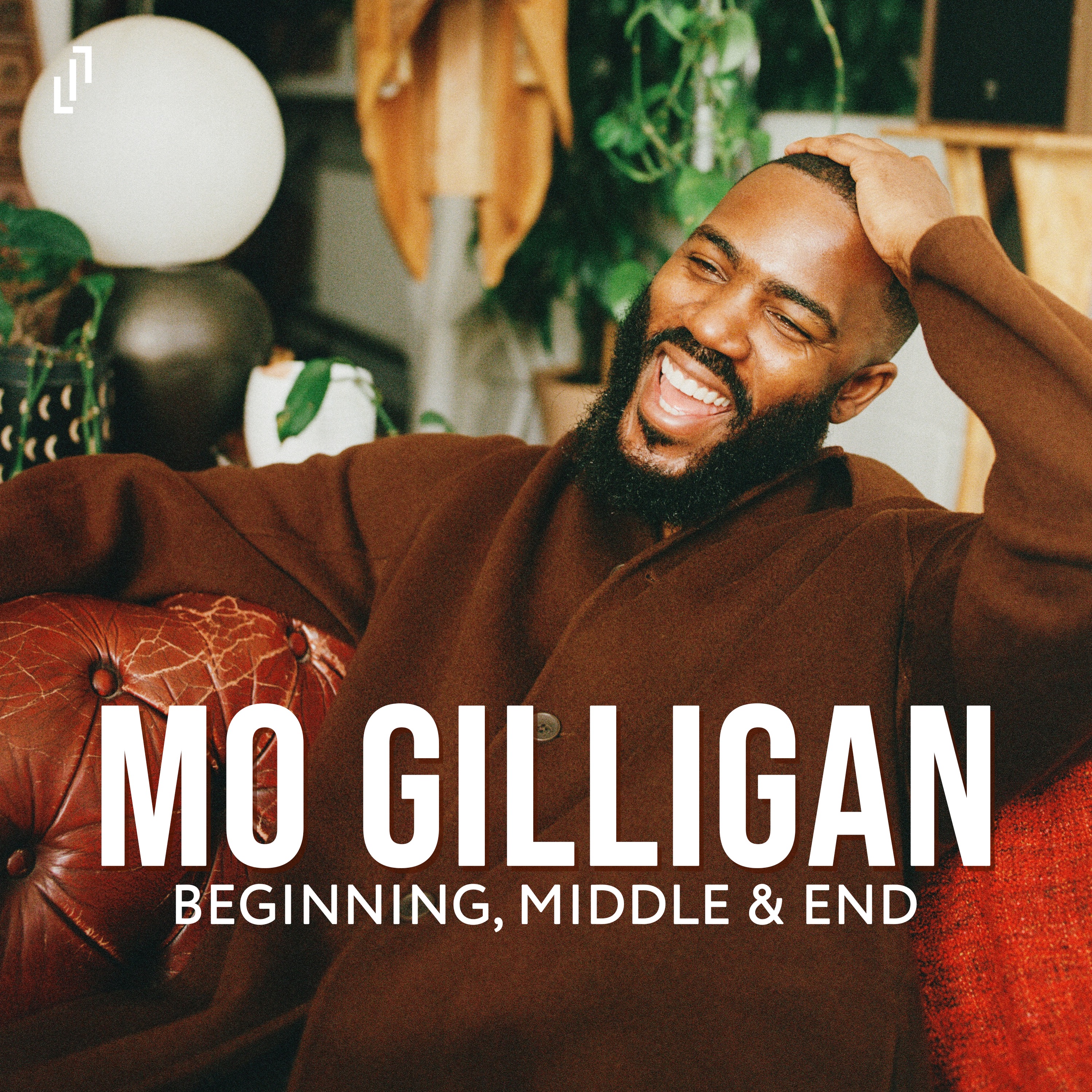
- Mo Gilligan: Beginning, Middle & End
- David Harewood: Why It Took 40 Years to Land a UK TV Lead
Mo Gilligan: Beginning, Middle & End21 Oct 2026 · 1h · 23 chapters
David Harewood: Why It Took 40 Years to Land a UK TV Lead
In short
David Harewood discusses why it took 40 years for him to land a UK TV lead, linking his career path to racism in casting, the need for character complexity, and the mental-health impact of rejection. He also describes his new Channel 4 drama Pierre, where he plays duty solicitor Pierre Jefferies investigating police corruption and racism after a young boy’s death.
Guest backgrounds
David Harewood is a British actor and president of Radar (a theatre/arts organization). He left drama school in 1985, moved to the US for better roles, and became known for Homeland. He has also spoken publicly about mental health/psychosis. Mo Gilligan hosts.
Key claims
UK institutions dismissed black actors from “classic” roles (e.g., Shakespeare) and limited them to token parts. America offered more diverse casting and complexity, accelerating his career. He says he was rejected by both the mainstream and black communities, contributing to a breakdown. He argues stigma around psychosis needs open discussion.
Notable examples
Playing Romeo; being told Shakespeare wasn’t written for a black actor; Homeland; Idris Elba’s Luther casting; Pierre’s plot involving police corruption and racism; his Olivier-winning stage work as Martin Luther King.
Written by AI. May contain mistakes.
Chapters
2:10
David's Journey to Stardom
David Harewood shares his journey from drama school to breaking into Hollywood.
“And we'll find the last time I seen you was maybe at Edinburgh.”
4:10
Challenges as a Black Actor
David discusses the struggles faced by black actors in the UK.
“And you know, they didn't know what to make of us, these trained, skillful black actors.”
5:10
School and Early Roles
David reflects on his drama school experience and early career challenges.
“but I really didn't think my skin colour mattered.”
7:40
Identity and Rejection
David talks about identity struggles and rejection from both the acting community and his own community.
“And not only that, but, you know, so I was dismissed from the establishment community.”
9:50
Comedy and Performance
Mo and David explore the evolution of comedy and the pressure to perform.
13:20
Moving to America
David explains his decision to move to America in search of better opportunities.
“Or even now, if I go to a comedy club, you get the youngers that are on fire and they're looking at you like, all right, go on then.”
14:00
David Harewood's Journey to America
David discusses his frustrating experiences in the UK acting scene and his decision to move to America for more complex roles.
“Not to say that I'm like an OG, but, you know, even when the olders are there, I want to show you that I've got this thing too.”
17:24
The Shift in Opportunities
David reflects on the changes in representation and opportunities for Black actors in the UK and contrasts it with the American industry.
“place is for me you know so i i did that for a couple of years and then as i said landed homeland and the whole industry just opened up for me.”
21:44
The Evolution of Roles in Television
David shares insights on how roles for Black actors in the UK television industry have evolved over the years.
“And I think we're at least 20, 30 years behind, I'll say 30, but I'd say we're 10 to 15 years behind America when it came to that.”
27:23
The Reality Behind the Glamour
David discusses the superficial aspects of fame and the authentic struggles faced by actors behind the scenes.
“So, you know, we've moved, but only so much, I think.”
Show all 23 chapters
28:00
The Reality of Acting and Resilience
David Harewood discusses the challenges of the acting industry and the importance of resilience.
“This is a networking event, a branded opportunity.”
30:56
40 Years to a Leading Role
Harewood reflects on his 40-year journey to finally land a leading role in UK television.
“But the reason why I've been open and honest about it, and I've got to be honest with you, it wasn't intentional.”
32:57
Exploring Police Corruption in 'Pierre'
Harewood describes his character in 'Pierre' and the show's themes of police corruption and social issues.
“Because, you know, Pierre comes out on Monday.”
38:55
Inspiration from the New Generation
Harewood shares his thoughts on mentoring new actors and the evolution of opportunities in the industry.
“And that's the sort of impetus of the show, looking at police corruption, looking at police racism.”
41:29
The Debate on UK Actors in Hollywood
Harewood addresses the controversy surrounding UK actors working in Hollywood and perceptions of their roles.
“But it's not just kick the door open, it's the fact that they're valued and valued globally.”
42:01
The Impact of Young Black Actors
David Harewood discusses the achievements of young black actors in the UK and their influence on representation in media.
“And, you know, to be honest with you, most of them didn't even know I was English.”
42:56
Debating Cultural Identity in Acting
A conversation on the legitimacy of UK actors portraying American characters and the cultural implications.
“And there's a sort of growing, there's a growing, it's become quite a big debate.”
46:44
Critique of Casting Practices
Discussion on the challenges and perceptions faced by black actors in the industry regarding authenticity in roles.
“Availability and coverage vary by state and insurance plan.”
48:21
The Role of Authenticity in Acting
Harewood expresses his views on the expectations of authenticity from actors and the reductive nature of such stereotypes.
“So it's, people take it very personally about their icons and their history.”
49:52
Navigating Career Challenges
Discussion about the competitive nature of auditions and the experiences of black actors in the industry.
“it must kind of spur you on to be like I kind of want to do it now because because there's this animosity maybe it would for me anyway to be like no, you're not funny.”
51:46
Reflecting on Career Growth
A heartfelt exchange on personal growth, challenges in the entertainment industry, and the importance of mentorship.
“I mean, you assume the role of an investigative journalist in that.”
56:03
David Harewood's Journey and Future Aspirations
David reflects on his career, future goals, and the importance of storytelling.
“It might not work out, but they loved you.”
59:30
Quickfire Questions with David Harewood
David answers quickfire questions about his preferences in theatre and TV.
“So quick fire for yourself, theatre or TV?”

Ask about this episode
Get the gist, explore an idea or ask about something said.
 Claude
On Mo Gilligan: Beginning, Middle & End, what are the key points of this episode?
Searching your listeningTranscript
Automatic transcript. May contain errors.
0:00Therapy's biggest impact doesn't show up in some dramatic breakthrough. It shows up in the smallest moments. You bite your tongue instead of escalating. You put your phone down instead of firing off that text. You say what you actually mean instead of what would hurt someone else the most. Nobody applauds those moments, but they quietly change your life. That's what growing feels like, and that's exactly what Grow Therapy is here for. Grow is therapy that works, covered by insurance. Sessions average$21 with insurance, and some pay as little as$0, depending on their plan. There are no subscriptions, no long-term commitments.
0:37You just pay per session. Grow connects you with thousands of high-quality, licensed therapists across the U.S., offering both virtual and in-person sessions, nights and weekends. You can search by what matters, like insurance, specialty, identity, or availability. And you can book a therapy session in minutes and begin in as little as two days, not the national 48-day average. See if you could pay as little as$0 for therapy in seconds at growtherapy.com slash ACAST. That's growtherapy.com slash ACAST. growtherapy.com slash ACAST. Availability and coverage vary by state and insurance plan. Hey, what's up people?
1:21My name is Mo Gilligan and if you're watching right now, you're tuned into my podcast, Beginning, Middle and End. Now what a treat I have for you, lovely people today. He's someone, believe it or not, I've had on my dream list. Now, normally when I see this person, I always see them in passing. So to have them in the chair today means a lot. Tell me about his story. 1985, leaving drama school, feeling like it wasn't going to work out for him here in the UK. Boom, went to the US. Did it work there? Definitely did because he bagged the iconic TV series Homeland. And could you believe it or not, he's only now just been a lead in his first TV series, which is Talbot Pierre, which is available on Channel 4.
2:00We chop it up. We speak about the struggles of black actors here in the UK, him being a president at Radar. But please welcome to my podcast, David Edward. And we'll find the last time I seen you was maybe at Edinburgh. It was Edinburgh Festival. It was Edinburgh TV Festival. Edinburgh? I think I might see you at that Dunlop event. Dunlop? Dunhill? Dunhill see that's how you know I don't go to the fence for a bit tired I'm like good at Dunlop you was like oh Dunlop please yeah Dunhill Dunhill dinner oh right yes a couple of years ago maybe about a year or two right okay yes oh yes the one in the it's in somewhere fancy real fancy yeah yeah yeah yeah Chelsea or somewhere like this yeah yeah yeah yeah Shoreditch or something like that I can't remember I remember no it was at Chelsea Chelsea because I remember wherever it was I was like I don't go to events here like you know sometimes it's like yeah you're going to go to Grosvenor for example hotel where they do the award shows and stuff and I said oh there's no dinner here I don't know any restaurant here but you're like no no they bring the restaurant to the people yeah they bring the food here oh wicked man I wanted to say first of all you're an amazing actor bro oh man nah man you're an amazing actor because I was watching Blood Diamond.
3:21Yeah. And I was like, right, like, because most of the time I know who's like coming on the pod and stuff. And there is a part of me that's going to do a bunch of research as well. But again, I was just, I just liked the film. I was just like, I liked the film. And then I was like, right, like your career is like that. And especially even where you are now. Do you know what I mean? I think I left drama school in 1985. So that was, how old are you? Yeah, I'm 38. I was 38, so I wasn't born. Yeah, you were like, well, no, you were like, you were like, you know. 85. No one knew. I wasn't made yet.
3:55I'm 88. I'm born 88. What? Yeah. So you left 85. I wasn't around. Wow. See, this is what I'm saying. We're like a totally different generation. Yeah. And to see you guys coming up is just so, for me anyway, because it was tough, man. When we came out, it was tough. And you know, they didn't know what to make of us, these trained, skillful black actors. and there was a generation above me that seemed even more naturally talented. And yeah, we got frozen out. We got really, it was a tough, tough time. So to see, and we kicked a few doors down, made a lot of noise, demanded a little bit of attention and then went to America to get a little bit of props.
4:36And so for us to come back now and to look at the landscape now and see man's coming through, it's just, it makes my heart fly. No, thank you so much. Because you guys have taken on that mantle and just taken it a step further, you know? Yeah. But David, you're one of those, you're a pioneer in this scene though. Do you know what I mean? Like, I wanted to take you back. What was it like drama school in 1985? Because I've got some friends that have, you know, they left drama school, let's say like maybe 2010. And they talk about how hard it was then. And that feels so recent. So what was it like in, you know, 1985?
5:09It was a shock because I know this might sound naive. but I really didn't think my skin colour mattered. You know, I grew up, I remember when I grew up, Lenny Henry was on the television doing David Bellamy impersonations and doing Trevor McDonald, if you know who Trevor McDonald is. Yeah, I know Trevor, come on, man. I'm not that young, man. I know big Trevor, come on, man. He was doing all those impressions and it was great to see Lenny just being funny. and um you know so so so i got the idea just after seeing lenny a teacher said to me oh you know you should be an actor and you know it was a teacher's idea man i didn't even know you could be an actor i didn't even know it was possible to be an actor and i certainly didn't see it in myself yeah i was just like classroom clown and they said no you try it so i went to i went to audition audition for the national youth theater got in there audition for drama school got in there.
6:07I just had a blast, mate. It was fun. And it was probably the first time I really took education or literature seriously. So suddenly I'm doing Shakespeare and I'm doing Chekhov and all these, all these playwrights that I'd never really heard of. And I was like, this is fantastic. And, but nobody mentioned the colour of my skin. So, you know, I could be in a Moliere play. I could be in a Chekhov play. I could do, you could do anything. And And then when I came out of drama school, boy, it's like walking into a, it was, it was like walking into a meat grinder because my first job was playing Romeo and they were like, well, Shakespeare didn't write Romeo for a black actor.
6:46Why are you playing it? So I was just suddenly met with this wall of, of, of, of, you know, dismissiveness and, and and and attacks because they didn't feel i was they didn't feel i was uh i was right for the role yeah i think one of my first reviews was he looks like he looks more like mike tyson than romeo i mean it was it was it was so we got sort of just torn apart by critics yeah because they didn't want to see black actors doing shakespeare they didn't want to see black actors doing the classics and there was this massive division you know between what i was doing what i thought i was doing which is being an actor and um and the reality which was oh no no you're a black actor and you can play these parts over here but you can't play these parts over there and that was a real shock to me real real real shock to me and you know that's what precipitated my breakdown because i suddenly was like hang on a minute you know you know i just saw my whole horizons disappearing yeah yeah yeah because everything i thought i was going to do was just off the table And there was, oh no, you can't play that.
7:57You can't do that. And not only that, but, you know, so I was dismissed from the establishment community. And then of course, because I speak, because I speak, I spoke, I came out rather speaking reasonably well. The black community was like, nah. I got kind of disowned by the community as well. So I didn't know where to turn. You know, it was like, it was a really tough, I found myself in a really tough situation where I was rejected by both communities. I didn't really know where the line was. And that's when I had my, that's when I had the breakdown. You know, it was just a, my head was spinning, man.
8:41Just spinning, spinning. Because you grew up in Birmingham, right? I did, yeah. It's mad because every now and again I can hear the Brummie come out. Yeah, that's true. That's true. That's true. I can hear it every so on I still try and work hard to get rid of it what part of Birmingham did you go up there Small Heath Small Heath as well you know Small Heath I know Small Heath I go to Birmingham well I don't go there a lot but I do a lot of shows there of course and Birmingham they show out for me man of course Big Up Brum they always show me so much the biggest shows I do probably outside of London are in Brum like Utilia Arena and stuff right right right but from early when I first started doing stand up I think we done Birmingham Academy right holds about a thousand people that's my biggest show ever to date so I have so much love for me.
9:22What got you into, what was the genesis of you being a comedian? Was there somebody that you saw that made you think, I'm going to do that? Great question. I think for me, it was, I went and studied performing arts at uni. I didn't go to a trauma school. So I'd done it at university. I finished and I went through quite, I wouldn't say a traumatic time, but I definitely, I lost my love of performing. We studied this art form called Comedia dell 'arte Yeah of course You do the mask I mean there's a teacher Coming from Italy and stuff And I think at then I'd left school You know Studied at college Gone uni And we studied this art form And I got to be the lead And I was like Cool I'm the lead And really coincided With when I just first Got my student loan Student grant Right I was like wow Like uni Money Yeah but like It felt like uni Has finally now started Right Because I'm like Okay now I'm here I'm not broke mo At uni But now I'm like I've got a bit of change now You know And they made me the lead So I thought Wow Get to be the lead now Uni feels like It's really starting And This guy come in from Italy And he was just like Yeah No the way that you do it Don't you do Because you've got your body And all this stuff And I'm like bro I'm learning this stuff That's why I'm here at uni I've never done it before And I never forget Performing it And every day I would feel so depressed I would go shopping Every single day I was depressed I was like I'm going to go Footlocker buy new crepes I'm going to go here buy new crepes at the end I had to push myself to be like I'm going to learn this thing really give it my all I'd never I don't think I've ever done this before when it came to acting or performing arts or anything like that and at the end I'll never forget and I was like listen I want to say thank you so much you really pushed me out of my comfort zone so I've never done this before but I've really enjoyed being pushed to my limits and he said to me he goes yes but you know you're not that very good at this and I was just at that point I was like this acting stuff isn't for me oh wow and I still carried on with it but I never forgot that and I was like I want to do something that's not a great thing to say to a young person it's not but also sometimes tough love is good love and the reason why like if I seen a man in the street now I'd keep it moving but at that same time that was also the catalyst of like I want to do something I'm in control of and I'm in control of doing this stand-up thing I can go to the club if it's not good that's okay my audience will judge me on if it's funny and to keep perfecting that felt like keep fine tuning it keep fine tuning it you'll get a laugh then you might get a bigger laugh but then what about if I get a laugh with an applause what about a laugh with an applause with maybe another laugh on top there was always these things that I could keep kind of fine tuning and I think again that's why I say tough love is sometimes good love because that experience led me to what I've got to do now in some ways.
12:21But then I think going back to your question, I think comedy just had this, like you can, even when you're at your best, you can always get better and you can never get comfortable with when things go well, because you can do a show and it just evaporates. Like, and I've had it, I've gone to shows. That must be horrible. It does, but it makes you work for it. Like, you know, people just not, people just not getting it all. They don't get it. They don't care. They, they, Do you know what I mean? Like, people are tired. They're talking, hey, turn the aircon off, it's cold. And I'm like, guys, I've got this good bit about my dad.
12:56And they're like, we don't care, man, aircon's off, man. I think that's what I've always loved about stand-up. You know, there's a time, like, you know, you said you lived in America, right? Yeah, yeah, yeah. Got to perform at the improv. And like, I know the comedy history, but I also, I don't delve into it that much. And, you know, my agent at the time was like, yeah, you got your slot in, you know, the improv. and I'm like alright cool yeah we went to the beach with my friends at a great time I'm like I don't know if I want to perform I'm tired man until I got there I see the pictures Robin Williams yeah man that's the history history oh these wolves got some stories yeah yeah and then that's in LA right yes yeah yeah and then performing and then I'm like you can't just go on main stage just like that and I'm realised cool my my career's got me somewhat in the door but it's not enough you still have to work and I think that's what I've always loved about stand-up, you know, if I go to LA, I have to prove now.
13:50Or even now, if I go to a comedy club, you get the youngers that are on fire and they're looking at you like, all right, go on then. And I'm like, yeah, all right, I've got to hold my weight against the youngers, you know, in some ways. Not to say that I'm like an OG, but, you know, even when the olders are there, I want to show you that I've got this thing too. Right, that's great. Yeah, and I think that's what gives me that fire every day to, you know, want to better myself and stuff. You spoke briefly just about moving to America. What was it about America that made you want to move there? Bro, there was no work here.
14:24And it was frustrating because, you know, I'd go on stage and, you know, tear it up in a play and then silence. There was nothing. And what you're looking for as an actor is complexity. and um i was just playing the black cop or the black doctor or or you know there wasn't really a lot of complexity in the character it was it was just that he was black and um you know obviously most of the time it was written by the white person and there was there was no nuance to it it was just a black character character that was black and a lot of us at that you know in in in during those times were like this isn't it's not enough you know it's not it's not you're not playing the A story, not playing the B story, even sometimes the C story.
15:12You know what I mean? So it wasn't, it wasn't really, it wasn't really, it wasn't really working for me. So I began to get, you know, just very frustrated. And, and then, then, then Brolock, there was a whole generation came after me. So I mean, I worked a lot back in the day, back in the day, we're talking about late, late eighties, nineties, right? I was working a lot then because there weren't that many black actors. And then there started to be more and more good black actors coming through. And they were like, oh, we've seen him. We've seen Hayward. Let me get somebody else. So I just started, I just, there's a really, there's an old saying in the acting.
15:53It was a quote from this actress, Mary Astor. So there are five stages of an actor's life. Who's David Hayward? Get me David Hayward. Get me someone who looks like David Hayward. Get me a younger David Hayward. Who's David Hayward? And I was already on the who's David Hayward. I was like 30 years old. I was like, yeah, we've seen him. That is, that's amazingly summarized. Done that. Let's get, let's get Adrian. Let's get Patterson. Let's get sort of all, you know, Juitel. So I was just slipping down the league, bro. I was just slipping further and further down the league. And it was frustrating.
16:25And I was like, and my agent was like, we've got to get you to America because they see, they see talent. They see quality. They'll see you. So I started pushing for roles in America. and then, and landed a biggie, man, landed Homeland. And my career just went boom. And Americans, you're in. You're not having auditions anymore. You're having meetings. Meetings. Yeah. Coming for some meetings. Do you want to do it? Exactly. Would you like to do it? Would you like to do it? I'm like, yes. But I mean, as soon as I got over there though, it was, I knew it was a different environment because, because you would go to an audition over there and at the top of the page, it would say, please send more actors of colour.
17:07please send please send to the news as a message to the agents onto the casting agents please send more diverse talent and i'm like wow never get that in you would never get that in the uk they wanted to see different faces different shapes different kinds of people i thought this place is for me you know so i i did that for a couple of years and then as i said landed homeland and the whole industry just opened up for me. But it happened because, and it was the same with Lenny, Eamon, Idris. I remember being here, God, this must have been late, early 2000s. And, you know, we'd have these meetings, all these black actors would have these meetings and what are we going to strategize about how we're going to change the industry?
17:56Rare, rare, rare. Is it like a war room? It was like a war room, but it was like a war room with drinks. Yeah.
18:05And, you know, we'd all sort of sit down and say, well, how are we going to do it? And I just heard this voice behind me say, I'm going to America, man. I look around, it was Idris. And I was like, no, man, you've got to stay here. This is where the battle is. Look what happened. Man went stellar with the wire. You know, so, and that was his whole coming out party. so there was a generation of us who knew we had to get to america because that was where the complexity was that's where the work was that's where the richness of character was because there was nothing really here why do you think that was because because do you feel like it just hadn't caught up to what's happening did you feel like it's also what audiences weren't prepared for because look i'm not had i'm not saying i've been in the same meetings or anything but i've had meetings where you're like yeah you know like the audience like this and like that and i'm like i know what you're saying but you're not allowed to say it but i see what's going on and i'm quite fortunate is that when i'm being able to do a show i already know what people are saying as the show's happening through a Twitter or the comments or what you read on, you know.
19:23Are you looking at Twitter as you're doing the show? Oh yeah. Yeah. Oh wow. That's three. I couldn't do that. Yeah. So like, because I was doing a lot more like, let's say, you know, first we've done Big Nasty Show, for example. So even before the show's come out, you're already getting, oh, this is not going to work. This is going to work. So you're already kind of getting. From the establishment? No, no, no. Just from the general public. Oh wow. Okay. And then you're seeing maybe a news article and then the show hits. So then you've got opinions or you've got a clip that comes out and people voice their opinion straight away.
19:57But I think then what's happened is the difference is if I was able to do TV before that, you don't know what, you know, a TV show comes out. And it was kind of probably, let's say, more based on the ratings, for example. It was like, oh, you know, the ratings are saying this is good. whereas now because it's so opinion based it's again like a tv show going to that war room and be like okay cool they do like this they don't like that they don't like this you're like yeah but guys people watched it at 11 o 'clock at night yeah it was big yeah so what are we judging it on because i feel like those opinions are probably zero zero one percent of the opinion do you know what i mean without a doubt and so so before that you know we would like with the posse you know gary mcdonald trevor uh gary mcdonald brian bevel that whole generation i mean they were funny yeah and they would pack out theater or stratford east and people would be rolling yeah in the it was it was riotous and it was wonderful yeah to see that that uh a more sort of a majority black crowd roaring with laughter enjoying themselves um coming out packing out Theatre Royal Stratford East.
21:13And then we'd have to invite the producers of the BBC, invite them to come down and say, and they're going, hmm, yes, but they wouldn't really. You know, so they were sort of, they were coming with their outlook and thinking, well, this isn't going to work. So there's no way, they would have looked at the big nasty and gone, oh, no, no, no, no, no, no, we can't fit that in. So it's just taken a while for that industry to just open the aperture a little bit and to allow... a different perspective into the kind of comedy landscape. It's taken a long time. And I think we're at least 20, 30 years behind, I'll say 30, but I'd say we're 10 to 15 years behind America when it came to that.
21:56Because, I mean, look, I'm not saying it's America's perfect, but they produced Black Stars. They produced the Eddie Murphys. They produced Richard Pryor's. They produced Black comics. They produced Black actors, Richard Roundtree, uh, you know, packing out stadiums, movies, the whole blaxploitation movies in the sixties, Sydney party. It produced, it got black people into the cinemas and realized that the, that there was an audience there, which is why they, you know, that they started making those films. We, it's taken a long time for that to happen here. And, um, you know, kid adulthood was massive, uh, you know, and, and, you know, there have now been, movies set in the in you know in i mean i sometimes question it because they can take us in the ghetto but they can't can they take us in the doctor in the you know being executives can they take us being captains of industry can they take us as bank managers can they take us so it's you still get that every now and again you'll get somebody say oh yeah but there aren't any black bank managers or there aren't you know so you're still what i found was that we were sort of it was the limits of their imagination, the limits of their imagination was preventing my advancement.
23:11Yeah. Which is why all of us went to America, because they were like, you can't play that. You know, you can't play the central character who's a lover and robs banks and drives a flash car. You can't do that. You know, so we went off to America and did it. You know, that's that, because they could visualize us doing that. They didn't mind us doing that because there was a history of us doing those things over there. It's taken a while for the UK to catch on. I mean, when Idris did Luther, I think they had to like, phone around and ask all the producers of the BBC, is this, can we, can we, because it wasn't written for a black actor.
23:46Oh, wow. It was just a character. And so when Idris came along, they were like, oh, he's great, but can we do it? Can we allow a black person to play this, be violent, be, you know, be sexy? You know, they'd never done that before, which is why Idris was such a revelation not just because he's black and sexy but because he was a good actor in that role but it took some convincing it took the boards and it took producers a little bit of convincing because it had never been done before it's so mad to think because then it's such a big hit yeah they had a film so it's interesting with the risk of like we don't know if it can work when you're like I feel like the risk is probably more in the reward because, you know, one, I feel like if anything that comes out and you're like, we're in it and we see ourself in it, we're like, we're going to go and watch that.
24:44But that's, and that's just a black community. And we're like, we're not watching this because it's like, oh, there's a black man. And we're like, we see someone who looks like us. We see our culture. That's why we watch it. Of course. And I think sometimes it's like, oh no, you watch it because he's black. You're like, no, no, no. I just see someone who looks like me that is in a drama that I can get on board. I'd watch the white guy in a drama too. Of course, of course. But I'm a bit more invested in this one because I feel like I followed this actor's journey. And I find it so interesting with it.
25:14But it's that, oh, we don't know, you know. This is that, you know, we've tried it. And I'm like, yeah, but guys, you don't understand. It's like, this is the stuff that bangs. And I don't, yeah. When I, when I, when I played, I mean, I was in a show, Robin Hood, BBC, Robin Hood, and I played, they asked me to play Frye Tuck and I was like, wow, but it was a complete twist on Frye Tuck. Make him look fit, Kung Fu, Kung Fu Frye Tuck. And I thought, yeah, that sounds like a really interesting idea, but they had to like, ask around if this was, I actually, I think it made the newspapers. So back in the day when I was doing those things.
25:51My, my, you know, if I got a role, it would make the newspapers. And you think, wow, you know, and we have come a long way. Therapy's biggest impact doesn't show up in some dramatic breakthrough. It shows up in the smallest moments. You bite your tongue instead of escalating. You put your phone down instead of firing off that text. You say what you actually mean instead of what would hurt someone else the most. Nobody applauds those moments, but they quietly change your life. That's what growing feels like, and that's exactly what Grow Therapy is here for. Grow is therapy that works, covered by insurance.
26:30Sessions average$21 with insurance, and some pay as little as$0, depending on their plan. There are no subscriptions, no long-term commitments. You just pay per session. Grow connects you with thousands of high-quality, licensed therapists across the U.S., offering both virtual and in-person sessions, nights and weekends. You can search by what matters, like insurance, specialty, identity, or availability. And you can book a therapy session in minutes and begin in as little as two days, not the national 48-day average. See if you could pay as little as$0 for therapy in seconds at growtherapy.com slash
27:23I mean, I bet you right now, even when, you know, like when Idris was floated to be the new James Bond, it made a whole heap of fuss. Yeah. So, you know, we've moved, but only so much, I think. Only so much You speak very openly about You know Just yourself And your memoirs Where you talk about You know Like mental health And stuff as well What do you feel like People can take from your story As an actor Because There'll be a lot of actors Listening to this And I've got a lot of friends Who are actors And you know I think There's a lot of Surface level stuff With entertainment That we That people see Which is like You know you might see us at the award show and it looks great when the cool suits and stuff, but it's almost, and I said this recently, it's almost the, um, the project's done, the project's finished.
28:17This is, this is a day off. This is a networking event, a branded opportunity. Something might come with it. Something might not, but really just a day off. It's work, but not like this isn't real work. That makes sense. Um, but what do you think that is also for the actor who isn't going to that, isn't getting, you know, it's tough you know you know you know that's one of the things i say to the students when president rada so i i kind of i kind of i try and um be real with them you know when i was a drama when i was at rada we never saw the president you know they were highfalutin people so when i asked when they asked me to do it i thought i'm going to flip that on his head so i make myself really available to the students i'm in the building all the time accessible to the students i just have conversations and if i'm walking down the I see a couple of students, I go up to them and ask them, how's it going?
29:09Talk to them. So, so for me, I find that it's a real privilege to sort of play a little part in their creative journey. But one of the things I always stress, and I particularly to the third years who are leaving, you can always see the anxiety level start to rise because they know I'm out. That's it. Training done. No safety. No safety net. You're in the big, bad world. and I, you know, I've been there three years now and each time I've said to the guys who are leaving, the acting bit is the easy bit. It's the surviving that's the tough bit. You know, it's the getting an agent that's the tough bit.
29:46It's not being at work is the tough bit. Those are the really tough bits of this industry and you need to be resilient for that. You need to be resilient to, you know, face the rejection because there's a lot of rejection there. And it's not, you know, it's very easy to think, oh, it's because I'm not right. You might be too tall. You know, you might not look like the character. It might not be anything to do with your talent, your skill or anything, but you still feel like you're rejected. And it's tough to sort of handle that. So I hope what that, That, and I hope what, being honest about my mental health, and I know it's, you know, it's been a legacy because I get letters from people who tell me about that.
30:37But I hope what it demonstrates is the amount of resilience you need in this business, in this industry, in order to get, not just get through, but to be in it for the long haul, man. You know, I'm not no fly-by-night guy. I'm in this for the long haul. here I am talking about my new show Pierre it's taken me 40 years to be a leading actor in this country I find that insane in this country well as I said to you for 15 years for the first 15 years it wasn't even possible so you can imagine the frustration playing leads on stage being thought of as a really good actor but never getting that shot and I don't think it was anything to do with my talent it was just that path hadn't been trodden before and no one was quite prepared to give me that role, which is why, as I said, a whole generation of us left.
31:31But the reason why I've been open and honest about it, and I've got to be honest with you, it wasn't intentional. It just sort of happened. But I'm really glad that people, it's the discussion on mental health, particularly psychosis, which is big in our community. And no one talks about it. so to have somebody who is male black and successful talk about it and talk about recovering from it i think has been hugely impactful and i do get a lot of people people just stop me in the street man and just i mean when it first happened man people would just stop in the street bawling their eyes out and saying oh that happened to my dad and thank you so much for talking about it you know we don't talk about it in the family because we're a bit ashamed and i and i i think by being so open about it uh it's just taken a little bit that stigma stigma away from it and uh i'm proud of that i'm really i'm really of all the leg of you know of the things that i've achieved i'm really proud of that because it's shown that you can recover and that um just to start that conversation because somehow people are ashamed of it i think it was one of the most incredible things I've ever been through.
32:48And I'm glad I came through it. And I think it's added to me rather than taken away from me. You haven't played a lead before. How does it feel playing a lead now? Because, you know, Pierre comes out on Monday. Monday night, yeah. Nine o 'clock. Yeah. Channel four. Channel four. That's like prime time. Do you know what I mean? Prime time, nine o 'clock drama. This is a drama period as well where - The nights are coming in. No one wants to go out. It's going to get dark at four o 'clock. as well and I think there's one thing that we do very well in this country is create really good dramas you know it's become something of you know there's some things that Americans can do really well you know when it comes to big films and everything but creating crime drama thriller I feel like we've really taken this to a different level we do the gritty normal you know when you turn the TV on in America everyone look good you know the hair look good teeth look good yes and we do something different here we present reality in the best dramas we present reality you know people look normal yeah you know and it's gritty and the best dramas for me are those kind of really you know classic Sherwood was one the first season of Sherwood Bleasdale you know Boys from the Blackstaff going back Adolescence tough gritty nasty gnarly drama we do that a lot and it sort of we punch above our weight we do crime ones very well though and it's like you're saying because I feel like we don't have the resources we can't shut down the whole of like like you're saying yeah like you can do a whole block for a scene that'll only be three minutes but we can't do that so you still have to work within the constraints you have we're like what do you mean we're closing the street I've got to go and get my kids food bro like you lot just need to I remember we was doing our doc and we had to film one in Harlesden and we were like nah I was going to walk down the high street and people were like, no, I don't care if you're filming, you know, bro.
34:50And then like, people in production don't get it. They're like, no, no, but we've, we've blocked this road out. So you, no one can go on it. Then I've got to go, oh bro, like, just give me like two minutes, bro. It's just a quick scene. Oh, what more? Hey, we see, yeah, like, do your thing, bro. What, like, can man be in it? I'll see in it, but yeah, no, no. But I think it's that. I love that. I think that is something that we do very well. But crime dramas especially, and it could, what I've always loved about a UK crime drama, you can see anyone being, like you're saying, a policeman, like Vera, for example.
35:23Anyone can be a police officer, like investigating the crime. And it's not always about the crime, it's how you do it. How you do it. It's the acting, it's where it's set. It's on the coast. It's cold. It's only a few people, do you know what I mean? of course um with pierre right it's about a young boy that gets murdered that's well it's about a duty solicitor okay and um i play the duty solicitor um pierre jeffries and pierre is a glamorous man in an unglamorous uh location so he's got this legal firm and he's as i say he's a duty solicitor and duty solicitors really are they were actually invented they were sort of created because at the end of the 70s in this country because so many people were being corruptly fitted up by the police the government realized that there was so many so much corruption in the police force that everybody who was arrested had to have proper legal representation so they so when you are arrested i don't know if you've ever been arrested i have no i've never been arrested but when you know back in the day when you're arrested and you're taken to the cells you have you have a duty the guy who's on duty will be a duty they will call them for you and they will come and ask you what you did if you were innocent or guilt they'll just talk to you and it's and they're sort of your legal protection and so it's it's not the sort of barristers of rumpole it's not it's not it's not it's not like i'm just done this new series for sky called war it's not water you know floor to ceiling glass offices and a whole heap of money they got they are bare minimum yes you know i mean you know and i spoke to one lady during my research and she was a you know she was a duties list and you know the product production got you know um uh allowed the kind of call set the call up and man she was really she seemed to me like a real hero man she was like she's i'm there for my clients you know and i you know i i get a call three o 'clock in the morning you know i i said i know that they're probably having the worst day of their life so i'll turn up make sure they're okay ask me if they're okay and i'll tell I'll tell them what the police have, the evidence the police have.
37:30You tell me what you have and then we can work out between us what's the best way forward. That's what their job is. But Pierre takes that a step further. Pierre's also almost a bit of a social worker. And with the case of young Michael in the show, brilliantly played by this young actor, Esri, just wonderfully, that's what's also been wonderful is to play, finally act with some of this new generation of young talent that's coming through. That's just a bit of joy. So this young boy comes in and sort of, you know, sort of dismisses me a little bit, says you're playing the white man's game and almost, almost, I've kind of fallen in love with this kid because he's bolshie, he's brave.
38:11And he sort of holds my feet to the fire a little bit saying you sold out, you know, we're fighting this fight with the police. You sold out, you're comfortable playing the white man. And Pierre kind of takes that to heart and decides to help this young man investigate his because he says he's been arrested by the police hundreds of times and he says this guy's harassing him so I initially dismiss the case and then I hear that he's dead I hear that in the end of the first episode he dies and that sparks me on this journey I want to find out what happened to that young man and over the course of finding out what happened to this guy I uncover a whole heap of police corruption, a whole heap of shenanigans.
38:55And that's the sort of impetus of the show, looking at police corruption, looking at police racism. And it's about something. The show isn't just an airy fairy legal drama. It's really about cultural issues that are pertinent to today. Yeah. Your career is amazing because like hearing you speak now of like having this passion and drive to work with, you know, the new generation of actors that, you know, they probably look at you and they're like right like working with an OG today you know what I mean like David like and you know your career from being the lead in Pierre you know which will air on Channel 4 and stuff but then also you know you've worked with like you know likes of Leonardo DiCaprio who's talking about you know Blood Diamond and stuff how does sometimes that compare do you ever look at your career and be like right like shared the screen with some of the greats, do you know what I mean?
39:53On par with them. No, I wouldn't, you know, it's a journey, you know what I mean? And, you know, I feel very blessed to have worked with great people, really, really great people. I've worked with one or two chumps as well, but it's been, it's been, you know, I've had a really, I've been lucky. I've been really lucky because there are other people in my year or in my generation who didn't have that career. And so I know luck has played a huge part in it, but, you know, as I said to you earlier, for me to look out, see man's getting BAFTA, man's getting Oscar, man's getting best newcomer. I'm like, look at that.
40:39We never got to look in. So to see, I'm not going to say it's our efforts, but to see how much the game has changed. They inspire me. yeah you know i look at the kaluyas and the boyegas and they inspire me because i might be you know 60 odd years old now but you know i could look at them i'm gonna go look at that man you know carry a lot my man's just winning when i saw daniel and get out i'm like i went to see daniel when he was at school i gave his school a talk and he was sitting at the back going yeah i want to be an actor and then i spin around 20 20 years later and he's winning he's winning an Oscar.
41:15So for me, it's a joy to see that perhaps my efforts, perhaps, you know, my generation maybe kicked a little bit of that door open for this generation. No, definitely have. But it's not just kick the door open, it's the fact that they're valued and valued globally. Because in our day, we weren't valued here at all. So we had to go to America, to get that value. I had to go to America to get there. Lenny had to go to get that value. Idris had to go to get there. Then you can come back here and be somebody. Then you can come back in and they all go,
42:00and so it's taken all that, you know, it's taken all that and the efforts of these young, young, young black actors and the actresses, Letitia James, you know, Lysicia Wright rather you know to see what they've achieved now I go to the movies and I go look at that man young black British actor David Johnson playing Black Panther yeah yeah come on man that just fills me with joy and to be honest he's putting all their noses out in America he's putting all their noses out let me ask you that because that's a debate that comes up a lot of course this you know UK actors going over there and you know sometimes people say well you know I don't know whether they say it's our jobs or, you know, British actors are coming over here and they don't know the landscape.
42:49And what would you say to that? Because you've lived over there. You've been there. I have. And, you know, to be honest with you, most of them didn't even know I was English. Because this happens a lot. I hate this a lot. It's happening more and more. And there's a sort of growing, there's a growing, it's become quite a big debate. And, you know, online, there's a lot of nastiness on Twitter and even Sam was disappointed when he said the whole thing about Daniel, you know, can we get a reel? You know, I'm like, really? But that's, you know, you've got to understand, America is a very different space where culture, politics, race has sort of matured in a very rigid, violent way.
43:36and identity for them is, it's all wrapped up. It's all wrapped up. Their identity is all wrapped up in something which is very specific. And, you know, they can take, you know, I remember back in the old days of Twitter being attacked for playing, I think it was Martian Manhunter. And they were kind of saying, what do you know about racism? What do you know about? I grew up with racism. I grew up, I mean, we had shit put through our door when we were kids. I know exactly what racism was like. I don't know what your racism was like, but I understand it. So from an acting perspective, I would say it's not something beyond my, it's not something beyond my, out of my experience to imagine what it's like to be from the South side of Bronx and to be this particular character.
44:32Yeah. That being said, Um, I, you know, do I think it's legitimate sometimes? Perhaps it might be legitimate, you know? Um, but I, what I hate is this idea that you can't play, you can't play Hamlet unless you're from Denmark. You can't, you can't play Macbeth unless you're Scottish. You can't play, I find that so reductive. Yeah. And I, you know, because I've had, you know, I was dismissed when I came out of drama school. I'm very anti that. I want a woman playing Othello. I want a woman playing Leah. I want to see that difference. I want to see people, it is called acting, you know. And so I want to see people challenged and I want to see people, I want to see actors stretched and I want to see particular people going through something.
45:23So I'm reluctant to say.
45:29Therapy's biggest impact doesn't show up in some dramatic breakthrough. It shows up in the smallest moments. You bite your tongue instead of escalating. You put your phone down instead of firing off that text. You say what you actually mean instead of what would hurt someone else the most. Nobody applauds those moments, but they quietly change your life. That's what growing feels like. And that's exactly what Grow Therapy is here for. Grow is therapy that works, covered by insurance. Sessions average$21 with insurance and some pay as little as$0 depending on their plan. There are no subscriptions, no long-term commitments.
46:06You just pay per session. Grow connects you with thousands of high-quality licensed therapists across the U.S. offering both virtual and in-person sessions nights and weekends. You can search by what matters, like insurance, specialty, identity, or availability. And you can book a therapy session in minutes and begin in as little as two days, not the national 48-day average. See if you could pay as little as$0 for therapy in seconds at growtherapy.com slash ACAST. That's growtherapy.com slash ACAST. growtherapy.com slash ACAST. Availability and coverage vary by state and insurance plan.
46:50you know black brits shouldn't play black america i find that i find that ridiculous to be honest with you but i understand why they're saying it um but unfortunately we're just too a lot of them are too damn good yeah i think some people say it's down to the training that you know a lot of where you know your your your base is starting with you know you need to learn shakespeare you need to learn there's some of the things that you need to learn just as your base before you learn anything when it comes and the art forms and so not to say uh that they don't learn that in the states it's a different it's a it's it's a different training process in in the states as you say you know we have that legacy of of studying the craft from the out from the inside out rather from the outside in.
47:40And I, something you just said earlier on, I think slipped my memory now, but it's, it's, look, Olivier played Americans, you know, Australians are playing Americans, Irish are playing Americans. It isn't just, I think it's now just happening to the black community. Yeah. But I can remember many years ago, having this discussion with a white American actor, vex that Damien Lewis was playing Brody vex he wanted that role he said he I am Brody how how is it a Brit playing that yeah it was vex so I don't think it's specific to the black community I think that you know I don't when Daniel Day Lewis does it no one says shit yeah but you know I I do think that there is a legacy of Australians playing Americans of Irish playing Americans it's just now it's happening in the black community and the same conversation is happening where natural black americans are going you can't do that yeah and even now to this day it will be very difficult and it's happened to me two three times where i've played i played martin luther king here on stage and it won the olivier awards and was everyone sort of thought it was fantastic but they would not let me go to america and play that and i know david aiello got a lot of stick for playing Martin Luther King over there.
49:04So it's, people take it very personally about their icons and their history. And I would just say, you know, that's my job. My job is to assume that character. If you don't like what I'm doing, then you have a legitimate reason to criticise me. You can't criticise me because I wasn't born in, I wasn't born there. if you're not that's a whole nother question yeah you're saying I have no legitimacy to play that part yeah and that's that's the that's the hassle that I played I had you know white people here telling me I couldn't do Shakespeare so I'm like what that doesn't make sense so so so I kind of I bulk at that and I I find that just too reductive I guess also it must kind of spur you on to be like I kind of want to do it now because because there's this animosity maybe it would for me anyway to be like no, you're not funny.
50:00And I'm like, yeah, all right, here we go. Well, okay. I'm going to do another tour. Let's see how I'm funny. You know what I have to say about you though as well? Congratulations on that chicken, that Netflix duck, man. I watched it the other night. I was like. Thank you, David. I appreciate that. But I saw you, it took you. That took you too, man. I saw you get deep on that. Yeah, I think it was the, I'm in a place now in my career where when that opportunity was presented to me, it was looking at it with like, oh, this is so different from what I've ever, one, been interested in. But also that was kind of what got me involved because I was like, oh, I'm really interested in this.
50:37Even if I wasn't part of it, I would watch this. And I think once I'd met the execs on it and the producer and we had a really nice conversation just about food. And it was just this wholesome conversation that started from, I wouldn't say it started from nothing, but it was like, oh, we're talking about food. And I'm like, this is the doc. this is it this is the route in but also having my I was also very uncomfortable being a young black man eating chicken right you talked about that yeah because people know me as someone who's a funny man and I was like oh I don't know how I feel about this right because I look at the humour of life and the fun of life if I'm put in a situation that makes me feel uncomfortable and it's on TV and it's exploring something that I'm like I don't know how I feel about this not even the outside what people are going to say just the inside like I don't know but I was like I don't know where that comes from but that's what makes great television oh thank you you see somebody who's uncomfortable but they're pushing on through it and you know you started with oh this is delicious and by halfway through you were like I can't eat this anymore I can't listen David I don't forget day one no one knows this but day one I was like hey I think they might just be wasting their money you know because I'm going to just yam this food I love to make it out I'm like oh this is chicken man but I was like I can't fake it that's one thing I can't do and I think what kind of worked with the guys at Netflix at Minehouse I was very open in saying that I was like look I can't fake this experience I'm not a journalist I'm a comic first people know me one even on Netflix for stand up so if you're putting me here I'm me innit I've got to be me first But that's what your bros were saying.
52:27I mean, you assume the role of an investigative journalist in that. Yeah, but also like that role can, I feel like it comes with very, it comes with heavy is the head that wears the crown when you're an investigative journalist. Yes, yes. Because I feel like growing up, you know, when you see a journalist in a documentary, that was deep, going behind the lines, he's going to, do you know what I mean? Keep the cameras rolling, all of that stuff. And you're like, I've got to find the truth in this. Yeah, well, you did. but also for me it was like I don't do stuff like this and I think sometimes people might have watched it and been like nah it's a bit performative but I'm like no my thing is joy I look for the fun in life even if life is bad I look for the fun and I'm observational but that's where you could literally see where the fun stopped oh bro I could see where the fun and that's the bit that's the bit for me as a viewer I go now it's getting interesting because now you're going to the tough bit, the tough bit I was talking about earlier on.
53:26Yeah, yeah, yeah. And when you were breaking down, that's the tough bit. That's the stuff. That's the bit where us as viewers are going, now he's challenged. Oh, thank you. Where you strip away the artifice, the joy, because you can do that in your sleep. Yeah. But it was great to see you challenged. Oh, yeah. No, it's easily the hardest thing I've ever done. Yeah, yeah, yeah. Easily. And I've always had an, I love stand-up. I love acting. You know, I would love to explore it maybe one day in my career but I just think like the energy that goes into what you guys do is sensational and I think that's why I'm probably I got on really well with people who are actors I get that I wouldn't say I get it but I understand what it's like when you're waiting for the phone call to ring or you've got this role but also as a black actor where you're like oh I'm going in for the part and you know very early on when I was doing stand up I would it might be for an advert and I've got this idea for this black guy and you know get in the room and this is all black comics in there.
54:23And we're like, oh, right. Everyone's here. And I know it's the same in your world as well. You gone for that bit? You gone for that bit? Oh yeah, I've gone for that bit. It used to be like that back in the day. We'd all be up for that one part. And it was tough. And then I got to America. I remember going to America and going to those early auditions and you'd walk in and there'd be a hundred people in there, right? Some of them are really good looking. Some of them fat. Some of them thin. Some of them shat. wow it could be anybody it could be anybody so that made me relax you know I didn't but you can see people trying to vibe you out trying to like it's him everyone's thinking it's somebody else so you just got to go in there and just do your thing man just do your thing and walk out and don't get it you don't get it did it ever feel like crabs in a barrel in some ways yeah and look you know I knew for me early doors that it was a journey of discovery especially those early what we used to call pilot season you know where you go out to LA and they'd be casting all the shows for that year and you know you go out there and some of the white boys doing five, six, seven auditions a day a day and the black guys might be lucky to get two a week might be lucky to get two a week but we'd all see each other at those same auditions so that's when you start going you know what uh it literally could be anybody you know that's when you do feel i guess i feel like a bit of a crab but for me i started to just think this is just an opportunity just to go and show your work man and and you know i'd sort of go in there sit in the corner play chess on my phone and then when they call my name go in do it and go home you know And then you get a call saying, they loved you.
56:17It might not work out, but they loved you. And that was good enough for me. Yeah. You know? Oh, man. Listen, it's been such a pleasure to have you on this podcast. And just to connect like this. Yes. I think every time it's all, it might have been in passing and events. Yeah. But it's really nice to connect like this. Before you leave, right, how do you look at like, you know, where you are now where, you know, you have a real, like, genuine, authentic passion for the new generation and, you know, you want to see them do well. And I guess that might be reflective in your own journey of maybe starting.
56:53But, you know, as you, you know, are a president at RADA and you talk to young people and, you know, you're still an actor, but again, saying out loud that, you know, you now on Pierre on Channel 4 as your first lead, how do you start to look at, you know, David in the future, what you want to really pursue, you know, how you're still able to give time and energy to some of those younger people, you know, at Radar, or maybe just in the street when they say, hey man, I love your, you know, your doc, but you're still chasing that. Like, oh, like, I wouldn't mind getting an Oscar now, you know, like I wouldn't mind being a leader in a Hollywood film now, you know, So wouldn't mind my production company making these things that I've been in now?
57:39That's part of it. And my production company will, hopefully, if we get the second season of Pierre, we'll be co-producing that. And I co-produced the first season anyway. But what I'm, I still, I'm still, what I love is the idea that I still think my best year is ahead of me. I've always thought my best year is. I've always felt that. even when I was obviously when I'm struggling I was like I know something's around the corner it took me a while but I kind of got to America got to did Homeland and did and then did uh you know Supergirl now I've got Pierre so I I think my best days acting wise are still ahead of me um but I also want to I'm so thrilled by all the talent that's come up over these last years there's people you want to work with you I want to work with Daniel I want to work with John I I want to work.
58:32In America, they've, a lot of plays like August Wilton plays where they play these, they have these generational stories. I don't know if we've, I don't know if we've touched on those generational stories or the difference between the African community and the West Indian communities and the black British communities. There's so much to be written and so much to be said about how we're developing, how we're interacting. Are we middle-class or are we working-class? I still see myself as working class. My daughter laughed at me. You know, so I think class is something that we haven't talked about, you know.
59:07So there's just so much, so many stories in our community that are still to be told. And I'm excited about, you know, hopefully playing a part in telling those stories, whether they're either documentaries or dramas. So I think there's some exciting times ahead. Yeah. So I'm still excited by it. Oh, listen, David, it's been an absolute pleasure, man. And before you leave, I have some quick fire questions I'll give everyone on the show before we give them their flowers. So quick fire for yourself, theatre or TV? You can only pick one. Theatre. Theatre. Why theatre? It's original, man. That's a real, I mean, look, I'll say TV for the money.
59:50Don't, without a doubt, TV for the money. Because you need the money, you need to pay the rent, right? but theatre is a real challenge and it's a real test of your eight shows a week playing a fellow eight shows a week that's a real physical test a real vocal test and it's the only place as an actor where you know you can walk out on stage you can walk out on stage at 7.30 you get to play that part the way you want to play it until the curtain comes down and that's the only time as an actor you're fully in charge this is the decades moment 80s or 90s? 80s. Yeah. Yeah, man. I just, for me, you know, it was a great, I was young, and the music was great.
1:00:32Pop music was just kind of changing. Synthesizers, electric music, you know, ska music was great, that whole ska club movement. For me, that was the greatest era. Live A, you know, all that stuff. It was pop music and then some. Yeah, yeah. National Theatre or Theatre Royal Stratford? That's a tough one. I mean, I'll have to give it to Stratford because they've just done so much. And Joan Littlewood, props to her for putting that theatre exactly where it is in the heart of the community. And, you know, you get all sorts of people coming down there, sometimes for their first theatrical experience and just being welcomed into this space where they see themselves reflected, they see the community respected the plays that they do there are culturally impactful uh and that's where where i've met the posse and they were so instrumental for me seven black actors seven black comedians just tearing it up on stage i'd never seen anything like it it was a revelation to me so i've got to give it to theater royal and last one us tv or uk tv you're saying hollywood versus crime gritty autumn drama with wet leaves oh man i've got to give it to the states because you know i mean they do those i mean again early early noughties the box sets man breaking bad game of thrones those box sets were 24 they were revolutionary they They were so different.
1:02:09And again, black characters at the heart of it sometimes, you know, and, you know, great actors coming through. Bryan Cranston was incredible in Breaking Bad. So I'd have to give it, they get the edge for me. Yeah. David, man, it's been an absolute pleasure. Thank you so much, man. Real pleasure. On my podcast. I properly mean it, man. I really, I'm looking forward to seeing Pierre as well. I've seen adverts and stuff as well. So, you know, I knew it was real when I see a man with a long coat. I said, this is real stuff. It's a combo time, man. Yeah. He's got the long winter coat. It's real stuff happening, man.
1:02:48But this has been your beginning, middle and end. Thank you very much. Thank you. Thank you. Congratulations for all your success. No, thank you so much, man. Hey, what's up, people? My name is Mo Gilligan. I just want to thank you so much for listening and watching my podcast. Now, a lot goes into making this podcast, as you can imagine. I might be the person that's in front of the screen, but it's really about the people that are behind the cameras. And what I'd really appreciate what you could do for them is one, give this a like. That'll be great. Hype it up. That'll be amazing. But most importantly, if you could subscribe, if you could just hit that little bit just there and subscribe.
1:03:23The reason why that helps is it helps us build a community, what people like, what they want to see more of. And most importantly, it gets these podcasts straight to you. So you don't even have to look for them anymore. And how cool is that? Now listen, if you do want to watch any other episodes, you can check out this episode down here and this episode just down here. I need you to be Mo Gilligan. Take care. Peace.
From the publisher
Homeland changed his career. But David Harewood says it took 40 years to become a leading actor on British television. Why did he have to leave the UK to get his shot?
David joins Mo Gilligan for a funny, frank and deeply personal conversation about the roles he was denied, the racism he faced playing Shakespeare, and the move to America that changed everything.
He opens up about his mental health breakdown, recovery and why speaking publicly about psychosis became one of his proudest achievements. Plus, the meeting where Idris Elba announced he was heading to America, seeing Daniel Kaluuya go from schoolboy to Oscar winner, and David’s honest take on the debate over British actors playing American roles.
Mo also shares the criticism that pushed him towards stand-up and why making his Netflix chicken documentary became the hardest thing he’s ever done.
Hosted on Acast. See acast.com/privacy for more information.
More from Mo Gilligan: Beginning, Middle & End
All episodesWe use cookies.They keep VO running smoothly and help us improve it. Privacy policy