
 Ask ChatGPT

- Podcasts
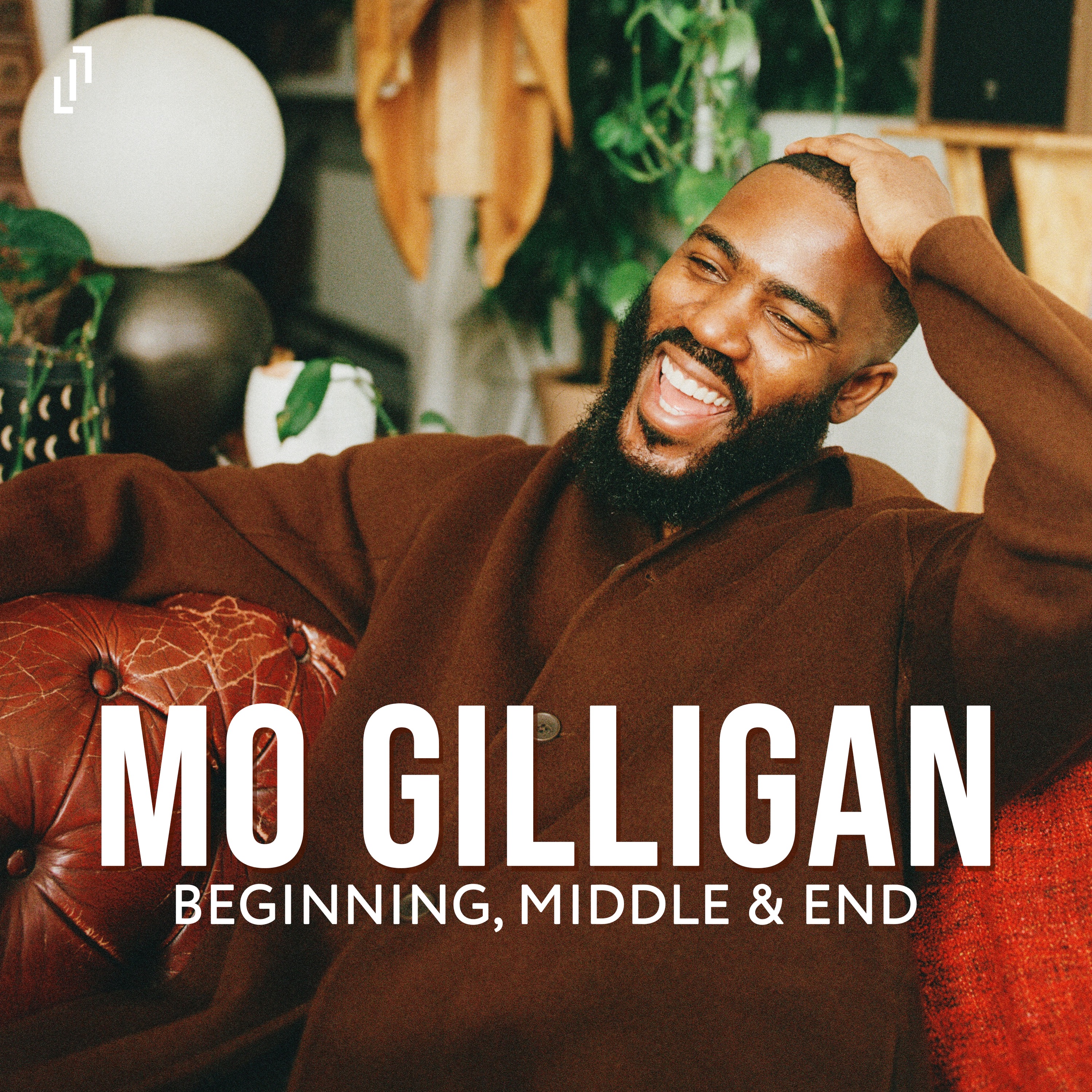
- Mo Gilligan: Beginning, Middle & End
- What Happened When We Played Rihanna Jungle
Mo Gilligan: Beginning, Middle & End7 Oct 2026 · 1h 7m · 27 chapters
What Happened When We Played Rihanna Jungle | with Chase & Status
In short
Chase & Status (with Mo Gilligan moderating) discuss their jungle/drum & bass roots, how the scene still relies on DJ culture, how they collaborate with artists, and what changed with compressed album promotion and global touring. They also recount the breakthrough of “Duppy Man,” studio/creative “Disney magic,” and how streaming/AI affect music’s live impact.
Guests (backgrounds)
Chase & Status are drum & bass/jungle pioneers from London who met in the 1990s through a mutual MC and shared underground DJ obsession. They built careers through raves and DJ support, later expanding globally. They’ve worked with major artists including Rihanna, Capleton, Stormzy, Little Simz, Ira (Yo Brother), Plan B, Liam Bailey, and others.
Key claims
- Modern release windows are short (e.g., album promo compressed to weeks).
- DJ culture remains the main tastemaker even with Spotify.
- Their collaboration method is to capture the artist’s “essence,” not force vocals into drum & bass structure.
- “Duppy Man” was a pivotal moment after Andy C repeatedly played it.
Notable examples
- “Duppy Man” sampled “Who Did” (Capleton/“who did” reference) and got Andy C support (pulled out multiple times).
- Rihanna studio session: they played a jungle/dancehall track (“Street Life”); she wasn’t interested for her project, and the drum & bass collaboration “evaded” them so far.
Written by AI. May contain mistakes.
Chapters
1:25
The Journey of Chase and Status
A discussion about their experiences in the music industry and working with various artists.
“There's never a musician I've not liked, but I like talking music, especially with musicians.”
2:40
Music Promotion in Today's World
Exploration of how music promotion has changed, focusing on the fast-paced music industry.
“The new album innit Yeah I mean it's It's more Things are more instant now So I feel like now you have less, like you had more time to build projects and like get music out there.”
4:00
Roots of the Drum and Bass Scene
Chase and Status share their beginnings in the drum and bass scene and how they met.
“And, yeah, just a mutual friend of ours who was an MC, he was like, yeah, I'll come around and we'll just make some mixtapes and stuff.”
6:00
The Impact of Manchester on Their Music
Discussion about how the nightlife and culture in Manchester influenced their music careers.
“I mean, here we are now, still trying to one-up each other.”
7:40
Competitiveness in the Music Industry
Talk about the competitiveness of the music scene in London compared to Manchester.
“I wanted to go back to Manchester because as a comic who's from London and London has given me everything in terms of my style of comedy, the way that I like to say stuff.”
10:00
Opportunities and Growth in London
Chase and Status discuss the opportunities they found when returning to London to pursue music.
14:01
The Journey from Manchester to London
Learn about the transition from Manchester to London and the opportunities it brought.
“all up and down the country, all around the world.”
16:16
Heroes and Connections in Music
Discover the significance of connecting with musical heroes and influences.
“I was like, fuck it, I'm going to message him.”
18:13
The Impact of Key Tracks
Explore how specific tracks like 'Duffy Man' changed the trajectory of their careers.
“back in London, I couldn't get in to Fabric that night.”
20:08
Creating and Performing Music Magic
Understand the excitement and creative process behind making hit tracks in the studio.
“Is it the same in the studio when you're making a track like that?”
Show all 27 chapters
23:13
Adapting Music Across Cultures
Learn how different cultural contexts affect the reception of music around the world.
“Me playing this or us doing that and I can see the crowd going nuts.”
28:01
Cultural Differences in Humor
Exploring how cultural nuances affect humor, particularly in the U.S. and U.K.
29:10
Adapting Music for American Audiences
Discussing the challenges and strategies of adapting music for different cultural tastes.
30:07
Collaboration with Artists
Insights into how artists collaborate and adapt their sound with producers.
31:02
Working with Different Artists
Examining the process of working with various artists and adapting to their styles.
33:01
The Challenge of Meeting Rihanna
Sharing an experience of working with Rihanna and the challenges faced during collaboration.
“We want your vocals to be like, we found an amazing acapella of yours and just flipped it.”
35:58
Preparing for Studio Sessions
Discussing the intricate preparations and dynamics of studio sessions with artists.
“we were working on kind of rihanna sounding records trying to keep it uk a bit of london but like also global pop music right so we're trying to figure out all of that out and we were just chilling in the studio one day.”
37:24
The Art of Music Collaboration
Delving into the importance of making artists feel comfortable during collaboration.
“But with those kind of things, it's nice to have a load of beats.”
39:38
The Impact of Awards and Accolades
Reflecting on how awards affect artists and their work in the music industry.
42:00
The Value of Awards in Music
Explore the perspectives on awards and recognition in the music industry.
47:44
AI's Impact on Creativity
Discuss the implications of AI on music creation and artist jobs.
“And it's spitting out kind of good results on the surface, but actually they're not good results because they're kind of the same as everything else.”
51:32
The Evolution of Club Culture
Reflect on the changes in club culture and its influence on music.
“But those, when you're playing to your mates in a small, it could be 50 people, it could be 20 people, that feeling of like trying to get the reaction, the pull up from just this tight crew of people.”
56:00
The Importance of Arts Education
Learn how access to arts education can empower young talent from diverse backgrounds.
“And how does it feel like being now kind of part of that in some ways?”
59:16
Legacy in Music and Collaboration
Discover how artists view their legacy and the importance of collaboration in their careers.
“Again, I didn't know it exists until I went there with Stormzy.”
1:02:18
Celebrating Successes and Setting Goals
Understand why some artists choose not to celebrate achievements and how they maintain motivation.
“If I was Jules Holland, then you're like, who is this?”
1:04:20
Memorable Moments in Performance
Hear about iconic performances and the unique experiences of artists during shows.
“there's somewhere it can go and you will still keep some of that fire.”
1:10:01
Farewell and Gratitude
The host expresses heartfelt thanks to the guests and discusses their music's impact.
“Guys, man, it's been an absolute pleasure.”

Ask about this episode
Get the gist, explore an idea or ask about something said.
 Claude
On Mo Gilligan: Beginning, Middle & End, what are the key points of this episode?
Searching your listeningTranscript
Automatic transcript. May contain errors.
0:00Hey guys, it's Drew from the comment section. Some days my skin just needs a little coverage and other days I want to go full glam. For those everyday moments like running errands or grabbing coffee, I've been loving the Merit Minimalist Stick because it's a foundation and concealer in one that gives me a really natural skin-like finish. But when I want more coverage, I'm reaching for the Hourglass Vanish Concealer every time. I know I'm not the only one who struggled to find the right foundation or concealer shade, which is why I always shop at Sephora. They have the best brands all in one place with so many shades, coverage options and finishes, plus expert beauty advisors, free samples and shade matching tools both online and in-store.
0:40So whether you're looking for barely there coverage or full glam, Sephora can help you find your match.
0:47Mo Gilligan: Hey, what's up people? My name is Mo Gilligan and if you're watching right now, you're tuned into my podcast, Beginning, Middle and End. Now my guests today, that's right, Double Bubble. We've got two guests, but guess what? They come as a package and they are absolute pioneers of the drum and bass slash jungle scene. We've worked with absolutely everyone. Rihanna, Capleton, Stormzy, Little Sims, Ira, just to name a few. And they've got bangers after bangers, chart tops, and they've even got the awards to match it. So please welcome to this episode of Beginning, Middle and End Podcast, Chase and Status.
1:25Mo Gilligan: There's so much I want to ask you here. So I'm big fans of the music. I really am, man. I love getting musicians on. There's never a musician I've not liked, but I like talking music, especially with musicians. Because as a fan of music, we see the last bit, we see the finish up. Do you know what I mean? And I remember meeting Aira, who I know you've got to work a lot with. Yeah, of course. and he was on maybe he's on the Big Nasty show and we was talking he was on the Big Nasty show yeah he was doing all that he did some voiceovers yeah yeah yeah we called him Yo Brother yeah that's his name Yo Brother I'd met him previously before and I was just like oh bro like congrats with the track man Chase and Sayers a big look and he was like he's one of the best because he's like because he's so different to the person I feel like people you might see him and he goes bro them two though real fucking guys man I said yeah I go nah bruv Trust me bruv They had that fucking One time I'm in there That come studio Rihanna's in the studio I said shit He's like yeah bruv They're proper good guys man So I'm also excited Because of that You know what I mean Bless him We paid him to say that But yeah Cheeky under the table How are you guys feeling now Because you're about to release The new album innit Yeah I mean it's It's more Things are more instant now So I feel like now you have less, like you had more time to build projects and like get music out there.
2:54And it took longer for things to kind of get into the world. And you could sort of like spend time figuring out how to promote music. Now you get one quick shot, one little window of people's attention. And you could roll out an album for a year, just keep, you know. And now you just get four weeks of activity. and then kind of like people move on to something else and so it's really compressed really like intense now and I think because of that yeah like you know the cream still rises to the top but a lot falls away quicker now and which can you know be a bit depressing for an artist because you spend you know a year or two making something and you can kind of come and see it come and go very quickly now
3:40Mo Gilligan: because the album drops on October the October the 9th the night yeah October sorry October the 9th so be done by the 12th and then so like you know like how you're feeling now where you've got to do the promo and stuff because I feel like your music like you're saying it does the talking does that make sense yeah when you're at a festival or when you're at yeah that's where it works that's where it works it's best obviously but you know all our records all our albums have a kind of a theme or like a snapshot or a kaleidoscope into like where we were at in that time or what we perceived to be going on in UK culture like of all all of our albums in certain years that hopefully have in our eyes the guys who would be stars of the future and also some hopefully some established legends but you know we're always super super keen for that you know i'm saying yeah but i'd like to go on the other point i think it's it's important to note that like we are discussing now like getting that music out putting on spotify goes away tomorrow but in terms of like being in a scene like we obviously come from drum bass and jungle like yes the way they release their music is still you know not like how it would have been back in the day with like vinyl every week so on so forth but these guys can still cut their teeth in a scene in a niche underground world and release their music and the way that music is still is still promoted massively is by djs you know so back in the day we wanted to give our tunes to djs avoid andy c playing our tunes you know what desperately give it to him avoid eze playing our tunes how can we get it to these people so and i think that still exists um 100 percent DJ culture is still massive but we were just discussing when it hits spotify and all that and those kind of albums you're right there's a whole career people have before you even get to that yeah and i think and i think um i think that's still very prevalent i still i still it's still very important yeah how did you guys meet we met in london we were from london obviously and uh we i was um just bedroom dj like 15 and maybe 16 by then 16 uh just like in you know in my mum's yard with some decks, a lot of vinyl, thinking I was going to be the next bad boy, you know, DJ.
5:45And, yeah, just a mutual friend of ours who was an MC, he was like, yeah, I'll come around and we'll just make some mixtapes and stuff. So we're doing that. And then one day he said to Saul, yeah, you should come around my mate's house. He's got decks, his mum lets him, you know, blaze upstairs. And then it was like, yeah, we were, you know, straight away it was like okay you're on the same flicks as me just that kind of obsessed thing about underground music and mixing and dj culture and stuff like that and that was it you know we that we would then bump into each other at big raves and stuff like that around london and you know this was the 90s so there's a lot of mad raves going on there and yeah and it was a cool time to be to be about london was a mad place with a lot of get help for the music that you lacked and you wanted to make as well yeah and and so you just become part of a little group of friends that own the same thing and then and that was it the scene was so you know not to say that it isn't now but i mean back then it was so it was like a it's like you're like a secret club you're like you're absolutely loved and then if you see someone on the street wearing like versace jacket or moschino you'd like the classics you'd be like yo you met at one nation last friday yeah yeah yeah it's like okay on the same kind of same language it's a small little niche thing you know and finding someone who is also equally as obsessed about it was like it was very like you know attractive so you suddenly like come together and like like he said from a friend of mine said yeah come to Will's house got a great Vestax mixer and you can bum weed in his room I was like oh I'm there and he goes yeah he's a good DJ and I was like good DJ he couldn't be better than me he goes no he's good though he's not he ain't that good so like it became chase versus statement so how he first linked up We're trying to one-up each other.
7:31I mean, here we are now, still trying to one-up each other. Yeah, yeah. I wasn't smoking up there, Mum. It was all me. It was all me, Jane, as always. Allegedly. It was all him. I don't even know about it.
7:43Mo Gilligan: I wanted to go back to Manchester because as a comic who's from London and London has given me everything in terms of my style of comedy, the way that I like to say stuff. But I think Manchester, I went there, I was in my 20s. and I think what I liked about it so much is it had this nightlife culture that was so different to what I was used to. It was like these rude bouncers, but they're kind of friendly as well. Do you know what I mean? I was at London, I knew what I was getting, but I was just like, all right, lads, how's it going, mate? You're not going to get in with those shoes, all right?
8:12Mo Gilligan: You can step to the side for me. And I was like... Not coming into Nightmore, yeah. It was like, I was like, oh, right, you're kind of rude, but I get it. But it had this really nice, like for me anyway, nightlife culture that had young people. You still had, like everyone was going out within their own groups and stuff. And I know it was big for like, especially raving culture as well. How much was that of influence? Because I know you guys, what would you say you guys was in like your late teens and early twenties there and stuff? Yeah, 19, 20, we went up there. No, no, no, we went up, I mean, like, it was about then, wasn't it?
8:5018, 19 I went, yeah. Yeah, so it was, listen, I mean, we loved it up there and we kind of stayed up there for like seven years because we loved it so much. And it was just like, I think it's exactly like you say, like coming from London, which can be a bit of a harder place. People are a bit, I mean, by attitudes, like people can be a little bit more frosty. Cagey. A bit more cagey. Keep to yourself. And so as a Londoner, you go up north and it like blows you away. Yeah. The openness and warmth of people, even your tough bouncer. and that creates a good vibe when you go out in the city, that nightlife thing.
9:27And it also enables you to like build stuff up there. Like we started building or trying to get part of the scene up there. We were promoting nights, putting on things. Did you feel like it was easier? It was easier than doing it in London, you know. Just because of scale. And also attitudes, you know, I just think people in London, it's more competitive it's more dog eat dog and I think it gave us space to kind of build stuff up there meet people record shop owners other DJs who are a bit more friendly everyone's a bit more open you find yourself being more open and friendly and you come back to London you're all like no get away you know it's my thing you know and then you go up there and it's like yeah it's a good vibe and we felt that massively and it kind of inspired us to kind of push on and start taking it seriously yeah
10:18Mo Gilligan: Because I know out there In terms of you've got that I wouldn't I've not I've been to one in Birmingham But I'm talking like Big warehouses Yeah Where it's like There's not really a bar It's like someone who's got like Coke with the lid on it Do you know what I mean? Like cash only Yeah So do you feel like That was almost a catalyst of like This can work Because I think The reason why I go back to that Is because when I would do shows In Manchester And again I wasn't I was okay here my thing was bubbling but I would do a night like every Sunday every you know couple of months in Manchester I got to host it and people were like you're really good man and I'm like I don't even get this love in London do you know what I mean but it's like this weird thing with Manchester because it's so iconic where it's got you know from Oasis to you've got Liverpool down the road where the Beatles are from they're places that have their own identity so they I feel like they allow you to have your identity if that makes sense yeah they do and then it comes to us you know you get to a place where you make a choice it's like okay like it's going great here and you know things are going real well playing all the big shows we've always loved up here fundamentally we're kind of becoming like big fish in a smallish pond okay where someone to become hopefully big fish in a big pond and um so then it's like we packed up and you know went back down to London I think there was also that natural thing that's where we were from you know eventually we were going to kind of come back we were always visitors I think yeah exactly and it was always like for what we were doing at the time it was based in London yeah do you know what I mean Jungle Drummond based like 70-80 % of it was happening in London the venue so it felt natural to come back down for that wasn't you teaching up there as well yeah yeah yeah yeah so you like was fully there really yeah yeah I mean we yeah we dropped out at uni like so it was jobs you know I was working in various places and uh that was one of the better jobs I had teaching in a big college up there um I was teaching music obviously music tech and production and juggling that between the studio and and it was fun because at the time that was the very start of us having some success with some underground tunes and so I would come in and my students would have gone out they'd been like 16, 17 or they would hear on the grapevine that these big tunes were being played or getting pulled up at clubs and I'd be like yeah that's my tune and obviously they would think I'm mad like my teacher thinks he's making, you know what I mean what is he talking about?
12:56I was like no I'm not just a teacher so it was a mad time it was a sick time actually We love Manchester, it really is home from home and I got a lot of love from it. Yeah big time
13:07Mo Gilligan: So like when you go to London now Did it feel like there's now this competitiveness, especially like when your name starts getting out there, you know, if you're putting on these events. I feel the one thing I've always loved about the UK is word can spread very quick. Yeah, yeah. If you're in, you know, like for comedy, for example, if you start doing really well in one place, people start hearing about you in another place and you're kind of like, rah, you guys know who I am in Newcastle? Yeah, yeah, yeah. You know, so what was that like when you started to kind of come back home? Did it feel like you had to prove it to people who you are or was it more of a case of like we just crack on of what we've already been doing?
13:43Yeah, I think the latter really. Like, again, we're very fortunate with the drum bass scene. It was, it's always been, it might have not always been like in vogue and what's the most, you know, in vogue kind of fashionable music of the time. It comes in waves, but it's also always been crazy busy. There's always been gigs and raves all up and down the country, all around the world. But we're just focusing on the UK for a minute for this part of the conversation. Like, so when we were living in Manchester, you know we'd get in the car and we'd go drive to london do a gig in london do a gig in bourbon on the way back and you know there were many or then like okay the gig's tomorrow's in lees or it's in bournemouth and regardless where we lived our career we had was like that for a good 15 years basically up and down the motorway every nook and cranny in the uk you know me we went there um i think when we went to london it was more of a case of and it's obvious to say this i guess but there were more opportunities be it like okay working from this studio getting a new studio working around these people linking people linking people like oh we've actually know so when we were in manchester for instance a long long time ago we did a song called loves theme um got a phone call from shy effects and at the time it was like you're getting called from like you know like an angel you know god whatever you like one of the heroes you know we grew up listening to now we grew up on his music he's saying man i love that tune and we're like oh nuts and then within you know six months moving back in london we've linked shy we're now doing a remix for a song of his on his label it's like suddenly all these opportunities seem to come about more so it wasn't so much the case of like we've got to prove ourselves and now we're in this place it's like the music like you said it's done the talking but we are now in a place where we can actually
15:24Mo Gilligan: build some of these bridges that must feel nice because i guess it's like For me anyway And I can only compare it to like When you start to look like There's one thing meeting your heroes But it's almost like When your heroes know who you are It's like a different feeling Yeah Because you're like I'm just happy to meet you Yeah yeah yeah Hey man let's do that stuff You're like You know It's like you don't want to You don't want to get too gassed But you're like No yeah No I appreciate it Thanks man And then you're like You start I met Chris Rock in the summer Wow Tiny Tempe introduced me to him And he said to me Oh Mo like Yeah man I've seen some of your stuff from Netflix and that.
15:59Mo Gilligan: Yeah, man, like, and I was like, you know who I am. Like, and then again, I started word vomiting. Yeah, I got a documentary coming out. I got this coming out. Yeah. Now I think I'm friends with him, isn't it? So I was in New York and I wanted to do this comedy club and I was like, do I message him or do I not? I was like, fuck it, I'm going to message him. Airtime, isn't it? But I was like, you know what? The fact that I could was a number. The fact that you could, bro. You got his number. You got his number. The fact that I could, man. what I've always loved about your music is for me anyway like I didn't really I grew up on Jungle in a sense of like my sisters would listen to it I was still a bit young for it in a sense of like being able to go out and experience it in an actual rave capacity I think I was just a little bit after when more UK Garage came in that was kind of where I look at like you know my childhood and then finally being a teenager and stuff but With Jungle I feel like I was just a bit Too young Yeah But I know the sound Yeah yeah of course It was everywhere I want to ask you though yeah Because it's one of my favourite tracks Especially like If I'm running Little 5k and stuff yeah One track for me yeah Which is like Alright It's time to It's time to get Sub 25 yeah Duffy man yeah Yeah Go on This song yeah When I'm mean This is why I'm so excited You remember when I said I've got questions I want to ask you this track and just before you guys came I was looking at your boiler room set and it went off it went insane but it's also a track that it's like you can be in the car and it feels like it's going off just for you it's like when I'm running it's going off just for me that tune and that period of time definitely was one of those you get asked questions like what moment was there that things changed for you in your career and that was one massive moment for us where like Duffy Man changed things it took us from being like quite far down the bill to like up to the top.
17:58School teachers, that was the one I was talking about. Yeah. That tune my kids were like, oh, this is tuna going around. It's apparently the biggest thing with Caperton. And I was like, see, swim. I did it. That was the exact moment, wasn't it? That tune, it got, you know, people were putting that. We were getting, you know, for some reason, back in London, I couldn't get in to Fabric that night. Whatever reason, no, no. Whatever reason, I had something on, you can't get in. Either way, I had to go home. And that was the middle of the night. I'm walking over my friend's house, like two, three in the morning.
18:25And another bad phone call saying, bro, is this your tune? And he's like, who did? I'm like, yeah, so he goes, Andy C's pulled it out five times. No, six times. And I'm going, unbelievable. It's like one of those moments, like, I can't believe we'll phone him at three in the morning. He's like, hello, you know, explain what's going on. And it's like that tune. It's popping off. It changed it all basically. But how did we get him on it? Like, you know, we sampled it. Yeah. We sampled his tune, who did?
18:49Mo Gilligan: So the track is, because you know sometimes where the artists can recreate it as well. Sometimes they have that with tracks. Tough one to recreate. Yeah. Tough one to recreate. But we kept it on, again, nerdy stuff. We kept the rhythm of the backing track the same as dancehall. Boom, boom. We didn't change it too much. But we moved it to drum and bass tempo, put lots of drum and bass kind of noises and basses and feelings in there. Yeah, yeah, yeah. And it was one of the earlier tunes that kept that kind of rhythm, but whilst still being a drum bass tune. I think that's what made it quite interesting for people to hear this.
19:23Not your run of the mill, your ear catching. What is this? And obviously, Cable Dunn's delivery on that was obviously, you know, magic. It's that energy. Thankfully, he cleared it.
19:32Mo Gilligan: Do you know when you're making these tracks? Because I've never been in the studio. I don't know what it's like. The only way I can try to compare it of like is when I write a joke and I know this is a banger. and I get this weird excitement like I want to act it out again. And I've not even performed it and I'm just so excited to be like, you know, if I've got a work in progress and I'm like, I don't care about any of the other material. I just can't wait to tell this one. And there's something in the room that happens that's a weird like Disney magic if you want to call it that where I'm saying it and in real time I can see the glitter fucking around it.
20:09I'm like, this is a hit. Yeah.
20:11Mo Gilligan: Is it the same in the studio when you're making a track like that? Because again, it's like, if you've got a DJ at Fabric playing it, you're somewhat of a, you know, a tastemaker. Because you've probably made tracks before, you're like, this is the one. Yeah, and it wasn't. So what's that moment like? Well, you know what? I mean, we draw on those moments when we've played out, you know, we've been in front of a, performing in front of a crowd and those special moments where you get a big reaction that feel amazing and you're like, okay, this is it. so it's useful when you you know you you think about those moments when you're when you're writing or when you're making a you know a track and you're kind of literally trying to design that moment again to happen but obviously and so and when you when you finally stumble on a collection of sounds or a song or a moment and you go you know what i can visualize hey guys it's drew from the comment section some days my skin just needs a little coverage and other days I wanna go full glam.
21:14For those everyday moments like running errands or grabbing coffee, I've been loving the Merit Minimalist Stick because it's a foundation and concealer in one that gives me a really natural skin-like finish. But when I want more coverage, I'm reaching for the Hourglass Vanish Concealer every time. I know I'm not the only one who struggled to find the right foundation or concealer shade, which is why I always shop at Sephora. They have the best brands all in one place with so many shades, coverage options, and finishes, plus expert beauty advisors, free samples, and shade matching tools both online and in-store.
21:46So whether you're looking for barely there coverage or full glam, Sephora can help you find your match.
21:52Mo Gilligan: Therapy's biggest impact doesn't show up in some dramatic breakthrough. It shows up in the smallest moments. You bite your tongue instead of escalating. You put your phone down instead of firing off that text. You say what you actually mean instead of what would hurt someone else the most. Nobody applauds those moments, but they quietly change your life. That's what growing feels like, and that's exactly what Grow Therapy is here for. Grow is therapy that works, covered by insurance. Sessions average$21 with insurance, and some pay as little as$0, depending on their plan. There are no subscriptions, no long-term commitments.
22:29You just pay per session. Grow connects you with thousands of high-quality, licensed therapists across the U.S., offering both virtual and in-person sessions, nights and weekends.
22:40Mo Gilligan: You can search by what matters, like insurance, specialty, identity, or availability. And you can book a therapy session in minutes and begin in as little as two days, not the national 48-day average. See if you could pay as little as$0 for therapy in seconds at growtherapy.com slash ACAST. That's growtherapy.com slash ACAST. growtherapy.com slash ACAST. Availability and coverage vary by state and insurance plan.
23:13Me playing this or us doing that and I can see the crowd going nuts.
23:18Mo Gilligan: Yes. And because you remember and the you know that little bit of energy and it could be a completely different record from the you know but it's just a like a little sprinkle of energy that you know will stand out from the rest of the noise in a room will cut through and will get a reaction and hopefully a good one and i think you just draw on that you know and it's interesting you say that like you can thinking about those joe you know how is this gonna and you suddenly know when i stand i know i can see it's gonna work yeah so you kind of you do often know you've hit you've stumbled on something massive so not always right sometimes you're like oh i'm not sure about this and what we do what we tend to do is kind of over thinking.
24:01We have a good initial thing like this idea. Then you spend the next four months finessing it. Ruining it. And you kind of kill the magic. Yeah, yeah. But then sometimes you get it back when you start performing it. But that list, that thinking about I know this is how this is going to go down. And it's kind of, that's exciting. There's also like the creative reaction thing. Certain big tunes of ours when we first played them. Oh yeah. Bombed. Yeah, yeah. Loads of them. Bombed like next level. All my days like you get the cyanide I'll get the rope it's over I'm out and then other tunes like with Badadan like when we did the first draft like Boo went out and played it on the stream that night we didn't even know it was going to and it went off and then we knew okay bam we got something here because it was instant but we had tunes of ours like Blind Face tunes of ours like End Credits which went on to be two of our biggest ever tunes first time we played them they were growers first time we played Pieces I mean lots of songs lots of songs do you find do you find that like some some jokes or acts like don't hit immediately but grow into becoming your best stuff or is it all quite instant you know
25:07Mo Gilligan: sometimes with comedy the hardest thing is that you can write a joke you perform it and instantly it's like you're saying the Disney magic's there yeah now it's like I now need to take this and put this in a show right and I have to tell this every night yeah around different places in the country around the world yeah yeah yeah and I think what I've always found funny which I kind of wanted to ask you about where you know I can perform a bit of material in the UK I'm like this is this is banging man I go to another part of the world that's America crickets wow I'm like what so difficult how do you get this this is hilarious stuff am I telling it different is it a different culture or what I'm not too sure how is it with you because for me anyway like I feel like drum and bass has always been part of my life yeah you know with Jungle with Garage with Grime it's all I've ever known yeah so what's that been like you know performing and taking that sound around the world and almost kind of being you know in some ways like people who are like at the forefront of this music you know there's you know one of the people that you know work on on the pod and he was saying yeah i've seen it and like you know i went to a festival and and stuff and for some there's a generation out there now where it's like when they think of drum and bass you're the first people that you think of you know yeah well look it's been a privilege traveling the world doing this right And it is different all around the world.
26:30And certain things that work in the UK, you find out quickly, they don't necessarily work exactly the same. And you've got to definitely adapt a little bit and you kind of learn from experience like, okay, this part of the world is less like that and more like that. Maybe they don't have the history, the context, you know what I mean? You just presume everyone's from London and grown up in grime and garage and knows what a pull-up is. You do a rewind in America and it's like people think the decks are broken. Do you know what I mean? So there's lots of differences all around the world. And, you know, first of all, it's not about being, you know, initially when we were younger, we were probably more like, oh, you know, they don't get it.
27:08And then now we're a bit more like, nah, fair enough. You get less precious. Yeah. And it's all good. And, you know, of course I don't get the same thing. So the thing is, I have to say, though, like we do adapt a little bit, but not in the same way you must, man. The subtlety of a joke must be so much harder to take that around the world. The nuance. The nuance. Sometimes, though. The way that, you know, I don't know. It must be. I can't imagine. Do you know what I think it is?
27:38Mo Gilligan: What I think I've tried my best to learn is when I first got to do a world tour, I was like, well, no, I'm not going to change it. They're going to get a UK experience They're going to get Black British comedy And that's what I'm going to give to them And it was only until like You know after the show I'd meet people after the show And take a picture with them And you know some people would say Oh you know I had this bit of material I'd do on a new tour And I'd say oh yeah This boy jumped on my bonnet On my car And everyone gets it When I do it here Yeah right And in the US They wasn't really laughing The way I wanted them to If that makes sense Place like New York They got it Yeah But once we got to different parts Of the States like Houston I was in Houston This lady said to me She goes Can I ask You said this young man He jumped on the bonnet What do you mean by that Because for them The bonnet is what It's a hat It's not a hat It's the headwear So when women go to bed Especially black women Put a bonnet on Protects the hat Protects the hair and stuff And I was like Well you guys call it the hood And I'm not Like I don't want to be the person That's like Well you know You've got to jump on board If you don't get it So it's like Okay cool Now I need to change How I tell that joke And once I started changing it It got then the laugh that I needed So it's like you're saying It's like you're saying with adapting But still keeping the thing pure Because I know there's someone in that room Who's from the UK that's like Oh bro, say the bonnet bruv They don't fucking get it And you always get Brits that come to shows like Bruv, do it, it's fucking for us bruv Fuck these lot Money out of here because my missus is fucking from Florida And I'm like, oh okay So is it the same for you in terms of like you know when you're talking about adapting with you know music and different sounds and different artists it's odd because they again you know we adapted too much i think we thought we had to adapt too much when we were going to american stuff and i think we learned actually a bit a bit like people are fans out there we were putting you know american vocals on stuff and just trying to make it more american and i think we learned quickly that is not what people want they've got American stuff they want British culture it's you know we didn't have the same subtleties of like language being actually physically different but and I think we learnt that didn't we and we had more sort of courage to go yeah we're repping London yeah and just we've always done that we've always just repped London yeah but I think more and more we've realised like that's that you're exporting that that's the magic so there is a little bit of adapting but I think because drama and bass is such a strong scene a genre in his own like there's tunes that are big tunes or they just travel they do universal um i think what's fortunate for us is we've happened to like get we've happened to have gained our own large fan base come out to see chase and status and fundamentally you know they want to hear us play our music and hopefully we can like keep on making our music that they're into yeah you get me like rather than like oh let's not try and play this kind of sound like we just do us yeah what works well for us basically in terms of like some of the artists that you've worked with is there a level of adapting to some of those artists because you mentioned bland faith plan b's on that track right liam bailey liam bailey yeah yeah end credits N Credits Oh that's N Credits Yeah With the acoustic guitar Yeah yeah yeah When you're having to adapt To a different artist Are you thinking of the artist first Or is it you present them the track How does it work Because you work with so many artists And you know Like we were saying with Ira I know Ira from the videos Do you know what I mean When he used to do That's how I first know Yeah yeah yeah So like to hear Even when he started doing the stuff with it And I think he was somewhere random Like I think you lot was in Eastern Europe somewhere Quite possibly And I seen the video Yeah yeah And I was like Because the whole thing Is with Ira Big up Ira I've got a lot of time for him Yeah man Is that he didn't Used to show his face Yeah right And if you met him I was like Even the first time I met him He will remember this I was like Oh Ra Ra you're tall And then Hearing him on tracks Because he was telling me That he's working with you And stuff And he had his own tracks And stuff It must have been Somewhere like In Eastern Europe Or something And the crowd Were going absolutely absolutely mental when you're working with artists is it artists that are like coming to you and they're like look I want to jump on this sound or are you like look we think this would be a perfect because you seem to get it right all the time it's very kind but we never nine out of ten times we never have the track there ever it's always we want to work with this person we approach them we approach them so we'll use Ira as an example basically actually also Frisco from BBK he put me onto Ira as well but I knew Ira from the comedy and also and the refix show he does and also he actually did this thing where he went on can't remember the TV show now but he went on there dressed in a suit and he was like slewing Farage and he was like he was as like a comedic like musician but he was obviously all a dancehall and it was hilarious Farage was like dancing around but getting absolutely slewed like you know what I mean to his face like oh my boss unbelievable yeah Farage just said absolutely like you know yeah man and it's just it's hilarious yeah so then frisco goes you know my man's like hardest dance all out there you mental what you're on about and then i repart a tune called uh not begging a friend and so just hit him up on instagram said yo man love that tune love to get a dub and that's how it all began and then we said let's get in let's get in let's get in and the first things we did with him like we do with everyone we wanted to get the best out of him yeah so we wrote some dancehall beats and then he was like yeah dancehall yeah i thought we're gonna do something like mental drum bass we're like we will but we'll get to that and so we're going to get the best out of the artist and then we managed to get him just being the essence of him on that track and we turned that one into program and then the whole heap of other things that's how we do things with most guys yeah i'll be with little sims on there and rather than say hey Simmons here's some crazy ass drum bass beat that sounds absolutely insane here's a cool rap beat at the same tempo what are you saying and she liked it and then we got the essence of her on it we try and like cater to the artists we want to work with yeah rather than make them fit into what we're doing because drum bass um especially is very fast and it's very kind of regimented in terms of how the drums are and i can imagine well we've seen it many times an artist just kind of falls into that structure and loses their whole flow and bounce.
34:18Natural. What's natural from you. Yeah. That's why we want to work with you. We want to get it. We want your vocals to be like, we found an amazing acapella of yours and just flipped it.
34:28Mo Gilligan: Yes. Yeah. Yeah. Cause I was listening to end credits today and it, it just, it just takes me back off like weirdly, like it, it's the sound that you hear, like after you've just watched match of the day and it brings all the football, it brings the slow motion crowd coming in and then music kicks in. You got crosses and celebrations and stuff like you have such, even though I think sometimes if you've grown up with drum and bass, then you understand the sounds. But I feel like you guys have such an, there's so many ways of how you have drum and bass, which isn't just a linear sound. If that makes sense.
35:08Mo Gilligan: You've been able to, it's like, it's so interesting now hearing you say this with how you work with the artist is there any artist that it just it hasn't worked if that makes sense or you're just like ah we because it's like you're saying you're trying to you can't adapt to them they've got to adapt to you but you find almost like a mutual like yeah this is how we're going to get the best out of you i mean we did a lot of work with rihanna for her project right a few years back and she got in touch um really because of actually kind of more of a like a kind of dance-worthy dubstep record that she loved and she was like i love this i want you to produce for me obviously we were like so gassed she came to london for a few weeks and and we we spent like a few weeks with her and her whole team and jay-z was there the whole thing amazing right like we were young producers and um done so we were working on all this stuff right not drum and bass right we were working on kind of rihanna sounding records trying to keep it uk a bit of london but like also global pop music right so we're trying to figure out all of that out and we were just chilling in the studio one day.
36:11We built, you know, got a bit more confident, chilling with them. You know, Rihanna's just chilling in the studio late night, just playing some tunes, whatever. She's like playing me some beats she'd been working on today. And I was like, so should we just play us some jungles? Like some of our jungle played at this tune called Street Life, which is a cool jungly dancehall record. Just played it hoping she'd be like, yo, what's this? You know, let me jump on a DMV thing. just turned around not interested but she was like our next just didn't get it you know what I mean just didn't get the sound or the context or the tempo maybe she wouldn't have yeah yeah you know I mean ultimately she wasn't looking for that for her project at the time but it was just funny because you know when you're in the studio like I'll play this and then you think is it going off back there and then you look around and you're like it's not going off but we never we always wanted to do a drama based thing with her and so far it hasn't happened.
37:07It's evaded us, yeah. It has evaded us. That thing, being in the studio with an artist, be it from Rihanna, be it K-Trap, be it whoever, when you're there, because what we like to do more time in those kind of sessions is have a folder of beats prepared. Obviously, people like to write stuff from the scratch. We do that as well. But with those kind of things, it's nice to have a load of beats. The beat selection, we're going to play next. Get it right. The order. Yeah, it's as or if not more, like stressful than playing out to thousands of people but not even the whole setup man yeah i mean you talk we go to extreme lengths to make people comfortable it's not just yo come studio let's play it's like what studio what room certain people don't want to go parts of london certain people you can just tell that kind of studio isn't that vibe it feels too old school or too new you know i mean so like we're thinking about all of that before we link people you know what might they do stuff they've got their own yeah are they are they smoked do they drink what kind of drinks would they want like who's going to be in the room get rid of other people that don't need to be there yeah yeah you know don't need cameramen there when they get there but maybe after a few hours you know all of those kind of things we're obsessed with that and then that's just before they've even got in the room then they then you know people come in the room whatever and then it's like yo play me what you got and we don't just play a folder of beats me and Saul have not only been making these beats for time but debating arguing bro don't play that first open with that one but if you open with that one then the next one is going to be too much of them but actually and so it's mad and we have yeah it wouldn't make that's too rowdy to start with or whatever the hell you know so you're really thinking about all of that and to them they just rolled into the room place oh yeah i like that one let's do that yeah yes but it there's a lot to it yeah collaborating with people i think there's a lot and sometimes people are good at that i think what it's about is thinking from their point of view yeah and remember we're bringing them into our world i guess you know we haven't asked storms to come and do a rap record so like how's he yeah how's he gonna feel comfortable though coming into our world and so it's just that it's important to do that i think that is the art of collaborating a little bit yeah making people feel comfortable yeah and that feeling it's the same now as it was like however many years ago we started this which is playing some beats I'm like okay all these beats what if they hate them all not a problem end up having to make something new it's all good and then when someone says yo yo I like that one mock that you're like yes oh yes they like one at least we got one and then hopefully they like more but that first one they're like yeah yeah oh that's hard mock that you're like yes we went to the right track otherwise it's like oh girl okay when they go no no next there's obviously lots of funny videos people like Lil Yoi hearing like six seconds and they're going next next yeah of course the producer's face it's like I've got nothing I've got nothing left you just play the same beats again hopefully they don't know that's happened before yeah of course
40:06Mo Gilligan: when you start getting like chart success how does that change in some ways because I feel like what you guys do is very pure you know from what you're saying about how you want to work with an artist down to where they look I just sometimes think that all the studio is this one place and this is the same place I didn't know that you guys would be like we've got our own yeah sometimes you know how it is some people can't go so far to London yeah yeah yeah it's a band some people like you know need to smoke some people need to drink some people don't want to smoke some people have a big crew of people yeah some people always roll with the gang some people roll on their ones so like so it's like I want some vibes man some people love certain studios yeah I love recording Maloko and Red Rooms great see you there tomorrow yeah fantastic do you mind if we use the engineers there yeah great you know whatever's best for you if you're like yo man no no no we're like great let's make it happen we're not precious because I guess I guess that gets the best out of whoever you're going to work with yeah I think it's also just about not being complacent like being respectful of the artists not just presuming you know what I mean like we want to just respect their craft and acknowledge like we're making an effort because we're grateful you're here taking this you know what I mean we never think like yeah we're so and so this is a good look for you we're the opposite we're like so grateful they've come even if it's an artist who's not as big as us or whatever as successful we're just grateful that they're there so it's like just having that attitude I think it's important when you start like winning stuff though like you know you and you start you start winning stuff you've got to go to these award shows and I've I'm only seeing it from the outside so for example when I got to host the Brits I'm just there as a presenter this is not my world yeah but I know this is a this is a world that exists but it's again it's the Finnish article stuff you're like well we're all there putting a nice suit if we win cool if we don't it is what it is what's that what is that world like because it's probably so far removed from where you guys started and what you want to do and you know one thing with comedy you know it doesn't matter if you got the award for best comedy show that year it's kind of like how funny are you yeah as you'll show the O2 sold yeah yeah yeah is the greatest parameter of like is this working yeah tickets i think i think accolades are great you know they're fantastic and we appreciate everything what we've got and you know we're blessed and on and i will say it's a privilege to receive them but to say that we do any of it for them would be a lie it's a fantastic byproduct um when it comes and it's also a fantastic moment if it didn't come you know we're not here for that but the fact that you get that kind of um approval is great it's nice for in the Brits and when we won our Brit a couple years ago and that was a real moment that was like fucking hell like what that's unexpected you know like it genuinely really was you know and to get that kind of approved from the industry and the peers and the fans yeah man it definitely it definitely felt good how about you yeah yeah I mean yeah like they're weird awards are weird right particularly in music I remember Central Sea getting a Brit and he went I don't know how I feel about as he won the best newcomer but I love you know I love it he stood up and he went I don't even know how I feel about this right now like awards in general and I thought so him just to say as the acceptor's speech which I kind of love but they are weird it's weird like competing do you know what I mean like you always disagree with certain awards as well like how could they have won it over them and it's subjective right but it's you know what as well like artists we get enough like praise and kudos right you know we get audiences clapping and people saying you're great and whatnot and there's a team of people that that help do this it's not just me and so and so it's important for those people as well you're they're winning on that night all the people that believe in you work with you slave away yeah your your family and your work family the whole team are there celebrating with you and i guess without awards they it is a thank you you know what I mean they're not getting that so it's as important for those people I think as it is for us but yeah just on the surface we're not we're not that fast yeah and how are you guys with like you know the conversation comes up a lot with things like AI and you know streaming and stuff because I feel like you know watching you guys do your boiler room set and like I was saying when it goes off like AI can't like replicate that do you know what I mean yeah that's a yes And streaming Not yet Streaming just doesn't give you that No Like And where You know you guys have been doing this Since the 90s now Do you know what I mean You've got fan bases That have been there from the start You've got You know Young people going to uni Like let's say September now Yeah And they're like Cool my introduction into my uni experience Is going to be You know your music When your album comes out In a week or two So like Where are you guys now with music Because again like starting from that foundation of the live experience manchester and having to come to london and stop off but also you know having to work with the artists but then there's also this battle happening with like streaming and ai yeah yeah mess up with music and stuff so you know how are you finding that world hey guys it's drew from the comment section some days my skin just needs a little coverage and other days I want to go full glam.
45:52For those everyday moments like running errands or grabbing coffee, I've been loving the Merit Minimalist Stick because it's a foundation and concealer in one that gives me a really natural skin-like finish. But when I want more coverage, I'm reaching for the Hourglass Vanish Concealer every time. I know I'm not the only one who struggled to find the right foundation or concealer shade, which is why I always shop at Sephora. They have the best brands all in one place with so many shades, coverage options, and finishes, plus expert beauty advisors, free samples, and shade matching tools both online and in-store.
46:24So whether you're looking for barely there coverage or full glam, Sephora can help you find your match.
46:30Mo Gilligan: Therapy's biggest impact doesn't show up in some dramatic breakthrough. It shows up in the smallest moments. You bite your tongue instead of escalating. You put your phone down instead of firing off that text. You say what you actually mean instead of what would hurt someone else the most. Nobody applauds those moments, but they quietly change your life. That's what growing feels like, and that's exactly what Grow Therapy is here for. Grow is therapy that works, covered by insurance. Sessions average$21 with insurance, and some pay as little as$0, depending on their plan. There are no subscriptions, no long-term commitments.
47:07You just pay per session. Grow connects you with thousands of high-quality, licensed therapists across the U.S., offering both virtual and in-person sessions, nights and weekends.
47:17Mo Gilligan: You can search by what matters, like insurance, specialty, identity, or availability. And you can book a therapy session in minutes and begin in as little as two days, not the national 48-day average. See if you could pay as little as$0 for therapy in seconds at growtherapy.com slash ACAST. That's growtherapy.com slash ACAST. Growtherapy.com slash ACAST. availability and coverage vary by state and insurance plan uh it's confusing uh i think it's like a it's a this is like a sort of big seminal moment of like transition i'm not just in music like in just i think humans just feeling a bit like mash up from ai and talking about ai and what's going to happen and it's such a confusing time let alone for creative people who are kind of like look like they're being written out of jobs and it's like you know do you need artists anymore can't ai just make music can't ai write stuff and so it's really confusing and overwhelming it's kind of like what gave us the sort of inspiration to call this project generic everything because we sort of had this feeling that like ai can be incredibly useful it can all the danger of it can make you very lazy as a creative person suddenly you're sort of getting this sort of technology to do stuff for you.
48:39And it's spitting out kind of good results on the surface, but actually they're not good results because they're kind of the same as everything else. They're generic. And so you just got, we like that name, Generic Everything as a title, because it's a kind of reminder to us just to not be lazy, to keep asking ourselves, like, are we taking the easy route here? Or should we just push ourselves a bit harder? Let's not fall into that trap of just... getting kind of complacent you know and um so that that so but so there's a danger there i think for creative people to kind of fall into that sort of lazy thing of getting dependent on technology too much but there's also on the flip just an exciting thing of like the possibilities and um we talk about this transitional time in the same way where like in studios it used to all be analog hardware massive studios with desks mixing desks and massive drivers crazy amplifiers and compressors and all this stuff and then it all became digital like in a laptop and there's a bit we were this is when our career started off in that transitional bit the people that were used to making music on analog kit couldn't make music in a laptop sound good and it would sound terrible there was loads of digital music being made at the time that sounded so rubbish yeah no one knew how to use it now everyone knows how to use it it's amazing again um and it's a similar thing with technology and ai i think you know right now there's a lot of rubbish being made and used because no one knows how to use it well and no one knows what it actually is but i think you know like it like all tools and you know humans will adapt and find clever ways to push against the grain and do things different and if everyone's doing one thing the cool shit will be the opposite and whether that's using AI or whatever, you know.
50:34But right now it's a confusing time for creative people. It's early as well as Mac 1 in this. Very early, yeah. Very early stages of it. But I would say, you know, don't be – a lot of creative people that we speak to and see online talking and stuff are terrified. And I get – I totally get that. And I think there's a rights issue. There's, like, worries about, you know, these AI models being trained on existing music and all these like artists aren't getting paid for that. And I think there are issues there that need to be sorted out. But just overall, I think it is important to just stay open-minded and have confidence in the power of like human ability to always adapt.
51:14Mo Gilligan: Yeah. You know what I mean? And find ways to be creative. Just because you've got this like mad technology that can do everything, can't, we'll find something that it can't do. Yeah. I don't know what that will be. It can't do a wheel up. Can't do a wheel up man You know like There's some moments It can't do a wheel up bro Yeah I say that with comedy Nah Because someone said to me Oh you're not scared That like AI will you know Replace people People's material And I was like You can tell it to write you a joke Yeah But it can't tell you to handle When you've been Doing a show And someone's in front Being like Fucking shit man Yeah Because then AI will say Hey man please Please don't say that Yeah You know what I mean Exactly Yeah There's a million things Do you guys still like enjoy like when it comes to the festivals and the live experience does that like take you back to where it all first started in some ways again I keep saying we're super fortunate man because we get to we get to play live like Headline Reading the other week with our band and then we get to go and DJ in the nightclub to like you know 5 ,000 people as DJs so we get to basically kind of flex both we get to experience that underground part of DJing where we're playing an idea that we made in the car on the way which to try to take with no idea or do things on the fly new genres different things old stuff you know all that kind of stuff and then we're lucky enough to have our band and get to play like our quote unquote hits that span different years different clientele and yeah man we're super super blessed I think the thing that brings back the most kind of feelings of that original excitement now for us is if we're DJing at like a wedding or a friend's birthday you don't do weddings we don't do anyone's wedding just our mate a friend's wedding a friend's wedding or a friend's birthday bro we don't do listen if anyone wants if anyone wants getting married we do a good rate on your wedding I was like say swear it's crazy man send me your email we'll do your wedding bro say don't do that you know on the podcast are we quiet yeah it was it was Will's wife's birthday recently and as always end up doing they end up doing a three hour The garage selection.
53:26But those, when you're playing to your mates in a small, it could be 50 people, it could be 20 people, that feeling of like trying to get the reaction, the pull up from just this tight crew of people. That is how it started, man. We were, you know, lugging our decks around, lugging the final round to any old house party back in the day. There's a little party going on. There's 10 people there, man. It's going to be sick. We were like, we'll put the decks in the kitchen. And it was like, just to get a little vibe was the thing. And so there's still those moments.
53:58Mo Gilligan: Do you feel like, in terms of when it comes to club culture, because I feel like when I first started really discovering your music, let's say if we go back to that, was it 2009 when Duffy Man was made? 2006 it came out. So if I think of what it was like for me going out around that time, you know what I mean? Just come out of secondary school, going out and you're hearing music and you get, I don't know, like the younger generation won't know what that first Jagerbond feels like does that make sense like I don't know if the youngers are drinking that but I remember that first feeling of I didn't even know what it was I was like this is kind of nice and my friend was like yeah it's alcohol with red balls I said oh that's what it is that's why I feel up but down at the same time like let me let me get another one but then like now you're seeing such a decline in it does that affect the way that you make music now I mean man the London London especially the club culture so many historic venues that we grew up in closed and there's all period time where it looked very risky and even fabric was on the brink of closing and there was and people like us campaigned to keep that keep that place open because it's an institution but thankfully there are loads of new venues cropping up for each one they're trying to close someone trying to open site in new yeah yeah i think the the counterculture feeling of clubs and how important they are for people like us to go in these places do whatever it is you need to be done and have your epiphany in there and you change your trajectory you know without night clubs there's no sub focus there's no chasing status there's no chemical problems there's no there's no there's no none of this electronic dance music all born and grew out of clubs so without it we're totally fucked but i i think that there's been a real influx of people trying to make new venues and exciting new things and trying to do events in a more interesting manner and not just go down the same route as been before i actually think that the future is looking pretty bright um and with that that inspires us you know the more more club culture can exceed and grow accelerate again the more energy people like us have to make music that yeah facilitates the clubs and you talk about that young generation because what you do with elam as well i was really fortunate to go there with stormzy and i always say and i've said it a few times one of my biggest regrets in like not going to brit school because one it was a free school and i I only got to go there because we got to host it so I said I'd love to come to the school and check out what you guys do but it was a school that was accessible to people that wanted to study the arts that didn't have the money because I think one thing you realise is whether you like music or you like acting or whatever there's a financial side that you're like oh I've got to pay for headshots I've got to pay to you know like you're saying buy music equipment and all this other stuff yeah yeah what was like because it's in it's in Bo yeah yeah yeah Yeah, Brondley by Bo.
56:51Mo Gilligan: And how does it feel like being now kind of part of that in some ways? Because I didn't, one, I didn't know about it until I got to know it. And I absolutely loved it. I got to meet some of the students. And just seeing there's like a joy like that they just had of just, like I'm studying the thing I love. I live down the road. And I'm with people that love it. That doesn't feel like you're just some rich kid from somewhere that has the best. Do you know what I mean? Yeah. I mean, yeah, it's an amazing place. The alumni, the kids coming out there now. success stories is 10 years now 10 years old and you know sienna spyro uh k1 flow like endless kids are coming out there now going on to be the biggest things and but not just that like kids are moving into the industry as well like i'm more interested in the the young rapper that you know might not go on to become a rapper but will go on and run you know warner records or sony records and never thought they could do that or would or would be accepted in that world and actually the sick entrepreneur and we just give them the tools and the access to unlock that world because i think you know most schools uh their budgets when it comes to creative arts and the creative industry the budget gets cut there first and so most state schools struggle in that they don't really have facilities they don't have spare teachers or time or resources or even access to that industry they're just a school doing the classical subjects more so that they were set up to address that really and it was to stop this kind of um you know this kind of impossible sort of situation where if you're a talented young person but you haven't got money you haven't got privilege how do you access that world and um that's what it does and it's a partnership with absolutely everyone but it's a yeah it's a it's a state school and um it's so sick it's inspiring we and now as artists we are now working with loads of kids not because you know the involvement just because they they're smashing it on their own accord i mean we just started with a new drummer who's from elam and he's the greatest drummer we've ever we've ever met and he's the sickest guy and yeah he was like yeah i went to elam i was like right so sick you You know what I mean?
59:05Like back then. Yeah, yeah, yeah. There's a lot of that. But yeah, it's a super, it's a special place and there's big plans to do a few more around the country. Yeah.
59:14Mo Gilligan: No, it was really touching, man. Again, I didn't know it exists until I went there with Stormzy. You know, big up to people like Adidas to arrange that and stuff. But I always love it whenever I, you know, if I visit a school and, you know, one, I feel like I'm at an age where I'm like, you guys don't watch my comedy. Because I'm in that old, you know he reached that old bracket where you're like nah you're not that no the thing is I'm 38 you're not that but the thing is the youngers no no but hear me out the youngers they're watching the streamers that's the thing like they know me but they're like yeah we don't really watch you like that my older brother would text you yeah like I'm now getting the whole like yeah my mum loves your stuff I'm like oh right what how old your mum 39 ah okay fair enough she's a year older than me I get it now I get it but I know I think it's like to to one be part of, like you guys are part of music history.
1:00:06Mo Gilligan: Do you know what I mean? But also, you know, the fact that like, there is another generation that you're still seeking out. And that's the stuff that people don't see behind the scene. Do you know what I mean? Like they might see like, Oh, I remember the track or remember going boomtown and seeing you guys there. But it's that stuff that lost in legacy stuff that has the real weight behind it, that you meet someone and you're like, I didn't, I didn't know you went there. Wow. We should work on, work on something. How do you guys start to look at like your legacy? You know, we had Jay-Z perform, you know, in New York Yankees Arena and Tottenham Hotspur and stuff and whatnot.
1:00:42Mo Gilligan: And, you know, there's this question of, you know, a lot of like artists now that like, for example, like Snoop Dogg's like, I think he's like 50, 60. I'm not too sure. But like there used to be a time where it was like, yeah, a musician, you're kind of retired. You live off your back catalog and stuff where so many musicians are like, I just like performing, still love it. I'll do it until as long as I can. Is that the same sentiment for you guys? Yeah, I think it's innate in us. I think if, you know, hopefully it doesn't before we're tits up and it's finished tomorrow, I think, you know, come a few days later, I'll still get into my studio in my garden and open up the laptop and start making a beat.
1:01:18Like it's innate in us. We just make music. We love making music. We want to DJ. And then we'll just circle back to doing that, you know, but hopefully that's our profession still. but if it wasn't I'd still be obsessed with it yeah it's I mean legacy is an interesting one because you're obviously thinking about how you're going to be remembered you know I mean how you want the end of your career to be yeah yeah and you know what's the final stuff you're going to do and I always think about our legacy as you know I want you hear so many like we're we're a duo you know I mean like we're a group we're a band and you hear so many times of bands and group falling out and splitting up in a terrible way.
1:02:03Now, you two can't do that. Bro, I wouldn't be... You know, we still can. We still can. We can't do that. But we haven't. It would be... You know what I mean? For me, that would be... Forget all the success, but God, if the legacy ends up like, yeah, no, it went well, the career was good, but, you know, no, it was a bad... Having your replacement...
1:02:20Mo Gilligan: It didn't feel awkward. If I was Jules Holland, then you're like, who is this? That's not so. Exactly, yeah. But it's similar, obviously. You'll find someone. I always feel like whenever it happens, like the new people don't really speak. So like the lead guys, like... There are certain bands up there now, like Foreigner, there's not a single member of the band in the touring band. Oh, Ford Dodger. That's Gerald and Jeff. What? They were just fishermen before. But no, no. Like Will says, the fact that we, you know, maintained relationships You wanted to be good guys. I think that is our legacy.
1:02:53Because it's fun reminiscing, right? I mean, we don't like reminiscing because we're all about the forward thinking and you know new new stuff right we never reminisce in public but it's fun reminiscing with with your mate you know with your partner of like yeah we did that there's the only person i would i never say that to anyone like i know we never boast or big ourselves up we never celebrate anything ever but you know the one person that you can be like you know that was pretty sick we did that is your partner do you know i mean we did that or did we do that yeah yeah all that yeah so you kind of want to keep that vibe good so when we're old and not doing it like
1:03:29Mo Gilligan: yeah remember we did that yeah yeah can i ask why don't you celebrate stuff because there's always because rather than like just sit there and like say our amazing things have gone we always see things but there's something else to achieve on to the next one champagne bottle open that we've had in the fridge for 20 odd years on the next accolade there's something else to do it's not ready yet there's gonna be something else one more thing and I think by keeping those goals open there's always something else to achieve you never get caught up get complacent and start saying how good you are getting caught up with the success or even the failures none of it, you're just like that was great now we've got this to do there's always the new goals, always new achievements otherwise you've got a ceiling and you've reached it and you plateau and then things go on hopefully if you're always still aiming to go somewhere there's somewhere it can go and you will still keep some of that fire.
1:04:24Mo Gilligan: Well, great way to summarise it. It's mad because I've got an old bottle of champagne in my fridge and I've been wanting to bust, it's one of the ones that glow. And I really want to pop it. But once I put it away, you can't have an empty bottle of champagne that glow. But I am waiting for something. I swear to you, I keep waiting. I'm like, come on, man. What's the thing? Yeah, so, yeah. But before we go, we've got quick fires. Yeah, man. Sure. Quick fire questions. This might split. This might split your mind. Okay, good. Yeah. yeah alright cool we're saying I feel like I know you're going to go with this one electronic or drum and bass
1:05:00they're kind of the same yeah
1:05:02Mo Gilligan: I mean drum and bass in terms of like okay jungle or drum and bass oh they are one and the same they're the same they are you know it's evolution jungle became drum and bass and they now fall into the same bracket although jungle is like what are you on about but you don't know what you're on about still. Fair enough. There's still different sounding music different kind of things behind them but fundamentally it's all part of the same bracket same family. Politician. Don't want to upset shy effects right now. Alright so London or Manchester. Come on they're not the same they're not the same guys.
1:05:42Mo Gilligan: It's London. It's London. It's London. London over everywhere. Yeah come on. Love Manny. Manny's second one. Manny's at number two. London man. Absolutely love them. Okay, here's one. Badadan or Backbone. What? It's literally like picking your favourite children. It's going to start with a beat. You know what? Backbone was like monumental for us. Our first number one. How it went to number one. The fact we got to work with Stormzy after all these years we made it happen. How amazing he was in the studio. He attacked the beat we gave him. Didn't mind it. We totally flipped it into this complete madness.
1:06:17And everything about it is flawless. and Bannerdown also the way that magic came together it was a tune just with people from the D &B scene no huge names Ira Trigger and Floodown the vocals and with Boo all people who are week in week out on the circuit and the fact that it got that kind of love and it got so big it's just a testament to our strong drum basses there's this quick fire round here I can't choose both you want me to do
1:06:44Mo Gilligan: these two tunes you can't do it last one here we go isn't it true that Stormzy came from a wedding to perform that yeah man what's that Glastonbury Milton Keynes yeah we did a big show Milton Keynes and he came like a helicopter like last minute or something we persuaded him yeah he said no he can't do it he was like I can't do it at a wedding we're like really at a wedding that's not a big thing and he was like no I'm best man at a wedding and we were like okay it's done and then we were like where is the wedding and he told us that's not fun yes that's not fun and we were like what happens if we land a chopper in the wedding take you quickly for half an hour and then drop you straight back.
1:07:20It took him for six minutes. He was like, yeah, for six minutes, just jump on the thing. We'll land next to the thing, jump on the stage. And he went, don't be sick. That's not going to happen. And we were like, we've already organised it. If you say yes. And he was like, where? Where's the trouble? I was like, there's a spot in a football pitch next to the wedding. We've already organised it all. And he was like, no, you haven't. And we showed him all the booking stuff. And he went, all right, I'll do it. And he did it. And he turned over to Tux and he did it.
1:07:45Mo Gilligan: Oh, that is so cool. They're so sick. They're legendary, yeah. Really iconic. That was a big moment, man. Listen, if you need a couple of cans, bars on any tracks, I'm here, you know. I'm available. Wheel up the blood clot, Julie. Last one. Here we go. Global arenas or festival main stages? Oh, man. You know what? It's got to be arenas. Just because when you're playing to only your fans, because at a festival, you've got a mix of people, So it's nice you've got people that don't know who you are Checking you out But when it is just your own fans You know that feeling right You've gone to your own headline show It's good for the ego man People love you Do you have that feeling where you're just like This venue isn't even for music Like anytime I perform in like an arena I've only done it a couple of times I'm just like this isn't for comedy People don't really come in for comedy You've got to watch fights You've got to watch UFC and now we're playing some funny sounds in there.
1:08:48Yeah, yeah, yeah. It's surreal. Arenas are surreal and those massive sort of venues are surreal and there's boxes and people sitting down and family members and it's mad. It is mad. But there is some, when they go well, they are very, very special and you see your face on the billboard outside and you know what I mean? The merch is being sold with your name on it and it's just, it's such a kind of like headline-y slot.
1:09:14Mo Gilligan: Yeah, yeah. And it's kind of something we never thought we'd ever do growing up back in the day, you know, like the bedroom DJs, like to see your name on a billboard outside of an arena on a Friday night in London, the hot ticket. It doesn't get much bigger, does it? They're not intimate, but they feel it. You know, that's not how you describe an intimate venue in the O2, right? Yeah, yeah. But it feels it because everyone's there to see you, every single word of every single song, and it definitely feels intimate. Whereas like if you're a massive festival headlining it, which is amazing, Stage is huge.
1:09:46So far removed often from the crowd. So it's a catch-22. On one hand, it's like, this is unbelievable. There's 100 ,000 people out there. On the other hand, you're like, I'm not that, you know. Connected. Not that connected. Whereas Arena, even though it's a massive venue still, you're like, different feeling.
1:10:02Mo Gilligan: Yeah. Guys, man, it's been an absolute pleasure. Thank you very much. Thank you, man. You're on the pod, man. I know how busy you are as well. The new album is out, October the 9th. Yeah, man. October the 9th, Genetic Everything. but honestly, like, it's such, it's such a pleasure because you're also people I didn't think I'd ever get on the pod. I'm going to be completely honest. Do you know what I mean? So the fact that you lot have even come on the pod means a lot to me, honestly. Oh man, thank you for having us, man. You guys are superheroes and I mean that from the bottom of my heart. Like, the music you play, like, not a lot of music gets people to that place.
1:10:38Mo Gilligan: Do you know what I mean? And there's different types of genres, you know what I mean? But the music you guys make, like, again, if I need to run an extra 5k or like I need to get hyped up for you know for a show and stuff like your music's got me to that place so I have to thank you in the bottom of my heart for that anyway do you know what I mean and just hearing the way that you work with artists and you know you cater what drink do they want where are we going to do it and just your story I think it's super inspiring man and I can't wait to see the Chasen's dating film I feel like we need that man oh bro yeah bro come and put it out there you don't know what it is I want to see it He's like yeah It's done Let's round this up But no It's been a pleasure man Thank you man This has been your beginning With the end Thank you very much guys Thank you man God bless you man Hey what's up people My name is Mo Gilligan I just want to thank you so much For listening And watching my podcast Now a lot goes into making This podcast As you can imagine I might be the person That's in front of the screen But it's really about the people That are behind the cameras And what I'd really appreciate what you could do for them is one, give this a like.
1:11:46Mo Gilligan: That'll be great. Hype it up. That'll be amazing. But most importantly, if you could subscribe, if you could just hit that little bit just there and subscribe. The reason why that helps is it helps us build a community, what people like, what they want to see more of. And most importantly, it gets these podcasts straight to you. So you don't even have to look for them anymore. And how cool is that? Now listen, if you do want to watch any other episodes, you can check out this episode down here and this episode just down here. My name is Drew Moe Gilligan. Take care. Peace.
1:12:36natural skin-like finish, but when I want more coverage, I'm reaching for the Hourglass Vanish Concealer every time. I know I'm not the only one who struggled to find the right foundation or concealer shade, which is why I always shop at Sephora. They have the best brands all in one place with so many shades, coverage options, and finishes, plus expert beauty advisors, free samples, and shade matching tools both online and in-store. So whether you're looking for barely there coverage or full glam, Sephora can help you find your match.
From the publisher
Chase & Status join Mo Gilligan on Beginning, Middle & End to share the stories behind the music — from bedroom decks and Manchester raves to arena shows.
They reveal how “Duppy Man” changed everything, why some of their biggest tracks didn’t land on the first play, and how they bring out the best in collaborators including IRAH, Little Simz and Stormzy. Plus: working with Rihanna, the inspiration behind Generic Everything, and their thoughts on AI, club culture and staying hungry for more.
Hosted on Acast. See acast.com/privacy for more information.
More from Mo Gilligan: Beginning, Middle & End
All episodesWe use cookies.They keep VO running smoothly and help us improve it. Privacy policy