
 Ask ChatGPT

- Podcasts
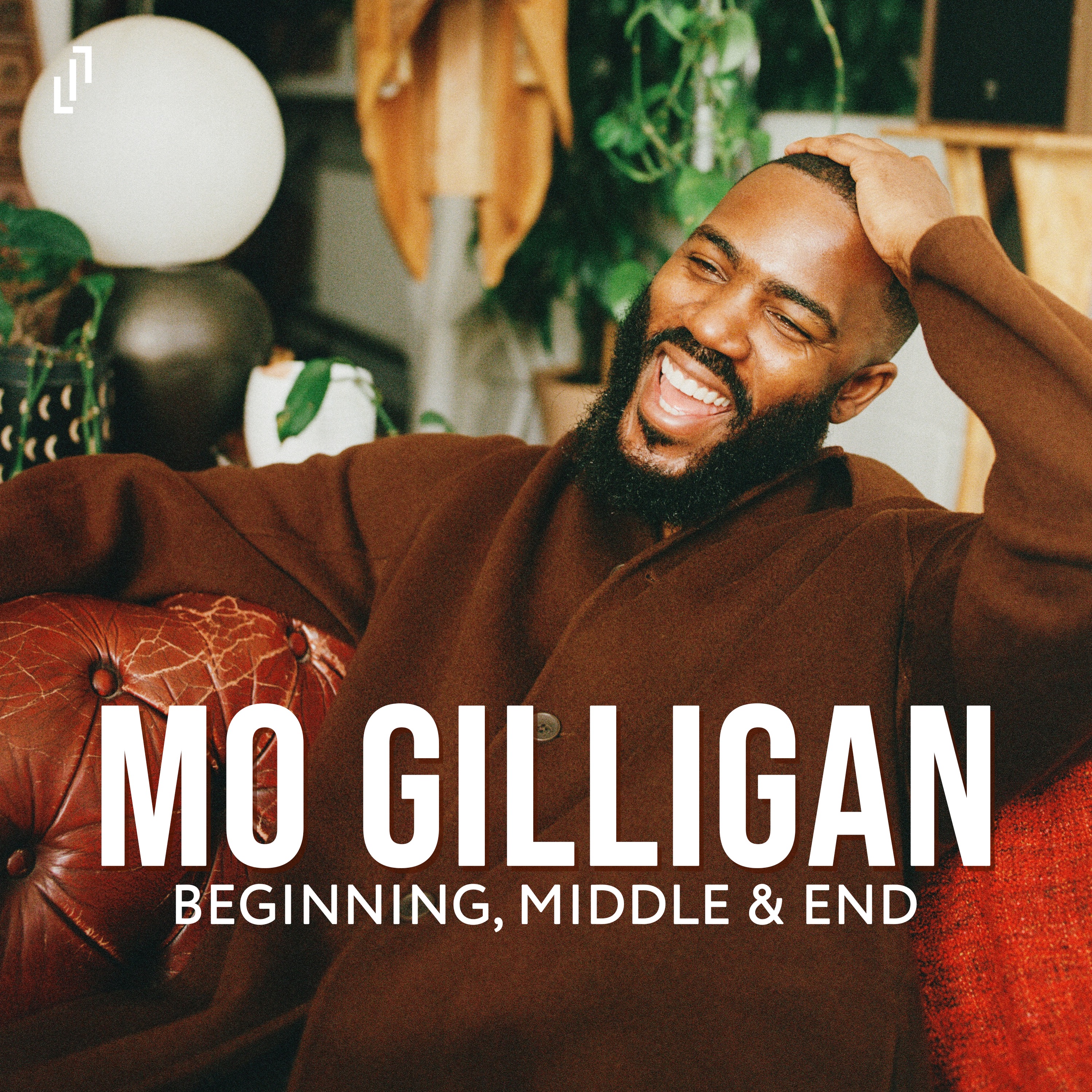
- Mo Gilligan: Beginning, Middle & End
- Darcus Beese: Inside the Music Industry Nobody Talks About
Mo Gilligan: Beginning, Middle & End11 Mar 2026 · 1h 8m · 22 chapters
Darcus Beese: Inside the Music Industry Nobody Talks About
In short
Darcus Beese’s unconventional rise in the music industry and the behind-the-scenes realities of running/leading major labels, plus how modern music careers are built (especially via live performance and fan communities). He also discusses mental health, success costs, and his documentary/legacy.
Guest backgrounds
Darcus Beese—music industry executive with a career spanning Island Records and leadership of Island Records US; described as becoming the first Black president of a major record label. He grew up in West London, left school at 16, worked in hairdressing, and used networking and “different rooms” to enter the industry.
Key claims
Podcasts create “trust at scale” (Acast ad read). In labels, deals fail when artists are signed too soon or released too slowly; momentum matters. Live touring builds community that algorithms/AI can’t replicate. Social media views don’t equal ticket sales. Breaking America is “a myth” and is extremely hard; global competition is now worldwide.
Notable examples
Island Records’ “Fallout Shelter” studio (Bob Marley and U2 recorded there). Amy Winehouse: hearing “Rehab” demo and later “Love Is a Losing Game” acoustic; jazz + hip-hop influences. Discussion of Back to Black, and the “Ed Sheeran” signing myth. Mentions Olivia Dean, Stormzy, The Weeknd, and others.
Written by AI. May contain mistakes.
Chapters
0:58
Darcus Beese's Journey to Island Records
Darcus Beese shares his unconventional journey and experiences at Island Records.
“I'm a big fan of music and we spoke about his unconventional path to success from a T-boy at Island Records to making history as the very first black president of a major record label.”
3:56
Navigating the Music Industry as a Young Black Man
Darcus discusses the challenges of being a young black man in the music industry and his experiences with code-switching.
“This is a bigger thing than I could ever imagine.”
7:54
The Magic of the Studio Experience
Darcus reflects on the exhilarating moments of witnessing music creation in the studio.
“if you're this young, over-vocal, young, black, angry kid always trying to throw the metaphorical petrol bomb.”
9:43
Memorable Moments with Iconic Artists
Darcus shares his unforgettable experiences with artists like Amy Winehouse and the magic behind hit songs.
“Well, we had a studio called the Fallout Shelter where a lot of the island artists would make some of their records.”
14:01
The Magic of Musical Moments
Explore the fleeting magic of discovering generational talent in music.
15:31
Amy Winehouse's Unique Sound
Discuss Amy Winehouse's musical influences and her unique style.
“Because you came across her early demo as a teenager, Amy Winehouse, right?”
17:48
Lyrical Artistry vs. Commercial Success
Examine the balance between artistic expression and commercial viability in music.
“was this girl from, from North London that you could hear the draw in how she enunciated.”
19:19
Navigating the Music Business
Insights into managing the business side of the music industry and artist development.
“That's a lot of money to go out even before a record is sold.”
23:45
The Evolving Landscape of Music
Discuss how the music industry has changed in the digital age and artist expectations.
“I've paid all this money out this year and I'm not getting a record.”
28:00
The Reality of Live Performances in Building a Career
Learn how live performances impact an artist's growth and career longevity.
“Well, I've had 1.5 million views on this thing.”
Show all 22 chapters
31:26
Navigating the Music Industry with Established Artists
Discover the challenges and strategies in working with seasoned artists versus new talent.
“If you make that great thing first by a fluke, that's the albatross that you'll never be able to get from around your neck because you did it on the first album.”
33:19
The Economics of Breaking New Artists
Explore the financial considerations of developing new artists in the music industry.
“I wouldn't tell Bono how to make a record.”
37:41
Competing in the Global Music Market
Understand the challenges of competing in a global music landscape and its impact on artists.
“Sorry, the new artists that you're trying to break, you're using the dough that you're making with the artists that you've broken.”
40:00
The Myth of Breaking America
Delve into the complexities and realities of breaking into the American music market.
“And I always find it so interesting of, I know in terms of the US when it comes to breaking, you know, just media in general, they export it everywhere around the world.”
42:03
Breaking into the American Market
Explore the challenges and timelines involved in breaking an artist into the US music market.
“so you were breaking out of the UK and in Europe, and that used to take you a good year or 18 months.”
46:21
Personal Growth and Industry Insights
Darcus shares personal experiences and industry lessons learned throughout his career.
“and you work with great people and I'm good.”
48:30
Regrets and Realizations in Success
Darcus discusses regrets related to success and the impact on personal life and relationships.
“to get excited about the music that I wanted to sign.”
55:09
Legacy and Importance of Presence
Reflecting on legacy, presence, and the cost of pursuing success.
“And sometimes you don't see the obstacles and you just jump these obstacles because you're not even afraid.”
56:00
Chasing Success and Its Implications
Discover the complexities of pursuing success and the personal sacrifices involved.
“But again, where does chasing success actually really get you?”
1:01:06
Reflections on Legacy and Influence
Explore Darcus Beese's thoughts on legacy, family, and impact on future generations.
“And before you go, we always have an audience question.”
1:06:04
Experiences in the Music Industry
Hear about the wild and memorable experiences Darcus had while working in the music industry.
“I mean, that's, you know, your journey to the O2 is the journey.”
1:09:15
Closing Thoughts and Future Aspirations
Listen to the final reflections and aspirations for future collaborations and experiences.

Ask about this episode
Get the gist, explore an idea or ask about something said.
 Claude
On Mo Gilligan: Beginning, Middle & End, what are the key points of this episode?
Searching your listeningTranscript
Automatic transcript. May contain errors.
0:00Mo Gilligan: While every other channel is fighting for your customer's attention, podcasts are where they've already given it. No one accidentally listens to a podcast for 45 minutes. They choose to be here. They trust the voice in their ears. And when that voice talks about your brand, it doesn't sound like advertising. It sounds like a recommendation from a friend. Acast gives you that trust at scale. Digital precision, post-read authenticity, and performance data that proves it worked. Don't fight for attention. Buy it with Acast. Learn more by visiting acast.com slash advertise.
0:57Mo Gilligan: on and this chat was absolutely brilliant. I'm a big fan of music and we spoke about his unconventional path to success from a T-boy at Island Records to making history as the very first black president of a major record label. With a documentary about his incredible life and legacy, currently streaming right now on Channel 5's streaming platform and also you can catch it on BET's international YouTube channel. This episode is for everyone. Whether you love listening into the music and you've always wanted to hear those stories about what it's like behind the scenes or the hardship of running a major label like Island Records over in the United States, but also hearing about what rooms he's been in.
1:39Mo Gilligan: Honestly, you're really going to enjoy this episode. So please welcome to the podcast, Darkest Bees. With you being at, you know, Island Records, how did you find yourself in that space? Because I think, you know, it's iconic. I I don't know if you know this, the first time I met you was at that thing in Essex and it's an island and you got took it over.
2:01Darcus Beese: Yeah, that was a guy that was in complete control that said he could take over an island with the label and we did it.
2:06Mo Gilligan: Yeah, that was a vibe.
2:07Darcus Beese: Is that when The Weeknd did it? Did Weeknd play at that time or was it gigs?
2:10Mo Gilligan: I only went for one day because I went on holiday the next day. Oh, right. So I remember every day there was someone and then you got to stay. And I remember, I just remember being on it and being invited and being like, whoa, oh, I'm going to this thing. That it's not even like a, like, like, it's like, we all got on coaches and it was like, right, everyone's like, Stormzy's here and Fekki was there and everyone was there.
2:34Darcus Beese: The magical mystery tour.
2:35Mo Gilligan: Yeah, and then I remember that you had these huts that was taken over by like brands and like, um, HB, Hugh, the Packard was giving out laptops. Yeah. And then everyone was like, yeah, bruv, come, come, let's go get some laptops. It was like, it was very much like, yeah, we're just giving him out to select. We did the same,
2:51Darcus Beese: we did the same Converse were there at one time and they just got licked out in the first half an hour by the man den you know what I mean there was nothing left for for for the corporates
3:03Mo Gilligan: yeah yeah yeah yeah but no I think that was the first time I met you and you were just mad cool I remember you were just mad proper chill and then like I think you just said oh what's up man I really like your stuff man and I was like oh thanks thanks a lot man I was just happy to be in those spaces yeah yeah yeah and then someone even said to me he said hey you know who that is I said is it? I wish alright if I ask him I get a laptop
3:30Darcus Beese: that just gives me joy about where people were in 2016 and where they are now that just gives me joy the fact that we have that memory and you know I was old then and I'm still old now and it makes me feel old those conversations but it's just you know whether it's the twins whether it's you whoever Stormzy yeah it just makes me happy that everybody's where how did you find yourself at island records because island records is i think when i went to that that was my realization of oh this is
4:05Mo Gilligan: island island records because i think sometimes you just know the name yeah you've heard it and i don't know i know music but i don't know that side of music and that was also the realization where I was like, oh, rah. This is a bigger thing than I could ever imagine. Not the fact that we was on this island, but people that are linked to the label that started from the label, the history of the label. How did you find yourself there?
4:29Darcus Beese: There's a bit of Charlie and the Chocolate Factory, kind of like the golden ticket, and then getting to go into the chocolate factory to see how all the chocolate is made and the Oompa Loompas. Yeah, yeah. You know, it was... Once you get a look into that world, is pretty Dorothy going to the Oz and it all going from black and white to Technicolor. My life was beige and brown and I found the music industry and it just turned into Technicolor. And that was, you know, I was, you know, I'm a West London boy, you know, from the street corner. And I decided to kind of, after school, when we all left school at 16, some people went to college, some people that were smart enough went to university or went to sixth form and then university.
5:13Darcus Beese: and I just left school and started sweeping hair in a salon and I and I was in hairdressing so so I subconsciously put me in a place where young black boys like me would never have put themselves in that place so I put myself socially in a different setup and so I was meeting people that I would have never have met and whether it's a conscious thing or a subconscious thing you know at that time in the 80s if you were black in a hairdresser you were gay so a lot of people thought I was gay even my mates were like hairdressing you want to tell us something darkest so but subconsciously I just knew that if you put yourself in different rooms you'll meet different people so I met loads of different people that were of different colour to me and a different sexual persuasion and that was the music industry and the fashion industry and then one day you make mates and then one day I'm in Island Records and you're kind of like you see pictures of Bob and then you tie that back to your mum and dad's record collection you can smell this smell in the air and then you're kind of like that reminds me of my yard and then you see Rusters walking around a record company because that was Island Records and it was independent at the time and still very middle class, upper class white.
6:40Darcus Beese: And I was just this young black boy with dreads.
6:43Mo Gilligan: And I just
6:44Darcus Beese: managed to be in the right place at the right time, blagging some records and there was a job going making tea. because I'd been hairdressing on the hairdressing floor, I knew a bit about etiquette and how to look after, how to talk to the client and how to receive the client. I had a bit of socialisation. I wasn't completely socialised but I was able to kind of go into these different rooms and maybe not be my complete self did you have to code switch a lot? people call it code switching right or or masking
7:23Mo Gilligan: I just
7:24Darcus Beese: knew, people talk about authentic self you find out that I can't be my authentic self because I'll be I'll be coming up against myself as an obstacle. So, you know, that's where you kind of learn just to kind of bite your tongue. Walk the line. And because otherwise you can walk yourself out of situations if you're this young, over-vocal, young, black, angry kid always trying to throw the metaphorical petrol bomb. So it was just don't bop your head over the parapet and get it licked off. Just observe and learn. And suffer the micro aggressions. And just try and navigate. And just try and stay on the pitch.
8:25Darcus Beese: Because the line I was always told, if you stay on the pitch long enough you'll score whatever that looks like yeah yeah whether that gets you into the next room whether that gets you from um a trial to the full time it was um but yeah it was you know when i was coming up there was a handful of black people in the music industry when i say a handful i mean a handful yeah myself lincoln elias um adrian sykes names that no one will know but there was just a handful of names that I could look at and kind of go well they're doing their thing so yeah it was a lot of net a lot of network and it is funny the point that you make when you kind of realize that the music industry is this I used to just go and buy your vinyl on a Saturday and play and then you realize oh there's a thing a whole process behind how this vinyl got made and who and there were characters behind this thing.
9:22Darcus Beese: Yeah, of course. And there's a whole movie behind this thing. And that's when I was like, ah, I got to see the other side of the looking glass. And it was a place where I wanted to be and wanted to stay. So it was just figuring out how I could just navigate a career in the music industry.
9:39Mo Gilligan: Who were some of the musicians that was there the time that you was there?
9:42Darcus Beese: Oh my God. Well, we had a studio called the Fallout Shelter where a lot of the island artists would make some of their records. So not that Bob Marley was alive there, but Bob Marley made some of his records in the Fallout Shelter, which was Ireland's recording. It was built around the studio. And, you know, U2 used to come and use the studio.
10:11Darcus Beese: Julian Cope, the madness of Julian Cope, the madness of U2. So, yeah, it was very much a label where artists wanted to be, to hang out and to create. You know, no record company was without a studio in those days. We were all attached to or had studios that we were making records downstairs and then we'd bring them upstairs. So, yeah, when I talk about all this, it's like a bit of a movie. It's like someone else lived that life completely.
10:46Mo Gilligan: because I always find with the music the music industry when you talk of like studios and a record label a lot of the vision I have is a film and everyone hangs out there and it is what like when you see the Bob Marley film and they're like yo Bob man I'm trying to find this groove man and it's like yo play that and then he sings it and he's like no say it say it like that yeah yeah yeah yeah yeah I've seen it in so many films is it like that in the studio in a sense that you've seen the magic happen and been around it where you're like, oh my god I'm witnessing something before it happens. I can't imagine what that must be like as a song.
11:28Darcus Beese: That moment always blows my mind because that's those moments are fleeting but those are the moments that you live for. Where someone calls, the artist or the manager or the producer calls you and was like, yo, you need to come down to the studio. You need to listen. And there's two things that either happen. You go down there and you kind of go, you call me in for this. Then you built this thing up to be this thing.
11:56Mo Gilligan: Yeah, yeah.
11:57Darcus Beese: Which is deflating. Or you go to the studio and you hear greatness for the first time. And you don't know how great. You're just hearing this thing for the first time. I remember when Amy was making Back to Black with Mark Ronson, and I was due to fly out to New York to hear what they were working on. And as I was on my way to the airport, Amy calls me and says, my nan has fallen sick. I'm not going to have a lot of time to hang out, so let's meet at the studio. Let's listen to the music. See what you think before I fly off. so I get to New York I go straight to the studio and Mark's like we've done about four or five songs I'm going to play you some and the first song they play is Rehab and and it's the and it's the demo not the finished record but not much will change and you're sitting there and they play you Rehab and you hear the intro and you look at Amy and I'm looking at Mark and I'm like you just didn't I said stop the song rewind it play it again you're listening to Rehab again and you're like I've not heard anything like this this this this and then and then they play back to black and you're going I don't I don't know if this is what I think it is but it's just making me feel a certain way and then history takes care of itself but and I backtrack Ray who was managing Amy called me and he said Amy wants to play you a song I think she's ready to start writing the record and so she comes in with Ray my boss at the time Nick Gatfield we sit down Amy sits down and she gets the acoustic she pulls the acoustic up and she starts playing Love is a Losing Game now that's I fast forwarded to the studio with Mark, backtrack, it was when she came in, she sat down and she played Love is a Losing Game to us and you're kind of like, that's a classic that's first line of the first verse for you I was a flame so and if you listen to great records first line of the first verse you're in and so that was a moment you know I've had moments where you go down to the studio and you know something's a hit but you don't know whether something is going to be generational and transcend so I can come up with loads of times I've gone down the studio and gone wow that's a hit but that is a sugar rush the soul food or the the food that's cooked in an agar meant that that Amy the artist was going to sit down at some point and write that song so and and and that's those moments are really fleeting because they're generational talent and you won't be around a lot of generational talent so I think I can only I can I can talk to many other different instances where people have played me great records and I've been there but that moment where she came in and played Love is a Losing Game on the acoustic
15:27Mo Gilligan: it's like something out of like a film like a magical moment.
15:31Darcus Beese: Yeah, yeah, yeah.
15:32Mo Gilligan: Because you came across her early demo as a teenager, Amy Winehouse, right? What was it like listening to her as a teenager? Because I remember first seeing Amy Winehouse on the Jonathan Ross show and I think she was debuting the album Frank, her first album. And it had this soul mixed with a bit of hip-hop in there because I know she samples the Nas track. And I was like, ooh. Made you look. Yeah, like, I remember hearing it And I was young those times, and I was like, her voice is banging. Yeah, yeah, yeah. But what was it like hearing her before even that? Because I know she went to Brit school, and that's got an amazing alum now.
16:09Darcus Beese: Well, I mean, Brit school, I don't think gets their flowers for delivering talent that knows what's required of them.
16:18Mo Gilligan: Right?
16:19Darcus Beese: And that's another deeper conversation. But Amy had that performance and that personality in her. what she had musically was easy to understand. She loved jazz and she loved hip-hop. And when you listen to the records, it was crystal clear. Jazz was the overarching thing, and hip-hop was what underpinned it. So culturally, you knew what it was straight off the bat. And if you loved hip-hop like I did, and you loved vocalists from the past, you would kind of go, this is Lauryn Hill. This is the miseducation of Lauryn Hill.
16:57Mo Gilligan: Yeah, yeah, of course.
16:58Darcus Beese: This is the Fugees, right? This is Erykah Badu. Yeah. And so you could, pound for pound, put her up with Erykah and the people that she was hanging out with, Mos Def, Nas, and Salam Remy, the producer, was the underpinning of that. So it was an easy place for me to get to. The classic jazz voice.
17:24Mo Gilligan: Yeah.
17:24Darcus Beese: Dina Washington, Dina Washington, Billie Holiday.
17:32Darcus Beese: So, and, you know, the beats of hip-hop, you know, Mr. Magic, that Nas sample.
17:40Mo Gilligan: Yeah, yeah.
17:41Darcus Beese: So, it was, it was, it was, it was already telling its story. It was, how lyrically she was breaking it down was this girl from, from North London that you could hear the draw in how she enunciated. And she was writing about her dad's Freudian side at the age of 16 on what it is about men. So she was just doing all of these incredible things from being almost poetry, lyrically almost poetry,
18:16Darcus Beese: lyrically a young, fierce, independent girl, and musically just beautiful jazz arrangements underpinned by the drum and the snare of hip-hop. So it was an easy place for a lot of people to get to. The only thing that Amy didn't have going for her at the time was that she was an easy personality. She used to say it as it is, she used to call it and some people just didn't like how direct she was. yeah so so she rubbed people up the lot the wrong way on that first album personality wise but lyrically when people's like yeah but there's no chorus and i'm like have you listened to the lyrics like that's this is art yeah all right so um what i wasn't what what i wasn't sure about was whether
19:06Mo Gilligan: the art could get to commerce with amy yeah but when i learned rehab you were just like damn
19:12Darcus Beese: you know so yeah it's and that was that was after a lot of failures yeah a lot of a lot of artists that i signed that you you you would never know or hear of would get me to be able to refine myself to be able to get to the artists and understand the artists like amy or the sugar babes and and be able to make records with them and um and repeat
19:38Mo Gilligan: how important is it for you in terms of because i i could assume there is these magical moments that you have with an artist where you're like this is going to be a hit but then you're also in an industry which is also about business as well so how hard is it to separate each one because i guess there's an ego that comes with an artist and then you're seeing someone you're like hey you're not you're not there yet you know to be like i need puppies in the ride i need that but then there's also the business side where you're like but we need to get the best out of them and maybe if they do need temperatured water let's just get that for them because they might get the best out of the musician i'm so intrigued about that as musicians because when i've whenever i've been around musicians and i'm like bro this is what it's like boy yeah this is amazing this writer but comedy is so stripped back it's probably the opposite yeah because you walk on the stage
20:37Darcus Beese: and just you your mic and the lighting yeah that's it yeah yeah we've got to have back line you know band have got to travel instruments have got to travel the production of the show the backdrop um the sounding guy the the lighting guy the riggett all of this all of this stuff so you know the combination of when you sign an artist the advance the recording costs and the tour support. Yeah. That's a lot of money to go out even before a record is sold.
21:10Mo Gilligan: Yeah.
21:10Darcus Beese: Right? So it depends on how much pressure in the deal you put on the artist, how much pressure from the business side you put on the artist by how big the deal is and how much people have taken off the table. And if you take a lot of money off the table, it gives you less time to find out whether this is going to work or not. If you take less money, it gives you more time. So confidence works in different ways. People think that confidence is just getting the biggest deal and taking it all off the table. Well, then you just better be ready and you better be moving already. Yeah, of course. Because if you're not moving already and you're at a standstill, that momentum to get you ready is going to require a lot of investment.
21:57Darcus Beese: and if it takes a long while to get you up and running and you've done a big deal the economics will all converge at a time when you didn't want it to in your development because everybody did the big money deal so what does confidence look like people are high-fiving when they've won the deal and they've paid the dough but if you sign an act on a Friday for big money what are you doing on a Monday because on a Monday you better just be up and running you better be able to sell out that 200 venue gig you better be able to get right to the heart of it if that's the kind of day
22:37Mo Gilligan: you've taken and if not then
22:39Darcus Beese: leave space for development and if you're confident you will get back to the table so a lot of for me the best deals are the ones that give artists a chance to really thrive and find themselves because if you do a deal too soon you just you'll get found out and if you if you do a deal you've got social dialed in search is doing its thing so why do your marketing results look the same as six months ago that's because you're fishing in the same pond as everyone else podcast listeners are a different audience entirely. More engaged, harder to reach through traditional channels, and ready to act when someone they trust makes a recommendation.
23:27Darcus Beese: We're Acast, and we put them right in front of you. Browse thousands of the world's leading podcasts, book host reads or run your own ads, and track every conversion in real time. Same skills you already have, brand new results. Acast. acast.com slash advertise
23:49Darcus Beese: and you sign an artist and six months later you still haven't got a record out it's usually you sign the record too soon you sign the artist too soon
23:57Mo Gilligan: if you're not signing
23:58Darcus Beese: them on a Friday and putting the record out and this is just this is just from life experience if you're putting a record if you sign them on the Friday and you're putting a record out on the Monday there's upside it's just about how much upside if I've given someone my own quarter of a million and 80 months later they still ain't got the record out, it's an expensive deal. Right? Because you just mashed up my forecast. I've paid all this money out this year and I'm not getting a record.
24:28Mo Gilligan: Yeah.
24:28Darcus Beese: You know, so, so, so, yeah, and then stuff starts to smell and stuff starts to start to feel stale and then you get further away from the excitement that you had when you did the deal. So, So, you know, more often than not, the excitement comes, you sign and you put the record out and you're just going. Otherwise, people are sitting there still, you're still waiting on the bus. Six months later.
24:54Mo Gilligan: Yeah. And then I guess what happens with music, because I always sit from an outside perspective where the fans are then like, oh, where's the album? Where's the album? Where's the music? Yeah. Yes. Yeah.
25:06Darcus Beese: Because once you start, especially in today's landscape, you just can't stop. so and the landscape's a lot more brutal than it used to be you used to be able to just go on radio and go on TV and have a hit how do you think music has changed music has flipped completely on its head to people being in control of the levers that get artists to the marketplace
25:36Darcus Beese: the model is much more fan centric the record company used to sign the artist and help them find the fan the artist now has got to find the fan the excitement of the music industry was always about a new artist breaking and that excitement isn't there anymore because it takes a lot longer for artists to come through, you know, Olivia Dean was signed 8 years ago and she's still being hailed as a new artist breakthrough now oh wow So that's how long it takes. Yeah. Right. And there's a bit of being post-COVID about that. You know, I think COVID messed up a lot of things. But if the artist can't find their own fans, the record company can't find it for you.
26:25Darcus Beese: Right. You've got to build your own community.
26:27Mo Gilligan: Yeah, yeah, yeah.
26:28Darcus Beese: So technology has changed the delivery system and people have relied on technology. But getting people in the room to buy the ticket is still the source. Yeah, yeah, yeah. People coming out on a Friday night or it was Thursday night at the O2 to come and see you. I don't know when they bought their ticket, but they would have planned that. You even talk about it in your show.
26:49Mo Gilligan: 100%, yeah.
26:51Darcus Beese: So, and when people arrive, they arrive someone doing a set that they prepared a year ago. So what does that mean for the music industry and artists that are coming through and preparing yourself to go and be this thing that doesn't stop.
27:10Mo Gilligan: Yeah.
27:11Darcus Beese: Well, you better be sitting on a lot of prep and a lot of songs that when you go, you just go, you just go. So, you know, live is really important because AI and the algorithm can't get there. And if you can sell a ticket, that's true building community. Yeah. And then it's about how you can scale up your community. Can you go from the Village Underground or the Scala to the O2?
27:35Mo Gilligan: Do you think some artists are doing that too quick when it comes to some of these big venues? 100.
27:43Darcus Beese: And you can't skip those stages out of growth. But social media has you thinking that you can because of the kind of likes that you're getting. 20 ,000 likes, 20 ,000 people. And the interaction. And then they put on a tour and it doesn't sell. as much as they think their socials... Well, I've had 1.5 million views on this thing. Well, it doesn't mean you're going to sell 1.5 million tickets. Right? So there's a reality to what people's platforms and their socials are to whether they can sell a 100-cap venue.
28:22Mo Gilligan: Yeah.
28:22Darcus Beese: Right? And that first 100-cap venue, you know that next time is going to be 250 because those same people are going to come with someone else. And then have you got the patience to just hit those different rooms to get bigger that by the time you go to 02 that's when you drop the radio record yeah that's when you try and cross over that's when you because that's that the tickets are telling you that yeah right yeah and then are you gassed that you oh well this is i'm here now no you double down and do it again yeah and then people kind of go right this is solid i believe this I believe this and then people and then the artist has got enough material to sit on that they can interchange their set out because they've made a couple of albums
29:08Mo Gilligan: costume changes costume changes perform at the back come on on a rope all of that but off the back
29:14Darcus Beese: of one album yeah you've got a handful of songs to mess around with so it's what does what does what are you gigging right and how does that just get you from different rooms to different rooms because making the records is um and putting out records is a different kettle of fish um you know um so and then when you arrive at some of these places because people have put out some tunes and you go to see them live and you go oh my god they can't sing they don't understand what it is to perform yeah right and because that is a craft all on its own it's different i guess than making the music in the studio making the music is easy the craft of live is why someone will have a career records records having a hit record doesn't mean a career having a hit song doesn't mean a career being able to kind of be able to tour and be touring two or three albums worth of material yeah is when you know you're locked first album is easy second album is hard third album is I'm here
30:17Mo Gilligan: yeah
30:18Darcus Beese: right and that that speaks to all the work that you've done. You've played to one man or one woman and their dog and you've gone through all of those different scenarios that when you get to the O2, the stage isn't too big for you. And you can just go with you one on a stage and just take it down. So records, Records, voice, everything is, that's one thing, but the importance of live and what that means to career 20 years down the line. Why is someone here 20 years down the line? It's because of the catalogue that they build up. And everybody has a dud. Because no one can keep, so allow for the duds.
31:09Darcus Beese: You've got to make enough stuff that you can do duds. Because if you do duds and then come back from that dud and do something great, it's a dud. Everyone does something not great in their time. Not everything can be great. So that thing that everything has to be great, it doesn't. If you make that great thing first by a fluke, that's the albatross that you'll never be able to get from around your neck because you did it on the first album. And you're going to get that first album syndrome because you can't repeat it for the second album. So making that album with Amy, which is her first album, it's not perfect.
31:45Darcus Beese: rough edges it's not her favourite she tells people that I made it not her favourite because of two songs that I convinced her to put on the album which was Amy Amy Amy and Help Yourself so she made and controlled the situation and made a body of work that she went this is it and you're not going to change it and that was back to black 10 tracks 37 minutes long I was like you sure this is too short Amy she was like this is the album so you've just got to allow people missteps and can they get it together on that 8th album that they actually really know what they're doing because they're on that 8th album
32:27Mo Gilligan: right
32:30Darcus Beese: and you know Coldplay first album to where they are now how do you keep doing that now I don't know if any of those albums have been not as great as the album before or you know but it doesn't matter because they've just built out this legacy So all the artists that I've worked with that have become career artists, they're three, four albums deep and have got careers of 10 to 15 to 20.
32:55Mo Gilligan: Is it easier working with an artist like that? Because I assume an artist like that knows what they want and want to create. So does that make your job easier or harder?
33:07Darcus Beese: It's easier and harder. It's easy because they do have a vision for themselves. it's harder because you don't want to interfere in those people that can get there with their own vision so all you're trying to do is put up guardrails you know when you go bowling those guardrails come up or you're trying to give them just advice or brave enough to tackle something because they do have a vision. I wouldn't tell Bono how to make a record. And I'd only give my opinion. Who am I to tell Bono and The Edge how to make records? And then there's records that are more developing artists or a bit more in terms of life experience.
34:02Darcus Beese: I've got more life experience. Then I can give them that kind of advice. and then there's just kind of setting up the room with the writer and the right writer and the right artist to make some magic. But yeah, there's artists that you roll your sleeves up and you get into it and there's artists that you have to leave alone. And do their thing. And do their thing, yeah.
34:29Mo Gilligan: When you let them do their thing, is that where you have to almost get into the business side away from it? in a sense of like, I'm going to let you crack on with that. But my job is now to set up the X, Ys and Zs and the records or whatever it is that that's the heavy lifting of the business side that we would never see. Yeah, yeah. Do you know what I mean?
34:50Darcus Beese: Yeah, there were some bands like Bombay Bicycle Club. They could deliver their album to me and I wouldn't tell them that there's a song light or there's not a radio record on there because that's not what they're built for.
35:03Mo Gilligan: Yeah.
35:04Darcus Beese: George the Poet, right?
35:06Mo Gilligan: Yes, yeah, yeah.
35:06Darcus Beese: You just do you. Yeah. And so, I mean, if I'm being totally honest, if you left the running of the business to me, I'd probably take the company down because I didn't really care about the business. Yeah. There was other people that did that. I was just, I was always off the mind. Just tell me when the money runs out or the money is running out. Yeah, yeah. My job was just to make sure that we always had a release schedule of artists coming. That would take care of the business. If you could manage a release schedule correct with your established artists, artists that were returning because they were successful on the first album and new artists coming through.
35:54Darcus Beese: If you could get that churn going, your release schedule would look after you. But you had to look after the release schedule.
36:03Mo Gilligan: Because I have heard this. I have heard that when a big artist comes in, like, sorry, so not so much comes in, it's coming back. I don't know, let's use an example, like Ed Sheeran, for example, he's like, I'm going to release a new album. I've heard that for the record labels, it's better for them to sign someone who's quite new because they're like, well, if this album might not do as well, we've got Ed.
36:24Darcus Beese: Is that true? Yeah. Wow. Because there's, because you've got, I call it, I call it artists that are able to give air cover to the new developing artists. And our bread and butter, again, is about breaking artists. We lose money breaking the artist, but we get it back if we break them. Okay. So there's what I call, what we used to call write-off money. You're writing it off because you're signing these acts that may never break, that may never happen. We spend millions on artists that may never happen. our job is to make them happen so the money that we spent writing off, we wrote write off money we write back and if you're writing back artists that are starting to be successful money's starting to come back in and so you're breaking artists creating a pipeline of economics coming back in so if you have a rough time breaking the newest act you've still got the economics of these acts taking care of the business.
37:33Mo Gilligan: Yeah, yeah, yeah.
37:34Darcus Beese: Because the new acts will eat up your profits. Delivering new acts will eat up the money that you're making with the new artists. Sorry, the new artists that you're trying to break, you're using the dough that you're making with the artists that you've broken. Yeah, yeah, yeah, yeah.
37:51Mo Gilligan: So let's say that's the returning artist. That's the returning artist. That big album, like Ed Schoen as an example. Absolutely. Okay. So if you misspend and spend a shitload on all the new artists coming through and your new artists don't hit, so the returning artists don't hit on their second album, you're going to create a discrepancy
38:13Darcus Beese: in the return.
38:17Mo Gilligan: You're telling me now this is the music business. That's the music business. Yeah.
38:21Darcus Beese: So you better break something in that calendar year. All right. and even if even if our new acts our returning acts took care of business yeah we would still get it in the net because we didn't break any artists because our job is to break new artists right the rest the rest takes care of itself whether they get to the second album the third album yeah our job is to get them on the runway and their first album and get them on the road to being a breaking artist yeah yeah so what you but what you used to be able to do in old money in a calendar year, it takes three or four years now.
38:57Mo Gilligan: Oh, really?
38:58Darcus Beese: Because the market's just proliferated. Radio's not the driver. You don't go on a TV show and just break out anymore.
39:04Mo Gilligan: Yeah, because you would normally get someone that would perform on like a Graham Norton to do a track. People love the track. They're going to buy the single. Four weeks of play on radio
39:10Darcus Beese: and then all of a sudden the single's in the chart. You know, we're in a global market now. When we put out a record, we're not putting it out in the UK. We're putting it out to the whole of the world. And if we're not competing with Korea and BTS and Blackpink and all the records that and all the artists that Korea are putting around the world and you're not making records that can compete with the Afro records that are coming from Africa now and then you've got America online and then you've got South
39:43Mo Gilligan: America where the UK
39:45Darcus Beese: used to be quite central to sending our stuff around the world now you've got Korea, now you've got Africa now you've got the Middle East now you've got India so you're in a global market now so what we do has to compete on that level out of the box otherwise we're just
40:08Darcus Beese: little older UK and that's not enough anymore I want to ask you
40:12Mo Gilligan: how important is breaking America still because I felt like that was always a question amongst musicians of you've got to go there and And you was president of Item Record US as well. And I always find it so interesting of, I know in terms of the US when it comes to breaking, you know, just media in general, they export it everywhere around the world. You know, he was talking about Eddie Murphy and he says, and I think it might be Royal Delirious, where pretty much anywhere in the world they know who he is. And that's purely from media, mainstream media. and how important still is that to this day?
40:54Mo Gilligan: Does that still matter when you're talking about, you know, you've got Bad Bunny, for example, who's doing, you know, half-time show at the Super Bowl. How important still is America in the music market today?
41:12Darcus Beese: America, it's a myth, right? America's hard to break. Very hard to break. Not even Americans can break America. there's Americans trying to break America there's people in America from America trying to break America, it's hard and and you know I've had number ones in America I've had number one albums, number one singles and and it's a good feeling but it's even harder now, breaking America before you used to have be successful in the UK then it was about can you stretch that success to Europe and places in Europe. Could you break Germany? Can you break France? Can you break Belgium? So if you could break the major territories in Europe, so you were breaking out of the UK and in Europe, and that used to take you a good year or 18 months.
42:08Darcus Beese: And if you could do that and you had the right song, then maybe the Americans might have a run at you having a run at America. the American label might go alright you've done a million records in the UK and the rest of Europe I think you deserve a run at trying to break America now that's after 18 months of work the UK and Europe and then you would go to America so the timeline of working an album and breaking America you could be doing it, working an album for 3 years 3 or 4 years because by the time you get to America you're maybe 2 years after the record's been released so you just had to go territory by territory UK, Europe and then have a run at America because you've done half a million records outside America so there's a story so you go to America with a story you can't just go and break America alright, you know when I went out to run the US label the amount of incoming I had from other UK labels in the Universal system saying could I give the UK acts a run in the US market and I used to sit there in my office in New York and I just used to look out the window while I was listening to these records and go no no as I sit here in my New York office and I listen to these records from the UK no you know because if if you're your your records have to be on par with the best of the best that's already operating in America or Korea you're you're if you're making afro records they better be better than burner they better be better than Davido and Wizkid yeah yeah if you're making R &B records here, they better be better than Killarney and Docey and and and yeah, so if you're not waking up in the morning and your records aren't competing on a global level then you're just local and because it is a
44:04Mo Gilligan: big place in America
44:06Darcus Beese: so big if you're a Korean artist or an American artist you're releasing in a country that has big volume of streaming numbers. When we release here, we release from a very small platform in the UK. So our records have got to be able to, like you said, you've got to be able to wake up in Australia and go, we don't have this here, I love this. Because every country now has got their own version of a girl group or an R &B singer or a rapper. you know so people don't wake up going we need music from the UK anymore so what does that mean when we go to the studio in South London and we're making records what are you putting them out for are you putting them out to take over the world or are you putting them to stay local so that's people have just got to understand the levels of competition that's out there and who you're competing with Are you competing with someone down the road or are you competing with someone in another country?
45:12Mo Gilligan: What inspires you now? Because I feel like you've been around music. I presume you've been around music more within your adult life in a sense of this is what you've pretty much done. Do you know what I mean? So what's the thing that drives you now? Do you know what I mean? Um, what, what drives me now is I...
46:01Mo Gilligan: the world's largest podcast marketplace. Choose the right shows, the right audiences, the right format. Then watch the data tell you it worked. You're not buying impressions. You're buying influence. Learn more by visiting acast.com slash advertise.
46:20Darcus Beese: I had, I was lucky that I, lucky, I made, you make it and you're around good people and you work with great people and I'm good. but you once if you've got to a level and you kind of go what's next after all that I've been through I remember shooting a documentary and having the premiere of the documentary at BAFTAs and the room wasn't full of people that I knew when I made CEO or when I was president it was all the people that I remember from when I first started the room was full of people that looked like me that didn't feel that I had left it all behind so it felt like I still had stuff to do as a black man that had come that had come back had been to the top of the hill and had come back and seen people build what they're doing so it was if I've had all of this sets working for this corporate company what is that what do I what do I do and what do I build because I'm a creator so that's what I'm always going to do it's what is my relationship to that that creation that creation process and the give back process and you know if people if you can build if you can come back from America and see people like Jay Brown and Jay Z build Rock Nation right and or quality control what does that feel like here because I could just disappear in a puff of smoke but I still feel that I've got I think in answer to your question I think the people are making me more excited because I get excited about what people are excited about.
48:29Darcus Beese: I used to get excited about the music that I wanted to sign. I'm too old for that now. So I think I'm excited by other people and their journeys. Of course. So I think it's just being able to create that platform
48:52Darcus Beese: that gives people the ability to succeed. So, and that, a lot sits under that umbrella. Mental health sits under that umbrella because I've just got, I've got, not just, but the last couple of years, I got diagnosed with ADHD and complex PTSD and what that is for black men that we run around normalising a lot of stuff. Yeah, yeah, yeah. So, and what was a barrier for me, or could have been, was a barrier for all my other mates that turned left when I turned right. So there's a lot under, as long as music soundtracks it, there's a lot of stuff under the umbrella that I'm passionate about. And I think people's journeys.
49:37Mo Gilligan: Do you have any regrets within like your career? Like, was there any anyone you ever wanted to sign where, I don't know maybe he's a young guy spitting bars outside King's Cross and went on to be the next big thing or you was like oh he's quite good but no
49:54Darcus Beese: no I don't I don't have those regrets anymore I think when I was coming up and think oh have I missed something and but you can't sign everything you just got to be comfortable there's a lot of stuff there's a lot of stuff I missed there's a lot of stuff the team missed and there's a lot of stuff that the team missed because I didn't like it
50:11Mo Gilligan: was there anyone in particular that you like yeah I mean I'm listening to each track. Is that the one?
50:16Darcus Beese: Yeah, I mean, you know, and everybody knows that story. The myth of me turning down Ed Sheeran. I didn't turn down Ed Sheeran. I just didn't understand it. And sometimes people lobby you really hard to sign stuff. And I didn't feel that I was lobbied hard enough. what what what I learned in that instance right there was I started to believe our own hype that everything that my opinion mattered and in that moment my opinion didn't matter and that's when I learned your opinion doesn't matter yeah sometimes you just go I don't have no idea it just feels exciting I have no idea but Annie is excited about Ed, crack on.
51:07Darcus Beese: Because that's when we won. And when we were becoming super successful, you start going, I know how this shit runs. It's not my gut. I can smell it. And then it humbles you. The world humbles you and you kind of go, it's not. It's just, back people's excitement. And you're not going to win every time. But when you win, win spectacularly. So we've done spectacular things. So there's not stuff that I have to be regretful about. What I was truly regretful, what I was really, really truthfully regretful was the place I taught myself to be super successful and how much I wasn't present at home. And that's the one thing I regret.
51:58Darcus Beese: Whether I didn't know you could be present and be successful, I wasn't present. and that's the kind of stuff I've been trying to unpick and put back together was knowing that even though I was in the room when my kids were growing up I wasn't present because I was just in what I was doing 24-7 tunnel vision and until you come up for air because you've crashed and burned because nothing sustainable as you just kind of just go for I left school at 16 and didn't stop until a couple of years ago in terms of that and there's a lot that you miss but you think you smell the flowers but you just walk past the flowers and just got a faint aroma you didn't stop to smell the flowers you know you were in New York or LA when your daughter was walking for the first time and when she's going daddy daddy you're just like no I'll be with you in a moment I'll be with you in a moment but you're never there in the moment so that's my regret everything else is the business but I took myself to be that successful and that's why the book I wrote or the documentary that you think was only to read it and kind of go there's no advice to be given here this is what happened with me take from it what you will be careful what you wish for do you really want to be a leader do you really want to get to that 1 %
53:22Mo Gilligan: yeah
53:23Darcus Beese: because to live in that person's brain you don't want to be in that person's brain
53:26Mo Gilligan: it's yeah it's one thing on the outside but what's going on inside
53:30Darcus Beese: Because with success comes more anxiousness and pressure that you can go and deliver. So you have this number one and you're kind of going, woo, and we've got to go and do it again. Oh, God. And that's a thing to get yourself up for, to keep doing it and to keep doing it. So, yeah, it's moments of success are fleeting. Understand that. The rest is really hard. and be careful because if you're not present, you'll wake up and your kids will go, you haven't seen them for a while or there's not a connection there and your missus will be like,
54:14Darcus Beese: you know when the wife goes, you know, I don't think I love you anymore. What did I do? Is it what I did last week? And they go, last week? It's been years. so you know I'm so glad that my wife and my kids had patience because being successful just meant that I wasn't present so if I know what I know now would I have been able to be present and be successful I don't know because I don't know whether the two are compatible and people that are super successful you arrive at these places and half the people that started with you aren't in the room because they couldn't stay the course and some of those people might be people that are close to you so I'm very mindful of success and the conversation about success and the conversation about fame of what it gives you but what it takes away from you because you can arrive at being the most successful person there is and I've seen it and you're not happy so you know those are my regrets and I sit with people now and I go your mental health is so important because you'll
55:28Mo Gilligan: arrive at a place where it's not sustainable and that's um that's that's
55:34Darcus Beese: what success looks like yeah so if you know all those things what are you putting in place or what are you doing different that you don't gash yourself hmm that you do go can I do this again yeah I'm excited for it I guess as well yeah I I mean, excitement is the adrenaline that keeps you going. And sometimes you don't see the obstacles and you just jump these obstacles because you're not even afraid. But again, where does chasing success actually really get you? So, yeah, the economics, wicked, but I'd rather have the economics and my family together. So I'm not trying to get too deep about it, but to want to be that successful comes with a lot of caveats and just be mindful of that.
56:29Mo Gilligan: Yeah. Because they say that about success, you have to be really selfish. And you do, like you're saying, you miss out on the moments in life that you sit there and go, oh my God, I missed that. Or I didn't wish that person happy birthday. And that's all they wanted, as opposed to me saying, come to the party, bro. Yeah, yeah, yeah, yeah. It's going to be live. I've got you on guest list. and they're like, yeah, I just want you to have a drink of you, bro. Let's catch up, you know. And just before you leave, what do you want your legacy to be, you know, in terms of leaving behind? Because I know you've done a documentary and we can catch it on.
57:04Mo Gilligan: It's on YouTube and stuff as well. Channel 5 and... Yes.
57:09Darcus Beese: Channel 5 streaming on demand and YouTube. Yes, yeah, yeah, yeah.
57:13Mo Gilligan: But like, what do you want to leave behind? Because I think that as a blueprint is one thing where you've left, it's like you're saying, where you have this body of work, people you've worked with and a journey. And even on what you're saying now today is like there's so many little gems and quotables in there, but like you're in a place now where you're like, oh, I want to make sure I'm enjoying this a bit more as opposed to just living in the moment. And the moment's happening and I'm around it. But if I take myself out, you can kind of see what's going on a little bit. So what's the legacy that you want to leave behind now?
57:56Darcus Beese: I think that's... I just look at my dad, dark as hell, and my mother. What they fought for when I was a kid was to have my run at life. and if they fought for my right just to have a run at life,
58:22Darcus Beese: they were doing the same not just for me but for all of people that looked like me at that time. I do exactly the same for my kids and in turn for everyone. and
58:41Darcus Beese: the same way that people have said I've marked my dad down as someone who's did this and they took this from him and were inspired to do that that's all you can hope for that whether it's twin or Ben Scar or the young kid that writes my book and then messages me that's all all you can hope for because at the end of it you're just a headstone and some dust so um if if if you can leave some references um and um and tools behind and um you're part of the landscape of the history of music so i i become i become now part of lived history i'm i'm living what will become history with all the artists and the music and and and the people my as my dad and my mum lived the history that's become, lived it and has become history and has become flags in the ground and resources for people to go to or to understand who are the architects of our tomorrow.
59:54Mo Gilligan: Yeah. So, yeah, I just hope that, like my mum and like my dad,
1:00:03Darcus Beese: if I want my kids to do well I want all kids to do well and yeah legacy is a hard thing because my dad was a novelist and a political agitator and my great uncle CLR James wrote classic novels so you know this is my small my small offering as as to the progression of people.
1:00:37Mo Gilligan: Yeah.
1:00:38Darcus Beese: So not to be too deep about it, but yeah, now that it's all been laid out, I even see I've done some bits. And if I've done some bits, what does that mean selfishly and unselfishly? Yeah. So that's kind of where I'm at at the moment. and everything now is because I want to do it and I love to do it. I don't have any... I don't have to hit a number.
1:01:09Mo Gilligan: Yeah, yeah. So, yeah. And before you go, we always have an audience question. Okay, here we go. Hey, Darkest, big fan. You've been in a lot of rooms, but what is the craziest room that you've ever been in?
1:01:26Darcus Beese: When I moved to America, that's the kind of madness of the different rooms that you're in. You go to the studio Buster wants to meet you so you're in the studio with Buster. And again you know I've Chuck D who's my hero I had to give him a lift to Kentish Town tube station and rear-ended the car with him in it and nearly gave him whiplash.
1:01:48Mo Gilligan: You know
1:01:50Darcus Beese: Mike Tyson comes to the party off his head on Magic Mushrooms Eddie Murphy's house, Lionel Richie house, going around Jon Bon Jovi's house to listen to the record getting a call from Bono to come down to the studio to listen to the recording or Bono hasn't finished the lyric to the song so the instrument was playing but he's sitting next to you singing in your ear the lyric
1:02:15Mo Gilligan: and you're sitting there going
1:02:17Darcus Beese: Bono's just sitting kneeling down kneeling next to me singing the unfinished lyric in my ear so yeah America was crazy because you're so close to the sun that the rooms that you're in are so Hollywood. And people that, I mean, that's why I love the music industry, because I've just been in and around my heroes. But it's not until you get to America that the people that you're in the rooms with, that you've seen on a movie screen.
1:02:50Mo Gilligan: Yeah, yeah.
1:02:54Darcus Beese: or they were the heavyweight champion of the world and it was Mike Tyson. So, and what I love about that question that still doesn't get lost on me to this day is being around those kind of people. And that excitement and that buzz never gets lost on me. I'm still a kid, even now I'm 56 and if I meet people, I'm like, this job is just mad because I'm just living in a movie. People have asked me about my life. I'm just in rooms where I'm just like, did that happen? Was I with that person? I just got the call from, I was just on the phone with Lauren Hill because I tried to sign Lauren Hill and then I couldn't because my boss wouldn't let me, but I'd wound up Lauren Hill so much that when the news got back to her that I was pulling out the deal, she calls me and almost says, did the slave master make me jump?
1:03:50Darcus Beese: Right. So you have mad conversations with legends. You're in room with legends. You're drinking with them. You're smoking with them. And you get home of an evening and you sit down and you just kind of go mad. Yeah. Mad. Oh, man. Lionel Richie, boy. You got to dance it on the ceiling, boy. We were there. He's got this famous golf course that his mansion backs out onto. He's in Beverly Hills. and there's a high net that catches all the golf balls so they don't come over into Lionel's yard or his neighbour's yard. And some of the balls get through the net. So I was like, so what happens with the balls?
1:04:34Darcus Beese: He goes, I just throw them back. And I was like, are you ever over there playing golf? He went, over there? He's like, no. I said, how come you don't play golf? He said, I'm not allowed over there. And I was like, what do you mean? He's like, no blacks allowed. And I was like, what? He said, yeah, it's for white and Jewish people only. And I'm like, no, I think it was whites only. And I was like, just whites said, yeah, and the Jewish lot, they got their own golf course down the road. And I was like, today, Lionel Richie, you can't go over there and play golf. And I was like, damn, stuff is still like that.
1:05:10Darcus Beese: So that was an eye-opener. And that was being black in America as a movie. Because it doesn't matter how big you get, how rich you are in America, America will make you feel poor and black. American cops, American, America will make you feel, right, I am black. It doesn't matter how wealthy you are. Being black in America is to live, it's James Baldwin's famous quote, I think it's to wake up in a state of rage every day. And I was in America during COVID and Black Lives Matter, George Floyd. and by the time I got to three years in I'm like I'm out of here I'm out of here and I was a black CEO in America living on the upper west side and I was like I'm out because being black in America is a movie it doesn't it doesn't matter how big they allow you to get if you get too big and I've just seen it happen and in America I saw it happen up close and I was just like I'm out you know so um yeah
1:06:23Mo Gilligan: interesting times oh dark as I feel like we could talk for another hour always always the way to you man always the way it's such a pleasure to properly sit down and talk to you though man because the last time I did see is like I said it was in 2016 but also like getting your one like your perspective of the industry of the music business because there'll be a lot of people listening to this that you know we just listen to the songs and consume it we never see the background and it's a bit like sometimes television or comedy where it's like i didn't know it took you a year to write that but i think in a in an industry that is you're surrounded by almost every day the adverts you hear is a song it goes there's so much that goes into it that you would never know and to know that you're like at the forefront of some people's journeys you know the amy winehouses the Bombay Bicycle Club Jesse J's the list goes on it's endless and endless but also the legacy that you want to leave behind of just like blueprints and reference points is yeah it's vital you know and there'll be young A &R's that will listen to this and be like oh right you know like sometimes where people say would you take the money or the dinner with Jay-Z I feel like this is the dinner with Jay-Z rather than that little bit
1:07:38Darcus Beese: that's the thing because the meeting with Jay-Z you'll get to the dough. Yeah. The dough will always be there. But how do you get to it? I mean, that's, you know, your journey to the O2 is the journey. That's the journey for me because 2016 was 10 years ago.
1:07:57Mo Gilligan: Yes. Yeah, yeah, yeah.
1:07:57Darcus Beese: So that's a decade of just hard work. And if you can put that decade in, you've got another decade. Yeah. So where I am now, and just to end all of this, I met and sat down with Miss Anne Harriman.
1:08:16Mo Gilligan: Oh, yes. Yeah, yeah, yeah. And it was one of the best sit-downs I've had with someone
1:08:24Darcus Beese: because I wasn't in that... I was in this place of, what is it just to sit down with interesting people and figure out why you would be having another cup of coffee again? and end up, whether it's network or collaborating. So, yeah, when decks are clear, we should just go and have a grown-up, chop-it-up kind of coffee, just discover the world's ills and the different processes. because my thing is every room you're in music soundtracks it, that means I'm in every room I've just got to figure out in what guise that is sometimes it's the artist, sometimes it's catalogue sometimes it's collaboration to create some some tech so yeah I just think if we're all getting to a place at a certain time our lives how do we use our life experience and our powers all right so um yeah that's the mission
1:09:39Mo Gilligan: oh it's been a pleasure man all right so this has been your beginning middle and end my friend thank you so much no no i appreciate you bro hey what's up thank you so much for listening to the podcast today now a lot goes in to making each episode i know you hear my voice but there's a team behind the scenes who helped make it and if you did enjoy it i'd really really appreciate if you could show the love to them by giving us five stars and if you also have the time please leave us a review it's always appreciated and we love reading the comments and of course we want to keep making it better thank you for listening and have a great day peace
1:10:16Darcus Beese: do you keep hearing podcast ads like this one for example but always wonder how you actually get involved with them for your own brand or organization? Well, it's easier than you think. We're Acast, and we give you the platform to do it all yourself. Browse thousands of popular podcasts, choose the shows that match your perfect audience, set your budget, and launch. And if you want a hand, our podcast specialists are there to help you launch with confidence. This is podcast advertising without barriers. Get started at acast.com slash advertise.
From the publisher
What does it take to discover a generational superstar?
In this episode, Mo Gilligan sits down with music industry legend Darcus Beese — the man behind artists like Amy Winehouse, Florence + The Machine, Mumford & Sons, Jessie J, and Sugababes.
From starting out making tea at Island Records to becoming the first Black president of a major record label, Darcus shares the real stories behind the music industry: the risks, the pressure, and the magical moments when you hear a classic record for the very first time.
He reveals what it was like hearing Amy Winehouse’s “Rehab” for the first time in the studio, why most artists fail before their first hit, and how the music industry has completely changed in the streaming era.
Darcus opens up about the cost of success, the regrets that come with chasing greatness, and the reality of balancing ambition, family, and mental health.
This is a rare look behind the curtain of the music industry—from someone who helped shape it.
If you love music, creativity, and the untold stories behind iconic careers, you’re going to love this episode.
Hosted on Acast. See acast.com/privacy for more information.
More from Mo Gilligan: Beginning, Middle & End
All episodesWe use cookies.They keep VO running smoothly and help us improve it. Privacy policy