
 Ask ChatGPT

- Podcasts
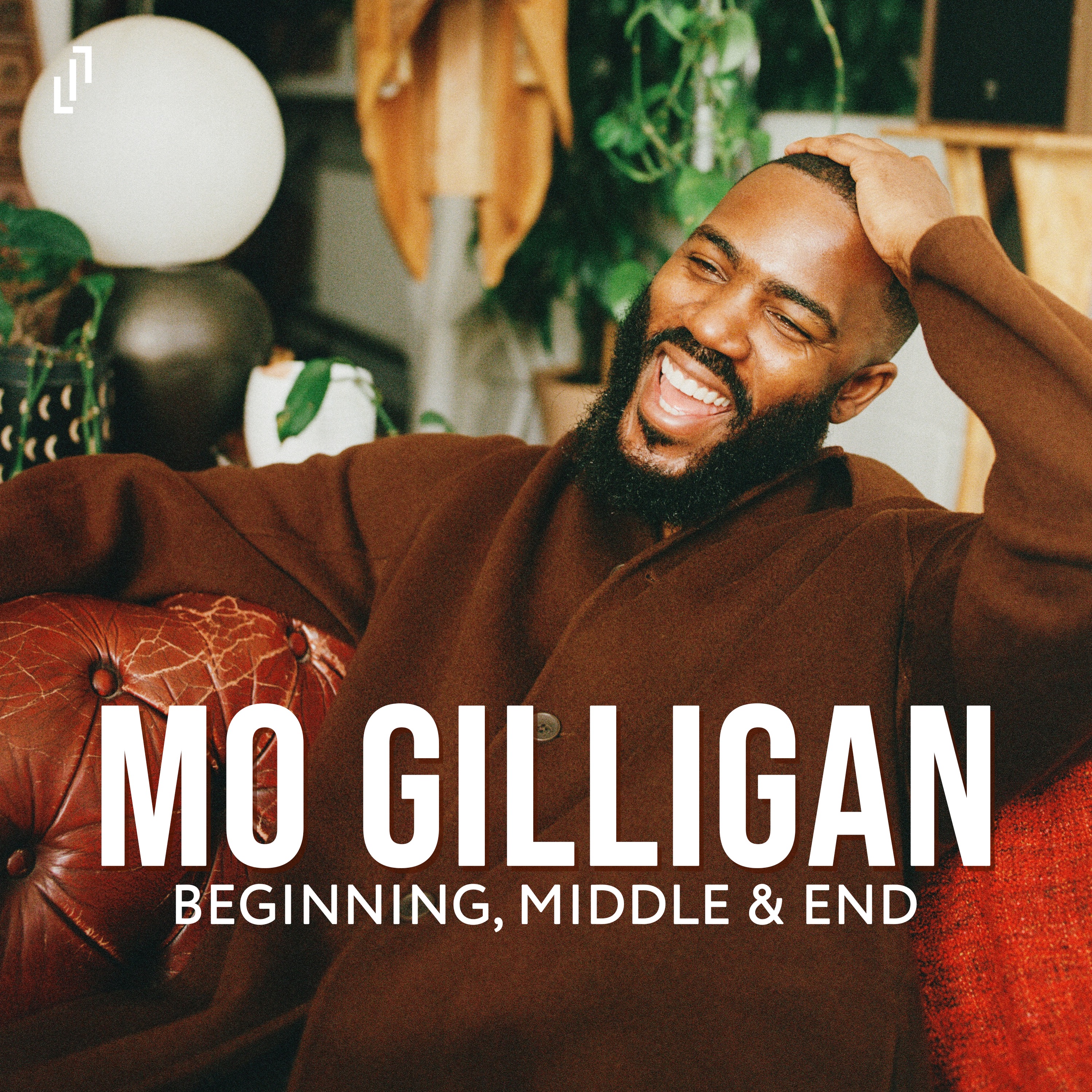
- Mo Gilligan: Beginning, Middle & End
- Ep 105 - Juls: Working With Burna Boy, Wizkid & Stormzy, Leaving His 9-5 & The Truth About the Music Industry
Mo Gilligan: Beginning, Middle & End19 Aug 2026 · 54m · 12 chapters
Ep 105 - Juls: Working With Burna Boy, Wizkid & Stormzy, Leaving His 9-5 & The Truth About the Music Industry
In short
Jules (Grammy-nominated producer/DJ) discusses his path from studying finance and working a 9-5 to quitting, building an independent career, and navigating music-industry politics. He also shares experiences working with Burna Boy, Wizkid, Stormzy, and Lauren Hill; his early exposure to South African “house”/Amapiano; and his views on cultural respect, legacy, and networking. He explains why collaborations can fail (label/management politics, camp dynamics, even small misunderstandings), and how he manages anxiety at industry events. He previews a collaborative album and documentary about Ghana-Jamaica connections, aiming for a summer party sound and future live shows (including a dream Royal Albert Hall set).
Guests
Jules—London-based Grammy-nominated producer and DJ behind the “Jules Baby” tag; credited with helping popularize modern African music; also a tastemaker/curator and party host. Mo Gilligan hosts.
Written by AI. May contain mistakes.
Chapters
0:46
First Encounters and the Love Lounge
A conversation between Mo and Jules about their initial meeting and experiences at the Love Lounge events.
“I was trying to think today where I first met you.”
3:19
Comedy in a Musical Space
Discussion on the unique blend of comedy and music in performances at Love Lounge and its impact on their comedic styles.
5:24
Transition from Finance to Music
Jules shares his journey from studying finance to pursuing a career in music, detailing the challenges and motivations behind the shift.
“Because I feel like you're now, you're part of a generation that have changed that narrative as well, you know?”
9:40
The Rise in Music and Opportunity
Jules discusses how he managed to balance his 9-5 job with music opportunities, including the challenges of seizing opportunities.
“Easy as well That Also felt like Like it changed everything for you in terms of like social media.”
14:00
Navigating the Music Industry Politics
Learn about the intricate politics within the music industry and how they affect collaborations.
“It helps when you guys are like your brethren or you're like good peoples or like you're really cool.”
28:00
Collaborative Experiences with Top Artists
Explore the unique collaborative dynamics Juls experiences with Burna Boy, Wizkid, and Stormzy.
“I was like, I'm definitely pulling a Siki for Lauren Hill.”
33:00
The Impact of Amapiano and Cultural Respect
Juls shares his experiences in South Africa and discusses the importance of cultural respect in music production.
38:40
Challenges and Opportunities in Music Production
An insight into the challenges faced by producers and the nuances of making music in today's industry.
42:00
The Lucrative Nature of Music Production
Explore the challenges and benefits of being a music producer in today's industry.
“It depends on your circumstance as a producer.”
45:54
Excitement and Anxiety Around New Releases
Delve into the emotions involved in releasing new music and collaborating on projects.
“So sometimes you do have to be grateful.”
Show all 12 chapters
48:26
Building a Legacy in the Music Industry
Discuss the importance of legacy and planning for future success in music.
“And yeah, man, ready to tour the album and just prepare me for my next project as well.”
52:00
The Value of Live Performances and Iconic Venues
Understand the significance of live performances and the impact of renowned venues in a musician's career.
“Yeah, a lot of people have been asking about that.”

Ask about this episode
Get the gist, explore an idea or ask about something said.
 Claude
On Mo Gilligan: Beginning, Middle & End, what are the key points of this episode?
Searching your listeningTranscript
Automatic transcript. May contain errors.
0:00Mo Gilligan: Hey, what's up, people? My name is Mo Gilligan, and right now you're tuned into my podcast, Beginning, Middle, and End. Now, my guest today has been emerging as a pivotal figure in global music over the past 10 years. This is a Grammy-nominated producer and DJ who effortlessly blends afro beats, reggae, soul, hip-hop, and even dancehall. He's worked with some of the largest names in music from Burner Boy, Stormzy and even Lauren Hill. That's right. He is the man behind the Jules Baby producer tag. If you know, then you know. And he has been credited with pioneering the popularity of modern African music.
0:42Mo Gilligan: Please welcome to the podcast, Jules. I was trying to think today where I first met you. Where we first met. I don't know. Where we first met properly was when you'd done the party at 180. And I think you had probably just won the BAFTA at the time. Because you DJed before I got there. Because I DJed. And then by the time I finished, then One Touch came on. Yeah. That was the first time. That makes sense now. Because it's always been at a party. Yeah. Yes, yes, yes That was the first time That makes It was bugging me Yeah I was like Where did we first meet? Yeah That was the first time But The first time I had Um
1:37Man If I'm not making a mistake Do you remember Love Lounge? You remember Love Lounge? Love Lounge Yeah, yeah, yeah, yeah Love Lounge Back Well Where were they having it?
1:46Mo Gilligan: It was in Brixton Was it Brixton? Yeah, yeah, yeah It was Brixton I forgot the name of the venue Was there somewhere else Before Brixton Or was it always Brixton I've always done them In Brixton I know Jeff and them Used to do it Somewhere else before But I used to do it In Brixton I used to host it Then we came in My partner You know We came for one In Brixton And this is when I was introduced to KZ Because KZ was on The Keys And there was this There was a time I forgot his name The white ginger guy Was a performer But then yeah I just remember It just being a great time And then That guy performed It was KZ on the keys God rest his soul The jazz player The bass player as well But yeah That was my first introduction Of like McGilligan like Love Lounge And you know That is like a legendary Like Oh big ups man Oh yeah no That That was like We don't have too many comedy clubs No no no That one was also very special Because I feel like for me I had hosted shows before Then like Sunday show And then when I met Jeff He was like I've got this show Do you want to host it It's in Brixton So I was like fine And it was definitely A new crowd Because I knew a lot of people Was coming from church Yeah And they would go there So I had to definitely Also change my approach To comedy Where Sunday show Was off limits You say whatever Do you know what I mean You gotta be a little bit more Whereas you had to Like ooh But also because I had the band there as well Yeah I love music Yeah yeah yeah So I used to love Just being like Ah yeah like Let's imagine now We're playing this Can you give me like A little gram ting there Alright cool You coming with the bass And yeah I feel like everyone there Was either from Mitchum Or Thorne Heath Like I think we did come after church Now that you say it Yeah we probably But it was like a young It was a very young Crowd And everyone Mainly would come from church And it's interesting Because I feel Because it was It wasn't every Sunday Maybe like every month Or so You'd have some Singers there Some comedians So for me Definitely It definitely changed The way that I would do comedy Because I'd have to You know Bring on a singer Or You know And it was very much like You know You bring a girl And what not And I had to realise that Alright cool I gotta change Would you do it again though?
4:15Mo Gilligan: Like I feel like I'd never say never Yeah I think it's hard now Because It's like I don't want to do the whole I'm always busy Right But it's like My Sundays have changed now Now that I'm a dad Yeah It's like My Saturdays and Sundays Are family time Yeah As much as possible So To even like perform Even my own tour shows I had a tour show Probably like A year ago And it was on a Sunday In Glasgow And I was like Whoa this is Yeah This is odd On a Sunday Because Saturday definitely So Sundays is literally Home time Yeah yeah yeah man Like even like Finding God more in my life And going to church On a Sunday Then going for a food afterwards Is like oh This is How I like to spend My Sundays now Do you know what I mean Might watch football At four o 'clock Big Arsenal fans We've got to watch games together Yeah I just remember When I was about here I just remember the last match That we watched against United Oh that game I was like a hooligan That dude Yeah I was like a hooligan out there I was trying to remember What I even said I said something so loud I was just like Yo I'm just embarrassing My whole Family legacy You know what's really funny About that yeah Is because we both Watch football together yeah Yeah But I think we both realised We're like Rubber you really into this game Yeah that's That's exactly what it was I didn't know Jules was A passionate fan like this You know I'm passionate Because anyone who watches me When I watch football especially a game like that because we watched Arsenal-Tottenham together yeah yeah yeah and like it's mad because you're in the box and all that stuff and you're like I hear that but I'm here for the game really you know what I mean like as much as we get a little food but I'm here for the game yeah I'm not really trying to have a conversation about yo so when are we having the meeting to broker this deal around Toronto was the football game yeah man 100 % and that United game as well because it felt like it was like yeah this is when we win the league really even though it was like February I want it January, February But yeah So I think all of us were like How did this happen man?
6:18Yeah That was a crazy game I can't remember And it also gave them like Some sort of bragging rights It's bragging rights
6:27Mo Gilligan: I think like I don't want to get heavy on football I just feel like there is this like Arsenal It's Arsenal United fans That's who you really battle with I think especially in the black community I know more United fans Than I probably do Tottenham and Liverpool fans So you just grew up Supporting either or So even losing the game Is like Oh man I've got this for a week That's true A month Yeah That's true Yeah But you studied So going back to your first From obviously when we first met But for you Yeah Like Before you started doing You know music You first went to university Right Yeah And you studied financing And How was that route In terms of Like where you are now Because Because, you know, was it the traditional, like, you got to grow up and you got to get a real job?
7:19Because I feel like you're now, you're part of a generation that have changed that narrative as well, you know? Well, it wasn't an easy journey, to be fair. Like, yes, of course, you know, being the oldest son as well, you know, so you're kind of like, you know, a leader. to your siblings and you know like my whole educational background like i've got a degree and a master's in finance so in my mind that is what i'm trying to do do you know i mean at some point what most of the time music was like a hobby i started making beats like i was seven okay i started making music professionally i want to say like 2014 15 and when i say professionally that's when I started getting the hang of actually recording artists and actually getting the gist of what a song should sound like to sound complete okay but whilst all of these things were happening I was still you know going to work um and I think things started to shift when I guess the popularity with my music was growing and I wasn't really getting you know satisfaction from you know my my nine to five um when you're working in a world like that it's very competitive and the chances of you rising to the top especially as a black person in that world is very very very tough and it got to a point i was like i need to start working towards being able to be stable enough to support my hobby and my passion because i'm at work and so many opportunities are coming bro I remember there was a time as I work and I think Burner Boys manager must have reached us saying yo Jules you're available at 2 p.m I was just like oh bro I'm behind working on my excel sheet right now and I'm just like it must have happened two three times on so many different occasions or even having to travel and this is when I even started DJing a lot more to the point where bro what i used to do i can say it now because i quit but on thursdays if i had a booking like in the states or something i would pull a sickie on the wednesday thursday i'll fly out do the gig friday be there two days fly back to london on a sunday land monday morning go to work with my suitcase i did it at least five six times probably because i couldn't i couldn't have missed out on those five six opportunities because they would never come again because i already missed so many opportunities with having a session with this person and that person and then most of my holidays were dedicated to studio sessions and traveling and then you know My parents live in Ghana So I'll take a summer holiday Or Christmas holiday To go and see them So That whole period Was a very Very interesting period Where I had to figure out Okay If I'm gonna do this I need To be all in And I didn't have a plan All I just knew Was that I'm gonna try a thing And you know God I'll lay you Hand on the rest Yeah Because
10:51Mo Gilligan: There's a connection With you With Mr. Easy as well That Also felt like Like it changed everything for you in terms of like social media. Was that also in the back of your mind when you're trying to push yourself out of the nine to five and more into mainstream music? If you understand what I mean? Well, the thing with that era of me and Mr. Easy is that Mr. Easy was a lot smarter than a lot of us. And when I say the lot of us, I'm talking about, you know, a lot of the artists slash producers, you know, being British, Nigerian, Ghanaian or whatever. So you've got your Billy Berries, you've got your UGs, everybody around us.
11:36EZ had a very strong business mind. He used to run a phone company at some point or before he even got into music. So music was really a passion for him. But the music that we created was just so different and I guess timeless. and everybody remembers that particular era of Afrobeats because it came at a time where we slowed things down. From a sonic perspective, I was blending my experience or my, I guess, attachments to Caribbean culture. When you go to school, you're surrounded by, you know. Yeah, yeah, yeah, of course. You know, a lot of Caribbeans, you know. And, you know, Skin Type was a record where...
12:19It was a blend. It was an Afrofusion. It was a blend of Afrobeats, but at the same time,
12:24Mo Gilligan: you can hear the dance or patterns in there as well. So we created something different there. And that's kind of like what, you know, took off everything. But I think for me personally, I just wanted to take a different direction in terms of music and wanting to be able to, like, produce for everyone. I wasn't trying to be somebody's producer entirely. Even though that may work for some people, It's work for Drake and 40 It's work for I don't know Future Metro Boomin It's work for J. Hudson J5 up to some point But for me I just wanted to take a different You know Path where I'm just like Making music for everyone Yeah And not even just In that space of Afro beats Or whatever you want to call it But Just produce everything Because I listen to everything So come to me for R &B, come to me for hip hop, come to me for house music, all of that stuff.
13:22That's kind of like, that was what my thinking is. And still is my thinking as well. So, you know, I just continue to work on building my craft and getting better at what I do. Was there any artist that reached out to you that was like, you know, let's make an EP and album together exclusively?
13:40Mo Gilligan: because I could imagine if you're a hot producer, is there a part of you that's like, oh, I really want to work with this person. But then that can also be something that might pigeonhole you if you only ever work with that person, you know? You know, it's interesting. So I've had a lot of those type of conversations with different artists, but I think it's more on their side because a lot of them are tied into like label deals and, you know, their management will probably have a different business idea to what the artist is saying in that moment do you know what I mean um but I think it doesn't matter if you're the producer producer for an artist and there's an EP because people like the alchemist or um ninth one and these are like old school underground hip-hop producers who have been around for like years and years and years and they have released projects with different artists so alchemist dropped one with larry june in fact he's dropped twice i think he's dropped two i think with larry june so that's something that i would love to do yeah but it's really just about locking in with the artist and locking with the artist is the most tedious thing to do because everybody's on a different schedule yeah the artist may not be as focused you the producer may not even be as inspired to create so So you guys really need to look in.
15:08It helps when you guys are like your brethren or you're like good peoples or like you're really cool. And then, you know, you're able to kind of like create the way that you guys feel would be best to put the best music out. But 100%, I don't think it's damaging. But even though I get the point you're making because people just begin to associate you with that person when that's not necessarily the case. I think it's really just more about how you brand it.
15:34Mo Gilligan: Yeah, yeah, yeah. Yeah. Do you find like a lot of that stuff can get in the way? Almost like, I want to call it like label politics. If an artist just wants to work with you, but the label have got this and then you've got this idea. How much of that as a percentage would you say is the reason why people probably don't work with each other? I'll not say anything without rattling any feathers. But yeah, 100%. There's a lot of politics and there's a lot of cop blocking and there's a lot of situations where it could literally just be so simple. Jules and Mo having a conversation. Mo can rap. Jules makes beats.
16:23They're both sick. It's just a no-brainer for them to get in the studio, right? Give the people some great music. It sounds so simple. But then Mo's probably going to have somebody in his camp saying, oh, what are you doing with this guy? What are you doing with another person? And then maybe another producer would hear that and he'd be like, nah, ban that guy, man. She'd roll with me. So it's like, in my opinion, people see the opportunity for certain things that could grow substantially. And I think maybe they don't like it because they don't get a piece of the pie. Or it's like, I don't know, bro.
17:06It's just so sabotaged. It doesn't make any sense to me to be fair, but I'm learning to deal with the word no or rejection a lot better than I used to. Because at first I'm just like, what me? You don't want to work with me. You're dumb. then I'm just like, maybe it's not even me. And to be fair, let me not even play like, you know, I'm a goody two-shoes. Maybe it could also probably be me. It could be the fact that maybe the way I came across or, you know, something, I don't know. Communication is also really like one of the main things that, you know, can handle a lot of really amazing collaborations and big money decisions between two people.
18:01It could be the thing of, well, Mo stepped on my guy's shoe the last time and he didn't say anything. And, you know, that person probably held his grudge to this day. And because of that, he's like, no, don't that guy, man. He stepped on my shoe, bro. Don't get in the studio. Bro, it could be literally something as crazy and simple as that until maybe one day you have a conversation with a person and you're just like, really? I was just like, bro, that was completely misunderstood. Like, I didn't even know that's how you felt. And it's important to have these conversations because sometimes, I mean, you don't really have to care.
18:38But it's like, you could be walking around just thinking, I have no worries. I haven't done anything to anyone. These times, somebody has some evil eye and evil plans for you. And I guess probably that's why I don't really roll out, roll with too many people or go out as much because it's just like, anxiety i get a lot of anxiety this is something i like keep discovering myself like when you're in a lot of these places especially like industry parties
19:07Mo Gilligan: it's a lot of anxiety because you're like thinking to yourself i deal with it a lot better now but before i'm like who's this person like oh who's that and it's just like you just feel like eyes are just looking at you sometimes they're eyes off oh it's a nice guy or what is this guy doing here or like people just making you feel uncomfortable like you shouldn't be where you're supposed to get anxiety i'm just like man i'm dealing with too many things in my head right now let me go to the bar get a drink and then you know loosen the nerves a bit i don't have to necessarily do that all the time yeah just to feel comfortable in the space which i feel like I've worked hard to be in and to interact with my peers, you know?
19:55Mo Gilligan: I think as well, when I used to first go to industry stuff, especially like those events, which, you know, some people always have the argument of like, if you don't like it, don't go. But it's not that you don't like it. It's just there is this weird energy when you're sometimes at an event. And I think in this country, we don't have this big network thing that they do abroad of like, I'm going to go there and introduce myself. Hey, what do you do? Oh, nice to meet you. Everyone's a bit standoffish and you kind of wait for the person you know, your brethren's, and you're like, what are you saying, bro?
20:28Yeah, yeah. And that's what you just chill with. It's not even like I don't want to speak to people.
20:32Mo Gilligan: You're just like, oh, I just don't. And then what I find what happens is then people then start talking towards the end. And you know what it's like when you go to the States, as soon as you walk into a room, hey, what's up? What's your name? Oh my God. You do music? Yeah. God, what kind of music do you do? Afrobeats. Oh my God. Fellow cutie Like How great was he right And you're like What What's going on here And we're not even used to that Cause it's just like Why is this person so Warm and friendly Yeah Yeah Yeah Yeah Bro I don't know I don't know where it stems from But even when we were in primary school Or secondary school It's like Everybody had their cliques And if you wanted to even Chat or play with a group of people Everybody is just like No we're playing with Our group of people You go So you Already feel Unwanted in certain spaces And it's something That has stemmed With us Till This day And I feel like A lot of us Need to Travel a bit more To just kind of like See how things Are a lot different Because if we were Networking The way they network In places like The States Oh bro The UK would be A different place And you know what you realise You start networking And you don't even know You're networking And that was the thing That I learned I didn't know what networking was When I first started Going to like Any event Or comedy thing Yeah I tried to You know Make a business card Vistaprint I made this Really cool business card It was like You know Like a playing card Yeah yeah So it looked like A playing card So one side You know like If you get like The Joker playing card It was that But on the other side It had my details on it So that was the conversation Start up It was like Oh is this a playing card Oh But I didn't give none of these out.
22:20Mo Gilligan: I've still got them in a box. You just had it. In my mum's attic. So, again, I didn't give none of these out because I didn't know how to. Where I feel like it's only now that I will go to an event. And I'm like, oh, there's a bunch of people I know here and a bunch of people I don't know. Yeah, yeah. And, yeah, let me just introduce myself. Hey, how's it going? What's your name? Nice to meet you. Hey, how are you? You all right? Simple conversations. Oh, the web's crazy, man. yeah where'd you fly in from oh great and again i've just met cool people through that of like oh wicked like you're in new york listen let me know man i've got a great restaurant if you ever want to go there i know the chef oh wicked how do you know the chef i actually own that restaurant oh so i swear like it's those things that happen yeah and as much as we feel like a follow back on instagram might be the way nine times out of ten it's not yeah do you know what i mean like How many times I think I've probably Messaged someone Hey what's up man How's things man Like if you're in town Shout at me And I'm like Bro we've been Following the show For like four or five years For time yeah And it's just air Do you know what I mean And that's I get sometimes We think that's networking But I think networking Generally is Just to go up to people Introduce yourself And just talk On a literally like They're aggressive Human level Do you know what I mean They're very Intensively aggressive Of it as well Not even a bad way But it's like Yo let me get you details man like they literally pull their phone out and then they have the new technology you scan it and everything I'm just like oh you know they do this I was like come on give me your phone yeah yeah and then I love this life and even then like as a Londoner it's like oh this is a bit much but you just never know yeah 100 % you just never know like LA like there's so many things that happen in different parts of the year we got I remember when I was in LA and I was at your event that time and that was cutting off man yeah it was a good that was really good i really enjoyed that man that was a good it was a good party and i think that's what made me started going to la a lot more within that time because there's just so much going on and people are really just looking for a vibe and a good time bro yeah people don't really care too tough about what the main event or the festivities are and people really want to go to a party where they can actually have fun not a party where everybody's just looking at everybody's teeth and nostrils and not doing nothing they just really want to you know vibe and have a good time I feel like you have that though your party in LA it was I can't remember where it was and me and the guys turned up and big up to you you know because Catch 23 is it Catch 23?
24:57I think so
24:58Mo Gilligan: and it was packed like just anyone listening or watching the pod it was packed you had a you had a turnout yeah it was a good it was a good part but you know I appreciate it yeah because obviously like you know we're like yeah you know Jules it's from Enz We've got to go support man But like Obviously like And you know We share a mutual friend In Jovan innit Jovan's like Let me see I'll phone him and see Like boom boom boom And we were not even trying to do The whole Q jump thing But it was like Yeah yeah yeah And it was literally Guys Come in And we were like Oh Oh You know normally You're outside Yeah And you're like Hey I'm outside with my friends You're telling me to wait And my friends are here And you're like But yeah that was I remember But I remember that a lot because I was in LA that summer, probably for about 10 days, me and my friends.
25:48Was that your first time? No, I'd been there before, but that was, I think,
25:51Mo Gilligan: a time where, like, we was out, like, every night. I was drinking a lot. I don't drink as much now. Yeah. But I remember, like, specifically, like, one of the summers of my life. Do you know what I mean? And I think that was the last day. So the next day I was finished, man. I was flying back. just like finish drinking tequila straight you know I said those are those are good times and yeah I mean just going back to the thing you made like I like to provide you know good hospitality do you know I mean like if you've invited someone to something that you're doing the least you can do is just make them feel welcome that they've come to your party I'm not saying you need to be you can't buy out the bar you can't give them anything but you know the cheeky or you see a bunch of girls say oh hey how you doing boom boom boom you had a drink let me give you a shot that type of thing like bro it's those things that people remember because it's like you just want everybody to have a good time it's not even don't even have a good time for me have a good time for yourself and just providing a really good experience for that person there and then so that they know that or next time she was having a party you know i definitely want to go because we had a great time and I always just make sure that that happens and that's probably why I don't really like doing parties at a larger scale because you get sometimes the man will just be like oh bro that party was sick man how many people were in there 300 oh you need to do 3k next time I'm just like yeah come on bro let's use our let's use our brains a little bit bro like let's just baby steps and then just be able to provide people uh with a with a dope you know experience and enjoy themselves, you know?
27:31So, yeah. But yeah, that was a good party. I did that party with a guy called Black Pages in LA who has gone in and he runs a lot of parties over there in that area as well. So, yeah. We got Black Pages. But yeah, that was a good time. That was a really good night, man.
27:46Mo Gilligan: Very, very good. We had a time, boy. Yeah, man. Speaking of experiences, you work with the likes of Burner Boy, WizKid, Stormzy, Lauren Hill. like are there moments from them sessions that have like changed the way that you know you even make music when you work with those kind of artists it's funny all those names were different experiences Lauren Hills was more remote but I got to meet her later on when she had a show in 2016 at the Kins Theatre which is one of those shows that whilst I was working full time, I pulled a Siki to fly out to go and play that show. I was like, I'm definitely pulling a Siki for Lauren Hill.
28:35Mo Gilligan: Yeah, yeah, yeah. It's got to make up a family member, but my sister's auntie's cousin is not feeling well. I pulled a mad Siki for that one.
28:47Stormzy, that experience was very, very collaborative. something i'm not used to on a regular basis because storm z has this thing where he brings so many people together it's like a it's like a it's like a house full of chickens just ready to you know hatch and then just like do the best thing ever we had we had some crazy studio sessions outside of town in this place, some island somewhere. And there were just multiple rooms and everybody was just kind of like creating different vibes. And there was a song that we worked on. And then I made some part of the music. Pewter Jay made some part of the music.
29:38Another producer made some part of the music. I was just like, man, that's a lot of us. But then we're all adding our different flavors to it. And I was just like, you know what? This co-producer thing Could be cool If it's done properly In the right way And I think Stormzy One thing that he did Is he always made sure That you know It was done the right way And then he was always Specific Yo Jules I need that Thing from you That you do He can't explain it But you just know What he's talking about And it's just Oh okay So He really You know Loves Exactly that thing That I do And he just needs That bit For this particular song To take it
30:15Mo Gilligan: to that level. Wizkid is a different one where it's like, he just loves what he hears. And we could be in the studio for five, six hours and he's just like popping his head to the heartbeat the whole time. They'd be like, yo, bro, this is going to be a banger, bro. Trust me. And in my head, I'm just like, bro, you haven't even written any lyrics yet. So where are we going? We're just literally chilling in the studio. And I'm just like, all right, cool, cool, cool. And then maybe like two weeks later, you just be like, yo, we're going for the tune, bro. Do you get anything? Yeah, not yet, bro, but yo, come back to the studio and play me some more vibes.
31:01Mo Gilligan: I'm like, yo. And then I played him new vibes and he was just like, yeah, this is the one, bro. So with Wiz I'm just like Until I don't see it on the checklist Until I don't get an email He doesn't tell me like Yeah bro you made it I don't trust him Burner boy however He If you don't tell him to stop He could probably record The whole day bro So again Whilst I was working full time There was probably one day where I had the day off I was like, you know, let me take this day off But a boy came to my house I had like one studio flat Can in town And I'm just playing him a bunch of beats And he liked three of them So it's processed He's done the melodies The whatever Then when he's done the melodies We've chopped up the arrangement For how we want the song to sound Then we're filling the words took us about a good three hours to do one and then when we done the three hours yeah everybody's gassed and all of a sudden I'm turning around and I just see a whole bunch of new faces in the room just like where did these guys come from and then it just turns into one party in the flat and then it gets to like 2am oh yeah let's do the next one I was just like you are insane I'll go work I need to wake up At 5 To get To the bus station At 6 We're talking about The next tune But He's a workaholic And it shows I mean he's I mean look at him now Work up song Like His success is Uneniable Same with Wiz And it's It's a blessing To be able to work With all of these guys As well you know Everybody's a different Experience But it's a great Experience that You can live to tell Speaking of experience Didn't you go to South Africa To experience Amapiano before you started Yeah Like produce it right Cause I went to South Africa in 2012 And Oh wow you went early one Yeah when I went there It wasn't called Amapiano They was calling it South African house Yeah And it was There was two different types of it There was the kind of more house With the kind of The singing and the melodies That kind of vibe to it Kind of that more soulful house if anything But then you had the other stuff Which was like
33:38Mo Gilligan: I think there's an artist I don't know his name Or their group I think that was called Big Nuz Or something like that I'm not too sure But I remember they had this one album And the reason why I remember it so much Is because we went to South Africa We were doing football coaching And we went just outside of Johannesburg To a place called Rostenburg There's a place called Cosmo City And we Me and the guys We were All pretty much from like South London And They had this like Massive supermarket And next Like inside the supermarket And next to it They had this chip shop Believe it or not Yeah Chips Chips But you know that Art style of chips Yeah yeah yeah And bro Whatever salt They was putting On this chips yeah Me and Amanda Were there like Every day Eating these chips But then they had A liquor store Across Yeah And this liquor store The music they was playing Was so fucking vibey Yeah yeah And we always used to be like What the fuck is this This is fucking banging Yeah yeah yeah But like the vibe in South Africa Especially Like I remember that's all I took From the trip of Like as much as we don't It was the music Yeah yeah yeah Like the music But especially that kind of South African house 100 % Like it was It was just like in the DNA It's hard to explain Yeah Do you know what I mean So what was important for you to go out there and experience it before you made it bro i feel like personally that they make some of the best music i i don't know how but i don't even want to go too deep but i feel like a lot of pain that they've dealt with of apartheid a lot of that pain is probably poured into the music but i'm sure some of the things we even vibe into and singing along with are like sad songs but it's just the beat that's just moving it um with I'm a piano that's like a like a subset of dance music I don't think they even really include it in you know whatever software houses but you see if I'm a piano is like a it's like a hybrid of jazz meets heavy percussion from house and then you know the log drum is just like this new sound that they've added to just give it a little bit of energy And funny enough, I only found out about Amapiano
35:58Maybe three months before I made that trip to South Africa And I remember it very well Like, 2019, I didn't have a car I had taken my car to the workshop or whatever So I got a ride back home with my manager at the time And another DJ, Leptizzle And when I was in the car Dana Her name She They're just playing this music in the car And I'm just like Yo What's this? They're playing DJ Maparisa And Cabs of the Smalls album Scorpion Kings I was just like Yo This is crazy But as I'm listening to it It's like To me I'm like This sounds like something I would make But I just hadn't heard it before So I just started listening to all the other genres like all the other artists and stuff it's like yo this is fire and then when I go in the studio of Jazz Carries we were trying to make more of like a house record so what people hear now is not what was the first version so I was just like I wanna go South Africa and catch a vibe and see what can happen there bro one of my best trips of my life every single day was something incredible I was just going to all of these parties and the energy was sensational as i'm hearing all of this music i was like okay this is how i need to kind of like tweak it one thing i'm very wary of is appropriation so i don't like to say i produce this type of thing yeah i like to be able to you know infiltrate or take certain elements from certain genres while still paying homage and respect to them so If I was to produce And I'm a piano record The artist has to be South African If I'm to do a dance or record He has to be from Jamaica
37:53Mo Gilligan: Or Trinidad or whatever Like I just have so much respect For other people's cultures And their way of life That You have to Make sure that You just pay that homage and respect Yeah Because the other day I saw one clip A Japanese guy Doing Afrobeats That was mad to me Like No connection whatsoever Yeah Didn't even heal up Nobody I was just like Yeah let me just try this This other beast I was just like Yeah this is crazy And Everybody was big enough In the comments I was just like Guys no That's not what we're supposed to do Yeah everybody try new things But it's like Just Just give respect Where respect is too You know Like Even like being a producer If you're talking about your journey You know How are your Your Your Your Your inspiration You know If you're a comedian I don't know who your Your idols are But I don't know Whether it's an Eddie Murphy Or it's a Chris Tucker Or You know Richard Pryor Bernie Mac All of that Like You I'm sure you have the person That you hear It's just like Yeah when I was going on These are the people that You know I looked up to And you're paying homage Because you started from somewhere Yeah And it's also important to just preserve legacy and preserve sound that's why i feel like a lot of our genres in the uk died because we didn't pay homage and some of them didn't also teach and they get kept too much so now it's like a lot of the genres are niche jungle is like one of the greatest genres to ever Come out of the UK Funky house But it's like You speak to the Average person Oh yeah Jungle's dead man Jungle's dead man I'm just like It's like they Survived within Very small Pockets Yeah They do They survive in Very small pockets But I'm just like The way we even say it I'm just like Bro Like Say something A little bit positive About your genre of music So that when somebody From another place Comes And they mess with it It's just like Yeah that shit is Wipe bro Like you're just Dumbing down your own You know what I mean Garage Funky house Jungle Afro swing Like Grime Very very very Amazing genres of music Produced in this country By black people Black community And we just get tired a little bit And it's just like Yeah what's next And that's why we reach the scene So quickly And it's just like What do we do next That's why everybody's all lost Because they're trying To figure out what to do Yeah And I feel like They wait for the person Sometimes To maybe Make the sound Like Blow again Or bang again To them Okay this is what We might all grab This might be the sound Do you know what I mean They do that But then If it doesn't work Then they're just like Oh this guy's wasting his time So I'm just like What do you want us to do You know There have been so many conversations About Bringing our first stream back Bring Funky House back.
41:06And I know they've tried. NSG tried. They did a whole concert. They had a whole hat saying, make Africa swing great. And it was like, everybody's talking about nostalgia, nostalgia, nostalgia. And it's just lazy thrill. And I'm just like, bro. Hip-hop in America, like, they hail the old sound. Hip-hop is like, what, 50 plus years now? And nobody forgets. Everybody just was like, Yeah I remember back in the day And they say it with pride But us it's just like Man that thing is not It's old bro What's the new thing Yeah I don't like that
41:43Mo Gilligan: Is it lucrative Being a producer Because With So many conversations Around music now Whether artists are selling Their catalogs Or whether people Are talking about You know Making money through streaming Is it lucrative Being a producer And the only reason Why I ask Is because I remember being out in LA and P2J is there he was there around the time this was just before Tyler's is it Water just kind of blew up and stuff and seeing him and you know we kind of just we kind of met there and he's like yeah I'm working with this artist and we're going to studio and stuff but is it is it is it a lucrative space in music to be in to be making you know the hit and working with the artist and And do you find it's a lucrative place in music?
42:37It depends on your circumstance as a producer. There's some producers who are always in LA chasing opportunities, like trying to get in the studio. Let me just get with that person. Let's create. We create these ideas. Whatever happens, happens. They may do that off their own back. Some producers may also have publishers who pay for everything. So P2J is one of the hottest producers Sammy Soso They have some success
43:06Mo Gilligan: Yeah, yeah, yeah Big up Sammy He was there as well Exactly So they were going to have The machine and the backing To be able to get them In the right rooms And don't get me wrong They probably have their own politics Where they may suffer To get in certain rooms Because other producers See how great they are So they don't want them Taking their shine Yeah, yeah, of course But the beauty of it is that Their credentials speak for themselves They've done whiz They've done Tyler. They've done Beyonce. Samuel's done a whole bunch of other things as well. Kali Uchis. P2J's catalog is extensive. For producers who don't have that leverage, it's very difficult because then you're spending a lot of money, of your own money, trying to make something happen.
43:59now if I'm thinking about my own situation I have a very extensive catalog but that's just been based off my I guess aggression of having to work maybe 10 times as hard as everybody else because I don't really have that backing of course I would love that backing and it probably happened at the right time but I think just positioning myself as a producer artist and a DJ and the tastemaker and the curator and putting on a lot of the new artists yeah there's a sound out there that people know that is jewels and people want that and I guess God has blessed me
44:35Mo Gilligan: to be able to get in a lot of those type of rooms yeah yeah it's very tough because I have to be very consistent with it and persistent with it so that's where the issue of it being lucrative is kind of like in the balance because it's like if I didn't have a family yeah I'd be out there all the time just trying to cut records this this down the third but when you do have a family you have to stay back and be like alright I can't go to New York at this time anytime I want to cut this record this this down the third so that's when the DJ comes in that I subsist with that so I'm able to like make sure that everything is kind of like balanced out because again everything is all independent So it really depends On your circumstance But that's how it's worked For me So far And it's been A great experience But You know Man will level up And then you know I know I know a lot more Great things are about to happen For me personally Anyway It's like I'm just Grateful for Where God has brought me I'm in the Moe Gilligan podcast Come on bruv So it's like Send it like you ain't DJ'd At my parties bruv Come on Don't try and do Humble on that No bro No, it's like, it's stuff like that where you're just like, yeah, bro, you're doing your thing.
45:53Bro, people would kill for the positions that you're in sometimes. So sometimes you do have to be grateful. Yeah, I do sometimes sit back and I'm like, I wish I was in that position. Then you start downplaying yourself and it's like, actually, wake up, bro.
46:13Mo Gilligan: It'd be good. Before we get to your end You've got a new New single New album as well Yeah That's coming out Are you excited for this? Are you nervous When it comes to releasing new music? Is it just like a I want to get this out there I find it The hardest thing To talk about something If people haven't seen it Because I want to talk about it And people are And I'm not on a like a What are you doing now? What are you doing next? But you know You're just like You've worked this for ages Can we just get it out? And it's no longer Or a Zoomer and a File and a WeTransfer. Yeah, right. You know, how is it with you that, especially releasing music as well?
46:50This particular album, because it's a collaborative album with, you know, an artist, which is the first one that I've done.
46:58Mo Gilligan: In projects, yeah. In projects. I'm excited about that because of the whole process of putting that together and how I've been pushed to do things a little bit different sound-wise. I don't remember the last time I had this feeling About putting the body of work out Because I guess Again being from London Sometimes it's like You have to do things a certain way To be able to get certain traction Now I'm in a mindset where I'm just like Bro let's just Put this out and whoever Needs to listen to it They will hear it But I'm excited about it I mean, we've prepared so hard. Like, we have so much content.
47:48We've got a documentary coming over the album as well. We're telling a really good story about, you know, the differences in the two countries, Ghana and Jamaica, but then how also strongly those countries are connected, you know, not even just musically, but, like, history-wise as well. You get me? And we want to tell that story. But the music is really just for the summer. It's party time vibe, you know, good energy. And it's been a while since I put an album out like that where I feel like it's full of songs strictly just for party time. So I'm excited for people to hear that for sure. And yeah, man, ready to tour the album and just prepare me for my next project as well.
48:33So every year I'm just kind of like working, but this particular project I'm excited about.
48:38Mo Gilligan: And as you get towards your end, you know, And you're a musician You're DJing You're performing all around the world Like I swear recently Did I Did you in Paris? Did you say I'm in Paris? DJing I skipped Paris But I was in Europe though I did Brussels and Hamburg It might have been there I see you on You performing that day right? Yeah Yeah you're always somewhere I know you go to the States a lot as well Yeah But What do you kind of like Do you ever think about Things like Legacy In some ways Where You know When I was at that party in LA What was nice to see is One I'm like We got the mandem out here But also There's a whole generation That were coming out for Afrobeats First Do you know what I mean In LA Which You think Like And they're coming out for you as well I could hear people in the queue Like yeah I'm here for Jules Do you know what I mean Yeah So like Do you ever think of that In your head In the back of your mind Of like What you're doing this for You know Later on In life You know 100 % I think I probably Started looking at that Later Rather than sooner Like I'm now Trying to like Build a platform Where I'm like Trying to create These experiences Like I was telling I was telling you about I'm now starting that You know I'm building a label and a part of your experience altogether called Taboom.
50:17And that's where I want a lot of that legacy to live. I've given the number 25 on that label because I believe 25 years is when everything will just be like. That's the time frame that I'm giving myself for this legacy to be able to take care of my family after me. I don't know why that number But Yeah 25 is the number That I'm like
50:42Mo Gilligan: Yeah using And It's something I should have done before Yeah You know The show in LA The emails All that data Should have had that by now All the other events This is the end of the first Sometimes you just get So distracted with Just making sure The promoter Pays your fucking money Yeah yeah yeah And it just can't But now it's just like Yo You need to start having conversations about yo I need all this data and that's why all these live nations and all these people are like really really powerful and strong because they have a lot of information and data to be able to push out to the masses and it's time for me to kind of like start doing that for myself and to be honest with you bro like of course we would love to perform to tens of thousands of people but then you know the hundreds of a thousand people that you have that are whole co-found business of you you also just make sure that you're taking care of them and then that kind of like expanse.
51:40That's kind of like where I'm at right now. But yeah, I know that my legacy, you know, is going to be strong held there and it will live for a long time. And we're going to get some more live performance shows as well. Because I know there's the DJing side,
51:53Mo Gilligan: there's the producer side, but there's the live experience. A lot of people have been asking. Yeah, come on, man. We need this, man. Yeah, a lot of people have been asking about that. My dream, at the moment anyways, I do want to do Royal Albert I do want to do Royal Albert I do want to do that The Burner boy comes out Burner's like Killing them Killing them Then Wizkid comes out With their saxophone That would be sick Come on I don't mind the artist being there or not But it would be great Yeah Even if you put out his vibes But it's just the experiment Yeah But you know I got one album that I want to put out Because Of the sound that I'm trying to go with And once the album is I'm just like Alright boom Let's try this Rara Albert thing At least Yeah Because I just feel like I have A lot to express In that space It's just such a Legendary Iconic venue And I've performed I've been privileged To perform at a lot Of iconic venues But Soundwise for music Is definitely one of the best Yeah I've seen comedy shows They're great But also When there's no laughter That room Is very quiet Like you can hear Like if you've got A bag of crisps You're trying to eat them It feels like the whole venue Can hear you You know Ah man But for music Yeah Yeah it's amazing Like how that venue Is built for music I can imagine You can really hear Every sound And it doesn't matter Where you sit As well So yeah Yeah that would be dope man That's the goal for me Hey Jules It's been good to chop it up With you man I appreciate the reason We always see each other In passing man So it's nice to sit down Like this And chop it up man But honestly May your legacy Long continue man Like And yours as well bro Oh thank you bro Coming to your show Yeah don't worry Listen man Fuck getting up On these BAFTAs bro We relive again you know But honestly It's been a pleasure To host you on my podcast man And return The favour Do you know what I mean So this my friend Has been your beginning Middle and end Thank you so much my brother Hey what's up Thank you so much For listening to the podcast today Now a lot goes in to making each episode.
54:05Mo Gilligan: I know you hear my voice, but there's a team behind the scenes who helped make it. And if you did enjoy it, I'd really, really appreciate if you could show the love to them by giving us five stars. And if you also have the time, please leave us a review. It's always appreciated and we love reading the comments. And of course, we want to keep making it better. Thank you for listening and have a great day. Peace.
From the publisher
From pulling sickies from his finance job to work with some of the biggest artists in the world, to becoming one of the most influential producers shaping the sound of modern Afrobeats — Juls’ journey is all about betting on yourself.
Juls sits down with Mo Gilligan for a proper conversation about leaving the security of a nine-to-five to chase music, the opportunities he nearly missed along the way, and what it’s really like creating with Burna Boy, Wizkid, Stormzy and Lauryn Hill.
He opens up about the politics behind the music industry, dealing with rejection, anxiety at industry events and why networking in the UK feels completely different to America.
Juls also breaks down his relationship with African and Caribbean sounds, why experiencing South African music first-hand changed the way he approached Amapiano, and why he believes the UK has been too quick to abandon sounds like grime, jungle, funky house and Afroswing.
Plus, he talks family, fatherhood, building something that lasts beyond him — and his dream of one day bringing the full Juls live experience to the Royal Albert Hall.
A brilliant conversation about music, culture, ambition, legacy and knowing when it’s finally time to go all in.
Hosted on Acast. See acast.com/privacy for more information.
More from Mo Gilligan: Beginning, Middle & End
All episodesWe use cookies.They keep VO running smoothly and help us improve it. Privacy policy