
 Ask ChatGPT

- Podcasts
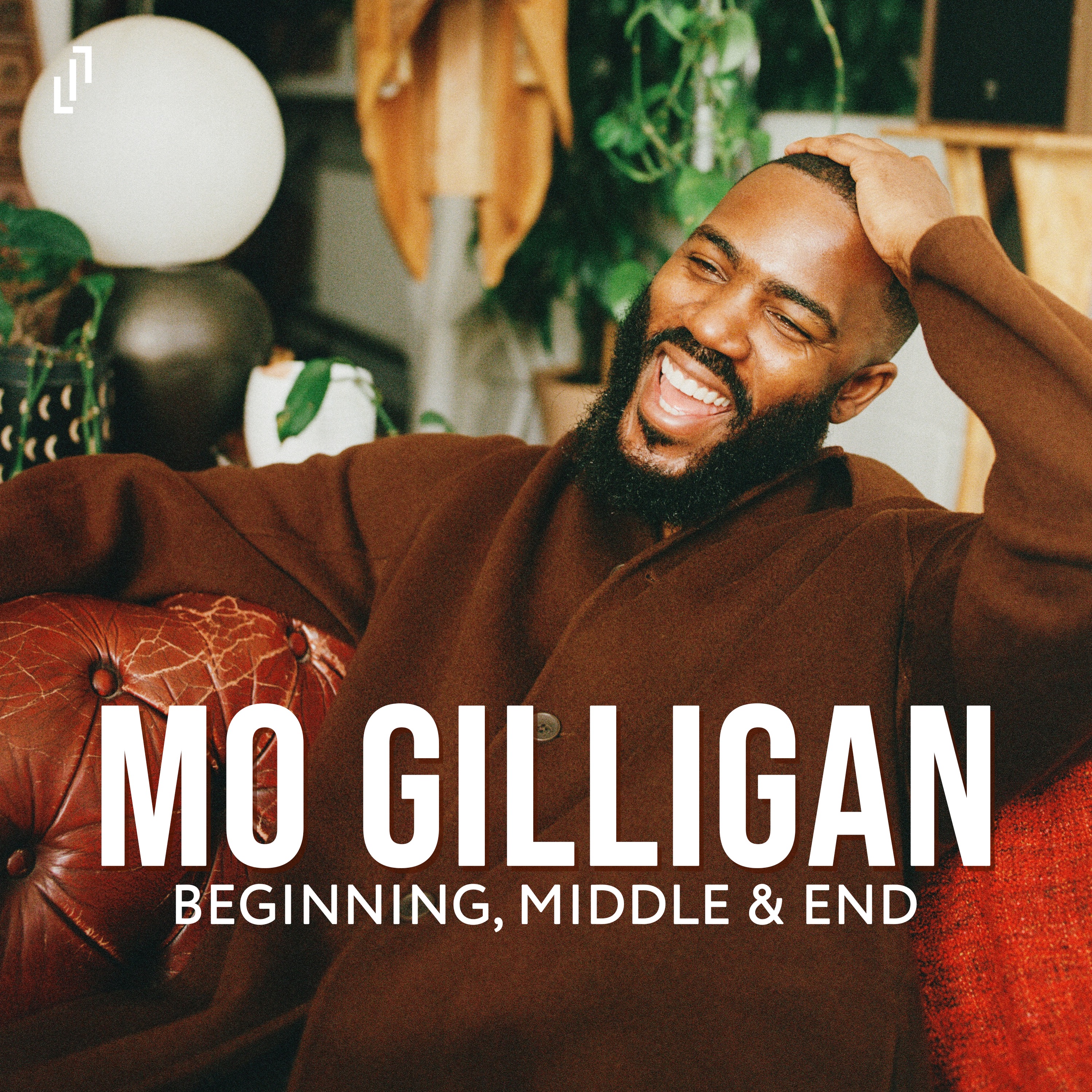
- Mo Gilligan: Beginning, Middle & End
- Ep 99 - Amir Khan: What Doctors Really Think (And Never Say Out Loud)
Mo Gilligan: Beginning, Middle & End8 Jul 2026 · 1h 6m · 22 chapters
Ep 99 - Amir Khan: What Doctors Really Think (And Never Say Out Loud)
In short
Episode topic: Dr. Amir Khan (GP in Bradford; TV and social media “vibiest doctor”) discusses how doctors communicate “bad news,” how GP access and triage work (care navigators, non-GP options, Pharmacy First), and how online info (Google/ChatGPT) affects patient fears and consultations. He also explains his career path, COVID-era pressures, and why he switches off with nature.
Guest backgrounds
Guest is Dr. Amir Khan, a Bradford-based general practitioner with a general practice still running in Bradford. He became known via “GPs Behind Closed Doors” (Channel 5) and other TV work; he also trains GPs and has experience breaking bad news in hospital and general practice.
Key claims
Exams and systems don’t reflect Bradford’s health inequalities; ChatGPT often pushes worst-case scenarios; care navigators triage to route patients to the right clinician/time; pharmacists can safely handle minor conditions via Pharmacy First; patients should not use doctors as first call for minor issues.
Notable examples
A patient in labor who insisted she wasn’t pregnant; a garden-centre stranger asking about a groin rash; a train conversation leading to a later melanoma diagnosis; COVID hubs and rapidly changing guidance.
Written by AI. May contain mistakes.
Chapters
0:45
Doctor's Perspective on Media
Dr. Amir Khan shares his experiences as a doctor on TV and podcasts.
“Because you're a doctor, but you're also, you know, you're on TV as well.”
4:25
Breaking Bad News
Discussion on the emotional challenges of delivering bad news to patients.
“So all the patients like know, well, they knew my dad because he was a bus driver around Bradford.”
6:25
Unexpected Pregnancies
Dr. Khan recounts surprising cases involving unexpected pregnancies.
“yeah no they last they could last like seven or eight years really?”
9:30
Growing Up in Bradford
Amir Khan discusses his upbringing in Bradford and its impact on his medical career.
“No, it doesn't really, because like you then have to choose a speciality and then you have to train in that and then do exams in that.”
13:00
Path to Medicine
Amir Khan explains his journey from wanting to be a vet to becoming a doctor.
“They are doing the exam and failing, but they're actually really good doctors.”
14:00
Navigating the Challenges of GP Receptionists
Learn about the evolving role of GP receptionists and why they ask patients certain questions.
“It's can you tell someone they've got cancer?”
18:12
The Role of Pharmacists in Healthcare
Discover how pharmacists are becoming a first point of contact for certain health issues.
“And also there's the local pharmacist who is really good for that kind of stuff.”
22:58
Amir Khan’s Journey from GP to TV Doctor
Explore Amir Khan's unexpected rise from general practice to television and the challenges he faced.
“Going there, which just felt like, because I'd seen that on TV so many times.”
28:00
Navigating Patient Interactions
Learn about the delicate balance doctors maintain when approached by patients in casual settings.
“Anyway, I told him the cream to get from the pharmacy.”
29:54
The Impact of Technology on Medicine
Explore how advancements like Google and AI affect patient expectations and doctor consultations.
“But I think these kind of questions, and also like when you come from an Asian background, whenever I go to my mum's house, there's about six million aunties there all lining up to ask any questions.”
Show all 22 chapters
31:58
Recognizing Serious Symptoms
Understand the importance of seeking medical advice and recognizing when symptoms require attention.
“over that time i think i'm with this generation is slightly unique that you've seen the changes in real time.”
33:52
Shifts in Patient Demographics
Discuss how the triage system is changing the types of patients seeking medical care.
“Listen, I'll be lying if I said I haven't done it.”
36:02
The Human Side of Being a Doctor
Learn how doctors balance professionalism with personal connections in their practice.
“Things have changed slightly recently because most GP surgeries now triage everything.”
39:59
Finding Balance Outside Medicine
Discover how doctors unwind and find joy outside of their professional lives, including hobbies.
42:05
Nature as a Healing Escape
Explore the emotional and physical healing effects of nature and wildlife.
“This is a real, and we're actually watching someone who just got in a car crash.”
46:08
Science Behind Nature's Effects
Learn about the scientific benefits of spending time in nature and its impact on health.
“It's like their immune system, but they make so much of it, they release it out into the atmosphere.”
49:56
The Realities of Being a Doctor
Understand the challenges and rewards of a medical career from a practicing doctor.
“and he'd look like straight at the sun just before it's fully up and he'd do it for about 10 minutes and he'd be like every morning and I'd look at the sun.”
54:16
Advice for Aspiring Doctors
Gain insights into the motivations and realities of pursuing a career in medicine.
“You know, because medicine is changing and the pressures of it are really real.”
56:00
The Struggles of NHS Doctors
Explore the increasing challenges faced by doctors in the NHS and the emotional toll it takes on them.
“that they need at the time they need it.”
58:06
Retirement Dreams and Cultural Reflections
Discuss the contrasting visions of retirement and cultural experiences in different countries.
“Is it getting to do the things you didn't also get to do?”
1:00:01
Nature, Gardening, and Volunteering
Delve into the joys of gardening, wildlife, and the rewarding experiences of volunteering abroad.
“But no, I think retirement for me is definitely gardening, in the garden, all the time.”
1:03:06
Appreciating Medical Professionals
A heartfelt appreciation of the role doctors play in society and the challenges they face.

Ask about this episode
Get the gist, explore an idea or ask about something said.
 Claude
On Mo Gilligan: Beginning, Middle & End, what are the key points of this episode?
Searching your listeningTranscript
Automatic transcript. May contain errors.
0:00Mo Gilligan: Hey, what's up, people? My name is Mo Gilligan, and this is my podcast beginning, middle, and end. And this is the first episode ever with an actual doctor on the podcast. That's right, people. You might have seen him on television or on social media with one million Instagram followers. He's the name you can trust, but most importantly, he's also the vibiest doctor I've also ever met. hailing from Bradford where he still has his general practice right now. Please welcome to the podcast, Dr. Amir Khan. Do you know you're the first doctor on the podcast? Oh, good stuff. You're the first doctor.
0:38Mo Gilligan: Make sure I'm the only doctor. How do you find doing podcasts as a doctor? Because you're a doctor, but you're also, you know, you're on TV as well. Yeah, I like it because it's like when I'm on TV, I'm also a doctor on TV, right? That's the main thing they get me on for. Whereas on podcasts, it's more kind of wider than that, isn't it? I suppose. And so you can be yourself. So even though on my podcast, it's a medical podcast, I'm allowed to swear on it and stuff like that. It feels more natural, more, you know, like, don't fucking try that. That's a fucking joke. Do you know what I mean? It's nice to hear doctors speaking.
1:18and that's what i talk like at home that's what i would love if my doctor spoke and was like
1:23Mo Gilligan: come on take some fucking supplements yeah just go for a fucking run go to bed earlier what's wrong with you this is how you want doctors to speak yeah you know i'm very nervous when i meet doctors and dentists really when it's me anyway yeah when you're going to see yeah i'm very nervous what are you nervous about because i feel like i don't want it to be the day that they tell me you're gonna die i don't want it to be the day like normally we have this when we're telling someone they're gonna die we have this kind of approach we call it like a flight of stairs yeah so you're supposed to like take them one step at a time you're not supposed to push them down the stairs so if it's called breaking bad news yeah yeah yeah and so we have this technique where you like you know you just really gently ease them into it until you get to the bottom yeah you're gonna die it's mad now because when i next go i could go to the dentist and be like so what do you mean i'm what yeah if it feels like you're taking being taken down one step at a time you want to stop that conversation hey these are the steps these are the steps no let me go back it up it's like you know in like a horror film where they open the stairs to like the cellar door yes yeah yeah that's what i've got in my head i'm the person at the bottom like waiting underneath have you ever told someone they're gonna die yeah if we get some bad news back particularly when i used to work in hospital yeah that was like and we used to tell their families and yeah all the time i did a and e for two years like people would come in and they die and then their families would arrive and you'd take them into the relative's room and tell them they were dead.
2:48Yeah, it was pretty.
2:48Mo Gilligan: No, but in the hospital, I get it though. Yeah, but in general practice. But yeah, yeah, yeah. Because, yeah, it just, it happens. You get some results back or you get something back from wherever and you have to break it to them and the prognosis isn't good. But yeah. Real life and death. Real life and death. Have you ever told someone they're going to have, they've got life, like they've got, not life, not to say, hey, you've got another 60 going. Have you ever told someone like, oh, by the way, you're pregnant. and he didn't know do you know i mean oh god yeah all the time yeah and he just didn't know i don't know i don't know why i kept throwing up you know i was i started off on tv on the show called gps behind closed doors in 2017 and um on there there was there was a lady who came in she came quite a lot but she came in and we did a pregnancy for a test because she'd come in with all these symptoms and and she was quite old i wasn't expecting to be pregnant but she was pregnant so that we did my very first patient when i qualified as a gp and i started working my very very first patient was a lady who said she wasn't pregnant absolutely was adamant she wasn't pregnant and she had tummy pain and she was in fucking labor really in labor yeah so we had to call her oh my god she didn't deliver there we managed to get but i was shitting myself that is in so she never knew no because i was feeling a tummy and every so often it would just go and i was like this feels weird i went are you sure you're not pregnant because it feels like there's a baby in here uh and and she was like i'm definitely not pregnant i'm definitely because she'd been having periods but she'd just been having bleeds during her pregnancy oh my god so and she's quite a big girl and and then i said do you mind if i just do a vaginal exam so i just inspected and the cervix was like dilating and i was like i'm just gonna check how far and that she was like four centimeters really yeah yeah oh my god i was like i was like right we need help in here is that a lot more common than when i was in a and e it would happen yeah um not so common in general practice because they don't come to us in that much yeah yeah yeah of course of course but she she'd been in pain all night that she got the first appointment in the morning so she just thought well i'll come in because most of it's like coming at two o 'clock rather than at eight o 'clock yeah yeah so they can't wait till then so they go to a and e but i think she just rung up and they went like yeah amir's got an appointment this morning come now oh wow she did yeah yeah so yeah that was mental oh you but by the way you you got life but uh
5:11Mo Gilligan: but you're a bradford boy in it i am bradford boy yeah man still yeah i'm upgraded to leeds now i like leeds is good man i do like leeds uh but i still work in bradford and the surgery where like we used to go to as kids. So it's like, oh, is it? So all the patients like know, well, they knew my dad because he was a bus driver around Bradford. They're like, oh, your dad used to take me here. Your dad used to take me there. And then my mom was a social worker. She's retired now. But now, because they all know my mom, if they can't get an appointment, they ring her up and say, I can't get an appointment.
5:46Can you tell your son to bring it? Oh, sweet. She like texts me going, auntie so-and-so can't get an appointment. Can you see it? I was like, fuck it. Just tell her to come in.
5:57Mo Gilligan: seriously and you got you got six siblings as well sisters yeah yeah six sisters yeah so are you the you're the only boy in family i'm the only boy i've got one younger sister and five older ones oh yeah oh my god so you then getting into medicine what because i you know especially within you know the in the asian community and i'd say like the west african community um it's very much you know i've got friends who are nigerian or ghanaian and it's very much drilled into them like doctor lawyer yeah engineer yeah do you know what i mean was that the same root path for you growing up pretty much yeah so i actually wanted to be a vet um i was because i love animals i just love them i did all my work experience at our local i think my mom was just humoring me and she was like yeah yeah go and do it uh and it's the same subjects for medicine you have to do biology chemistry maths and whatever and and so so i did all all my work experience at this local veterinary surgery and i had such a good time i even catheterized a hamster yeah like like i literally stuck a catheter in this tiny tiny hamster what's a catheter what's that like you know when they can't pee like when someone can't pee you have to put a tube in a hamster yeah oh really yeah yeah like people bring hamsters into the vets yeah they bring their fish in and everything come on man I tell you what what's going on once you catheterise a hamster you can literally throw one into a fucking human don't they last for like two years though hamsters?
7:23yeah no they last they could last like seven or eight years really? yeah man I thought they were like
7:27Mo Gilligan: a two three year team like for a kid like a starter pet yeah yeah I just thought they just you go pets at home and they're like yeah I wanted it you start with this when that's dead because I'm like you've got to have some rich parents to take your hamster to the vet I think they just really love the hamster. Yeah. I don't think they were expecting it until I have so much treatment. Because we're both, part of us are like, let's let it go, man. Let it go, man. I think that's why they let me practice on it. It's all right, man. We're getting half on it, man. People bring their fish, their goldfish.
8:03Their fish, yes. It's not eaten. Yeah. Obviously, I was just on working for it. Yeah, yeah, yeah. I wasn't doing anything. Of course, of course. Yeah, just watching, really. But anyway, yeah, so I wanted to be a vet. My mum was like, yeah, yeah, go and do all this. And then it came to like applying. And I was like, right, I've got the work experience. I've, you know, I've done the subjects at school. So I'm going to apply to do veterinary. And I bought my UCAS form home. I was like, right, mum, I'm filling this out. She's like, no, you're not going to be a vet. And I went, what do you mean? And she was like, you have to, you're applying to do medicine.
8:34I went, no, I'm not a mum. I'm applying to do veterinary surgery. And then she said something at the time, and bearing in mind this was 1999, that felt really awful for her to say, but now probably in hindsight doesn't feel that bad. And I'm not sure how appropriate. It's very inappropriate. She said, Amir, once the white people kick us out of this country, nobody has pets in Pakistan. And I went, well, that's not going to happen. But now I'm not so sure. She was ahead of her time. you never know you know it's a bit tech you're at now bro so hence i'm a doctor because it's more like if i ever do get kicked out it's more universal
9:18Mo Gilligan: so like with you going then from veterinarian from from being a vet to then into medicine yeah because let me get this right it's that when you go to university is it it's like five six years like it never stops basically yeah yeah so it's five years undergraduate and then you qualify as a as a foundation doctor um so and then you do two years of foundation doctor training and then you get your full registration so in those two years you kind of rotate around different disciplines of the hospital or general they put you in different places yeah sometimes yeah so you might be on a ward like yeah or i did orthopedics i did obs and gynae i did a and e and then I did pediatrics uh and then yeah and care of the elderly uh and then psychiatry as well yeah those were so I did that over so when you think of the time you went to university to the time you had then does it does it ever finish does that make sense because I know as a doctor you always study there's always a conference and you need to know because medicine changes but is there like a like I only ask because having gone university like when I was done I'm like this is This is done.
10:26No, it doesn't really, because like you then have to choose a speciality and then you have to train in that and then do exams in that. And depending how long that is, so for general practice, after you've done your foundation years, you then have to do your GP training. And I'm a trainer now, so I train GPs. But during that time, not only do you have to do loads of assessments at work where you're observed with patients, you're observed doing examinations and particularly around your communication skills, because that's key in general practice. You then have written exams. And so you have to do a knowledge-based exam, which is really tough because I found that really hard because in general practice, there is no kind of boundary to what you should and shouldn't know, right?
11:13Because people can come in with anything. So you have to learn so much for that exam because one question could be about treatment for HIV and the next thing could be, what do you do with this child with the temperature? So it's not like you're learning one speciality, you're learning everything. And there's no, you don't even have to, there's no kind of surface level knowledge. They could ask you really specific questions about a drug interaction for this HIV patient with this hepatitis patient. And that's really quite in-depth knowledge. So you do that exam and then you have to do a communication skills OSCE type exam where they get actors to play patients.
11:48And you have to do that whole breaking bad news or telling good news. So you have to practice that. Yeah, yeah. People find that really hard because, first of all, it's weird doing it with an actor. And secondly, real patients don't behave like the actors that they bring in. So these patients will say, I've got a sore elbow. But patients say, I've got a sore elbow and I've got a headache and I've got this rash and I've got this pain. And also I'm really depressed and I've found it so hard to get an appointment. So I want you to deal with all of these things right now. But that isn't what the exam is about.
12:21What do the actors do? Are they over the top? Some of them can be, some of them can be, but they've got quite a rigid script. So it's like, if he asks this, then say this. But if he doesn't ask this, make sure you sound annoyed because he hasn't done this and all of this. Because we have to write the scenarios for our trainees as well. But it's really just, and for my trainees in Bradford, a lot of our patients don't speak English. And so, but that's not represented in that exam. So they could do a really beautiful consultation in urdu or punjabi or hindi or have a translator that comes in who speaks um slovakian or something like that because a lot of our patients just don't have english as their first language don't speak english at all um but they can converse beautifully in these other languages and so can some of my trainees because they're from the same background but that doesn't put them in good stead for that exam which isn't representative of our population you know and so So like we've argued all of this with the examiners and stuff and said, look, these are really good doctors.
13:20They are doing the exam and failing, but they're actually really good doctors. And the Royal College of General Practice just haven't found a solution to this at all. And I can understand it's difficult. But then it's an exam for middle class white people working in middle class white areas. That's what it is an exam for. Your practice is in Bradford, right? It's in the most deprived part of Bradford. We're just surrounded by, you know, council estates, wonderful people, but people who have a really tough life and as a result have health inequalities. And so our practice reflects that. But that isn't what that exam's about.
14:00It's can you tell someone they've got cancer? Can you tell someone whose sore elbow isn't that important that it isn't that important? And can you tell someone these are their blood results, which are all important skills? but it isn't necessarily reflective of the multiple comorbidities and health issues and poverty and all the health inequalities and racial issues that our patients come in yeah can i ask you
14:26Mo Gilligan: something as a gp right i've been wanting to ask a doctor this especially a gp doctor yeah what what's up with this receptionist man trying to get an appointment let's speak about this right Let's speak about it. I don't know when it happens, but the power that GP receptionists get, when you're like, hey, can I get an appointment? That 8am, it's a mad one. Right. So I have to say that, and I have to stick up for my receptionists. They're not called receptionists now, they're called care navigators. And they, I know, first of all, because I get so much online asking me the same question. And they're called dragons and all of this kind of stuff.
15:07But the receptionist job or the care navigator's job is not just to answer the phone and give you an appointment. That isn't their job. That used to be their job when people could get appointments and there was enough to go around for everyone. Now, a care navigator's job is to find out a little bit about what your problem is. They'd rather not ask. I know it feels like they're being nosy. They would rather not ask. They don't want to know, but it's part of their job to know. and then it's to direct you to the most appropriate person and that might not be a gp the default setting for a lot of patients who ring up is i want to see a gp but general practice now is made up of so much more than just gps and it's so much better for it because if you've got a sore shoulder and you want to see a gp actually you're better off seeing a physiotherapist and we've got them working in general practice or if you've got a period issue let's say you're a woman saying you know, I'm having heavy bleeds, we might have a really good nurse practitioner who is qualified and trained in women's health.
16:09And they're better than me for seeing you. And so when they ask you, or whatever, there's loads of different options. There might be someone who's trained in pediatrics, there might be an OT, there might be an eye specialist, you know. And so GP now, even though we still call it the GPs, it's made up of so many more people. And so their job is to kind of directly to the most appropriate person in the most appropriate time. And if there are no appointments, it's not because they are closing the door on you. It's because there's genuinely no appointments and we're full. And that is where general practice, I think, is really struggling because of so many things.
16:50I can talk about this at length, but, you know, systemic funding problems that have been going on for years and years and years, recruitment and retention problems for gps um all of this has resulted in uh and also at the same time our population has got older sicker cost of living crisis has caused a massive mental health crisis as well um and that you know people who are poorer getting poorer and that is having a negative effect on their health so the demand is going up but the the resources that we have in general practice. Still the same. Either still the same or going down. And so the people caught in the middle are the care navigators, right?
17:32So when they get called all these names, I feel really sorry for them. I've sat in our reception area listening to some of the shit that they have to take from frustrated patients. I get it. They're frustrated patients. They're really upset and they're vulnerable, but the stuff they have to put up with, my goodness. And I know when people hear this, they'll go, yes, but you know, they just won't give me an appointment. And I told and this, this and this, they're not withholding it from you. They're not, they just, it's like you asking me for a bar of gold that I do not have.
18:02Mo Gilligan: Would you say it's also easy if someone has, which sounds like a common cold, to be like, come on, bro, get some Lemsick. I think that's really important as well. I think it's really important. And also there's the local pharmacist who is really good for that kind of stuff. You can just go there. And the pharmacists now have this scheme called Pharmacy First, where you can go there with UTIs, conjunctivitis, sore throats, and they can prescribe antibiotics for you as well. But you know what it is, though? Sometimes when you're in the pharmacy, because you've got someone right next to you. Yeah, yeah, I get it.
18:33Mo Gilligan: It's like, bro, come on, man. I get it. I can't tell you what's going on. Sky's right here. No, because you have a separate room for you. They don't. No, they're so loud, man. They don't dip your urine in front of everyone. They're just like, oh, I want to tell you about that. But it also, I think there's sometimes, there's this when a pharmacist asks i'll be honest sometimes i'm like well you know a doctor man so then it's like i feel like your default is to say yeah but i need a doctor lots of people's default is that and that is i understand it because historically that is what you've always got yes and had but i you know the pharmacists are now they've got extra training to deal with these things and they've got extra training to prescribe and they've got extra training to examine you so it's not like the old school pharmacists who are all so brilliant but these guys have been trained further and further so they can do these things and they also are really well aware of their limitations of practice so they'll know actually no this is not for me i'm gonna ask you should go and see a doctor so they're really good for that but i probably if i had a bad if i woke up tomorrow with a sore back i don't want to see a gp i want to see a physiotherapist yeah yeah that that literally was me last week i was like my back is mashed i was like i probably need to see a physiotherapist but i'm also very i'm quite old school i think it's i don't know what it is a part of me is just like i could but i don't want to go to the doctor for a bad back come on let's just get some some dp yeah and just yeah i think a bit of self-care first is important don't come to us as your first poor call yeah i'll just burn it off how so you know like with where you are now in like your career where you know you still have your practice in in bradford and you're on the television as well.
20:15Mo Gilligan: And, you know, you have a podcast, you've got like, you know, a million followers on Instagram. You know, how has life changed? Was it almost like an accident though with television in some ways? Totally by accident. So we were just minding our own business in our practice in Bradford, which is where I'm still at. And then Channel 5 just sent an email to us and said, we're looking for a big practice up north where we can film the sixth series of GPs behind closed doors. And we saw the email and we ummed and ahed about it. And within the email, they said they'd been to Manchester and Liverpool and Newcastle and looked at practices there.
20:50And I thought, well, we can't compete with those big cities. But we invited them in anyway. And they needed a big practice because most patients say no to filming. And so to get that volume of yeses, they need lots and lots of people. And we are a huge practice. And so one of our nurse practitioners, Debbie, who is brilliant, made the best lemon drizzle cake like ever. And so this guy came in, he was the producer of GP's Behind Closed Doors. He's called Jonathan. The practice called him Sexy Jonathan because the minute he came in, all the girls were like swooning over him. He was like a silver fox.
21:24You can have an appointment. So anyway, so he gave a big spiel about, you know, why they want to do the show with us and stuff. And then they really liked it and they said yes. And so that's how that happened. And then I think partly because, again, I'm from that area. I know the patients. And so that connection I have with the patients, I think is really special because I know exactly what they're going through. I grew up in the same poverty that they now live in. And I know how hard it is to pull yourself out of that poverty, especially when all the odds are stacked against you at every turn.
21:59And it isn't just a case of working hard. You know, opportunities are hard to come by in that situation. And to be able to do, you know to be able to to study and have the space in your head not to be stressed so you can concentrate on your work and have a full tummy and not be hungry and so you can again so children can that's a really difficult thing for these people to provide for their families and so i i got that and i think that connection came through and so channel five asked me to do a few other shows for them and then i got a call well i got an email from itv which i thought was a joke to be honest and they said you know we want you to come and come down and see us for our daytime show so Lorraine and Good Morning Britain was what they were offering um so I replied to that email going yeah whatever I was like yeah you know thanks but no thanks this seems like a spam email to me and then they they they emailed against him no it's not a spam so so I went down and I tell you what Mo like I am you know I went to Liverpool University I came back to Bradford after I finished my GP training.
23:04I am not, it sounds really weird now, but that experience of coming down to London and going to what I thought at the time, and still do, you know, it was the old BBC studios, you know, television centre, because we move now. Going there, which just felt like, because I'd seen that on TV so many times. I was like, this is like a really big deal. And even like getting the tube, like was a big deal at the time. So I just felt like, A, I didn't feel like I didn't belong because they were really welcoming. I felt like a fish out of water. But they were so enthusiastic and so nice. And so I just said yes.
23:45And that was 2020. And it was February 2020. And I remember this really clearly because in March 2020, COVID happened. And so the whole landscape of television medicine changed because every single day new information was coming out. And between Dr. Hillary and I, we were trying to navigate this incredibly, like one day the information would be this and the next day it'd be different and different again and different again. And so I felt like I had a baptism of fire essentially into that kind of, right, Amir, you're talking about this. This is the latest information. You have to go to this meeting with the government, tell them, you know, this is what they're saying.
24:21These are what the scientists are saying. What's your opinion on it? Because it wasn't just about giving the facts. It was like, what do you think we should do? And that was really challenging. And at the same time, I was working with patients who might have COVID as well. So we set up these hubs in Bradford where GPs would see patients with potential COVID symptoms who weren't sick enough to be in hospital. So at the same time, I was navigating that, coming down to London on empty trains and then going back up. But and the stress of all of that was also people of colour like you and I were dying of COVID at a much higher rate.
24:56And so there was a lot to contend with in that, particularly in that first six months. And I definitely made mistakes and things I would I would like to have done differently. But but then but then things that that was just the nature of the beast at that that point in time. and then you know i've settled into that that whole kind of balance between doing my general practice doing the television stuff doing the books and the podcast and in terms of your first question was has my life changed and it's busier for sure and i'm meeting people like you that i thought i would never ever meet because i see you guys on tv oh no i'm a local lad man oh i know but to me i'm about i'm in the streets man are you from the streets i'm in the streets man that's true but like and so so whereas you know i still work at the same practice i have to go and see my mom twice a week still and and you know all those stuff nothing like on a on a grand scale has changed but in terms of the people i see and the messages i can give out to people on a larger scale that has changed but i'm still at the same practice i'm still you know like nothing when people say oh my god you have must have such a glamorous life no all i do is go to work get a train come down to london go back up go to work it's just this it's just easier so so so the
26:11Mo Gilligan: workload's definitely increased yeah but how do you then switch off from that in some ways because if you're not at the practice and you may be doing your podcast or you're not at the podcast you might be helping lecturing yeah how do you because i've always i've been so intrigued to know how like someone in your profession switches off from it because it must feel like even if you've got friends or family you're a phone call away from being like hey my son's got this rash can i send you a picture can you that happens that happens three or four times a day at least which i don't mind because um a is friends or family calling and you should always help them i think um and that's my bread and butter right they're not asking me a challenging question it's something i can answer yeah um what what is challenging is when people stop you in the streets and say I've got this rash.
26:59This happens. Swear. No way. Say swear. Swear. I was in a garden centre and this man came up to me in the garden centre and went, you're that doctor on TV. First of all, they all think I'm ranch. And then I'm like, no, it's not ranch. I'm a beer. The other Asian doctor. And they went, oh, I don't want to bother my GP with this. Do you mind if I ask you? I was like, Okay. And I would never say no if someone asked me a question. But this time I wish I had because his rash was in his groin and he pulled down his pants and underwear in a garden centre, moved his bits out of the way and went, what do you think this is?
27:40That's insane. I know. That is insane. I know.
27:43Mo Gilligan: Did you look at it? Well, I felt like I was already like in too deep. So I said, so I was, I took it and said, right, pull up your pants. But at this point, one of the staff members from the garden centre said, this is inappropriate behaviour. And they escorted us both out of the garden centre. Both of us. Oh, come on, man. Honestly, I was gutted. I was gutted. Anyway, I told him the cream to get from the pharmacy. So he was happy. But I still needed my plugs. That is, the level of confidence is crazy. All the time. At the gym. The gym is a really common place for people to come up to me and say, blah, blah, blah, blah, ask me questions.
28:22like just yesterday this woman was actually printed off her scan results and from her app and like was showing it to me what do i think it happens all the time you look so shook that no that is i
28:33Mo Gilligan: just you know what it is it's like you know when people i i know i'm in a totally different profession you know people come up to me hey what's up mo love your comedy yeah can i get a picture do you know i mean yeah yeah cool cool cool and most of my friends who might be in the same like you know musicians hey like but no one goes for musicians they're like oh i've got yeah I've got an idea for a song. Yeah, sing me a song. What do you think about this? And sometimes it does happen. It's very rare. But to, I don't know, there must be a, is there ever sometimes for you a bit like a time and place, man?
29:03Mo Gilligan: I know you're in a garden centre, but a part of you was like, I hear that, but I do want to look at these geraniums over there. There is definitely a part of me that thinks that. Definitely. But there's also a part of me that thinks these guys find me so accessible that they feel comfortable enough to ask me that question. And I think that's a privileged position to be in. And also, they're telling you something that is quite personal and vulnerable, even though we are in a public space. They wouldn't have that conversation with anyone else, right? So I don't want to shut it down. If they feel comfortable enough to say it, and it's something that either, A, I can say, right, get this and it'll sort it out.
29:42Or no, you need to go and ask your doctor about this, this and this, because it could be something serious. then you never know what conversations could lead to someone's life being changed or saved right so so someone once on a train asked me about a lesion on their skin which i thought was a melanoma and i said look you've gotta you've gotta go and get this seen by your doctor and and get a referral to a dermatologist and get it back see they messaged me on instagram about six months later and it was a melanoma and if i'd said to them look i'm off duty who knows what could have happened to them so so it's it's it's it's a balancing act i suppose i don't want to invite everyone to say yeah yeah of course of course but i think you've got to be i guess it's almost like the
30:25Mo Gilligan: honor you have of being a doctor is like in some ways of just like anytime any place i i could have the information that could save your life or improve it or make it better do you know i mean i get it i don't want to say it's a privilege because it is a job and i get paid to do a job and we're not doing it for free. And that's really important to say. But I think these kind of questions, and also like when you come from an Asian background, whenever I go to my mum's house, there's about six million aunties there all lining up to ask any questions. My mum invites them round when she knows I'm coming.
30:58So I'm used to it. We got our aunties then.
31:04So I don't invite it, but I don't say no.
31:10Mo Gilligan: how has social media changed for you because you know from when you started you know let's say university to become you know a doctor and learn medicine and like how you're saying it never really changes but then I also come from a background where like Google came about and it was like you get everyone's done it you're like oh I'm getting this little pain on my head yeah next minute tells you you're like right my head's gonna drop off yes um how is that for you is that is that a challenge because you know you have like the chat gpts of the world now and you know the ais that yeah can feel like it's a doctor at times that can be like oh no this is that and is that making your job easier or harder i think i think just different because i i qualified as a doctor in 2004 so and and then you know i've been practicing now for 22 years so what i've seen over that time i think i'm with this generation is slightly unique that you've seen the changes in real time.
32:07So initially people would bring in newspaper clippings of the, like this, the, the newspaper says, this is the drug I should get for my arthritis. And so, so there's always been an element of it. It's just the platform has changed. So then it was Google and now it, now it is almost a hundred percent chat GPT where people say chat GPT told me this. A lot of the time it's wrong. A lot of the time it's wrong. And I think that's really important to say and i get and i'm not saying people shouldn't use these platforms because a lot of people can't get to see their gp and it's the only thing they have uh and and but from my experience it jumps to the worst case scenario and i think that might be a safety feature in it you know just say you have to get yourself checked out because that headache could be a brain tumor yeah of course it could be a brain tumor but our job is to pick out the story and the history from you and do the examination so we can tell you why it isn't a brain tumour and that can't do that yeah and and so it's just different so a lot of not a lot when people come to see me and they they have looked um a lot of it is me unpicking that and pulling back from where they are at yeah but but that's no different to a consultation where they haven't done it because often people who come in with a headache whether they've looked online or not are worried about a brain tumour or if they've got bruising, they're worried about a blood cancer or something like that.
33:32And it's important for me to ask that question, you know, what have you been worried about? Because then I can say, well, this is why I think it might be that, or this is why I don't think it's that and reassure them. But if I never get to the bottom of what they're worried about, they'll still walk out the door still worried about that same thing and think I haven't thought about it. And so it is an important question to ask.
33:52Mo Gilligan: Listen, I'll be lying if I said I haven't done it. I've done it literally last week When my back My lower back was And I was like Come on Chachi BT man But I think because It told me what it was I was like Ah okay Let's just follow this And if it gets worse Because I think for back pain Everyone kept telling me If you're feeling shooting pains That's when it's real Yeah If it's just a bit of a strain You're okay Yeah But I don't know I think it's like a generational thing But also I think time A lot of people Do value time In the sense of like I don't want to bother the doctor And go for this thing if it's just that do you know what i mean yeah the pattern i find with that and i'm generalizing now but the people who don't want to bother the doctor are the ones that want need to come in oh really yeah that was me last week well because that got better right so you didn't need to but there's a whole cohort of patients who just put up with symptoms and think i don't want to bother the doctor but often they if it's gone on you know a general rule of thumb is if it's gone on for two weeks or more you haven't got an obvious explanation for it you do need to come and see us yeah um but there is particularly like older stoic people right they don't want to bother the doctor and they are the people who are more likely to have something serious but given their age and the fact that you know it might have been going on for a while whereas i do it's important to say most things will resolve on their own and you should give some things time like colds like you know back pain that is just kind of just in your back and you're young older people with new back pain should come and see us older people with new headache should come and see is but there's so many but you wouldn't know that because you haven't been to medical school right and so that's the that's the thing in terms of people that come and see you is it younger or older like it or has it changed you know what i mean because is it more like you get more older people who are like i don't have much time and i really want to value my time so i do want to go to the doctor to get this thing checked or are you seeing like younger people that's like i'm not bothered but it's actually quite serious because i i only asked because when I was quite young, I rarely ever went to the doctor.
35:48Mo Gilligan: And then when I did, I was like, oh, this is quite serious. Yeah, yeah. I think it's a mix. You know, when you do general practice, there is not one type of people who will come and see you. And that's the beauty of general practice. That's why we do it, right? Because we like the variety. Things have changed slightly recently because most GP surgeries now triage everything. So you have to do it online. And ours is no different. So people put in a request online and then there's a doctor or more than one doctor who's going through everything and so we can prioritize things and often older people will get priority because they're more likely to be ill they're more likely to get sick quicker from illnesses or they have other health conditions that makes them vulnerable yeah so they will get so so now now that we're triaging the people who are higher risk we tend to see more of uh but also children you know any child with a temperature and and we will we will see um but and that's changed now but i think before there was a lot of things that probably didn't need to come and see us uh coming in but i think this triage system has changed that now with your podcast as well and you have the you know the doctor will see you now and it's it's a it's really interesting to know what a mind of a doctor is like as well because I think sometimes we as patients can sometimes be like well I'm all right I'm sorted now and um yeah take care and it's only until you know some doctors I've spoken to and you you hear a lot more accounts now of you know the strain that some doctors are going through especially I think when you know the pandemic happened and COVID was happening and you was hearing accounts from doctors and what they were going through um how is it important for you to be the doctor that is someone who's talking about the highs and lows but also having other doctors that can connect with that because sometimes i feel like the patients can forget that you are people too yeah do you know i mean very much so so i found that really hard to begin with it's hard to be what i found hard was the balance between being an accessible gp that people find friendly and want you to be their gp and feel like they can ask you questions even though they can't really ask me questions but i feel you know that's the vibe i want to get but also at the same time you don't want gps to look at you and think well that's not what a real gp is like that's not what life is like for us.
38:21And I did get some stick from GPs for being too friendly, I'll be honest with you, like, you know, being too friendly, being too accessible. And I kind of reflected on it. I thought, well, am I doing anything that I don't do in my normal work? And I wasn't really. So I just thought, well, perhaps that I'm not quite like them, but I'm like me and this is what I do and whatnot. And so, and when they, you know, some of the, I got so much positive, positive comments and feedback from GPs behind closed doors and my interaction with patients. But at the same time, there were some people who felt like I wasn't giving a realistic view of what general practice was like, even though they were filming real consultations.
39:02They're like, that's too friendly. You've gone, you've taken, you've gone too far with managing that patient. We won't be able to do that in real life. But that was real life. And there were real consultations with real patients and i found that a real kind of sticking point i was like well what am i doing differently um but then i thought okay i i am a nice guy i like to look after my patients and i like you know if i go the extra vehicle i don't care if that's not you you do you this is yeah yeah and so i thought why am i going to become less friendly
39:35so so in the end i just thought and i think it's taken me time to get to a place like i am who i am yeah i like to dance yeah i like to bake yeah i also going to work and do my gp stuff and i have a laugh with my mother and i am you know i do all of those things and and my social media isn't just about giving medical advice it's also who i am yeah and and and i think that's i'm hoping that's
39:59Mo Gilligan: why people connect with it but but that also makes sense why people in the garden center can feel like they can connect with you because you know one thing i've always noticed with social media is if you're very front-facing and you know let's say you're on television but you also show what goes on behind the scenes on your story people feel like they know you and i guess for you as well they must feel like they know you and you're a doctor too yeah so they must then seize the opportunity to then say well i'm on the tube he seems like he's all right listen bro like i've got this thing on my arm could you do you know what i mean yeah so i think that's why i guess people will connect with you in a garden center and like you're saying they'd be like yeah mate you'll see some real tulips i'll show you right there do you know what i mean i i feel like that's that's yeah i guess that's why you have that connection with with people you know how special is that right um but but i i also understand why some people wouldn't want that for themselves i get that as well but i am car i can't represent everyone i can only represent myself right yeah yeah your switch off from you know medicine is you're into like a lot of wildlife yeah i know you're saying you go to the garden centers how important is that for you and your mental health and a way to because for me a way i don't watch a lot of comedy even though i'm a comedian yeah i don't watch a lot of stand-up when i'm at home it's probably the last thing i'd probably you want to watch on my list i watch wildlife what documentaries i watch sometimes really silly stuff that no one would be like why are you watching that and i'm like i just think this is there's a there's a guy who whenever i'm down he does this thing where he goes into central park in america and he just fought he goes he farts i think it's so funny i keep telling everyone about this guy but i can watch it for 15 minutes and it makes me so happy yeah and then he does this this really i gotta show it to you i know we're going off topic but he goes he went up to this dog and he was just he's just farting on people's dogs and he was like yeah they kind of but he's not farting for real he's got like a little machine and stuff i think it's so funny but that is the city stuff that i like love it you know and as a comic you get this like so you know you into like this and what was that like and i'm like but you are i'm someone who's on the stage i connect with comedy in a different way so what is that like for you when you get to watch like you know your wildlife programs or or you know like gardening and stuff yeah that that's my main switch off uh i certainly like you i'm with you not watching comedy i would never watch an episode of er or anything like that just never because i imagine you're very critical of other comment comics or like going oh i wish i'd done that right yeah a little bit 100 yeah whereas because i watch that's fucking shite that they're just chatting shit like that was like it's just that and i'm like that would never fucking happen and like everyone's shagging everyone on those shows that does not happen trust me doesn't happen i'm trying you know i like you
43:01Mo Gilligan: when i was young i thought casualty was real to the point where that's why i'm going to medicine I thought it was so real that I was watching it just like, these lot are real doctors. This is a real, and we're actually watching someone who just got in a car crash. And as soon as I got older, I was like, no, this is actually a soap. Like I knew Stenners was a soap, but casually, I was like, this is real, man. This is real. Because what I find really weird about them, and I'll come on to the nature, like they will be like performing life surgery, life savings, like really dramatic things on a patient.
43:37But at the same time, they're all like side-eyeing each other and like thinking about I'm having an affair with him. And like, that doesn't happen. And the man's got his heart out. Yeah. And obviously the drama in those hospitals, like that's not how it is, man. It's not. So I don't watch those shows. But nature is a huge kind of break from everything for me and for so many people, right? You watch those wildlife documentaries and running. So I try and combine the two. So I go for a run in nature before work every morning. So I'm up at five o 'clock. I go for a five or 10K run, depending on the day.
44:17And the purpose of that run is to get into the woods, listen to the birds, watch the sunrise. If it's this time of year, watch the ducklings and the cygnets that are all out. If I can hear a woodpecker, if I can hear a red kite, you know, I've had the time of my life and I'll come back and I'm reinvigorated. It's early in the morning. I mean, if it's in the wintertime, because of where I live, I'm very lucky. We'll see owls out and things. And so it's such a wonderful experience. And I, you know, I love it so much that I've looked at the science behind the healing effects of nature. And it is just so, so compelling.
44:54And it's part of what I talk to my patients about now as well. you know alongside traditional medicine and and and the medications like there's so much healing to be had in nature and and during covid it was a huge help to me and now like when i'm out there like this morning i went out and i just spent i went out i ran to the lake i just stopped and watched um a pair a couple of parent swans were there eight cygnets which is so impressive um just like just dipping their heads in and out the water and listening to the sounds that they make and the cygnets were making little squeaking noises. The sound of the water as the adults dip their head in and out.
45:30It was just so wonderful. And then I just walked a little bit further and there was a kestrel hunting and that just makes me feel incredible. And so I'm really passionate about that. And I talk about it. I talk about the evidence behind nature healing and why we should all be spending at least two hours in nature a week for our mental and physical health. How? I mean, Mo, this is like incredible, right? You go for a walk in the woods. You're just walking. You're listening. You're breathing. Those plants, those trees, everything around you is giving off chemicals called phytocytes that they make themselves to ward off pests and things, things that might want to eat them or infect them.
46:10They make loads of it. It's like their immune system, but they make so much of it, they release it out into the atmosphere. You breathe it in. It triggers your immune system to make something called killer cells, which help you then fight off viruses. It's incredible. Really? Yeah. That's how amazing it is. Yeah. And they're looking at those same fighter sides in Japan to see if they can help fight off cancer cells. And that's just walking in the forest and in the park and stuff. Yeah, yeah. Just breathing. That's all it is. So when you listen to birdsong, and you feel, you know, you feel nice, don't you, when you listen to birdsong.
46:43And the idea behind that is when we were hunter-gatherer tribes and we were nomadic going from area to area to you know to settle to look for food and all of this kind of stuff one of the things we used to listen out for was birdsong because when there was plenty of birdsong around it meant that there was probably berries and nuts and seeds around but also less predators so it was a comforting sound to make you think actually yeah i can settle here so that's why it makes us feel
47:10Mo Gilligan: good yeah it's incredible right that makes a lot of sense because there's times where i used to when i used to have a dog i'd go through the forest and i'd be like oh this is the this is this is it yeah like it's i think one when whenever you have a dog and you walk through like a forest or through fields that is the best feeling in the world yeah yeah yeah going for a walk do you know what as i got older because i always used to see a lot of old people and then go for a walk i was like yeah but it's only until now where like i go for walks and i'm like oh this is this is it yes in life yeah going for a walk is one of the best things ever and I think I realized it more because I spend a lot of time by myself being a stand-up especially on tour but going for those walks and whether you put in music different scenery um but just yeah the walking yeah yeah I didn't know how much walking uphill burns though I didn't notice yeah my doctor told me this because i was that i was doing 5ks every day and i was like bro i'm doing these 5ks every day and i don't know man and he was like you're better off walking yeah yeah up a hill for fitness yeah and you'll probably burn off and then i don't know listen yeah yeah it's real it's true and that dog walking analogy you just gave again is rooted in science because i always think it's important for people yes we should tell them they should do it but we also need to understand why you get those benefits right so when you're walking your dog first of all the connection between you and your dog makes a whole makes you make a hormone called oxytocin which is like the love hormone and it connects you to the dog it's the same hormone mums make when they when they're with their baby it's the same hormone if you're playing a team sport that connects you to the other team players so you're connected to your dog but when you're out in in nature first of all you're getting all those health benefits from walking uh but also in your brain your Your serotonin and dopamine, which you're happy, relaxing brain chemicals, go up when you're outside.
49:10And so you feel that relaxing, calming effect. When you're out in natural light, one of the best things people can do is first thing in the morning or early in the morning is get out into some natural light because it resets your circadian rhythm, which is your internal body clock. It helps with your metabolism. It helps with your sleep cycle. It helps with so many things. It's just going outside in the morning. And how long should we be spending outside in the morning? Eight to ten minutes. Really? it takes that's all it takes no if you just you just need that light to hit the back of your eyes get everything all your juices flowing that is it it's so easy to do yeah because we're all so busy we don't do it and so we miss out on that just that amazing yeah you know it's funny because my dad he he used to he would wake up and and he'd look at the sun like because when he's inst lucia
50:02Mo Gilligan: and he'd look like straight at the sun just before it's fully up and he'd do it for about 10 minutes and he'd be like every morning and I'd look at the sun. Your dad knows, man. But now he's, I think he's got glaucoma now. Does he? Not from the sun, though. I think it might be, you know. No, glaucoma's raised pressure in the back of the eye. That is not from the sun. I mean, we're not advising people to look directly at the sun. I think he has, you know, I can't lie around. No, morning light. Go out, morning. He can't find nothing. without his glasses man they're looking at the sun bro for the rising sun it's safe to look at I think it doesn't give you glaucoma it doesn't no I can't lie I was like you've got some looking at the sun you know where you are in terms of like now in your careers you get towards you know like later on within adult life even though you're still very young and stuff like you know you've won awards like GP trainer of the year and stuff and you know what what do you tell like you know young doctors who are struggling with the realities of you know the dream of medicine because you know it's such a long career and at any point you can get to a place like you know if you're studying it and it doesn't really end in terms of the studying but it's also I guess the pressures that must come from from family as well you know um and I feel like in some ways you are like you're that cool vibey doctor.
51:32Mo Gilligan: Do you know what I mean? You're the one where it's like, oh, if I had a doctor I could speak to, be someone like yourself. Yeah. And that's what the patients see. And that's what the public see. But, but yeah, I'm glad I'm looked at as a cool vibey doctor, but I am logged into work most evenings. I am filing my blood results and doing all my hospital letters and all my referrals Saturday and Sunday. There isn't a day, even when I'm on leave, that I'm not logged into workouts for an hour just to make sure, you know, blood results are urgent. Hospital letters don't need actioning. All of these things.
52:04I haven't got an urgent message from someone that needs sorting out now. So, you know, those things are very real. You know, every evening, every weekend, I am working on my patients. And so what I would say to young people now, so my advice has definitely changed you know what again in 2004 1999 when i went to university in 2004 um i would say yeah do medicine it's great it's fabulous now my advice is make sure you do medicine for the right reasons because if you go into it for the wrong reasons for the prestige if you think there's money in it no um then you are are going to really struggle because if you're not there for the right reasons and the right reason is to help patients or to progress science in some way because you can study medicine and going down a different route and teach or do research but but you know my main aim is to make sure that patients who come and see me get a good experience every single time and that doesn't mean they're leaving with a prescription or leaving with what they wanted to it just means make sure that they've gone in with a better go out with a better understanding of their health condition and that could be a prescription it could just be a conversation or a referral or a test or something.
53:21So go in for the right reasons. Understand it is hard. There is a lot of admin. Like I can't tell you how much admin there is. Each patient contact you have generates lots of admin. So if you're seeing 30 patients a day, that is a lot of admin that all builds up. And that you don't get time to do in your working day. You generally have to do that in your own time.
53:48Queen Carvania stood haloed by the morning sun.
53:53Mo Gilligan: An army hung on her every word. My champions, I have sold my chariot on Carvana. To us a lovely SUV, an inexplicably queenly offer. They're even coming to the castle to collect it. Tonight, we feast. An offer you can feast on. Sell your car today on Carvana. But pick up these, may I'll fly.
54:20But what I would say to my trainees, though, is the core of it is still the same as it was 25 years ago, which is when you have a good consultation with a patient and you've really listened to them and they feel listened to and they feel understood and you've really understood where they're coming from and they leave that room happy, you get as much buzz from that as they do. and it doesn't happen in every consultation that is 100 too because sometimes there's conflict in consultations where your agendas don't match up and and their expectations may not be realistic and that is becoming increasingly so with wait times in the nhs and referral processes but when that does happen you do feel amazing you feel amazing and that alone is worth it
55:09Mo Gilligan: yeah and i guess with being a doctor it never stops but do you feel like you're going to get to a point where you're like think of how i want to enjoy nature a bit more and do you look do you look towards that at that point is there is there is is there a goal to say you know well once i maybe meet 65 i might i might be out of this thing oh my god yeah do you know i mean 65 for sure I'm planning to retire like everyone else. I don't know if I'll go to 65. You know, because medicine is changing and the pressures of it are really real. And as much as I get the joy of seeing patients, it is becoming that those consultations where you can really use the resources of the NHS, get things done in a timely fashion, make sure your patient gets the right care that they need at the time they need it.
56:02You are constantly fighting an uphill battle against restrictions within the NHS, restrictions within social care, a background of a cost of living crisis that is making your patients iller. And you're caught in the middle of all of that, the mental health crisis. You are the person that most people will come to. If they can't, you know, if they can't get hold of social services and they, you know, I might get called at 5 p.m. on a Friday by a patient who says, I can't look after my husband with dementia anymore. You need to sort this out. And that's a social worker's job, right? He needs to go into care, but social services aren't able to deal with it.
56:39So it's up to you to sort that out. And, you know, and that's becoming more and more frequent. I'm having a mental health crisis and the crisis team aren't available to sort this out. You have to sort it out. I don't want to wait 24 hours in A &E with this problem, you sort it out. And so that is becoming increasingly frequent and puts not, you know, you still have to do it, but it puts so much stress on you. And sometimes you worry that the additional stress means that you can't give your best to every single patient. And that is, you know, because the patient who comes in doesn't care about the patient before, right?
57:18They are there for their 10 or 15 minutes and they want the best of you. They don't care that you've had a terrible consultation beforehand. They don't care. Your car broke down. It's not that they don't care. It's not their problem, right? And it shouldn't be their problem. And so it's really hard to reset every 10 or 15 minutes from an emotional point of view, from a stress point of view, and give 100 % 30 times a day. And that is draining. It's really draining. And that's the reality of it. But I think, yeah, I don't think I can go to 65. I don't think that's fair on me or my patients either.
57:55I think there's got to be a realistic time where I say, right, okay, I haven't got the reserve to deal with this as much as I used to. And either I wind down or I retire.
58:05Mo Gilligan: And what does retirement look like for someone like yourself who is a doctor? Is it connected with nature? Is it getting to do the things you didn't also get to do? Because Because, you know, as a doctor, you're probably on call 24 hours a day, seven days a week, 365 days a year. So is there dreams of retirement of like, you know, I just want to go sailing. I just want to, you know, I want to do a Route 66. Is it some of those things? I don't think they'll let me in in America. I'm a Muslim, Asian guy. Route 66 is off limits to me. Defeating immigration in the US as a Muslim. no thank you it's not a joke i'm not gonna lie to you i'm gonna do the silk route that's safer for me i know as soon as everything seems like come on bro come on do i look like the person who does route 66 i can't even get through jfk airport man without a pr exam
59:13the last time i went to the u.s as i know it's off piece was i mean it was years ago and i swore i'd never go back again it was new york it was i think it was 2006 or seven uh and their immigration was so awful to me i was there with a group of non-muslim non-asian people white people yeah they sail through i got sent off uh put in a room for hours i had a rectal examination really yeah i wasn't even staying there i was only transiting to get to belize i swear and it was all and they just kept asking me what do your family do in pakistan what do you i said i hadn't seen them for years i couldn't tell you what their jobs were let alone anything else and so i've never gone back to the u.s oh fair enough there's no route 66 there's no route that
1:00:01Mo Gilligan: Makes a lot of sense now. Fair enough, fair enough. But no, I think retirement for me is definitely gardening, in the garden, all the time. Wildlife gardening, making sure my pond is perfect for my frogs, making sure my birds are fed, making sure my hedgehogs are fed. You've got hedgehogs? I've got a family of hedgehogs, dude. Oh my God. Right. So many people say to me they've never seen a real hedgehog in real life. Are you one of their most? I've seen a hedgehog in real life. I don't know when though But I've definitely seen one But I don't know how many times I've seen one in the wild Just Do you know what I mean?
1:00:37So we feed them So we put out kitten biscuits for them And there's like three or four that come Huge They're huge Because we feed them so big They're like monsters now And they have babies And they bring their babies in the summer Oh wow Like 8.30pm Like clockwork They will come out And they don't mind that we're there either Because I think they're still used to our smell They're brilliant They're amazing They're messy they shit everywhere but they're great yeah um and and yeah and then the foxes come up we got badgers as well really yeah it's like narnia man in our garden yeah i like i like animals but i'm
1:01:11Mo Gilligan: also like i like to give animals their space yeah yeah i'm the opposite i want to be in there you know it's mad because sometimes in my garden i get a woodpecker that comes in every now and then nice and it was at first it was fun and i was like oh look at a woodpecker but the holes this thing was leaving in the in the in the garden floor yes i said bro you need to chill out man like i tried to get one of those seed things but it's a green woodpecker that goes on the ground right yes yeah yeah so that that won't be that that's interested in in the bugs and yeah so it was just leaving these massive holes i said oh bro you're mashing up the lawn man well that now to be fair now i just don't really care in it but um i i like nature but i'm also like i'll let i'll see it over there yeah because even i live next to a forest basically yeah so i started getting i've i got this night i got this light for the for the garden just like a like you know like a porch light it's like getting hornets last year oh yeah but it's because i'm next to the forest didn't it oh my god man that is scary i i draw the line at hornets yeah when that light came on and i was like and I was like what's that and it was a hornet I said yeah no I'm okay with nature I'm okay with nature but because we have the forest at the back we have good deers for example so seeing those yeah really really fun and stuff um but I do like nature but I'm very much like yeah I like it over there yeah yeah so nature and traveling I like to travel and so yeah um uh I I used to, before I got so busy, do periods of volunteering abroad.
1:02:43So I worked in Malawi, in Mozambique, and then over in India. Did some amazing volunteer work out there as a doctor. And I might just keep my registration to do that because that, it felt like going back to the real kind of medicine that you want to do. And I thought, oh, that was brilliant. I really enjoyed that. So I think probably going back to doing a bit of that as well.
1:03:05Mo Gilligan: Oh, man, it's been such a pleasure to have you on the pod, man. Oh, man. one of like answering my my some of my questions i've always wanted to know nice to receptionist yeah like just i just really wanted to know that but it's such a pleasure what you do because you're like a real life superhero no i'm not i get paid to do that job no but you do but it's like the fact that you know someone can be next to you on a train or garden center and you're like oh i'll do that because you know nine times out of ten we all wish we had the confidence to do that to a doctor and say hey like you know I'm scared enough just going to the practice and doing that let alone doing it on the train but you know doctors I always believe are real life superheroes and you know with what we have here in the UK we're very very blessed to have things like the NHS it's only until you know I go abroad and I'm like oh wow this is this is so you know like America we talk about America and stuff and you know and I'm hearing what it costs just like you know if you get knocked down by a car it's probably more expensive for you to go to the hospital to do you know what i mean so yeah even insulin for diabetes yeah terribly expensive and it's really a it's such a pleasure of what you do do you know what i mean telling someone i can't imagine what it's like to tell someone that you know they don't have a lot of time left but i can't imagine the joys it must bring to say you know to a couple who've been trying to be like by the way you're going to have a baby and and it's such a yes you get paid for it but the fact that like i don't know there's something i just i've always had this this deep appreciation for you know the doctors that we have especially in this country the nhs service and the strain that they're on and the fact that you know you've got your practice in bradford that's where you're from and you're still part of your community and someone that's on tv that they're like oh like this is our doctor and And I can't imagine the conversations that, you know, you've had where people are like, oh, come do a practice here and we'll do it in this place and we'll be private and stuff.
1:05:04Mo Gilligan: So many. Yeah, I could imagine. So the fact that, you know, you're saying that, well, no, like there's the people in Bradford that don't get, you know, access like this. And I'm their point of call, which is, yeah, man, that's for me. You guys will always be superheroes as well. Do you know what I mean? Dentists too. Dentists too. Big up my dentist payment. That's my guy, innit? Do you know what I mean? My sisters are dentists. Big up Dennis Yeah I've got a lot of time for Dennis still Big up That's the thing on his teeth bro But listen though Take my number You can call me for your medical problems I'll be there I'll be there I'll be there in Bradford 100 % man Just call me Everyone else Yeah say this man Hey don't say that you know I'll call you tonight bro But it's been a pleasure To have you on my podcast My pleasure's mine man And this has been your beginning Middle and end So thank you so much Stop doing me a time We appreciate you man Hey what's up Thank you so much For listening to the podcast today Now, a lot goes in to making each episode.
1:05:57Mo Gilligan: I know you hear my voice, but there's a team behind the scenes who helped make it. And if you did enjoy it, I'd really, really appreciate if you could show the love to them by giving us five stars. And if you also have the time, please leave us a review. It's always appreciated and we love reading the comments. And of course, we want to keep making it better. Thank you for listening and have a great day. Peace.
From the publisher
What’s it really like being one of Britain’s most recognisable doctors?
In this episode of Beginning, Middle & End, Mo Gilligan sits down with TV doctor, GP, bestselling author and podcast host Dr Amir Khan for a funny, honest and eye-opening conversation about life inside and outside the consulting room.
From delivering shocking diagnoses and unexpected pregnancies to dealing with patients who stop him in garden centres for medical advice, Amir shares the stories they never teach you in medical school. He also opens up about growing up in Bradford, navigating NHS pressures, becoming a familiar face on television, and the reality behind modern healthcare.
Plus, the pair dive into social media health advice, ChatGPT diagnoses, why GP appointments feel impossible to get, and the surprising science behind nature’s impact on our mental and physical health.
Hosted on Acast. See acast.com/privacy for more information.
More from Mo Gilligan: Beginning, Middle & End
All episodesWe use cookies.They keep VO running smoothly and help us improve it. Privacy policy