
In short
The episode argues that Silicon Valley’s “founder control” and private-market exemptions let large startups grow with limited disclosure, enabling fraud and harmful governance failures. It contrasts public-company accountability (SEC oversight, Regulation FD, reporting) with private-market secrecy (Reg D/Rule 506 and the “500/2,000 shareholder” threshold), and criticizes recent deregulatory enforcement and reduced deterrence.
Guest
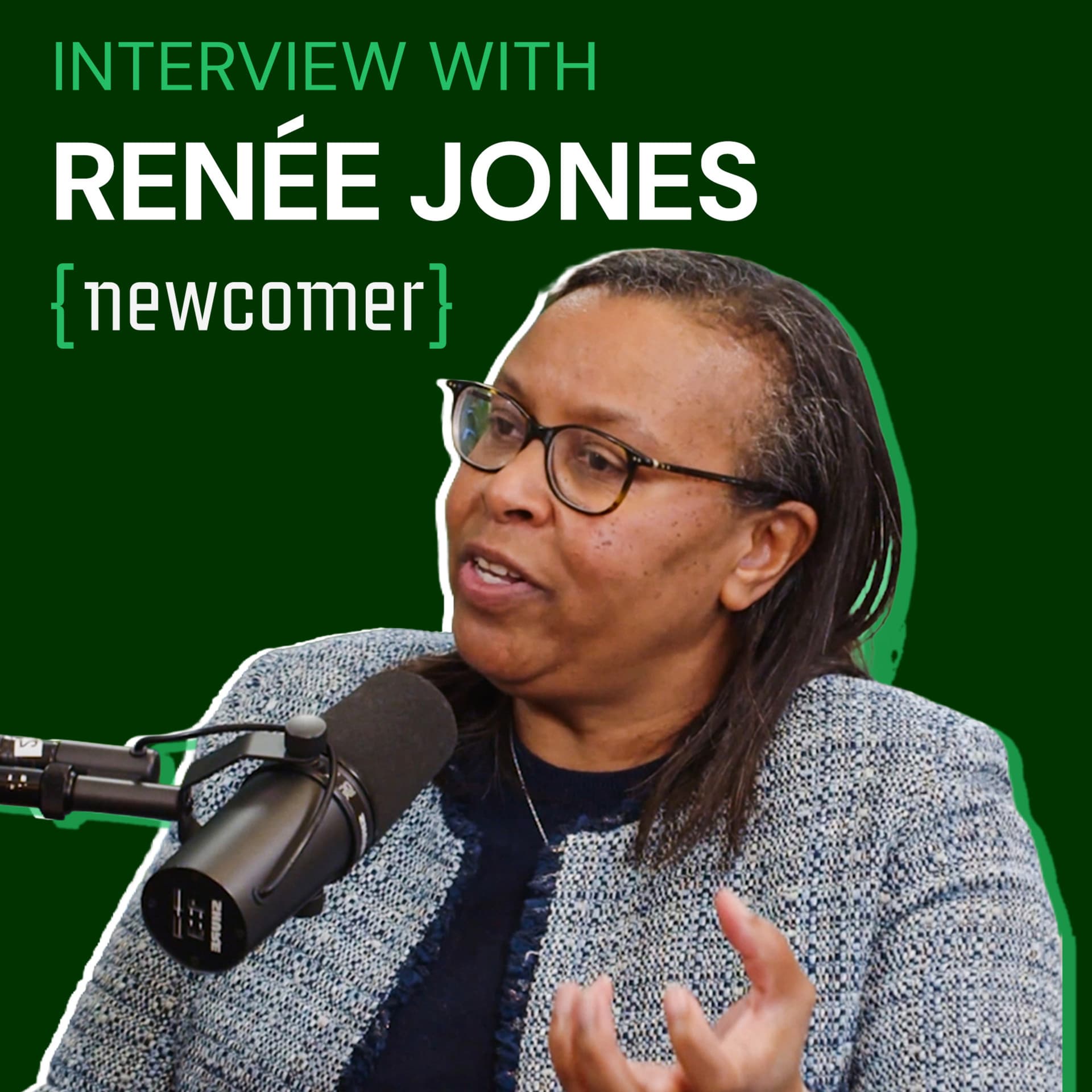
Renee Jones, professor at Boston College Law School; previously worked at the SEC overseeing startups and companies (2021–2023).
Key claims
Startup financing shifted from VC “investor control” to founder “board and control” power, producing dysfunctional firms and fraud. Regulation D allows unlimited fundraising from accredited investors with little disclosure; accredited status substitutes wealth for information. The 500 shareholder rule was relaxed (Jobs Act) and employee shares were excluded, letting companies delay IPOs indefinitely; SPVs help avoid the 2,000 threshold. SEC enforcement gaps: many Form D filings are not enforced (at least 50% in one study). Trump-era pardons/SEC case drops reduce deterrence.
Notable examples
FTX/Alameda secrecy; Uber’s China expansion and governance failures; WeWork’s unrelated investments; Theranos (PR-like coverage); Google/Facebook adding executives pre-IPO; Uber lacking early CFO; Sequoia’s returns despite backing FTX.
Written by AI. May contain mistakes. Listen to the episode to check what was said.
Chapters
Tap a time to open that second in VOThe Question of Transparency in Startups
0:00 to 0:27
Discussing whether FTX would have been exposed if it were a public company.
“If they were a public company, would FTX have been found out or you think it's the same problem?”
The Shift from Investor Control to Founder Control
0:45 to 1:30
Explaining the changes in startup financing and governance over the last few decades.
“So a lot to talk about both the argument about what we should do with startups, how they should be governed, and then what's happening.”
The Impact of Large Startups on Society
1:30 to 3:40
Analyzing how large, unregulated startups affect society and investors alike.
“that's just starting off with a new product to the point where they're ready to sell their products to the public.”
The Need for Disclosure in Startup Funding
3:40 to 5:50
Discussing the need for better disclosure practices for investors in startups.
“financing model to changes that have occurred in the legal system.”
Challenges of Regulatory Exemptions
5:50 to 7:56
Examining the regulatory frameworks that allow startups to raise capital with minimal disclosure.
“So those wealth and income standards were established back in 1982.”
The Flaws in Current Accredited Investor Standards
7:56 to 9:54
Critiquing the accredited investor standards and their implications for market access.
“And then you've mentioned another development, which is startups are getting so large, and they're doing so many financing rounds, and then there are people who hold the shares who want to resell the shares.”
The Philosophy Behind Securities Regulation
9:54 to 11:34
Exploring the principles of securities regulation and the importance of investor information.
“I'm saying something slightly different.”
The Dangers of Founder Control
11:34 to 14:00
Highlighting the risks associated with founders having too much control over startups.
“Like mutual funds represent all these, you know, unaccredited investors.”
Examining Startup Investment Failures
14:00 to 15:00
Learn about the challenges and failures of startups like WeWork and Uber.
“And we saw the same thing with WeWork as another example.”
The Consequences of Startup Control
15:00 to 16:44
Understand how the control of founders affects startups and investor relations.
“And because there was so much money available, Calhoun didn't have to listen to his VC investors.”
Show all 28 chapters
Government Regulation and Startup Accountability
16:44 to 18:38
Explore the reasons behind government inaction on regulating startups.
“And even Uber today is, I mean, I think its first year of profitability was just a couple of years ago.”
Challenges in SEC Enforcement
18:38 to 20:48
Discuss the challenges the SEC faces in enforcing regulations on private markets.
“Small businesses, you know, employ so many people and all these things.”
The FTX and Alameda Situation
20:48 to 22:48
Learn about the collapse of FTX and the issues surrounding its transparency.
“Like literally telling their clients, oh, you don't have to file them.”
The Importance of IPO Processes
22:48 to 24:46
Analyze how the IPO process could enhance governance in startups.
“there were firm barriers between FTX and Alameda.”
The Governance Structures of Startups
24:46 to 26:58
Understand how governance structures evolve as startups grow.
“The management structure, the management systems, as a very small startup has to be very flexible.”
The Regulatory Landscape and Corporate Fraud
26:58 to 28:00
Discuss the current regulatory landscape and its impact on corporate fraud.
“And so I think as you grow, you need to develop those structures.”
Concerns about Fraud and Regulation
28:00 to 29:39
Exploring the implications of reduced enforcement on fraud in the financial sector.
“What are your reactions to what has been coming out of the Trump administration on regulating the public markets?”
The Impact of Venture Capital Culture
29:40 to 31:40
Discussing how venture capitalists respond to fraud and its societal effects.
“incentive to like move on with their lives and don't want, you know, people like me writing about it.”
Public Company Regulations and Market Efficiency
31:41 to 35:38
Analyzing the notion that reduced reporting frequency for public companies could harm market efficiency.
“I took us back to sort of the old question, but the Trump administration policies, what do you make specifically of this idea that public companies should only have to file every six months?”
The Nature of Public vs. Private Markets
35:39 to 38:15
Examining the differences between public and private market communications and their implications.
“Maybe it's a great slogan, but it's just a little bit of a deceptive trope.”
Challenges in Regulating Private Markets
38:16 to 40:58
Discussing the current lack of regulation in private markets and its potential consequences.
“Even less of it is prosecuted or the basis of a lawsuit.”
Silicon Valley's Dual Impact on the Economy
40:59 to 42:00
Evaluating both positive and negative aspects of Silicon Valley's influence on the economy.
“Do you think Silicon Valley and the startup ecosystem is a net positive for the American economy?”
The AI Investment Trend and Its Impact
42:00 to 44:40
Explores how the surge in AI investments is skewing funding opportunities for diverse entrepreneurs.
“And I'm concerned about hurting, where now VCs aren't necessarily focused on innovation.”
Employee Protections in Startups
44:40 to 46:26
Discusses the lack of transparency and employee protections in startup equity compensation.
“So they're basing it on vibes, on publicity, on what they hear about the company.”
The Challenges of Startup Valuations
46:26 to 48:24
Examines the complexities and potential inaccuracies in startup valuations and their implications.
“that I think employees need, not just the number of shares, but the percentage of their ownership.”
The Need for Better Financial Oversight
48:24 to 52:13
Highlights the importance of quality financial oversight in startups to avoid mismanagement and loss.
“It became a goal that startups wanted to reach.”
Crypto Regulation and Enforcement
52:13 to 55:56
Analyzes the regulatory landscape around crypto and the SEC's enforcement actions post-FTX collapse.
“I wanted to quickly talk about crypto, I guess, before we wrap up.”
The Political Landscape of Crypto Regulation
56:00 to 58:08
Explore the partisan dynamics and challenges in regulating the crypto industry.
“And so I think that's probably why we saw a more aggressive enforcement approach after that.”
Transcript
Automatic transcript. May contain errors.0:00Eric Newcomer:If they were a public company, would FTX have been found out or you think it's the same problem? You can sell securities, an unlimited number of securities to an unlimited number of investors without providing any disclosure as long as they're all accredited. Well, what I hear you saying is that public company managers or spokespeople, their representatives are more disciplined than private company managers and their representatives. Do you see a path to regulated markets? Renee Jones, thank you so much for joining the Newcomer podcast. Thank you for having me. Untamed Unicorns, a title that gripped me as soon as I saw it.
0:37Eric Newcomer:You're a professor at Boston College Law School, and we're at the SEC governing startups and companies from 2021 to 2023. So a lot to talk about both the argument about what we should do with startups, how they should be governed, and then what's happening. Sort of in the Trump era, almost going the opposite direction. I want to start off just with, I guess, the core intuition of the book. Like, why should startups be tamed? You know, I think some in Silicon Valley would see this and be like, oh, untamed unicorns, that's exactly what I want. Like, they're sort of strong, running free. Like, I don't know.
1:15Eric Newcomer:Why tame them? Okay. So basically, my book really focuses on how the startup financing system has changed in the past 20, 30 years from a system of basically investor control where VC investors had a lot of power and a lot of authority and ability to guide startups as they grew from a beginning new company that's just starting off with a new product to the point where they're ready to sell their products to the public. And then if the company succeeds to do a public offering, become a public reported company, where then the SEC rules, analysts, journalists, and everybody else has an opportunity to see what's going on and to provide some discipline and accountability.
1:58And that's now shifted to what I call a system of founder control, where founders have the power in many of these large startups to control who sits on the board of directors, essentially choosing their bosses, and that gives them a lot of freedom. And in this situation, we've seen a lot of bad behavior, their illegal conduct, and a lot of harms imposed not just on the startup investors, but also on their employees, on their customers, and broader society.
2:24Eric Newcomer:Certainly, I think Silicon Valley investors would agree with you that founders have a lot of control now. Yeah, that's sort of, I guess they would say sort of a market dynamic, that founders have the sort of appealing thing that they want. And so they've sort of contorted to give founders the control. I'd say, you know, correct me if I'm wrong, but like an overarching like argument in the book is like, all right, maybe you could believe that like private markets should be this sort of unregulated, chaotic thing. And it'll just like sort itself out and people get burned or whatever, you know, but there's also this element that these are the companies that then decide how society works and sort of extracting them from sort of any sort of government oversight is creating problems that all of society has to bear.
3:08Right. So startups today, We call them unicorns because they used to be very rare, multi-billion dollar startups, but now, of course, they're ubiquitous. And we have 1 ,500, some people say 1 ,600 startups that are valued at a billion dollars or more, and that used to be unheard of. And again, that's why they're called unicorns. But they're as big or bigger than many public companies, but they're not subject to the same accountability mechanisms that we depend on to ensure that they're working in the interests of the investors, but also in the public. So a lot of the problems that I write about in the book, I try to trace the changes in the startup financing model to changes that have occurred in the legal system.
3:50So show that changes in the law have really enabled these startups to grow so large, right? And that's what's led to the changes in the startup financing system, the changes in startup oversight and governance. And that's what's led to some of the problems that we've seen at companies, of course, FTX, There were no, we work.
4:06Eric Newcomer:Right. You know the drill. Part of the problem is just that they were allowed to raise so much capital before they had to disclose anything that might have cued regulators that there was something going on. Right. They're operating in secrecy. That gives them a chance to grow large, to accumulate market power. And then they use the money that they raise from their investors and the popularity of their services to evade the law, skirt the law, or actually change the law in their favor. And so and then again, we don't we at the public, the customers don't really know exactly what's going on under the hood because they disclose what they want to disclose about their finances and their operations.
4:43But things that they don't want us to know, they're able to keep quiet.
4:47Eric Newcomer:What are the key reforms that you're calling for? So I basically focus on the need for disclosure and all of my reforms that I recommend in the book. A journalist, I'm inclined to love that. As a business owner, I'm like, oh, it is a lot of work. So most journalists are in favor of more disclosure because it helps them to do their jobs. But so that the argument is basically, you know, when you raise money for investors to make informed decisions, they need information. So I argue that we should ensure that investors have adequate information to make investment decisions, whether they're investing in public and private markets.
5:24So the private offering exemption that startups are relying on and private funds are relying on when they're raising money, there's a rule of regulation D, rule of 506 to just get into technicalities. Yeah, we're going to talk a lot about Reg D in this episode. You can raise unlimited amounts of money under regulation D without providing any disclosure to investors or the public as long as all of the investors in the transaction are accredited. And that's based on wealth and income standards. So those wealth and income standards were established back in 1982. So it's a million dollar net worth for an individual.
5:58You now have to exclude the value of their home or$200 ,000 of income,$300 ,000 with their spouse.
6:06Eric Newcomer:So you want to raise accredited investors standards. So it used to be a very small slice of the investing public that qualified as accredited investors when that standard was first adopted. But because of the influence of the impact of inflation, it now that - It hasn't been adjusted. Yeah, it hasn't been adjusted and it sort of encompasses about 28 % of American households. There's also some threshold for private company size. You want to force sort of public market style disclosures or no? Yes. So that's for raising money from investors. That's the regulation D that says you don't have to provide any information if everybody is quote unquote rich enough.
6:44But then there was another rule that even if you were able to raise enough, as much money as you wanted in a private market. So there was another rule called Section 12G of the Exchange Act, again, to get a little bit technical. And that rule, I call it the 500 shareholder rule in my book because it's less technical. And the 500 shareholder rule used to require any private company with 500 shareholders or more to register with the SEC and then become a public reporting company. And that rule, the 500 shareholder rule, is what reportedly forced Google and Facebook to do their public offerings.
7:15Eric Newcomer:And then companies like Stripe realized, oh, we can just have these SPVs and bundle them all up and claim that we don't have 500 shareholders. Right. Well, yes, that's true. But first, Congress changed the 500 shareholder rule in 2012 with the Jobs Act, the Jumpstart or Business Startups Act of 2012. And the 500 shareholder rule was changed to a 2 ,000 shareholder rule. But at the same time, they excluded employee shareholders from that count. So it was usually employee stock options, and employees started to exercise their stock options that pushed these startups up to that 500 shareholder limit.
7:49So now we raised it to 2 ,000, said employee shares don't count. And so now startups can delay their IPOs indefinitely. And then you've mentioned another development, which is startups are getting so large, and they're doing so many financing rounds, and then there are people who hold the shares who want to resell the shares. And so there's a risk of getting pushed up to that 2 ,000 shareholder threshold. So what startups and investors are doing are creating these special purpose vehicles, essentially partnerships. They'll count as one investor, but they'll sell interest in those partnerships to hundreds of investors and say, that's not a hundred more investors.
8:23It's just one more investor and it keeps them under that 2 ,000 shareholder limit. The accredited investor issue, I guess, I'm not so sympathetic on that one personally.
8:36Eric Newcomer:Like one, I mean, we just live in this culture where people can literally buy like gamble on prediction markets. So it's of the range of things that sort of the speculative retail investor wants to blow their money on, at least betting on startups to me is like pro-social in some way. And sometimes there is money to be made as an asset class, there's money to be made. I sort of read your argument as, you know, the logical reason to invest in the private markets is it's like a percentage of your portfolio. For it to be the sort of appropriate percentage of your portfolio, you need to be pretty rich.
9:15Eric Newcomer:Otherwise, you're not going to be able to achieve that. And therefore we set these gates. And I understand that, but I don't know, isn't it just a reality that retail investors found lots of ways to do reckless things? And like, are we still in that world where if you can invest in like options and And does it really make sense to block them from investing in startups? Yes, I guess I would step back and think about the philosophy that underlies securities regulation, because we don't have a system of merit regulation where the government is saying, who can raise money from investors, who cannot, where capital is going to flow.
9:51It's all controlled by the market. And the thought is, the idea is that if we provide sufficient disclosure, investors will make informed decision. Capital will be allocated efficiently. efficiently and as more information flows into the market on people buying and selling securities will make informed decisions or decisions will be based on information about the company's performance its risks its leadership um so our whole economy is basically built around this idea that we put out information individuals and institutions make investment decisions based on that information and that will achieve the efficient allocation of capital so if we take away information then what do we have we have but that's not the accredited investor through i
10:31Eric Newcomer:You're saying the accredited investor threshold is sort of like a thing to pressure companies to engage in the disclosure regime. I'm saying something slightly different. I'm saying under the current exemptive regime where you can sell securities without registering with the SEC, you can sell securities, an unlimited number of securities to an unlimited number of investors without providing any disclosure as long as they're all accredited. So the accredited investor definition is basically substituting that access to information standard, which was the basis of the private offering exemption, to a wealth standard.
11:09And that means that investors are not adequately informed all the time when they're making important investment decisions, when they're allocating capital on behalf of mutual fund investors, on behalf of pension funds, or even people just investing individually on their own behalf. They're not necessarily getting good information, so they're not making good investment decisions. And that's bad for the economy. And it also, in many ways, is bad for our society.
11:35Eric Newcomer:Like mutual funds represent all these, you know, unaccredited investors. And so even if we set high accredited investor rules, you know, clearly there are lots of reasons to worry about these markets because there are sort of regular people, pensions at stake. I mean, I think investors like, you know, like, you know, the Sequoias of the world, professional venture capitalists have just concluded that getting the right founder, getting the right company is like the whole game. Right. It's like if you because it is, you know, how did that work out with FTX? It works poorly there. Obviously, Sequoia gets hit and we can talk about some of the examples.
12:12Eric Newcomer:But I mean, you know, WhatsApp or certainly Sequoia has had plenty of great, great returns. And, you know, you would want to invest in that fund like they've done. They've done very well. And so just like there's just this like conclusion from these investors that it is just do the main thing, basically. that like understanding, figuring out, you know, the right founder, right market matters above everything else. And that's sort of like this sort of regulatory regime being great at like disclosing things carefully, doing things sort of the perfect way is just sort of like getting in the way. I don't know.
12:53What would you say to that argument? Well, I would say having the right founder is important and it's also important to provide oversight and to ensure accountability. So you could have the right founder, but if you're not providing guidance and oversight, if you're not exercising your influence and your power to ensure that the company is being well managed, that its business model, its business plan is appropriate, and that money is being spent responsibly, and that the environment, the culture within the company itself is functional, then it's going to lead to problems down the road. And so that's what I've seen in my research, that a lot of these founders, where the founders have control and the investors are more hands-off, you see a sort of dysfunctional environment developing at the firm that impacts employees.
13:37Like I said, it also impacts customers. And there's also just a lot of waste and also a lot of sort of inappropriate or ineffective business proposition. So with Uber, we saw the effort to move into China. That was sort of an ill-fated effort. There, Travis Kalanick, who was the CEO at the time, the founder, disregarded the advice of his investors who didn't really have the power to force him to listen to them. And we saw the same thing with WeWork as another example. That's where they made a lot of sort of unrelated investments in wave pools, a school for kids.
14:15Eric Newcomer:WeWork, FTX, definitely crazy. Uber is sort of an interesting middle case where, you know, I don't think I forget. I looked it up. It was like 7 % annual return as a public investor. It's not been a great return as a public company, but it's certainly the whole idea was not like a fraud. You know, it is a real functional company at a meaningful valuation. It's a functional company. It was managed very poorly. They made a lot of bad decisions. They treated their employees very poorly. The way that they've treated their customers continues to be an issue, even as a public company. So a lot of the problems that we're dealing with today with Uber, that Uber's dealing with today with their customers, with regulators, with the courts, sort of those seeds were planted way back as a startup where, again, the founder was in control and investors were pushed aside.
15:01And because there was so much money available, Calhoun didn't have to listen to his VC investors. He could just say, I'm bringing in another investor and I don't have to listen to you anymore.
15:09Eric Newcomer:But I don't know, like the NVCA or the National Venture Capital Association, I don't know that they'd sign on to this, right? Or even like some of these benchmark or some of these investors that went to war with Travis Kalanick. I don't know that they would like sign on. They would not sign on to this. What do you make of that? What do I make of that? You're saying they're sort of the ones, the injured parties, but then they're saying, well, we don't want your sort of medicine. What do I make of that? I think there are a lot of advantages that they get from the absence of regulation, the absence of strict disclosure requirements, the ability for these startups to to act sort of under the radar and outside of sort of compliance with the law.
15:47So there are a lot of benefits to that. I think there are a lot of disadvantages that they face when all of these other sources of financing flooded into the startup financing market, and they really have sort of lost a lot of control. But with secondary trading, with late stage investors coming in and taking out a piece of the early VC's investments, it's kind of like a mixed bag. They can get out early, at least, and recognize a significant return, even if the company ends up doing not so well in the public markets.
16:18Eric Newcomer:And so, yeah, if the emperor is shown to have no clothes, they might have been able to get out before that realization. We saw an Uber. We saw with WeWork. We see it with many, many, many, many other startups. Early investors are selling to late stage investors, so they're giving up control, but they got in on a very low price and the company grew. It became very popular with investors. And so they're doing well, even again, as the company is unable to achieve sort of a sustainable business model. And even Uber today is, I mean, I think its first year of profitability was just a couple of years ago.
16:55Eric Newcomer:Why? I mean, this is a big question, but why doesn't the government, especially in democratic administrations, use more of the levers that it already has? And not even to undercut the arguments here, but just, you know, I covered the Uber saga. I literally wrote a story, you know, here are all Uber's legal problems. You know, it's, there were so many, you know, they had this hack, you know, that they didn't disclose. Obviously, they were, there were some settlements and, but they were also, you know, as the New York Times and others have reported, you know, using tools to hide from police departments and, and surveil competitors.
17:29Eric Newcomer:And it felt there, there was a, you know, I think the Department of Justice and the FTC were sending, interviewing all these people. And then really like nothing came of it besides, I guess, sort of settlements around this hack. What is your view of why the government hasn't been able to use like tools that it already had to hold companies accountable for rule breaking? That's a really good question. I think a lot of it has to do with the popularity of their services, their ability to sort of gin up public support by the platform users, either for Uber, Airbnb, the customers, or the people who are selling their services through the platform that has something to do with it, a lot of that support is overblown.
18:11And there's evidence of that in some of the reporting on Uber, for example, that they made up public support.
18:18Eric Newcomer:But it is a real politics sort of diagnosis. Yeah, so that's one thing. And then the other thing is there's a lot of resistance. You mentioned NVCA. They're a very powerful influential lobby. And, you know, the mantra is always, oh, we're supporting small businesses and this is, you know, regulation is bad. It's going to hurt small businesses. It's going to hurt the economy. Small businesses, you know, employ so many people and all these things. But when I look at the numbers, the money that's being raised in private markets, almost all of it is going to huge investment funds and huge private companies.
18:51And a very small percentage of that is actually going to small businesses. So a lot of the arguments don't hold water, but politically they're popular and they're effective. and so that's part of it. And then I think there's just some hesitation when Democrats are in power, they're not as, I guess, forceful or what's willing to use all level levers as that we see the SEC, for example, doing today. And it just like ultimately rolls up
19:16Eric Newcomer:to the sort of electeds making calls rather than it being sort of an administration state decision? I think it's both. I think that, you know, So the SEC was at least, when I was at the SEC, considered an independent agency with a lot of authority to interpret the laws and to adopt rules and change the rules. And certainly politicians on both sides of the aisle had ideas about what we should be doing and what we shouldn't be doing. But ultimately, it was the five commissioners who made that call, of course, with discipline from the courts. I think that's another thing that, at least when I was at the SEC, weighed on us a lot, is the courts were in the background.
19:55And if we took an action that we, even if we believe that we have the statutory authority to do it, if it was going to be challenged, would it survive a judicial challenge? And that's a concern that we don't really see impacting the SEC today where they're just willing to do what they want to do and not so much worry about.
20:11Eric Newcomer:Because you get a lot of the advantage pursuing the case, sending the message, even if it gets overturned. Yeah, but with rulemaking, they can be challenged judicially. And some of the rules that we adopted or that were adopted while I was at the SEC were overturned judicially. But I know with the state of the judiciary today, I think the Republican-led SEC has less concern about judicial oversight or interference. One thing that shocked me in the book was just that you're required to file these form reg Ds. And that just like attorneys have just realized the SEC doesn't do anything about it. Like literally telling their clients, oh, you don't have to file them.
20:51Eric Newcomer:And, you know, as a reporter, we look for these filings to see if somebody is, you know, raising money. You know, not like that's the reason necessarily to like enforce the law. But it's just isn't it a terrible situation to have a law on the books that is just not enforced? Like how is that happening? Yeah, that's a very interesting issue. And even I was surprised when I dug into it how twice the inspector general of the SEC urged the SEC to start enforcing that rule that company startups have to file these Form Ds. And the SEC just blew that off. So the SEC is not well informed, actually, about the state of the private markets because at least 50%, at least by one study, at least 50 % of VC-backed financings are not filing that Form D.
Read the full transcript
21:39So a lot of the numbers that are being thrown around, even numbers that I cite in my book, are understating the size of the private markets because we don't have the information that's required on Form D. That was one of the things we looked at, and it used to be a condition of the exemption. If you didn't file the Form D, the transaction was not exempt. That meant it violated the securities laws and all purchases could rescind. And that was perceived to be too harsh a remedy for an administrative error. But the SEC changed the rule and said, okay, you don't have to blow your whole offering because you forgot to file a form.
22:11Maybe that's too harsh. But you still have to file it. But then they didn't do anything when people didn't file it. And that's when lawyers started saying, you don't have to file. And the SEC hasn't taken action against that. With FTX, I mean, you know, it was criminal.
22:29Eric Newcomer:Like there's just no visibility into what's going on to flag an investigation while the lawbreaking is occurring or I know it's obviously an argument for disclosure. It's like, oh, there might have been more warning signs. But in the current regime, there's nothing that the government can do when there is lawbreaking happening. Well, what's going on with FTX is the exact opposite of what they said, where they said there were firm barriers between FTX and Alameda. So all the disclosures they made to investors, all the disclosures they made when they were lobbying the SEC and lobbying Congress said, you know, we have these great mechanisms.
23:02It's self-liquidation and all of these things. But of course, they made a huge exception for Alameda. The only way the public can find out about these things is when insiders spill the beans.
23:12Eric Newcomer:If they were a public company, would FTX have been found out or you think it's the same problem? Well, again, arguments a little bit more complicated, right? So we had this 500 shareholder rule. So as a company grew and it brought in more money and it brought in more investors and its employees became investors, everybody in the ecosystem understood, the investors, their lawyers, their accountants, we're getting close to that limit. We're going to become a public company. So they start putting pressure on the company, on the leaders, on the founders to professionalize the organization as it grew so that it would have the types of internal controls and internal systems that are appropriate for an enterprise of that size.
23:51So we're talking about bringing in, for example, experienced executives. So we saw that at Google before it went public. It brought in Eric Schmidt, Facebook brought in Sheryl Sandberg. And then building out financial reporting, accounting, human resources, bringing in well-known, well-respected investors. That's all things that you used to do to get ready for the IPO. But now we know the IPO may never happen, or it's so far down the road. So those arguments about you have to start growing up, you have to to start doing things a different way, those don't hold any water anymore. And that's where we sort of get this free for all environment where the founder is in charge and there's very little the investors can do to discipline them.
24:33Eric Newcomer:I see. You're saying the sort of IPO process would have created way more of the sort of like potential internal whistleblowers because you hire some HR? A little bit more than that. The management structure, the management systems, as a very small startup has to be very flexible. But as it grows, as it becomes a multi-billion dollar enterprise, those structures, those systems don't really work anymore. And there are a lot more people involved and there's a lot more money involved. And so you have to have better systems of control for accounting. So some of the biggest startups didn't have a CFO for a number of years.
25:08I think Uber is one of those. There are others that I mentioned in the book. And that just wouldn't be tolerated if all the lawyers and the investors and investment banks understood within two, three years, we're going to be a public company and we have to start to look like one. So this governance structure that's now developed at startups, the one of founder control, the founder friendly model, super voting shares for founders, founders decide everything, founder mode, whatever you want to call it, that's now persisting past the IPO. And as these companies go public, they go public with this dual class structure and more and more power is being concentrated in the controlling shareholders.
25:47And we're seeing courts, state courts now being deferential to that model as well.
25:52Eric Newcomer:Do you see some cost with sort of, I don't know, the sort of organizational bloat, I guess, that this, I just feel like there's sort of an attraction here to sort of hiring all these people, you know, just when you're running a company, organizations want to stay as lean as possible. And part of why investors like founder control is, you know, it's sort of like a big swing. It's like, yeah, the company sort of lives or dies based on this person, but it's a lean organization that can do something fundamentally different. And once you create these huge organizations, you tend to hire people who worked at a lot of different companies, you know, who sort of know the sort of standard practices, which is good for, I guess, following the rules, but often bad for disruption to use sort of an overused word, right?
26:44Well, these are huge companies. They have a huge number of employees, but they don't have the structures in place to manage them. And they don't have structures in place to ensure compliance with laws, whether it's labor laws, employment laws, or just the laws that govern their activity. And so I think as you grow, you need to develop those structures. And with respect to financial reporting, it's really important that the investors, the managers, the directors understand how the company is doing. And if you don't have a CFO, you don't have control over spending, and you don't necessarily have good information about how the company is performing.
27:17And that's where we see fraudulent financial statements being submitted to the directors, being submitted to lenders, and all this type of fraud. It's really hard to prevent corporate fraud when you don't have effective oversight of financial reporting and financial management.
27:33Eric Newcomer:Let's talk a little bit about the new regulatory regime, because you're calling for more regulation in a world where the government wants less. I mean, it seems like the Trump administration, instead of saying, let's raise the private markets closer to the public markets or put more pressure on private companies to go public, let's just lower the public company standards. Yeah. What are your reactions to what has been coming out of the Trump administration on regulating the public markets? Yeah. So I guess my biggest concern is the pullback on enforcement and deterrence because a lot of the characters that I write about my book who were prosecuted, so the case was proven beyond a reasonable doubt that they committed fraud and some of them were in jail.
28:21Many of them had their sentences commuted or were pardoned by President Trump. And then we can't redo constitutionally much about the pardoning, but then the SEC would then drop its charges and drop its cases against those individuals as well. So that's a big concern. You're not going to deter fraud if you can commit fraud, become really rich and, you know, lobby for a pardon.
28:41Eric Newcomer:It's really dark. I mean, you know, I know I can sound like somewhat aligned on the Silicon Valley stuff. I do think it's corrosive to our society. You know, I think venture capitalists might correctly, in my view, have this idea that it's like, all right, some people will defraud us. We think it's small, but like ultimately our returns aren't going to be decided by that. If they were going to defraud us, it's basically the same as them failing. And so we don't really, you know, tell us, we just sort of like move on. We don't invest in them again. We tell other people not to invest in them again, but we're going to have to write it off as a bad company or a fraud.
29:14Eric Newcomer:Like, I think that's how a lot of at least early stage VCs would talk about, you know, because that's the whole point of stage financing. You know, it's like, I have a series A company, we see what happens. We didn't over-invest, then we have series B. So, but my point, and you can disagree with what I just said in a second, but my point is actually to agree with you that there's big societal harm independent of what happens to the investors to just allow a culture where like, you can do pretty well by conning investors for a couple rounds, even if they have the financial incentive to like move on with their lives and don't want, you know, people like me writing about it.
29:48Eric Newcomer:Don't want to be on the radar of people like you and would rather just like, whatever, write it off, forget about them. And it's not my job as an investor to think about like the societal costs of rewarding people for defrauding me on, you know, what is ultimately not a hugely significant investment for my firm. Some of them were significant. My book focuses on the big ones, right? I focus on the big ones to show that the system's not working as the VCs describe it. So if you read a book about VCs, the VCs are all hands-on, they're in there, they're providing guidance. We're still stuck on this idea that like Sequoia is not signing on to this.
30:23Eric Newcomer:You know, they were a big investor in FTX. They were on the board and they didn't come, they didn't experience that fraud and then come to the conclusion that, oh, we want the government to regulate more. Like I still struggle to understand if this is meant to sort of protect them, why aren't they a supporter of the idea why aren't they supporter of the idea because they believe in deregulation and they believe in government is bad right and they have the power to force their beliefs on our system of government and I think that's what's causing a lot of the problems that we're seeing developing in the startup market you know some VCs of course do lament this I mean some have some have gone on the record saying you know the farmers are too powerful but like I said if they can get up if they can get in early and get out early, they tend to do okay.
31:13When they get in late and get out on the IPO, they're not necessarily doing so well. And again, sometimes that's more of the non-traditional investors, mutual funds, hedge funds, and private equity funds, corporate venture capital. But still, everybody would do a lot better if the company grew, succeeded, went public, and didn't develop all of these dysfunctions that really detract from their ability to develop, like I said, a sustainable business model of profitable business.
31:41Eric Newcomer:I took us back to sort of the old question, but the Trump administration policies, what do you make specifically of this idea that public companies should only have to file every six months? Yeah, so I mean, all of it is based on this idea of making IPOs great again. And it's really based on some of the observations I'd actually made in my book that the number of public companies has dropped significantly since 1996. And the number of IPOs is also down significantly from 1996. but the SEC is saying it's because there's too much regulation. It's because of Dodd-Frank and too many rules and too many costs, and that's why.
32:15But actually, my book shows, and there's the charts in the book that show this, that this all started in 1996 with the adoption of the National Securities Markets Improvement Act, which lifted the cap on the number of clients a private investment fund could have. So that includes private equity hedge funds and venture capital funds. So that just blew the top off of how big a private investment fund could grow. That's when the size of the private investment markets assets under management took off. And that's where we see the number of public companies start to shrink. So it's the 1996 Acts and the Jobs Act that really are the best explanation as to why number of public companies has gone down and why private companies are staying private.
33:01startups are staying private for much longer than before. So if that's your concern and if you want to address that problem, it would be to look at those reforms and reconsider those and not just lower the standard or lower the bar for what it means to be a public company.
33:15Eric Newcomer:I just want to make, I miss this argument. So it's that it became much easier to become sort of a private investment firm and a large one. And so then a lot of money moved into the private markets. Right, it used to be 100 client limit as a private fund. And if you went over that limit, you had to become basically a mutual fund and comply with the mutual fund rules. So once the SEC, not SEC, once the Congress changed that rule and said, no, you can have as many clients as you want, as long as they're qualified, as long as they meet certain size thresholds, wealth thresholds, private funds started to grow enormously.
33:51So venture capital funds were relatively small compared to how big they are today. in venture capital funds, each round that they raised for a fund would be, again, relatively small. But now many of them are over a billion dollars. A hundred billion dollars was the largest, I think, with the vision fund. So you had these huge funds making huge investments in huge tranches where there used to be much smaller funds making smaller investments at a time. And the VCs had to form syndicates in order to make a really big financing round. And so you could only raise large sums of money in public markets because the amount of capital available in public markets was limited because of, again, that 100 investor rule.
34:36So that's when we saw, again, private investment, assets under management and private markets grow from under 2 million before 2000 to more than 25 million last year. I'm sorry, 25 trillion.
34:50Eric Newcomer:Right. Wrong order of magnitude. Trillions. We're talking trillions. Yeah. But the six month rule, you're just saying it's misguided in its efforts. Like, do you, are you opposed to - Again, markets thrive on information. We rely on investors making decisions based on information to allocate capital efficiently and to sort of also provide discipline for corporate managers. So if we're going to reduce the amount of information available, if we're going to reduce the frequency at which that information is disclosed, and if we're going to reduce the reliability of information that's going to impact the efficiency of markets.
35:26It's going to impact investors' confidence in markets. It's most likely going to raise the cost of capital, and it's most likely going to increase volatility in the markets. So there's really no good reason for doing this. And again, make IPOs great again. Maybe it's a great slogan, but it's just a little bit of a deceptive trope.
35:46Eric Newcomer:Right. I just find like writing about public and private companies, I find writing about public companies extremely artificial. They can't talk on the cadence that they actually want to talk on. They can't really talk about the future, even if they think the future is, you know, they certainly can't make, it's hard to make projections. They're limited on how much they can sort of sell the future, even if they think that's what's really driving their business. they, I mean, and then there are all these pieces where they're allowed to give all this body language to investors that are private. Like, you know, literally Goldman Sachs has a tech conference.
36:26Eric Newcomer:Reporters are invited and they have some of the talks only for investors and some for the media. Like, whereas the private markets, you know, people are much looser about saying what they really think the core identity of the company is. There's an honesty about like, oh yeah, I know so-and-so, you should meet them. It's much more human. I don't know, just like experiencing the private markets and the public markets as like a human being, the private markets feel much more in sync with how humans operate and the public markets feel governed by regulation and artificial. Do you see that? Well, what I hear you saying is that public company managers or spokespeople, their representatives are more disciplined than private company managers and their representatives.
37:20And so that has good and bad qualities. There's a rule, regulation FD. So that means that you can't disclose material information to one investor without disclosing it to the public at the same time. And so that has imposed some discipline, but it's also helped to reduce information asymmetries in the market. So it used to be that analysts got information first, they might give that information to their favorite clients, and then it gets released, and then the public reacts. So they're basically front running the market. That was changed by regulation FD. It has imposed a lot of discipline, and it probably has imposed a lot more reticence to speak freely about what's going on.
37:57But you can make projections, you can talk about the future. But if you make projections and they don't have a strong basis, or if you make projections that you know are unrealistic, there's a potential for fraud liability. I think that in the private markets, there's not as much concern about fraud liability because there's a lot of fraud. Very little of it is detected. Even less of it is prosecuted or the basis of a lawsuit. So you don't have that discipline. And so there's a lot of misinformation that's being put out to the public. And reporters have been complicit, I think. And proliferating that information, I think the best example of that would be Theranos, Elizabeth Holmes, where she termed a lot of reporters.
38:38They just not, you know, I think they weren't being reporters. They were being stenographers or PR, you know, PR adjacent. So there's a lot of -
38:46Eric Newcomer:Obviously, one reporter did help bringing them down. But yeah, I mean, fortunately - Right, right, right, right, right. So an investigative reporter. But most of the reporting on Theranos was just basically puff pieces. And, you know, we work as, I think, similar. I mean, people said Adam Newman was weird, but they weren't really going into what's actually going on at the company. Is it really profitable? Is it a sustainable business model? It's just like, it's cool, you know, it's fun. Well, it depends on the stage. I mean, people were like community adjusted EBITDA, you know, among the business press was like a laugh line.
39:16Eric Newcomer:I do feel like ahead of the IPO, there was definitely an incredulity that. Well, after they filed, sure. But before there was a lot of, I think, concerns that were sort of reported in the press things that were problematic. But more or less, even when that information came out, basically got a pass. So there was conflict of interest transactions that were reported well ahead of the IPO that people didn't really pay attention to until it was sort of in an official SEC document. Yeah. I mean, the media obviously relies on what people tell them. And then if they're not, and that's why having reliance on documents you can get sued over rather than Yeah, exactly.
39:57If you have to file your financial statements, they're more likely to be true than if you just say, hey, we're profitable, even when we're not. So there have been a lot of instances where startup founders will say they're profitable and then they file and it turns out that they weren't.
40:09Eric Newcomer:Right. Do you see a path to regulated markets? So I'm not as hopeful as I was when I started writing this book because, you know, private market regulation was on the SEC agenda when I was at the SEC. So we were looking at Regulation D and we were looking at 12G and we were looking at sort of ensuring, again, that investors have adequate information when they're making decisions and that transactions in private markets were well informed. But there weren't any rules that were proposed or adopted while I was there and even after I left. But now things are going in the opposite direction. But I do hope that, you know, if we have a change in leadership, these proposals are, you know, they're I repackaged them, but they're not new.
40:50And so if we have a change of leadership at the SEC, hopefully the chair and the support from Congress will take up some of these reforms.
40:59Eric Newcomer:Do you think Silicon Valley and the startup ecosystem is a net positive for the American economy? I think it's positives and negatives. So, I mean, most of the reporting and most of the excitement, it's all very positive. And there's a lot of positive stories to tell. And we have a lot of successful companies and a lot of successful products that have improved our lives. So I don't want to sort of look past that. That's really important. My concern with Silicon Valley is the absence of due diligence, absence of due diligence, absence of effective oversight. Looking at the other way for at misconduct and fraud that impacts employees, people living in Silicon Valley who are trying to make a living.
41:41And they're putting up with really what I view as intolerable behavior. It's not intolerable. They tolerate it, but they shouldn't have to tolerate it. There are a lot of gender and race inequality in Silicon Valley. I think that's obviously bad for society. And I'm concerned about hurting, where now VCs aren't necessarily focused on innovation. They're just focused on catching the next wave. And so for AI, for example.
42:12Eric Newcomer:They would agree with that right now. Yeah, 50%. I'm saying there's a lot of groupthink at the moment. Yeah, 50 % of the money that went into startups last year went to AI companies, and most of it went to just a few companies. So there's all those other entrepreneurs who are coming up with good ideas, who have good business plans that are sustainable, and they can't raise money because it's all going into AI. So it's kind of distorting the process for innovation and entrepreneurship as well. Investors would say there's a lot of capital chasing ideas. I mean, is that I know obviously there are people who want to start companies that can't get funded, but there is a lot of money.
42:49There is a lot of money out there. Should 50 % of it be going into AI related companies? Should you be able to be easy to raise money if you just say you're working on AI than if you have another business idea? I mean, hopefully, you know, the market would be funding lots of good ideas from all types of founders, from all types of backgrounds. But that's not what we're seeing happening. We're seeing it very skewed to a certain type of a founder who's easier for them to raise money. And I would guess it's easier for them to get away with misconduct as well.
43:21Eric Newcomer:One piece that you mentioned that I'm super sympathetic on is the sort of employee protections. I feel like employees at startups often surprise me. I mean, they go to companies that don't tell them what percentage of the shares they have. they often chase companies with high valuations as if that's a sign that the company is going to do well rather than behaving like an investor hoping to get upside. Yeah, I don't know. I guess my attitude is like, why? I mean, these are fairly wealthy white collar employees that are not always, but have many options. So some of my reaction is just, I guess, the VC capitalists, which is just like, why aren't they more savvy?
44:07Eric Newcomer:I mean, you think about it from a regulator's lens. I mean, I guess the first part is how much onus do you put on them and sort of their strategic decision making about why don't they just hold the line on what they need in a comp package? And then after you engage with that piece of it, sort of regulatory proposals for what to do to protect them. Right. So there's a SEC rule, Rule 701, that basically says you can issue securities to your employees without providing them disclosure. So again, how are they going to make good decisions if they don't have the information on which to base their decisions?
44:41So they're basing it on vibes, on publicity, on what they hear about the company. And if a company is raising a lot of money and looks successful, that sounds good, even though, like you said, it might be better to go to a smaller company that hasn't reached that high valuation yet. But they don't have adequate information. And even where the rule requires that companies provide them certain information, not sufficient, but more information, companies are reluctant to do so. So they're holding that information back. And there have been a couple of enforcement actions, but there's also just like a lot of literature and sort of industry talk saying, like, how can we avoid giving this information?
45:12So you can tell, right? They don't want to give this information to their employees because they want to keep it confidential because they benefit from the confidentiality. They benefit from not having to disclose their earnings or their losses or their burn rate or problems that are occurring to the company risk, legal risk. They benefit from keeping that to themselves. And if they disclose it to their employees and then that information gets up, they're going to lose that advantage. So they figure, well, better to breach the law or not fully comply with the law than risk all of our confidential information being disclosed.
45:43So I don't really blame the employees for not understanding. It's very complicated. Even if you work for a public company, you get options, and there's lots of disclosure. It's still a lot of complicated decisions that have to be made. And people might be really smart. They might be great engineers or software designers or whatever they do. but they don't necessarily have that financial expertise.
46:04Eric Newcomer:So what do you want the SEC and the government to do? Well, again, the principle is disclosure. So if you're going to be issuing securities to your employees, they should be provided with disclosure, the kind of disclosure they need to decide, do they want to accept the job? Do they want to continue to work at this company? You know, a big portion of their compensation is in the form of stock. So there's just some basic information that I think employees need, not just the number of shares, but the percentage of their ownership. sort of where they stand in the quote unquote stack where they're at the bottom right so of course they know they're at their bottom but like what protections do the people at the top have that are such that they might prevent them from actually ever realizing you know that the expected return on on their investment and then information about who's running the company who the controlling shareholders are um risks things like that um employees should have that information they should have it when they make their investment decision and they should have it you know as the company goes forward so that they can decide, do I want to stay at this company?
47:02Do I want to leave? Sometimes if they decide to leave, they're leaving options on the table, they have to decide, do they want to exercise those options? They have to maybe raise cash to do that. How can they make that decision when all they know is what they're reading the newspaper or what's available, I guess, on PitchBook or venues like that, which again, is just self-reported and it's not reliable information.
47:21Eric Newcomer:I go around in circles about what to do about startup valuations. I think early on when I I was covering Silicon Valley. I did a story of Bloomberg that was like, you know, the fuzzy math of startup valuations. You know, investors, as you well understand, have all these preferences. And so just because it has some headline number, you know, it's worth it at a lower, you know, it doesn't mean that common stock is worth that price. On the other hand, it's sort of like the best signal we have, you know, companies do end up getting acquired above those preferred valuations. I don't know what the alternative is.
47:54Eric Newcomer:Do you have any view on, I don't know, how much to heed these unicorn valuations? And is there any sort of like government, I mean, there's like 409, you could have independent ones, but they don't have to disclose them right now. I don't know, what's the solution? Or do we need one to the sort of made up valuations? Yeah, so when the unicorn terms sort of came into common parlance, this was back in 2013, when they were very rare, like I said, only 43 or so. But then that became a term of art, if you want to call it that. It became a goal that startups wanted to reach. And so everybody wanted a billion dollar valuation.
48:32And there are ways to get to that billion dollar valuation, even if your investors don't really value the company that high by giving certain downside protections. And so I think that's led to a lot of inflated valuations, especially around that$1 billion threshold. But a study says that startup valuations are overstated by as much as 50%. And that's probably true because they're based on the last round of financing. And as you mentioned, the preferred stockholders in the last round have superior rights even to prior rounds of preferred stockholders. And so everybody knows those aren't real valuations, but we need a convention.
49:07So everybody uses it. And I guess I'm guilty of that as well, because I'll be like, this is a $100 billion company because PitchBook or Prequent or somebody else has said that.
49:17Eric Newcomer:What quality financials do they need to have, I guess, to satisfy what you want? I think a challenge here is, I run a very small business, so I'm not going to claim to understand what it's like to be a Series C company. But realistically for my business, I could spend, we have a good account now. We know the numbers. But still, I could spend time chasing a huge sponsor that I know will 50 % move my business. Or I could spend time on the financials, which might give me a little bit more strategic precision, but it's not worth the time spent. There is a real trade-off between investment in really digging into the financials versus just operating the business.
50:00Eric Newcomer:And I think talking to startup founders, that remains true as these companies fail, that it does take real effort to maintain sort of SEC quality financials. And so do you want and at what threshold do you want private companies to have the same quality financials that a public company would have? That's a really good question. So the SEC rules for private offerings, if they include unaccredited investors, which most of them don't, require GAAP-compliant financials. And if audited GAAP-compliant financials are available, they should be provided to investors as well. That, to me, makes sense. And for these multi-billion dollar companies, they can certainly afford to have a CFO or a controller or a chief accounting officer who focuses on the financials.
50:48And then the other executives can focus on building the business. They can certainly afford that. And they can afford to have a quality auditor, not a fly-by-night auditor, but a high-quality auditor audit those financial statements. And most of the investor agreements require them to do that. But what we've seen over and over again is that the founders get the money and the CFO leaves or they never hire a CFO. And the investors, just a few examples, these are obviously anecdotes, are like, hey, you need to hire a CFO. And they don't want a CFO. Either they don't want one or they don't want to take the time to hire them.
51:19And then they're misspending. They're misspending their money and their financials aren't accurate. And investors end up losing out. So certainly a company that's a billion dollar company or that's raising hundreds of million dollars from investors, the investor should insist we're giving you 20 million, 100 million dollars. Some of that money can be used to build out the financial reporting structure. I know the CEO and CFO don't have to be there spending all their days working on it, but they need to stay informed. And how can they make good decisions about where to grow the business, where to direct the business if they don't have those financial reports?
51:54they can't. That's what basically we learned from Enron and WorldCom. And that's why we have the Sarbanes-Oxley Act to ensure better internal controls, better top-level oversight and board oversight over the financial reporting process. But that doesn't apply to these startups, even if they're bigger. Many of them are bigger than most public companies.
52:13Eric Newcomer:I wanted to quickly talk about crypto, I guess, before we wrap up. I mean, there's definitely a view in Silicon Valley. I mean, Andreessen Horowitz, heavily invested in crypto, So very self-interested. But I think they believe that, you know, it's multi-agency, but the government was under the Biden administration just unwilling to really say it's legal or it's illegal. and therefore it advantaged companies that were willing to sort of behave more cavalierly. And if you were waiting for clear SEC guidance, you were sort of in trouble because it was often not clear what was allowed and what wasn't in a sort of Biden era crypto regime.
53:01Yeah, I don't agree with that at all. I think the SEC was very clear that most of these, or many of these crypto assets are securities and that if you're a platform and you're listing these for sale, then you are a securities exchange and you need to register. And if you're raising money by issuing crypto assets, in many instances, you are issuing securities and those need to be registered. That was a very clear message. I don't know that it was clear that the SEC was going to take action,
53:30Eric Newcomer:right, to enforce that. When Coinbase went public, were they treating Bitcoin as a security? so when when when when coinbase went public um i think it was a i think it was a direct listing yeah yeah okay the direct listing um and then you know bitcoin wasn't we weren't treating bitcoin as a security but a lot of the other crypto assets were being treated as a security um and uh to the extent that they were listing those if the sec challenged it they would just take them off you know they would say oh we're not going to sell that one anymore but that didn't change whether it was a stock exchange or not.
54:06Eric Newcomer:All right, we were clear, but we didn't enforce it. Right, so I think they were clear about what the position was. There were enforcement actions. There was an enforcement action against Ripple, or I guess, yeah, against Ripple, which was ultimately, for the most part, successful. So it wasn't like the SEC was sitting on its hands, but sure, there was a lot of talk and less action. That changed with FTX, and the SEC filed a lot of lawsuits against these companies that they had been talking with. about the need to register and by and large were successful in almost all of them. So in almost all of them, preliminary motions, motions to dismiss or summary judgment, the SEC succeeded.
54:45And, you know, to the extent that it was arguing that certain of these crypto assets were securities, the courts agreed with them. So there was not a lack of clarity. It was just a lack of willingness to comply with the law. And now, you know, they bought an election and they're changing the law.
55:01Eric Newcomer:Yeah, I mean, which is dark, though. I think you've also accepted a reality that there's some level of, if the government doesn't enforce it sufficiently, is it sort of a morally binding law? I think it's a little bit problematic to say this is a problem, you need to stop doing it, and being ambivalent, right, about whether you're going to bring an enforcement action. The SEC brought a lot of enforcement action, so I don't want to criticize the SEC for not bringing enough enforcement actions. But again, they weren't necessarily always following up on those statements with an action. And so that did leave a little bit of wiggle room and allowed the market to grow.
55:40And once it grows to a certain extent, once it gets so big, it's really hard to get your arms around it and to get it back under control. And I think that was a problem that was confronting the SEC even while I was there because the market kept growing. But I think when FTX imploded and we had the crypto winter, it did give an opportunity to step in and there was political support behind it. And so I think that's probably why we saw a more aggressive enforcement approach after that.
56:05Eric Newcomer:I hate to talk about it as like Democrats, but this has become so partisan. But yeah, do you think, you know, if Democrats ever regain, you know, executive power when they do, there's going to be more like courage and ferocity here? I mean, and there's so much table stakes. You know, we were, you know, arguing about a set of things where maybe I don't agree with every proposal you have, but there's also just like Trump coins and like rampant corruption that's been happening that really needs to be rooted out sort of ferociously. Do you see sort of, you know, the generation of regulators who'd be tasked with doing that prepared to act with the sort of seriousness that the situation requires?
56:48Eric Newcomer:It's hard to predict the future. I think, you know, the crypto money was spread around. I mean, FTX is a good example. sam beck been free and made sure to spread the money around um i think that currently they're either spreading the money around or um targeting people that they think aren't going to be supportive so even if you're not giving somebody money if you're sort of holding this sword over their heads that if they don't get in line if they speak out against crypto they're gonna sort of support your opponent um it's having a big impact on congress um and so there are a lot of Democrats that are on board with crypto, even though there are lots of problems, including the corruption problems.
57:24Eric Newcomer:But you can accept that crypto will exist in some form while not allowing it to be a source of actual corruption? Or do you think there's no wrangling the crypto? I think the crypto issuers, the crypto platforms don't want to comply with the securities laws. I think it's going to be really hard to get to a point to say in the future that they have to comply. I think that they're big. They have a lot of power. They have a lot of money. And again, even with the FTX implosion, with the implosion of all the crypto platforms, the freezing of all these assets, they were able to regain political power and just go back with gangbusters on what they were doing before.
58:08So, you know, it's hard to predict the future. So if there's a big wave election, if there's a big change in the Democratic Party where this sort of a sclerotic leadership sort of hands over the reins, who knows anything could happen. But I don't know if I'm not really going to predict that's going to happen. You're not betting on it? No, no, no. I'm not betting on anything.
58:27Eric Newcomer:All right. Renee Jones, thank you so much for coming on the podcast. Thanks for having me. It's been a great conversation. Enjoyed it. Check out Untamed Unicorns. Thanks so much. Thank you. That's our episode. This is the Newcomer Podcast. Thanks for listening. Please like, comment, subscribe. Go find us on our sub stack at newcomer.co. If you're hungry for more podcasting, I also have a talk show called the Cerebral Valley Show. We love your comments. Thanks for all your support and see you next week.
From the publisher
Renee Jones on how billion-dollar startups escaped public scrutiny, why founders became more powerful than their boards, and what happens when private markets operate in secrecy.
Renee Jones, Boston College Law School professor, former SEC official, and author of Untamed Unicorns, joins Eric Newcomer to examine how the startup financing system shifted from investor oversight to founder control. Renee explains how changes to securities laws allowed companies to raise enormous sums while remaining private, avoid meaningful disclosure, and delay going public indefinitely.
They discuss what FTX, Theranos, WeWork, and Uber reveal about startup governance; why unicorn valuations can be misleading; how employees are asked to accept stock without the information needed to value it; whether venture capital’s AI obsession is distorting innovation; and why Renee believes stronger disclosure and financial controls are essential. They also debate the SEC’s approach to crypto, the political power of the industry, and whether meaningful private-market reform is still possible.
Subscribe for weekly conversations with the founders, investors, executives, and policymakers shaping the tech industry.