
In short
The Newcomer Podcast: Episode Summary
Episode Title
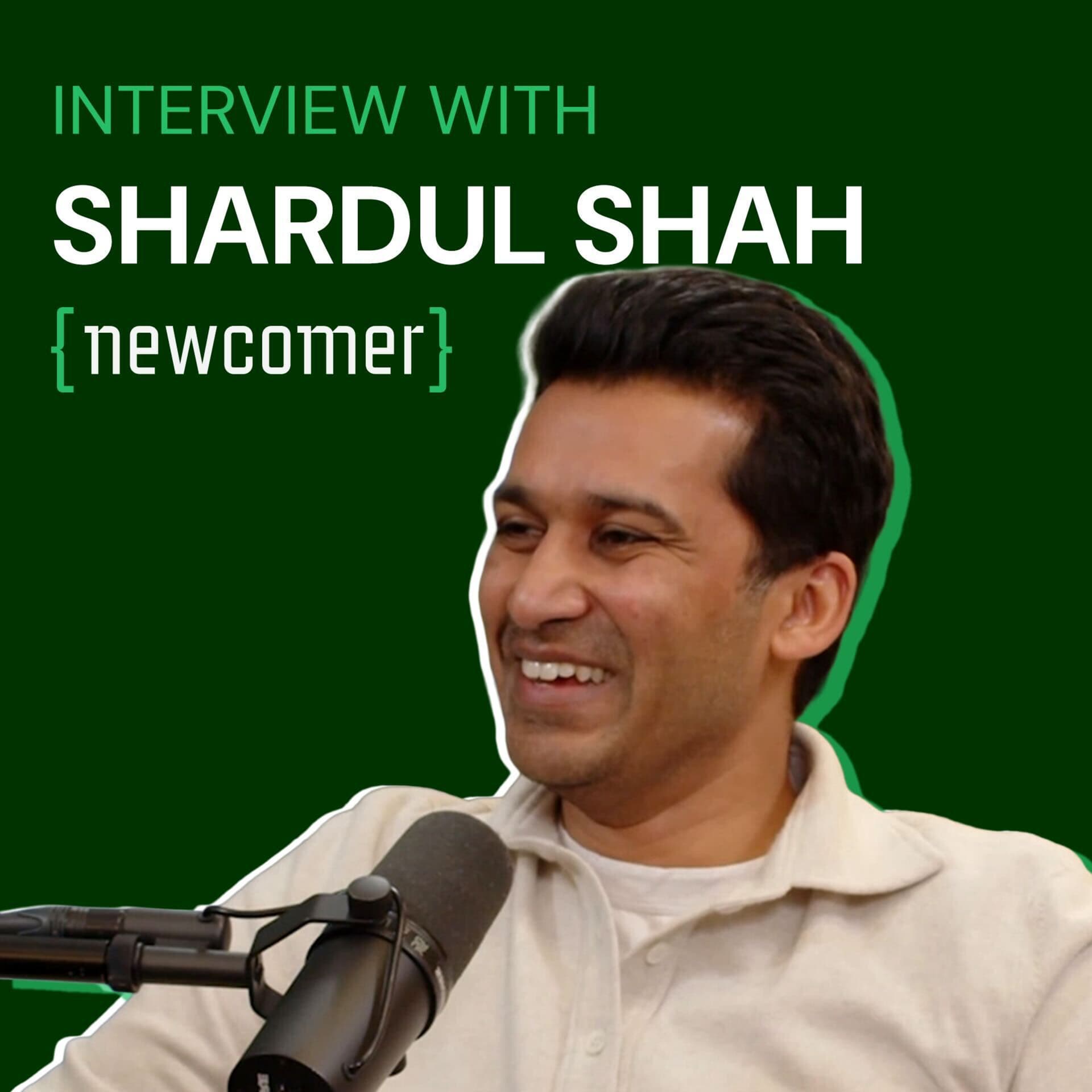
Shardul Shah — "I wired the money before knowing what they were building"
Hosts
- Eric Newcomer
- Guests
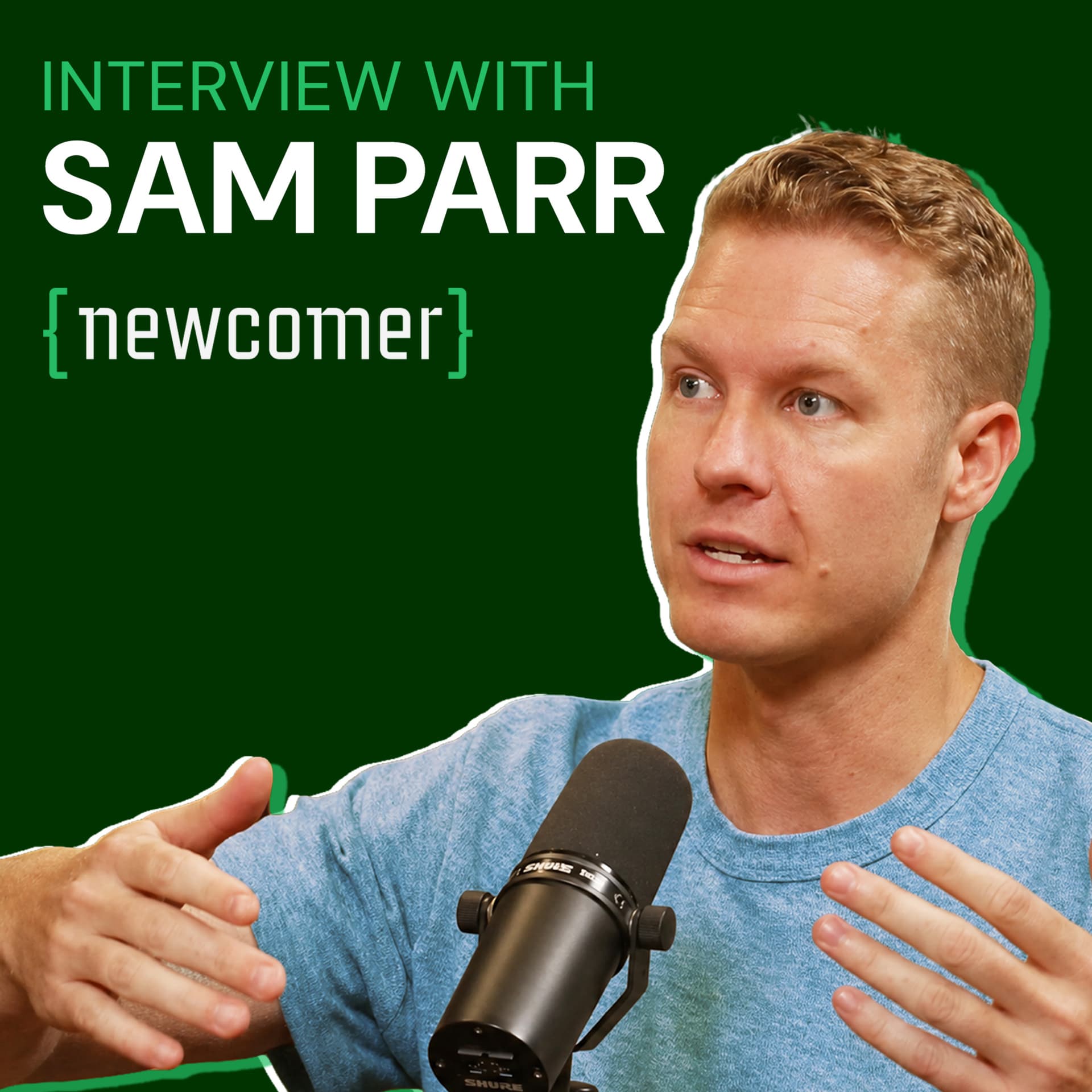
- Shardul Shah - Partner at Index Ventures
Episode Overview In this episode, Shardul Shah discusses his role in the $32 billion acquisition of Wiz, an Israeli cybersecurity company, by Google. The conversation explores his deep relationship with the founders, his unique investment philosophy, and the dynamics of venture capital.
---
Key Themes
- Investment Philosophy
- Pattern Recognition: Shardul emphasizes the importance of recognizing patterns and relationships over risk calculus, which he believes is often a fool's errand.
- Trust in Founders: His decision to invest in Wiz was based on a long-standing relationship with the founders, demonstrating the significance of personal connection in venture capital.
- Wiz Acquisition Insights
- Understanding the Market: Google’s acquisition of Wiz reflects the growing importance of cybersecurity, especially in the context of cloud computing and AI.
- Cultural Fit: The success of acquisitions relies heavily on the people and culture being brought into a larger organization.
- Mid-Sized Acquisitions
- Shardul argues that mid-sized acquisitions often fail due to a lack of excitement and necessary attention from the parent company, contrasting them with smaller or larger deals that either create synergy or significant impact.
- Approach to Risk and Doubts
- Focus on Opportunity: He prioritizes the upside potential in investments rather than dwelling on risks.
- Skepticism and Optimism: While he acknowledges the importance of being optimistic, he also maintains a healthy skepticism about the challenges that businesses face.
---
Key Takeaways
Founders and Relationships
- Importance of Personal Connection: Shardul notes that he won’t invest in a founder he only knows through Zoom, indicating the value he places on in-person relationships to gauge authenticity and capability.
Company Evolution
- Growth and Potential: Shardul highlights how the potential of a company can expand as it matures, emphasizing the need for investors to engage continuously.
Investment Strategy
- Consolidation Across Funds: Index Ventures’ strategy of doubling down on successful investments across multiple funds is discussed, showcasing their cohesive team structure and decision-making process.
Future Trends
- AI and Cybersecurity: Shardul indicates a keen interest in AI-related investments and the future of cybersecurity, hinting at the evolving landscape of technology and investment opportunities.
---
Challenges in Venture Capital
- Consensus and Decision-Making: The episode discusses how Index Ventures operates with a consensus-based decision-making process, which promotes healthy debate and diverse perspectives.
- Human Element in Investment: The discussion sheds light on the human-centric approach required in venture capital, emphasizing the need for trust and relationship-building.
---
Conclusion The episode encapsulates Shardul Shah's insights on venture capital, emphasizing the importance of relationships, understanding market dynamics, and fostering a culture that encourages both dissent and consensus. Entrepreneurs are encouraged to stretch their imagination regarding what is possible in today's rapidly evolving market landscape.
---
For more episodes and insights, subscribe to The Newcomer Podcast hosted by Eric Newcomer.
Written by AI. May contain mistakes. Listen to the episode to check what was said.
Chapters
Tap a time to open that second in VOUnderstanding the Wiz Acquisition
0:45 to 2:00
Discussion on Google's acquisition of Wiz and its significance.
“building a reputation for finding the right founders before anyone else does.”
The Importance of Founders and Culture
2:00 to 4:00
Shardul explains the role of founders and culture in successful acquisitions.
“So I guess for people just paying attention, like explain, you know, why Google is spending all this money to buy Wiz in the first place.”
Cybersecurity in the Age of AI
4:00 to 6:00
Exploration of the increasing need for cybersecurity amidst AI developments.
“And with more AI workloads, there is a demand for more security.”
The Journey to Investing in Wiz
6:00 to 8:00
Shardul shares the story of his first encounter with Wiz's founders.
“And so sometimes you just click with someone.”
Building Relationships for Success
8:00 to 10:00
Discussion on the importance of personal connections in venture capital.
“And so the only thing to invest in was belief in the founders.”
The Investment Strategy at Index Ventures
10:00 to 12:00
Analysis of Index Ventures' unique investment strategy and team structure.
“Because when it makes you honest, it's like somebody else has to review and say, are we doubling down on exactly bad investment?”
Balancing Risk and Opportunity
12:00 to 14:00
Shardul talks about risk assessment and the importance of focusing on opportunities.
“And when I see flaws, I really study them.”
Investment Decisions and Key Customers
14:02 to 17:08
Explore the importance of context and key customer decisions in investment.
“Or when do you think you really like put more money in a way that others might have missed or that you're proud of?”
Evaluating Talent Over Zoom
17:08 to 18:39
Discuss the challenges of assessing potential partners and founders remotely.
“And I can keep going with individuals like Dali Rajik, who I've been trying to recruit for a decade.”
In-Person Connections and Investment
18:39 to 21:08
Learn about the significance of in-person meetings in building investor relationships.
“Like I won't invest in a founder over Zoom.”
Show all 20 chapters
Acquisitions: Smaller vs. Larger Deals
21:08 to 24:31
Understand the dynamics of acquisition strategies and the importance of size.
“So like at the beginning of the day, your no battery is completely full.”
Navigating Investor Obligations and Exit Strategies
24:31 to 28:00
Delve into the complexities of balancing investor interests with founder goals.
“It's, I just checked, it's like 44 billion right now or something.”
Evaluating Entrepreneurial Potential
28:00 to 30:40
Explores how entrepreneurs can assess their business potential and stamina.
“You try and turn that into numbers or you just sort of live in this sort of soft, squishy thing?”
Understanding Money Movement
30:40 to 33:00
Discusses the complexities of managing large financial transactions and distributions.
“I saw some larger numbers that were talked about a couple days ago.”
Relationships Over Deals
33:00 to 36:20
Emphasizes the importance of building relationships in venture capital over merely chasing deals.
“I'm like geographically inept, but I think it speaks to like, sometimes like logistics and movements are just not very interesting to me.”
Finding Opportunities in AI
36:20 to 39:20
Explores how to identify promising startups and categories, focusing on AI and personal connections.
“You're more likely to have shared values and alignment around a range of different opportunities in the world.”
Navigating Expertise and Bias
39:20 to 42:00
Discusses the challenges of maintaining objectivity after deep involvement in a successful company.
“And so I did a huge amount of referencing, including talking to his wife.”
Navigating the Landscape of Venture Capital
42:00 to 44:40
Learn about the current dynamics and strategies in venture capital.
“There are super talented investors like Jahanvi, who's also focused on security, that can compliment me.”
The Art and Science of Investment Decisions
44:40 to 48:40
Discover the balance between art and metrics in venture investments.
“We have like a few hundred million seed fund, a billion dollar venture fund, two billion dollar growth fund.”
Lessons from Successful Investments
48:40 to 54:45
Gain insights on what makes a successful investment and learning from failures.
“Yeah, it's like a, it's a little bit, so we can vote one through 10.”
Transcript
Automatic transcript. May contain errors.0:00Acquisitions to be successful, my view is they should be small or they should be large. Like middle-sized acquisitions are the most difficult for both sides to be successful. I have drunk the Kool-Aid of Wiz more than anyone on the planet, right? And so to then say I'm going to switch to iced tea is super hard, right? What's the way for somebody to sort of break into being in your awareness? Well, I'm not everyone's cup of tea. Am I crazy? Yeah, sort of. I don't know. When Google announced it was buying Wiz for$32 billion, one name quietly became the talk of venture capital. Shardul Shah, partner at Index Ventures, was one of the first checks into Wiz, and it wasn't luck, it was pattern recognition.
0:43Shardul has spent nearly two decades at Index building a reputation for finding the right founders before anyone else does. Datadog, Duo Security, Coalition, the list speaks for itself. Today, we get into the Google Wiz deal, his human-first approach to spotting the next generation of great founders, and where he's looking for his next big bet. I'm Eric Newcomer, the author of Newcomer, the subsect that tracks the inner workings of startups and venture capital. Follow me and my team's writing at newcomer.co. And without further ado, here is my conversation with Shardul, one of the top venture capitalists in the business today.
1:24All right, super excited. This is a big week for you. I'm here with Shardul Shah and the Newcomer Podcast. Thank you for joining me. Thanks for having me, man. So we're here, you know, in part, I guess we should have like, you know, party hats and stuff. Google's$32 billion acquisition of Wiz, the Israeli cybersecurity startup, cleared the check cleared this week. Is that right? Yeah, closed on Wednesday. Yeah. And Index, and you're the largest investor shareholder, right? Yeah. And so for the party hat, I'd prefer a cerebral valley cap. I mean, we could have been matching at least. Yeah. So I guess for people just paying attention, like explain, you know, why Google is spending all this money to buy Wiz in the first place.
2:10Yeah. Look, the best companies are always bought, not sold. Right. And it starts with the founding team. It's a remarkable run over six years, but it took over 20 for this to happen. The founders have had so much trust. They're such different personalities that when they came together to create Wiz, they created a culture that could move so fast in an existing category and really disrupt the market. So I think ultimately what you're acquiring, whether it's a small, medium, or large acquisition, at the core is a group of people and a culture that comes with it. One person close to Google when this announcement first came out mentioned to me it was just like in a world of AI, cyber attacks are going to become even more likely.
2:58Obviously, we need to be very aware of cybersecurity. In some ways, this deal is a sense that like Google needs to be ready if there is like a major massive cyber attack, if they need to defend their customers. Obviously, it's an offering that they can provide cloud customers. I mean, now, you know, since the deal closed, now we're at war with Iran and that's obviously increasing the risk of cybersecurity. So explain where Wiz sits in terms of cyber defense and why Google would want it and what they're really delivering to customers. I think you nailed it. There's a cloud tailwind, right? More and more workloads are going to the cloud.
3:34We've been on this transition for over a decade. Finally, for example, over the last five years, the pharma industry has moved all their data to the cloud. Second, there is a security tailwind, right? There's more need to secure against risks for large and small businesses across the world. And the amount of risk is varied. I'll come back to that in a second. And then third is AI. Everyone knows we live in an AI era. And with more AI workloads, there is a demand for more security. On the back of those three tailwinds, it just so happens Wiz is at the center. And that's not by luck. right? They've been intentionally crafting their business to be there.
4:18They started with a platform that served large enterprises from the get-go. And so it's really complimentary with all of the resources and the AI infrastructure that Google has. So take me back to the beginning. I mean, you, what I think I was reading, this was the Claude synopsis. So hopefully this is correct. but what you they stood you up for 45 minutes the founder before you your first meeting or what what were you what did you see when you first when whiz was first on your radar that's not how it felt like have you been to an indian wedding uh not a not a huge okay i've been to a 50 indian wedding now that i yeah okay so the this story is like 50 true like irrespective of the size right people are fashionably on time yeah and so my reception of asaf being a few minutes late was he was on time.
5:09So Claude's got it wrong in terms of his word choice. You were not offended by the... No. And I think a lot of individuals have had a similar experience with Asaf. But what started late really escalated because in 72 hours, we had a term sheet signed. Asaf and I had this unusual kind of chemistry and click from the first moment that we met. I can't really, I can't explain it, right? And you can't like prepare for that. All VCs are salespeople. I'm not the best, as you know, but you can't - You're a great VC, definitely, at this point with Datadog and Wiz, and we'll talk about that, but you're saying you don't see yourself as a salesperson.
5:56Well, I think salespeople can be really prepared, but you can't prepare for serendipity, right? And so sometimes you just click with someone. And it was both professional and personal. And we were finding ourselves completing each other's sentences. And so that was the first moment for me. It was on the back of another friendship I had with Michael Sholoff. Michael was the, at the time, he was the founder of Lacoon Security. Lacoon is this pretty deep cut into Greek mythology that clearly Claude didn't tell you about, but I encourage you to look up afterwards. He's this priest involved in the Trojan horse story.
6:38So Michael, who became a friend of mine, I invested in his company. I didn't know anything about security. And so he's like, I've got to make use of Sharduel as a board member. So he sent me hunting for customer relationships and helped building out his management team. Again, accidentally, Michael and I became friends. After Fannie and he had their first kid. I was on the top three of folks who got a phone call, right? Because we really cared about each other. And so Michael, by pure chance, introduced me to Asaf. And Asaf and I, by pure chance, clicked. Fast forward a decade, Asaf calls me on my birthday and he's like, hey, let's go.
7:20And it was done. That was time for the deal. It was done. It was clear like that this was going to be like it's you and Sequoia are doing the first round, right? Gilly, Doug Leone and I all joined the board at the first round. And so when Asaf called, he's like, we're working on a new company. Let's go. I was like, I'm in. He's like, do you want to hear what we're doing? And I was like, that's a detail, which is a true story. And a week after we had wired the money, we were together in San Francisco. He said, hey, Sheryl, we pivoted. I was like, okay, great. We didn't write a memo anyway. What are we working on?
8:02And so the only thing to invest in was belief in the founders. And again, we had the benefit of having a front row seat 10 years ago. So we knew their character. We knew the lessons they had learned. within Microsoft after they sold Odellum. And as a consequence, we knew how they were thinking about building a culture and a platform from the get-go. Do you remember how much money you put in right at the beginning? No. I couldn't give you dates. I couldn't give you numbers. It was like... I mean, I imagine it was small relative to the overall investment over time. Yeah, exactly. It was like a standard seed investment.
8:45Later that year, it was a we led the series a a few months later we let co-led the next round and then like we kept going and so over time we broke a lot of rules right we invested out of four funds which is the first time we've done that in index's history first time that many funds or across funds uh first time that many funds with datadog for example we also invested across funds um with I feel like this used to be out of Vogue and Venture and now everyone's concluded you have to double down on your winners to succeed, right? I think it's more complicated. So let's see, if I break it down in the industry, one of the things that's unusual about Index is we have one team across strategies.
9:34So like many other large firms, we have a seed fund, a venture fund, and a growth fund, right? But most other firms have specialization, which makes a lot of sense. Like people who think about early stage risk are often different than those who think about late stage risk. And so for those businesses, often doubling down requires like convincing a different group of people. Right. And they have a different apparatus to make decisions. And that's not all bad. Right. Because when it makes you honest, it's like somebody else has to review and say, are we doubling down on exactly bad investment? It's like a type of check-in balance, and it's a type of specialization that ought to support high-quality judgment calls.
10:16So it's a way of doing business. It doesn't work at Index. At Index, every time we've had a silo, it hasn't worked. So we converged, I think in 2010, we converged our venture and growth teams into a single team. So all of us are responsible for all of our distinct fund strategies. All over the world? Globally, yeah. because that's another area where firms also divide it up sometimes but yeah absolutely and we can come back to like why that's super hard and why we're like unusual in that dimension and it's not for everyone this is not like a pitch on like redesign your venture firm like it's just our culture supports one team across geographies given that you don't have separate growth investors does that make you more reluctant to do this sort of multi-fund well so within Within Index, it's so personality driven, right?
11:04So for me, in order to develop deeper conviction over time, I require context, right? So I spend a lot of time with the management team. I have a login to the product and I'm testing it frequently. I spend time with the go-to-market team. I spend time with the marketing team without crossing the boundaries of a board member kind of getting involved. And fortunately, I'm not an operator, so I can't really tell anybody what to do. But I can learn a lot from context for a company that helps because I can make high quality judgment calls on like who to recruit, when and how and why, which can change the trajectory of businesses.
11:39But for index, it gives me more context. Now, second, as a personality, when I'm in the sausage making, I see the warts, right? And so as optimistic as I am, as a natural born venture capitalist, I have a fair amount of skepticism, right? And as a consequence, I can get really close to warts. And when I see flaws, I really study them. So no, it's not easy for me to develop deeper conviction over time. It's actually really challenging. You understand what the potential risks are of the business. No, that's actually not true. I think far more about the opportunity and the upside than risk calculus.
12:20I actually think it's a fool's errand to try to attempt risk calculus. I think it's overweighted in our industry. Right. And it's like human nature. It makes about you have to see sort of the big upside still. But I thought you were saying by seeing the awards, that's what gives you this sort of thought. Yeah, but like when you imagine if you start to see blemishes in the room and they start attracting your attention, all of a sudden it's harder to see beauty, right? Right. So it can be more difficult and challenging to see the whole picture when you're attracted to warts because you want to talk about problems to fix them.
12:54So it's hard for me. However, the good news about index is I don't make any decisions. It's a true partnership. And as a consequence, at every single phase, we're having debates. We debated the market. We debated the product. We debated the quality of the execution and traction. We debated gross margins. We debated strategy. We debated so many things. And very few of our investment decisions were actually unanimous. What does that tell you? It tells you we have a culture that promotes dissent because we want to get to the highest quality judgment calls. We shouldn't confuse the judgment calls that we serially made with the outcome.
13:37That doesn't mean the judgment calls were right. But we went as a group into really high quality judgment calls, which unlocks the ability to double down against conviction. And you can see there were like some of the best firms on the planet with the best minds that took a different view. They were not like wrong. They just took a different view. Right. So you end up building the largest position, even though there are three investors there. Yeah, absolutely. Right. So that's key. So what was the next key decision? Like, was there a particular round? Or when do you think you really like put more money in a way that others might have missed or that you're proud of?
14:14Well, every single one, right? Just like continuing. Yeah. Well, so the Series A, what's the context that maybe I rotated against? There were two key customers. One of the two I had introduced. And the buyer at that company is a, he'll remain unnamed, but he's an intellectual snob, right? And he doesn't do me any favors, right? So when he made a million dollar purchase order decision in four weeks and sent me a voice message that sounded like a country song, I had distinct asymmetric information. And I read into the qualitative of that signal more than the quantitative. Number two, soon after that, company received conventional wisdom, which is like, hey, founders, you guys have sold some customers, right?
15:09That's great. Now you should hire a couple of salespeople to see if we can scale the apparatus of the business. And right place, right time. There's an individual, Colin Jones. He was previously at Duo Security, a company I happened to invest in many years prior. And I knew Colin Jones's mentor, Jim Sibb, and I knew Sibb's mentor, Zach Erlacher. Erlacher is now a venture partner with Index. Sibb had joined another one of our companies subsequently. And I knew both Erlacher and Sibb were telling CJ, don't join a company pre-product market fit. The way to define pre-product market fit is$10 million of revenue.
15:47I was like, CJ, they are wrong. Asaf was being told, hire two salespeople. And I was like, Asaf, that is wrong. And so I got involved and CJ joined, right? That gave us asymmetric information because we needed the personalities. That unlocked the next round of financing. I continued to spend a huge amount of time with, you know, Kostik and Ami Lutwick. Ami is this genius who lives in the future, right? And it's so challenging to talk to him because he's always right, but it's Socrataic and he's trying to lead you to truth because he's such a teacher. What's his role? What's he do? He's a CTO. Okay.
16:29And Kosika is world-class product, right? Like top two, three product leaders I've ever come across. He's able to shape a promise that is current that he will deliver on. He's also challenging. And so there's constantly tension between the two. And when I started talking to them in depth about what the product roadmap and what the product vision would be, the opportunity that was present for Wiz just kept expanding. And so my view of what was possible for the business continued to grow. So we had to get more involved. And I can keep going with individuals like Dali Rajik, who I've been trying to recruit for a decade.
17:15When he joined the company, the impact he made on the business. Or Fasil Merchant, who literally I'd introduced to Asaf two years before he joined. I knew the inflections of the business. I'm going to stay on Wiz, but I want to digress for one second. For sure. I mean, you're clearly like, I'm convinced like a scholar of the people. Like has this like a sort of philosophy of really just like analyzing the team ever led you like astray? Or like I imagine it's tempting to be like, these are great people. The numbers, they don't say what the people should. Or like what, yeah, what do you do in sort of other investments where you've, have you found the sort of disconnect between the people and the money?
17:56You know, where I've been wrong and I'm most insecure is making judgments of people over Zoom. I think I have a really hard time finding connection and like feeling someone over Zoom. And it's reciprocal. I think, I mean, I think the first time we were on together was over Zoom. This is way more fun, right? Yeah, exactly. You sort of... Yeah. And I think it's like body language. It's micro expressions. Right. I have more comfort with pregnant pauses and like space in a room. And so it's very idiosyncratic for me. I have partners who are phenomenal at like reading people over Zoom. And so I don't make decisions now.
18:39Like I won't invest in a founder over Zoom. An example, Asaf introduced me to someone actually. I met them on Thursday morning over Zoom. And I was like, guys, you know, there's something here, but I don't make decisions over Zoom. And I had some health stuff going on in the family. So they were like, we're on the next flight. And I was like, whoa. And they're going through Italy. I'm like, I could just buy you a better flight. And they're already in air. And so they land in New York City. And 6 a.m. on Saturday, we start with a walk around Central Park. We hang out, lunch, drinks, et cetera. 2 a.m., we finish at McKittrick, hotel oh my god i don't know if you've been to is that isn't that where they used to do the those live shows the um am i crazy yes sort of i don't know uh but you are crazy but i'm not sure about this story i'm thinking of sleep no more but oh yeah that's totally different that is that i thought that was called the mckittrick maybe i'm making up mckittrick hotel became sleep no more that i would not recommend as like founder dating or like dating in real life you don't even talk It'd be terrible if I just found her dating.
19:47Dude, my wife was so creeped out when I took her there. I mean, for some people, it's a terrific experience. Not your... Not my scene. Yeah. But it's shut down now. McKittrick, what I'm referring to, has this incredible speakeasy bar where you walk up and they don't have a menu and you tell them the direction of the drink that you want. Okay, okay. And then you walk next door and you get into this full laundromat. And you walk through the laundromat to get to the, like basically a mahjong parlor in the back, which has an incredible mood and ambiance. And you get to see five different, I think it's about five different acts of close-up magic through the night.
20:27So I'm a nerd. I love magic. You guys love magic. I absolutely do. This is one of the things I definitely know about Index. You were like at magicians at parties. At our office opening in New York, I insisted that we have a magician from McKittrick come over. So we finished the night at 2 a.m. at McKittrick, my favorite place, perhaps on earth. And we shake hands on working together, right? The day of. The next day, we talk about numbers. Like, what is the deal? The next day, I tell my partners I've done this. And I ask for forgiveness, not permission and like i think approximately two two weeks later the company actually incorporates sorry and what company is this it's still in stealth oh wow it's the next one people should be chasing if if a founder gets you to be out till 2 a.m they're gonna get your money and they're like what what time in the day you're like this wouldn't still be going on if he's not he's not ready to check like i once learned that from uh olivier at a data dog um he told me about the concept of a no battery.
21:32Okay. Right. So like at the beginning of the day, your no battery is completely full. By the end of the day, it's like wiped out. So the way to get money from me. You try to get information at the end of the day. Exactly. Just keep talking to me. And eventually I just can't, I can't hold it. So, so we're, we're sort of telling the whiz story. We, we learned the lesson of like, you know, keep investing and sort of the firm deciding on conviction. Like, I guess another key point in the company's history, which maybe you fit in as a board member, I don't actually know, is sort of the will they, won't they with Google and sort of like, oh, do they go public?
22:07Do they sell at a lower price? Like, what can you share about sort of that decision and how you thought about things? Yeah. You know, at a high level, I've been on both sides, right? On supporting Wiz, for example, with acquisitions, supporting Datadog with acquisitions, supporting Coalition with acquisitions. And on the other side, 10 plus companies of mine have been acquired by other businesses, Duo by Cisco, Signal Sciences by Fastly, and many more, right? So I've seen both sides. I think for acquisitions to be successful, my view is they should be small or they should be large. Like middle-sized acquisitions are the most difficult for both sides to be successful, right um and i think it's really important for there to be a shared concept of success right so small small and large is kind of the most important um zip code to plan mid-size just because people don't get excited and they just walk away or i'm trying to understand you're asking what are the common reasons that mid-size deals fail or how come yeah so the most common reasons are like integration um number two is not important enough to the company or exactly it's neither here nor there, right?
23:21So it doesn't receive the TLC needed to make it successful. Number two, because it's neither small nor large, the acquired entity doesn't have the space to make an impact, right? Those are the two most common failure modes. And so as you can tell, it's more human psychology than like, how does the product fit into the strategy? So small and large is number one. Number two, I learned this from Roy Resnick, who's one of the other co-founders of Wiz a decade ago at Adolom. One of his mentors who's now passed is Zohar Zisipel, a legend in the early tech scene of Israel. And when Adolom had an acquisition offer from Microsoft, the first question Zohar asked the founders was, what do you want to do?
24:18And I actually think it's a profoundly important question. And I do subsequently tell founders what I think. But the first question is always, what do you want to do? What, I mean, you know, Datadog is public, you know, that's your, one of your other huge investments. It's, I just checked, it's like 44 billion right now or something. market cap yeah 40 44 um i mean at some level yeah i mean it's bigger than the price we're talking about with whiz but i assume you make more money off i don't know how much you're still letting things ride with data data dog but you know a clean acquisition you get paid in cash as a venture capitalist that's a very desirable outcome or how do you think about the advice that vcs give of you know go public go the distance versus everybody getting paid is you know a great outcome?
25:08Oh, so I don't think about optimizing exit. Like obviously from a fiduciary standpoint as a board member, one of your responsibilities is to try to maximize shareholder value. So you think about that, but I wouldn't confuse that with the shareholder interest of in what period of time, how much return do you generate? I think that's, you have to be, as a founder, You should be really conscientious if a partner, an investor, a board member that you involve cannot distinguish the two. I'm not sure I can. So you have to dumb that down a little bit for me. What do you say? As a board member, I'm responsible for everybody.
25:46Okay. Right? As a shareholder, I'm responsible for myself. Right. Different. Okay. So you have to be able to acknowledge your own interest and what's in the collective interest. But it's – which is speaking to one part of your question, right? One part of your question is like, well, for the investor, it can look very different. You know, part of, I think, the job of an investor board member is to push entrepreneurs past their limits, right? And remove anything that's in the way to really experience the fullness of ambition. And even sometimes, you know, kind of bring the goalposts further apart.
26:38And so the same has been true for Datadog, right? Like years ago, they actually, years ago, we talked about like a billion in revenue as a far off milestone, right? Now we're talking about like a completely different level of revenue as a achievable milestone. own. So you're constantly kind of pushing where the company can be, whether it's a M &A or an IPO is more of like a moment versus a strategic, you know, direction to push ambition. Does that make sense? It does. But there also, you know, there's subtlety to it in that. So it's like, okay, you, you're like a shareholder, you're a board member.
27:22You also, you know, I imagine being an index and like a, you're playing a repeat game. So even as a shareholder with LPs, you're like, listen, doing great by founders and like honoring the founder vision in some ways is also in our like fiduciary interest. So you have that sort of complicated calculus. They're like, the founders themselves have like, how much more do I want to keep working on this versus exit? And then they also have the sort of obligation of like, well, is this so much a better deal? I mean, it's just, do you try to turn this into like a math calculus or like how much is Is it pretty soft?
27:55This sort of, oh, how much more is this than I would have thought versus how much do I want to do it? You try and turn that into numbers or you just sort of live in this sort of soft, squishy thing? It does depend on the relationship with each entrepreneur. So last year, there's one entrepreneur who's got a terrific business that's growing super well that was attracting acquisition interest. And I was like, hey, ask yourself two questions. Like one, can you 10x your company? And number two, do you have the stamina to do so? If the answer to both questions is no, you should probably sell. Right.
28:33If the answer to the first one is yes and the second one is no, maybe we think about building a succession plan. If the answer to both is yes, what are we even talking about? Stop wasting my time. Interesting. And those were sincere. It wasn't like, oh, I'm leading him to what I want. You were like, it depends on which one it is. Well, it can still be a conversation, right? Which is like - You sort of have a theory of which it is. The starting point is like, well, what is, again, what do you think? Like, okay, you think it can be 10X, right? Like, let's talk about that. What is the plan to like 10X?
29:06And I might disagree and say like, well, I don't think the opportunity is here. I think it's there. Or you're saying it's 10X. That sounds to me like 50X, right? So it's still a conversation, but the starting point is like, I think it's a sincere and useful framework. If someone does not see the opportunity, right, then it's like, okay, we need to like search for the opportunity. Like it's a, again, it's always a conversation. In terms of stamina, it's so introspective, right? Like, you know, we debate like how much is our job to listen to and not to put an intention, but how much of our job is to inspire entrepreneurs?
Read the full transcript
29:46Super interesting question, right? When someone doesn't have energy, what do you do, right? And I think you have to like see the whole person. And that's why to me, it's really important to understand someone's flaws, right? And have context and have like a real relationship so that I can be more objective about - Have you had founders who lost steam that you were able to resuscitate? Or it feels like once they've sort of lost the energy, it's like, okay, we need to change gears. That's a really interesting question. I'll have to think about that. Okay. Yeah. All right. So, I mean, people care about this for a lot of reasons.
30:27With the money being so large is obviously a piece of it. What's it like? So it's$32 billion sale, right? It is cash. What does that – is$2.8 billion the number coming to index? No. I don't think we've talked about it. I saw some larger numbers that were talked about a couple days ago. Like all that money, it goes into a bunch of different bank accounts or it first goes into like one bank account and then you disperse it? So, yeah, 32 billion gets sent in a number of – Obviously, a number of places. Into a number of different places. We have a group of limited partners, largely great causes, right, that receive distributions.
31:14we have a team including inside of index rather that receives distribution so ultimately there's lots of so it goes to like if some foundation is a limited partner in an index they get it sort of directly you get sort of the carry the fund you're not like routing it's not like some billions of billions comes into one pool you know you should probably talk to Jan or martin about like payment infrastructure like money flows and it's just fascinating that it's like i have an employee much smaller scale you know it's like she just started she wired you know the 70k it's just funny like the actual money movement when it gets so large like i have friends in private equity you know they'll send the actual check and it's like you gotta like make sure i think it's a really relevant question but like i was at i went to carbone's last night okay and i'm i'm with a colleague of mine from san francisco who had flown in and we're having dinner with an entrepreneur.
32:14And it's her first time at Carbone. I'm like, what do you think? She's like, it's great. This neighborhood's really cool. And I'm like, I have no idea what neighborhood we're in. She's like, sure do it. We're in Greenwich Village. And I was like, okay, cool. Where is that? I've lived in New York for the last four years. I'm explaining this to one of my other partners this morning. And she's like, is this consistent for you across countries and geographies? Like, do you know if you're flying out of JFK, Newark or LaGuardia? I'm like, I don't. Like, I just take the Uber and I get to the airport and I find my gate.
32:48It drives Jan crazy because he's maniacal about knowing like every single flight alternative and uses flight aware to like pinpoint which flight is his on the way to the airport. But the logistics of it. I live in your world as well. I'm not proud of this. I'm like geographically inept, but I think it speaks to like, sometimes like logistics and movements are just not very interesting to me. And so similarly, like how the money flows, like we've got a great team that, you know, watches and makes sure it's appropriately handled and I trust them. But... Did you, I've been, I went to Carbone one time, we went too late at night and, you know, it's so, it's hard to get into.
33:31So then I was like, all right, like we got to really make the most of it we way over ordered we treated lilia is probably my favorite restaurant have you ever been a little yeah and like that's like small plate italian so we ordered carbone as if it was lilia so we had like my wife and i had way too much food yeah at the end of the night we had like espresso martinis i literally thought i was gonna like have a heart attack over that meal it was like the it was just like the most it was you know uh yeah gluttony to the point of real like suffering over it yeah yeah did you but do you do you like carbone do you like i love the spicy rigatoni yeah it's the class the dessert like the the the way they uh demonstrate it is is uh hard to resist that was the other element it was my birthday and they didn't bring the first dessert with a candle and so then my wife was like oh it's his birthday anyway um yeah are you celebrating a lot what's your birthday uh september 7th okay yeah um noted the uh candles coming your way Right.
34:28What is it? Can you say how do you stay motivated after like such a huge exit? It's all about the next relationship. We don't think in terms of deals, by the way. Right. Like I think most of the industry is geared around deals. They talk about like the number of deals, the amount per deal. Like they talk about chasing the next deal. We think in terms of relationship The next relationship that we build depth in is the most important relationship. And that will lead to accessing, assessing, winning, supporting, and exiting great investments that generate terrific returns for LPs. But what's motivating is like, it's all about the people, right?
35:12And so I just go back to the impossible art of studying people, like human beings. I'm less of a sociologist and anthropologist than like a psychologist. Yeah. But it's like there's nothing better. It's the most fun that I have. If I'm a startup founder, how do I sort of get on your mind? Or like how do I sort of start this relationship? Or like it needs to be I was at a company that you respect through somebody you know. Or like what's the way for somebody to sort of break into being in your awareness? Well, I'm not everyone's cup of tea. Okay. Right. So it should not be everyone's mission statement to like get into my awareness.
35:54The fastest path, right, is through a warm introduction. Right. Right. I don't know how you met your wife, but like - We went to college together. Yeah. I went to high school together with my wife. I took her to homecoming. And so, you know, it just so happened we had the same last name, not because we're second cousins or anything. But we had lockers next to each other, so we knew each other for our lifetime. But when a friend introduces a friend, you just have many more priors. You're more likely to have shared values and alignment around a range of different opportunities in the world. And so it's easier, I think, to find connection, going back to how Michael connected me with this stuff.
36:32And so it's not for me in terms of being efficient. Cold email me, cold LinkedIn me. Like I'm on it. But a warm introduction is the most efficient path. And it's usually also the best way for someone to figure out if they even want to spend time with me. Like, you know, again, most venture capitalists are terrific salespeople. The best thing an entrepreneur can do is reference, right? So go talk to entrepreneurs that I've worked with. Like hear what their side of the story is. And then decide, do you actually want an introduction to me or to anyone else? Totally changing gears. What categories are you hunting for now?
37:17You've sold a cybersecurity startup. Does that mean, oh, I'm free. I can do the category again, reinvent it. What are you chasing in terms of themes? What are you really looking for? Yeah, I'll try to parse it into two dimensions. Okay. One, obviously, like we're in the AI era and everything is related to AI. And so I think it's a really relevant question to think about. Like, what categories are interesting? I'm not a top-down thinker. It's just not my skill set. I'm a bottoms-up person. And as a consequence, I start with the people. When I met June at Simile, right, which is aiming to simulate the entire – Yeah, you wrote about it.
37:59So like he's got the imagination to simulate the entire planet, yet he's so focused on delivering value to Fortune 100. It's like in the second sentence. And he's talking me through like POCs and MOUs and different terms. Like that contradiction in June was so compelling. and then it got like uh uh there's so much depth to the portrait when i learned more about him as studio artist but also his co-founders percy and and michael and then i learned even more when uh i spent a significant amount of time with laney and then he pulled in mijica who we've known for years and so like the enrichment of my enthusiasm around similes starts with the people and it just so happens, I think it's going to dominate a category because they have moral authority.
38:48When I invested in Parag at Parallel, I don't know if you've had a conversation with him yet. Yeah, yeah. He announced one of his rounds on stage. Right. But I wasn't sure if you guys were one-on-one yet. Actually, I think, yes, at a dinner. I don't know. We haven't hung out, but I've spent time with him. So Parag's amazing. I love him. When we invested, first we went on a walk, right and it was supposed to be 45 minutes instead it was like an hour and a half two hours and I was like I don't know what's going on um but we just like clicked um I asked him like how do you learn and he was like through adversarial conversation and I was like I can do that and so we've we've had a phenomenal relationship but leading up to our investment um I did a lot of references I I hadn't known him as like you know beyond the the celebrity of like CTO of Twitter CEO of Twitter I didn't know the human being.
39:43And so I did a huge amount of referencing, including talking to his wife. When I wrote the memo internally, there's nothing about his business because he didn't even know what he was going to work on. So it was just like five pages about notes on Perot, full conviction. We invest together with Vinod and Josh in the first round. And then I achieved a couple minutes. Oh, at first round. Okay. Okay. In the first round, at first round. Yes. It's a commercial for Josh. I'm a big fan of both of them. But after we invest, the wire is in the bank. I asked Prague. I'm like, hey, why'd you let me in? We've known each other for six months.
40:26You've had relationships for a decade, right? So how did I receive this honor? And he's like, Sherdul, you made it so painful. And he's like, if you take an easy decision this seriously, I want you on my side. We subsequently co-led the Series A with Mamoon. And now he's working on web search for AI agents, right? And as the world has become agent first and agentic, web search is such a natural requirement for the best companies in the world. And so the company has taken off. But sincerely, it wasn't a category. It wasn't like a thesis. I'm following the people. I'm not chasing categories. Yeah, I don't know how.
41:09Now the inverse, the second part of your question, which is like, are you going to do something else in cloud security? It's something I worry about. I've had so much, I've had such a front row seat at what I think is the market leading company in cloud security that I'm actually riddled with bias. So I'm not sure I can be objective in taking a view on who can possibly... Now you're like too much of the expert. You're like, oh, I'm used to trusting that the founder is the expert. Now you've developed expertise. It's not expertise, it's bias. Okay. Like I have drunk the Kool-Aid of Wiz more than anyone on the planet, right?
41:51And so to then say, I'm going to switch to iced tea is super hard, right? So the beauty of Index, again, is it's a partnership model, right? There are super talented investors like Jahanvi, who's also focused on security, that can compliment me. And so is there more opportunity in and around cloud security? Maybe. Am I going to be the biggest bull on competing against Wiz? Absolutely not. What do you want Index to be, I don't know, in 20 years? We're in such an odd time in venture. The mega firms keep getting bigger. Like there are firms clearly pursuing sort of AUM and dollars that they're managing.
42:36Like how do you think about sort of that trend and how much is index chasing sort of scale of capital? And like how do you really want to distinguish the firm over the next couple decades? So the core of index is it's like a machine, right? We create a culture that can recruit, nurture, and develop great people, meaning investors and strategists. We can do that with our team. The consequence is we can attract and nurture and develop greatness in entrepreneurs. I want to make that machine more and more effective and outlive me. That's the most important thing. Now, the consequence, I believe, of raising more and more capital, it's like supply demand.
43:33I'm a UChicago economist. I get it, right? Public market investors can't access private market companies, right? You've written about this and therefore the Russell 2000 is now these private companies. And to get access to that, you can invest in megafunds. That's part of the logic. You have firms like Thrive. I mean, with the rumors, they're like telling on a brewer, stay private. Like, we'll just keep doing rounds. You know, there's like almost even the investors who might want to see an exit seem to be encouraging founders to stay private in certain ways. Yeah, I don't know. Yeah, I don't want to derail you on that.
44:08That's interesting. We can talk about that. But there's a place in the world for that, right? And I totally have respect for individuals who see their business model as like a UM collection, right? Like respect. And there's an opportunity and you should go chase that. I think for us to succeed in attracting, developing, and building greatness, it's about the craft, right? It's about the focus on the individuals internally and the entrepreneurs that we recruit. And so not scaling is kind of the point.
44:46But what is the fund size right now? We have like a few hundred million seed fund, a billion dollar venture fund, two billion dollar growth fund. So we're like large enough to be really relevant across multiple stages to some of the best companies in the world. Right. But I think focus, sufficiently focused to attend to the craft. have you do you do spvs on top of it or i i have not i i'm not a fan of spvs personally it's like it's confusing to me you know like is it my main business or not is how i think about it if yes then like i have high conviction i want to invest out of my main funds um the spv is like well i've got an access right should i monetize it right and make some economics off of it that's like how it feels and so it's like it's it's satisfying like uh and i don't mean this pejoratively but like it satisfies the greed in me right right more than the artist in me right so i'm in service of the artist right i think that might yeah i think that's one of the challenges covering venture capital overall it's like sometimes it's like it's a money game on some level you're like oh shouldn't you be optimizing for the money but then there is sort of this aspiration of like oh there's there's still an art to it and like that's sort of like the crass way to make money but there's an argument some of these firms i mean i don't think it's crass okay i i mean i don't think it's crass at all okay i i um i'm just saying it's my it's my personal style and preference right like if you want to raise spvs like god bless it's totally cool with me but there's a limit to how you'd put of a single company in a fund, right?
46:28I mean, at some point. You know, it's a really important question. And it's still something I'm trying to develop skill in, right? The question is like asset allocation. So how much do you concentrate within a given fund? And I've talked to a lot of different folks from Thrive and Lightspeed and Sequoia, like a bunch of my friends about this concept of how much to concentrate. I actually, like I'm still developing that skill you guys have sidestepped the big foundation model companies is that right um or sidesteps maybe not the word yeah sidesteps not the right not the right word um we've definitely participated in labs and like foundation labs and neolabs but we aren't playing statistics with like put a small or large amount of money into every you know team that comes out of Anthropic or OpenAI or other major labs.
47:23So we've sidesteped the portfolio theory. Yeah, I mean, there's a lot, you know, like Lightspeed, I mean, a huge percentage of their fund, I think, is in Anthropic now. Oh, really? I don't know the numbers. Yeah, so you just made me think of that with... And Anthropic also, you know, in terms of this SPV conversation, there are firms where they got in early, and you don't have to weigh in on all this, but I think, you know, like Spark, I think, got in, in my senses. They didn't necessarily use the allocation every way they could have. And then you have other firms, I think, like Menlo, where they're fairly aggressive in having access and doing SPVs.
47:58And so venture capital has just become, in some ways, a different business because there's so much growth investing happening adjacent to venture capital. There are no sacred cows, right? So maybe I revisit the concept of SPVs in a couple of years when I'm exposed to the next Anthropic. I'm like, I don't have enough money. Usually what I do, when I go to my partners and I'm like, max conviction, I'm like, tell me the maximum amount of dollars we can invest in this company. Double that, that's what I want to do. And they're like, what?
48:34Do you guys, does everyone at Index have to, or what's the level of agreement that you need across the firm to do a deal? We're consensus oriented. Okay. So like just majority or? Yeah, it's like a, it's a little bit, so we can vote one through 10. You can't vote five or six. If it passes a certain threshold, the answer is yes. So if someone were like, it's a one, right, that makes like the calculus a little bit more challenging. Largely it's consensus, which largely follows like simple majority. Can you re-vote or it's like it's one vote and then it's over? Great question. We do do re-votes. I recently studied and I don't think we're that great at revoting.
49:13Interesting. I think what, no matter, I don't know why it is, but our first impressions are pretty, are pretty good. Like the revote, I imagine is like the partner who likes the deal. Like, it was like, how do I get more people around this? No, it's not politicking. It's like, hey, the discussion we had was based on a set of inputs. And two things happened. One is like, I studied and I think the inputs are slightly different. or we are significantly different. And so we should revote with a different set of inputs, right? The second is, hey, this is how you interpreted the input, like partner XYZ.
49:54I want to talk to you about that. And two things can happen. One is like, oh, I hear you now. And you know what? I think that's totally right in terms of this judgment call, not going to revote, not going to move it forward. Sometimes in that conversation, it's a discussion and the person's like, oh, I didn't see that point of view. We didn't have that discussion in the investment committee. And as a consequence, I want to change my view because now I misunderstood. So we have that ambiguity of conversation. We have a culture that, again, supports dissent, right? And you can only have dissent and ambiguity when there's a lot of conversation.
50:35Going back to one of the points you made, like one of the reasons I think most firms have not been successful across geographies is it requires communication, right? And our business is so trust-based that you have to constantly communicate. For many people in our industry, communication feels like a tax. Communication feels like a tax, you should not join index. because we communicate a lot and we like each other so it's fun right but that that supports like dissent and ambiguity and conversation i still think though like despite those revotes based on like good intent and more inputs the first time we vote we're usually right right the um i got asked on my last podcast episode by barry mccardell at hex whether i thought But the best venture capitalists, roughly put, were obvious at the time or not.
51:28And I'm curious what you obviously know this much better than I do. I mean, you look at Wiz. I mean, it's like you guys, you're more storied now in the rearview mirror. But it's a good set of investors from the beginning. How much do you think your best – and Parag, obviously, was already sort of like Twitter famous when you did that investment. Like how much do you think your best deals, it's like those were like, it wasn't clear maybe the price, but they were obviously like strong deals at the time. Or there were ones where you're like, people didn't see it. And what's your philosophy on the sense of like the hot deal?
52:02I don't think there's anything that's obvious. Okay. I'll give you just two examples of evidence, right? Like thank God 20 plus firms passed on Datadog before I co-led the Series A. Right. right not obvious um uh whiz there's one investor who increased ownership at every single opportunity right obviously i'm not saying there's no skill like no i'm just saying if it were obvious right everyone would have behaved in the same way right right and everyone didn't and right again i'm not confusing those judgment calls with being right let's not yeah let's like yeah there's confidence and humility we can have both right and not cross over to arrogance so uh if it were obvious the counterfactuals would be different right the and i assume they're all there's plenty of deals where it's like i'm not an investor in uh uh hex right so maybe that one's obvious like i you know i've never met right right yeah um and there are lots of deals that are hot you have to pick like you know which like hot deal also you know pans out because they're you know i i feel like covering venture capital i mean this is a consumer but far from it but like i broke the seed in series a of b real there was also like hop in those were both deals where it's like those could sort of like you know they were sort of like you know strong signal you got it at the time and then it doesn't last and so yeah the sense of like a hot deal doesn't always you know obviously live the test yeah you know look one of one of our um i think we've talked about it before we've talked about like sins of omission, right?
53:40And one of the sins of omission is don't argue with traction, right? Another way of saying that is like when there's momentum, like there's a higher probability that the company might be successful. And so that expressed in investing is this potentially like deal heat, hot deal, like FOMO thing. I feel like sometimes there are stories that I should write that they almost feel like too straightforward. You know, it's like, oh, that, if I did that story, it's just like, oh yeah, that'd be easy. You know, where it's like - No, you do a good job mixing it up. You sort of, but like, in some ways it is the same sort of thing.
54:16It's like, no, I need to do the hard story that sort of like, you know, causes turmoil. Like I really, yeah, anyway. But sometimes, yeah, like having a point of view can still be differentiated when there's a common understanding, right? And so you can still express significant returns, right? Into a terrific company, even if there's a consensus view. So that's where I'm being a little flip, but I'm trying to become more precise and not so binary in terms of like, oh, everybody sees it. Right. Last question for entrepreneurs, what do you think they should learn from the whiz journey? Oh, I think imagination is stretched out, right?
54:55More is possible in a shorter period of time from anywhere in the world. You can approach large enterprises and deliver value in unforeseen moments. Like I think that not just in Israel, right? Like globally, we're going to see more ambition on entrepreneurs. You're saying from new countries or just? Like any entrepreneur who studies WIZ will know that more is possible today than was five years ago. Great, Shardul. Thank you for coming on the Newcomer Podcast. It was so fun. Thank you. Thanks, man.
55:57week we're publishing as they come. All right. Thanks so much.
From the publisher
Shardul Shah, Partner at Index Ventures, was one of the first checks into Wiz — the Israeli cybersecurity company Google acquired for $32 billion. It wasn't luck. It was a decade-long relationship with the founders, a willingness to wire money on conviction alone, and a philosophy that treats risk calculus as a fool's errand.In this conversation, Eric sits down with Shardul to unpack how the Wiz deal actually came together, what Google really bought for $32 billion, and why mid-sized acquisitions almost always fail. They get into how Index thinks about doubling down across funds, why Shardul refuses to invest in a founder he's only met over Zoom, and what he saw in the Wiz founders a decade before anyone else was paying attention.They also talk about what's next — the categories Shardul is hunting, the founders he's already betting on, and why he thinks everything that happened with Wiz should stretch every entrepreneur's sense of what's possible.Eric Newcomer covers the inner workings of startups and venture capital. Subscribe for interviews with the people building and funding the next generation of tech.