
 Professional Jealousy Podcast: Founder Stories, Brands and Business Innovation
6 Oct 2026 · 47m

 Add vo to ChatGPT or Claude to ask about everything you hear
vo listened to this episode to put together the overview and transcript, so there may be the odd mistake.
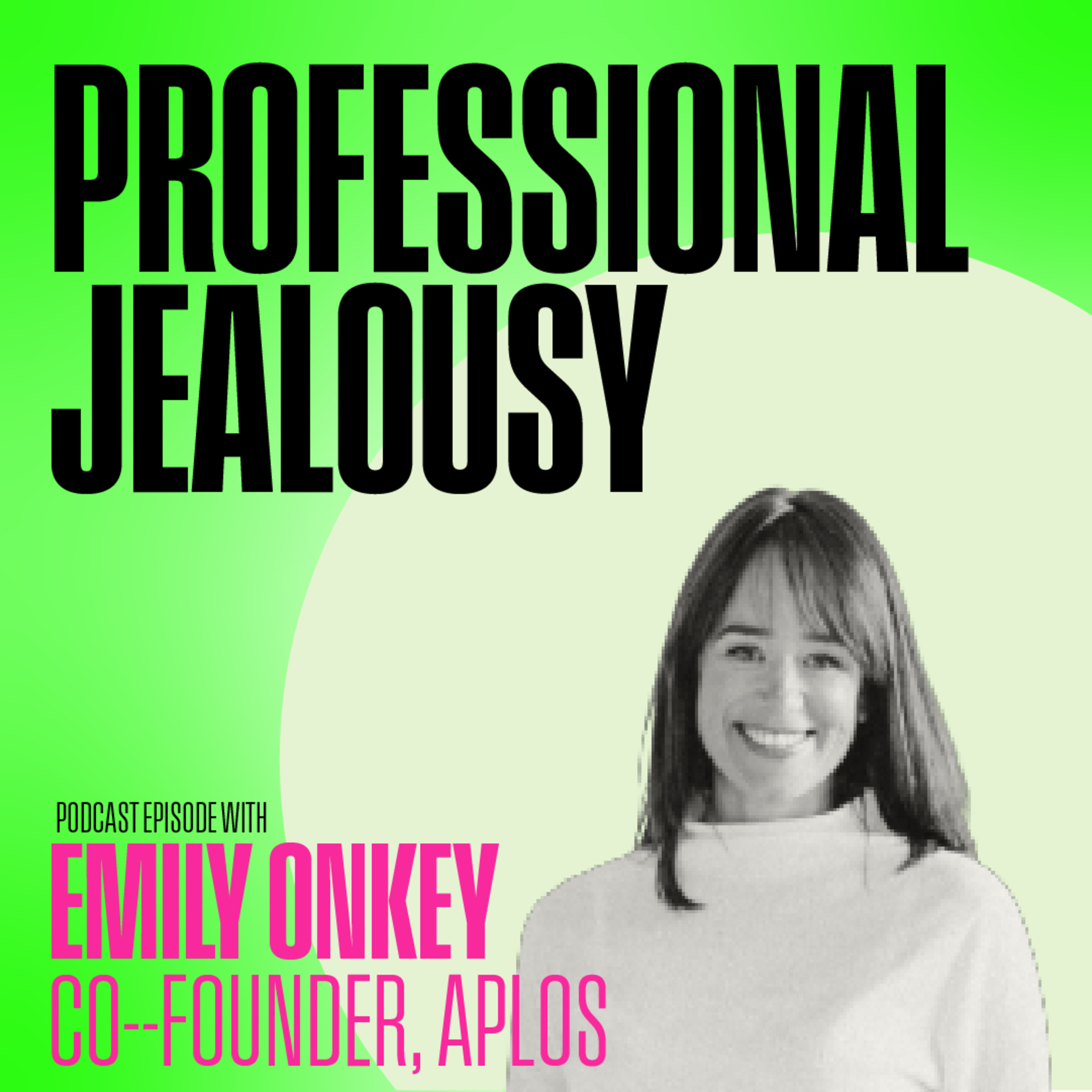
Emily Onkey, co-founder/CMO of Aplos, explains why she built premium non-alcoholic functional spirits for drinkers—aiming to replace alcohol’s ritual and social effects with hemp/adaptogen/nootropic blends, and to shift culture from “sober vs. drinkers” to moderation and choice.
Emily Onkey is CMO/co-founder of Aplos. She previously worked in brand/marketing, including a stint at Estée Lauder, and earlier worked in startup brand roles (Bonobos; David co-founded/overlapped there).
Alcohol “hits differently” in early 40s; Aplos uses ethanol as one functional ingredient among many. The category’s growth reflects moderation trends and reduced judgment. Luxury branding and mixologist validation matter. Founders should disrupt one area, then work within existing beverage distribution systems.
Aplos Calm (broad-spectrum hemp; “three cocktails of calm”); Aplos Arise (adaptogens/nootropics; “social lubricant” for extroversion). Consumer example: Donna, 55–70, Chardonnay drinker who sleeps better after switching. Mixologist Lynette Marrero helped set formulation standards.
0:00Natasha Jakubowski: Coming up in this episode of Professional Jealousy. I'm turning 45 next week. I think in my early 40s, alcohol just started to hit a lot differently. It feels like you've had a glass of wine, but you could have three cocktails of calm and still feel like you've had one glass of wine. Let's be the non-alcoholic mixologist, respect and admire and are excited to put on their menus. We're not going to do everything right, but we always need to be learning and then doing it better. That culture will change you before you change that culture. If that's not a change you want to see in yourself, like, leave.
0:36Natasha Jakubowski: Hi, I'm Natasha Jakubowski, Chief Innovation Officer at Anomaly, a global marketing agency. And this is my podcast, Professional Jealousy, where I'm lucky enough to talk to people that I'm impressed by and want to learn from. And today I'm talking to Emily Onke, the co-founder and CMO of Aplos, a line of non-alcoholic functional spirits and ready to drink cocktails. Emily, hello. So nice to see you. Thank you, Natasha. It's so good to have you. For people who don't know your brand, can you give us the elevator pitch for Aplos? Yes, absolutely. So at PLOS, we craft functional non-alcoholic spirits really with the intention of giving you a liquid quality that matches the sensory experience and the ritual that you crave in a traditional cocktail.
1:34So we really firmly believe ethanol is one of many functional ingredients that can make a great spirit. And for us, that means we use ingredients like broad spectrum hemp or adaptogens and nootropics and really are able to deliver what we love about the drinking experience, like that sense of connection with people or that sense of ritual and unwind at the end of the day. But we're able to do it without a lot of the negative effects that happen with traditional alcohol.
2:01Natasha Jakubowski: Yeah, amazing. I mean, it's as someone that is getting older and thinking about health, you know, I really, yeah, I've noticed myself like cutting down on alcohol so much. What was it that led you? What was your aha moment? Talk to me about how this all began. Honestly, what you just said, like I'm turning 45 next week. I think, you know, in my early 40s, alcohol just started to hit a lot differently. My co-founder, David, actually, he and I really come at this from different perspectives. And I think that's created a really great tension in the way we think about Aplos versus traditional alcohol.
2:46And I really enjoy drinking. I think for me, that experience just comes with a higher cost now, which means it's worth it more. It's worth it less frequently than it was. So we felt like there was an absence of really luxury options and things that that delivered on the quality you expect. Like a great cocktail is a small luxury at the end of the day. And we wanted to make sure that that was something that was available, even if it wasn't in alcohol form. David, my co-founder, is more of a reluctant drinker. I think he always felt like he never really enjoyed alcohol at all, but just did it out of social pressure.
3:22And so between the two of us, I think we kind of we bring two unique perspectives to the category. But but I agree. I think what we're seeing is just even when we launched Apple's in late 2020, it was still a bit of a binary where it was like drinks for sober people and drinks for drinkers. And I think what we've seen happen in the last six years is this momentous shift towards moderation. So it's interesting when we talk to investors about TAM and all of that, like it looks so different than it did even just six years ago. Yeah.
3:54Natasha Jakubowski: Yeah. No, it's amazing. The change in the market, you know, the impact of, I don't know if it's like too much drinking, COVID, plus a whole new generation who, you know, don't automatically think of alcohol as the way to socialize the, you know, the legalization or normalization of cannabis, CBD, and then health. Yeah, it's kind of like, you know, the impact of sleep and everything. But I love the idea that, have you changed how you've thought to talk about it? Because I do think there's that interesting going from a black and white, you know, not drinking versus drinking to moderation and actually just having more flexibility, not having to say I don't drink, but, you know, I choose how I want to kind of think about the, you know, the selection of choices.
4:58Absolutely. I mean, we, I think I've always thought of Apolos as a drink for drinkers. Like we've always kind of positioned it that way and get really guided a lot of our ethos around our standards for liquid excellence. But from just like a consumer perspective, we, again, we really wanted to have options. And I think when you have that binary, people feel labeled, they feel judged, and that's never, ever been our intention. I think the really cool thing that's happening in the non-Oc space and just in culture at large is that some of that judgment is sinking away. And it's interesting, David talks about that a lot, that he felt like a sense of judgment if he didn't drink, like he wasn't fun or people didn't want to date him.
5:40And I think that, I mean, I remember being pregnant at work dinners and like being petrified. Someone would notice because it's like, there's that saying, like alcohol is the only drug that if you don't do it, people think something's wrong with you. and I think that's a really interesting kind of sentiment that's starting to get flipped on its head a bit and people are are taking a double look at that especially Gen Z who's just um
6:00Natasha Jakubowski: approaching it really differently yeah it's interesting that the hemp aspect of it um does that does that go does it have kind of a social lubricant or you know the lower that's one of the things I hate the taste of most alcohol and I think if I'm honest the only reason I really used to drink was just just to have you know let down those social kind of you know yeah I think it was all about just being a bit more relaxed and less you know more open yeah is at plus does at plus have that kind of social lubricant, like relaxation, functional kind of? Yeah, I think so. We have two spirit. We have two primary spirits.
6:49Our debut spirit was called Apollos Calm, and that has broad spectrum hemp. So I would say that it's very much for like, I'm shutting my computer at the end of the day. I want to mark that transition from like the part of my day that I had to do into the part of the day that's like what I want to do. And that gives you that reason to pause, which is really beautiful. So that one is really more of a like round out the edges. It feels like you've had a glass of wine, but you could have three cocktails of calm and still feel like you've had one glass of wine. So it's a nice approach. And then we have, we created a spirit called Apples Arise.
7:26That's very much for what you just said. And it's funny when we, when we looked at working with our partner on the functional ingredients, that was literally the brief was like making social lubricant because I don't know about you, but walking into a room of people is like, you know, it's, there's a social anxiety that most of us have at some level. Um, and you kind of beeline for the bar because it feels better to have a drink in your hand. And so we wanted to create something, we use adaptogens and nootropics actually to make this proprietary blend that it has ingredients like, um, like sun theanine, alkaline by tartrate and a really beautiful extract from the moringa tree that is called the tree of life.
8:05But these are all ingredients that actually like calm your nervous system, but help you feel like a more extroverted version of yourself. And I think that's what's really lovely in a social environment because there's a lot of love. And the reason we drink alcohol, I think, is just what you said. Like you want to get out of your head and you want to feel uninhibited. And, you know, adults aren't great at those two things. I know. Alcohol literally has helped. Yeah.
8:29Natasha Jakubowski: No, it's interesting because, yeah, I think that's amazing. And as a strategist, I'm curious, did you have, and obviously you've started on the kind of marketing side. When you briefed or thought about the creation of this brand, you know, I love Apolos, it kind of this simple in Greek. Talk to me about how you thought about the brief for your new brand. Like, did you have a positioning line or a kind of strategic? Yeah, I love that you're asking this. This is so timely because we're actually we're actually revisiting this right now. Right at the top of my mind. But we did. We wanted to create I think we wanted to make something that was an antidote to sort of this like always on productivity culture that that gets a lot of people into a cycle of of drinking alcohol.
9:23like you know you're kind of like in demand all day productivity is in our culture like really prioritized and that ability to just pause and look at the simple things around us and notice like the most of meaning in our lives comes from those little things it's not from these like big things it's not from the rush or the hustle a lot of it is like you know how can we help people to just pause and look at the ordinary things around us that ultimately have a ton of meaning in our lives. So that's where the Greek, yeah, that's where the word simple comes from. And then we use the term a lot, natural magic, when we launched.
9:59And that was really a nod to that sensation of, of looking around and really like being mindful of what, of the environment you're in and the people you're with. But also from a liquid perspective, it made a lot of sense because we, we were using these functional ingredients that were of the earth and plant-based and it has this sort of like, you know, this sort of magical potion type like quality to it.
10:25Natasha Jakubowski: Yeah, I love it. And obviously the branding is kind of fashion, luxury meets beverages. There's something sophisticated. Like how did you think about that? Did you have a kind of persona in mind or analogs that you were thinking about as you created the kind of look and feel and visual identity? Yeah, I started my career after business school. I did a brief stint at Estee Lauder, and I think that time really, really stuck with me. And then I give a ton of credit to David, my co-founder, for really shaping this world. We wanted to make something that was sophisticated, something that was sexy, something that felt really aspirational.
11:10And no one does that better than luxury, beauty, and fashion. And so we've taken a ton of cues from that world. I think beverage in many ways can be a commodity. Like you can't own the formulation, but what you can own is building out a world around it and a feeling and the way, you know, inviting people into that in a way that really speaks to them on an emotional level is something we felt like was really paramount.
11:36Natasha Jakubowski: Yeah. Yeah. No, amazing. It definitely sticks out because I think it's an interesting category that's you know again probably didn't exist you know 10 years ago and now there are it is getting increasingly uh increasingly crowded with various different types of uh non-alc offerings um how do you think about protecting your kind of moat or what makes you stand out uh emerging category i mean this is right in your world but we we are um we're really when we entered the market in we we went to market in december of 2020 it was the heart of covid the point earlier a lot of people were like increasingly uncomfortable with their alcohol consumption um and the category at that time was sort of seed lip there was um yeah as a brand had launched.
12:32Can You Forex was on the market, but it was, it was, there was so much white space. And what you've seen, what we've seen over the past four or five years is just this massive influx of brands, particularly on the RTD side, coming into the space just because, you know, consumer demand has been there, but it's almost like this, this space has given people permission to admit that they don't want to drink as much as they had thought they needed to. And so we think about that a lot. When we're thinking about going forward, we're actually like working on this brand work right now, really to sharpen our edges and make sure that we are as differentiated for the next five years as we were in 2020.
13:16So that's been a fun process.
13:18Natasha Jakubowski: Okay. Well, if there's anything I can, I'm happy to be a sad support. How do you think about your consumer? Who is your consumer? Yeah. So we launched as a D2C brand because of the timing. And David and I both met at a company called Bonobos back in the day that was one of the early e-com brands out there. And at the time, selling men's clothes online was like insane. And, you know, obviously, I think for a beverage, 96 % of beverages are purchased at retail and not on e-com. But when we launched, consumer behavior was really focused there. So we had the benefit of creating, you know, two years of business growth with that one-on-one connection with every single person you purchased from us, which was really lucky.
14:11And our consumer, it's so fun when you make a brand and you have an idea of who this customer is in your mind. And then you put it out there and you couldn't be more wrong. And it's just so funny. So we thought our main consumer would be sort of a coastal, young millennial, like very wellness-oriented Pilates kind of woman. And it's goopy. Yeah, very goopy. Exactly. That's a great analogy. And it's not. It's Donna, who is 55 to 70. Okay, older.
14:50Natasha Jakubowski: Much older than I thought you were. Much older. And this has evolved as we've grown, but much older. She, I love her so much. She drinks Chardonnay every day of the week. She knows she shouldn't. She's done it for years. She doesn't sleep well. It's empty calories. And she found Applo's Calm and it satisfied every single element of what she likes in her drinking experience, but took away what she doesn't. Like she sleeps better. She's not getting empty calories. She tells all of her friends about it. And that was just a really cool experience to see who, you know, where you hit the people you thought you were going to hit.
15:26But then these like these these cohorts emerge that you just never expected. So as we've grown into our wholesale business and retail placements, that demo has shifted extensively. Like it's a lot it's a lot younger. I think we're seeing now like even just with pricing changes and entering the RTE category, we're seeing a much younger millennial Gen Z emergence. But yeah, it's such a fun experience. So I think of our customer and cohorts and very much as psychographic as well. Yeah.
15:56Natasha Jakubowski: Yeah. No, so interesting. Talk to me about that progression. So DTC and obviously, you know, during COVID, that's perfect. And then moving into retail, like how have you scaled? Like what's your marketing strategy been? It seems like your distribution has kind of gone from DTC going into wholesale on premise. Seems like it would be a good thing. But talk to me about how you've thought about scaling. Yeah. So we were exclusively D to C for the first 24 months. I actually think we were slow to the wholesale side, which, you know, when I write my case study one day, I will point out that we stuck with what we do for too long.
16:39Natasha Jakubowski: Yeah. But yeah, I mean, consumer behavior kind of needs to dictate where we're available. So being an omni-channel brand is massively important. And we now really treat our e-com business very much as like our high LTV subscriber channel. And then really are focused on our retail growth. And on-premise is a massive part of that for us. So we've identified three key markets. We have multiple feet on the ground in each of those and really able to build out menu placements and hospitality placements that can help guide the brand, drive awareness, drive credibility. and help kind of grease the wheels for our presence in chain retail.
17:21Natasha Jakubowski: Yeah, that's so interesting. So feet on the ground in terms of sales people? Yeah, yeah. We are our wholesale business, kind of that general market on-premise business is booping. And it's really fun to see. I think we've always from day one, we work with an amazing mixologist named Lynette Marrero. She helped us. David and I, you know, we know what we don't know. And we brought in Lynette to really round out the F &B knowledge in our space. And so she's been instrumental in all of our formulations and our product development guidance and in making sure that we made a drink that mixologists loved.
18:01And I think that set our bar immediately a lot higher than let's be the best non-alc in the category. Like, let's actually be let's be the non-alc that mixologists respect and admire and are excited to put on their menus.
18:12Natasha Jakubowski: Yeah, interesting. It's funny, I did read about your mixologist, which is amazing. And actually hearing about the scaling, it strikes me that it's almost quite an alcohol brand playbook. Yeah, it is. I think that's a really fun point. Our space is definitely figuring itself out. The alcohol industry operates in a highly specific way because of the three-tier system and the regulatory environment it exists in. And oddly, we don't have to operate in that environment. But oddly, we do have to operate in that environment because that's where the buyers are and that's where the distribution happens.
18:52And you work with these, you know, you work with distributors who understand and have those relationships. I've I've coming from beauty and fashion. The beverage space is incredibly relationship driven. You know, things don't happen. Sales happen in person. They happen on the talking on the phone. Like no one checks email. No, it's just a really it's a really interesting subculture. And I think understanding that means that you really do work in the alcohol structure in a really in a really interesting way. that is, it can make the unit economics of the business different. But at the end of the day, that's sort of, you know, you're building a plane while you're flying it.
19:36You can't also build your distribution channels. Yeah, no, so interesting.
19:42Natasha Jakubowski: I didn't realize that when I was looking into your brand, that it would be quite so structured in that similar way because I guess you've gone much more on-premise. um any any uh advice for anyone thinking about going into this kind of space creating a premium beverage brand um like what what are things that you wish you'd known that someone had told you is that you didn't you know i think it's interesting thinking should have should have actually gone from dtc to broader distribution earlier but what else uh what else do you do you think you you you would advise people i think um i think that in some ways we're a disruptive brand because we're doing things differently um from a liquid perspective but i think pick one area to disrupt in and then work in the existing system because like to your point about functioning in the alcohol system i i have idealized stepping out of that and like carving our own path and there are more efficient ways to do this.
20:49And, and you really, you can't, you, you can't efficiently innovate on every front of your business. And so I think like we're working on consumer behavior, we're working on innovating an amazing liquid, like work, then work in the channels that you can, that are, that are available to you without trying to like also build that from scratch. And then I think from kind of just a funding and a funding perspective, I feel like give yourself, as a founder, and this isn't new news, but it hits because no one goes into this to fundraise. it's going to be an inevitably massive part of your job. And I think that that's beverage in particular is so expensive.
21:36And it's just realistically going to be something that is a skill worth honing and worth getting comfortable with. And if you don't feel like that's for you, like, give it a second thought, because it is just sort of an always-on mechanism of your role. Um, last thing is because our space has had this kind of been inundated with so many new brands coming in, I would, I think like have a good long look in the mirror about why you want to come into this because there's a lot of garbage product in our category now. And I say that not from a place of ill support for all of those brands, but I say it from a place of let's create a category where people have a passion for the liquid and a passion for building something long term and not a cash grab at a cultural opportunity that's out there because it shows.
22:29And consumers suss that out pretty quickly. um but at the same time i think when someone's like oh i want to try and this not out category there's a lot of buzz around it i'm so we're curious it's such a bummer if they go in and try a few things that just don't have the soul and the quality and then they don't deliver on
22:47Natasha Jakubowski: what they promised i think yeah yeah uh so many things to unpack there um just quickly on that i mean i do i do feel like i mean it's interesting beverages like beauty i think is one of the uh two of the craziest categories you know just like the barrier to entry uh not necessarily for something good but you know it is quite low I almost feel like there's a bunch of noise like disposable brands coming in that will be gone you know partly because I'm not sure they were trying to build something long term or they you know the kind of I don't know the perception of It's sexy being a founder and trying this and it's going to be much easier.
23:33Natasha Jakubowski: Where do you see this going? Yeah, I mean, it's not that simple. That's the first thing. I think that the market sort of sorts itself out, right? I feel like we've had this inundation of new brands and we're such a fragmented category. Like no one has, it's really interesting in our space. I think because it is so many incumbent brands and then we're sort of like, we're like these startups are finding their way. There, there isn't necessarily a clear winner yet. And there's room for more, there's room for multiple winners, which is exciting. But the, the really quality liquids are going to find their shelf space.
24:18They're going to be able to hold onto their shelf space and, and, you know, the rest of them will still sort of, those, those will rise to the top. so it'll correct itself it just I think it lengthens the it lengthens the growth curve
24:30Natasha Jakubowski: yeah um you did talk about you know and it's it's funny I I help a lot of founders um and I do think the thing that you mentioned is the thing that people literally just don't quite realize until you're in it which is you are always kind of fundraising even if you're not literally fundraising you know around you're making sure that you're thinking about when you're going to or you're who who you're meeting who could be useful next time around give me a quick snapshot of your kind of fundraising journey yeah um so we raised we did uh friends and family um from the get-go and then we raised a series a and closed it in april of 2023 um and then we closed sort of We closed our next round in October of last year.
25:25And you are, I think, from the day. It's funny when you do this process. There are these milestones that, if you had told me that, like, the day we got the, the day we closed those rounds, you would think is, like, a peak happiness day, right? Like, you've achieved this major goal. And oddly, it's, like, that's not, for me at least, the experience. You end up having these moments and glimmers of like excitement and joy and fulfillment when you least expect it. And when you expect it somehow, it's not what you imagined. So I think that's like been a good thing to reconcile across this. But as soon as you close around, you really have to sort of be thinking about, A, like, what is, you know, it's a big responsibility to take that growth capital and deliver on what we said we were going to do with it.
26:13And B, what does that case study need to look like to be able to do this again?
26:18Natasha Jakubowski: Yeah. No, it's so interesting. Any thoughts? So you're on the marketing side. I'm always surprised how few founders I've spoken to have come from a marketing role. How do you think it's impacted how you kind of think about building your own brand? The past experience, Estee, Lauder, in terms of really helping you think about luxury and how to position. But like what else, what have you kind of really, what's helped you in your kind of career journey? Yeah, I mean, by far the most influential piece to me has been working for other founders. That to me, like I was, you know, I was a bonobos. I worked at a brand called Saludos.
27:12David, my co-founder and I came, both come from the brand background. And so there's something infectious about that startup energy. We'd seen there was a joke for a while. Like, I think Harry's has the same reputation. Bonobos had this reputation where like all these alums graduated and then started their own businesses. And there is there's there's something infectious about getting to do it yourself after you've been so close to someone someone's other journey. And I think for David and I, we really believe in brand. And I think a great passion we have is finding these cultural shifts and understanding the psychology and the momentum driving them and then being able to deliver on something that speaks to people and makes their lives better.
28:02And I think that's a lot of what we've wanted to build as a brand is something that closes that gap for people and gives them permission to live their life a little differently than they have in the past.
28:13Natasha Jakubowski: Yeah, I love that. And what's been the hardest thing about being a startup founder? Something they don't mention at business school or mention on LinkedIn. What are the things that you found hardest? I think that you have to love solving problems. And I think you have to love uncertainty. And I've come a long way. Like, that's not perhaps my natural state. And it's something I'm really proud of because I've had to really, like, flex that muscle and work hard to develop it. But, you know, a ton of your job is troubleshooting and taking unknown, you know, or half information and making the most informed, best decision you can, standing by it and then seeing it through and learning and then trying again.
29:03And I think that sense of resilience and I guess like in some ways I'm like, am I just like a sucker for, like, I don't mind failing. I mind not learning. And I think that's kind of like the mentality that Dave and I have had across the last six years is we're not going to do everything right, but we always need to be learning and then doing it better. And for us, that's been a really, it gives you permission to try things and it gives you permission to have big wins, but also like not, you know, not beat yourself up at the losses.
29:42Natasha Jakubowski: Yes. Yeah. I think that is, I mean, like, I think it would be very hard to be a founder and really worry about failure. I almost wonder if like part of the entrepreneurial mindset is actually not being as like the idea of failing or that idea of you just keep going nothing irks me more than not meeting a goal and not understanding why but i'm not very irked i'm not very irked if i understand why and you're like okay this is what we need to do next time this is what we need to do next time um and that's you know that's that's a mindset i like i think suits me well as a founder but the the level of uncertainty and just the accountability you feel towards the people who believe in you is, it's big and it, you know, I feel it.
30:31Natasha Jakubowski: Yeah. Interesting. Do you have mentors? Do you have like, how do you, do you have a support system? I do. So I live, I live out in East Hampton and there's oddly like this amazing, amazing community of female founders out here who are wildly successful and dynamic and either like behind you or ahead of you in their, in their trajectory. And it's just like, I feel so lucky in that sense to have that, like when you're having a tough day or a problem and you need fresh eyes on it, like, you know, going for a walk with a friend and like talking through it from someone who's really actually been there.
31:12And I think that's massive. And then I lean a lot on, I love groups like the WeSuite and the Female Founders groups like those things I lean in on a lot as well just because there's something there's something really important and beautiful at the camaraderie of people who are facing similar challenges and it's it's like it I don't know it's like that shared shared shared challenges kind of are also divides the like stress of them because as you know everyone's in a similar boat yeah amazing
31:44Natasha Jakubowski: Yeah, actually, I interviewed Deepoku, the WeSuite founder, and Rebecca Minkoff. There you go. They're like, they're so good to hear that that actually is, you know, beyond a kind of networking is actually a real resource. Any other advice for female founders in particular, thinking about how to, you know, either how to start or how to keep going? Like I think resources and actually being able to find people to bounce ideas off is so important. Yeah. I mean, that's for myself been a really momentous resource. Um, I think, I think for other female founders, one thing that's been really beautiful to me, I went through business school feeling like there was a certain way to be a leader and a certain, you know, a certain definition of what that looked like.
32:46And I think coming into this and meeting these other people, there isn't one way to lead. And I think that is really, has really helped me step into my own confidence. I tend to be more of a coach type leader and I'm self-deprecating. I don't take myself super seriously. And I'm like, does that make me a bad leader? And I think that's been a really beautiful experience is to understand that leadership doesn't look like one thing and that you can have, you know, give yourself a little flexibility in what works for you and the type of impact you want to have is the most important part. The style of it can vary.
33:23Natasha Jakubowski: Yeah, I think that's so interesting. I think as someone ambitious, I think I definitely started out, you know, mirroring what I thought a leader should be, which is often quite a nail, loud and whatever. So I probably have a bit too much of that still, but I think realizing that there are many ways and actually making sure it's you is so much of that. Like, I feel like my presentation style now is fully understanding that I am better when I'm just more like me versus trying to be a good presenter, you know? And that means passionate and a little bit like handy and all over the place. But that works because it is much more how I express myself.
34:20Natasha Jakubowski: So I think that's so interesting. Any other things that you've realized along the way? I think, I mean, I think there's, I guess the biggest, and this might come to like just good advice that you've gotten. But I feel like in co-founder relationships, a lot of them don't go great, don't go well, like they don't end well. And I think David and I, almost like a marriage, have prioritized the health of our relationship. We've invested in it. We do. I call it couples counseling, but we do executive coaching together. And we both have a comfort with vulnerability and learning from each other that's been really paramount in us being able to do this together for, you know, six years and counting.
35:11And I think that's been one of the most rewarding parts of this entire experience for me is that becomes a really special relationship. So if you are thinking of founding something or having a co-founder or even really any leadership that you're bringing in at the very beginning, those relationships are worth investing in. And they're just so important. Like, choose carefully.
35:34Natasha Jakubowski: Yeah. How did you meet David? David hired me, actually, at Bonobos. He was really early on there. He was the first head of brands that they had. And then he hired me in. So we overlapped. And they're just certain people you meet through your career. I'm sure you've had this experience that you, you know, you operate on a similar wavelength. You share similar work values and an ethos. And he and I have, at our best, we have this magic where we can sort of bounce ideas back and forth and brainstorm together and just come up with something that was so much better than where we started. And that magic feels like palpable when we're in those scenarios.
36:15So I feel like we found each other through that experience.
36:21Natasha Jakubowski: Amazing. What's your ambition? It can be personal. It can be for at plus. for the future. What are you hoping for? Yeah, I mean, I think for Applos, we've always wanted to create a timeless brand that will change the bar of the future. So the shelf of a bar already looks very different than it did when we started this. And it shows no signs of changing. And we want to make sure that Applos is, you know, top shelf there for the long haul. And I think what's come from that desire that's actually been more poignant than we expected is the sort of service that that's provided in people's lives and the vastness of why people are gravitating towards Aplos.
37:14if it's something that like they struggle with alcohol. A lot of, we hear from a lot of people who are in cancer treatment and want to go out with their friends and feel normal and still be able to like hold a beautiful piece of stemware with a beautiful elevated cocktail. And we can give that to them. And those stories mean a lot. And I think that's, those are the things you're building that have substance and teeth in them that you feel like you're really onto something important.
37:39Natasha Jakubowski: Amazing. Running out of time. So we're going to go to quick fire. Let me think. What do you think? What's been your superpower? What's helped you be successful? I think that's a really good question. I mean, over the course of my career, I would say an openness to new opportunities and just a core belief in myself. I question myself in small ways on the daily, like not to mislead. But I know that when push comes to shove and my back's against the wall, I have a core strength in me that I will be OK and that I can, like, get through a challenge. So that's served me really well. And I love I don't know.
38:28I've never been someone who's big on, like, a really linear career path. I've bounced. I've, you know, I've done consulting. I went back to business school. I worked in beauty. I worked in I bounced around because my husband's career took me places and I've always landed on my feet. And I think that's something I, as I'm reaching my mid-40s, something I'm very proud of. And I have a newfound appreciation for that ability that I probably just didn't even recognize in myself before.
38:56Natasha Jakubowski: Amazing. Biggest misconception about being a founder? That it's sexy. I mean, is any job sexy when you get into the nitty gritty of the day-to-day? I love it. And I think I love the challenge. I love that no day looks, you know, no two days are the same. I love the sense of possibility that's out there because you could do a million things and you have to distill it into like three things that you can do really well. And I love I love that challenge. I love the people it brushes you up against. But I don't think it's I wouldn't call it sexy. yeah yeah moments like this and getting to do podcasts and talk about your work that feels sexy um after this I will dive into a spreadsheet and disappear for like an hour that doesn't feel sexy amazing um anything that you're working on getting better at um yeah definitely I think um I've learned a lot from David he has a strong commitment towards coaching and self-improvement and self-awareness and I'm following suit so I'm I'm I'm working a lot on kind of stepping into my own leadership power understanding where there are gaps and how I want to be perceived and how I'm perceived and that's been a that's going to be a fun journey I'm at the very beginning of it and it feels it feels a little bit daunting right now but um But I think I'm excited for what's coming up.
40:27Natasha Jakubowski: Interesting. Okay. What's the best career advice, worst career advice you've ever had? The best career advice I've gotten was from my old boss, Alicia Lauders, who she's now the CMO at Crate and Barrel. And she, I reached out to her. She's been a mentor. And I think kind of the first person I worked for who had a job that I was like, oh, I want that job. I want to be her one day. And I think I think I remember she she told me that if you're if you're working somewhere in the culture is at odds with your values, leave. And I think that I think that actually was really valuable advice because we're so often taught to stick it out and, you know, make make an impact and just hang in there and be strong.
41:17And I think that her point was that that culture will change you before you change that culture. And if you're not, if that's not a change you want to see in yourself, like, leave. So I thought that was really poignant advice because it was at odds with sort of how I'd always viewed the situation. The worst advice, I think, is this idea that, like, the length or tenure of someone at a company is indicative of their skills or their quality as an employee. And I think that we just don't live in that world anymore. Um, that's not, that's not the reality. And there's a level, especially in marketing and creative spaces where there's a level of curiosity and newness and freshness that people moving around bring, um, that isn't, isn't a bad thing.
42:09Yeah.
42:11Natasha Jakubowski: Yeah. I think that's really interesting. Um, what makes a good brand and what are some of your favorite brands other than at plus um i think what makes a good brand is having an an emotionally resonant connection with consumers outside of just the product itself so i'm a disciple i was i went to nyu so i was with scott galloway for brands um all through business school and i think you know he likes he likes to really boil it down to the calculus of the equation but again but the the difference between like cost of goods and what and what your brand can charge like that delta is is is reflective of the strength of your brand and I think that's um anyway yeah it's an interesting one any favorite brands you'd like to call out oh I've so I love I love brands I think um I just I love brands that tell a story and have a soul and that sort of show more than they tell.
43:11I was just watching the new, I was just watching the new, I think it was a Doc Moose campaign with Pamela Anderson and her son and they're just quirky and fun. They don't take themselves too seriously, but they tap into something really appealing about just like, and oddly relatable, but they do it in a really elevated way. So I think that's really, really beautiful. Then my friends brands who I just think have done an insane job and know who they are. In our space, I think Pathfinder is doing a beautiful job. They have such a tight brand ethos and identity and audience and aesthetic. Like, I love what they're doing.
43:50So, yeah. And then, I don't know, on the clothing side, I love all the way.
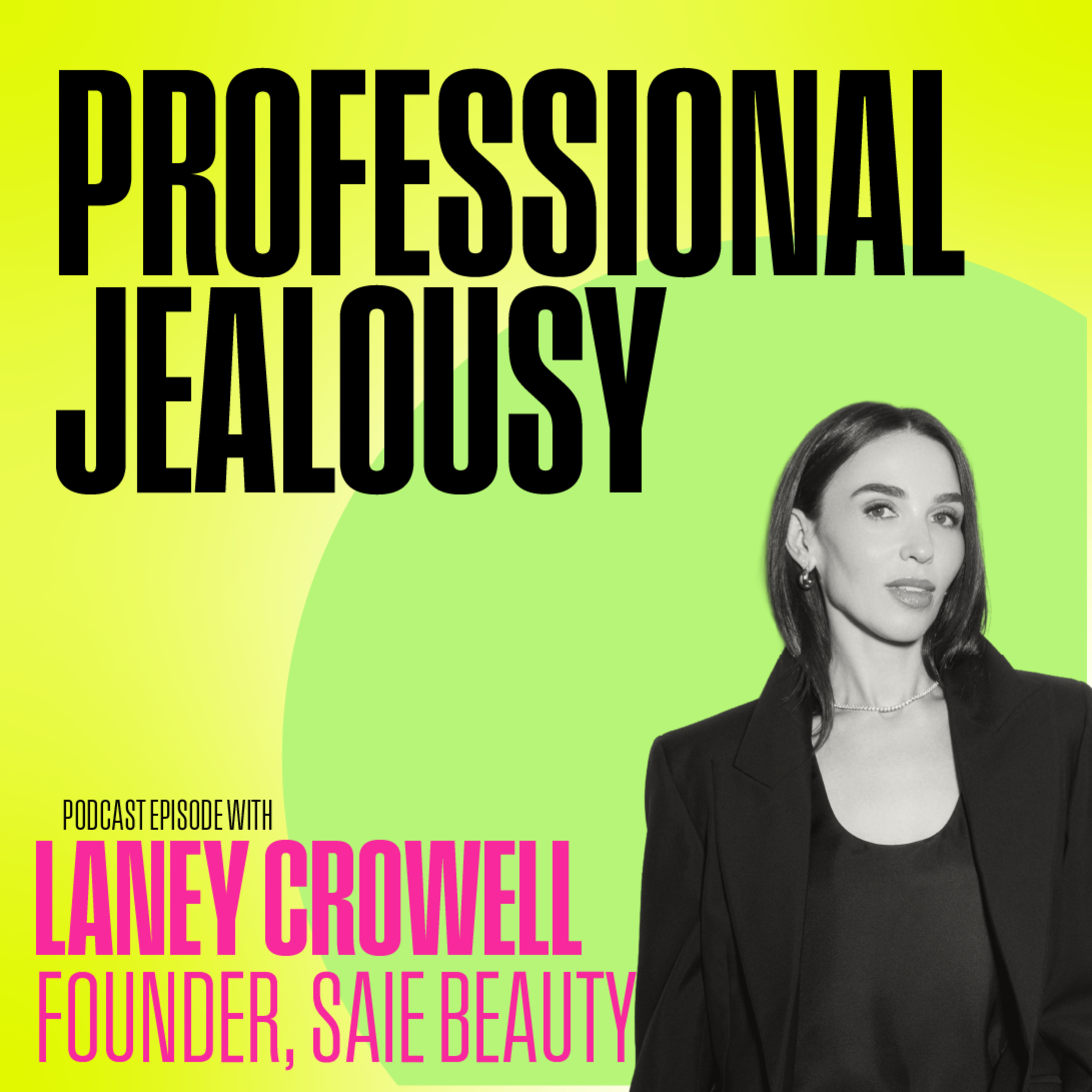
43:58Natasha Jakubowski: What's not to love? Amazing. Last question. tell me about someone that you're professionally jealous of um this is great um okay my friend Lainey Crowell is the founder of Say Beauty and I always tell her she's the Roger Federer of founders because she makes it look so easy she works her butt off and what she's built I just I have so much admiration for her for the focus and work ethic and um just just I think you know I think what she's done as an operator and a builder is really impressive. And I like to tell her that often because I'm so wowed by what she's done and really proud of her. Gosh, amazing.
44:47Natasha Jakubowski: Well, I might be emailing you to ask for some introductions for the podcast. That was amazing. It was so good to talk to you. Thank you for having me. It was really, really nice to talk with you. All right. Well, thank you so much for listening. um emily's journey and what she's created is um yeah i just i just love so much about it i think there's so many great ideas about you know tapping into real consumer needs shocking and thinking about how you can create a path that makes people's lives better i really love the idea of understanding what your leadership style is. And it doesn't have to be what everyone expects or the kind of stereotype often can be.
45:41Natasha Jakubowski: And I think a few things. I think the idea that you might not be someone that is confident about every single decision, but ultimately to be a founder, you need to think that you're good overall. that you can do this and that you're open to changing and problems and decision making. I thought that was loud and clear. So amazing. If anyone has any questions, please email me. Please check out other episodes on Professional Jealousy YouTube or wherever you get your podcasts from. Thank you so much. Share, subscribe, etc. Thanks.
46:27Thank you.
Aplós co-founder and CMO Emily Onkey set out to make a non-alcoholic spirit for drinkers, not just for the sober crowd. She shares how she built a luxury functional spirits brand, the customer who surprised her, and what it really takes to grow a beverage startup.Natasha Jakubowski talks with Emily about launching Aplós in late 2020, the cultural shift from sobriety to moderation, and how her time at Estée Lauder and Bonobos shaped a brand that borrows from luxury beauty and fashion. They get into hemp, adaptogens and nootropics as alcohol alternatives, why Aplós stayed direct-to-consumer too long, how non-alc brands still have to work within the alcohol industry's three-tier system, and why fundraising never really stops. Emily also opens up about investing in her co-founder relationship, finding her own leadership style, and who she's professionally jealous of.Topics: non-alcoholic spirits, functional beverages, sober curious, mindful drinking, brand strategy, female founders, DTC to retail, fundraising00:00 Introduction01:59 The aha moment behind Aplós03:51 From sober vs. drinker to moderation06:00 Aplós Calm and Arise: functional ingredients explained10:22 Borrowing from luxury beauty and fashion13:14 The customer they never expected15:53 Scaling from DTC to retail and on-premise19:37 Advice for launching a beverage brand24:27 Fundraising as a founder34:14 Investing in your co-founder relationship43:54 Who Emily is professionally jealous ofWatch the full conversation on YouTube: [link]More episodes: https://www.professionaljealousy.comAplós: https://aplos.worldProfessional Jealousy is a podcast where Natasha Jakubowski, Chief Innovation Officer at Anomaly, talks to founders, creatives and business leaders she's impressed by and wants to learn from.
Scan the code with your iPhone camera
Listen in the app.