
In short
```markdown Professional Jealousy Podcast - Episode 16 Summary
Episode Overview Title: Leveraging the Power of Community to Fuel Female Entrepreneurship Host: Natasha Jakubowski Guest: Dee Poku, Founder of The WIE Suite Release Date: [Insert Date]
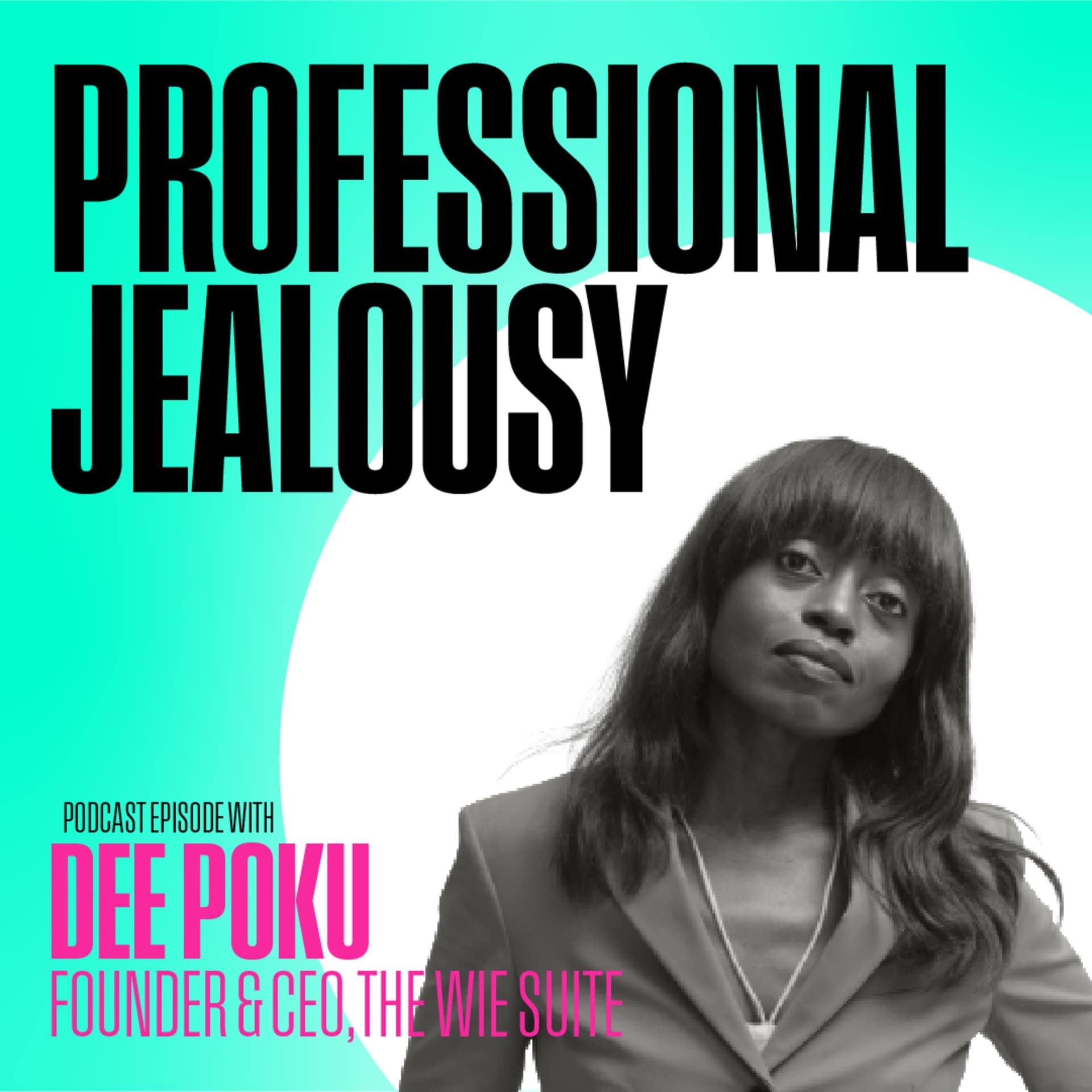
In this episode, Natasha Jakubowski interviews Dee Poku, the Founder and CEO of The WIE Suite—a private membership community designed to empower women leaders, innovators, and creators. Dee discusses her journey from a corporate career in brand marketing to entrepreneurship, emphasizing the importance of community and support for women in business.
Key Themes and Discussions
- Transition to Entrepreneurship
- Dee Poku transitioned from senior roles at Paramount Pictures and Focus Features to entrepreneurship after recognizing the lack of safe spaces for women to grow professionally.
- She began hosting intimate dinners to connect women and share experiences, which eventually led to the formation of The WIE Suite.
- Challenges for Women in Corporate Culture
- Dee highlights the "invisible rules" that women face in corporate settings, such as:
- Navigating influence and decision-making spaces.
- Being heard and respected in meetings.
- Securing promotions and opportunities.
- The conversation emphasizes the need for women to actively seek visibility and advocate for themselves.
- Mentorship vs. Sponsorship
- Dee discusses the shift from traditional mentorship to active sponsorship, noting that women often receive guidance but may lack assistance in career advancement.
- She encourages women to be transactional in their networking, asking directly for introductions or assistance.
- Cultural Attitudes Towards Ambition
- The episode explores differing attitudes towards ambition and success between the UK and the US, with Dee noting that American women often express ambition more openly.
- She emphasizes the importance of owning one's narrative and ambitions rather than waiting for them to be recognized by others.
- Confidence and Self-Worth
- Dee shares her journey of building confidence, stressing the importance of self-belief and projecting a strong self-image.
- The conversation discusses practical steps for enhancing confidence, including preparation, positive self-talk, and cultivating a supportive environment.
Key Takeaways
- Community Building: The importance of creating supportive networks for women in business.
- Visibility and Influence: Strategies for women to increase their visibility and assert their influence in the workplace.
- Transactional Relationships: Encouragement for women to adopt a more transactional mindset in networking.
- Cultural Differences: Acknowledgment of the different ways ambition is expressed and perceived in the UK vs. the US.
- Self-Confidence: The value of confidence, preparation, and a positive mindset in achieving professional goals.
Professional Jealousy
- Dee expresses professional jealousy towards Emma Grede, co-founder of Skims and Good American, admiring her strategic partnerships and ability to leverage connections for success.
Conclusion Dee Poku's insights provide valuable lessons on the importance of community, confidence, and active self-advocacy for women in business. The conversation highlights the evolving landscape of female entrepreneurship and the need for supportive networks to foster growth and success.
---
Additional Links
- [The WIE Suite](https://www.thewiesuite.com/)
- Podcast available on: Spotify, Apple Podcasts, YouTube, Professional Jealousy website.
``` This structured summary highlights the key points and insights from the podcast episode while making it easily navigable and comprehensible for readers.
Written by AI. May contain mistakes. Listen to the episode to check what was said.
Transcript
Automatic transcript. May contain errors.0:04Today, I'm talking with Dee Poku, the founder and CEO of the WeSuite, a private membership community for women leaders, innovators, creators. Its mission is to redefine the way women leaders achieve success for themselves, for their companies, providing community and tools for them to thrive at the highest levels. I love that her career has evolved from marketing and entertainment and then she pivoted and we'll talk about that. She realized there weren't enough safe spaces, resources for women to accelerate their careers and learn from. So Dee is amazing. I've kind of seen you in various events, met you a couple of times, but I'm so excited to hear more.
0:51You were named one of Marie Claire's 50 women changing the world, a Crane's notable black leader, a catalyst changemaker, and a gold anthem award winner from the Webby. So hello, Dee. Hello, I'm happy to be here. Thanks for having me. Thank you so much for joining. I know I'm sure you're super busy. So I'm going to start with, you know, as someone that is a chief innovation officer, I always find it surprisingly hard to answer the question of what do you do at a party? So how do you introduce yourself when you're asked what do you do I say I'm an entrepreneur and I run a membership club for women in leadership that's my quick answer that's your quick elevator pitch um but it is so much more so if you were to expand that and and sell an investor how would you talk about it so the it's called the we suite and it came about because i uh you know as with most entrepreneurs i am a person who was confronted with a problem and so i figured out how to fix it for myself and in the process of doing that i fixed it hopefully for many other women so i was a woman in working in corporate culture for a large organization at the leadership level.
2:25And it was hard. It was just hard to figure out how to get to where I wanted to be. There are so many invisible rules in business. It's a very opaque process. You can like hit a certain level and then things just get complicated. And so, and also when I looked around me, I saw the guys, um, all sort of sharing opportunities and deals with one another. And I just wanted that for myself, um, and for women around me. And so I started hosting these dinners. It was never actually intended to be a business it was just more that um I wanted to you know bring other women together who might be experiencing the same thing and to get their insight on on how I could uh sort of navigate my own obstacles and so and the just the dinners were great you know they were very well curated because that's really what I'm very good at is like bringing interesting people together and connecting them and so we would just sit and dig in and then you know anyone who came to dinner they would always like reach out and ask if they could you know invite someone else and you know the word spread and other people would reach out and like and ask about these dinners I've heard about and how do I get to come yeah and so we went from these very small like eight person dinners to literally taking over entire restaurants for 50 60 people so um so eventually you know there's there was just that realization that there's a gaping hole there's a there there and there's a way I should be paid uh to do this and to be able to do this at scale so what was was there a moment where you're like all right I'm gonna do this I'm gonna leave my safe job and actually become a founder become an entrepreneur like what was that what was that trigger point I mean my advice always especially for people who are in nice safe jobs who have an idea is you know I don't necessarily advocate just leaping I always think it's good to be smart about those these things especially you know if you become used to a certain you know level of comfort and um you know a support system that that allows you to do what you do so for me it's very much about putting all the infrastructure in place that supports you know the eventual um the ability to sort of self-support and so creating your business plan building your website creating your materials getting a client or you know signing up customers like just doing all of that to ensure that you have something and so but you know that's what I did with this membership was I I sent a note to it was I think it was like a hundred women and I said look I'm building out this thing and I would love you to be a founder member what do you think and about 75 percent of then said yes and very quickly so that really just gave me the courage to go forward that was product market fit product market fit exactly there's a there's a real thing here that's amazing um yeah what it is can you talk about some of those invisible rules I mean I know when I think about it you know I think any woman in business can probably think of uh quite a few and, you know, the challenges that happen, especially the higher you get.
6:16But what are the sorts of things that you hear most from your members? So it's often about getting, it's about influence. It's about how to have influence in your organization. It's about how to get into the right rooms, decisions being made around you, decisions being made which is you know one of the trickiest parts of work from home right is that and and work from home is great especially for women and especially for women who have families but you know the downside is that you're not sort of wandering the halls or getting water from the machine and then tapping into what's going on in the same way so it means that you have to be invited in which is always tricky so I you know it's really about um you know their voices being heard getting buy-in for ideas sitting in meetings and feeling respected getting promoted um getting bypassed um for roles or you know or plum projects um and trying to figure out what the rules are and how to ensure that they apply to you in the right way.
7:37Yeah. And that's very nuanced. Yeah, it's interesting. Even just, I think it's a big insight about how do you get invited in, you know? I think a lot of, when I talk to a lot of women, there's always the sense that, yeah, I should be there. but how yeah what is some advice uh to be invited in because i think a lot of people do think i should be there but i'm not so how how how would you suggest people think about it absolutely it's hard but but but it's doable i think that some people have that um intuitive ability to figure it out like i remember sort of working with someone you know who was very clever about how she navigated spaces and how she built allies and I think that allyship is really key to it it's like you have to make friends like you have to spend a lot less time head down in your books and a lot more time building those relationships and building trust and ensuring that you are are seen like you have to make yourself seen and I remember there was that huge um uh scandal when you know Sundar the CEO of Microsoft talks about like women being patient and you know like it'll come to you that's just not true and that's why he got all of that blowback right is that we have to it might apply to men and don't make this all gendered I mean everyone sort of navigates many of the same things but certainly for women there are assumptions that are made about what we're capable of up to a certain level and so you have to force the issue yourself and you have to be clever about how you do it because the same rules don't apply to you and so you can't you know stride into rooms and be you know sort of bullish and bombastic in the same way because it's just not received in the same way so it's a lot about listening learning building allyship showing up to everything you can um and slowly but surely understanding what it takes um to get to the point that you want to be at and also like making it known and clear to yourself and to the people around you like don't be coy about it like it's a thing that you want make sure people know yeah I think that's a huge thing like actually being clear I think a lot of I mean not just women just people generally but I think women often don't articulate the thing they're feeling surprisingly you know we're good at feelings but actually saying what you want um there's an element it's much easier to you know and I know with myself I'm like they should know this they should know I want this but actually pushing yourself to to be clear is is a surprisingly simple thing that people don't do which is interesting yeah and confronting tough things like I was just listening to a panel the other day and there was some really good advice um from this you know woman ceo where she talked about like if you don't own your narrative then someone's going to yeah create it for you and so and especially um in tough times you're like something goes wrong like there is this sort of um tendency to sort of want to hide or hope it goes away but actually someone's sort of filling in the blanks and the gaps so you have to find the courage and bravery to to to own that narrative good or bad um so that you know you are the one driving your own destiny in your own story.
11:35Yeah. Yeah. Versus having it decided for you. It's so interesting. One of the most interesting conversations I remember having with a big, so very, very senior woman in a massive multinational company. And she was in charge of kind of almost reviewing their company mentorship program. And the surprising insight that she had, which was pretty shocking to her, was the difference between male and female mentorship. So she was like, she said jokingly, but, you know, she kind of meant it. She was like, if you had to choose, go for a male mentor, because part of their idea of being a mentor is helping a person get ahead.
12:23whereas women mentors at least in this big company were more about you know giving you advice and making sure that you understood what you needed to get better but it wasn't about propelling people's careers or helping them get ahead like it was about you're a good mentor if you did good versus you're a good mentor because your person moved forward what do you think of that do you see differences in how women relate to other women and and and kind of help careers in in some way I mean I would say that men are more transactional and they're more comfortable being transactional and that that's that that transaction piece is what you're looking for right so you're looking for someone who's going to pick up the phone and say I know a person um or you'd be great for this role or um you know I have an investor for you or you know like that's what you want and and actually it's like you know one of the you know many reasons why I created the we suite is I give women permission to be transactional I give them permission to ask uh you don't have to wait for five coffees before you ask for that work favor like just you know ask for it and so like we have a very transactional dynamic like in the best way within the research that people you know women just asking like I need this intro I need this tactical advice or like who knows so and so and like everyone's willing to give it because like we just need to move faster with this stuff and so you know it's not I think with the mentorship thing, it has been framed as, you know, or the relationship has been framed as a place to like get advice and support and, you know, just to bolster another woman and her confidence.
14:22And I don't think that men really mentor in that way. And sometimes you want that, like sometimes you just you do need to just sit and get the strategy or sometimes you do need the motivation to get back in the room and navigate, you know, the rejection. um but certainly like what what moves things quicker is the sponsorship which is really what we're talking about here is like who is the person who's going to pick up the phone and and go to bat for you and so we need that peer-to-peer we need that from you know from women who are ahead of us and we need to do that for the women who are coming up behind us and i feel like we would get to where we want to be much faster yeah amazing do you have mentors have you have mentors I have peer mentors I've never had a traditional mentor in that sense um and maybe also that you know has driven you know why I do what I do but I I mean I've always believed in the power of peer mentors like I um I have such a great network of women around me and we are always just like doing that for each other and it's a less sort of formalized way of getting to what you need right so I feel like when you have a mentor like traditional mentor relationship um um it's sort of time bound and there's a formal structure to it so you can't I mean unless you're like very close like you can't ask for things every five minutes whereas with peer mentors it is that it's it feels like a much more free-flowing dynamic which I really like yeah I love how you talked about uh you know transactional is okay and having a space where it is about understanding that you're all helping each other get ahead and do what you want to do and it's so interesting I don't know I mean obviously we both are from the UK Britain whatever that feels not very English somehow how have you found like how long have you been in the States So I've been in America for 21 years.
16:51So I'm, you know, definitely a Brit American. Okay. I do feel when I go back to England, I feel quite American. I'm impatient. I walk faster than everybody else. You know, I'm just like trying to get there. You know, when I have meetings, it's always I always feel like it's most pronounced when I have meetings in England because you have to spend like 20 minutes talking about you know banter yes how's your family and like you know how was Cornwall and you're sort of in that same flat and you know you're just like I have 30 minutes here like I you know like let's just get there but let's uh but you know that's how we operate there and there's good in it right you know we um we're polite and um and we care about you know getting to know each other and um and for it to be more than just the transaction and and you know there's definitely obviously something special about that too and it builds trust and long-term relationships and and all of that but you know when you're trying to get to the point of things and you're trying to do a deal and just get to next steps like you know if 20 minutes of your 30 minutes allocated time is dedicated to the banter then you don't get there so I feel a difference we recently actually launched the WeSuite in the UK and it was very interesting to you know I was doing some like informal focus grouping and um it was very interesting to hear British friends talk about how women interact like it definitely felt very old school still you know several people said oh women don't help women here like several um which surprised me because I I don't actually leave that to be true like I've had several friends there be helpful and do that but but that came up a lot and also you know just the sense that people didn't like to openly express ambition and desire to be successful even if they felt it yeah yeah I definitely think that's a big cultural difference um you know being transactional and saying what you want and being okay with ambition I think is is for me one of the big differences like when I think about my kids I'm like yeah I want them to have them be okay with ambition and wanting stuff I think it's an interesting difference that uh yeah especially when you think about economy and industry and entrepreneurialism is is definitely yeah potentially significant um And congratulations on expanding.
20:02So those are differences between UK and the US. What about younger women? I'm curious if you see a difference between the different kind of generations of women and how they think about both ambition, success, how to do it, women's peer networks. I mean, younger women, you know, have it figured out like I am, but you know, the balls are impressive. I think that they are much more comfortable being outspoken, advocating for themselves. you know in a way that sometimes is denigrated you know that this sort of idea of millennials or Gen Z you know not working as hard or you know not wanting to pay their dues or having high expectations that are unwarranted you know I think that those are the descriptors that we hear often but the flip side of that is that they have found the that you know this the the strength and courage to be their own advocates and to ask for what they want in a way that that should be encouraged and so yeah I'm curious to see like where this plays out you know whether you start that way and then the system beats you down and then you're and you have a you know you come to that realization that it's like not that easy um but certainly like my observations are that uh they're very comfortable and a lot more savvy and I think that that also comes with being in this digital age right they have access to a lot more information uh through social media through youtube just through content um and so they're just picking up stuff really fast and they're you know so they're getting there much faster and there's an awareness yeah yeah they definitely even even when my kids are youngish teenagers uh even just the language like they have you know therapy type you know evolved empowered language that I don't think I ever really knew when I was young, let alone even in my 20s.
22:31I don't know. Yeah, I'm hopeful. I hope they don't crash out. I love that, you know, when I, obviously I don't know you well at all. So, you know, I love one of the things that I see in you is like a confidence. So much of what you do is curating, as you said, bringing your women together, being among all these powerful people um have you always been so confident or have you grown into this or talk to me about um how you've kind of cultivated your confidence to to lead I have not always been confident at all um and so it's definitely something that has come with time with age with awareness um I think that it is work that you have to do for yourself um and you know it's interesting like because I'm definitely a study of people and um I observe successful people how they achieve success you know and I think that so just to go back so i would say that you know i entered the workforce sort of you know bright-eyed and like excited and ambitious and um and then you you know and then you sort of see the way the world really works um and that it's you know it's not just about merit but it's about so many other things relationships and and and and so much more but you know certainly one of my biggest observations um is the role of confidence and how you present yourself and um and if you don't know how to especially in america if you don't know how to give the perception of having it together having it figured out having the answers you know that sort of leadership ability then actually the perception is that you don't have it right so um you have to find that within you to present the person that you know that you want to be um or present the role that you know you feel that you're entitled to um and I would say you know women who figured that out definitely get further in leaps and bounds over those who don't.
25:11Yeah. So having an element of, even if it feels a little like fake it till you make it, projecting that confidence or working on things that I agree. I think it's almost people are drawn to a sense of slight certainty. Yeah. You know, being able to believe, being able to think I can trust and follow. um yeah how do you develop that yeah it was interesting actually so when I so I used to work in the entertainment industry uh um working for big you know movie studios and then I pivoted to entrepreneurship and I remember just how insecure that made me feel especially actually living um in a in LA and initially and LA is like you know very transparent uh people want to know very quickly if you are someone who can be useful to them so that they don't waste too much time talking to you because they just like just try to get to where they need to be um it's a you know it's a funny thing and so um I had become an entrepreneur and I was very tensed up about it because I realized how much my identity had been bound up in my job and in, you know, Dee Poku, who works for this fancy company and who works for this fancy company and places, you know, that impress people and, you know, people would return your calls and your emails because you had this identifier propping you up.
26:57And then suddenly you're just like, d and it's you know and that's really hard and so i just remembered that i was out with a friend and um i introduced myself and clearly i did it very tentatively and she was like wait a minute like i don't want to work with you based on that introduction like you know if you're going to do this you need to own it um and you you know you need to say it like you mean it and you need to like recognize your self-worth and your value and so for me I don't know that I did any one thing I think it's just been a practice over the years of seeing my value and and and not necessarily equating my value to my title um or the size of my company but just to my experience my depth of knowledge my insight what I bring to the table and so you know I've definitely still had instances like you know I would sometimes I go to Davos or Milken right and um yeah you're surrounded by captains of industry you know heads of state people who run who are CEOs of multi national companies and so it'd be very easy um to fall back into well I'm less important but by what measure by what standard right and so I believe I bring a different value to the table that is not necessarily just, you know, number of zeros in my annual revenue or the sort of name recognition of my company.
28:36But I also think that I am smart and insightful and valuable and valuable to them in the ways that I can support their female workforce or their brand or, you know. So it's like you have to like dig in and and know that and own it. and it's a practice. Yeah. Yeah, I think it's a bit like saying what you want, owning it. It's going to sound really silly, but I know when I have like big things that I might feel worried about not being enough, even just silly things like, you know, lipstick, walking in. And I mean, it's like the, you know, the firm handshake thing and just like, you know, are there any things like that you think that can help people?
29:28Like any like, I mean, I remember doing a presentation thing, which I, of course, when I was like in my 20s, it was terrible. Like this guy was literally saying, you need to hold your hands like this and clutch your, literally said, clutch your buttocks. And I'm like, this sucks. This isn't what I'm going to do. and for me it was about figuring out what kind of presenter I was but like I feel like there are tips there's like things that you can do to try and be more you know more strident more confident what what do you think what can help uh I mean so first of all I think that before we get to the physical part of it like just being prepared right there's nothing that throws you more off balance than feeling like you don't know your material whatever that material is and so just knowing what are you walking into what is the room who's in the room um how you like we talked about elevator pitch just like how you introduce yourself yeah um and so like just just having that you know or if you're going to a meeting or a pitch just like having your facts to hand you know having your presentation memorized knowing your deck like just just basic prep actually goes a long way it's it's the fumbling around and like not quite knowing that actually is you know like you could do all the exercises and breathing you want but if you like don't know your stuff yeah um you're just not gonna like do that you know do that well so I say that whether it's a presentation or an event just feel prepped going in and then I think for me I would you know always turn to what I'm wearing and so I do think that if I am maybe like wearing like a you know a killer sharp dress or you know or a pantsuit and heels and red lipstick like I you know I've got my armor on I'm prepped I've got my armor on so I can just like walk in feeling like okay like I'm bringing I'm bringing it to this room um so I think that is important um I always advocate for getting to places early just so you have time that there's again nothing worse than either walking to a room that's already full or walking into a presentation slightly late or like just having the time to settle yourself take a couple of deep breaths like just have your stuff together uh again makes a big difference so um I know that um what's her name Amy Cuddy has some great tips you know around just like stance and I don't really do any of those but I do do some um just positive self-talk sometimes uh you know I find that can be helpful you know I do definitely believe in like that um mind body the mantra I yeah I love mantras and I love mantras you know especially if I have a big if I have something big the next day I love to go to sleep with some mantras I think it's like really valuable to um to dig into your mindset because that like the brain does things as you're sleeping so just going to sleep with you know I killed that presentation I am great I'm whatever it is right I'm good at what I do um yeah almost like manifesting kind of like just setting setting your your your ambition set your intention your like before you go to sleep so you will wake up just feeling that bit like just like going to sleep worrying it's self-fulfilling yeah totally that sounds like a very bad night of sleep um i'm just wondering what what else do you do to kind of personally to to fuel your own growth or self-discovery or just you know stay measured like you seem like you got everything under control what are some of your personal kind of ways of staying grounded staying i surround myself with people the best people i surround myself with people who make me feel like my best self and i am very ruthless about that um i do not to be honest like i you know i don't want to sound like a toxic positivity person you know and everyone has what works for them but for me I need positivity around me I don't do well with negativity I don't do well with panic I don't do well with you know glass half full or naysayers like I just know my personality and you know my husband's actually quite different like he's you know very he's such a realist and so he likes to prepare for the worst like I don't do well with that stuff like I have to feel the best like feel positive feel like it's going to be great and then you know if I'm disappointed later so be it but uh that's what I need to be my best me and it very much applies to the relationships I have around me and so I'm around people who I respect who um who believe in me we believe in each other and I have had friends and acquaintances in the past.
35:16Actually, I was just watching a clip that came up on my Instagram and it was like Oprah was talking about a friend of hers where she was buying a dress and the friend just made this slightly passive-aggressive comment about the dress. And she was like, yeah, that won't do. This is not friendship. And I've had those sorts of friends where they're like, oh, hmm, you did that. They just sort of say things in a way that a design to sort of throw you off track a bit and I will not allow that in my life um and it's not that I'm unrealistic um I'm I'm also like a pretty practical person but I also just you know I don't need that energy in my life yeah so um so I feel like that's a key knowing what you want uh knowing what you need um and not taking anything less i think that uh that's a theme that definitely comes through is pretty amazing um so you've done you know so much already we suite is expanding um i was looking at some of the you know i i get your email and i see all these amazing women like what what are your goals in the near term and long term like what what's next what what's business goals what's personally uh what are you looking for you know I think that I love the way the we suite has evolved because at every step of the way we have evolved to meet the demand of our members so I didn't sit down and say I have a theoretical idea and I'm going to build it and see what happens.
37:09I very much just responded to the market, responded to what women were telling me they wanted. And so that's why we have the stickiness that we do and where our members stay. And so I feel like we, you know, we started off with dinners and then we layered in peer coaching and these masterclasses and all sorts of things. I would say like the ultimate goal is really to be that you know the go-to platform for women at a certain level to support their careers and to spin off various products that allow for that and so we're very much now I would say that we started off as initially as a place for women to support one another um uh you know in a sort of peer mentorship sort of way we evolved uh into providing the tools that they need to do that um and i would say where we're going or where we're layering in is how we now helping women really monetize yeah their careers and so yes sorry go ahead um you know the world is changing and um I would say that the pandemic in particular really um uh drove this sort of or um what's the word exponentially uh sort of expedited accelerated that's what I'm looking for accelerated that change where like women came out from behind the curtain and um and started to like really rethink what it is to have a career and whether a linear career was the be all and end all um and certainly like women want those big careers like don't get me wrong but they're also just thinking about what are all the other ways I can be successful um whether it's being on boards or writing a book or um launching a podcast or all the myriad ways that they can leverage um all the experience and knowledge they've built up over the years so we're definitely really looking at that to be announced in the next month or so yes but it's exciting I'm imagining everything from investment funds to recruiting and a fractionalised advisory it's super interesting what does success mean to you?
40:02you know it's interesting when I you know in my 20s I watched a lot of Dallas and dynasty um I definitely did too I feel like that was I feel like we're roughly the same age that was yeah wasn't it yeah that was that was tv and so um that was my idea of success right that I would have this giant corner office you know that was glass fronted you know on the 60th floor overlooking the city uh with you know great handbags and um yeah fancy shoes uh and I I would say success now it's you know I certainly like you know want to have uh a you know a very successful company and I want to be a global company and you know I so I want all of those things I want to reach more women and but success really for me is about autonomy and being able to decide you know what this week I'm going to work from somewhere else and I don't have to ask permission I can just you know get my family together and we can like drive somewhere for the week and just like recalibrate and that's available to us and I can decide I'm you know taking my son to school picking him up or going to the you know school play in the middle of the day and that's available to me.
41:50And, um, and so it's really like having the ability to live my life the way I want to spend the time with my family that I want, but also to be able to take advantage of the trappings of, you know, whatever success I have had or have, um, and to be able to live, you know, and, um, I think that especially in America, I would say maybe less so Europe, but we really um live to work here um I want to work to live and so that was that I would say that that's really like the big shift from uh 20 year old me wanting Alexis Colby's you know order perhaps yeah no um yeah i think that idea of freedom is so powerful yeah um all right last few quick fire questions uh tell me one of your guilty pleasures oh um gosh uh what is my guilty pleasure um movies for sure i like movie i mean art house here are we i'm an art house movie person you know truly like i love a good uh you know french like dialogue heavy sort of slightly opaque plots of movie and so working in the movie business was definitely uh a happy place but it became about the business of film as opposed to just the pleasure of film and so what's wonderful now is that I can just enjoy films as a layperson uh you know before I had a family and responsibilities I used to go and sit in a movie theater all weekend like I would go and I had a friend we would do this together and it was actually before uh the movie theaters were so gated but you like you could just hop from movie to movie you buy one ticket I feel bad but anyway um and so we would just sit all day and just go from movie to movie and watch like six movies until we were cross-eyed and that to me is uh just such a pleasure um and actually you know fun fact observation i saw that the new york times published their list of 100 best movies and i looked like in the top 10 i'd worked on four of the top 10 oh my god amazing which was incredible it was eternal sunshine of the spotless mind which i love that movie yeah uh what was it there'll be blood i think no country for old men was in there uh what was the other one i can't remember it was like one of the three amigos you know alfonso like i can't remember it was one of their like yeah amazing yeah all right uh favorite female founded brands i some of my favorites and there are many so i love tata harper uh there's a makeup brand called amicoli uh that's been in the news a lot that's been in the news a lot it's such a great brand she just sees like great like lip products and like you know skin tin and like and it's so beloved and i'm so sad that it's closing and i'm hoping that someone's going to swoop in last minute and save her but it's just a great brand overall so it's a real shame that that's not happening um there's a store in oakland called sherry mcmullin uh she's such a great curator i mean i love fashion so uh whenever i go in there i have to like leave my money behind because she has such exquisite taste i want to buy everything uh I love Ula Johnson uh you know love to wear her clothes and Rachel Comey and all those sort of um like cool cool but original women-led designers I think women design best for women and and uh you know there's a longevity brand called Tally Health which I think is uh Very smart.
46:27So I could go on. But there's amazing. Best career advice, worst career advice you've ever had? Hmm. OK. So best career advice actually was in those early stages of starting my business when I felt a little uncertain. And I remember having coffee with a male founder friend. And I had just pitched somebody maybe. And they didn't come back. they didn't respond to me and I was just feeling a bit dejected and I told him about it and he looked really perplexed by that and he said um you know I he said I use rejection to fuel uh to fuel me um and to prove the role and I thought that was actually quite good advice that I've applied it's just like you know why allow allow someone to make you feel like just because they're one person who doesn't get it.
47:25Yeah. It's very male. It's like the Michael Jordan thing. Needs a thing to focus on to overcome and beat. Yes, exactly. Exactly. And that's why men start wars. um um so worst advice was
47:51just you're a bit too ambitious like you're always like trying to do more and um just like you know just just be more realistic just stay in your place say stay in your lane and what do you wish you'd learned earlier in your career
48:14definitely the value of building connections at work I was always the worker bee I was like the stay late come in early person when everyone was going to the pub or to the event I would stay back get my work done and i would definitely do it differently next time yeah amazing i mean that i definitely i was more of the work of beauty and so what do you think your superpowers are that have helped you get where you are so my superpowers are just um definitely the power of self-belief and belief and positivity like I just really it's not that I don't have fear but I just do it anyway you know I just do things because I want to do them because I believe in them and so why not um so I think that that's a superpower and I I think it's really important to hold on to that uh sometimes it's naivete right because I think that you can talk yourself out of anything so just believing in possibilities uh I think has has serves me well and then just being a great connector I think has served me very well because I would say on the one hand it makes me feel good like it genuinely makes me feel like you know every um every other day or so I get an email from somebody just say oh thanks for that connection so so I met this person through you and now we're starting a business or I got a job because of that intro you made or like you know um I I hear it all the time and um it's just a good feeling like it just feels nice to to have been sort of instrumental in helping moves, helping someone like move further along in the way they were trying to get to.
50:25So I love being a connector and I feel like, you know, it just comes back to you in all sorts of interesting ways. Amazing. All right. Last question. Tell me about someone or something that you're professionally jealous of. Okay. I mean, there are lots, but the one that comes to mind right now is Emma Greed. So she is the co-founder of Good American, the co-founder of Skims, and she's a Brit, fellow Brit, fellow woman of color. And I just think she's brilliant. And I love her smarts. I love her huts fur. uh she you know she definitely has that can do spirit that I you know really value in people I feel like she's just someone who has an idea you know um sees an opportunity and seizes it uh but I think that what's particularly what she's done particularly well um that I I do but you know not to her level of success is like use the power of partnership and so she always sees the opportunity in partnering with other brands with other people like just you know she thinks about who she can bring to the table that will get her the results she needs faster and I think that's a very smart way to operate and um and I think a big part of her success is like she knows where she excels and then you know she lays in um support systems partnerships that can like 10x that amazing amazing thanks so much for listening please do take a look at some of the other episodes too you can find them on spotify apple podcasts youtube or on professional jealousy.com get in touch if you have any questions feedback or want to see anyone else featured on the podcast quick thank you to shimmy um anomaly unreasonable um follow share don't forget to subscribe um see you again soon
From the publisher
Dee Poku is the Founder and CEO of The WIE Suite - a private membership community for women leaders, innovators, creators. Its mission is to redefine the way women leaders achieve success for themselves and for their companies by providing the community and tools for them to thrive at the highest levels.
I love that her career has evolved from brand marketing to senior roles at Paramount Pictures and Focus Features, but then Dee pivoted to entrepreneurship when she realized there weren’t enough safe spaces and resources for women to accelerate their careers and learn from each other in a way that was constructive rather than competitive. Dee was named one of Marie Claire Magazine’s 50 Women Changing the World, a Crain’s Notable Black Leader, a CUP Catalyst Changemaker and she won a Gold Anthem Award from the Webbys. She is a force!
This conversation included:
Navigating the ‘invisible rules’ of corporate culture as a woman
Shifting from traditional mentorship to active sponsorship
Cultivating confidence, self-worth, and visibility
Owning your own narrative and building confidence
Differing UK v. US cultural attitudes for ambition and success
The power of ruthless positivity
Definitions of success
Dee was professionally jealous of Emma Grede, a British businesswoman, entrepreneur and fashion designer who co-founded Skims and Good American. Dee admires many things about Grede, including her ability to partner with people and brands, and her ability to think strategically about who she can bring to the table to get the results she needs faster.
Check out https://www.thewiesuite.com/