 Ask ChatGPT



Seasonal affective disorder (SAD) and what helps, focusing on circadian rhythm science and light therapy.
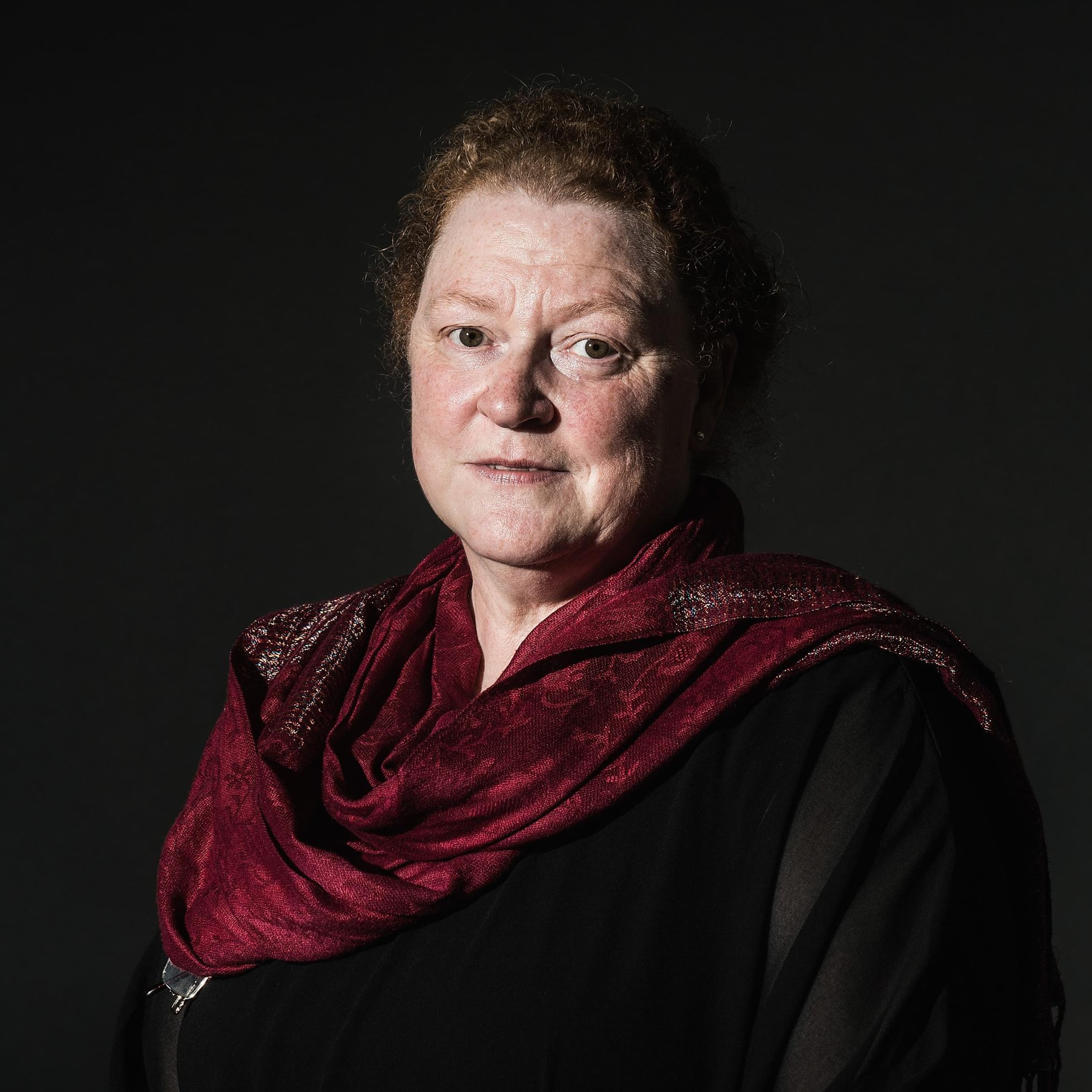
Professor Russell Foster, Oxford University Professor of Circadian Neuroscience and neuroscientist.
SAD is more than “winter blues” and includes symptoms like hypersomnia, social withdrawal, slowed movement/speech, carbohydrate craving/weight gain, and sometimes suicidal thoughts; diagnosis typically requires recurrence over at least three successive years. Incidence rises with latitude (e.g., ~1.5% in Florida vs ~10–12% in New York/London). The mechanism is not fully known: melatonin theory doesn’t hold up because eliminating melatonin doesn’t cure SAD, though light likely stabilizes circadian rhythms; serotonin and genetics may contribute. SAD can also occur in summer for some people.
Morning light therapy (about 30 minutes at 10,000 lux) is recommended; 2 hours at 2,500 lux can work. About 85% report symptom relief. Outside light is far brighter than typical indoor rooms; dog owners may benefit because morning walks provide early light. If light therapy doesn’t help or depression becomes overwhelming/suicidal, seek professional help.
Written by AI. May contain mistakes.
Discussion on what SAD is and its historical context.
“It's something many of us deal with as the nights draw in.”
Exploration of the symptoms and when SAD typically manifests.
“It was at the beginning of the autumn and I became sad, gloomy, unsusceptible.”
Discussion on the underlying causes and mechanisms of SAD.
“the mechanism of what's causing it why this seems to come on as as we go into the winter Well, this is a really interesting question.”
Exploration of seasonal depression that can occur in summer.
“people can have as well, whereas they don't only get a hit on their mood, a substantial hit on their mood in the winter, but they can also feel low in the summer.”
Discussion about the recommended treatments and light therapy effectiveness.
“You can have two hours of 2 ,500 lux, which also seems to work.”
Learn how exposure to natural light can alleviate symptoms of SAD.
“Outside, you're going to get 3 ,000 lux at the window, 10 ,000 lux first thing in the morning, and then 50, 60, 70, 100 ,000 lux across the day.”
Discover practical tips for managing winter blues through daily routines.
“I don't have sad, but I do, I think, get winter blues, as many of us do.”
Find out about resources available for those struggling with mental health issues.
“Look out for his book, How Light Gives Us Life, which will come out in March.”

Get the gist, explore an idea or ask about something said.
 Claude
On Science Weekly, what are the key points of this episode?
Searching your listeningAutomatic transcript. May contain errors.
0:00Russell Foster: This is The Guardian.
0:30Bies are made with no high-fructose corn syrup. Gourmet Thanksgiving flavors with the quality you want. Only at Whole Foods Market. Soft, cushy, plush, cozy. Soft, smooth, buttery, marshmallowy, warm. Soft. Socks, underwear, teas, and more. Bombas. Everyday comfort worth obsessing over. Visit bombas.com slash audio and use code audio for 20 % off your first purchase. That's B-O-M-B-A-S dot com slash audio. One purchase equals one donated. Always.
1:16Russell Foster: Winter blues got you down. It's something many of us deal with as the nights draw in. But for some, the shift in daylight brings more than just low mood. Enter seasonal affective disorder, or SAD. It's a popular topic across social media, with influencers recommending products like sunrise lamps to manage symptoms. But what causes SAD, and what actually works to treat it? Today I'm speaking to circadian rhythm expert and neuroscientist Professor Russell Foster. From The Guardian, I'm Ian Sample and this is Science Weekly.
2:06Russell Foster: Russell Foster, you're Professor of Circadian Neuroscience at the University of Oxford. First of all, what is seasonal affective disorder? Yeah, it's something that's been around for quite a long time. There are reports from the 1820s, 1825, of individuals reporting seasonal depression. There's a fantastic quote I thought I'd read to you, which is from 1825. and a chap who said, three years since, I experienced a trifling vexation. It was at the beginning of the autumn and I became sad, gloomy, unsusceptible. At length, I fell into a profound apathy, incapable of everything except drinking and grieving.
2:51Russell Foster: At the approach of spring, I felt my affectations revive. So it's not a new condition. Today, we tend to define it as individuals who, on the onset of autumn and winter, they start feeling sad. Their mood gets depressed. And they have a loss of interest in things that they formerly found pleasurable. They tend to sleep much more. And the sleeping doesn't make them feel more alert, or it doesn't take away the tiredness. There's sort of a social withdrawal. You don't want to interact so much with colleagues. There's one very interesting feature, which is slowed movements and even slower speech, which friends, family, colleagues might even comment upon.
3:39Russell Foster: There's overeating, particularly a craving for carbohydrates. And many individuals with SAD can put on quite a few kilograms over the period of SAD. And then finally, thoughts of death and suicide. It's not just the winter blues that many of us experience. And one of the key criteria would be, do you find this? Has this occurred over three successive years? That seems to be the key bit of information that your GP would know. When does SAD sort of typically hit people? I mean, does it come in as we see the clocks change, as we sort of experience this fairly abrupt shift in sort of daylight timing?
4:18Russell Foster: Or is it something that becomes more and more, people become more and more vulnerable to, should we say, as we go into the proper dark months of winter? Yeah, absolutely. So it's sort of progressive. And when you talk to individuals who are sad, they say, I can feel I'm sliding in. And if they can afford it, they then get on an aeroplane and fly south. And are certain people more vulnerable to sad in winter? Certainly, people are more vulnerable. But it depends on your latitude. So it's worth making the point is as you move from the equator north and south, the incidence of sad goes up. So a place like Florida has something like 1.5 % of the population reporting sad, which is what, 27 degrees or so away from the equator.
5:07Russell Foster: But the time you get up to New York, which is 40 and London will be 50 or so, then you're talking 10, maybe 12 % of the population reporting sad. So there's greater of vulnerability as you move north. And people have reported that, you know, they never had SAD throughout their lives. And then they've moved north, let's say to Canada, and then it hit them. So there's certainly a sort of a day length effect. And it's more pronounced as you move away from the equators.
5:47Russell Foster: so russell sad is then a real thing it's not just winter blues but what do we know about the mechanism of what's causing it why this seems to come on as as we go into the winter Well, this is a really interesting question. And the short answer is we don't have a mechanism. But the history of SAD is fascinating because there was a chap in the States who noted for about 15 years that he would slide in to Winter Depression. And he contacted some researchers at NIMH in Bethesda, Maryland in the States, who were working on melatonin. and what we know about melatonin is that as the night length increases the duration of melatonin also increases and they thought aha it must be the seasonal effect of day length on melatonin and that was the first use of light boxes what they tried to do is have three hours of light in the morning and then three hours of light in the evening which would essentially extend the day length.
6:51Russell Foster: That worked. The individual who first reported this basically said, within three days, I felt better. So light therapy was introduced in that way. However, it's not melatonin. So when you use drugs that eliminate melatonin, you don't get out of SAD, which was so interesting. So whilst light therapy works, it's not having an action on melatonin. So what else have we got? One of the interesting things about individuals with SAD is that they tend to have a long chronotype. They tend to be owls. They get up late and go to bed late. And it's been argued that the shortening daylings, the lack of light, means that the circadian system is less stable and it starts to drift and fall apart, which is why the new recommendations for light therapy are morning light therapy.
7:42Russell Foster: And that morning light stabilizes the circadian system. So it's not melatonin. It could be stabilization of the circadian system. But the third area where there's a lot of interest is in the role of serotonin. Now, we know that serotonin selective reuptake inhibitors, SSRIs, have been used to partially treat SAD. So that's kind of interesting. It may be that with the lower levels of light, you're not producing as much serotonin in the brain. That hasn't been shown empirically in humans, although we do know that increased light increases serotonin in the brain of animal models. So serotonin has been implicated, and light promotes serotonin, and therefore that's the sort of connection.
8:26Russell Foster: But there's a genetic influence as well, which is really fascinating, because I said that as you go away from the equator, the incidence of SAD goes up. But if you go to Iceland, it's much lower than you'd expect at, what, 60 degrees north. It's about, what, 5 % or so. So there could be a genetic influence, and there are some suggested genetic links, but the genes have not been identified. Before we move on, I wanted to ask you about this kind of summer version, which it seems that some people can have as well, whereas they don't only get a hit on their mood, a substantial hit on their mood in the winter, but they can also feel low in the summer.
9:08Russell Foster: I mean, maybe this is different people feeling low, but there is this other kind of condition. Yeah, absolutely. And we tend to think of SAD as being an autumn-winter thing, but indeed people, as they approach summer, can start to get depressed, which is really fascinating. It's a smaller population, but again, it suggests that there might be different underlying mechanisms to these seasonal depressive cycles. And in fact, the sort of definition of SAD is not the onset of depression during the winter, but it's seasonal depression, which can occur during the winter or in the summer. And as you say, they may have different drivers.
9:46Russell Foster: Yeah, absolutely. And the thing you'll read a lot in the media is, well, it's due to melatonin or it's due to serotonin. We really don't know at this stage. It's quite fascinating because there hasn't been a huge amount of research. One of the problems about SAD is that it's largely self-diagnosed.
10:08Russell Foster: Coming up, Russell's top tips for beating sad this winter.
10:19Hi, I'm Siobhan Maxowini, the new host of the Guardian's Comfort Eating Podcast. Have you ever wondered what celebrities eat when no one's watching? Well, this is the show for you. Each week, celebrity guests tuck into their favourite comfort food. And let me tell you, it's not all oysters and caviar. We've got People Just Do Nothing's Asim Chowdhury, former politician Ed Balls, and my good and darling friend from Dairy Girls, Nicola Coughlin. Listen wherever you get your podcasts or feast your eyes on YouTube.
10:59Roof repair? Done well. Kitchen sink install? Done well. Deck upgrades? Done well. Electrical upgrade? Done well. Angie's been connecting homeowners with skilled pros for nearly 30 years, so we know the difference between done and done well. Angie, the one you trust to find the ones you trust. Find a pro for your project at Angie.com.
11:26Russell Foster: Russell if people are diagnosed what treatment do they tend to be given well these days the recommended treatment is a light therapy and there are a range of different sorts of light therapy bottom line is that 30 minutes of 10 000 lux which is reasonably bright light, first thing in the morning seems to be the treatment of choice. You can have two hours of 2 ,500 lux, which also seems to work. So we've gone from morning and evening light treatment to just that morning light treatment that seems to be most effective. And what's, I think, extraordinary as an intervention, 85 % of people say that it has genuinely relieved some of the symptoms of SAD.
12:14Russell Foster: We always have to be slightly careful because if you're doing a sort of the effect of a drug, you give the drug and you also have a placebo. And one of the great problems with SAD, of course, is it's not easy to deliver a placebo. So you can't sit in front of a light box and not turn the lights on. You kind of know that there's no treatment. But I think now the data are pretty convincing that it is genuine a light effect. And when you talk about this light therapy. I'm not very familiar with it. Is this you just sit in front of a box filled with lamps or what does it actually look like? Okay. So what you need is that dose.
12:51Russell Foster: You need that photon shower first thing in the morning. And you can get it in a variety of different ways. Now, there's several sorts of light box. There's the ones that just flip on and they're producing something, a bright light of 10 ,000 lux. And they tend to be the ones that are most usually used. you can get another sort of light box which ramps up sort of kind of mimicking the increase in light intensity that you get over dawn they tend to not get as bright so if you're getting a one that ramps up just make sure it gets up to the five ten thousand lux intensity that's quite important because dim light won't do it so if you're going to buy one of these things make sure it gets bright and that you set it up you know in a room somewhere and you sit in front of it in the first thing in the morning while you're having a breakfast.
13:39Russell Foster: And that's what people living in Tromsø in northern Norway do. They actually have a room because, of course, it's dark. And so they go into this room, the whole family, they turn the light boxes on, and that's where they have their breakfast. And they sit there for 30 minutes. I should add that in Tromsø, the incidence of SAD is something like 27%. I mean, it's huge. But really, I mean, you can just take the dog out for a walk and and you'll get the sort of for half an hour you'll get the light you need well i was i was thinking you could go to the supermarket or something they're always pretty damn bright aren't they they are but but outside light is so much brighter and in fact i'd urge your listeners to download a um an app a lux meter app onto the smartphone because it's quite remarkable i mean most sort of standard sitting rooms will have maybe three four five hundred lux if you're lucky.
14:29Russell Foster: Outside, you're going to get 3 ,000 lux at the window, 10 ,000 lux first thing in the morning, and then 50, 60, 70, 100 ,000 lux across the day. So we are pretty light-deprived. And so getting outside, it's quite interesting. There's a study which has suggested that dog owners have better sleep and less depression. And of course, that's always said to be because it's a companion animal. My interpretation of the data would be it's because you have to take the animal out first thing in the morning to give it a good emptying. And that's when you're getting your photon shower. Okay. So if you can't get out, if you're living in the far north of the UK, where it's dark in the mornings, don't a light box.
15:13Russell Foster: There's a whole host of other products that are sort of recommended, of course, on social media for what they say is fighting the sad. and you've got candles, blankets, heaters, things like that. In your view, having sort of looked into this a lot, do any of those actually treat symptoms or are these more things that just, you know, they're quite comforting? I think you've got it. These are comforting and therefore probably will reduce anxiety and therefore probably could reduce levels of depression. I think the key thing, what we do know, and we have an awful lot of data, is it's light. and it's light first thing in the morning that that's most important.
15:52Russell Foster: And finally on this actually, Russell, when do you think the point comes where you can sort of, you'll be self-managing sad, but maybe it's time to actually go for professional help? Well, I think I just do it empirically. If sitting in front of a light box for 30 minutes in the morning reduces your levels of depression, and for 85 % of people it does, then you've kind of nailed it. Um, uh, but if you're that small percentage where light hasn't had an effect, then you should seek professional help. It is an overwhelming level of depression. And so you need to be careful that if you feel that you're sliding into, um, a suicidal state, you must always seek professional help under those circumstances.
16:38Russell Foster: Before I let you go, Russell, have you ever struggled? Do you struggle with the winter? Are there any sort of things you do to ease your way through? Yes, I do. I don't have sad, but I do, I think, get winter blues, as many of us do. And so what I do, practice what I preach. I will park the car further away from work, and then I'll walk for 30 minutes into work. And so I get my photon shower in that way, yes. So I think many of us do. And it's something that I think is worth recognizing. It feels like that's something we need to bring into sort of our common routine, our daily routine. It's like not just your morning shower, but your photon shower as well.
17:21Russell Foster: Exactly. Yes. Brilliant. Thanks so much, Russell. Great pleasure. Thanks again to Russell Foster. Look out for his book, How Light Gives Us Life, which will come out in March. If you've been impacted by the issues discussed in this episode, you can contact the Samaritans in the UK and Ireland on free phone 116 123. In the US, you can call or text the 988 Suicide and Crisis Lifeline at 988 or chat at 988lifeline.org. In Australia, the Crisis Support Service Lifeline is 13 1114. Other international helplines can be found at befrienders.org.
18:07Russell Foster: and that's all from us this episode was produced by joshan chana and non-yellum the sound design was by joe cox and the executive producer was ellie burie we'll be back on thursday see you then
18:26this is the guardian
18:36This podcast is brought to you by Thompson Reuters. The best don't just do their work. They change what's possible. Cases won, audits completed, jobs saved. Behind every one of those moments is a professional who needed to get it right and did. Thompson Reuters builds the technology that sharpens insights, speeds up decision-making, and powers the outcomes that matter. So when professionals act, the impact is felt by everyone. Be a changemaker. Visit tr.com forward slash changemakers.