
 Ask in Claude
 Ask in ChatGPT


44 episodes
by The Guardian · English
Twice a week, the Guardian brings you the latest science and environment news


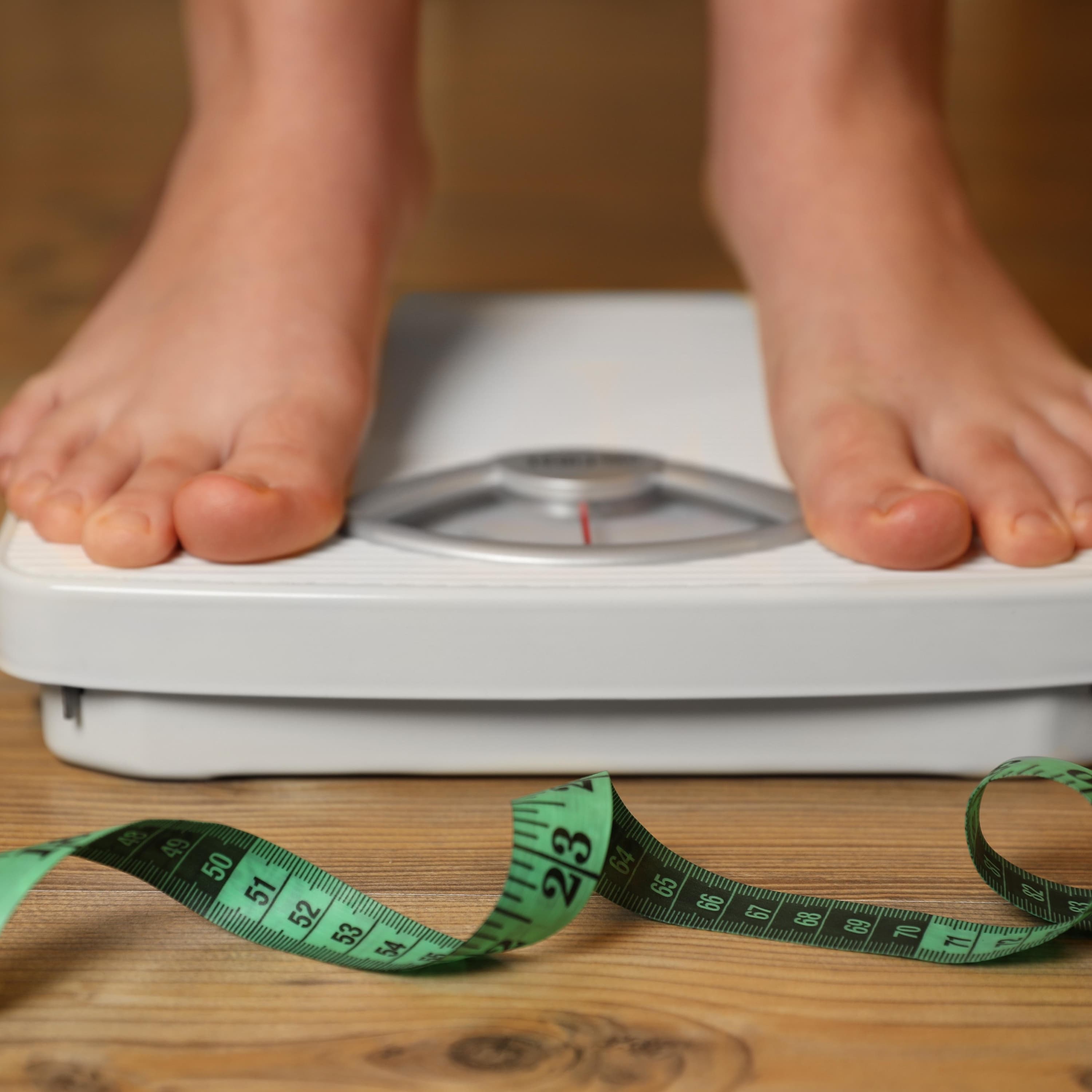
Three science stories: (1) whether BMI works for diagnosing obesity; (2) COP31 climate talks in Turkey and what’s being agreed; (3) “pink noise” as the physics-like pattern behind enjoyable…
12 Nov 2026 · 23m · 12 chaptersSeasonal affective disorder (SAD) and what helps, focusing on circadian rhythm science and light therapy.
10 Nov 2026 · 17m · 8 chaptersWhether “ferritin face” (pale, washed skin, dark circles, dry skin, brittle hair) can be diagnosed from a selfie, and what iron deficiency actually does in the body.
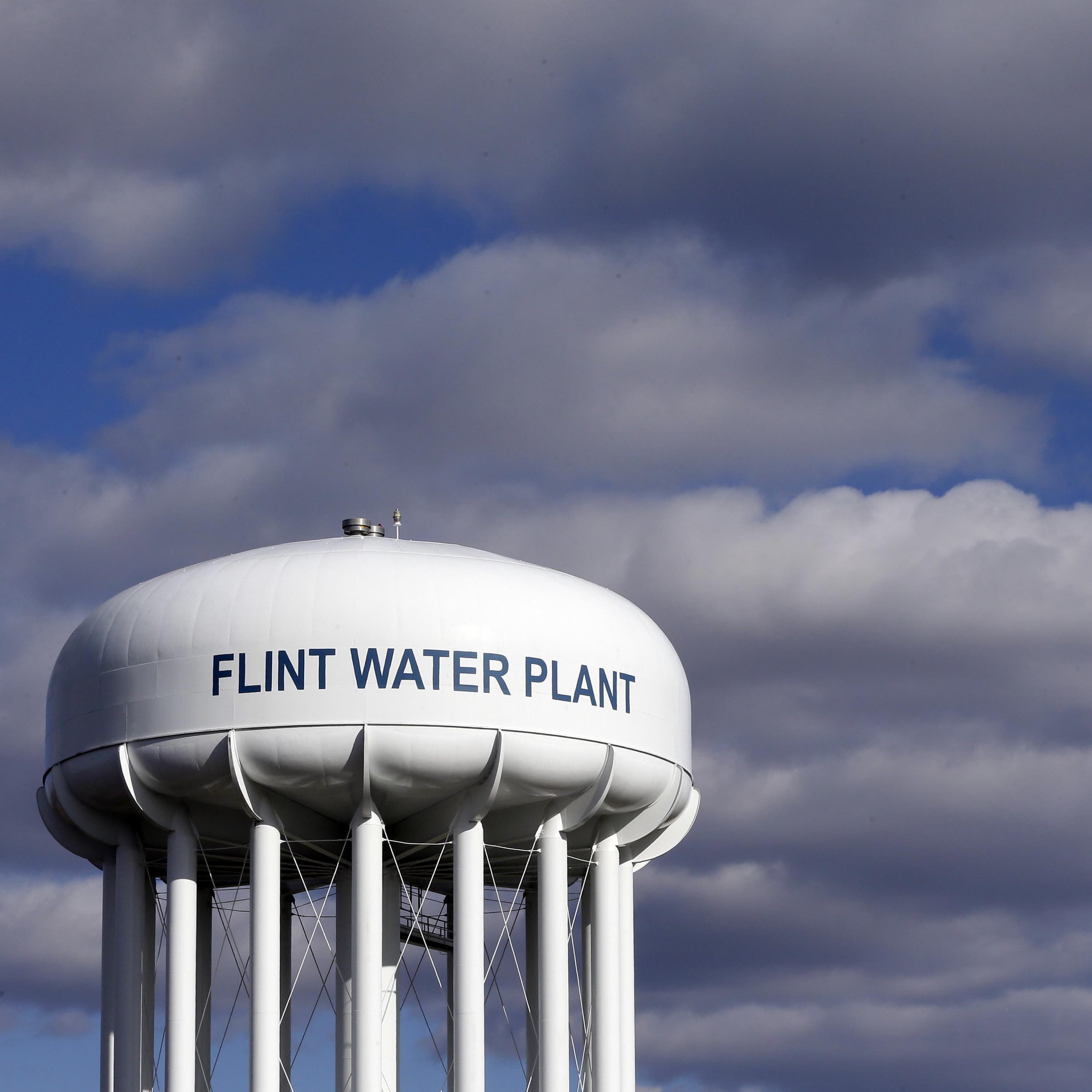
5 Nov 2026 · 20m · 11 chaptersFlint, Michigan’s 2014 switch to Flint River water caused lead contamination because of corrosive water and lack of required corrosion control, leading to a public health crisis and a scientific…
3 Nov 2026 · 19m · 7 chapters
What it takes to be an expert witness in court, especially forensic anthropology—how experts explain evidence, handle uncertainty and statistics, and how adversarial cross-examination can distort…
29 Oct 2026 · 18m · 10 chapters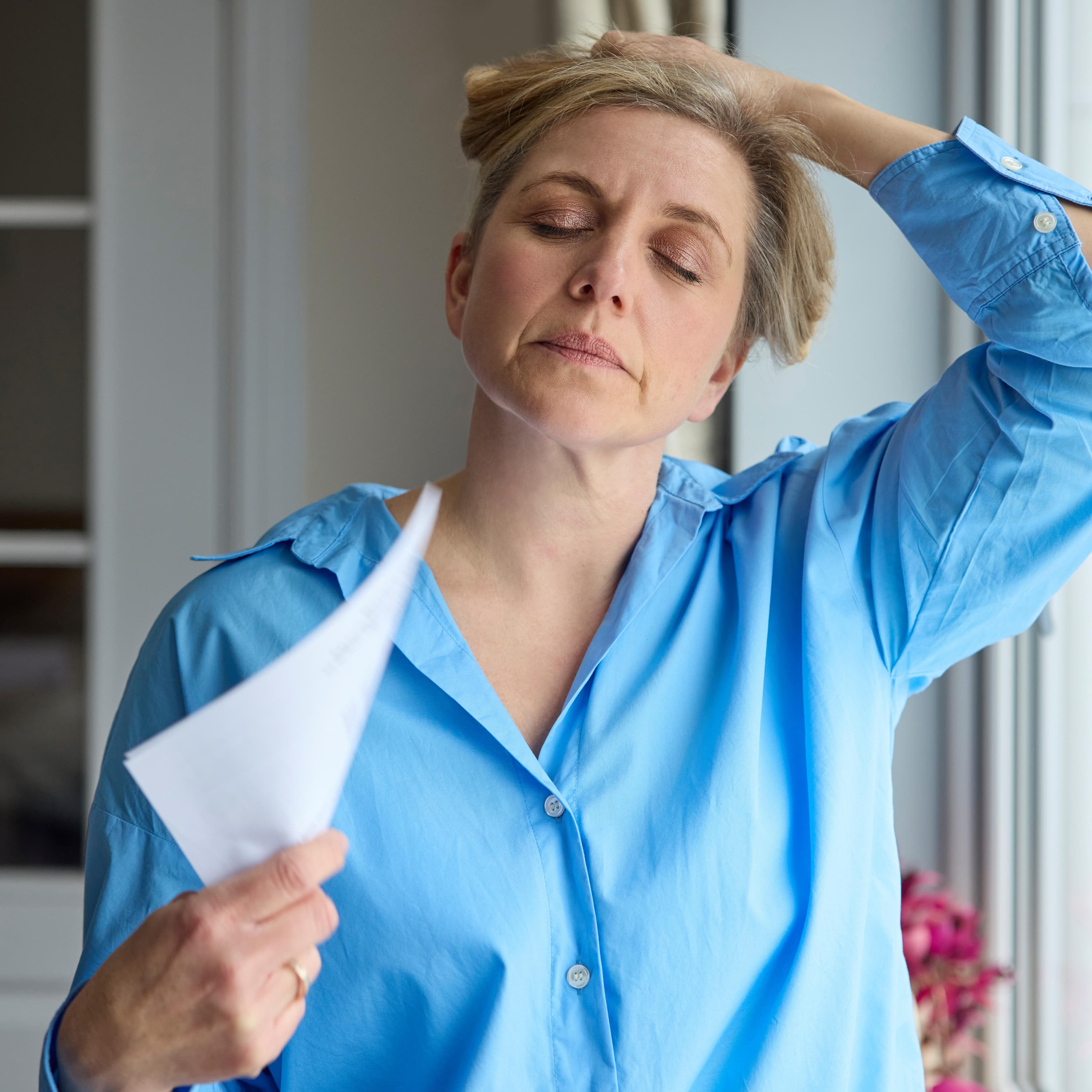
How to tell if you’re in perimenopause, why the topic is trending, and how misinformation affects decisions about diagnosis, HRT, fertility, and “wellness” products.
27 Oct 2026 · 15m · 7 chapters
Science Weekly revisits Elizabeth Holmes and Theranos, asking why people were captivated by her claims and why Silicon Valley startup culture enabled the fraud.
22 Oct 2026 · 17m · 10 chapters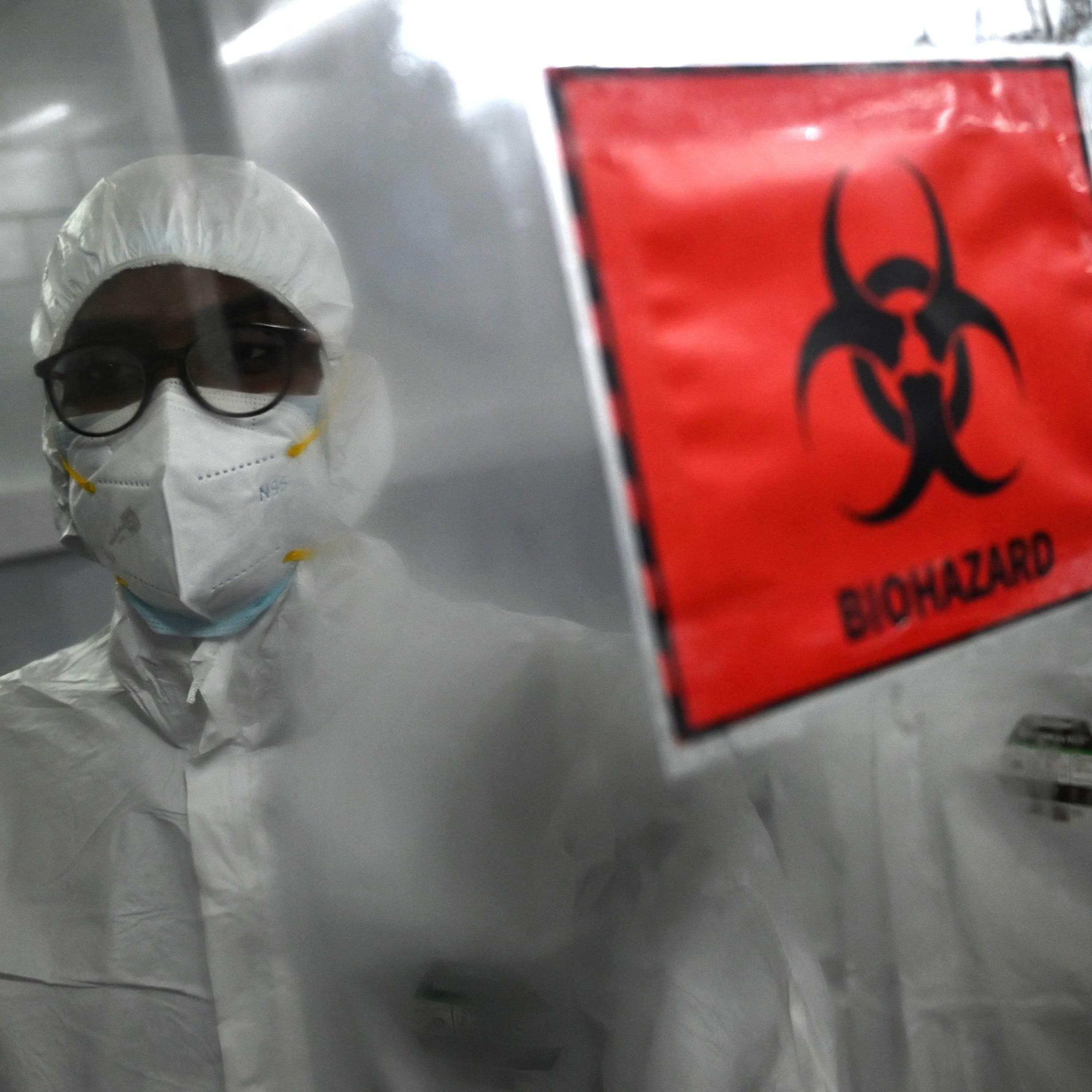
The episode discusses AI’s potential to enable bioweapons, including a cited “more than 10%” chance (from an Anthropic safety researcher) that AI could cause catastrophic harm within a decade.
20 Oct 2026 · 16m · 11 chapters
The episode discusses the rise of “bossware” and AI-assisted employee monitoring in the UK and beyond, arguing it enables constant surveillance by recording work activity and using AI to analyze…
15 Oct 2026 · 18m · 9 chapters
The episode examines the proposed US live-streaming of the scheduled Dec 3 execution of former Army psychiatrist Nadal Malik Hassan, and uses it to explore “morbid curiosity” psychology—why people…
13 Oct 2026 · 17m · 9 chapters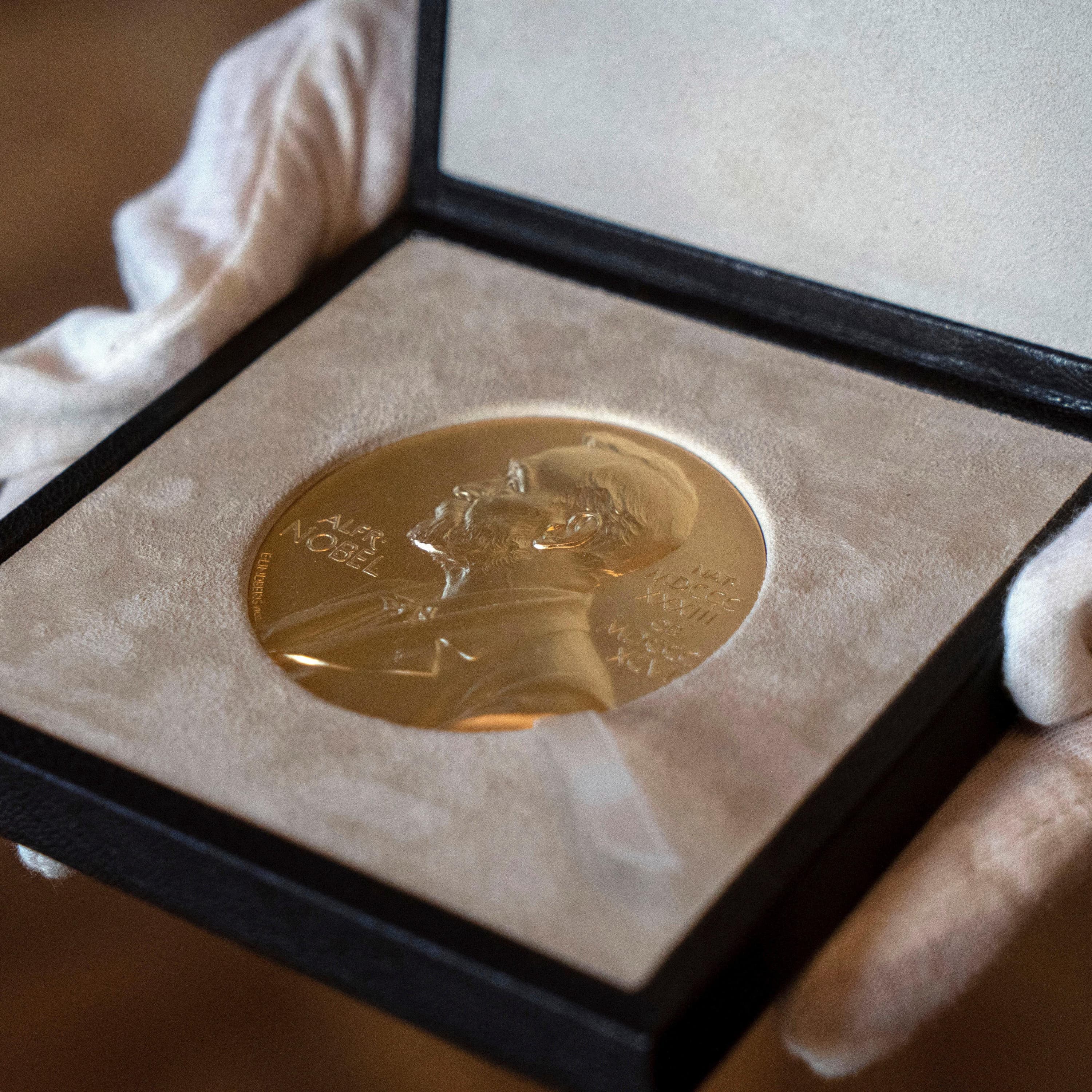
The episode is Science Weekly’s Nobel Prize Week roundup, focusing on 2026 Physiology/Medicine, Physics, and Chemistry.
7 Oct 2026 · 23m · 13 chapters
A bonus Today in Focus episode on a suspected pneumonic plague death of a Russian lab worker in Siberia, whether it signals an outbreak, and how authorities are responding.
6 Oct 2026 · 14m · 7 chapters
Narcolepsy misconceptions, symptoms (excessive daytime sleepiness, rapid REM entry, sleep paralysis/hallucinations, and cataplexy), and a new US-approved orexin agonist drug that targets the…
6 Oct 2026 · 17m · 8 chapters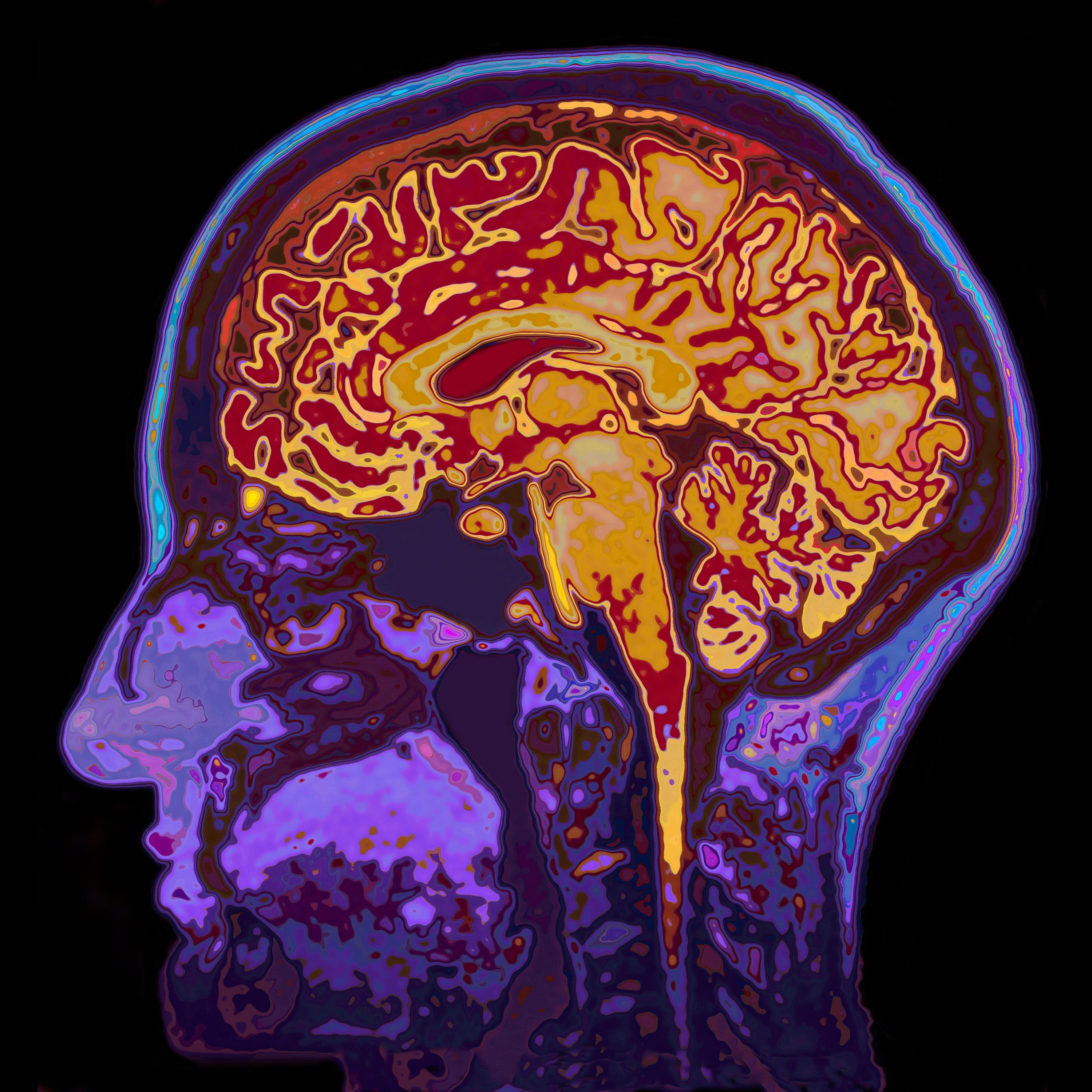
How memory works and how scientists can manipulate it—by activating, erasing, or suppressing specific memories in rodents—and what ethical, therapeutic uses might look like in humans.
1 Oct 2026 · 21m · 8 chapters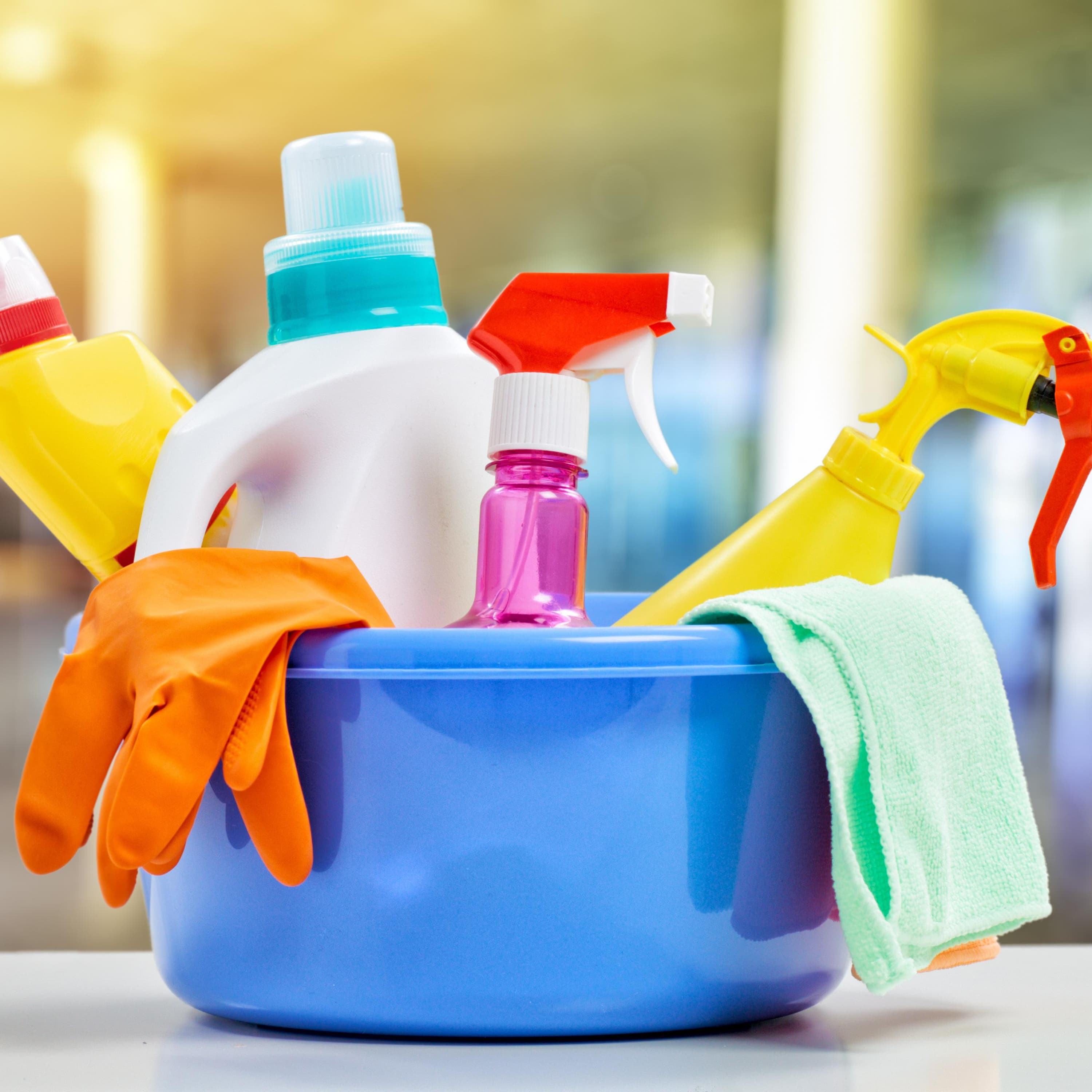
Indoor air pollution from household cleaning products, fragrances, and “deep clean” influencer habits; whether volatile organic compounds (VOCs) and fine particles (PM2.5/PM10) harm health.
29 Sep 2026 · 18m · 13 chapters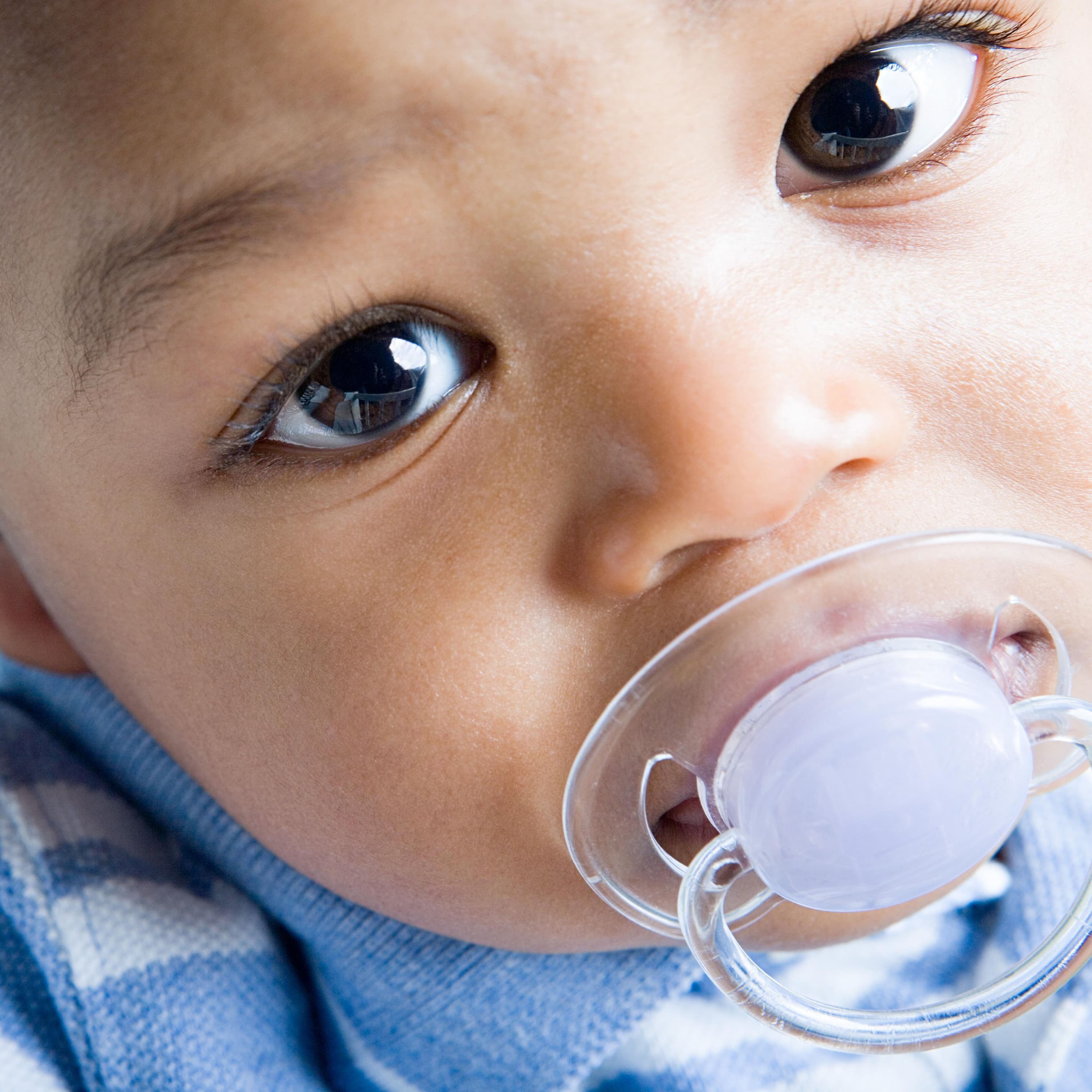
Science Weekly (Guardian) covers three science stories. Topic 1: Are baby girls more sociable?
24 Sep 2026 · 22m · 10 chapters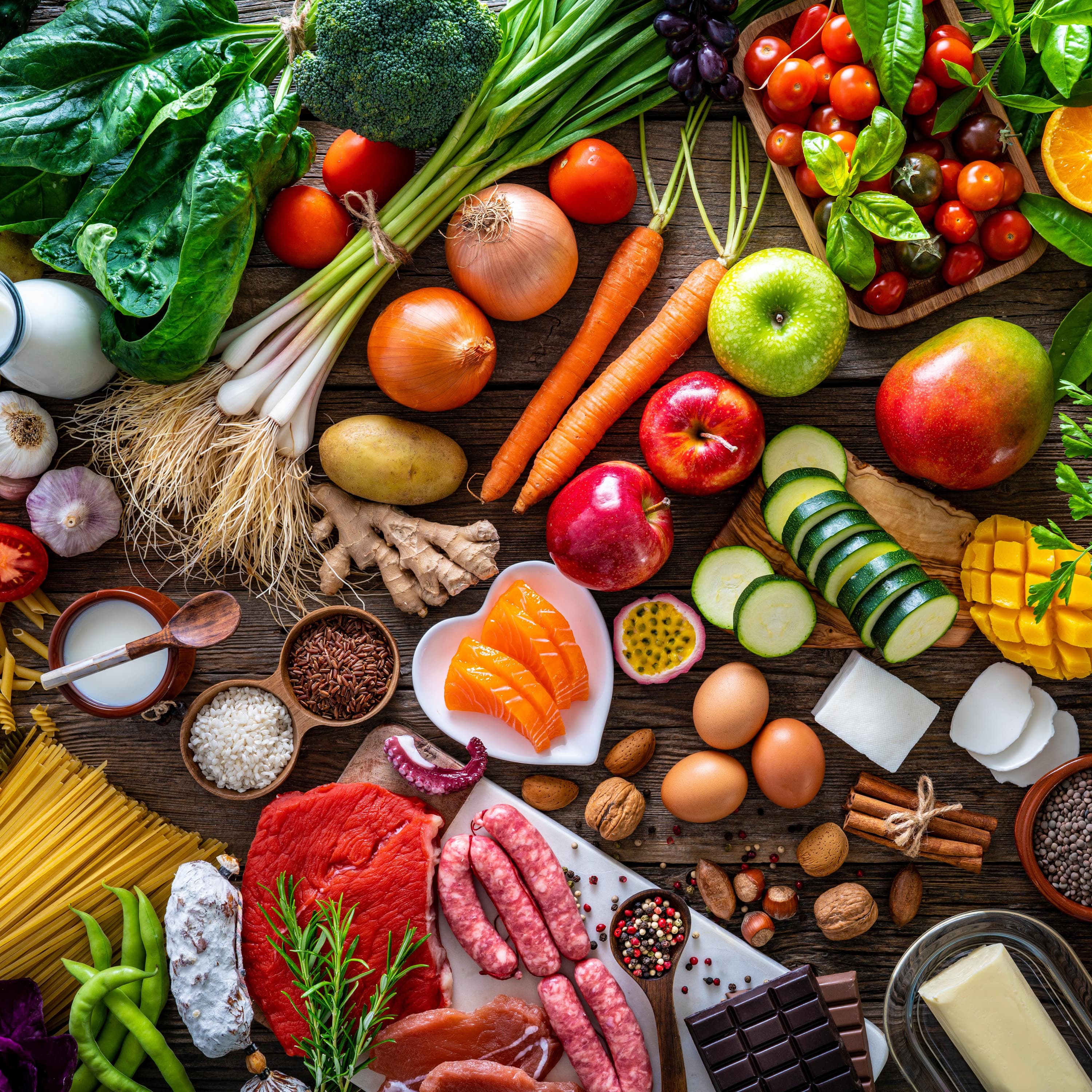
Whether any diet is a “magic bullet” for health, weight loss, and longevity, using evolutionary anthropology to debunk paleo, saturated-fat myths, and overblown longevity claims; compares…
22 Sep 2026 · 17m · 9 chapters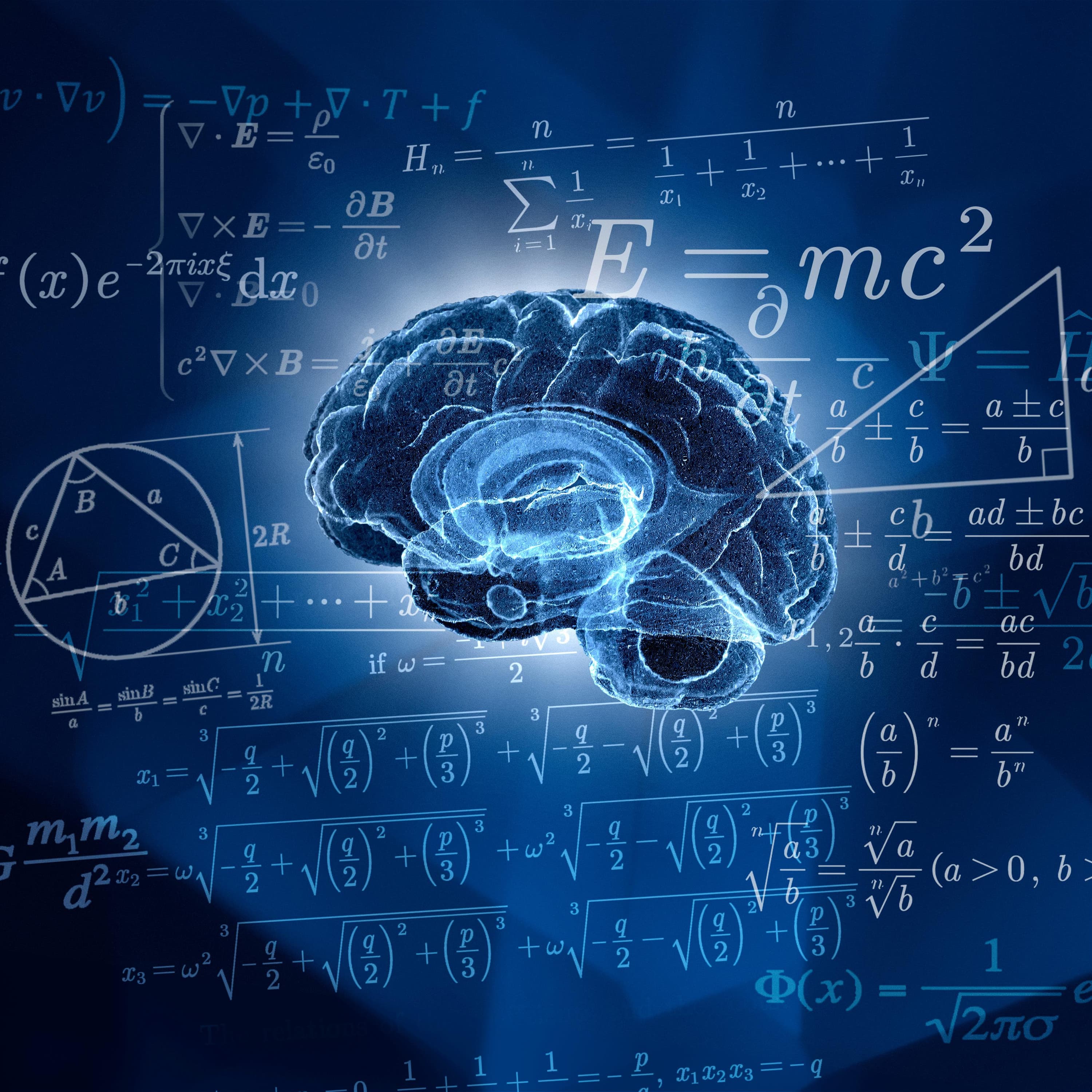
The episode reacts to OpenAI’s claimed solution of the Navier–Stokes Millennium Prize problem, arguing it’s a “deep blue moment” for maths but also a threat to how mathematicians work.
17 Sep 2026 · 16m · 9 chapters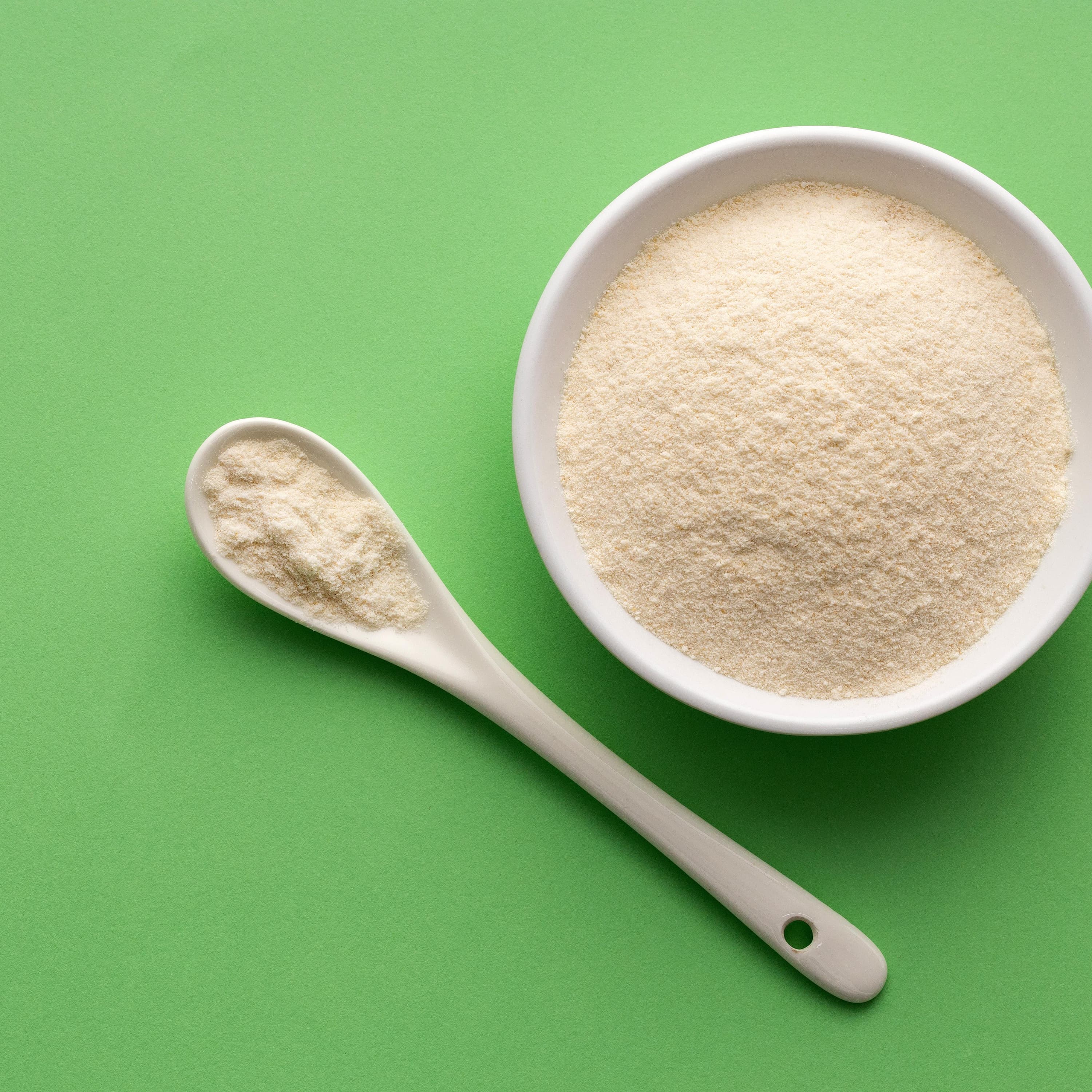
Whether collagen supplements are worth it, and why wellness claims are hard to evaluate.
15 Sep 2026 · 19m · 11 chapters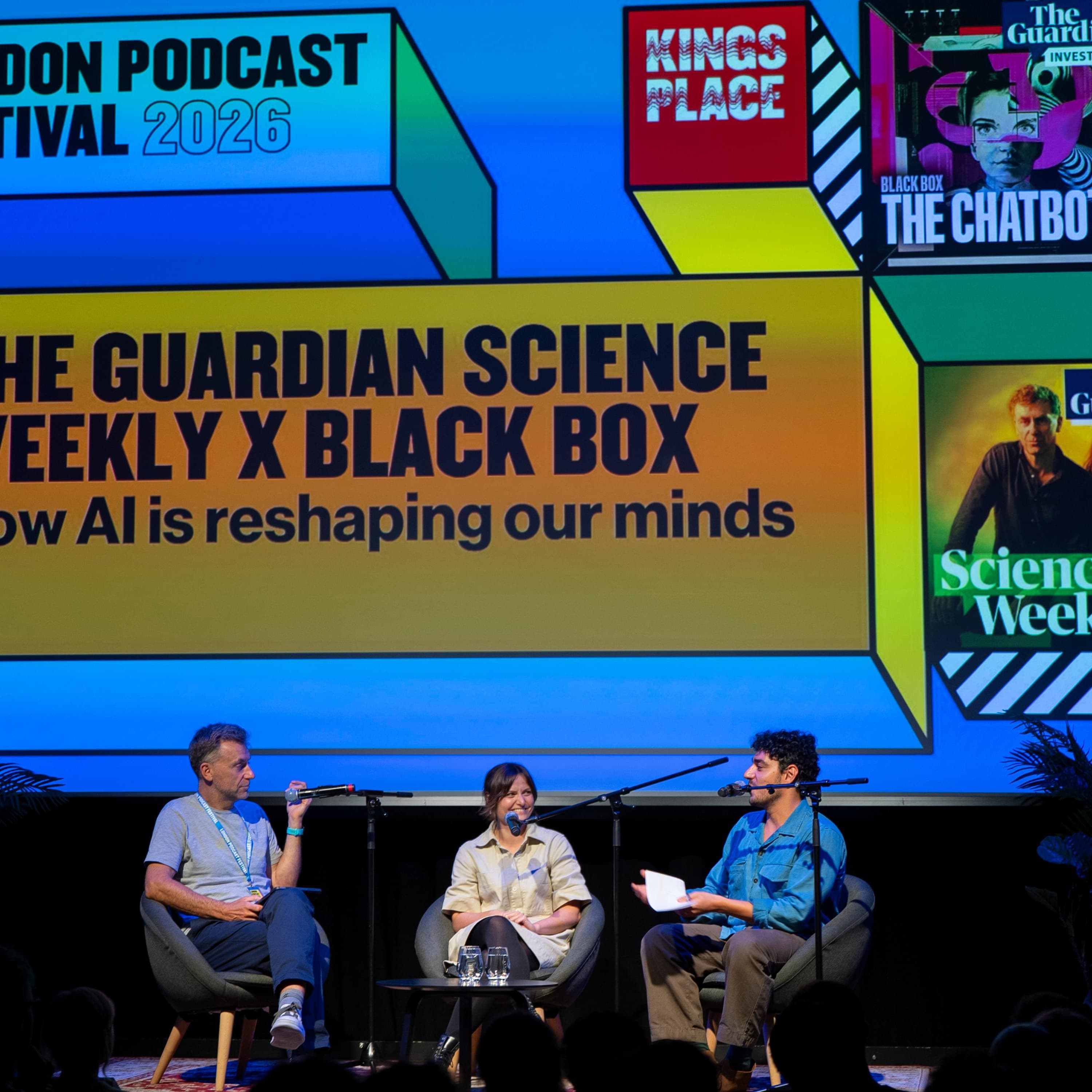
A live Science Weekly/Black Box discussion on how chatbot relationships can reshape users’ thinking, including “AI psychosis” (AI-induced delusional thinking), attachment, and cognitive offloading in…
13 Sep 2026 · 1h 23m · 28 chapters
Whether the LZ (LUX-ZEPLIN) experiment has seen evidence of dark matter, based on an unexplained single event that could be a WIMP-like particle.
10 Sep 2026 · 17m · 7 chapters
The episode is a Science Weekly roundup of 2026 Ig Nobel Prizes. Topic 1: “Are rich people really worse behaved?” Researchers led by Dr Paul Piff (UC Irvine) ran seven experiments comparing “upper”…
8 Sep 2026 · 18m · 6 chapters
The Guardian Investigates’ Black Box: The Chatbots explores “AI psychosis”—cases where people develop delusions after intensive chatbot conversations, sometimes believing the AI is conscious or…
6 Sep 2026 · 40m · 18 chapters
Methane is a far more potent greenhouse gas than CO2, and satellites helped The Guardian identify over 1,000 “mega-leaks” in 2023.
3 Sep 2026 · 14m · 8 chapters