 Ask ChatGPT
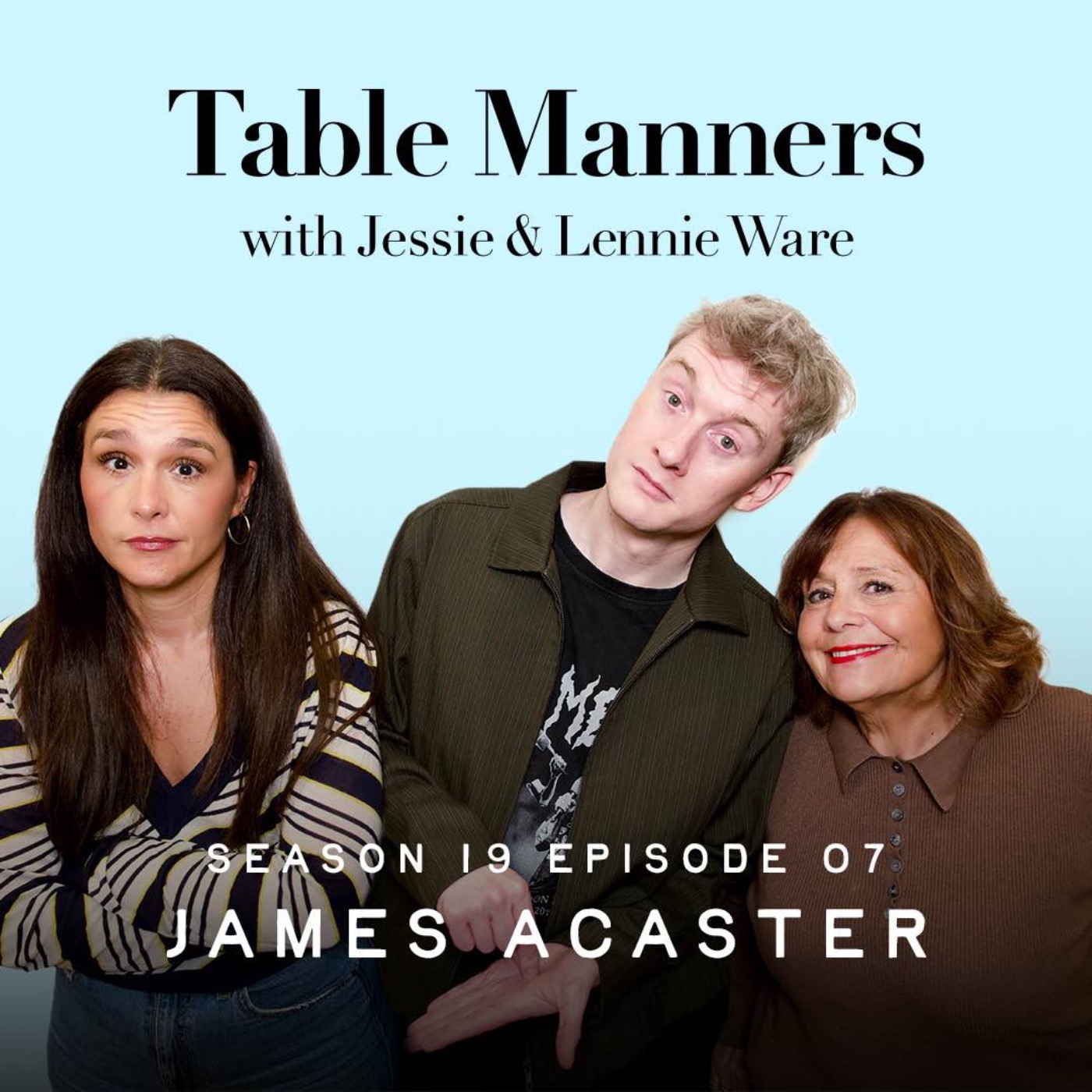

Jessie Ware and Lenny host “Table Manners” with poet/novelist/playwright Kai Tempest. The episode mixes a dinner-date conversation with food talk, Lent/sobriety structure, and a deep discussion of Kai’s second novel Having Spent Life Seeking.
Kai Tempest is a multi-talented writer (playwright, poet, lyricist, novelist). He previously released a Sunday Times bestseller novel (ten years earlier) and has toured extensively. He attended Brit School around age 16 and describes ADHD and school refusal as tied to wellbeing and identity. He has Jewish cultural roots (dad’s side; memories of Passover/Rosh Hashanah).
Kai says he uses structure (Lent) to cope and avoid cycles of alcohol/sugar/smoking while touring. He frames religion as “myths” and values ritual. He argues stories are “empathy machines” that expand universal connection.
Rothko, the novel’s character, is a former prisoner confronting chronic shame; Kai explains the name “Rothko” came from a childhood memory of a Rothko poster and a line about blushing. He describes writing for three years (15-hour days) and reading/performing “chapter 11” as especially powerful. Food examples include Jessie’s Easter Belfridge recipe (coconut tomato base with turmeric, garlic, cherry tomatoes, curry powder, paprika, honey, coconut oil/milk) and Kai’s giant cookie; Kai also recounts making chicken Kievs and matzo ball soup/chicken soup traditions.
Written by AI. May contain mistakes.
Jessie and Lenny introduce their guest, Kae Tempest, and discuss his work.
“Really beautiful and it's about this character called Rothko who comes out of prison and has to confront a lot of things of what they left behind.”
Jessie describes the menu she's prepared for Kae Tempest's visit.
Kae Tempest arrives and greets Jessie and Lenny, discussing their dynamic.
“So Kai Tempest coming up on Table Manners.”
Kae Tempest shares his thoughts on giving up sugar and seeking strength.
“Oh, so should we give some for you to take home?”
Kae discusses the inspiration and development of Rothko's character in his novel.
“and spend their money and give their time to be in a room with you.”
Kae shares memories of his Jewish heritage and family gatherings.
“It's really something, you know, it's something...”
Explore Kae Tempest's cherished memories of family gatherings and their cultural significance.
“Her home just, there was always so many people there.”
Kae discusses their relationship with religion and the beauty found in myths.
“I would walk into a church and I would be very moved and I would burst into tears.”
Delve into how Kae uses ancient stories to frame contemporary narratives in their work.
“And you'd decided refusing to go to school?”
Kae shares their early experiences with music and challenges faced in school.
“Like, nobody was going to be better than me there.”
Discussion on how Kae discovered their true passion for words and lyrics amidst obstacles.
“I'm able to get to this point where I can live for my ideas.”
Kae reflects on their journey through performance and the importance of creativity.
“Who were your biggest influences, would you say, growing up about words, really, and lyrics?”
Kae discusses various musical influences and the learning experiences in the record shop.
“It was the lyrics and the performance, the delivery of lyrics that got me.”
Exploration of how geography shapes language and musical expression.
“And then somebody like Snoop Dogg or Tupac or something.”
Explore how accents reflect geographical landscapes and cultural nuances.
“and up and down in the way you presented it.”
Discuss the dynamics of a blended family and the importance of family meals.
“I was at a recording studio and even just being around on the street, I was like, wow, it sounds different.”
Kae shares memorable dishes cooked by his father and their significance.
“When he was cooking, he'd be in there for hours and hours and hours and he would do amazing things, actually.”
Kae discusses his improvisational cooking style and a special meal he prepared.
“But food is a big part of how we hang out, for sure.”
Kae shares his experience making chicken Kiev and the joy of cooking for family.
“Put a tablecloth on the table, candles, everything and I made these like goat's cheese wrapped in like grilled courgettes wrapped up with goat cheese.”
Kae Tempest reflects on the differences between writing music and novels.
“How did you make sure that the butter stayed in the middle and didn't seep out?”
Kae discusses the emotional journey of creating new work and its impact.
“But with the novel, it's like, yeah, it's a different...”
Kae shares thoughts on their role within the trans community and personal connections.
“The relief that I feel to be able to enjoy this thing that I adore doing, I feel so much gratitude for it.”
Kae Tempest discusses the importance of community and the complexity of identity representation in storytelling.
“But I think responsibility is kind of a heavy word.”
Kae shares personal food memories and their emotional significance, highlighting the role of food in family connections.
“It's like, honestly, it's like, it's something.”
Kae Tempest reflects on the experience of performing and how it influences their connection with the audience.
“I can have that feeling because there's like cross audiences that come to see my stuff.”
Reflecting on childhood visits to an ice cream parlor and family meals.
“There was like an ice cream parlor on the seafront.”
Discussion about Kai Tempest's novel and personal reflections.
“You're so wonderful and talented and good luck with the beautiful novel that you've created and these amazing characters.”
A heartfelt recommendation for Kai Tempest's book and audiobook.
Conversations about the meal enjoyed during the episode and a sign-off.
“it was delicious it was really nice wasn't it yeah good brunch thing yeah it's a very good brunch thing he enjoyed it Mr Belbridge is just so good and that salad was really yummy too she's very clever She's brilliant.”

Get the gist, explore an idea or ask about something said.
 Claude
On Table Manners with Jessie and Lennie Ware, what are the key points of this episode?
Searching your listeningAutomatic transcript. May contain errors.
0:03Jessie's new album, Superbloom, is available to pre-order now. There's a 10 % discount if you go to her store, jessieware.com, and put in table manners. James Norton's not included. T's and C's apply.
0:20Lennie Ware: It lets me leave It's Mr. Right
0:47like Camp Crunch Labs IRL, BattleBots with TakeHomeBots, and more at 75 college campuses across the country. Visit IDTech.com and use code IDTech to save$150 on a week that's guaranteed to be the highlight of your kids' summer.
1:10Lennie Ware: Hello and welcome to Table Manners. I'm Jessie Ware and I'm here with Lenny. And we've just had a Barney. Yeah, you've just shouted at me. Should we tell them why I just shouted at you? You shouted at me first. I didn't make dessert and you said you were making dessert and I said I didn't know I was making it and you said you were making it. You did. But we never discussed what I was making so I didn't feel I manifested the dessert. What happened was that we shouted at each other. You shouted more than me. I may be slightly overwrought at the moment. I'm quite tired and... I felt it. well I felt it too Lenny anyway it's not the best start to a dinner date that I'm very excited about we have the marvellous Kai Tempest coming on multi-talented playwright, poet, lyricist novelist writer, I mean everything just incredibly gifted person he's coming on to talk about his new book Having Spent Life Seeking it's his second novel ten years on from his I think best-selling first novel.
2:17Lennie Ware: Yeah, Sunday Times bestseller. Really beautiful and it's about this character called Rothko who comes out of prison and has to confront a lot of things of what they left behind. And the characters are absolutely amazing and I loved listening to it on the audiobook. There's one bit of prose that is just insane that Kai reads and says. so we're really excited to have him on and talk about well he's also up for an either this week yeah yeah that was like so yeah he's having a good week i has time in between all this i know um so i am on food duty today and i've made an easter belfridge instagram recipe that she put up last weekend which is kind of a coconut tomato base that you whiz up in a blender it's got turmeric, garlic, cherry tomatoes, curry powder, paprika, honey, coconut oil and coconut milk and you just whiz it all up.
3:17Lennie Ware: It's so easy. Put them all in, cook it for a bit to reduce it and then you plop in some eggs and then I've done with that her sticky coconut rice cake that I think I made for Amanda Holden and Anankar and then a really nice maple, lime, sesame, baby gen, lettuce salad. And then we've got a big giant cookie that's going in the oven that actually looks really good. So Kai Tempest coming up on Table Manners.
3:52Lennie Ware: Kai Tempest. Hi. Hi. Jessie, where? It has been so long since I've seen you. Yeah. And I'm so thrilled for all your success. And thank you for being here. This was quite a nice, easy rendezvous. this is so nice to be here it's just amazing what a beautiful place and it feels so warm and it smells so delicious and i'm very happy to be sitting here talking to you two how are you i'm good i'm good thank you how are you i'm all right mum and i i'll just clear it out now and then it's done let's just get it done okay mum by the way i think you look very nice in your daffodil spring lemon okay she won't even look at me look okay let's just explain what's just happened why there's a bit of frost jesse thought i was making dessert yeah i didn't think i was making dessert because no one had said to me what are you making but this is where it gets a bit complicated because i did say right she said she did but what what did you think i was making anyway what happened was she didn't bring one and i said okay we don't have anything what are we going to do and instead of just saying sorry babe you said I did it anyway so we had this anyway I did and then you come in you go don't worry I've given up I've given up sugar for Lent yeah but I've just made a giant cookie and a skillet so I think I mean that's amazing but I don't want to make you you know renege on your your goals no but I'm really glad that you've made a giant cookie and well well my My girlfriend is like absolutely like cookie, like cookies are her thing.
5:26Lennie Ware: Oh, so should we give some for you to take home? If I could take some home. Yeah, that's absolutely fine. Thank you. That satisfies me. And then I can appreciate it and almost get the, in fact, get more satisfaction out of watching her enjoy it than I would. Do you know what I mean? Really? Does that work like that? Yeah. Well, so far it has. So no chocolate since Pancake Day? Yeah. Wow. Or cigarettes. But it's actually harder giving up sugar. Why have you done this to yourself? It's a funny thing to talk about, but I felt like I needed to ask the universe, the divine, for a lot of strength at the moment.
6:04And I thought, I can't ask for something without sacrificing something. And I was having this moment in Stammer Park in Brighton with a friend. We were just having this really beautiful moment and I realised that it was Pancake Day. and I was like I need to do something I need to make a change and I realised it was lent so there's this kind of structure in place that supports keeping track of the days because there's this thing you can look up when was when did I start this pancake day so you can look that up anyway so I just decided to make this um just to make this movement towards uh rebalancing something and asking for a bit more um focus and grounding I just think it's important to give in the same manner as you wish to receive, you know?
6:47Lennie Ware: I think that's really beautiful. And I just want to know, are you needing strength because you're bringing out a book or is it something, is it about work related or is it enmeshed in lots of different things or? Yeah, it's like this moment, it can be quite a challenging moment. And yeah, and also life stuff and just, you know, you end up getting yourself into places where you're like, hang on, I need to just refocus and just find a bit more of myself in all this. And I think sometimes I can fall into patterns of drinking lots or eating loads of cookies or smoking loads of bags. And then the distractions are useful, but actually what I'm more interested in is just be able to cope from my own resources.
7:32When you're touring and things like that, the thing about alcohol or sugar or things like that, they're very much a part of how you deal with everything in the day. It's not like in another job. You wouldn't just like casually everyone be drinking at work or maybe they would at some jobs. But in music, it's kind of, it's everywhere all day. And then you might have loads of adrenaline after a show and then you could be drinking because you're in celebration mode. But then the next day you're hanging and then you're like, well, I need to have a drink now because otherwise the show tonight won't be very good.
8:04And you can end up on this cycle of not being very present. And this is something I want to be present and well and healthy for because you're going out in front of people and asking them to come and spend their money and give their time to be in a room with you. So I want to be in my best. I just want to be closest to the source as I can be. And I'm a bit all or nothing. And sometimes I need something like, I need the structure of it. Otherwise, I can't make the decision, you know.
8:32Lennie Ware: Have you started touring or are you about to? I've been touring. Whilst being on this 40 days. Well, the last tour stopped, but now I've just been on tour last week for a book. The book that we're going to discuss. Yeah. By the way, congratulations. We have the book, but I am so glad that I got to listen to it in the audio book form. That's really nice. Particularly, I think it's chapter 11 in the old days. Is it chapter 11? Yeah, that is exactly what it is. It's so powerful. I mean, all of it is, but that is a particularly, I'm so glad that I got to listen to that with the music and the poetry.
9:11Lennie Ware: It is. Congratulations. It's really excellent. And I don't want to give anything away, but I was so relieved for kind of the redemption at the end because you enter, we enter this story of Rothko who's come out of prison. and it was hard, it was brutal, it was sad and then slowly, slowly you learn about and there's love in there, there's so much love in there but it reminded me and I've read a couple of the Douglas Stewart books, Shuggy Bain and Young Munger and there was like this very much, and I don't know if that's a compliment to you. No, a huge compliment. Because the kind of chaos and confusion in a kind of mother's relationship with their child and stuff like that.
10:01Lennie Ware: I think that you put that across so beautifully. Where did Rothko come from? What's the name? Well, it's so interesting when you go, when you try and think your way back to where an idea begins. But I thought it just came to me because it's something Meg said, who's Rothko's mum. When you're working on characters, you spend a lot of time with them. At first, you're telling them what to do, say, think. and then once you know them well enough and you've given them enough of your time, there's this kind of sweet spot when they start to just speak and you become an eavesdropper or something. You're kind of listening to them talk to each other and then it's like, oh yeah, Meg just kind of said to Rothko, oh, you're always going red as a Rothko.
10:43It's about the fact that they're always blushing. I knew that I wanted their name to reflect this kind of state of shame, this chronic shame that they carry around. But then if I go back even further than that, I was staying at a friend's house when I was trying to start writing I knew I wanted to find this character it was really early stages my friend has this place and he let me stay there and then I went back like two years later I'd forgotten I'd been I'd kind of forgotten that I'd been in that room or anything and I was staying in the same room and I woke up in the morning and I saw he's got this big poster at the end of the bed and it's like a list of all these artists that had done an exhibition and it was like the top name in big headline was Rothko.
11:22So then at some point it's gone into my mind's ear you know and then it's you don't really know how you filter and translate everything you look at, feel, experience it's kind of imagination, experience and I don't know memory and it all kind of gets filtered through the lens of your imagination and your craft and suddenly out it comes and now it's as if that's just their name it's always been their name. You do write beautifully I mean it's very evocative I think I agree with Jesse listening to the audiobook was was very powerful I mean we all read but it I loved hearing your voice but you you also you
12:03Lennie Ware: perform it so well yeah and that's you know part of your craft is this is you know how you do you also you act so like have you done acting no I haven't done acting would you ever because I mean you've done plays I'm really interested in the crossovers between actors and how they approach the performance space and what I know as a musician or as a lyricist when I go out there I know a lot about the stage and what it does but I've never been trained in the way actors are trained about how to embody character and how to be as inquisitive as actors are about who the characters they're playing are like the best readers I've found of anything are actors because an actor will read a few lines of text and they go so deeply into what that might mean, who that character is.
12:54It's really something, you know, it's something... I don't think an actor could have read that story like you did. No. To be honest. Oh, that's nice to hear.
13:03Lennie Ware: It is remarkable, Kai. Like, it's... Yeah. Not only, of course, you are a phenomenal poet and celebrated, but it wasn't just that chapter 11 by the way it's the way the conversations between you know Dion and Rothko or how you can change from that which has kind of banter and flirting and and like intense passion to then Ezra Rothko's father who I'm really interested by and it's has acknowledgement of like Judaism because Ezra's a practicing Jew I'm really interested because I I know that you're of Jewish descent. Yeah. Which bit? My dad's side. Okay. So I'm not really. I wasn't baked in a Jewish oven, as they say.
13:51And were you brought up with any Jewish kind of connections? Well, my grandparents. Yeah, my grandparents were like, when I would go to my grandmother's house, my nan's house, it's more a kind of cultural thing. Her home just, there was always so many people there. It's one of my first memories is being on like a Rosh Hashanah or Passover or something. Everybody going there. Sitting around the table. But I remember being so, being under the table, being so young, you know, when you're crawling under the table and just all of the feet. I remember just, I just, and the sound of everybody talking.
14:23So loud. Everyone talking. Everyone talking and everyone smoking fags and eating loads of food and like just lovely flamboyant people. Like it was so long ago. and then when she died it was much harder to get the whole family together because she was the kind of linchpin of it all. And I remember them trying to do the stories of why on this night do we? Yeah, Passover. And I just remember that no one was even listening and then they would do the prayers and people didn't have the right little hats on so they would just use a napkin. Yeah, a napkin. And I just, for me, I associate it with something beautiful.
15:02like I think for my dad who was brought up like his parents were pretty orthodox they were they were like you mum and he didn't resonate so much with it because it was something that was kind of yeah forced on him and I think for lots of people that are brought up religious they don't have I have this relationship with religion where with all the religions where I find them beautiful and intriguing and how wonderful that we have these rituals in place that go back a long time that can help us deal with the practices of life and living and approaching the world beyond, which is very present with us.
15:34Are you formally religious? No. I mean, would you go to church or...? I would walk into a church and I would be very moved and I would burst into tears. Were your family religious? Did they go to church? No. No, but I have this relationship with the old stories and I don't think of the religious stories as literal. I just find them very useful myths. And I've always been interested in the mythic landscape.
16:01Lennie Ware: You did something with mythology, didn't you? Sorry, remind me. Yeah, that's right. It was called Brand New Ancients. It was a long time ago and it was a story just kind of set in this moment, but using old stories as a framework to kind of hang these contemporary stories on this very ancient mode. and also it was a long poem that I delivered so it kind of had this epic, very old feeling. People used to memorise hours and hours and hours of text and they would go around telling their stories and in other cultures they still do it. In West Africa, the Griets are still kind of going around with hours of memorised poetry.
16:44So I was kind of trying to root myself in a tradition that's very ancient by standing on stage and just going. You were quite young when you started writing poetry. Yeah, well, I didn't think I was writing poetry. You were writing lyrics? Yeah, it was music that got me. So was that when you were at the Brits? Yeah, well, just before. I went to the Brit school at, like, 16. It was a BTEC type, so, like, that bit.
17:13Lennie Ware: So you'd left Thomas Tallis by then? Yeah. And you'd decided refusing to go to school? Yeah, I wasn't going to school for the last couple of years of it. Can I ask, is that because you have ADHD? Yeah. But was it to do with how you were learning or was it to do about kind of social? Was it to do with struggling with your identity? Do you know why you started refusing? It's interesting, isn't it, to look back as adults at the children we were and try and give them the sensibility that we have. Like, the kid that I was didn't know what was going on. and they weren't very well. I wasn't very well back then.
17:59I was dealing with things that I didn't know how to deal with, and I found school a really difficult place to be. But I was very inspired at that time by the things that meant a lot to me, like music, like fiction, reading novels, like my friends. These connections were powerful and important, and what was happening at school or at home, it wasn't... There was a lot of beauty in the world, but it wasn't there. So I just wasn't, I didn't go there. But then I found out about the Brit School. I went with my friend and his mum to this open day. And then I was just like, what do you mean all these people can just think about the thing they love all day?
18:38I couldn't believe it. And I got in there. I did my audition. I was playing like Spanish guitar. Can you play guitar? I haven't played for years. I stopped playing. I think this is actually interesting. You know, as somebody kind of socialised female, my experiences as a musician when I was in a room of people kind of assigned male was that I didn't want to assert myself because I always thought they were better than me or I didn't want to, you know. There's just something that you learn about not wanting to... Upset the kind of... I think hopefully it's changed now, but even there, at a Brit school where everyone's a musician, it was like, there was something about it where I knew that when I fell towards my true passion, which was words and lyrics, there was nothing going to stop me there.
19:31Like, nobody was going to be better than me there. So then I was able to kind of flourish and thrive. But yeah, I put the guitar down pretty quickly once I realised.
19:40Lennie Ware: I remember very, very clearly, I was singing with a guy called Subtract and we were at Brighton. Brighton Dome, is it called? Yeah. And you were, probably with Sound of Rum at that point. Bless you for remembering that. That is so, so sweet. I remember you because you were so memorable. You had your long hair and you were so strong on that stage. And I think I was with, because we had the connection of Laura Dockrell. Yeah, Dockers MC. Yeah, Dockers MC. And I think there was that connection because you went to Brett together. I think you were maybe older than Laura or the same year maybe. I'm not sure.
20:14Lennie Ware: But anyway, I just remember you. And I remember, you know, I had experienced Laura Dockrell, who is so brilliant and was doing the spoken word thing. And I thought it was just the bravest thing I'd ever seen, like go up and say a poem. Like I'd only seen that on like Moesha. Wow. What, braver than singing? Yeah. Interesting. Yeah. Why? Don't know, because like it's you're more laid bare, I feel like. You don't have like the music behind you. Interesting. And you're like there and there's no escaping it with like, I guess I feel like you can have the distraction of a melody with it but I just remember you it must have been you were probably like 25 maybe well if it was Sound or Rom I would have been a bit younger than that or maybe you were there as your own artist I can't remember but I just remember you and I remember just thinking you were a total powerhouse and I was so impressed by your confidence and determination on stage it was really amazing it's interesting to think back and you know I think often that if I had to do those things now I wouldn't have the I wouldn't be able to it's because of every day that I did all those things that I'm able to be don't you ever feel like that it's like I was so driven to be close to lyricism and music it was so important to me it was so loud in my head like I needed to get these words out you know and I and I would do often like two or three gigs a night sometimes just going from pub to pub to pub and or and I'd stand outside and I'd be rapping on a bench to whoever would listen and all this stuff I think about it now I think I would never go up to a group of strangers getting on with their evening at a bus stop and be like yo like check out my bars you know but there's something about I have such a debt of gratitude to the the person I've been the child I was, the adolescent I was, you know, like the young adult I was, because of all of that, like, just kind of inability to switch it off.
22:16I'm able to get to this point where I can live for my ideas. My ideas are given value by other people, which is something that's extremely important. And I think about the people in my life that don't have access to their creativity, that don't have an outlet for the things that they feel as artists were able to process through this stuff that we make. and it's like the novel you know when I was writing it I had a kind of couple of slogans up on the studio wall and one of them is write what you can't bear to admit which is something a quote said to me by Ian Rickson a theatre director dear friend of mine he said Ted Hughes said that but I don't know I've never been able to find where Ted Hughes said it but this thing about write what you can't bear to admit you know go into the wound and from it create and this transformative powerful alchemy that you're party to and that you're kind of guided by it means that you can you can really be in this life you know whereas if I hadn't done all of that gone on stage you know put myself through um everything I was putting myself through to just get myself there I wouldn't have developed this foundational knowledge with language and lyricism you know It was really, really, it was my training.
23:31Who were your biggest influences, would you say, growing up about words, really, and lyrics? What were you listening to?
23:41Lennie Ware: I'm just going to be sorting out for this. Yeah. What were you listening to? Well, I listened to... This is actually true. I would listen to anything and be really blown away by how it got made. Or I could listen to something that I didn't enjoy, taste-wise, but be fascinated by what they were doing, how they were doing it, what about it wasn't reaching me. Okay. I had a job at a record shop. Yeah. Which one was it? It was called Morp's Music. It was in Lewisham Model Market. You know Lewisham Market around the back? I think now it's probably a cocktail bar. But back in the day, it was a market and there was like a...
24:18Yeah, I remember. They'd sold gold and jewellery. They'd be somewhere selling patties and then there was a record shop. And I worked in there. So what were you listening to? Well, the shop that they put me in was, it was like dancehall, R &B and hip hop. And I loved hip hop, but I didn't know anything about R &B. Okay. And it wasn't my taste, but I learned and I didn't know anything about dancehall. But what happened was I got to stand in this record store and watch people come in and talk to each other about this music that I didn't know anything about. And you know what it's like when you hear somebody talking about how much they love something.
24:56Yeah. It's like a way in. Yeah, yeah, yeah. You're introduced to the world of it through looking at somebody that looks like a really interesting person and they want to listen to this record that you've never even heard of. Yeah. So it gave me this like way in to music that I wasn't initially moved by. Well, I imagine in Lewisham, the back of Lewisham Market, would be dance hall and R &B and hip hop. Yeah. Yeah, it was like there was that shop and then there was like a drum and bass kind of vinyl shop and then there was like the rock punk shop down the other end. Okay, all right. But I was just obsessed with music.
25:30It was the lyrics and the performance, the delivery of lyrics that got me. So who did you admire like watching? Yeah, at that time, I was listening to a lot of kind of East Coast, like Golden Era.
25:43Lennie Ware: Explain that to me. Okay, I have no idea. Do you know West Coast and East Coast? No. Rap. Mars, Jay-Z, East Coast. West Coast, New York. New York or LA. It had different sounds. Oh, okay. I know nothing about this. Well, on the different sides of that vast land, the complexities and the sounds within what the rappers from different places were doing. Does that reflect their experiences in life, do you think? Well, you could think about... East Coast would be different, New York. Well, our accents are shaped by the geography of where we grow up. So people that live in very hilly places tend to have a more up-and-down melodic flow.
26:22You're kidding. No, of course. And also people that live in very flat places. The kind of musicality of language is often to do with what is happening to sound around us. How interesting. So if you think about LA and New York, two very different, the designs of those cities are very different. And also the sounds coming out of how people are making. And that impacts on the sound that you make. but also what was available to people tech wise and what yeah how people were using their samples and what what was happening like what what's going on what's the scene what's what's the next door neighbor making and you know so the la sound was much more kind of bright and sunshiny and the the raps tended to be more aspirational or kind of um a bit more kind of yeah bright there was a brighter light coming like a spotlight on them so who's a famous new york rapper i'd know Well, for me at the time, I was listening to Mostef, or Yassine Bay is known as now, he's from Brooklyn, but maybe, and you probably would have heard his songs, but maybe somebody more famous would be like Notorious B.I.G.
27:30or something, you know.
27:31Lennie Ware: Do you know Biggie? I've heard of Biggie, yeah. Yes. And where was Jay-Z? He was on the other side. No, he was East. He was also New Yorker. He was East. And then somebody like Snoop Dogg or Tupac or something. Have you ever done a programme about this? This needs to be told, this story. I think it's so fascinating. Actually, the whole thing about language and sound, I knew nothing about that. I didn't know that hills would make you be more lyrical and up and down in the way you presented it. But if you think about, even within the UK, the more hilly regions, the more mountainous regions, if you think about the Welsh accent, how melodic it is.
28:12Yeah, you're right. and how beautifully it reflects the geography of the land. Yeah, the hill. So everyone in Holland must be talking in a very flat way. I don't think I've heard enough Dutch to know the accents.
28:31Lennie Ware: Let's talk about Oxfordshire or Gloucestershire. They speak like that. Soft, soft and flat. I love this. We haven't asked anything about food yet. Broccoli? Yeah. There's not many hills in Broccoli. Hillyfields. Hillyfields. Of course, there you go. Yeah. I don't know how immediate the effect of the landscape is. I wonder if you have to be rooted in a place for a few generations. You have to live it. Well, for sure, the different sides of the city produce different accents. I think it's fascinating. I was in West London yesterday. I was at a recording studio and even just being around on the street, I was like, wow, it sounds different.
29:07Like the West London, I was in Ladbroke Grove and it sounds different to Lewisham. Yeah, it's different from South London. Yeah, or it even looks different. I felt like I was on holiday. So you grew up in Broccoli? In Lewisham, but kind of... Lewisham, Broccoli, yeah. Who was around the dinner table when you were growing up? Did you have formal dinners? I mean, we have a fairly complicated family. There's lots of us, but we're not always in the same place at the same time. So I have, I'm one of five siblings, but we're not all the same mum and dad. Okay. But when it was all five of us and my mum and dad, I remember that being just, that would be the best times, you know, like that.
29:53Okay. And we would, yeah, we would all sit around dinner table for sure, yeah.
29:57Lennie Ware: Where were you in the... I'm the youngest. Okay. But then when they weren't there, then it's like you've lost half, you know, you feel like you've kind of... So were you the youngest and the other four were from a different marriage? It's me and my next one up from my mum and dad and then they both had different kids from before. So it's a real blended family. That's what they call it, yeah. They call it now, yeah. What was a memorable dish? Yeah, my dad's a really good cook. When he was cooking, he'd be in there for hours and hours and hours and he would do amazing things, actually. I remember one time with a salmon, like a big fish, with the scales on and everything, and he was taking all the thing off and the head off and everything like that.
30:38Wow. I think it was a salmon. It was something like that. That would have been a real special occasion when lots of family would have been there. Or he would do... He liked heavy roast meat, beef or lamb or something like that, and all the trimmings. Did you eat together most nights? Not so much back then, but... No, not really. But now we get together for food, and it's a big part of how we like to hang out. So when's your next getting together? Will it be over Easter? Well, everyone's in different places and it's hard, but I think it's my dad's birthday, actually, tomorrow. Tomorrow? Yeah, happy birthday, Nigel.
31:16Nigel. What have you brought him? I just sent him a cake in the post, actually, this morning. A cake in the post? I didn't even know you could do that. Yeah, yeah, yeah. A nice one. Pistachio and raspberry or something. Wow. Oh, that sounds good. They're called Cutter and Squidge. Oh, yeah, they're good. I looked up next day delivery cake and then I was like, wow, these are like, these are good cakes. Yeah. It's going to be over the moon. But food is a big part of how we hang out, for sure. Do you cook? Yeah, I love cooking and I love being cooked for and I love to eat. What's your best dish that you cook?
31:53My favourite thing to make is to just come home, see what we've got. Oh, I see. And then if there's like, there's half a courgette left, there's a, I don't know, we've got a tin of kidney beans. What's that? Oh, there's some old half a thing left in the cupboard, some olives and just to make something. And then it makes me so happy. Does it? It's just use up. I love doing the use up. This is because you're a creative person and I clearly am not. You're improvising. I love it so much. I can't do it. Because actually I need the parameters. If I think, what should I make? Although I tell you something amazing that I made the other day.
32:29I'd finally finished touring and all this stuff and I had a meeting in town and then suddenly I had free time and I went to Borough Market because my meeting was in Underbridge and I went to the Fishwongers I bought scallops for the first time in my life and I looked up how to cook them Minimal cooking and I made a scallop, like spaghetti with scallops and lemon and parsley just very simple. It was delicious for my girlfriend. Put a tablecloth on the table, candles, everything and I made these like goat's cheese wrapped in like grilled courgettes wrapped up with goat cheese. Oh wow. It was so special and exciting.
33:13Wow, but no dessert this week. Yeah, I did make a dessert. This was before I gave up the sugar. Okay, alright, fine. I made, she loves the chocolate, you know, melting in the middle chocolate. Does she cook? Yeah, she cooks. Yeah, she cooks. But she's more like I think how you are. where she needs a recipe, she needs to think about it, she needs to go out and get all the bits. I thought that this, Table Manners, I thought that I would have to cook for you. Did you? Yeah, I was like, I'm going to cook for Jessie and Annie. Oh, well, we would have done that. But then I'm glad that I didn't have to.
33:43And then we wouldn't have had a row. I was thinking, all right, OK, well, I've got to cook. I've got to cook for people. Oh, no, we cook for you.
33:53Lennie Ware: So what were you going to cook for us then when you thought you were cooking for us, Kai? Well, that... Didn't get that far. Well, no, that day, I'd just made... For family, actually, they'd all come round, and I'd made from scratch chicken Kievs. Chicken Kiev? Bloody hell. Chicken Kiev. You know, with the garlic butter inside, wrap it in a breadcrumb. I haven't had a chicken Kiev in so long. How beautiful. Delicious. It's come back. Nobody could not like it, unless you don't eat meat or gluten or dairy. Was it good? It was incredible. How did you make sure that the butter stayed in the middle and didn't seep out?
34:26So you just, you cut like a kind of like crescent shape around. You fill it, you fill it, then you seal it. How did you seal it with toothpicks? No, I just sealed it just with my fingers. And then because you do the, you know, the egg wash and the flour and then the breadcrumbs. And by the time that's all happened, you got like a, and they were absolutely massive. Were they delicious? Amazing. Very garlicky. Yeah, because the only time I've ever had them is, you know, from the supermarket. So it was like, the whole process of it felt like... What did you serve with it? Some, like, greens, some peas and a potato salad.
35:08Oh, lovely. It was lovely. It was amazing. Fantastic.
35:14Lennie Ware: Okay, so we have Easter Belfridge. Do you know Easter Belfridge? I don't. She's the most amazing chef. She was one of the, she used to work with Ottolenghi in the test kitchen. She did a cookbook with him. She's got two cookbooks out, Fusayo and Meskla, and always her recipes work. And I saw this on Instagram. She'd made it last weekend for brunch, and I just thought it looked really good. It's a kind of tomatoey coconut milk, scotch bonnet. She's kind of like a shakshake. But I'm a bit worried the eggs may be slightly overdone, but sorry, sue me. That's how I like them. Okay, great. And then we've got sticky coconut rice that's been baked.
35:52Lennie Ware: And then we've got like a nice zesty salad and then some sourdough. That's Jessie's made. Well done. Incredible work. Thank you. And congratulations. So I'm just going to put some on your plate. Is that all right? Yeah, please do. Okay, great. Two eggs? Yeah. Okay. Yeah. I came hungry. Okay, good. It's the right thing to do when you're going to eat a meal cooked for you by someone of your skill. And then there's some like little limey onions, but there's also other, I mean, you know, I hope your girlfriend doesn't mind snogging you with onion breath later. No, I think she'll be happy with that.
36:23Lennie Ware: Okay, fine. Well, we'll give her the cookie. Do you live together? We do. How did you meet? We met at a barbecue, a friend's barbecue that neither of us wanted to go to. We'd both been going through some pretty heavy stuff in our lives. We did not want to go. And we went and we met. Thank you. Then after we met, a friend of mine said, this lovely girl wants you to have her number. And a friend of hers said, Kai wants your number. But neither of us had said that to each other. But then I was like, oh, well, she wants me to have her number. So we went on a date, but neither of us had said that. Oh, my God.
37:02Lennie Ware: Why? Because you were kind of too scared to? I thought she was like totally out of my league. I didn't think there was any, you know. And then we went on this date. Let me hold it. No, you go ahead now. Yeah, okay. Do you need any of the extra bit? Then we went on this date and we just walked around all night. Suddenly it was five in the morning. We were having a pot of tea and pancakes in an all-night diner and we hadn't stopped talking. The next day I had to go away for work and I just couldn't wait to talk to her again. We'd just been talking all night. I just couldn't wait to talk to her again.
37:30And that was like just under a year ago. So it's been, you know, it's like came out of nowhere, did not want to be in love with anybody. And then there she was. Do you think you might get married? I think we're already married, the way it's going. Yeah, she's wonderful. Her name's Grace.
37:50Lennie Ware: Does it feel very different putting a record out to putting a book out? Yeah. The thing about a novel is, for one thing, it's a bigger undertaking. It's also much less collaborative. like when you're down there you're you're alone with these characters music is you're doing it with people that you're somewhere on every step of the journey there's a kind of you know you're doing it yeah together right but with a novel it's so much more you're kind of with all you're in this imaginary world that you have to build from scratch and it has to be as real as this world is and so by the time you get to putting it out you've already done like with an album putting out the album is the beginning of the live life of the album but with a novel the novel being released is the end of my time with it it's like actually the beginning of the life of these characters out there so you're handing it over to the world which is beautiful but not with an album you finish it and then it has this life where you bring it to life on stage every night so the putting it out is also linked to the the fact that it's going to live in a different way soon.
39:09But with the novel, it's like, yeah, it's a different...
39:13Lennie Ware: So are you sad about that? Are you ready to let go of these characters? I feel so close to them. I love them so much. The thing that I feel is I worry about how they will be treated in the world because I love them so much. That's my feeling. I'm like, I hope they're all right, you know. But I don't feel any sadness. I feel gratitude for having got through something that for me was as major as writing this novel and as much as I'm somebody who loves to write and lives for it the undertaking of something like a novel, it's a big labour and you have to really put a lot into it or I do anyway, maybe other novelists How long did it take you to write?
39:52I was writing solidly for three years like solidly, coming off stage and then going into my studio I'd finish a tour and I would have two weeks to turn a draft around. It was like I was doing kind of like 15-hour days at my desk when I had to. I was in the airport making a moving desk out of pulling up the suitcase handle and writing on the laptop as I went around. I was dreaming their dreams. I didn't know which world was the real world, like Edgecliff, the fictional town, the novel set, or backstage at a festival in Netherlands.
40:28Lennie Ware: You've had such success. Well, I mean, your recent record, which, by the way, like the videos and everything, you look so, the songs as well, like that, I mean, it's really powerful and it feels like slaps you in the face in kind of the best way possible. It was an amazing experience, like making this record and putting it out. I've never found things like videos enjoyable or easy, but since transition, I feel amazing. Really? I felt Juliette Lath, who was the producer of those videos, made it so that all of the people on the set were all queer. It was just like all queer and trans people. It just felt like the best day of my life.
41:11Everyone was just like, I didn't feel like awful or please don't look at me or I'm so sorry that I'm... I'm so sorry. When you go into the, like, make-up person's chair and before it was just like, I'm so sorry that I... You've done all this training and you're so good at make-up and hair and I'm just sitting here and I can't bear... I can't bear my own skin and, you know, you're sitting there and you just feel awful, you feel so bad for everybody because you can't do the thing that you're meant to do, which is stand up and be yourself. But then with these videos and this record, I just... The relief that I feel to be able to enjoy this thing that I adore doing, I feel so much gratitude for it.
41:50Amazing. The whole experience has been amazing. Do you feel you have a huge responsibility towards the trans community?
42:01No. No. But I do love my community. Yeah. I love them. I want to be there for them. I love us. I'm here. But I think responsibility is kind of a heavy word. as if it's like a burden. I wondered if it felt heavy. No, I'm here. I'm here for us. I love us.
42:22But it doesn't feel like... It's just normal. This is just normal. But I wondered if you were asked to speak at things like... It's not a phase. Yeah, I mean, if I get asked to do something, you will. But I'll go and do it because it's important. but at the same time even though for example the characters in this novel are you know that there's a trans character in it there's two trans characters in it you know but i that's not the point of these characters in the same way there's an addict in it but that's not the point of her that's just what she's going through like these are people and i really hope that somewhere outside all the kind of heat that unfortunately gets projected onto the conversation of bodies and gender is this hopefully a realisation that this is just people, this is just people and I wanted to write a novel hopefully that will speak to people who have direct lived experience that's in common with the characters but also that have nothing in common with these characters but can still feel themselves connected and seen by the book because I think about the times in my life when I've felt so empty or numb or devoid of connection and I found my way back to life through usually fiction I'll be reading something or listening to an album and it brings me back into life and usually it's got it's nothing to do with who I am or where I'm from or the environment I'm in it could be some book from the 40s written in New York or you know but something about the character their journey connects me more forcefully to my own and that that's the power I think if we're if we tell stories we have this very advanced bit of machinery at our disposal it's kind of an empathy machine isn't it a novel it's like this thing that we plug into it and it will extend your empathic ability because you're going into story and as you're able to recognize things in your own self that you might not have time, inclination, possibility to recognize because your life is too intense or busy, it also kind of broadens that bandwidth, I hope, to recognize in others the same universal selfhood that we all carry around.
44:52ID Tech is more than just the original and most trusted tech camp for kids ages 7 to 17. ID Tech is where kids find their people. The engineering and creating people. The fire-breathing, shell-spinning BattleBots people. The just as happy building games as they are playing them people. ID Tech offers over 50 epic courses, like Camp Crunch Labs IRL, BattleBots with TakeHomeBots, and more at 75 college campuses across the country. Visit IDtech.com and use code IDtech to save$150 on a week that's guaranteed to be the highlight of your kid's summer.
45:34Lennie Ware: Last supper. Yeah. Start a main per drink of choice. Chicken soup. Okay. Of course. You have it with loption or matsubles? Matsubles, yeah. I'll definitely make you some. Thank you so much. It would mean the world to me. It's like, honestly, it's like, it's something. That is my favourite food, to be honest. And I promise you my matzo balls are like clouds. Yeah, I believe that. I really believe that. Since my grandmother died, I haven't had her matzo ball soup. But my uncle makes a really good chicken soup. And actually, he bought, I threw a big party for my dad. My dad had a big birthday. I threw a big party in my house and my uncle turned up with two big Tupperwares of chicken soup for me to put in the freezer.
46:18are and then I went on tour and I came back and I kind of forgot and they were in there there was nothing and you got them and I was ill you know you get ill when you come home and then and it was there that my uncle's chicken soup uncle roger it was like oh it it really does something I've been in like it's good for the soul it's so good uh so I'd have that maybe yeah I'd have that for my starter um what would I have for my main course I really like like oh oh wait actually Well, I really like fish, I was going to say. I love, like, because I don't cook it... When you go to a restaurant and you eat fish and it's, like, done in these amazing ways and I always find that really delicious.
46:55But I went out for a roast the other day. Oh, yeah, I'll do this. I went out for a roast dinner the other day with some friends and it was, like, an Italian family that owned a pub. It's in Greenwich. You should go there. It's called the Prince of Greenwich. Okay. It's really nice. There's, like, stuff all over the walls. There's a jazz band playing. But in there, they do this, like, roast beef in bolognese sauce. on potatoes with salad on a big plate. Wow. And it's delicious? It's delicious.
47:21Lennie Ware: Oh, wow. Maybe my kids would have a roast if there was bolognese in it. It was like... With the orchard pudding? No, it's just the roast beef. Do you have pasta with it? No, it's all with roast potatoes. Oh. How unusual. It was like banging, banging. The prince. The prince. The prince of Greenwich. Okay, I'm going. Yeah. But that's what I say today on another day. Yeah, of course. I said baked potato one day, so like, I mean... I can't go wrong. No, but now I'm like, wow, people really think, because I was like, you can do like four different size, like four seasons, you know, in the quarters.
47:52Lennie Ware: And I thought that was quite good. However, now I'm like, I don't know if that would still be mine. So I understand that this is your day today. Just today. Okay, so pudding. Have you got a sweet tooth? Yeah. Yes. Wildly. Yeah. My favourite pudding is sticky toffee pudding, right? It's got to be. But then what I really love is baklava. I love it. I love baklava. and um one on the birthday i was one of my birthdays and um i was on tour and everybody from the band i don't know where they got it from they got me a baklava cake like i have i'm i dream about it i don't know where it came from i think it was like an eid cake that someone had made like and it was like baklava like sponge cake icing oh i'd have that i think oh fabulous oh maybe i'd have a trio of desserts yes you've got your potatoes yeah do you drink i do yeah What do you like?
48:44I like a Campari spritz. I do too. Rather than Aperol? Yeah. Why? I like the bitterness. Yeah, me too.
48:50Lennie Ware: Do you put a lot of orange in there or not? Yeah, I mean, if I haven't... I didn't even offer you a drink. Are you not drinking at the moment? I think I'll have a couple as well. Okay, fine. 40 days. Can't wait. Well done. But then the thing is, I don't even want to go... It's actually nicer when you take the choice away from yourself. Rather than... If you can't, then you just can't. You get on with it. Whereas if you can, it's always nice. I don't mean when's it not nice. I like drinking a really lovely pint of beer after a walk to a pub, preferably by the sea. Because you've earned it. I love it.
49:22And what crisps are you getting with that? I'm getting cheese and onion crisps. Me too. It's the best. Yeah. Jessie likes salt and vinegar. I get that, but it's just not my party. It's too sharp. You come across as quite a reserved, shy person, So I'm so interested how you perform and how you gird yourself up to perform. Whether that's, or am I wrong? No, I think when I'm in a performance space, it's the most authentic expression of being that I know. And all of the things that happen when you're in this world, they're not with you in that world. You can go to the place which is, for me, the true place, where the music comes from, where the lyrics come from, where the writing comes from, the connective place where you can suddenly disappear from being in a room in front of lots of people and actually be with them.
50:22Somehow there's an internal place that exists outside of the external place which you can all access sometimes if the flow is right. I don't know how to explain it. There's something that happens to me on stage that takes me away but also brings me closer to... Who you are. Yeah, it's like an arrival as much as it is an escape. And I don't really know it anywhere else, but I know it very well in music and in writing and in lyricism. And I know it in collaboration with other people. I know what it feels like to go there with other players or to go there with a crowd. And I know what it feels like to not get there and want to go there and not know why you're not going there tonight.
51:05And I have a lot of performances under my belt. I've been doing this for 20 years, more, 25 years, getting up and wrapping my head off. So I've done it in all kinds of different environments, like drum and bass raves or big squat parties full of punk bands or poetry recitals in libraries or in very posh ground concert halls, all just in front of an audience of one in the recording studio when I was making the album before last. I did the whole album in one take to one person, three times in a day to three different generations like you know I think about this stuff really a lot about how who's listening affects the communication of what it is that you're delivering so the way I feel about performance I think about it more than I think about like how I actually communicate or what conversations are like you know it's this very special place that gives me so much so I it also takes a lot out of us as you know like it can be terrifying you can feel like just before going on tour that you don't have it in you how are you going to find it you can be on the floor useless you can be a shell and suddenly you're on stage and you're mighty and you're fine but the people that share your actual life are the ones that see the you know the impact I wondered about that is it different performing when you don't when none of your family there or your mates are there do you find it impacts on your performance that it's better when you're it's completely anonymous situation or when you've got support or yeah your your dad's in the background yeah well I had this amazing experience on the last tour where my sister's kids who are um 12 and 10 now were kind of old enough to come and watch the gig so I was every single thing that I was saying I was speaking to them to these kids you know and they were up in the balcony up there and I could just everything felt so incredibly important that I communicated not just what I was saying but how I got to the place where I could say this and actually having them there illuminated that performance in a way that I've all of the people I was on tour with were like what just happened tonight like where where did that come from and it came from speaking directly to somebody that I know and love and I care about I care about how it hits them and also I'm trying you know I'm wondering how it feels for them to see me like see Uncle K up there like in that mode so I feel if you're too aware of what somebody might be thinking whether it's a family member or the audience if you have an expectation of what their expectation is then it becomes very difficult to get out of your head and get into the reality and get out of your own way, sometimes I can be kind of paralysed by that sensation of like, oh, are they all right?
54:04Am I, you know, what do they want? I can have that feeling because there's like cross audiences that come to see my stuff. So like the most kind of visual example of when that happens is Brand New Ancients that we were talking about earlier was this long play that was published as a poem. And I was doing my kind of first ever American tour and these ladies had been reading it in their church reading group and they'd come in a little minibus, they'd bought their own chairs, they were ladies of a certain age that needed to have in their own chairs and I was there touring my first record, which was like a heavy electronic rap album, turned up in America like, I'm going to blow up, everyone's going to be there, I'm going to meet my heroes, then we turn up in this town and we go out on stage and there's just these 10 very sweet ladies who've been reading my book in their church reading group with their own chairs in a line.
54:56And then at the back, there's a few music fans being like, what is this? What have I come to see? And then I'm just like, I'm on stage with two drummers, like a synth player, and we're playing really gnarly music. But these people were coming to see the poet from England who'd written about the classical mythology. So what I'm saying is, if I'm too aware of what people want, it can throw me off. So I've just got to go and do my thing.
55:22Lennie Ware: Did you meet them after? Yeah, I met them after, but I was like... Did you feel apologetic? Yeah. Aww. I was like, is it too loud for them? They're just sitting there, just like, nodding their heads. It was, they were very... Do you think they enjoyed it? I've got no idea. I was like, I didn't enjoy it. I was just like, what am I doing? Doesn't matter. You know, like, I thought, like... It just, it shattered the illusion of what it would mean to break it in America. I can tell you that. I was like, okay, this is my niche, you know. I love it. Before we let you go, can you give us a nostalgic taste that can transport you back somewhere?
55:57Yeah. I love mint chocolate chip ice cream.
56:01Lennie Ware: Yeah. And it makes me think about this. There was like an ice cream parlor on the seafront. I think it's still there in Brighton. And I remember going there as kids. I just remember going to get a, you'd have to walk all the way, all the way up from like the pier or something you'd have to walk and walk and walk it was it just felt like so long but then when you got there you could have ice cream in a cone or a tub you know always a cone okay but now if i went there i would be getting like salted caramel or like you know one of these delicious but at the time yeah mint chocolate chip but also the smell of chicken soup i imagine that that kind of onion when you walk into the house and it's been cooking do you put saffron in it no i don't my dad puts up on well you see i love i would do it for the color but I'm not very keen on the taste of saffron because it's a bit medicinal.
56:53Lennie Ware: Kai, thank you so much for doing this. You're so wonderful and talented and good luck with the beautiful novel that you've created and these amazing characters. I hope it finds its way to people. Thanks for giving me the time.
57:20Lennie Ware: Kai Tempest, one of the most beautiful, interesting, calming, thoughtful guests I think we've ever had. He's just a delight, a very kind, empathetic person who makes things come alive, really, when he talks. He made us not fall out again. Interesting, he was on Lent and didn't even want to desert. I mean, that was a bit of a bummer, I'm not going to lie, when we had fallen out over the cookie. And then I burnt the cookie. So maybe that's karmically. Yeah. There you go. I've found... Moral of the tale, don't shout at your mum. Moral of the tale, make the pud. Well, he wouldn't have eaten that either if I'd made it.
58:04So there you go.
58:05Lennie Ware: Did we learn anything? No. um Kai Tempest's book Having Spent Life Seeking is out on the 30th of April it's really beautiful heartbreaking raw and yes buy the book but I would also say maybe listen to it on audiobook because he reads it so beautifully what did you think of the dinner mum it was delicious it was really nice wasn't it yeah good brunch thing yeah it's a very good brunch thing he enjoyed it Mr Belbridge is just so good and that salad was really yummy too she's very clever She's brilliant. Thanks for listening and watching. Please subscribe. We'll see you next week for more Table Mind.
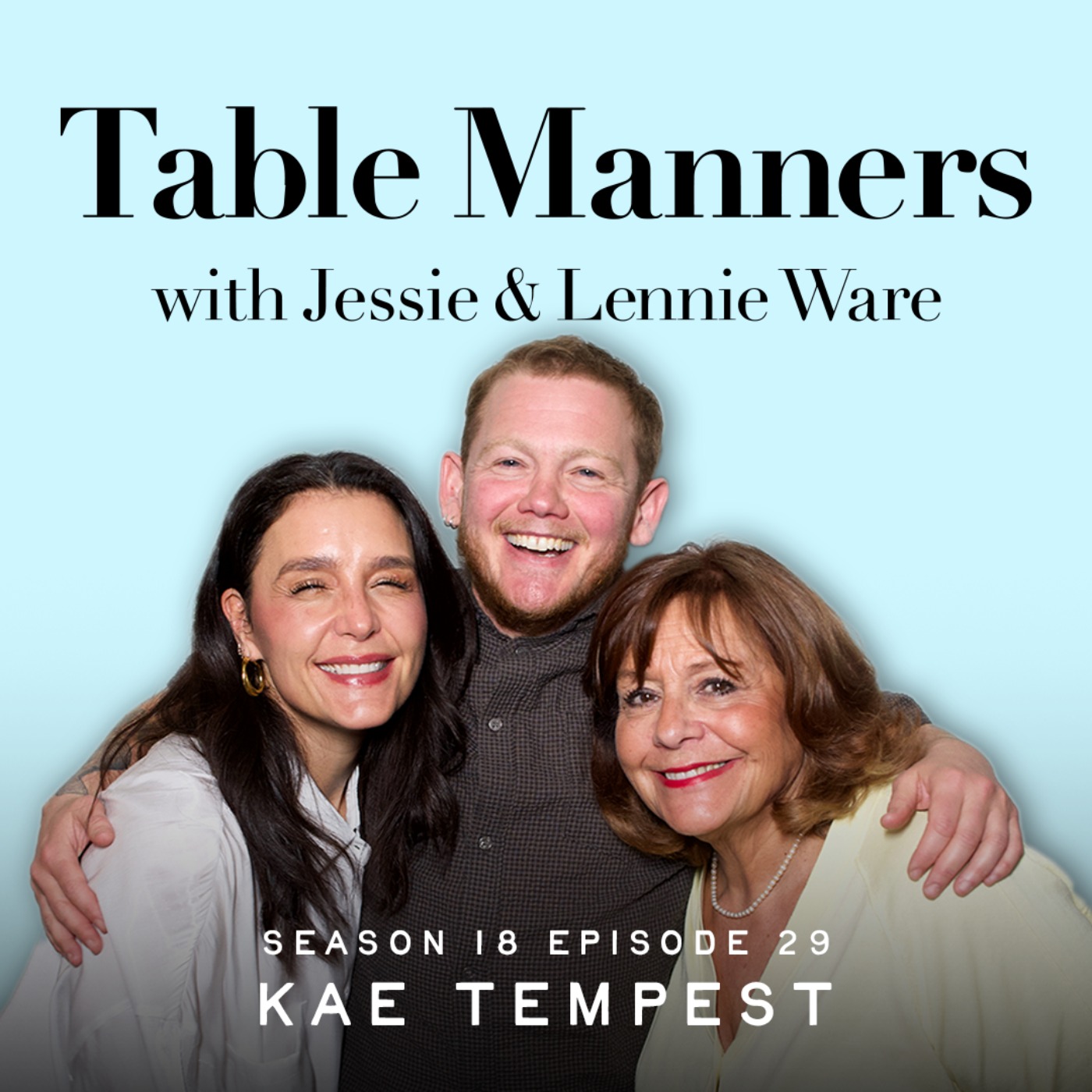
This week we have the excellent Kae Tempest joining us for lunch! Kae came by to talk about his beautiful new novel Having Spent a Life Seeking. Over lunch, we covered everything from growing up in Lewisham in a big blended family, to music, poetry and the writing process. We also chatted about cooking scallop spaghetti for his girlfriend and giving up sugar, cigarettes and alcohol for Lent. Kae, we loved having you over; a fantastic guest and an enriching, gorgeous afternoon. Kae’s book is available to pre-order now, out April 30th.
Listen & watch Table Manners here - https://tablemanners.komi.io/
Follow Table Manners on:
Instagram - https://www.instagram.com/tablemannerspodcast/
TikTok - https://www.tiktok.com/@tablemannerspodcast
Facebook - https://www.facebook.com/tablemannerspodcast
YouTube - https://www.youtube.com/@TableMannersPodcast
Hosted on Acast. See acast.com/privacy for more information.