
- Podcasts
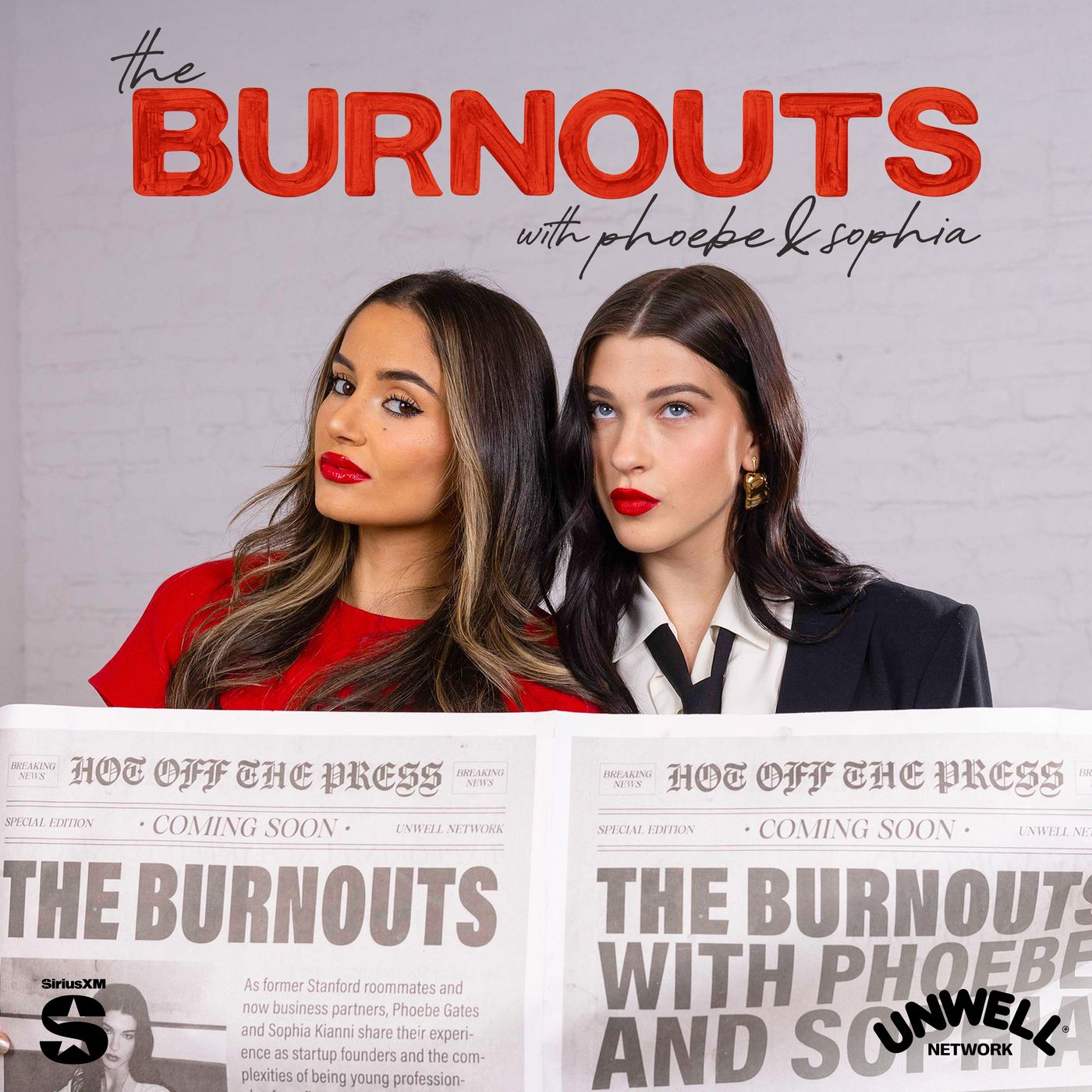
- The Burnouts with Phoebe & Sophia
- Meet the Stanford genius who modeled for Victoria’s Secret and won Olympic gold (ft. Eileen Gu)
 The Burnouts with Phoebe & Sophia
12 Jun 2025 · 37m
Meet the Stanford genius who modeled for Victoria’s Secret and won Olympic gold (ft. Eileen Gu)

 Add vo to ChatGPT or Claude to ask about everything you hear
vo listened to this episode to put together the overview and transcript, so there may be the odd mistake.
In short
Eileen Gu discusses balancing elite skiing, Stanford academics, and high-fashion modeling; burnout and “post-Olympic depression”; injury and taking time off; negotiating contracts and brand choices; and handling US-China geopolitics and media backlash as a biracial athlete.
Guest
Eileen Gu, 18-year-old skier and Stanford student. She has modeled for major fashion brands, including Victoria’s Secret, and has won Olympic gold (described as “perfect Olympics,” record-breaking). She is biracial (parent born in China) and has faced intense scrutiny for representing China despite being American.
Key claims
She manages competing demands by “pivoting” with low emotional toll rather than doing everything simultaneously. Post-Olympic depression can hit even after winning. She advises young people to read contracts, redline, and negotiate by knowing their value. She says she can say “yes” to modeling by aligning values (e.g., custom bodysuit approach). She frames solo travel and injury as identity-building.
Notable examples
World Cup skiing opportunity at 16; paying tuition from her first paychecks; walking Victoria’s Secret runway at 18 with a “sexy but athletic” custom outfit; Sports Illustrated Swim as an all-women-led team; a press conference right after Olympic win where reporters asked about geopolitics; Tucker Carlson-style online bullying; post-Olympics burnout “six months later”; concussion and collarbone injuries; “exec sync” style planning with her mom/friends.
Transcript
0:00Sophia: Eileen Gu is 18 years old. She's a skier. She's a favorite to win several gold medals. She has one parent who was born in China and she switched sides despite the fact she's American. At least invite me for a date. Eileen not holding back on. China's snow princess is the queen of big ass.
0:22Hey, I'm Eileen Gu and welcome to Burnouts. Take us back to like when you were juggling all of this stuff like you were working out, you also had school you were modeling like how did you balance all of it like I need the Eileen Gu like time management tricks I mean I think that what's a little bit misunderstood about me is that because my three things like the fashion world skiing and school they're like kind of geographically disparate so it's not like I wake up in the morning and like ski for three hours and then go to my like seminar in the afternoon and then go shoot a campaign at night realistically realistically what I'm really good at is less doing everything at the same time and more pivoting with very low emotional toll.
1:06So you do like periods of hyper focus on like one specific thing and then switch? Yeah. And it's like when you're doing one thing, it's rest from another thing. So for example, if I'm training or if I'm working out, like that's a physical toll. But if I'm sitting in a classroom, my body's repairing itself while I'm doing something else. So it's like I have all these tasks running in the background. There's this thing called post olympic depression and it's like very common among athletes pretty well-known phenomenon but the interesting thing is it's not at all correlated to result and i think that's what's kind of surprising to people is like you can win the olympics and still just enter the deepest rut of your life and just really be questioning everything your purpose feels so burnt out but at the same time just have all this anxiety and pent-up energy not sure where to direct it um and i was no exception right so like i'm talking to my friends who had this huge disappointment at the Olympics.
1:53And in a way, they're like, you know, I mean, talking to you is kind of making me feel better because you literally had the, you know, quote unquote, perfect Olympics. You broke all these records and you're still feeling this way. You're feeling the same way. And so it's almost makes them feel better in a way. And so so going through that, I think, was probably the biggest burnout thing, like six months after the Olympics. It was just I mean, think about it, right? You're working your entire life towards this one massive goal. And so then you're 18. you feel like you're on top of the world and then you hit this hole and then what you know the whole world opens up ahead of you and you're questioning what next I would say that that was that was a
2:31Sophia: burnout period for me we call like when we go to and it's quite cheesy but like our friends my mom who I text like I have like my executive council or my board of people that I go to and it can be a dumb decision of what I'm doing so healthy who is that for you like is your mom that person I know you're super close to your grandma what are like those different support systems that you have My mom is huge and she travels with me. Right. So like seeking mentorship in a holistic sense is sometimes challenging because a lot of the things I do kind of are the first time someone's doing it in the way that I'm doing it.
3:02But there are people who've gone through really incredible experiences and everyone's unique. And so being able to draw from just that like wealth of knowledge. So my mom for sure. And then honestly, like friends who I really respect. I think I have a great support system of friends. And the cool thing is when you're little, like one to two years feels like a lot. But then you get older and like you can have friends who are like 35. And when was that threshold for you where you were like, oh, my God, like this thing that I love doing, like either fashion or skiing, like actually turned into, oh, my God, like I'm running my own business.
3:34Well, it's kind of funny because the skiing thing happened by accident. Like I always loved skiing growing up. I grew up in San Francisco. And so I did the weekend warrior thing, like the four hour drive to Tahoe. and what that meant that I actually was skiing two days a week I probably had like 45 50 days on the mountain which is just like by no means was I like a professional skier or training and so I was 16 I was running cross-country and track in high school and that was like my big thing I thought I was going to get recruited I got invited to my first free ski world cup when I was 16 and it was like the alternate of the alternate because like someone had gotten hurt and then that person couldn't make it on a visa issue and so it was this one-time opportunity for me to go to a World Cup.
4:13And it was the same week as my state championships. And I actually picked running. No way. Oh my God. Because I was like, I'm going to be a runner. This is my thing. And then at the last minute, it was actually my teammates' parents who came to me and my mom and said, we really appreciate what you're doing for our girls. It's a team sport, right? You score together. And so we understand that our team's going to do a lot better with you there as opposed to not. But if it was our daughter, we would have them go to the World Cup. And so I did. And I actually did quite well there. And then I got enough points through that to get invited back with my own spot the next time.
4:48And so then my second World Cup, I got second place in my third one, I actually won. And so then that's kind of when I was like, oh, wow, I'm actually relevant here. when did you first start reading like your first contracts like what did that look like for you I've always made a point of reading my own contracts I think that's super important to anybody out there like young people seriously read your own contracts do not trust anyone with the final read I don't care who they are read the final cut um really really important but I I go through like redlining even still so like I really am involved from the start to the finish when did I start?
5:23Probably like since the beginning, since my first deal when I was like 13, 14.
5:27Sophia: Walk me through like what's your negotiation process, particularly for like young women who are just starting their careers. Like a tough thing is your salary negotiation. How would you think about that even outside of brand deals? Like, oh, this is a skill I've really taken that works for me in different negotiations. So don't be afraid to ask. I would say it's like number one, go and like do the work beforehand. So like have a sense of your value. I would say that's super important what differentiates you why do you deserve what you think you deserve and then how to ask so those are I think the two the two steps but the biggest thing is honestly don't be afraid to try because the worst someone can say is no and then you can settle for something in between what's it like working with your mom is there how do you guys deal with like conflict when you guys are in your work relationship and how do you maintain like also your personal relationship this is something me and Sophia have transparently struggled with we were roommates for years and then we recently decided like we probably shouldn't live together because we're spending so much time together at the office and we've really had to frankly learn a way to argue with each other that is productive because she drives me fucking insane I know I drive her insane we disagree on stuff all the time we have to figure out like okay how do we separate personal there's nobody on earth who has my best interests at heart like my mom does sometimes I just take a step back and be like without her without that level of trust like it's irreplaceable and so even when we're fighting it's like how can we create a resolution work together to resolve this problem even if the problem is with each other.
6:49If I have her guidance, I'm almost guaranteed to do better. And so when do I take that time to go and do my self-exploration? And what is low risk enough for me to do that? Because if everything I'm dealing with is so high level or high stress and high pressure, then it sometimes feels like I don't have the freedom to do that. So recently with the injury thing, I actually think that that's given me a lot of space and clarity on that. I feel like it's so valuable to take time and just be alone. and you don't even have to be doing anything. You don't need to have a crazy itinerary. It's just the sense of being alone in the world and building up that self-confidence of, hey, I am a capable person.
7:27I have good critical thinking skills. I can take care of myself. If everything blows up tomorrow, I can survive. And I think being in a city, being alone can do that for you. I don't know what your experience has been like in New York. I feel like there's no better place to do it. So I'm just curious, like, do you feel that way? A hundred percent. I mean, we're so young, like all of us. I mean, it's so funny. you're like oh I'm 21 I'm grown I mean like I'm 23 and I still feel like I I just like graduated high school and I'm still beginning everything and I think part of that is like the only way to really get to know yourself is by being alone otherwise you just become a combination of everyone around you and then yeah and then you don't learn to think about like what do I actually care about like what do I want to see I need to be alone and I need to think about like what do I think is the right decision or like what do I want and then to have other people think about it and then you come together and you both have like a chance to share your perspective.
8:19Sophia: And I think even like, you know, one thing that you've talked a lot about is like solo travel. When you went to India by yourself, I think that was when you had some of the best self-reflection in your life. A hundred percent. I mean, she came back. She was a way better roommate. Cleaner. I think it's just so like, and I definitely want to know how this has felt for you, like traveling alone. But it's just such a transformative experience because I think that's like the moment when I realize I'm not a kid anymore. Like I'm fully in charge of myself. Like I need to take self responsibility. If I miss a flight, like if something goes wrong, like that was totally on me.
8:51And I think it forces you to develop a lot of like personal critical skills. And so, yeah, like how has that been for you? Like now that you're traveling the world alone, like what has that taught you? it's really important for you to feel that safety net drop out from under you like do you know what i mean at stanford it's this little bubble like you have the dining halls you have the sense of structure worst case scenario like you have the schedule set out for you it's not that hard to make friends because you're just surrounded by people in your age group but when you're totally by yourself it feels like the world is just opening out in front of you and that sense of like the yawning abyss of the world is this kind of really exciting thing on one hand but also kind of scary and nerve wracking.
9:32And it's so important that everybody goes through it. It's so important.
9:35Sophia: I'm super curious to ask you because like you have like a brand, your own personal brand. You're also your body is part of your career, both through modeling and being an athlete. It's a huge asset that you have. What do you feel like? Do you ever feel like you're building a brand or where does like kind of the divide come between like where you feel like, hey, I'm a person and then I'm also building this image on top of it. Does it feel like there's a divide there for you or do you feel like it's natural? I'm really lucky in a lot of ways because I don't have a traditional career path and I'll be the first one to admit that right I literally got to pick three things that interested me school fashion and skiing and fashion it together in this like cool unique interesting way but it actually is just me like I actually just like these things and if nobody knew who I was, if I didn't get paid to do any of it, these would be the things that I would want to be doing.
10:29As far as the building a brand thing, I think the biggest thing is knowing myself and knowing what I stand for. I say no all the time, but more importantly, I find ways to say yes. And what I mean by that is, for example, when I turned 18, I was asked to walk Victoria's Secret and that was a really, really exciting thing for me. The cultural impact of that show is there's no way to overstate. And also just the fashion brain, that one third of my brain that I have is just like, you know, exploding with excitement. But on the other hand, I'm thinking to myself, okay, if I want to start a company, for example, is this still a founder that someone could respect if I wanted to approach them?
11:11Is there any door that is going to close because of this? and that's a really unfortunate thing to have to ask because honestly like being able to model or do swim or lingerie or any of that can be such a deeply empowering thing and it is a celebration of femininity and womanhood but on the other hand I mean we can't ignore the social implications that it has that's just the world we live in and it's really unfortunate and so I found a way to say yes and what that meant was I actually so I wore this custom you know bodysuit situation It was like leggings, like long pants, but it was like a cat suit.
11:48It was still, I felt really confident. I felt really feminine. I felt like I was really embodying still the Victoria's Secret energy. It was sexy but athletic. Exactly. And I was able to have this brand still and be really true to myself. And in no world am I thinking like this is my brand. It's more just like are these values aligning with mine? Yes or no. And if they're not, find a way instead of just being like no, this is not happening. And so I ended up doing it and I was so happy. And I think that that was definitely the right call. And it just taught me to find a way to say yes. Most recently this week, Sports Illustrated Swim came out yesterday.
12:24Yes, I appreciate it. But that was another dilemma for me, right? I got the offer and they're like, hey, do you want to shoot Sports Illustrated Swim? And I ended up doing it again because I think that I believed in the team. It's actually an all women led team. That's really interesting. and they're so empowering, so inspiring. The energy on set is amazing. At no point did I feel pressured to do anything that I didn't want to do. But the fact was I did my homework beforehand. I went in knowing what I was okay with and what I wasn't. And I knew exactly the values that I wanted to embody. And it's easy to know that because I knew myself.
13:01So I went in, I wanted to embody strength. I wanted to embody femininity and the intersection of beauty and power. I actually wrote my college essay on that. I love this. But you can use these platforms in the right way and be on them and represent things that you feel you're proud of, that you want your kids to be proud of, that you think are influencing the next generation, leaving a positive legacy. Realizing that sometimes the two options you're given are not actually two and that you are able to kind of find a third option that works out better, not only for you, but also for the other side.
13:41and for you like how did you fall into fashion like obviously you're beautiful you're brilliant like how did you decide I want to also start modeling this was a super interesting time in my life I was 14 and I got invited to my first fashion week in Paris and at the time I mean skiing free skiing is a very male-dominated sport I was the only girl on my ski team forever until I was 15 and joined the U.S. team. So when I was 14, I had no real sense of what the intersection of like femininity and sport could look like because I so badly wanted to be a boy. And it wasn't even in the like, I'm not like other girls.
14:23I actually just wanted to be a little boy. Like I would wear the same clothes. I would speak the same way. I would try to, you know, emulate everything that I saw my teammates doing because I just wanted to be friends with them. Pivoting from that all of a sudden to fashion week, right? So different. And I think it totally opened my eyes to what could be possible. Like, I don't actually feel I have to sacrifice the athletic part of myself in order to also appreciate the incredible complexity and expressionism and creativity that you can see in the fashion industry and I don't think that you have to make a compromise there I'm never going to be a better boy yeah than the boy who's sitting next to me on the chairlift you know what I mean I'm never going to beat him at that game do you ever get insecure I get insecure I think everyone gets insecure right I mean no I would no one would be okay good I'm glad we're on the same page I wanted to check I wanted to check in there okay good well I think it's like we're all perfectionists and I think that's the thing that people struggle to realize like I think that was something that really stuck with me when I had like my first conversation with you at KUFA where you were talking about like struggling with things or like self-image or anything like that and I think it's like the problem with perfectionism is like enough is never enough like there is no ceiling like you can always do more like has there been times for you where you're like what's my next move like what's my next step especially now that like you have your injury like how do you look at what you want to continue to achieve I talk about this actually a lot with my mom because I think that she really sees this part of me very clearly.
15:57I was always the small fish in the big pond, which is an incredible place to be as a young person because you're a sponge, right? Your neuroplasticity is off the charts. You're learning from just existing and you're so perceptive. You're picking up all these subconscious cues. And so when you are around people who know more than you, are more successful than you, are better at skiing than you, I was always the young one, the little one, maybe the only girl. Like for some reason, I felt like I was the small fish. And so having that mentality allowed me to grow super fast. And it also allowed me to have a degree of humility when it came to learning.
16:28Like it's impossible to hurt my feelings with criticism. I think that's a really great skill that I've learned is that it's not everyone's job to be able to present something nicely to you. So to be able to be given constructive criticism, I think is the biggest blessing. But it also, it's a two-way street. You have to be able to receive it. If every time I got constructive criticism, I was offended. I would never grow. This is kind of ridiculous. I'll sit my friends down, maybe like once a quarter, be like, okay, it's, it's rosebud thorn time. And they're like, what? I'm like, yeah, you heard me.
17:03Give me the thorn, like thorn me. I want to know. I want to know. I think that's the most valuable thing that I could possibly be given. I think that being a small fish in a big pond has made me kind of very open to this criticism and, and judgment from others and allowed me to to grow because of it be very resilient but on the other hand it's kind of undermined my own judgment I think now I'm work one thing I'm working on is trusting my own judgment
17:29Sophia: more and how do you deal with that like I know like you keep getting caught up in the media between the China US stuff like how do you deal with that and like having your own identity within that and like your own opinions girl having 18 years old yep I randomly like slip on the TV why is Tucker Carlson on like a 30 minute I just think it's kind of crazy that like that's what you're depending on for a platform and I don't want to make the excuse of like oh like I'm a young girl like I am but also why is that going to be your platform like you think that's gonna make your popularity go up like you think like bullying 18 year olds on your show is like a good look for you because your business like has to be multicultural like you have to you have a business arm in China you have a business arm in the U.S.
18:18Sophia: that's core to the entire fashion industry that's how international commerce also works like so I imagine you have to also I'm just curious on like the culture and do you ever feel like you get pressure from American brands to do certain things and then you get pressure from other brands in China to do certain things like how do you kind of walk that line as well that's a super interesting question so I am biracial so I feel like I really grew up with both like in the most authentic form possible so I was on my way to school in the summer and I would call the taxi cab I'd be like I'm on this corner of this street and he would every time every morning the car would just drive past me I'd be like what I just called you like I said I'm right here and then I figured out it's because they would look at me and be like oh that's not the person whose voice we heard like we heard someone and again you have to think like China's a very homogenous society just racially and so I really stand out there like really stand out and I joke that I was always a celebrity growing up because I would be like four in the elevator and somebody like look at her face look at her nose look look look at her like look at the little girl like look at the little European girl and I think that's kind of a thing in the U.S.
19:21where it's like if you're you know the odd one out you think of it as a bad thing and so I had that mentality for a few years but then what I realized is people were actually like kind of complimenting me because you're gorgeous well thank you but I mean I was five I was just like what am I what am I doing like why can I not be like other people I'm trying to prove to you that I speak Chinese I like my mom is Chinese I've spent so much time here I feel so culturally fluent like what else do you want from me how else can I prove to you that I fit in um and then I stopped trying to prove it because I was like this is really interesting I actually can be a cultural bridge.
19:56You're right. I'm not fully one. I'm actually both. And there's no shame in that. Like I'm fully both. And that's even better. My world is even bigger. I've expanded my worldview and I get to play this unique role as a bridge and bring all this joy that I get to experience from both of these places to one another. And that's the most powerful and awesome and exciting thing that I could possibly think of. I mean, I remember I was four in kindergarten in the US and kids would be bringing in like raisins or whatever snack for for snack time and for recess and I would bring in it's called it's like this lotus leaf wrapped sticky rice with sausage in the middle like very Asian sort of thing and so it was definitely sticking out in in the lunchboxes and so I didn't even have a lunchbox I have like a plastic bag of course of course but I think there's always that story of like the kid or like the biracial kid growing up and like oh I felt so left out like the other kids were eating this and I was eating this and I was made fun of because it smelled weird or people were making fun of me I actually had the opposite experience I brought it in and I was like I would pull up with like a full yam and kids would be like I mean you're five you have no sense of like race or judgment or you just want to fit in you just want to and so whoever actually is more confident in that period of time gets to be the trendsetter and so I got to be this cultural ambassador like my whole grade grew up loving Chinese food I mean in talking to you it's so clear like you do feel so much pride like you do feel so much resonance with both parts of your identity I mean what was it like for you when like Tucker Carlson like these crazy people started coming at you like how did you feel I mean I was sad I was sad I was I just felt so misunderstood and I first I think it was sadness it was disappointment um and then it was anger I felt really angry I was like who are you to get to go online with this big platform and you don't even get I mean at least invite me for a date yep like let me come defend myself like why don't we just sit down and talk you want to have all this free speech yourself great like you want to go up and like yap to your community great did they let me come no I was
21:59Sophia: like I will come after this they better fucking ask you I was like at least let me tell my story I think it's unfair that you get to bully me one-sided. I just, I'm not a fan of that. And so there was actually a press conference right after the Olympics, like literally right after I won the Olympics, I was taken into this press room by myself, no agent, no mom, no family, nothing, totally vulnerable, just me. And in front of me, that's like a room of reporters. And they're like, so what do you think about US-China geopolitics? And I'm like, I just won the Olympics. Like you were asking me to solve problems.
22:31I'm just trying to focus on what is relevant to me, what I actually can have impact on, and also what I'm passionate about. And honestly, I'm telling the truth. This is my experience. If you don't think I'm right or if you don't believe me, if I'm telling the truth and you just don't believe me, there's nothing I can do. There's literally nothing I can do. In Chinese, there's a proverb that says you can't wake someone who's pretending to be asleep. And I think that really rings true here. if you've told your story if you've been if i think that my logic is very strong i think that i've explained everything from a logical from an emotional from a personal standpoint i've literally covered everything that i possibly can into every decision that has been publicly scrutinized that i've made i have no regrets about them i think i'm doing the right thing i think i'm making the world a better place i mean post olympics 350 million people started snow sports that's incredible I didn't know that that's so cool 350 million can you believe I mean going from and I think I hold such this holds such a special place in my heart because the scale of that is just unbelievable and skiing especially was kind of a small sport to begin with free skiing was and to be able to have it recognized at such large scale to have girls on the slopes never questioning that this sport doesn't belong to them you know they never felt like it was an all boys thing they never felt like they had to fit into the boys club because the first time they heard about it was from someone who's a young woman a young asian woman and they're like oh my gosh you know this sport is for me too and they just that thought never has to cross their mind
24:05Sophia: yeah and i think the reality is like we've seen this this trope so many times again you know with with athletes who are caught between two countries that are massive superpowers you're asked constantly to comment on geopolitical stuff and it's like no your mission is getting more girls out there getting more girls to feel confident is my understanding and getting more girls on the fucking slopes, which you've done and you've accomplished. So you don't need to be the ambassador criticizing all the human rights violations of both countries and doing all of that. And I think that's kind of an undue burden that we put on athletes.
24:32Sophia: But I want to back up, you know, now obviously you're one of the most highest paid athletes ever, but I want to back up to like, you're 13, you get your first paycheck. And I'm thinking about like the girls who are listening, like, what do you do with that first paycheck, that first deal you get? Like, do you stash it away? Are we investing it? What do you think about there? And what kind of advice would you have? I contributed towards tuition. And so that was my big thing. And so I was able to pay for my own tuition from my freshman year of high school onwards. So that was a point of pride for me.
25:04I was just honestly really happy. And being able to do that even now for college, like, oh my gosh, Stanford is so expensive. But like being able to click that pay button, it makes me feel proud. It's like something that I'm really proud of. And I feel it's contributing to who I want to be, the person that I've always wanted to become. If me at age 10, 12, like 13 could come see me now, I think she would be so proud of me. And that's what matters to me. What would be like something that you wished like four years ago someone had told you? We glorify sacrifice too much as a culture. And that's kind of my hot take for the day.
25:38I think that sometimes people think, you know, I've suffered. I woke up at four in the morning to do this thing. okay how productive were you from four to seven like how did that lack of sleep affect you and so no one gets a prize for suffering if you want to talk about productivity and you want to talk about optimization talk about that but don't talk about the suffering that you went through if you can do something easier do it easier you don't need to take the hard way you don't need to follow and this also goes into like following the the beaten path you don't need to follow the beaten path sometimes the easier way is like you don't need to walk around the thing just like swim through the lake, you know, figure it out, build a boat.
26:16Like, I mean, you guys know me. I have a vibrant social life at Stanford. Go out. Like I have tons of friends. I have friends in different grades. I mean, you guys are in a different grade than me. Like I, I don't feel like I'm sacrificing on that, but also I'm taking every class that interests me. I've done the physics class. I took AeroAstro. I'm taking philosophy. I've done the IR classes. Like I literally am doing everything and I don't feel like I'm sacrificing on that. And I think that's how you live the most full life. And so that's why I guess I've built this brand I'm like really shy away from all these buzzwords um because it's really just me they're all the things that I love to do and I've found a way to make it relevant to the world
27:01do you think you would have done like academia or something I mean when you were like I'm so excited about school I want to take astrophysics and all this stuff I was like damn I'm so impressed by her. I think that being an academic holds a really central role in my identity, like way more so than people anticipate. I think also part of that is what makes me a good skier. When I was a freshman in high school, there were guys on my team who were doing online high school, but I was 14. I was the youngest on this team. I was so scared of everyone because they're all like older, cool. They're all boys.
27:34And so in order to make friends, I would do their homework. shut up Eileen you're joking you're not you're not in bad company though because she did too and so I was like a freshman in high school like doing these like older guys high school senior like homework and when I tell you that was the best SAT prep I ever did and you will never catch me like in an SAT prep class like never had to do any of that because I was so ready are you kidding me like I I had it all down and like that was just who I was and I like never shied away from it and And that was just where I felt like I got my strength and my sense of identity from.
28:11And then I realized that it actually translates so directly to skiing. Because skiing, if you are able to visualize, that puts you at a major advantage. And if you're able to visualize in multiple dimensions, and when I say dimensions, I mean spatial, audiovisual. If you're able to have a good sense of the physics of a trick, if you can watch a trick backwards and forwards, if you know where kind of these forces kick in and what it feels like, that puts you at an advantage. And so if I've taken a physics class and if I know how the trick feels in the air and I put those two things together, I feel like that gives me a unique edge.
28:48Also, when it comes to competition mentality, if I've taken a psychology class, if I learn about fear, if I know how to learn and if I know how to learn a trick and know when to practice, almost like studying that gives me an edge and if I know myself if I know how I learn when I learn best how I can review things that gives me an advantage so as far as being in school and also skiing goes I think that it's helped me so much and the older I get the more grateful I am that I stuck with that and never felt embarrassed by the nerd allegations if anything I think I'm so proud of it and I'm so happy yeah I mean the older you get the cooler it is and then everyone wishes they were a nerd when they were younger but i think that's also so interesting because i mean i don't know if you struggle with this at all or like how this was for you but i think for guys especially like that is really intimidating like oh this girl's so smart like she can do my homework like i think it's just really interesting how that's such a positive trait for men but then it's like the moment that it's a woman it kind of is like oh like she thinks she's this shit or something like that that's how you can tell a high quality man from a low quality man yeah that's 100 i actually like i used to be like oh like why are men so like why are men so intimidated by me why do men get like emasculated and then start treating me poorly that's another interesting thing is that like when you that sense of insecurity what but it's like that's what emasculation does and the male ego is such an interesting thing and but it's a very fragile one and it's the danger around the male ego is that it's there's people don't study it people aren't aware of it and so you can't even point to it and be like oh that's xyz it's just this like inherent thing that if a guy is insecure if he hasn't done the self-work it shows and it is like a red flag sirens on the street like fire in the building get out get out and i think that as intelligent women that's like number one trap that people fall into because we have this go-getter attitude and so sometimes it's like oh there's a challenge let me fix it let me fix it like i can change this i can fix it like let me teach him let me you know but the more you try to do that the worse it gets because the problem is it was never you the problem was never you it was an insecure guy who doesn't know how to deal with competence and in order to feel like he's superior he has to push you down and make you inferior to keep this like gap that he thinks should exist but this guys this is not all men no no it's definitely not all men but I think it's so important for young ambitious women to avoid falling into that trap of like that male validation is not worth it because it's fake like he's just trying to make you feel small so that he feels bigger than you
31:40Sophia: and like you shouldn't feel small I don't know I feel like there's two kind of like approaches to this where it's like, okay, there's the kind of relationship where it's like truly a partnership where it's like you and whoever you're with, whether you're with a lady or a dude, it's like you're sitting down every two months. You're like, okay, like, where are you struggling? Where am I struggling? What are our goals for the next couple months? Let's like be, let's be a team here. Like, how are you going to succeed this year in your job? How am I going to succeed in this? Okay. Do I have a personal goal to maybe eat better?
32:06Sophia: Are you going to hold me accountable even if that's hard? And then there's another trope, which is like, you know, kind of the person wants to shine and then you're like the backlit person and so i think like the male validation can be great but only if they're actually seeking that kind of partnership i think the issues we've fallen into as a society that that's not often what you see like you don't see marriages where people are sitting down and doing like you know an executive sync where they're planning for the next quarter together like and that's like me personally that's what i want like when i'm getting married that's what we're having i can totally see you with that I can so see you.
32:38Sophia: You deserve that. No runs for me. No runs for me. Me and my husband are doing an exec sync today, and we have a lot to review from this last quarter. Last quarter, you took off. What was that like? Because your entire brand is doing everything, winning gold medals, being an A-star student, being a supermodel. What did that look like for you? And did you get any rest last quarter? What were you up to? So honestly, the entire taking time off thing was kind of an identity crisis to begin with because Olympics work on four-year cycles and as do high school and college. So actually in high school, instead of doing the whole four years, I actually graduated a year early.
33:13And so I was the first person in our high school's history to graduate a year early so that I could do the Olympics in the fourth year. And so in my head, I was like, oh, I'm just going to do the same thing at Stanford. So I actually like got ahead, like did a bunch of summer classes and had this full intent to graduate a year early so that I could do the same four-year cycle. And my mom, I think people think that she's like crazy tiger mom but she's actually the opposite and so she's like reverse tiger momming me and being like when are you gonna drop out when are you gonna take time off and so I think eventually like my mom mentors people I really respected were coming to me and being like look I mean the best time of our life was really in college like we had so much fun we didn't have these crazy responsibilities that we have now like the real world hasn't really hit yet but we get to go around and learn for fun, be around like-minded people, be in this beautiful place.
34:04Like, why are you rushing to get out? That's kind of where I was at. And I finally came to terms with that. So like I took one quarter off.
34:09Sophia: A whole 10 weeks, girl. Woo! It's a slippery slope. And then I took another one off. But yeah, so now I'm in my second quarter off. I actually had some injuries. So I had a pretty bad concussion at X Games in January and then came back to snow and then broke my collarbone. I'm so sorry. You're super brutal. I know you're a super like regimented person since I've known you. You're running like literally so many miles per day. You're working out, you're studying, and you're managing an entire brand business and career on top of this with your own personal brand. What is it like, like the mentality of getting injured because you're such like a regimented person?
34:47Sophia: Oh my gosh, that is such a good question. And like, actually, yes, 100%. I think for me, I never really learned the like traditional rest strategies. And so for me, like running has been this huge just outlet for me since forever. And so not being able to run and then compounded with just the emotional and physical just anxiety with the injury itself was just like debilitating, honestly. And like people don't understand the emotional and physical toll that injury takes on athletes. And it's just like absolutely debilitating on all levels. like so brutal. I'm curious like how it has been like for you on Stanford like do people have preconceived notions of you like what has it been like trying to make friends when people might have already seen you on the news?
35:33Yeah I mean look the like photos at parties is going to exist so I don't drink I like ever um that's just like a personal thing um I'm also Asian so like I don't metabolize alcohol very well it's like not even fun if I were to so it's like I don't really feel like I'm missing out but that's like a big thing for me I just don't want to be drinking I don't want to like do something stupid I don't want someone to like take a photo of me it's just there's no need and drinking doesn't add anything to the experience anyways so it was just an easy choice for me but like that's one thing right um another thing for example could be like um oh you're actually really xyz that's the classic ew wait you're actually really smart wait wait you actually really know what's going on in this class you're actually really well prepared for this fight like call me i'll punch them oh my god call me i'll no dead eyes call me i'll fuck them
36:28Sophia: up call me anytime one of these guys a1 tucker you let me know i'll be there i'll be there and i will drink and i will drink before and i'll punch him only oh my god i'll chug it down tequila i could sock them really fast you don't want to you don't want to look stupid i'm happy to do it for you. She's not joking. I'm not just ready at all. My eyes like twitching. I'm ready to go. I'm so ready. I'll call you up. Guys, you don't want to mess with me. I have Phoebe on speed dial. Eileen, it has been such a pleasure. I have missed you and this has been incredible. I've learned so much even through being your friend but just sitting and talking to you about everything has been amazing.
37:04Sophia: I fear you're going to be added to the exec council I'm going to call. Thank you again for coming on the burnouts. I love you both so much. I'm so happy to get to do this.
37:15Thank you.
From the publisher
Olympic gold, Ivy League brains, supermodel looks—and still figuring it out.
In this episode of The Burnouts, Olympic gold medalist, model, and Stanford student Eileen Gu joins Phoebe and Sophia for an unfiltered conversation about ambition, identity, and what happens after you’ve seemingly “made it.”
Eileen opens up about her post-Olympic burnout, learning to sit with stillness after injury, and the pressure of being young, female, and hyper-visible on the world stage. From negotiating brand deals at 13 to being grilled about geopolitics at 18, she reflects on the emotional toll of public scrutiny—and the freedom of learning to define success on her own terms.
She also shares how fashion gave her a new language for femininity, what solo travel taught her about self-worth, and why she’ll never apologize for being “the nerd who does everyone’s homework.”
Also: the difference between a high-quality man and a fragile ego.
🕯️✨ USE CODE "BURNOUTS15" FOR 15% OFF YOUR ORDER ON OUR LIMITED-EDITION PHLUR X THE BURNOUTS CANDLE ✨🕯️
CHAPTERS
2:10 – Post-Olympic depression is real
4:45 – How she accidentally went pro
6:55 – Negotiating for yourself, even if you're scared
10:40 – Walking Victoria’s Secret and staying true to your values
13:15 – Becoming a cultural bridge—not picking a side
17:35 – Why smart women scare fragile men
26:00 – Glorifying suffering is not a flex
28:55 – Nerd alert: physics made her a better skier
35:40 – Injury, identity, and learning to rest
FOLLOW US
FOLLOW THE BURNOUTS
📲 Download the Phia app to start saving money: www.phia.com
Subscribe to The Burnouts for bold, raw interviews with the thinkers, athletes, and founders redefining ambition. Hosted by Phoebe Gates and Sophia Kianni—former Stanford roommates turned startup co-founders—each episode dives into the unpolished truths of building a life and career that matters. This isn’t another founder podcast. It’s what building something in your 20s actually sounds like—unfiltered, in-progress, and a little bit chaotic.
Hosted by Simplecast, an AdsWizz company. See pcm.adswizz.com for information about our collection and use of personal data for advertising.
More from The Burnouts with Phoebe & Sophia
All episodesWe use cookies.They keep vo running smoothly and help us improve it. Privacy policy
Scan the code with your iPhone camera
Listen in the app.
- Play everything vo finds for you
- vo remembers everything you hear
Go to the App StoreFree on iPhone