In short
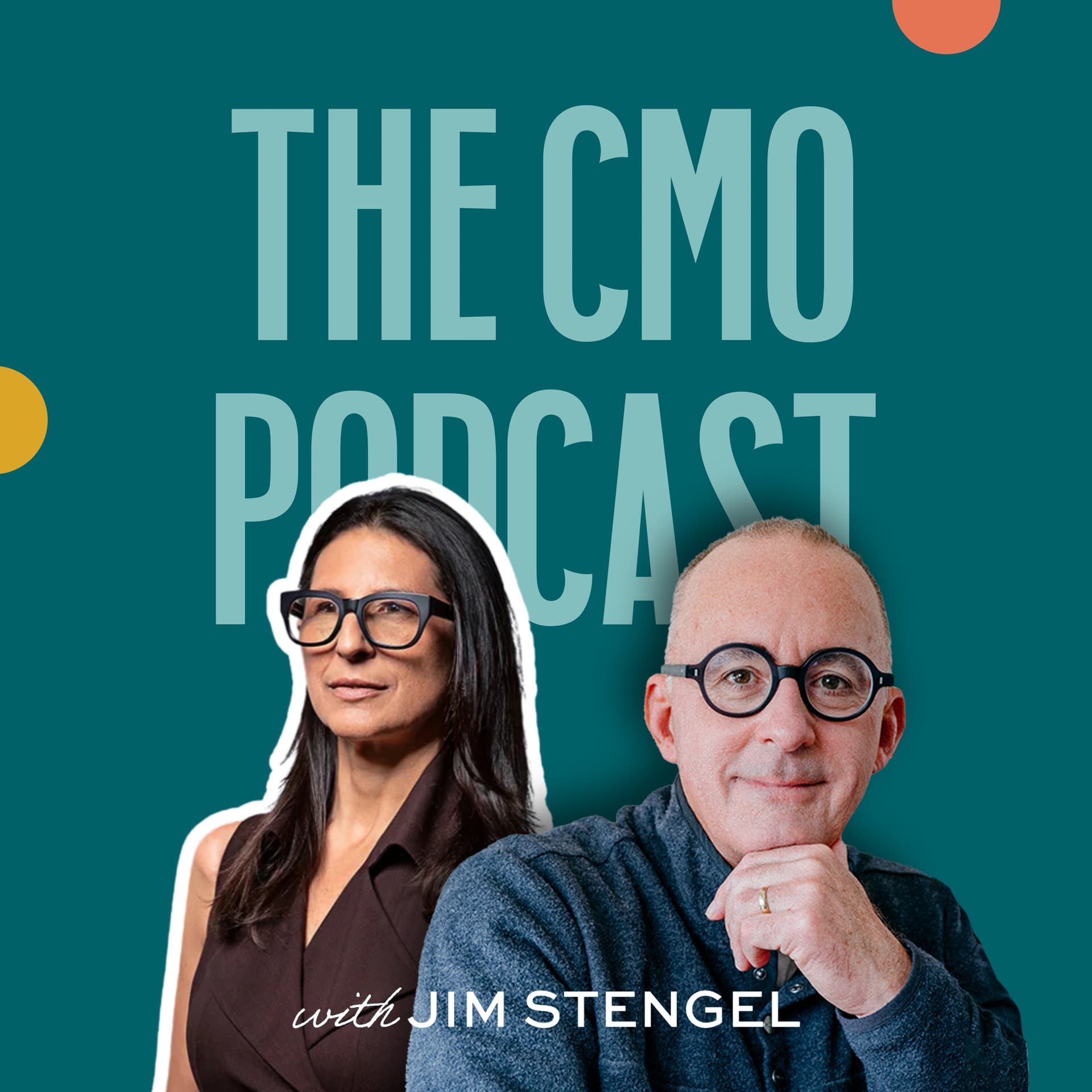
Sean Summers, MercadoLibre’s EVP and CMO, discusses how Latin America’s leading e-commerce/fintech marketing engine works—plus what he learned from Cannes Lions, the World Cup sponsorship, and building marketing capabilities for long-term growth.
Guest backgrounds
Sean Summers is MercadoLibre’s CMO (joined in 2012). He previously earned an MBA at Stanford and held leadership roles at PepsiCo and Twinings Tea (UK). He’s led expansion from marketplace into commerce, payments, logistics, lending, and advertising.
Key claims
MercadoLibre’s entrepreneurial spirit and consumer obsession haven’t changed; the mission is still to democratize commerce and financial services in Latin America. The company evolved to compete with global giants (e.g., Amazon in Mexico in 2015) by out-innovating and moving faster. Marketing success requires building capabilities, routines, and measurement systems—while investing selectively in longer-term “capability” work.
Notable examples
World Cup FIFA partnership executed days before kickoff; Cannes Lions “Create a Brand” jury experience (AB InBev and Mastercard passed); “Do, Think, Feel” brandformance framework; retail media responsibility added to CMO role, multiplying retail media business 10x and growing it 50%+; MercadoLibre’s consumer base (120M+ annual buyers; 80M+ fintech MAUs).
Written by AI. May contain mistakes. Listen to the episode to check what was said.
Chapters
Tap a time to open that second in VOIntroducing Sean Summers and MercadoLibre
1:06 to 3:41
Introduction to Sean Summers and his role at MercadoLibre.
“Discounts not available in all states or situations.”
Reflections on the World Cup Experience
3:41 to 5:38
Sean shares his experience watching the World Cup and its impact.
“We are recording this show about a week after the World Cup ended.”
30 Years in Marketing
5:38 to 6:36
Sean reflects on his 30-year career in marketing, starting at PepsiCo.
“I was working to the office this morning, and today it's 30 years to the day that I enter the world of marketing.”
The Cannes Lions Experience
6:36 to 8:33
Sean discusses his role as a jury member at Cannes Lions festival.
“I remember my first day at P &G, September 20th, 1983.”
MercadoLibre's Growth and Market Cap
8:33 to 14:00
Sean outlines MercadoLibre's impressive growth and market cap history.
“It's one of the few in the world, I think, has generated so many leaders.”
Market Growth and Company Journey
14:00 to 16:36
Learn about Mercado Libre's impressive growth and its journey over the years.
“In our case, we operate in multiple categories.”
Maintaining Company Culture and Entrepreneurial Spirit
16:45 to 20:48
Explore how Mercado Libre preserves its entrepreneurial spirit and company culture amid growth.
“A lot of things have changed, you know, et cetera, et cetera.”
Leadership Transformation Over 14 Years
20:48 to 24:29
Understand how leadership and personal growth evolve in a fast-changing environment.
“You know, how we evolve as an organization to keep delivering the results that we're delivering in a very different environment.”
The Unique Ecosystem of Mercado Libre
24:29 to 28:01
Discover the integration of services at Mercado Libre and its impact on consumers.
“The people around you want you to succeed.”
Building a Different Company Culture
28:01 to 30:50
Learn how Mercado Libre's unique culture drives innovation and impact.
“Or even, you know, the basic thing, you know, when we live in big cities, we are used to having access to a great selection at great prices with a lot of convenience.”
Show all 22 chapters
The Role of a CMO in Retail Media
30:51 to 34:39
Discover how Sean Summers' dual role enhances marketing and retail media strategies.
“Now listen, about four years ago you took on retail media responsibility on top of your CMO and I want to talk about that.”
Strengthening Marketing through Retail Media
37:01 to 41:15
Explore how the integration of retail media has empowered Mercado Libre's marketing team.
“Could you go a little bit deeper in how your marketing group is stronger?”
Building Capabilities and Teams as a CMO
41:16 to 42:00
Understand the strategic approach to team building and capability development in marketing.
“It's performance, plus performance, plus branding, in constant interaction and very coordinated.”
Building Marketing Capabilities
42:00 to 43:49
Explore how to choose and build the right marketing capabilities.
“I think it'd be massively helpful for others.”
Long-term Vision for Success
43:50 to 45:39
Learn the importance of long-term planning and measuring success.
“okay, based on that, how to have different strategies that we can use to deliver those results.”
The Evolution of Marketing Channels
45:40 to 47:29
Understand the strategic evolution through various marketing channels.
“Because in terms of opportunities and gaps in capabilities, there are plenty.”
Influential Figures in Sean's Career
49:21 to 51:29
Discover the key people who impacted Sean Summers' career journey.
“Let's go back to Roberto has been a massive friend and sponsor and then the other one is Antonio Lucio.”
Lessons from Family and Career Choices
51:30 to 54:24
Gain insights from personal experiences and family influence on career.
“but Sergio and Jose Luis and Joaquin Anguillo, So many, many good friends and bosses.”
Embracing Risks for Career Development
54:25 to 56:00
Learn how taking risks can lead to significant career advancements.
“So definitely, you know, my dad has been my hero in that sense, my mentor.”
Sean's Career Journey and Risks
56:00 to 1:01:02
Learn about Sean Summers' career path and the calculated risks he took.
“Roberto offers me, you know, in 2002, you know, leave Pepsi Argentina, come to Mexico.”
The Role of Family in Professional Success
1:01:02 to 1:02:54
Understand how family support influences professional growth and success.
“We didn't even talk about GUT, which I think is one of the most amazing agencies.”
Reflections on Marketing's Future
1:02:54 to 1:04:40
Gain insights on the evolving role of marketing and the importance of growth.
“We should keep delivering good results for our companies.”
Transcript
Automatic transcript. May contain errors.0:00Jim Stengel:You're listening to this podcast, so I know you've got a curious mind. Here's a helpful fact you might not know yet. Drivers who switch and save with Progressive save over$900 on average. Pop over to Progressive.com, answer some questions, and you'll get a quick quote with discounts that are easy to come by. In fact, 99 % of their auto customers earn at least one discount. Visit Progressive.com and see if you can enjoy a little cash back. Progressive Casualty Insurance Company and Affiliates. National average 12-month savings of$946 by new customers surveyed who saved with Progressive between June 2024 and May 2025.
0:36Jim Stengel:Potential savings will vary. As a small business owner, sometimes it feels like no matter how much planning you do, there's always surprises. Like an urgent, expensive repair. But here's a surprise you will like. With Progressive, small business owners save 13 % on their commercial auto insurance when they pay in full. So enjoy a surprise for once. Get a quote in as little as eight minutes at ProgressiveCommercial.com. Progressive Casualty Insurance Company and Affiliates. Discounts not available in all states or situations. Sean, as you think about your childhood, what's the first brand you remember making an impact on you?
1:13Two brands. Actually, childhood. Fisher Price. Obviously, you know, my parents, you know, they were very generous. But as a teenager and, you know, at the beginning of this process, I told you when my dad went bankrupt. The one brand, the product that I remember, Levi's 501. That first Levi's 501 that I got gave me so much social confidence at a time where maybe I wasn't. So Levi's 501, definitely.
1:39Jim Stengel:Hi, I'm Jim Stengel. I've helped hundreds of major brands discover and activate their purpose. Because when a brand's purpose is clear, compelling, and authentic, profit naturally follows. Each week, I welcome the CMOs, the chief marketing officers of your favorite brands, to speak to how their job is so much more than marketing. These leaders share their inspiration and challenges, along with how they try to build a full, healthy, and happy life in and out of the office. And it's that energy that reaches everyone they touch. And we're glad you're here to feel that energy and to learn from these remarkable leaders.
2:14Jim Stengel:So here we go. A few weeks ago in Cannes, I found myself overlooking the beautiful Mediterranean Sea from Mercado Libre's Cannes Lions meeting space. And I was surrounded by some of Latin America's most influential marketing leaders. We spent the lovely afternoon talking about where marketing is headed, from AI and creativity to leadership growth and the evolving role of the modern CMO. Today, I'm excited to continue that conversation with an executive in Latin America helping lead it all. Sean Summers is Executive Vice President and Chief Marketing Officer of MercadoLibre, Latin America's largest e-commerce and fintech ecosystem.
2:49Jim Stengel:Some describe the company as a blend of Amazon, eBay, PayPal, and Shopify. Founded just 27 years ago in Argentina, MercadoLibre operates in 18 countries, generates nearly$29 billion in annual revenue, and has grown into one of the region's most valuable publicly traded companies, with a market cap north of$90 billion. Since joining MercadoLibre in 2012, Sean has helped a company grow far beyond an online marketplace into a platform connecting millions of consumers, merchants, and businesses through commerce, payments, logistics, lending, and advertising. And before joining the company, Sean earned his MBA at Stanford and held leadership roles at PepsiCo and the Twining's Tea Company in the UK.
3:30Jim Stengel:We'll talk all about his amazing career path. This is my conversation with a remarkable leader who had a great time at the World Cup this year and at Cam Lyons. Here's Sean. Sean, welcome to the CMO Podcast. We are recording this show about a week after the World Cup ended. Your home country of Argentina had a great run. How are you feeling this week? I feel actually really, really good about the World Cup. Actually, it's a fun. I wasn't that excited coming into the tournament, maybe because of the new format. But the moment that the ball started rolling, wow, you know, I went crazy. And then, you know, as an official partner for FIFA, which is something that we had been talking with FIFA for a while, but, you know, trying to find a way of working together in the region.
4:17And we, at the last minute, like three minutes or three days after the beginning of the World Cup, we found an agreement and we were able to execute on this great sponsorship. So, you know, it was interesting to leave this World Cup as a fan, as a very engaged fan, but also as a sponsor. That's fantastic. Where did you watch the final? So I watched it at home in Mexico City. That was a promise that I made to my wife and my children. And I didn't have any slack there. So I watched live the games against England, against Switzerland, against Capo Verde. So it was a wonderful World Cup The football, the environment In the stadium, in social media How the fans engage I was amazed about this World Cup
5:06Jim Stengel:Yeah, it was fantastic I put all the games on my schedule So I didn't get meetings booked around them So I spent so much time watching football In the last month It never got stale It was so good It was amazing It's incredible how the world stops It's really one of those events and not just for the big matches, even for the supposedly smaller matches. So it was great, and it's great to get back into business, you know, fully focused on business. And interestingly, you know, I was working to the office this morning, and today it's 30 years to the day that I enter the world of marketing. My first day in PepsiCo, Argentina, was 30 years ago.
5:52Wow. Well, congratulations. Yeah, incredible.
5:56Jim Stengel:We're coming full circle. What do you remember about that first day? Just the excitement. I was 20 years old. I got to Pepsi in Argentina at the bottom of the marketing department. Actually, I think I redefined the bottom, like three layers spilled off the bottom. But I was just excited that these guys had given me an opportunity and just such an iconic brand like Pepsi. So over the last 30 years, I've made really good friends in the world of marketing, in the world of PepsiCo. And yeah, so it was good preparing for this podcast because it allowed me to reflect on the last 30 years of career. Well, we'll talk about that.
6:36Jim Stengel:I remember my first day at P &G, September 20th, 1983. I walked in, everyone was friendly. I had a suit on, I had a briefcase. and they gave me a dictaphone and they told me to sit at my desk and write a market share summary of a test market brand. I had no idea. I had no idea. I felt so inept, incompetent, lost, but obviously it turned around at some point. Exactly. And for me, they received me really well. And I'm not sure that they knew what they wanted to do with this trainee that was coming in. I got sort of involved in some of the promotional activities that we were doing. we still had the Pepsi challenge going on in Argentina at the time.
7:18So I didn't leave it at that, but I remember it was a tough six months, the first six months. Why? Because Pepsi was going through some bad investments that it did internationally. At the end of last year, I always remember, November the 4th, 1986, they had a massive restructuring. I think Antonio Lucio mentioned in his interview with you. So everyone was like, you know, frozen. And so for the first six months, I was like, yeah, I'm learning a little bit, but not that much. And actually, I think that they're not getting great value for money. So I remember at the end of December, I went to resign to my boss.
7:52I said, guys, I love the company, but I'm not earning a lot of value. And probably someone else can do this job. And he told me, don't worry. We went through a very, very difficult phase. But now, early 1997, we have fresh funds. We have a very clear mandate. Stay with us. And it was fantastic because then in 1987, we started with the football platform with all the players, which started in Argentina. And Antonio took it. Time Antonio was the vice president of marketing for Latin America. He took that platform first to the region, then to the world. So I'm happy that I stayed at that point.
8:29Jim Stengel:Hey, it's an academy company. A lot of leaders came out of Pepsi and are still coming out of Pepsi. It's one of the few in the world, I think, has generated so many leaders. P &G is one of them as well, of course, but it's a great place to start. Hey, listen, we're flashing back 30 years and I want to flash back one month. You were at the Cannes Festival this year, Cannes Lions 2026, and you did something for the first time. You were on a jury for a brand new category at Cannes Lions. That's a pretty special experience. And the category is create a brand category. And it's kind of about companies that build internal capabilities really well, right?
9:05Jim Stengel:So I think it's a fabulous space. So tell us about that experience. Year one, new category, jury experience. What was it like? And actually, it was awesome. I wasn't entirely sure when Simon and the team invited me because it's a lot of time, particularly not just on the event, but on the weeks before the event. And I heard some stories about some of the juries becoming too heated and too political. But I said, let's do it. And actually, it was an amazing, amazing experience. First, because the quality of the jury was out of this world. Marcel Marcon was the jury president. Everyone around me, it was like, you know, the Hall of Fame of rock stars.
9:48I felt like an imposter. But then the human quality and the quality of the conversations, everyone was super hand-butt pushy. So we pushed each other like a lot, but in a very respectful way. I truly enjoyed, you know, the whole experience. And being a new one, there was a lot of emphasis on, you know, we're doing this for the industry. And what's the message that we want to send? And this was about, as you mentioned, creating capabilities. It's more about the input that allows a brand, a company, to deliver over time great creative work that is recognized by peers and by consumers that delivers business results over a long period of time.
10:28And, you know, we put the bar really high, you know, to the point where we had a lot of candidates, but only two brands, you know, or two companies, AB, Beb, and MasterCard, you know, managed to pass, you know, the test. And I think I took a lot of learnings as to what I need to bring back to MercadoLibre in order to be a brand that, you know, can develop those capabilities. I think we have many of the ingredients, but it was really useful for me to understand how you standardize, how you create the processes and the systems to make sure that this ability to do great creative lasts over time and beyond different teams.
11:09So it doesn't depend on me or my current team, but the next generation of leaders in Mercado Libre can continue to do great creative.
11:17Jim Stengel:Now, when you came back, what did you, I'm sure you gathered your team together. And I know MasterCard and AB InBev, you know, won big awards. But what did you say to them? What was your message when you came back and you assembled your team after that experience? Look, I took a small part of my team there. So we used this gathering to have our annual meeting with GATS, our creative agency, where they have their global leadership. So we had always a session at the beginning of the week. And even though our brand, the company, has been very successful over the last few years, we've had 53 Lions over the last five years, four Grand Prix, just to put it in perspective.
11:59And that was useful. AB and Beb, who are great at doing this, creative marketeer of the year for, you know, third time. Now they had, I saw Marcel's presentation, 183 can lions over five years. So I said, okay, that's the bar. Now we are regional brand. It's only one or two brands. You know, we're not multi-country. But the message to the team was, look, we're doing great stuff, but we're not fulfilling our potential. It's always, you know, how can we become better? I think it's part of the, how we run the business and how I try to run marketing is no matter how successful we are in terms of business results or awards, is what else?
12:39What are we missing? And even if everything is working, my assumption is that whatever made us successful last year is not going to make us successful this year. Why? Because we have really good competition and they also raised the game. So the message was, guys, I'm happy with the kind of work that we're doing, but I'm not that excited and people in the agency some of the junior people in Gap were like, is this guy crazy? Does he know that he won another Grand Prix and I don't know how many lives? I said, yes, it's great but I know that this team can deliver even better work and it's more fun to try to deliver that great work so the message was let's keep pushing the boundaries let's not get comfortable I'm super happy about whatever successes we had in the past but you know i know that the team and the agency we can deliver more and better uh creative work so that that was the message a little bit of celebration but also like you know raising the bar say no let's look at the future what else can we achieve now you talk about mastercard and ab
13:42Jim Stengel:and bev what if you can talk about what other companies impress you with what they're doing with the inputs to achieve great output i really like what uh else is doing in in beauty i think again, it's similar to us. They have a lot of ingredients, but maybe the processes are not that clear. But I really like what they are doing in beauty. Beauty is such a dynamic category. So I think that we can learn so much. In our case, we operate in multiple categories. But beauty is one of those categories that I really look because of the dynamism and how things change. So we were talking a moment ago, about 30 years ago.
14:21Jim Stengel:Well, 14 years ago, you joined MercadoLibre. Can you guess or do you remember what the market cap was of the company when you joined? Oh, yeah, I do remember. It was insane. So the market cap was around$3 billion. Yeah, that's right. It had been a public company since 2007. So it was a successful company. The revenues the year before I joined, $300 million. Last year, almost$30 billion. Yeah, yeah. I look back. So I do celebrate. It's the only company, to my knowledge, the only company in the world, in the history of the world, that has grown up 30 % year over year for 29 consecutive quarters and counting.
15:08So the ambition is there. And that's an output metric. It's not that we do it because of that. It tells you something about the size of the opportunity and how we've been able to tackle it and take advantage. So the journey has been amazing.
15:24Jim Stengel:Well, the market cap now is about$92 billion from three when you joined. And you said you talked about the revenue. I mean, it's an amazing story, by the way. And we're going to talk about that.
16:00Jim Stengel:Thank you.
16:12Jim Stengel:Every day as a small business owner feels like solving a puzzle. One moment you're cruising along and the next, there's a shipping snag that has you scrambling. But here's a surprise you will like. With Progressive, small business owners save 13 % on their commercial auto insurance when they pay in full. So go ahead, surprise yourself. Get a quote in as little as eight minutes at ProgressiveCommercial.com. Progressive Casualty Insurance Company and Affiliates. Discounts not available in all states or situations.
16:44Jim Stengel:What do you think about the company has not changed since you joined? A lot of things have changed, you know, et cetera, et cetera. But what has not changed? Well, I think that the entrepreneurial spirit hasn't changed. We still view this as our company. and I joined halfway. You know, the company is 27 years old. I joined halfway. But the spirit of, you know, we are owners and we haven't fulfilled the potential of this company. Every day I perceive it. That's why I'm so bullish. The focus on the consumer. We win the different battles by how do we make the everyday life of our consumers a little bit better by improving our platforms.
17:23There's an obsession with, you know, that speed to execution, those small improvements every day that compound it, they create a unique experience. I think the ambition is there. We haven't fulfilled the mission. We have a mission to democratize commerce and financial services in Latin America. It's been the same since the moment I joined. And the feeling is that we still haven't achieved what we can achieve. And we haven't transformed enough lives in the region. So yeah, I do think that that bias to action, that focus on the consumer, that sense that, you know, we are the owners of our destiny, it depends on us, you know, to build it, it's still there.
18:07Jim Stengel:Now, other than size, the company's a lot bigger, of course. Other than the size, what's changed the most since you joined? I think the technology in general, even though we're a technology company, we started with, you know, Web 1.0, and it has changed dramatically. Obviously, we went through the, you know, the mobile era, But the last two or three years with everything that's going on in Gen.AI is like the way we build our products, the way we fulfill our brand promises with better products, everything has changed significantly. I think that our ability to compete has changed significantly. Because, you know, for the first 15 years of the company, we competed with the local players and that was great and we liked and we learned.
18:51But then over the last 11 years, we had to start competing with the big guys. At the beginning, you know, it's scary, you know. So Amazon arrived in Mexico in 2015. And they were the big, you know, company. And we said, yeah, if we keep doing what we're doing, we're not going to win. Actually, probably they're going to kill us. So we had to adapt as a leadership team, as a team overall, and learn how to compete, how to out-innovate them, how to move faster, how to be more aggressive on investment, how to be smart on capital allocation. and well, we started learning and they are relentless and they are really good.
19:26So we tend to admire a lot of our competitors and over the years we've learned how to compete with them and with Nubank in financial services and with Shopee in commerce and I think that we have developed a muscle for competition. Many of us, we love sports so in a sense, we are frustrated sports. It's the closest that we're going to get to be competing with the best in the world so we take it that way. We thrive under competition, but I think we have kept evolving our ability to compete. And because our competitors are so good and they keep changing, we have to evolve that playbook all the time.
20:05It's not the same, you know, how you compete with Amazon, how you compete with the Asian players, how you compete in financial services. So I think that our ability to compete has changed, has improved significantly. and we will have to keep doing it if we want to remain as market leaders. And maybe on the negative side, to put it some way, scale has a lot of benefits, but we are a bias to action company. It's not the same when you have 2 ,000 employees and when you have 150 ,000. So we are also obsessed with how do we keep this dynamism and the speed at decision-making, at execution, the ownership.
20:46So, but those are interesting leadership challenges. You know, how we evolve as an organization to keep delivering the results that we're delivering in a very different environment.
20:54Jim Stengel:On a more personal note, how are you as a leader different from when you walked through that door 14 years ago? This has been transformation. So I walked in as a marketing leader. It was interesting because my previous career in PepsiCo was in marketing. But I always said that like business in general. So for me, marketing was a tool, you know, to deliver business results. That's how I saw it. But these guys, when they called me, I was living in London at the time, and they called me, and I thought it was a marketing role in Argentina. I said, guys, I don't want to go back to Argentina. I'm happy here.
21:29Not for a marketing role. And they said, no, no, no. We want you to come and lead our marketplace, our e-commerce division. I said, that sounds weird. I've never been a line manager, and I have some e-commerce experience, in my last role in a failed startup that I had back in the late 90s. But other than that, I don't think I'm the right candidate. And actually, they said, no, no, let's keep talking. They ended up offering me the job. So I was very clear with them. This is what I bring to the table. This is what I don't bring to the table. And they said, look, we like your experience. You have taken risks.
22:06You seem to have the learning agility, the cultural fit. And probably didn't have another option. So you have to be a little bit lucky with these things. But I walked into a general management role that I've been preparing myself my entire life. I was responsible for product management, which in technology, I didn't know anything about it. It's super complicated. I had to build a sales function. The marketing I brought from my previous life wasn't relevant to the new one. So I think that obviously at the beginning, you feel like an imposter. They say, yeah, they made a mistake. I'm the statistical expert.
22:41The hiring mistake. But then I started focusing on the right priorities and trying to make progress slowly but surely. I understood that this was a marathon, not a sprint. So that's how I sort of relaxed. And as long as you make the right choices in each of these areas of how do you make sure that you're building capability but also delivering short-term results and that you're building your confidence. So I think that I have built my confidence significantly in terms of I didn't understand anything. probably I still don't understand most of the things. I would say that my style, what helps me evolve, we know at the pace that business evolves, is that on the one side, I keep asking the dumb questions, which I think that is great to be able to say, I don't know, and maybe this is stupid, but what do you think about X, Y, and Z?
23:28And then applying a lot of common sense on the decision-making process. And those two traits, which are very simple, as the company has evolved, as the challenges have changed massively, they have allowed me to grow with the company and obviously what has helped me over this time is to build a fantastic team and it took me 14 years 6 years when I was running the marketplace and then when I moved 8 years ago to build the marketing function from day one I said look this is what I know this is what I don't know and I better surround myself with people that compliment me who are better and yeah, that's where I am today.
Read the full transcript
24:11In a much better position, still humble, still ignorant on a lot of things. But you know what? Very curious. Very, very curious. I love this about this job, that the learning curve is 90 degrees, and it's been 90 degrees for the last 14 years. And if you get excited about learning, this is the place to be. The people around you want you to succeed. They're open here to giving you feedback, to give you input, and you can ask whatever you want, and someone is going to help you, you know, with the thinking process.
24:40Jim Stengel:I've read a lot of people describe your company as a blend of Amazon, eBay, PayPal, and Shopify rolled into one. How do you react to that? Yeah, it's hard to describe. We started as the eBay of Latin America, and eBay was a shareholder for many years. But we were very quickly to adapt to consumer behaviors. So early on, auctions never took off. So we moved into used products by the office price, and then use products, you know, I'm sorry, from individuals, so C to C. But then we realized that, you know, we had to bring small amount of enterprises and start working on new products. So the company has always been evolving.
25:13At some point, we became the Amazon plus PayPal. Then I said, look, probably the best analogy is Alibaba and Alipay in China. If they had decided to work as integrated as we work, but they decided not to do it. So it's quite unique. The way I think about the opportunity, thinking about opportunity, because 27 years on, I still think that the next 10 years are going to be fantastic. I think that this is a company that could be the biggest retailer in every market where we operate. Retailer, not e-tailer. We're already the biggest retailer in Brazil, in Argentina, so we can be the biggest retailer.
25:50I think that Mercado Pago, our fintech business, will be a top five bank in every market where we operate over the next five years. and we have a fair chance of being a top one over the following three to five years. We're going to be a top three media company in the region in the next three years. We're now top five. And we are going to be one of the top players in the query. And in the process, over the next 10 years, I guess that we are going to find other problems, people problems to solve. So it's very hard to describe what this ecosystem is. But the thing that unites everything is that we have a huge consumer base, over 120 million people buying in our platform every year, growing 20%, over 80 million monthly active users in our fintech business.
26:39So you have a consumer base that is highly demanding, that trusts our brands and our platforms, and that is constantly asking for, okay, what else are you going to solve for us? So who knows? It's hard to describe what the business is today, and I don't know what the business is going to be in five or three years' time. I can tell you it's going to be very different. I've seen in my 14 years at least four versions of this company. It's like a living organism that is constantly evolving and allows you to evolve with it. So that's what makes my day-to-day so exciting.
27:15Jim Stengel:I mean, that's a tricky leadership challenge, right? People don't generally like change, and you're a company that has been thriving on change, and you have a great culture, you have a great employee base, a great customer base. What is it about the leadership team that keeps people with you? Employees, customers? I think that there's a sense of the mission that we do have an impact in the lives of people. Each of us has so many stories of people that say, look, I built my business around your platform or your payment system has allowed me to access a new market, an untapped market Or, you know, finally, I can use financial services and I can start, you know, going up the ladder in terms of gaining access to credit.
28:01Or even, you know, the basic thing, you know, when we live in big cities, we are used to having access to a great selection at great prices with a lot of convenience. And we assume that that happens all over the place. And the reality, at least in Latin America, go 50 miles away from the big cities and the reality is totally different. So we have given access to communities very, very far away from the big cities to the same products. So I think that it's a mission component. There's an element of, I think we are building something that is different. I know everyone wants to be part of something that is different.
28:37I always tell my children that I think that, let's say that I stay here for another 10 years, and I'm pretty sure that we're building the most consequential company in the history of Latin America and being part of that in terms of impact, in terms of how we're changing the lives of people around the region, being part of that is like, wow, it gives me goosebumps there's an element of this company is always looking for more so you're always going to be challenged to your point, we thrive on change, we're static you know, I think that we would die. So if you're looking for the next challenge, if you're looking for a place where you can make decisions and, you know, be accountable, you know, for the outcomes, the positives or the negatives, this is the place to be.
29:26We are in a very good position competitively and everyone wants to be part of a winning team. So the whole package is like, if you're intellectually curious, this is the place to be. Now, if you are used to operating in an environment where you know which is the direction and what's the playbook and everything, this is not the place because you have to be very comfortable with not knowing a lot of stuff. I say what I've had to do over the last 14 years is to learn and unlearn, learn and learn, learn and learn. It's a whole process, which, yeah, it's tiring. For the last 14 years, I've spent at least two hours every night really about what's going on in my industry, in different industries.
30:12Two hours per night for 14 years, seven days a week, just to keep updated with what's going on with the world. So you have to be curious. You have to put the hours. But if you like that, and you're working with really smart colleagues who push you in the right way. So we create a lot of friction. It's not that we are band of brothers. Now we're not a family. We are a high performance team. So we like challenging ourselves a lot, but we are united by a common goal by this desire to learn and just do great stuff. Sometimes it works, sometimes it doesn't work but in general, this feeling that, wow, let's keep moving forward.
30:51Jim Stengel:That's fantastic. Now listen, about four years ago you took on retail media responsibility on top of your CMO and I want to talk about that. You're a top five media company so that's a big deal to put that on top of your CMO job. What about that has made you a better CMO and vice versa. What about being a CMO has made you an effective head of retail media? Well, that's an interesting story. When I took on the CMO role, I created the function. Until that moment, marketing was part of each business unit. And at some point in early 2018, we realized that probably it made more sense to create an organization that served all the business units.
31:31And I came up with sort of the idea because I was asked for a point of view. and I thought that I would keep running near the marketplace and I would help them recruit a CMO. At some point in the process, I realized, oh, this is an internal job. I have to do it. I came back to marketing without wanting to do marketing. And that's why I call myself the reluctant CMO. I didn't want to come back to marketing. I was really happy writing a business. It took me two weeks to tell my wife that I had made that recommendation. She almost killed me. Tell me, like, you spent 20 years trying to become a general manager.
32:03But But the one thing I told Marcos at the time, my boss and the founder of the company was, Marcos, you like that? I'm going to do this because this is where I can add a lot of value. It's going to be a good learning experience, and I can build capability for the company. But I would love to go back to running a business whenever the opportunity arises. Three and a half years later, so three years later, late 2021, Marcos tells me that his co-founder, Stelio, was retiring. and he was the CEO of the company, he got a very big remit. And then I told him, Marcos, as you think about the new structure, Stelio has, you know, and I knew who would replace me.
32:41Ariel replaced Stelio. Ariel's the new CEO. He's a brilliant guy. I said, look, Ariel's going to have a lot of challenges, you know, on the commerce side. Let me give you a point of view. I think, you know, I would love to, you know, lead the retail media. This is why I see marketing and retail media as highly complementary and how we could leverage each other. And he looked at me and said, I like the idea. Let's do it. So I committed to him. This is my vision. This is how we're going to do it. So from a retail media point of view, we have multiplied the business by 10x in that period of time.
33:15And we're still growing north of 50%. I think that understanding how my marketing team works and operates, particularly my performance marketing team, they're super sophisticated, super demanding. We're the biggest client for Google, Meta, Pinterest. TikTok in the region. So I said, you know, whatever you demand from the big platforms, I want you guys to demand it from the retail media guys. So I think that they raised the game, even though they weren't internal clients. I told them, I want you to operate as an internal client and tell me if these retail media solutions that we have are good or not.
33:51So the first piece, you know, was that. So that significantly raised the bar for the product team in retail media. Then the second element I started thinking a few years ago about, well, I have all these capabilities in marketing, which are really good. What if we turn them into products? And we've been turning all of those capabilities, and now I'm making them available to our retail media customers. I call it marketing as a service. Maybe I should call it marketing operating model. But that's an idea that I could only think and execute because both teams reporting to me, and I make sure that there's a lot of cross-fertilization.
34:32So I think that all the strengths that we have in the marketing team are being reflected in a much more powerful and full funnel product range in retail media. And you can see that in the results. And then as a marketeer, as I told you before, I'm a business guy. I'm not an expert. I'm not the best guy doing branding. I'm not the best guy doing performance marketing or data science. But I'm a really good generalist And having both hats and having the customer-facing, I really like the customer-facing interactions with retail media. I think that I come back to my marketing team with first perspectives and new ideas and new capabilities.
35:13We're now building a whole suite of solutions around social commerce. We've created our own affiliates program that already has millions of affiliates. We're creating our creators program, our live shopping program. So there's a lot of back and forth. And so I think that the marketing team has become better because they're close to retail media and retail media has a much stronger understanding of what good marketeers need, but also a much stronger product suit.
35:47Jim Stengel:If you were a chief marketing officer in consumer products, I want you to think about something for a moment. You have creative that works. You have campaigns that capture attention, but somewhere between that moment and the register, the signal gets lost. You cannot see what actually drove the sale. You are making optimization decisions on inference, not truth. Well, that changed in February. Infilion acquired Catalina, four decades of deterministic purchase intelligence, 130 million U.S. households, 70 retail banners,$600 billion in verified annual consumer spending. And here is what really matters.
36:22Jim Stengel:over 90 % of consumable purchases still happen in-store. Infillion and Catalina together can close the loop from digital advertising to in-lane purchase and incentivize the next one. This is not a measurement tool you consult after the campaign. This is a live signal that runs through your media while the campaign is in flight. You can now optimize from attention to action in real time against people whose actual purchase behavior you know. A consumer product's brand needs return on ad spending. It needs foot traffic. Infillion now delivers all of it. Not as separate vendors you reconcile later as one connected platform.
36:59Jim Stengel:That is what closing the gap looks like.
37:05Jim Stengel:Could you go a little bit deeper in how your marketing group is stronger? Since, you know, you took on retail media. They started working together. You're taking your marketing capabilities outside the company in some ways with your partners. So when you step back over the last four years, what do you think has really strengthened? What muscle in your marketing group has strengthened? So I think that we added new things to the toolkit. So historically, for the first almost 20 years of the company, marketing was performance marketing for us. So we were the first ones to knock on the door of Google back in 2002.
37:39Even before they knew where Latin America was, someone in our team knocked and said, guys, we would like to be a client. So for the first 30 years, it was all about performance marketing. You know, let's operate in the online world and let's make sure that we are capturing whatever transactions or buyers are available there with a very short-term ROI kind of mindset. It's a transaction that is profitable. Great. And that worked really well for us. And actually, I'm a big fan of we have evolved that significantly. So our toolkit is very sophisticated. We have our own measurement systems, our attribution, incrementality.
38:17So that works really well. And by the way, everyone calls that performance marketing. I call that its performance, but it's also the first line of defense of branding. Because if you truly believe that your product is great, every single interaction with your product, with your platform, is a brand equity building exercise. Particularly for us, where my e-commerce app or my fintech services app evolves and improves every day. So every time I bring in someone, they're having a new and different experience. So it's an opportunity to surprise. So performance, but also thought as a branding exercise.
38:54Then over the last 10 years, we added a second layer, which we call it brandformance, which is operating 52 weeks, a year calendar of promotional activities. We call it brandformance. Why? Because on the one side, it has a performance side, which is creating spikes, short-term spikes in demand. but also it plays a branding exercise because it allows us to create consideration maybe in categories where consumers wouldn't think about us, you know, groceries here or there. So that second layer built on top of the performance marketing and with the same tools and with the same analytical rigor. And over the last seven years in particular, communications.
39:35We have taken our communications in different directions. We didn't used to focus on communication. And I think that we have evolved significantly. No surprise that we've been participating in Kansas. Suddenly, our communication, suddenly people pay attention. But it's interesting because we have won Grand Prix on promotional initiatives. It's not just on the big, crazy ideas. It's the stuff that delivers actual results. And there, our framework is, we call it the Do, Think, Feel framework, which is also a tier. Let's make sure that we have a very clear and solid set of communications where we want consumers to do.
40:17And all of that is about price and selection. And that's stable stakes if you want to be a retailer. Then, on top of that, what we want consumers to think. Let's give them rational reasons why to choose us. If everyone is offering price and selection, okay, we give you fast shipping, free shipping, our loyalty program, guarantee returns, free returns. So let me give you an additional reason why. And the combination of both is where we're delivering on the brand promise. If we deliver on that brand promise, then we earn the right to go to the third layer, which we call it the field. Let's talk to consumers about stuff that is not linked to selling another case of something.
40:56It has to do with showing them empathy, showing them that we care about the communities where we operate, that we care about the things that are going on around the world, that we care about their own passion points. And that could be sports, that could be some stuff around DEI or even politics. We've had some communications related to politics. But the way the entire stack works is that it works all together. It's performance, plus performance, plus branding, in constant interaction and very coordinated. And having the retail media and being able to talk with brands and agencies constantly and learning from what others are doing.
41:34I think that, you know, we keep feeding back. Look, guys, here, you know, you're right. Here, I think you're wrong. So there's a retrofitting system that it's almost real time that works really, really well.
41:46Jim Stengel:I read a quote from you, which I love. So I want to read it aloud for our audience and get you to react to it. I'm not a technical guy. I'm not a great creative. I'm not great at any individual function, but I think I'm really good at setting crazy goals. My role is creating the capabilities building the talent team and making sure we have the routines and processes that allow them to excel that's a pretty good description for a great cmo so i'd like you to talk about react to that but two things in particular how do you choose the capabilities that you need to build it sounds like a simple point but it's not and how do you build the team to deliver those capabilities you said a few minutes ago, it's taken 10 plus years to build the team.
42:35Jim Stengel:So could you talk about both of those? I think it'd be massively helpful for others. So I think on the meta message, as you grow, in theory, you're becoming more powerful and more important. I really believe it's the opposite. You have to move behind the scenes. Let's go to filming. We start our careers as extras, and then we have supporting roles, and then we have leading roles. And then we could become directors and now you know what we are and all of those are in the limelight and you get all the awards and everything we are the executive producers the executive producer nobody knows who is the executive producer of a movie except if something goes really wrong okay so that's it those are the guys who have to make sure that you know they put the right people in place the right processes I think that you know we should be happy with being the executive producers that nobody knows about us and we should shine through our teams and our work.
43:31Okay? So, in that context, how do I pick the capabilities? For me, it's always about everything we do has to deliver growth. And when you start with what's the business objective that we're trying to achieve? And what's the contribution that marketing can do? And let's be super clear. Then it's easy to decide, okay, based on that, how to have different strategies that we can use to deliver those results. And I'm going to come back to the short and long term. Let's focus on the short term results. Great. If these are the strategies and these are the channels that could deliver, how do we make sure that we're the best at doing that?
44:10And it's identifying, you know, by doing. By doing, you identify, look, here we are okay. Here we are not that great. Okay. And then you start listening. Okay, what would be best in class? And I link it to, you know, bringing the best team. In order for me to identify those problems and those solutions, I had to bring technical people around me. If not, I wouldn't have even been able to identify the problem. So from day one, I surrounded myself with technical people who could help me understand what the issue is about or what the opportunity is about and how do we start building that capability.
44:48The building capability requires a long-term vision. There are no silver bullets. These capabilities are always, you know, year-long journeys. And what you need to have is very clear milestone. Okay, success this year is going to look this. And these ways, we're going to organize the data to make sure that we can measure correctly, you know, the results. And then that we can attribute, you know, better. So it's being very clear inside the team, but also with other stakeholders. This is the long-term goal. These are the milestones for this year. This is how success looks like. this is what we're going to learn.
45:24If something works well, we're going to be the first ones to tell you, look, this didn't work. So it's always that way. And whenever we're executing, we're learning something and we course correct. But the thing there, the last element is understanding what not to do. Because in terms of opportunities and gaps in capabilities, there are plenty. But it's like understanding what's going to have, you know, what's going to bring you the biggest bang for the buck. You know, because we have to deliver long-term results. and say, we're going to focus on X, Y. Yeah, I would love to do all of this, but this is not going to be a problem.
45:58And let me give you tangible examples of that. For the first, I got here in 2012. Until 2015, I wasn't even thinking about Meta. I was only thinking about one channel. It was SEO, Google, search engine, marketing, and strategy to do an email marketing. Yeah, I could see other channels, but we were rubbish at doing that. So I said, look, until we fix this, we saw that every time that we fix something, we would deliver the business results. So at some point, it's like, let's get these things running. Then it's, okay, let's move to the next big opportunity. Let's keep optimizing what we have. We moved to Meta.
46:37Then in 2018 or 2019, we moved to TikTok. And then in only last year or 2024, to Pinterest. So they said, yeah, I would love to tackle everything altogether. It's impossible. I take a long-term view of that from a branding point of view. The moment that we started doing branding, I couldn't attribute the results as easy as I could do in performance marketing. I sat down with my CFO. I said, at the time it was Pedro, look, we cannot just focus on performance marketing because we're going to be fishing in a small pond. We have to go and create a demand outside of the online world. These are the ways to do it.
47:18we're going to have to feel comfortable being uncomfortable with not being able to measure everything. Measurement is going to mean X, Y, and Z. I don't have silver bullets. So I was very clear. We're going to build this capability. If we do all these things in three years' time, I'm going to be able to do X, Y, and Z. So I think that being very intentional about what to build, what not to build, explaining how all the pieces fit together, and then managing expectations. Rome wasn't built in one day. But I think that I was given the leeway to do that because, as I always say, 80 % of my time and 80 % of my budget was spent on stuff that delivered 100 % of the short-term results.
48:06So I created the conditions, me and the team created the conditions for us to have that 20 % of time and money to invest in longer-term capabilities.
48:23Jim Stengel:I spent years at Procter & Gamble trying to answer that question. We had the creative. We had the reach. We had campaigns that genuinely stopped people. And then we watched that value quietly disappear somewhere between the moment of engagement and the proof of a business result. That gap between attention and action is where most media budgets go to die. And most digital media platforms have been content to live inside it just a little upstream from accountability. Infilion is the company that decided to close it. They started as the original attention company built on the idea that a consumer choosing to engage with an ad is worth more than one who ignores it.
48:58Jim Stengel:But they did not stop there. They have built the infrastructure to connect the moment of attention to the proof of action across every screen, every format, every vertical. That is not a feature. That is a fundamentally different idea of what an ad platform should be. And it is the one brands have been waiting for. Learn more in the show notes.
49:21Jim Stengel:I've heard you say there are three factors that have defined your career People helping you, being open to serendipity, and willingness to take risks So I'd like to talk about each one for a moment as we get toward the end of this great chat When people helping you, what person or two come to mind when you think about that? I've been lucky. I've had eight or nine bosses across my career all of them, great great, I could give you the list I know them by memory all of them very good friends two people have had a significant impact on my career, particularly the first 20 years Roberto Soto who today is the president of Latin America for Estilo Other, he was the marketing director in Argentina 30 years ago who hired me he took me to Mexico he's Mexican, he offered me my first international assignment in 2002 and he then left PepsiCo and he went to Nike and to Mondelez and every time he moved he would call me like Sean what are you doing?
50:21Do you want to come back? Let's go back to Roberto has been a massive friend and sponsor and then the other one is Antonio Lucio. I met Antonio three months after I met Roberto because as I told you Antonio was the vice president of marketing for beverages in Latin America and he was very generous from the first moment. And we were a small team. Roberto was generous that he would show us and they would take us out for dinner. And Antonio just got to get to know, you know, an ambitious young guy coming from Argentina. And over the next 15 years, he helped me a lot. But the funny thing is that I never knew that he was helping me.
50:59I found out that many years later through a third party. You know, yeah, yeah. We offered you a job, an internship, you know, in your summer job of the NBA because Antonio said, you guys have to hire Sean. and he then called the president of UK to say, you have to hire Sean coming out of the NBA. So I never had a conversation, a formal conversation with Antonio about that. He was incredibly generous in that sense. And I know over the last 10 years, we have become very good friends and he has been a mentor. So in terms of sponsors, definitely Roberto and Antonio, but Sergio and Jose Luis and Joaquin Anguillo, So many, many good friends and bosses.
51:41From a mentor point of view, my dad. I have to say, we started playing tennis together when I was eight. He taught me how to play tennis, so we became very good friends. I started working with him when I was 12. He had a very successful business career, and suddenly he decided to get out of the corporate life, and he passed all his savings in Argentina in the 80s, and that went really bad. But he went from 10 years of practice to being bankrupt. And I found out about that at 12. And so I worked all my summers with him. And my first two and a half years after high school, I worked full time with him.
52:18He was an incredible mentor. We became incredible friends. But he shared all his wisdom from a business point of view, from a strategy point of view, from a leadership point of view. And also about his failures. Look, and I failed here, here, here, and there. So my toolkit, when I entered Pepsi 30 years ago, my soft skills toolkit was super strong. I would argue that most of the stuff that I have accomplished over the last 30 years from a leadership point of view, they come back to all my learnings working with my father between the age of 12 and 20. So I, and that's a guy who did the belief that he had of me.
52:59Sorry, I get emotional.
53:01Jim Stengel:Now, Sean, what was his business? He went to Argentina, invested. What was it that he brought you into? He worked at Bristol Myers Crip for many years, and he had a very successful career. He decided to get into the distribution business that didn't work out, and he reinvented himself as a consultant. In the 80s, as a business consultant on many things. And then he came out as a very successful executive research consultant, a headhunter in the 90s. So I was, you know, coming out of high school, I was his researcher from the age of 18 until I joined Pepsi. So I learned about career paths. I learned about industries.
53:42I learned about challenges. He gave me a framework when I was young. He always told me, Sean, you have to think always your life, you know, 10 years from now. Where do you want to be 10 years from now? Professionally. Okay. And if you want to be in 10 years there, What are the stepping stones? Where should you be in five years? Where should you be in three years? And which are the different paths that can take you there? And it wasn't an exercise, you know, that was supposed to get you fixed or locked in in a direction. It was to give you an idea of you making the progress that you need to make, to know that if you're on track or not, or if you need to course correct, or to identify alternative career paths.
54:21And then the second column was, from a personal point of view, what do you want to do? you know do you want to marry do you want to have children where do you want to live yeah and that was pretty and he said both have to be compatible you want to live abroad make sure that you get married to someone who's willing to live abroad i've been living abroad for 25 years i miss my country a lot but you know i got married to my esperanza you know who has been my cornerstone through through this journey and uh but i was here i told her in the first day look i don't know this is going to go somewhere but i'm going to live abroad i'm going to do this So just to make sure that professional, personal life are compatible.
54:59So definitely, you know, my dad has been my hero in that sense, my mentor. And in terms of serendipity, look, on the one side, because of all the experiences that my father had, I think I came into the professional world being a little bit more conservative and I'm going to do my passing in Mexico and everything. But then, you know, the best career choices that I've done in my life have been linked to, because I had this framework, being able to, you know, seek when everyone's sad. So let me tell you, six moments in my life that helped me get where I am, all risk-taking. At 23, I left Pepsi for the first time to launch my own startup.
55:43It was a B2B marketplace in Argentina back in 99. First wave of internet, I raised the money. I built a team. I launched a business. I couldn't get to break even. I closed the business. Okay, great experience. Pepsi took me back. Second, risk. Roberto offers me, you know, in 2002, you know, leave Pepsi Argentina, come to Mexico. It's on a local package. We don't do, you know, you're too young. There's no expat package here. I said, I'm going after the opportunity. I've always gone after the opportunity, not the money. I said, Roberto, where do you want me and where do you want me there? I'm going to be there.
56:21Then, 2005, I go to Stanford to do my MBA. At the time, I was 30. It didn't make any sense economically to go and do my MBA. I was being offered a promotion to director in Pepsi, which, you know, money-wise. I said, this is a personal objective. I want to do it for me. It's about investing in myself. And I'm going to take a long-term view. My father was also an MBA from Stanford. I knew that long-term, that was, you know, the right investment. I left Pepsi. I went to PepsiCo UK. And then in 2010, I left PepsiCo for the third time. I said, look, I need a different challenge. I want to be the owner of my career.
57:00You know, I don't think that I love this company, but this is not going in the direction that I want it to be. I went to Twinings in the UK. One third of the size, smaller team. On paper, it doesn't make any sense. It's the culture intuitive move. I wanted to go to a place where nobody knew me, a different culture where I had to prove myself, where I had no brand equity and no support network. And I fell in love with the people and the project. And that was one of the best professional experiences that I've had. I came to Mercado Libre in 2012. It was a public company, but it wasn't the success.
57:36My friends told me, you're going to a Turkish bazaar. What are you doing? Are you crazy? And then the sixth one, 2018, I did this lateral move to be the CMO of the company because I felt that it was the right thing for Mercado Libre. I thought that it would be a good learning experience, and I trusted the system. Each one of those allowed me. All of those were, I call it calculated risk, but you have to take risk if you want to do something different in your life, in your career.
58:10Jim Stengel:You know, interesting, your career path is a bit like Antonio's, right? He went to different categories. He was open to serendipity. And also Fernando Machado, who has a very deliberate framework to go to the next. Every time he goes to another assignment, he wants it to be something he hasn't learned yet. So very intentional about the leaps he has made. and he's jumped around, as you know. The beauty is that I don't need to jump around because I operate, I have the luxury of operating a business that changes so much that I can get all those experiences. I don't know where my role is going to be.
58:46Let's assume that I keep the same dual role. In first time, the nature of both roles is going to be significantly different. I don't know exactly how, but that's what makes it super excited.
58:56Jim Stengel:Hey, by the way, my granddaughter is named Esperanza. This is your wife's name? Yes. Yeah. Yeah. Yeah. Now, many times we talk about our professional successes. And I've heard you talk about your wife and your daughters. It's like the reality is that impossible to achieve all of this without them. You know, in terms of the support, in terms of when you're taking this crazy risk, you know, the trust that they put on you. Be the wise, you know, the words of wisdom. You know, she was a kindergarten teacher, so she doesn't come from the world business. but always having the wise, you know, advice on those moments of truth.
59:33And then holding the fort at home. All this professional success is worthless, you know. The things at home are not there. I have wonderful children. You know, she has led, you know, all the work on raising them. So I always joke, if she ever divorces me, which I hope she doesn't, I'm not going to do it. She deserves 50 % or more of everything that we have generated. Make sure she listens to the episode. Yeah. And you know what? They don't get it. I think that we give them the credits, but in public, they don't get the credits. They are more than 50 % of, you know, whatever success, so-called success we have.
1:00:10Jim Stengel:Sean, as you think about your childhood, what's the first brand you remember making an impact on you? Two brands. Actually, childhood, Fisher-Price. Yeah. Obviously, you know, my parents, you know, they were very generous. But as a teenager and, you know, at the beginning of this process that I told you when my dad went bankrupt, the one brand, the product that I remember, Levi's 501. That first Levi's 501 that I got gave me so much social confidence at the time when maybe I wasn't. So Levi's 501, definitely. Did you ever visit Levi's when you were at Stanford? Yeah, actually, yes. Yeah, yeah, yeah.
1:00:48Now that you mentioned, I did a company visit. It's a fantastic company.
1:00:52Jim Stengel:Yeah, it is. They have great archives, the history of the company. It's fantastic. Sean, this has been an amazing conversation. It went to so many places I didn't expect, and I love that. I love the serendipity of it. So many lessons. You're an amazing leader. We didn't even talk about GUT, which I think is one of the most amazing agencies. And a friend of mine is amazing. Yes. Amazing partners. They push us to the limit, and we push them. And we were meant to each other. And we didn't know, you know, we never worked in the past talking about serendipity. Yeah, yeah, super. Well, did we talk about everything you wanted to talk about?
1:01:26Yeah, yeah, I think so. I mean, a very reflective phase of life. Last year, I turned 50. I'm, as I was telling my wife and my friends, I'm in a stage of, I am happy every day. I'm thankful for, you know, everyone who has helped me. So, yeah, I think that we could keep talking, you know, for another two hours.
1:01:45Jim Stengel:Do you still play tennis, by the way, speaking of being 50 and healthy? No, no. I'm doing a lot of running and a lot of training. I think I'm going to try to pick up golf. I'm going to try to pick up golf, you know, this next holidays. Something that I've always wanted to do with my wife. So I'll see. But no, and I will try to go back to tennis, although I'm playing a little bit of paddle. Paddle tennis is maybe a little bit easier. Maybe one last message. I'm very optimistic about the future of marketing in general. I think that after a phase where, you know, we became a little bit of big teams, We lost the seat on the table.
1:02:21I see more of, okay, let's regain it by doing stuff. Let's own our future. Let's make the right goals. Let's take some risks. So I have no doubt marketing and growth are exactly the same thing. Growth is the main mandate of marketing. I see it across. We have so many colleagues who are taking control of that growth agenda. Businesses without growth have no future. So we play a central role. So I think as long as we reinvent ourselves, we are self-critical, maybe a little bit more self-critical. We talk more of the business language. We should keep delivering good results for our companies.
1:03:00Jim Stengel:Well, Sean, thanks again, man. This is so good on so many levels. Have a great rest of the summer. Make sure your wife listens to this, your mentors listen to this. It's a fabulous episode, and I thank you for your generosity. Thank you, Jim, for everything that you do for the industry.
1:03:44Jim Stengel:Sean has a beautiful framework to guide his life, the career side of his life, the business side of his life, and the personal side. He's very intentional. He's very explicit. He writes it down. And when things happen and opportunities come to him, he has a way to filter them and think them through on both the personal and professional side. I thought the story he told about that, I thought was beautiful. And the last one, we talked a lot about curiosity on this show. Sean is one curious CMO. He's actively learning about his categories. He's actively learning from his bosses. He talked beautifully about mentors he's had and bosses he's had.
1:04:20Jim Stengel:He looks for coaching and role models very actively. The fact that he reads every night in about two hours to learn more about the categories in the business and the areas the company is moving into, I think is just an incredible demonstration of his insatiable curiosity. That's it for this week's episode of the CMO Podcast. As always, I would be grateful if you shared our show with your friends, along with subscribing and leaving a review on Apple Podcasts, Spotify, or wherever you listen. The CMO Podcast is a Vive original production. Hi, everybody. I'm Andrea Sullivan, the CEO of Vive, and we have produced the CMO Podcast with Jim Stengel for many years.
1:05:03Jim Stengel:And I'm sitting in his seat right now. It's so exciting. I wanted to tell you a little bit about one of our programs. It's called Vive by Vayner. It's a 12-month program that's designed for C-suiters and founders. And we want to help people to grow their businesses, but also to grow themselves. And so we bring in people from Shark Tank to talk to our founders, but we also focus on wellness. We want to make sure that people are leaning into becoming their best selves, their best and happiest selves. So if you are someone that wants to learn how to grow your business and grow yourself, check us out at Vive.co.
1:05:42Jim Stengel:That's V-Y-V-E dot co. We'd love to talk to you.
From the publisher
Fresh off one of the biggest sporting events in the world, Sean Summers, our guest this week, joins Jim after experiencing the FIFA World Cup from two unique perspectives: as a lifelong football fan from Argentina and as the Chief Marketing Officer of Mercado Libre, an official tournament partner.
Mercado Libre has grown from an online marketplace into Latin America's leading ecommerce and fintech ecosystem. Operating across 18 countries with nearly $29 billion in annual revenue and a market value exceeding $90 billion, the company has become one of the region's most valuable and influential businesses.
Sean shares the leadership principles that have guided both his career and the company's extraordinary growth. From helping build marketing capabilities that last beyond any individual leader to embracing curiosity, calculated risk-taking, and constant reinvention, he explains why today's CMO must think less like the star of the show and more like the executive producer behind it.
Whether you're building brands, leading teams, or navigating your own career, this conversation is packed with practical lessons on growth, leadership, and staying curious.
—
This week’s episode is brought to you in partnership with Mercado Libre and Infillion.
—
Meet The CMO Podcast On the Road
The CMO Podcast will be on the road throughout Q4 2026, capturing conversations with the leaders shaping the future of marketing, leadership, and business. If you'll be attending one of these events, we'd love to connect. Let us know!
- Advertising Week New York | October 5–7
- BLINK Cincinnati | October 8-9
- ANA Masters of Marketing | October 19–22
—
Interested in partnering with The CMO Podcast?!
Looking ahead to the rest of 2026 and into 2027, we're partnering with brands to create executive content platforms that extend far beyond a single event. From pop-up podcast studios and live recordings to executive roundtables, keynote conversations, and bespoke thought leadership programs, we work with partners to build meaningful experiences that connect with senior marketing leaders.
Whether you'd like to partner with us at one of the industry's biggest marketing events or create a custom experience designed specifically for your brand, we'd love to explore what's possible. Reach out to learn how we can build something together.
Email us at podcasts@vyve.co
—
Produced by vYve
The CMO Podcast is proudly produced by vYve Production, a full-service production and content studio specializing in podcasts, executive storytelling, branded content, and live experiences.
vYve is a community of ambitious leaders dedicated to unlocking what's next in business and in life. Through executive coaching, transformative experiences, strategic content, and communities like The CMO Podcast, vYve helps entrepreneurs, corporate leaders, and teams grow their businesses, strengthen their leadership, and build meaningful connections that last.
Learn more about vYve and The CMO Podcast community at www.vyve.co.
See Privacy Policy at https://art19.com/privacy and California Privacy Notice at https://art19.com/privacy#do-not-sell-my-info.