In short
The CMO Podcast - Episode Summary: Nicholas Berglund (Life Time) | Reimagining Fitness as a Luxury Wellness Experience
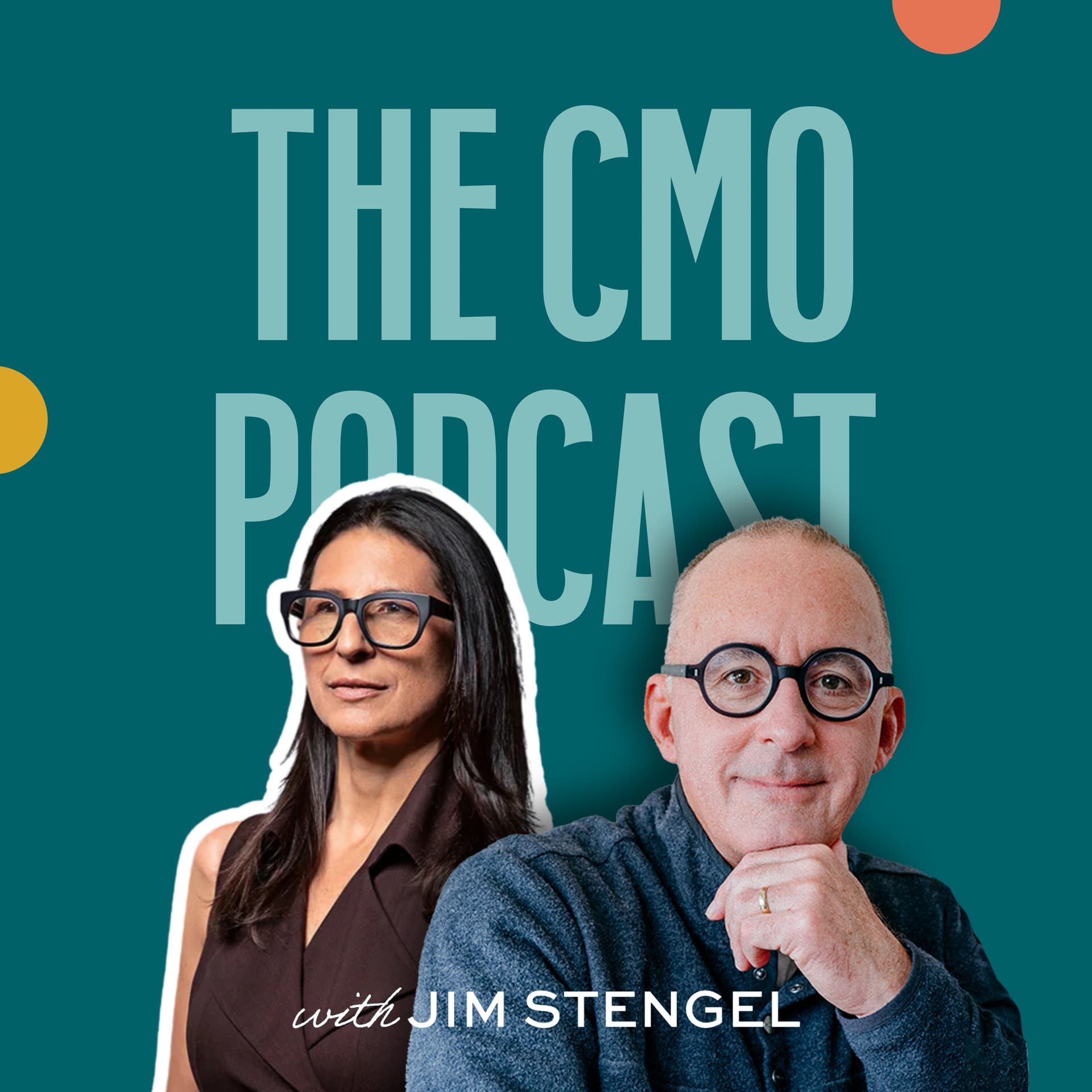
Podcast Overview Host: Jim Stengel Guest: Nicholas "Nic" Berglund, Senior Vice President and Chief Creative Officer of Life Time Theme: The evolution of the fitness brand Life Time from a traditional gym to a luxury wellness country club.
Episode Highlights
- Introduction to Life Time's Transformation:
- Life Time is transitioning from a conventional gym chain to a luxury wellness country club, boasting over 225 locations across North America and a market cap nearing $6 billion.
- Importance of Wellness:
- Nic emphasizes the significance of fitness and wellness in achieving a well-lived life, echoing the episode's recurring theme.
- Nic's Background:
- Prior to Life Time, Nic worked with major brands (Cadillac, PepsiCo, Gap) and even launched his own wellness venture.
Key Discussions Life Time's Brand Transformation
- Shift in Focus:
- Nic led a rebranding initiative that prioritized creating a community-oriented experience rather than merely selling gym memberships.
- The shift involved moving from a sales-driven culture to an experience-driven culture, particularly catalyzed by insights gained during the COVID-19 pandemic.
- Core Philosophy:
- “A well-lived life doesn’t happen by accident; it’s designed.” Nic believes health needs to be the foundation for a fulfilling life.
Personal Fitness Journey
- Nic's Fitness Regimen:
- He maintains a rigorous fitness routine, working out approximately six times a week, involving running and hybrid training.
- Experiencing Life Time:
- Nic illustrates how members can spend their entire day at Life Time, engaging in workouts, relaxation, and wellness activities.
Creative Leadership
- Red Thread of Career:
- Nic's career has been characterized by being open to new opportunities, which has led to significant growth and connections.
- His experiences across various creative roles helped shape his leadership style at Life Time.
- Mentorship:
- Nic credits his early influences, particularly a mentor at Fallon who taught him the value of good design and understanding consumer behavior.
Company Culture and Community
- Building Relationships:
- Nic stresses the importance of teamwork and communication within Life Time, fostering a family-like culture that enhances job satisfaction and aligns everyone’s goals.
- Word-of-Mouth Marketing:
- Life Time's growth is largely driven by community influences and member satisfaction rather than traditional advertising methods.
Key Takeaways
- Design Your Life: A well-lived life is intentional and designed through health and wellness.
- Start Small for Change: Significant transformations often begin with small, manageable actions, such as dedicating a few minutes to exercise.
- Openness to Opportunities: Staying open to new experiences and saying "yes" can lead to unexpected growth and success in one’s career.
Closing Thoughts
- The episode concludes with a reminder of the power of community and member experiences in transforming a brand. Nic’s insights into the importance of understanding consumer needs echo a broader theme of empathy within marketing.
Podcast Production Notes
- Produced by: Vive
- Sponsorship: The episode is sponsored by Deloitte and Best Buy Ads.
- Watch on YouTube: Available on the CMO Podcast YouTube channel.
*For further insights and discussions, listeners are encouraged to subscribe and engage with the podcast across various platforms.*
Written by AI. May contain mistakes. Listen to the episode to check what was said.
Transcript
Automatic transcript. May contain errors.0:00Hey, it's Jim. I'm here with Matt Spiegel, EVP of True Audience Growth Strategy at TransUnion. That's quite a job title, Matt. Yes. Welcome. Thank you. So tell me about your company and why it matters for our audience CMOs. Well, listen, Jim, the challenge of the day is that there's so much information about consumers out there and the challenge is most companies don't have all that information. You have some purchase history, you maybe have some web history, but you don't have a full picture of customers. We're working really hard across on a suite of identity products, of audience products and measurement products to bring a holistic view of customers to marketers.
0:31So when CMOs work with you, what light bulbs go off for them? So Jim, we help brands bring clarity from chaos. We help them understand a picture of their customers with a 360-degree view in order for marketers to make bigger, more strategic bets. Well said, Matt. Learn more at transunion.com slash clarity. That's transunion.com slash clarity. Hi, it's Jim. Joining me is Matt Spiegel, EVP of True Audience Growth Strategy at TransUnion. Matt, we talk a lot on this show about building brands that people love, but that starts with understanding them, right? Jim, absolutely. Every customer ultimately has a story, but most brands are only going to see part of it.
1:07At TransUnion, we really focus on helping marketers connect those dots across devices, across channels, across platforms, with the goal of helping marketers see a full person behind the data. That clarity is gold. That is special. So how do you do it? Ultimately, we put together the pieces of information that help you predict behavior, help you personalize messages, prove the impact of every marketing decision at the end of the day. And our marketing solution suite gives brands the visibility and confidence to invest smarter and ultimately grow faster. So if you want to turn data into understanding and understanding into growth, visit transunion.com slash clarity.
1:42What if the smartest marketing play is not to move forward, but to zoom out? Deloitte believes the most powerful move a CMO can make is to look beyond the next step and see the broader perspective. That's what the Deloitte CMO program is for, a place to gain fresh perspective and connect with leaders who've stood where you stand. Together, Deloitte will help you see the bigger picture so your next move isn't just fast, but right. Learn more about the CMO program at cmo.deloitte.com. Hey everyone, Jim here, and I've got some exciting news. The CMO Podcast is now on YouTube. You can now watch our conversations, not just listen.
2:19See the expressions, the energy, and the insights that happen when we sit down with the world's top marketing leaders. Head over to YouTube and subscribe to our channel, The CMO Podcast, so you never miss an episode and be part of the community. So please check it out, subscribe, and join the conversation. What's the first brand as a young boy you remember making an impact on you? I would have to say Reebok because I was about seven years old. I used to spend a lot of my summers with my grandmother. What she did, each of you have to clean out a closet and the one of you that does it the best is going to get a pair of Reeboks.
2:54And I would tell you I was going to get those Reeboks. And the fact that like a kid who's seven years old wants a Reebok that bad and like they were doing something to get into our psyche, right? And so from that day for it, I was like, huh, that's really interesting. And I always remember that.
3:37life in and out of the office. And it's that energy that reaches everyone they touch. And we're glad you're here to feel that energy and to learn from these remarkable leaders. So here we go. A repeated theme on this show is the goal of a well-lived life. And for me, one of the ways I try to live well is through working out. Moving your body, building strength, and finding balance are such powerful parts of living fully. And my guest today is leading the charge for one brand doing that, Lifetime. Nick Bergland, the senior VP and chief creative officer at Lifetime, is the creative force behind the company's bold rebrand, repositioning Lifetime from a fitness chain into what they now call a luxury wellness country club.
4:19They operate more than 225 destinations across North America, serving millions of members, and is a public company today with a market cap of roughly$6 billion. Sales are roughly$2.5 billion, growing at a double-digit clip with no advertising and no salespeople. We'll talk about that. My guest Nick is responsible for how the brand shows up everywhere in their clubs, in campaigns, in digital experiences, even in the way lifetime members feel when they walk through the door. Before lifetime, Nick worked on creative for big brands like Cadillac, PepsiCo, and Gap, and even launched a wellness venture of his own.
4:54This is my conversation with a creative leader who starts the day off with a good workout. I do too. Here's Nick. Welcome, Nick, to the CMO Podcast. How's your week going from a wellness perspective? I got to start there. It's going pretty well. On average, I work out about like six times a week, so I'm pretty into it. Me too, actually. Yeah, it feels good. It's like if you don't start your day with it, it basically ruins your day, right? Yeah. I talked to Mike Grawl earlier today, the CMO of the Timberwolves and Lynx, and we were just talking about fitness and wellness and sports teams and so on and so forth.
5:29And I asked him what he does. And he goes, I go to Lifetime. And I said, well, I'm having the chief creative officer of Lifetime on the show later today. And I said, what should I ask him? What interesting questions should we talk about? He goes, I don't have any questions for him. Tell him they're doing a fabulous job. Well, that's nice of you. Thank you. Thank you for that. You must hear that a lot. You know, sometimes, but you know, you always like, I think you're your harshest critic, especially when you're a creative. Yeah. Right. Well, we're going to talk about that. Now, I'm going to start with a quote that we pulled that you made in a speech, and it's a beautiful one.
6:02A well-lived life doesn't happen by accident. It's designed. So say more about that and what it means for you personally. For me personally, I think design is like at the core of who I am. Being around this world that you curate, right, is sort of the key to happiness. And I think health is at the core of that curation. It's not just aesthetic, right? It's sort of everything that you curate for yourself. And I think when people understand that you can truly design the life that you want through health first, it's really powerful. And I think that's what I love about what I get to do at Lifetime.
6:40Have you always been that way or did it sort of come across your career and especially this role? Yeah, you know, I have been that since like day one. I think like I remember when I was a kid, I would just like sit and decorate my room myself and like sort of plan everything out. I would have my clothes laid out and redo everything for the next day. And I'd almost like write notes for what I have planned. And so I've always been very intentional with sort of how I live my life, what I want, what I want to do. And I think that it blends so well with what I get to do now. So you still do that? You lay out your clothes the night before?
7:18Not always. I do that. But I do it sometimes. And my workout clothes, I lay them out. Yes. But it's so easy because then you can just get up and go. Right. One less thing, right? Yeah. So what is your normal fitness regime? You say you work out about six times a week. Yeah. Do you change it up? Do you have a similar thing you do? Do you go to classes? Do you have a trainer? Do you do it yourself? If I can get outside, don't tell lifetime. But if I can get outside, that is my number one thing. I am a runner. I've always been a runner. I actually, I recently, for my 40th birthday, I did this run along the entire Costa Bravo, which is from just north of Barcelona to the French border.
7:56And so that was like a hike run, but it was an amazing experience. And so for the majority of the spring, I was really training for that. So it was a lot of hiking, a lot of running, a lot of uphill treadmill, but you can't really do anything like that if you don't have other training involved. And so I actually have been working on hybrid training, which is similar to High Rocks. I don't know if you've seen that, but it's really about endurance building. So it's strength and endurance combined. And that's what really allows you to be able to do things like this out in the world. Now, what's your ideal day at one of your clubs?
8:31If you like don't have anything else to do, how do you spend that day? Well, I think it's going to start off with a massage. Yeah. But then, you know, our clubs are designed to be there all day. So it's like you can work there, you can eat there, you can lounge there, you can go to the pool, you can work out, you can try a class, you can do a meditation, you can recover, and you can have dinner at one of those restaurants. Yeah, right? You can interview there, right? Wow. Do you work there? I mean, typically, do you go to the office or do you go to one of your clubs? So one of the beautiful things about Lifetime, we do have a corporate office actually quite near here.
9:08But we really encourage everyone to be in the club, myself included, right? Like before I stepped into this role, I was a freelancer and I was already a member of Lifetime. And I actually would spend a ton of time working on other client business, but in the club. And it's really interesting now being a part of the company, but it's like you get to know the patterns of the members. You get to know the patterns of the team members and sort of what they're looking for, what they need, and sort of how we should communicate our product. And I think that's invaluable, especially for a marketer, to be in the field, to be able to understand what that customer experience is actually like.
9:50I love that. Now, we're going to talk a lot about Lifetime, but I do want to look at your career because I think it's so interesting, right? You were at Fallon. Yeah. Great creative agency in Minneapolis. It's an amazing experience. Yeah. Yeah. You know, it was formative early in your career, five years. A few years at PMH, top retail agency, working with Target, other great clients. You co-founded your own nutrition-focused meal delivery service. Then you went freelance, worked with a crazy amount of brands, great brands. And you did that for quite a while. So, fabulous career path. Great warm-up or experience for what you're doing now.
10:21What is the red thread that you would say goes through all of those different experiences that you've had leading up to Lifetime? I think constantly saying yes and being open to trying new things. I want to tell you a quick story about Fallon and sort of how I ended up there because when, before I met them, I was sort of still in college. I didn't really know what I was going to do. I was actually working for a street team and I'm actually a self-taught designer. So I was doing some production work on the side. And so that's in Madison, right? You were studying art and business. Yep. And then I came back to Minnesota and I was doing a street team thing here in Minneapolis.
11:01And one of my fellow team members just decided to quit. And so I took the shift and I was like, okay, I'm going to go downtown. I'm going to do this event for Dos Equis and Camel. And so I was going to a bar handing out beer and cigarettes. Pretty easy, right? And turns out a whole group of people from Fallon were there. And I just went up to the table, introduced myself, bought them around, gave them a thing for a pack of cigarettes and got to talking to them. And they're like, you need to work in advertising. And I was like, I want to work in advertising. But I've actually applied and you guys haven't called me back.
11:33And so it turns out the next day I actually went in because they were going to start their intern program. And so I basically from that point, I was like, I will do anything. And I didn't go in with a path to be a creative. I went in with, I just want to work there. And I got to do this amazing around the world experience where you kind of go to every discipline. And I think at the end of that, I was like, you know, creative is when I wanted to do, but it's where I felt at home. And so I think throughout my career, I've had those same experiences where I've just continued to find the things that feel right and the things that interest me.
12:15And I think at the core of that is understanding people. I think to be a really good creative, you have to understand the person and who you're creating something for. And I think that's always interested me. And so I think that's what keeps me going today even is just really understanding, like, how do we get people to be healthier? And how do we get them to want that? But like can actually do it. So in those early days at Fallon, you did the rotation and you became a creative. That must be a little bit weird because all of a sudden you're a creative. Yeah. Right. Probably imposter syndrome is big when you're whatever you were in your 20s.
12:56How did you handle that? Because you ended up leaving as an art director and doing some very significant work for them. Yeah. So it was hard, but you know what? I had really amazing mentors. Like I said, I was a self-taught designer and the only job that was available at the time was a production artist job. And I'm like, okay, I'll take it. You know? And I got really lucky because these, the group of Australians came in and they sort of became the creative leadership at the time. And one of them really took me under his wing and was like, you got to do this. And I really learned a lot from him, really like kind of honed my craft and learned about ideas and insights and how to dig in and really, again, understand people and who you're designing for.
13:41And that really changed my life. And so I think that having someone to kind of believe in you and pull you along. And I don't even know if he realized that. Right. But I think that really was the game changer for me. And then from there, I'm like, I can do this. I want more projects. Give me something else. And what I really did was like anything that other people didn't want to do, I was like, I'll do it. I'll do it. And so I think that just worked out. And eventually I started to get to working on the cooler stuff. I suspect you're paying that forward and how you run your team and run your life.
14:15Yeah, I think it's really important. I mean, I try to, without being overbearing, because you never really know how much, right? How much people want it. But to offer that advice and to pull people along when you see something, you know when somebody has an eye, even if it isn't like what they're doing isn't right for that particular project, but you know they have an eye. And if you can find that and you can teach the rest, but you can't teach the eye. Of all those experiences, which of them do you feel was the most developmental for you as a leader, as a creative? Yeah. Project that I think that sticks in my mind for my time at Fallon was the launch of the Cosmopolitan of Las Vegas.
14:57The brief going into that was how do you bring a luxury several thousand room boutique hotel to Vegas that doesn't want to lean into the sin? And for me, yeah, right. For me, being able to dive into that with those senior leaders and to see that project end to end, work through the launch and then work on it for the subsequent two years was game changing. It's sort of like it gave me an MBA in understanding business, and it really gave me this love for hospitality. Of course, then I kind of diverted and worked on several other industries, but I feel like I'm coming home to that now, working at Lifetime.
15:41Then you went freelance for quite a few years, right? Why did you do that? Did you want freedom? Did you want to work on lots of different things? What was your motivation? You know, I feel like I've always had this entrepreneurial thing inside of me, which is why I started Aki as well. But I wanted to have a little more free time, to be honest, and to have a little more time to think and pick and choose and sort of like step back. And what I found was that you can really get in and understand a brand, offer your perspective from like a consulting level, but then step out when things get a little like sort of into the weeds.
16:21Right. And I think as a creative, it was really refreshing to be able to do that for a few years, because when you work on brands sometimes for a long time, as I'm sure you know, it gets really complex and sort of you kind of lose sight maybe of the North Star. And so I really, really enjoyed being able to do that and jump out and dive in. I also really got the opportunity to work with some young startups and friends to get their businesses off the ground. I got to work with some major companies like Dow and Zoetis and doing chemical advertising for agriculture. Totally different thing. But yeah, it was great.
17:02it. Everyone seems to be chasing the next big thing, the fastest answer, the quickest win. But great CMOs believe the real power isn't in the speed, it's in stepping back to see the bigger picture. That's why everything Deloitte does in their CMO program, from their industry-leading capabilities to their connected network of CMOs, is designed to help you zoom out and gain fresh perspective. Deloitte will help you see the bigger picture together. Learn more about the CMO program at cmo.deloitte.com.
17:39What brand or what assignment back then really stands out in terms of work that you really enjoyed? Yeah, amazing when you get called back from a client you worked on several years ago, even after leaving. Nice. To say, oh, hey, I saw you. Would you want to jump in on this project? So I think that feels really good, you know, as a creative to be remembered like that. But I think the most rewarding thing for me during that period was actually starting hockey. And really, I think that's where I shifted my perspective from being a really good creative to understanding every aspect of a business. And when you're the one there, you're starting it.
18:16You're not just designing, you're coding the website. You're creating the backend system. You're creating the recipes. You're working with your friend that's a nutritionist to organize everything to make sure it's macro correct to doing the marketing to doing the sales to every end to end. It's a humbling experience and I think everyone should do it. But I think that was the most rewarding thing that I did during that time, literally purely just from a learning perspective. Nine years ago, then you came to Lifetime, right? That's a long time. Yeah, I can't believe it. What about the brand? What drew you to it?
18:52So it is a brand that I've always, I've lived this brand. You were a member then. I was a member then. And health has always been at the core of what I do, right? I started a healthy meal company. And I was, I think I was ready. I was still freelancing at the time. So I had other clients and different things. But I was ready to work on a brand that was doing good in the world. and I think a lot of brands do good in the world, but truly trying to make people healthier. And so I got really excited when I got the call and I actually met my current writing partner and my person also at Lifetime there.
19:31And so we are still working together to this day. And she really opened my eyes to the world of Lifetime and the opportunity. And I just feel lucky every day. When you meet someone like that and you get to work with them every day, day in, day out, you become friends, you become family. And that's really what's kept me there. And I think in the same thing, when I did go from freelance to full-time, and this was during the pandemic or right after it, during the pandemic, I really got to know Brahma Crotty, the founder, chairman, CEO of the company. And we really hit it off. And again, that same feeling of family, and it just felt right.
20:12And so at that time, it really, it was an awesome opportunity to come on and to lead us creatively out of the pandemic to sort of re, I don't want to say rebrand, but rewire the way that we approach things. I want to talk about that in some depth in a moment, but tell me a little bit more about why it clicked so well with you and your, your writer, your work partner. Yeah. I think we see the world maybe the same way. were interested, well, in some of the same things, but also just curious, like curiosity. Like you're always interested in like the what, the why, the how does that work? And you care about it.
20:54You know, like I do, I actually like really care that every single one of our DPTs are successful. Like I want to know like what they need us to do to about to change the product or to make it better and how do we want to communicate it to make it better for them? And I think when you care about that and when you understand then the science behind the health and sort of why people are doing it, I think that just peer understanding and curiosity is what like drives that forward. And she has that and can make it come to life in a brilliant way that I could never do with words. When you think about everything you two have worked on together, what initiative or campaign or thing stands out as most meaningful?
21:39So I don't even know if I could say it was a campaign, but I think getting to go back to the core of the brand to understand why it was named lifetime in the beginning, literally the juxtaposition between your life, how you spend your time and fitness. If you combine all of those, right, It's literally all about living a better life and extending your time. And so getting to the root of that and really understanding it. And actually what we did when we brought the company forward in IPO and all the work that was surrounded that, we traveled the country and went to like 50 locations and just met people and interviewed them and got to know them.
22:28And that whole process, I think, was the best project I think we've ever been, that we've ever worked on. Really getting at the core of what the brand is. And that's what served as like the foundation now for how we've moved forward over the last three and a half years. Yeah, yeah. Well, let's talk about that because I think there's so much learning. Your business is growing really nicely. I mean, I saw your most recent earnings report. You're growing customers. Customer and employee satisfaction is really high. Yeah. You have waiting lists at many of your clubs. I mean, really serious waiting lists.
23:01And it was the strategy you're talking about, to go more premium, to expand into other areas like residences, work location. So it's working. It's clicking. So, Ken, and I read your CEO was reading a profile of him in a Twin Cities publication. Yeah. And he kind of, he was reflecting on that. And he said, it's a quote, we wanted to move from a sales driven culture to an experience driven culture. And you did some radical things on that journey. So I want you to take us back to that strategy. Where did it start? What was the reason? What was the catalyst? And tell us that story because it is quite remarkable.
23:36What you've done is really hard. You pivoted the company and you did go back to the origin story in some ways, but so much more. Looking back even further than that, right? Like gym culture, it's all about pressure sales, getting you in, getting you out. And it was about selling more memberships than a club could ever possibly handle, right? And what we found is why would you want to do that to a consumer just to have them not use, right? Like it just feels wrong. And I think over time, as the company grew and grew and grew and added more locations and more people and sort of really kind of expanded into becoming a lifestyle company, we realize non -use is not where we want to go.
24:26It doesn't feel right, right? And so at its core, that's what it is. If you're a member, we want you to use it. We want you to be a part of the community. We want you to be a part of it. And so I think, but what really helped us do that, to be honest, was COVID. The fact that we got shut down and actually had a chance to step back, reflect, to understand usage patterns, to see how and why people want to come here and to make a conscious choice to switch that. So how did that happen, Nick? Were you like on a Zoom call? I mean, were you together as a team? During that time, there was this really core team, like five, six people that would go into the office and we would work together day in and day out and really think like how, what is the future and what is the next level of lifetime?
25:22And at that time you were pretty much shut down, right? We were shut down. Yeah. Totally shut down. And so, but like I said, that's what a beautiful opportunity to really think about then what it's like to reopen. So that little team of five was together. What kinds of things did you talk about? How did you set the strategy? What did you decide to do first? You didn't bring salespeople back, right? No. So it was all about the customer. And that's actually the really cool thing about Brahm and the way he founded the company is what he calls the member point of view. And so that was really the core of the conversation.
Read the full transcript
26:00And what we realize is people don't need to be sold. They need help. And so instead of having a massive sales team. Headline, by the way, producer. Sure. Instead of having a massive sales team, why don't we have a massive concierge team there to help you in every aspect, not in just membership, but in life, right? Like literally you're a health coach at every step. And so that was really the core. And then when also being closed gives you a chance to really dissect each part of the experience. Like what could we do better? What do people want? What would make their lives better? How would it be easier to interact with us?
26:46So we got the opportunity to actually, I don't want to call it, dissect is maybe a bad word, but I don't have a better one right now. But I think really dissect every single one of those experiences and figure out how we could make it better, how we could make it more desirable, more useful. And so as we're able to do that, we're like, well, the way the brand is communicating about this isn't in line with the way that we're thinking here and the way that we want to move forward. And so that's really where I got to step in and hone this new path forward, not just position us to this like sort of aesthetic premium look, right?
27:26But it's about truly communicating the brand. And the other thing that I really love about the decisions we made during that time was to no longer advertise. So it's not about performance marketing. It's not about pushing the sale every single week. It's about stepping back, communicating your product, doing right by the consumer and letting them come to us. How quickly did you see that it was working? How long did it take before you said, yeah, This is, it's being validated. This is the right direction. Pretty quickly. I mean, I don't always quote numbers, but if I think about the three-year stint from our full year 21 to full year 24, we doubled revenue.
28:14So I think that kind of speaks for itself. That's amazing. What was your learning? I mean, for our listeners who would love to do that with their brand, their business, step back, reflect, set a strategy, and it's really clicking, focus on the customer. Or what's your major learning going through that process? Self-reflect every day. Actually making the time to step back. You still do that? Yes. Quiet the noise. There's a million things happening every day. A million numbers, a million requests, a million whatever you might be dealing with. But if you can just carve out even 15 minutes to really think about what's an ideal state, what have I learned from this last day or week or month or whatever, quarter, whatever it might be.
28:58And what's one thing I could do that would make it better. And I think if you break it down into those steps, just like with any healthy habit, if you break it down in those very simple steps, doable steps, you'll get there. This must have changed how you spend your time massively going from a sort of a push sales culture to one of experience. Yeah. So talk about that. How's your role different from when it was before the pivot? Yeah. And how did you build your team differently? Yeah. So I actually love it because I get to go to the club. I get to do the DPT sessions. I get to do the massages.
29:35I get to audit the experience and be a part of it. And it's more about deeply understanding that than it is coming up with a flashy ad campaign. Well, sometimes if you do both, it works really, really well. But I personally love it. And I think we have what it's allowed us to do is to have a really small core team as well. I think when you don't have to do weekly promotions and sort of the full media spec list there, the team size changes. And so you, it starts to feel a little bit more like a startup mentality, but also what I've found is people are more aligned. Everyone knows what's happening and they know where the puck is going.
30:14They understand why we're doing it. And I think that's the core reason why there is more job satisfaction because people are enjoying the experience more. How do you get awareness when you're not advertising? Is it word of mouth? Is it, do you count on that? So we have devotees, people that have loved and loved our brand for forever. And that truly is, there's no amount of media budget that can, that can charge for that. Right. And they truly do spread the word. They evangelize every single thing we do. And I think it also speaks to the level of community that we've been able to build. And I think people, whether they hear it only through word of mouth, I think you feel it and you see it and you want to be a part of it.
31:18We all want to stay ahead of the digital curve and IAB, the Interactive Advertising Bureau, invites you to do just that at the 2026 IAB Annual Leadership Meeting in Palm Springs on February 1st through 3rd. If you're a qualified consumer brand or agency leader, you can access free passes and travel vouchers. And for everyone else, you can take$500 off your ticket with code, all caps, ALMCMOPOD26. This is your chance to join a three-day gathering of the industry's brightest minds and boldest voices shaping the year ahead. You'll hear agenda-setting conversations, candid fireside chats, and dynamic breakouts on the topics that matter most, from AI and commerce media to measurement and addressability.
32:02This year's lineup concludes everyone from Kevin Bacon and Bozema St. John to creator Remy Bader, along with leaders from Forbes, Major League Soccer, General Motors, and Meta. Visit iab.com slash ALM to learn more. And check out the link in the show notes to register and receive$500 off your ticket.
32:24you're in a very busy dynamic some would say cluttered category there's lots this obviously has differentiated you more so could you talk a bit more about that how the company and the brand is seen post versus pre the pivot yeah i mean i think before the pivot we were seen as a gym that purely that that's the only thing that we offered weights and cardio machines, right? Even though that wasn't the case, but that's really was the perception. And I think even though maybe I wouldn't say that perception is a hundred percent shifted, but we sure have made great strides. And I think people see us as a healthy lifestyle or your true, like athletic country club, the place that you go in your community, your third home is the goal.
33:13You've worked on other lifestyle brands. How is this one different? This one's way more comprehensive. If I think about it, there's something at Lifetime that could touch almost every single part of your life. From health is number one, right? But how you eat, how you think about your finances, how you live, how you work, how you spend your time, how far you drive and travel. All of those things can be experienced within this one company. And I have never worked for another brand in the world that has that level of connectedness to someone's life. Wow. I mean, with that scope and that mission, this brand could go to a lot of different places.
33:55How do you see it 10 years from now? What's your hope? I mean, who knows? My hope is we're not only affecting the just under 1 million people that we affect today that are walking into the physical locations, but 20 million, 200 million people with what we're building with Lacey, our lifetime AI companion. We have an opportunity to bring the ecosystem, the whole life ecosystem, every single touchpoint of it for free to the world. And I don't see, I know that we'll be able to do that in the next 10 years. So how will you do that? It will be outside your club, of course. Yes. Right? Yeah. What are you learning about that as you develop it?
34:43You know, it's like you said, AI is like an interesting hot button right now. But I think what differentiates us is you can go to ChatGPT today and ask pretty much anything you want, right? About health. You don't know if you can trust that source, even if you follow it through, which I can guarantee you less than 0.2 % of people actually do that. Our information comes directly from our 30 plus years of knowledge and experience, our trusted trainers, nutritionists, dietitians, coaches. So when you ask Lacey a question about your health, you know it's accurate. You can trust it. Because it's your day to your people.
35:22Yeah. Now let's talk a little bit more about your role. Your scope is really big. I mean, it's everything from digital campaigns, club design, in-club experiences you just talked about. So it's big. So how do you manage it all? I have the most amazing colleagues and team. I think that is the core. Again, it feels like a family. We all trust each other. We know we have the best intentions at heart. And we're all very, very aligned to what needs to be done and when. And I think from a like structural perspective, we've really figured out and nailed the right touch points every week. I think that's so key in any organization when you have those right touch points, those right review points, the right, those ritual meetings, I'd like to call them.
36:14We don't actually call them that, but I call them that. It's key to be able to drive, continue to drive everything forward and to stay on top of everything. You just rattled that off. We're like family. We're totally aligned. We trust each other. You sound like you're clear in your priorities. How did you build that? Reps. Okay. Say more. You know, what's really interesting is there's, I think it's also a set of shared values and there's like something about working out with people and sweating together. I know it maybe sounds silly, but it works. Like it works. It really does. And I think we, every one of us loves it.
36:49Like we, that's what we do. We'll do classes together. We'll do training sessions together. We'll do group workouts together. We spend the time together. In this digital world where so many people are still working fully remote, I think it's invaluable to still be able to have those times where you can come together because it's really the only way that you can build true trust with someone. I love that thought. Your career, I mean, you're a creative, you're a designer, you like doing work, right? And a lot of your career has been doing the work. Well, now you're leading the work. So how did you make that adjustment?
37:26You now have a lot of people in your organization who work with you. So how did you go from creator, designer to kind of leader? So I think it maybe happens slowly. I still like to do some of the work. Maybe they all don't love that. But I love - What work do you love doing most? I love getting in and designing brands, like designing the core of it, right? So pulling scrap and rolling around in the insights and working with our strategy team and working directly with Brahm on whether it's a design of a new logo for a new program or offering we're having or the app experience itself. Like I will roll up my sleeves and sort of get in there and do a conceptual take on something.
38:09And I still love doing it. Like I feel like if I didn't do that, I'd be really missing a huge part of me. And so I actually think it's such a gift that even though I have this large team, we have agency partners, we have multiple different teams within our organization that are all working on this stuff. But the fact that I can sort of lead by example, I think is really important. And I don't know, honestly, that I would trust any creative leader that doesn't do that. Even, you know, my time working with pretty much every creative I've ever worked with, right? No matter how high up you are, you're still getting in there and working on it and rolling around and getting your hands dirty.
38:52You brought up your CEO a couple of times already. Yeah. And he's your founder. He's been with the brand for what, 35 years or something like that. From the very beginning. From the very beginning. Yeah. He conceived it. Yeah. So talk about that. Talk about what he's like, what kind of leader is he, what you have learned from him. What kinds of things do you two work on the most together? Yeah. He is a brilliant guy. I think he is, maybe you could call him a jack of all trades, right? But he really is a visionary. Not only did he have a vision for this way back, you know, 30 plus years ago when no one else was doing it to really create this amazing ecosystem.
39:32So that alone is really inspiring. But I probably talk to him almost daily. We can work on anything from the minutia of a label design to new innovation lab in New York to a video we're working on for an investor presentation. It really runs the game. What makes him so special? His thrust. And I think his ability to connect the dots from a, again, from a consumer and member perspective to what we should deliver. I've never seen somebody do it faster. And I hope to be like that. Your roots are in Minnesota. Talk about how that's affected the company and its culture and how you work. I think we're a humbler group.
40:18I don't think any single one of us is out there for only for self-promotion, right? It's about the values of the company. It's about doing right by people. And there's something to be said and true about, like everyone says, the Midwest values. But I think it shows through in the day to day and how people interact with each other. There's there's care there, right? There's not always shortness and business only, and it's people care about what you did for the weekend. And I think that's beautiful. Which club do you hang out in most? Our Southdale Club in Edina. Yeah. It's one of the newest ones here in the Twin Cities.
41:02It's where my trainer is, my massage therapist, where I get my hair cut, all of it. I love your life. Yeah. So let's talk about, we have a lot of CMOs who listen to the show and CEOs. Yeah. You're the top creative person in the company. Talk about in a bit more details, what others can learn and how you work with your CEO and your other cross-functional colleagues. What's a culture like? How often do you meet? Is it structured or unstructured? You work out together, you said. But what can others learn by this great relationship that you've built with your CEO? Yeah. I think you got to have the ritual meetings.
41:41You got to have an open line of communication. And I think if anything is on your mind, even if it's a small thing, if you're like, it's just you can't get it off your mind, you pick up the phone. It doesn't matter who they are. It doesn't matter if they're the CEO or the CFO or what they do for the company. If it's on your mind, you need to talk about it and come to a solution. Yeah. Don't let it bubble up there, right? Yeah, because I think what I've seen working for a lot of CMOs and for a lot of leaders in the past is, which is really detrimental actually to the brand, is when the CMO and the CEO do not speak or are not aligned with where they want to take the brand.
42:24And I think that's maybe why CMOs have low tenure. Yeah, yeah. In this area, you talked about the possibility of affecting tens of millions of people with their health and their fitness. This has been an age-old issue in this country and many other countries as well. What have you learned about changing that dynamic, changing that arc? Because I enjoy fitness. I do it because I enjoy it. And it's good for me. And I don't think everyone sees it that way. So what have you learned that you think will help us change that arc? You got to start really small. You got to make it fun and make it easy. You know, I've talked to a lot of our members and, and one of the really interesting thing, one of the quotes that sticks with me is it was one of our members who was like a two year journey, but lost almost a hundred pounds.
43:24And when he talked to me, he said, he's like, I didn't know that I was designed to feel good. And all he did was start by going on the treadmill for 10 minutes a day. But what he realized is after only 10 minutes, you get a little bounce in yourself. You feel a little better. And guess what? Maybe even slept a little bit better the next night. So then the next day, you can come and do 50. As you build the habit, you're almost, it's like building an addiction to something good. instead of something bad.
44:00Hey, everybody. This is Andrea Sullivan, the CEO of Vive. And we produce the CMO podcast and are so excited to have partnered with Jim Stengel for so many years. Wanted to tell you a little bit about something that could be right for you. Vive is a program for entrepreneurs and business leaders who will want to get more out of their life and become their best and happiest selves, both personally and professionally. We have a 12 month program that allows people to meet up with some of the best business leaders out there and additionally experts in the wellness sector so that you can learn how to nurture yourself.
44:35So we teach things around sleep optimization, meditation, all those good things as well. Please reach out to us at podcasts at five.co to get more information. That's P-O-D-C-A-S-T-S at V-Y-V-E dot co. Thanks for listening to the CMO podcast and hope to talk to you more about Vibe.
45:00Okay, Nick, this is so good. I want to flip into the creative brief. Okay. And the first question I have for you is what's the first brand as a young boy you remember making an impact on you? I would have to say Reebok. And I think it was the first time that I ever realized the power of a brand because I was about seven years old. I used to spend a lot of my summers with my grandmother and my cousins I did. In Minnesota? Yeah. And what she did was right before school was going to start. And she was like, each of you have to clean out a closet. And the one of you that does it the best is going to get a pair of Reeboks.
45:36And I would tell you, I was going to get those Reeboks. And the fact that like a kid who's seven years old wants a Reebok that bad, I'm like, they were doing something to get into our psyche, right? And so I think from that day forward, I was like, huh, that's really interesting. And I always remember that. Remember the pump? Yeah. Good for grandma. Yeah, exactly. You would have been a good executive. I know I'm going to do that. Now this love of the outdoors you have, you like to be outdoors working out and doing things. Where does that come from? What's the root of that? You know, I think it started as a kid.
46:09I'm actually part Native American. So I don't know, maybe it's somewhere in there, but I am also an only child. And so I kind of like to spend a lot of time alone. And I think in order to like recharge, having that like moment in nature, I think the Japanese call it like shiranyoku when you do a forest walk, but it's like core of who I am. And I've always just really enjoyed it. And it's like kind of how I decompress even every day. What's your favorite day in the outdoors? Hiking, running 30 miles. So that's the outdoors. What sparked your passion for design and creativity? So I don't know who put the magazines in our house, but...
46:44Grandmother. I would look at Arc Digest. And I thought, I actually sidetracked, I thought I was going to be an architect. I really wanted to do that when I was a little kid. But I got obsessed with house designs and plans and sort of what they look like. And I would draw out little plans. And like I said, I used to decorate my room myself and do all these things and sort of do little odd jobs for people around the neighborhood so I could buy decorations. It's like, what kind of kid is doing that? But it really stuck with me, and it's still something I love to do today. Who has influenced your creative outlook, kind of your point of view on design and creativity?
47:23A teacher, a professor, a friend, work colleague? I think so many people for all different reasons. One of the Australians that I work with that was really my core mentor, Christy Peacock, he taught me the value of good design, of really good design. Jeff Kling taught me when he was the ECD of Phelan, really taught me the importance of understanding people and being an anthropologist. You're not just a creative. You need to really get in there and to deeply understand what motivates them, right? The core. And the kind of third one that really sticks out, honestly, is my partner, Jill. I think her curiosity and brain is just beautiful and it inspires me every day to say yes and to keep digging.
48:12It's amazing the impact Fallon had on you. Yeah. You know, it's, I talked to a lot of people on the show who started in the agency business and kind of had the point of view that it's the best place to start because of the variety of leaders, mentors, projects. Yeah. Your view, top, down, across. Yeah. So you obviously feel the same way. I definitely do. I would tell anyone coming out of college, do at least two years and find the biggest, best one that's moving as fast, that has the most amount of clients and get in there and try to work on every single one of them. Because you're going to learn so much about yourself, about the industry, about multiple industries.
48:52So what's inspiring you outside of work today, you know, in terms of whatever fitness, movies, books, podcasts, what kinds of things do you take in to fuel your creative spirit? So I'm actually obsessed with home renovations. That's sort of my other second thing. I'm smiling over here. We've done like 14 of them. Yes. Aren't they fun? Yeah, they are fun. They are fun. Last year we found this amazing little William Cody cottage in Palm Springs and we've spent the last year, stripping it all the way back to its core and bringing it back to the way that he would have like originally intended it. And I think I've been able to do like actual library research on some of his early work and going back into materiality and like really digging in on it has been such an amazing additional creative outlet.
49:43Is that the coolest renovation you worked on? It's one of the coolest ones in the last couple of years. How many have you done? We've I've done two major ones. All right. And like I said, every single place I've lived, I've also done a little bit of one, but I wouldn't call that a full one. But yeah, two full top to bottom, take it all apart, put it all back together. Yeah. We've done it too. We'll talk about this after we've done the recording. Yeah. So we had Dave Schneider on the show yesterday. I recorded him. He's the CMO of Red Wing, which is an incredible brand. And he has a favorite question.
50:12So I'm going to kind of borrow from him. And it's a big one and kind of a tough one. The question is, what's the greatest risk you'd take if you knew you couldn't fail? I think I would bring health and wellness, true health and wellness, to every third world country as a way to help shift and better the societies. If I knew it would work, if there was no risks, no money involved, that's what I would do. Very on brand for your company and for you, right? Because your values are similar or the same. Who's been the most inspiring person in your life? Oh, man. Like I said, I don't think I have just one.
50:51But from a career perspective, I would have to say Chrissy Peacock. The fact that he took me under his wing taught me so much that completely changed my life and the trajectory that I've gone. And if I wouldn't have had that experience, I definitely wouldn't be here today. Did he do that with other people? Or do you think you had a special relationship with him? Was that kind of how he operated? I think in general he did, but at least at the time when I was with him at Fallon, I was the closest to him. Yeah. Yeah. What makes him so special? Is it how he communicates, his view of the world, his creative process?
51:29I think it's a combination of having somebody trust you, give you a shot on projects he knew you never worked on before, right? and to actually teach you a process, to teach you the creative. Like I said, I never went to school for that. I never, I was a self-taught designer. And to have somebody kind of give you a bit of a schooling on how to approach it and how to think about it was invaluable. Nick, this has been wonderful. Last, last question. What's your next workout? What's my next workout? I am going to be doing 10 circuit workout with my trainer I'm actually training for not high rocks but our version of it called LT Games more endurance and strength focused but that's my next workout later today?
52:23tomorrow already didn't mind today damn it I haven't and something's missing when I don't yeah right you know I'm not roughing myself I was going to say don't beat yourself up I don't I don't I just come back and enjoy it even more so thank you well thank you thank you for this this is an honor I appreciate it That was my conversation with Nick. Three takeaways from this one for your business brand and life. First one, design a well-lived life. Nick believes that a well-lived life doesn't happen by accident. It's designed. As he told me, when people understand that you can truly design the life you want through health first, that's really powerful.
52:55It's a philosophy that shapes both his personal outlook and his creative work at lifetime. Second takeaway, starting small can create change. Meaningful change begins with the smallest steps. Nick told the amazing story of a member who lost nearly 100 pounds, starting with just 10 minutes on a treadmill. As that member said, I didn't know that I was designed to feel good. A small action sparked a powerful transformation. And third takeaway, say yes to new opportunities. Nick believes one of the most important things a leader can do is to stay open and say yes to new things, new opportunities. He shared how stepping into unexpected roles, even something as simple as covering a shift early in his career, led to pivotal connections and growth.
53:38As Nick put it, I think constantly saying yes and being open to trying new things has been the red thread through my career. It's a mindset leaders can model to open doors for themselves and their teams. That's it for this week's episode of the CMO Podcast. As always, I would be grateful if you shared our show with your friends. along with subscribing and leaving a review on Apple Podcasts, Spotify, or wherever you listen. The CMO Podcast is a Vive original production. The views and opinions expressed by podcast speakers and guests are solely their own and do not reflect the opinions of our sponsors or its personnel, nor do our sponsors advocate or endorse any individuals or entities featured on the episodes.
From the publisher
A repeated theme on this show is the goal of a well-lived life, and one of the ways Jim aims to live well is through working out. Moving your body, building strength, and finding balance are essential to living fully.
Our guest this week on The CMO Podcast is helping millions of people do exactly that through one of the most ambitious brand transformations in the industry.
Nicholas “Nic” Berglund is the Senior Vice President and Chief Creative Officer of Life Time, the company redefining what it means to be a fitness brand. Under Nic’s creative leadership, Life Time has evolved from a gym chain into a “luxury wellness country club,” with more than 225 destinations across North America and a market cap near $3 billion. Before joining Life Time, Nic shaped campaigns for major brands like Cadillac, PepsiCo, and Gap, and even launched his own wellness venture.
So tune in for our final episode captured at the Best Buy Studios, where Jim chats with a creative leader who starts the day off with a good workout.
---
This week's episode is brought to you by Best Buy Ads.
See Privacy Policy at https://art19.com/privacy and California Privacy Notice at https://art19.com/privacy#do-not-sell-my-info.