In short
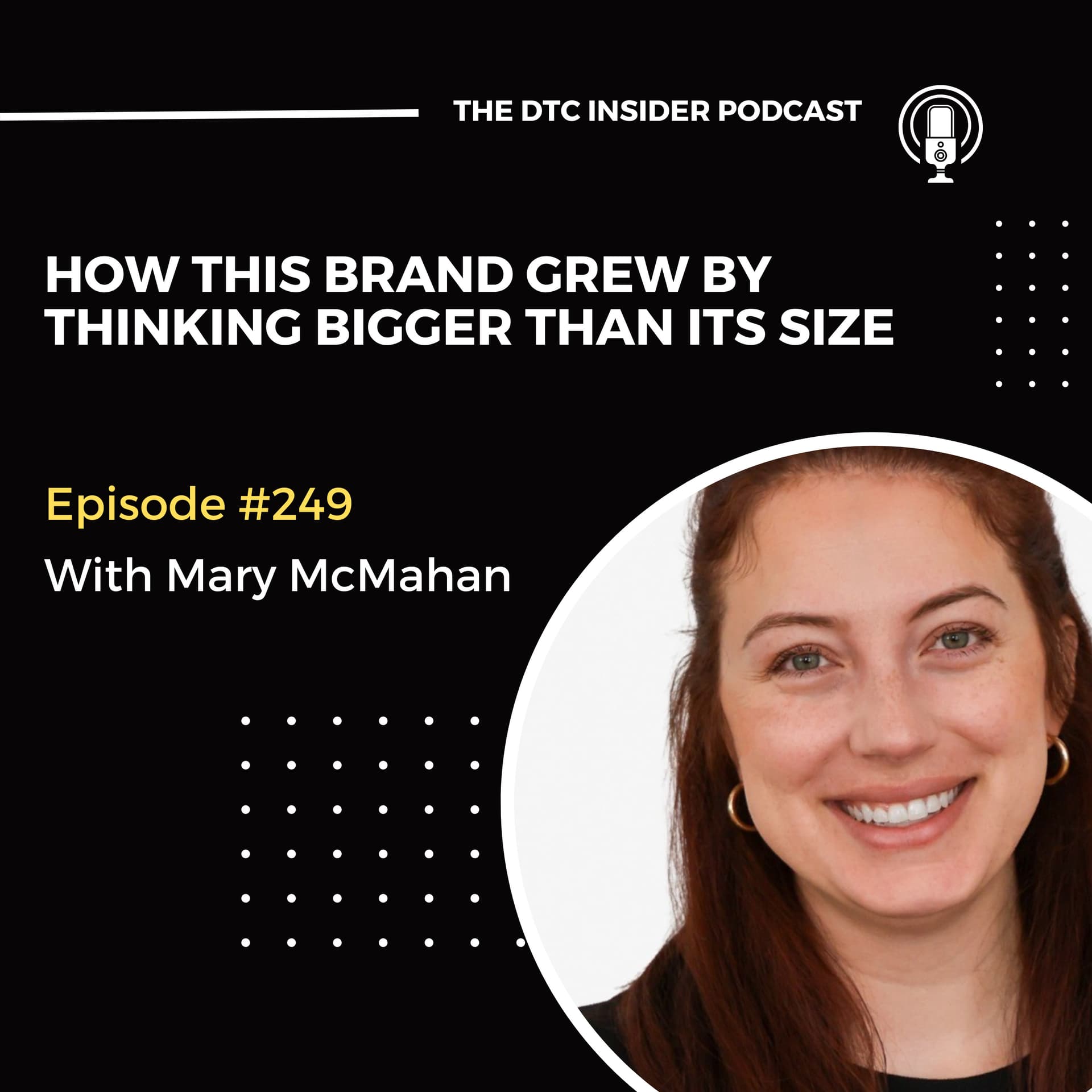
Jay Kinney, founder of YBars, explains how the brand was created from his “monkey bar” chia-based recipes and how he grew it through consistent sampling, wholesale outreach, and farmers markets. He also connects business growth to identity, resilience, and documentation (writing notebooks and posting short-form videos daily).
Guest backgrounds
Jay Kinney is a chef trained at Mount West Community and Technical College (2009–2011), served in the Army Reserves as a cook for six years, and previously worked multiple jobs including fine dining. He says he was homeless at age 11 and later spent time in foster care.
Key claims
YBars bars are chia-seed based and designed for satiety (curb appetite up to three hours) with about one-third less sugar than typical energy bars. He credits fiber as the “hack” for appetite control. Growth comes from daily ordinary actions, consistent presence, and reclaiming his name (a court-ordered legal change).
Notable examples
door-to-door sampling of “monkey bars,” selling 21 cookbook copies at a Royal Oak Farmer’s Market, getting store placement via Beyond Juice, and eventually reaching major retailers including Kroger and Whole Foods. He also posts 1–3 short videos per day and cites his “bee pollen lemonade” as a popular recipe video.
Written by AI. May contain mistakes. Listen to the episode to check what was said.
Chapters
Tap a time to open that second in VOPersonal Journey Begins
0:00 to 0:29
Jay shares his challenging upbringing and the significance of reclaiming his name.
“I could die happy knowing I've got my name back.”
Introducing YBars
0:49 to 1:54
Jay Kinney explains the concept and unique aspects of YBars, a superfood snack.
“And today I'm super excited to interview Jay Kinney, the founder of YBars.”
The Motivation Behind YBars
1:54 to 3:00
Jay discusses the market gaps he saw and his motivation for creating YBars.
“Even my time in the Army, we had like these Ranger MRE bars and they're like 60 grams of sugar.”
Development Process of YBars
3:00 to 4:03
Jay shares how he experimented with recipes to develop YBars.
“And the challenge though is it got lost in history.”
Culinary Background and Education
4:03 to 4:59
Jay describes his culinary education and military service influencing his career.
“You know, people are like, why should I eat your bar?”
From Recipe to Market
4:59 to 5:56
Jay narrates the journey of taking his recipe from personal use to market testing.
Building Relationships for Success
5:56 to 7:02
Jay talks about building partnerships and getting his product into stores.
“And one of the shows I went to was in Royal Oak here nearby.”
Scaling the Business
7:02 to 9:07
Jay elaborates on growing YBars and achieving significant retail placements.
“And eventually it's like, hey, can you make me like scones and granola and like molasses cookies, you know, like Frisbees.”
Consistency Leads to Opportunities
9:07 to 9:48
The importance of consistent effort in achieving entrepreneurial success is highlighted.
“You said something about the law of attraction.”
Nutrition and Wellness Philosophy
9:48 to 11:23
Jay discusses his beliefs about nutrition and its connection to health.
“So, of course, if you do that, if you're consistent and if you pay attention, listen, improve and show up and show up and show up over and over, opportunity will come.”
Show all 22 chapters
Documenting Knowledge and Creativity
11:23 to 13:20
Jay shares his process for documenting ideas and writing books.
“You find bits and pieces online, but it's not like all together.”
The Impact of Writing on Personal Growth
13:20 to 14:00
Jay reflects on how writing has influenced his personal and professional journey.
“It could be whatever that helps you be a better person, a better professional, and put you in that flow state that you can, you know, be a better entrepreneur.”
The Power of Creativity and Energy
14:00 to 16:20
Explore how creativity and positive energy influence success and relationships.
“capacities so something goes wrong with the paper or you lose it online in the cloud like there's multiple spots.”
Journey into Content Creation
16:20 to 19:20
Learn about the speaker's journey in creating engaging content on various platforms.
“You know, it's more and more to life than that.”
The Art of Public Speaking
19:20 to 24:20
Understand the importance of mastering public speaking and audience engagement.
“Scarborough took a liking to me I don't know if you've ever seen the movie Napoleon Dynamite what what it was a Napoleon Dynamite.”
Overcoming Adversity and Growth
24:20 to 28:00
Hear the inspiring story of personal growth through adversity and reclaiming identity.
“You know, he teaches people how to speak, you know, because, and he's super professional and we did some live exercises and it blew my mind.”
Reclaiming Identity and Family Connections
28:00 to 31:19
Explore the journey of reclaiming identity and reconnecting with family after years of separation.
“It took a while because when I was an adult, I was on my own.”
Optimism Through Adversity
31:20 to 33:29
Discuss the importance of maintaining an optimistic outlook despite life's challenges.
“good wife that's not a not a bad thing either you know it's my I guess you call my other half because, you know, without that, it's like, man, I'd be probably maybe homeless still.”
Building a Business: Brand vs. Forever
33:30 to 36:17
Learn about the different paths entrepreneurs can take in building their businesses.
“Originally asked about business growth and many people, you know, complain about they are not growing X and they are growing 2.8 X and Y and fire people in like for that.”
Navigating E-commerce Challenges
36:18 to 37:58
Understand the evolving landscape of e-commerce and the importance of adaptability.
“It's just, you got to look for those opportunities.”
Promoting YBARS and Future Plans
37:59 to 40:03
Find out more about YBARS products, availability, and future business strategies.
“This is like getting behind the founder, you know, mindset story, fears, like everything comes from a place for every of us, right?”
Promoting YBARS and Future Plans
40:17 to 40:28
Find out more about YBARS products, availability, and future business strategies.
“We help DTC brands grow through paid ads and email marketing campaigns.”
Transcript
Automatic transcript. May contain errors.0:00I could die happy knowing I've got my name back. I was homeless at 11, you know, living on the streets, living in vans, you know, hanging out in liquor stores during the day. So, you know, for me, like there was like nowhere to go but up. So it's really sad with the kids. And eventually I just kind of gave up for a while. I'm like, I'm just this new person. And there was like this, what they call the gun to the head where you got to pick a new name or else. And so I had that for like 16 years. Welcome to the DTC Insider Podcast, where online business owners come to find actionable tips and tactics to grow their businesses.
0:37Now, here's your host, Brian Roizenthal.
0:48Hey, welcome to another episode of the DTC Insider Podcast. I'm Brian Bersinger, your host. And today I'm super excited to interview Jay Kinney, the founder of YBars. Hey, Jay, thank you for being on the show. Thank you. Thanks for having me. Yeah, my pleasure. So why don't you start by telling the audience more about YBars? So YBars is one of my creations. I've had plenty of recipes over the years, and it's something that I had just in all the cookbooks that I had put together, and it kind of blossomed into this whole brand of a superfood snack bar, chia seed based, and one bar helps curb your appetite for up to three hours.
1:23That's kind of our main shtick. Very similar to other energy bars with about one third of the sugar on average. Right. So you just mentioned that. So I wanted to ask you, what pushed you into creating another bar company? I know there are many. There are many companies of everything, so it's not the only thing. But what made you say there is a gap in the market that, you know, I want to do it. I want to go for it. Well, there's a lot of things that I found in the market. It's kind of a whole, like things that I couldn't see in the world. Like, I don't want to eat another protein bar or another date-based bar.
1:57Even my time in the Army, we had like these Ranger MRE bars and they're like 60 grams of sugar. And it's like, it's great for about a half hour, but then you crash down or ones with caffeine. So I wanted something that was focused more on satiety. And fiber, I think, is really the hack Nolan talks about. I mean, protein is an important macro, fat, carbs as well. But the fiber, if you can curb someone's appetite, that's huge and keep those energy levels going. And a lot of it was just experimented in my kitchen. I just put stuff together. The original flavor was the chocolate peanut. Although before it was even in our current film, I used to call it monkey bars.
2:33And I would just wrap them in film, like a cellophane film. and I would go door to door to these places and just, hey, try this, try this. And I just got feedback every time, always tweaking. And that's something that eventually evolved to not just one flavor, but seven. And we based it on the ancient nutrition of Central and South America where they had the chia seeds. Specifically, the Aztec and the Mayans, they would take chia seeds, cacao beans, grind them up and make bars out of them. And the challenge though is it got lost in history. And with cacao and chia seeds, they use them as money.
3:06That was how they transacted, how they paid taxes before the Spanish came. What's ironic is even now we still get our chia seeds from that same region. And also with Mexico and the Terra Humera. So it kind of all blends together where, you know, these people are running 200 or 300 miles living on chia seeds. So there's a lot of like things that came together. And even in culinary school, you know, I was known for like sleeping in class. I love the cooking classes, but then all the other ones, I'd just be sitting there sleeping. And one day this guy walked in our class and just started pointing us out and said, get outside.
3:42And I'm like, what's going on? This is weird. And it was for the Food Network. They wanted to do a TV show in our town. And so after that, I thought, you know, I can't be sleeping in class. I got to keep my energy up. Like that just happens. It led to obviously me writing cookbooks and the monkey bar recipe. And it kind of evolved into what's known as YBARs now. And then it's kind of our tagline is why not? You know, people are like, why should I eat your bar? I'm like, why not? You know, this is, it's fun. Yeah, I mean, different entrepreneurs, different backgrounds. In your case, you mentioned, yeah, I guess you're a chef, right?
4:13You mentioned cooking class. Okay, so could you please tell us more about your background? What were you even doing before launching this company? And when did you, by the way, we didn't say that. So it all really starts back in 2009. So 2009 to 11, I went to culinary school, MCTC, or also known as Mount West. community and tech college. It kind of grew out of Marshall University in West Virginia. So they eventually split off, but it was kind of a lot of buildings and just, you know, early school atmosphere. And from there, I was also in the military. So I did Army Reserves for six years as a cook.
4:47And so I was always working. I had my apprenticeship or they call them like lab practicum hours, internship at our catering buildings. So I did that as well. So I had anywhere from three to four jobs plus working at a fine dining restaurant down the street so it's all just you know trying to keep my energy up and while I was there you know worked with the food network for three months you know worked on my my book organic food matters and out of that really spawned the creation of monkey bars and I sat on that recipe for maybe eight years you know I just I kept working restaurants thinking oh okay maybe that's something I could license it or do something down the road and eventually I kind of got burned out of restaurants so about eight years into that you know I was kind of looking for that escape of like I gotta like start mental company something and so I remember that recipe I had and I thought there's something there I just I couldn't describe it like I just gotta keep making it and I would go to these craft shows health foods you know expos and stores trying to figure out like this is gonna work so I took all of 2017 and I thought Let me try the juice bars.
5:53Let me see door to door. Is this going to work? And one of the shows I went to was in Royal Oak here nearby. It was at the Royal Oak Farmer's Market. And it was like a New Year Expo. And I showed up early, and it was an icy day in January. And I looked around. I'm like, man, this is a big show. I'm out here just selling books. It's going crazy stuff. And so I brought a bunch of the monkey bars I chopped up to sample with the book. And everybody's tasting them. and I sold like 21 copies. I'm like, holy crap, like that's a lot of books, you know, like no one does that. And when I was there, Channel 7 News came by and said, hey, do you want to be on TV?
6:31I'm like, I mean, I would say no. Yeah, I mean, I'm like, let's do it. You know, and I got nervous too. I'm like, I'm sort of sweating. And I looked down and I had the monkey bars and I put it up and people all over the place saw that. And so eventually I thought, I wonder, you know, if these would sell in stores. and this gentleman came up to me at the end of the day his name was jay so i'm like oh that's cool and he's like hey i i have a coffee shop down the street can i can i buy those bars and i'm like i don't even know what he's talking about like i just sample them i'm not i have no idea so i said well let me get back to you a month went by and i thought hey i could sell these as like a wholesale thing on the side just see if it works and he would he would pay me for like i would just wrap tons of these bars and show up on Main Street in a store.
7:18And eventually it's like, hey, can you make me like scones and granola and like molasses cookies, you know, like Frisbees. And I would be going there almost every week, just all these things. And eventually I thought, hey, let me try some other health food store juice bars. I like Beyond Juice down here is really, really big. And I just I would go to the mall in the mall with a giant box of bars and I would go up to their counter, just a broad daylight, and I would just throw them all over the counter. And they're like, who's this crazy guy? And I started doing it just day after day. And eventually the manager was like, come back and come in the back.
7:53And so I go back there and she writes a check. And she's like, hey, this is for you. And for that entire year, I would call on Fridays. And eventually I would get all five of the Beyond Juices. And I would say, hey, guys, this is Chef Jay. Do you guys need any monkey bars? And the guy would be on the phone. hey guys do we need monkey like the whole store the whole place would hear it and i'm like that's the coolest thing and i'm i eventually got like 10 stores like that and i'm just making them out of my house like i'll just figure it out and you know eventually i uh i guess in a nutshell met my team shortly after and built it up they had been in the bar industry and they said hey we have a kitchen do you want to rent it out now at the time it was like 4x what my apartment rent was so i'm know how I'm going to do that.
8:39And it's, it's a lot of just like, I guess you would say law of attraction, the right people came in and then we put together, you know, board of directors and it's like, you know, figure it a shark tank. I've got eight investors, like, holy moly, like we're a real brand, you know, and it's just one of our biggest accomplishments. Now we're in of all the stores. The biggest one is Kroger here in Michigan, which is, that's about as big as it gets. I mean, there's other stores as well, but Kroger is kind of the big, big top store. Wow, congrats. You said something about the law of attraction. And I think that you have done what every successful entrepreneur that I have interviewed, at least here in the podcast, or Matt, have done.
9:22They have done the basics, the fundamentals. They have done, as some people say, the reps every single day. They show up and they are present where they need to be. And of course, when you're present where you need to be over and over and over again, I don't know if it was Alex or Mosi or somebody else who said that extraordinary results are not accomplished by doing extraordinary actions. They're accomplished by doing ordinary actions for an extraordinary period of time. So you did that. So, of course, if you do that, if you're consistent and if you pay attention, listen, improve and show up and show up and show up over and over, opportunity will come.
9:58I must admit that the TV appearance, the first one probably was something like that. I'm also known for a lot of my sayings. And, you know, one of them that comes to mind is if you work on your gifts, they'll make room for you. You know, and it's as well as like acronyms and all the things that are in my head. It's just like I got to start writing this down because I'm working on book seven because people are like, what's your story? And I'm like, well, I can't just tell you that. Yeah. So this one is my sixth one I just put out a couple of months ago. So that's kind of the origins of Y bars is in there.
10:31I mean, I've always dreamed to like have my own cookbook. I'm like, if I could just have this one book and I had all these other ideas. I'm like, you know, just things I couldn't find in the world. I'm like, I got to write that. Like, it's just it's crazy to say the books are more for me. Sounds kind of weird. But, you know, it's things I couldn't find in the world. I put them together and I'm like, wow, like someone reads this. Like just their mind is going to be like blown. I mean, this one in particular took like 16 years. So it's the world's only cookbook with obviously not the Y-bar formulas today, but all those personal recipes.
11:07And I broke down all the nutrition facts for all the recipes. And people always ask me, like, where do you get iodine, vitamin C, D, all this stuff? And after a while, I'm like, I have no idea. I got to look that up. And so, you know, it also goes into the deep dive of nutrition all in one. You find bits and pieces online, but it's not like all together. Like, you know, what happened in the medical industry? Why is everybody on allopathic, not naturopathic medicine? How it ties into diseases now? And I'm obviously very careful. I'm like, you know, food doesn't cure disease, but I think the whole mindset should be prevention and people should know what they're eating, but why?
11:43Because, you know, it's not just about taking the food diets out or this and that. There's a whole avenue for every person. And nutrition and food, they're very intertwined. And there's no like, you can't eat bad food and expect to have a great life. Like, there's no way out. There's, you know, death, taxes, and eating well. Like, you got to do all three. You know, that's just how life works. Well, now I'm super curious and I think the audience is doing. And even though this podcast is about e-commerce growth and all this stuff, I think that to grow a brand, to grow a business, a person in charge, a founder, CEO, whatever, They need to be, you know, focused.
12:28They need to be in their flow. They need to be doing the right things at the right time to make it work. And this is part of who you are based on what you said. This is for you. You wrote the books for you. And I don't think it's weird. I think it's actually something that it's super helpful because it looks like, correct me if I'm wrong, that you are documented everything you learn for you and for others. And that's amazing. That's why, like, I don't write books. So I'm curious to ask you the following, but I do take a lot of notes to remember the interesting things that I probably not, I don't take enough notes as I should, but I try to document things for myself too, because moments go in a blink, you know, and we, we, they vanish and we don't remember the next day or even hours later.
13:13So it's cool to find something, in this case, writing, that it might bring you whatever emotions. It could be peace. It could be, you know, creativity. It could be whatever that helps you be a better person, a better professional, and put you in that flow state that you can, you know, be a better entrepreneur. Why not? How do you, what's your process for documenting, you know, for not writing one or two books, like seven books? I mean, really the main thing, I just, every day like i've been working on obviously y bars since day one but with the books and just everything together i'm always writing i'm very um i guess you say analog so i have just a stack of notebooks empty and i'm just like you know back to school time i buy them cheap just writing writing and i do plug a lot of stuff online like i'm doing logs or you know i try to store in both capacities so something goes wrong with the paper or you lose it online in the cloud like there's multiple spots.
14:10But I've always kind of been that way. Even when I was a child, I just, I give this example when I was in kindergarten, my very first day, I walked in, I looked around and I thought, wow, this is going to be fun. You know, school, like, I'm excited. I got snacks, all this stuff. And for whatever reason, everybody's playing with toys and eating snacks. And I found myself there writing on the first day. And I look around and I'm like, wow, look at this alphabet. I'm writing it out. I thought, you know what? This alphabet's got to change. I need a new letter. I'm trying to remember where it was. It was towards the end of the alphabet, like between maybe W or V, somewhere in there.
14:45And I drew out this elaborate symbol for a letter. I put it together. There was like paper and an envelope and I sign it. And on the way out, I give it to the teacher, Mrs. Kim. I say, hey, I have this new letter. I want it on the alphabet. Have it on the, you know, up top, add it on Monday. And everybody just kind of looks at me like, wow, like he's, you know, I'm like four, not even five yet. I was just always in that writing state. And even when I grew up, you know, years later, I just, I would live in all these different states in the military. I just always had these ideas and, you know, you capture them because as soon as your memory fails, poof, they're gone.
15:25But no, that's the thing. And now I've kind of expanded in like YouTube videos and, you know, Instagram, TikTok. A lot of it is short form because people's attention span is so short. but I tie it in with not only the book, but the bars and how it all kind of feeds together. Because, you know, if you're eating good, you're reading good, you know, those positive messages, those positive energy, that's, that's really what it comes down to is energy. Everything's an energetic exchange. So not just the money, but just what you're doing, the people you're around. I mean, I do go to the markets a lot and I see so many people and you just, you can tell the vibes like either really good or really bad.
16:02And it's just a lot, much of the world is very negative. And so to be positive, you have to be that much more aggressive to bring good ideas to the world. And, you know, I always say like love over fear. Right. It's just so many people live in that dark or vibrational stage. What's the point of that? You know, it's more and more to life than that. Well, what you just said just blew my mind, you know, about what you did in kindergarten. I am a father of six year old twins, a boy and a girl. So they are in the last year of kindergarten and they started writing probably this year. So if you were four when you did that, they didn't even know what the alphabet was back then.
16:46So that's amazing. So, yeah, I mean, you mentioned the content creation. And I feel that, as you said, that might be or not related to what you do with the books. Because, you know, some people, you know, love doing one thing but not the other. And that's fine. They love writing in private when they feel that there's a flow for doing that, but they don't like being on camera or recording videos. But what do you do? Do you record, as you said, a lot of long-form content? Do you record short-form content or it's not something that you typically do? Well, I've experimented with both. When I first started YouTube, it got to the point where I would be at a farmer's market and people would tell me, like, you got to like do YouTube or something.
17:25Like, it's just like it all tied together. And I just like, yeah, maybe one day I put it off until one day this lady came up and like, you just you got to start it today. Like, even if you don't have a camera person, you just find a way, just figure it out. And so I'm sitting there at home. I got a nice home and I have all these jugs, gallons of water. I thought, you know, let me just set up the phone, you know, turn it and just try to just figure it out. It took like hours of like, OK, that's just not right. try this and and i didn't have a lot of luck with long form videos because when you upload it on the phone i might just have like an older phone it just it like times out and it kicks you off the app after a minute so i thought all right maybe let's try short form and some of the you know three minutes or less is a sweet spot one to three and you know i would put a video up two three thousand views like that i'm like whoa like that's pretty wild and then some i get like one there's a whole week there's this one view oh a lot of it i think i kind of just started having fun with different ideas things would come to me like you know today at part of lunch i have these roasted sweet potatoes and the things like bigger than my face like that would make a fun video you know and or like a cow or actually my most popular video is bee pollen lemonade and i just i came up with that thought oh that's a good recipe from the book let me just you know juice some turmeric some lemon, some ginger, raw honey, and show people how to make like ice cube trays, like, you know, just wacky stuff like that.
18:51And the main thing too, is I just, I post every day. So the range is one to three a day, two, you know, more than three, you don't really get a lot more advantage to the notification game. So a lot of it is that consistency. And I guess one of my unfair advantages among everything else is when I was younger, I took a lot of speech classes. so when I was in college you know they you gotta take speech I'm like alright let's give speeches and then I just I always had a smile on my face and he just what's the topic alright let's just run with it and they're like you're not gonna prepare for your speech like no let's just do it right now you know and even in high school I had in 10th grade I had a lot of great teachers but Mrs.
19:32Scarborough took a liking to me I don't know if you've ever seen the movie Napoleon Dynamite what what it was a Napoleon Dynamite. So it's about a teenager. He does like FFA. He's going to like the fair and he's got, he's got kind of like an Afro, very imaginative young boy. And I was kind of like that Napoleon Dynamite in FFA. Like I did all the competitions and judging and stuff. And like, Hey, you should like, you're on a farm. You should go and get all these pigs and like show them at the fair. And, and I had like the little mustache. I'm like, all right, this will be fun. And that's what I did.
20:09You know, I would show produce, baked all these zucchini breads and things. And she would come to the farm and she's like, hey, you need to go to the fair. You know, and then we would go to the fair. And eventually she's like, I think you're good enough to do these. It's like an FFA like speech competitions. And I'm like, I don't know about that. That's a lot of work. I'd like food and pigs and all that. That's more my thing. And she made it part of the class where we go up in front of the class, give a speech, five paragraphs. And I was terrified. I'm like, there's no, I'm just sweating. There's like cool sweat down there.
20:41I had this big Korean like black trench coat. You know, I was a scared looking dude. And I'm like, I just don't know. And so I gave a speech and she's like, well, I'm on the way to giving a speech. And she's like, well, if you don't do it, you fail the class. So I'm like, yeah, I have no choice now. So I have to give a speech. And so I do it. And she's like, all right, you did really good. Can tweak a few things. in a few weeks there's this chapter for the FFA in the area. You're going to be up front, and there's two people giving speeches. You're one of the two. I'm like, oh, all right, that's whatever.
21:16I didn't even have the money to get like a FFA coat. It was a big, or a jacket, I guess. It was a big deal. And they're like, don't worry, you can use one of ours. And so I go up that night, and there's like 200 people in this ag hall. I'm like, wow, this is, I'm really scared now. This is, you know, hard speeding. and there's me and this lady and she got really nervous ran off stage and the teacher came up said well as long as you just give a speech you win the competition so i'm like all right let's do it and i walk out there and i'm just like you know the heart's beating and i give the speech and i won and she comes up and she's like hey you know you won it was like a hundred dollar check and you win the i'm like wow i didn't get paid to give a speech this is kind of cool and so we're tidying up she's like well there's a regional competition i want you to go to that one too it's like oh boy you know so i'm all right so i go to that one and it's for like 250 dollars four people and i go up to the speech i win that one i'm like okay you know i got some momentum here let's let's go for round three and she's like no problem this summer you're going to the state competition there's like seven people it's you're one of the seven and i go and i'm like oh I got this one in the bag.
22:29This is no problem. And I come dead last. And just like, okay, maybe I do have to work on my speech more. But when I lived in West Virginia, one of the things I did not just practicing, but I would talk to all the animals, I go out in the woods, hiking, walking. And it was just kind of that flow state of just you just keep getting better. And I guess, long story short, when you can speak in front of people, that's a huge advantage. And then moving to like now, you know doing farmers markets for about seven almost eight years consecutively i've done i think so well actually no not seven eight farmers markets since i started and it's just you're always talking to just hundreds thousands of people and how to like work a crowd you get like one person to talk to all of a sudden there's oh they're looking at a table there's two people then you get a big crowd coming and how to handle you know objection uh there's a lot of negative people but there's also a lot of good people too having people walk around with we have this thing called a big box at our farmer's markets so they would it'd be a big master case box this one gentleman came up in our first year and said hey can I buy just like a whole bunch of them like just like a big box I said all right yeah here you go and I gave it to him and he's like I'm gonna buy a hundred a hundred like we're selling little 12 packs this is like alarming and so he and then gives me$100.
23:49I'm like, wow, that's really cool. And obviously it's gone up a little bit over the years, but people would walk around these markets with a giant box and like, what's going on? And then we'd have the branding Y bars. Why not? And like, that's the cool thing. So it all kind of ties together. And just when you've built enough little customers, it spreads organically. And being good to people, it comes back around. It really does. I think how to speak is something that is super important. And I even had a guest here that does that for a living. You know, he teaches people how to speak, you know, because, and he's super professional and we did some live exercises and it blew my mind.
24:31It actually, people in front of you could be friends, family, customers, investors. You don't know who's, right? So she said, you need to know how to work in an audience, how to influence them as well. Not how to manipulate them in a bad way, but how to influence them in a good way. so it'll be your own customer base you know as a community as a whole so yeah i think it's it's super important as you said so i want to fast forward a little bit because i love your story and everything that you know pushed you into this and and that i'm trying to in this brief time that we are together trying to understand more about who you are and why you created this that's amazing but then what about growth how is that going throughout the years are you like you started But, you know, many years ago, based on what I understand, right, things have changed drastically.
25:21Oh, yeah. You know, socioeconomically speaking, technically speaking, you know, iOS 14 and all this stuff. So how do you how do you handle that? How do you approach growth? Well, for me, growth, it's every day. I always give this analogy. And, you know, I don't have much of my wife's family. She has a much bigger family than I do. but I only really talked to my uncle now. And he gave me this story one time about, you know, grandma and grandpa. And I'd always ask them, like, hey, what'd they do? And they were both cooks in their own right. One was a cafeteria cook and worked in factories making hubcaps.
25:58And then my, well, my uncle's, Uncle Frank, so his dad was also Frank. He was a cook in North Africa in the Army. So where are they at? I come from a long line of Army cooks. And I said, well, tell me all these stories. And he would tell me. And he's like, but there's one thing, though, you should know. and I'm just like on the edge of my seat because that's like, you know, older guys have the best stories. I'm like, what else could you tell me? He's like, in general we come from a long line of lazy losers. I said, what do you mean about that, Frank? That's kind of weird. Like, that's not really encouraging for a young guy like me.
26:30And he's like, we've just always been that way and your mom's like that, you know, I'm like that. We're just lazy and we don't really amount to much. And it kind of suckled me because it's like well, I don't want to be like that. That's That's not really a great outlook to have, I think. And, you know, I always tell people, you try to give as much of your story as you can because, you know, even, you know, I'm here in Troy. I grew up in, you know, Royal Oak, Madison Heights, that area. And, you know, I was homeless at 11, you know, living on the streets, living in vans, you know, hanging out in liquor stores during the day.
27:03So, you know, for me, like there was like nowhere to go but up. And then, you know, eventually getting, you know, in the foster care that that was like a whole traumatic experience. And there was a lot of paths I could have taken, like, you know, drugs, alcohol, different things. And eventually, you know, when you're in, as they call the system, I saw a lot of the dark side of humanity. And there's a lot of good. And sadly, it was just like year after year of like, wow, this is getting worse and worse. And eventually I had kind of, I guess what you call like an identity crisis where, you know, 13 are like, hey, you know, you're in your second home.
Read the full transcript
27:39You should just give up. And we're your family now. Like, you know, people that are fostering me and who I eventually found out were doing a lot of crimes. It's really sad with the kids. And eventually I just kind of gave up for a while. I'm like, I'm just this new person. And it was like this, what they call the gun to the head where you got to pick a new name or else. And so I had that for like 16 years. It took a while because when I was an adult, I was on my own. I kept that name because I'm like, I was so afraid of like breaking out of that paradigm. And eventually, you know, I got married.
28:14I thought, you know what, I'm going to reclaim my name. That was a huge part of my growth and with identity of like, I could die happy knowing I've got my name back. I mean, that's, it may be insignificant to a lot of people. But, you know, after I got married six years ago, you know, we go to the courthouse, you got to pay all this money, put an ad in the paper saying, hey, guys, this guy wants to change his name. Maybe this is a whole string of hoops you got to jump through. And we go up to the judge and 9 a.m., you know, she's got the gavel and we're the first ones up. And she's like, all right, Mr.
28:48Y, you want to change your name? You know, the big why. And I told her, I said, well, your honor, it's been a really big dream of mine, and I'm ready to change it. And the whole room, there was like maybe 100 people in this room, just pin drop silence. And they're just looking around. And I would imagine you don't want to crush someone's dreams on Monday at 9 a.m. So she's like, all right, that's a good enough reason to do the gavel. And right, you know, shortly thereafter, I got my name back. and it was like nothing I was like on the top of the world like nothing could touch me because it's like I was I guess you would call it as a point of being complete like all humans they seek completion and obviously to some extent we never get there but for me it was just like to grow as a person like I'm never going to give up and I always had the dream of like reconnecting with my parents which eventually I did and I had a lot of my friends in college like you just you just got to go find it.
29:41Like you got to figure it out. You know, I went on some websites, paid$7 and like poof, here's all these addresses and numbers. Eventually reconnected with Uncle Frank, you know, found where mom and dad lived and eventually moved back up here to Michigan and not so much, you know, pick up where I left off or make up for lost time, but just, just keep going, you know, be present, be with them. And, you know, long story short, it didn't, it worked for a few years, But as I got older, we kind of grew apart. And it's a weird position to be in a growth phase, you know, being in my mid 30s now, where it was painful to lose them once shortly after 9-11.
30:21So 2001. But then I went through all this like growth and, you know, all the pain and trauma. And I found them again, reconnected, didn't work out. And I lost them a second time. That was tough. where I don't know if a lot of people can relate to that. When you go to the holidays, you go to see your family, and they just, they lock you out. They don't answer your phones for whatever reason. I could never figure out. And they just, they just, a lot of people talk about cutting out toxic people out of their life. And they're like, I can't talk to so-and-so or an old friend. 100 % I get that. But it's weird when those people cut you out.
30:57That's a different, like, I don't know how to describe it, really. It's just, it's like, wow. I'm in that regard very alone but I guess in another sense whether you call it God or spirit there's always something that's gonna push you forward even if those people really weren't meant to be in your life there's always kind of that zigzag you're gonna go where the universe wants to take you I guess you'd call like going with the flow so and that's obviously having a good wife that's not a not a bad thing either you know it's my I guess you call my other half because, you know, without that, it's like, man, I'd be probably maybe homeless still.
31:35You know, you got to have that good support system. And it's just every day you're just like, I'm not going back to that. You know, it's just I'd rather hang out the rich people and go in that lane than be, you know, stuck in poverty forever. It's just I think, you know, I get a lot of flack for this, but people here in Birmingham next to us, they're very, you know, wealthy and upscale people. a few miles down the street there's you know pontiac and it's totally opposite and having seen both sides i'm like man i'm hanging out with the rich people you know in general they're way better though it's just um it's not so much just to be rich and have a lot of money but it's the the energy and also what you can do with that i think a lot of people forgets you know a lot of people there's a lot of hate and blame for all those evil rich people but then we work all day just to get money and energy just like them.
32:26So it's kind of, it's an interesting way to look at it, I guess. First off, I wanted to thank you for sharing that story. And I think that we all say that sometimes we take things for granted, different things, small things, big things. But you took that to a whole different level. So it's a humbling experience for me because it's like, was my complaining for this an hour ago? and this story to claim his name back. So it's like at the beginning of the call, I think even before we started recording the episode, you said that you wanted to focus on positive things, right? And that you are an optimistic, right?
33:06And there's bad things going on, but you like to focus on the positive things. And that's something that many people can say, including myself. But it takes like a lot to be an optimist going through what you have gone through. So I want to, you know, congratulate you. It does nothing, of course, but I feel in a position to say that some people have things easy and we complain about the small stuff. Oh, yeah. Originally asked about business growth and many people, you know, complain about they are not growing X and they are growing 2.8 X and Y and fire people in like for that. And they are depressed.
33:45and it's like wait there are some people that got things like they started from a totally different place and they're more optimistic than you so yeah I think it's also a big thing when I talk to a lot of people at the markets and they always ask me like you know what's your story and I try to condense it like really in a small of a package as I can like well it's a much bigger story than here a lot of the entrepreneurs are aspiring entrepreneurs I ask some really a key question. I say, are you looking to build a brand to sell or are you going to run a forever business? And it's not like one's better or worse.
34:26It depends on the path you want to take, but they're two totally different paths. So in my case, it's very intense. It's work every day to build this brand up. It's a whole different mindset to build and sell it. You get paid to go away, and then you can take that money and do another venture or help the world in some way. very, very specific path. Whereas a lot of people, they want to have a forever business that's slower, you know, they can take their time more. You know, you think of farmers, shop owners, things of that nature. They're definitely needed in the world. But a problem that I found is a lot of people try to do the opposite, where they're a forever business trying to be a brand to sell, and they're two conflicting things at the same time, and vice versa.
35:07Very much like in weightlifting, you know, I've for a while dabbled in not so much bodybuilding, but just working out high intensity, just really improving the physique of, you know, for myself. And a lot of my friends are into like powerlifting or high volume, and they're trying to do high intensity and high volume, and they end up getting injured. They're trying to do two separate things at the same time. So I think really defining a path you want to take and knowing you're going to zigzag, nothing's going to go according to plan, you'll still feel fulfilled in that pursuit. I mean, even like now we're facing challenges internally not so much i guess cash flow but just trying to figure out what models work we're like back when we first started we only wanted to do brick and mortar stores which has been successful but as we find out more people want to shop online amazon's obviously the go-to and then for us we found more people want to shop the small businesses small websites um it's kind of been a i guess you call it an anti-amazon set uh which i'm still trying to wrap my head around as well.
36:06But I think more people are going to the small markets, small entrepreneurs. And I would say that this next five, 10 years is going to be a huge growth for the entrepreneurs in general. It's just, you got to look for those opportunities. And I guess they always say, strike while the iron's hot. Because whatever's worked in the past isn't necessarily going to work now. Things are going to change and evolve. I had a gentleman the other day said, you can't make money selling anything online and i just i just laughed i'm like you know it's funny this made me laugh like well that's that's one way to look at it but it's the whole world is on the internet right now so it's um so obviously i don't argue with people i just let the results speak for themselves yeah and you speak about changes and everything that's going on with ai agentic conversational colors there are many definitions many things going on at the same time the other day, chat GPT, sorry, open AI, let's say released a web browser.
37:04They, they, they released an integration with Shopify, Walmart, Etsy, so you can buy without leaving chat GPT. So it's not a deep present, probably it's a present announcement, but it's not the 90 % of people using it right now that way, but it's going to be pretty soon because it's like, it's very overwhelming, right? because but I think that everything will find the way because it's like tv was going to kill radio and online was going to kill offline it's not going to of course it's going to change many things but we need to probably experiment but yeah it's something else to to test so I don't want to take more time from you you've been very generous so far it was a very interesting story it started as an e-com episode, but it turns out, it turned out to be something way more deep and interesting to me because we discuss e-com all day long in every episode for the last 200 plus episodes.
38:03This is like getting behind the founder, you know, mindset story, fears, like everything comes from a place for every of us, right? We are who we are because of who we, you know, who we were in the past and what we learned, what we didn't learn, the good, the bad, the ugly. So I appreciate it. And I want to thank you again for sharing that story because it's not easy, but it's part of who you are. What shape do you need to write right now and what you want to do in life and business and what you don't want to do. So again, once again, yeah, I wanted to thank you. And for those who want to learn more about YBARS, where can they go?
38:42So we are available online at www.lybars.com. Primarily, we're based here in Metro Detroit, here in Michigan. The biggest stores you guys recognize will be all the Kroger's in Michigan, Whole Foods, Fresh Times. We go as far south as Texas and Central Market. But nationwide, on our website, we have a store located list, so we just refresh. Nationwide, we're in about 450 stores. Also on Amazon, we're kind of reshifting our focus more to our website. and then weekly on average we do about three farmers markets a week so eastern market in detroit birmingham market birmingham on sundays northville on thursdays and occasionally we'll do lansing in the summer but the best place wybars.com amazing so for you listening and watching stuff thank you it means a lot give us a thumbs up if you're on youtube subscribe leave us a review of course a positive one no i'm kidding there was a revision on spotify apple podcast if you're there and if you are not on the website if you head on over to the ddcinsider and find the podcast section.
39:43Once you find the episode, you will be able to see the website. I know it's a lot of instructions, but it's not that really. It's really easy and you'll find the show notes. You can, of course, include the name of the books. I would love to do that. And of course, the website and are you on LinkedIn? Yes, you are. We connected that way. So Jay's LinkedIn as well. And of course, the social media handle. So you can check them out there. Okay, once again, thank you for being on the podcast. Very good. Thanks for having me.
40:13This episode was brought to you by BSR Digital. We help DTC brands grow through paid ads and email marketing campaigns. If you'd like us to help your business grow, head on over to BSRdigital.com and schedule a call with us.
From the publisher
In this episode of The DTC Insider, Brian Roisentul sits down Jay Kinney, founder of WhyBars, a superfood snack brand built on ancient nutrition and unstoppable persistence. From sleeping in his car to landing on the shelves of Whole Foods and Kroger, Jay’s story is one of grit, creativity, and relentless optimism.
We discussed:
The origin story of WhyBars and its roots in ancient nutrition
Jay’s journey from culinary school and the Army to entrepreneurship
Early experiments selling homemade bars door-to-door
How local farmers markets helped build awareness and demand
The transition from kitchen production to large-scale retail distribution
Building relationships with stores like Kroger, Whole Foods, and Fresh Thyme
The importance of public speaking and storytelling for founders
Personal growth: overcoming homelessness, trauma, and reclaiming his identity
The difference between building a brand to sell vs. a forever business
Staying positive and resilient in the face of personal and business challenges
This episode is brought to you by BSR.
BSR helps e-commerce brands that want to scale their business to the next level through paid ads & email marketing.
To learn more about BSR, visit their website or book a call here.