
In short
Whether Vladimir Putin is “on the back foot” in Russia and Ukraine, amid intensifying Ukrainian drone/missile strikes on Russian energy and Russian cities, and Putin’s rare public admission of home-front problems.
Guests
Simon Schuster, staff writer at The Atlantic covering foreign affairs/national security/defense; long-time Eastern Europe/Russia-Ukraine reporter, lived in Moscow early career, reported in Ukraine since 2022, wrote a book on the war.
Key claims
Putin’s TV interview was unusual; Russians are feeling fuel shortages from Ukrainian attacks on oil refineries/energy infrastructure, forcing him to bridge propaganda vs reality. Ukraine’s drone/missile advances have frozen Russian front-line gains and scaled production (Schuster cites factory output and Russian claims of 60,000+ intercepted drones). Ukrainian strikes aim for psychological/economic impact via viral refinery explosions and direct public pain (gas station lines). Polling cited: 81% of Russians want to end the war “as soon as tomorrow.” Crimea is pressured via fuel/transport attacks, causing rationing and closed camps.
Notable examples
Kyiv strikes (deadliest this year; 30+ killed; later 11+), attacks near St. Petersburg and an oil terminal, long-range drone production in Kiev, Crimea bridge (2018) and highways targeted, and a kindergarten hit during a major Russian strike wave.
Written by AI. May contain mistakes. Listen to the episode to check what was said.
Chapters
Tap a time to open that second in VOThe Current Situation in Ukraine
0:38 to 2:26
Discussion on the shifting tide against Russia in the Ukraine conflict.
“he's likely to hear one consistent message from European leaders.”
Putin's Admission of Problems
2:26 to 3:38
Exploring Putin's unusual public acknowledgment of Russia's wartime difficulties.
“How unusual was it for the Russian leader to admit something like this publicly?”
Technological Advances in Warfare
3:38 to 6:11
Examination of Ukraine's technological advancements in drone warfare affecting the war's momentum.
“but we're handling it the way we're going to do it.”
The Psychological Impact of Drone Strikes
6:11 to 8:42
Analyzing the psychological effects of Ukraine's drone strikes on the Russian populace.
“You know, just recently there was a report in the Russian state media where the Russians said themselves that they had intercepted more than 60 ,000 Ukrainian drones over Russian territory in the last six months.”
Changing Perceptions of the War in Russia
8:42 to 10:46
Discussion on the declining popularity of the war among Russian citizens and elites.
“I mean, we've heard of soldiers who've been drafted from poorer regions of the country.”
Ukraine's Strategy in Crimea
10:46 to 14:00
Overview of Ukraine's plans to disrupt Russian operations in Crimea.
“I mean, Simon, I read that piece you did recently in The Atlantic magazine about a survey that was done on Russian public opinion that was really quite striking.”
Episode Discussion
14:00 to 28:00
“That is very much part of the strategic aim of Ukraine.”
Transcript
Automatic transcript. May contain errors.0:00This BBC podcast is supported by ads outside the UK.
0:30Just tap into iHeart to start watching. And we hope you enjoy the show.
0:37When President Trump attends the NATO summit in Turkey this week, he's likely to hear one consistent message from European leaders. The tide is shifting against Russia in its war with Ukraine, and not just on the battlefield. Russian cities are being pounded by Ukrainian drones in ever-increasing numbers. Russia's launched a second massive wave of strikes on Kyiv in a week. The deadliest attack on the Ukrainian capital this year killed at least 30 at the end of last week. A second round of strikes overnight Sunday into Monday has killed at least 11. And yet, the other day, the Russian leader, Vladimir Putin, went on TV and made a rare admission that his country is actually facing some problems.
1:29Regarding attacks on critical infrastructure and energy infrastructure in particular, of course these attacks are creating problems. That's obvious. The war, it seems, has come home to Russia. From the BBC, I'm Tristan Redman in London. And today on The Global Story, my co-host Asma Khaled is asking, is Vladimir Putin now on the back foot? My name is Simon Schuster. I'm a staff writer for The Atlantic magazine, covering foreign affairs, national security and defense. But most of my career I've spent focusing and reporting on Eastern Europe, especially Russia and Ukraine. I lived for the first seven years of my career in Moscow and spent a lot of time in Ukraine, especially since the full-scale war started in 2022.
2:20And even written a book about it. So Simon, just the man we wanted to have on to speak with today. Last week, we saw that Putin gave an interview in which he seemed to acknowledge that Russia is experiencing some difficulties related to the war in Ukraine. How unusual was it for the Russian leader to admit something like this publicly? And why is he saying what he is saying now in this moment? Yeah, it's very unusual for Putin to be admitting that there is a problem here. But I think the reality that Russians are experiencing, including in the very center of Moscow, became so different from what the propaganda channels are telling the Russian people about the war in Ukraine that Putin had to somehow bridge that gap.
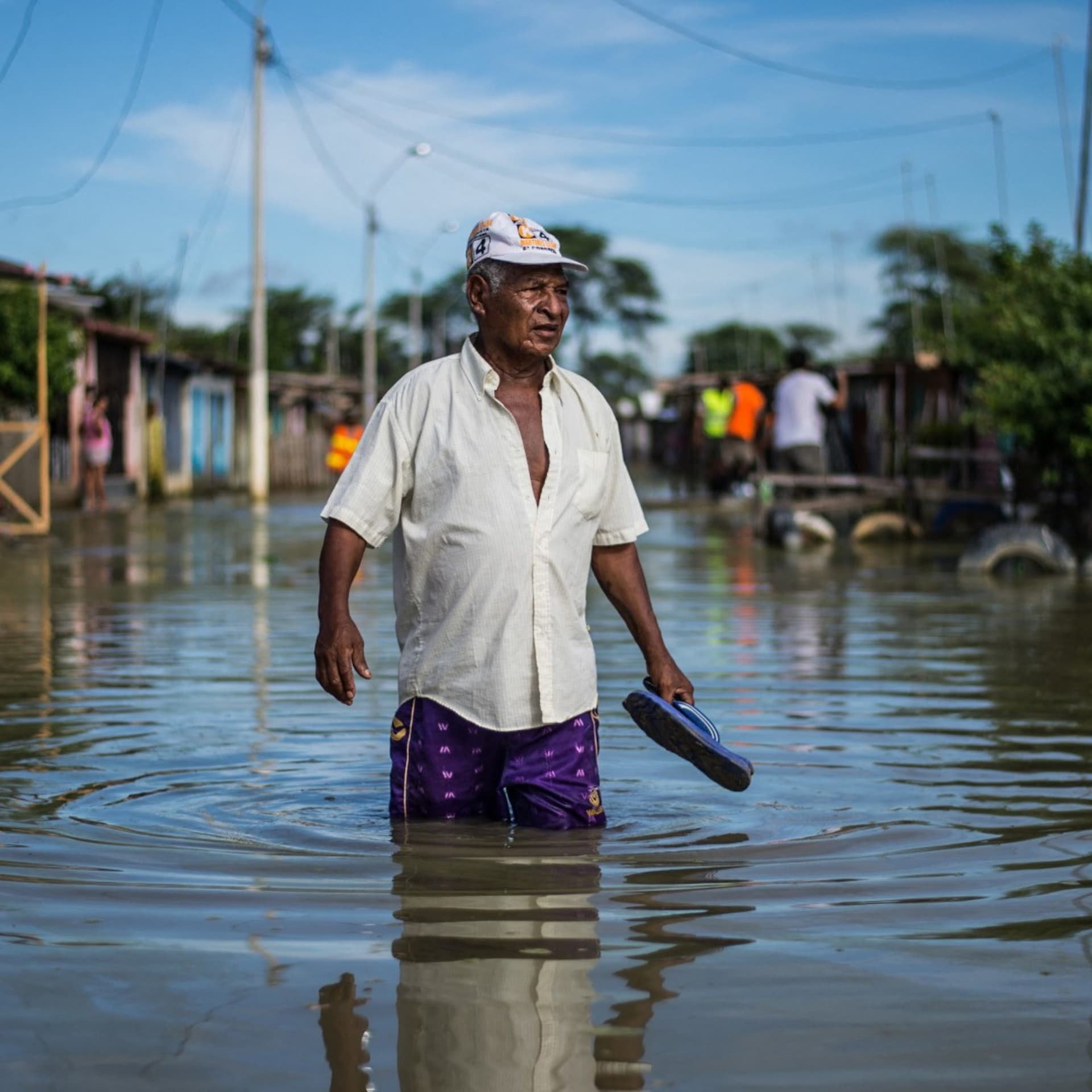
3:05What Russians are experiencing is massive fuel shortages because of the Ukrainian drone strikes on oil refineries and other energy infrastructure. So every day when you go to fill up your tank in the morning, you know that something's happened. Something's going on. It's affecting Russians directly. And Putin needed to address that somehow.
3:30He did it in a pretty dismissive way, I would say. He said that, yes, there has been some damage to energy infrastructure and some problems with fuel supplies, but we're handling it the way we're going to do it. Putin said is by increasing air defenses. His general point was everything's under control. Everything's under Putin's control. And Russia is strong and has strong reserves of power to continue. But at least he acknowledged that, yes, this war has come home to Russia. That caught our ear, Simon. You know, we did a whole episode, I believe a couple months back, actually at this point, about Ukraine's technological advances, particularly when it came to drones.
4:14Is this the dimension that has changed possibly the momentum in the war, the technology that we're seeing from Ukraine? Can you walk me through how things have changed? That's definitely right. I think the technological advances in Ukraine's drone and missile program are key to the changes in the war that we've seen in the past year or so. The two key dimensions here are at the front line, where Ukraine has managed to use drones to basically freeze the advances of the Russians and make it extremely difficult and extremely costly for Russia to gain any territory in Ukraine. That's one front. The second front is the Russian home front, where Ukrainian drones and missiles have been hammering military targets and energy targets for months now.
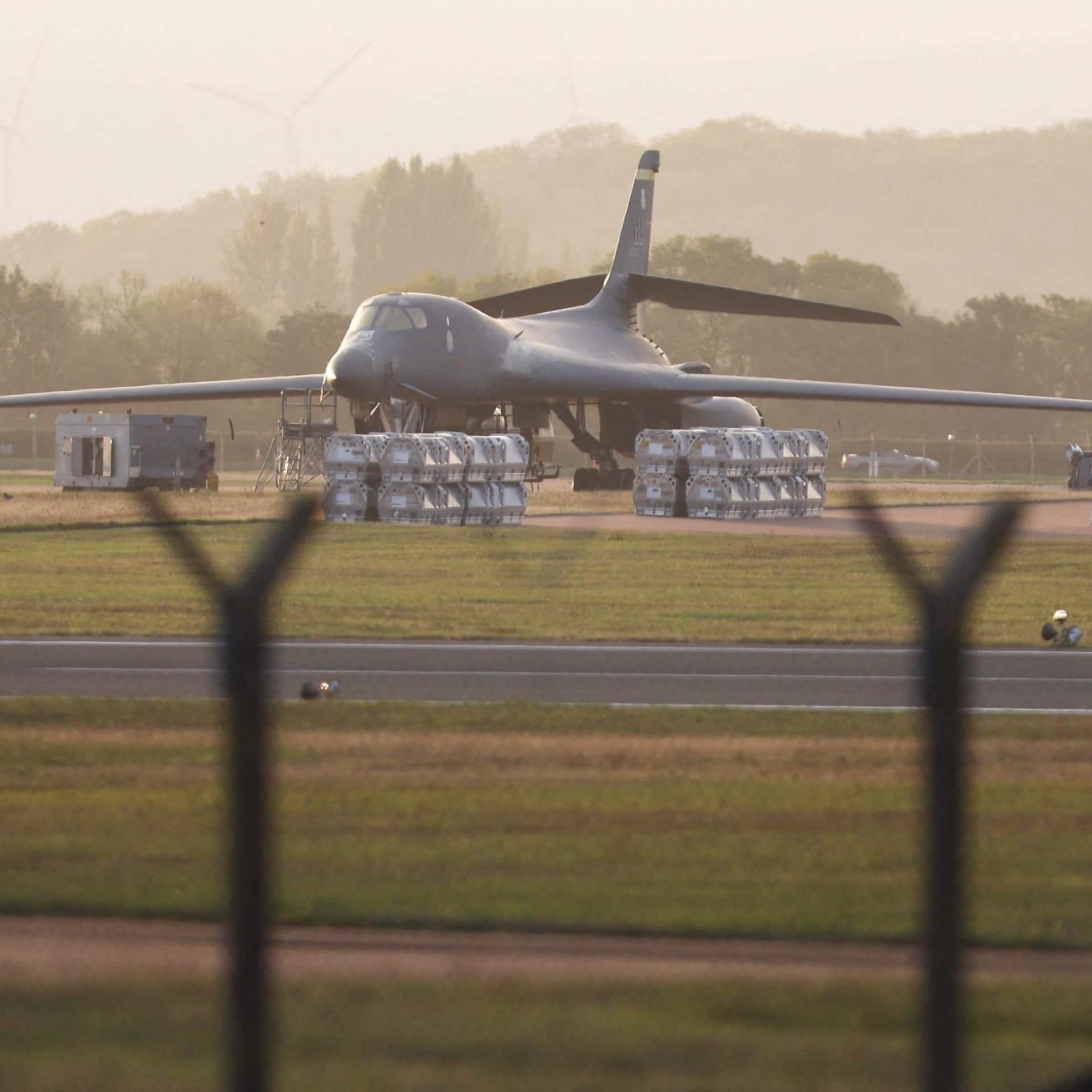
5:03Ukraine using increasingly sophisticated and long-range drones has struck St. Petersburg, Vladimir Putin's home city, setting an oil terminal ablaze and hitting a warship. Especially intensively in May and June of this year. Kiev just launched its biggest attack on Moscow since the war began. Moscow says nearly 200 drones were shot down overnight. Russia says Its air defenses have been responding to a Ukrainian drone attack on the area around St. Petersburg. And that is down to technology. A few months ago in February, I visited one of the main factories that is producing these long-range drones and missiles.
5:44And it is an impressive sight. I mean, these are massive facilities with hundreds of workers working three shifts 24 hours a day, nonstop. and they are producing thousands of these drones, of the ballistic missiles they're producing, they told me, about three per day. So Ukraine has really ramped up this production. It's not only the innovative technology and prototypes they've produced, they've now managed to scale it. And that's really what's making the difference. You know, just recently there was a report in the Russian state media where the Russians said themselves that they had intercepted more than 60 ,000 Ukrainian drones over Russian territory in the last six months.
6:23with more than half of them, so around 30 ,000 or more, coming in May and June. So intensifying as time goes on. That is a huge number. I mean, imagine that. Tens of thousands of these things. And each of them carries a massive explosive charge that can do serious damage to infrastructure. And this is only the number that Russia has admitted to shooting down over its territory. I think it's safe to assume that the actual number is quite a bit higher. You mentioned the intensity of those drone strikes, and we've seen some evidence of that. You can see videos of these attacks on social media. Can you give us a sense of how many drones are actually getting through into Russia and how big is the impact?
7:08Oh, the impact is enormous, especially on the main target which President Zelensky set months ago, which is energy infrastructure.
7:20So bomb the refineries, bomb the fuel depots, bomb the logistical channels and the ways that Russia uses to transport fuel. And that is targeted not only at the Russian military forces, but also to make the Russian public feel this war in a very direct way. So one of the things that targeting fuel refineries does is to create these very dramatic images on social media of just these huge fireballs and explosions. And Ukraine very much wants these things to go viral because that is also a psychological impact. You know, you ask about the impact, you can measure it in many different ways. And the Ukrainians do in terms of the economic pain that this imposes on the Russian economy, in terms of the pain that it imposes on Russian soldiers who are unable to get the supplies they need to continue fighting.
8:18But I think a very important part of this for President Zelensky and the Ukrainians is the psychological effect of these very dramatic images to show the Russians, hey, you're not only seeing this on social media anymore. You can look out your window and see plumes of black smoke rising from your city's oil refinery or other energy infrastructure. So you mentioned that there's this psychological impact on the people in Russia. I mean, we've heard of soldiers who've been drafted from poorer regions of the country. How, if at all, is this war beginning to affect the elites in Russia? Yeah, that's the big change we've seen recently because Moscow, St.
9:00Petersburg, these wealthy cities, the power centers, they've been very much insulated. The Russian government has specifically avoided large-scale recruitment in these cities because they don't want to cause popular unrest and protests in Moscow. But now with the fuel shortages and the other economic impacts of these drone strikes, people in these cities are beginning to feel the pain of the war and they're beginning to ask questions even publicly on social media. What is going on? How long is this going to go on? Of course, it's sad in many ways to see this response from Russian people on social media.
9:36They're not coming in response to the evidence of war crimes that I've seen Russian troops commit, that the BBC has covered, that various UN investigators have been looking into for years now. They're not responding to that. They're responding to the long lines at the gas stations in Moscow. So that, of course, is striking. You're seeing people inside Russia question the war. Yeah, yeah, there's a big, an entire genre of many social media posts and videos of people standing, Russian people standing in line for gasoline or driving around Moscow trying to find fuel for their cars and expressing frustration.
10:13What's going on? I want to say, Vladimir Vladimir Putin, what's happening in our country in our powerful country? Some of them are quite funny in the sense that the people posting these videos don't seem to know why there is a fuel shortage. So those connections in the minds of the Russian people, I think, is something that the Ukrainians very much want to see finally taking place in Russia after more than four years of this war. And so are you suggesting that the popularity of the war has declined over time and you're seeing evidence of that? I mean, Simon, I read that piece you did recently in The Atlantic magazine about a survey that was done on Russian public opinion that was really quite striking.
10:55Yeah, the polling is quite dramatic. It was the latest in a series of about 10 surveys that this institute in Ukraine has done calling into Russia and getting public opinion in Russia by phone and through various. Sorry, real quick. It was done by who? It was a Ukrainian research institute. It was a Ukrainian research. Okay. The polling has been pretty consistent from various sources. But the one I cited in the article, 81 % of respondents said they want to end the war as soon as tomorrow. And only 9 % said that they are ready for the war to continue until Russia's victory, no matter how long it takes.
11:32That is a very disturbing number for Vladimir Putin. this was the highest figure recorded in the series of surveys that this institute had taken. This is consistent with a range of polls that have come out recently, both Western pollsters and Russian pollsters taking surveys inside Russia. So it's a clear trend in the surveys that Russians are getting increasingly frustrated with this war and not on board with Putin's program of continuing the war until he meets his war aims? My sense is that it is not just within the mainland of Russia that there seem to be questions and some political challenges around this war.
12:13I understand in the past couple of weeks, Russia-occupied Crimea has been the focal point of some problems for Vladimir Putin as well. Now, the Russians have had control, just explain to listeners, over Crimea, which is this strategically important peninsula in the Black sea since 2014. But tell me what's happened there recently. Recently, the Ukrainians have been using there to, again, target especially energy infrastructure. What President Zelensky and his military commanders have said is they want to turn Crimea into an island, basically cut it off from all the supplies that Russia sends to that peninsula to keep it supplied with fuel, to keep the soldiers there happy and capable of attacking into Ukraine from that peninsula and to maintain what was until recently a very robust tourist industry.
13:04So Russians traditionally have gone to Crimea on holiday, and the Ukrainians set out this summer, heading into the summer, to make it very uncomfortable for any Russian tourists to go there on holiday. That meant, again, cutting off the fuel supplies, bombarding the highways that are used to truck fuel and other supplies into Crimea, hitting the bridge that Russia built and opened in 2018 between mainland Russia and Crimea. So all of that has resulted in such severe fuel shortages on the peninsula that the Russian installed leadership there has called a state of emergency. They've started rationing fuel.
13:47Basically, it is near impossible to fill up your car in Crimea now. They've closed down the summer camps for kids that many Russians used to send their kids for a couple weeks on a summer holiday. Those have been shut down and the Russians don't want to go to Crimea anymore. That is very much part of the strategic aim of Ukraine.
14:09To make life as uncomfortable as possible in Crimea. It's very obvious both to Russians in the mainland and people who live in Crimea that this is a real emergency. life is becoming unsustainable in Crimea amid this war. And clear that Ukraine intends to get that peninsula back from the Russians.
14:50We here at The Global Story dive deep every weekday on one big story at the intersection of where the world and America meet. And you can now watch The Global Story on the iHeart app. Catch every brand new episode every weekday. Just tap into iHeart to start watching. And we hope you enjoy the show.
15:13Well, as the situation has gotten more difficult for Russia on the battlefield, As we said earlier, Vladimir Putin did come out a few days ago and give this interview to Russian state TV in which he acknowledged some problems that Russia is facing right now on the home front. You're a longtime Putin watcher. What struck you about that interview? Well, it's pretty consistent with the way he's always felt about war. You're right. I've followed Putin's career for about 20 years. I've traveled with him as part of the Kremlin pool to observe him more closely. before I was kicked out of Russia in 2015.
15:49I've seen the way that he talks about different topics and other things that have to do with running a country. And then you see the way he talks about war, and it's a totally different Putin. He gets excited. He comes alive. He treats it as his calling. And I've heard this from people who have attended private meetings with Putin, And they told me about how he had trouble sitting through a meeting about interest rates and economics. But when the subject would turn to the various wars that he has prosecuted over the course of his tenure, we're talking about Chechnya, Georgia, Syria. Ukraine is only the latest in a long line of Putin's wars.
16:32He comes alive. And what I saw in that interview just recently when he gave his most detailed response to the Ukrainian drone strikes was, again, he began talking about some of the economic frustrations of his citizens. And it was a very dull, bored-looking Putin. And then he switched for most of that interview to talking about the minutiae of the war. I mean, down to the little details that usually would not filter up to the commander-in-chief. His eyes really come alive. And that's not an act. That is Putin to his core. And where does this difficult situation on the battlefield and at home for Russia leave the peace negotiations?
17:14And what does it mean for Putin's relationship with President Trump and with the Trump administration? Trump, I think, coming into his second term, really wanted to end this war fast. That's what he promised the American people. And he made a strong effort. But over the months of negotiations that President Trump initiated between Russia and Ukraine, actually Russian and Ukrainian negotiators were sitting down together, which is quite rare over the course of this war. But eventually, Trump and his negotiators saw that for them, this is a losing game. The two sides are too far apart. Neither is willing to compromise enough to get to a peace deal.
17:58The Americans earlier this year basically washed their hands of the whole thing. They got distracted, of course, by the war in Iran. But also, I think, getting closer to the midterm elections in the United States this November, they sensed that if they continue acting as mediators in this war in Ukraine, it will make them look bad because they're not getting results. So they basically walked away. And that's where we are now. I think the last real moment that Putin always looks back to is the summit in Anchorage, Alaska. It was in August 2025. And in the months after that summit, the Russians would often refer to some kind of agreement that Putin and Trump had reached about the outlines of a peace deal that would be acceptable to Russia.
18:46One thing that was interesting in Putin's interview just recently when he was responding to these Ukrainian drone strikes is he made a statement about the Alaska summit that, no, there was no deal with Trump there. That was an important point because it showed that in his mind, there isn't any basis for negotiations. And that was really one of the key takeaways from his statement, that he is not ready to talk. And I think that that is really important to keep in mind that Putin is not going to come to the table himself. He needs to be forced. I want to dig in a little bit deeper on what this means from the vantage point of the Trump administration and from Washington, D.C.
19:25We know that Donald Trump does not like to back a loser. He famously told Ukraine's President Zelensky that he had no cards to play in this war during that really intense Oval Office meeting that was streamed around the world. I wonder whether you have a sense of whether Ukrainians now think that the U.S. might step up their support now that they've seemed to have made some sort of shift possibly in the momentum. And they seem to have made some gains in this war. Yeah, I remember talking to President Zelensky about this all the way back in the beginning of the war. He was always very aware that people don't like to back a loser.
20:04Oh, he said that to you as well. Yeah, he said that very early on, that if Ukraine can't demonstrate victories, even small victories, even victories that are designed for social media effect more than strategic effect, it won't get the support Ukraine needs. From who? From Western European nations, from the Trump administration? From Europe, from the Americans, from the Biden administration, from the Trump administration. Zelensky believed that Ukraine needs to show it's winning in order to get those allies to support them because they won't want to offer support to a losing cause. And his behavior has been quite consistent in giving the world and giving his allies those kinds of small victories to get behind, rally around, root for, and then support.
20:51So what we've seen with the recent drone strikes into Russia from Ukraine, there is a sense of momentum shifting in Ukraine's favor. And President Zelensky was able to present that directly, personally, to President Trump at the G7 meeting very recently. And Zelensky was able to tell Trump about these drone strikes. He was also able to tell Trump about the Russian retaliations, one of which struck one of the holiest sites in Kiev, a cathedral there right in the center of the city. And it seemed like he got through to Trump. He got Trump to acknowledge that, yes, that Ukraine is doing well. And then publicly, President Trump made some statements in the style that he does.
21:35Do you think President Zelensky is winning right now? Well, he's doing pretty well. Look, no matter how you look at it, he's doing pretty well. He's holding his own, at least. A lot of people dying on both sides. But I think he's doing pretty well. Look, you have to say he's courageous. He's got great equipment, but he's got great men. He's got fighters. Now, I want to say here that Trump changes his mind depending on the last person he talked to. The Ukrainians are very aware of that. They don't see his recent encouraging statements toward Ukraine as some kind of policy shift or strategic shift on the part of the United States.
22:15Yeah, that's what I was going to ask you, because, Simon, we're having this conversation as the NATO summit kicks off, and it sounds like you're saying, while some of these battle gains might lead to encouraging words of support from President Trump, you haven't seen, and the Ukrainians don't believe that there's a fundamental shift in U.S. foreign policy. No, they don't see that. And I think they've given up hoping for that. Zelensky, from my last conversations with him a few months ago, he still hopes that the United States will play the role of a mediator in forcing Putin to come to the negotiating table through sanctions, through military pressure, whatever it takes.
22:55But they're not counting on that. They are now counting on themselves. And that is why you see these factories in Kiev mass producing the weapons Ukraine needs to continue fighting. And they're not sitting around and waiting only for American support or European support. Yes, they still rely a great deal on that support, especially loans and financial support from Europeans especially. But the Americans have cut down their support for Ukraine to the bone. They're getting intelligence support. They're getting access to Starlink communications through Elon Musk's company, SpaceX. These are very important things.
23:33But I think more and more as this war has gone on, Ukraine has become self-reliant. And that is the strategic direction that Zelensky has pushed forward. Throughout this conversation, we've been talking about how this appears to be a difficult moment in the war for Vladimir Putin, and that he may be, perhaps for the first time in years, on a back foot. But then just days ago, we saw huge Russian strikes on Ukrainian cities. What we here at the BBC are describing as one of the biggest ever to hit Kiev.
24:11A mixture of drones and missiles, which the Russians say was retaliation for Ukrainian attacks on Russia. So it seems like even as we're having this conversation about challenges for Russia, it's clear that Putin still has tremendous firepower. As much as we talk about the momentum going one way, then we see these massive attacks from Russia into Ukraine. And how do you make sense of that? Yeah, definitely. Putin is not giving up. On the contrary, he's telling his troops to move forward meter by meter on the front line. You know, there are different ways to read some of these attacks. because they're attacking in this most recent wave, a kindergarten was hit, a playground, a hotel, apartment buildings.
24:53You know, what does that do strategically? It's not clear to me at all that this helps Russia's cause. I think they only encourage foreign support and foreign sympathy. And also they do have a kind of rally around the flag effect in Ukraine. They put the blame for these attacks on Putin. So is he helping his cause? I don't know. To me, it looks like desperate lashing out in many instances. We've been speaking about infrastructure targets that have been hit during the course of this war. But this war has also had a devastating death toll. I was reading the latest estimates on casualties from the Center for Strategic and International Studies.
25:35And they estimate that around 1.4 million Russians have been killed or wounded since the start of this war. half a million on the Ukrainian side. The BBC thus far has been able to confirm the names of nearly a quarter of a million Russian soldiers killed. So yes, the numbers vary, but I guess when you have so many people who've died, it feels really perplexing to me to understand what it means that the momentum might be shifting or that one country might be gaining an edge over the other. I mean, these are just monumental death toll numbers we're talking about. That's right. And they're going to haunt both countries for generations to come.
Read the full transcript
26:19I think the devastation, of course, has been much worse on the Ukrainian side because not only of the casualties at the front, but the number of refugees, millions of people, especially women and children, have left, have fled to safety in other countries. That has an enormous toll on the demographics of Ukraine, but increasingly also in Russia. Russia was facing a demographic crisis for many years before this war. And now, with a casualty rate of over a million over the course of this war, dead and wounded, that's going to affect Russia for many, many years to come. And one thing that really struck me about Putin's latest statements is that he didn't take even a moment to even acknowledge that suffering that he has caused on his own people.
27:11A million casualties means that every family has been directly impacted. And Putin did not take a moment to acknowledge that suffering and recognizing what his own people have been going through over the course of this war. Well, Simon, thank you very much for spending the time to speak with us and walk us through where things stand at this moment in the war. Thank you. That was Simon Schuster, a staff writer at The Atlantic. And folks, that's it for our show today. A reminder that we here at The Global Story dive deep every weekday on one big story where the world and America meet. If you're also looking for a way to catch up on the latest news headlines, then you should check out our sister show, The Global News Podcast.
28:02Today's episode was produced by Lucy Paul and Hannah Moore. It was mixed by Travis Evans and edited by Bridget Harney. Our technical producer was Mike Regard. Our digital producer is Matt Pintus. Our senior news editor is Chyna Collins. And I'm Asma Khaled. Thanks, as always, for spending some time with us. And we'll talk to you again tomorrow.
28:54Transcription by CastingWords start watching and we hope you enjoy the show.
From the publisher
President Trump will be attending a NATO summit in Turkey this week, where he’s likely to hear one consistent message from European leaders: the tide is shifting against Russia in its war with Ukraine. And not just on the battlefield.
Russian cities are being pounded by Ukrainian drones in ever increasing numbers. Fuel shortages have become widespread as key infrastructure has been targeted, with long lines seen at gas stations and trucks abandoned by the side of the road. Vladimir Putin recently made a rare admission; that his country is actually facing problems caused by the conflict, amid growing disquiet about Russia’s enormous economic problems.
In today’s episode we speak to Simon Shuster, staff writer at The Atlantic, and veteran reporter of Russia and Ukraine. And with the war starting to hit home, we ask if Putin is now on the backfoot?
Producers: Lucy Pawle and Hannah Moore
Executive producer: Bridget Harney
Mix: Travis Evans
Video producer: Matt Pintus
Senior news editor: China Collins
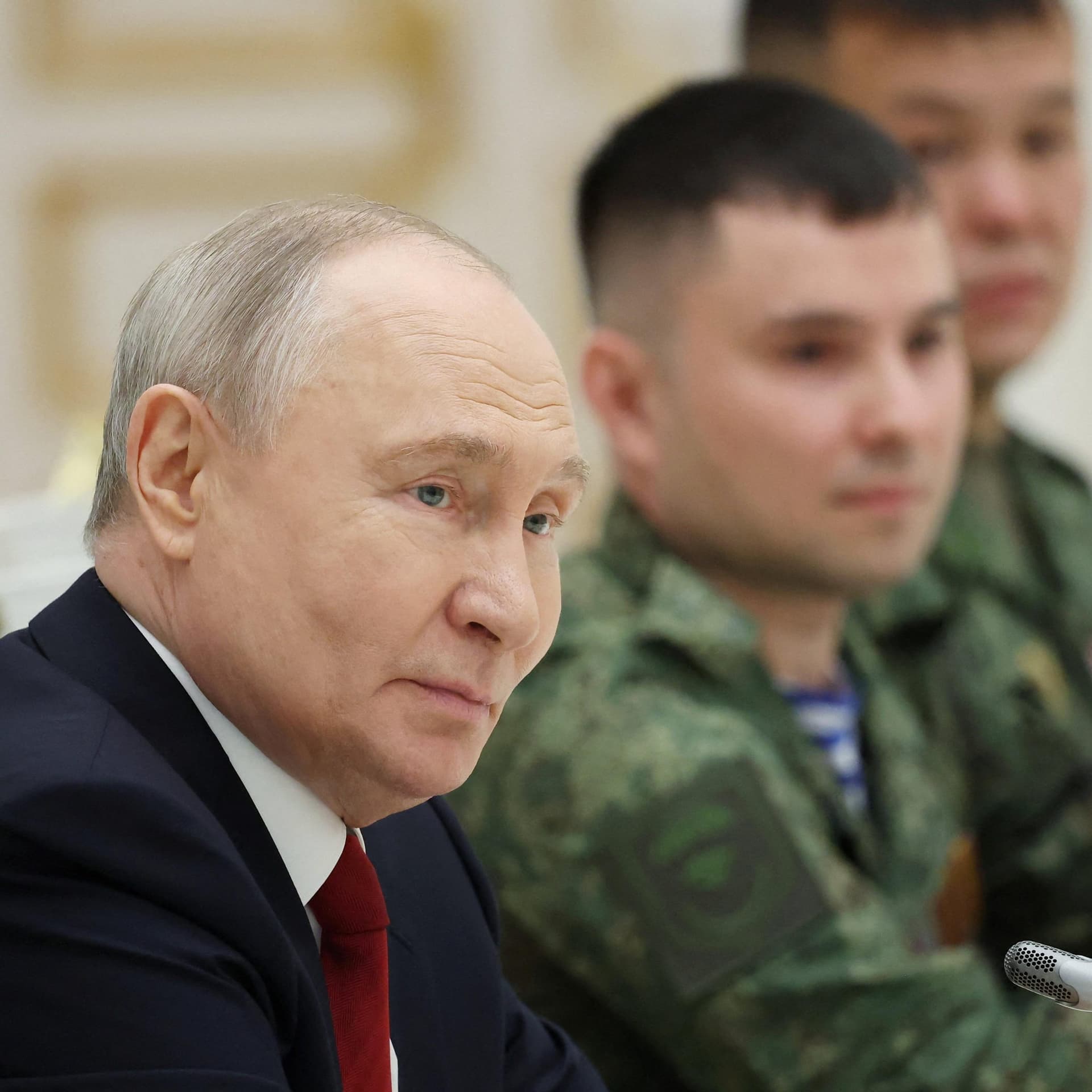
Photo: Russia's President Putin meets with service members in Moscow, June 12, 2026. Photo Credit: Sputnik/Alexander Kazakov/Pool via Reuters