
In short
A BBC Global Story episode asking whether social media is facing a “Big Tobacco moment,” focusing on a California jury trial alleging Meta (Instagram) and YouTube designed platforms to be addictive to children and failed to warn about harms.
Guests
Lily Jamali, BBC North America technology correspondent, who has been covering the Los Angeles trial.
Key claims
The plaintiff, Kaylee (20), says she became addicted after using social media from about age 8 and suffered depression, anxiety, suicidal thoughts, and body-image bullying. Her lawyers argue design features (notifications, infinite scroll, autoplay) function like “addiction machines.” Defense lawyer Paul Schmidt argues Kaylee’s mental-health struggles predated Instagram and points to alleged family abuse and ongoing therapy.
Notable examples
Unsealed internal language allegedly calling the app a “drug” and “basically pushers.” Zuckerberg expected to testify; other executives include Adam Masseri and Neil Mohan. Snap and TikTok settled before trial (terms confidential).
Written by AI. May contain mistakes. Listen to the episode to check what was said.
Chapters
Tap a time to open that second in VOThe Historical Context of Addiction
0:38 to 2:07
Discussion about the history of tobacco addiction and its settlement.
“This is Debbie Austin, a woman in her mid-40s in an anti-smoking campaign ad way back in 1996.”
Introduction to the Social Media Trial
2:07 to 2:41
Overview of the upcoming social media trial involving Meta and YouTube.
“From the BBC, I'm Tristan Redman in London, and today on The Global Story, is social media having its big tobacco moment?”
Case Background: Kaylee's Story
2:41 to 4:24
Insight into the plaintiff Kaylee and her social media addiction journey.
“It's pretty rare for these social media companies to end up in the courts in a trial in front of a jury like this.”
Legal Allegations Against Social Media
4:24 to 6:23
Discussion about negligence allegations against Meta and YouTube.
“She experienced suicidal thoughts, she says, and was made to feel bad about how she looked, about her body.”
The Role of Section 230 in the Trial
6:23 to 7:38
Explaining the implications of Section 230 on social media litigation.
“the fact that the statute of law that is being used is something that dates back to 1996 when the internet barely existed, let alone social media.”
Settlements and Their Impact
7:38 to 10:05
Insights on settlements reached by other social media companies before trial.
“It's a civil matter because you have private entities suing each other, a person suing a company, or in this case, a couple of companies.”
Meta and YouTube's Defense Strategy
10:05 to 10:19
Discussion on how Meta and YouTube plan to defend themselves in court.
“They have sizable teams of lawyers that are going to defend them in this case.”
The Plaintiff's Arguments and Strategy
10:19 to 14:03
Overview of the plaintiff's strategy and key arguments presented by their lawyer.
“In Metta's case, that would be introducing Instagram teen accounts, which gives parents tools to, you know, for example, limit screen time and make sure their kids aren't exposed to age-inappropriate content.”
Understanding the Case Against Social Media
14:03 to 18:10
Explore the nuances of the legal arguments surrounding social media's responsibility for children's mental health.
“And documents like the ones we've been talking about, you know, seeing someone say we're basically pushers could be pretty damning.”
Potential Consequences for Social Media Companies
18:10 to 19:58
Discuss the implications for social media companies if the plaintiff wins or loses the case.
“Catch every brand new episode every weekday.”
Show all 13 chapters
Mark Zuckerberg's Upcoming Testimony
19:58 to 22:26
Anticipate what Mark Zuckerberg may say in his testimony regarding social media's impact on mental health.
“families want is a little bit further off okay well I have to ask you Lily because the big moment this week is expected to be uh the testimony given by Mark Zuckerberg the big boss of Meta What are we expecting from him?”
Regulation of Social Media as a Consumer Product
22:26 to 24:49
Examine the shift towards treating social media as a regulated consumer product in light of legal challenges.
“Both of these cases, the social media addiction cases we're looking at now and those big tobacco cases, involve claims of personal injury.”
Expectations for the Trial and Key Moments
24:49 to 26:52
Highlight what to watch for in the trial, including testimonies and potential key evidence.
“So the trial is expected to go on for about two months.”
Transcript
Automatic transcript. May contain errors.0:00This BBC podcast is supported by ads outside the UK.
0:30Just tap into iHeart to start watching. And we hope you enjoy the show.
0:38I had my first cigarette when I was 13. This is Debbie Austin, a woman in her mid-40s in an anti-smoking campaign ad way back in 1996. They say nicotine isn't addictive. Debbie picks up a lit cigarette and takes a drag on it. Not through her lips, but through an air hole in her neck. How can they say that? Two years after this TV ad, 46 US states reached a settlement with tobacco companies for$206 billion to treat smokers and stop children from smoking. Almost 30 years later, it's still the largest ever settlement in the United States. At the time, the New York State Attorney General said, this plan will get big tobacco off the back of our kids.
1:28Fast forward to 2026, and another landmark case is underway in California. The tech giants, Meta and YouTube, are facing a jury for the first time as part of a lawsuit alleging that social media was deliberately designed to be addictive for children. The companies deny the allegations. They say they've got no incentive to turn children into addicts that they've rolled out many safety features for kids, and Mark Zuckerberg is expected to give evidence later this week. But if they lose, the financial consequences could be huge. From the BBC, I'm Tristan Redman in London, and today on The Global Story, is social media having its big tobacco moment?
2:21A quick warning before we dive into the show. This episode contains discussions of bullying, child abuse and suicide. My name is Lily Jamali. I'm the BBC's North America technology correspondent. Well, thank you so much for joining us, Lily. You have been covering this social media trial in Los Angeles. How big of a deal is it? It's a really big deal. It's pretty rare for these social media companies to end up in the courts in a trial in front of a jury like this. What's different about this case is that we're looking at design choices made by the executives. These are personal injury cases. And so it's a different legal strategy that is untested against these companies.
3:06And so it'll be really interesting to see whether it works. Well, where does the story of this trial actually begin? Can you explain to us what it is and how it ended up in a California courtroom? Sure. This case was filed about three years ago now and is representative of thousands of similar cases. And so it is considered a bellwether case. And it's one of several that are expected to take place in the coming months and years. But this particular case began in 2023. it was filed by a 20-year-old woman from California. She says she is addicted to social media because of the way that these companies design their platforms.
3:52She has been going by her initials KGM instead of her full name because the harms that she's alleging happened when she was a minor. In court, we learned that her first name is Kaylee. So we can call her Kaylee now. This is someone who started using social media when she was about eight years old. And her parents obviously let her use it. She says that she ended up suffering all kinds of issues because of her addiction to social media. So issues like depression and anxiety. She experienced suicidal thoughts, she says, and was made to feel bad about how she looked, about her body. And she says this was all the result of using these platforms.
4:38When we were introduced to her by her attorney in court, it was in the form initially of a photograph of Kaylee as a little girl. And on that first day of the jury trial, her lawyer ended up bringing her in very briefly, asked her to stand up in front of the jury just for a moment. And we got to see this person who we've been hearing about for a long time. She is a young Caucasian woman. She has long, light brown hair. In the court, she was wearing a cream-colored vest and brown pants. And she is going to be a huge focal point in this case. Okay, break it down for us, please, Lily. Who's on trial for what here?
5:22Meta and YouTube are on trial, and the allegation is negligence. The plaintiffs say that they designed their platforms to be addictive on purpose and then failed to warn people about the potential harms that could be wrought by their platforms. This is the first time that these companies are facing trial for their design choices. Generally, cases involving these companies have been dismissed before ever reaching a jury. And that's because of something called Section 230 of the Communications Decency Act. 26 words drafted back in 1996, and the companies have been able to use that provision to say, we're not responsible for what users post to their platforms.
6:11This is different. This is about platform design, executives making specific decisions. And so the fact that it's made it to trial this case is a pretty big deal. It's remarkable, in fact. That's fascinating, though, the fact that the statute of law that is being used is something that dates back to 1996 when the internet barely existed, let alone social media. I mean, how do those things square with each other? I know that might be the year I sent my first email. It was a long time ago, well before the internet as we know it today. And that's actually a grape we hear a lot is that we We are seeing these companies be governed by a law that really just does not fit the times that we are in.
6:57And so this case is so interesting because it's testing a legal theory that is, for the first time now, moving away from that and saying it's not about Section 230 at all. These are personal injury cases. Lawyers are trying to hold these companies accountable in a different way, saying companies do make choices about how notifications work. Why are some pieces of content pushed over another? And so in that respect, the plaintiffs argue they should be held responsible. And this is a trial by jury, right? So does that mean this is a criminal matter or a civil matter or something else? It's a civil matter because you have private entities suing each other, a person suing a company, or in this case, a couple of companies.
7:47It is extremely unusual for something like this to make it to a jury. Okay, so plaintiff is Kaylee, who's 20 years old. Defendants are Meta and YouTube. But there are other social media companies who have settled before it got to trial. Is that right? Who are they? And what do we know about the settlements? Yeah. So initially it was that Kaylee was suing Meta and YouTube, but also Snap Inc., which is the parent company of Snapchat and TikTok. And so in the days leading up to the start of trial in January, that's where you do jury selection, which can take, you know, about a week or two. We saw Snapchat settle this case with Kaylee.
8:33And then a few days later, just like hours before jury selection was due to start, we learned that TikTok had settled as well. We do not know the terms of those settlements. We have very little information, but it's only applicable to just Kaylee's case, not those other bellwether trials that are coming down the road. When these settlements were announced, Snap said that they were pleased to have been able to resolve this matter in an amicable manner. And then TikTok, using fairly similar language, telling the BBC the parties are pleased to have reached an amicable resolution in this dispute. The terms, again, are confidential, but it seems that both sides were pretty satisfied.
9:17Okay, so if YouTube and Meta are seeing through the trial, but others have settled, is that good news for YouTube and Meta, bad news for YouTube and Meta, or irrelevant news? Well, you know, it means that Meta and YouTube are in the hot seat, kind of on their own now in this particular trial. It's now Meta executives and YouTube executives who will take the stand. Snap and TikTok don't have to worry about that. They don't have to worry about their internal documents and strategies being in the limelight like Meta and YouTube now do. But Meta and YouTube, YouTube being part of the same company, Alphabet, which owns Google, these companies have very deep pockets.
10:05They have sizable teams of lawyers that are going to defend them in this case. And it's been expressed to me that they actually really believe they have a very strong chance of winning. They think they're in the right. They're not just going through the motions. They say these allegations are plain wrong, that they have made good faith efforts to make their platforms better, to quote in Metta's words, understand the issues that matter most, and that they have made meaningful changes. In Metta's case, that would be introducing Instagram teen accounts, which gives parents tools to, you know, for example, limit screen time and make sure their kids aren't exposed to age-inappropriate content.
10:51That particular tool has been criticized by safety researchers who say it's more window dressing than anything else. But the fact that Metta and YouTube continue to fight, I think, is pretty noteworthy here. Could you tell us a little bit about how the cases on both sides are actually going to be laid out? What's the case that you started to see being made on the plaintiff side? Yeah, we got a really good sense of what this case will look like from their perspective in opening arguments. So the plaintiff attorney is named Mark Lanier. He is a longtime personal injury lawyer. He's from Texas and has a real folksy way about him.
11:29He seems to like cracking jokes. He's pretty personable. And he told me on Monday, actually, that he actually wanted to be a preacher. And you see glimmers of that when he's up in front of the jury. He apparently decided to go into the law as a side gig so that he could support his preaching aspirations. He, in the beginning of his opening statement, took out a bunch of blocks, like children's blocks, like what we all played with growing up. And he had three blocks that said ABC on them, and he used them to sort of lay out what he calls the ABCs of this case. So he, on his projector, wrote out addicting the brains of children.
12:16So there's your A, B, and your C. And he goes on to say that Metta's Instagram and YouTube are so-called addiction machines. That's the phrase that he used. He likened these platforms to digital casinos where the whole game is to keep kids scrolling, to keep them there on their apps for as long as possible. So some of the features that are considered addictive in Mark Lanier's telling of things are notifications, which keep users coming back to the platforms once they've left. Infinite scroll. We've all experienced this, I presume, where you're on a platform and, you know, you don't really know how much time has passed.
12:58You just keep scrolling and scrolling. There's no end to it. So you could be there for hours and not even realize it. Autoplay, which is where you have a video and then the next one is queued up, ready to go when that last video is done. And then, again, you kind of lose track of time if you're constantly being fed these videos and this content. One unsealed document showed an Instagram employee calling the app a drug. There's another with an employee saying, LOL, we're basically pushers. And it's going to be really interesting to see whether that kind of language lands with this jury. I was watching them during the trial.
13:40They are a very attentive group. Kaylee's lawyer actually called up an expert in addiction medicine to say, you know, these platforms are actually rewiring the brains of our kids at a very formative time in their lives. And so there's going to be parallels being drawn to drugs and tobacco. They are going to be approaching this like lawyers approach the big tobacco cases a number of decades ago. And documents like the ones we've been talking about, you know, seeing someone say we're basically pushers could be pretty damning. We'll see how the jury takes that. But to be clear, the plaintiff's case is not that creating addictive websites is negligent per se for adults.
14:27It's specifically children. Is that right? This case is focused on children. Yes, this case and the sort of panoply of cases we're looking at are focused on kids. Okay, well, what's the case for the defense then? Well, after Mark Lanier's opening statement wrapped, we heard from Metta's attorney, Paul Schmidt. Metta, of course, makes Instagram. And he wanted to really focus the jury on what he views as the central question here, whether Instagram is a substantial factor in the mental health struggles that Kayleigh has dealt with. He tried to paint a very particular kind of portrait of Kaylee as somebody who has dealt with a lot in her life.
15:08She's dealt with family turmoil. She has dealt with alleged neglect, physical and verbal abuse and bullying by her parents. That's the claim. And Schmidt also told the jury that, you know, she has worked really hard to overcome her struggles. He called that really admirable. So he's not trying to impugn her character per se. He's trying to paint her as somebody who has gone through a lot. Yeah. But that a lot of these struggles actually predate her use of Instagram and social media. One of the points he made was that she's been in therapy off and on since she was just three years old. That's well before she ever probably touched a smartphone.
15:53And there was also this really poignant moment where he threw up on this projector some statements that Kaylee had made, saying things like her mother would call her stupid, saying that her mother would scream at her and that sometimes these interactions made her want to kill herself. And Paul Schmidt said to the jury, I recognize that these are tough quotes, but he said in a case that's about psychological distress, these are things that they're going to have to consider. He also said at one point that no one would argue that teenagers spend too much time on social media. We've all seen it, right?
16:32But what he's trying to do is lay the groundwork for the argument that the harms suffered cannot be directly tied to the company. I mean, it sounds like a very challenging case to make from a defense point of view, because on the one hand, as a defending lawyer, your job is to deconstruct the case of the plaintiff. But on the other hand, as a corporation, you don't want to appear to be attacking the plaintiff who is a vulnerable person. And that's quite a hard needle to thread, I would have thought, from a kind of corporate optics point of view, isn't it? It really is. And I think you make such a great point.
17:11I knew going into this case that her character was going to be a part of this case. And actually, in his opening argument, her lawyer said, you know, you're going to hear Meta and YouTube try to go after who she is. I think they did it in a way that didn't feel like an attack on her. It was almost like, here's somebody who's just had so many issues that are not her fault. And she's done everything she can to navigate them. But those issues also are not the company's fault, is the argument that they're making.
18:09global story on the iHeart app. Catch every brand new episode every weekday. Just tap into iHeart to start watching. And we hope you enjoy the show.
18:23OK, if Kayleigh, the plaintiff, wins, what are the consequences potentially for social media companies? Well, some scholars that I've been speaking to say that this could actually prove an existential threat to these social media companies. That sounds pretty far-fetched probably to a lot of people. I mean, I was surprised to hear that because these companies, again, have very deep pockets. Kaylee's lawyer reminds the jury every so often, these are the most powerful companies in the world. There is a school of thought, though, that says if you are able to hold these companies liable in this case, that could kind of create a slippery slope.
19:03The fact of the matter is they're facing just this mountain of litigation from all corners, from people, from governments, and from schools as well who say that these companies are a nuisance, that they're having to spend all this money to deal with the impacts that this excessive use of social media is having. Could these social media companies be brought down because of this? I'm not sure, but it could certainly lay the groundwork for them having to change or remove some of the features that we've talked about. So do they go out of business? I don't think so, but there's a very good chance that we see them have to change their behavior if Kaylee is successful here.
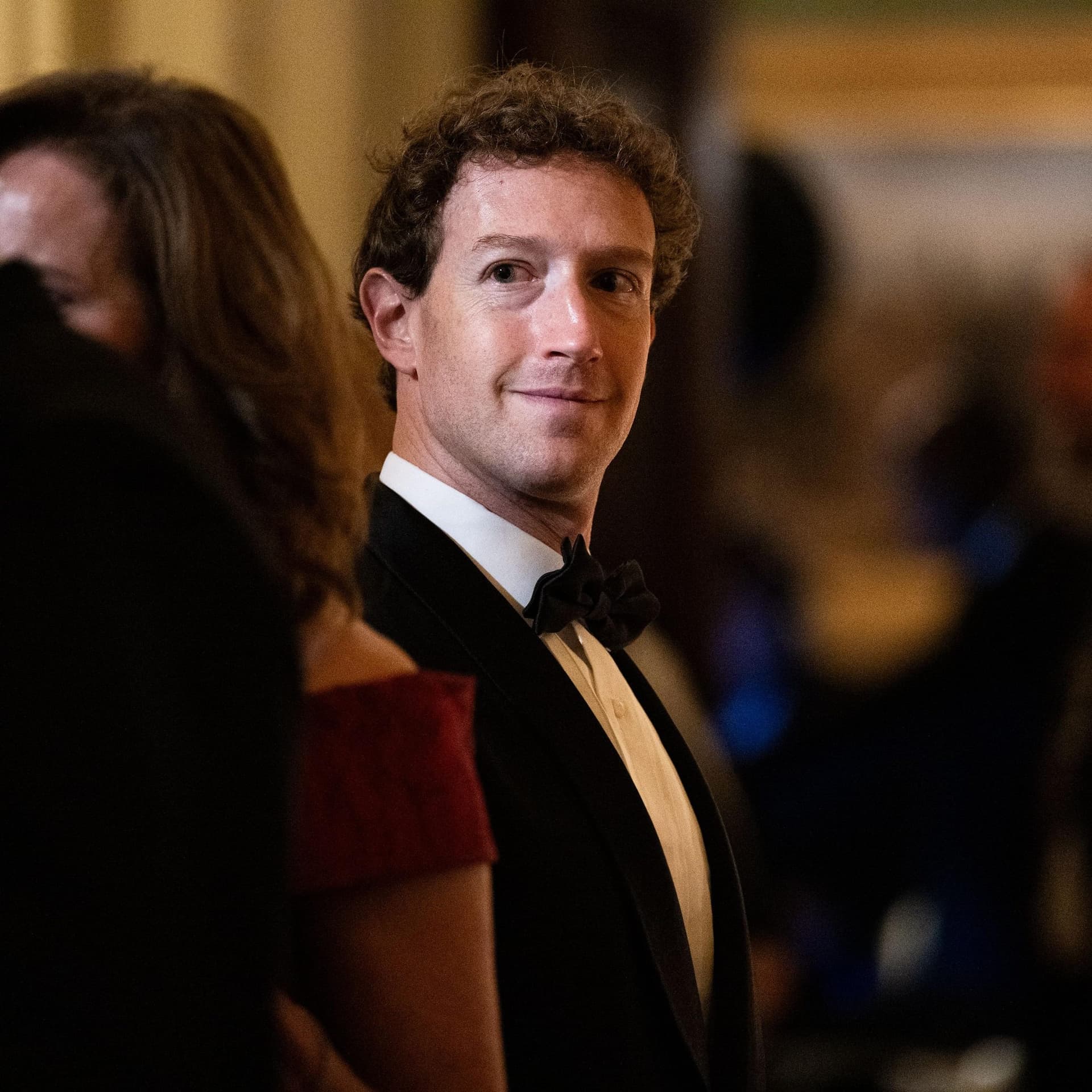
19:47If Kaylee loses, what does that mean? if Kaylee loses I think there's a pretty good chance we see a continuation of the status quo if she is not successful here it certainly means that meaningful change of the kind that these families want is a little bit further off okay well I have to ask you Lily because the big moment this week is expected to be uh the testimony given by Mark Zuckerberg the big boss of Meta What are we expecting from him? And I have to say that, you know, I remember Zuckerberg testifying in the past in front of Congress back in 2024. And his stance at that moment seemed to be quite a humble one.
20:31But it feels like we have a different Mark Zuckerberg these days. What do you think we might see from him this week? A lot of people I've been talking to have been mentioning that 2024 hearing where we saw Mark Zuckerberg turn towards the audience and say he was sorry. There's families of victims here today. Have you apologized to the victims? Would you like to do so now? They're here. You're on national television. Would you like now to apologize to the victims who have been harmed by your product? Show them the pictures. Would you like to apologize for what you've done to these good people? He was prompted to do that by Republican Senator Josh Hawley, who basically ordered him to do so, for lack of a better phrase.
21:17And I actually remember watching that hearing live and being very struck by something that Mark Zuckerberg said in the opening statement that he delivered. He said, Mental health is a complex issue, and the existing body of scientific work has not shown a causal link between using social media and young people having worse mental health outcomes. I was really struck to hear him say that because there is certainly a lot of evidence looking at correlations between mental health harms and social media use. Is there causation? There is not necessarily a scientific consensus on that. And so I think we're going to hear Mark Zuckerberg cue very closely to what he said in that 2024 hearing.
22:05He will have to come off as sensitive to what these parents have gone through, what the kids themselves have gone through.
22:16Lily, you mentioned the potential parallel between this case and the big tobacco cases of the late 90s. Do you think that's a fair comparison in terms of how we might see the future of these social media companies and how they're perceived in the future? I think it is a fair comparison. Both of these cases, the social media addiction cases we're looking at now and those big tobacco cases, involve claims of personal injury. Both involve allegations of companies producing an addictive product without warning users of known harms. And then, you know, think back to the 1990s and even before when smokers were bringing these big tobacco cases, the companies had their internal research that they had done.
23:06But there really wasn't a strong consensus in the scientific community about how bad smoking really was. That seems pretty shocking to hear, you know, what is it, almost 30 years later. But that's how it was back then. I think the question here is, what did Meta and YouTube know? And when did they know it when it comes to the alleged addictive nature of these products that they're making? In the last few months, we've seen Australia introducing a social media ban for under-16s, other countries around the world considering a similar sort of a ban. How does the trial in Los Angeles play into all of this in terms of the global trend around social media and young people?
23:52One complaint that I often hear from parents is that they feel that the onus has been placed on them entirely by these social media companies to keep them safe, even though they often feel they have very limited visibility into what is actually happening with their kids. And I think there's a sense that, you know, these companies have been asked to regulate themselves for too long and look at where we are. So the fact that now governments are stepping in and taking what to the companies probably seems very onerous, taking these very strong measures, puts them now in league with companies and products that are regulated.
24:32Food is regulated. Transportation is regulated. And for good reason. This case is symbolic because it's really putting social media in the category of like a consumer product almost. Those products are supposed to be regulated. And it definitely feels like with what's going on in Australia and in Spain and in other countries that we are at an inflection point. So the trial is expected to go on for about two months. Apart from Mark Zuckerberg's testimony, are there any other kind of key moments we need to be keeping an eye out for? We're going to be hearing from a number of top tech executives in addition to Mark Zuckerberg.
25:13So we've already heard from Instagram head Adam Masseri. Next week or probably in two weeks time, we'll be hearing from the head of YouTube, Neil Mohan. We're going to be hearing from Kaylee, the plaintiff herself. And I think that testimony could be very compelling. We'll be hearing from a lot of different experts who are going to try to help Kaylee and her lawyers make that link between social media use and mental health issues. And then on the other side, we'll hear from experts who say there is no direct link between those two things. I also think we're kind of looking for a smoking gun moment.
25:52Is there, you know, one incredibly telling PowerPoint slide or internal document that says, look, you know, they were really strategizing around this. We saw a few glimmers of this in opening statements. There was a 2015 email that Mark Zuckerberg wrote talking about the company's goals. He said he wanted to see time spent on these platforms increase by 12 percent at the same time that he was saying we need to up our revenue. Because the more time spent on these platforms, the more advertising revenue presumably these companies get.
26:28So will there be that sort of smoking gun document or a bit of testimony? We'll see. These lawyers are all highly skilled and highly experienced. And it's entirely possible that these witnesses, as trained and coached as they will be, could slip up and reveal something that could be damning.
26:51All right, Lily, thank you so much. It was really a pleasure to talk this through with you. Thank you. Great to be with you.
Read the full transcript
27:01That was Lily Jamali, the BBC's North America technology correspondent. If you have thoughts or ideas for future episodes, you can email us on theglobalstory at bbc.com. And if you want to catch up on the latest news from around the world, then look out for our sister show, The Global News Podcast, wherever you listen. And that's it for The Global Story. Today's episode was produced by Aaron Keller and Sandra Ellen. Our studio managers are James Piper and David Evans. The show is edited by James Shield and mixed by Travis Evans. Our senior news editor is China Collins, and I'm Tristan Redmond.
27:35Thanks for listening. See you tomorrow. Cheerio.
27:43Hi there, I'm Asma Khalid. And I'm Tristan Redmond, and together we're the hosts of the Global Story podcast from the BBC. For those of you who might be new to our show, we here at the Global Story dive deep every weekday on one big story at the intersection of where the world and America meet. And you can now watch the global story on the iHeart app. Catch every brand new episode every weekday. Just tap into iHeart to start watching. And we hope you enjoy the show.
From the publisher
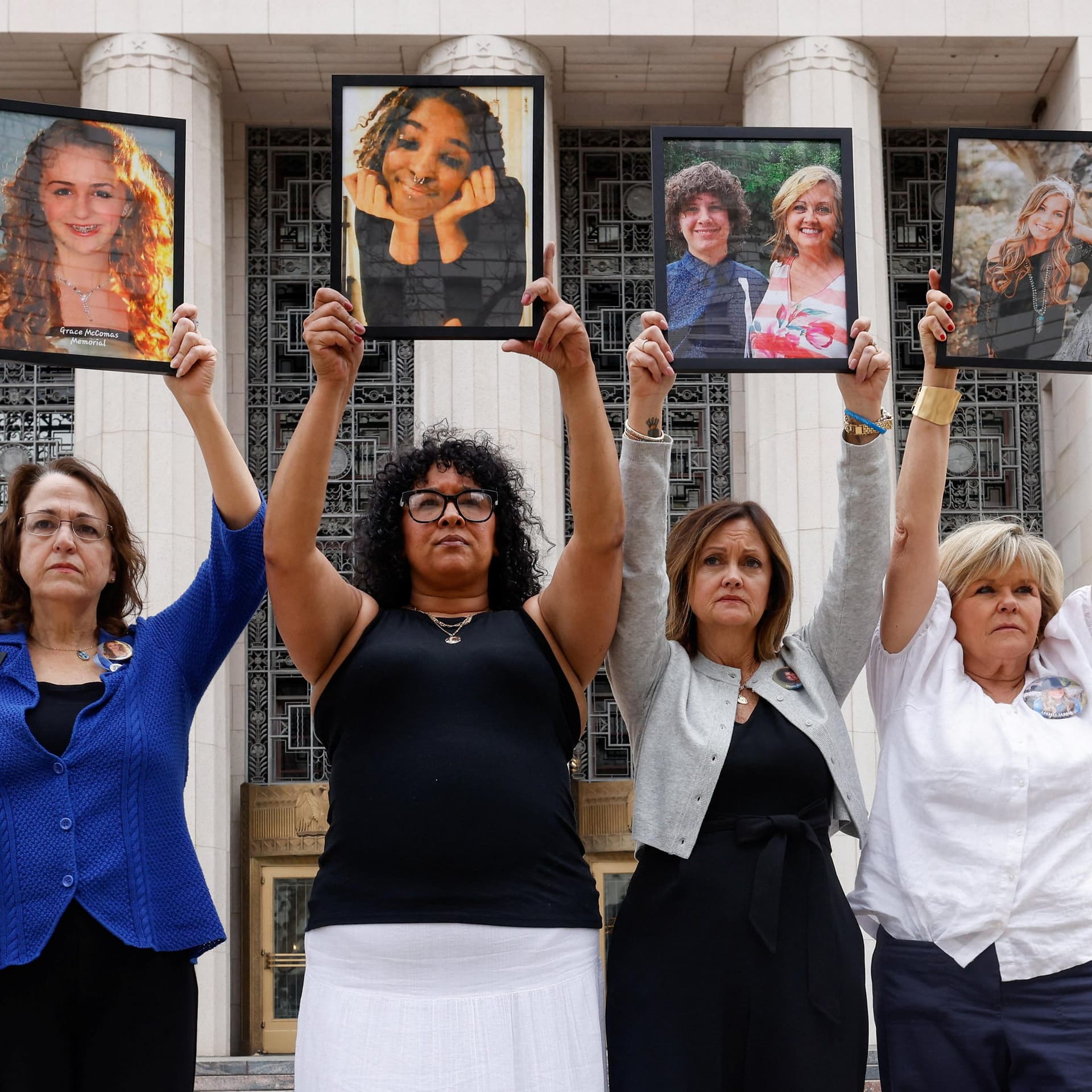
**This episode contains discussion of bullying, abuse and suicide** A landmark trial is underway in Los Angeles where tech giants Instagram and YouTube will face a jury for the first time over claims that their platforms are deliberately designed to be addictive for children. Lawyers for the plaintiff – a 20 year-old woman – say she developed mental health issues after becoming addicted to the social media at an early age. They argue these companies built “addiction machines” with algorithms that learn what users want and keep feeding it to them. Instagram and YouTube deny the allegations, saying that they have no incentive to turn children into addicts and have introduced various safety measures. Meta CEO Mark Zuckerberg is expected to testify later this week. We speak to the BBC’s North America Technology Correspondent Lily Jamali, who has been following the case, to ask whether social media is having a generational reckoning – its Big Tobacco moment. Producers: Aron Keller and Xandra Ellin Executive producer: James Shield Mix: Travis Evans Senior news editor: China Collins Photo: Vigil outside the courthouse ahead of a social media addiction trial in Los Angeles. Credit: Reuters/ Jill Connelly.