In short
The economic fallout from the Iran–Lebanon conflict, focusing on a two-week US–Iran ceasefire and the reopening of the Strait of Hormuz, and how shipping disruptions drive global oil, jet fuel, fertilizer, food, and inflation pressures.
Guests
Sean Farrington, presenter of BBC Radio 5 Live’s Wake Up To Money; background in explaining economic impacts to households and businesses.
Key claims
Even if Hormuz reopens, hundreds of ships remain stuck and normalcy is unlikely; Iran may impose a toll on ships, raising shipping costs and goods prices; oil price spikes (WTI near $100, Brent around $120) will feed into inflation via transport and fertilizer.
Notable examples
Philippines energy emergency; Vietnam fuel price curbs and closed stations; South Korea plastic-bag stockpiling; airline jet fuel shortages; fertilizer cost increases and food inflation expectations rising (UK estimate to 9%); mortgage-rate expectations shifting upward.
Written by AI. May contain mistakes. Listen to the episode to check what was said.
Chapters
Tap a time to open that second in VOGlobal Economic Impact of War
0:30 to 0:48
Discussion on the effects of war on the economy and civilization.
“And to think, that's just a small taste of what Schwab offers.”
Global Economic Impact of War
0:52 to 1:52
Discussion on the effects of war on the economy and civilization.
“This deadline that President Trump has set, 8pm, has threatened to destroy a civilization.”
Introduction of Guest Sean Farrington
1:52 to 2:39
Introducing Sean Farrington and his insights on the economic situation.
“And today on The Global Story, whether the ceasefire holds or not, are we only seeing the beginning of the economic effects of this war?”
Ceasefire and Oil Shipping
2:39 to 3:53
Examining the implications of the US-Iran ceasefire on global oil trade.
“I'm a little further down the fashion trends, I think, than you are, but I'll get there one day, Tristan.”
Current Oil Supply Challenges
3:53 to 5:31
Discussion about the backlog of ships and the impact on oil and jet fuel.
“and that is just those hundreds of ships that will be shipping, you know, the oil, the gas, the fertilizer, many of the byproducts from oil and gas that are refined and needed right around the world.”
Economic Ramifications of the Crisis
5:31 to 7:27
How various countries are affected by the economic ramifications of the war.
“And as we're talking, there are conditions being attached by the Iranians reportedly to the reopening of the strait and for ships passing through.”
Rising Oil Prices and Global Markets
7:27 to 8:37
Analyzing the spike in oil prices and its effects on global economies.
“because many countries around Asia are very dependent on oil and gas.”
Impact on Asia and Beyond
8:37 to 11:03
Exploring how different Asian countries respond to rising energy costs.
“emergency because of immediate cost of living impacts.”
Fertilizer Prices and Global Supply Chains
11:03 to 14:00
Understanding the impact of the war on fertilizer and other essential supplies.
“Well, the received wisdom is that increases in oil prices drive inflation in the rest of the economy.”
Economic Concerns of Households
14:00 to 14:48
Learn about the economic anxieties households are facing regarding energy bills and shopping costs.
“that just hasn't been able to get into the supply chains around the world.”
Show all 15 chapters
Business Challenges Amid Economic Shocks
14:48 to 15:40
Discover how businesses are coping with ongoing economic shocks and uncertainty.
“So people are dealing with this in a moment where they're much more engaged.”
Impact of Interest Rates on Mortgages and Savings
15:40 to 18:24
Understand how changing interest rates affect borrowing, mortgages, and savings.
“And I think there is, from a lot of hospitality and retail businesses in particular, there's a lot of exhaustion out there from bosses running small and medium-sized businesses of how do we cope with this?”
Global Oil Prices and U.S. Economic Resilience
18:24 to 20:58
Explore how global oil prices impact the U.S. economy despite its oil production capabilities.
“And when you speak to people, the price of things is top of their agenda.”
Winners and Losers in the Current Crisis
20:58 to 24:18
Examine who stands to benefit from the current economic crisis, including oil producers.
“You know, that is not a good long-term consequence for the American economy as well.”
Future Predictions for Economic Recovery
24:18 to 26:17
Learn about the potential timeline for economic normalization following the crisis.
“And where does the money from those tolls go to?”
Transcript
Automatic transcript. May contain errors.0:00This BBC podcast is supported by ads outside the UK.
0:30And to think, that's just a small taste of what Schwab offers. Because Schwab knows that when it comes to your finances, choice matters. No matter your goals, investing style, life stage or experience, Schwab has everything you need, all in one place, so you can invest your way. Visit schwab.com to learn more. This deadline that President Trump has set, 8pm, has threatened to destroy a civilization. How does an investor process that? Is it a bigger upside risk or downside risk? You might have seen this clip on socials. It's from the US financial network CNBC. Is it a bigger upside risk or downside risk?
1:13Is a threat to destroy a civilization an upside or a downside risk for an investor? At its most crass, economic coverage of a war can sound a bit like that clip. The war in Iran and Lebanon is a human tragedy. It can be uncomfortable to talk about its economic effects on the rest of us. It's the people who are being bombed who are suffering the most. Nevertheless, war has far-reaching global consequences, and the economic shockwaves are hitting us all. And that's what we'll focus on in this episode. For the BBC, I'm Tristan Redman in London, And today on The Global Story, whether the ceasefire holds or not, are we only seeing the beginning of the economic effects of this war?
2:10Okay, well, I'm very pleased to say that we're joined today by Sean Farrington, who's the presenter of the BBC's Wake Up To Money program. and if you're watching this on YouTube, you may be experiencing something of a doppelganger situation. Tristan Redman is the one wearing the headphones and Sean Farrington is the man wearing the earbuds. It's great to have you with us, Sean. Thank you for having me. I'm a little further down the fashion trends, I think, than you are, but I'll get there one day, Tristan. We should coordinate for the next one we do with these, Sean. Really confuse people. As we're talking, Sean, the United States and Iran have agreed a two-week ceasefire.
2:54And the Strait of Hormuz, the shipping route between Iran and the Gulf states, has in theory been reopened with some conditions attached, it would appear. Now, that's a big deal because 20 % of the world's oil passes through that strait. So, Sean, everything's back to normal, world economy all absolutely fine, and we're all okay, right? Yeah, I think most of the last bit of what you said there is very much up for debate, if you're putting it diplomatically, given people in the shipping industry I've been speaking to, small businesses that I've been speaking to who will be relying on the stuff coming out of the Gulf and being shipped around the world.
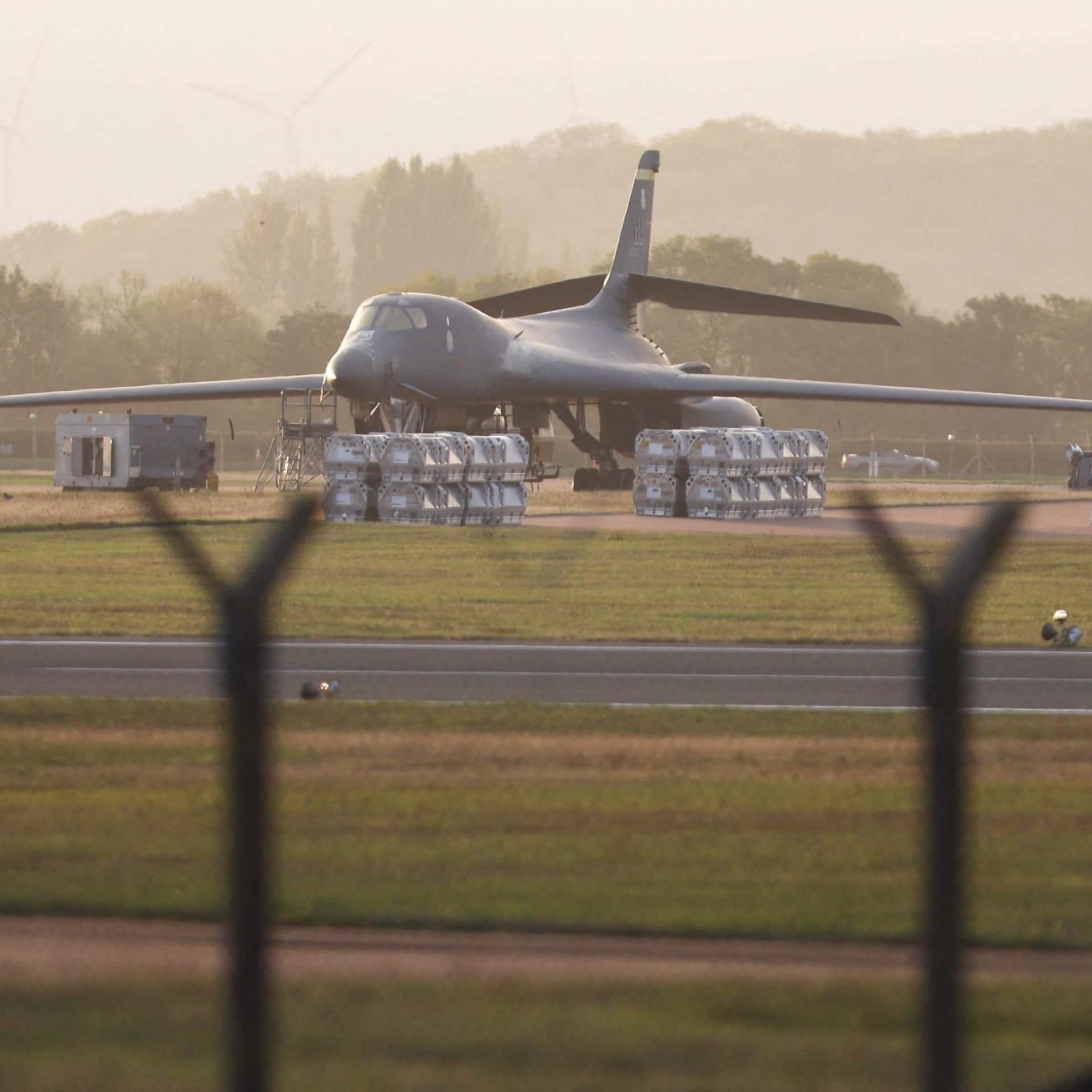
3:35I don't think there's a particular confidence that an opening up of the Strait of Hormuz, this passageway that was barely on people's minds a few months ago, is actually taking place right now at the levels, anything like the levels that would be needed for some kind of normalcy. How many ships are actually stuck in the Strait of Hormuz right now, do we know? And what's on them? Hundreds of ships are stuck there. and that is just those hundreds of ships that will be shipping, you know, the oil, the gas, the fertilizer, many of the byproducts from oil and gas that are refined and needed right around the world.
4:13That is the ships that have been stuck there. It's a whole different matter to even then consider what about the ships that might want to go into the Gulf and out of the Gulf in a couple of months time. Do the businesses behind those ships have the confidence that the Strait of Hormuz would be clear for them to be able to do that. And that is where we really do feel a long way off at the moment. The oil products that are stuck in the Strait of Hormuz right now are waiting to depart. Is that just crude oil or are there refined oil products there as well? Yeah, there will be. There's refineries around the Gulf as well.
4:50So we've heard, for example, the jet fuel crisis for the airlines industry. You're one of the first people to react when there was a ceasefire announced was the head of the airlines industry globally reminding people that this doesn't mean that all of a sudden the issues that airlines around the world have faced with some supply of jet fuel is going to be fixed overnight even if the ceasefire was as smooth as people would hope it to be. It's going to take many many months for the jet fuel to one get to where it would need to be, but also for that production and refining in the Middle East to get back to the levels that it once was.
5:33We're talking Thursday morning. And as we're talking, there are conditions being attached by the Iranians reportedly to the reopening of the strait and for ships passing through. Talk us through what those are and what the implications of them might be? Well, aside from US military withdrawal in the Middle East, removal of sanctions, some of which have been longer term issues for Iran, a big one in the last few days, particularly linked to the opening up of the Strait of Hormuz, has been a toll that may be put on ships passing through that route. We've heard from many governments around the world that they're not keen on this being the precedent that could be the long term implications for the Strait of Hormuz being open and ships going through.
6:23Because of course, if there's a toll on every ship going through, that adds to the cost of shipping, which adds to the cost of goods and the cost of living globally. So that has been one of the things Iran, in its desires to keep control of what is occurring in the Strait of Hormuz, it is using that as one of its negotiating tools at the moment, which will be one of the reasons, there are many at the minute, that ships aren't passing freely through because there won't have been that agreement from governments, companies around the world that that should be the case. Well, let's spend a moment just thinking about how people across the world have been affected by the economic ramifications of this crisis.
7:06Because one of the things that struck us when we were talking about this in the team was that it seems a bit like the waves of economic consequences hit different parts of the world in different ways at different times. Where are the countries and what are the ways that people are feeling most vulnerable to the economic impacts of the war? I think it's probably fair to say that countries across Asia felt on some of the largest levels the bigger impacts of the war because many countries around Asia are very dependent on oil and gas. In March, we saw the oil price go up by a record amount for one month.
7:47Oil prices soaring, West Texas crude now hovering around$100 a barrel. Well, share prices have dropped and energy prices are rising as the economic impact of the war in the Middle East really begins to bite. It could get even higher, experts say by the end of March, maybe even$150 a barrel of travel through the Strait of Hormuz does not start flowing again. We've seen the oil price get up to around$120 a barrel for Brent crude oil, which would be the oil benchmark globally would look at. And it stayed above or around$100 a barrel. Last year, we were more used to oil being around$60,$70 a barrel.
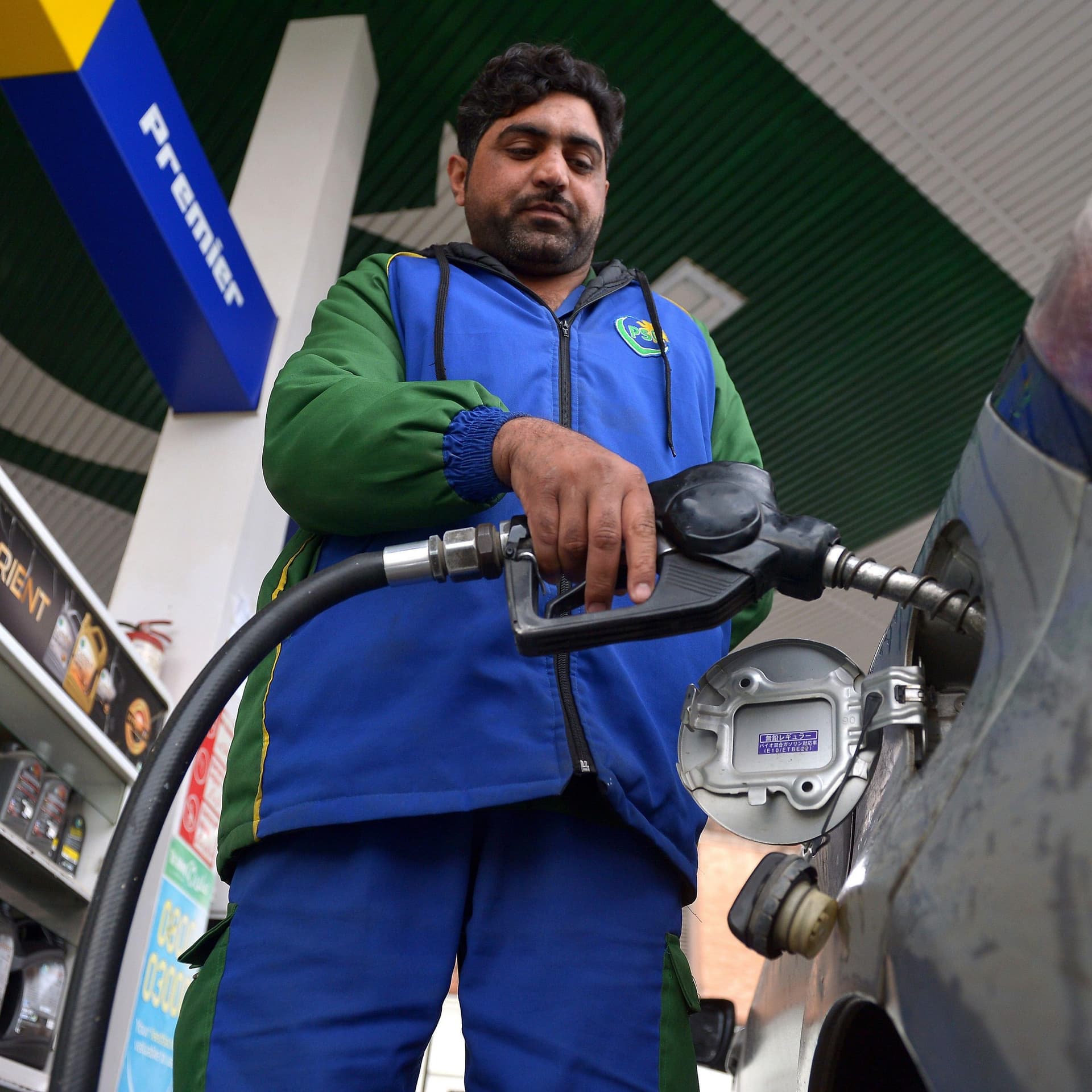
8:28So that just shows the huge increase in a short period of time. So we've seen countries around Asia. Asia. You know, if I look at, you know, the Philippines having to declare a national emergency because of immediate cost of living impacts. The president of the Philippines, Ferdinand Marcos Jr., has declared a state of national energy emergency in response to the Middle East conflict and what he is calling an imminent danger that is posed to the country's energy supply. Vietnam has had to curb fuel prices as well to try and relieve the pressure on households and businesses as well. Motorists in Vietnam's capital are having trouble filling their tanks.
9:07Several Hanoi stations have put out signs saying temporarily closed or waiting for resupply. The impacts around Asia have been very different as well. Some of them genuinely because of concerns about supply and rationing. Some of them just more behavioral. In South Korea, household waste is disposed of officially designated garbage baths. Usually garbage bags are available at the checkout, but today they're all gone. So in South Korea, the stockpiling of plastic bags, for example, because people have concerns about the lack of supply in the products that are required to create those plastic bags and get them into the country.
9:47So there's been a variety of aspects, but in many countries across Asia have been those that have been hit harder earlier on. But as time goes on and the price stays higher for longer, that will then filter through to more countries and more households around the world. In a country like the UK, for example, the United States, you know, the big headline grabbers are the petrol and diesel prices. Prices at the pump, they could be taxing on a lot of people and they're not going down just yet. And that definitely politically in America has been a big thing, going over$4 for a gallon of fuel. That's quite a psychological level for many households and drivers across America.
10:25And of course, that plays into the American politics of all that with the midterms coming up later in the year. I hate it. You know what I'm saying? They need to do something about it. It's just overwhelming. I've been reading this line for at least like three hours. We've been waiting here for about an hour and a half. Oh, the price is terrible. It's terrible. Trump was supposed to get down the prices and everything, but he jacked them up. In the UK, similar kind of conversation. Petrol and diesel prices going up in March at an amount that hasn't been seen for many, many years, sometimes the biggest amount on record.
10:59But those immediate big impacts have been around Asia. And actually, it's been really interesting hearing in the last week or so, when you hear of the occasional ship that has got through the Strait of Hormuz, it's often been one linked to countries around Asia. that has somehow, diplomatically, they haven't commented on whether they've been paying tolls or not, but have somehow managed to get these ships through the Strait of Hormuz, with Iran giving a bit of clearance that they're going to leave those ships alone. Well, the received wisdom is that increases in oil prices drive inflation in the rest of the economy.
11:30But can you explain to us the actual nuts and bolts of why that is? Yeah, well, a large part of it is, if we just look at oil in itself, is the reliance upon oil to transport goods about the place. And of course, in the Middle East, some byproducts of the gas industry, for example, huge, huge aspect of this has been fertilizer. The Middle East and the Gulf region is a crucial part of global fertilizer production. And a similar story that we heard at the heights of the Russia-Ukraine energy price crisis was fertilizer cost rocketing as well. That then feeds through into food price increases. And then the cost of all goods we're making and buying goes up because of the input costs, as they talk about it, going up for those manufacturers around the world.
12:19Sean, I've been saying to members of the team that fertilizer prices are the great untold story of the Iran war. And I've been pushing for a week of special programs on the global story about fertilizer. But the team are not buying it as an idea of a podcast series yet, but I'll keep pushing. Come and join us on Wake Up To Money, Tristan. You'll get all your fertilizer chat you will need, honestly, because it comes up in many, many aspects, whether it's your local farmer talking about those costs to major food manufacturers, to the whole industry thinking that food inflation expectations just in the UK, as an example, alone have gone up from being just a few percent this year to nine percent was the estimate a few days ago from the industry there.
13:06how much food and people will see their food prices go up over 2026. Helium's another one that, you know, I potentially possibly wasn't that engaged with and the importance of that for various semiconductor manufacturing around the world, not just balloons. Again, something I've had to learn about in recent weeks. And a lot of the global helium production is in the Middle East as well. And again, it's either stuck on those ships that are in the Strait of Hormuz at the moment, or just not being produced because the areas, the facilities that were producing it haven't seen the reason to do that because they know they haven't been able to get it out of the Gulf in recent times.
13:42And what is helium used for, apart from balloons at parties? Yeah, manufacturing in a lot of the semiconductor electric vehicle industry and supply chain. So there are many, many aspects to what is produced and refined and the byproducts of that in the Middle East that just hasn't been able to get into the supply chains around the world. I mean, it really does fan out into every aspect of the global economy, doesn't it? You present a program on the BBC called Wake Up To Money in which you speak to people about economic concerns. What have people been telling you? So the households are very concerned that they're going to face another squeeze again.
14:26I think it's very interesting hearing people's questions about what might happen next with their energy bills and what might happen next with the cost of their shopping. Because it really was not long ago that people had the price shock of the Russia-Ukraine war and had the price shocks and the consequences, supply consequences of COVID and the lockdowns all around the world as well. So people are dealing with this in a moment where they're much more engaged. We talk about Brent crude. People are probably a bit more familiar with what I'm talking about there. When I talk about wholesale gas costs, and so there are questions, quite specific questions we get from listeners about expectations for gas out of the Middle East and what that might mean for their energy bills later in the year.
15:10For businesses, I can almost only sum it up with a big sigh. Because I think many businesses, perhaps around the world, given those shocks I just mentioned, were thinking at the start of this year, maybe interest rates will be coming down throughout this year and make our cost of borrowing a bit cheaper, maybe encourage us to invest. Maybe we won't see the price shocks that we've had from previous years. Maybe we could just crack on and run our businesses and try and grow them. And then a few months in, boom, another shock, big shock for businesses to have to consider. And I think there is, from a lot of hospitality and retail businesses in particular, there's a lot of exhaustion out there from bosses running small and medium-sized businesses of how do we cope with this?
16:06It has felt like it's been shock after shock after shock for them.
16:22Well, aside from energy, one of the things, one of the sets of things that's going to affect people potentially the most are mortgages, investments and pensions. And my understanding is that a crisis like this leads to something like mortgage rates go up and pensions potentially go down. Is that correct? And why would that be? Yeah, if we take them one by one, mortgage rates, I think, absolutely, in terms of expectations, there's been going into 2026. Again, it's another one of those aspects where people might have felt if you were looking to get on the ladder and get your first mortgage, you might have felt if you were thinking over Christmas time at the end of 2025, New Year's resolutions, 2026, I'm going to make that move, that the trend for interest rates was downwards.
17:11Now, central banks around the world had been wanting to reduce interest rates because they felt like inflation, the rate at which prices were rising, wasn't as much of a concern as it has been. And so they could look to lower interest rates, stimulate a bit of demand and get people a bit more confident. But when we had the price shock and the messaging that there will be a price shock one way or another, and it's been upwards from this war, that has changed expectations. I mean, there was a day a few weeks ago, almost overnight, it changed expectations of what would happen with interest rates, where there'd be expectations of cuts throughout the year.
17:53And then all of a sudden, some conversations of, forget the cuts, there might be interest rate increases because the central banks are more concerned about higher prices now and would be less inclined to cut interest rates, which could help push those prices higher and higher, which, as we well know, if prices are rising too fast for too long, that can eat into people's income standard of living very, very quickly, I've found. And when you speak to people, the price of things is top of their agenda. So that is why the interest rate conversation has changed. And so therefore, if you're looking for a mortgage, and interest rates are higher, that's not good news.
18:38But if you're saving, you know, often I have felt over recent years, that, you know, people who are saving for a decade or more after the financial crisis, got low, low, low interest rates, maybe zero percent on their savings during that time, because interest rates were so low. If you actually do want to save money and interest rates are higher, that is going to be better news for you. Well, Donald Trump has been doing his best to try and reassure people and calm markets down to convince traders that he's got everything under control. The United States has never been better prepared economically to confront this threat.
19:17You all know that we built the strongest economy in history. We're going through it right now, the strongest in history in one year. But I'd say over the last few weeks, he's sometimes given the impression that he believes that the United States is immune from these great oil price fluctuations because the United States is a massive oil producer. The United States imports almost no oil through the Hormuz Strait and won't be taking any in the future. We don't need it. We haven't needed it and we don't need it. Because the US is a big oil producer, does that mean that it's affected less? Relatively, yes, that's absolutely the case.
20:02But it doesn't mean the country isn't immune for a couple of reasons that spring to mind. Well, one is, you know, the price of oil is pretty much set globally. So even if the oil production in America and the supply of it in America and the type of oil that they have in America may not be as impacted by the events in the Middle East. It shifts demand, doesn't it? People look to buy oil from elsewhere, and that's why any overall rising price in oil has filtered through. The simplest thing to look at is those four courts in America, and it's become headline news in the United States. But also, America does trade with the rest of the world and wants to trade with the rest of the world.
20:43And actually, Donald Trump wants to be making things that the rest of the world is buying. So you do need prosperity all around the world for imports and exports to work successfully. So if America is the only country feeling confident, but other countries around the world are all squeezed and feeling like they can't invest and can't buy newer things and their households don't want to make those purchases, particularly of things that might be made in America as Donald Trump would like them to be. You know, that is not a good long-term consequence for the American economy as well. But it is such a huge economy in itself that when it is going well, it can be shielded from much of this around the world because it has the energy resources for it to be able to keep things going.
21:29Who is doing well from this crisis, Sean? The business owners I speak to every day, the listeners who get in touch with us every day. It doesn't feel like there's been many of those who've been doing well out of this crisis. Now, when, for example, the oil price is higher for longer, it is not a surprise to say that oil producing companies expect to have bigger profits. So it may be that some of those major BP shell globally, you will see them expect to have higher profits because the oil price is higher. And within that, if we touch upon pensions and people's investments, if your pension is for the longer term, you're not retiring just next week, within that you will see some of those companies that your pension is invested in have a better return because of events at the moment.
22:23So I think it's always hard to talk about benefits and who is doing well in a war where people are dying and it's tragic consequences for many, many, many involved. But within it, there are some who are able to gain because of the nature of their businesses. In terms of energy producers, have Iran and Russia done well, for example? Russia's role in all of this, particularly in the oil industry, has been very interesting because in those first early weeks, we heard of some sanctions on some Russian ships that were carrying oil being lifted. and it has perhaps enabled some parts of the world to turn to Russian oil more than they would have been in recent years after Russia's invasion into Ukraine.
23:13And that has been one of the consequences that maybe is yet to fully play out yet. How does it change the world's view of the energy that is produced in Russia, given how much of the Western world rode back on that in the last four years after Russia's full-scale invasion of Ukraine. And when it comes to Iran, well, it's apparent, isn't it? We see it every day that Iran has some control over what happens in the Strait of Hormuz. Right now, it has a lot of control over what happens there. And we've never really experienced Iran leveraging that power previously. Maybe it didn't particularly realise in the past just how much it could impact the global economy by impacting this very narrow strait where so much oil and gas and byproducts need to pass through in the Gulf.
24:05So it has empowered Iran in that respect and its role in the global supply of energy much more than was occurring before. And that plays into that conversation of should there be tolls going through the Strait of Hormuz or not? And where does the money from those tolls go to? Iran would like it to be to Iran and to say, you know, actually, this is us in control of it. And there are other Gulf states in that area who will feel very uncomfortable now about the change in power that Iran has over that area. As we're talking, Sean, we don't know whether this ceasefire is going to last. It's a very uncertain time.
24:52Imagine though everything went according to plan. The Strait of Hormuz was reopened, free passage today. How long would it take for things to get back to normal in your estimation? Well, it's a huge hypothesis, isn't it? Very difficult to actually imagine that in the first place. That is what is remarkable, even just one day on from talk of a ceasefire, that speaking to shipping companies who don't really see how this is going to work at the moment. So even if we do imagine that scenario, we're being told by many, many different industries now. The airlines industry have said jet fuel supply is still going to take months and months to get back to normal if this ceasefire does work.
25:41And some of these costs are already kicking in. Farmers already telling us that they're going to have to put up prices later in the year because of increased fertiliser costs, increased energy costs that they're seeing right now. So if you're saying back to normal, well, price rises towards the end of the year when it comes to food kicking in. you're then fast trying to fast forward to a point where your energy costs have calmed down, your fertilizer costs have calmed down, and that has filtered through the system back to a normal January 2026 level. And so that's where you can start to see some of this may not be till 2027.
26:21If, you know, if we're going along with that hypothesis, because there's already baked in now price rises and impact on businesses for this year, even if things were calm right away.
26:38Sean, thank you so much. It's been great to talk this through with you. And I'm delighted to speak not just with a doppelganger, but somebody who shares my interest in fertilizer. Tristan, we've got a lot to bond over, I think. Thank you for your time. Thank you so much, Sean. It was a pleasure.
26:59That was Sean Farrington, the presenter of BBC Radio 5 Live's Wake Up to Money. As I'm sure you know, what's going on in Lebanon right now is another crucial story. If you're looking to understand what's happening there, we made an episode about it on the 19th of March with the BBC's Beirut correspondent, Hugo Bashega. You can find it in your feed, and we've added the link in the show notes for this episode too. Our episode was produced today by Hannah Moore, Aaron Keller, and Kat Farnsworth. It was edited by James Shield and mixed by Travis Evans. The digital producer was Tom Bache. Our senior news editor is Chyna Collins.
Read the full transcript
27:40Speak to you again on Monday. Have a great weekend. Cheerio.
From the publisher
One condition of the US and Israel’s two-week ceasefire agreement with Iran is that ships must be able to safely use the Strait of Hormuz, the route through which approximately 20% of the world’s oil and liquified natural gas supplies travel.
In theory, the deal should cut the prices of fuel worldwide, as well as allowing essential supplies of fertiliser, helium and other goods to reach businesses. But the fragility of the ceasefire is leaving markets uncertain, and prices remain volatile.
Will the ceasefire eventually help lower costs? And if so, when? Sean Farrington, presenter of the BBC’s Wake Up To Money, joins us to explain.
For our explainer on the conflict in Lebanon, listen back to our episode from March 19th: www.bbc.co.uk/programmes/w3ct71b5.
Producers: Hannah Moore, Aron Keller and Cat Farnsworth
Executive Producer: James Shield
Mix: Travis Evans
Senior news editor: China Collins