
 Ask ChatGPT


 The High Performance Podcast
10 Nov 2025 · 1h 21m
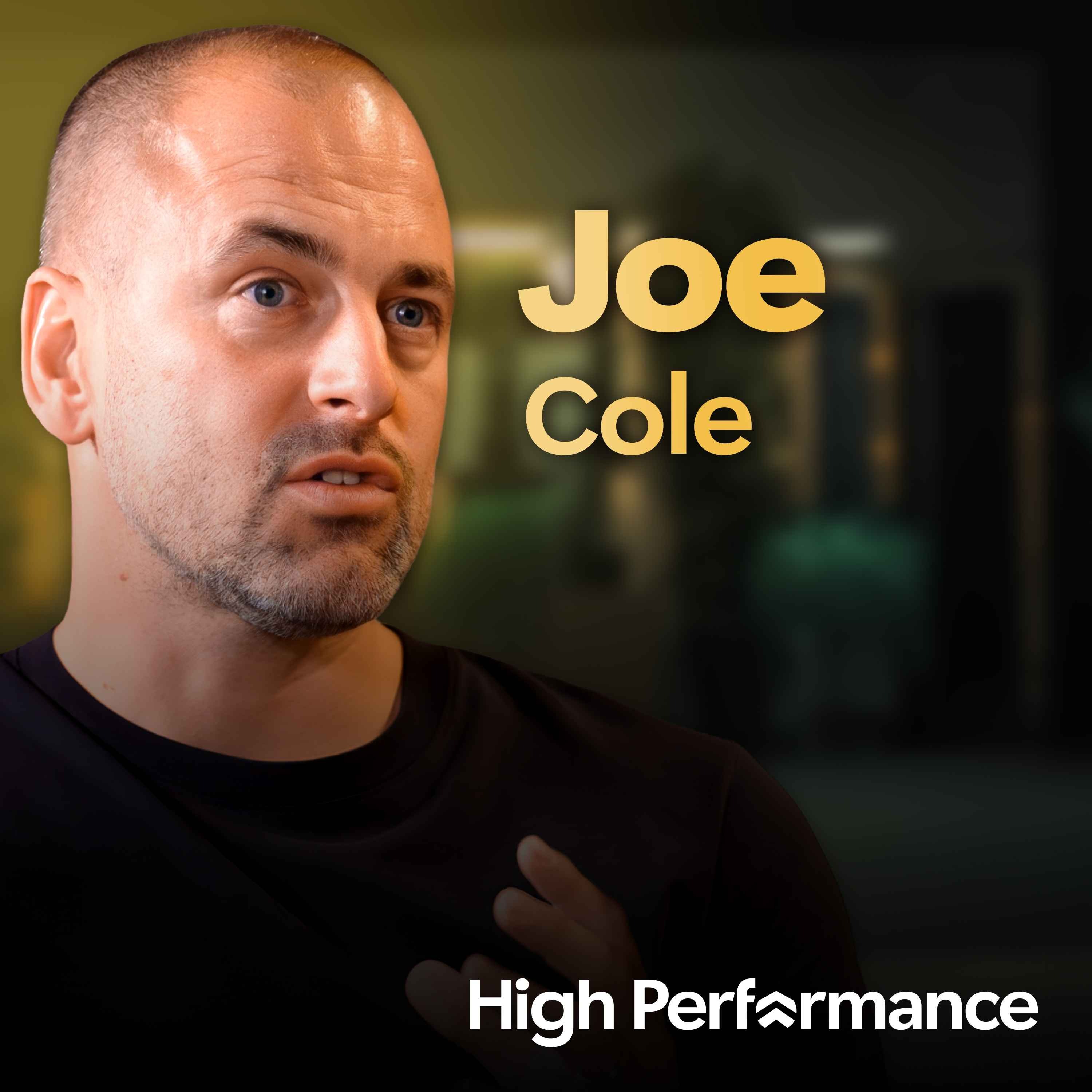
In this episode of The High Performance Podcast, hosts Jake Humphrey and Damian Hughes engage in a deep conversation with former England and Premier League footballer Joe Cole. The discussion highlights Joe's journey, focusing on the lessons learned beyond football, including themes of honesty, resilience, and the importance of family and self-identity.
Written by AI. May contain mistakes.

Get the gist, explore an idea or ask about something said.
 Claude
On The High Performance Podcast, what are the key points of this episode?
Searching your listeningAutomatic transcript. May contain errors.
0:00Here at first on the High Performance app, available early, Zach Brown, the McLaren boss on leading at the edge of racing. Roman never came to Cobham so I was like alright yeah no problem Dave he said you're staying at Chelsea and just left him like that silence this knee injury would come bang not the same player again I've seen players give up and it's ugly but I didn't stop trying looking when he got not well you find it difficult to talk so I wrote a letter everything that needed to be said was said a lot of who I am as a person is down to him yeah That is the voice of Joe Cole, legendary England and Chelsea footballer, Premier League champion, West Ham hero, a player who lived through one of football's most dramatic power shifts.
0:46But this isn't a story about trophies and glory. Not just that, anyway. This is also a story about a kid from a Camden council estate who played the beautiful game whilst he had the sound of Oasis playing in his head. And a dad who went to prison but taught him everything about kindness, loyalty, and never backing down. This is a very interesting conversation, and I just want to say thanks to Joe actually because I've worked with Joe, known him for a very long time and he opened up in a way he hasn't before and actually sent me quite a few messages, Damien, after the record, sort of just constantly checking, is it okay?
1:18Does it matter that I was vulnerable and that I opened up? Which I think tells you a lot, right? About the world that someone has lived in and you will hear Joe open up but he will also talk about the intensity of Jose Mourinho's management, the public criticism, the tactical warfare and why he could take some of that criticism when others couldn't. He'll discuss with us the moment he tried to leave Chelsea and ended up in Roman Abramovich's office being told very simply, you're staying. And actually the importance of staying true to roots is something that comes through time and time again in this conversation.
1:50And you will hear him discuss his love of that time at West Ham. This is also a really beautiful story about George Cole. Joe's stepdad who couldn't read or write, he had run-ins with the law, but he still showed up at every game around the world and handed out tickets to kids who couldn't afford them. George was a man who changed his entire life so his son could chase his dream. And so this is actually about what happens when the music stops, when the cheering ends, and when someone like Joe has to figure out who they are without football in their life. It's a great conversation. Joe, thank you once again, as we welcome to High Performance, Joe Cole.
2:31Well, welcome to the show. It's nice to see you again. and I loved working with you, and we can talk a bit about our time shared on BT Sport a bit later, but you're here to talk about this. Yes. Your new book. I've read the book, and I think it's great. I think it's so interesting, because I felt like I knew a lot of your story, but actually there's a lot that I obviously didn't know, because I think you're sharing things for the first time. And one thing that stood out, understandably, was your time at Chelsea. Yeah. And there's a moment where you say, joining Chelsea at the stage that you did felt like joining a cult.
3:01so would you take us into what that cult was like and why that's the word that you used it become this thing you have to remember I was a Chelsea fan as a kid so I've been I've stood on the shed you know I was ball boy at the club so the whole club I've seen the club grow and grow loved my time at West Ham loved West Ham as well that's clear in the book for sure and then but Chelsea was growing and growing but then Roman would come in and then Jose come in and I think they made it like this place where you're with us and we're going in this direction. And it was so strong, the bond we had as a team.
3:43It felt like us against the world because we were the new kids on the block. When you're in it, you don't realise it, but we were. We were disruptors, do you know what I mean? It was like Manchester United, Liverpool, Arsenal, Barcelona, Real Madrid, Milan. Chelsea weren't supposed to be there. this was all new this money had been flooded into the game some of the best players in the world were playing for us at the time just like thinking about it now Jose was brilliant at bringing this group together and giving us a combined cause do you know what I mean like something to fight for and it did I said the word the word cult yes but in a in a nicest possible way do you know what I mean not like yeah so take us to day one then with Jose yeah what are your memories of the initial impact that he had?
4:31You know when you get, well I like to think now at the age I'm at and playing for the career I've had and also the job we do now where we speak to a lot of managers, you get a sense of a manager whether they've got it or what they aren't. And whatever it is that a manager's got, this moment you met him, he had it. He sort of, I don't remember if it was the first time, it might have been the first meeting, but he did something where he presented what he was and what he was about and then there was a date that came up and he said we're going to win the league on this date and it was like three weeks before the end of the season but he was like this is who you are as footballers you've not won anything, I've just won the Champions League with Porto, if you follow me you will all be champions and it was almost something simple which, whatever your motivation was, whether football was your motivation, money cars, whatever you wanted to do you still wanted to be a champion and I remember the confidence he said it with you know you people you see it with boxers don't you they could be ones that are talking really well and they go in the ring you could have just gone oh look it's just words there was something in his essence which made me believe him and clearly he was right because we all went on to win things together and what about the date?
5:53yeah the date was on it It was a week either side of it because we won it quite early. Yeah, we won it like two, three weeks before. And it was just Jose. He had this mystical thing at the time, if you remember, where the press couldn't put him in a box. He would drive Ferguson mad and Wenger mad because he had this swagger about him and he was young and good looking. And we were following him. All of us would have run through brick walls for him. What was the reaction in the dressing room after he's done that presentation and told you the date? I think the lads were just, another thing he'd done was he brought in this new style of coaching, training, where it was, for an example, we had ball boys return for training.
6:41It's all pretty across the thing now. You go and watch an under-12s, under-13s academy, and they all do the same things. We're doing this for four sets of three minutes. then we're doing this for seven sets of four minutes and it all moves fluidly and the balls are in the right place but that was new in English football everything had a purpose if you want footballers to be happy you let them play football it's as mad as it sounds so there was none of this long distance running stuff into football so we had something different about him it was a bit exotic then he had the confidence and the bravado and we started winning from the off so it was just momentum and then you win games you have more conviction in it more belief and you just keep going I think a lot of the trick of being a top manager is you have to convince the player any time the manager doesn't believe in what they're saying might be a little glance over or a nervous shake of the hand or something players pick up on it there was never whenever you saw him wherever he was in the building he just had an assuredness about him I saw him the other day when he come over to manage Benfica and I was asked a question about him.
7:51And I said, I think he's like the Shankly character of Chelsea. You know, because Chelsea now, for the kids growing up, they would probably think Chelsea have always been at the top of the pile, Champions League winners and Europa League winners and everything. But that wasn't always the case. And I put it down to him. I said, he was the man that come in and went, bang, this is what we are as a club. And a lot of the culture still to this day is from that time. Would you take us to some of those behaviours, though, that has helped to create that culture? Because, you know, we wouldn't be doing your time there or Jose's time there due service if we didn't talk actually about the intensity, like the demands on you as a footballer.
8:29Everything was competitive in training. Everything was driven with there would be a winner and a loser from this set. And it'll be like, there'll be a tactical element to it. Like we'll be working on pressing, for instance. So you sort of get a sense of it now. Now you'll be like, okay, clearly that was, he wanted to get us being great and one of the things he talked about was transition when you've lost the ball and then you win it back and how important it was to go and do that and be in the right positions and know that if you go and somebody else don't go he's pulling them out on it and why did you not go?
9:06A bit tired or didn't fancy it no if he goes you go no matter what your legs are feeling so the demands were there you didn't want to be that guy that let him down on the press for instance, from a tactical perspective. So that's one element of it, where the demands were high. Quite interestingly though, sort of off the pitch, he left us, I don't think there was any question marks about lifestyle or something like that. It was like when you walked in, you pulled on the kit to train or play, the demands were there. As soon as you left Harleton at the time, you know remember this is the era of news of the world and lads and things like that so that wasn't a real issue he was very much we had got to get this bit right on the football pitch you just like if you felt like if you let him down or you'd let your teammates down you that fear was was entrenched in you do you know what i mean so what would you be doing in terms of to improve as a footballer what were the basics being hard to beat winning the ball back early yeah supporting your teammates and by that means like if the ball goes forward and I'm not in the right area to give an option there's plenty of players that can get away with not doing it if you're not there you're letting your teammate down do you know what I mean so the tactical work was actually was intense but it was where it was all done within the session you didn't feel like you were doing it you were like learning unconsciously you know because it would be right you know ball goes up to Drogba I've got to be here someone else has got to be there someone else has got to be there and if they're not and then if you often see him if you're watching us in that time you see him jump out the dugout arms everywhere often at me sometimes at other players but it'll be and you're as a football fan you're thinking what's he got mad for there somebody else has lost the ball it happens all the time but it'll be because we wasn't where we were supposed to be on the football pitch at the right time I remember the Barcelona game away he was on me about this lad Ronaldinho I knew he was a good player I do watch football but he said when he gets the ball right this is what levels in football when he gets the ball and I knew my job as the right midfielder right wigger and the left back runs beyond I've got to go with him he's my man right there's no time to pass him on he's my man but as a wing sometimes you should you know you're trying to save your leg so if the ball goes into Ronaldinho he's got his back to goal I think the full back made a bad run so I'm not going to follow him you run that way mate because he's going to lose the ball I'm going that way but Ronaldinho's done this move and slipped in the fullback I think it was Van Bronkhorst and he's whipped it across the box someone's nearly tapped it in and I just like I didn't want to look over at the box at the bench I'm like oh no I know do you know what I mean and I can see he's here and I was thinking I've told you so many times you go with a runner and now I know right okay there's no one like Ronaldinho in the Premier League who can find that pass from there.
12:10So then I'm switched on. I don't think I never lost another runner for the next two and a half years. I didn't want that treatment. We lost the game 2-1. And we'd won every game up to that period, more or less, in the league. We were flying. And Drogba got sent off in the first day. So I think we've actually done all right to come out of here 2-1 down, away from home. And he's dug me out a few times in the media. and privately and within the group fine no problem you know it's football but then he starts coming for all the big hitters in this team meeting Petter JT Lamps Maka you wasn't good enough not good enough from you and I'm thinking wow if he's saying to these boys wait till he comes for me and Duffer we're in trouble here do you know what I mean because I'd usually be getting it but he ended up he rolled up me and Duffer he went yeah I think he ran out of steam by the end of it you was like we're alright and I thank God for that or you and Damien Duff yeah yeah we wasn't we wasn't great but we was that was the first moment in that season where we was outgunned by a team right and there was no pretense I'm not going to pretend we played well but then by the time the next leg come along I still think the first 30 minutes of that game is probably the finest game we played as a group at Stanford Bridge we went 3-0 up against Barcelona of like, you know, Etoum, Ronaldinho, Iniesta, Juli, Xavi, they was all there.
13:43And we, 3-0 up, it could have been 4 or 5, we ended up winning the game and going through, it was a great night. But, it showed that he knew what needed to be said. So do you think the conversation after the first leg is the reason for that performance in the second leg? Yeah, yeah. I think it was maybe three, four days before, but I think it just set the tone. Because it just, you know, maybe put a couple on notice who were starting to, you know, think we was better than what we were. So it was maybe dragging a few down. Maybe, maybe he said to me and Duffer, you know, we don't need to push them down anymore.
14:16Maybe they need a little lift. Duffer scored against Barcelona in the second leg. So, but everyone was at it as a team for that first 30 minutes against that great side who I still think is the best team I've played against. They won the Champions League the following season. We knocked them out that year. young Messi was just coming on the scene. That felt like us at our best, that 30 minutes. Do you know what I mean? You say in the book, I'm usually his favourite target when talking about Jose. There was, of course, that famous moment where Jose went out in the press and said, we needed 11 defenders, we had 10.
14:52You know, talking specifically about you, not tracking back, not working hard enough for the team. I find this so fascinating, because I wonder whether there was a moment where Jose thought, this is a kid that needs the criticism for me to get the best out of him. there must have also, I guess, been a moment where he realised you could take it and keep on moving forwards. But I'm just fascinated by your relationship with someone who was seemingly so critical. Yeah. Well, the thing is, as a person, I've always liked him because I thought a lot of it was tongue-in-the-cheek and hilarious. You know, like, when he was...
15:25I saw that, even as a young man, I liked the fact that he's bravado. And in the conversation with him, I'd always liked him. Yeah. I got brought up in an era where the manager was king and the manager could say what he wanted to the players at any time and you say yes sir on we go type thing and I think he was vocally quite critical of me I think he's clearly a genius of a manager because of what he's won I think he looked at me at the time in my career and thought there's something I can squeeze more out of this kid and also I think he he may have thought he can take it. You know what I mean?
16:04And it will benefit him. He could you? Yeah. Well, of course. And the reason I would say I could take it is because of your upbringing and where you're from, you get more of a thicker skin for these type things. I'm not going to say some of the criticisms didn't sting because we all want everyone to be patting us on the back all the time. But you have to remember, as footballers, people always patting you on the back. He's always great, you know. You're great. Everywhere you go, love watching you play. And he was actually one of the first managers that really tested me. He wasn't the first. Someone I played for in the under-15s called Keith Blunt, who was, Blunt by name, Blunt by nature, tough Yorkshireman, when I went to Lillyshaw, and he judged me before he saw me as a cheeky chappy, young Londoner, coming up here, the flicks and tricks and all that.
17:02And so, and actually, when I look back now, even as a 15-year-old, so we'd finished training, I was year 10, year 11, so 15, 16. And we'd all get assigned jobs. And I was half-assed in one of the jobs I was doing. It was to clean the dressing room. Then we all went up for dinner. And I'm eating dinner, and he's come bursting into the dinner hall, hammering me, Cockney this, Flash Londoner, go down and do your jobs and I was like it was embarrassing the lads are like looking like that so again but because because he called me he doubted me I went down and I cleaned them cleaned them dressing rooms and I still to this day I recognise the best at cleaning them dressing rooms for the next year because I didn't want to be different I played different the way I played he was the first person to use that type of psychology on me and Jose probably saw that every time he he'd give me a bit of stick I'd be there ready to go and ready to play the next day you do or say anything to get the win you know and some people might not like it but maybe they can't play at Chelsea or for Jose I'm sure Alex Ferguson was the same we use your stories of him with players you know it was pretty normal back then there was a period where you got frustrated right with what was happening at Chelsea yeah and decided to do what I don't think very many footballers have done in their time which is go knock on the door of the owner of the club?
18:29I never knocked on his door. I never knocked on his door. He, I, had, it was at the time when I was like, right, okay, frustrated young man, I'm playing, I'm playing for England, you know, we're winning titles, I'm a big part of it, and then I decided I wanted to leave. So, I told my agent. How did you come to that decision? Because that's a big moment. Again, it was around one of these times with Jose when we'd had a row. I said, right, put transfer request in so alright transfer request goes in right so Dave my agent's rung me are you sure? you know because he was such Dave Geist great guy you know you're playing for the team you love you're really happy the manager's left you out for a couple of weeks like don't you think you should no no no I'm not having it we'll leave him okay alright transfer request going in alright then the phone rung and it was Dave saying and Roman's coming to Cobham, he wants to see you.
19:30Roman never came to Cobham. So I was like, all right, yeah, no problem, Dave. Did that not unnerve you a little? Well, you've got to front it. You know, you're from London. There's plenty of times when you've got to front things. So I was like, yeah, no problem, Dave. Nothing changes from my end. Like, I'm leaving. I'll, you know, blah, blah, blah. I must have, something inside of me must have, must have been, I was nervous. And anyway, had a little office at the top. So as I've walked in, Eugene, he's Roman's guy, Roman will come walk into the office at Cobham and he's sitting there behind the desk.
20:04He said, speak to me. I said, well, Gaffer, the relationship's run its course. I think it's time. He just listened and he just said, listen, Jose's too quick from the head to the mouth or the heart to the mouth. He said, you're staying at Chelsea. and just left it, like that silence, then I was like, oof. How long was that silence? Felt like years, mate. I was just like, and I'd just gone, yeah, alright Gaffer, yeah, I'm staying, you're right, I'm staying, and then I got to get on the phone and come down to my agent and go, yeah, I'm staying, it's all sorted now, and, yeah, and listen, I don't think I ever really wanted to leave.
20:46It was just probably the first time in my Chelsea career that I just felt, I don't know why I did it, I never even when I left the club I didn't want to leave the club but I quickly climbed down when when but you know what you know I hardly ever see him at Cobham I don't know whether he was passing through or something but he he felt the need to to come and was he quite an intimidating character no listen I he was always great with me I like he he was very quiet methodical very would listen I never had much of a relationship with him in that sense. Like, when he first came, you have to remember, he's a man in his mid-30s and he's bought Chelsea Football Club.
21:30So early on, he'd come into the dressing room after wins and you could, you know, he wanted to be part of it. Because there's no better place in the world when you've won a big game of football and you come back into the dressing room with victorious, you know, I'm not talking like, you know, cup finals with his champagne and the party. So even just that feeling of like it's a glow you've won a game of football you've gone out there as a group you fought hard you're exhausted blood you know pain but and I think he liked that moment he come in and he was always around I think what happened was as the years went on and obviously players had to be sold players would want more new contracts they needed to be a little bit more distance because you know one thing we are as footballers is like we would leverage a relationship for an extra few quid like so he's respectfully I think he just sort of withdraw but the early days when he used to come in I'm sure if he ever did an interview I think he looked like he really enjoyed it and rightly so because it's the best feeling in the world in a winning dressing room and what about when you did leave Chelsea you've already said you didn't want to no I didn't want to after the Champions League final in Moscow in 2008 I had a really good season I had two years left on my contract got one player of the year that year and I thought to myself, there'll be a contract offer now.
22:56Great, sign another five-year deal and that'll probably be my time at Chelsea. I'd already been there for five years or six years at that time. And there wasn't a contract offer but I think maybe because we'd lost the final by half inch of a penalty kick. I don't know. Started the new season under Scolari, started well, but then I got my knee injury when they just come to the table and then they pulled back. Rightly so. You just had some, I had a massive, I literally done everything in one day. I was never the same player after that. ACL, PCL, MCL, just a lot, like the whole, the surgeon said it's like a car accident.
23:39You know, so it was gone. So rightly so, they pulled back. But again, looking back now, they never contacted me. Then I got back from the injury, took me 11 months and I had about 8 or 9 months left on my contract but again that little bit of petulance in me I was like where was you when I was injured do you know what I mean I was like I was like hold on let me just and the negotiations never really got going from that and I got fit we ended up I ended up playing maybe 30, 40 games appearances that season you know played part of it scored you know scored the important goal at the end of the season up at Old Trafford when we won the league so I wasn't back to my best but I was in the swing of things but I think there was partly my ego was bruised because I didn't I thought to myself I should have got the contract off for 18 months ago and then they didn't offer it to me so there was a little bit of that going on then there was a little bit there was a lot of group of young players that were coming through there was Kakuta and Bruma and Hutchison and Josh McEacher and these lads I mean then they didn't go on to major careers back at the time they were a collection of young players and I think there was a move to push them into the squad into the team so I think a culmination of things so I spoke to Carlo he said he wanted to keep us which that should be enough for you as a player and then it just went too far and then the contract was withdrawn then after about four, five, six months to go to the end of the season I start thinking this might be my last six months never really wanted to go but again you know if you know now what I know then I'd have gone back to the table and taken maybe a cut price because I was happy you know what I mean playing where I wanted to be Why did they withdraw the offer when the manager said he wanted to keep you?
25:35Well that's that's not my I don't know why I mean I remember Balak was in the same situation Deco was in the same situation Baletti you've got Alex I think I might be wrong there was about five or six senior players who'd played a role in that year that I think they wanted to get rid put the young players in who they really believed in turns out the young players weren't never good enough to play at Chelsea they all went on their careers different levels but no one really at the top When you get that call they've withdrawn the contract that feels like a huge moment to kind of process Yeah
26:15it's horrible yeah but I think one thing you have to be very good at as a footballer you have to be very good at you know putting things in a box do you know what I mean not what's the secret to doing that what's the secret to doing that at the time well at the time at the time my wife was pregnant with our first first baby so we were like there was a lot going on in your world you know you know chaps like that that sort of that takes precedent over anything and I just was like right and I secretly held out I think I secretly thought I want them to come you know you know like when you're waiting when you're younger and you're waiting for a girl to ring you you know please call me please you know what I mean and then yeah and the call never came I never came so then I had to look elsewhere but it hurt it did hurt and do you know what really hurt I'm not sentimental about things or anything like that but what actually hurt was you've been at the club for seven years you know and given everything you won trophies and I'm very like well that should be enough I didn't want a big fanfare but you know when they just put you in the players that they released from the academy in the list like me, Michael Ballack I think clubs are a lot better than that now do you know what I mean is a lot more like just a statement came out saying the following players will leave Chelsea will leave the club yeah and you're just yeah just part of with four or five young kids who'd never kick the ball for the club and a little bit earlier so that yeah it was quite yeah I'm not I thought that's a bit strong isn't that a great lesson in football for young people yeah that you can be so central to a team it can be your entire life yeah you can be the a central part of the lives of all of the supporters the fans in the football club the minute that you are not valuable yeah to that club do you know what or even in real life to that organisation, it's over.
28:08Do you know what, right? That's exactly that. And I tell that to every young player at the time because I remember as a young lad at West Ham, exactly the same things. It's the same when you're 16 and you're wrecking a kid's dream. A 29, 30-year-old footballer who's lived his dream, you don't have to, but that was exactly like that. 15, 16, thanks, there's your boots, good luck on your career. So like football is very much like that. If anything now, when I'm talking about and thinking about that, that's actually more honest that's the truth when you're done you're done don't matter who you are but brushing it up with a walk of honour and a big statement and a big YouTube video of all the thank you moving on it's it's nice but ultimately the truth is it's not real it's not real ultimately the truth is you're a stock and a share at a football club you have a value it did hurt me a little bit because Chelsea but ultimately you're right that's just the truth it ain't nobody's fault I can't hold no malice towards anyone at the club that would be childish do you know what I mean that's just how it is if anything I actually prefer that to all of the flowers and all that you know I remember when Ria Ferdinand joined BT when he worked with him for a long time I remember his second or third game as a pundit was at Old Trafford yeah and you will have been in this position as well there's a period right when you worked with ex-players where now you probably feel like a football pundit right when you first joined you would have felt like a footballer still.
29:37And there's this slow transition where you realise you're not a footballer, you're a pundit, and then there's a bit of freedom when you finally get to that place, right? He was very much still a footballer who was doing a punditry job. So he liked, you know that bit of Old Trafford where you walk past the fans and they're all there and they're all screaming Rio and he's signing autographs? And so he's a thousand people probably there, isn't there? And he signs his autographs. It's the same entrance the players take when they arrive on the coach, but you're normally after them. So they've gone in and he walks up to the thing and there's me and him, I think Steve McManaman maybe.
30:11He gets to the door, show your passes. Where's your pass? He says to Rio Ferdinand. Yeah. Rio's like, sorry? And the guy's like, media pass? And in Rio's head, he's like, a media pass? What are you talking about? I'm a Manchester United legend. And I remember seeing his face and thinking, there's the realisation. that that entire life you've lived for 20 years is done and carries very little value in this new world. Very true, yeah. You've nailed it. That's exactly what it's like. Even to the point where you forget yourself, and you're starting to maybe go back into the dressing room. You're mad.
30:51You can't come in here, mate. It's right, it's right. And you are that as a footballer. That's okay. That's okay. Going back to the younger players, I think they need to handle the young. in the academies they do a lot better job now at aftercare and things like that because they're babies like we need to look after them and make sure that they understand but for grown adults I think it's okay to go thank you for your service I used to find that off your pop fascinating you'd be with these ex-players and they would be constantly their eyes would be darting while you're getting ready to go on air and they're basically waiting for their former manager and they're desperate to be spotted by their former manager and then when the game is over they'd be like I might just go and see the guys for five minutes and they want to go in the dress or they want to sort of be around and they can't they really find it difficult to accept it's difficult mate it's difficult it's very very difficult Steve and Joe I described the England team that you would have played in as egotistical losers yeah when he said that did you recognise that I know where Steve is coming from egotistical very very fair very very fair I think losers it's hard for me to label Steven Gerrard, Frank Lampard Wayne Rooney it's hard for Ashley everyone who gets to play for England you're a winner but as a group we didn't have enough we didn't have enough of all of the ingredients you need and I know we had enough talent to do it because I've played with all of the great players from the other countries and I know what Steven Gerrard is capable of Frank Lampard and Rooney I know we had the players but there was there's a smidgen of this and a touch of that and a bit of this over there which we was missing so if he wants to call that I'm not going to argue with Stevie if he wants to say that How did the egotistical side manifest itself?
32:43Club rivalries Liverpool, Manchester United and then later Chelsea Spain was Barcelona, Real Madrid and they went on to win great things and I look at them with envy really like how they managed to do it I don't know what they did but that would be a great conversation to know maybe get someone like Pepe Reina on who's an English speaker and say what was you how did you do that because I know Graham Hunter wrote about it didn't he at the time where he said that he went back like to do younger age groups but they actually started doing camps where it was about bonding about getting to know each other so they didn't take it for granted which is exactly what the FA have done over the last 15 years and now what we had all of them divides just ain't there it's just not there anymore do you know what I mean because you're right it's probably a system it was probably a systematic thing that wasn't taken care of if I could have a time machine now and I could be an England manager manage that team forget the tactics don't worry about all of that we would deal with that's no problem from the moment we walk in the door you're bringing them together ownership you know like it's almost like could they have done it though?
33:58like could you have got Rio Ferdinand and Frank Lampard sitting next to each other for a dinner in that ferocious intense period with Steve and Gerrard opposite them I think if you'd I don't think there was enough attempted like whether like Sven or Steve I can't see how they didn't see it doesn't that make sense like it was so clear in like the dynamics of the group if you've got any bit kind of emotional intelligence now it's like you'd reckon recognise it. Michael Carrick was my pal at West Ham. We come through the ranks together. As soon as he went to United, it was like, no one, we just stopped talking to each other.
34:36Do you know what I mean? We're still mates now. I see him. I don't, we don't speak as, but if I saw him now, it'd be great to see him. But he's just like, all right, okay, you're there. You're on that side of the wall now. And then it was just, I talked to him when I was in England, but there was no, all right, mate, you know, I've been at his house, but I know his mum and dad, lovely people, you know, and I still love Michael but it was like a weird I don't know I don't know whether we both just sensed it like we got better stop talking to each other now I don't know weird Did you fall out of love with football laws right then?
35:06Nah Do you know what Tony Cotty when I saw him the other day I mentioned it to him he said something to me and it's funny people come into your life and they give you advice and it stuck I don't know why it stuck with me most times people talk to me and I'm not listening I'm away with the fairies but he looked at me and he said he must have said it was such conviction, he said, as a young player, he said, make sure you enjoy it, son, because it goes like that. And I did. I genuinely, like, even in the darkest days, the injuries, days when I wasn't in the team, form dipping at the back end of my career.
35:41Do you know what I always, I had a little moment with myself before I went out and gone, you could be in a white van now. Do you know what I mean? You know, stuck in traffic, or, you know, doing a bit of scaffolding, or something like that. I don't think there's nothing wrong with them jobs. but you know you could be doing anything or you're a footballer even an injured footballer I remind myself of that you know whenever I felt myself going a little bit like you know a bit cold out or you know what I mean but listen and I had a beautiful way to end my career because instead of like dropping down the leagues I ended up playing for two and a half years in Tampa which was like which was like was like a footballing sort of come down, like how you would get someone off of a methadone.
36:27Methadone. Footballing methadone, that's the word I was looking for, where you're like, it was like I was still a professional footballer, but I'd be on the beach, you know, with the family. The sun would be out, no pressure, but I still got that competitive juice and I love, and I said, I don't know if I said it in the book, but listen, bless the play at the very, very top of the game. But that, for terms of happiness with my family, that was like, that was the most happiest time of my career yeah was it? yeah and honestly some games we'll be playing I scored a goal away to Toronto B and we're celebrating in front of a bunch of fir trees there was about 300 people there's no one it was like playing on an astroturf not every sometimes you play in front of 25 ,000 but because when you know the end's in sight you cherish it a little bit more and I was like you know and the kids were there with us So yeah, it was brilliant.
37:23I think that's actually really important because... And I can see you get emotional thinking about it, don't you? Yeah. Like it's not healthy to be someone that no longer has any self-worth because all your self-worth came from scoring goals like you scored against Man United and being lauded and celebrated and earning 150 grand a week and picking up trophies. If that's where your joy comes from, there's going to be a real serious shit part of your life because you're not going to do that for 50 years of your life if you're lucky to live to 85. The only bad thing about being a footballer is that it's finite.
37:58It's like, and I think all footballers, I feel for people like Rio stopped, bang, Premier League stopped, or Steven Gerrard stopped. Like I said, I had that little come down. Owen Hargreaves. Getting that injury. Yeah. And he went from scoring a penalty against you guys in a Champions League final. Yeah. Within 12 months, he's done. He's out of contract, yeah. And you sort of, you're right, you cannot, I say this to my boys who want to play football, who want to be footballers, so you cannot put your identity on you as being a footballer because that's just a small part of your life. And when the truth comes to it, it's not even a big part of your life.
38:45Really and truly, you've got your wife, your children, your parents, then your friends, you know, and the people that really mean, and then the football, it's just the icing on the cake. But it's hard to let go of that because, like you said, the highs are so high, scoring a winning goal in the last minute, lifting a trophy, we are lucky to do it. So coming away from football, you've got to find a way to sort of, you know, square that up with yourself and move on to the next thing. My career, I put knee injury before and after, because after the knee injury, with hindsight, I was never quite the same player again.
39:26I kept breaking down with injuries. I had some good seasons, went out to France and had a good season and moments here and there, but I was never consistent. I couldn't stay fit for long enough. And I was one, I went around the world trying to find a solution. I went to the best physios, osteopaths, chiropractors. I looked at everything couldn't quite find what it was and it was frustrating because I was there's nothing worse than going on a football pitch and not being able to do what you could do before what people expect you to do nobody nobody thinks that so that was the second I didn't stop trying looking do you know what I mean I never find I never found it and then you have to come to the point where you go right okay maybe that was just that's the road that I've had to go on was this knee injury would come bang not the same player again so i'm actually as proud of the second half of my career because i've seen players give up and it's ugly do you know what i mean it's really ugly do you know i mean i'm like you can you can you could probably still play but the fear of putting yourself out there and not there's something in that of going out like when i played at tampa people would think what are you doing at tampa do you know what i like what are you doing like well I like football I like competing you know lifestyle is great but you know and sometimes towards especially towards the last season I was like I was like a slug on crutches I couldn't move I was like I couldn't get nowhere and it was horrible but you know I had to I thought I'm getting to the end of the road here I'm going to get to the season and I'm going to give it my all do you know what I mean so I think you need to just have there's a lesson learned in there life lesson But there's something about ego, isn't there, that gets in the way of that.
41:16People's ego of, I want you to remember me being the person before the knee injury. So how did you learn to sort of bury that? I don't know, actually. Because we all like people coming up, telling us as footballers, I loved you as a footballer. I loved you as a footballer. I've done that. This goal. That's all great. And ultimately, I played over 700 games. People really remember me for two moments. it's like the goal against Sweden at the World Cup and the goal against United to win the league so once you work out it's great when people say nice things to you and it's wonderful to be lauded but ultimately the only people's opinions that matter is your kids, your wife, your family and you don't need them to lord me sometimes I just need the kids to leave me alone a little bit at times give me half hour to watch the football or something and just do you know what I mean so you take your identity I think it's important for you need to make sure that's if them sort of relationships are going well anything else is a bonus really because it's fleeting it's gone do you know what I mean so genuinely if people come up to me now and they say something nice like that I try and go do you know what thanks mate I really appreciate that if I've got time and then see where the conversation goes or it might not go anywhere because it's you're blessed to have that.
42:43And we should just mention one of those goals. I'd love to talk about the goal against Man United. You start the book actually talking about that goal. And one thing that you write about, which I had no idea, you say, every time you played football there was music playing in your head. Yeah. Honestly. Honestly, yeah. I don't know where it started. Good music, I might add. It was usually like Oasis or Owella. Not all the time, Jake. It was when I was playing well. I was worried about it at some point why am I music playing in my head should be concentrating where should I be loudly like I'll be singing along to the song in my head not loud loud in my head right and I went to see a sports psychologist and he was like no it's you're in you're flowing you're in your zone so yeah the worst is when it's not a great song you don't like yeah there was actually Would that correlate with form?
43:41So it'd be a good song when you're playing my life? No, no, no, no. It was just, it was like, I knew, if the music was going, then the internal voices wasn't playing. Do you know what I mean? They weren't like, should have got that pass right, or he's getting the better of you, you need to do more. Do you know what I mean? Or manager, if I don't play well, the manager. All of that internal monologue would be off. The song would be playing. Life would be good. Playing well. whistle blows end of the game you've played well and you're gone do you know what I mean so just learn to live with it and would the music switch off when the whistle went at the end of a match yeah because then life would start see there must be everyone who does that but no it doesn't look like have you ever met another footballer who had music I've never told another footballer because I don't open up to I don't go alright Ryo did you know when you played football did you have he might think I'm mad so was music playing in your head the day you scored Michael B your most the famous goal for Chelsea yeah it would have been that day because anytime people saw me I was playing well there was probably some kind of music in my head at that time what do you remember of that goal what do I remember of that goal the only thing I remember of that goal was lifting it up above van der Sar the bit before it where I beat two or three players in that short period that was that was instinct that was like because that was really what I was good at.
45:09Do you know what I mean? Tight areas, close control, beating players and everything. Then I had to sort of just... I wasn't a great finish. I wasn't like a Michael Owen or anything. So the only thing I remember is like, all of a sudden I've done something. Then I was in front of Van der Sar. Then you have to control your breathing. And then I remember him just... He just sort of gave me a nod and I thought I'm just going to lift it to the near post. and then the world, the colours, you know what I mean? Run to the corner. Actually, always run to that corner. I don't know why. There, when you're scored, you're in the mix and then that feeling of scoring a goal, then the players are on you.
45:52And then, yeah, it's great. And then all of a sudden, you're back and you start again. It's a great day, that. But when I think about that goal and the way you've described it, it's like you managed to slow time down. Yeah. Yeah. How did you do that? In that time, I was a very unique footballer in England. There wasn't many played like me. I'm not saying great players are players better than me, but the way I played was very unique. As a kid, because my dad wasn't a big football person, I played by myself and I was quite shy and quite a loner. I could mix, but I was happy in my own company. and I used to often just play and just be trying to, you know, ball mastery, they call it now, but I was up against the wall, up against the wall, and I could be lost for hours, time would go, and I wouldn't try and do any, no one told me, you do a Cruyff turn like this, or you do it like this.
46:52I sort of worked it out myself. So the first bit was just street football, just, and then like there'd be seven, you know, when you're young, seven or eight kids, and then I'm doing the same thing but I'm just in my own world playing football and yeah, that was all natural. The other side of the game I had to learn, the tactical side and as you go into it but the beauty of it was just just trying to manipulate the ball and learning. And in those tight moments because my boy loves playing football every Sunday morning for the under 11s and when he's got the ball in a tight space his head just goes to the ball and he's like trying to he doesn't have what you would have had at that age, right?
47:32so when you were playing and it was a tight moment like that three or four United players around you the ball to deal with the crowd the noise the song in your head what are you looking at are you looking at the ball or are you looking for feet trying to get the ball off you honestly I don't know I just like I said I've got two two ways I know when I'm playing well the music was playing and I wasn't thinking when I wasn't playing well I'd be like where is everyone the ball's gone do you know what I mean so you sort of it's got to get into that flow state but and I've got a theory I think people like Messi the real real greats them type of Modric them type of players I think they are able to just access whatever that was what I could do moments and things like that they could access it for like longer periods of time and that's why they're the best I don't know how to do it like could you so if you were having a bad game where you where that voice is talking about you need to chat back here Joe could you put a song in your head and change the game.
48:33No. It just happened. I didn't go out there going, right, switch the song on. Let's go and play now. I didn't do that. I tried. It didn't work. I tried using self-talk to get it going sometimes. But it's often, I never found the secret to doing it consistently. Do you know what I mean? I just know how it felt when I was playing really well and then when I wasn't and I searched, you know, I worked with sports psychologists and things like that and I just think there's certain players that have access to it. Your career was this mix of great creativity and flair as a footballer with this incredible resilience to be able to deal with the setbacks, the injuries the kind of hard management that you got from someone like Jose Mourinho and I just wonder when you take a look back at your upbringing with your family with your parents, with West Ham where do you think your resilience was built as a young guy oh gosh um resilience just the values you know i think again going back to sam who i think wrote the book beautifully and we had a lovely day at the start he said well i need to know where you come from so i'm from camden town north london now camden for people who listens it's like in the 90s was like the epicenter for music and it was like cool and you had primrose ill and it but it was a really really rough part of you know we rough estate and and everything and my mum my mum sue and my dad george you know they brought me up with values you know you know i was very aware that there was kids on the estate who didn't have a nice warm house to go to food on the table and a loving home so i was very aware how lucky I was but also very aware that you know life can be tough because I've seen it with other people not with me me growing up like I said was full of love and everything so but the values I think of being kind I think was one of the things that was brought up to do you know if you're not nothing nice to say you know you don't say nothing but also my dad had a very very difficult relationship with authority because of his upbringing.
50:59So when I think about myself as a player, I wasn't a conformist. I always try and do things differently all the time. And that comes from a dad. Whereas he was a lot more hot-hated than me. I'm my mum. I'm quite calm and measured. He was volatile. But I took that from him. Like, no, you can do this. And when would you have seen that as a kid? well you know I write about it in a book my dad was a massive part of my life he was a ducker and diver he'd come from a big family he left school at 12 and 13 and had to he got in trouble with the law a few times and he went inside when I was really young and then again when I was 11 to 13 and so my mum had to step up and be strong and really sort of keep it together.
51:56And as the oldest of the kids, I was the one that would, I felt that pressure as well a little bit. But ultimately, he was a tough man. He was a hard man. But never with, he couldn't stand bullies. Do you know what I mean? Which is, he was a protector of everyone. you know if there was a trouble problem on the estate dad would take care of it and he couldn't stand bullies and so he's he had this kindness about him Jake he didn't even like football like they couldn't believe he had a son who played 5, 6, 700 games and he went all over the world to watch me still to this day when I'm, if I go up to Everton for instance, because what I used to do at games if there's any he said if there's any spare tickets before the game, which there always was, he said put them in the envelope, bang, give them to my dad.
52:50And he'd go round Everton or someone and he'd be like, there'd be a group of kids or something, they're lads, they go to some tickets for the game today. Do you know what I mean? He'd done this at every ground. Or a stewards, or the stewards. Do you know what I mean? Yeah. So still to this day, people come up to me and go, oh, your dad got some tickets for my first ever game or I could bring my son because, do you know what I mean? So he had the real kindness to him, but he was very, he couldn't because of his brush ins with the law and he was you know he went to Borstal and all that he always questioned authority lived away from the norm do you know what I mean so and that fed into my vision of football like I didn't all of a sudden go to play for England when I went to England the 15s and they're telling me you play like this this this most of the kids were like oh yeah we play like that and I was like hold on lads might be better to do it this way got me in a lot of trouble with the coaches.
53:43So I think the combination of my mum's kindness, his kindness, that sort of, didn't really enjoy authority. Yeah. I've got a mixture of them. Did you ever go and see him in prison? Yeah, as a kid, yeah. And the reason I ask is we had the comedian John Bishop on who described the similar experience. He said he found it really hard to see the lack of respect that his dad and his mum who went to visit him was treated with when they went inside. Yeah. I'm interested in how it affected you.
54:21The things I remember was we went I can't remember where he was but we went with my mum he was like you're excited to see your dad do you know what I mean? And there was a fantastic little calf next to the prison that had done amazing milkshakes so it was always a treat to go because we had these good milkshakes before but just like going in it's a weird experience do you know what I mean and by the way it was nothing like you know he's um he was nothing he's nothing like in like a huge criminal he just you know where we're from you can get in trouble with a law like that and it was very much how it was you know I don't condone anything that happened but going to see him we just wanted to see your dad do you know what I mean and it was just and he was always I think when he was always jolly so it was always good to see him do you know what I mean I've spoke to other people about it and they didn't like it I always found it quite mum was very good that's why my mum's amazing she sort of protected us from all of it do you one thing I do remember about it is when when he went inside I remember going to bed of the night and she'd put the ornaments up on the windows I was like why are you doing that so if someone you know because in that part of the world someone trying to get in dad's not there so it was the first time I thought to myself you know obviously couldn't afford a burglar alarm do you know what I mean but it was the first time I thought ooh I felt vulnerable so my mum done a great job and everyone rallied round and then he come out and you know he was a ducker and diver and he'd buy and sell stuff and everything mum said listen you've got to you know your son's going to be a footballer now you can't embarrass him he would never embarrass me but he sort of walked away from that life that's all all he had do you know what I mean and then him and mum went all around the world watching me play football so it was a good trade off but a lot of who I am as a person is down to him, yeah And that's quite special isn't it as well that your dad had a way of living and a certain upbringing and moved in certain circles and as soon as there was a chance for Joe to make a mark as a man himself your dad changed his own life And it was hard for him because it was all he ever knew really Do you know what I mean?
56:36when you're ducking when you're you know we had sometimes when we was when we was kids we had we had a fruit and vegetable so I'd be mum and dad would work on the fruit and vegetable and you know I'd go on the Saturday and do the Saturday boy stuff and they were like really good moments and then sometimes we wouldn't have that and you wouldn't have a lot but the thing with my daddy was so generous and he'd you know so say for himself a couple of kids on our estate who didn't have a lot and we knew that their mum and dad weren't there. Mum was maybe drinking too much and then mum would make sure that whenever there was dinner and they were there, they'd have dinner at our house.
57:18Do you know what I mean? And that sort of stuck with me growing up. In that environment, you really like, and I think the world needs a little bit more like looking after each other. Do you know what I mean? And he sort of, he looked after a lot of people, my dad. Do you know what I mean? And like I said, it was very difficult to walk away from what he was doing but he did it but there's a bit in the book where like I love hearing more about your dad where your dad goes into the world of football to look after you you know when you sign for Chelsea to promise you the number 10 shirt oh god yeah what happened?
57:53I could sign for Chelsea agreed the deal what shirt do you want number 10 please I dream of mine to play number 10 and yeah no problem but on the same day they signed Verón so Verón's the big star Argentina's number 10 before Messi contract comes out and all of a sudden you've got to wear number 20 because we've given a 10 to Verón and my dad's like no we don't do that no you're gonna we're going and who did the girl say it was like it's a kidney it was Trevor Birch at the time lovely man Trevor Birch my dad my agent Dave and I'm like dad like don't don't don't but he was like no no listen you don't go into a deal with someone because in his world everything's done on a handshake and use your word and he's like they've said that you're wearing the number 10 you're wearing you're gonna wear the number 10 so that we're going so i'm like oh my god my deal to chelsea's gonna fall through here over this number and i'm like dad i don't mind i wear anything i wear 110 don't matter he was very principled with that and then phone calls were made veron was had to be called through an agent Verón was like yeah no problem I got the number 10 and all was well and good but because he left school at 12 he couldn't read and write but he would remember everything it was a night like it was a night he'd remember every conversation he'd be like if you said something a year ago he'd go oh no no you said that there and then you go he had a different I think not being able to read or write gives you think about how much when you walk into a room you read stuff don't you without realising it because he's never able to do that he operates on a different so he remembered everything and he was on them and I was like looking back he's right you're going to go into a deal with someone if you say something you're going to do something you do it so he had these principles the biggest joy I get was being able to buy me mum and dad a house and my sister and my brother once I've done that and everything was sorted and like I said I'm just lucky just people around me like my immediate family they don't they don't you know I look after everyone but they don't want nothing there's no you know my brother's got a great job he's worked very hard my sister's you know she's got four kids and she's she's a brilliant mum and she's you know she's got her own life my mum my mum is like you know it's hard work to go and take me mum out for dinner she still wants to get the bill I'm like come on mum so I'm just very very lucky and I've been and my mates as well I've still got the same pals from the estate.
1:00:32And we've had some great times, great holidays, and looked after them, nights out and everything. But they take a lot of pride in not living off me, not wanting from me. Do you know what I mean? And again, just really, really lucky. It's been such an interesting conversation. We started talking about a very important man in your life, Jose Mourinho. Ended it talking about arguably an even more important man in your life, George Cole. did you get a chance to tell your dad what he had done for you yeah yeah yeah yeah I mean like yeah yeah
1:01:12yeah cause like so when he when he got not well I was in America and he was like it's like I'm coming home he said no you know you play you know you do you play football do your stuff and um but he's in hospital for like 10 months before he had lung cancer he was a he couldn't tell him every bad vice you could have he had it smoking, drinking but you know we try you know Carly we sourced him the best doctors and it was in St John's Wood around there so anyway we had this room it's a beautiful room at a balcony overlooking Lord's Cricket Ground and he got the best care and it was open for, it was open for like, you know, friends would come and it was really quite a joyous occasion, do you know what I mean?
1:02:00So it was like, and you realise, you know, lots of people, lots of, you know, it was constantly busy. The hospital people must have been beside themselves because there was three or four people in that room just wanting to be part of it. and I wrote a letter because we you find it difficult to talk so I feel really blessed that you could when you leave this earth everything that needed to be said was said do you know what I mean and that was that was really really you know that was amazing and what was it you wanted to tell him? just you know just how lucky I was to have him as a dad how much he you know you know how much he affected me you know because he was my stepfather and I never once felt that I was anything different and you know I know he gave up a lot of his life to be a footballer and we had a great time and imagine I just think of all the poor people out there don't have a chance to say that to their loved ones you know what I mean so yeah really really really blessed and I think when I was writing a book and you're piecing it all together, you're sort of like, you're thinking, I'm like my mum like that, I'm like my dad like that.
1:03:22And you really, so all your success as a person in whatever you do is always, it's always, you know, your mum, your dad, your friends, your circle, it all comes down to that. So nice, mate. Sounds like a special guy and I think, as all three of us are parents, it's like when he's not your biological dad it almost feels it comes even more from a place of love because you know like you feel like an unconditional love for your kids the minute they're born you know you weren't his biological son but the love he obviously gave you was no different to the love that you yeah me or damien would give to our kids yeah my brother and sister and um you know it's tricky you know i've got friends who've who've got married and then they are the stepdads, you know, and he actually said to me, like, I took a leaf off that, you know, how your dad done it, do you know what I mean?
1:04:15Because it's a difficult role to play that. And I'm just, you think to yourself, you're blessed to have, you know, both parents in your life, you know what I mean? And for as long as you did. And he, you know, when he, when he, when he found that, when he went, you know, it was a life, a good life well lived is when you see a funeral and your people can't get in the church do you know what I mean and what aspects of your dad do you see playing out in you as a dad um I think like the sort of the sort of the the kindness uh he because like I said he didn't even know I was a good footballer because he didn't learn until I was 11 but like he was always he's always he's always present like the estate we lived on our house was the hub of the estate because dad was the only one who had any few quids so we had like the Argos snooker table we had loads of tennis rackets loads of footballs and there was a big green outside so there was always 15-20 kids that would come and our house was the hub and the centre and when he ever had any money from the markets or something and he'd always make sure that all of the kids got an ice cream or do you know what I mean and I've always took that into you know where are you with your kids my kids one of the reasons for writing the book is because my kids are, they're in a very different world to where I come from.
1:05:36And they're very lucky and I'd like them to sort of, to understand it. But he sort of, he's just very, very kind and made sure everyone was looked after. Do you know what I mean? So I try to, I try to bring that into me. But also I quite like it when my kids come to me and they say, dad, we done philosophy, say in school and the teacher was saying this, this, this. and I don't agree with that. And I was going, no, I agree with you, mate. I could go and tell the teacher. Do you know what I mean? And they come back and they say, Dad, Mr. So-and-so, I wasn't really happy with that. Do you know what I mean?
1:06:12I'm like, well, it's right, mate. And so, you know, so I try to make sure that they have that little bit of resistance in them. Do you know what I mean? Because I think that's important. And can we just let people know that I remember when we worked together and you raised a huge amount of money for the NHS during COVID. You're writing this book and not a single penny of it is going to end up in your bank account because, again, you're donating it to charity. And I think when we sit here and we talk about George's legacy, the messages that he was giving you as a seven, eight, nine-year-old boy are being played out now in the fact that this book is going to help change the lives of other people through charity.
1:06:46So how about that for a legacy? Brilliant. Who was it for? Well, there's two. So going back to what I said about earlier, about living on the estate and realising that I was really lucky, some kids weren't I remember this one kid this kid I was telling about is to come around the house and have dinner because he never he couldn't get in his house he needed his keys and there was a window open and we jumped in the window because we need to get in his house his mum was clearly she'd had a drink and she was on and I went in the house there was no I remember I remember thinking there was no food there was no food in the fridge and you could see the lad like be embarrassed school but he's we went out went to play football and then i told my mom and dad and this kid was a really good footballer right i won't say he was at a club i wouldn't say don't people guessing or anything and um but he had a professional career no he didn't play right he didn't play no but he football was his solace like for most of us like and um and we used to go to the youth club and he used to always be in the youth club because he couldn't be at home i would pop in the youth club but what I found out youth clubs have been when after we'd done the NHS stuff we started working with a charity called Onside which does charity youth clubs in underprivileged areas you know so basically I went to one of these places and I was blown away by you know they do the arts in there they keep kids off the street there's some food for the kids the football the sport's obviously a big part of it but it's all charity run the government have stopped funding it, which I know was, for this lad in particular, and a lot of the kids, the youth club was the thing that, the fulcrum of the area and kept people out of trouble.
1:08:32They're not there. They're just not there no more. And we're all moaning about all these kids who are misguided, going off doing bad stuff in London, crime rising. It's babies doing it. It's children doing it. And there's not enough funding for it. So Onside do a great job of getting these areas, getting these kids and giving him a pathway, giving him a way of life. That's one of the charities. And another one is for an acquaintance, a friend of mine. This touched my heart. He lost his child to, he wasn't well when he was at Great Ormond Street. And at the time I was playing at his golf course and he was telling me about it.
1:09:14And unfortunately, his child passed away, but he said he was well-to-do so he can look after his family around it. And obviously that takes over your whole life. If that happens in anyone's life, nothing else matters. But he was talking to families who had kids in Great Ormond Street who were sick, and the prognosis weren't good, and the support from the government weren't there. And then you've got to think about the dad's got to work a job. You might have siblings that need... There wasn't enough support around the family. so he's trying to it's called Hughes Law and he's helping he's trying to change the law to make the government more if you listen it's about government spending you know where it's going and things like that but for families you've had literally a bomb growing up in their life and one of their children not well that's straight where there can be nobody who votes against look after these people so they can you know they've got food on the table the other kids are taking care of all of these type of things it was inspiring to see him fighting the cause for these other families so a little bit's going there and a little bit's going there because I think it's two very very organic you know things that I can sorry I can picture and so yeah yeah I'd raise a few good for me I love that I love that yeah have you got enough energy left for a few quick fire questions yeah yeah crack on
1:10:39the three most important non-negotiable behaviours for us to live a high performance life? What are the three behaviours that you think really matter? Passion. You can't do anything without passion. You need to have a clear vision of what you got to believe it, like genuinely really, not believe it in your gut, not just like affirmations. You got to believe that. And the third thing I would say is don't quit. Do you know what I mean? Because like my second half of my career, I never got back to being the player I was, but I didn't quit. Now that is, like I said, I'm as proud of that as any of the medals and the trophies I've won.
1:11:22Do you know what I mean? So I think there's something to be grabbed in that and that's something you can control. What advice would you give a 15-year-old Joe? A 15-year-old Joe. I've got told you I've got great advice, didn't I, from Tony Cotty about enjoying it. Trust your instincts. Trust your instincts. meditation and my people might not associate me with that but that's helped that's helped me like I said that helped me that's helped me a lot with um I can start at the back end of my career and the recovery just just the recovery rates without all of the other stuff that comes with it if your body is an athlete I think it's pretty commonplace now but you know when I first started the thought of meditation you'd be like laughed at the room but I think that sort of it's really centres your body and if you're an athlete or a footballer whatever you are your body's your currency you've got to look after it nice if you could go back to one moment of your life what would it be or why for good reasons or bad reasons for good reasons I'd go back to the birth of my first child because like that's this one moment in your life that just blew me away like I was I thought I had some kind of control over my emotions but then when the baby's, when she was handed to you I just went crying uncontrollably and it happened again for number two and number three but I was trying to not cry for them, do you know what I mean?
1:12:53So it was like there was some kind of primal thing I literally, by the third one was like, you ain't crying here you're not crying, baby gets handed to me and Carly's looking at me, she's not even crying and I'm just like so that from a nice point of view if I could go back to Moscow and I'd go back and I'd I'd because I'd come off the pitch for an Elka didn't I come off so he missed the penalty I'd try and change that somehow maybe dry the pitch but yeah that's the life that is the journey that's the one regret if I'd have won the Champions League then I'd have got a lot in club football and it was this that much yeah does that bother you?
1:13:37does it bother me?
1:13:43I think the pauses are yes yeah yeah the pauses are yes but only because I don't want to lie do you know what I mean like I think all footballers I'll sit there at night sometimes very rarely and I'll be like if I'd just put that chance away we'd have won that game maybe won that title and the Champions League's there but ultimately like I said I'm very good like how I used to be able to say to myself even in the dark times like get hold of yourself here you're doing a great job like what a job you got enjoy it I can do that I still do that to myself now if I'm thinking oh ain't that sad I didn't win the Champions League or Jackie wasn't there you know listen I can't really argue with my lot in life blessed I think you are and you've blessed a lot of others the final question go on that you'd like to leave people thinking about after this amazing varied conversation about your life is the one golden rule for living a high performance life what do you want to leave people thinking about do you know what I saw that and then something recently has come to me you know because high performance a lot of people I think in the world at the moment are trying to sort of you know there's a lot you know you see young people they're all buff and they're trying to strive for things and things are very difficult and there's a lot of emphasis on achieving things, right?
1:15:07And that ultimately, if you do that, that means you're going to lose a lot of time. You're going to have bad days and then people get down. And things that someone said to me the other day, they said, whenever you're feeling down or things are not going well, any insecurity or any sort of stress or anything like that that's on you, it's always when you're thinking about me, oh, you know, does my bum look big in this? Or am I good enough? Or have I got enough money? am I going to be able to do that it's all am and someone said to me the other day and it really works it's like whenever you're feeling a little bit low just go out there and think of yourself as like right I'm going to someone else is uncomfortable is Jake alright alright mate how are you doing do you know what I mean you know don't think of yourself just think about trying to help someone else in the immediate vicinity and then just keep doing that and you just keep doing that eventually you forget about whatever was bothering you does that make sense yeah like that's yeah Yeah, I've only just recently done that, so come back in six months.
1:16:04I'll let you know if it's still working. It's working at the moment. Good. I'm so pleased. And it's lovely to see you again, man. Good to see you, man.
1:16:14Damien. Jake. Well, that was an emotional one, wasn't it? Oh, it was. You know Joe far better than I do. What was your take on it? I've always known Joe, you know, we've worked together for the best part of ten years, as like sort of a cheeky chap type, that kind of Joe Cole persona. I have certainly never seen him emotional before. I haven't seen him cry. What I do get from the time I've spent with him that I saw in that conversation, right, was that what you saw there was the real Joe Cole because he is the nicest guy. And I think kindness, generosity, a care for others, an empathy for other people, that all shone through in that conversation.
1:16:54I remember day one, actually, after I spent quite a long time trying to convince him to be a pundit because he was adamant that if he became a pundit, he wouldn't be taken seriously as a manager. And I still think he has ambitions as a manager, but he understood that at that time, it was a good opportunity for him to be a pundit. Day one, I remember him walking into the office and walking around everyone, and I mean everyone, offering everyone a cup of tea or a cup of coffee, what would you like? He'd often turn up with little treats and snacks for people, which is interesting, because he would rock up with a load of cakes or something.
1:17:25And now I hear him talk about George, and I think, ah, well, there you go. So George was giving away tickets to football matches and 20 years later you're giving away cake to the people that you're working with. But I think my overriding sense from that conversation is that he achieved, apart from the Champions League win which he mentioned to us, he achieved everything he would want as a footballer. But the most important thing for him is family and I think that he's managed to get out of the game, survive it, and actually is in a really good place with his relationships, with his wife and his kids and his friends intact.
1:18:00And that, for me, is high performance. He's won, haven't he? Yeah, exactly. He's won the game of life, right? And I think he gets that and he understands that. And a large part of that has to go to George. But also a large part has to go to Jose Mourinho, who clearly taught him a lot. I mean, that was fascinating, the way that it was obviously a very tempestuous relationship, but one that served Joe really well. Yeah, and I think, you know, sometimes we get into this idea that having strident or stinging criticism can be a bad thing, whereas I think what Joe was really good at explaining is actually that can be good if you're willing to listen to it, take it on board and do something different on the back of it.
1:18:36Yeah, and what about when he said the thing he's most proud of is the fact he didn't quit after his knee injury and I think we forget about that with Joe Cole, that this gifted footballer had a huge injury which impacted the sort of back end of his career. Yeah, but then I think what was really telling on that was that he said he never allowed football to be his identity so even when he was coming back from injury maybe he wasn't the same footballer he'd been previously it didn't mean he wasn't the same person he was still the same partner he was still the same parent and still the same son and friend to his mates I think there's so much wisdom there that any of us can take and apply to our own lives and I know he's concerned about his kids growing up in a very different environment to the one that he did and that's one of the reasons for writing this book I think is that he wants them to understand and the journey he went through.
1:19:25And I think with Joe Cole as their dad, they were just fine, don't you? I think the values that his dad passed to him, that he's passing to his own kids, they'll be absolutely fine. Thanks, mate. Thank you, mate. Joe, myself, Damian, the whole team, we appreciate such an honest and emotional conversation from that council estate in Camden to the Champions League final in Moscow. What a journey from a special guy. And I really want you to understand, everyone, that Joe is donating every penny from this book to charity. I'd tell you what, his dad would be so proud, wouldn't he, Damien? Absolutely.
1:19:59And if this episode resonated with you, whether that's the resilience, the family conversation, finding identity beyond your job, we'd love you to pass it on and share it with someone that needs to hear it. And don't forget, you can check out the High Performance app and hear episodes with Frank Lampard, Rio Ferdinand, Steven Gerrard, Robin Van Persie, so many more football legends available right now on the High Performance app. thank you for being with us and we'll see you next time
Former England and Premier League star Joe Cole opens up about the lessons learned beyond the pitch, honesty, resilience, and what it truly means to live a high performance life.
He reflects on the power of self-accountability, the importance of prioritising family over fame, and the danger of tying your identity solely to your career. Joe speaks candidly about setbacks, pressure, and the freedom that comes from letting go of perfection, reminding us that success is about balance, not constant achievement.
Grounded in kindness and perspective, Joe’s message is clear: when life feels heavy, look outward, helping others might just be the most powerful way to help yourself.
🚨 Partners
Hive 👉 Take control of your home energy - smart, simple, and built for you. Find out more here: https://highpfrmc.com/hive-au-hpp
Sage 👉 Transform your small business accounting with faster payments. Get started for free today at: https://highpfrmc.com/hpp-sage-au
Gemini 👉 Get started and grow your portfolio 📈🚀 https://highpfrmc.com/HPP-Gemini-au
Simba 👉 Jake believes better performance starts with better sleep. Discover Simba, start your 200-night trial today now: https://highpfrmc.com/hpp-simba-au
HP Foundation 👉Do you want to kick-start an evolution that will change the lives of millions of children? Find out more about the High Performance Foundation: https://hppod.co/foundation
HP Corporate Events 👉Click here to book High Performance Events: https://hppod.co/corporate-events
Explore offers and discounts through our other partners:
https://hppod.co/partners
Hosted on Acast. See acast.com/privacy for more information.


