
 Ask ChatGPT


 The High Performance Podcast
28 Apr 2025 · 1h 7m
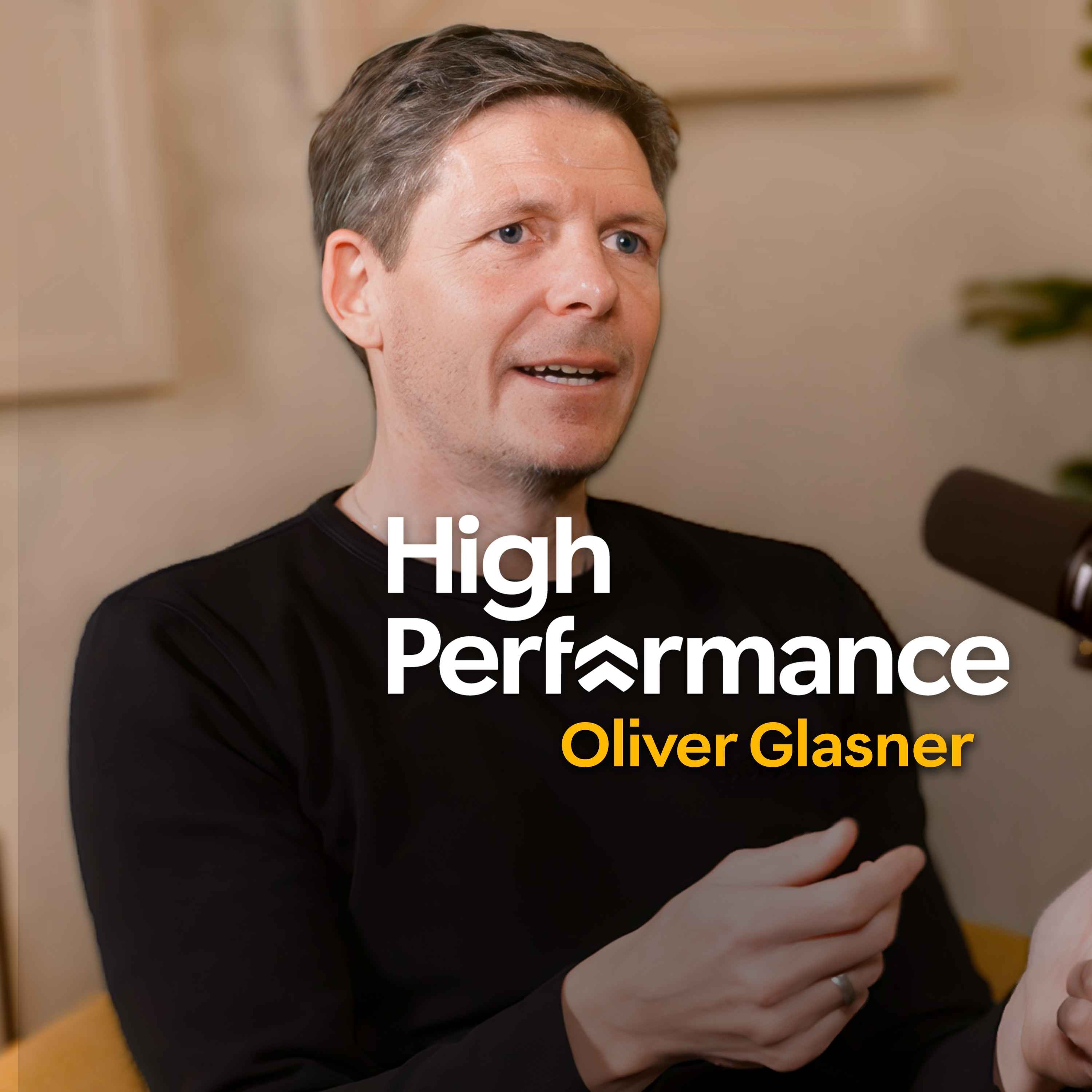
In this episode, hosts Jake Humphrey and Damian Hughes engage in a thought-provoking conversation with Oliver Glasner, the manager of Crystal Palace. Glasner shares his journey from surviving a life-threatening brain hemorrhage to leading Crystal Palace to the FA Cup final, emphasizing resilience, teamwork, and personal growth.
Written by AI. May contain mistakes.

Get the gist, explore an idea or ask about something said.
 Claude
On The High Performance Podcast, what are the key points of this episode?
Searching your listeningAutomatic transcript. May contain errors.
0:00Watch it early on the High Performance App. Available now, Roman Kemp, the broadcaster, opens up a powerful conversation on success and mental health. You are looking into the faces of the fans and I could see what we did made so many people happy. And this is what I love. And then I woke up and I see, you know, everywhere, the cables and everything, they opened my whole head. I'm not perfect. I will never be perfect. So if something helps that can improve our performance, tell the guffer here, tell the manager that he did wrong. That is the voice of Oliver Glasner, the celebrated Crystal Palace manager who's revitalized Palace since arriving last year.
0:45And this season has taken them all the way to the FA Cup final. What an achievement. So what is the story behind Oliver's success? I mean, I would say, Damien, this was probably an instant classic episode of high performance oh jake it was amazing what an episode and thinking that he delivered all this insight in his second language as well i've been lucky enough to work in high performing teams for decades and i loved the insight he shared especially how he transformed palace by moving away from reliance on individuals to his system first approach he opens up on how he changed the belief of the players how he keeps them calm in the biggest moments and what he believes the future looks like for this team.
1:27It was also hugely moving as Oliver shares how he almost lost his life with a serious bleed on the brain a few years ago and crucially how that moment has helped to shape his approach to leadership and to life. And you know what? I was actually really impressed by the Palace fans whenever I hosted their games on TV, Damien. I think they deserve a manager like Oliver and they and everyone listening to this is about to get to know this man like never before. Before we start, just a quick favour. If you're listening to this on Apple or Spotify, or actually wherever you listen, please tap the follow button.
1:58It's the best way to stay up to date and it helps more people find our show. Right, let's do it. And welcome to High Performance, the Crystal Palace manager, Oliver Glasner.
2:13Oliver, welcome to High Performance. Yeah, hi. Please take us back to the moment that you first heard that Crystal Palace were interested and you joined them as their next manager. What did you think? That was a long time ago and it was months before I started here. So we got in contact and I met at first, of course, in a Zoom call and then speaking to each other. And then I was invited for a home game, but of course always very secret and it was the plan. of Crystal Palace to end the season with Ray Hodgson because he's such a great manager and he has such a big appreciation in Crystal Palace, I think in England and all over the world.
2:58And it was the clear plan to end the season and giving him the best end of his career. And yeah, but then like in football, you never can plan the next month. It happened that they wanted to make a change during the season. I didn't want to do it to be honest because I always wanted to have a pre-season together and not starting during the season but yeah then they just said come on let's do it we would like to have a change I watched a few games and I thought okay there is a lot of potential in this group in these players and then it's let's do it no risk no fun So what did you see as the biggest risk of taking over a team mid-season?
3:45You know, it's every manager, every coach has his own idea of how the team should play. And I think there's never a right or wrong. It's just your ideas and you're getting the ideas. And it's not important what's your idea. It's important that you can transform it into the minds of the players because they have to execute it on the pitch. They have to know what to do. And also when they always have to think what they have to do, this makes you slow. and then you find automatism that they don't have to think that they're just reacting naturally on the different situations and this just takes time because otherwise you don't need a coach and also we were struggling at the beginning of this season and then we knew it so it was very calm within the club everybody we had 12 players without any pre-season and I told my chairman I said if this had worked I'd give three months off this summer because then we don't need to train So why should we train six, seven weeks if one week is enough?
4:45Everybody can enjoy their life in summer. But that's not how football is working. So we need time to train together. We need time to get each other known. We have to build a group. You don't enter a company. You don't know the employees. And then you twist with your fingers and everything is running and is working. So this just takes time. and this is what also to be honest I didn't expect that it starts working that well so quickly. So you're right that the one thing you didn't have was time. So on the day that you arrive into Crystal Palace how do you decide what to say to the players because first impressions are important but you had to have an instant impact.
5:29It's not you know to rush in and say hey from today we change everything. No, it's, you know, keep the good things. And there were many good and positive things already here. And also adjust the things we want to improve, but step by step. And we had many injured players and then it was also not to overload them. This was maybe the most of the things we were talking about in the stuff. And then we decided, okay, maximum one message per week. what we want to change that it's not too much because then we are what I told before the players start to think what should I do what I have to do this makes you slow and we can't afford to be slow in a game.
6:15So what was the first message? The first message is always I have a few I always say non-negotiables and this is the team is number one. So I like and love all the egos we have in the team and we need all the egos but we all need the egos for the team. The first message I think was I accept every mistake. It's no problem. We are human beings. We make so many mistakes. It's no problem. But if somebody does something against the team, he's out. And this is the only non-negotiable thing we have. And we have great characters. We have great egos but they use their egos for the team. And this is how we started.
7:05You walk in tired and hungry, one bad dinner away from losing it. You don't like to cook. You don't want more takeout. You just want something good. That's why there's Dish by Blue Apron. Pre-made meals with at least 20 grams of protein and no artificial flavors or colors. From fridge to fork in five minutes or less. Keep the flavor. Ditch the subscription. Get 20 % off your first two orders with code APRON20. Terms and conditions apply. Visit blueapron.com slash terms for more. Does it ever feel like you're a marketing professional just speaking into the void? But with LinkedIn ads, you can know you're reaching the right decision makers, a network of 130 million of them, in fact.
7:48You can even target buyers by job title, industry, company, seniority, skills, and did I say job title? See how you can avoid the void and reach the right buyers with LinkedIn ads. Spend$250 on your first campaign and get a free$250 credit for the next one. Get started at linkedin.com slash campaign. Terms and conditions apply. This episode is brought to you by Opera Air, the first browser with mindfulness at its core. Now, most of us spend hours every day online, but how often do we pause to take care of ourselves whilst we're doing it? And that's where Opera Air comes in. It's a lightweight, fast, secure browser built not just for productivity, but for your well-being.
8:27With Opera Air, mindfulness is built right in. You'll find free breathing exercises, guided meditations, and soundscapes with ambient sounds, lo-fi music, and binaural beats, all designed to help you focus, relax, and even spark creativity while you browse.
8:46So that seems quite a strong principle that you have, Oliver. Where did you learn or develop that idea that the team has to come first? so first of all i'm i think i'm a very social guy you know for me it's always um a community is is you know as i told before you know is we're all living together and when we go away from sports and and and if we support each other if it just we have a better life here than always uh you know um hoping that he's not doing well or something no it's the opposite you know i like and i really I'm pleased when my neighbor is successful. And it's the same here in football.
9:26And the second thing is maybe it's because I played for all of my career for a small Austrian club and we could win the cup twice. It was a massive achievement for this club playing international football and we could just achieve it as a team. We knew that we didn't have the money to compete with all the other clubs. But it showed me when we work together with a great spirit in the group, we can achieve more than maybe the individual qualities. And I think this is the biggest difference from team sports to individual sports. When it's tennis, then it's very often it's just me against him with all the components you have.
10:03But in a team, maybe there are better individuals than we have. But when we work as a team, then it's possible to win against them. What are the other non-negotiables that you brought to the table? No, this is, I think it's the same. not too much and then it's get the people known get the players known their personalities and then the second thing is then we started to create an environment and this is so was the second message and I think here especially here in England is you know all the training grounds they are closed and it's and I told the players I would like that everybody not just the players everybody and the staff when we enter the training ground everybody can be himself so I think this is the best thing we all can have as humans as human beings that we can be ourselves with all our strengths all our weaknesses we don't need to be perfect but and you know especially the players they're so everything is so public I also say okay maybe sometimes they it's their fault because they post so many things on social media but it is you know and I know when they want to go out and it's find the right location that you don't get photographed or filmed or something like this.
11:23But I said, when we enter here, then it's our group. And then be yourself. Express yourself as a human being. And the same on the pitch as a player. We want to see your strengths. Because I believe if somebody always tells you, you have to do what you can't do, you lose a lot of confidence. And so if you tell me, Oliver, sing here, I lose a lot of confidence because I can't sing. But it's the same with the player, you know. And so we try that we find, that the players play in positions where they can show their strengths, where they can express themselves to have confidence what they're doing.
12:01And of course, always accepting that they can make some mistakes, that they can make wrong decisions, because this is also part of the game. And therefore, we have to know the people. We have to know the player, yeah. not just as a football player, but also as a person, because 25 individuals coming from different environments, growing up in different areas, different part of the world, different religion, different culture, different age. But everyone is unique. And this fitting together like a puzzle, I think this is the most exciting part of being a manager. So can you give us some ideas on how you go about discovering the individual?
12:46watching, talking, listening. And I was, you know, it's at the beginning, I let my assistants doing most of the parts on the training ground and watching, you know, how people, how the players are reacting on different situations, if somebody misses a chance, how is he reacting in training? What is the reaction of the group? Do they support him or do they point on him and blame him? And this to get the feeling and what I like is, and then we have, you know, it's the same, I always say, we never should forget that we're living such a privileged life. You know, we meet in the morning, then there is breakfast, you go to the chef, you get your fried egg or whatever you want after training.
13:28You get your lunch and also on lunch sitting there and talking to the players and then also not always talking about football, yeah, about the families, maybe the friends and listening, yeah, or I like to go into the gym and there is a, you know, on the pitch, it's always you are the manager, you are the guffer and you're always judging the player in a way. But there is a more relaxed atmosphere and then talking about this. And then, you know, I always want to know their background because then I can intervene a little bit better, you know, when I know more about their background. And this is, you know, it's the same if I have three children, for example, and everybody knows who has children.
14:13that sometimes they are sick. Sometimes they don't sleep in the night. So you don't sleep well in the night. So they come the next day. Eyes are small. Maybe he doesn't have the best performance. So, and then you say, come on, what's the matter with you? Why you don't perform? Okay, I just slept two, three hours because of the children. And then if I know this, then I can deal with the situation in a different way than maybe when another guy is coming, and also you can smell that he had a huge party night because then I have to intervene in a different way. And this is, again, you have to know their background.
14:47And for me, it's always, it's human first. And that doesn't mean that they can do whatever they want because again, it's human first and it's team first. And this is what we have to bring together. And when you spoke to your captain, manager to captain, what were the issues? What were the things that you needed to quickly solve? Because it was 10 defeats in 17, I think, before you arrived. Yes, so first of all, I don't like to look backwards, you know, because we can't change it anymore. It happened and it was just, what are they feeling? And what were they feeling? Yes, of course, lack of confidence.
15:22If you lose many games, you don't have confidence. Many injured players, then yes, and okay. And then I said, it's a cut, you know, of course, and you manage is always a cut. And we can change what happened, but we can change what will happen. the season ended well you had the summer which you wanted this season began and it didn't begin in the way that you or Crystal Palace would have wanted would you mind sharing with us because we saw the results we saw the football would you mind sharing with us your own personal experience at the start of the season how you were feeling at that point first of all I didn't have the summer I wanted to have because we expected it like that this could happen how do you mean?
16:07yeah we had four players playing or being involved in the final at the Euros with England. Having two players being involved with Columbia in the Copa final. Having Mateta at the Olympic final. So that means seven players usually seven starters for us arrived 10 days or four days before the Premier League start. So we didn't have a preseason with these seven players. So then we had Ismail Azar assigning. he arrived also 10 days before the start of the Premier League. So he's number eight. And we had four deadline day signings. So we had 12 players and this is 50 % of our group without the preseason.
16:47Well, maximum 10 days. Honestly, we started to train with this group by mid of September because with the deadline day signings there was the international break. And then when these players came back we started to train. And then we knew we could see it with all these we get all the data and train. We were not physically, we were not fit. Also, it was mentally, also our players, they are not used to play a tournament until the end of the season or until the end of the tournament. They were mentally tired, a little bit exhausted, very short break. We had signings who were not allowed to train with the former team.
17:28Ismail Azar didn't have a team training for four months. So how can we expect that he's on his top level after 10 days. David Copperfield maybe, but not Oliver Glasner. Edion Ketia was not allowed to play anymore for Arsenal. Trevor Chalabar wasn't allowed to train with Chelsea, with the team. And then we had to start. We could see also, you know, we were not so far away from getting a point, from getting a win. We lost most of the games by one goal. And this is also how I live my life. I think, not I think, it's my conviction, is if you invest in something, you get something back. And then it was time to invest.
18:08Training, invest in the team, invest in the group, in the spirit, in the tactics, in our... And what are the characteristics that you look for then in the people you bring into your culture? We're looking for good guys, first of all. Define that for us. Yes, you always have a Zoom call meeting the player in person, talk to him, getting a feeling, always asking them what are their expectations of Crystal Palace, what do we expect, how he sees us, how Crystal Palace can have a benefit from his strengths, also what we think, what he can bring into the team, why we want to sign him, what is his personal goal, always, you know, if somebody tells me, okay, extend my career by three years and I don't care, getting good money every first of the month.
19:07So then it's the wrong one. We're looking for ambitious players. We are looking for players who want to improve. So this is the environment. And for me, it's always try to improve day by day. Can we talk about your brain hemorrhage in 2011? For people that don't know the story, would you mind telling us what happened? Yes, first it was a league game in Vienna and set play, wide free kick and I crashed with a player head to head. And I went down but I was conscious but I was a little bit dizzy so I went off. I had a cut. I was bleeding and then the doctor said, okay, no, you can't play anymore and I went off, went to the hospital.
19:53They made an x-ray. Nothing was broken. They stitched my cut and then it's like, did you lose your conscience? No. did you vomit? no ok it's a small concussion nothing broke going home doctor then next day I met him again said ok small concussion you need to rest two days but this was Sunday and on Thursday we had an Europa League game at Copenhagen and said ok but I want to play there of course we won the first game 2-0 was the re-game and said ok Monday, Tuesday no training but Wednesday should be ok so So going there, I went to the training without any heading. Was fine, no problem. And then the game was Thursday in the evening, in the morning with like an activation on the pitch.
20:39And I said to my assistants, I said, come on, kick a few long balls. I need to try what's going on when I'm heading the ball. And I made three, four headers and had huge pain. And I went to the manager and said, it makes no sense in the evening. I would really like to play. I was the captain at that time. but I'm worried that you know it's not you don't have so many headers but I'm worried maybe there's a ball I need to head but I'm afraid and I don't take the header we're conceding we're conceding a goal I said I think it's better I don't play okay no problem then going back to the hotel taking the shower and all of a sudden pain was unbelievable and I told my I was lucky that we all had two bedroom a double room yeah twin room yeah my teammate was there and said, please call the doctor.
21:28It's the last thing I can remember. So I was conscious. It was not that I lost it, but I just spoke. Now everything I'm telling now is what the others told me. And later I was reading what you get from the hospital afterwards. And then I was just talking stupid things. The doctor came, he could see my eyes going somewhere around and they brought me to the hospital in Copenhagen. Fortunately, they had a very good hospital I think it's the same where Ericsson was then later after he collapsed at the pitch. I had to undergo an emergency surgery. But I, you know, then they called my wife. She was in Austria.
22:10She was waiting for the kickoff at eight. And then all of a sudden, I think six or six hours, they called and said, okay, we have to do an emergency surgery with your husband in the head. But you have to say, okay. And she was, wow. So the worst time it was for my wife because she spoke to our doctor and he said, yeah, it's necessary. She said, okay, then do it. And of course, then you start at home looking at Dr. Google, you know, when this happens and you say, yeah, it's... Yeah, never good. That's it. And, you know, you see, it's more than 50 % are dying and then, you know, waiting forever that happens.
22:46Was that the number, more than 50 %? Yes. Like, yeah. So it was at the end. So this is, I can't prove it, but, you know, The blood was already in my head from the crash on Sunday. But it was not that worse. Nobody made an MRI or a CT. And on an x-ray, you don't see it. And this was there. And very often when you have this, and then of course, I read about it later, you are sleeping during the night, the blood starts to expand and you don't wake up anymore. this is what happens sometimes and I think this heading started that the blood expanded so maybe it saved my life, so I don't know but this is what I'm believing in and then had the surgery and I couldn't remember so then I get up the next day the last thing I was, I took the shower in the hotel and then I woke up and I see everywhere the cables and everything and I said what's going on, where I am pressed the button the nurse came in and said what's going on stay calm and I said what and then I realized maybe I take my phone somewhere it was next to the bed and then I turned the camera and they could see oh they opened my my whole head and I rang again but it was in the she told me what happened and I fell asleep immediately because of it.
24:26Yeah, and so this is how it happened. Then my wife, my best friends, they came up to Copenhagen because I couldn't go home with the team. The one physio stayed for two more days, but I was just laying in the bed and sleeping. Then I got fever. Nobody knew where it comes from. I didn't eat. I lost eight kilo in this week. and after eight days, I could fly with the emergency... Helicopter? No, not helicopter, a plane. Right. Where I could lay and they brought me to an Austrian hospital. They had to stay one week longer. They made some tests with me, so it was already a little bit better. And then they could see that the blood was on the left side and when you're right-handed, there is the center of speaking.
25:17On the right side is the logical part. and they made some tests and they could see I had just, you know, when 50 % is the average, I was by 3%. So I couldn't remember some words. I was speaking slow. Of course, I was very tired the whole time. And then I started great doctors at that time and great support. Yeah, learning all these things again, you know, doing many exercises. So what did you have to relearn? Just to activate all, you know, when there is blood, many cells are destroyed and then it's activate everything again and you don't know at the beginning how quick it will come back so nobody knew but they could see that I really improved quite quick and then they said we believe that it will be the same like before because we can see such a big improvement in a few days but also at the beginning I walked five minutes, then I slept three hours.
26:18So I was really, really exhausted. I slept maybe 16 to 20 hours a day. And then it's interesting. And this is, the tome is for your brain needs to recover. And then I thought, okay, and it needs to learn a lot again. So why little children are sleeping so much? Because the brain has to learn so much. you need this time for your recovery. And then I also could say, okay, I don't need so much sleep anymore. And it got better and better, but it took me a few months and then I was fine. I made always these tests. I had great exercises, games, you know, and it's what I could play with my children. They were small at that time, you know, where you have to remember, you know, memory, just easy games.
27:09You like to play in a memory. You turn the cards and, you know, It was tough at the beginning and it got better and better and all these things. After a few months, I was back. What about your playing career? When did you start to reflect on what that would mean for your career as a footballer? I don't remember many things, but what I really remember, and this maybe influenced me from my upcoming life, is when you're laying there, having 40 degrees fever, you know, really down. My wife gave me really two, three spoons of soup. This was everything I could eat at that time. I remember nothing was important.
27:55Nothing. Just having my family here around me. This was the only thing I cared about. The only thing. Nothing, you know, football was not important at that time. Money was nowhere. nothing yeah and this is really i appreciate my two best childhood friends visited me there they accompanied my wife and my oldest son was here and this was the only thing i cared you know and laying there and always falling asleep but knowing they are around you know this gives you gave me in this situation a lot of power and and and confidence and and this is also for me now maybe helps me that all the noise that we are in football is so much is going on and so much is the same.
28:47I know it's important but it's not really important. And this is what maybe I learned maybe in a tough way but I really learned that there are much more many more important things than our job and then money or success, you know, because what's real success, I think we could talk about it hours about this. It's a great reminder, isn't it? That sometimes things that are really hard for us and they're really difficult for us are still really important for us. And it may well be in the years to come the most valuable thing that you've ever experienced, actually. Ah, yes. And I think, I don't know who said it, a really great quote, but it's, you know, easy times create easy men and tough times create tough men.
29:36And it is, you know, and that's why I also think it's important that our children, you know, they're growing up in real wealth, you know, and not just because of the money, you know, everything is, when I compare it to my parents or grandparents, you know, my grandparents, they lived in World War II. You have to overcome difficulties, you know, to develop. And this is what I said, sometimes you need to lose. We don't like to lose. But you needed to learn from it. Because it's part of the life. I don't know any life of anyone who was just successful. I don't know this guy. I think also then you don't value the success you have, you know.
30:19Because when you lose, then you value the next win much more. Because when you're just winning, then it gets normal. But did you have to grieve for your former life? because it's ended quite suddenly here as being a footballer and now this injury has caused you to have to reappraise what's important. Did you go through a period of grieving or mourning what you'd lost? No, never. I never regret something because I can't change it anymore. It's just learn from it and do it better when you have the chance in the next time because you always take decisions every day. You don't think, do I drink a coffee or a tea?
31:01and small things, but also different things. And then I said 30 years ago, this year it will be 30 years, I was out in a party, and there was a girl, and do I speak to her or not? I spoke to her and she's now my wife and we are together for 30 years. It was the decision I took and influenced my life. So maybe if I don't say anything to her, my private life had gone into a different direction. So this is just, and the good thing is I don't have to regret it. And it's the same, you know, then it's time. And it was the time. Yes, I wanted to play longer. The plan was to retire one year later because there was 100 year anniversary of the club.
31:52I was playing for 18 years. And was the plan, maybe I had extended my contract by one more year because I felt good. I was playing. We were just winning the cup because that's why we played European football. I felt well. I loved what I was doing. But then it was over. And then it is, it makes no sense mourning and complaining why it's over. Then my focus, of course, the first time was get well, get healthy again. This was the most important thing. And then, okay, what will be the next challenges? What can I do? then I started my second career. And how long did that take then until you felt recovered enough to plan the second career?
32:39Yeah, it took a few months then everything was okay and it's the same like always in football it came quicker than expected it was the schedule at that time at Red Bull Salzburg they got a new CEO I knew him and he said Oliver, I would like to have you as my football brain. He's a lawyer, more from business. But not from the beginning. He started, I think, in the beginning of January. Not at the beginning, maybe in March, April you come. Then I was on holidays with my family in the Caribbean Sea. He calls me, I think, 5th or 6th of January. Oliver, I need you immediately. I said, what do you mean immediately?
33:27Yeah, on Monday. I said, hey, I'm in the Caribbean Sea with my family, three children, my wife. No, you have to be here. I said, I can't be here on Monday, but I can start one week later. And I think it was, I don't know, 12th or 13th of January. I started there in the office like a sporting coordinator because when I was a player, I never wanted to depend on football. So then I started studying economics besides playing football. Is that right? Yep. And for seven years, I graduated in economics. And then I thought, okay, Oliver, we didn't study seven years for then becoming a manager. It was really at the beginning.
34:04So then I was in the office like a sporting coordinator, combining my football experience as a player with my study as in economics. So this was the idea. But after six months, I felt it's not the right thing for me being the whole day in the office. Then say it's coincidence. I don't believe in coincidence. It just had to be. There was a change at Red Bull Salzburg. At that time, Ralf Rangnick came as a new football boss. And I was still sporting coordinator there. And we were on training camp and we made a run in the morning together before breakfast. And he asked me, where do you see yourself?
34:48What do you think? I said, after six months in the office, I'm really missing the grass and football, working with the players. And he said, we're looking for an assistant coach. Roger Schmidt at that time became manager. We're looking for an assistant coach. You know the Austrian League, you know Red Bull Salzburg. Maybe you can become assistant coach. Let's have lunch with Roger. if you think it fits if he says it fits you can become assistant coach and this is how my managing career started I love that again another what we call in the UK sliding doors moment where you can't plan it but it just so happens to work out well for you I'm really interested in how you how you make decisions how do you learn to say no to things as well as saying yes to things what's the secret to that I always take decisions but I feel to, I don't know if you say the same in English, I always have to look into the mirror and see, okay, I do the right thing.
35:55It has to fit to my values. So for me, in many situations, I don't need a contract. If I say, I do this, I will do this. You can rely on me. This is the same, what I expect from the opposite. You have to rely on each other. you have to trust each other if you're working together if you're living together and this is how I take the decisions I'm responsible for my family and for Oliver Glasner and so I never care if somebody I don't know likes it or doesn't like it because I can't make it fine for everyone but these people who are around me these people I feel responsible for they have to to accept this decision by 100%.
36:47And how good are you at making a decision and then moving on? Once you've made that decision, are you very good at moving forwards? Yes, yes. I think this is, I don't know why, but as I mentioned, I never regret. Ever? Not really, no. It's gone. And it just makes my life tougher. Maybe it's a little bit of self-protection because I don't like to always think about the past and when you're always thinking, ah, should I, could I, whatever, life is not really good, to be honest. So then it's better looking forward and what can I influence? And maybe when the same situation comes up again, you get a second chance.
37:31And also what I'm really believing in is that everything that happens is for a reason. I love the idea, though, that you're a patient man in an impatient world. You're a man that's happy to wait rather than rush the process of getting there. How do you teach that to some of the young men that you're responsible for? I think if you talk to the people around me, they will say always everything but not patient. So sometimes I have to be careful. You know, I'm so ambitious that it's not too much for my environment, you know, to demand too much, things too quickly. And that's also good to have great assistance.
38:20You know, also people I really know for many, many years. And they are not just assistants, they are friends. And then when they feel this, okay, they say, Oliver, stay calm. Maybe once, take care. Maybe this time is too much. And that's good because I trust them and they can say this. And then I'm reflecting and saying, okay, maybe it was too much. And this also then can be, and this happened in every single club. Then I apologize. Can you give us an example of that then? I'll tell you a story when I managed Lintz. Because this also was my, we were on a training camp in Spain. with a friendly game, played terrible, played terrible, but winning 2-1, played terrible.
39:10And then I was really, let's say, loud in my technical zone, shouting to the players because I thought, come on, I can see anything what we were training. And then after the game, we were winning 2-1, but we were terrible. After the game, a player came to me, an experienced player, but good, and said, Oliver, I know you want the best for the team, but I just can tell you, today, I think it went into the opposite direction. It felt so aggressive that you didn't help us. We lost the confidence. It was too much, he said to me after the game. and we went back in training camp we went back to the coach did their recovery and it was about two hours to the dinner and I was in my room and it was just two hours thinking about this message from the player and then I said he was right I wanted to help them to support them but obviously it was the wrong thing and then okay what can I do and then we had dinner and I said they wanted to go to the buffet.
40:29I said, no, please wait. And then I said to them, guys, I want to apologize for my aggressivity, for my shouting, because what I always ask you and demand is that you give your best. And I could see you gave your best, but it wasn't really good. But then it's not the right thing that I shout at you. So sorry for that. And the reaction was applause from the team. But I didn't do it to get an applause. But our connection got stronger. So also, and this is what I said, for me, it's not, let's say there's the manager. It's a different level than the players. And we are all the same for me because we all want the same.
41:18We want to be successful as a team. And when I said, we don't need egos in a team, then we don't need the ego of Oliver Glasner in the team because he's also part of the team. And this was in Linz and this helped, I think, also, this connection between us that we achieved after the first year of promotion in the Europa League and in the second year qualifying for the Champions League. And all these steps, you know, when we're talking about personal development, you know, it's always about reflecting things happen, making mistakes and hopefully learn from it. If you're still overpaying for wireless, it's time to say yes to saying no.
42:03At Mint Mobile, their favorite word is no. No contracts, no monthly bills, no overages, no hidden fees, no BS. I made the switch because I was tired of those ridiculous bills and sneaky charges from my old provider. With Mint, I'm paying$15 a month and getting the same high-speed data, unlimited talk and text, and coverage on the nation's largest 5G network. Honestly, the quality is just as good, if not better, than what I had before. And the best part? You don't need a new phone. You can keep your current one, bring your number, and all your contacts. I use Mint Mobile, and you should too. Ready to say yes to saying no?
42:38Make the switch at mintmobile.com slash HPP. That's mintmobile.com slash HPP. Upfront payment of$45 required, equivalent to$15 a month. Limited time new customer offer for first three months only. Speeds may slow up a 35 gig on unlimited plan. Taxes and fees extra. See Mint Mobile for details.
43:08Proven freelance talent fast. No bulky overhead. No rigid long-term contracts. Just the right expert right when you need them. Work smarter and faster with Upwork. Go to Upwork.com now and find your freelance expert. That's U-P-W-O-R-K.com. Post a job for free and get started today. When it comes to what your family eats and drinks, you know your choices matter. You're the expert because you know what fits your life. and getting it right starts with good information. That's why America's beverage companies are sharing more information about our ingredients at goodtoknowfacts.org. No spin, no judgments, just the facts straight from the experts for more than 140 beverage ingredients.
43:55Visit goodtoknowfacts.org.
44:03To me, the hero of that story is your player that has the courage to come and give you the feedback because it's possible that you might not receive it. No, that's what I say. I think it's important that I know the players and the players know me. And they know me. They can tell me everything. And also, this is the environment I want to create because I'm not perfect. I will never be perfect. So if something helps that can improve our performance, tell the guffer here, tell the manager that he did wrong. Has there been a time this season where someone has either said to you, that was not quite right or that you've apologized for something and it's brought you and your Palace players closer?
44:53I'm pretty sure that I apologized for something. I don't really remember what it was. It was, I think, not such a huge issue than it was at that time. So that they felt I took the confidence away because I think this is the worst thing you can do as a manager. That you are responsible, that the players lose confidence. So this was really huge that he told me this. That's why I really had to apologize in this situation. I think it was not something huge, but I think there were one or two smaller issues. And it's the same, you know. it's I think maybe one of my stuff some reminded me and said Oliver maybe here or there but it was also the opposite side that I was really with a moment I was really upset and then also I told the players quite direct that we have to change something if we wanted that changes will happen What this season or when you were at?
45:49This season Really? I don't want to talk about it it stays between the players I get that but when you say something like we need to change to see a change how do you explain then what the players need to change? do you make it really clear with them? yeah of course so the first thing is I always start to change something because I can't expect it's the same I don't point with the finger you have to change we have to change something and then I always start with myself then I tell okay this is my learning and this is what I will change. So the players always decide what happens. They just get, let's say, my advice.
46:31Because it's the same when I say the ideas I have in my mind is not so important if it's not in the mind of the players. And here is the same. If they don't want to do it, if I want them to do it, but they don't want, it won't happen. Also, maybe go, you know, if you, and it's the same with children. When you say, okay, they should learn mathematics or language. But they are not ready for this. You can tell them, okay, you go two hours into your room and learn. If they don't want, nothing happens. Nothing happens. So you can't tell them. So you have to convince them that they get an advantage.
47:12We get an advantage. And this is what I always try to show them. and I say, okay, if things don't work, the manager gets sacked. That's it, yeah. But also very open, you know, at the end, every single manager, then you get quite a lot of money. But the players have to deal with the shit situation because they have to stay and then they are responsible to change it. So how do you deal with people that don't want to pull in the right direction? so you can persuade 80 % of the group this is the direction we're traveling in but you always get some dissenters or people that disagree how do you deal with those?
47:58Of course I talk to them and try to convince them of course I I think as I mentioned I and we, we demand a lot from the players but we try to show that they have a personal benefit and we have a benefit as a team and it's the same. And when we are winning, everybody is enjoying the last three months much more than the beginning of the season. So, you know, the mood, everybody wants to be successful. But, and this is also, I think, you know, it's sometimes, because everybody says, this is our goal. Our goal is to win the title or to win this and this. But I think sometimes it's their wish. And there's a huge difference between wish and goal because I told the players once this story, I said, you know, I wish my daughter turned 14 last year.
48:49Her biggest wish was going to a Taylor Swift concert here at Wembley. And, you know, she hoped that mom and dad fulfilled the wish. She didn't need to do anything for it. And then the wish got fulfilled. She could watch the Taylor Swift concert. Did you go? No, I brought her there. But if you have a goal, you have to invest something to achieve your goal. Because otherwise it's a wish. And then you have to do something to achieve your goal. And this is the difference. And this is what I'm telling the players. If players don't want to invest for the team, they have to leave. So what's your goal for Crystal Palace?
49:38My goal is that we always try to improve. This is, let's say, creating a learning environment. Yeah. And not just improving as a football player, developing as a human being, you know, and I really love this, because I think it's not just, you know, in the world we are now living with all the problems we have, you know, a dressing room in football. It's, I think you can learn so much, the world can learn so much from it, you know, because there is no racism, nothing about religion, wherever, how old you are, nothing about young. It's a group of different human beings working together to be as successful as possible.
50:28Let's say we would wish that this happens all over the world. And you always can learn from it. And creating a learning environment, improving enjoying the time we have together creating moments for our life and this is for me the biggest value I personally have from being a football player or a manager you know because these moments not winning for example winning the Europa League is gone I never had a look at my medal anymore it's not important but Frankfurt is playing here against Tottenham in London visiting them at the hotel visiting some members of the staff some players and talking about this time and then we were all having a smile and enjoying this time these memories these emotions this is what lasts forever So when you think about Crystal Palace playing at Wembley you maybe don't think so much about the winning of the silverware you think about the creating of the memories yes not just for us for me winning at Fulham in the quarterfinal of the FA Cup I could feel it as soon as I entered the pitch it's a special atmosphere because four or five weeks before we played in the league it was a great atmosphere as well but here it was from both sides from Fulham and from our supporters it was something special at Fulham we have to walk across the pitch I sat there and I said to my assistants That's why I love football.
52:08It was this tough 15 minutes. And then we were winning the game. And afterwards, I could see the players celebrating in front of the fans. You're looking into the faces of the fans. Everybody's happy, smiling. I don't know, six-year-old kids, 86-year-old grandmothers and granddads. And having these moments, and I could see what we did made so many... people happy. And this is what I love. And then going home because it was Saturday noon and really then I had to, because usually I'm exhausted after a game, I was really laying one hour on my sofa and just, you know, it's like wow, being happy and showing this moment.
52:57And of course we knew the next day we start again. And this is also when we're talking now about playing at Wembley. So I know it's something special. And I said, okay, fulfilling the expectations at the beginning or maybe being better than the expectations are. You know, I know or I can feel how much this means for the club, how much this means for our supporters. And the supporters, you know, are human beings, you know, and not just having a good life in our group, in Palace, you know many people having great moments having great times they will remember yeah and this is something and I was part of this group yeah and I think this is this is what every one of the players can be proud of you know that you you did maybe that's a little bit I don't know if it's the right word pathetic you know it's but this is you know what I'm really feeling is that's the best thing you know that you can make people happy you can make people laughing you can make people enjoying so what will you say to your players ahead of that game so they're not overwhelmed by the expectation of making people happy in that semi-final no and then I think then it's the circle we're speaking be yourself most of these games be yourself express yourself show your strengths I don't know if we win I don't know enjoy this atmosphere and enjoy We are playing there because we played who we are and how we are.
54:40So don't change it. Show who we are and show what we want to do. And we give our best and then we will see. I don't know if we win, but I think, and it's again, we will meet the day after the game. And then we look into our eyes and say, hey, we did it our way. we expressed ourselves and hopefully we won the game can I ask you two questions from what you've said so far we have a lot of our audience that work with young people and you've spoken about creating a learning environment at the clubs that you go to what are the best tips that you can share with us to create the most effective learning environment you must convince the people the children you can't tell them to do You must show them, explain them, support them, forgiving them.
55:41I think the worst thing you can do is that you blame someone for making a mistake. Because when you are scared to make mistakes, you avoid everything. And there's also a story I had when I managed Linz. We had a friendly game in an international break. a 17 year old from the academy because we had players with the national teams a 17 year old played left fullback and had the game afterwards I asked him how do how did you see your performance what do you think how did you play I think I played great really good I didn't make any mistake and I said that's true you didn't make a mistake but 9 of 10 passes you passed back to the center back or to the goalkeeper My wish would have been if you show your strengths, go forward.
56:32You had no cross in the whole game because you avoided any risk. That's why you didn't make a mistake. My wish is show why I picked you from the under 18 to play with the first team. And if there are five crosses behind the goal, I don't care. But now I don't know, can you do it or not? Because you didn't show it. and he was looking at me with huge eyes and I said, no, don't care about it. Make mistakes, but please show me why you are an academy player and why you want to become a first team player. And we were talking, you said it before, you know, sometimes you need these tough times to make the next step or to learn.
57:15And sometimes you need the mistake, but if you never allow yourself to make a mistake, then or you are afraid or scared that somebody shouts at you yeah this is the opposite yeah and and and to create an an atmosphere where you can make a mistake that doesn't mean that everything is allowed yeah but if you can see a child gives all his effort but maybe it's not good enough or whatever yeah then it is it's no problem yeah but if somebody doesn't show an effort this is also what I you know what I I don't like this is what then I'm also talking to the players and then I say okay I think this is what we shouldn't allow you know in our group that we play with less effort because this is what we can demand from each other And the players can demand it from me as well, that Oliver Glasner, with his full staff, gives all his effort to be successful.
58:20And also for me, I'm always watching if it goes into the right direction. For example, sometimes we do some shooting competitions, young against old or something like this, and then playing for a barbecue. And when it's sunny weather and it's more and more here in London, then we have a barbecue at our training ground. An external one comes and we get burgers. And we had this also in autumn. And then, I don't look at the players, what they're eating. But I have my office and I can see out of the window. And there was the barbecue. And two hours later, there was a table, I think with six or seven players still sitting there joking having fun sitting in the sun laughing together and I I looked down and I went to my went to my staff and I said hey everything is good yeah because if you know nobody told them you have to stay yeah but if you like to stay in your office yeah then you have a good environment yeah because otherwise you come on the so it's the same we have report time when we train at 11 report time at 9.30 the first are sitting at 8.30 at the breakfast table.
59:40And the latest, they're leaving sometimes at 5. So if you say, you know, you can come at 9.30 and leave maybe by 1 if you want. And this is, and I never tell them, you know, you have to eat here, you have to do this because it's, we want to create an environment where they want to stay here. Yeah. And this is, and this is not Oliver Glasner, you know, alone. I think I can influence it, but this is the whole stuff. Yeah. is the good people around here and everyone who is at the training ground and is really from the security, the medical department and everything. You know that we give our best in our job, but we also enjoy the time together.
1:00:25Brilliant. Time for some quick fire questions to wrap up with.
1:00:32What are the three non-negotiable behaviors that are most important to you? respect, honesty, humbleness. Yeah, nice. What would you tell a 15-year-old Oliver just starting out? Express yourself, be yourself, and trust in yourself. If you could go back to one moment in your life, where would you go and why? I really, I would like to go back when I met my wife the first time because not to change it. So it was four in the morning. Be careful. No, it was four in the morning. We were both really drunken and it was a cool night. Oh, that's nice. What's the single best piece of advice that you've ever received and why?
1:01:22Stay Oliver Glasner. Be Oliver Glasner. Be authentic and be yourself. The final question, your one golden rule for living a high-performance life. enjoy what you're doing love what you're doing this is the advice I give to my children and you know when we talk about and this is maybe what's what's the most value what's the biggest value in your life and it's usually your family in my case it's my family and my children and of course you want the best for your children and I'm always telling them try to find what you love because this is the best thing you can and I tell them I hate this work-life balance because work is a huge part of life and if you separate it you always feel either I'm working or I'm living but I'm living my work and I'm working my life and I tell my kids my children look and take your time to find what you love to do because then it never feels you you have to go to work because you live your life and your job is a huge part of your life and you enjoy what you're doing.
1:02:36Brilliant. You know what? I've loved that conversation because I think that what your mastery is giving people freedom, like almost accepting that what will be will be. You know, whether it's the stuff you deal with in football, like is Mark Gehi going to stay at Crystal Palace or not? Is Eze going to be your best player of the season improving, you know, Mateta and Lacroix who look amazing under you? or whether it's what will happen in an FA Cup semi-final or what will happen in a specific incident in a game or the Bayern staff or, you know, where's next in your management career. I just think your real skill is that you allow things to happen.
1:03:14You don't try and control everything. You just want the very best. And as long as you offer your best, what will be will be. And I think that is incredible. Thank you very much. But, you know, I think what you said now, it's also now because if you give your best, I think you get your best. you get the best if you don't give anything you don't get anything and so think this and what can we influence what we are giving and so some words you you're mentioning sometimes because I also this is I'm on a on a really great journey also in my job and learning not to control everything it's hard for me because I when I started my manager manager career I tried to control everything, you know, because everything they were eating, everything they were doing and sleep enough and this and this and this.
1:04:04And I could see that, first of all, I can't control. And the second thing, it's not necessary to control it. And so then I hopefully developed into the right direction. And it was really funny, maybe the last story from my side, because we spoke about it when I visited the Frankfurt Lads here. We had the the quarter final at Petit Seville and usually we travel there that we have latest time of lunch 7 I wanted we don't eat too close to sleep but okay we're a little bit delayed I think it was 7.30 we had dinner took about one hour and the game was Thursday Wednesday's Champions League and there were a meeting room and we were watching Champions League the staff few members of the staff and some players but of course the most experienced one they watched Champions League so and 30 minutes before dinner was over and all of a sudden Champions League starts the waiter comes in ah who ordered jamón who ordered jamón and I said come on what the hell who ordered who ordered ham you know jamón we just had dinner and you know that the Spanish ham you know it's the oil and the fat and the waiter comes in and the experienced players the captain said ah it's for us it's for us and I said come on what are they doing but okay they're experienced hopefully they know what they're doing so we're winning 2-1 I think one of the best games we could have won 5 or 6-1 or is it going into the next round so next round was the next round was the quarter final so it was the round of last 16 next game quarter final we play Barcelona away so in Spain again same procedure the day before the game what do you think happened in the meeting room Jamon Jamon Ikezo so also and he came in and the funny thing is also we in the stuff we also would like to have fun so it became before the final at Seville it was the third time in Spain it happened again and I thought by myself Oliver God bless you that you didn't say anything because it didn't have any bad influence we won every away game and it was fine so sometimes it's better don't talk just accept and be calm brilliant what a way to win Oliver thank you so much thank you great conversation brilliant thank you
1:06:27Damien Jake do you remember when we first started High Performance and we said we want to speak to leaders in sport who we would love our son or daughter to be coached by yeah I would love Florence and Seb or Rose and George to be coached by Oliver Glasner because he connects on a human level and I loved that chap yeah me too I think he spoke didn't he about three values there which was put the team first be authentic and be honest. Yeah. Because that's where trust comes from. And I felt like we saw those three values in action. And also, when you talk to top-level managers now and you go like, what do you want to achieve?
1:07:04And they're like, well, we've got to win. It's all about winning. I love this idea. There's this modern breed of manager now coming through like Oliver Glasner who knows he can't control everything. You know, winning is not in his control. He literally can't control that. He can control the best performance possible from his team. He can control the mental approach. He can control the behaviours in training that will lead to a good performance, but he can't control the win. And that's why I love when he was telling us, when we were saying, what are you going to say to the players before the semi-final at Wembley?
1:07:32One of the biggest games in years for Crystal Palace. And he's like, I'll tell them to enjoy it. I'll tell them to be themselves. Be yourself. What a freeing thing for a manager to say to a player, rather than be good or be brilliant, or be the best you can be. Just be you. I remember reading a story years ago when France got to the World Cup final in 1998, Laurent Blanc apparently, the message he gave as a captain to the team was, let the world see you. Whatever happens here today, just let them see you. And listening to all of that, I can actually understand what I'd read years ago that Blanc had said about this idea of, just show up as yourself, be free, be fearless, you know, just walk into that room and just be authentic.
1:08:16And that to me was, who wouldn't want to play for that? If you've listened to this rather than watched it, I'd really recommend that you go to YouTube, watch the way he lights up. You know when he recounts that example of the players hanging around after that barbecue? Two hours later when the barbecue's finished and the players just sit around and enjoy each other's company and he sees it and he goes, we've done our job, we've succeeded here because these players want to be here even when they don't have to be. That to me is a sign of a man or as a leader that understands the power of culture.
1:08:50And I think finally, let's just explain to people that after we finished the interview and stood up, he actually said to us, I didn't want to say too much about the current situation at Crystal Palace with the current players because as soon as I don't have the trust of them, everything's gone. And I think that's a really important thing to, you know, it'd be very easy for him to come on in and say, oh, I'll drop a few little messages, I'll make a few headlines. He would rather protect his players, protect his position in that club than make himself more famous. and I think that also is something worth calling out and celebrating.
1:09:19There's something very, very authentic about that. You know, when he said this idea of I'll tell a narrative to the TV after a game but in that training environment I'll tell you the truth. You know, I might say one thing for them because I'll protect you. And that was a great example of how powerful that is and how we really respected it. Imagine what his players think of him doing that. It was great. Thanks, mate. Thank you, mate. Thanks so much to Oliver for his time. And if you enjoyed the conversation with him, we have so many elite managers in the archives of High Performance. Gareth Southgate, Graham Potter, Eddie Howe, Frank Lampard, Maurizio Pochettino, Sean Dyche, Steve Clarke, Glenn Hoddle, David Moyes.
1:09:59The list just keeps on going. We also had a great chat, of course, with Oliver's Crystal Palace boss and the co-owner of the team, Steve Parrish, one of my personal favorites. You can find that one in the archives. And the easiest way to do that is to search for those episodes on the High Performance app. If you download the app from the App Store, you can also get episodes before anyone else. Thank you so much for joining us. Hit the follow button and we'll see you again soon.
1:10:45At Capella University, learning online doesn't mean learning alone. You'll get support from people who care about your success, like your enrollment specialist who gets to know you and the goals you'd like to achieve. You'll also get a designated academic coach who's with you throughout your entire program. Plus, career coaches are available to help you navigate your professional goals. A different future is closer than you think with Capella University. Learn more at capella.edu. Dr. India Woods here. As a veterinarian, I demand a lot of my scrubs on the job. That's why I show up in FIGS. FIGS are made for the sometimes crazy situations I find myself in.
1:11:25It doesn't matter if I have to squat, sit, bend, or even chase after one of my patients. FIGS moves with me and keeps me comfortable in the highest pressure situations. FIGS gives me one less thing to worry about. Get 15 % off your first order by visiting wearfigs.com and use code FIGSRX at checkout. That's wearfigs.com, code FIGSRX.
Oliver Glasner is the current manager of Crystal Palace. He previously lead Eintracht Frankfurt to Europa League glory. With a career rooted in resilience and personal growth, he brings a refreshing perspective on what it means to lead a team and overcome challenges.
In this episode, Oliver shares his insights on what it takes to build a successful team, emphasising the importance of trust, respect, and creating an environment where everyone feels valued. With a focus on teamwork and unity, he also delves into how fostering confidence and communication on and off the pitch leads to stronger performance.
This episode is all about mindset, growth, and what it really takes to lead, with heart, purpose, and a bit of risk.
🚨 Partners
Heights 👉 Get 20% off your subscription by using Code: HP20 here: https://hppod.co/20heights
HP Foundation 👉Do you want to kick-start an evolution that will change the lives of millions of children? Find out more about the High Performance Foundation: https://hppod.co/foundation
HP Corporate Events 👉Click here to book High Performance Events: https://hppod.co/corporate-events
Explore offers and discounts through our other partners:
https://hppod.co/partners
Hosted on Acast. See acast.com/privacy for more information.


