
 Ask ChatGPT


 The High Performance Podcast
1 Aug 2024 · 1h 5m
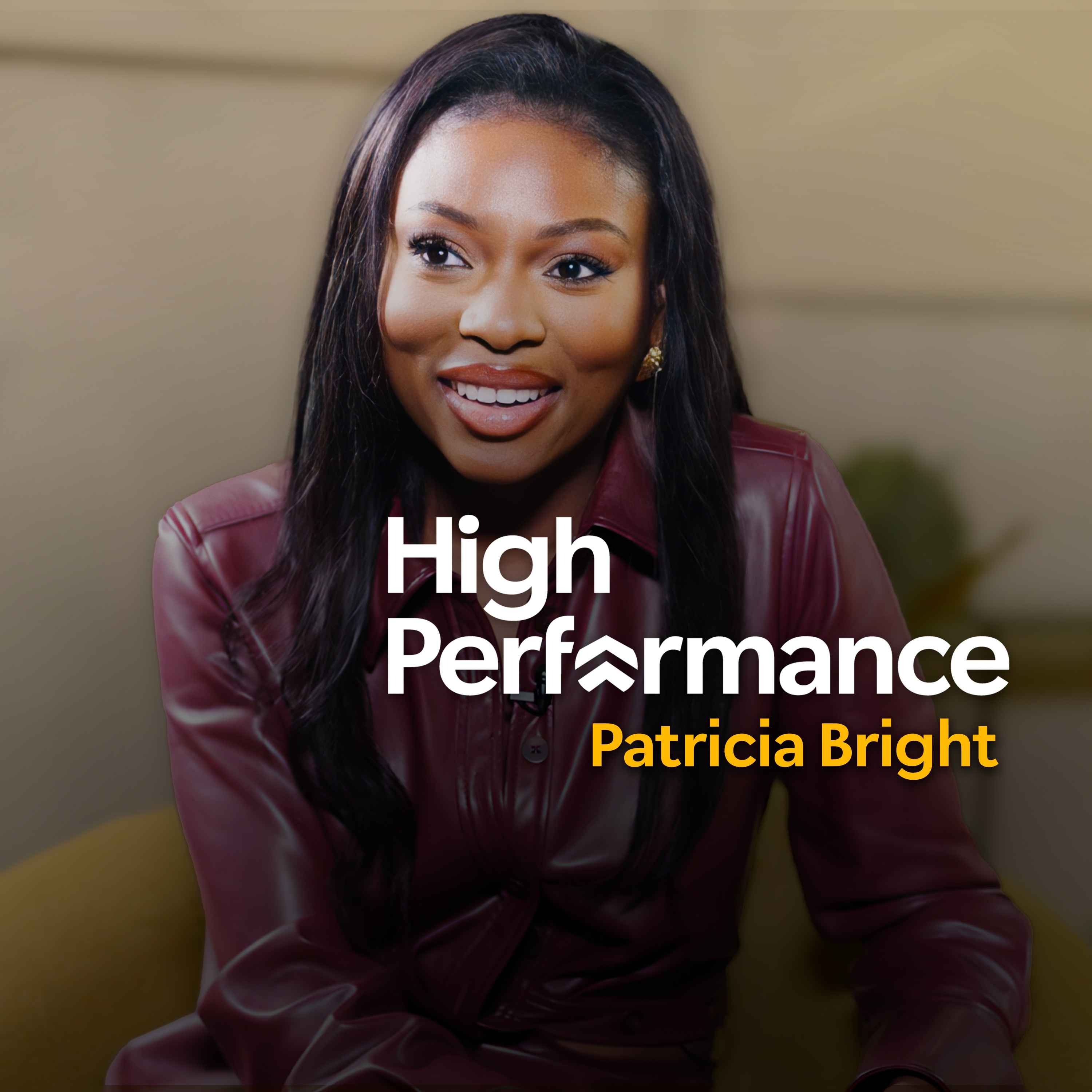
In this episode of The High Performance Podcast, hosts Jake Humphrey and Damian Hughes converse with Patricia Bright, a distinguished social media influencer and content creator known for her insights on equality and personal growth. The discussion revolves around her journey from the corporate world to becoming a successful entrepreneur, emphasizing her commitment to diversity, equality, and the challenges she has faced along the way.
Written by AI. May contain mistakes.

Get the gist, explore an idea or ask about something said.
 Claude
On The High Performance Podcast, what are the key points of this episode?
Searching your listeningAutomatic transcript. May contain errors.
0:11Watch it early on the High Performance app. another episode from our experts in the field miniseries made in partnership with Salesforce. Salesforce empowers companies to forge unprecedented connections like never before by integrating customer relationships, AI and data. They facilitate stronger connections, enhance productivity and make every customer experience more impactful. They believe everyone should be seen, heard, valued and empowered to succeed. And hearing diverse perspectives fuels innovation, deepens connections between people and makes every company that much better. And this week, Salesforce has set us up with the renowned beauty, fashion and lifestyle guru, Patricia Bright.
0:51And today, she joins us to talk about equality, equality in the workplace, the challenges she faced as a woman of colour, and so much more. It's a brilliant conversation. You're going to learn so much from this. So please enjoy our conversation with Patricia Bright.
1:11Well, Patricia, welcome to the show. Thank you for having me. It's nice to be here. When I say high performance, where did your mind immediately take you? I mean, it took me to high output, high productivity, high achieving, money, dollar signs, all that kind of jazz. So I think that's what it comes to my head, like when I think of it at the moment. But I'm sure there's more to high performance than that. Okay. But do you believe that's what high performance is? Now, no. not definitely not because you did yeah yeah as a i want to call myself an honorary wannabe overachiever like you know earning a lot being successful working really hard doing all those things that you're meant to do that you know by the book which i did i've done all those things by the book meant high performance but i recognize now that that's not necessarily a benchmark for success and there's other things that are important but it's taken me a while to get there and i can say it's kind of a privilege for me to say that because i've done all those things that are considered like high performance or what you should do and now i'm in the stage of oh no rest a little bit so what is it then now what is high performance now i think high performance is achieving goals setting goals that you want to have um but with an air of balance so not like Like, you know, when people talk about work-life balance, I don't believe in that.
2:42But in terms of like looking at a holistic view of like your life and like high performance in just one area, say financial or something, isn't the most important thing. You want to look at your health, your relationships, your finances and all those other things as well. You don't believe in a work-life balance? No. Why not? I don't think it's possible. It depends on what you want to achieve. If you want to be average at everything, then great. But if you want to be really great at something, I think there's a lot of sacrifice that has to happen. Like if you want to really win in a career or an industry or something, you're going to be obsessive, compulsive, really focused for a period of time and other things are going to slide by the wayside.
3:24And then you can come back to those things later if they are still there. But you have kids and a husband. Yep. How do you balance that? Because they need to still be there. That actually is probably a great reflection of high performance, right? Having a happy marriage and a wonderful couple of kids. Yeah, I mean, I think from the outside it can look like it was balanced, but I wouldn't necessarily that it was. There were seasons where I am working till 10, 11, I'm out of the country, and if it's my husband, my mum, my aunt, they're holding the fort, right? I'm focused in other areas and someone else is holding the fort.
4:02And then I come back and then I go into extreme mum, baking, I'm at home, doing piano, all that stuff mode. And I'm not working, which is that purpose of saying that like you focus in certain areas of like intense birth. That's how I work. And then I can come back and then focus on other things as well. But that, I mean, I think anyone who can do work-life balance well, hats off to you. But there's always a little bit of something being left behind, I think. Reminds me of Steven Gerrard, All In. Being All In, yeah. You made a reference, Patricia, to doing things by the book, being successful by the book, and I'm interested, what was it that made you want to do it by the book originally?
4:45Oh, by the book is because I had no choice, should I say, culturally, based on where I'm from, based on my family. I had to be a successful doctor, lawyer or accountant. So just, I'm Nigerian. So we are told that we have to, you know, get married, go to university, get a good job, get a mortgage, do all of that. So like, you know, the aunties are proud of me because I did all of those things. But again, they don't always, you know, give you full happiness. Would you tell us a little bit around your background then? I'm not that familiar about coming from a Nigerian household. I recognise some of those conventions from other cultures.
5:31Yeah. Would you just describe it for us? So I'm South London born. Shout out to South London. And my parents obviously came over. They immigrated over. So they were first generation. Their first generation, yeah. So they came over in their 20s, I believe. They actually met in Clapham Junction. And it's like these two people met and they're like, wow, we're from the same place in Clapham Junction. and then like that's why we were born and raised in um in south london and then my dad was an academic so he like he went to university he's got like degrees and all those stuff but very much an academic and my mum was more like uh working as a nurse and like cleaning and all that kind of stuff which is like even working on the trains like cleaning the trains so she did all of that kind of intense work that you still see people doing today.
6:21And then I think for them, it's like, well, if we're going to have children here in the UK, we want them to be the best versions of themselves. So you go to school, you study hard. They buy, like for Christmas, we would get encyclopedias. Like for generally, my parents would buy books. And not that they would sit and read the books to us. They was like, these are books, you're going to read them. So we would just read books. So, you know, they tried their best, but they were also busy. And then when it came to going to university, I actually went to go and study international fashion marketing.
6:53And I didn't tell my parents because there's no way that they spend all this time, all this energy for me to study fashion in industry they didn't think was high value, whatever. But then I told them I was doing marketing. So I dropped the fashion. I told them it was marketing and they're like, OK. But my sister did biology. So it's like, OK, she'll be a doctor. It's fine. And then actually ended up hating the fashion side, loving the accounting side. I think I always loved numbers. And then I went and did accounting and then was very lucky and ended up in the world of investment banking through, I'm going to say fluke, but also great relationships.
7:33And worked my way up in that industry, then going into consulting, but then obviously ending up where I am now. But my parents are very proud of me by making it in the world of finance because, you know, their daughter's a banker. And you're a mother yourself now. So what are the values that you can recognise your parents passed down to you that you'd pass on to your own children? I think one of the key values is if you're going to do something, do it very well. So lucky for me, they weren't so pushy, though in their head it's like, oh, you're going to be a doctor, you're going to be a lawyer.
8:07It's like, you're going to be the best. You're going to do it really, really well. so with my children I'm not going to necessarily push them into a specific career but whatever you do like even if you decide to be a bin woman right whatever you better be the best one you better be the one who's singing and dancing down the road and having the best time doing it because I really believe that people who apply a level of intensity and excellence to what they do are the ones that are going to do well. So that's what I push my children to do. So was this a message from your mom and your dad or was this you observing their behavior?
8:45Do you know what? That's a really good question because they were a little bit chaotic. Really? Yeah, they were a little bit chaotic as to no fault of their own. Like their life was really hard. But I think they pushed the idea of excellence and being good and trying hard. So I think that passed down to me. But then I think because of that chaos, it maybe made me want to be like, no, my stuff's going to be nice and together and on point. And I'm going to make it in the way that I have to make it so that everything can be better aligned. But I know that when your mum was doing her cleaning jobs, right, she was taking her children with her, right?
9:26Yes, yeah. And there's obviously two ways of looking at that. You can say, well, is that a great example for a young child to be helping a parent to clean an office or a train or wherever they're cleaning at, you know, five o 'clock in the evening when they should be doing their homework or whatever. The other side is you're giving your child a close-up look at what a work ethic actually looks and feels like. And I wonder whether, without even knowing it, that's maybe where your work ethic comes from, seeing the graph that your mum was putting in. Yeah, I mean, yes and no. So nobody wants to get up at four o 'clock in the morning and take two small children secretly into an office to help them work.
10:05It's because she had no choices. So my dad was deported. And like basically she just about had legal papers to work. So she couldn't do proper jobs at the time. And then if she didn't have any childcare and she couldn't leave children at home alone. So we would walk in the middle of 4am, we would walk to offices. What age? Maybe like four and six. and it would make sure nobody sees you. So it was more like she had no choice. So I think that idea of having no choice, I knew I would never be in a position where I don't have a choice. I want to have all the choices and my children to have all the choices.
10:44So she did all that grind and ended up actually doing very well. But it's because she was under pressure. She was in a bad situation, so she had to get out of it. What do you tell us about, you mentioned there, your dad being deported? I laugh as a form of pain, or recognising that this is crazy, but obviously there are immigrants who come in, sometimes they don't have their paperwork together, sometimes it's a timing thing, he was a student, outstayed his student visa, didn't renew his student visa, and at the time, I don't know what the government were doing, but they were like, no, immigrants must go.
11:25And I think even now, there's that same kind of concept of immigrants must go, right? So it was still happening back then, different groups of immigrants. And at that point in time, my mum didn't have papers, and my dad didn't have proper paperwork. And the police literally came in one morning, and they just were like, you have to go. And then I watched them escort him out of the house. On what age were you, Patricia? I would have been probably five. No, maybe, yeah, I would have been about four or five or five or six that age. And they didn't take my mum because we were there. So at the time, they would have probably taken her as well.
12:04But like, there's children here. We're not quite sure what to do. So we'll leave the mum and the children. Because we were born and bred in the UK. So we're actually British citizens by that point. So they can't deport her and deport us because we are born and bred here. But they just took him. and he was away for seven years. But then, funny enough, I remember the court case where my mum would go to court and pay for all this stuff and the judge was like, why was this man taken away from his family for this long? She was like, this is rubbish. It was like, the hammer went down. It was like, bring him back.
12:40And then he came back and he ended up working for the Home Office. It's so funny, he ended up working. Culture term, gamekeeper. It was crazy that that ended up being his career. I do think there's something about that pain, that being uncomfortable, coming into a new environment, having to adapt, that definitely can be a driver and a motivator versus being very comfortable. And I do think about my girls, they live in a cushy life. I'm like, oh, might need to shake it up a little bit, move them to some forest or something just to kind of see if that's going to help with them in the long term. And have you actually made sure you've processed it?
13:17because that is a massively traumatic thing. Watching your dad being taken away by the police when you're five, six years old. Not seeing him again until you're 12 or 13 years old. The fear, the uncertainty all the time that your mum could be next and seeing the police speak to her about that stuff. That doesn't not have consequences. When we talk to you about it, you go spreadsheets, plans, processes, hard work, dedication, constant effort. That's all quite non-emotional. Yeah. That's a very non-emotional response to a really emotional thing. Yeah. So have you actually emotionally processed what happened to you?
13:57About, I think, maybe four years ago, I realized that that was one of the things that had impacted me. I feel like I had completely forgotten that it had happened. Yeah. And then I started therapy like four years ago, and it came up. And I was very dismissive of it. like oh yeah my dad was deported oh like nonchalant about the whole thing but then I realized that that was almost a pinpoint reason for why I'm so aggressively um focused on what I need to achieve um have I addressed it I've addressed it you know to an extent but the reality is certain things will always have a mark on you and you can either look at them as a gift or a curse and you know something that's going to keep you down.
14:42I can wallow in, that happened to me, or I can keep pushing and do something great and channel that into something of value. So are you able to link the two? Because a few things happened to me when I was younger. At the time, I thought these are really bad things. It's only now I realise they were hard things. Yeah. But they weren't actually bad things. Because they're the reason why I think I'm sitting in this chair now. And I wonder, if you hadn't been through those experiences, would you be sitting in this chair now? Yeah, that's a really good point. I could say probably not. I've linked them.
15:17I think they could actually be hard and bad, right? They're both two in the same thing at the end of the day. The question is, do I let that limit me? So I now definitely know that these are things that those things have driven me. Sometimes I resent it, though. sometimes I think man if that hadn't happened if it wasn't as hard growing up maybe things would be easier that's the thought that I have had but then again I look and think is that valuable like if I wallow like why didn't I have a cushy upbringing why wasn't I you know why weren't my parents non-immigrants or something like those are questions that I can't do anything about so what's the purpose in that like take what I've got move on so we've we've spoken about some of the challenges of your upbringing, but your parents obviously, or someone gave you this mindset that you can do anything.
16:11100%. Tell us where that came from. Oh, yeah. I call it like a level of delusion, like delusional, it'll be okay, right? Even though things are not okay, it's fine, it's whatever. So yes, I definitely live in, they call it Delulu. I'm in the land of Delulu. Yeah, I truly believe that everything is possible, anything is possible, and I can do anything I actually want to do. My parents told me that. It's a cultural thing. Nigerians are very known for being like this. Like, there's a common statement that we have culturally, which is we never carry last, right? Never carry. Never carry last, which is we can never be at the bottom.
16:55We can never fail. We can never lose. And it's almost like an ingrained, Sometimes it can come across as even arrogant. And you could be sweeping floors and in your head you're like, I'm that person. Whatever I'm doing now, I'm doing it well and I'll be amazing. And it's taught to us growing up that we're the best. So explain to us what that mindset does for you. It makes me willing to try everything. That's what it does. And I can fail. Failure is not a problem. even fail fast, try and fail fast, right? It's not a problem. So it means that, you know, you're trying, you fail, but that means you have more opportunities to win versus saying, oh, because I'm scared, well, I'm not any good.
17:45I don't believe in myself. I'm not going to even bother. Then you never know if you're going to win at the end of that, if you have that mindset. Whereas if you're always trying, maybe always failing, but you get one win, then, you know, you end up being successful. Because I know that when you started your YouTube channel, right, it was not one of those overnight successes. Oh, no. So this must have been a mind, this mindset you've just spoken about must have been a thing that kept you coming back for more day after day. Actually, year after year. Yeah, it took me seven years to get to my first one million subscribers.
18:17Talk us through that period, because in some ways, it seems crazy to keep going unless the numbers are rocketing. Yeah, I wasn't making money for the first three years as well. I didn't even know you could make money. When I first started, you couldn't make money. so it wasn't about a mindset of oh I'm hoping I'm gonna win on this I just enjoyed showing up for myself and my audience every single day so for seven years I don't know why I kept showing up but I did nonetheless um and I think I think with the world of social and content creation there's an element of as people we get something out of doing this more than just revenue we have to be people who enjoy this life so I loved showing up for my audience I would watch other people surpass me followers money deals whatever but I kept showing up and not allowing the comparison of others to stop me seeing through my own journey can I take you back to your decision of leaving the bank yeah because I think there'll be lots of people watching and listening to this that hear what you've said there and you've described it in a very logical way of I've worked out what the next five years earnings is.
19:32But I also think for somebody that's come from such relative chaos, a bank also provides you with stability and certainty. So I'm interested if you tell us through the emotions that you went through. I get the logic, but I'm interested in the emotions of walking out of that safe environment into self-employment. For sure. I was nervous as hell. I can say that. Right. And the funny thing is that I was so comfortable. This is my third like corporate job. I was doing a really good job. I loved my manager. I love my firm. I love the team. And like I was really competent. Like I would walk in the room and they're like, what is Patricia thinking?
20:12And I'm like, yes. but there was it was so scary to make that choice of this thing here could be a thing um and you know what I even had a manager who was like is everything okay why are you handing your notice you're doing so well here I was like I know but I didn't I didn't want to tell him that I'm leaving to do something on the internet that's about makeup so I had to contest with that in my about what would people think. I didn't tell my mum. I did tell my husband at the time. And he encouraged me, you know, do what feels good. Why were you not proud? It was really embarrassing. Think about it.
20:53Going from the world of banking and finance to I'm going to make videos about makeup and clothes on the internet. Nobody knew what that was at the time. And it's like the pinnacle of this industry and career. like I've made it tick to do this random thing it was very embarrassing in a way especially from the firm that I was at at the time and um but because the maths look right I was like I had to put my the brain that I'm used to on which is like let's just do some calculations so by the time I've done that I'm like all right this can be done for this amount of time and if it doesn't work or you've got really good work experience so you can um you can go back if you need to as long as you go back within a year so I had given myself like logical reasons to make that jump so when I did quit that job I think I was out of a job for a month and a half numbers weren't looking as sweet as I thought yeah but then I had a guy that I knew had started a company an MCN at the time and I was like, I might need a job.
22:03And it was in the digital space and I called him up and he offered me a job and I started working in my industry using my corporate skills but also my creative skills. Then I went there but I didn't last two months because I really wanted to follow my dream and I ended up quitting. So what advice would you give to anybody then that maybe has got a dream that they want to pursue but they've also got that fear of giving up safety, security, or maybe even the family reaction to it. Yeah, I mean, there's pipe dreams, right? That dream is not going to be a valuable dream. Well, actually, do you know what?
22:39Every dream is valuable, right? Even have the pipe dreams, that's fine. However, you have to be realistic. We live on earth, right? There's bills to pay. We live on earth. We live on earth, right? There is cost of living crisis. You may have family that you need to support. So you need to realistically think about making a wise decision versus jumping out. Can you go part time? Can you freelance? Can you work in the night until things start to match up? I don't think people should just jump into stuff because they feel like it if they don't have a cushion, because that is added stress that will actually limit you to being as successful in what you want to do for a period of time.
23:21But I do think you can give yourself these windows in time to say, well, I'm going to try this or two months or three months see what happens set some kpis see how it's going are you even dedicated and then continue it and do it in these kind of intervals and until you're ready to fully jump in tell me your relationship with self-doubt i have self-doubt i i think i have self-doubt regularly. You think you do. Because I, like, I see someone sitting in front of us that's so controlled, right? Yeah. Like, part of me's thinking I want to get beyond that veneer of control and, like, here I am, I'm Patricia Bright, I've been successful and everything's great.
24:06Yeah, 100%, yeah. I think it's really valuable for people just to remove the armour, which, and I understand why, we all have it, everyone carries it, right, in different ways. Just tell us actually how that feels, that self-doubt. Okay, it's there. and it's also constant in a way. It's like a low grade like murmur that I have all the time. I might smell through it. I won't usually let it out in certain environments. The people in my corner, they know. My husband knows. My sister knows. My mum knows. Like I could cry at least twice a week, right? Based on something that's happened. Bad stuff happens all the time when you're an entrepreneur.
24:45Half the job is fighting fires. I don't think anybody knows that. your legal, financial, all kinds of stuff happen on a regular basis. But I think I've learned that doubt and fear are actually a sign that you're at least pushing yourself. And so I've kind of learned to be like, if I feel a bit uncomfortable, it's probably a good sign. And if I feel too comfortable, something's not quite right. I don't know if that's a little toxic. I think it actually is toxic. because I'm not. I think it probably is. It is toxic. I don't like feeling too comfortable. It means like I'm failing in life. If I feel too like, this is easy.
25:24I don't like that as a feeling. So I like a little like, oh, not sure. Like I like it because it means that I can, if I overcome that, then I've grown as an individual. So I kind of like a little self-doubt. But it's there, 100%. But I'm not going to let everybody see that. When was the last time that you, yesterday yesterday i'm having a conversation with some some girls who want they want a job and i'm like can i afford to hire these girls right then i'm looking at them and i'm thinking they're so good and i'm like i don't know if i can fund it i'm like no patricia you should fund it because they're amazing and then the doubt is but what if you don't make a return on them but what if things don't work but what if they do something but then the other side of me but what if this turns out to be amazing and what if i'm able to help them and what if we build something great so self-doubt is literally every part of my life but then it's two voices i want to talk to you about um it finally happened right so you this youtube channel you'd grafted for years you'd put in the hard work, the hard yards, you had your moment, you went viral.
26:40First of all, what was the moment where you realized this is happening? It wasn't after my first million subscribers. So I remember getting my first million and being a little bit jaded and disappointed. That is like, oh my gosh, is this it? It was like I'd worked really hard and I was almost tired. And I got tired of creating at that point in time. and then I wanted to like almost like zhuzh things up and I explored a new creative idea, especially at the time I thought that I had given up on ideas. I was like, I just have enough, I've got no more juice. And then I went actually viral. Like nothing I'd ever done had reached more than a million views at the time.
27:24And then I did something on accident. It was on accident. There was no plan. There was no strategy. I just did something out of... What was it? I started a thing called I Spent. Like, I spent money on a website. I got the items. I hated the items. I let everybody know that this was rubbish, right? And with the time, the website was also a trending website. The people loved my reaction. And it got to like half a million views in like over 24 hours. Then it went to a million views. Then it went to two million views. Then it went to three, four, five, six million views. and I was like, what is happening here?
28:04And I quickly was like, let me ride this wave. I copied the exact idea that went viral and I did it again. And actually I developed this identity of the Ice Benta girl. The series was doing 30 million views, 30 to 40 million views I was doing on YouTube. I was making money, it was great. I was really, really blowing up. And it felt good at the time because I also felt that kind of connection with the audience. I was responding to what they wanted. And it was like, this is great. Until it wasn't great. Because I was like, I don't want to be this girl. Like, I don't want to be the girl who spends the money on crap.
28:43I didn't want that as my identity. And so every time I did it, and even though people asked me to do it, it was almost like I was fighting against my natural self of how I wanted to show up in the world. And then we've got 8 million people watching it. It's like even more, like, I'm embarrassed of myself. That's insane. So I actually proactively said, I'm not doing this anymore. I decided I can't be limited by views, numbers, and virality because it doesn't make me feel good, which is not a good business decision. It's not a good business decision. But it's a good life decision. Like with this show, we could fill it with toxic people with really dangerous opinions that generate anger among the audience.
29:26and when people are angry, they share things or talk about things. So the algorithm says, oh, that works. And suddenly high performance could be five times as big if we went against all of our values and all of our principles. But then where does that leave us? And where would it have left you? 100%, right. Dead on the inside. Yeah. Before we return to our conversation with Patricia, we're going to take a very short break to highlight how Salesforce is demonstrating its commitment to equality. So Salesforce wants to build a more inclusive workplace and a more inclusive world. In 2023, they committed$100 million to black-owned businesses and another$100 million to underrepresented minority-founded companies.
30:06I think this is such powerful stuff. Salesforce is the founding member of Pledge 1%. It's a global movement to inspire every entrepreneur, every company, and every employee to be a force for good. I sometimes think we don't realize just how powerful we are, but this is a great example of how powerful you can be because the 1-1-1 model means that you pledge 1 % of your employees' time, 1 % of your equity and 1 % of your product towards donations to improve education, equality and the environment for everyone. Look, I believe that people should be entrepreneurial. I believe that people deserve to be successful.
30:44I believe that people deserve to have incredible things and do incredible things. But I also believe that businesses along the way should be doing the right thing, not just doing things that are right. And that's why I'm so proud personally to partner with Salesforce on these episodes. I hope that you've got great value from the conversations that we've had. And I really hope that what I've just said maybe just sparks something in you, resonates with the fact that you, like Salesforce, can make a genuine difference to the world that we live in. Right. Let's get back to the episode. so I want to talk about other people's opinion of you now because that's the sad reality of the moment you've blown up you've become well known suddenly people know who Patricia Bright is so suddenly everyone has an opinion of her how hard was that to deal with?
31:32opinions have been hard and I feel like I'm quite lucky I don't have the worst reputation I've tried to be above board as much as I can but once you get to a certain level people will have something to say and realising that not everybody likes you or will like you is quite scary in a way because I thought they liked me. Then you realise, oh my God, they all hate me. It really kind of... Have you ever actually thought that? I've thought that all the time. It's one of those thoughts that comes up. That's a self-doubt thought, which is everybody hates me. How often do you think everyone hates you?
32:09I try not to think about it much, but maybe... Every time I put something out, I don't think they all hate me. I don't know. It's a thought that I fight against, definitely. I know it's an irrational thought, but having had a number of issues happen on the internet, in the world of social, it feels like it's all very real. It's not very real, but it's probably made me feel a lot more cautious about an audience, community. But then I also know there's amazing voices who support me and love me as well. Would you be happy to share with us the most painful moment of judgment or criticism that came your way, but then the biggest thing you learned from that?
32:53Yeah, I think I tweeted something. This is in a day when it wasn't, it's X now. I tweeted something during the election times in the UK, so not this time, another time. And it was very, like, flippant, like, you know. not not who cares but on the lines of like i don't even get this right um and i jumped on a plane um and i i argued back and forth with a few people on the internet and then by the time i landed back in london i was trending in the uk um as a really bad person and what the worst thing was is that people had made an assumption about who they thought i was and just created a whole persona about me that was so untrue and no amount of defending myself or no amount of explaining myself or no amount of crying apology videos was going to change how people perceived me and some people may have that perception of me till today because they've made up that perception.
33:57At the time I thought this is the end of me, this is the end of my career, this is the end of absolute, yeah because if you trend negatively you know i work with brands i work with companies and they're seeing my name associated with all this negative stuff including fake fake stuff as well people would make up fake storylines oh i saw patricia and she did this and also it also included my friends so people who i knew also powered in people i'd i remember there was a guy i bought a laptop for her privately and you know as an actor of like go and go i want you to build your career who would also be like yeah I always knew she was this and it was like crazy to see yeah and it's like but when you needed like rent money I bought I paid like rent money for you I whatever how painful is that that was the most painful thing it was people who I thought were my friends turning on me because everybody else turned on me but they weren't my friends so it's fine and also it feels like such a big deal when it's happening but in hindsight it's like literally the smallest thing but at the time it didn't feel like that and I learnt that I can't change the opinions of other people and that's okay and people are always going to have opinions and it's fine and they're all reflections would you take us into that journey home when you landed and you're reading this false narrative that's building up around you.
35:29What did you do to cope to get through that period so you can reach that place of reflection? I didn't. I was crying. I thought my career was over. I had friends out of the past messaging me like, are you okay? Oh, I see this is happening on the internet. I felt embarrassed that my actual friends were seeing this as well. And then at the time, my husband, he just was like, don't worry don't worry about it you've got it this is not who you are why would you think this is who you are so he was able to help me through and of course my family were able to help me through the time and like a week later that's actually when I had one of my most viral videos and growth like that's when I think I focused on like right I'm just gonna make really good content and then that's when my content got even better and it was interesting that the worst online time was also a catalyst or aligned with my best time in my career.
36:27And I wonder if that's something that happens quite regularly with people. But who knows? I've had a not dissimilar few experiences and I think it is actually really good because for me it makes me think why was I even bothering sharing that other stuff in the first place? I've been put here because of this. So just do this. Do you know what I mean? And I bet you probably thought to yourself why did I send a tweet about the election? Who's that for? Who did that help? Why does anyone need another person's opinion on X about an election? That's literally not what the world needs. And I didn't know what I was talking about.
37:03At the time, I'm like, oh, I don't know, whatever. But what a great learning curve. 100%. And I don't use X at all. Don't log in, don't use it, full stop. Can I ask you another question, though? I mean, we're here today to talk about the importance of diversity. Yes. And I'm really conscious that we're two middle-aged white blokes talking to you. I couldn't tell. Yeah. Well, we are. But I'm interested in how you respond to that, that when you're invited to talk about diversity, how you don't want to get boxed in or you don't want to feel that you have to be the spokeswoman for young black entrepreneurs, for example.
37:49Yeah. What do you do when you get an invitation to come and talk on topics like this? So I have a few points on this. So before, I would reject any brand or any company who'd only come to me in the month of October for Black History Month to work with me, right? It's like it made my skin itch. Like, you're not going to just pull me out like your little toy, have me talk, and then send me back home. It's socialism. Yeah, I always hated that. And I actually, throughout my career, tried to not make my race or what I looked like, and even being a woman, as part of a storyline. Because I wear it every day.
38:32You're going to look at me, you're going to know what I look like at the end of the day. So I'm a walking, talking representative of what I am. My conversation doesn't need to be that. However, over time, I've learned the value of being a voice in spaces where people like me are not seen. So I recognize that, you know, people need to see me. They need to talk to me. They need to know I'm human, just like everybody else is. And we can have a moment where we agree on things and we can connect on things and do great things together. So that's why I'm more open for opportunities that are not just about tokenism, but where they're about real opportunities for progress and conversations and making magic happen.
39:20So what are the questions that you ask a brand when they first come to you to work with you to make sure that they've come to you for the right reasons? Well, I do often ask who's on their team, but we live in the UK, right? Like, I know that you're not going to have a team that's half black. It just wouldn't make sense, right? But I, like, who do you have around you? What's your intention of this? Is this just for Black History Month? Who else have you had on? These are some of the questions that I have. But I'm very lucky now that I don't get just those October requests. I've worked with lots of companies now throughout the year.
39:59And so if they're coming to me outside of October, then I know that they're interested in doing something great. And what can we do to be better at those, you know, those biases that we almost don't even know that we have? I often do say look around the room. Yeah. Right? You know, you can probably tell what your diversity looks like. But I think that individuals have their choices and they know who they connect with and why they connect with them. But I think it's a lot of self-searching as to do I have biases? Why do I have biases? And do I want to change them? I think from a corporate perspective that anybody who's thinking about improving their bottom line, improving company culture, and even the opportunity for something new to happen, like serendipity, should literally be looking at diversity.
40:48Because it's a great way to, again, improve bottom line, but also create something really fabulous. And how much of the criticism that came your way in those viral moments was because you are a black woman who's really successful?
41:05Yeah, a lot, unfortunately, from my own community. So there's definitely, there's always a chasm. I'm going to say it so loud. There's like white people on the internet and then there's like black people on the internet. There's like different internets, right? So, like, honestly, algorithms, right? They actually group people a lot more. And this is actually one thing that would be really valuable is for people to check their algorithms. And if they only see people who look and sound like them, swipe away and try and find other content outside of yourself. But I think your own are often more harsh on you because there's almost a standard.
41:44And I do feel like it's harder for people to see people who look like them doing well when it's rare because there's an element of well why isn't that me um and i love for my community to come out of that and recognize that collaboration is way better than competition but things have changed so much so much so you feel positive about where we're at where we're at and where we're going yeah 100 where are we going i think that the concept of diversity um what i've seen now at even big corporations that the room is changing the room is changing um it's you know becoming more vibrant and it's more diverse and i think there are brands and companies who are ready to be like yeah we know we're a little bit flavorless but we're working on it and i'm you know going in with meetings and i'm seeing people who look like me i'm like wow you're head of really is this possible and they're like yeah there's a few of us around and i think that's an exciting place to be and i think one of the biggest opportunities is within recruitment and reaching out to you know this talent that is there who just don't necessarily know how to get in you know one of the biggest insights i've ever had into what life is like as a as a woman in industry was when i was a football presenter i'd stopped last September.
43:10But I worked with a lady called Karen Carney, brilliant broadcaster. She said something about a certain football club that that fan base didn't agree with. And they didn't just criticise her for her opinion. It just turned into, like, misogynistic, horrible, aggressive bullying on the internet. And I then decided live on the telly to call it out. But what really opened my eyes was seeing the criticism that my female colleagues were getting, right? And I'm telling you now, they were working way harder than almost every single man that I was working with as a pundit. Wow. Right? But they were being held to an almost unachievable, unattainable standard of perfection.
43:49So we would do two hours of television. And some of the guys I was working with would say some ridiculous things and it wouldn't even get spotted. The female pundits I was working with were delivering brilliant punditry. And they might say something wrong for five seconds of the two hours we were on air. That's what goes viral on the internet. And I just think how... So they're then having to be brilliant in an environment where they know every tiny, nuanced movement, conversation, look, laugh is being looked at. And I wonder just whether that rings a bell with how you sometimes feel you have to be.
44:22Yes, 100%. And it's crazy. I would know that I'm going viral when I would start to get monkey icons. So people would send monkey emojis. They're like, oh, new audience has found me. damn so i would hate going viral because you know it means that you're being seen by more of the world who are like they don't even know who i am they don't know how to perceive me it's like oh they found me and it's weird i can laugh right and it's it's absolutely toxic but i also recognize there are just groups of people on the internet who say and feel what they want and also are just so unaware of the world, the global world that we live in, that I almost feel a bit like sorry for them.
45:07It didn't bother me so much because I don't know them. I think what bothered me more was people I know and felt like you should have my back. You know, it's almost like water for ducks back at this point in time on the internet. Racism is like part and parcel if you hit a different algorithm. And how often does that happen to you still? Not so much now. Not so much. Again, algorithms have changed, but it would happen a lot in the past that it would just happen, especially if they saw me with my partner. So then it would be like, oh, what's he doing with this monkey? Because he's white. Oh yeah, 100%.
45:40Yeah, so I'll get those. And then I'll get it also from the other community who would also say this and that. So after a while, you're just immune, but you know it's not a good thing. And it's important for platforms and industry professionals and people have the opportunity to fix this, to do that. And can you... I mean, that sounds horrendous, and I'm sorry. Even to hear it is sort of pretty horrific. So to be on the receiving end of it is unimaginable. We were lucky enough to interview Carl Loco. Oh, yeah. Yeah, Carl. Yeah, I do, yeah. And he gave us a line that brought both Jake and I up short a little bit because it made us reflect that he said that even now, with his own success as an entrepreneur, he said that he advises the people that he works with to walk into a room with the mindset of a rich old white man.
46:39Because he says you walk in there with a sense of confidence, a sense of entitlement, a sense of certainty of your position. And I think when we reflected on it afterwards, it made us stop and think about those in heaven privileges that we have that we weren't even aware of how it might be perceived. Maybe not the rich bit, but the old white man bit. And I'm interested in... Definitely the old bit. Yeah, those two elements definitely did. And I'm interested if you can help us understand what should we be doing, seeing, recognising in terms of some of these privileges that we maybe don't, not aware of, that are helping us closer together rather than drive us apart?
47:23I mean, everybody has privileges. I think it's okay to have your privileges, use your privileges, right? I think what my preference would be is to be less judgmental on the other side. So if someone walks in the room and they don't sound exactly as you think they should sound or look how you think they should sound, before giving that initial judgment, is to put their work to the test. Like, can they deliver on what they say they're going to deliver on? Like, if you are hiring, you know, I don't know, builders, right? And a black builder comes in and you think automatically, he's probably not as good as the other guy.
48:02Some people have that as a thought. Why do you have that as a thought? And test that, get them to do, make the wall, both of them to make the wall and judge the work for what it is. I think a lot of people assume that those who look like them are better at the job. And that's not the case because of language and cultural barriers. So remove your judgment, give people the opportunity to deliver and see what you get. Why is a diverse workforce important, do you think? A diverse workforce is specifically important if you care about diversity of creativity, of ideas, of opportunity. and if you care about your bottom line, you're going to care about diversity overall because the more ideas and people you have, the more ways you can have an impact on the world.
48:51I'm so pleased you mentioned creativity because I think people don't relate the two. So apart from this, I have a production group called The Whisper Group. We make a lot of TV shows. You've probably watched a lot of them and we are proudly diverse. I mean, the CEO is an Asian son of a news agent's owners in Twickenham. There aren't many people like that running production companies in TV, right? Sunnel is incredible. And people often say to us, why are you so obsessed at your company with being diverse? And the answer is because our company is successful because it's creative, right? As soon as we're not creative, we would not win work.
49:25We wouldn't be successful. Now, how do you get creativity? You have diversity. Why? Because if you've got a room of seven 35-year-old white men and one 18-year-old black girl, she will have a completely different she's likely to have a completely different view of the world and therefore a different view of content from them now is she going to speak up in that room? probably not as soon as you've got eight as soon as you've got three 30 year old white men two 45 year old Asian guys a couple of mixed race young ladies a black guy who's 18 and comes from a different part of the UK to where I come from or something suddenly everyone feels like everyone's represented.
50:11Therefore, everyone can share an opinion. Therefore, it makes you more creative. And people don't put those two together. 100%. You need those ideas. Ideas are not infinite, right? Especially from one person or one group. You need multiple brains, multiple perspectives, multiple people from different ages as well. That's so important. Different age groups. You've got the wisdom of the olders and then the craziness of the youngers. You need all of that in one space. And you should have everyone. No one's saying you shouldn't have people like you and I, but also people aren't saying it shouldn't only be people like you.
50:49It should be all of us getting represented. Yeah, 100%. But what advice, Patricia, would you give to anyone listening to this that recognises the power of diversity but wants to understand that are there any inherent biases that exist within a company that they might not be aware of? I think everyone should probably assume that they have inherent biases. Everybody has biases, and that's okay. All you want to do is call them out. Like, okay, this is my bias. Like, I don't really like people under 5 '5". I don't know. There's a bias, right? And you all know that, like, viscerally. That's just a weird call-out, right?
51:27And then you proactively work out why you have that bias and then try and recruit based on that bias and find people and connect with people who are under 5 '5", or whatever, as a way to kind of break that barrier. Because I think there's these assumptions we have about people that are so false by the time you have a conversation with them. One night out, you're like, oh, he's all right. That always happens. What about kindness? Because I think all three of us will stop this conversation and think, now, have I said anything there about equality and diversity that's going to bring heat or cause trouble or set the conversation back a bit.
52:03Do you know what I mean? Yeah. We need to be kinder, which will allow people maybe to have a conversation like this, do you think? I love that as an idea. Like, it sounds beautiful. It sounds like the dream, right? Yeah. But not everybody is kind. The internet in the world that we live in isn't necessarily kind. But also recognise that's okay. I think as individuals, we are all able to make our choice. So if my choice is to be kind, then I'm going to do it, even if everybody else isn't doing that. Like, that's a choice to make. The same way making diverse recruitment choices is a choice that you as a private business owner, or me as a private business owner, can choose to make.
52:46And I just hope everyone wants that as well. So what would you say are some of the biggest barriers then to achieving equality in the industries that you've been a part of? I actually think it's networking. And outreach. I think some people have the intention to bring people on and work with these great people from this background or that background or women or whatever. But proactively, it's quite hard. Recruitment is hard in general. Finding good people is hard. So they don't want to be proactive about doing that. So I actually worked, when I worked in the industry, there was actually a company they were called SEO, I want to shout them out because they would find the best amazing black and brown talent who were literally like academic geniuses but who had no way of entering in this world of investment banking so they would hire these amazingly crazy smart kids and then the banks would just hire from that group from that company because they didn't even want to go into universities to find them.
53:58But because the banks were proactive, they were able to hit their numbers of finding diverse talent. So I thought that was a good strategy of the banks, but also a little bit lazy on their front, because again, they weren't also trying to find that talent themselves. But that's something that you can do, find partners that help you find creative talent. And has your understanding of equality changed over the years, do you think? I think it has changed I used to think that equality was one way so for that group that company that brand to reach out and you know step up to the mark because they're the ones in power but I realize now that equality is a two-way street in that I have the opportunity to reach out and should feel empowered enough to reach out to companies or partners or individuals and you can work on an idea or concept or diversity challenge together.
54:56It doesn't have to just be the big guys up there reaching out. They do have the onus to do that. But also, I as an individual who wants change can also reach out. And there are willing voices and willing individuals who want to hear what I have to offer. Brilliant. And I think it's worth you always remembering that you are breaking down doors for others to walk through. 100%. You were doing it at the start when you were one of the first people on YouTube. You were doing it when you decided to pivot from doing solely makeup and fashion to suddenly doing finance. You're doing it now by coming on a podcast to have a conversation like this.
55:32But I think you're also doing it privately as well, which is really where the true magic is here. Because it's one thing to sit here and have a conversation with us and then on Black History Month when you get offered a huge sum of money to go and represent a brand and you say yes, then you're not living the values you've just spoken about. The fact that when we're not watching, you're saying no to brands who only come to you in Black History Month. Yeah. Like everyone has values, right, until money is attached to it. To an extent, yeah. And you're showing that those values are true and real. And I think huge credit to you for that.
56:04Thank you. And I don't feel like it. I think I'm just living and existing and breathing in the body that I am. it's almost like a statement within itself that I don't have to always say something I just need to be and just be well and take it or leave it Great, look, before we move on to our quick five questions for loads of those content creators out there and I'm sure all three of us agree with this we're living in the most exciting time ever for being a content creator what would you say to people who are just thinking about embarking on a journey who are excited about maybe taking a leap like you did away from a stable job to take a chance?
56:42What would your advice be for them? That there is no such thing as a stable job anymore anyway. So take a leap, try something, but try it well. Give it time. And how would you say it feels to control your own destiny, decide on your content, to work when you want, to prioritise the businesses, the brands, and the narrative that you want, rather than having a pass, turning up at work at nine o 'clock, swiping your pass and sitting at a desk, working for someone else? Hard. Hard and good, right? Like two things can be at the same time, right? The risk of, you know, being self-employed, never having any guarantees, especially as a woman.
57:23I have two children. I didn't get to anything called maternity leave. No one covered me when I was off having a baby and struggling. I was working four days after delivering because I had no choices. So it is a risk and a sacrifice. and you can choose if you want to do that. I wanted to do that and it paid off. Brilliant. Right, time for some quickfire questions. Fab. What are the three non-negotiable behaviours that really matter to you? Integrity, truth and intentionality. What's the best piece of advice you've ever received and why? The best piece of advice I've received is fail fast. and I love, I always say this because it is a move to trying and constantly trying.
58:11It's not that you want to fail but at least start. Most people never start. They keep things in their head and end up in regret. What's your biggest strength and what's your greatest weakness? I think my greatest strength is actually my ability to work through pain. I'm just going to get it done. and I'm just going to start and not think about it. But the weakness is sometimes follow through. So, yeah. What one thing do you wish you'd have known before you started out on this journey? I'm not sure if there's anything I wish I knew. I feel like I love constantly learning lessons. Maybe I wish that I knew that there's never going to be an end point, so I might as well just enjoy the process.
59:00What are the key things that you think still need to change in the industry for women across the board to be able to achieve more success? For women across the board specifically, because this is very specific to women. And I don't know if it's going to be controversial, but I think understanding the way a female body works and actually creating a work cycle that maybe potentially is aligned to that could be very valuable. Obviously, we now have work from home in a lot of companies and flexible working is a thing. I feel like we could be even more aligned to how biology works and aligning work to that.
59:44You don't feel that's the case at the moment? Oh, no. No, definitely not. And again, it's like, oh, more opportunities for women or more graces for them. but I think that we're different. We have different bodies. People have different needs. And I think leaning into when, you know, someone is able to perform at their best versus when they're not, let's be aware of that and see what we can do. But everyone's different. Perfect. The final quickfire question, Patricia, your one golden rule to live a high-performance life. What would you like to leave people thinking about? The golden rule to living a high-performance life is actually rest and sleep.
1:00:31And I know that sounds crazy, but I used to not value that. And now I think learning to rest and recharge will allow you to be a better performing human across the board. So get that sleep in. Thank you so much for your time. No worries. Thank you for having me.
1:00:53Jake Damien so what did you learn then from Patricia? Lots I'm a really impressive lady I actually saw a lot of parallels between myself and her you know having a well just having a few challenges when you're younger hers without doubt far greater than the ones that I've faced but I think that mine have built some resilience in me and lit a fire in my stomach and I see that in her as well and I really enjoyed a lot of your questions where she almost hadn't linked the way she lives her life now with the things that she's experienced in the past. And I think there's quite a few things that happened to me that I'm processing, or I'm more emotional about them now than I was at the time.
1:01:30And I think actually talking to her, I think she is like that about what happened with her dad and the issues when she was growing up and things. And then obviously we've both had a few issues with people sharing their opinion of us. And I think anyone that's in the public eye is constantly trying to balance who they really are with what opinion is of them. And part of you trying to not care about it, the other part of you desperately trying to shout from the rooftops, that's not who I am, you've got me wrong. So I really enjoyed the conversation. What about you? Well, the stuff around the childhood I found really, really interesting, that the ghost of your childhood still rattles round and her desire to harness that feeling of insecurity, to bring security to herself and her family now, I thought was really telling.
1:02:18I think just that stuff about learning to recognise who's in your inner circle, whose opinion really matters, it felt like a bit of a gut punch to me when she described that experience of somebody that she'd reached out and helped, joining in almost like with the mob and giving her a kick in online. I thought that was really sad, but I think, again, the way she's processed it, of learning who do I trust, who do I give my time, energy and attention to, is a question that we can all be asking ourselves on a more regular basis. Am I giving the people that matter the best of me? I think my final point is I think it's really important to have had the conversation that we had about diversity and equality.
1:03:01I often look at diversity and inclusion as two separate things. I think diversity is often like the numbers that a company uses to say they're diverse. But you can be diverse without being inclusive. and I suppose I look at it as diversity is having loads of different people at a party. Inclusion is making everyone feel like they can get up and dance. I like that. And I think that's the key thing that we still have to work on really hard is yes, you might be diverse, but are you actually inclusive? And conversations like this and people who are brave enough, as Patricia was, to really talk from the heart and openly about it, I think is important.
1:03:38But I still feel that the world in which we live, all three of us were at times dancing around a little bit just to be super careful about what we were saying, for fear of people taking what we are trying to mean in the right way as the wrong thing, or jumping on one little quote taken out of context and using that to be critical of. I suppose that's one of the reasons why it's so hard to move forwards in this area of conversation, is because the way the world is makes it so hard. Yeah, definitely. And I think that in-and-out group psychology is a really important thing that we often, our brain simplifies the world in either you're somebody that is in my group or you're out of my group.
1:04:16And when you're in my group, I tend to look for the good things. When you're outside of it, it's easy to label people in a negative way. So I think where we draw those lines and actually start looking at people as people, as business leaders, like Patricia is, as a mother, as a student, you know, as an entrepreneur, they're all different ways of drawing those boundaries that our brains naturally do and finding things that we have in common rather than what divides us. Thank you, mate. Thank you. And huge thanks to you for listening to our mini-series made possible by the world's number one CRM, Salesforce, a business platform for change.
1:04:55With their leading platform, Einstein One, your company can connect with customers in a whole new way. Thanks for watching.
1:05:07Thank you.
This episode is part of our ‘Experts In Their Field’ mini-series, presented by Salesforce.
Jake and Damian sit down with Patricia Bright, one of the UK's leading social media influencers, to discuss her journey and passion for equality.
Proudly acclaimed as one of the UK’s foremost fashion and beauty YouTube channels across Europe and with a professional background in financial consulting, Patricia Bright is now a multi-award winning, globally recognised content creator with a following of over 4 million spanning the globe.
In this episode, Patricia takes us on a compelling journey through her personal and professional growth, sharing insights into her remarkable evolution and the challenges she has overcome. She opens up about her experiences in navigating the spotlight, revealing the strategies and mindset shifts that have helped her manage public attention and maintain her authenticity.
Patricia also delves into her commitment to fostering diversity and equality in the business world. Through her story, Patricia highlights the transformative power of embracing diverse perspectives and creating inclusive environments, offering valuable lessons for anyone looking to make a meaningful impact in their field.
Being part of Salesforce connects companies with customers uniquely, using business as a force for change. Committed to benefiting employees, partners, communities, and the planet, Salesforce advocates for a world where everyone is valued and empowered. A belief in the power of diversity to drive innovation, strengthen connections, and enrich the culture of an organisation.
Hosted on Acast. See acast.com/privacy for more information.


